
Putting It All Together: Enjoy Your Beautiful Garden
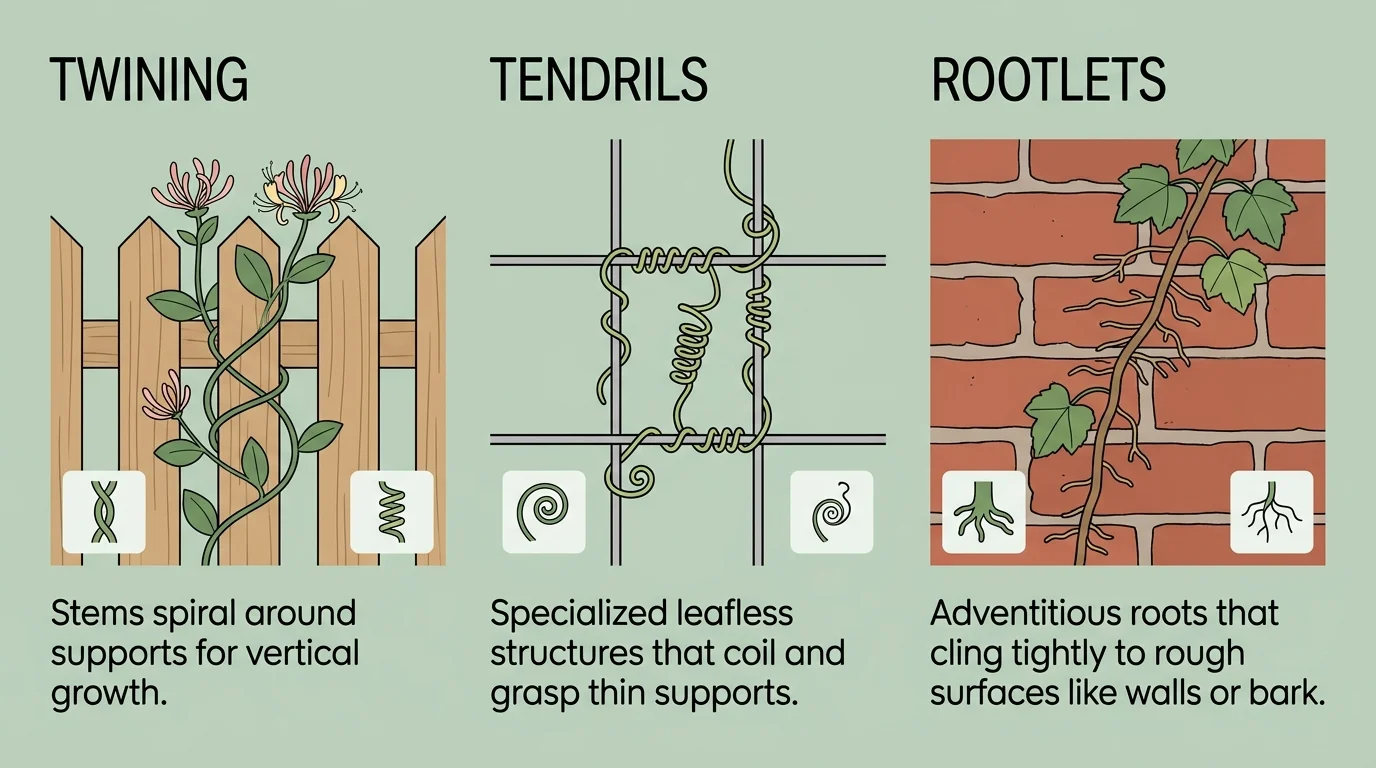
Selecting the right flowering vines for fences transforms functional property boundaries into vibrant, living architecture. Start your project by analyzing your yard’s specific environmental conditions: note the daily sunlight hours, test soil drainage, and measure the strength and material of your existing fence line. Heavy woody vines like wisteria and bougainvillea demand strong post support, whereas delicate twining annuals like black-eyed susan vine flourish on light string lattice or wire mesh attached directly to wooden slats. Always install supports, wires, or trellising before planting to prevent root disturbance later. Incorporate deep watering habits during the first growing season, apply organic mulch to conserve moisture, and practice selective pruning after peak bloom cycles to maintain plant health and clean lines. With thoughtful matching of plant habits to your space, your vertical garden will yield breathtaking color, soft foliage textures, and valuable pollinator habitat for years to come.
For region-specific advice, consult your local University Extension program (find yours via the USDA directory). For plant databases and inspiration, visit the Missouri Botanical Garden or the Royal Horticultural Society.
Disclaimer: This article provides general gardening advice. Always consider your specific climate, soil conditions, and local pests. Follow safety guidelines when using gardening tools and products.
One Response
Where, on line, can I puchase these vines