Sustainable Methods for Harvesting Summer Rainstorms
Capturing and storing the nutrient-rich bounty of a summer storm is an incredibly smart, eco-friendly approach to gardening. Even if you have very limited space, you can easily harvest rainwater to use during the dry, scorching days of late August.
If you have access to a downspout, setting up a rain barrel is the most efficient method. For small spaces, look for slimline rain barrels designed to sit flush against a wall, or collapsible vinyl rain barrels that can be folded and stored away during the winter months.
A single heavy thunderstorm sweeping across a typical residential roof can easily fill a fifty-gallon barrel in less than an hour. Ensure your rain barrel has a fine mesh screen over the intake hole to prevent debris from clogging the spigot and to stop mosquitoes from laying eggs in the standing water.
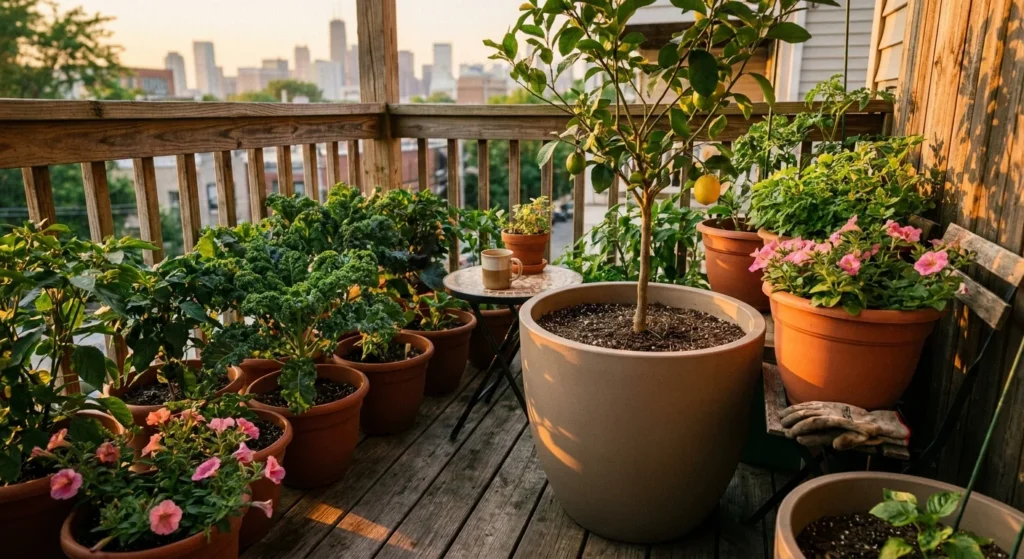
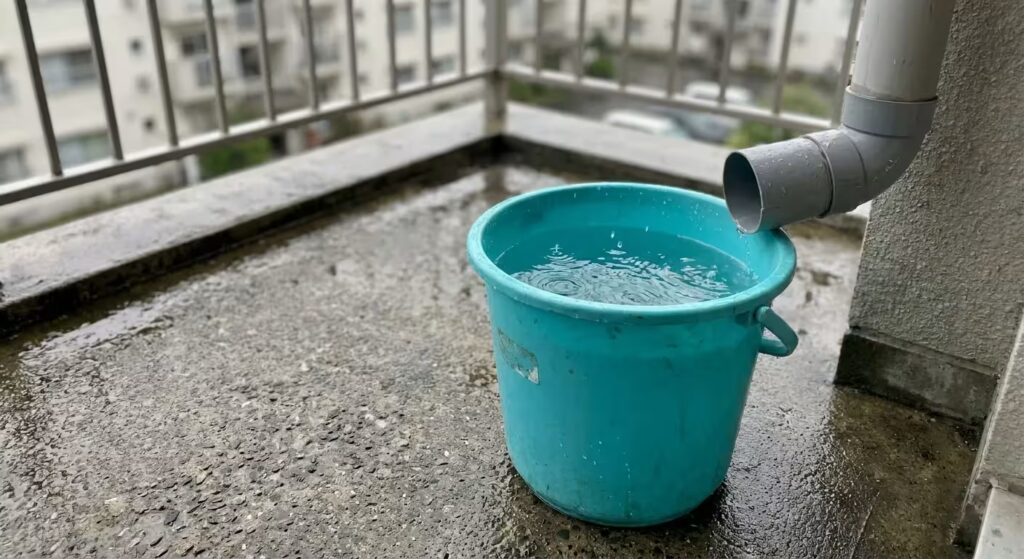
If you live in an apartment or do not have access to a roof gutter, you can still collect rainwater passively. Place clean, wide-mouthed buckets, large plastic storage tubs, or even empty watering cans directly on your balcony before the storm hits. Every gallon you catch is a gallon of highly oxygenated, nitrogen-rich water that you can use on your houseplants or container garden later in the week.
Another sustainable option is utilizing self-watering planters. These specialized containers feature a false bottom that creates a hidden water reservoir beneath the soil. During a heavy rainstorm, the excess water drains through the soil and fills the reservoir.
As the soil dries out in the days following the storm, the plant naturally wicks the stored rainwater back up to its roots, ensuring a steady, consistent supply of moisture without any effort on your part.
Common Post-Rain Mistakes You Need to Avoid
It is easy to let your guard down after a good storm, assuming nature has handled all your gardening chores for the week. However, there are several common mistakes gardeners make in the days following heavy rainfall that can undo all the benefits the storm provided.
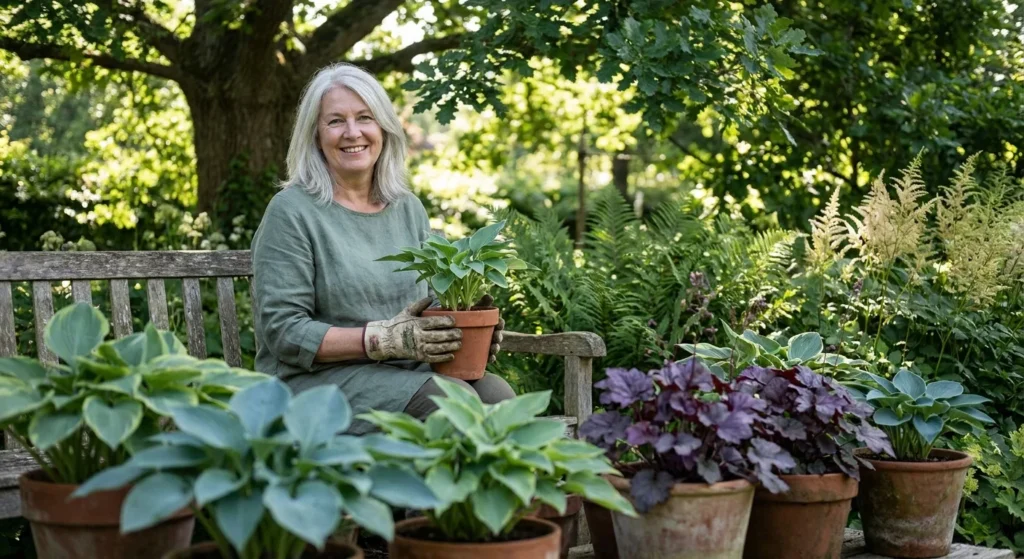
Do not assume the rain watered your plants deeply enough. This is known as the “canopy effect.” Large, bushy plants like tomatoes, zucchinis, and hostas have expansive leaves that act like an umbrella, shedding water away from the base of the plant and out over the edges of the pot. While the surrounding patio may be soaking wet, the soil directly at the stem of the plant might be bone dry. Always poke your finger about two inches into the potting soil after a storm. If it feels dry below the surface, you still need to water.
Avoid working with wet soil. When potting soil is fully saturated, the water acts as a lubricant between the organic particles. If you dig, plant, or aggressively weed wet soil, you risk crushing the microscopic air pockets—known as macropores—that roots rely on for oxygen. This leads to severe soil compaction. Wait until the soil has dried out to the consistency of a wrung-out sponge before doing any major digging or repotting.
Hold off on applying liquid fertilizers immediately after a heavy rain. Your plants just received a natural dose of nitrogen from the atmosphere, and the soil is already holding as much liquid as it can. Pouring additional liquid fertilizer onto saturated soil means the nutrients will simply wash straight through the drainage holes and out onto your patio, wasting your money and potentially causing fertilizer burn if the synthetic salts get trapped against wet roots. Wait at least a week after a major storm before resuming your normal feeding schedule.
Frequently Asked Questions
Why do my plants look droopy after a heavy rain?
Drooping after a rainstorm is usually caused by the sheer physical weight of water resting on the leaves and stems. Once the sun comes out and the water evaporates, the plant should bounce back. However, if the drooping persists for days, it is likely a sign of poor drainage. Roots submerged in waterlogged soil cannot absorb oxygen, leading to suffocation and wilting. Always check your container’s drainage holes to ensure water is flowing freely.
Should I fertilize immediately after a summer storm?
No, you should wait. Summer rainstorms naturally deposit bioavailable nitrogen into the soil, giving your plants a gentle feeding. Furthermore, adding liquid fertilizer to soil that is already saturated will result in the nutrients washing right out the bottom of the pot. Wait five to seven days before applying any supplemental fertilizers to your garden.
How long does the nitrogen boost from a thunderstorm last?
The visible effects of a nitrogen boost—greener leaves and rapid stem elongation—typically appear within twenty-four to forty-eight hours and can sustain the plant for about a week to ten days, depending on the temperature and how quickly the plant is growing. Fast growing plants will utilize these nutrients very quickly.
Can heavy rain spread plant diseases?
Yes, heavy rain can splash fungal spores and soil-borne pathogens from the surface of the dirt onto the lower leaves of your plants. This is particularly common with tomato blight and powdery mildew on squash plants. You can prevent this by adding a layer of organic mulch over your soil, which acts as a barrier and stops the rain from splashing dirt onto the foliage.
For trustworthy gardening information, visit:
University of Maine Cooperative Extension — Gardening, University of Rhode Island Cooperative Extension — Gardening, Connecticut Agricultural Experiment Station and Massachusetts Horticultural Society. These organizations provide expert, research-based advice for gardeners at all levels.
Disclaimer: This article is for informational purposes only and is not a substitute for professional gardening advice. Always consult local extension services or horticulture experts for region-specific guidance.