Introduction: Transforming Your Yard with These Ideas
Gardening provides a profound opportunity to shape your environment, keeping you deeply connected to the changing seasons and the natural world. Maintaining a beautiful outdoor space requires consistent attention, but it should never demand physical exhaustion or persistent joint pain. You bring decades of wisdom and practical experience to your landscape; now it is time for your physical equipment to match that refined expertise. Upgrading your shed with the right senior gardening tools keeps you active, protects your back and joints, and dramatically increases the joy you draw from your yard. Adapting your approach as you pass sixty does not mean scaling back your ambitions or settling for an overgrown lawn. Instead, it means working smarter and leveraging modern ergonomic designs to eliminate unnecessary bending, lifting, and aggressive gripping.
In this comprehensive guide, we dive deep into six specific tools and strategies engineered to conquer outdoor chores without the heavy toll on your body. Whether you manage a sprawling suburban landscape filled with perennial borders or a dense urban vegetable patch requiring precise care, these practical modifications transform how you interact with the soil. By embracing lightweight, cleverly designed equipment, you remove the physical friction from your daily tasks. Your garden remains a sanctuary of creativity and abundant harvest, allowing you to focus on the artistry of landscape design rather than the physical strain of manual labor. Let us explore the specialized gear that will revitalize your outdoor routine.
Outdoor Strategy #1: Switch to Ratchet Pruning Shears
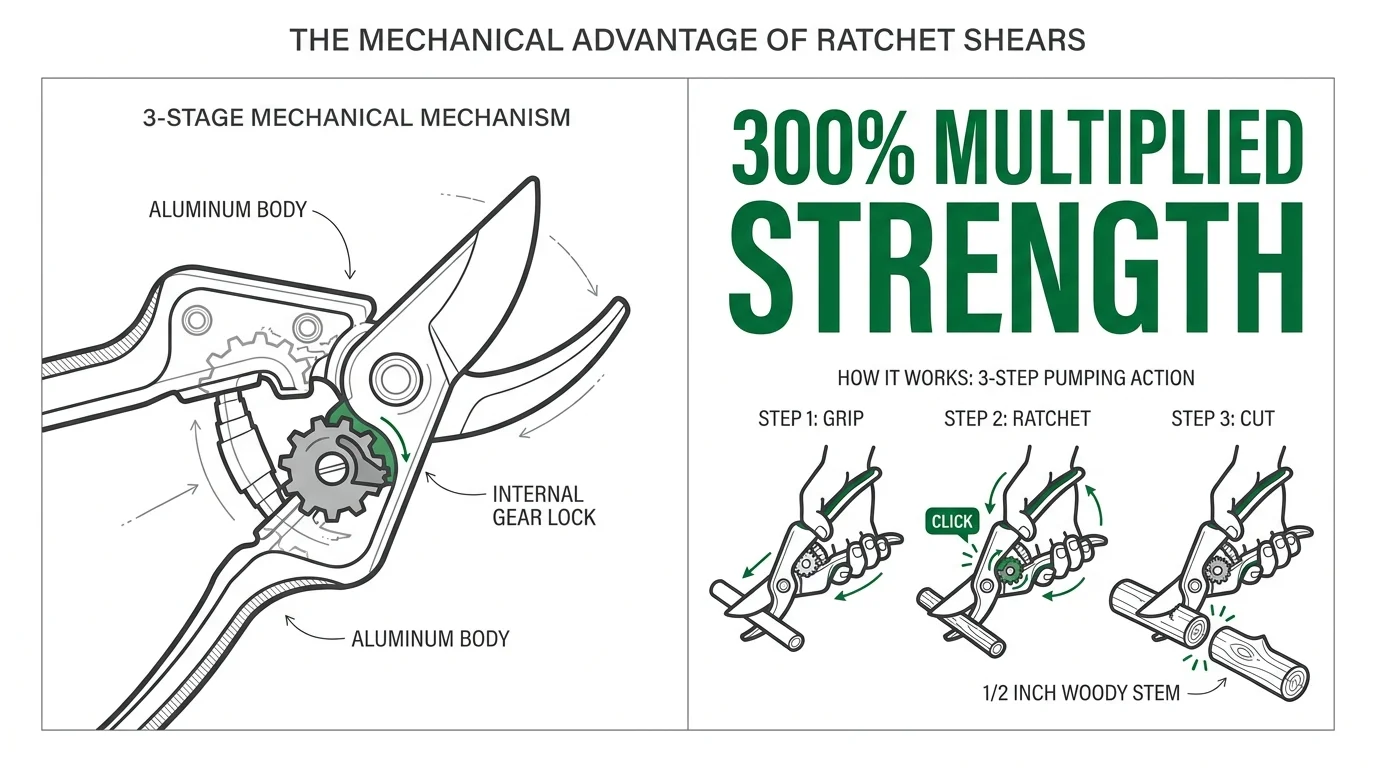
Pruning dictates the shape, structural health, and fruit production of your shrubs and trees; however, standard bypass pruners require substantial and sustained grip strength. As we age, repetitive squeezing motions often trigger joint inflammation and rapidly accelerate hand fatigue. Swap your traditional heavy shears for a high-quality set of ratchet pruners. These clever arthritis garden aids utilize a staged mechanical mechanism to cut through woody stems in small, highly manageable increments. Instead of forcing the steel blade through a thick, stubborn rose cane in one agonizing squeeze, you gently pump the handles three or four times. The internal gear locks the blade in place after each individual squeeze, holding your progress and multiplying your applied hand strength by up to three hundred percent.
This mechanical advantage means you can effortlessly slice through half-inch deadwood with a fraction of the traditional effort. Ergonomic studies demonstrate that mechanical-assist hand tools drastically reduce the grip force required for repetitive tasks, significantly lowering the risk of repetitive strain injuries in the hands and wrists. Look for ratchet pruners featuring lightweight cast-aluminum bodies and high-carbon steel blades that hold a sharp edge over an entire season. Keeping those blades razor-sharp further reduces the friction you encounter when shaping dense privacy hedges or harvesting tough-stemmed vegetables like winter squash. A clean, precise cut heals much faster, preventing bacterial disease entry points on the plant while simultaneously protecting your delicate tendons from overexertion.
Outdoor Strategy #2: Adopt Ergonomic Hand Tools with O-Grips
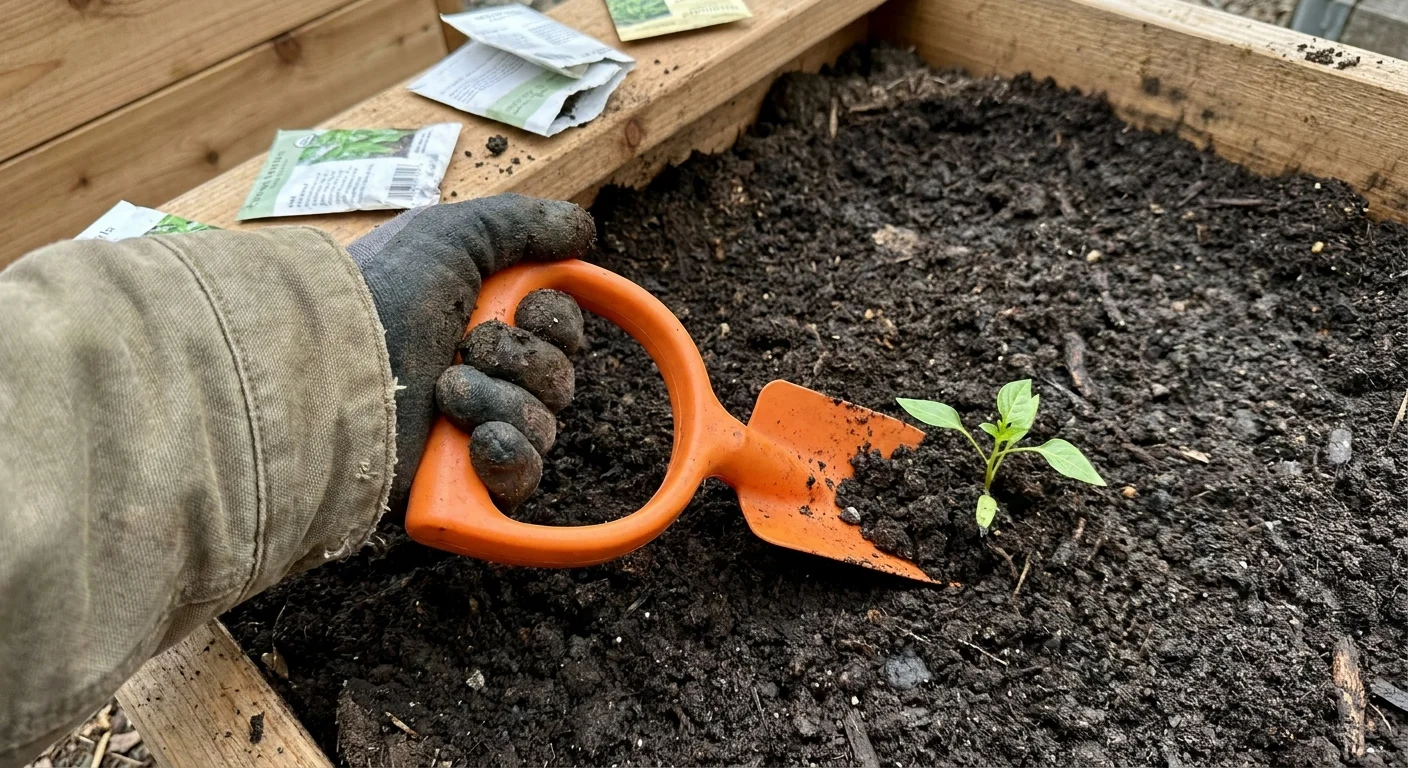
Your wrists absorb a tremendous amount of structural stress during planting season. Traditional straight-handled trowels and cultivators force your wrist into an unnatural, downward-bent posture when you dig into compacted soil or heavy clay. This awkward geometric angle pinches sensitive nerves and strains ligaments, serving as a primary trigger for debilitating mid-season carpal tunnel flare-ups. You can immediately correct this mechanical flaw by adopting ergonomic garden tools specifically engineered with O-shaped or radius grips. These unique handles feature a large, circular grip positioned perpendicular to the tool shaft, keeping your hand in a neutral, natural handshake position.
By maintaining this neutral alignment, you actively redirect the intense force of digging away from the fragile wrist joint and distribute it evenly into the larger, far stronger muscles of your forearm, bicep, and shoulder. When plunging an ergonomic trowel into rocky loam to plant spring bulbs, you maximize your natural leverage and completely minimize localized pain. Many of these specialized tools also feature brightly colored, high-visibility handles, making them virtually impossible to lose in a dense pile of dark mulch or tall lawn grass. Pay close attention to the blade material when selecting your new gear. Seek out cast aluminum or reinforced stainless steel blades that slice through the soil effortlessly without bending or succumbing to rust. If you spend hours rotating seasonal annuals or refining your flower beds, an ergonomic trowel easily transforms a painful chore into a deeply satisfying afternoon.
Outdoor Strategy #3: Invest in Long-Handled Stand-Up Weeders
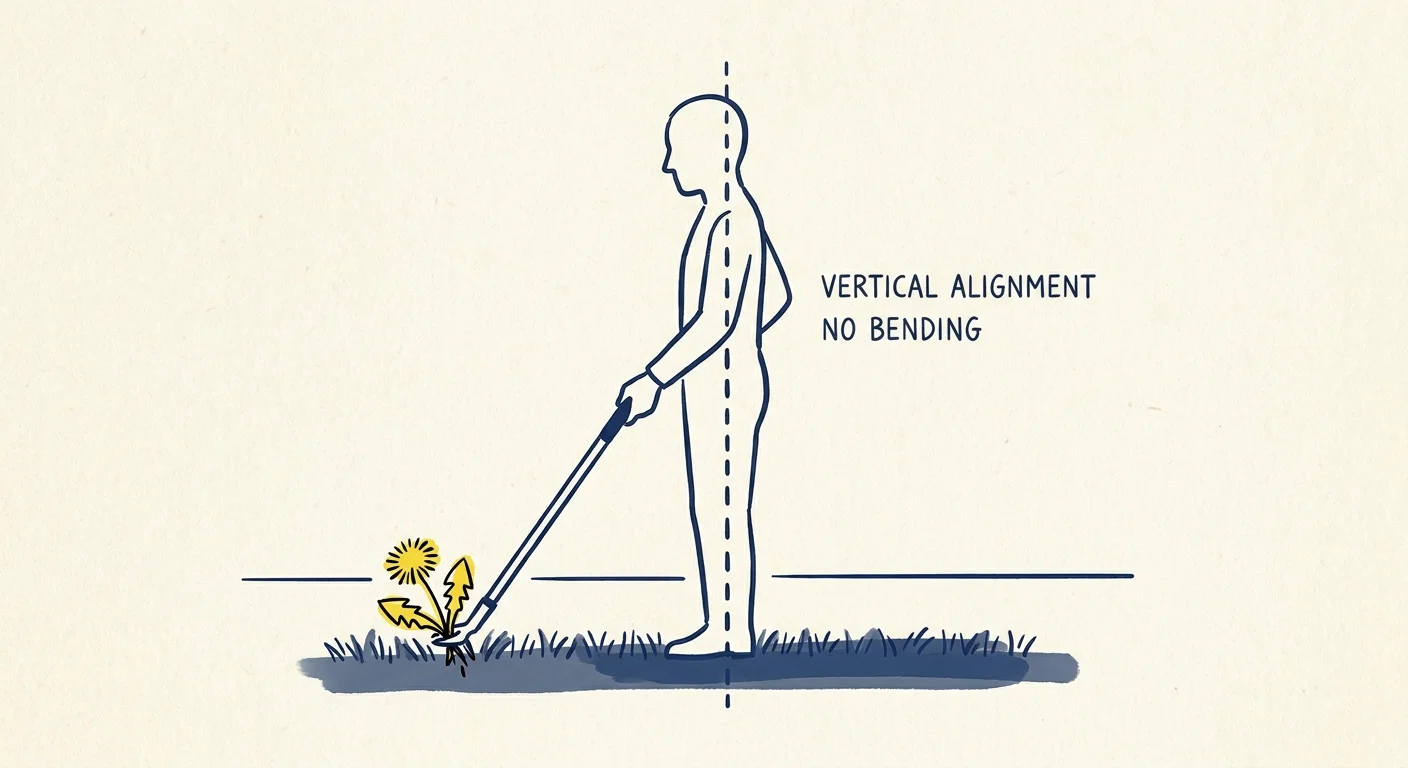
Weeding easily ranks as the most universally dreaded garden task, primarily because traditional methods demand endless bending, stooping, and kneeling in the dirt. If you manage chronic lower back pain, knee replacements, or general hip stiffness, crawling along the ground to extract dandelions simply stops being a viable option. Invest in a heavy-duty, long-handled stand-up weeder to completely revolutionize your approach to removing invasive plants. These innovative mechanical devices allow you to extract deep-rooted nuisances like thistles, broadleaf plantain, and crabgrass while standing completely upright.
You operate the tool by positioning the steel claws directly over the center of the weed, stepping down firmly on the integrated foot pedal to drive the spikes deep into the soil, and leaning the long handle back toward your body. The resulting leverage pops the weed completely out of the ground, extracting the entire taproot without you ever needing to bend past your waist. Relying on your leg strength and overall body weight rather than your fragile lower back muscles completely prevents spinal strain, keeping you comfortable and working longer. Ensure you select a weeder with an overall shaft length perfectly suited to your specific height; a handle that is too short still requires a slight slouch, which entirely defeats the ergonomic purpose. Stand-up weeders perform optimally in slightly damp soil, so tackle your aggressive weeding tasks the morning after a steady rain for maximum efficiency.
Outdoor Strategy #4: Upgrade to Lightweight Expandable Hoses
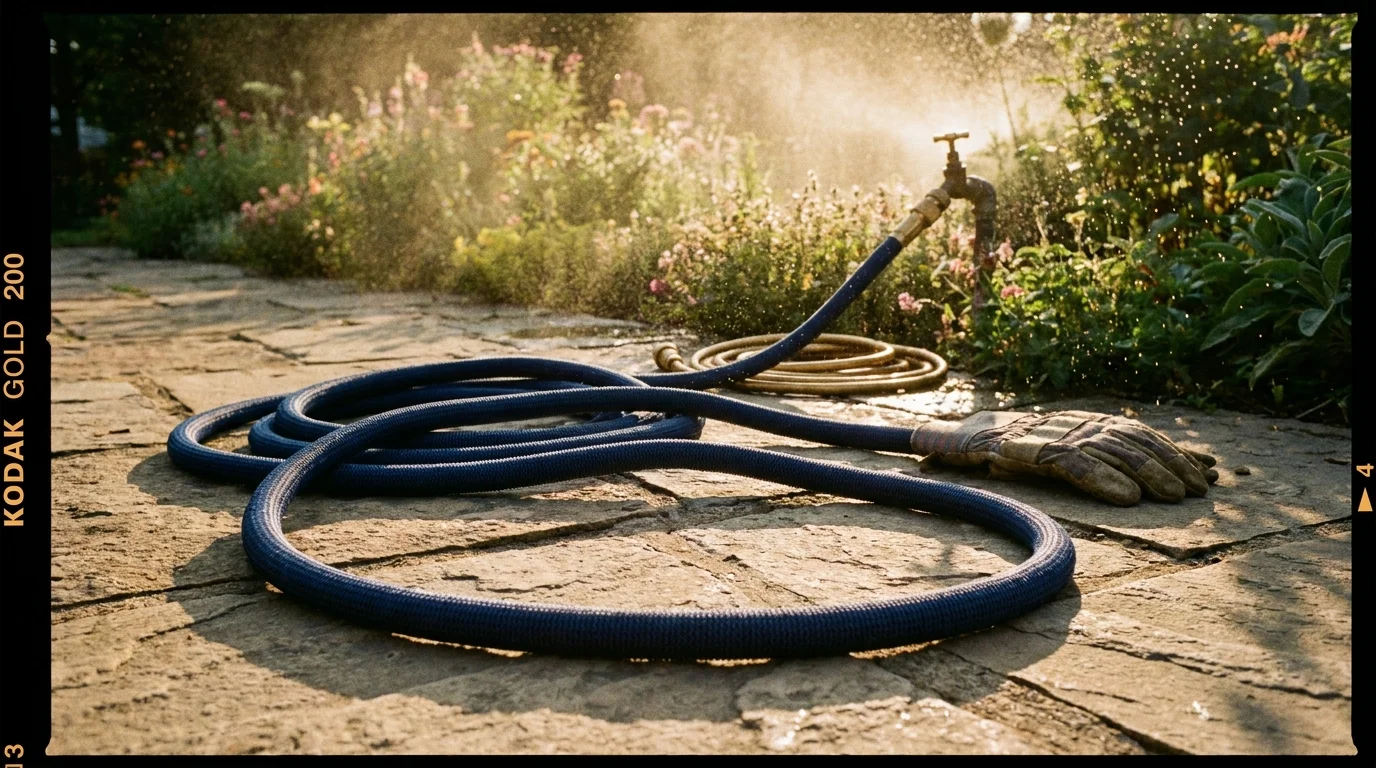
Water management heavily dictates the success and vibrancy of every outdoor space, but wrangling traditional rubber hoses presents a massive, daily logistical hurdle. A standard fifty-foot rubber hose filled with pressurized water easily exceeds ten pounds, while a hundred-foot length feels akin to dragging a boat anchor across your delicate lawn. They constantly kink, tangle around themselves, and ruthlessly crush delicate perennials as you pull them forcefully around sharp corners. Upgrade your daily hydration routine with flexible, lightweight expandable hoses. Constructed from highly elastic inner tubes encased in a durable, pleated fabric webbing, these modern hoses represent an absolute pinnacle of easy garden equipment.
When empty and depressurized, a fifty-foot expandable hose shrinks into a tight, compact coil weighing barely two pounds. This incredibly light weight makes it simple to pick up and store in a decorative terra cotta pot or hang effortlessly on a small wall bracket. Once you turn on the spigot, the water pressure forces the inner tube to rapidly expand to its full operational length. You easily navigate your yard without fighting heavy rubber loops or tripping over rigid plastic lines lying in the grass. Once you shut off the water source and drain the remaining line, the hose automatically retracts, pulling itself out of the way. Pair your new lightweight hose with an extended, lightweight watering wand featuring an articulated spray head. This brilliant combination lets you reach elevated hanging baskets, dense groundcover, and the base of wide shrubs without stretching, stooping, or reaching awkwardly.
Outdoor Strategy #5: Utilize Rolling Garden Carts with Integrated Seating
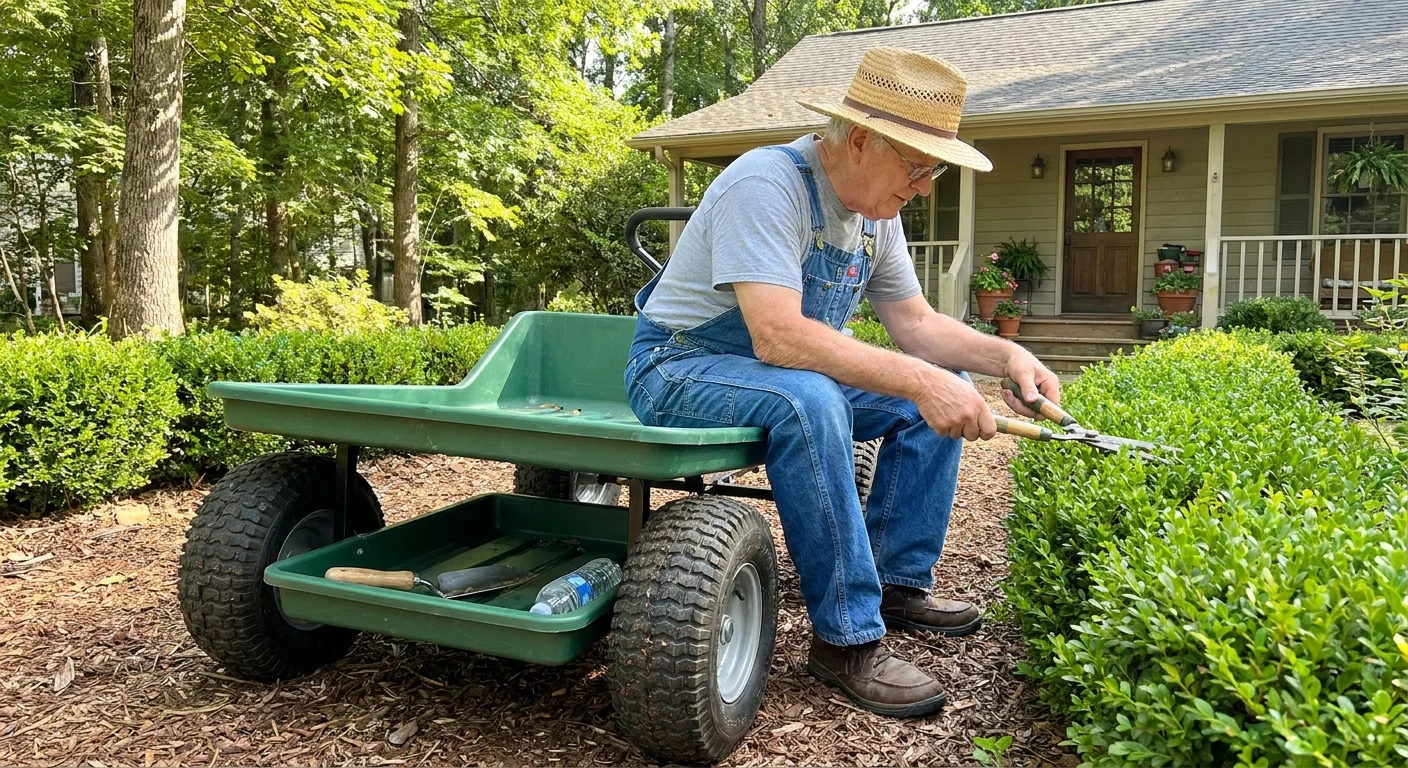
Physical fatigue often stems not from the actual gardening tasks themselves, but from the constant, repetitive transit required to move heavy supplies across your expansive yard. Hauling bulky bags of compost, carrying dripping flats of seedlings, and transporting heavy ceramic pots rapidly deplete your daily energy reserves before the real work even begins. Utilize a rolling garden cart equipped with oversized pneumatic tires and an integrated, height-adjustable seat to dramatically mitigate this physical toll. These versatile carts effectively act as your personal, highly mobile workstation on wheels.
Instead of bending intensely over a raised vegetable bed to thin your young carrots or prune the lower foliage of your tomato plants, you sit comfortably, gliding smoothly along the edge of the bed as you progress. The sturdy steel frame securely supports your body weight while providing a highly stable platform for your hand tools, gloves, and trimmings in the attached basket below. Oversized, air-filled tires easily navigate highly uneven terrain, rolling without resistance over thick turf, deep gravel pathways, and loose bark mulch. By successfully consolidating your essential tools and daily supplies into one cohesive mobile unit, you completely eliminate the endless, tiring walks back and forth to the storage shed. Gardening from a fully seated position drastically reduces the heavy load on your knees, ankles, and lumbar spine, granting you the stamina necessary to enjoy comprehensive yard maintenance.
Outdoor Strategy #6: Swap to Battery-Powered Lightweight Cultivators
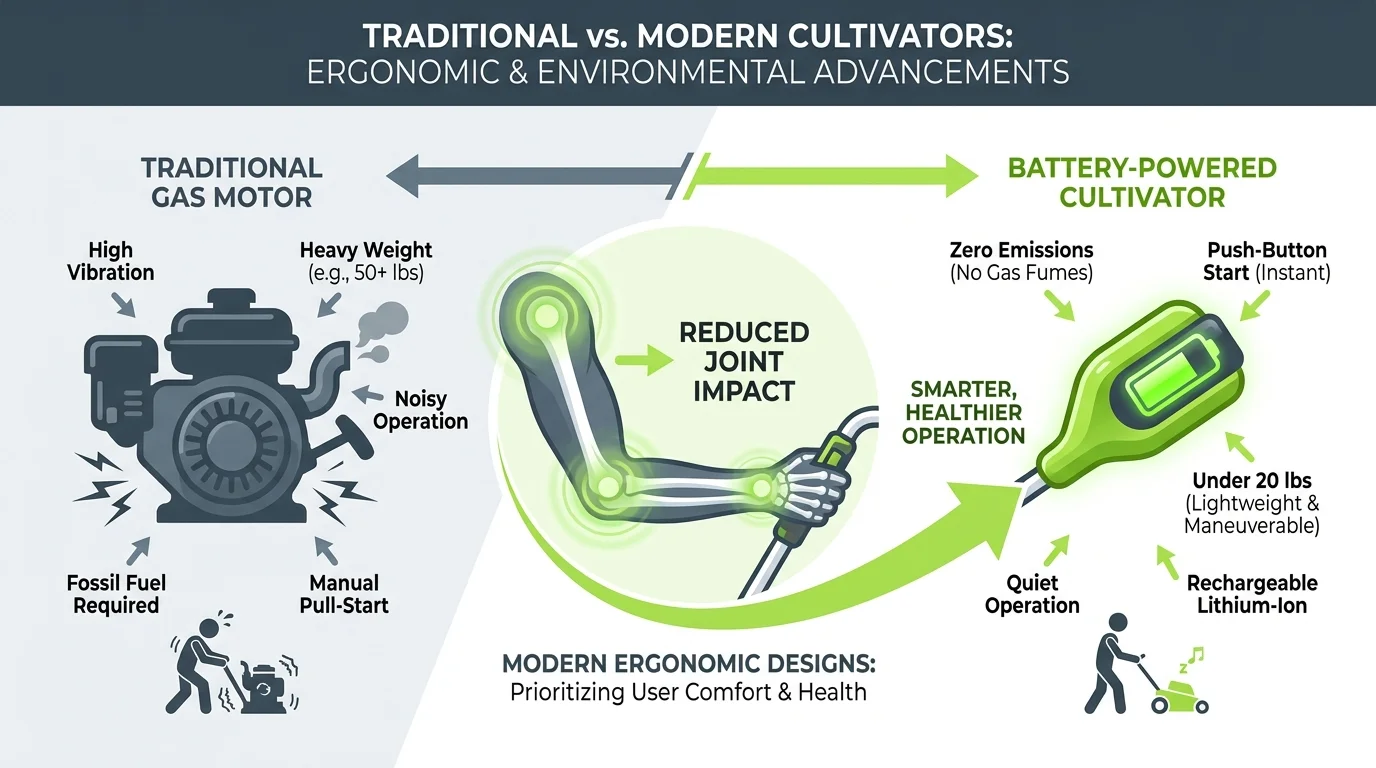
Preparing a brand new garden bed or turning over heavily compacted soil before the spring planting season requires serious mechanical intervention, but heavy gas-powered tillers offer far more frustration than actual assistance. Pull-start combustion engines demand aggressive, jerky shoulder movements that easily tear aging rotator cuffs, while the sheer physical weight of a heavy gas engine makes the machine incredibly difficult to maneuver safely in tight, restricted spaces. Swap the cumbersome gas equipment for modern, battery-powered lightweight tools 60+ gardeners universally swear by. Lithium-ion battery technology has advanced rapidly in recent years, providing immense torque and digging power without the associated massive weight, deafening noise, or toxic exhaust fumes.
A modern twenty-volt or forty-volt mini cultivator weighs a mere fraction of its gas-powered counterpart, allowing you to safely lift it directly into elevated raised beds or carry it across the yard with total ease. You start the electric motor instantly with the simple, stress-free push of a button. These highly nimble machines rapidly pulverize stubborn clods of soil, incorporate organic compost seamlessly into your planting beds, and aggressively slice through shallow weed roots without jarring your sensitive bones and joints. Because they operate incredibly quietly, you can prep your soil early in the morning without disturbing your sleeping neighbors. By thoroughly embracing battery-powered equipment, you retain the full ability to manage large-scale soil preparation independently.
Seasonal Considerations for Your Garden
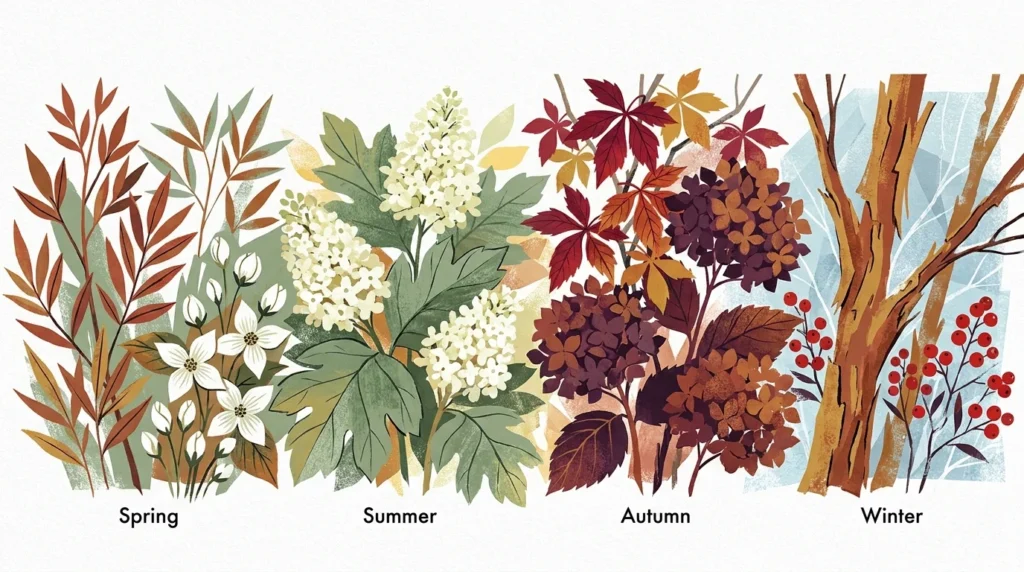
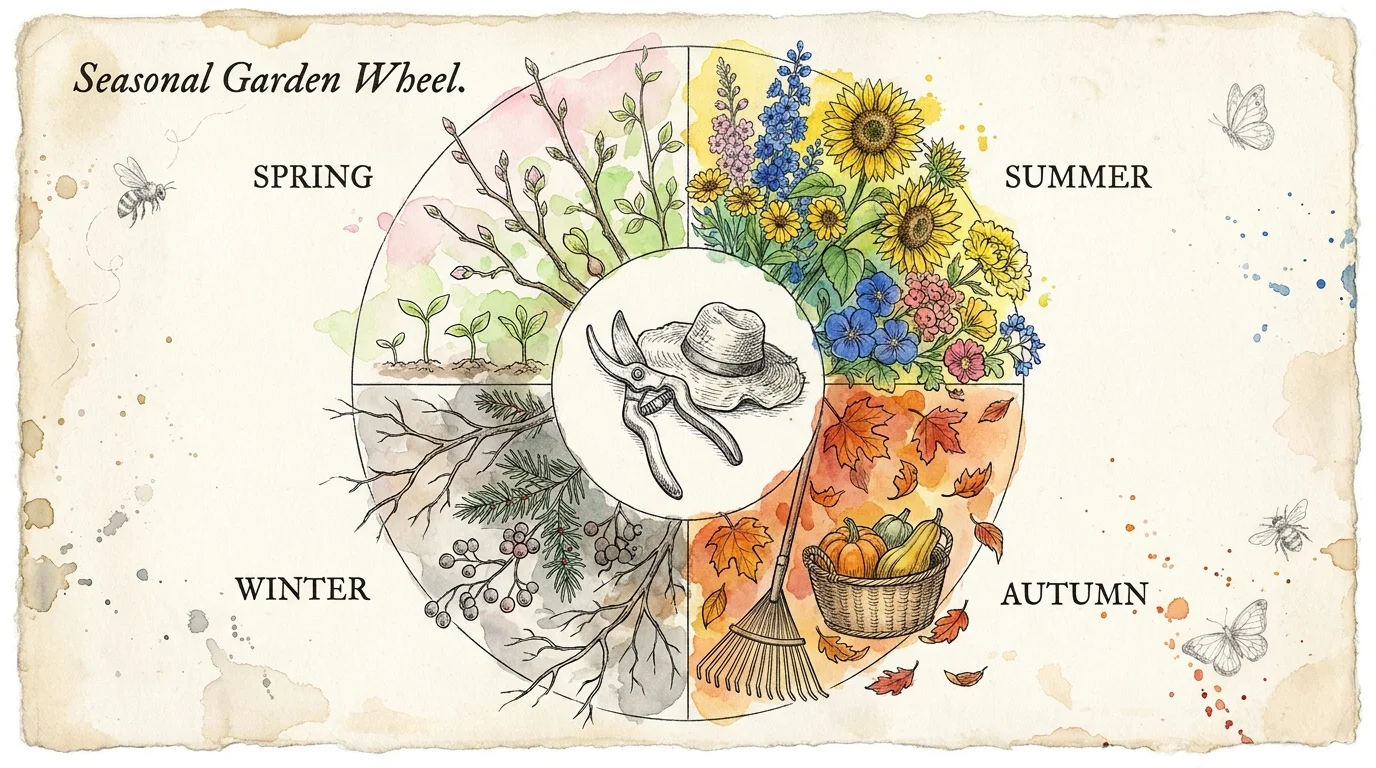
Your garden represents a living, breathing ecosystem that shifts dramatically with the calendar. Preparing intelligently for these major seasonal transitions guarantees your landscape remains vibrant while diligently protecting your physical well-being year-round. In the early spring, focus heavily on gentle soil preparation and perennial cleanup. Wait patiently until the soil temperature warms and the ground dries out slightly before you begin aggressive cultivation; working in cold, waterlogged earth damages the fragile soil structure and requires exponentially more physical effort. Use your lightweight battery cultivator to gently incorporate rich compost into your vegetable patches only when the soil crumbles easily in your gloved hand.
As the intense summer approaches, heat management and hydration become your primary focus. Shift your daily gardening schedule to the early morning hours to completely avoid peak afternoon temperatures, relying heavily on your expandable hose and long-handled watering wands to deeply hydrate root zones before the hot sun evaporates surface moisture. Deep, infrequent watering firmly encourages resilient root systems capable of surviving brutal August droughts. Autumn demands a highly strategic approach to heavy leaf management and plant deadheading. Rather than raking endless, heavy piles of wet foliage, utilize a lightweight, battery-powered leaf vacuum or run your mulching mower directly over dry leaves to deposit those nutrients back into the turf. Winter shifts your primary focus toward indoor tool maintenance. Clean your ratchet pruners thoroughly with rubbing alcohol, sharpen your ergonomic trowels with a metal file, and properly drain your expandable hoses before the first hard freeze threatens your specific local hardiness zone.
Dealing with Outdoor Pests and Weather
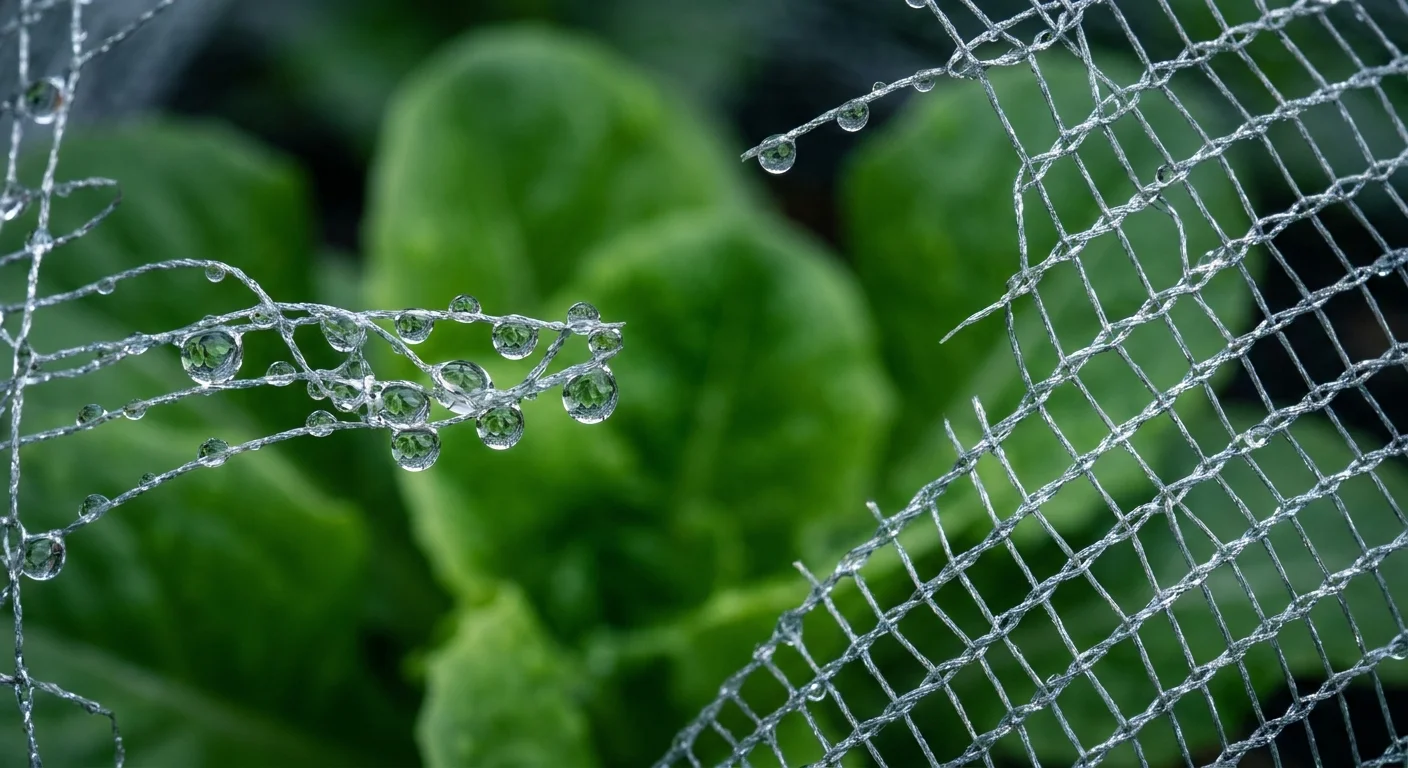
A beautiful, thriving yard constantly battles the harsh elements and hungry local wildlife, but deploying the right strategic barriers keeps these persistent threats manageable without requiring exhausting manual labor. Deer, neighborhood rabbits, and aggressive insect pests naturally view your carefully curated flower beds as an open, all-you-can-eat buffet. Instead of constantly mixing and spraying heavy chemical repellents, focus intensely on lightweight physical barriers that are incredibly easy to install and maintain. Use your rolling garden cart to effortlessly transport lightweight PVC hoops and spun-bonded fabric row covers directly into your vegetable garden. These simple, highly effective covers completely prevent cabbage moths and squash bugs from laying destructive eggs on your vulnerable crops, drastically reducing the intense need for manual pest removal later in the hot season.
When actively dealing with larger, more stubborn pests like whitetail deer, carefully select native, highly deer-resistant plant varieties perfectly suited to your specific region. Choosing the right unpalatable plants dramatically minimizes the defensive fencing work you have to perform. Extreme, unpredictable weather patterns also demand proactive, decidedly low-effort strategies. During periods of prolonged, intense drought, rely exclusively on targeted drip irrigation lines or precision watering with your ergonomic wand rather than deploying wasteful, heavy oscillating sprinklers. Applying a thick, three-inch layer of organic cedar mulch around the base of your plants actively regulates soil temperature and severely suppresses weed seed germination. This smart mulching practice means you spend significantly less time pulling invasive plants with your stand-up weeder and much more time actually enjoying the beauty of your landscape from the comfort of your patio.
Frequently Asked questions
Question: Do I need entirely different tools if I live in a harsh winter climate versus a humid, tropical zone?
Answer: The core ergonomic geometry of the tools remains identical regardless of your location, but your specific material choices might need to shift based on local weather patterns. For instance, gardeners residing in highly humid, coastal zones should strictly prioritize solid stainless steel blades and durable fiberglass handles to prevent rapid rust and wood rot. Gardeners in arid, dry climates can often rely on traditional high-carbon steel, provided they oil the blades occasionally. Understanding your local climate helps you select the specific materials that ensure your tools last a lifetime.
Question: Are specialized ergonomic garden tools significantly more expensive than standard hardware store equipment?
Answer: While a highly specialized ratchet pruner or a modern battery-powered cultivator typically requires a higher initial financial investment than basic, entry-level equipment, the long-term medical savings and increased longevity of the high-quality tools easily offset the upfront cost. You frequently replace cheap standard rubber hoses every two years due to severe cracking and leaking, whereas a high-quality expandable fabric hose stored properly out of direct sunlight lasts much longer. Investing in your physical health and comfort pays massive dividends over time.
Question: Can I simply modify my existing garden tools instead of buying brand new ergonomic versions?
Answer: You can certainly wrap thick foam pipe insulation and athletic grip tape securely around your current wooden rake and hoe handles to substantially increase their overall diameter, making them much easier to hold tightly if you suffer from severe hand arthritis. However, home modifications absolutely cannot change the fundamental geometric angle of a standard trowel or mimic the complex mechanical leverage of a geared ratchet pruner. Upgrading to purpose-built ergonomic gear fundamentally alters the physical mechanics of gardening, providing profound pain-relief benefits that simple modifications simply cannot match.
Question: How do I maintain battery-powered gardening equipment to ensure it lasts for multiple seasons?
Answer: Lithium-ion batteries require minimal but highly specific care to maximize their functional lifespan. Never leave your batteries sitting in a blazing hot shed or freezing cold garage during the harsh off-season, as extreme temperature fluctuations permanently degrade the internal chemical cells. Store your batteries indoors at room temperature, and try to keep them charged at roughly fifty percent capacity during the long winter months. Wipe down the electric cultivator blades with a damp cloth after each use to prevent soil buildup from straining the electric motor.
Check your USDA Plant Hardiness Zone at the USDA’s website. For lawn and garden care advice, consult your local University Extension program (listed here). Find native plant information from the National Wildlife Federation.
Disclaimer: This article provides general outdoor gardening advice. Success can vary greatly based on your specific climate, soil type, and local conditions. Always choose plants appropriate for your USDA Hardiness Zone.