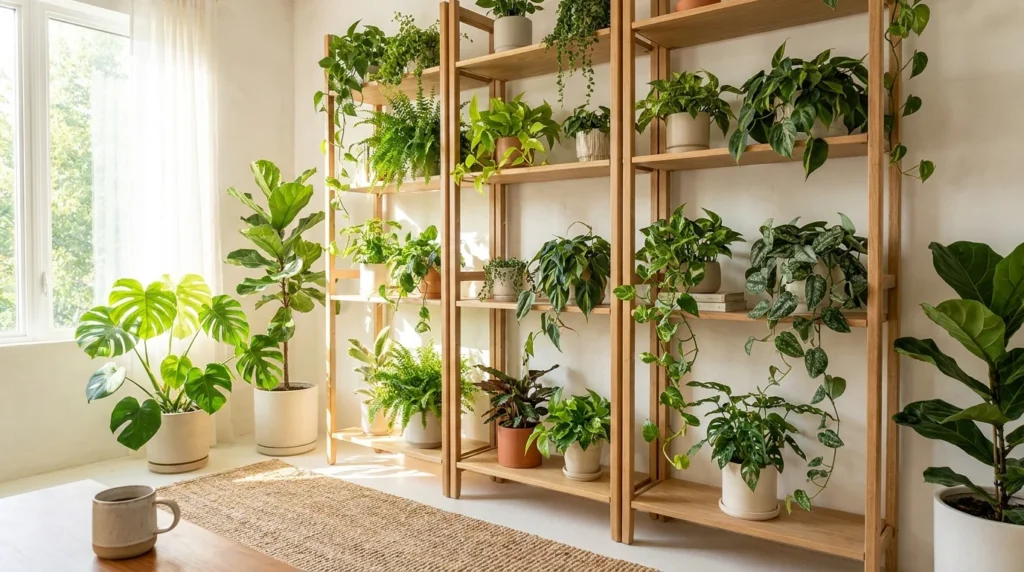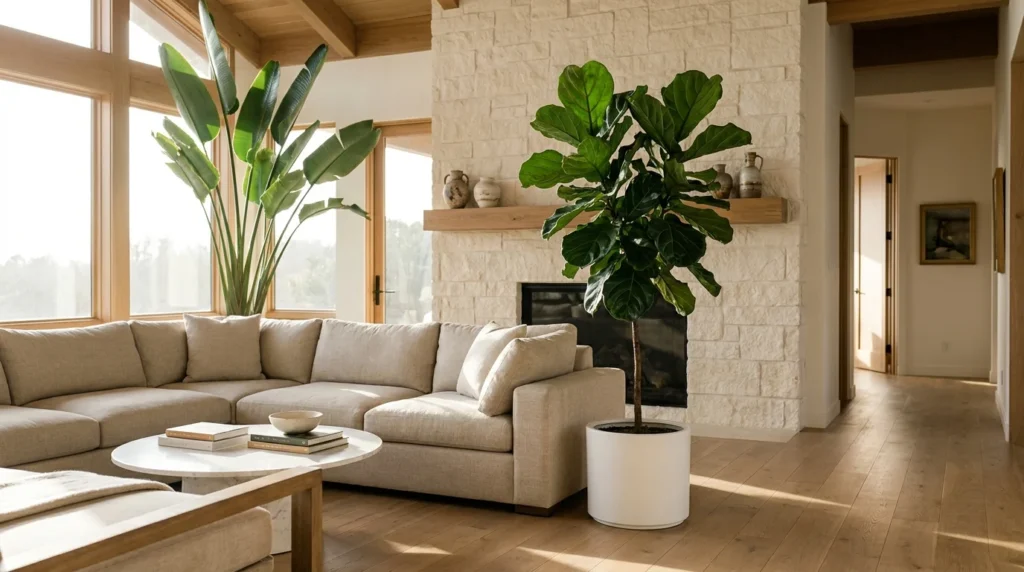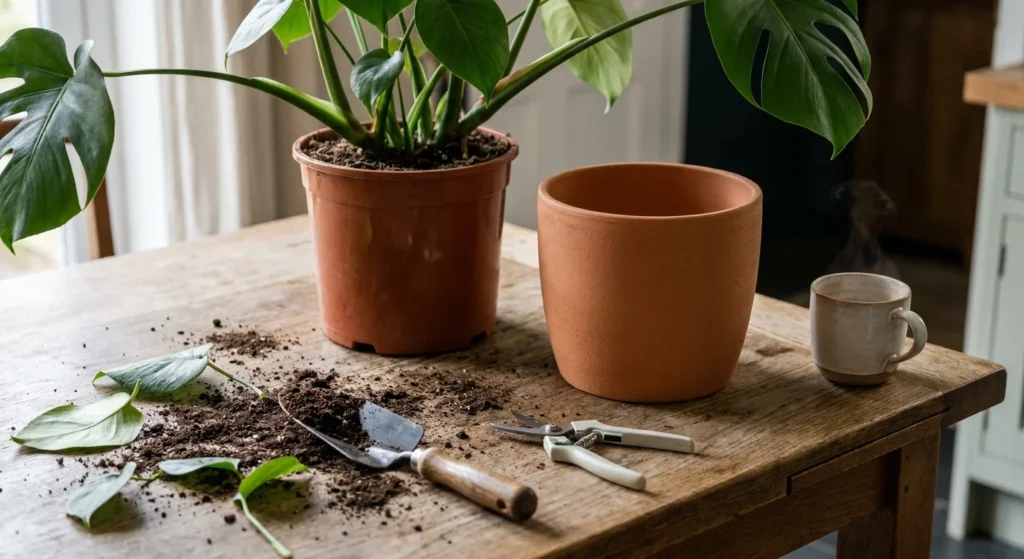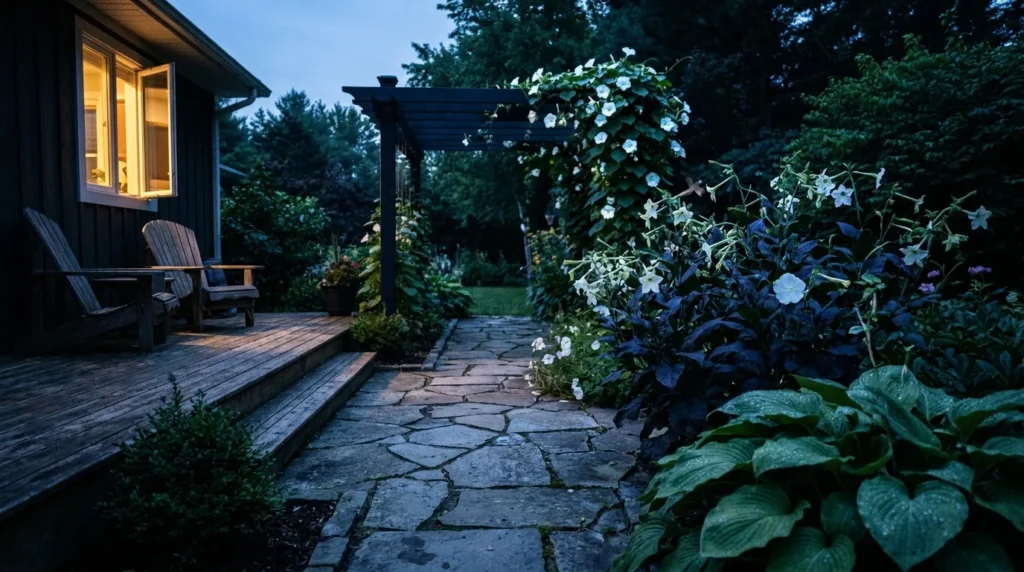
Transforming a dim patio or a shaded yard corner into a lush retreat requires selecting the right low light plants that do the heavy lifting for you. As you embrace easy gardening 60+, you can create a gorgeous sanctuary without spending hours bending or digging.
Choosing hardy, shade-loving perennials maximizes visual impact in tight quarters while minimizing physical strain. Whether you want to revitalize a small balcony or establish a peaceful woodland border, these compact plants deliver spectacular foliage and delicate blooms year after year.
By implementing these tailored small garden ideas, you will cultivate an inviting, highly manageable outdoor space that offers immense rewards with minimal effort.
Outdoor Strategy #1: Hostas for Reliable Foliage
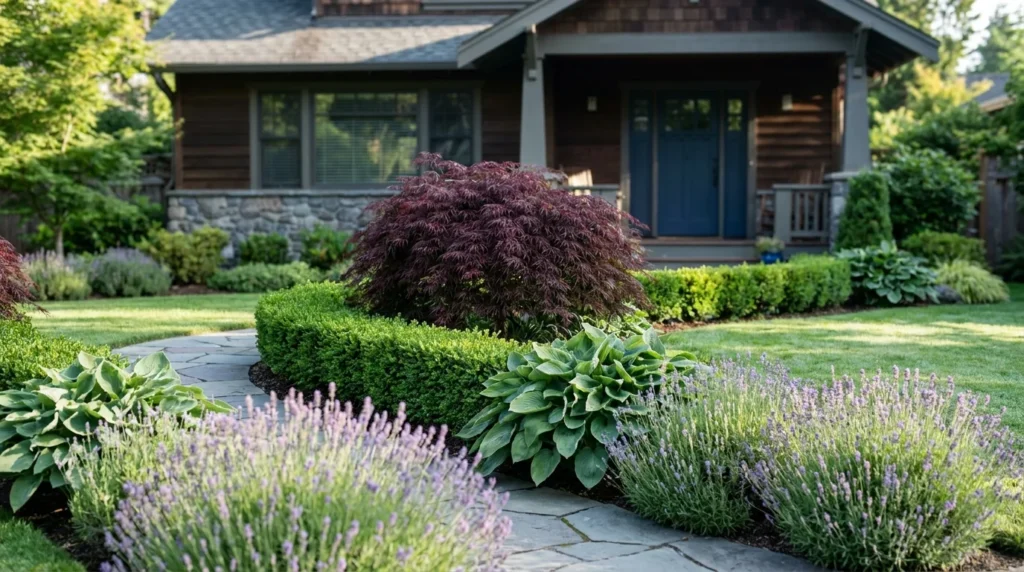
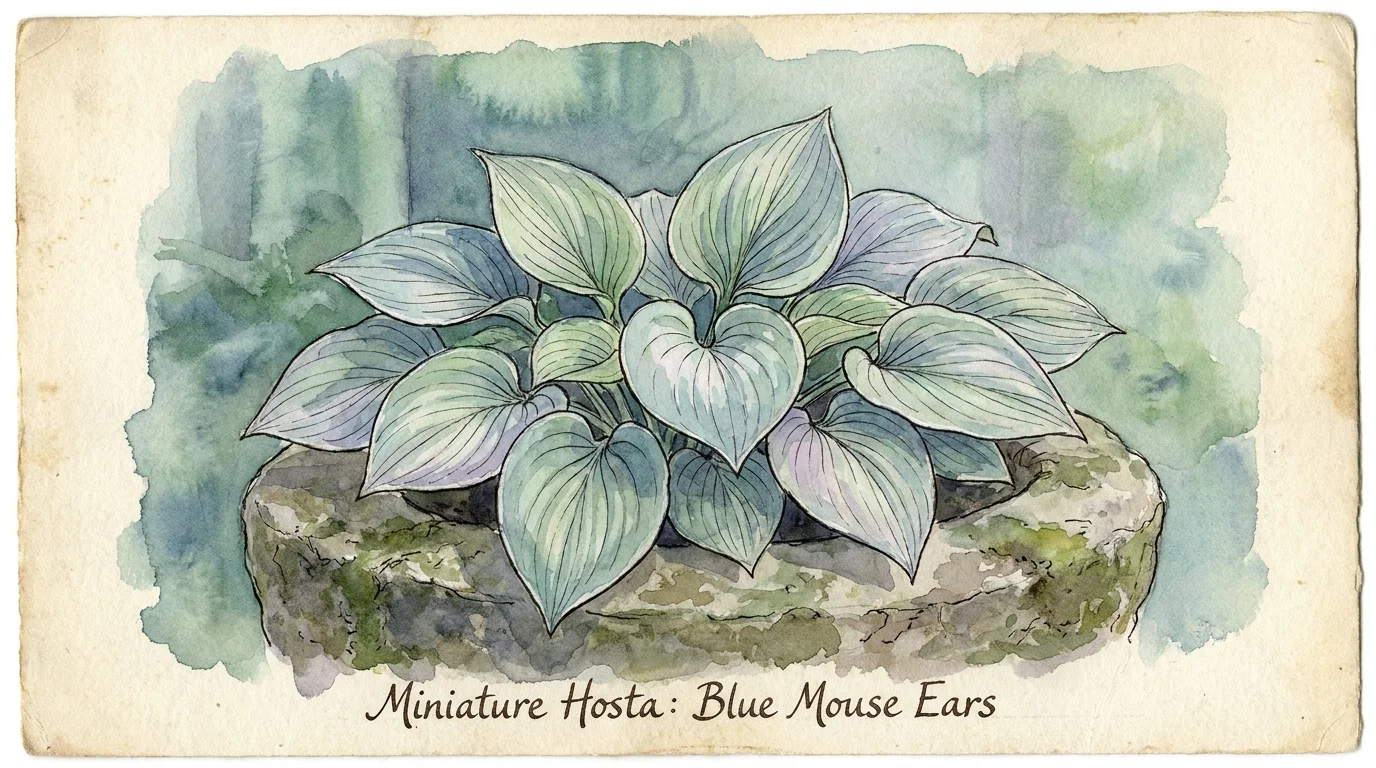
Hostas stand out as the ultimate foundation for any shaded outdoor space. Their broad, textured leaves overlap gracefully to suppress weeds naturally; this significantly reduces the time you spend maintaining your beds. You can choose from literally hundreds of varieties featuring chalky blue, vibrant gold, or strikingly variegated leaves to brighten the darkest corners of your yard. Their sprawling foliage catches the smallest slivers of sunlight, creating a lush, tropical feel in temperate climates.
Miniature hosta varieties, such as the popular ‘Blue Mouse Ears’, perform beautifully in elevated planters. These compact cultivars make excellent patio plants seniors can tend without ever having to kneel or crouch. Cultivating hostas in raised containers also elevates the visual interest of a small space, bringing intricate leaf patterns closer to eye level where you can fully appreciate them.
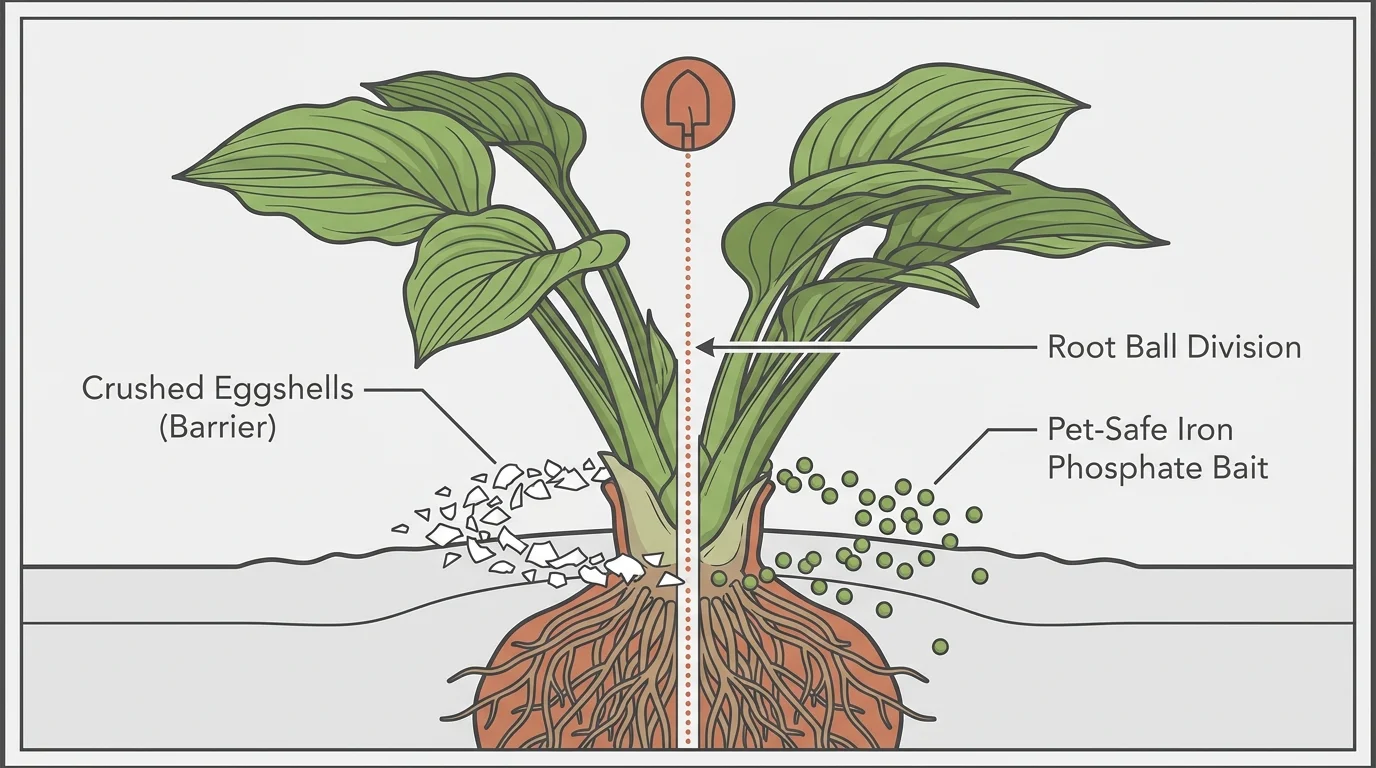
These rugged perennials thrive across USDA Zones 3 through 9 and demand little more than well-draining soil and consistent moisture during their first growing season. Once they establish a robust root system, they exhibit surprising drought tolerance. To prevent slug damage—a common challenge for these leafy beauties—surround the base of your hostas with crushed eggshells or apply a pet-safe iron phosphate bait early in the spring. Every four to five years, you can effortlessly multiply your garden stock by slicing the root ball with a sharp spade and replanting the divisions.
Outdoor Strategy #2: Coral Bells (Heuchera) for Year-Round Color
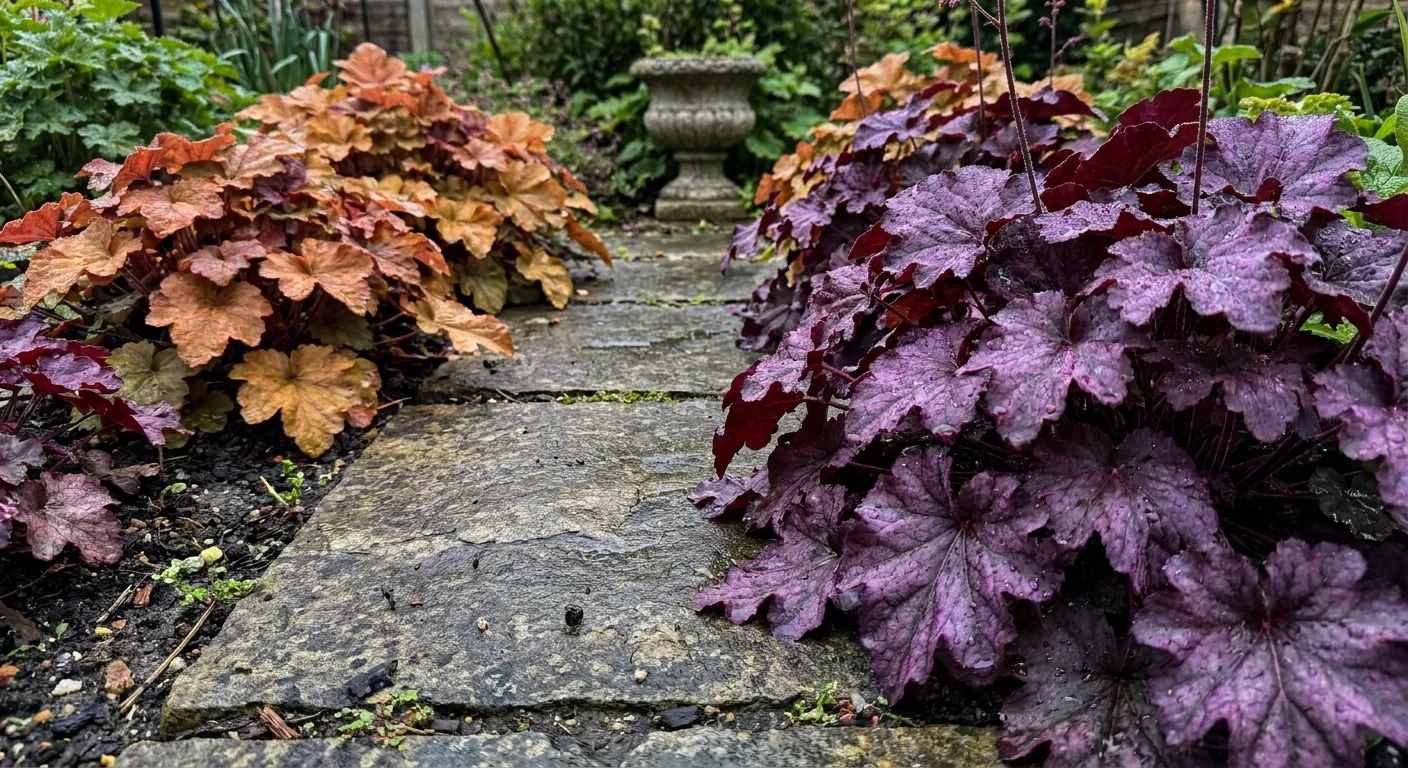
Coral Bells inject vibrant splashes of deep purple, fiery chartreuse, and warm caramel into shaded areas where standard flowering plants often struggle to perform. These compact, mounding perennials rarely exceed two feet in width, making them ideal for edging narrow stone pathways or filling small decorative urns on a front porch. Because their primary appeal lies in their spectacular leaves rather than fleeting flowers, they deliver high-impact color from early spring until the first heavy snow.
Their shallow root systems adapt perfectly to container gardening, providing a fantastic option for small garden ideas that emphasize visual drama with low physical exertion. Coral Bells retain their colorful foliage through mild winters, ensuring your outdoor space maintains structural interest even when neighboring plants go completely dormant. You will find them incredibly versatile, easily pairing with both ferns and ornamental grasses to create compelling textural contrasts.
Coral bells prefer dappled shade and slightly acidic, organic-rich soil. To keep them looking their absolute best, simply trim away any tattered or winter-burned leaves in late winter before the vibrant new growth emerges from the center of the plant. Because their shallow root crowns tend to heave out of the ground during intense freeze-and-thaw cycles, inspect them in early spring; if you notice exposed roots, simply press the crowns gently back into the soil and apply a light layer of mulch.
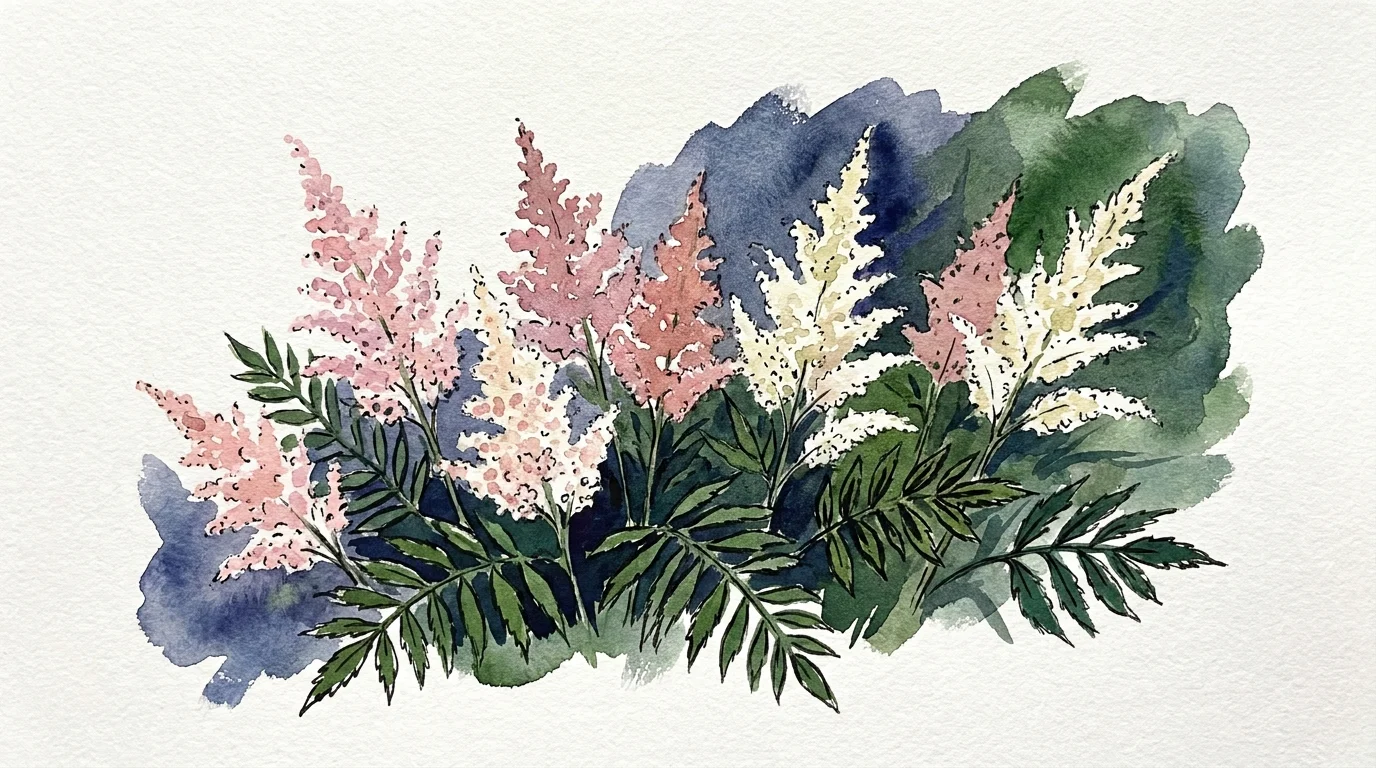
Outdoor Strategy #3: Astilbe for Feathery Plumes and Texture
Astilbes illuminate the shadowy borders of your yard with striking, feather-like flower spikes that bloom in brilliant shades of magenta, soft pink, and bright white. These hardy perennials thrive in moist, shaded environments, making them the perfect solution for poorly drained spots or heavy clay soils where other plants frequently rot. Reaching mature heights between one and three feet, astilbes provide excellent vertical interest without overpowering a compact garden bed or overwhelming a small courtyard.
When seeking out shade plants seniors can manage with ease, astilbes rank incredibly high due to their natural pest resistance and low pruning requirements. Deer and rabbits generally avoid their deeply cut, fern-like foliage, leaving your garden displays intact. By planting early, mid, and late-season blooming varieties side by side, you can easily orchestrate a continuous display of feathery color that lasts throughout the entire summer.
They flourish best in USDA Zones 3 through 8 but require consistent watering to prevent their delicate foliage from crisping in the summer heat. To minimize your watering chores, apply a thick two-inch layer of organic compost or shredded hardwood mulch around the base of the plants; this retains essential soil moisture and slowly feeds the root system. You can cut the faded flower stalks back in late summer to tidy up the plant, or leave the dried seed heads intact to provide architectural interest during the snowy winter months.
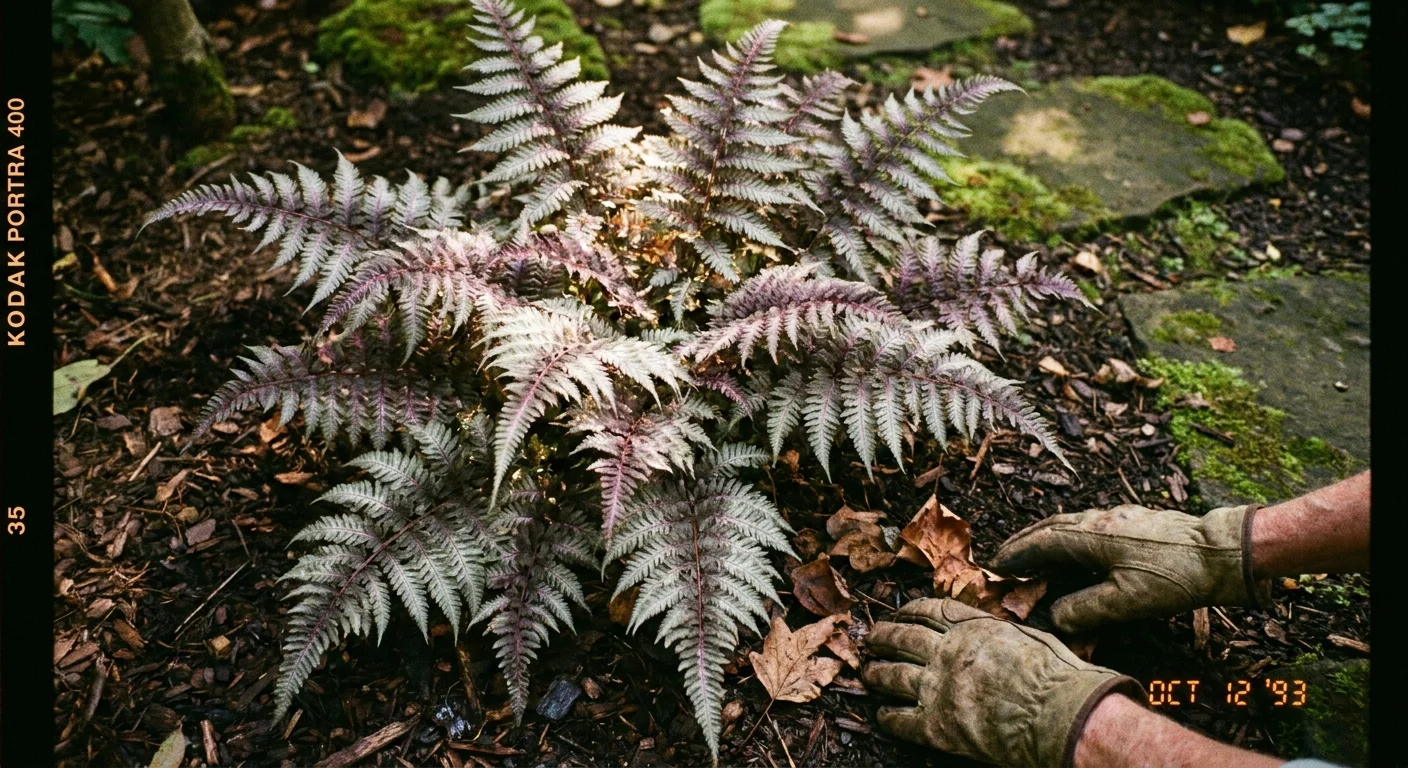
Outdoor Strategy #4: Japanese Painted Ferns for Silvery Accents
Japanese Painted Ferns introduce an elegant, highly structural element to shaded gardens with their sweeping, silvery-green fronds highlighted by deep burgundy central stems. These deciduous ferns grow to a highly manageable height of twelve to eighteen inches, fitting effortlessly into tight corners, shaded rockeries, or mixed container arrangements. Their metallic foliage catches the ambient light in dim areas, creating an optical illusion of depth that makes heavily shaded small spaces feel significantly larger and more open.
These majestic ferns require virtually no pruning, deadheading, or staking to maintain their graceful appearance throughout the growing season. This lack of demanding maintenance makes them stellar patio plants seniors can incorporate into their landscape design without taking on extra physical labor. You can pair them with broad-leafed companions, like hostas or lungwort, to create a striking textural contrast that anchors your yard’s aesthetic.
Japanese Painted Ferns flourish in partial to full shade and prefer consistently moist, humus-rich soil. You can easily amend standard garden dirt by mixing in a generous amount of leaf mold, peat, or aged compost before planting. Although they look delicate, these ferns boast incredible hardiness and reliably return year after year, slowly expanding into a beautiful, silvery clump that elevates the sophistication of any outdoor setting.
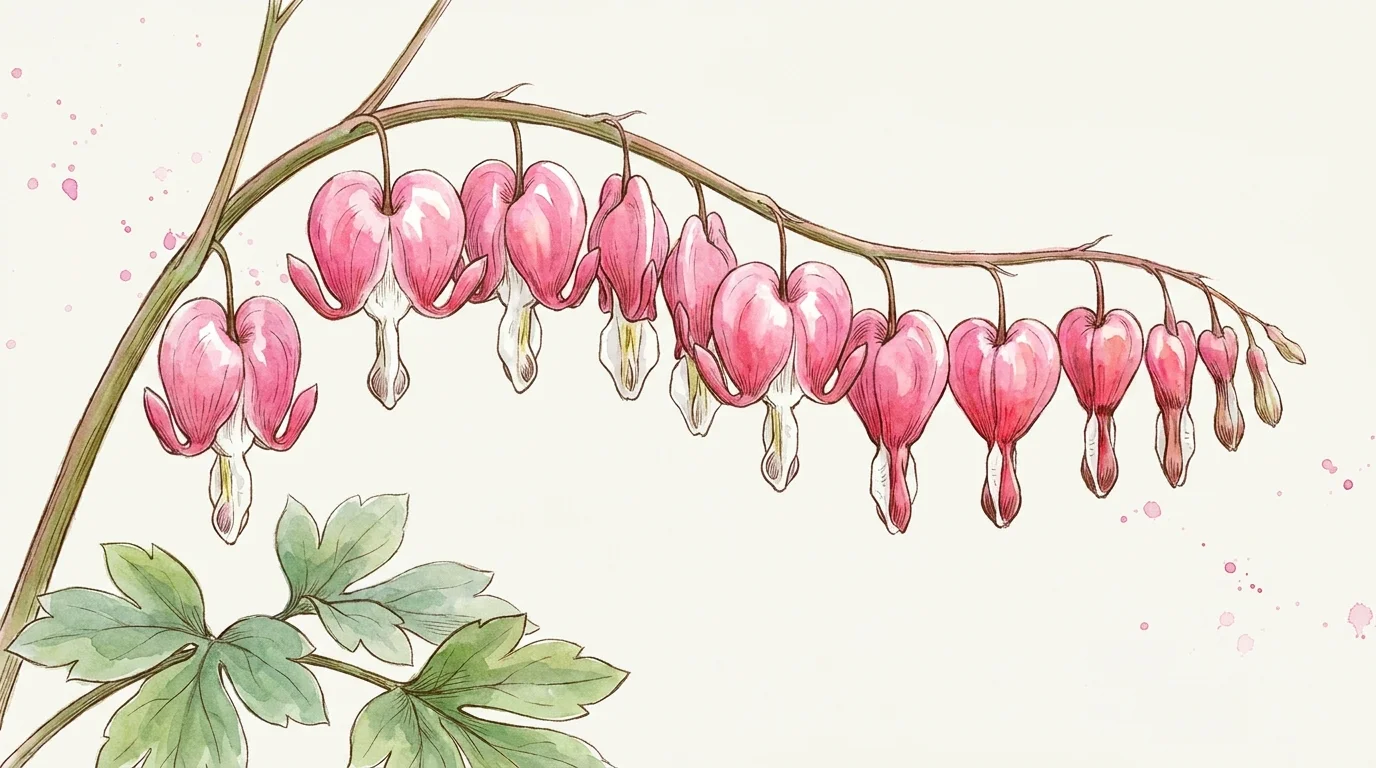
Outdoor Strategy #5: Bleeding Hearts (Dicentra) for Classic Spring Beauty
Bleeding Hearts herald the long-awaited arrival of spring with their iconic, heart-shaped pink and white flowers dangling gracefully from gracefully arching stems. These woodland natives offer an enchanting, nostalgic aesthetic and demand almost nothing in return, representing the absolute pinnacle of easy gardening 60+. They break dormancy early in the season, brilliantly capitalizing on the spring sunlight before towering deciduous trees leaf out and plunge the area into full shade.
Reaching up to three feet in height and width, traditional Bleeding Hearts form a substantial clump that commands attention without aggressively spreading or overtaking neighboring plants. They thrive in loose, well-draining soil heavily enriched with organic matter, easily providing decades of reliable spring blooms when left undisturbed. Because they possess fragile, brittle roots, you should select their permanent planting location carefully to avoid having to transplant them later.
Once the intense summer heat sets in, the foliage of traditional Bleeding Hearts naturally yellows and dies back to the ground. You can brilliantly mask this late-summer dormancy by seamlessly interplanting them with later-emerging perennials, like hostas or ferns; as the Bleeding Heart fades, the surrounding low light plants expand to fill the visual gap. They naturally resist browsing deer and rabbits, ensuring your spectacular spring display remains untouched.
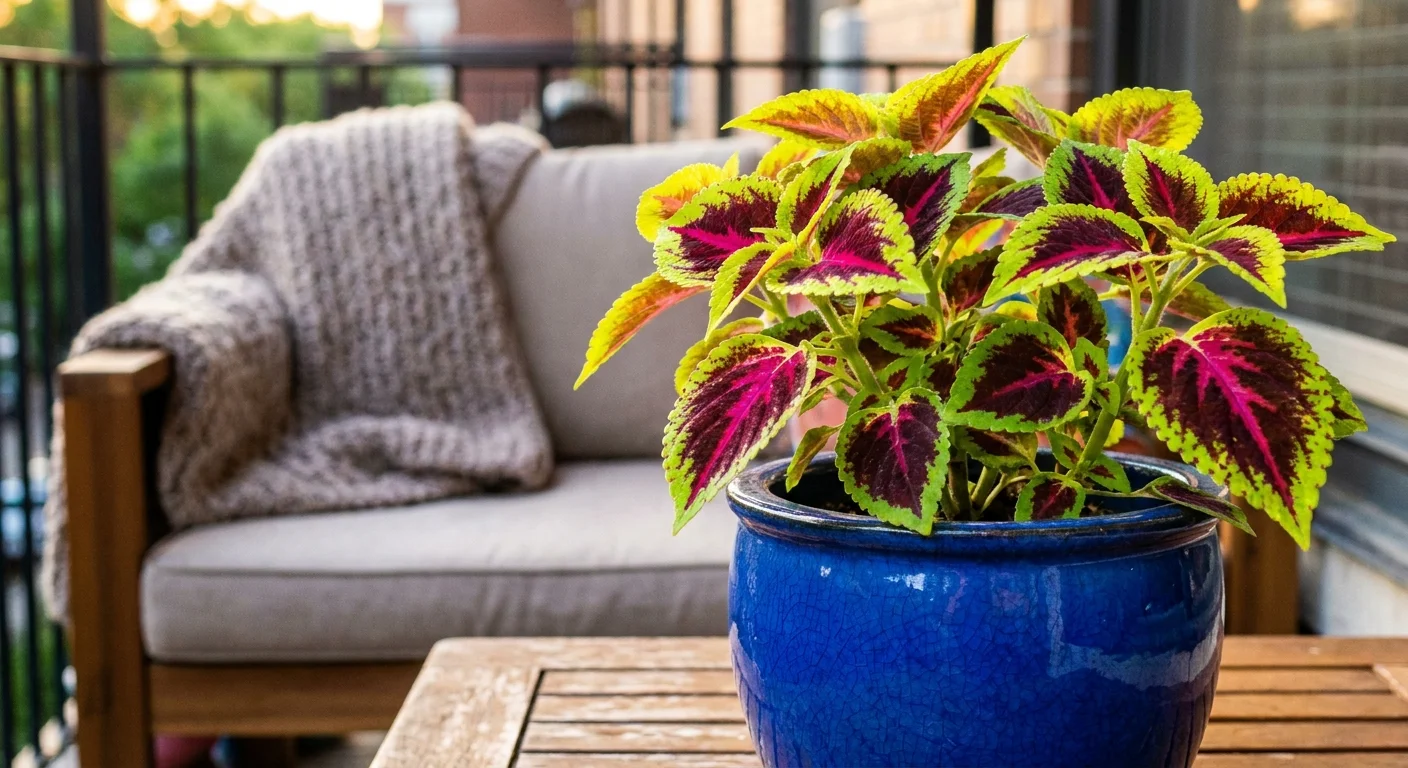
Outdoor Strategy #6: Coleus for Instant Container Vibrancy
Coleus serves as a high-impact, low-commitment solution for gardeners looking to inject immediate, brilliant color into shaded patios, balconies, and entryways. While technically grown as tender perennials and treated as annuals in most climates, these spectacular foliage plants completely eliminate the pressure of long-term maintenance and winterization. You can find coleus in an astonishing array of patterns, featuring neon pinks, velvety reds, and vibrant lime greens that rival any blooming flower.
They undoubtedly rank among the most rewarding patio plants seniors can utilize. Coleus grows incredibly fast in lightweight potting soil and thrives in easily accessible, elevated planters or hanging baskets. Simply pinch back the growing tips between your fingers every few weeks; this effortless action encourages a dense, bushy shape and prevents the plant from becoming leggy and top-heavy. If you spot small, pale flower spikes forming, snip them off immediately to direct the plant’s energy strictly back into producing its magnificent leaves.
Coleus requires regular, thorough watering, especially when grown in porous terracotta pots. Consider using a self-watering container to significantly reduce your daily maintenance tasks during the peak heat of summer. Because they root so easily, you can take a few stem cuttings in the late summer, root them in a glass of water, and grow them as colorful houseplants on a sunny windowsill throughout the winter months.
Outdoor Strategy #7: Lungwort (Pulmonaria) for Early Pollinators
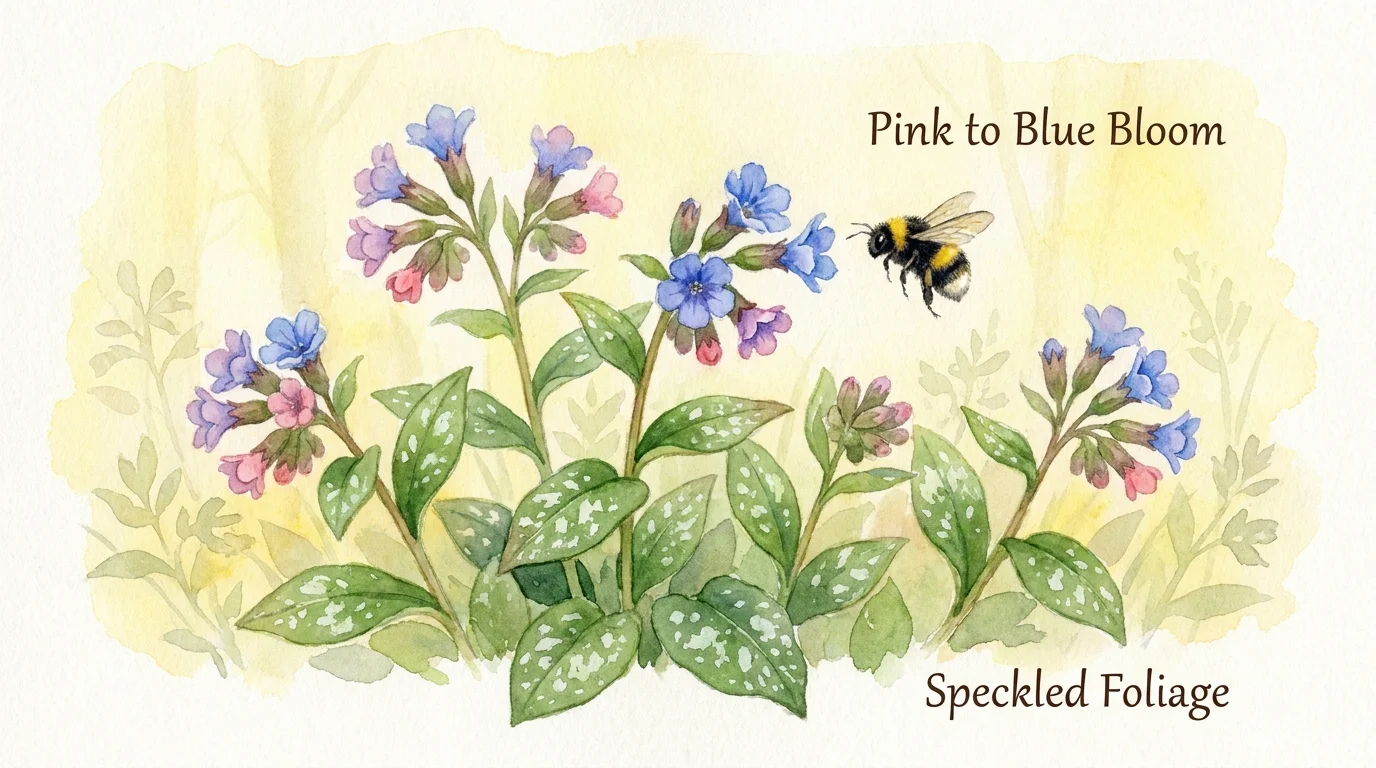
Lungwort offers a remarkably charming combination of heavily spotted, silver-mottled leaves and delicate, bell-shaped flowers that transition magically from soft pink to brilliant blue as they mature. Blooming in the earliest days of spring, this tough perennial provides a vital, early nectar source for emerging bees and butterflies while the rest of your garden plants are still waking up from winter dormancy.
Staying extremely low to the ground and rarely exceeding a foot in height, lungwort functions as a phenomenal living mulch. Its dense foliage suppresses early spring weeds, saving you from tedious hand-weeding sessions. Furthermore, the foliage is covered in tiny, stiff hairs that naturally deter deer, rabbits, and slugs, making it a robust and entirely hassle-free addition to a low-maintenance landscape.
Plant lungwort in shady, moist spots where the soil drains reasonably well to prevent root rot. The striking silver speckling on the foliage acts as a built-in light reflector, visibly brightening dark under-canopy areas long after the early spring flowers fade. To keep the plant looking fresh and vigorous, simply trim away the old flowering stems in early summer and let the patterned foliage carry your garden’s visual interest well into the autumn months.
Outdoor Strategy #8: Lenten Rose (Hellebore) for Winter Magic
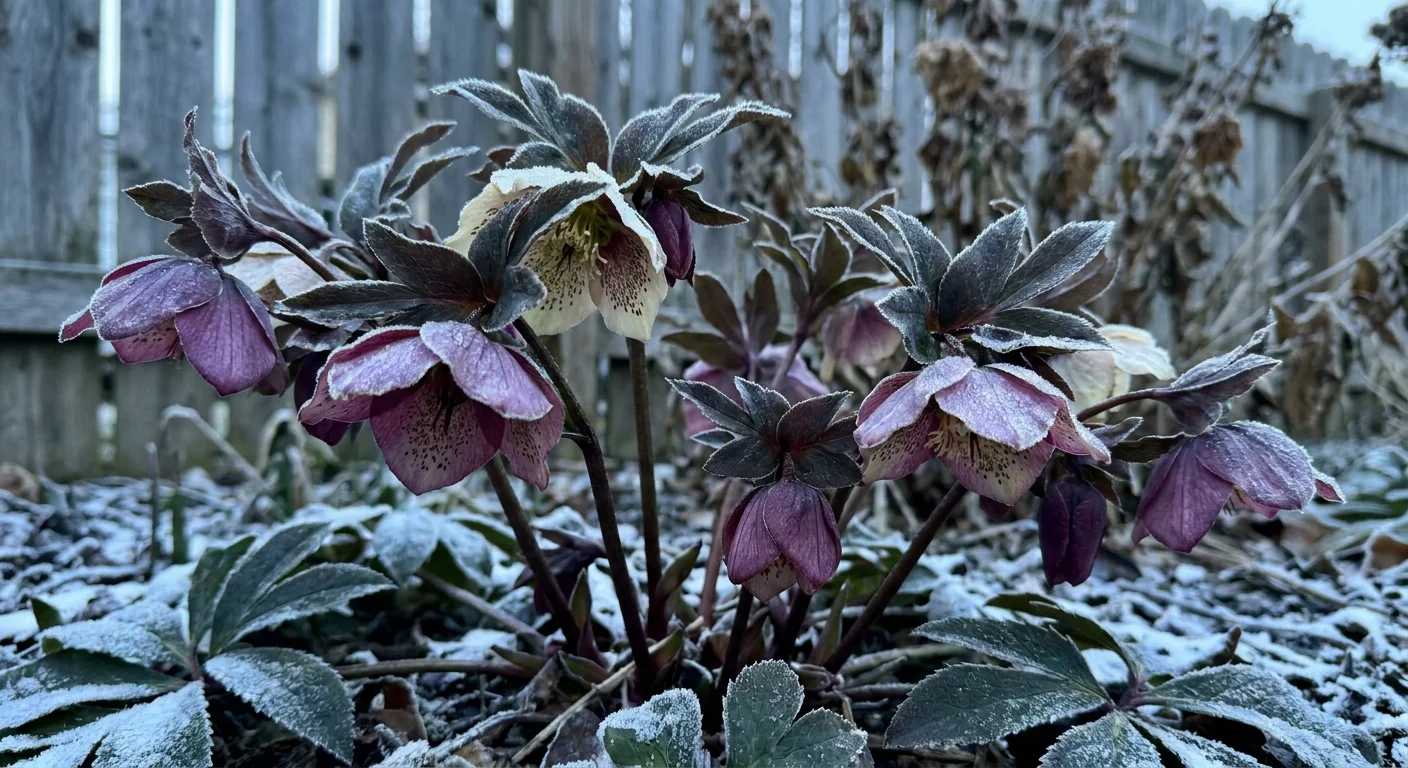
Lenten Roses completely transform the bleakest months of the year into a season of botanical wonder by pushing up elegant, cup-shaped blooms in late winter or early spring—often pushing right through the frost and snow. These incredibly resilient evergreens boast thick, leathery, dark green leaves that look handsome year-round, securing their well-deserved status as premium low light plants for small gardens.
They tolerate the notoriously difficult condition of dry shade better than almost any other perennial once established. You can plant them under the dense canopies of mature shade trees or along the north-facing walls of your home where little else survives. Lenten Roses require minimal physical intervention; your only maintenance task is to use a pair of bypass pruners to snip off the tattered, previous-year’s leaves in late winter just as the new flower buds emerge from the crown. This simple, once-a-year grooming instantly tidies the plant and vividly showcases the spectacular blossoms.
Because their foliage and root systems are highly toxic if ingested, deer, rabbits, and rodents avoid them entirely. Plant Lenten Roses near a paved walkway, a front porch, or a patio door so you can easily admire their downward-facing, intricate blooms without having to trek through a cold, muddy winter landscape.
Seasonal Considerations for Your Garden
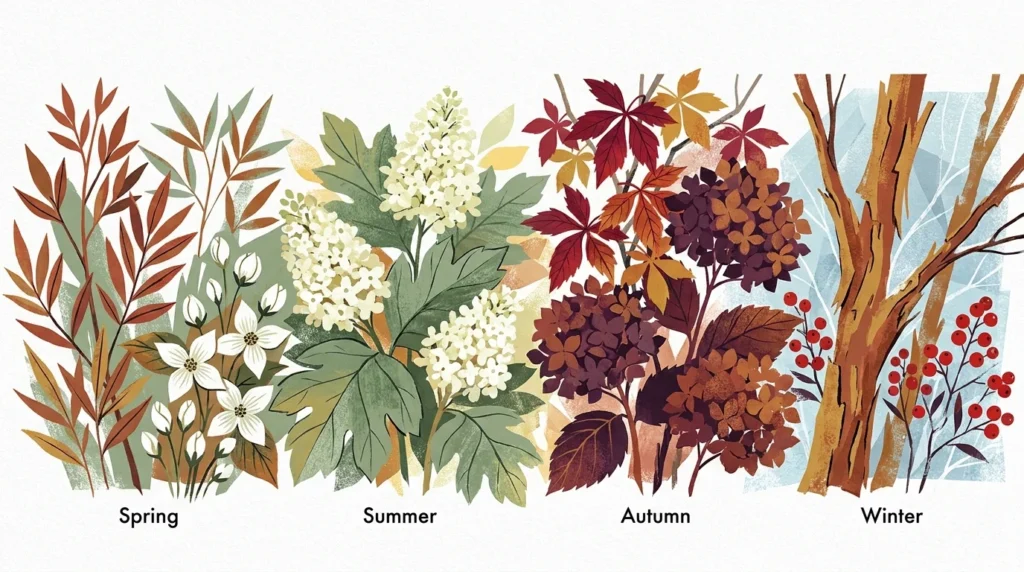
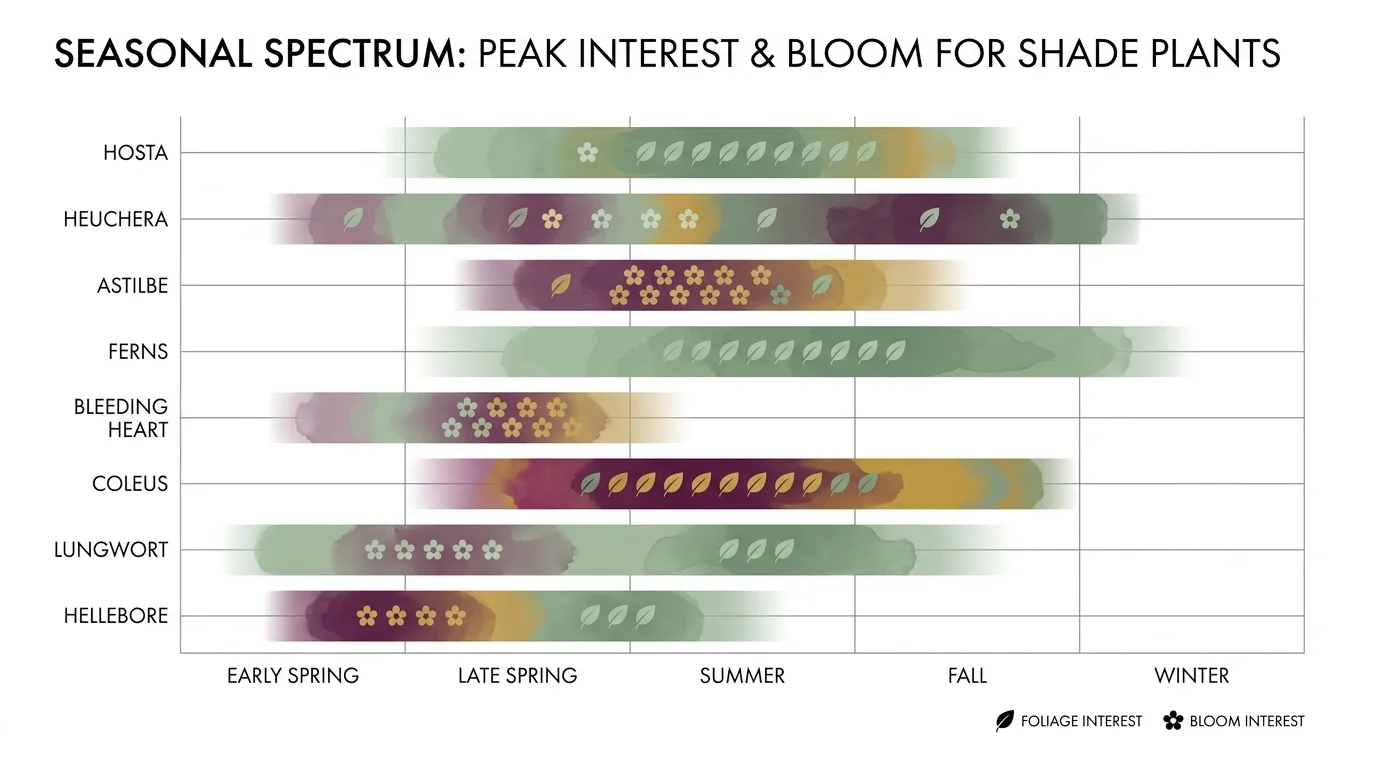
In the spring, you should inspect your shaded beds as soon as the ground thaws and the threat of severe frost passes. Clear away any heavy, matted debris that might smother the delicate shoots of emerging perennials. Top-dress your soil with a one-inch layer of rich compost; this feeds the soil microbiome naturally and drastically reduces the need for synthetic fertilizers later in the season. Install your plant supports early for taller varieties like astilbe, allowing the foliage to grow up and through the hidden stakes—this saves you from wrestling with heavy, mature plants in the summer.
During the summer months, you must monitor soil moisture carefully. While shaded gardens generally lose less water to surface evaporation, mature shade trees act as massive hydraulic pumps, aggressively pulling vital moisture away from your shallow-rooted perennials. Implement a simple drip irrigation system or use a lightweight, coiled hose to easily water your plants. Always water deeply at the base of the plants in the early morning to prevent damaging fungal diseases from taking hold in the damp, stagnant night air.
In the fall, you will find that autumn offers a perfect, cool-weather opportunity to divide overgrown perennials and refresh your small garden ideas. Instead of raking every single leaf off your property, allow a light layer of deciduous leaves to remain on your garden beds. This natural leaf mulch protects fragile root systems from hard freezes, suppresses cool-season weeds, and gently breaks down into free fertilizer over the winter. If you grow plants in pots, move fragile ceramic containers against a sheltered wall to prevent frost from cracking them.
When winter arrives, you can use this dormant period to plan next year’s additions and clean your gardening tools. Take stock of your garden’s overall structure during the bare winter months; identify areas that look overly sparse and make concrete notes to introduce more evergreen varieties, like the Lenten Rose, to maintain beautiful year-round interest.
Dealing with Outdoor Pests and Weather
Shade gardens harbor specific environmental challenges, but you can overcome them easily with proactive, low-stress strategies. Slugs and snails represent the most persistent, frustrating threat to lush, low light plants. These nocturnal mollusks absolutely thrive in damp, dark environments and can quickly decimate the beautiful foliage of hostas and lungwort. You can combat them without relying on harsh chemicals by sinking shallow saucers of inexpensive beer into the soil to safely trap them. Alternatively, wrapping copper tape around the rims of your containers delivers a mild, naturally deterrent electrical charge that stops slugs in their tracks before they reach your prized patio plants seniors love to grow.
Deer and rabbits frequently browse through suburban yards, devouring expensive landscaping literally overnight. Fortunately, many shade-loving species naturally repel these browsing mammals. Ferns, bleeding hearts, and hellebores contain natural chemical compounds or rough textures that deer find entirely unpalatable. If you want to grow more susceptible plants like young hostas, situate them much closer to your home’s foundation or on an elevated deck where timid wildlife rarely ventures. You can also apply a scent-based, organic deer repellent early in the spring to train the local herds to avoid your yard entirely.
Weather extremes require smart, preemptive planning to protect your financial and physical investment. Dry shade—the zone directly under large, mature trees—presents a notoriously difficult growing environment due to limited water and dense roots. You can conquer dry shade by selecting highly drought-tolerant species, and by amending the planting holes heavily with moisture-retaining organic matter before putting the plant in the ground. During periods of intense, unexpected heat or severe drought, strictly prioritize watering your newest additions; established perennials can usually weather the environmental stress and recover, whereas young transplants possess shallow root systems that dry out rapidly and fatally.
Frequently Asked questions
How can I minimize the physical strain of maintaining a shade garden?
You can drastically reduce physical exertion by elevating your garden. Utilize raised wooden planter boxes, sturdy waist-high tables, and hanging baskets to bring your plants up to a comfortable working height. This practical approach embodies the core of easy gardening 60+, allowing you to prune, water, and inspect your plants without ever bending, kneeling, or straining your back. Investing in lightweight fiberglass containers and ergonomic tools with padded, extended handles also prevents severe joint fatigue during long gardening sessions.
Do shade-loving plants require regular fertilization?
Because plants in heavily shaded environments grow less vigorously than those baking in the full sun, they demand significantly fewer nutrients. You can generally skip heavy synthetic fertilizers, which often cause weak, leggy, and unnatural growth in low-light conditions. Instead, apply a two-inch layer of organic compost or finely shredded mulch around the base of your plants every spring. This slow-release method improves the soil structure, enhances moisture retention, and provides a steady trickle of gentle nutrition throughout the entire growing season.
Can I successfully grow these plants together in a highly restricted space?
Absolutely; tight, restrictive spaces actually encourage highly creative landscape design. You should employ the classic “thriller, filler, and spiller” container strategy or layer your in-ground beds by specific height. Place the tallest specimens, like astilbe or tall ferns, at the back of the border or the center of the pot. Surround them with mounding fillers like hostas and coral bells, and let trailing plants soften the hard edges of your planters. This smart layering technique maximizes vertical space, creating a lush, dense tapestry that makes small garden ideas feel wonderfully expansive and deep.
Why are my shade plants stretching out and losing their vibrant colors?
Plants naturally stretch toward the light when their environment becomes excessively dark. If your low light plants develop elongated, floppy stems and dull, washed-out foliage, the leaf canopy overhead has likely grown too dense. You can easily remedy this issue by selectively pruning the lower branches of overhanging trees or large shrubs to allow dappled, indirect sunlight to filter through. Even the most shade-tolerant plants greatly benefit from a few hours of gentle morning light to maintain their compact shape and brilliant hues.
Check your USDA Plant Hardiness Zone at the USDA’s website. For lawn and garden care advice, consult your local University Extension program (listed here). Find native plant information from the National Wildlife Federation.
Disclaimer: This article provides general outdoor gardening advice. Success can vary greatly based on your specific climate, soil type, and local conditions. Always choose plants appropriate for your USDA Hardiness Zone.