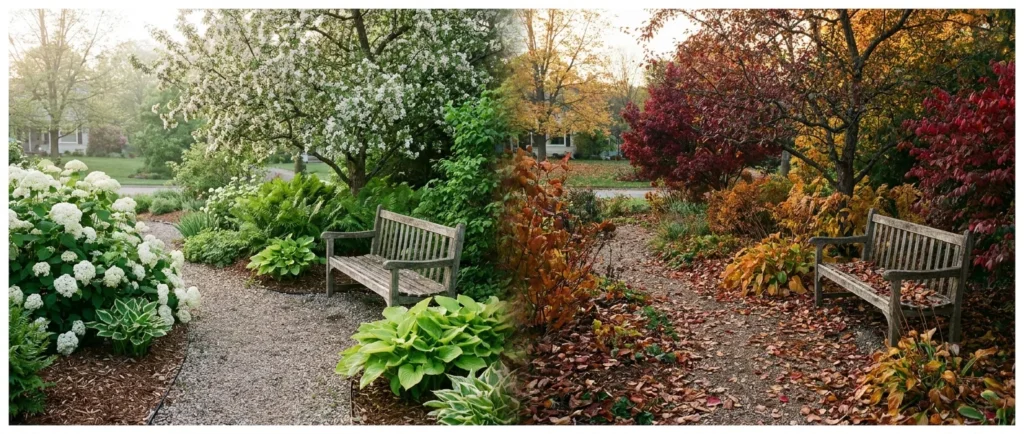
Discover exactly which crops thrive when elevated above native ground soil so you can maximize your harvest while minimizing physical strain. Raised bed gardening offers unparalleled control over soil quality, drainage, and temperature, making it a highly productive strategy for your backyard garden. By elevating your planting area, you reduce soil compaction and drastically cut down on weeds. You also save your back and knees; the added height is perfect for gardening seniors or anyone seeking easy gardening solutions. You simply need to choose plants that leverage this optimized environment. The following eight vegetables respond exceptionally well to the loose, nutrient-dense conditions found in these enclosed structures, guaranteeing a lush, bountiful yield for your home garden.
Tip #1: Carrots
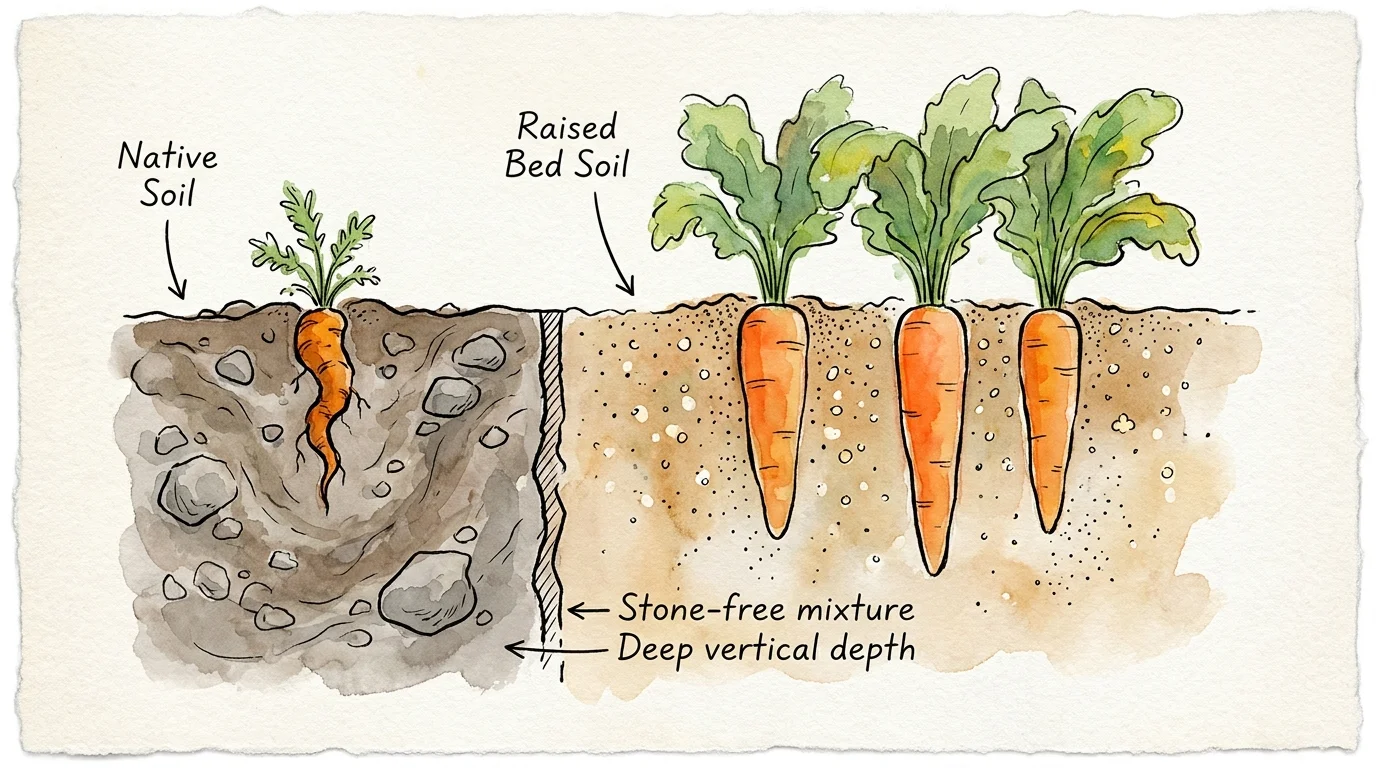
Carrots notoriously struggle in dense, rocky backyard ground soil; they fork, twist, and stunt when their delicate taproots hit hard subterranean obstacles. You eliminate this frustration entirely by utilizing the deeply controlled environment of a raised bed. When you fill your wooden or metal frames with a premium, stone-free mixture of organic compost, peat moss, and perlite, you give these root crops the unimpeded vertical depth they inherently crave. This pristine soil composition allows carrot roots to plunge straight down into the earth, rewarding you with supermarket-quality, perfectly straight vegetables.
Begin by sowing your carrot seeds directly into the soft soil approximately three weeks before your last expected spring frost. Since carrot seeds are remarkably tiny and prone to clumping, mix them with a small pinch of fine sand to achieve an even distribution as you scatter them into shallow, half-inch trenches. You must aggressively thin the fragile seedlings once they reach two inches tall; space the remaining plants about two inches apart so the growing roots have ample physical room to bulk up. Maintaining consistent soil moisture is absolutely vital during the germination period, which frequently takes up to three agonizing weeks. Add a light, protective layer of straw mulch to retain surface moisture and prevent the soil from crusting over. You will know your carrots are fully ready when the bright orange tops of the roots push slightly above the soil line. Grasp the greens firmly at the base and pull straight up; the loose structure of your raised bed ensures they slide out effortlessly without snapping.
Tip #2: Radishes
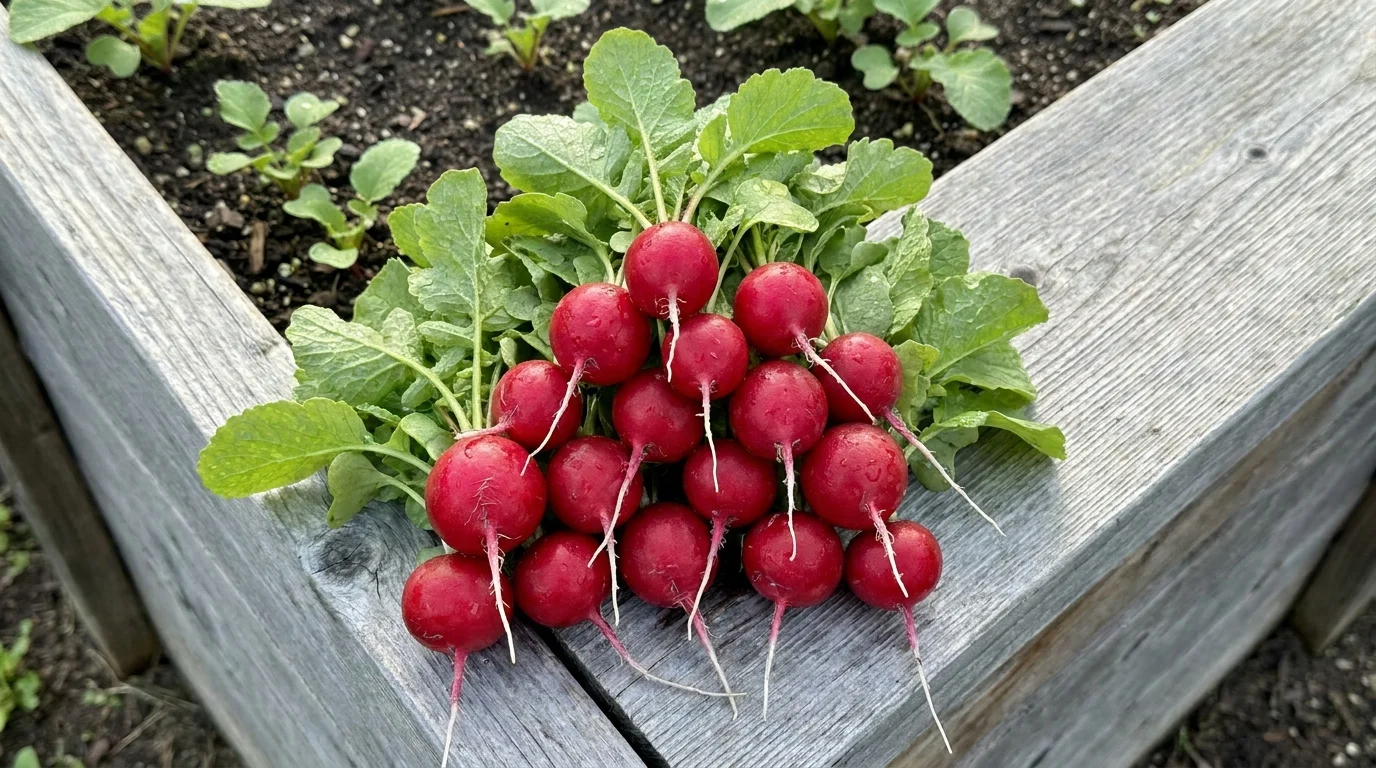
Radishes serve as the perfect instant-gratification crop for your elevated backyard garden. Maturing in as little as twenty-one to thirty days, these crisp, peppery root vegetables allow you to maximize your growing space through continuous succession planting. Raised beds warm up significantly faster in the early spring than traditional ground plots, giving you a massive chronological advantage for early-season sowings. You can start planting radish seeds as soon as the soil becomes physically workable, often a full month before your region’s last official frost date.
The loose, friable soil contained in your raised structures prevents the rapid-growing radishes from becoming woody or stunted. Because they require minimal vertical and horizontal space, you can easily intercrop radishes between slower-growing vegetables like sprawling tomatoes or towering peppers. They act as a highly effective natural soil marker for your slow-to-germinate carrots and naturally break up the surface crust for weaker neighboring seedlings. Sow the seeds half an inch deep and space them roughly one inch apart. You need to keep the soil consistently and evenly moist; wildly fluctuating watering cycles inevitably cause the expanding roots to split open or become overly spicy. Harvest them promptly the exact moment the top of the colorful root begins showing above the soil line—leaving them in the warm ground too long sacrifices their signature crisp texture and turns them unpleasantly pithy. If flea beetles begin chewing tiny artillery holes through the foliage, simply drape a floating row cover over the rigid edges of your bed frame to physically block the pests.
Tip #3: Tomatoes
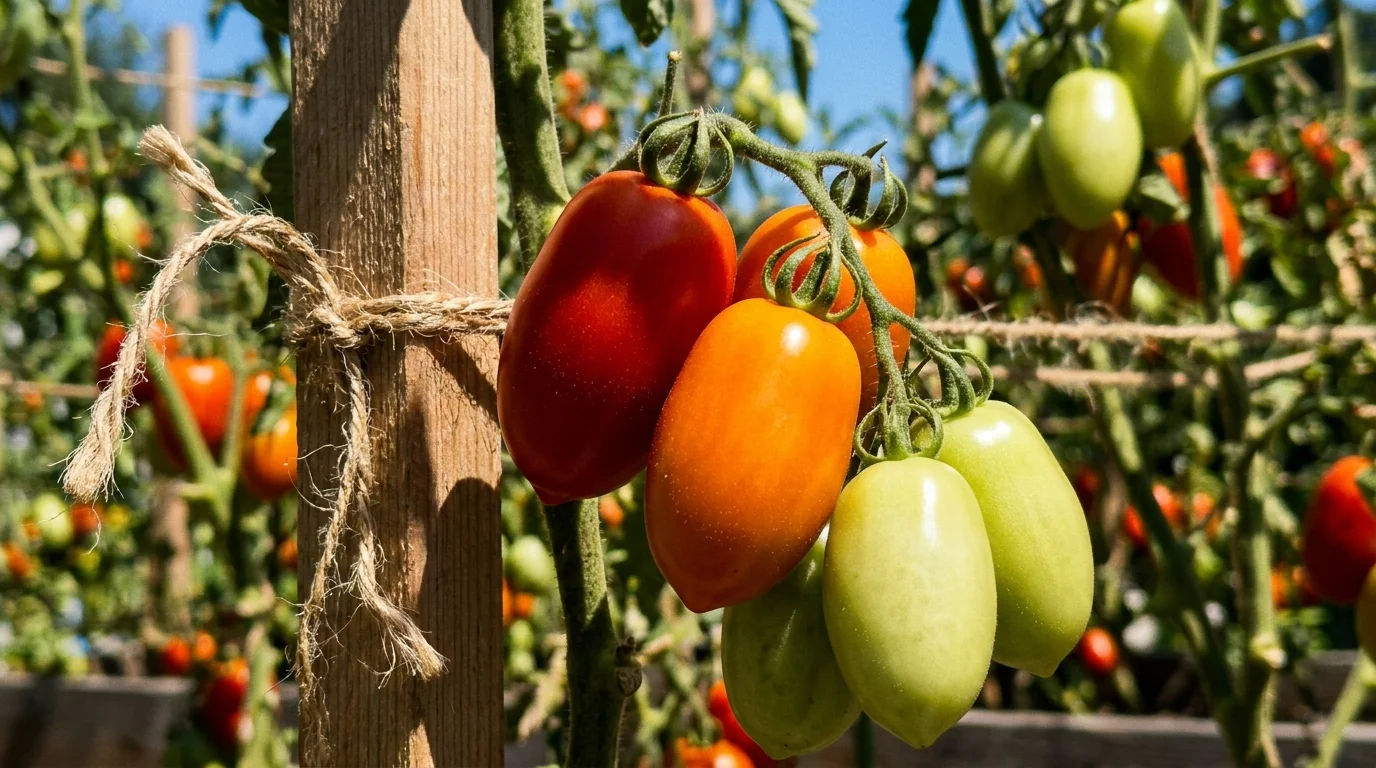
Tomatoes consistently dominate the summer vegetable lineup, and they perform spectacularly when cultivated above ground level. Because heavy-yielding tomatoes demand phenomenal drainage and thoroughly warm root zones to thrive, the rapid solar warming and superior aeration of a raised bed provide an absolutely ideal habitat. You completely avoid the devastating, soil-borne fungal diseases traditionally associated with waterlogged roots by elevating your tomato plants above the dense native clay.
When you transplant your young tomato seedlings, aggressively strip off the lower branches and bury the main stem deep into the soil—leave only the top two sets of true leaves exposed to the sun. The buried stem vigorously sprouts adventitious roots, establishing a massive, robust root system that heavily anchors the plant and rapidly absorbs copious amounts of water and nutrients. You should space indeterminate vining varieties twenty-four to thirty-six inches apart to guarantee adequate wind airflow and prevent the rapid spread of late blight. Raised bed gardening makes supporting these notoriously heavy yielders remarkably efficient and structurally sound. You can firmly attach sturdy galvanized wire cages or install a robust steel cattle panel trellis directly onto the solid exterior frames of your wooden beds. Feed your actively growing tomatoes a balanced organic fertilizer at planting time, and reliably follow up with a calcium-rich top dressing to prevent the dreaded blossom end rot. Providing consistent, deep watering exclusively at the soil level—purposely avoiding the delicate foliage—ensures you harvest a steady, overwhelming supply of juicy, sun-ripened fruit from mid-summer until the very first autumn frost.
Tip #4: Lettuce
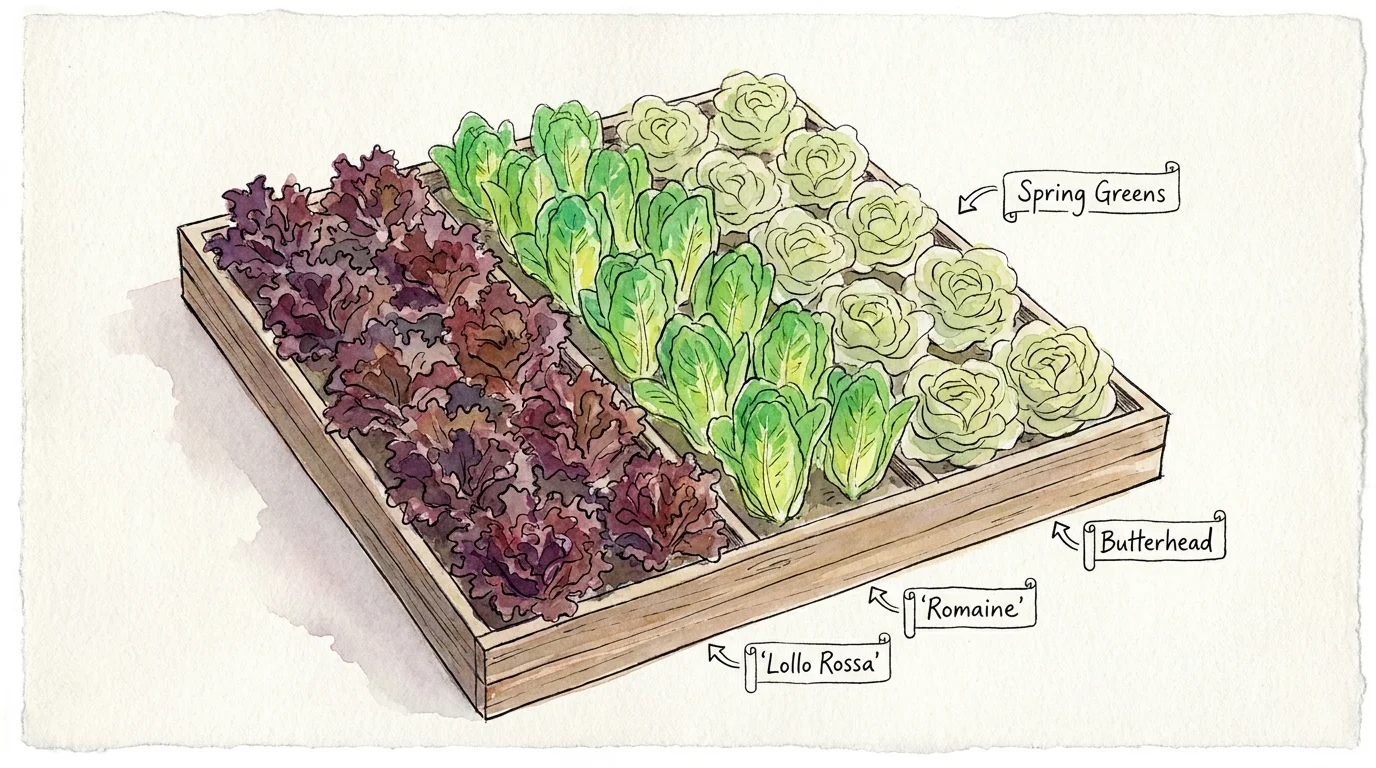
Lettuce represents a fundamental cornerstone crop for easy gardening, primarily because its remarkably shallow root system requires only six to eight inches of high-quality topsoil to flourish. Cultivating delicate, leafy salad greens in elevated beds keeps your harvest far away from destructive ground-dwelling pests like slugs, snails, and cutworms, which physically struggle to scale the rough wooden or hot metal sides of your garden frames. You also gain precise, millimeter-level control over the soil texture, ensuring the rapid drainage that delicate lettuce crowns urgently need to avoid suffocating rot.
Sow your lettuce seeds directly onto the damp soil surface, lightly pressing them in with the palm of your hand; they actually require ambient sunlight to germinate properly. You achieve a continuous, rolling harvest by aggressively practicing succession sowing—planting a fresh row of seeds every two weeks throughout the cool spring and early fall months. During the peak, blistering heat of summer, your raised beds offer yet another distinct mechanical advantage: you can effortlessly attach PVC hoops and shade cloth directly to the sturdy sides of the frame. This incredibly simple modification drops the ambient daytime temperature around the plants by several crucial degrees, actively preventing the tender leaves from turning bitter and significantly delaying the inevitable bolting process. Keep the topsoil evenly moist using a gentle drip irrigation system. By simply snipping the mature outer leaves with clean scissors—a highly productive technique known as cut-and-come-again harvesting—you encourage the tightly packed inner rosette to keep steadily producing fresh, crisp greens for weeks on end.
Tip #5: Bush Beans
Bush beans eagerly produce incredibly prolific harvests without demanding the elaborate, towering trellising systems required by their vining pole bean cousins. These compact, bushy legumes possess the unique biological ability to naturally fix atmospheric nitrogen directly into the soil, actively improving the baseline fertility of your raised bed while they aggressively grow. Bean seeds unfortunately possess a notoriously low tolerance for cold, damp environments; they quickly succumb to rot in soggy spring earth. By utilizing the fast-draining, quickly warming environment of an elevated garden structure, you permanently bypass this frustrating germination failure.
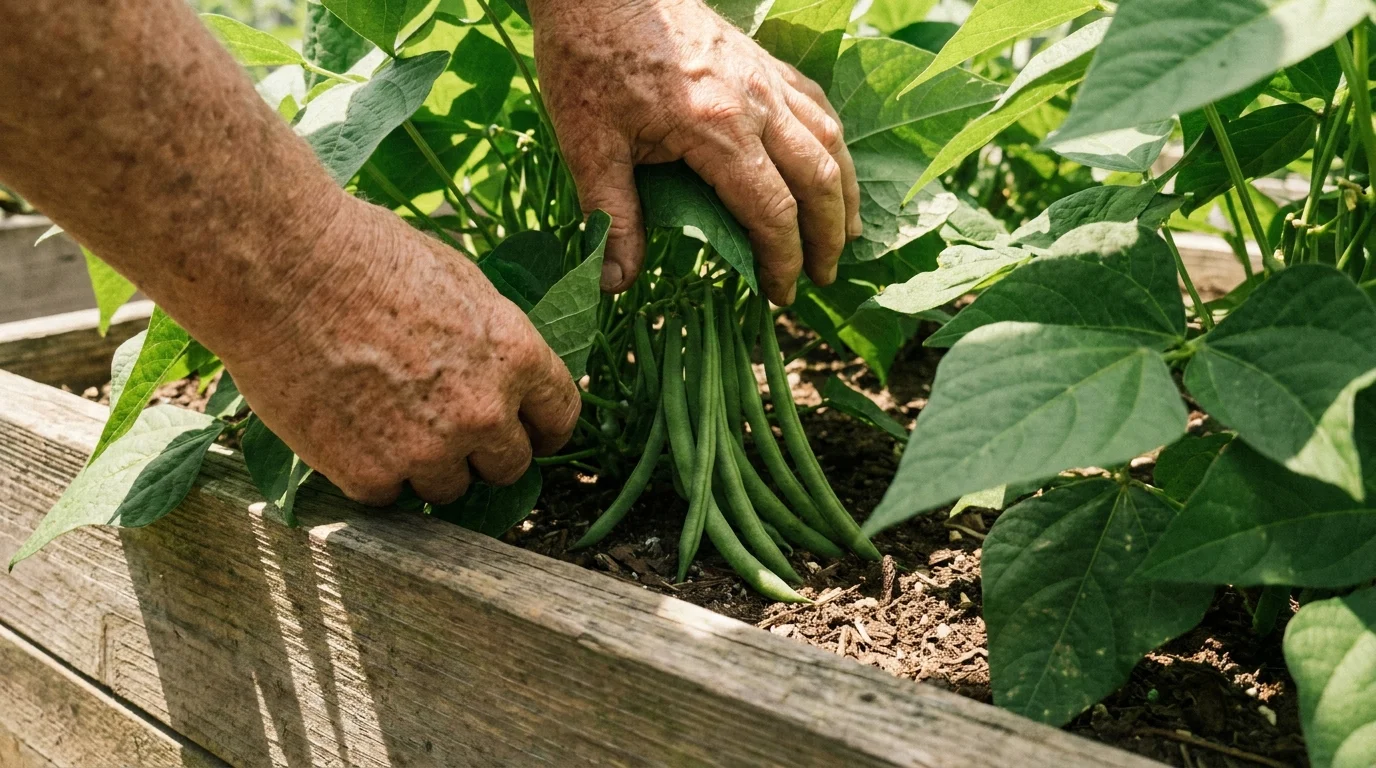
Wait patiently until the baseline soil temperature reaches at least sixty-five degrees Fahrenheit before you sow your bush bean seeds. Plant the seeds exactly one inch deep and strategically space them four to six inches apart in parallel rows. Before pressing the seeds into the earth, coat them with a specialized granular legume inoculant. This beneficial natural bacteria supercharges the root nodules, dramatically amplifying the plant’s ability to pull vital nitrogen from the surrounding air. You do not need to thin bush beans, and their dense, overlapping foliage quickly creates a living green mulch that thoroughly shades the soil and relentlessly suppresses invasive weed seeds. Water the base of the maturing plants diligently, purposefully allowing the soil surface to dry slightly between watering sessions to forcefully deter rampant fungal pathogens like powdery mildew. Your first major harvest typically arrives in just fifty to fifty-five days. Picking the slender, tender green pods every two to three days physically triggers the plant to generate new white blossoms, significantly extending your active harvest window.
Tip #6: Spinach
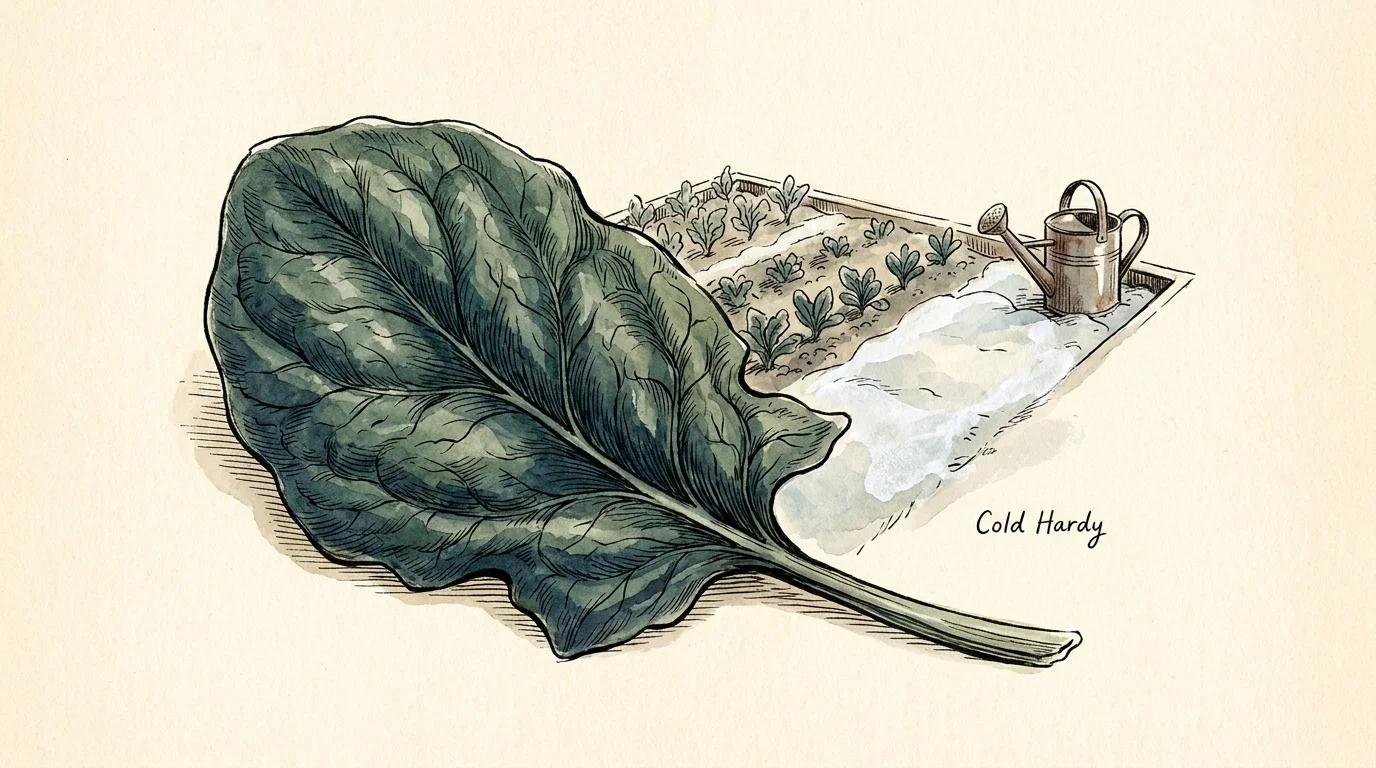
Spinach thrives as a cold-weather nutritional powerhouse, providing incredibly nutrient-dense, dark green foliage during the crisp, frosty days of early spring and late autumn. When you mistakenly plant spinach in heavy native clay, the freezing winter rains inevitably drown the fragile, fibrous roots. A raised bed thoroughly guarantees the impeccable structural drainage required to overwinter this intensely hardy green successfully. You can even stretch your active growing season deep into the dead of winter by adding a simple, transparent cold frame lid directly over the top of your raised wooden structure.
Spinach intensely demands highly fertile, nitrogen-rich soil to rapidly produce its signature crinkly leaves. Weeks before planting, generously amend your elevated bed with thoroughly aged organic compost or pelleted composted chicken manure. Sow the geometric seeds half an inch deep, strictly spacing them roughly two inches apart in shallow rows. As the vigorous plants rapidly mature, you should mercilessly thin them to six inches apart; happily, you can consume the delicious, tender thinnings in your early spring gourmet salads. Consistent, deep moisture is absolutely non-negotiable; sudden drought stress instantly signals the mature plant to prematurely bolt and produce seeds, entirely ruining the culinary value of the harvest. As the days lengthen and temperatures aggressively rise in late spring, mulch heavily around the base of the plants with shredded leaves to keep the root zone cool. Because raised beds physically put the plants much closer to your natural reach, you completely avoid the relentless back strain typically associated with continuously picking low-growing ground greens, making this a highly recommended crop for gardening seniors.
Tip #7: Bell Peppers
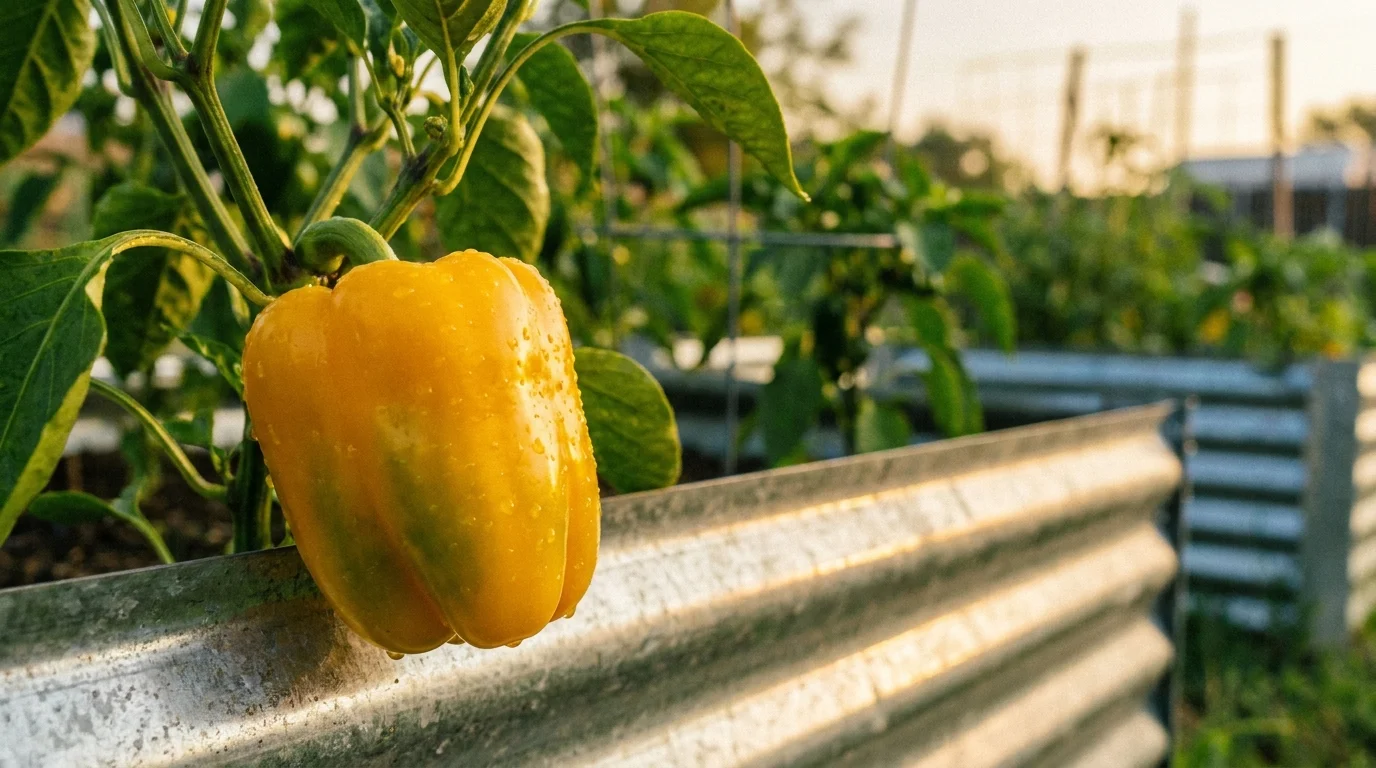
Bell peppers absolutely crave intense ambient heat, and they consistently languish and stunt in cold, slow-to-warm ground soil. Cultivating these vibrant nightshades in raised beds gives you a massive chronological and thermal head start. The elevated soil mass efficiently absorbs the sun’s radiant heat from all four sides, dramatically increasing the internal root zone temperature. This distinct thermal advantage strongly encourages vigorous, leafy early growth, directly translating into significantly larger, thicker-walled peppers long before the cool autumn weather permanently halts flower production.
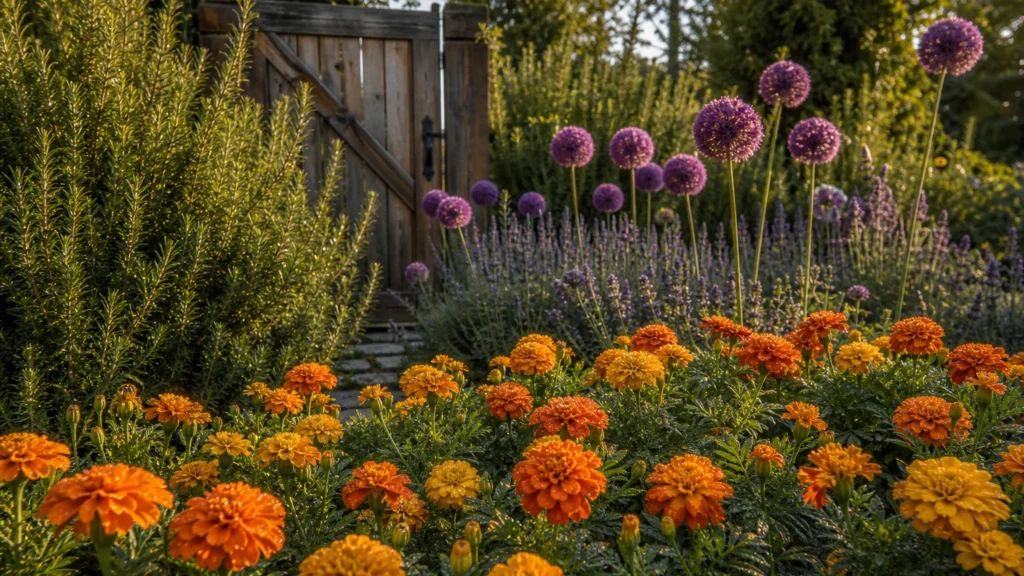
Transplant your hardened-off pepper seedlings into the garden only after all lingering danger of frost has thoroughly passed and the consistent nighttime temperatures hover safely above sixty degrees Fahrenheit. You must space the young plants roughly eighteen inches apart to structurally ensure their mature leaves touch slightly; this intimately creates a dense protective canopy that effectively shields the developing fruit from severe, blistering sunscald. Bell peppers surprisingly feature highly brittle branches that easily snap under the heavy weight of a bumper yield or sudden high winds. You can easily hammer sturdy bamboo stakes deep into the soft, uncompacted soil of your raised bed to provide essential, unyielding structural support. Feed the actively flowering plants a specialized organic fertilizer exceptionally high in phosphorus and potassium to encourage prolific, continuous blooming. Consider actively planting low-growing French marigolds around the outer perimeter of your pepper plants; these vibrant orange flowers physically attract beneficial pollinators while simultaneously emitting a strong scent that organically repels parasitic nematodes from the soil matrix.
Tip #8: Zucchini
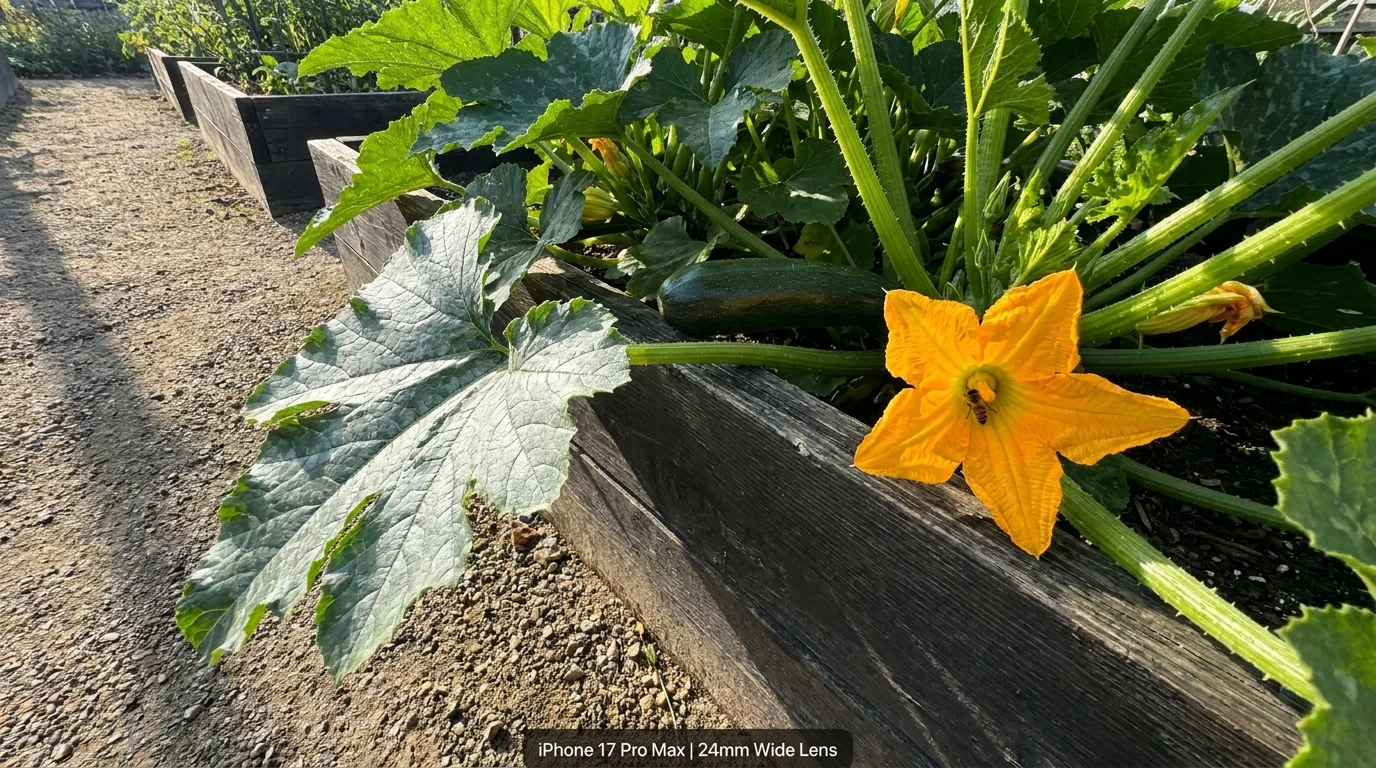
Zucchini plants proudly possess a legendary reputation for completely overwhelming unsuspecting home gardeners with explosive, incredibly abundant harvests. These vigorous, sprawling summer squashes are notoriously heavy feeders, strictly requiring the deep, nutrient-dense biological reservoir of organic matter that a well-maintained raised bed effortlessly supplies. While they certainly require a significant amount of horizontal space, planting a single bush-variety zucchini directly in the outer corner of your elevated frame allows the massive, prickly leaves to gracefully cascade over the wooden sides, maximizing your precious interior square footage for other companion crops.
Plant two to three zucchini seeds tightly together in a small, elevated mound of rich soil, eventually thinning them to leave strictly the single strongest, thickest seedling. You must grant them at least twenty-four to thirty-six inches of dedicated, uncompromised space. Adequate wind airflow remains the absolute most critical factor in successfully cultivating any squash; dense, physically cramped foliage actively invites devastating, season-ending outbreaks of powdery mildew. Because your raised bed inherently improves horizontal air circulation around the damp base of the plant, you naturally suppress this highly common fungal disease. Furthermore, elevating the heavy vines keeps the rapidly developing fruit completely off the damp, insect-ridden ground, preventing unsightly belly rot and slug damage. Harvest the glossy squashes precisely when they reach six to eight inches in length. At this ideal size, the outer skin remains incredibly tender and the interior seeds are barely noticeable; carelessly leaving them on the vine too long violently drains the plant’s structural energy and guarantees tough, watery giants that entirely lack culinary flavor.
Putting It All Together: Enjoy Your Beautiful Garden
Transitioning your backyard vegetable cultivation strictly into elevated structures radically transforms your everyday relationship with the earth. You entirely bypass the grueling, agonizing labor of violently tilling compacted clay, battling entrenched subterranean root systems, and pulling endless, deep-rooted weeds. By carefully and deliberately curating the precise soil blend contained within your frames, you actively create a botanical paradise tailored specifically to the exact biological needs of your favorite edible crops. Building the sturdy frames from rot-resistant cedar or thick galvanized steel guarantees your structural investment seamlessly lasts for decades.
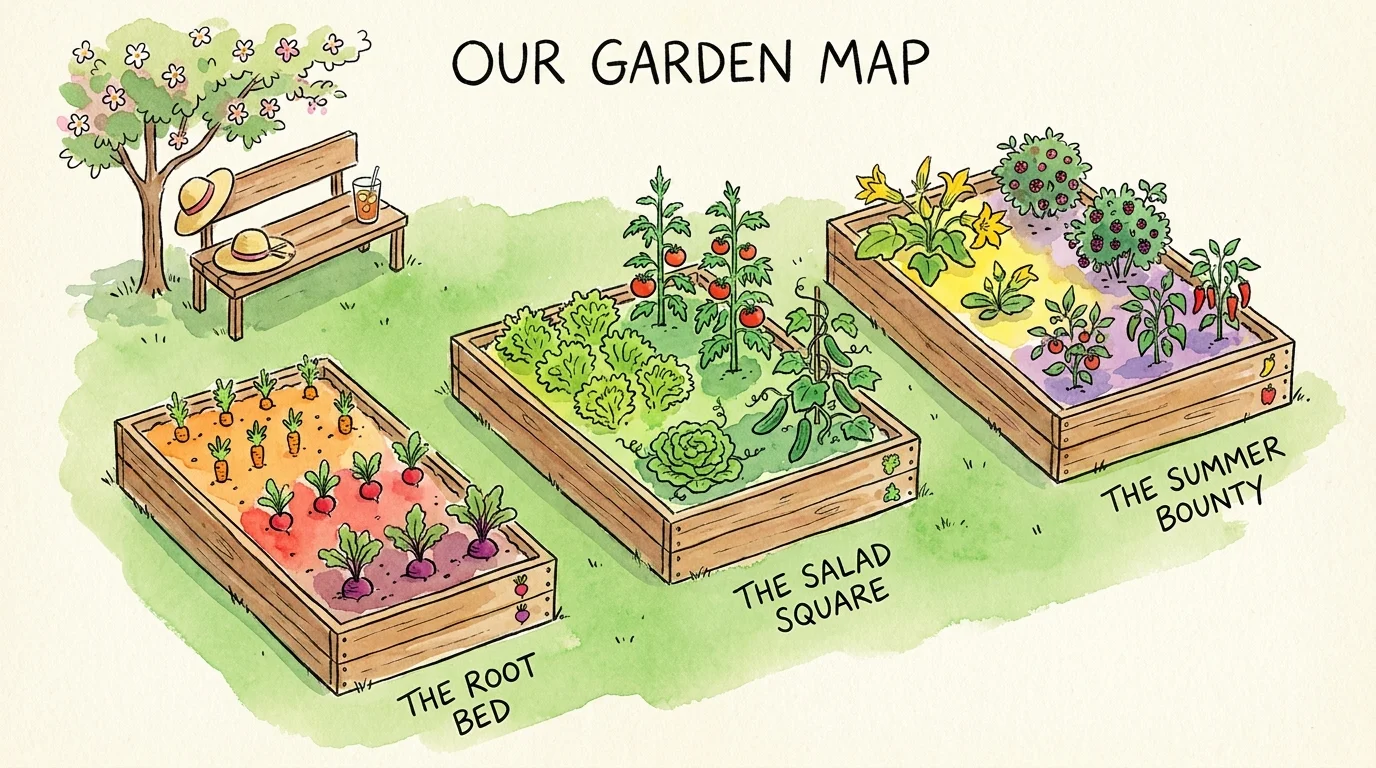
The eight versatile vegetables detailed above—from the deep-plunging, vibrant carrots to the heat-loving, thick-walled bell peppers—demonstrate exactly how you can efficiently exploit the superior drainage, rapid spring warming, and structural convenience of this highly popular method. Take definitive action today by accurately mapping out your available backyard sunlight and constructing your very first elevated box. Fill it to the brim with premium organic compost, source high-quality heirloom seeds, and closely monitor your daily watering schedule. You will quickly and happily discover that tending your growing plants effortlessly becomes a joyful, highly productive daily ritual rather than an exhausting physical chore. Embrace this incredibly efficient approach, and you will undoubtedly harvest heavy baskets of vibrant, delicious produce all season long.
Frequently Asked Questions
How deep should a raised bed be for vegetables?
For the vast majority of standard vegetables, you absolutely need a minimum structural depth of eight to twelve inches. This easily accommodates the relatively shallow root systems of fast-growing crops like leafy lettuce, spicy radishes, and compact bush beans. However, if you actively plan to grow deep-rooted vegetables like long imperator carrots or massive, indeterminate tomato plants, you must build your wooden or metal frames at least eighteen to twenty-four inches deep to thoroughly guarantee optimal root expansion and structural stability.
What is the best soil mix for a raised garden bed?
You reliably achieve the absolute best growing results by thoroughly blending roughly sixty percent high-quality, screened topsoil with thirty percent rich organic compost and ten percent drainage material like coarse perlite or horticultural vermiculite. This highly specific ratio perfectly creates a loose, friable soil texture that reliably retains essential root moisture while simultaneously allowing excess storm water to drain freely from the bottom. You should routinely replenish the top compost layer at the beginning of every single spring growing season.
Do I need to line the bottom of my raised bed?
You do not necessarily need an expensive synthetic liner, but safely placing a natural barrier down before adding soil provides significant, long-lasting benefits. Laying down thick, overlapping sheets of plain, unwaxed brown cardboard directly over the native grass forcefully suppresses stubborn native weeds and thoroughly chokes out invasive turf. The cardboard eventually safely decomposes into the earth, actively inviting beneficial native earthworms up into your fresh soil matrix. You must fiercely avoid using plastic weed barriers, as they severely impede natural water drainage and drown your plants.
How often should I water my raised vegetable beds?
Raised beds inherently drain significantly faster than dense native ground soil, meaning you must water them far more frequently. During the blistering peak of mid-summer, you will highly likely need to water your mature plants deeply every single day. You should strongly consider installing a porous drip irrigation line attached to a digital hose timer to seamlessly automate this vital process; safely delivering water slowly directly at the root zone entirely prevents wasteful evaporation and thoroughly ensures the life-giving moisture penetrates deeply into the dense soil matrix.
For region-specific advice, consult your local University Extension program (find yours via the USDA directory). For plant databases and inspiration, visit the Missouri Botanical Garden or the Royal Horticultural Society.
Disclaimer: This article provides general gardening advice. Always consider your specific climate, soil conditions, and local pests. Follow safety guidelines when using gardening tools and products.