Late summer offers a second chance to grow fresh produce right in your own backyard, allowing you to maximize your harvest well into autumn. Instead of letting your garden beds sit empty after the spring crops fade, you can transition your outdoor space into a highly productive late-season oasis. By selecting fast-growing varieties and cool-weather favorites, you can enjoy crisp greens, tender roots, and hearty brassicas as the days grow shorter. This guide provides ten specific crops perfectly suited for a late-season planting window. You will discover practical strategies for extending your growing season, managing late-summer conditions, and ensuring your soil remains fertile enough to support a vibrant, bountiful fall garden.
Outdoor Strategy #1: Rapid-Growing Radishes
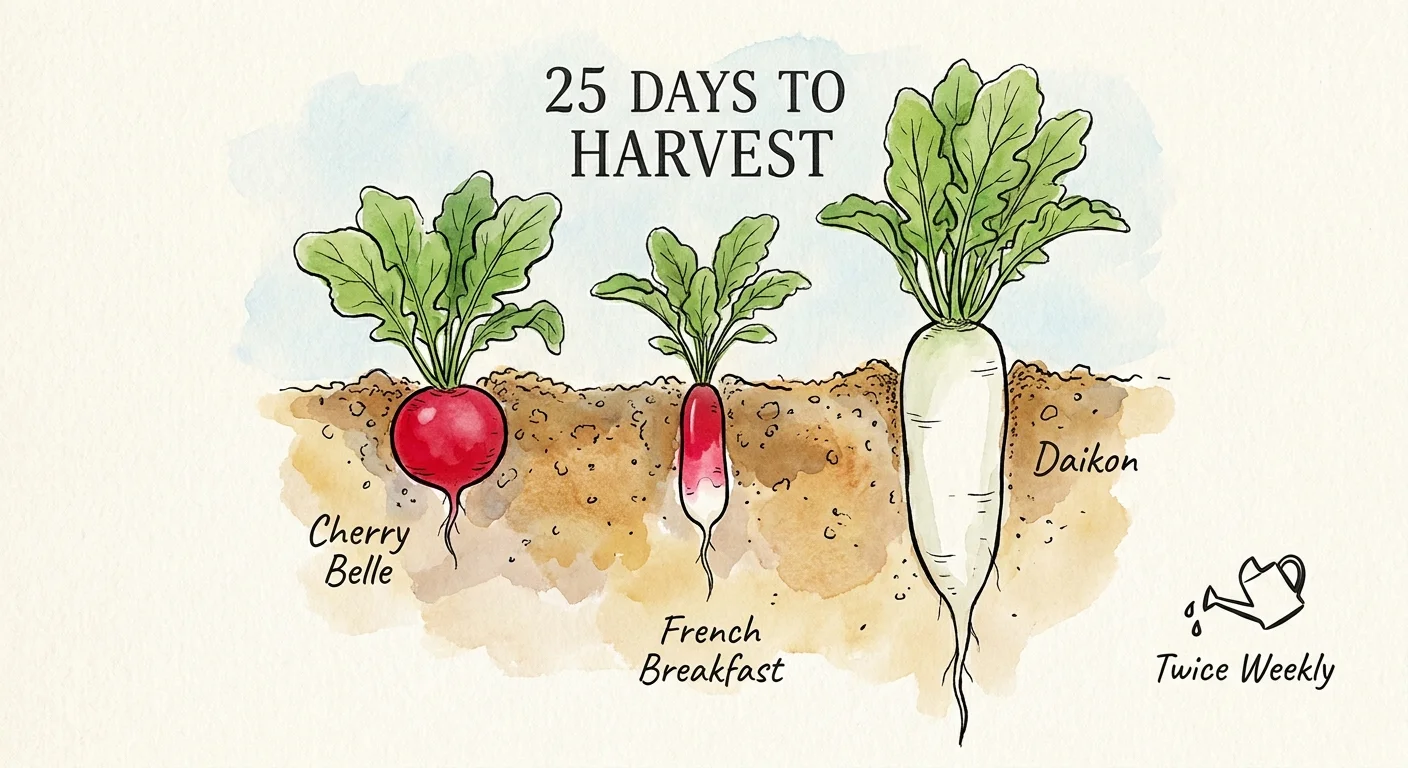
Radishes mature in as little as 25 days, making them an ideal choice when you need quick results before the first frost arrives. Sowing seeds directly into your garden beds in late August or early September secures a crisp fall harvest. Choose classic varieties like French Breakfast or Cherry Belle for reliable, sweet yields. If you prefer a substantial crop, consider planting daikon radishes, which take longer to mature but provide deeply rooted vegetables perfect for roasting and pickling. Because radishes thrive in cooler temperatures, late summer planting allows them to develop optimal flavor without bolting.
Since radishes possess shallow root systems, they require consistent moisture to prevent them from becoming woody or overly spicy. Water your radish beds deeply twice a week, checking the top inch of soil for dryness. You must ensure the soil remains loose; heavy clay soils severely stunt root development. Because they grow so rapidly, radishes represent some of the most reliable vegetables to plant when the growing season runs short. You can easily interplant them between slower-growing autumn crops to maximize your overall garden yield.
Outdoor Strategy #2: Cold-Hardy Spinach
Spinach thrives when temperatures drop, making late summer the perfect window to establish a robust autumn crop. When you sow spinach seeds in hot weather, they often struggle to germinate. You can bypass this challenge by starting seeds indoors or keeping the outdoor soil continuously moist and shaded until the tiny sprouts emerge. Varieties like Bloomsdale Long Standing exhibit exceptional cold tolerance and continue producing fresh leaves well after lighter frosts have eliminated your summer tomatoes. Late summer gardening requires adapting to the shifting climate, and spinach perfectly bridges the seasonal gap.
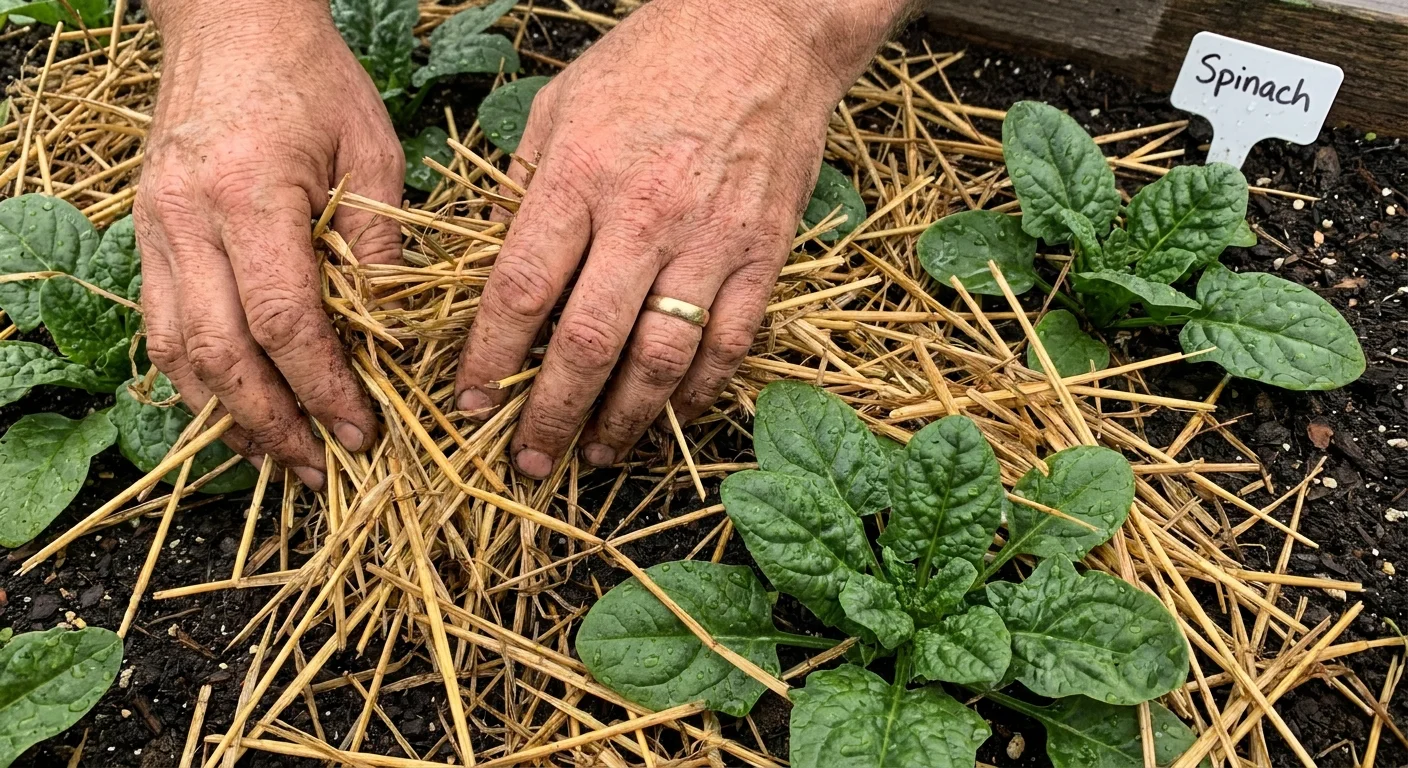
To ensure a steady supply of greens, practice succession planting by sowing a new row every ten days. Apply a thick layer of organic straw mulch around the plants to regulate soil temperature and retain crucial moisture during the final hot days of August. Spinach requires nitrogen-rich soil to push out abundant leafy growth. Incorporating aged compost into your beds before planting provides the necessary nutrient boost. This leafy green requires very little physical maintenance, making it a fantastic addition to layouts prioritizing senior gardening tips that emphasize low-strain, high-reward harvests.
Outdoor Strategy #3: Fast-Maturing Bush Beans
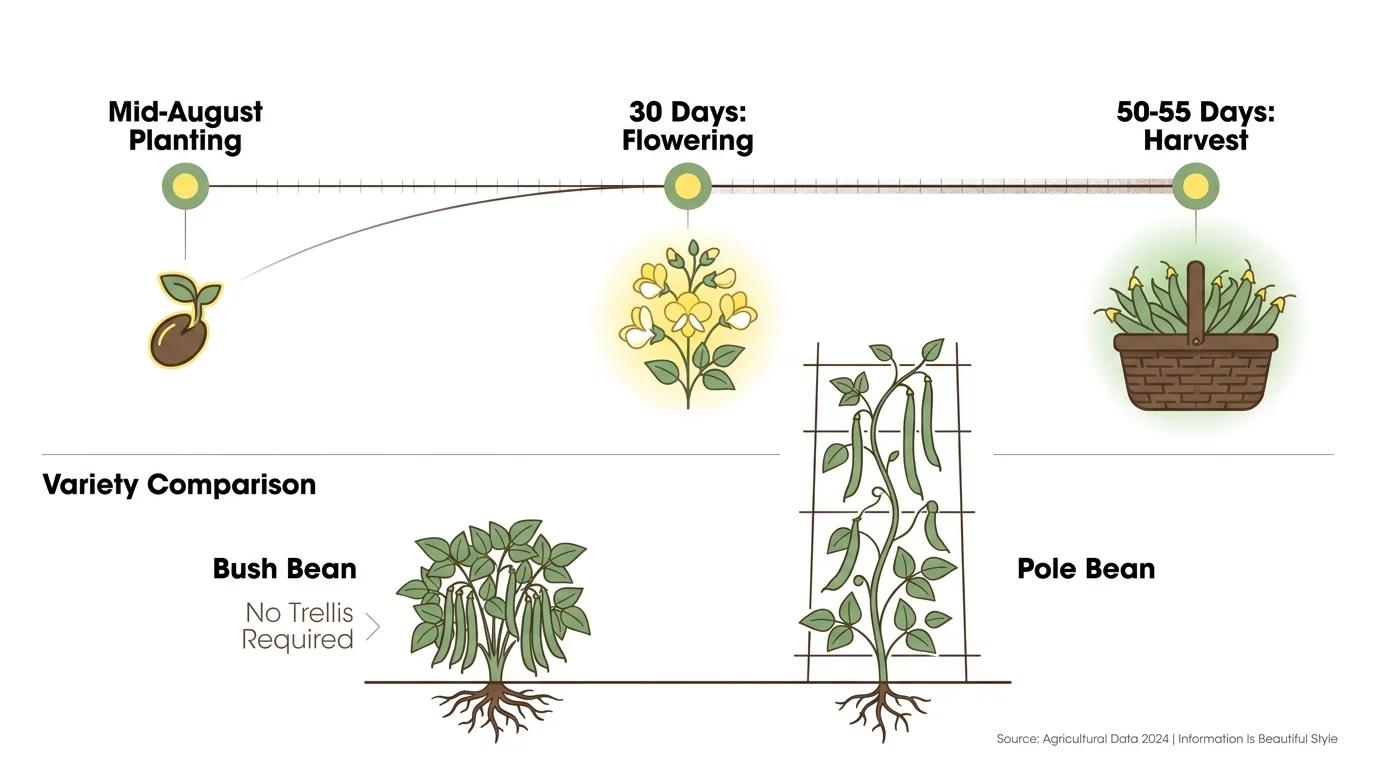
While gardeners typically associate green beans with early summer, bush beans offer a brilliant opportunity for a late-season harvest. Unlike vining pole beans that require tall trellises and long seasons, bush beans complete their life cycle rapidly. Most bush varieties, such as Provider or Contender, reach full maturity in just 50 to 55 days. If your area experiences a first frost in late October, planting a final round in mid-August guarantees a generous autumn picking.
Plant the seeds roughly one inch deep in well-drained soil receiving full, direct sunlight. Since the earth remains thoroughly warmed from the lingering summer heat, bush bean seeds germinate significantly faster than they do in damp, cool springtime soil. You should water the base of the plants rather than the leaves to prevent fungal diseases like powdery mildew, which thrive in the dewy, humid nights of early autumn. Harvesting the beans continuously once they reach pencil-thickness stimulates the plants to produce even more pods before the freezing weather arrives.
Outdoor Strategy #4: Sweet Autumn Carrots
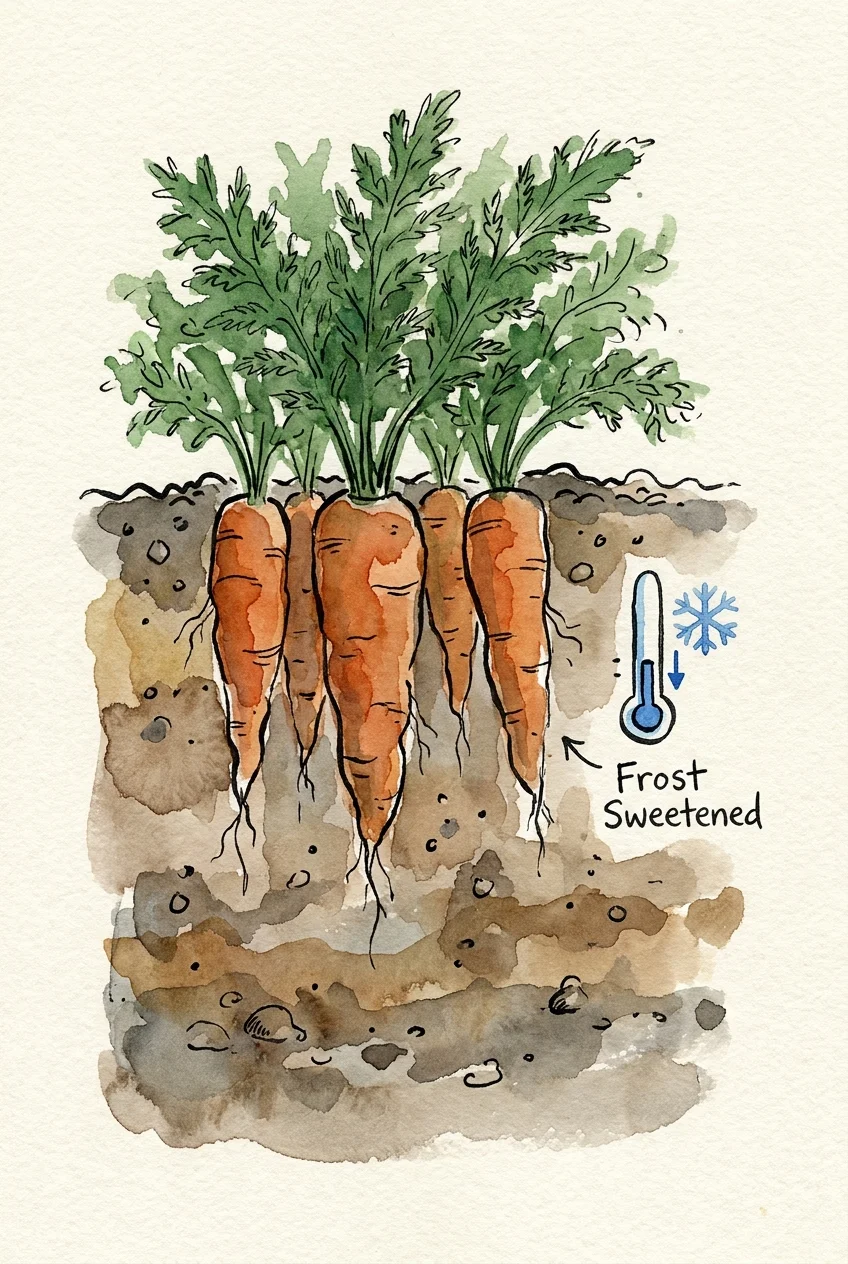
Carrots grown in the autumn actually taste sweeter than their spring-planted counterparts. As soil temperatures drop, carrots convert their stored starches into sugars to protect their root cells from freezing. This natural biological process yields a remarkably crisp, delicious vegetable. For late summer planting, select fast-maturing varieties like Napoli or Little Finger, which require only 55 to 60 days to reach a harvestable size. Sow the seeds directly into the garden about ten weeks before your anticipated first frost.
Achieving excellent carrot germination requires careful attention to soil moisture. Carrot seeds must stay consistently damp for up to two weeks to sprout. You can lay a piece of damp burlap over the seeded row to trap moisture, removing the cover the moment tiny green shoots appear. Carrots demand deeply loosened, rock-free soil to grow straight and true. Incorporate generous amounts of fine compost into the beds before sowing. By implementing these practical backyard garden ideas, you will transform ordinary dirt into a premium growing environment for flawless root vegetables.
Outdoor Strategy #5: Frost-Sweetened Kale
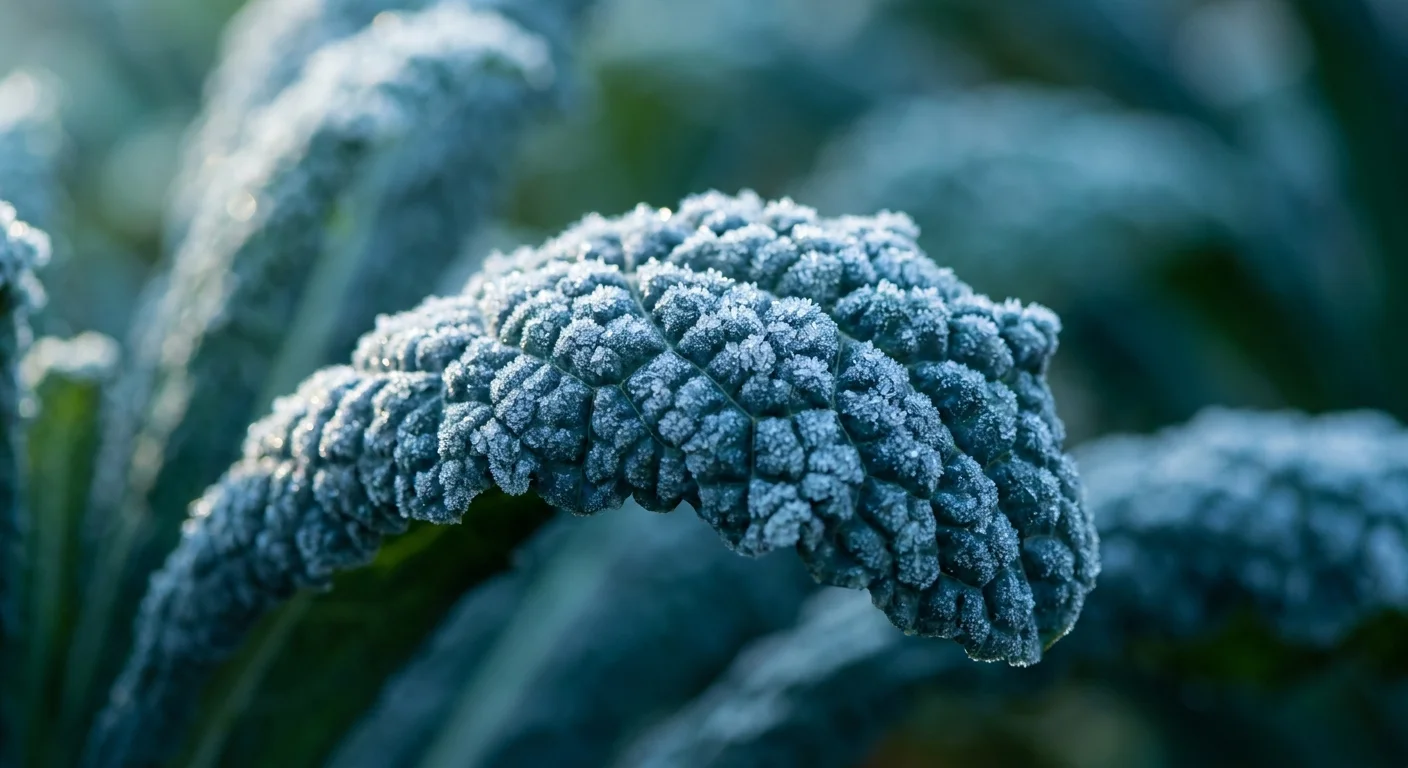
Kale reigns supreme as the undisputed champion of the cold-weather garden. You can plant kale transplants or sow seeds directly into your beds in late July or August for a continuous harvest stretching deep into the winter months. Varieties like Lacinato—often called dinosaur kale—and Red Russian offer striking visual appeal alongside exceptional culinary versatility. Like carrots, kale benefits heavily from a touch of frost, which eliminates its natural bitterness and enhances its slightly nutty flavor profile.
Space your seeds or transplants at least eighteen inches apart to ensure adequate airflow and sunlight penetration. Applying a thick organic mulch helps keep the root zone cool while the late summer heat lingers. Kale responds beautifully to a nitrogen-rich liquid fertilizer applied every three weeks. Harvesting the outer leaves while leaving the central growing tip intact allows the plant to keep producing fresh foliage. Cultivating kale in elevated raised beds aligns perfectly with smart senior gardening tips, providing easy access for harvesting without demanding excessive bending or kneeling.
Outdoor Strategy #6: Colorful Swiss Chard
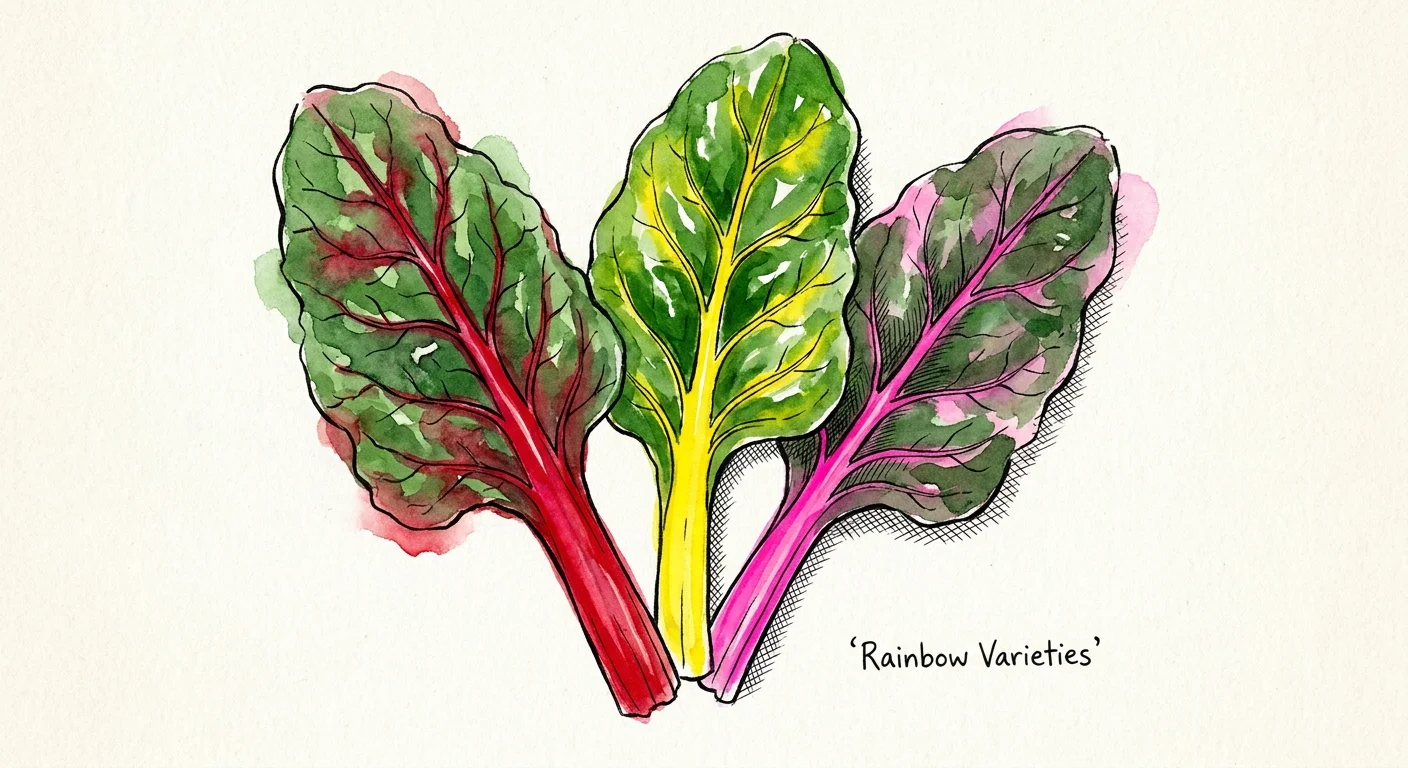
Swiss chard provides both breathtaking ornamental beauty and exceptional nutritional value. Its vibrant stems—ranging from deep crimson to electric pink—make it a standout feature in any landscape. Chard is incredibly resilient, effectively bridging the gap between scorching August days and chilling October nights. Sow the seeds roughly half an inch deep in your beds about six to eight weeks before the first hard freeze. The Bright Lights variety remains incredibly popular for its visual impact and mild flavor.
When incorporating Swiss chard into your late summer gardening plans, ensure the soil drains well and remains moderately moist. Chard seeds are actually small clusters, meaning multiple seedlings will emerge from a single planting hole. You must thin these seedlings, snipping the weaker ones at the soil line so the strongest plant develops broad, healthy leaves. Swiss chard rarely suffers from serious disease issues, making it a highly reliable crop. Harvest the tender baby leaves for fresh salads, or let the plant fully mature to sauté the hearty greens.
Outdoor Strategy #7: Dual-Purpose Turnips
Turnips offer a unique two-for-one advantage in the autumn garden, producing both peppery, nutritious greens and crisp, mild roots. Late summer represents the ideal time to sow turnip seeds because the roots mature quickly and develop a sweeter flavor in cooler weather. Varieties like Purple Top White Globe are traditional favorites for reliable root production, while Hakurei turnips offer a smooth, sweet profile you can eat raw like an apple. Plant turnip seeds a quarter-inch deep in rows spaced twelve inches apart.
As the seedlings sprout, thinning them to stand four inches apart proves critical; crowded turnips will produce abundant greens but entirely fail to form proper bulbs. Turnips are highly resilient and rank high among easy vegetables for beginners to master. They require consistent moisture to prevent the roots from turning woody or developing a pithy texture. Spread a layer of shredded leaves over the soil to conserve water. You can begin harvesting the outer turnip greens just weeks after planting, enjoying fresh salads while waiting for the subterranean bulbs to size up.
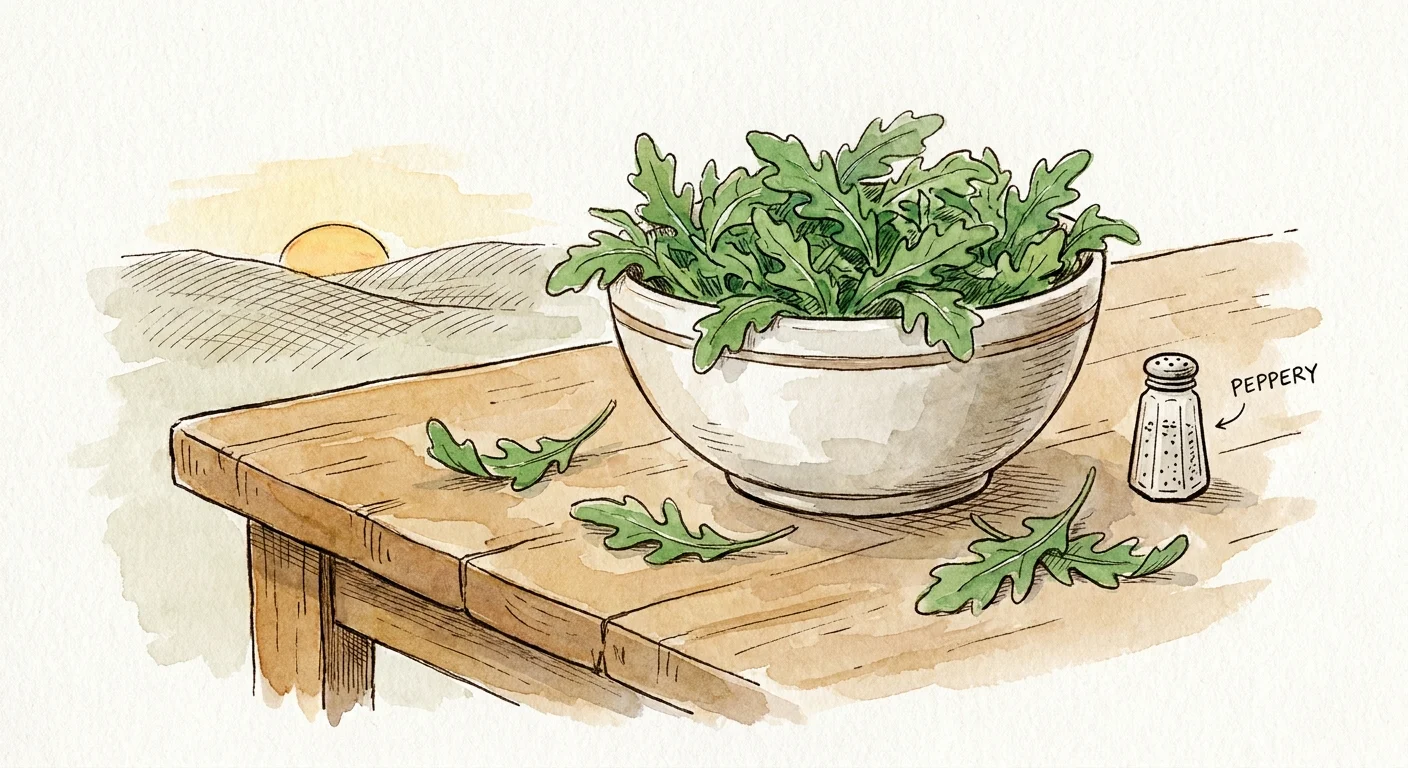
Outdoor Strategy #8: Peppery Arugula
Arugula brings a delightful, peppery bite to autumn salads and pairs perfectly with the cooler temperatures of the late season. When planted in the early summer heat, arugula almost immediately bolts, sending up flowers and turning excessively bitter. However, sowing arugula seeds in late August encourages lush, low-growing rosettes of tender foliage. You can continuously harvest this fast-growing green by practicing the cut-and-come-again method—shearing the leaves an inch above the soil line and allowing the plant to regrow rapidly.
To cultivate a steady supply, lightly scatter the seeds across a prepared bed and gently rake a quarter-inch of fine soil over them. They germinate rapidly, often within just three to five days. Because arugula has shallow roots, it thrives in wide, shallow containers just as well as traditional garden beds. Keep the soil evenly moist to encourage rapid leaf production. If you notice flea beetles nibbling tiny holes in the leaves, drape a lightweight floating row cover over the bed to provide an effective physical barrier.
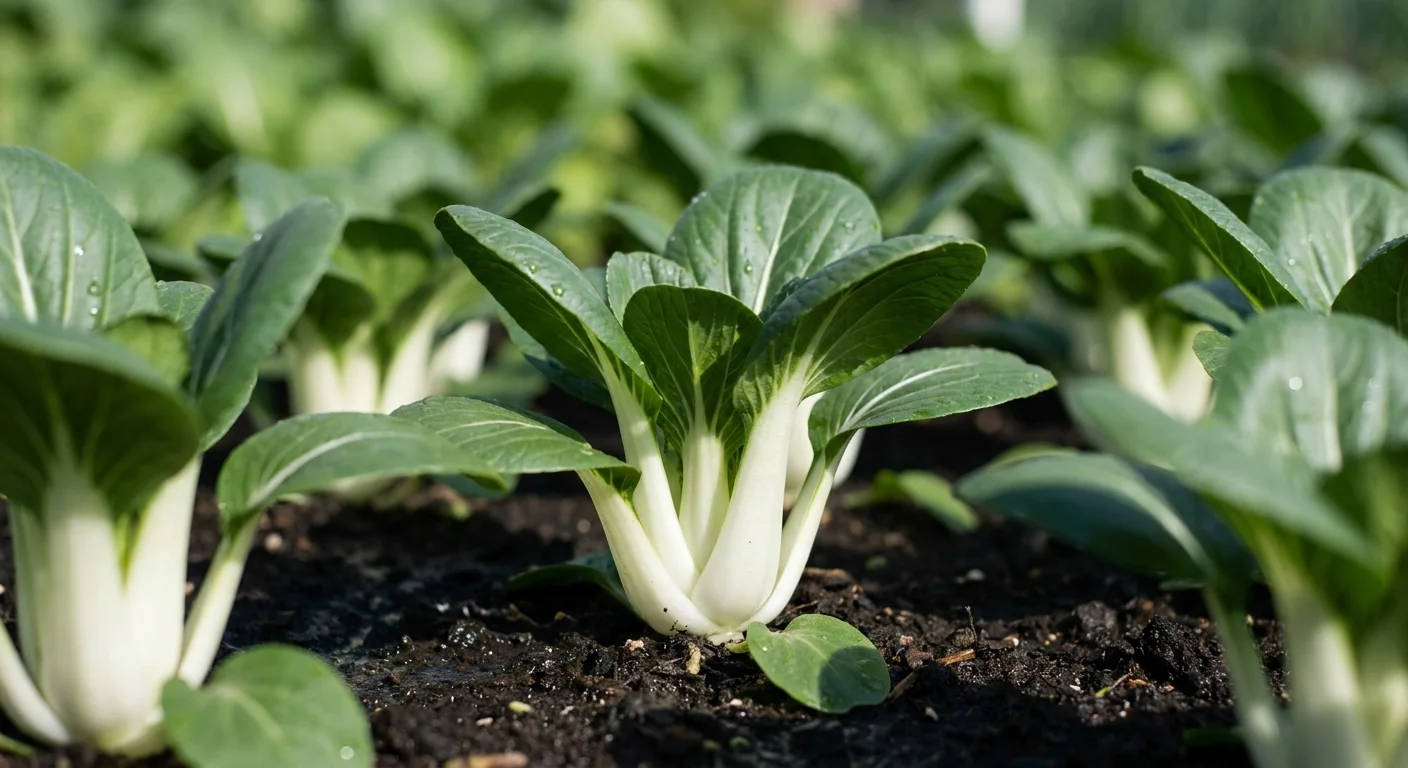
Outdoor Strategy #9: Crisp Bok Choy
Bok choy, a staple of Asian cuisine, performs spectacularly as a late summer and early autumn crop. This crisp, juicy brassica prefers the shortening daylight hours and cooling nights, which naturally discourage the plant from going to seed prematurely. Choose full-sized varieties like Joi Choi for large, thick white stems, or opt for baby varieties like Mei Qing Choi, which mature in just 40 days. Plant the seeds directly into fertile soil roughly six to eight weeks before you expect heavy frost.
Because bok choy grows rapidly and produces significant fleshy biomass, it requires nutrient-dense soil to thrive. Work high-quality compost or pelleted organic manure into the top few inches of your garden bed before planting. Consistent watering remains non-negotiable; if bok choy dries out, the stems become tough and stringy. Providing an inch of water per week usually suffices, though you should monitor the soil closely during late-summer heatwaves. Harvest bok choy by slicing the entire head off at the base or carefully snapping off individual outer leaves.
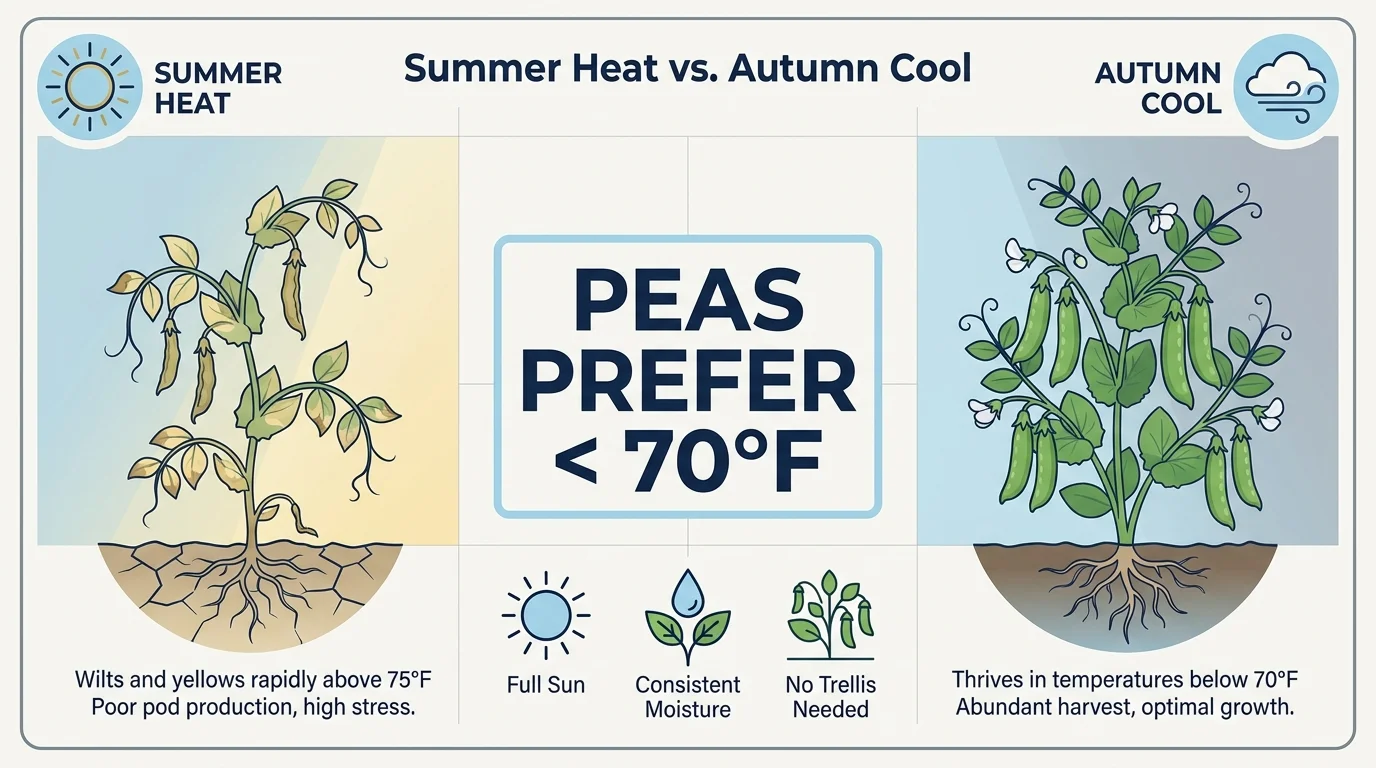
Outdoor Strategy #10: Cool-Weather Bush Peas
While traditionally celebrated as a harbinger of early spring, quick-maturing bush peas excel when planted in late summer for a fall harvest. Snow peas like Oregon Sugar Pod II or snap peas like Sugar Ann require only about 60 days to mature and do not need the towering trellises that vining types demand. Sow pea seeds in late July or early August, aiming for a harvest period that aligns with the crisp, cool days of October. The cooling temperatures actively help the pea pods retain their maximum crunch and sweetness.
Pea seeds often struggle to germinate if the late summer soil remains too warm and dry. To drastically improve your germination rates, soak the pea seeds in water overnight, and plant them slightly deeper—about an inch and a half—where the soil remains cooler. Once the seedlings emerge, applying a thick layer of mulch protects the shallow roots from heat stress. Bush peas fix their own nitrogen in the soil, requiring very little supplemental fertilizer. They represent an incredibly rewarding, low-effort crop to close out your season.
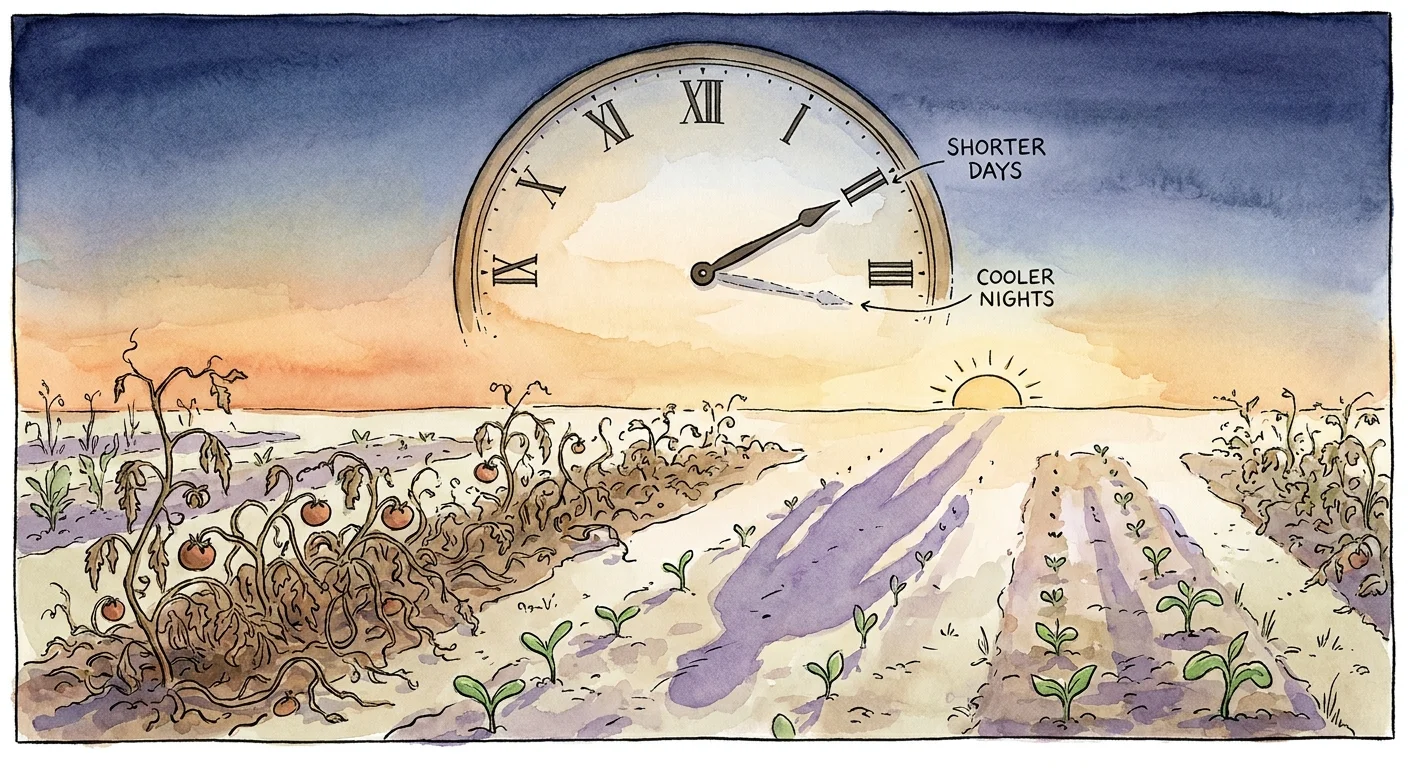
Seasonal Considerations for Your Garden
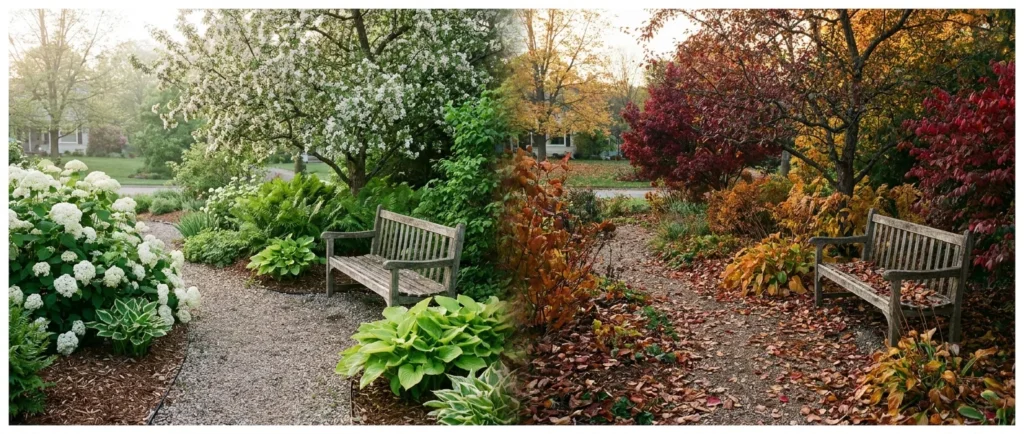
Transitioning your outdoor space from summer to autumn requires a deliberate shift in how you manage sunlight, water, and soil health. During late summer, the days gradually become shorter, and the angle of the sun dips lower in the sky. This astronomical shift means that areas of your garden previously bathed in full sunlight might suddenly fall under the shadow of nearby trees or fences. You must carefully observe these changing light patterns before deciding exactly where to locate your late-season vegetables, prioritizing spots that still receive at least six hours of direct sun.
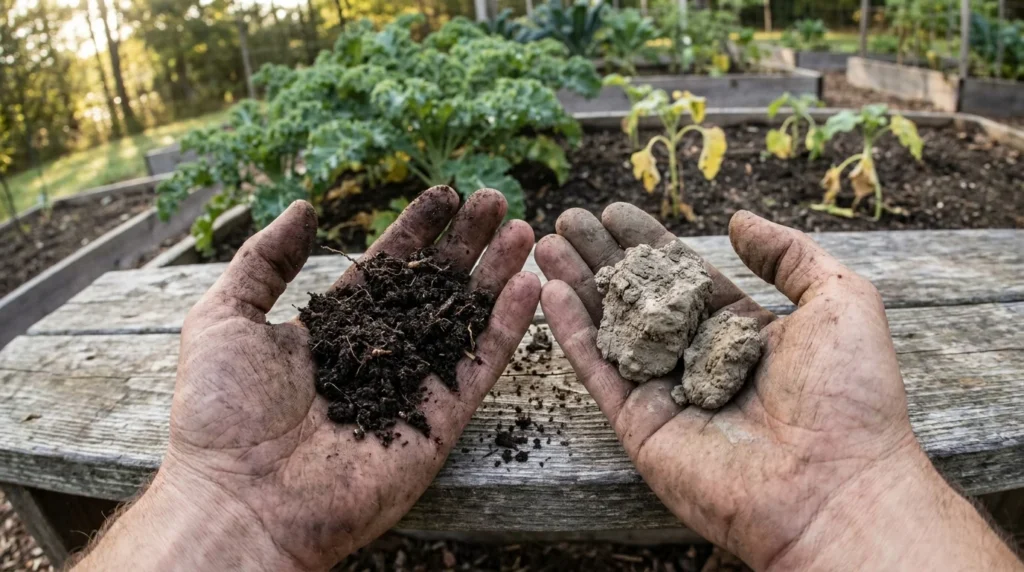
Soil depletion represents another major seasonal factor you must address. Spring and summer crops extract massive amounts of nutrients from the earth. Before planting your late summer seeds, you must replenish the soil’s fertility. Top-dressing your beds with two inches of rich compost or applying a balanced, slow-release organic fertilizer ensures your new autumn crops have the essential fuel they need to establish quickly. Furthermore, you must adapt your watering schedule. While the intense heat of August demands frequent watering, the cooler days of October reduce the evaporation rate significantly. Adjust your irrigation to ensure your soil remains moist but never completely saturated.
Dealing with Outdoor Pests and Weather
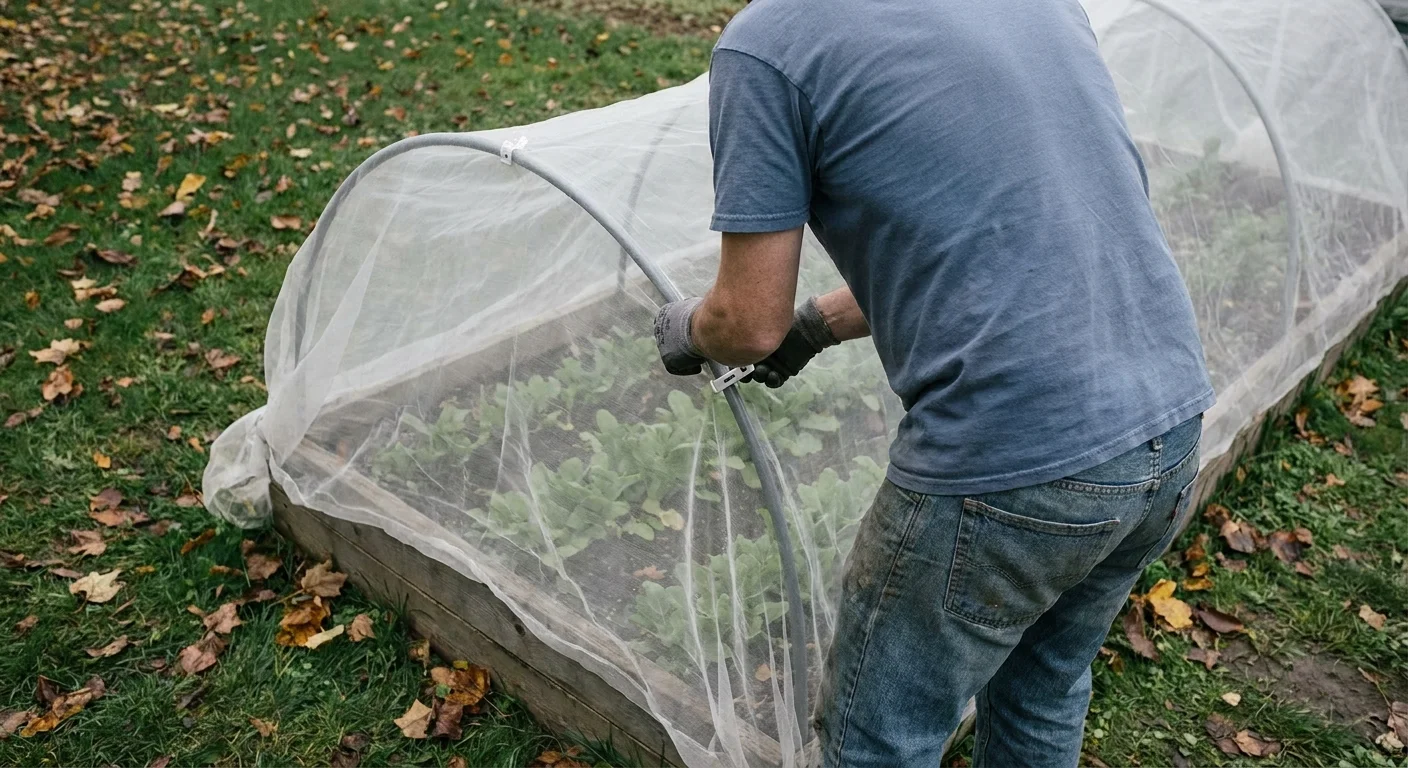
Late summer gardens face a dual threat: the lingering presence of peak-season insect populations and the looming danger of unpredictable weather swings. Cabbage worms and aphids remain particularly notorious for devastating young autumn brassicas like kale, turnips, and bok choy. You can actively manage these pests by inspecting your plants regularly and manually removing caterpillars or egg clusters from the undersides of leaves. For severe infestations, applying an organic control like Bacillus thuringiensis provides highly effective, targeted relief without harming beneficial pollinators.
Weather fluctuations require equally proactive management. Late August can unexpectedly deliver scorching heatwaves that threaten to bake tender, newly sprouted cool-weather crops. You can protect vulnerable seedlings by suspending a shade cloth over the beds, which significantly lowers the ambient temperature. Conversely, as October approaches, the threat of an early frost becomes a primary concern. Keep lightweight floating row covers or specialized frost blankets readily available. Draping these covers over your garden beds late in the afternoon traps the day’s residual heat in the soil, potentially raising the temperature around your plants and saving your harvest from freezing damage.
Frequently Asked questions
How do regional climate differences affect late summer planting?
Your specific location dictates exactly when you should plant late summer crops. Gardeners in northern climates might need to sow fall crops as early as late July, whereas those in southern zones might wait until late September. You must calculate your planting dates by finding your average first frost date and counting backward based on the days to maturity listed on your seed packets.
How can I maintain soil health for long-term productivity?
Long-term soil health relies on continuous organic matter input and minimizing soil disturbance. After you harvest your late summer crops, avoid leaving the soil bare over the winter. You can plant a cover crop like winter rye or crimson clover, or simply cover the empty beds with a thick layer of shredded autumn leaves. This practice protects the delicate soil microbiome and prevents winter rains from eroding your valuable topsoil.
Are late summer gardens budget-friendly?
Yes, growing an autumn garden is highly cost-effective. Because your garden soil is already prepared from the spring planting, your primary expense is simply purchasing seeds, which cost far less than nursery transplants. Utilizing homemade compost and capturing rainwater can reduce your maintenance costs to nearly zero, providing an excellent return on investment through pounds of fresh, organic produce.
Check your USDA Plant Hardiness Zone at the USDA’s website. For lawn and garden care advice, consult your local University Extension program (listed here). Find native plant information from the National Wildlife Federation.
Disclaimer: This article provides general outdoor gardening advice. Success can vary greatly based on your specific climate, soil type, and local conditions. Always choose plants appropriate for your USDA Hardiness Zone.