Putting It All Together: Enjoy Your Beautiful Garden
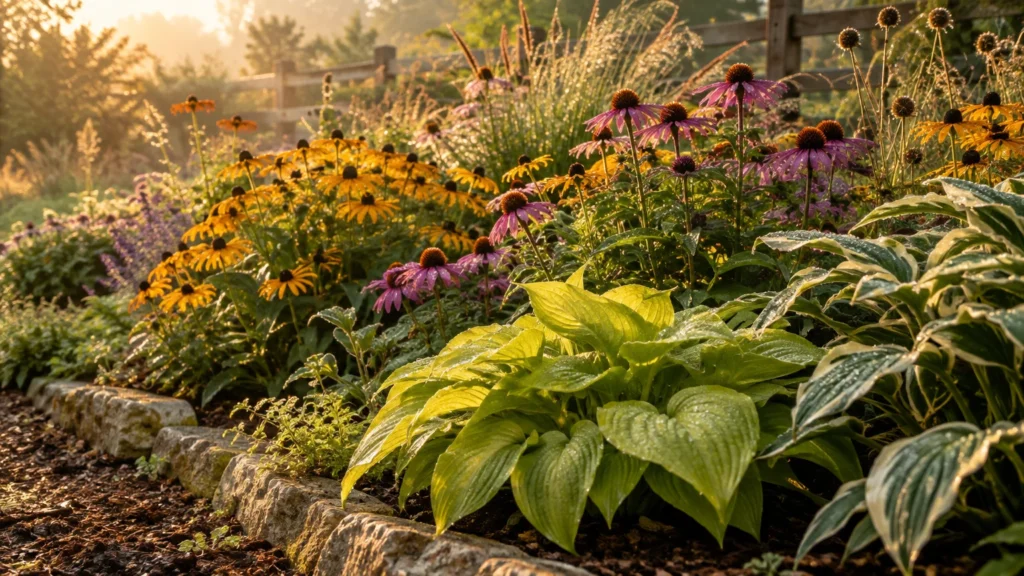
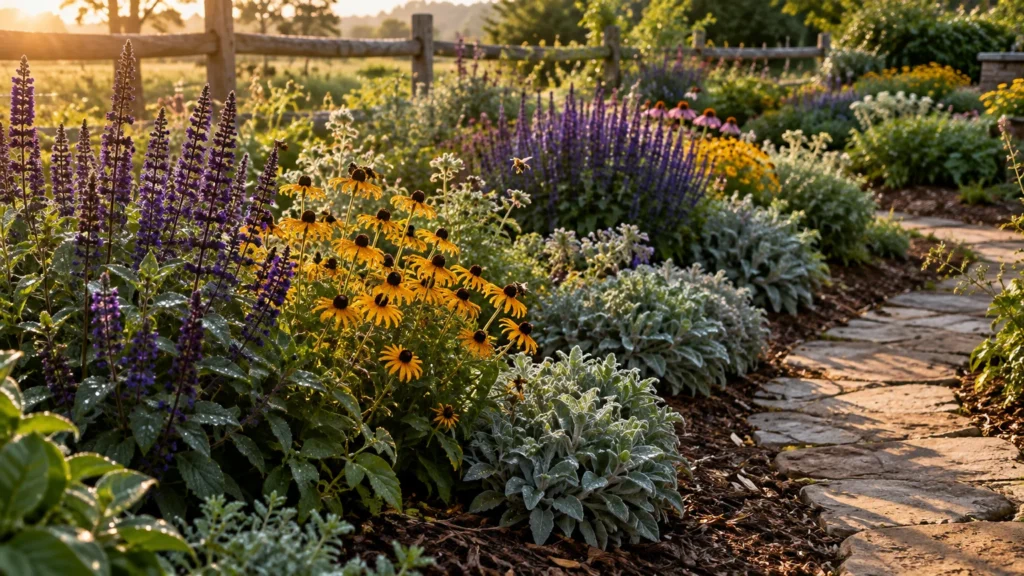
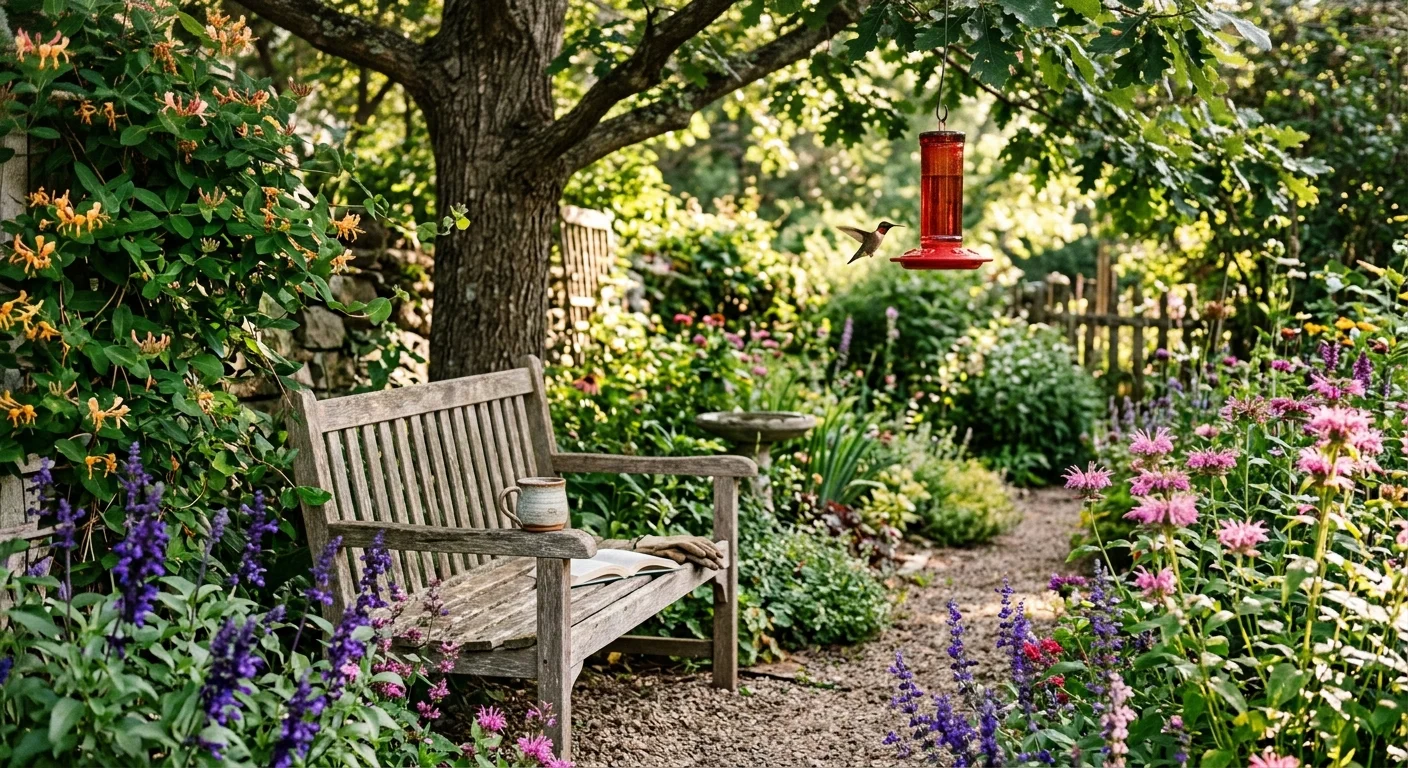
Creating a thriving hummingbird sanctuary involves more than simply picking a few pretty flowers; it requires thoughtful garden design and layered planting techniques. To maximize the impact of your hummingbird friendly plants list, arrange your selections in vertical layers. Use climbing vines like trumpet honeysuckle on background trellises and fences, position mid-sized perennials like bee balm, cardinal flower, and beardtongue in central borders, and fill foreground edges and hanging planters with trailing fuchsias, compact salvias, and cheerful zinnias. This vertical diversity mimics natural woodland edges and gives multiple birds room to forage simultaneously without territorial disputes.
Hummingbirds are fiercely territorial creatures with exceptional visual memory. Planting large drifts of red, orange, and purple flowers rather than isolated single specimens creates prominent color masses that birds can spot from high above during their daily flight paths. Complement your nectar plants by providing clean perching branches nearby. Small bare twigs on nearby shrubs or decorative garden stakes give hummingbirds resting spots where they can survey their territory, groom their feathers, and conserve energy between feeding rounds.
Water is another critical element for your hummingbird sanctuary. Because of their tiny size, hummingbirds rarely use deep birdbaths; instead, they prefer fine water misters, gentle drippers, or shallow bubbling fountain basins where they can zip through airborne droplets to clean their plumage. Finally, eliminate chemical pesticides, herbicides, and synthetic insecticides from your yard. Hummingbirds rely heavily on small insects and spiders for dietary protein, especially during nesting season. Maintaining an organic, pesticide-free garden protects these creatures and fosters a balanced ecosystem where your plants and wildlife thrive together.
For region-specific advice, consult your local University Extension program (find yours via the USDA directory). For plant databases and inspiration, visit the Missouri Botanical Garden or the Royal Horticultural Society.
Disclaimer: This article provides general gardening advice. Always consider your specific climate, soil conditions, and local pests. Follow safety guidelines when using gardening tools and products.