Tip #9: Lavender (Lavandula spp.)
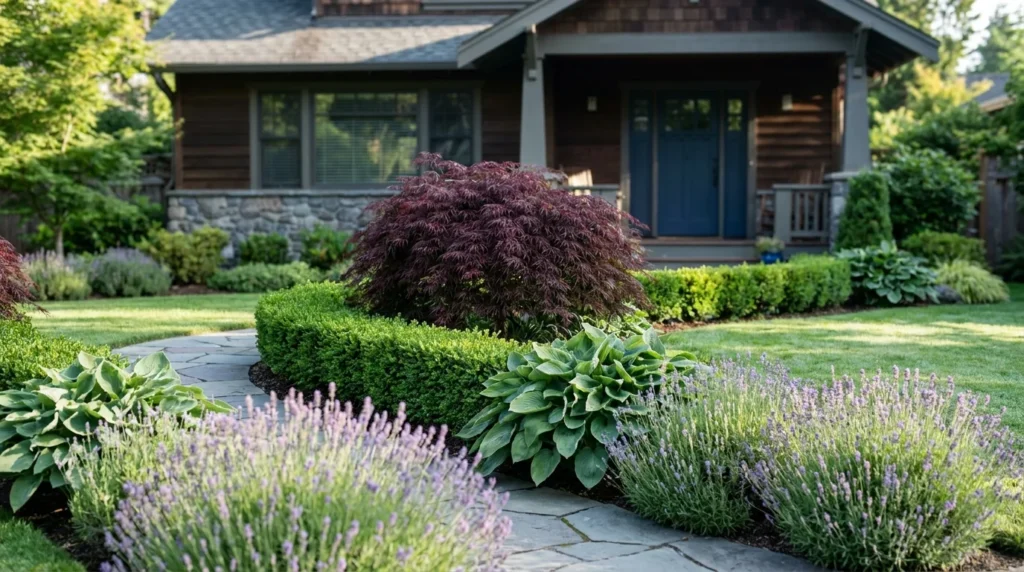
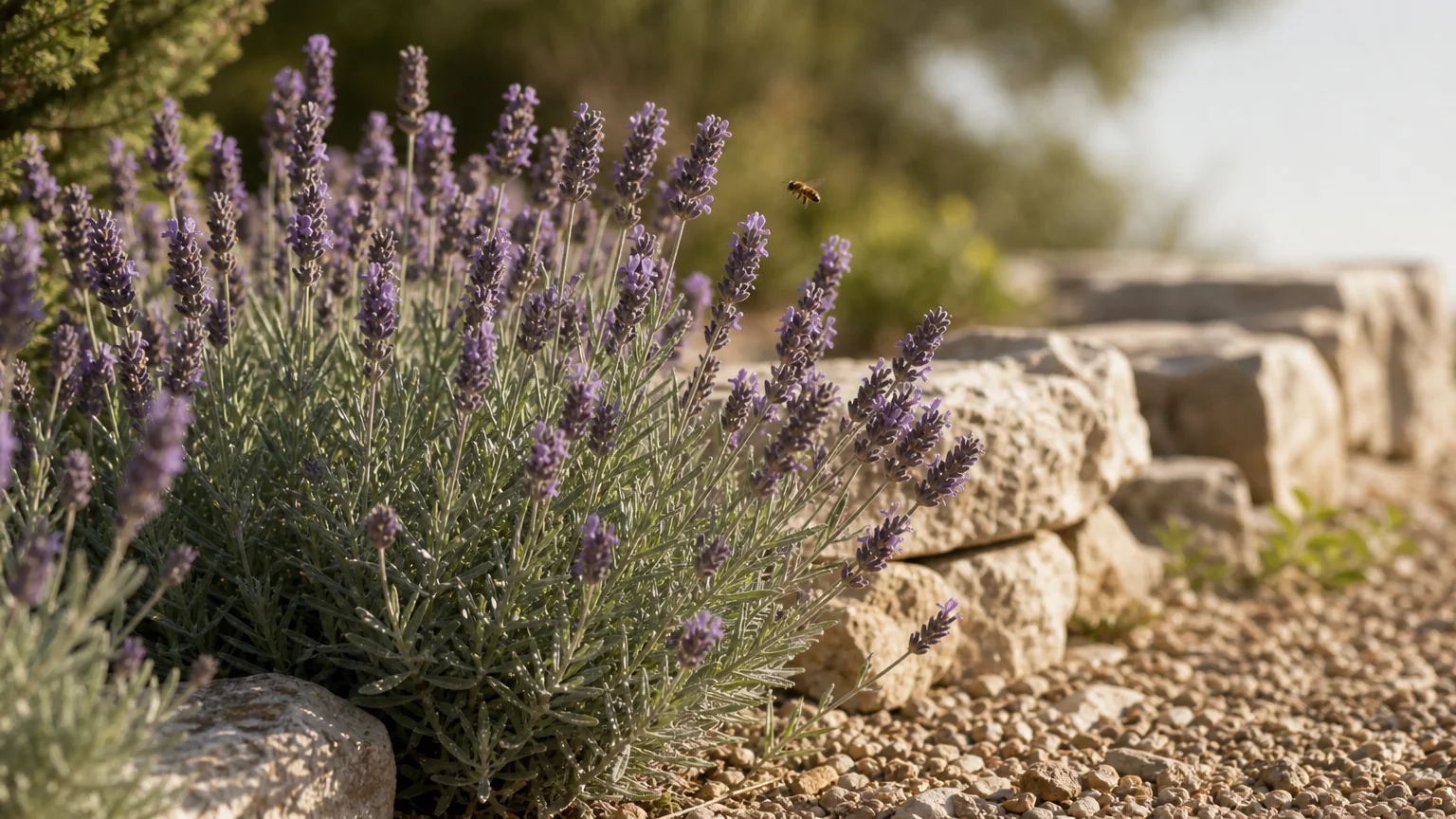
Lavender provides the ultimate sensory experience for the water-wise garden. Originating from the rocky, sun-drenched hillsides of the Mediterranean region, this woody herb combines intoxicating fragrance with legendary drought tolerance. The narrow, needle-like leaves minimize water evaporation, while the thick layer of essential oils coating the foliage provides a natural sunscreen against intense ultraviolet light.
Depending on the variety—such as English Lavender (Lavandula angustifolia) or Spanish Lavender (Lavandula stoechas)—these plants perform beautifully in USDA Zones 5 through 9. A mature Lavender plant strongly prefers the soil to dry out completely between waterings. In fact, receiving more than 15 inches of annual rainfall equivalent often stresses the plant more than a severe drought.
Planting technique matters tremendously for Lavender. They demand flawless drainage. If you garden in heavy clay, you must dig a wide hole and mix generous amounts of pea gravel and coarse builder’s sand into the native soil. Plant the crown slightly above the soil line to prevent moisture from pooling around the base. Do not use wood mulch around Lavender; instead, apply a one-inch layer of white gravel to reflect heat upward and keep the crown perfectly dry.