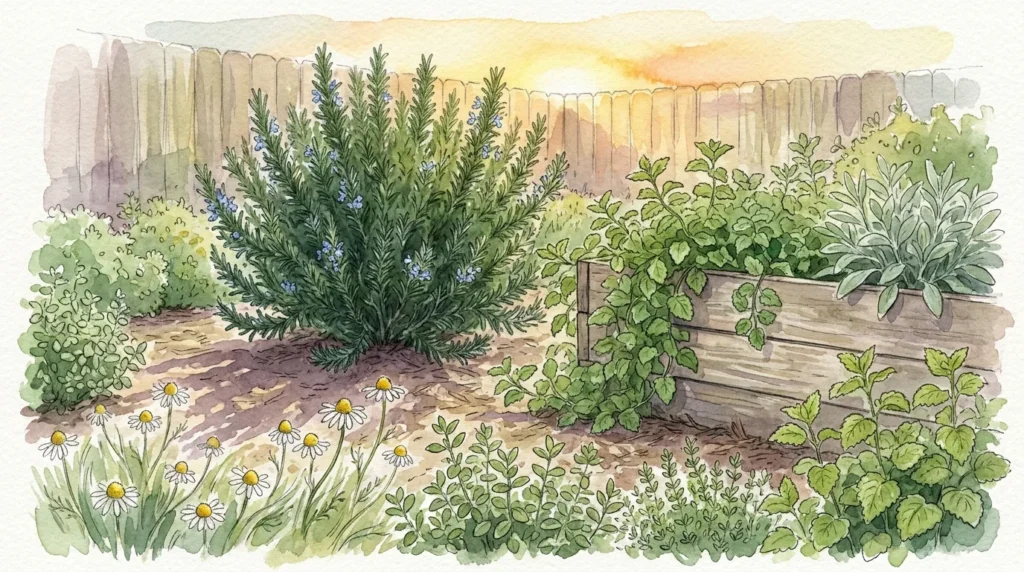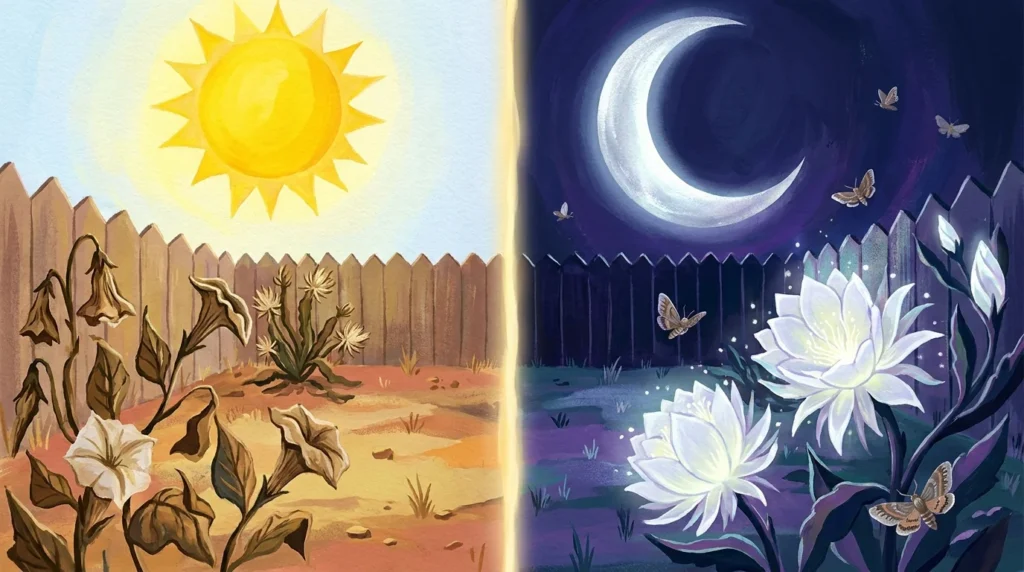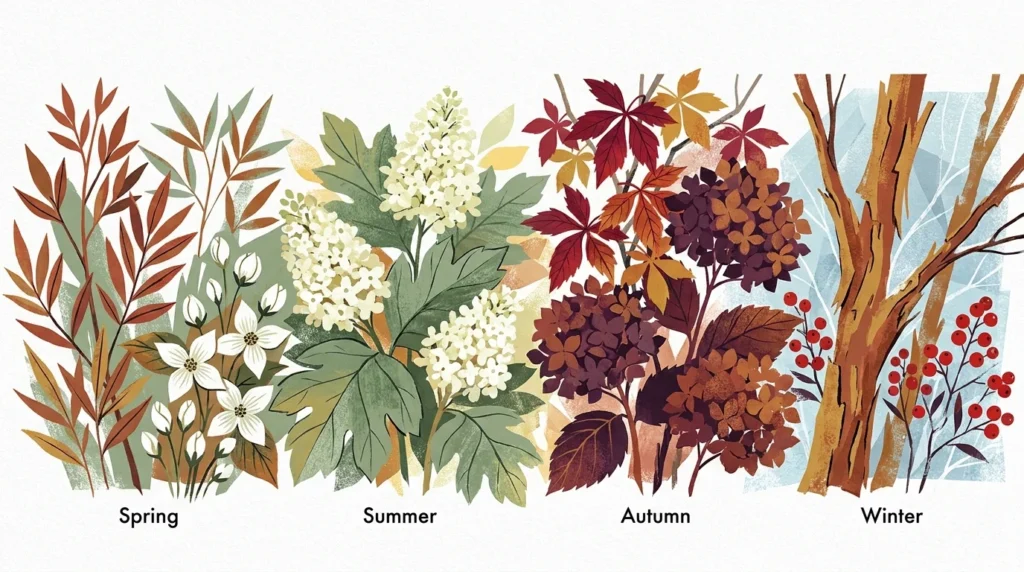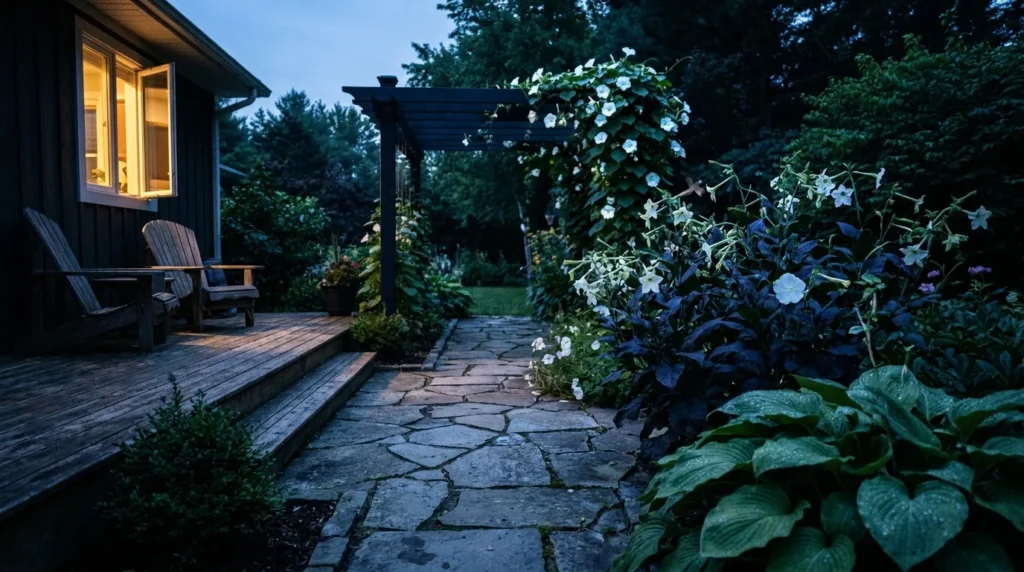
Summer heatwaves often turn vibrant garden beds into wilted, crispy disappointments. You want a landscape bursting with color, but spending hours hauling hoses and inflating your water bill remains an unsustainable chore. Building a resilient outdoor space means selecting the right plants for the right conditions.
By choosing species naturally adapted to scorching temperatures and prolonged dry spells, you create a thriving oasis that practically takes care of itself. These nine tough, radiant varieties will easily transform your yard into a lush retreat.
They demand minimal hydration while delivering maximum visual impact; they prove that a gorgeous outdoor sanctuary requires neither endless maintenance nor a massive water supply.
Tip #1: Lantana (Lantana camara)
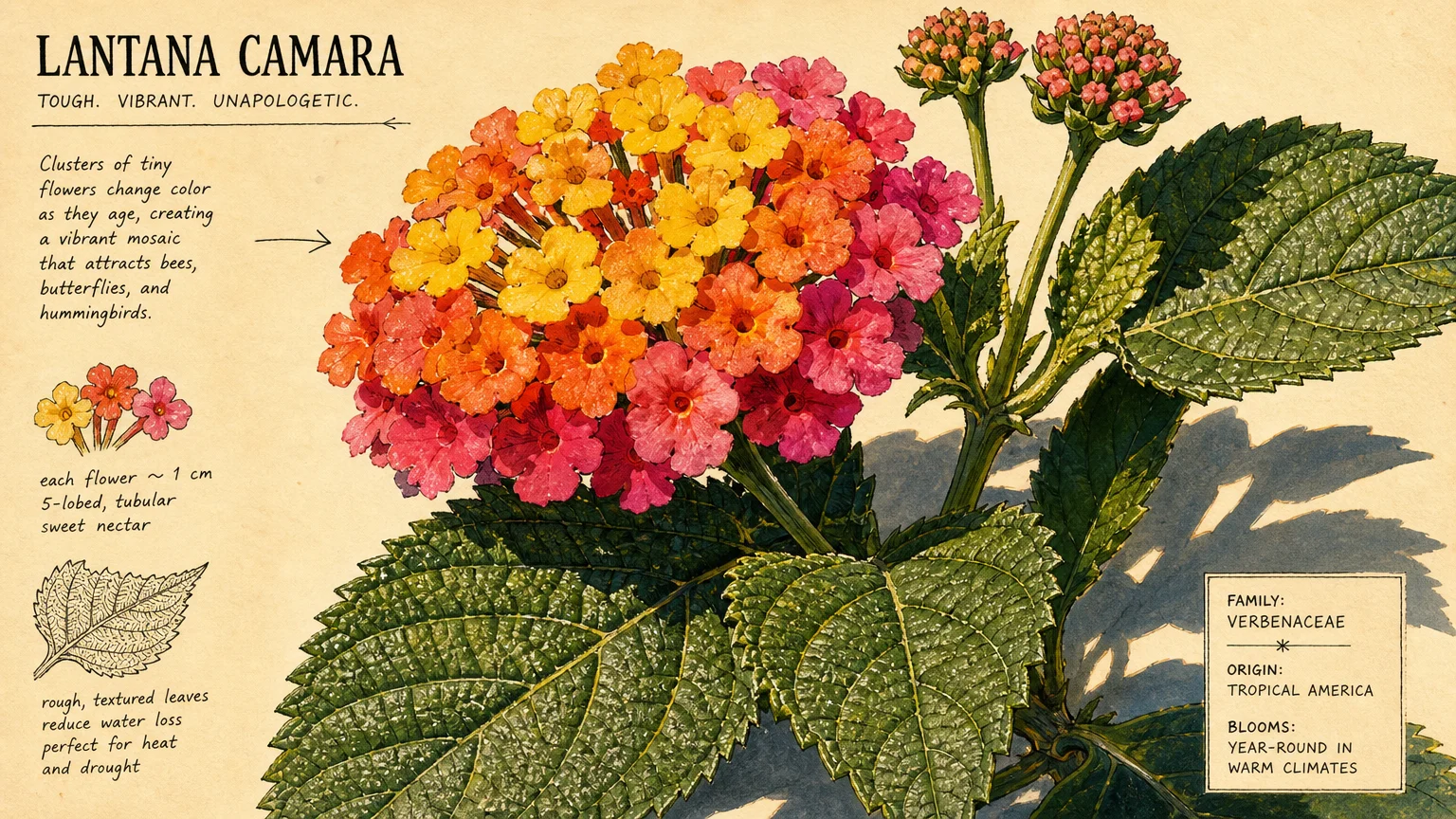
Lantana produces vibrant, multi-colored flower clusters that resemble tiny bouquets. These tough plants act as true sun-worshippers, blooming continuously from early spring until the first heavy frost. Lantana practically thrives on neglect, making it a foundational staple for anyone building a drought resistant garden. The secret to their survival lies in their rough, textured leaves; this specialized foliage significantly reduces water loss through transpiration, allowing the plant to handle blistering afternoon sun without dropping leaves or wilting.
You can grow Lantana as a perennial in USDA Zones 8 through 11, where it eventually forms woody shrubs reaching up to six feet in height and spreading equally as wide. In cooler climates, you easily treat it as a fast-growing annual that rapidly fills empty spaces in your garden beds. Once established in the soil, Lantana requires deeply saturated watering only once every two to three weeks during prolonged dry spells.
Plant Lantana in a location that receives at least six to eight hours of direct sunlight per day. If your yard contains heavy clay, amend the planting hole with organic compost and coarse sand to guarantee excellent drainage. Root rot remains the only real threat to this otherwise indestructible plant. Snip off old flower heads to encourage new buds, and watch as butterflies and hummingbirds flock to your yard all summer long.