Elevating your home’s interior design requires more than high-end furniture; you need living elements that anchor the space and draw the eye upward. Incorporating upscale houseplants instantly transforms a stark room into an inviting, sophisticated sanctuary. Designers rely on specific structural botanicals to add texture, movement, and vibrant color palettes without cluttering your floor plan. By selecting the right aesthetic plant decor, you cultivate a gallery-like atmosphere that feels both curated and effortlessly natural. Forget the standard, overused greenery found in every typical office space; these carefully selected varieties deliver maximum visual impact. These seven structural stunners bring an architectural elegance that rivals expensive art, giving your home that highly coveted designer aesthetic you crave.
Tip #1: The Fiddle Leaf Fig (Ficus lyrata)
Few plants command a room quite like the Fiddle Leaf Fig. Interior designers favor this West African native for its massive, violin-shaped leaves featuring prominent, deeply colored veins. Standing proudly in the corner of a well-lit living room, a mature Fiddle Leaf Fig acts as a living sculpture. The broad foliage offers incredible visual weight, beautifully balancing heavy architectural elements like stone fireplaces or robust sectional sofas.
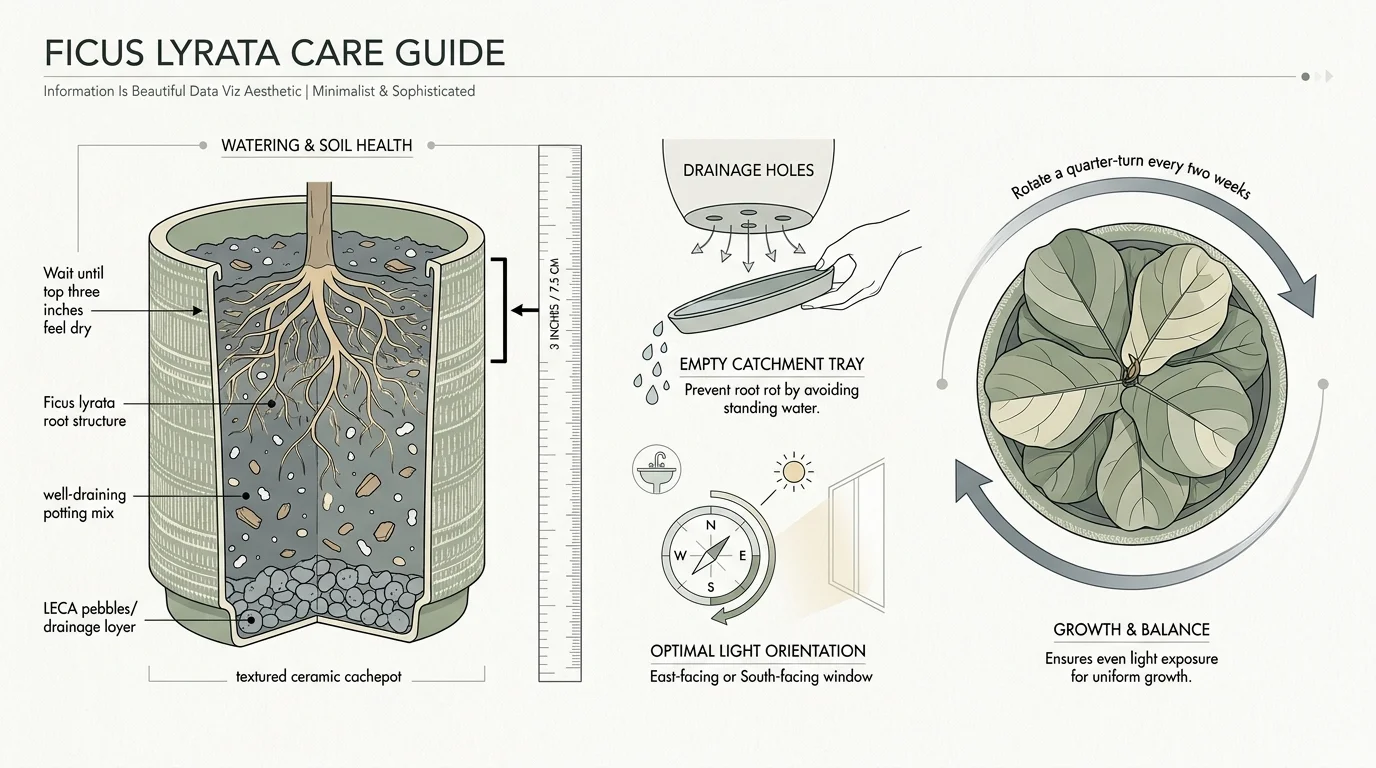
To cultivate that pristine, designer indoor plants aesthetic, you must master the light and watering balance. Fiddle Leaf Figs thrive in bright, indirect sunlight. Position your plant directly in front of an unobstructed east-facing or south-facing window. Rotate the container a quarter-turn every two weeks; this encourages the trunk to grow perfectly straight rather than leaning awkwardly toward the light source. A leaning trunk ruins the sophisticated symmetry you want to achieve.
Watering requires precision. Wait until the top three inches of the potting mix feel completely dry to the touch. When you water, drench the soil thoroughly until excess moisture escapes from the drainage holes, then empty the catchment tray immediately. Letting the roots sit in stagnant water leads to root rot, causing those beautiful leaves to develop ugly brown spots and drop off. Boost the luxury factor by potting your Ficus lyrata in a heavy, textured ceramic cachepot or a minimalist fiberglass planter. Top the visible soil with smooth river stones or polished black gravel to hide the potting mix and give the installation a sleek, finished appearance.
Tip #2: The White Bird of Paradise (Strelitzia nicolai)
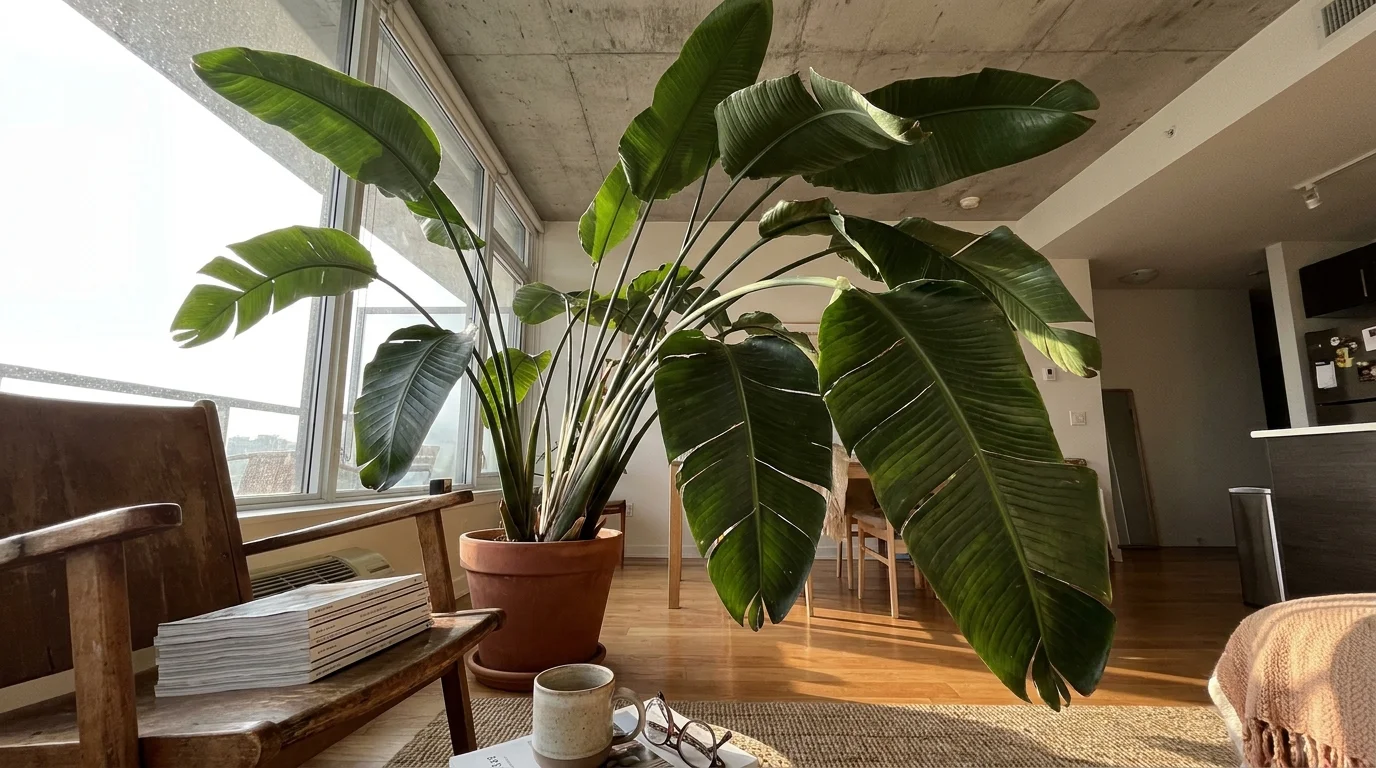
Bring the grandeur of a five-star tropical resort into your home with the White Bird of Paradise. This magnificent plant features towering, paddle-shaped leaves that gracefully fan outward, creating an impressive canopy overhead. Unlike the bushy, chaotic growth of standard ferns or palms, the Strelitzia nicolai offers clean lines and a sweeping, symmetrical structure. It draws the eye all the way to the ceiling, making your room feel dramatically taller and more expansive.
Achieving massive growth indoors requires replicating its sunny native environment. Give your Bird of Paradise the brightest light available in your home. Direct morning sunlight mixed with bright afternoon indirect light yields the best results. Because the leaves present such a large surface area, they transpire water quickly. Keep the soil consistently moist during the spring and summer growing seasons, but back off your watering schedule during the winter months to prevent soggy roots.
Wind naturally splits the leaves of this plant in the wild, an evolutionary trait designed to let hurricane breezes pass through without snapping the stem. You will see similar splits occur indoors as the leaves age. Embrace these splits; they add authentic textural character to your elegant houseplants collection. Keep the towering foliage looking vibrant and expensive by wiping each leaf with a damp microfiber cloth every few weeks. Dust buildup dulls the rich green color and impedes photosynthesis. For an upscale styling choice, place your Bird of Paradise in a large, brushed brass floor planter. The metallic finish beautifully complements the deep, cool greens of the tropical foliage.
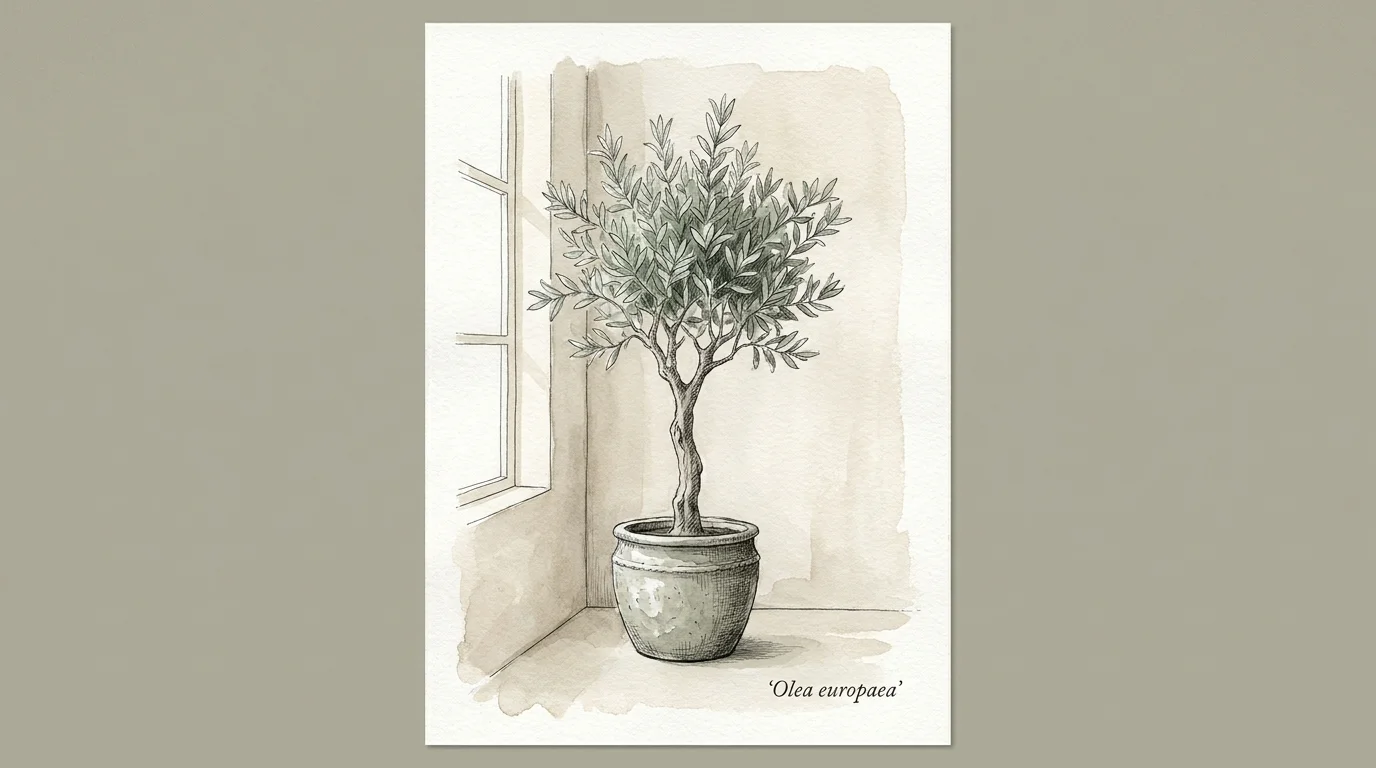
Tip #3: The Indoor Olive Tree (Olea europaea)
If your design tastes lean toward Mediterranean minimalism or modern rustic charm, the indoor Olive Tree serves as the ultimate botanical statement piece. This plant exudes a quiet, sophisticated luxury. Its slender, graceful branches and delicate, silvery-green foliage provide a brilliant contrast to the dark, heavy foliage of traditional tropical houseplants. The muted color palette of the Olive Tree perfectly complements neutral interiors, natural linen fabrics, and organic wood textures.
Growing a thriving Olive Tree indoors demands a commitment to high light levels. These trees originate in sun-drenched coastal regions; they require at least six hours of direct sunlight every day to maintain their foliage. Place your tree right against a large south-facing or west-facing window. If your home lacks sufficient natural light, install a stylish, pendant-style LED grow light directly above the canopy to supplement the sun.
Proper soil and drainage dictate your success with this luxury indoor plant. Plant your Olive Tree in a fast-draining cactus or citrus soil mix, amended with extra perlite to guarantee optimal aeration. Allow the top half of the soil to dry out completely before watering again. Overwatering remains the fastest way to kill an indoor olive, leading to rapid leaf drop. To maximize the high-end Mediterranean aesthetic, display your tree in a large, distressed terracotta pot or a hand-carved limestone urn. The juxtaposition of the rugged, ancient-looking planter with the delicate, airy branches creates a masterful, curated vignette.
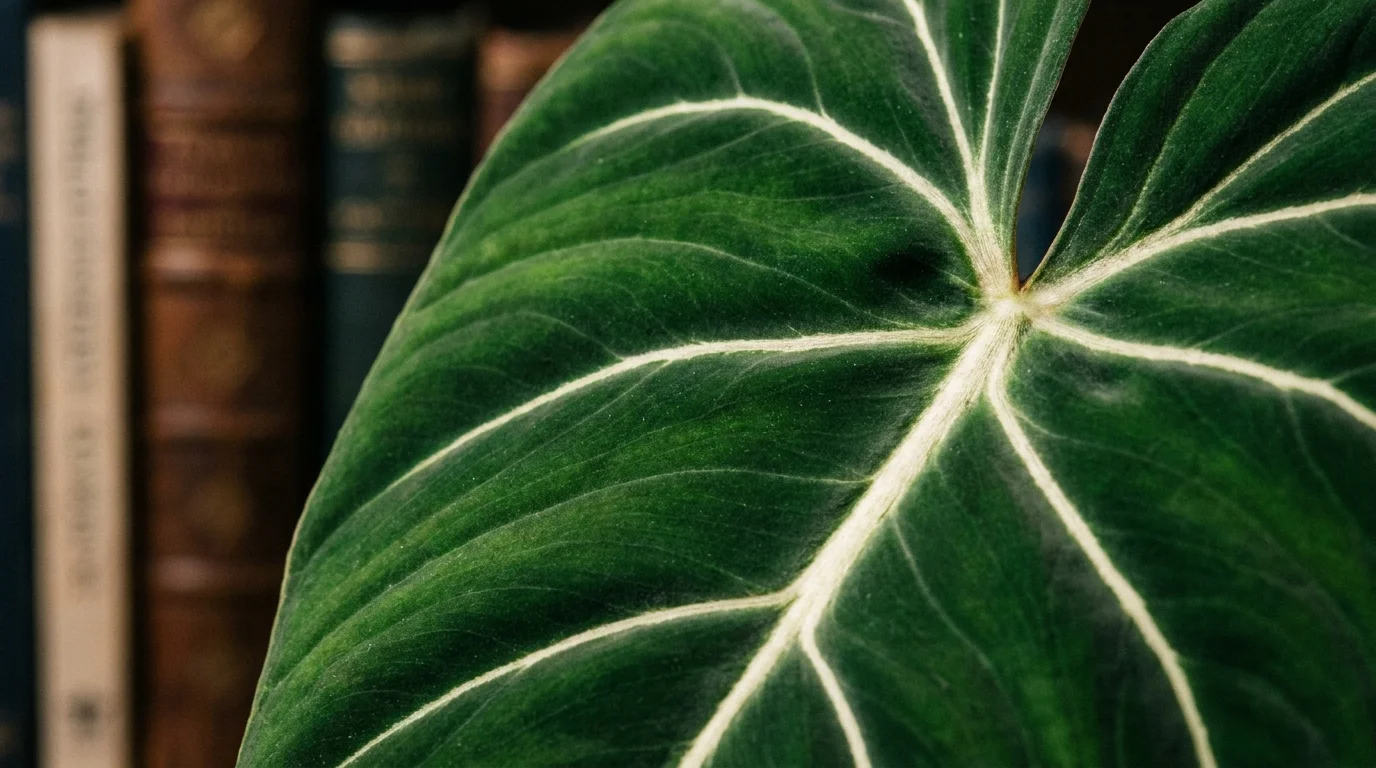
Tip #4: The Philodendron Gloriosum
Step away from the towering trees and focus your attention closer to the floor with the spectacular Philodendron gloriosum. This terrestrial plant features enormous, heart-shaped leaves covered in a deep green, velvety texture. Striking, bright white or pale pink veins intersect the dark foliage, looking as though they were painted on by hand. The luxurious velvet texture catches the light beautifully, adding a rich, tactile element to your interior spaces that glossy plants simply cannot replicate.
Unlike climbing philodendrons, the Gloriosum creeps horizontally along the forest floor. You must accommodate this unique growth habit to keep the plant thriving. Ditch the standard round nursery pots and plant your Gloriosum in a long, rectangular planter. Position the thick rhizome horizontally on top of the soil. Never bury the rhizome completely; burying it invites stem rot. As the plant grows, the rhizome crawls forward, sending massive leaves upward and establishing a lush, dense display of foliage.
Protecting the delicate velvet leaves requires careful environmental management. Keep the plant out of direct sunlight, which scorches the foliage and ruins the deep green coloration. Bright, indirect light ensures the leaves grow large and the veining remains crisp. Maintain humidity levels around 60 percent by running a small aesthetic humidifier nearby. High humidity prevents the leaf edges from crisping and curling. Style this creeping beauty on a low credenza or a dedicated plant bench, allowing visitors to look down and fully appreciate the mesmerizing pattern and texture of the leaves.
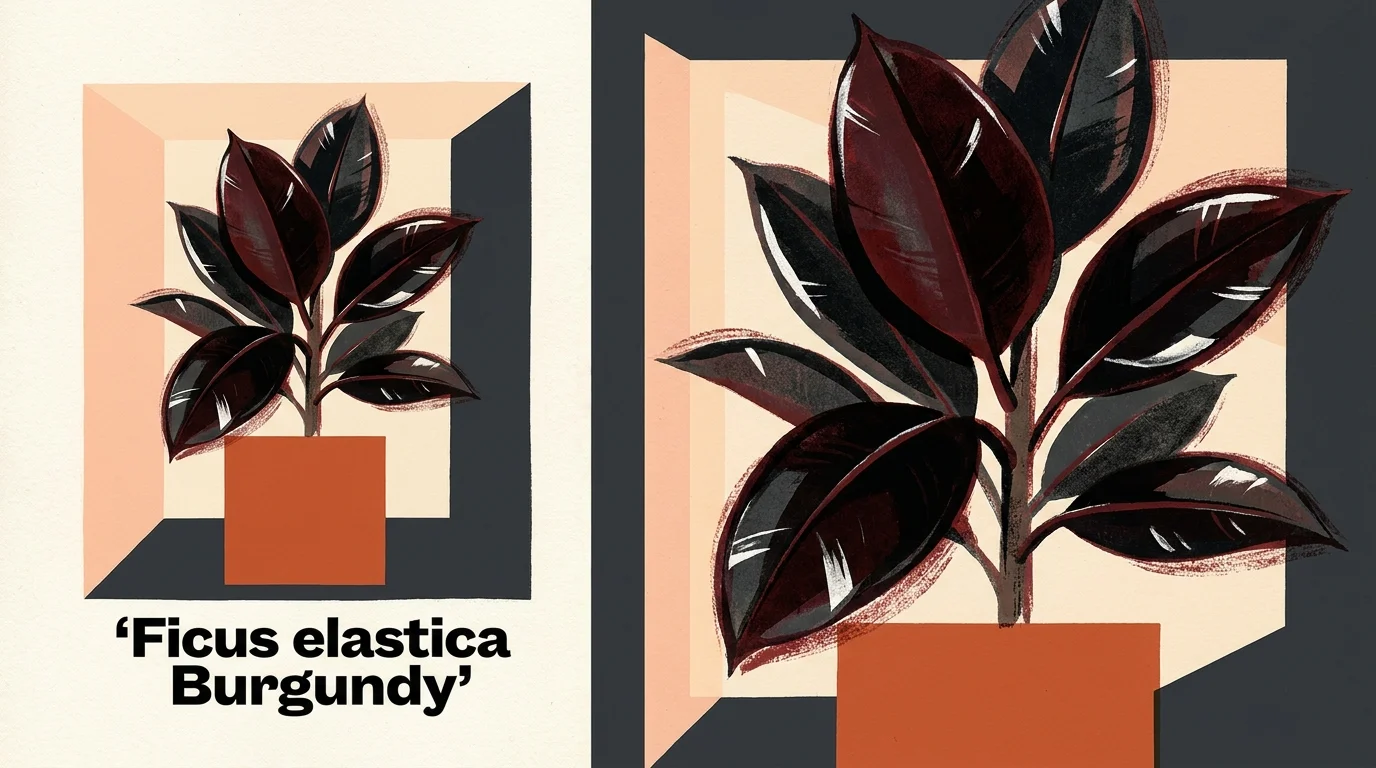
Tip #5: The Rubber Tree (Ficus elastica ‘Burgundy’)
Inject deep, moody drama into your living space with the Ficus elastica ‘Burgundy’. While standard green rubber trees look perfectly fine, the Burgundy variety elevates the species to a designer level. The broad, thick leaves emerge wrapped in bright red sheaths before unfurling into a dark, glossy, near-black shade. This intense, dark foliage provides a stunning visual anchor when placed against crisp white walls or situated next to light oak furniture.
Maintaining the structural elegance of a Rubber Tree involves a specific pruning technique known as notching. Left to its own devices, a Ficus elastica often grows straight up as a single, tall, somewhat awkward stalk. To force the plant to branch out and develop a fuller, tree-like canopy, use a sterilized razor blade to make a small, diagonal cut halfway through the trunk, just above a leaf node. Wipe away the white latex sap that emerges. Within a few weeks, the plant will push out new lateral branches from that exact spot, transforming a leggy stalk into a robust, high-end focal point.
Caring for the Burgundy Rubber Tree requires striking a balance with light. Too little light causes the leaves to lose their deep coloration and revert to a dull, muted green. Provide bright, indirect light to lock in that dark, luxurious hue. Allow the top two inches of the potting mix to dry out completely between waterings. To maintain the expensive, mirror-like gloss on the foliage, periodically shine the leaves using a soft cloth dampened with a highly diluted solution of water and neem oil. This practice keeps the plant gleaming while naturally repelling common household pests.
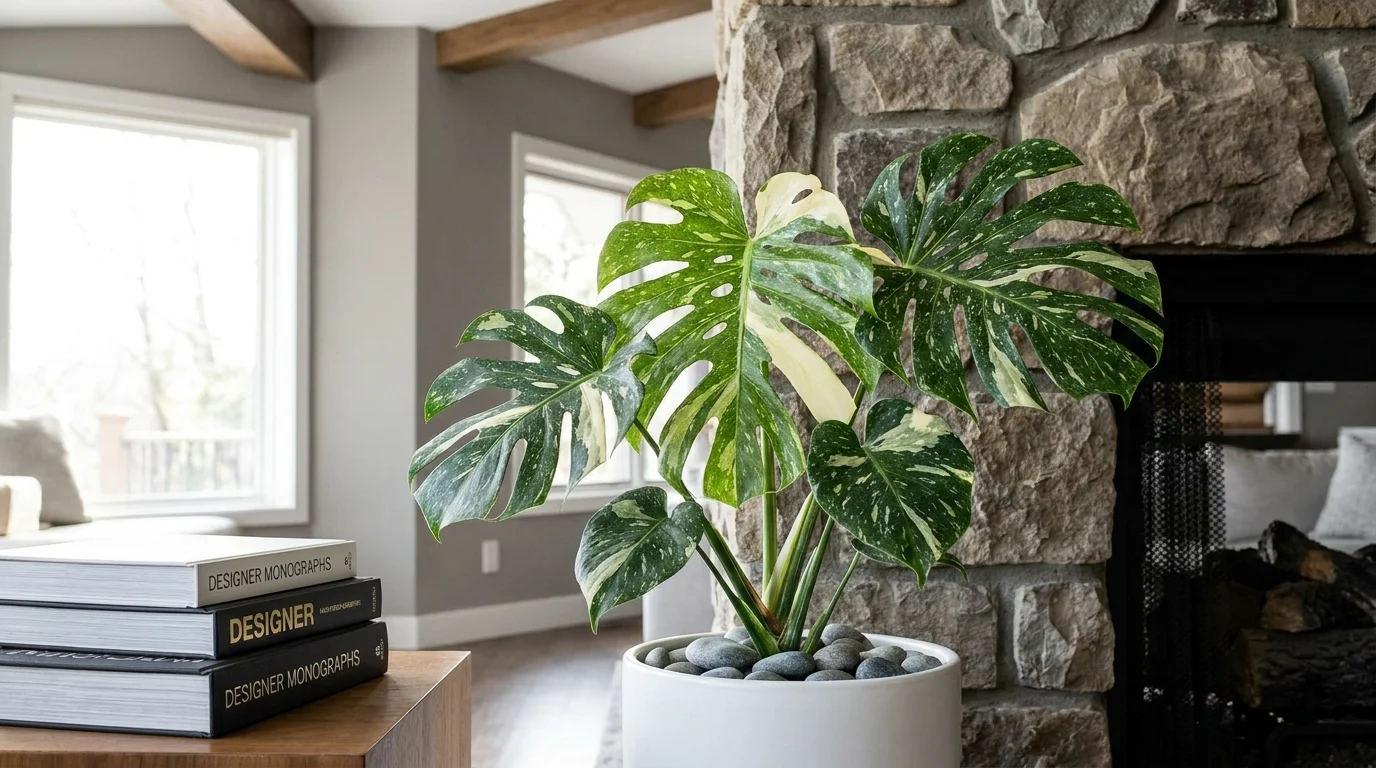
Tip #6: The Monstera Thai Constellation
For the ultimate flex in aesthetic plant decor, look no further than the Monstera Thai Constellation. Originally developed in a tissue culture laboratory in Thailand, this extraordinary plant features the iconic, heavily fenestrated leaves of a traditional Swiss Cheese Plant, but with a breathtaking twist. The deep green foliage is speckled, splashed, and marbled with striking cream and pale yellow variegation that resembles a starry night sky. Because this variegation is a stable genetic mutation, you never have to worry about the plant reverting to a solid green state.
Owning a premium plant requires a premium care routine. The white and cream sections of the leaves lack chlorophyll, meaning the green portions must work overtime to photosynthesize and support the plant’s massive growth. Place your Thai Constellation in the brightest indirect light possible. Direct sunlight will burn the delicate variegated sections, turning the beautiful cream spots into dry, crispy brown patches. Protect your investment by feeding the plant with a specialized liquid fertilizer containing silica. Silica strengthens the plant’s cell walls, helping to keep those striking white sections robust and healthy.
To achieve an upscale, architectural presentation, you must provide your Monstera with vertical support. In the wild, these plants climb up the trunks of massive jungle trees. Replicate this environment indoors by attaching the thick stems to a sturdy, moistened sphagnum moss pole or a sleek, modern clear acrylic trellis. As the aerial roots latch onto the support, the plant matures faster, producing dramatically larger leaves with more intricate splits and holes. A fully supported, climbing Thai Constellation in a modern fiberglass planter looks like a rare, living piece of modern art.
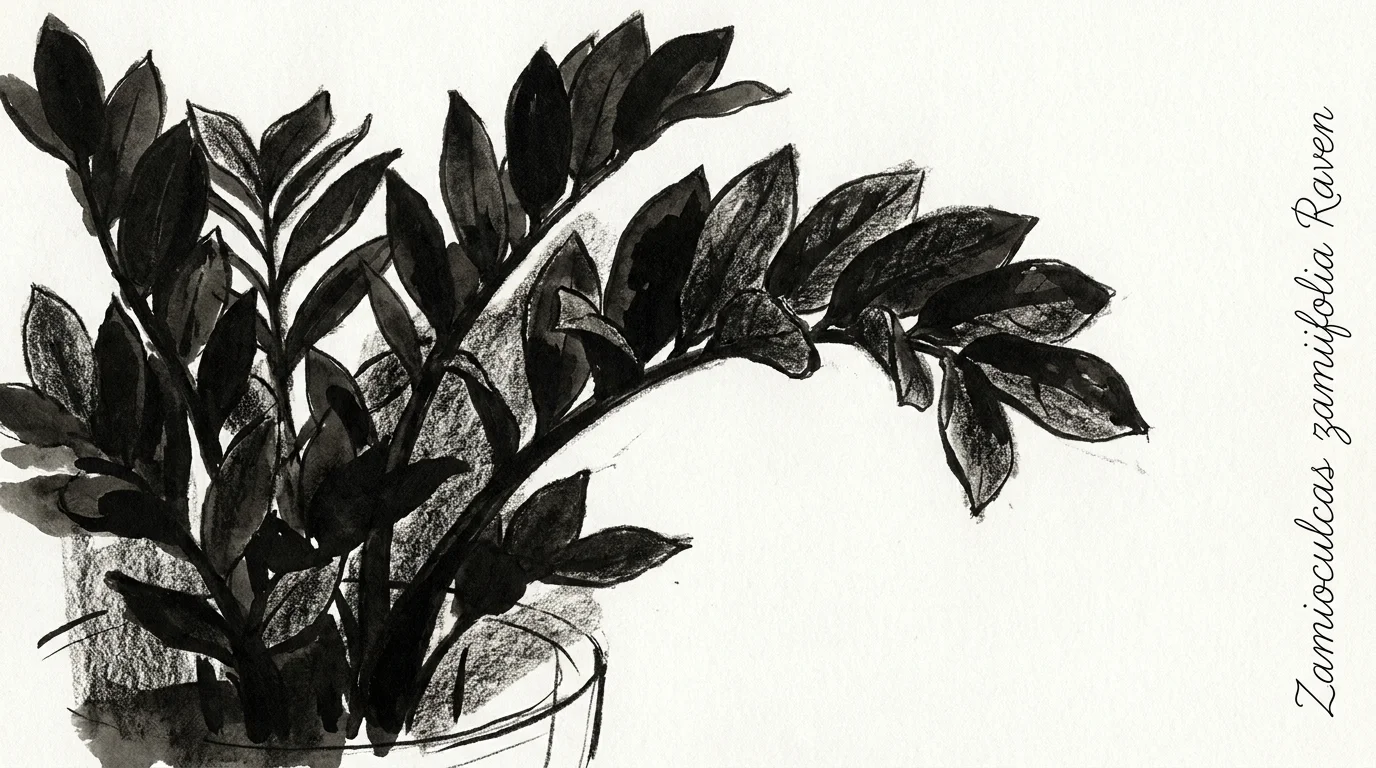
Tip #7: The Raven ZZ Plant (Zamioculcas zamiifolia ‘Raven’)
Achieving a high-end look does not always require high-maintenance care. The Raven ZZ plant proves that you can enjoy spectacular, designer foliage with almost zero effort. The appeal of the Raven ZZ lies in its incredible color transformation. New shoots emerge from the soil as a shockingly bright, neon green. Over the course of a few weeks, the gracefully arching stems and waxy leaves gradually darken, eventually settling into a stunning, deep purple-black shade. The contrast between the bright new growth and the mature dark foliage creates a dynamic, ever-changing display.
This structural masterpiece thrives on neglect, making it the perfect upscale houseplant for busy professionals or frequent travelers. The plant stores massive amounts of water in its thick, bulbous rhizomes beneath the soil surface. You only need to water your Raven ZZ every three to four weeks. Wait until the soil is completely dry from the surface all the way to the bottom of the pot before providing a thorough soaking. Overwatering causes the rhizomes to turn to mush, destroying the plant from the inside out.
The sleek, dark foliage lends itself perfectly to modern, industrial, or minimalist aesthetics. Emphasize the gothic elegance of the Raven ZZ by styling it in a matte black ceramic pot, a polished concrete cube, or a metallic silver planter. Because this plant tolerates extremely low light conditions, you can utilize it in spaces where other luxury indoor plants would surely perish. Place it on a marble entryway console table, a shaded hallway pedestal, or a windowless bathroom vanity to instantly upgrade the room’s sophistication level.
Putting It All Together: Enjoy Your Beautiful Garden
Transforming your home from basic to breathtaking relies heavily on the thoughtful integration of structural, visually striking botanicals. You have moved past the era of grabbing whatever small, unassuming fern catches your eye at the grocery store. By intentionally selecting plants with bold architectural shapes, luxurious textures, and dramatic color profiles, you elevate the entire atmosphere of your living space.
Remember that the vessel is just as important as the plant itself. A magnificent Fiddle Leaf Fig loses its impact when displayed in a flimsy plastic nursery tub. Invest in high-quality planters made from ceramic, brass, concrete, or stone to properly frame your living art. Pair this elevated styling with the dedicated care routines outlined above—managing proper light exposure, mastering your watering schedules, and keeping the foliage pristine—to ensure your plants remain healthy and vibrant. Apply these practical insights, curate your indoor jungle carefully, and watch as your home blossoms into a sophisticated, designer-quality sanctuary.
Frequently Asked Questions
How do I maintain the glossy look of luxury indoor plants?
Dust accumulates quickly indoors, dulling the foliage and blocking essential sunlight. Keep your plants looking vibrant and expensive by wiping the leaves bi-weekly. Use a soft microfiber cloth dampened with lukewarm water and a single drop of mild dish soap to remove grime. Finish the routine with a light application of highly diluted neem oil; this provides a brilliant, natural shine while simultaneously deterring common pests.
What type of planters work best for designer indoor plants?
Choose heavy, durable materials that reflect high-end architectural design. Matte ceramic, polished concrete, aged terracotta, and brushed brass offer incredible texture and visual weight. To protect these expensive materials and ensure proper drainage, always keep your plant housed inside its plastic nursery pot with drainage holes. Simply drop the plastic pot directly into your decorative cachepot, removing it briefly when it is time to water.
Can I achieve an elegant look if my home has very low light?
Absolutely. While many towering architectural trees require bright sunshine, you have excellent options for dimmer spaces. The Raven ZZ plant thrives in low-light environments while maintaining its stunning, near-black foliage. Alternatively, you can open up your options by investing in high-quality, sleek LED grow lights. Modern grow lights come in stylish pendant or halo designs that blend seamlessly into your upscale decor while providing your plants with the energy they need.
For region-specific advice, consult your local University Extension program (find yours via the USDA directory). For plant databases and inspiration, visit the Missouri Botanical Garden or the Royal Horticultural Society.
Disclaimer: This article provides general gardening advice. Always consider your specific climate, soil conditions, and local pests. Follow safety guidelines when using gardening tools and products.