Planning your vegetable gardening layout strategically prevents stunted growth and maximizes your harvest. Companion planting tells you what thrives together, but knowing which vegetables you should never plant next to each other is equally critical to avoid common gardening mistakes. When incompatible plants share the same soil, they fiercely compete for nutrients, attract devastating shared pests, or release biochemicals that actively inhibit their neighbors. You spend countless hours nurturing your backyard garden plants, so keeping antagonistic crops separated saves you from heartbreaking crop failures. By making a few simple adjustments to your planting map this season, you easily eliminate invisible underground wars and ensure every vegetable reaches its full, delicious potential.
Tip #1: Tomatoes and Potatoes
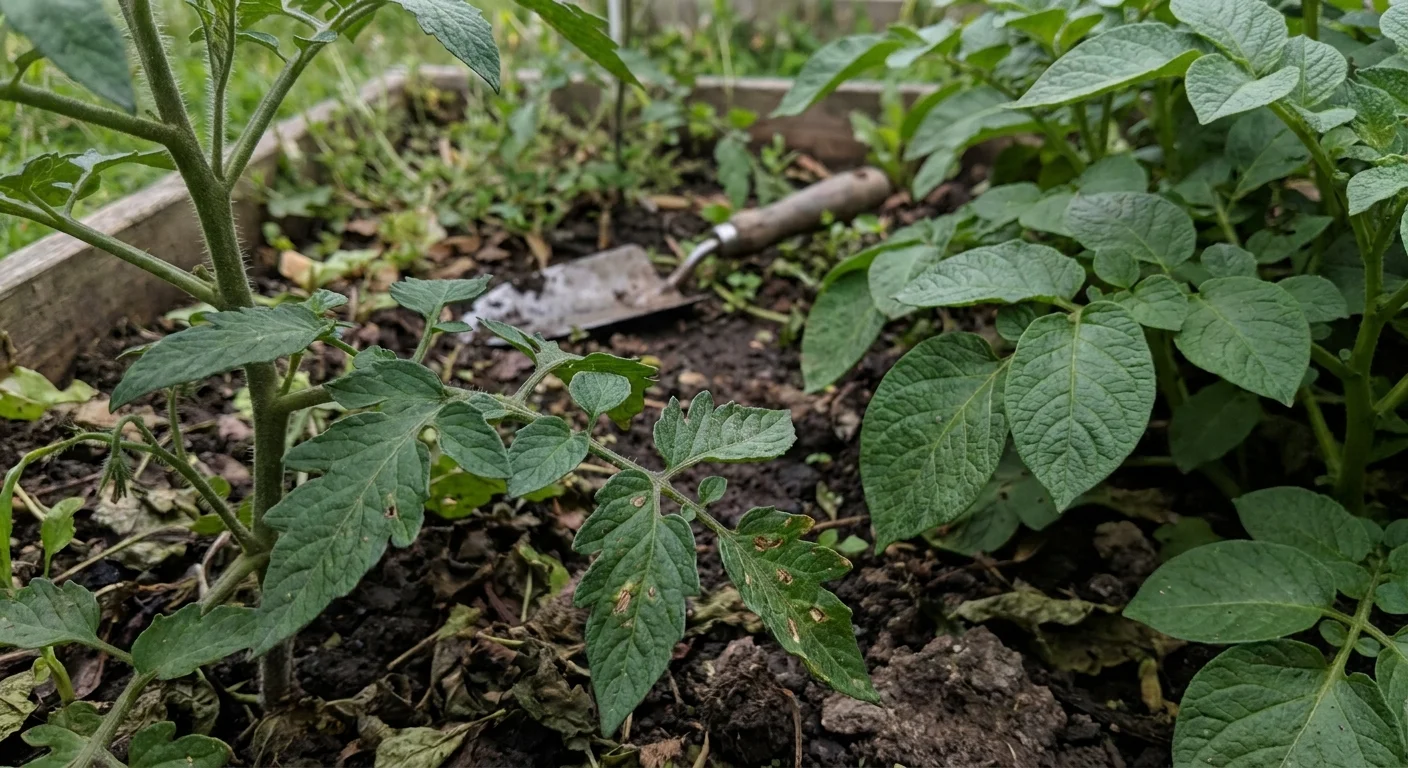
Tomatoes and potatoes belong to the Solanaceae family; sharing this genetic lineage means they also share identical vulnerabilities. When you place these two popular crops side-by-side, you create a highly concentrated target for devastating fungal diseases. Early blight and late blight—specifically the notorious pathogen Phytophthora infestans—spread rapidly between these closely related plants. Heavy rain easily splashes aggressive blight spores from infected potato foliage directly onto low-hanging tomato stems, potentially destroying both of your harvests in a matter of days.
Beyond rapid disease transmission, tomatoes and potatoes fiercely compete for the exact same soil nutrients. Both plants act as heavy feeders that demand immense amounts of phosphorus and potassium to develop their fruit and tubers. When forced to share a small space, they quickly strip the surrounding earth of available organic matter. This fierce underground competition leaves both plants severely undernourished, resulting in yellowing leaves and deeply disappointing yields.
To protect your vegetable gardening efforts, separate these demanding crops by at least two distinct garden beds, providing roughly ten feet of physical space between them. Instead of grouping your nightshades together, interplant your tomatoes with basil to repel hornworms, and surround your potato trenches with bush beans to naturally replenish the soil.
Tip #2: Onions and Beans
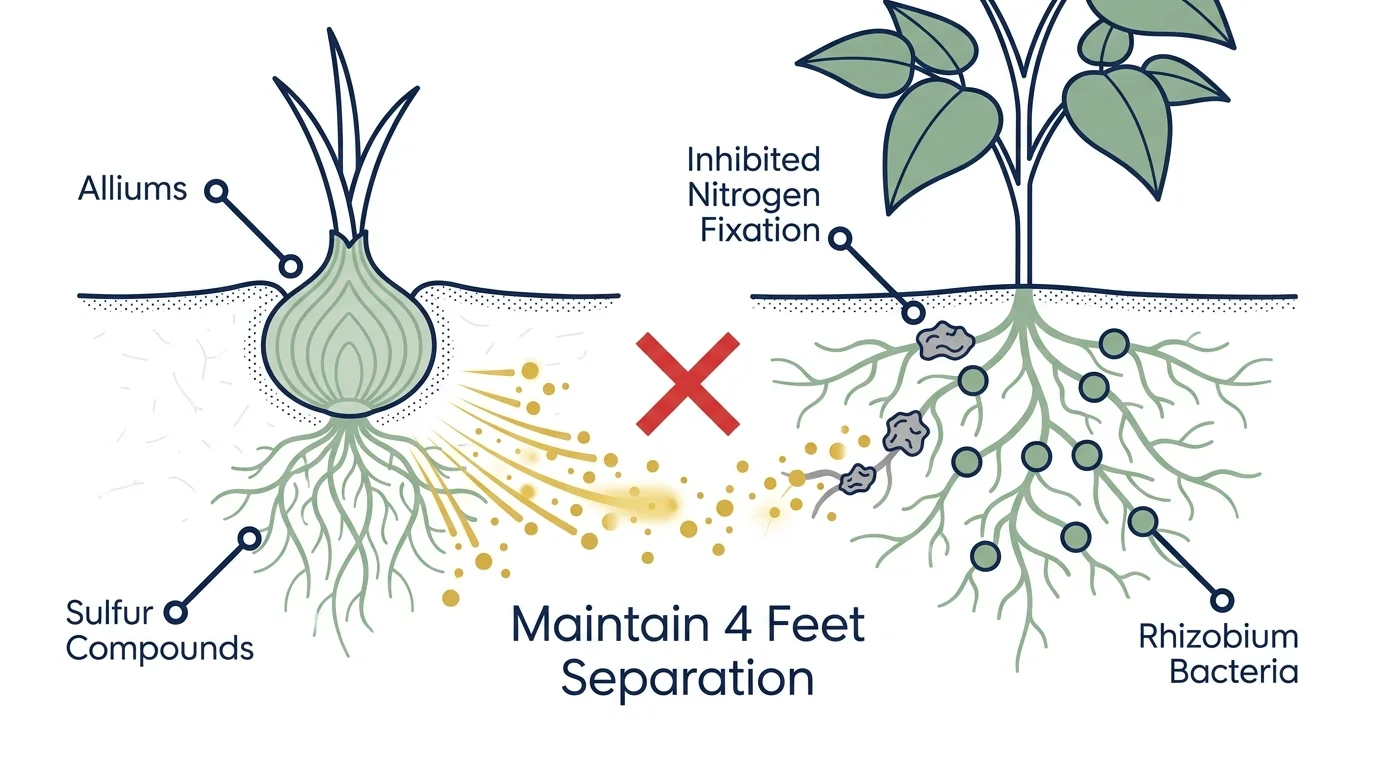
Legumes like beans and peas possess a remarkable ability to generate their own fertilizer, but they require specific soil conditions to perform this magic. Legume roots rely on a symbiotic relationship with Rhizobium bacteria in the soil to fix atmospheric nitrogen. Alliums—a plant family that includes onions, garlic, leeks, and shallots—secrete strong sulfur compounds and antibacterial enzymes directly into the surrounding soil. These potent chemical secretions actively kill the beneficial bacteria attached to your bean roots.
Without their bacterial partners to facilitate nitrogen uptake, your bean vines will quickly turn a sickly pale yellow and produce a dismal, stunted harvest. The antibacterial properties of onions serve as a fantastic defense mechanism against soil-borne rot, but they act as a lethal weapon against your delicate legume crops. Beans need incredibly biologically active soil, and alliums sterilize the immediate area.
Keep your onions and garlic entirely out of your legume beds to ensure vigorous bean growth. You should maintain at least four feet of separation between these incompatible vegetables. As a highly productive alternative, plant your onions next to carrots to confuse the destructive carrot rust fly, and pair your climbing beans with tall corn stalks to maximize your vertical garden space.
Tip #3: Fennel and Almost Any Other Vegetable
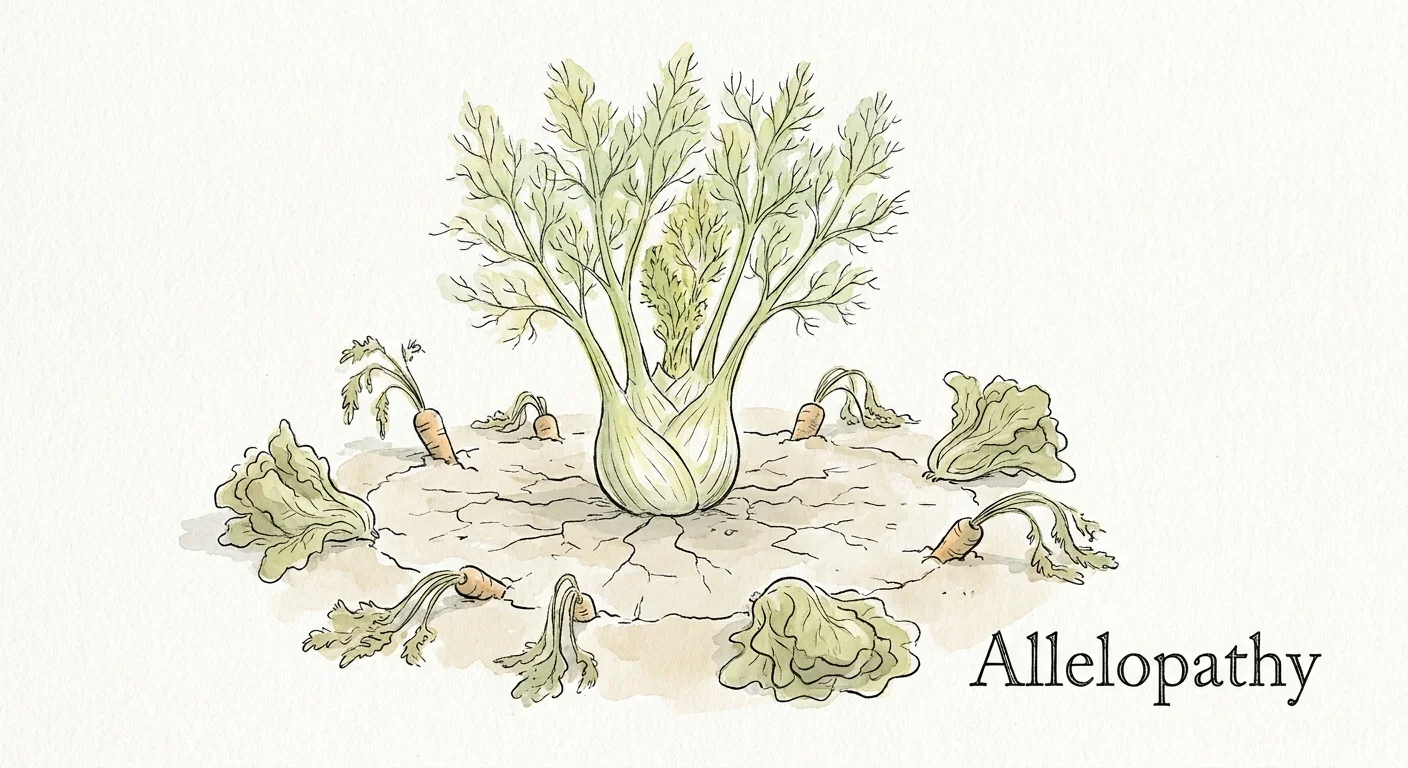
Fennel serves as the outcast of the backyard garden due to a biological phenomenon known as allelopathy. The root system of the fennel plant actively exudes specific biochemicals designed to stunt the germination and growth of competing plants. This selfish survival mechanism ensures fennel monopolizes all local soil moisture and nutrients, but it wreaks absolute havoc on your carefully planned companion planting layout.
This chemical warfare severely damages tomatoes, peppers, and bush beans. If you plant bush bean seeds directly next to mature fennel, you will frequently notice a germination drop of up to fifty percent. Even if the neighboring plants manage to sprout, their growth will appear painfully slow, and they will rarely reach maturity. Fennel simply does not play well with others.
Despite its hostile nature toward other vegetables, you still want to grow fennel to attract beneficial pollinators and swallowtail butterfly caterpillars. The easiest solution involves growing fennel in a standalone terracotta pot or a dedicated, isolated peripheral bed at the edge of your property. Keeping it completely separated from your primary food crops allows you to enjoy its aromatic fronds without sacrificing your tomatoes.
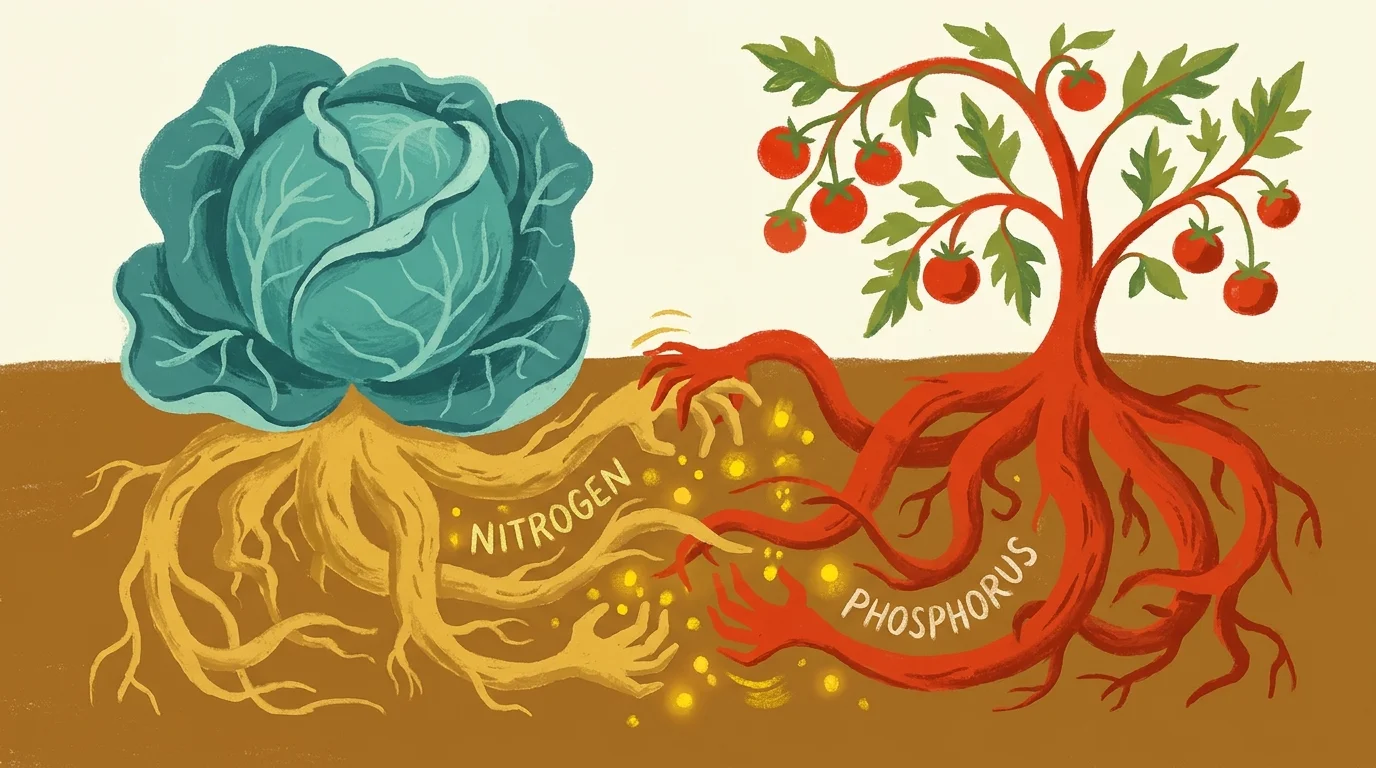
Tip #4: Cabbage and Tomatoes
Brassicas—which include hearty staples like cabbage, broccoli, kale, and cauliflower—require immense amounts of nitrogen to develop their dense, leafy heads. Tomatoes also demand massive nutrient uptake to establish strong vines and set heavy clusters of fruit. Planting these two greedy vegetables together triggers a relentless underground battle for resources that inevitably leaves both plants starved and undersized.
The conflict extends beyond mere nutrient theft. Tomatoes produce solanine and various root exudates that actively stunt the development of neighboring cabbage plants. When cabbage roots encounter these chemical signals, their growth slows drastically, resulting in loose, poorly formed heads that fail to tighten up before the first frost. In return, the massive lower leaves of cabbage plants create a humid microclimate at the soil level, which encourages fungal diseases to creep up your tomato stems.
Provide your cabbage and tomatoes with entirely separate living quarters. Ensure you feed your cabbage beds heavily with rich compost before planting to satisfy their nitrogen cravings. Plant cabbage near aromatic herbs like thyme or mint to deter destructive cabbage moths, and pair your tomatoes with borage to attract busy bumblebees for superior pollination.
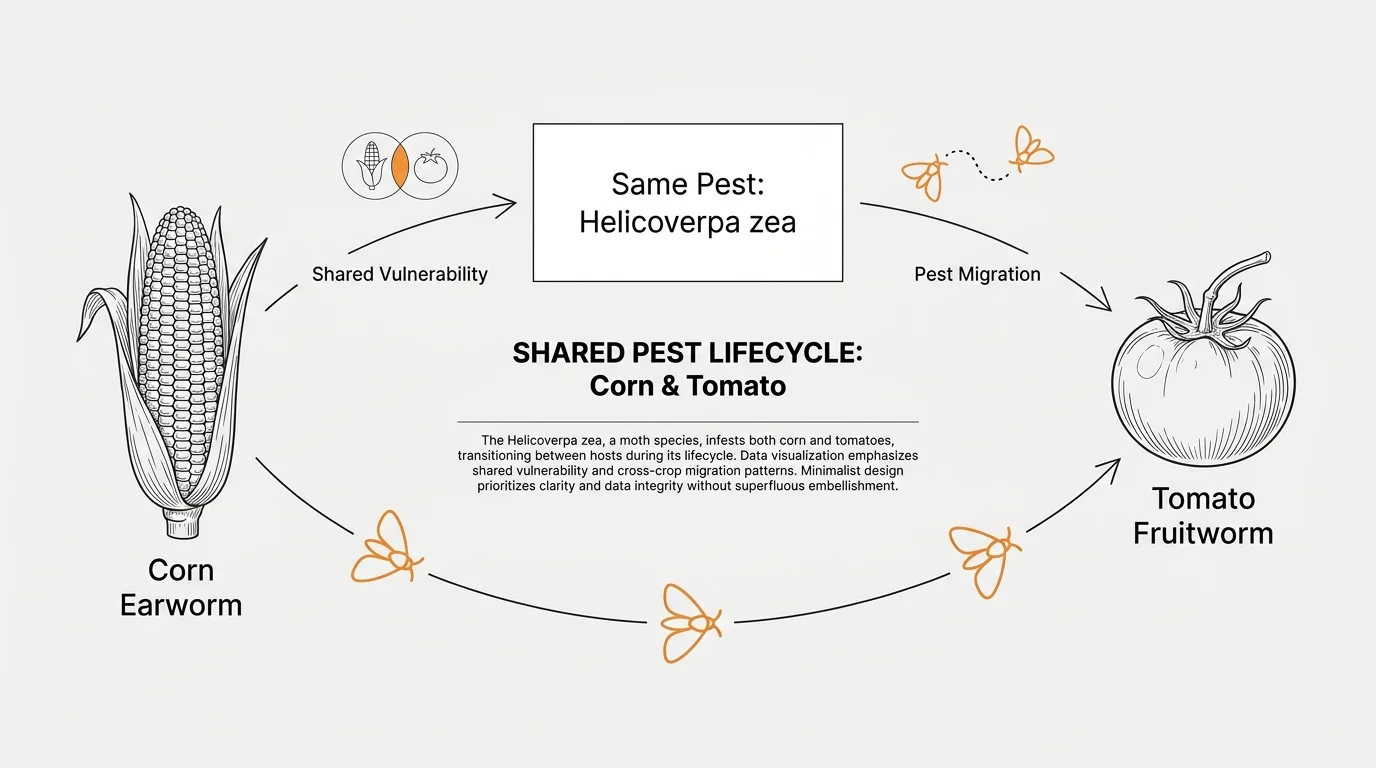
Tip #5: Corn and Tomatoes
These two towering summer favorites share a highly destructive and voracious enemy: the Helicoverpa zea caterpillar. Depending on the specific plant it attacks, you likely know this devastating pest as either the corn earworm or the tomato fruitworm. Planting your corn and tomatoes in the same block creates an all-you-can-eat buffet that allows a single generation of moths to effortlessly decimate both of your prized harvests.
When the caterpillars finish ravaging your corn silks, they simply drop down and migrate a few inches over to bore massive, rotting holes into your ripening tomatoes. Furthermore, corn grows incredibly rapidly during the peak summer months. A healthy stand of corn casts dense, lengthy shadows across the garden. Tomatoes require a minimum of eight hours of blasting, direct sunlight to synthesize enough sugars to produce sweet fruit; shading them with corn stalks drastically reduces your yield.
Keep these warm-weather crops safely separated. Utilize the historical Three Sisters method for your corn by pairing it with trailing squash and climbing pole beans. Leave your tomatoes in a separate, fully sunlit zone where they receive adequate airflow and constant exposure to the summer sun.
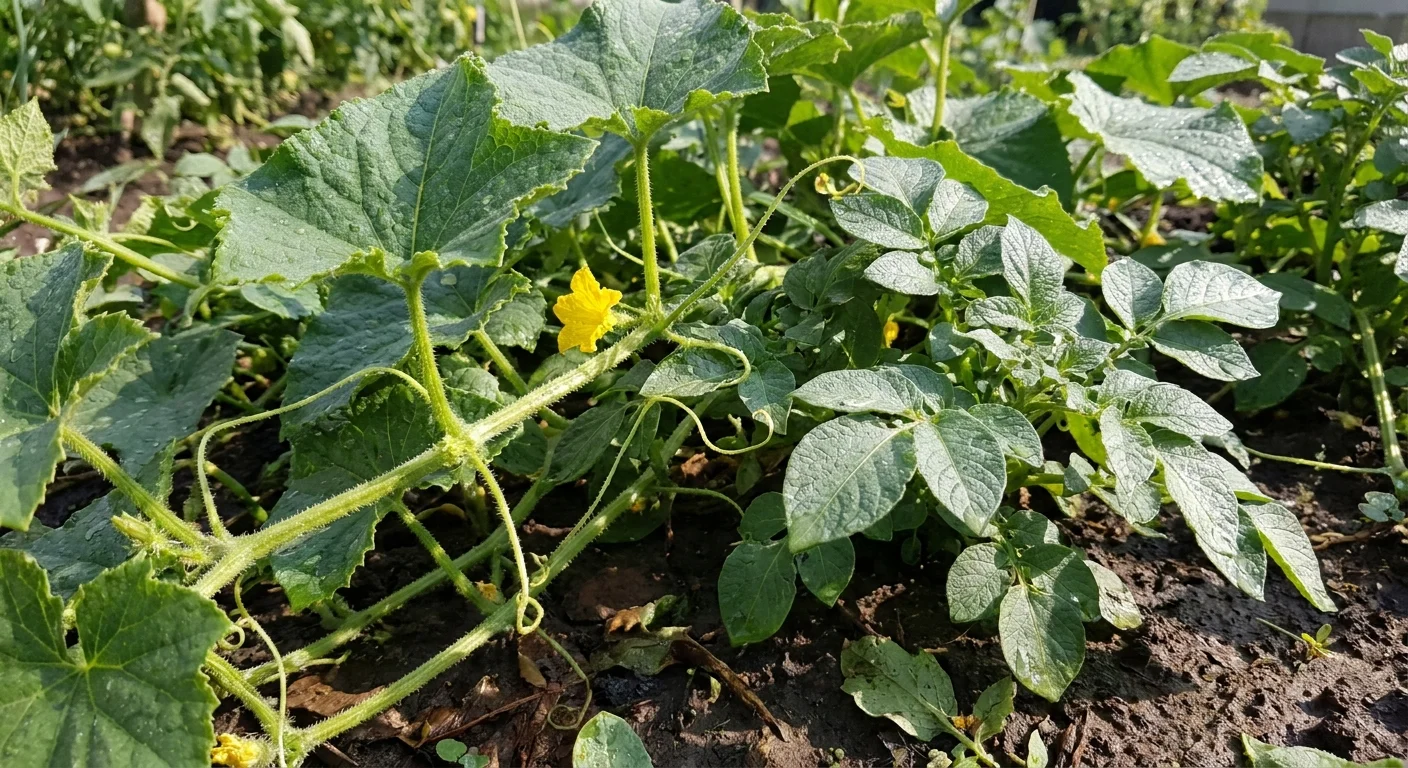
Tip #6: Cucumbers and Potatoes
Moisture management makes cucumbers and potatoes terrible garden neighbors. Cucumbers possess incredibly shallow root systems and require consistent, even surface watering to produce crisp, juicy fruit. In stark contrast, potatoes require deep, infrequent watering and suffer from severe tuber rot if the surrounding soil remains constantly saturated. When you water your thirsty cucumbers adequately, you actively risk suffocating and rotting your underground potato harvest.
Potatoes also act as aggressive competitors that release substances inhibiting the spread of cucumber vines. Your cucumber plants will exhibit delayed flowering and poor fruit set when forced to share soil with potatoes. Additionally, the same late blight that plagues potatoes easily jumps to cucumber foliage during periods of high humidity, causing the broad cucumber leaves to spot, yellow, and collapse prematurely.
To avoid these conflicting watering needs, plant your cucumbers near tall sunflowers, which offer a sturdy, natural trellis for the vines to climb. Keep your potato trenches entirely separate, allowing you to control their specific deep-watering schedule without drowning more sensitive surface-rooted plants nearby.
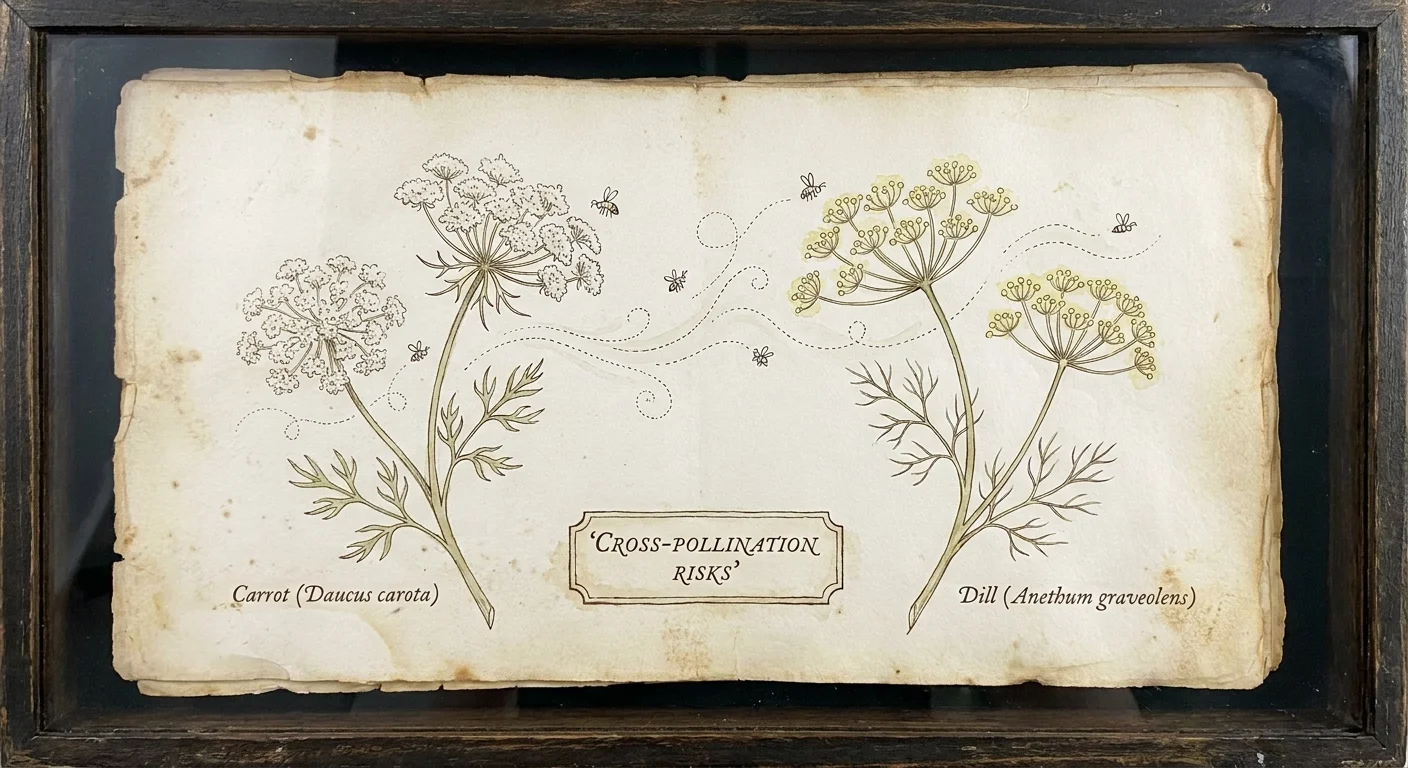
Tip #7: Carrots and Dill
Because carrots and dill belong to the exact same botanical family (Apiaceae), they emit similar aromatic profiles that attract the identical set of destructive insects. The most dangerous shared pest is the carrot rust fly. When you plant carrots and dill together, their concentrated scent serves as a powerful homing beacon for rust flies, which will quickly burrow into your carrot roots and simultaneously destroy your delicate dill foliage.
Cross-pollination presents another significant problem for backyard gardeners who love to save their own seeds. If you leave a few carrots in the ground over the winter to produce seed the following spring, they will actively cross-pollinate with any blooming dill plants nearby. This genetic mixing results in strange, bitter, and entirely inedible hybrid seeds that ruin your future planting efforts.
Separate these umbellifers to confuse pests. Plant your dill strategically near your brassicas to attract tiny, beneficial parasitic wasps that aggressively hunt cabbage worms. Plant your carrots next to fast-growing radishes; the radishes will break up heavy soil as they expand, leaving perfectly loosened channels for your carrot roots to grow deep and straight.
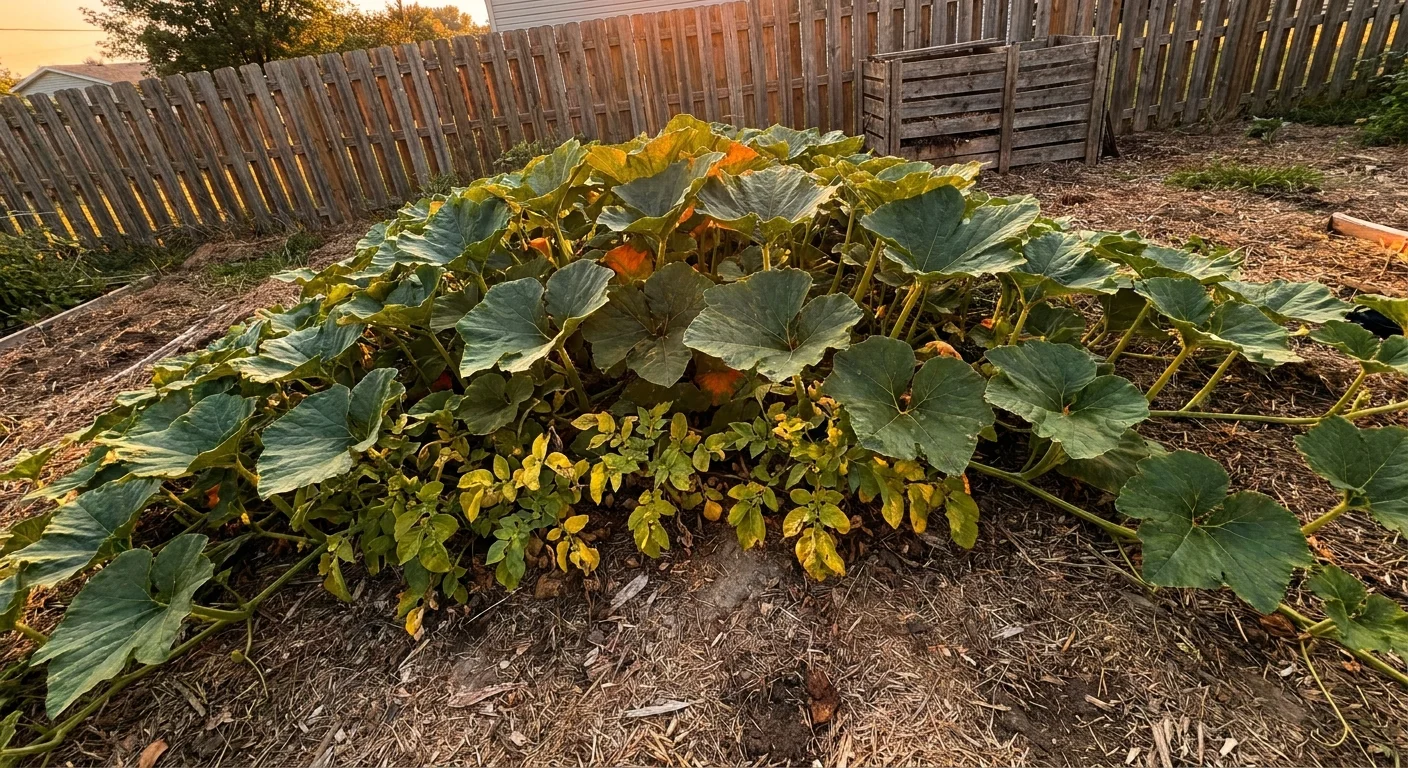
Tip #8: Pumpkins and Potatoes
Physical space limitations and wildly different harvesting mechanics completely ruin this garden combination. Pumpkin vines grow aggressively, often spreading ten to fifteen feet across the garden surface. As they spread, pumpkins root aggressively at multiple leaf nodes, demanding massive square footage to sustain their giant fruit. Potatoes, meanwhile, require periodic “hilling”—the act of mounding loose soil up around the main stems—throughout the early summer to increase tuber production.
You cannot effectively hill your potatoes without ripping up the wandering pumpkin vines and destroying their vital secondary root systems. When harvest time finally arrives, potatoes require aggressive, deep digging with a garden fork. Plunging a fork into the earth to retrieve your potatoes will sever the underground network supporting your pumpkins right as they attempt to ripen their heavy autumn crop.
Give pumpkins their own sprawling patch at the far edge of the garden, or let them trail naturally under towering corn stalks where they act as a living mulch. Keep your potato trenches easily accessible and completely free of creeping vines so you can dig up your starchy harvest without destroying your winter squash.
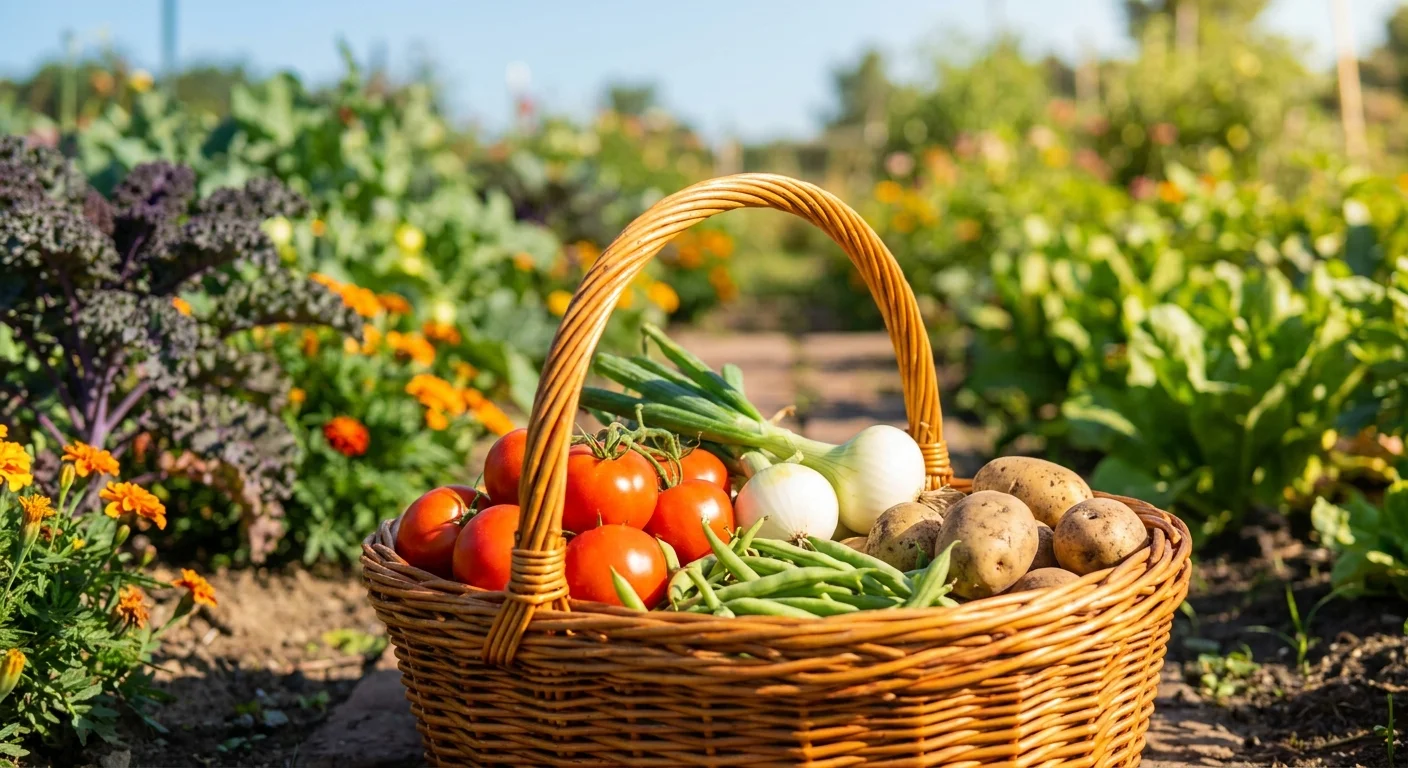
Putting It All Together: Enjoy Your Beautiful Garden
Mapping out your garden carefully before you sow a single seed prevents endless frustration and guarantees a healthier, more abundant harvest. Nature operates through complex chemical networks, and respecting these biological boundaries saves you from wasting fertilizer, water, and precious time. By keeping incompatible plants far away from one another, you instantly reduce pest pressure and stop invisible underground wars before they even begin.
Take a few minutes this week to sketch your raised beds on a piece of paper. Group your heavy feeders with light feeders, match plants that share similar watering needs, and double-check that you have not accidentally placed sworn enemies side-by-side. Small, strategic adjustments to your layout right now will reward you with lush, vigorous foliage and baskets overflowing with beautiful, organic produce all summer long.
Frequently Asked Questions
How far apart should incompatible vegetables be planted?
As a general rule, you should provide at least four to five feet of physical separation between incompatible vegetables, or place them in completely different raised beds. This distance effectively prevents root entanglement, stops allelopathic chemicals from reaching sensitive neighbors, and creates a wide enough physical barrier to discourage shared pests from easily migrating across the soil.
Does crop rotation help solve companion planting issues?
Crop rotation serves as an excellent practice to prevent long-term soil depletion and interrupt the life cycles of overwintering pests, but it does not fix immediate companion planting conflicts. You still must ensure your current-year layout keeps antagonistic plants safely away from one another. Think of crop rotation as a long-term soil health strategy, while companion planting acts as your daily pest and growth management system.
What happens if I accidentally planted these vegetables together already?
Do not panic; gardening always involves a bit of trial and error. Monitor the overlapping plants closely for early signs of stunted growth, yellowing leaves, or shared pest infestations. You can heavily mulch the soil between the plants to reduce the splashing of fungal spores, aggressively prune overlapping foliage to improve crucial airflow, and use targeted organic liquid fertilizers to compensate for their intense nutrient competition.
For region-specific advice, consult your local University Extension program (find yours via the USDA directory). For plant databases and inspiration, visit the Missouri Botanical Garden or the Royal Horticultural Society.
Disclaimer: This article provides general gardening advice. Always consider your specific climate, soil conditions, and local pests. Follow safety guidelines when using gardening tools and products.