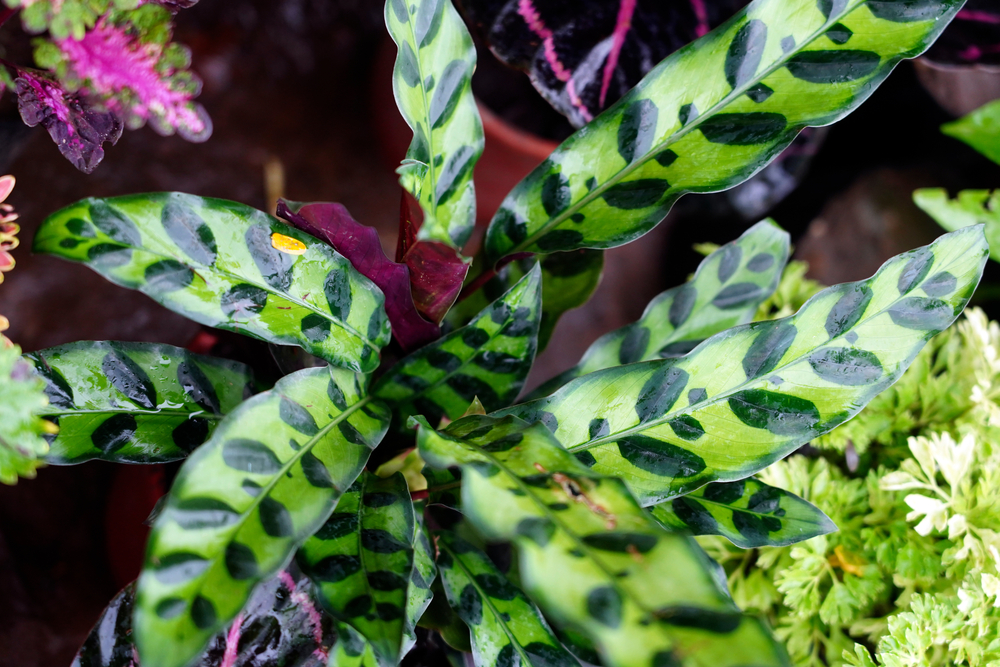
Growing your own produce unlocks incredible, complex flavors you simply cannot find in a grocery store. Supermarket produce is typically bred for long-distance transport, uniform appearance, and shelf stability rather than optimal taste. When you harvest crops straight from your backyard garden, the sugars and flavor compounds are at their absolute peak. This quick transition from soil to plate ensures an unmatched culinary experience. Whether you manage a sprawling organic gardening plot or a few container plants on a patio, focusing your efforts on these culinary powerhouses will reward you with exceptional yields. By prioritizing specific vegetables known for superior taste, you transform everyday meals into extraordinary feasts packed with true homegrown goodness.
Tip #1: Tomatoes
Commercial agricultural operations rely on hybrid tomato varieties that prioritize thick, tough skins and uniform shapes. They require fruits that can survive hundreds of miles of transit without bruising. Distributors pick these fruits while they are still rock-hard and entirely green, pumping them with ethylene gas later to trigger a superficial red color. This unnatural process completely short-circuits the biological development of natural sugars, essential oils, and organic acids. When you grow tomatoes at home, you allow the fruit to ripen fully on the vine, soaking up the intense summer sun until the very last moment.
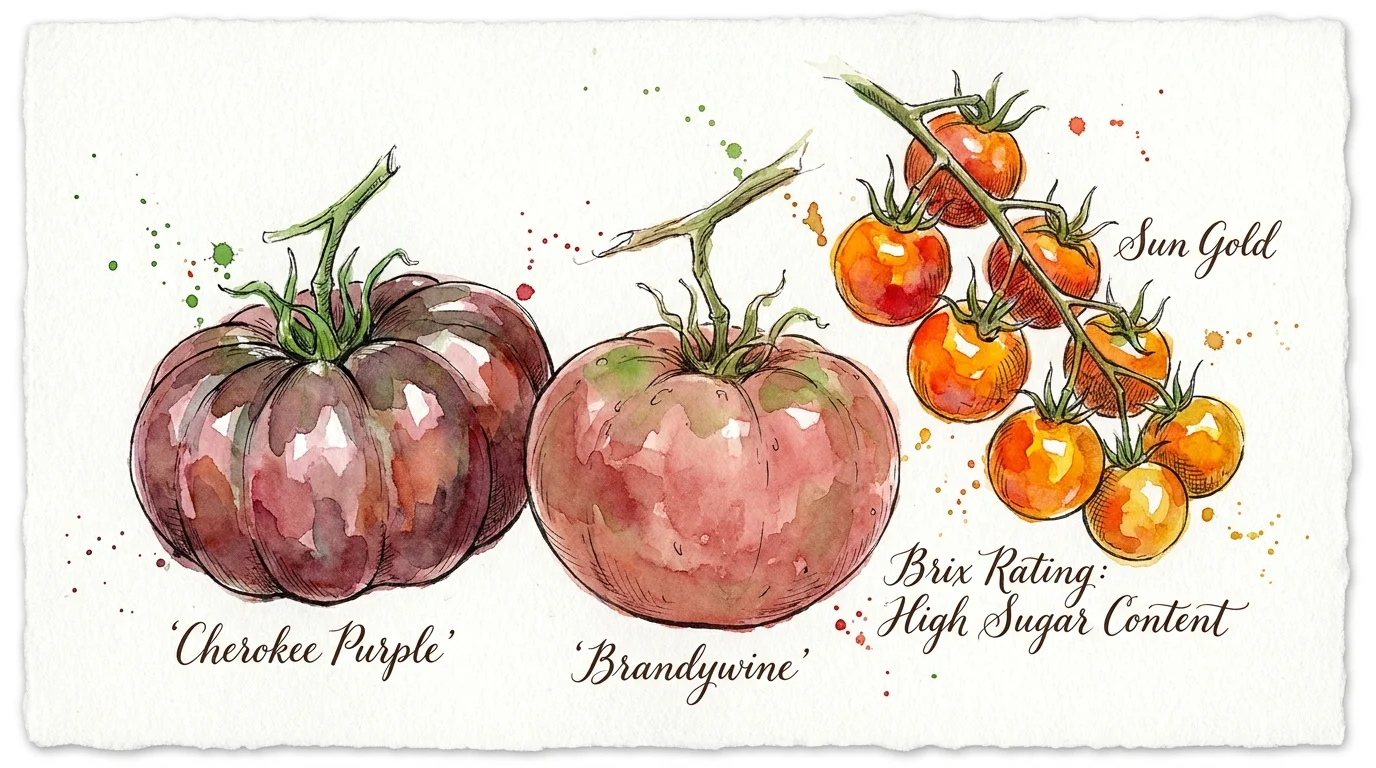
This patience yields a complex, highly acidic, and profoundly sweet flavor profile that will redefine your standard for a good tomato. For the best culinary results, select heirloom varieties like Brandywine, Cherokee Purple, or Sun Gold cherry tomatoes; breeders selected these specific cultivars for their incredibly high Brix ratings—a scientific measurement of sugar content—rather than their extended shelf life.
Plant your tomatoes in a location that receives a minimum of eight hours of direct sunlight daily. Bury the stems deeply during planting; tomatoes will sprout adventitious roots all along the buried stem, creating a massive, resilient root system that can draw ample nutrients and water from the earth. Consistent watering ensures the delicate heirloom skins will not split during sudden rainstorms, while regular pruning of non-fruiting suckers directs the plant’s energy straight into developing spectacular fruit.
Tip #2: Sweet Corn
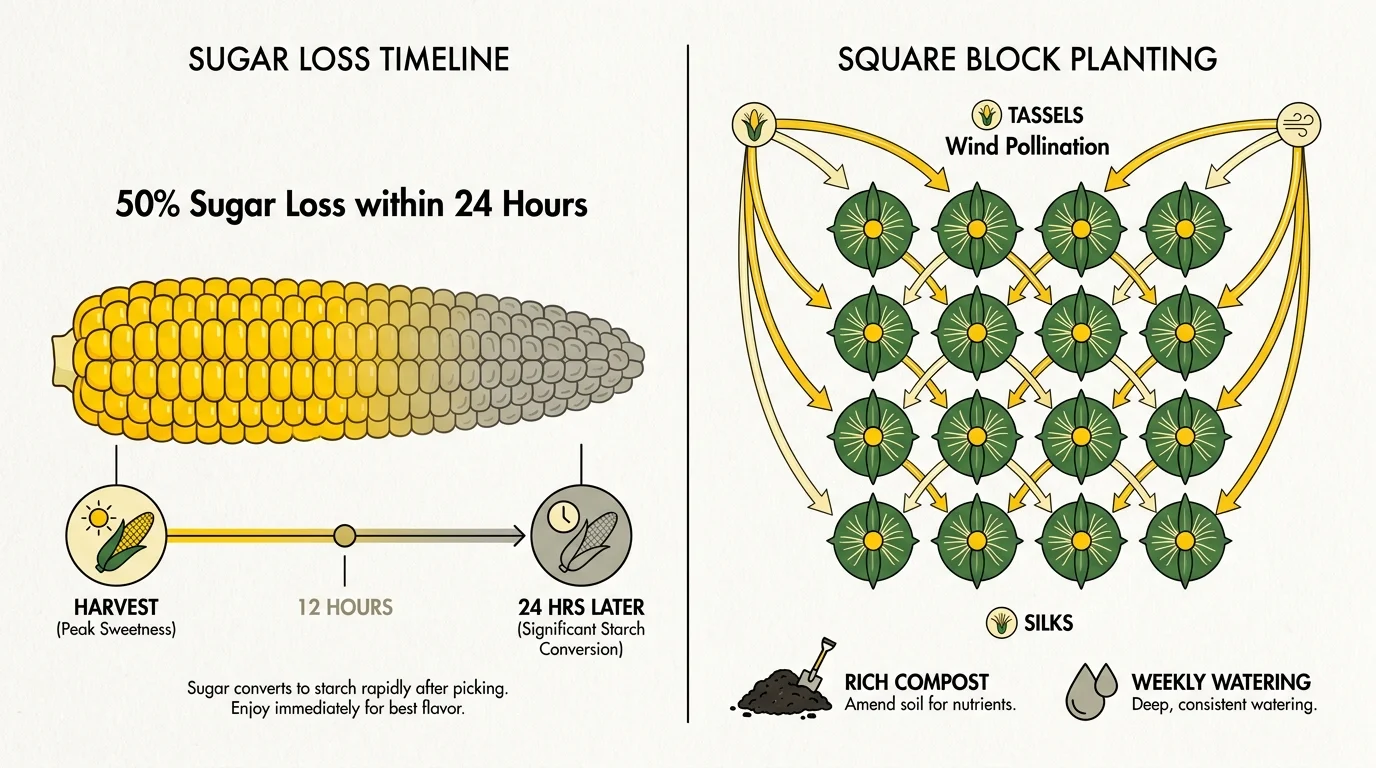
If you have never eaten a freshly picked ear of sweet corn, you are missing out on one of the greatest natural culinary pleasures of the summer harvest. The exact moment you snap an ear of corn off the stalk, its delicate sugars begin converting into starches at an astonishing rate. In fact, commercial sweet corn can lose over half of its natural sweetness within twenty-four hours of harvesting. By the time it arrives at your local supermarket and sits under the fluorescent lights, you are buying a starchy, muted ghost of its former self.
Cultivating corn in your own space solves this logistical problem instantly. You can easily bring a pot of water to a rolling boil on your stove, walk out to your yard, harvest a plump ear, and drop it directly into the water. This rapid soil-to-plate transition captures the sugars before they can degrade.
To achieve this unparalleled sweetness, plant your corn in tight, square blocks rather than single, isolated rows. Corn relies on the wind to blow pollen from the top tassels down onto the silks; block planting ensures excellent wind pollination, which is absolutely vital for developing full, plump kernels without missing gaps. Sweet corn demands rich soil and heavy feeding throughout the growing season. Amend your beds generously with high-quality compost or aged manure before planting, and provide an inch of water weekly to keep the expanding cobs perfectly hydrated.
Tip #3: Carrots
Carrots harvested straight from the earth offer a remarkably crisp texture and deep, earthy sweetness that industrial agriculture rarely captures. Supermarket carrots spend weeks or even months in massive cold storage facilities, gradually losing their vibrant crunch and developing a dull, woody core. Furthermore, mass-produced carrots are usually selected for their rigid uniformity and mechanical harvesting durability rather than their aromatic qualities.
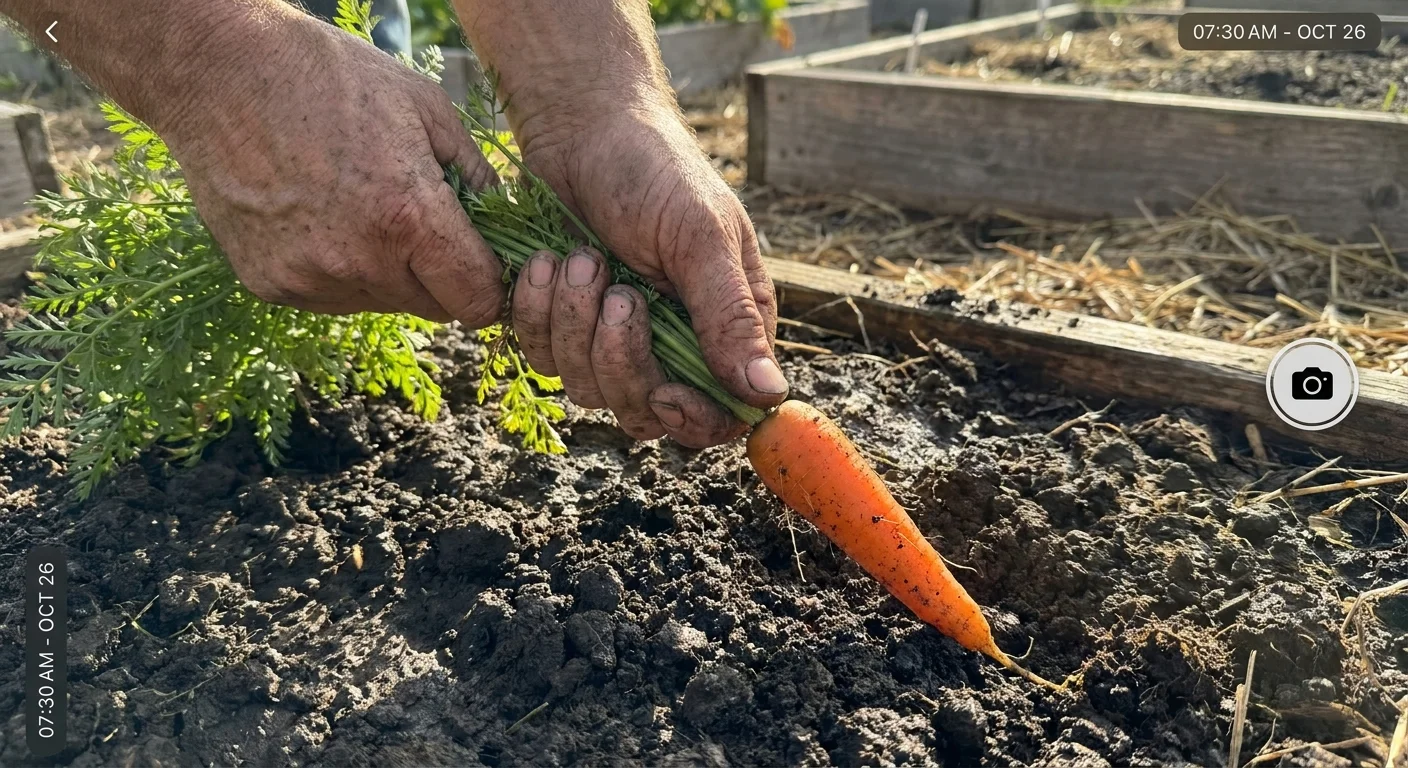
When you cultivate these root crops yourself, you completely control the soil environment, which directly dictates the flavor and texture of the vegetable. Carrots grown in loose, sandy loam without the impedance of rocks or heavy, compacted clay develop long, straight taproots with a remarkably tender bite. Growing them yourself also grants you the unique culinary advantage of leaving them in the ground until the late fall.
As autumn temperatures drop, carrots naturally convert their stored starches into complex sugars to protect their cell walls from freezing—a biological antifreeze reaction that results in a spectacularly sweet harvest. To guarantee a successful crop, ensure you thin your newly sprouted seedlings early so each root has ample room to expand horizontally without competing for nutrients. Keep the soil consistently moist throughout the crucial germination phase, as dry soil forces the developing roots to become dangerously fibrous, tough, and overly bitter.
Tip #4: Snap Peas
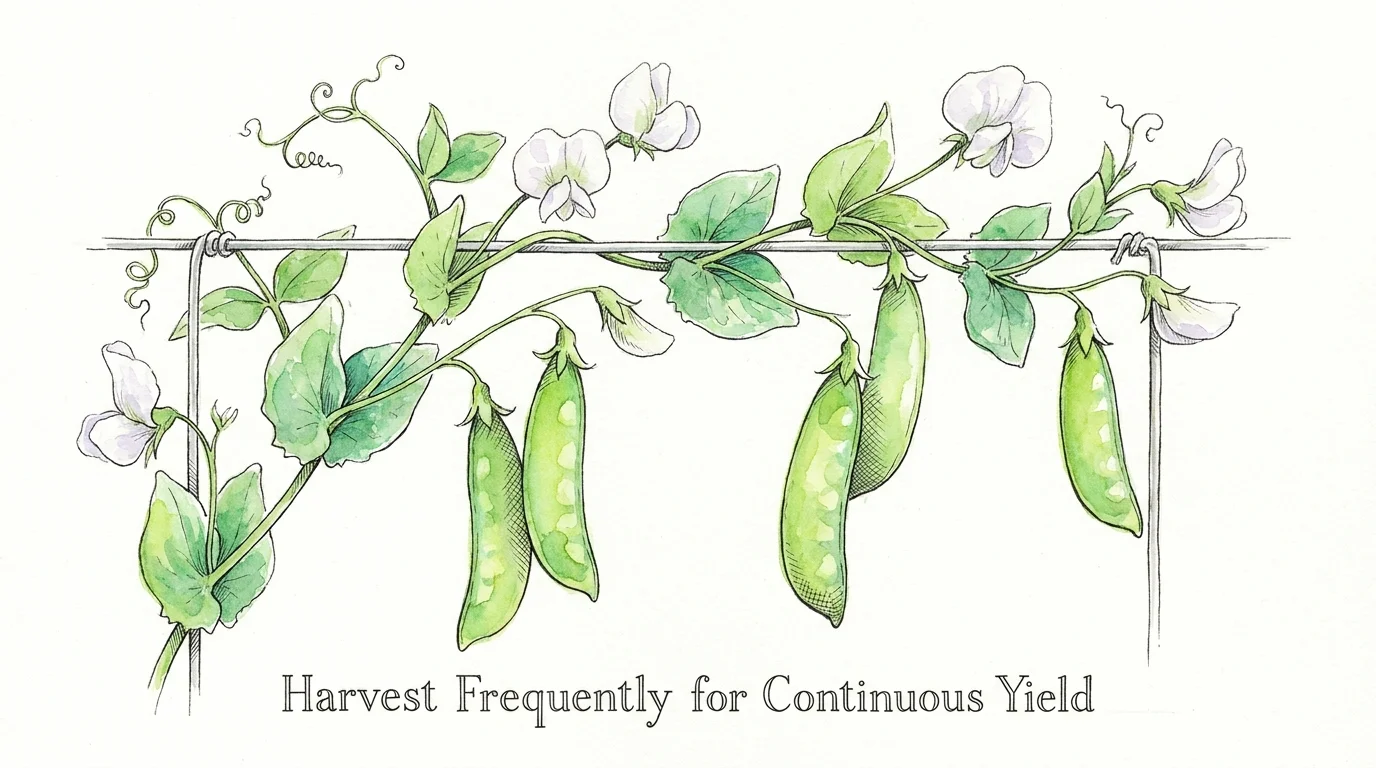
Crisp, vibrant snap peas hold a notorious reputation among gardeners because they are frequently eaten directly off the vine before they ever make it into the kitchen. Similar to sweet corn, the volatile sugars present in peas convert into starch very rapidly after you remove the pods from the parent plant. Store-bought peas often taste mealy, bland, or excessively stringy because they spend entirely too much time sitting in transit or waiting on store shelves.
Growing them at home guarantees a bright, snappy crunch that bursts with sweet juice the second you bite into the fresh pod. Snap peas thrive exclusively as a cool-weather crop, meaning you should plant them early in the spring as soon as the ground becomes workable, or late in the summer for a crisp autumn harvest.
To maximize your yield and efficiently utilize your vertical garden space, provide a sturdy trellis, chicken wire, or netting for the climbing vines to grab onto. For an extraordinary boost in productivity and flavor, coat your pea seeds in a specialized powdered inoculant immediately before planting. This foundational organic gardening practice introduces beneficial nitrogen-fixing bacteria to the soil, allowing the pea roots to draw vital nitrogen directly from the atmosphere. This symbiotic relationship results in incredibly vigorous vines and heavy clusters of pods packed with vibrant, sugary goodness.
Tip #5: Green Beans
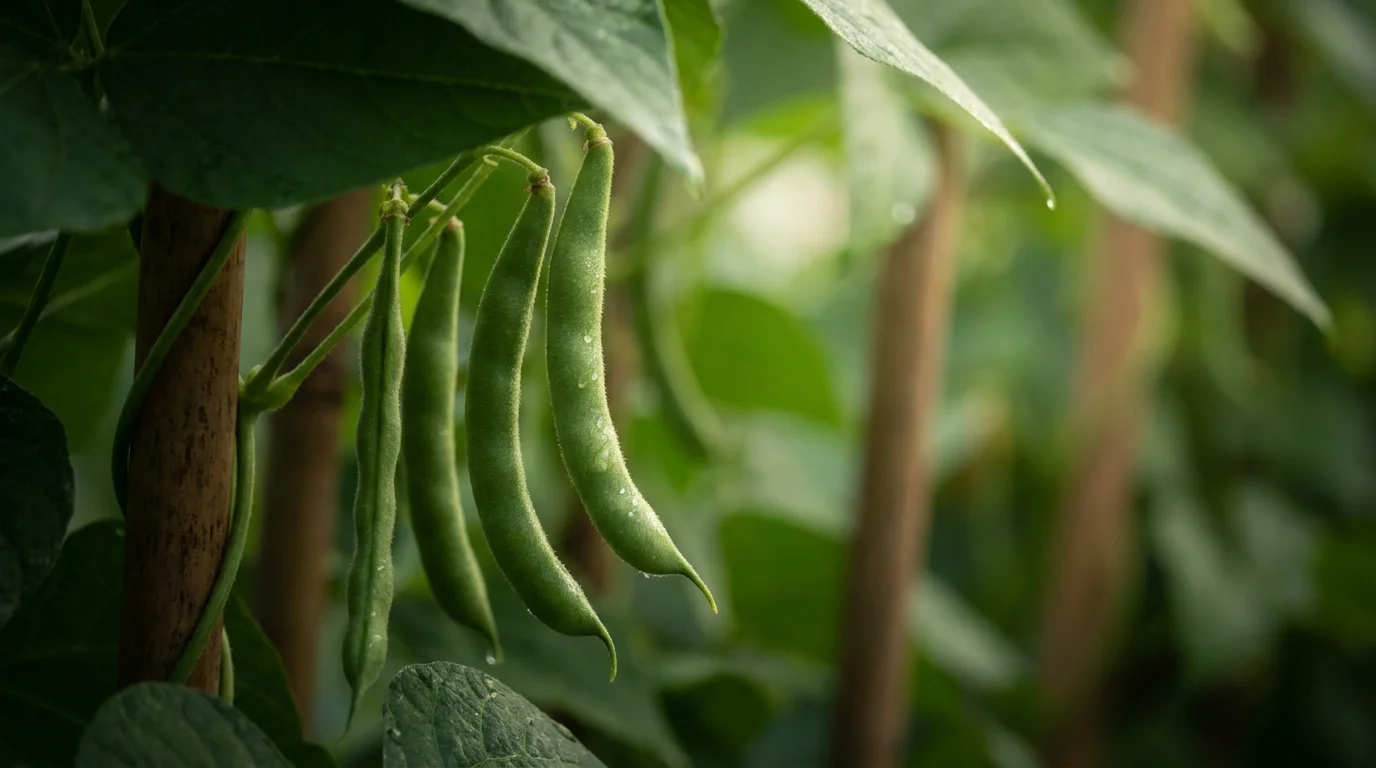
Tender green beans offer a bright, fresh flavor that entirely outshines the rubbery, squeaky options typically found in grocery store produce bins. Commercial beans lose their internal moisture and satisfying snap very quickly after mechanical harvesting. Factory farms also frequently wait until the beans are overly mature to harvest them, prioritizing overall size and market weight over culinary quality.
Homegrown beans allow you to pick the pods at their absolute peak tenderness, right before the internal seeds begin to swell and turn the surrounding green casing tough and starchy. You can choose between compact bush beans, which provide a concentrated, heavy harvest all at once, or vining pole beans, which offer a steady, continuous supply throughout the entire summer season. Pole beans often boast a nuttier, more complex flavor profile that culinary enthusiasts highly prize.
To keep your kitchen fully stocked with fresh produce all summer long, practice succession planting by sowing a new batch of seeds every two to three weeks. Once the plants begin producing, harvest your beans every couple of days. Frequent picking removes the mature seeds, which signals the plant to keep producing new blossoms. This proactive harvesting method guarantees you always enjoy the sweetest, most tender snap possible without chewing through any fibrous strings.
Tip #6: Radishes
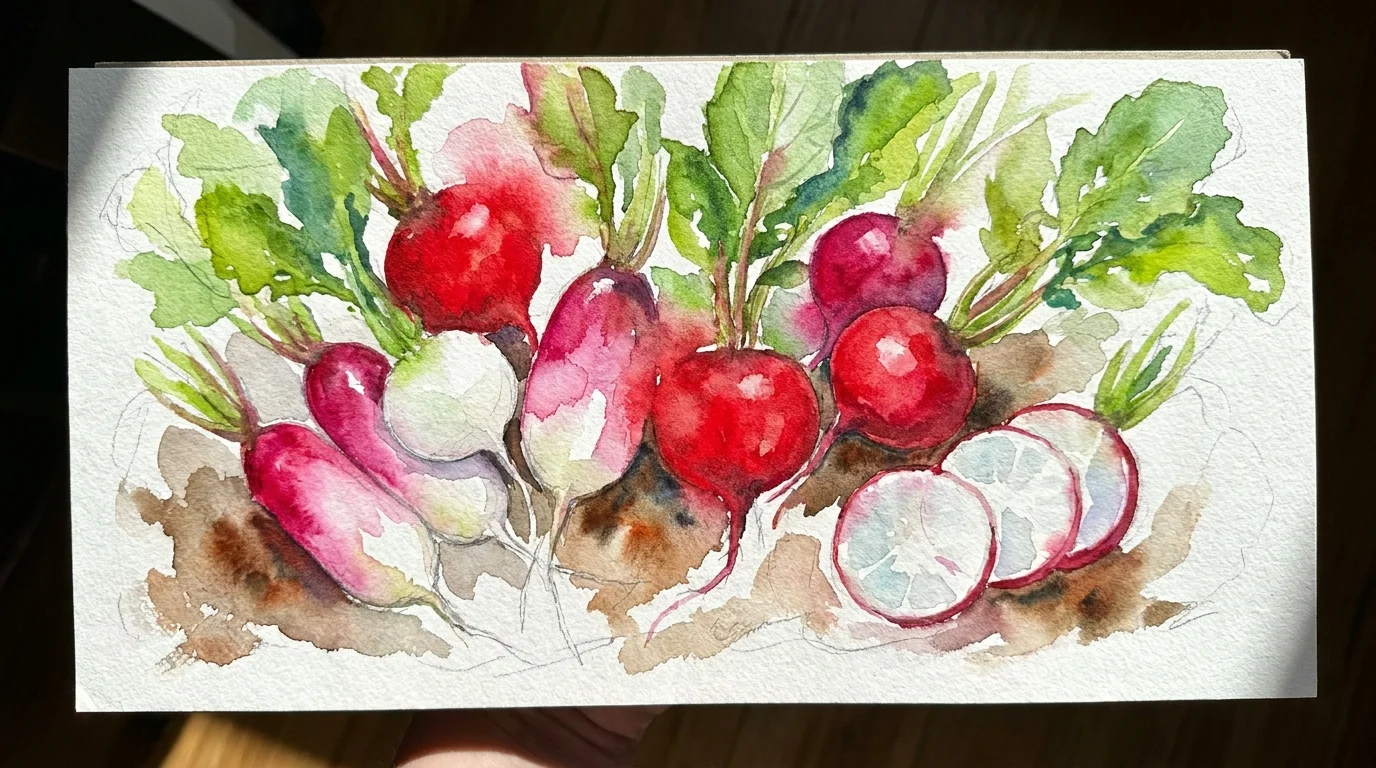
Spring radishes provide a sharp, peppery crunch that instantly elevates fresh salads, fish tacos, and artisan sandwiches. Supermarket radishes easily disappoint; they frequently arrive pithy, dry, or overwhelmingly spicy due to erratic watering schedules and prolonged transit times. When grown at home under the right conditions, radishes offer a brilliant, perfectly balanced bite that marries crisp juiciness with just the right amount of mustard-like heat.
Because they are incredibly fast growers—many popular varieties mature from a tiny seed to a harvestable globe in just twenty-one to twenty-eight days—radishes remain highly rewarding for impatient gardeners or those gardening with young children. They require cool weather to thrive, making them an ideal, low-maintenance choice for your early spring or late autumn planting schedule.
The fundamental secret to growing a perfect, mild-tasting radish lies in rapid, entirely uninterrupted growth. Supply your radish patch with consistent, even moisture to prevent the internal white flesh from drying out and becoming spongy. If you allow the soil to dry completely between waterings, the roots will panic and overproduce heat compounds as a stress response. This erratic watering cycle results in a tough vegetable that is far too spicy and woody to enjoy raw.
Tip #7: Cucumbers
Slicing into a fresh cucumber pulled straight from the vine provides a revelation in deep hydration and crisp texture. Commercial distributors routinely coat store-bought cucumbers in a thick, synthetic wax to help them retain moisture during their long journey to the supermarket. This industrial wax dulls their natural flavor, alters their external texture, and often forces consumers to peel away the dark green skin, completely discarding a massive portion of the vegetable’s valuable nutrients.
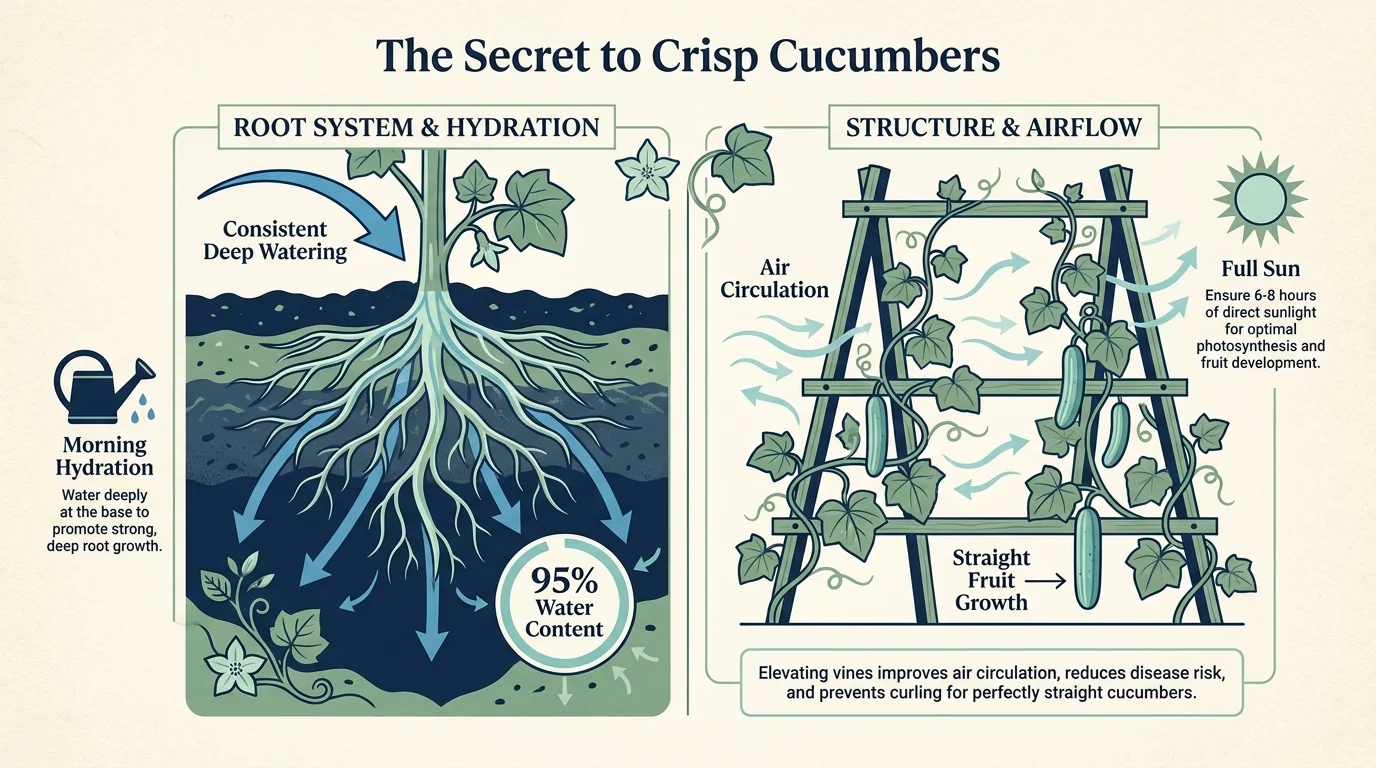
Growing cucumbers in your home garden allows you to enjoy them exactly as nature intended—unwaxed, extraordinarily tender, and deeply refreshing. To achieve the absolute best taste, you must minimize the plant’s environmental stress. Cucumbers naturally produce a highly bitter compound called cucurbitacin when they face severe drought conditions or extreme heat fluctuations.
Provide your vines with a deep, thorough watering at the base of the plant several times a week to keep this bitterness completely at bay. Utilizing a trellis system keeps the developing fruits elevated off the damp soil, preventing fungal rot and ensuring the cucumbers develop a long, uniform shape. Always pick your cucumbers while they are still slightly undersized; smaller fruits harbor smaller, softer seeds and maintain a much sweeter, denser flesh than oversized, yellowing specimens left on the vine too long.
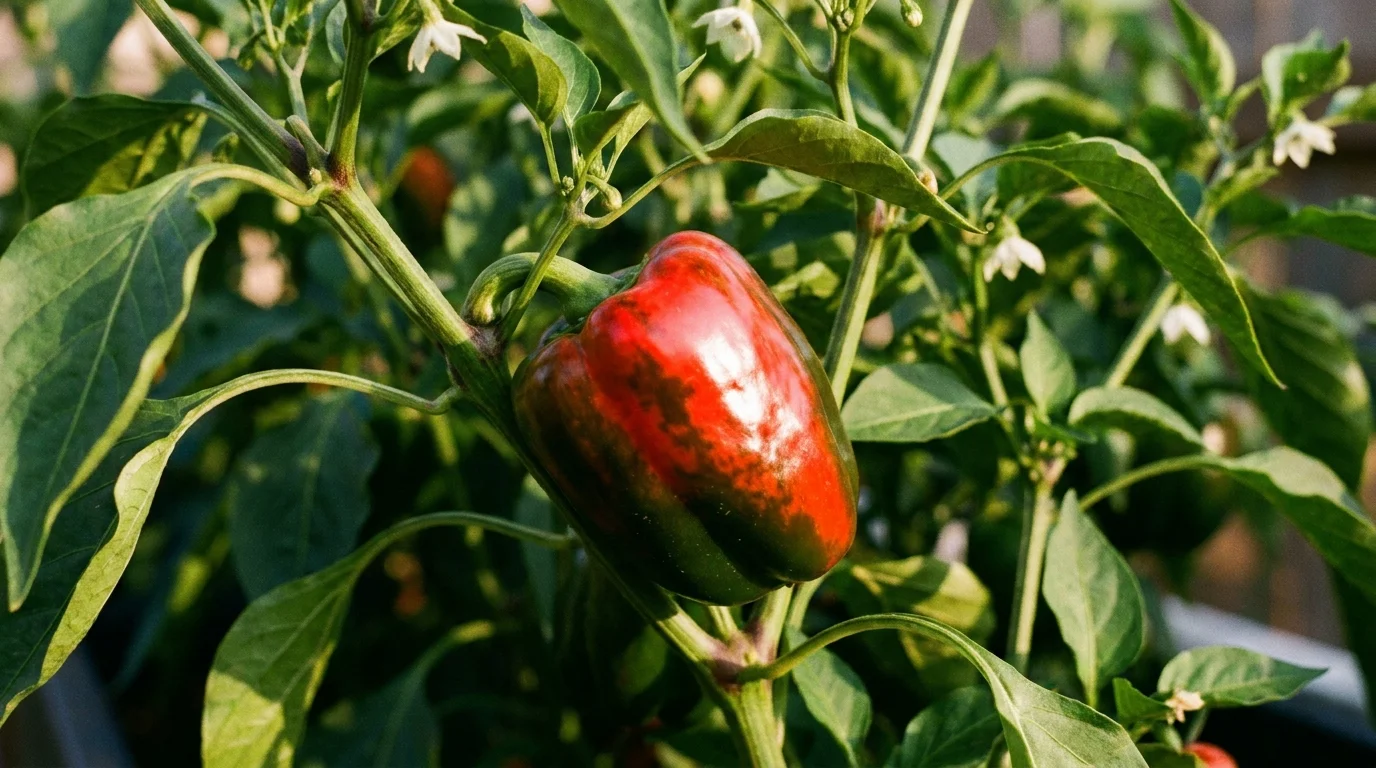
Tip #8: Bell Peppers
Sweet bell peppers—especially those allowed to ripen into brilliant shades of bright red, neon orange, and deep yellow—deliver a completely different culinary experience when grown in your own backyard. Because colorful peppers take a notoriously long time to fully mature and ripen on the plant, commercial growers frequently pick them early while they are still green and slightly bitter. Alternatively, industrial farms grow specific hybrid varieties optimized for incredibly thick walls that can withstand harsh mechanical sorting, entirely sacrificing complex flavor in the process.
Homegrown bell peppers left to fully mature on the branch develop highly complex, fruity flavor profiles with a stunning level of natural sweetness. These heat-loving plants require a long, consistently warm growing season to reach their maximum potential. Start your pepper seeds indoors under grow lights several weeks before your region’s last expected frost date to give them a healthy, vigorous head start.
When transplanting them outside into the garden, amend the soil with a calcium-rich fertilizer to prevent blossom end rot, a frustrating physiological condition that creates sunken, black spots on the bottom of the fruit. Allow the peppers to remain on the plant until their vibrant final color completely masks any lingering green stripes; this extended patience rewards you with a vegetable so profoundly sweet it easily rivals the flavor of summer fruit.
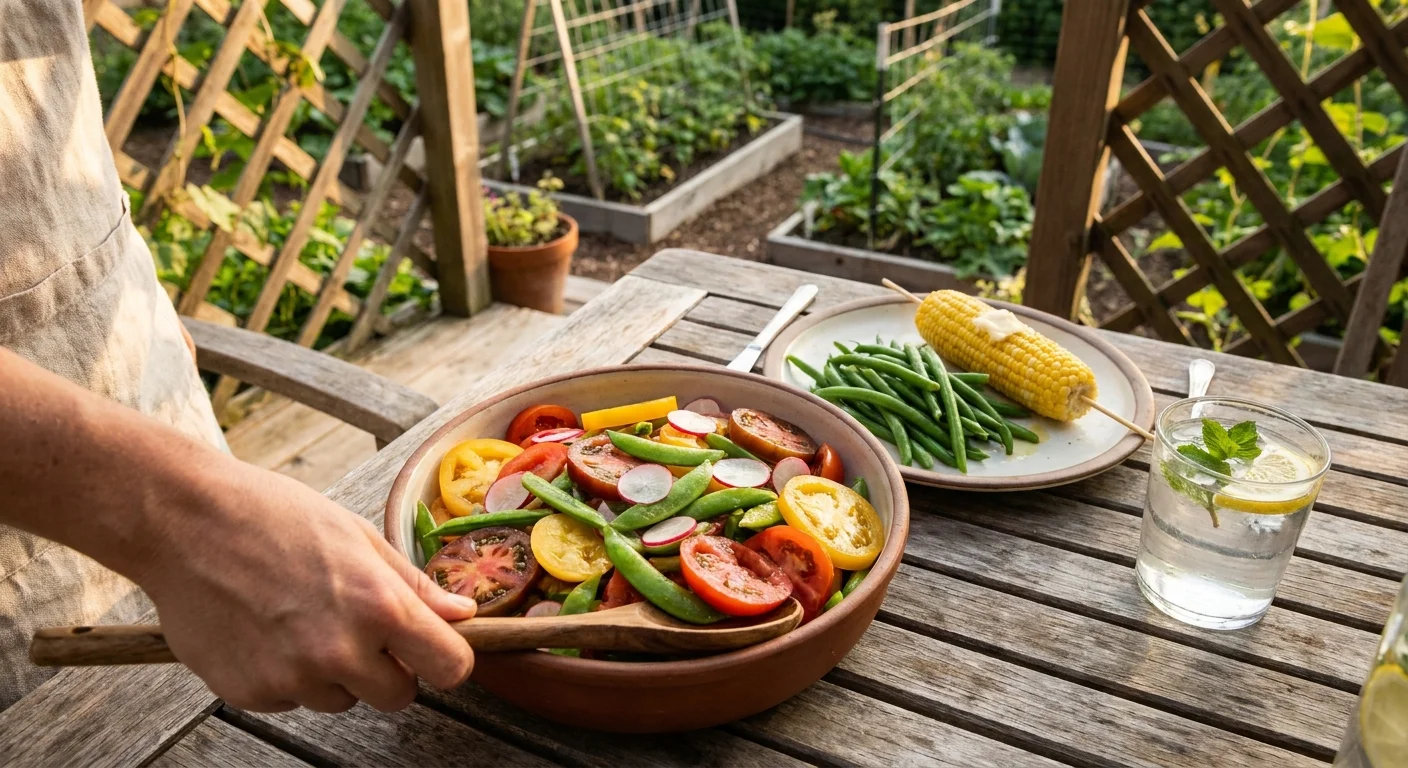
Putting It All Together: Enjoy Your Beautiful Garden
Transforming your backyard garden into a vibrant, living source of fresh food completely redefines how you experience your daily meals. By focusing your time, attention, and energy on these eight specific crops, you guarantee a steady supply of unparalleled flavor right outside your kitchen door. The immense culinary difference between a starchy, mass-produced tomato and a sun-warmed, fully ripened heirloom is profound and entirely worth the effort.
As you nurture these plants from tiny seeds into robust, productive adults, you actively participate in a rich, highly rewarding agricultural tradition. Apply these practical techniques, monitor your soil moisture diligently, and harvest your crops at their absolute peak of ripeness. Every hour you spend tending to your raised beds, watering your patio containers, and pruning your climbing vines directly translates into a more delicious, nutrient-dense harvest. Step outside, get your hands in the dirt, and start cultivating the incredible, fresh flavors you truly deserve.
Frequently Asked Questions
Does organic gardening really make a difference in the taste of vegetables?
Yes, utilizing strict organic methods drastically impacts flavor development. By amending your soil with natural compost, worm castings, and decayed organic matter, you create a thriving, microscopic ecosystem beneath the surface. This biologically active soil breaks down complex nutrients at a slow, natural pace, allowing your crops to absorb a much broader spectrum of essential trace minerals. These specific minerals serve as the fundamental building blocks for the volatile oils and complex sugars that dictate how a vegetable ultimately tastes. Synthetic chemical fertilizers often force rapid, watery plant growth that severely dilutes these critical flavor compounds.
What is the easiest vegetable for a beginner to grow for maximum flavor?
Radishes and bush green beans represent the perfect starting point for novice gardeners seeking immediate culinary rewards. Radishes mature in under a month, requiring very little beyond consistent watering and cool soil temperatures. Bush green beans germinate quickly, demand no complicated trellising systems, and naturally produce heavy yields of incredibly tender, flavorful pods. Both options clearly demonstrate the vast superiority of homegrown freshness without requiring extensive horticultural knowledge or expensive gardening equipment.
Why do my homegrown vegetables sometimes taste bitter?
Bitterness usually indicates severe environmental stress during the active growing season. In water-heavy crops like cucumbers and leafy lettuce, inconsistent watering schedules or sudden, extreme heat spikes trigger the plant to produce natural defense compounds, such as cucurbitacin. In root crops like carrots or radishes, highly compacted soil or letting the plants mature far too long before harvesting leads to a woody, fibrous texture and a sharp, unpleasant bite. Maintaining even soil moisture and harvesting your produce promptly are your absolute best defenses against developing bitter flavors.
How does soil quality affect the flavor of the plants?
The soil acts as the fundamental pantry for your entire garden ecosystem. Plants construct their complex sugars, aromatic oils, and organic acids using the precise nutrients they extract from the surrounding earth. If your soil lacks vital macronutrients or trace elements like magnesium, calcium, or sulfur, the plants simply cannot synthesize the chemical compounds required for optimal flavor. Regularly testing your soil and amending it with high-quality compost ensures your vegetables have unrestricted access to the specific resources they need to taste truly extraordinary.
For region-specific advice, consult your local University Extension program (find yours via the USDA directory). For plant databases and inspiration, visit the Missouri Botanical Garden or the Royal Horticultural Society.
Disclaimer: This article provides general gardening advice. Always consider your specific climate, soil conditions, and local pests. Follow safety guidelines when using gardening tools and products.