Watching a single plant produce a kaleidoscope of shifting hues transforms your landscape into an ever-evolving work of art. You can cultivate a dynamic outdoor space by planting fascinating flowers that naturally change color as they bloom, mature, or respond to their environment. These botanical wonders rely on fascinating chemical reactions—shifting pH levels, anthocyanin production, and pollination cues—to transition from delicate pinks and bright yellows to brilliant blues and deep crimsons. Adding these dynamic species to your beds and borders guarantees continuous visual interest throughout the growing season without requiring extra effort on your part. Discover these eight remarkable plants to bring daily surprises, vibrant energy, and a touch of scientific magic to your backyard.
Tip #1: Confederate Rose (Hibiscus mutabilis)
The Confederate Rose stands out as a magnificent specimen in warm-weather landscapes; it produces large, double-petaled blooms that closely resemble giant carnations or fluffy peonies. Despite the common name, this large shrub actually belongs to the hibiscus family and originates from China. You will appreciate the spectacular display this plant offers from late summer through the fall season, a time when most other garden plants start to look exhausted. The broad, fuzzy foliage provides a lush, tropical backdrop for the daily color-changing show.
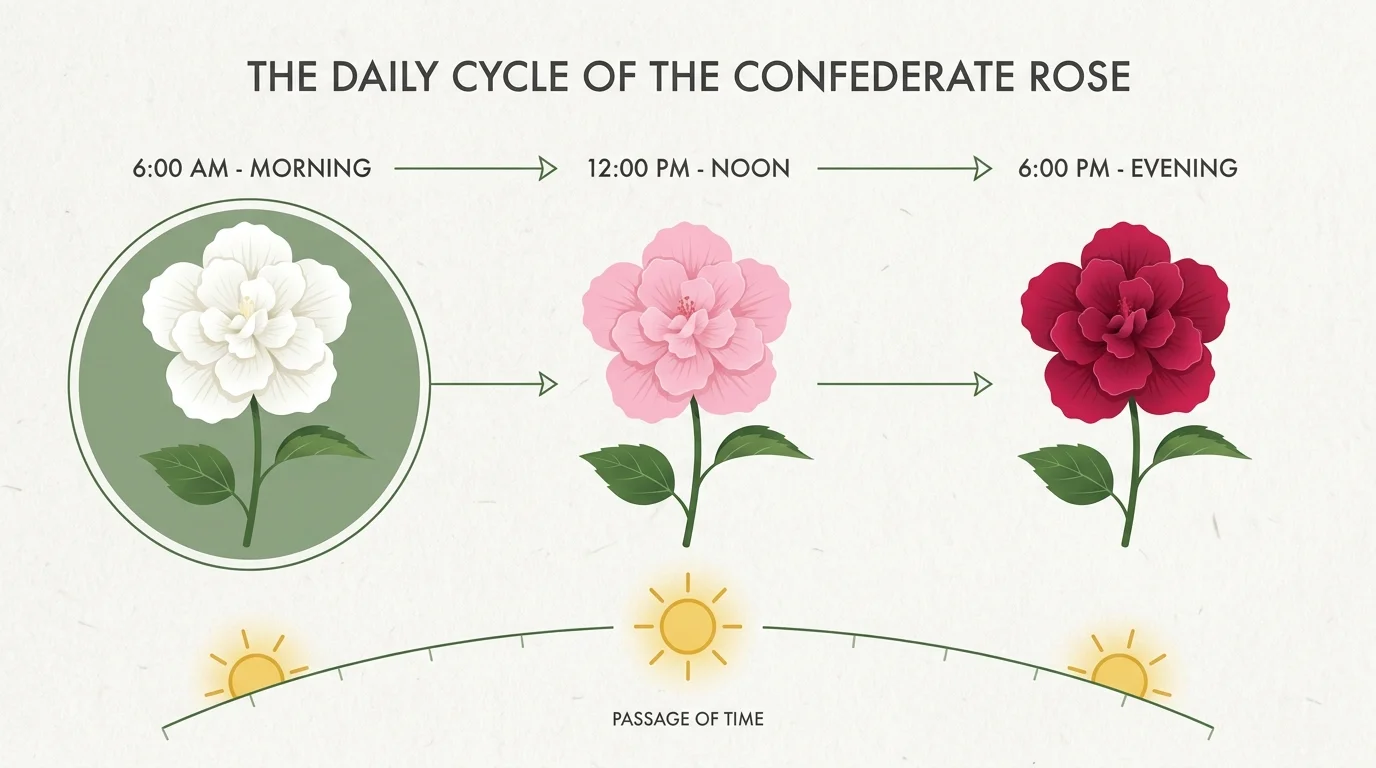
This floral chameleon relies on direct sunlight and temperature shifts to perform its magic. The blossoms open pure white in the cool, early morning light. As the day progresses and the sun hits the petals, the plant rapidly synthesizes anthocyanin pigments. By noon, the flowers transition to a soft, cotton-candy pink. When evening arrives, those same blooms mature into a rich, deep crimson. You get to witness three distinct colors on the exact same plant simultaneously because new, bright white flowers open each morning alongside the previous days’ darker blooms.
Cultivate your Confederate Rose in a spot that receives full sun to encourage the most dramatic color transitions. The plant thrives in rich, well-draining soil and requires consistent moisture during hot, dry spells. You should prune the shrub back heavily in late winter to maintain a manageable shape and encourage robust new growth. Because the flowers bloom exclusively on new wood, aggressive winter pruning actually increases your blossom count for the following season.
Tip #2: Yesterday, Today, and Tomorrow (Brunfelsia pauciflora)
The appropriately named Yesterday, Today, and Tomorrow plant delivers incredible fragrance and a captivating visual timeline of its flowering cycle. This broadleaf evergreen shrub features glossy, dark green foliage that perfectly frames its abundance of delicate, five-petaled flowers. You can easily incorporate this tropical beauty into large patio containers, mixed woodland borders, or use it as a standalone accent piece near seating areas where you can easily enjoy its sweet, jasmine-like scent.
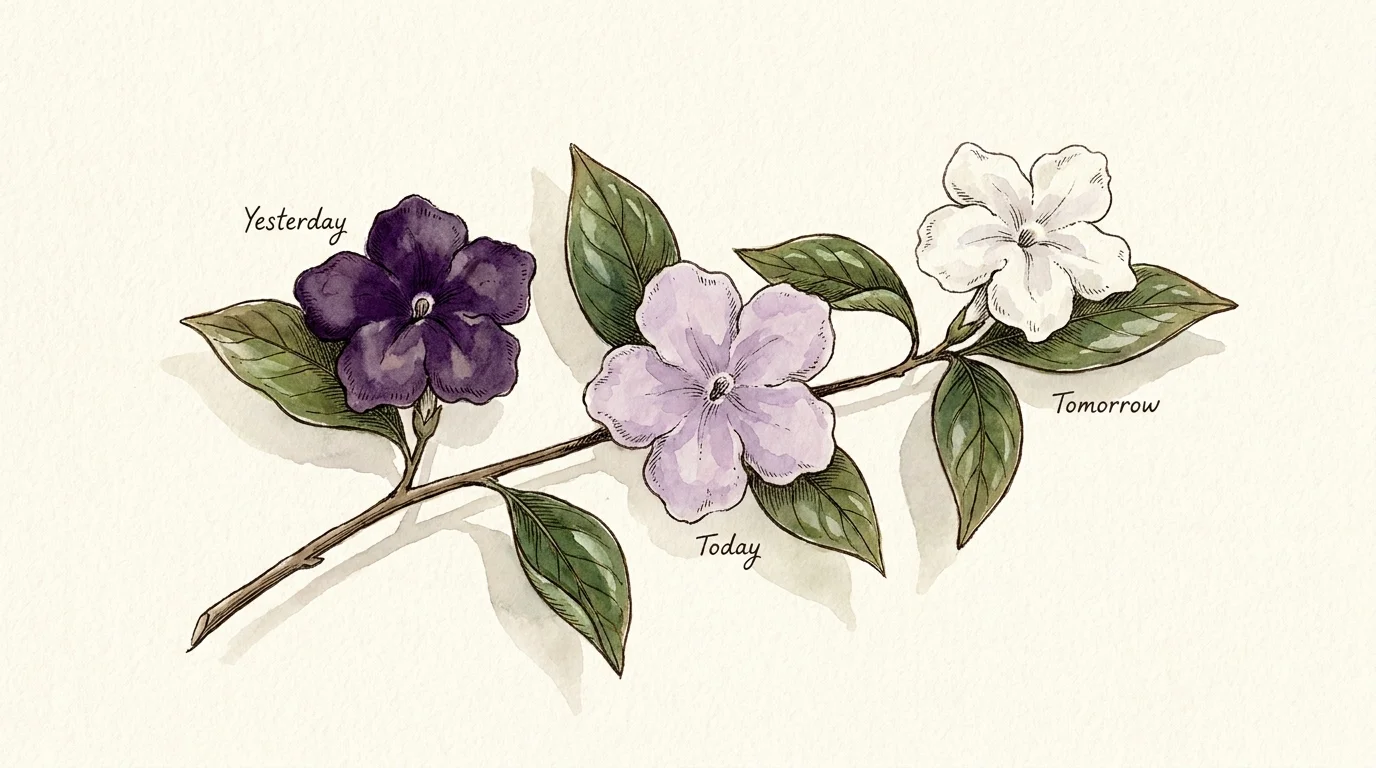
The magic of this plant lies in the gradual, highly predictable breakdown of its floral pigments. When a new bud opens “yesterday,” it displays a vivid, deep purple hue. By “today,” the anthocyanin pigments begin to degrade, transforming the bloom into a soothing, pastel lavender. By “tomorrow,” the pigment vanishes completely, leaving behind a pristine white flower. Because the shrub continuously produces fresh buds over a remarkably long blooming season, your plant will constantly showcase all three colors—purple, lavender, and white—creating a beautiful multi-toned tapestry.
You will achieve the best results by planting this shrub in a location that receives bright morning sun and dappled afternoon shade. Direct, harsh afternoon sunlight can scorch the delicate leaves and bleach the flowers too quickly. Provide slightly acidic, organically rich soil and maintain consistent soil moisture without allowing the roots to sit in standing water. If you live in a climate with freezing winters, grow this specimen in a large pot and bring it indoors to a bright sunroom before the first frost hits your area.
Tip #3: Lantana (Lantana camara)
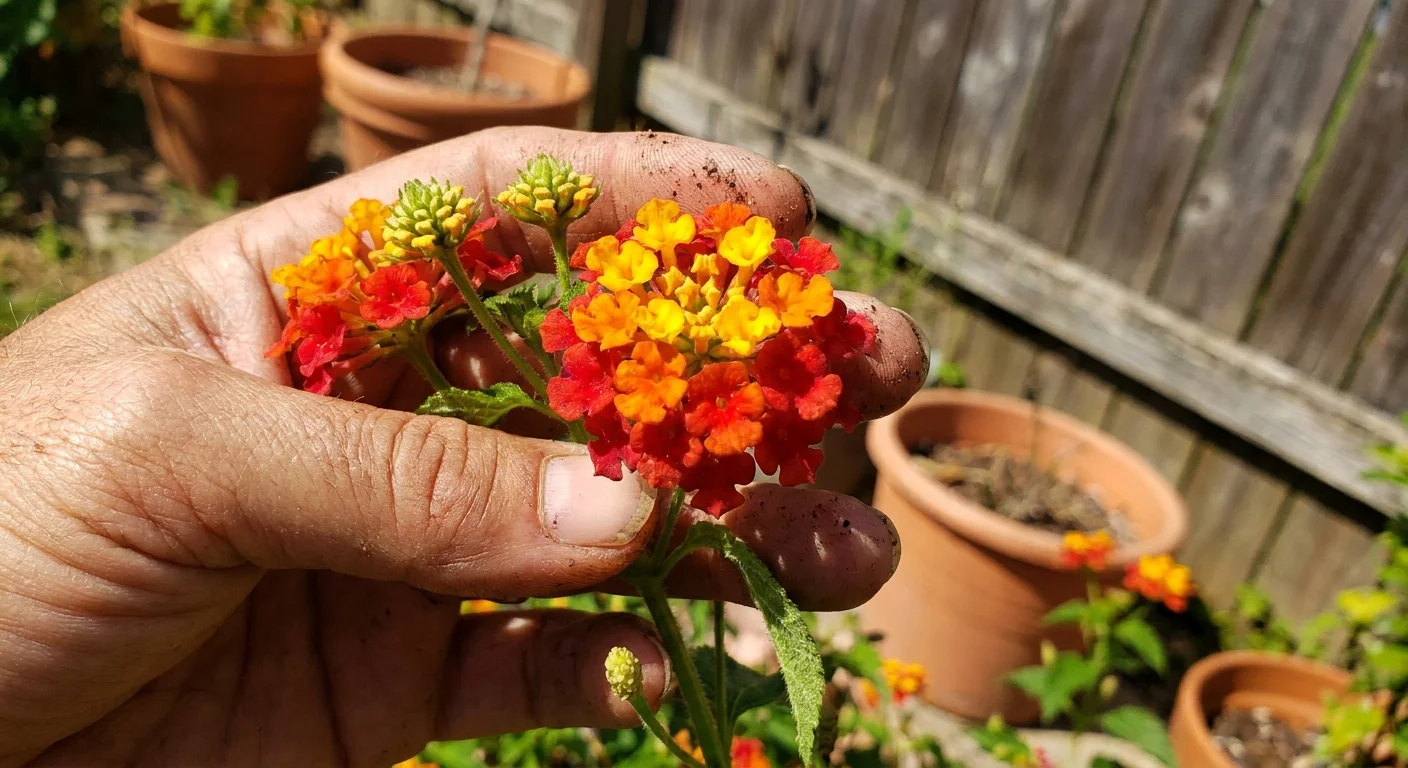
Lantana serves as a rugged, sun-loving workhorse in the garden that produces dense, rounded clusters of tiny, trumpet-shaped flowers. This resilient perennial thrives in extreme heat and shrugs off intense drought conditions, making it an excellent choice for low-maintenance landscapes. You will love how these cheerful, continuously blooming plants attract hordes of butterflies, bees, and hummingbirds to your yard from late spring all the way until the heavy frosts of autumn.
The color-changing mechanism in Lantana acts as a highly sophisticated communication system for local pollinators. The young flowers typically open in bright, highly visible colors like yellow or white, which signal the presence of fresh, abundant nectar to visiting insects. Once a butterfly or bee pollinates the flower, the plant triggers a chemical reaction that immediately alters the bloom’s pigment. The yellow flowers quickly transition into deep orange, red, or magenta. This brilliant evolutionary trait directs pollinators toward the unpollinated yellow flowers, saving them energy, while the older red blooms remain attached to increase the overall visual size of the cluster.
Plant your Lantana in the absolute sunniest spot you have available in your yard. The plant requires well-draining soil and will actually produce significantly fewer flowers if you pamper it with too much fertilizer or excessive water. You can encourage continuous blooming and a tidier, bushier growth habit by periodically deadheading the spent flower clusters and lightly trimming back the long stems mid-season.
Tip #4: Mutabilis Rose (Rosa chinensis ‘Mutabilis’)
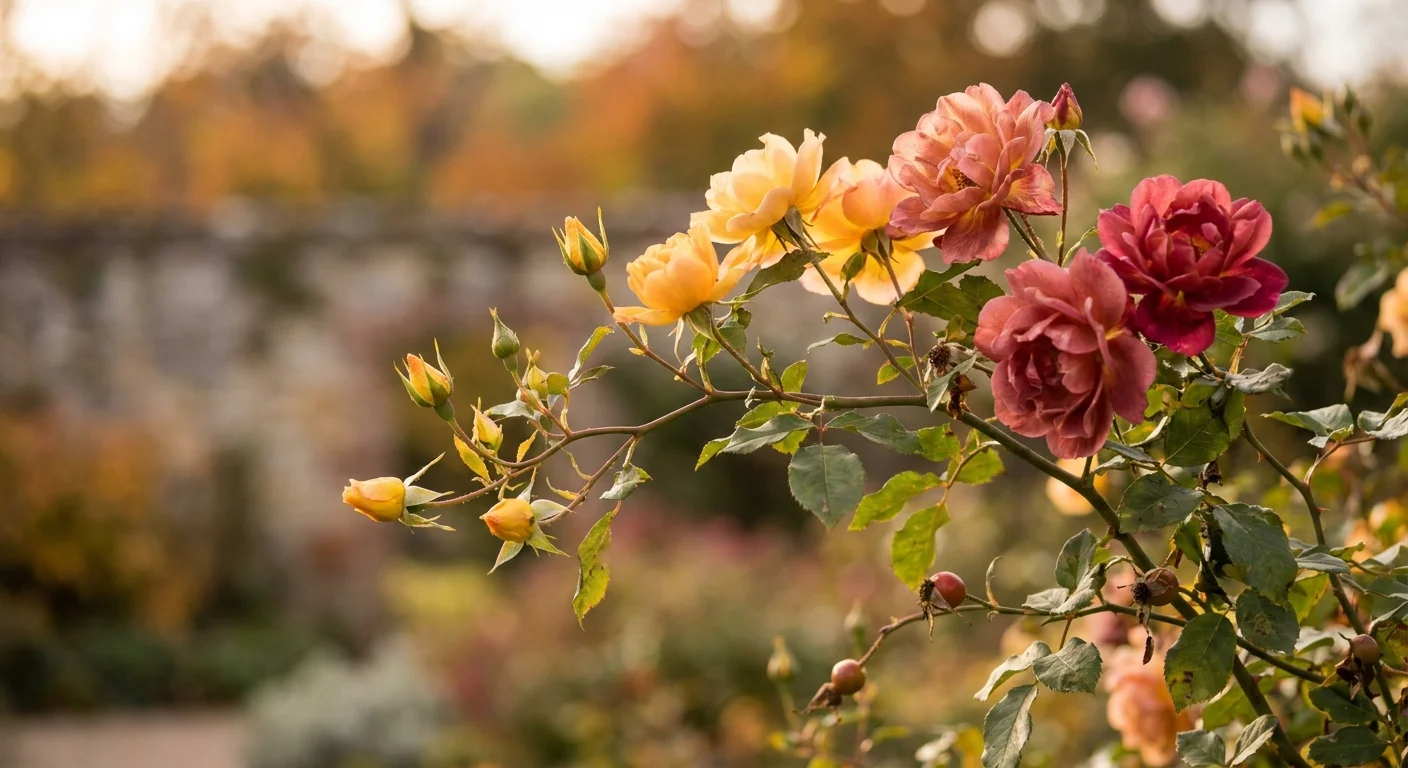
The Mutabilis Rose, frequently referred to as the Butterfly Rose, brings a wild, romantic energy to large garden spaces. This historic Earth-Kind rose produces simple, single-petaled blooms that look remarkably like brightly colored butterflies resting lightly on the delicate branches. You will appreciate the loose, airy growth habit of this vigorous shrub, which fits perfectly into cottage gardens, informal hedges, or the back of mixed perennial borders.
Unlike traditional rose varieties that hold a single static color until the petals drop, the Mutabilis Rose darkens as it ages due to an ongoing reaction with sunlight. The pointed, elegant buds open into soft, pale yellow or coppery-orange blossoms. As the sun beats down on the delicate petals over the next few days, the color intensifies into a warm, saturated pink. Finally, just before the flower finishes its lifecycle, it matures into a deep, velvety crimson. You will enjoy a spectacular, multicolored display as hundreds of blooms at various stages of maturity cover the vigorous shrub at once.
Give this robust rose plenty of room to stretch out; it can easily reach six feet tall and wide in favorable growing conditions. You must plant it in full sun to ensure the brightest colors and most abundant flowering cycles. The Mutabilis Rose boasts excellent natural resistance to common rose diseases like black spot and powdery mildew, meaning you can entirely skip the harsh chemical sprays. Simply provide good air circulation and water deeply at the base of the plant during extended dry periods.
Tip #5: Bigleaf Hydrangea (Hydrangea macrophylla)
Bigleaf Hydrangeas produce the massive, show-stopping mophead blooms that define classic summer garden aesthetics. These elegant, deciduous shrubs feature large, serrated green leaves that provide excellent texture even when the plant is not actively pushing out flowers. You can use them to successfully anchor foundation plantings, line shady property borders, or fill large decorative urns on a covered porch.
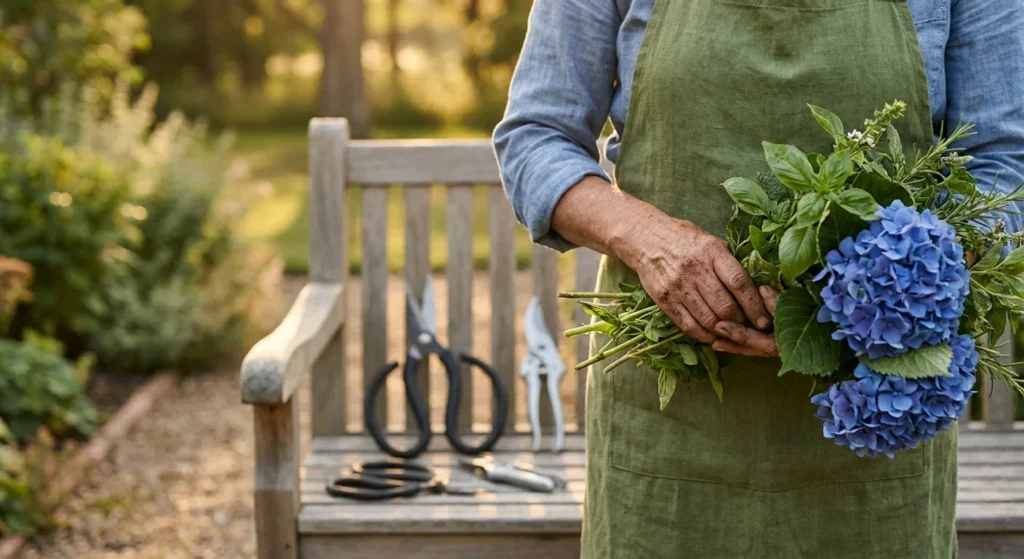
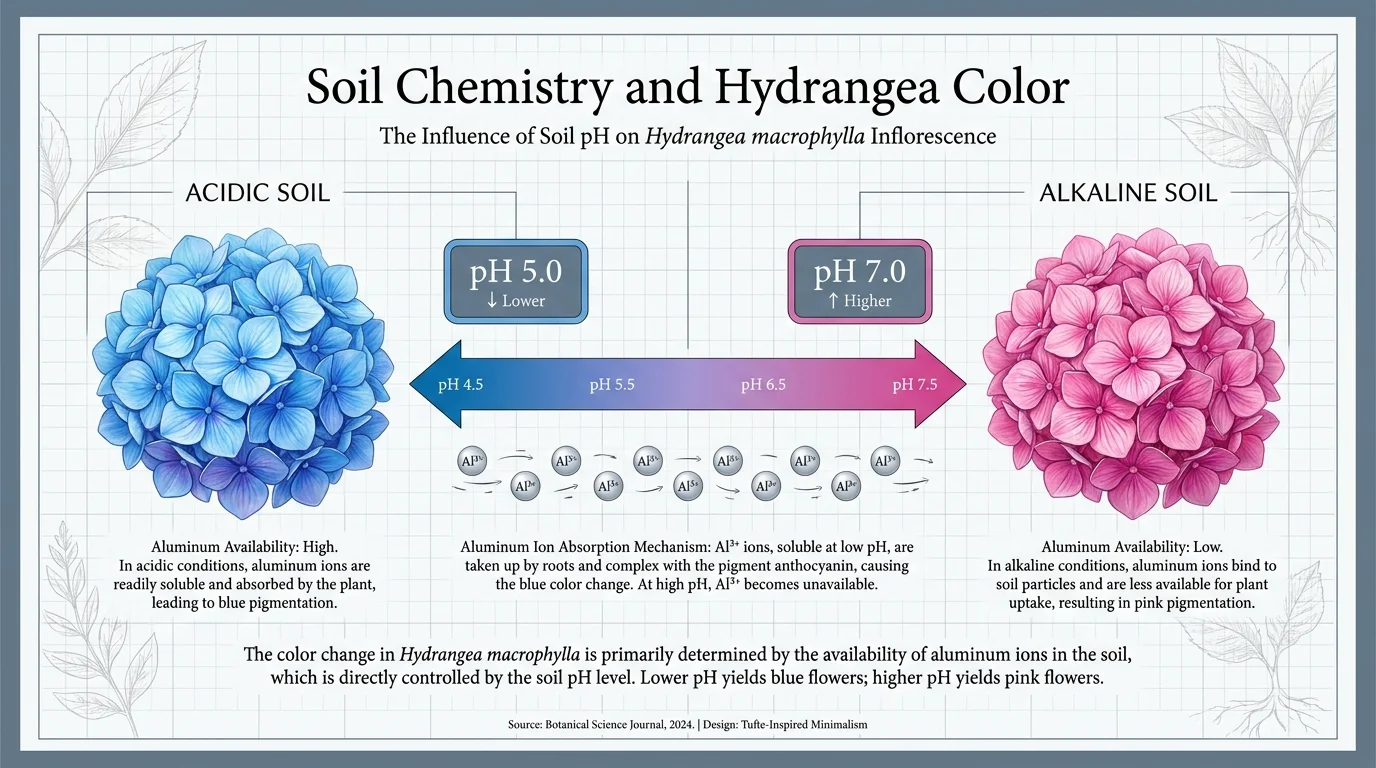
The color transformation of the Bigleaf Hydrangea relies entirely on soil chemistry rather than the daily aging process of the bloom. The flowers react to the availability of aluminum in the soil, which is directly dictated by the soil’s pH level. In highly acidic soil with a pH below 5.5, the roots absorb aluminum efficiently, resulting in brilliant blue flowers. In alkaline soils with a pH above 6.5, the plant cannot access the aluminum, causing the blooms to develop a rich pink or reddish hue. If your soil pH hovers right in the middle, you might see purple flowers or even a mix of pink and blue blossoms on the exact same shrub.
You possess the power to control these color changes through targeted, proactive soil amendments. To encourage blue blooms, you must apply aluminum sulfate to the soil surrounding the root zone in early spring. To force pink blooms, you should work agricultural lime into the soil to raise the pH. Regardless of your color preference, plant your hydrangeas in a location that receives gentle morning sun and complete protection from intense afternoon heat. Maintain a thick layer of organic mulch to keep the shallow root system cool and retain vital moisture.
Tip #6: Lungwort (Pulmonaria)
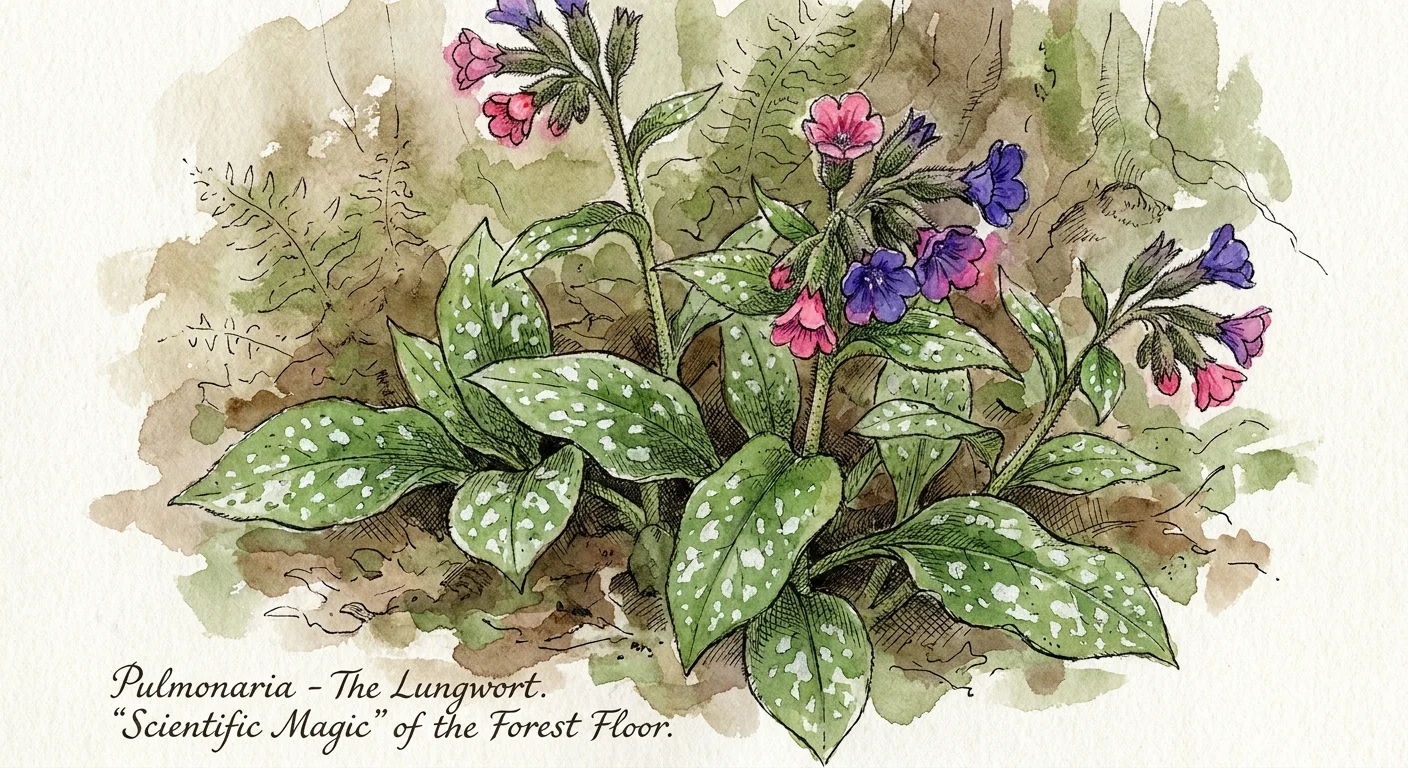
Lungwort offers incredible value as one of the earliest plants to emerge and bloom when the garden wakes up in early spring. This resilient, shade-loving perennial forms low-growing mounds of striking, silver-spotted foliage that looks highly decorative long after the blooming season concludes. You will find it invaluable for brightening up dark corners under mature shade trees or elegantly edging woodland pathways alongside hostas and ferns.
The fascinating color shift in Lungwort flowers occurs at the microscopic cellular level and serves as a clever pollination strategy. The bell-shaped buds open with an acidic cell sap, which presents visually as a vibrant, rosy pink color. As the flower matures and local spring bees successfully pollinate it, the pH level within the petals shifts toward alkaline. This internal chemical change causes the pink pigment to cool down and instantly transform into a striking sapphire blue. Because the plant produces flower stalks over several weeks, you will see a charming, fairy-tale mix of pink and blue bells nodding together on the same stem.
You will achieve the most vigorous growth by planting Lungwort in partial to full shade. The plant heavily favors organically rich, moisture-retentive soil, so you should amend your planting area with plenty of high-quality compost or leaf mold before tucking them into the ground. Once established, they form dense colonies that naturally suppress weeds and require very little maintenance aside from dividing the clumps every few years to reinvigorate their growth.
Tip #7: Heavenly Blue Morning Glory (Ipomoea tricolor)
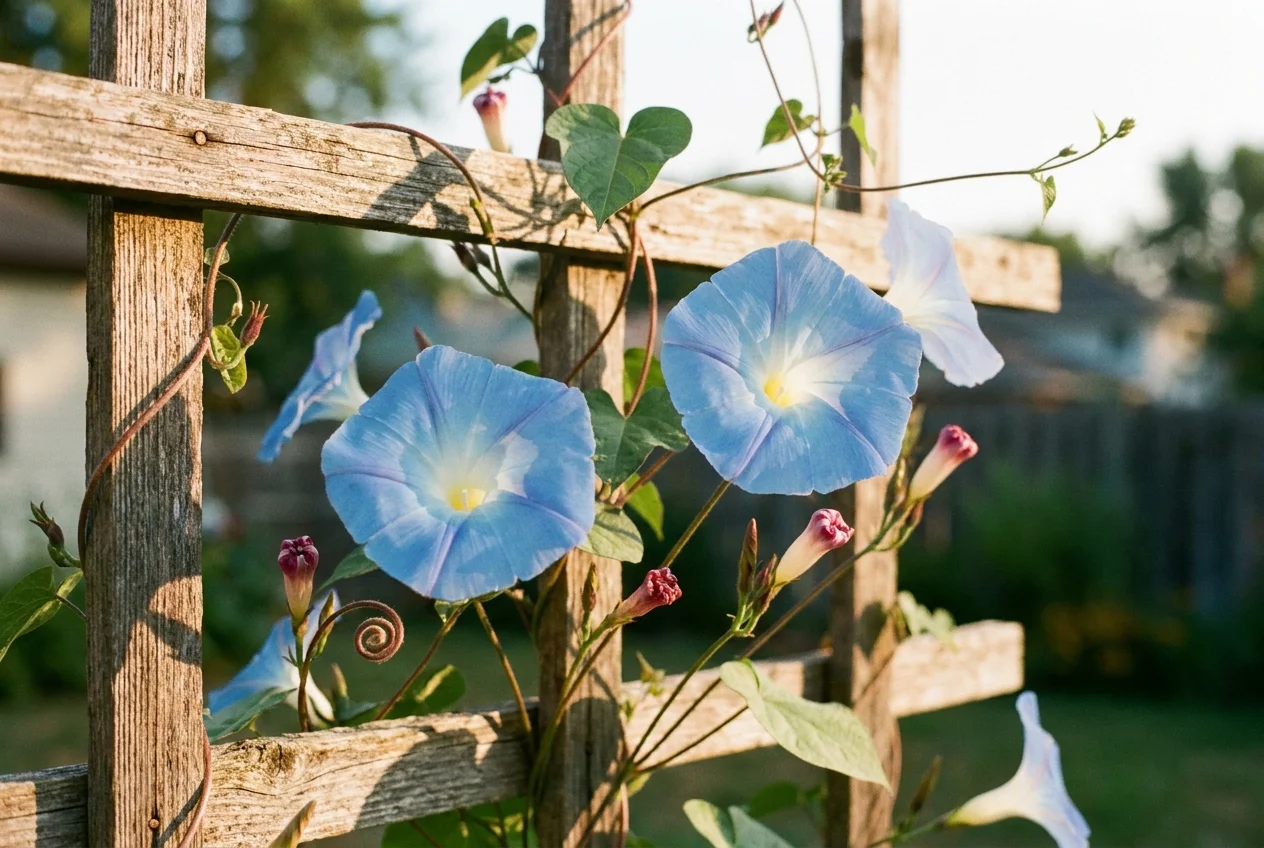
The Heavenly Blue Morning Glory is a vigorous, incredibly fast-growing annual vine capable of transforming a bare wooden fence or plain wire trellis into a vertical wall of vibrant color. The plant features lovely heart-shaped leaves that intertwine tightly around any available vertical support structure. You can use this prolific bloomer to create living privacy screens, shade a sunny arbor, or cascade beautifully out of large hanging baskets.
This spectacular vine executes one of the fastest color changes in the botanical world. The tightly furled flower buds start out distinctly pink or purplish-red in the cool evening hours. As the morning sun rises and the petals begin to unfurl, a rapid shift in the vacuole pH of the plant cells takes place. Within a matter of hours, the pink pigment completely transitions into an electrifying, pure sky blue. Each magnificent flower lasts for only a single day, dropping by nightfall to make room for a fresh batch of color-changing buds the following dawn.
Sow your Morning Glory seeds directly into the garden after all danger of frost completely passes in your area. You should lightly nick the hard seed coats with a metal file and soak them in warm water overnight to significantly speed up the germination process. Plant them in full sun and surprisingly poor, lean soil; if you provide soil that is too rich or apply heavy nitrogen fertilizers, the plant will produce massive amounts of green foliage at the expense of those stunning blue flowers.
Tip #8: Forget-Me-Not (Myosotis sylvatica)
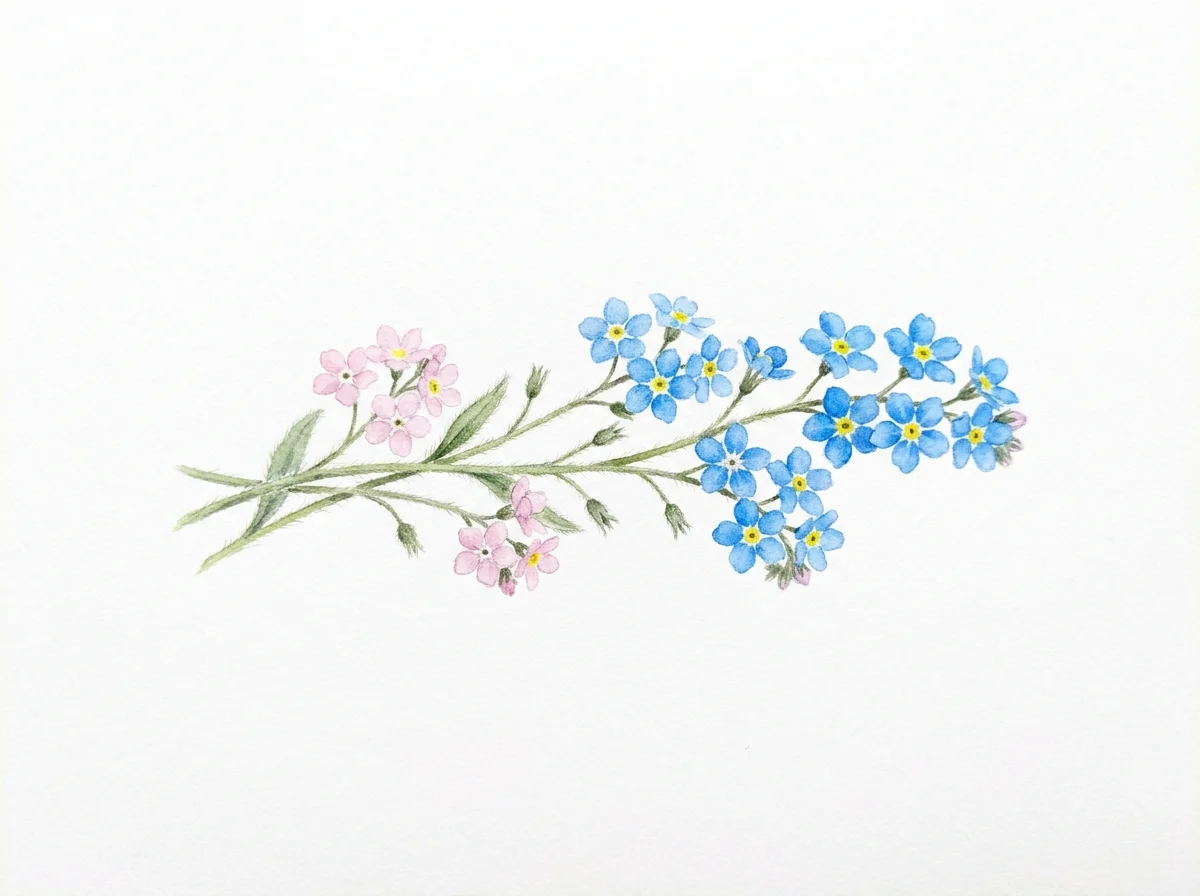
Forget-Me-Nots are charming, low-growing biennial plants that blanket the spring garden in a beautiful sea of tiny, star-shaped blossoms. They form delicate, frothy clouds of color that look absolutely magical when underplanted beneath tall spring-flowering bulbs like late tulips and daffodils. You can count on these eager little plants to naturalize beautifully, creating a whimsical woodland feel without aggressively taking over the landscape.
Similar to Lungwort, Forget-Me-Nots utilize an internal pH shift to change their petal color and effectively guide insect behavior. The minuscule flower buds initially open in a pale pink or sometimes a soft, yellowish-white hue. As the flowers reach maturity and become ready for pollination, the internal cell sap turns more alkaline, shifting the petal color to an iconic, piercing baby blue surrounding a bright yellow center. This striking blue color acts as a beacon for hungry spring bees, while the pale pink newly opened blooms are temporarily left alone to mature.
You will find Forget-Me-Nots incredibly easy to cultivate in garden areas that provide partial shade and consistently moist soil. They absolutely thrive in woodland conditions where the soil is rich in leaf mold and decomposing organic matter. While they technically act as biennials or short-lived perennials, you only ever need to plant them once. If you allow the spent flowers to go to seed naturally in the garden, they will self-sow generously around the yard, ensuring a brand-new generation of color-changing blooms for you to enjoy next spring.
Putting It All Together: Enjoy Your Beautiful Garden
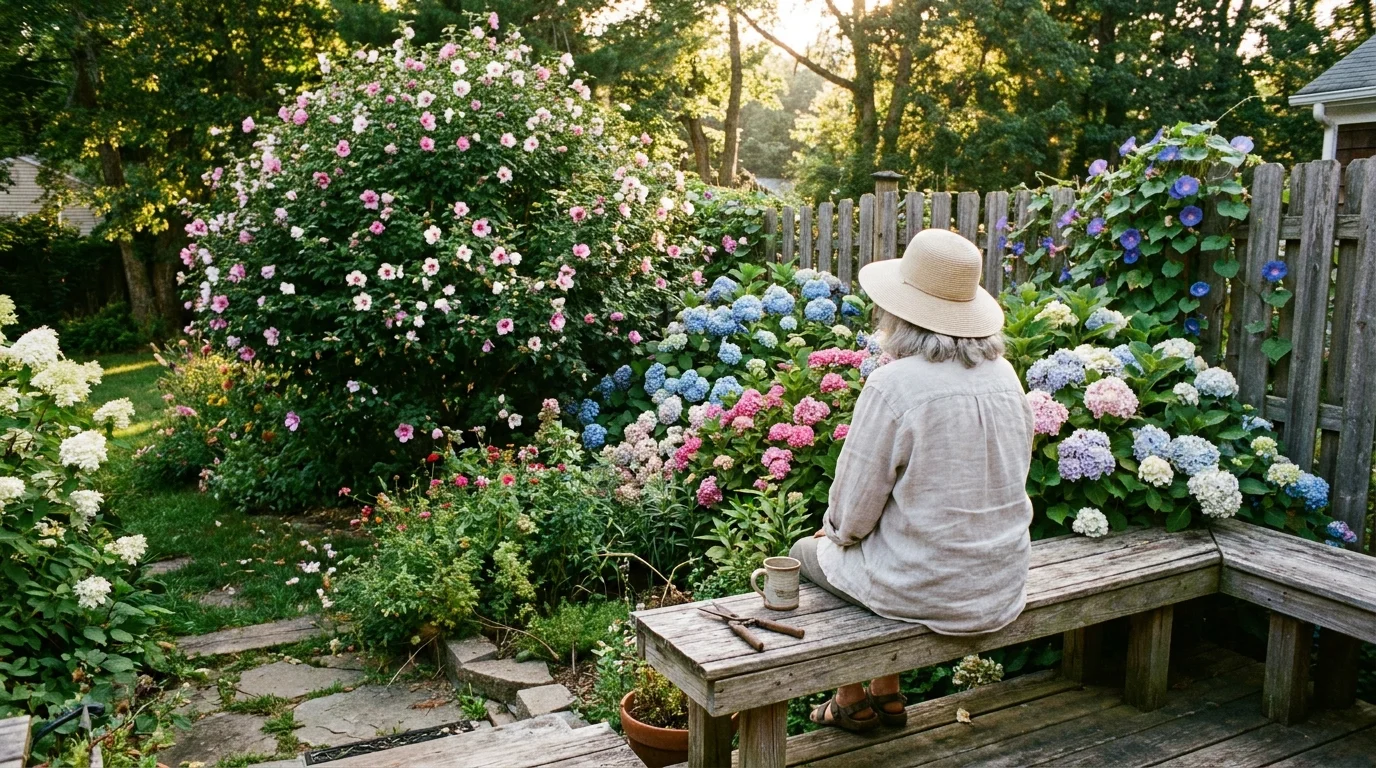
Designing a garden with color-changing flowers introduces a thrilling element of surprise and daily evolution to your landscape. You now understand that these shifting hues are not just beautiful anomalies, but fascinating biological processes driven by soil chemistry, intense sunlight, and intricate pollinator relationships. By consciously incorporating floral chameleons like the Confederate Rose, Lantana, or Bigleaf Hydrangea into your yard, you guarantee that your flower beds will never look exactly the same two days in a row.
Start small by selecting one or two of these dynamic varieties that perfectly match your specific growing zone and sunlight conditions. Pay close attention to their unique soil and moisture needs, and take the time to observe their daily color transformations. Gardening should always remain a joyful, deeply engaging practice, and planting these botanical wonders guarantees a highly rewarding, interactive experience. Get your hands in the dirt, experiment with these vibrant species, and watch your outdoor space come alive with shifting, dazzling colors.
For region-specific advice, consult your local University Extension program (find yours via the USDA directory). For plant databases and inspiration, visit the Missouri Botanical Garden or the Royal Horticultural Society.
Frequently Asked Questions
Can I change the color of any flower by altering the soil pH?
No, you cannot alter the color of most garden flowers through soil chemistry. This specific trait is highly unique to certain plants, most notably the Bigleaf Hydrangea and the Mountain Hydrangea. For the vast majority of garden flowers, the bloom color is dictated entirely by plant genetics rather than soil pH or mineral availability. You should focus your soil amendment efforts strictly on the overall health of the plant rather than attempting to artificially change petal colors.
Why did my newly purchased flowers change color after planting?
When you bring a blooming plant home from a commercial nursery, it immediately experiences a dramatic shift in environmental conditions. Changes in sunlight intensity, ambient temperature, and soil nutrients can cause the subsequent blooms to look totally different from the ones that opened in the pristine greenhouse. Additionally, some plants naturally shift hues as they mature or respond to local pollinators in your yard. You can usually restore the original color by mimicking the nursery’s light and moisture conditions as closely as possible.
Are color-changing plants harder to care for than regular flowers?
These dynamic plants require the exact same basic care as standard flower varieties. You do not need to perform any special tasks or apply secret fertilizers to make the flowers change color; the plants execute these biological processes naturally and independently. As long as you provide the correct amount of sunlight, supplemental water, and appropriate soil conditions for the specific species, you can enjoy the shifting colors without adding any extra chores to your regular gardening routine.
How quickly do color transitions usually happen?
The speed of the visual transition depends entirely on the plant species and the specific biological mechanism driving the change. The Heavenly Blue Morning Glory and the Confederate Rose shift colors in a matter of mere hours as they react to sunlight and ambient temperature. In contrast, a Mutabilis Rose or a Yesterday, Today, and Tomorrow plant takes a few full days to complete its color cycle. Hydrangeas require several months to fully absorb the necessary soil minerals before you see a noticeable shift in their seasonal blooms.
Disclaimer: This article provides general gardening advice. Always consider your specific climate, soil conditions, and local pests. Follow safety guidelines when using gardening tools and products.