Introduction: Transforming Your Yard with These Ideas
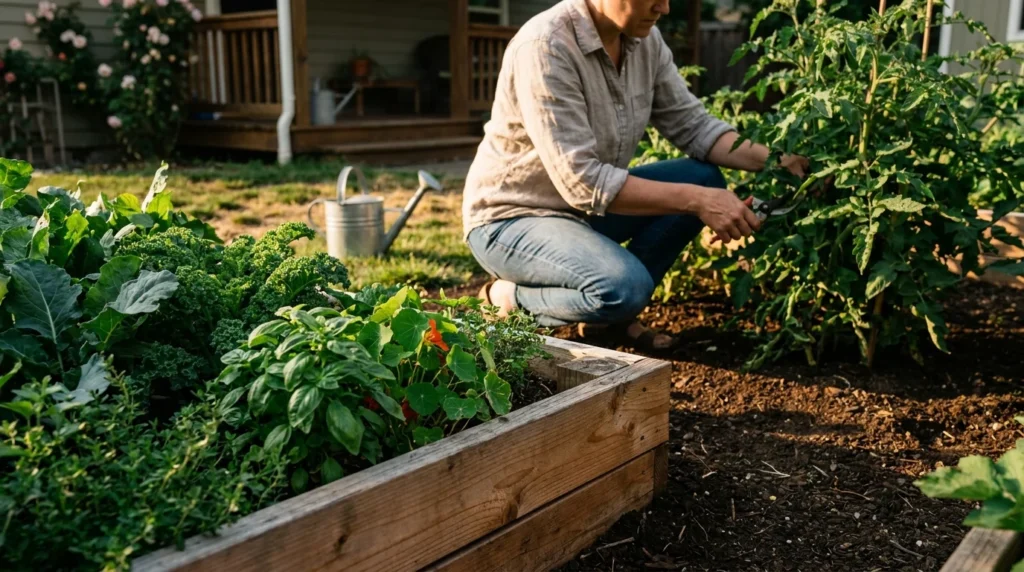
As you refine your landscape over the years, your priorities naturally shift toward maximizing enjoyment while minimizing physical strain. Creating a vibrant outdoor space does not require spending hours on your knees pulling weeds, lifting heavy bags of topsoil, or hauling watering cans across the lawn. By implementing smart design choices and selecting the right perennials, you can cultivate a stunning environment that practically cares for itself. This thoughtful approach to senior gardening revolves around working with local ecology rather than constantly fighting against it; when you choose species adapted to your specific climate, the plants thrive with little to no intervention.
Transitioning to a low maintenance garden allows you to reclaim your weekends and protect your joints from the repetitive stress of heavy yard work. Whether you manage a sweeping suburban landscape, a cozy courtyard, or a series of accessible raised beds, the foundation of an effortless yard lies entirely in your plant choices. By moving away from fussy annuals that require constant replanting and shifting toward rugged, drought-tolerant perennials, you establish a permanent framework of color and texture.
The strategies outlined below will guide you toward resilient, long-lived species that offer tremendous curb appeal with a fraction of the traditional effort. You will discover how specific growth habits, deep root systems, and native adaptations provide year-round beauty without demanding your constant attention. When selecting easy plants seniors can manage safely and comfortably, prioritizing self-sufficiency completely transforms the gardening experience.
Outdoor Strategy #1: Hostas for Effortless Shade Gardens
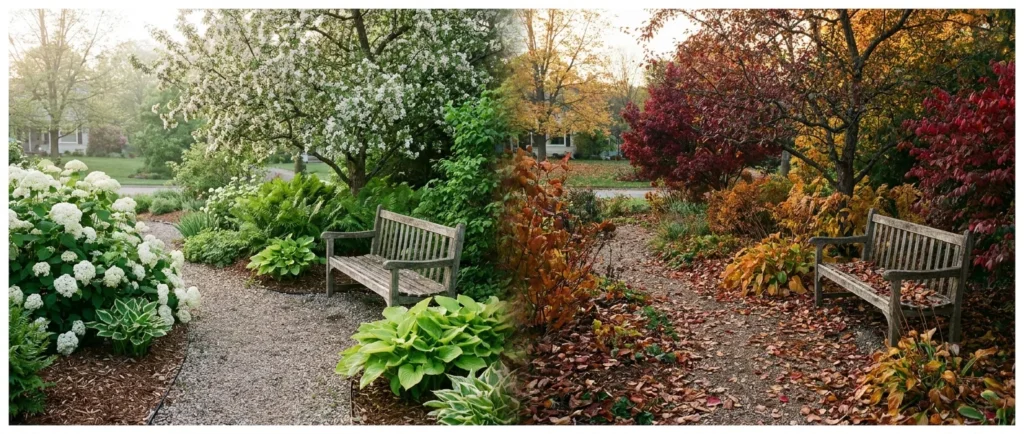
Hostas represent the absolute gold standard for shaded areas, transforming dark, challenging corners of your yard into lush displays of structural foliage. Thriving reliably across United States Department of Agriculture (USDA) Hardiness Zones 3 through 9, these hardy perennials emerge every spring with zero intervention. Instead of struggling to coax fragile blooms out of heavily shaded, nutrient-poor soil, you can rely on hostas to provide striking visual contrast through their broad, corrugated leaves.
Because hostas naturally grow in dense, overlapping clumps, they act as a living mulch that shades the soil and actively suppresses invasive weeds. This aggressive weed suppression drastically reduces the time you spend bending over to clear out unwanted growth. Varieties like the massive, chartreuse Sum and Substance instantly brighten dark corners, while the crisp white margins of the Patriot variety offer an elegant, formal appearance. Aside from optionally removing the tall flower spikes in late summer and clearing away the collapsed leaves after the first hard frost, these resilient plants demand nothing from you.
Outdoor Strategy #2: Daylilies for Durable Summer Color
Daylilies—specifically members of the Hemerocallis genus—are frequently dubbed the perfect perennial for their astonishing durability and vibrant output. These rugged plants establish thick, tuberous root systems that store water highly efficiently, making them exceptionally drought-tolerant once they settle into your landscape. If your goal involves eliminating the daily chore of dragging heavy hoses across the grass, daylilies offer a spectacular, colorful solution.
Flourishing in Zones 3 through 9, daylilies tolerate a massive spectrum of soil conditions, ranging from dense, heavy clay to fast-draining sandy loam. Cultivars like Stella de Oro or Happy Returns provide continuous waves of golden-yellow blossoms from early summer through the onset of fall. The arching, grass-like foliage forms a neat mound that serves as an excellent border along walkways or retaining walls, softening hardscape elements effortlessly. When planted in large, sweeping drifts, daylilies choke out competing weeds and stabilize sloping ground against soil erosion, effectively turning difficult terrain into a self-sustaining floral display.
Outdoor Strategy #3: Sedum for Drought-Tolerant Textures
Upright sedums, commonly known as stonecrops, introduce fascinating architectural texture to your landscape without asking for supplementary irrigation or labor-intensive fertilization. As natural succulents, sedums store precious moisture within their thick, fleshy leaves; this brilliant biological adaptation allows them to thrive gracefully during extended periods of intense summer heat and prolonged drought.
The acclaimed Autumn Joy stands out as a premier variety for those seeking brilliant late-season color. It emerges in early spring resembling a tight cluster of pale green broccoli, slowly expanding into sturdy, two-foot-tall stems as the season progresses. By late summer, massive flower heads develop, turning from a subtle pale pink to a deep, rusty brick red as autumn approaches. Because their stems are structurally robust, these plants never require staking, tying, or artificial support rings. You can leave the dried flower heads standing throughout the winter months to catch the snow, requiring only a quick cutback in early spring to prepare them for another effortless growing cycle.
Outdoor Strategy #4: Peonies for Long-Lived Spring Blooms
Many novice gardeners mistakenly believe that spectacular, dinner-plate-sized flowers require intensive care, but peonies completely shatter that persistent myth. A properly planted peony can live and bloom in the exact same spot for over a century, providing generations of breathtaking beauty for just a few minutes of initial planting effort. These herbaceous perennials flourish in Zones 3 through 8, utilizing the winter chill to produce their legendary, highly fragrant blossoms.
The secret to cultivating a hands-off peony lies entirely in the initial planting phase; you must set the roots shallowly, ensuring the growing eyes sit no more than two inches below the soil surface. Once established in the earth, peonies deeply resent being moved and require absolutely no division, sparing you the heavy, back-breaking labor associated with managing other aggressive perennials. Varieties like Sarah Bernhardt offer intoxicating fragrances and lush foliage that remains highly attractive long after the spring flowers naturally fade.
Outdoor Strategy #5: Coneflowers for Pollinator Attraction
Native plants inherently possess the genetic tools necessary to survive local weather extremes, and the purple coneflower (Echinacea purpurea) exemplifies this rugged, uncompromising resilience. Featuring incredibly deep taproots that dive far below the soil surface, coneflowers easily shrug off summer heatwaves and severe dry spells that would quickly decimate fussier, exotic species.
Incorporating coneflowers into your beds perfectly aligns with simple garden tips that emphasize working harmoniously with native ecology. You can plant them in well-drained soil across Zones 3 through 9 and essentially forget about them. They distinctly dislike overly rich soil; in fact, over-fertilizing causes their normally rigid stems to become weak, floppy, and unmanageable. When the vibrant petals drop in the autumn, the dark, structural seed cones remain upright. Leaving these cones intact provides crucial winter forage for goldfinches and other native songbirds, effectively turning your garden into a natural bird feeder without requiring you to carry heavy bags of seed from the local hardware store.
Outdoor Strategy #6: Coral Bells for Vibrant Foliage
Traditional garden design frequently overemphasizes delicate flowers, leading to a frustrating boom-and-bust cycle of color that demands constant deadheading to maintain visual appeal. You can bypass this tedious labor entirely by utilizing plants prized specifically for their dramatic, long-lasting foliage, such as Coral Bells (Heuchera). Available in a staggering array of colors—ranging from deep majestic purple and metallic bronze to lime green and soft caramel—these compact perennials offer continuous visual impact.
Coral Bells thrive beautifully in partial shade and prefer well-drained soil, making them phenomenal candidates for raised planters and elevated container gardens. Growing them in raised beds brings their intricate leaf veining closer to eye level and completely removes the need to kneel or bend over for routine maintenance. They naturally maintain a tidy, circular mounding habit that rarely exceeds eighteen inches in width, meaning you never have to worry about aggressive spreading or invasive tendencies ruining your carefully planned borders.
Outdoor Strategy #7: Snake Plants for Versatile Container Spaces
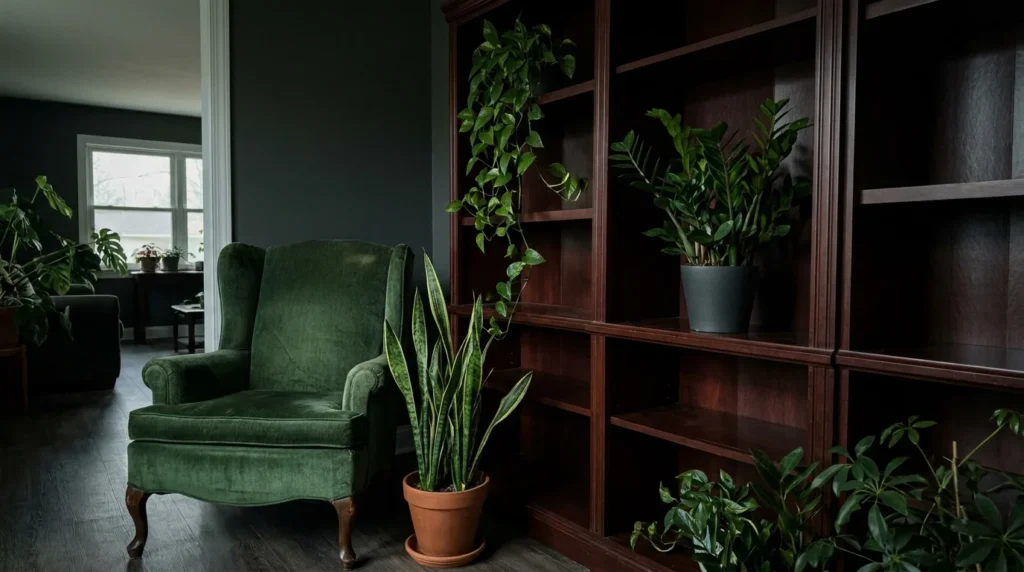
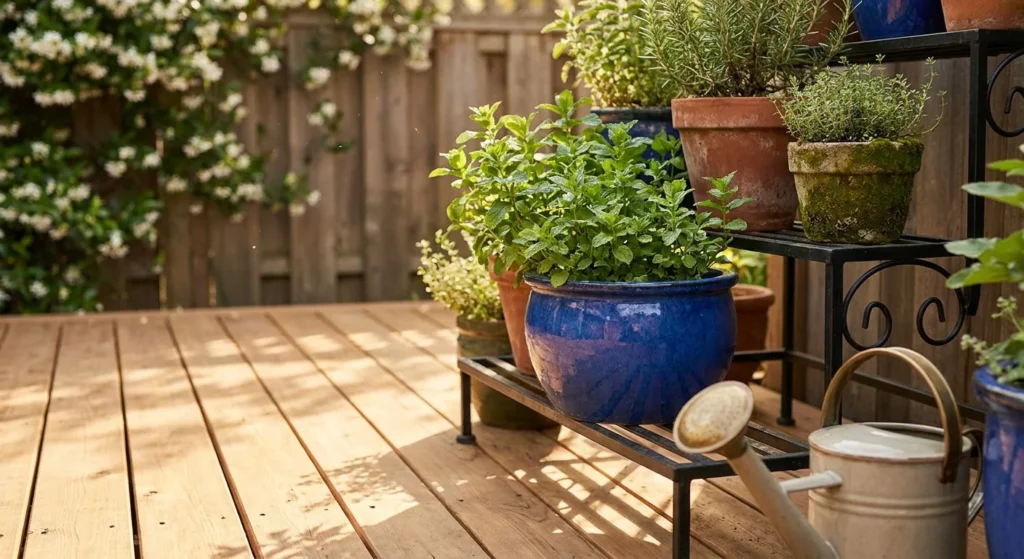
While focusing heavily on outdoor borders and permanent beds is essential, many homeowners also want to cultivate inviting patios, covered porches, and transitional seating areas. Incorporating resilient container specimens offers a brilliant, low-impact way to bridge the aesthetic gap between the house and the yard. When planning your patio layout, incorporating versatile species often recognized as indoor plants easy care champions—such as the architectural Snake Plant (Sansevieria)—provides immense flexibility and striking visual contrast.
Featuring stiff, sword-like leaves heavily banded with yellow and dark green, the snake plant provides instant vertical architecture to an outdoor seating area during the warm summer months. You can place a lightweight composite pot on a rolling caddy to effortlessly move the plant into the shade or wheel it indoors before the first autumn frost threatens. Snake plants notoriously thrive on neglect; their thick leaves store significant amounts of water, meaning you can comfortably leave for a two-week summer vacation without arranging for a neighbor to water your patio containers.
Outdoor Strategy #8: Dwarf Spirea to Eliminate Pruning Labor
Woody shrubs provide the vital structural backbone of any successful landscape, but traditional varieties frequently require physically demanding pruning from the top of an unsteady, dangerous step ladder. You can entirely eliminate this significant safety hazard by exclusively planting dwarf shrub varieties that naturally limit their own vertical growth. Dwarf Japanese Spirea, for instance, rarely exceeds two to three feet in both height and overall width.
Cultivars like Goldmound or Little Princess naturally maintain a dense, perfectly rounded shape without requiring a single pass from heavy, vibrating hedge clippers. They burst into spectacular bloom in early summer, producing dense clusters of flat, pink flowers that actively attract passing butterflies and beneficial pollinators. Beyond their undeniable aesthetic appeal, these compact shrubs are exceptionally tough, happily tolerating poor soil, heavy urban pollution, and moderate drought conditions. Planting a structured row of dwarf spirea along a foundation creates a permanent, colorful border that remains remarkably neat year after year.
Outdoor Strategy #9: Liriope for Clean Border Edging
Clean, beautifully defined edges instantly elevate the appearance of a yard, but maintaining those crisp lines with a heavy gasoline or battery-powered string trimmer severely strains the lower back and shoulders. Liriope, commonly known as lilyturf or monkey grass, offers an elegant, biological solution to this recurring physical problem. This tough, grass-like perennial forms dense, impenetrable clumps that effectively create a permanent living boundary between your manicured lawn and your mulched garden beds.
Reaching only twelve to fifteen inches tall, Liriope physically blocks creeping turfgrass from invading your delicate planting areas. In late summer, it produces charming spikes of purple or white flowers, followed closely by clusters of dark black berries in the autumn. It tolerates deep shade, baking full sun, and practically everything in between, thriving reliably in Zones 4 through 10. The only maintenance required involves cutting the old, tired foliage down to the ground once a year in late winter before the vibrant new growth emerges, a task easily managed with lightweight grass shears.
Outdoor Strategy #10: Yarrow for Heat-Proof Perennial Borders
If you constantly battle hot, dry microclimates and exceptionally nutrient-poor soil in your yard, Yarrow (Achillea) will quickly become your most trusted landscape ally. This ancient, highly adapted perennial thrives effortlessly in harsh environments that would instantly scorch delicate ornamental flowers. Featuring finely cut, fern-like foliage that exudes a spicy, herbal scent, yarrow naturally deters browsing deer and hungry rabbits from entirely destroying your hard work.
Its distinct, flat-topped flower clusters come in brilliant shades of yellow, pink, red, and classic white, hovering gracefully above the foliage from early summer well into the crisp fall months. Yarrow mandates excellent drainage; planting it in heavily compacted, wet clay often leads to root rot. However, when placed in sandy, rocky, or unamended soil, it spreads steadily to form a rugged, highly effective weed-suppressing mat. You never need to apply synthetic fertilizer to yarrow, nor do you need to provide supplemental irrigation once its roots firmly take hold in the landscape.
Seasonal Considerations for Your Garden
Understanding how to manage your outdoor spaces throughout the changing seasons dramatically reduces your overall workload and preserves your physical energy. During the spring months, your primary focus should center on applying a thick, three-inch layer of organic mulch across all your garden beds. This single action effectively locks essential moisture into the soil and heavily suppresses early weed germination, saving you countless hours of pulling weeds during the sweltering heat of July and August.
As summer temperatures peak, manual watering becomes the most physically demanding chore in the yard. You can bypass hauling heavy watering cans by installing a simple, automated drip irrigation system or snaking a soaker hose through your established beds. Connecting these hoses to a basic battery-operated timer located at the spigot ensures your plants receive deep, consistent watering at the soil level, which prevents foliar diseases and encourages deep, drought-resistant root systems to develop.
When autumn arrives, resist the traditional urge to cut every perennial down to the bare soil. Leaving the foliage and dried seed heads of plants like coneflowers and sedums intact provides critical winter interest and feeds local wildlife. This modern approach to fall cleanup keeps organic material in the beds, insulating the plant roots against freezing temperatures while significantly cutting down the number of yard waste bags you have to lift and drag to the curb.
Winter serves as your vital resting period and the perfect time for strategic planning. Use these colder months to evaluate which plants performed well and which ones required too much effort. Winter also presents an excellent opportunity to clean, sharpen, and lubricate your ergonomic gardening tools, ensuring they perform smoothly and require less physical force when the spring planting season eventually returns.
Dealing with Outdoor Pests and Weather
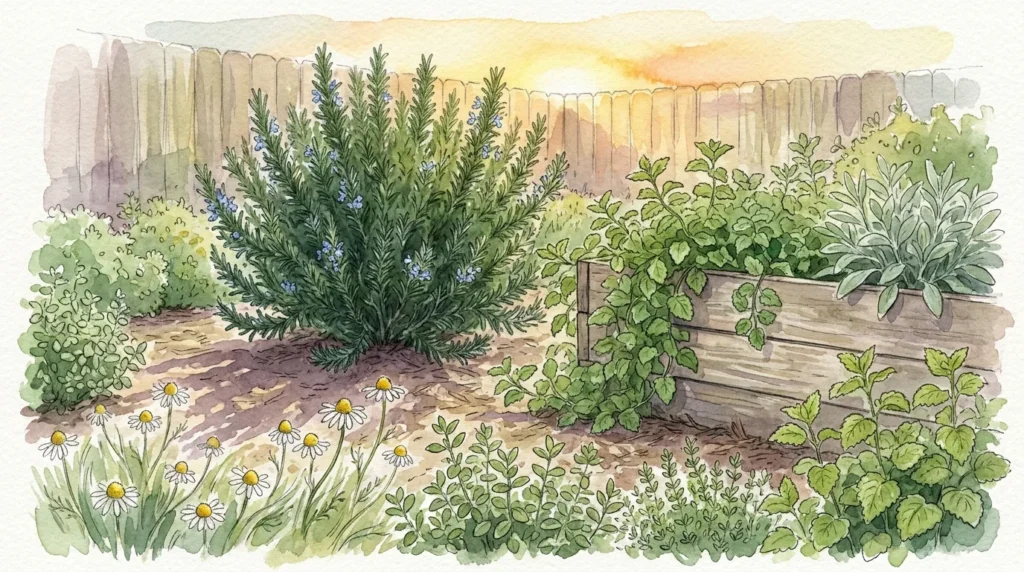
Managing the inevitable arrival of pests and unpredictable weather systems does not require applying harsh, toxic chemicals or engaging in daily garden patrols. When dealing with browsing mammals like deer and rabbits, your most effective strategy involves utilizing plants they naturally detest. Highly fragrant or textured plants, such as yarrow, peonies, and aromatic herbs, naturally repel these animals. By positioning these resistant plants along the perimeter of your yard, you create a biological fence that gently encourages wildlife to forage elsewhere.
Insect management in a low-maintenance landscape relies heavily on fostering a balanced, natural ecosystem. Instead of reaching for broad-spectrum pesticides at the first sight of an aphid, allow natural predators like ladybugs, lacewings, and parasitic wasps to handle the infestation. Providing diverse, native plantings—like the coneflower—attracts these beneficial insects to your yard, establishing a self-policing environment that keeps destructive pest populations firmly in check without requiring you to mix or spray hazardous chemicals.
Combating severe weather, particularly sudden heatwaves and prolonged droughts, requires proactive soil management. Amending your beds with rich organic compost acts like a sponge, drastically increasing the water-holding capacity of the earth. When extreme heat is forecasted, providing your beds with one long, slow, deep soaking is vastly superior to shallow daily waterings. Deep watering forces plant roots to grow further down into the cooler, protected layers of the soil, ensuring they can weather extreme surface temperatures without wilting.
Frequently Asked questions
How can I reduce the physical strain of planting and maintaining my garden?
The most effective method for minimizing physical stress involves transitioning to elevated gardening solutions. Installing raised beds, utilizing tall container pots, and implementing vertical trellises brings the work directly to your natural waist height. Additionally, investing in ergonomic tools featuring extended handles and padded, shock-absorbing grips significantly reduces the pressure placed on your wrists, knees, and lower back during routine maintenance sessions.
Do low-maintenance plants spread too quickly and become invasive?
While some aggressive groundcovers can certainly overtake a garden bed, the specific plants recommended above—such as hostas, coral bells, and dwarf spirea—were explicitly chosen for their well-behaved, clumping growth habits. To ensure your plants stay exactly where you want them, always check the plant tag for words like “clumping” or “compact,” and avoid species labeled as “vigorous spreaders” or “rapid naturalizers.”
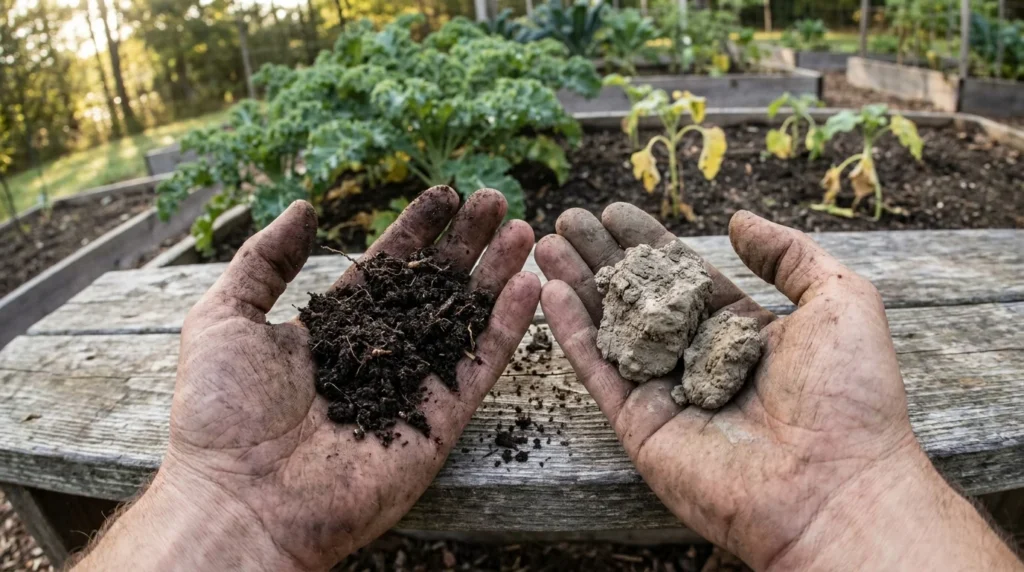
How do I improve my heavy clay soil without physically double-digging the beds?
You can dramatically improve dense, compacted clay soil through a simple, labor-free process known as top-dressing. Instead of violently tilling the earth, simply layer two to three inches of rich, organic compost directly over the soil surface every spring and fall. Earthworms, beneficial soil microbes, and natural rainfall will slowly pull this vital organic matter down into the clay, naturally breaking it up and improving drainage without requiring you to lift a single heavy shovel.
Can I safely leave my container plants outdoors all winter?
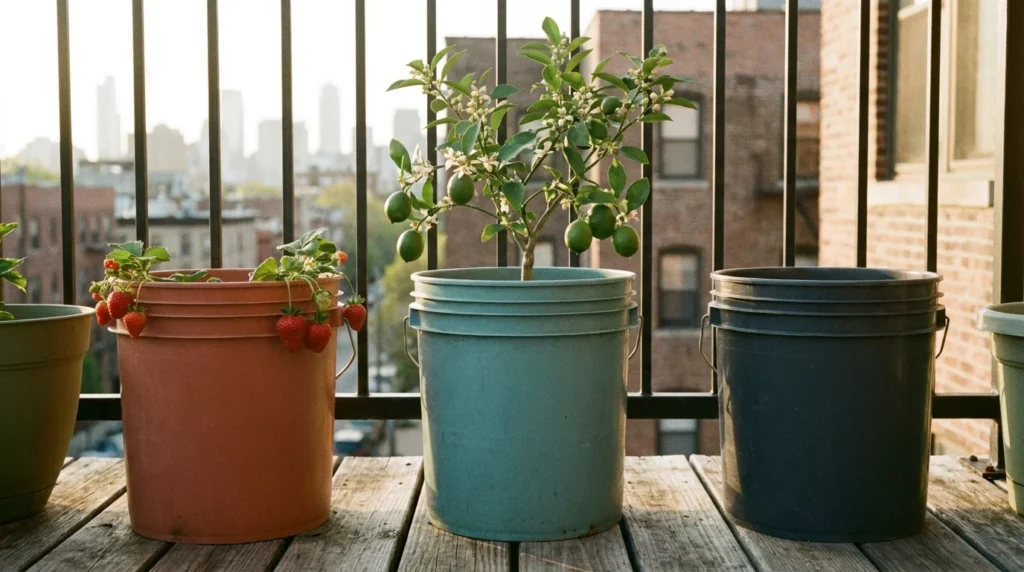
The survival of your container plants during the winter depends entirely on the material of the pot and your local climate zone. Ceramic and terracotta pots will easily crack when wet soil freezes and rapidly expands inside them. Furthermore, plants in containers experience much colder root temperatures than those planted directly in the ground. If you live in a region with freezing temperatures, you must either move delicate plants like the snake plant indoors or choose ultra-hardy outdoor perennials housed in flexible, frost-proof composite or resin containers.
Check your USDA Plant Hardiness Zone at the USDA’s website. For lawn and garden care advice, consult your local University Extension program (listed here). Find native plant information from the National Wildlife Federation.
Disclaimer: This article provides general outdoor gardening advice. Success can vary greatly based on your specific climate, soil type, and local conditions. Always choose plants appropriate for your USDA Hardiness Zone.