Putting It All Together: Enjoy Your Beautiful Garden
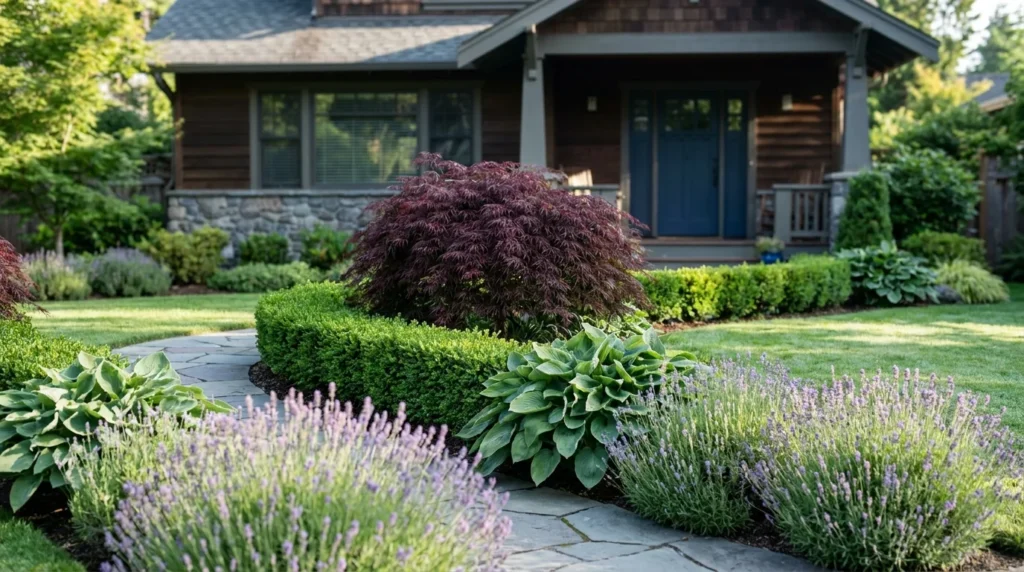
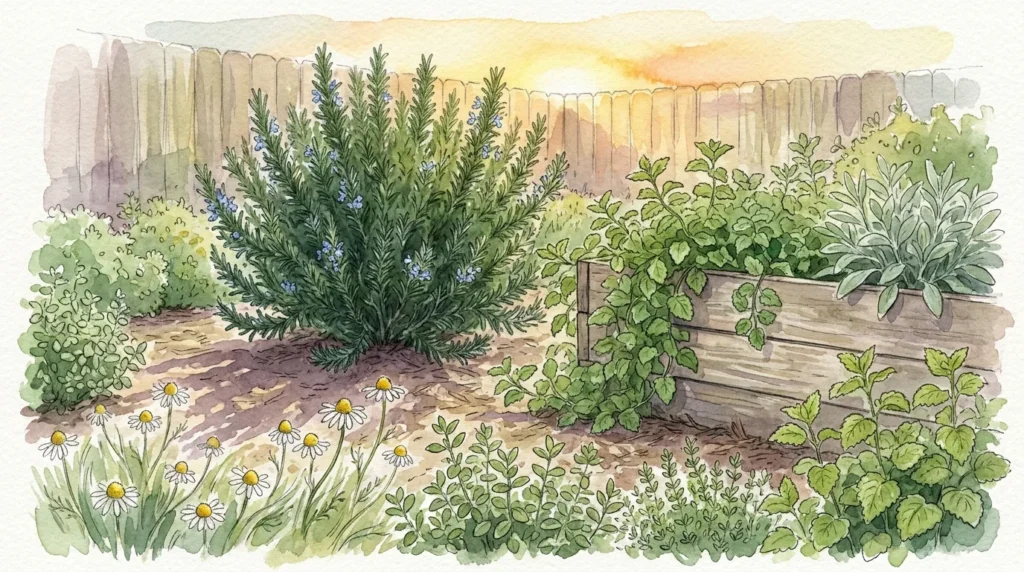
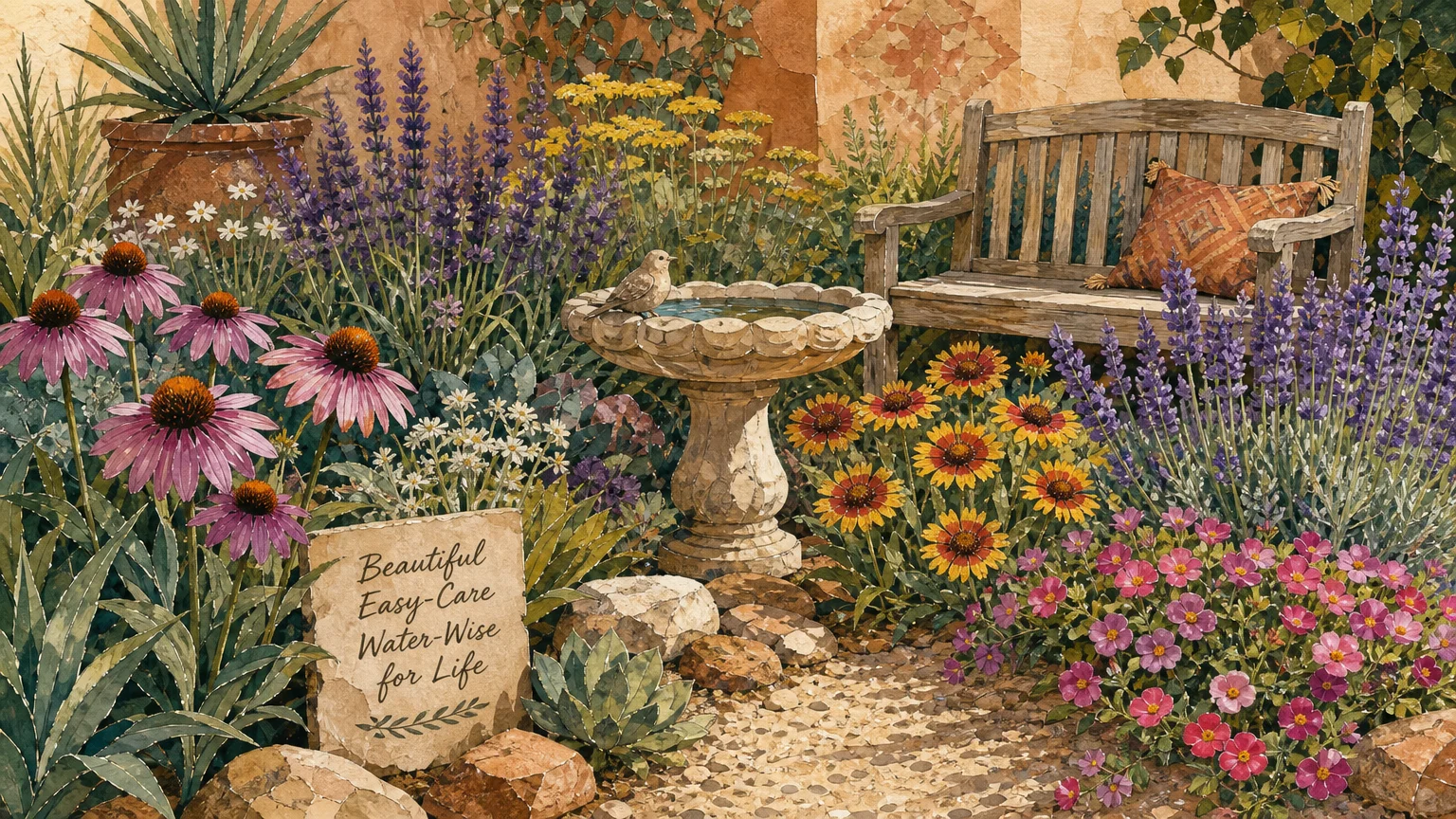
Creating a vibrant, heat-proof landscape does not mean sacrificing color or beauty. By intentionally selecting species perfectly adapted to dry conditions, you significantly reduce your workload while protecting vital environmental resources. The key to long-term success involves a concept called hydrozoning. Simply group plants with similar moisture requirements together in the same garden bed. You will never accidentally overwater a dry-loving Russian Sage while trying to hydrate a thirsty nearby Hydrangea.
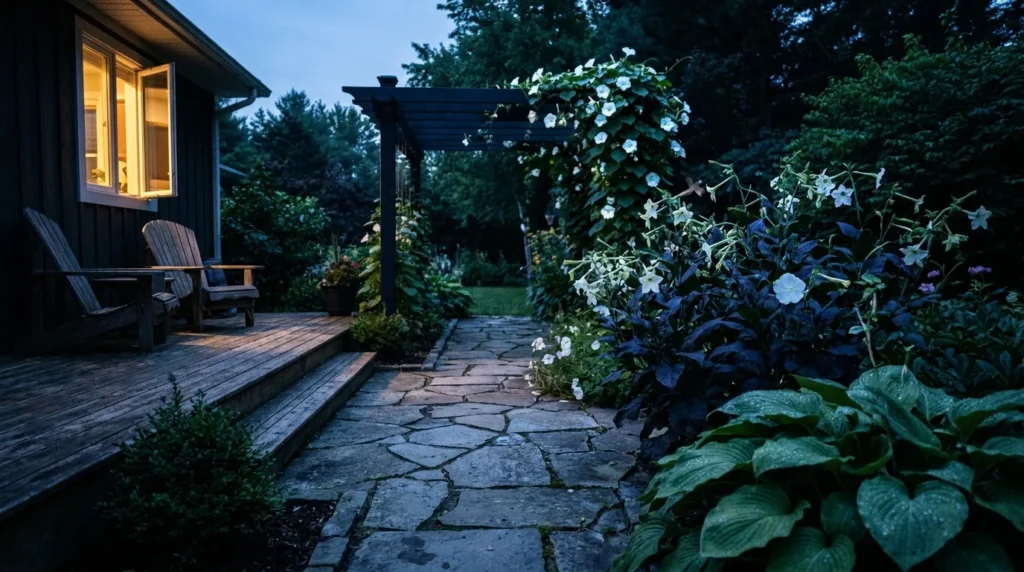
Always apply a two-inch layer of organic mulch around the base of your plants. Mulch drastically reduces soil surface temperatures, blocks competitive weeds, and locks remaining moisture into the ground. As you implement these resilient plants, you will quickly discover the joy of low-maintenance gardening. You get to spend your summer evenings relaxing on the patio with a cold drink, simply admiring your gorgeous, thriving landscape instead of dragging a heavy hose through the dirt.
Frequently Asked Questions
How often should I water my newly planted drought-tolerant flowers?
Even the toughest desert plants require a steady supply of moisture to establish their root systems. During the first four to six weeks after planting, water the root zone deeply two to three times a week. Once you see significant new top growth, gradually taper off the watering schedule. By their second summer, these resilient plants will rely almost entirely on natural rainfall.
What is the best time of day to water a low-water garden?
You should always water your garden beds early in the morning, ideally between 6:00 AM and 9:00 AM. Morning watering allows the soil to absorb moisture deeply before the fierce midday sun causes rapid evaporation. It also ensures the plant’s foliage dries out completely before evening, which prevents harmful fungal diseases like powdery mildew and rust from taking hold in the damp, cool night air.
Can I grow heat-resistant flowers in patio containers?
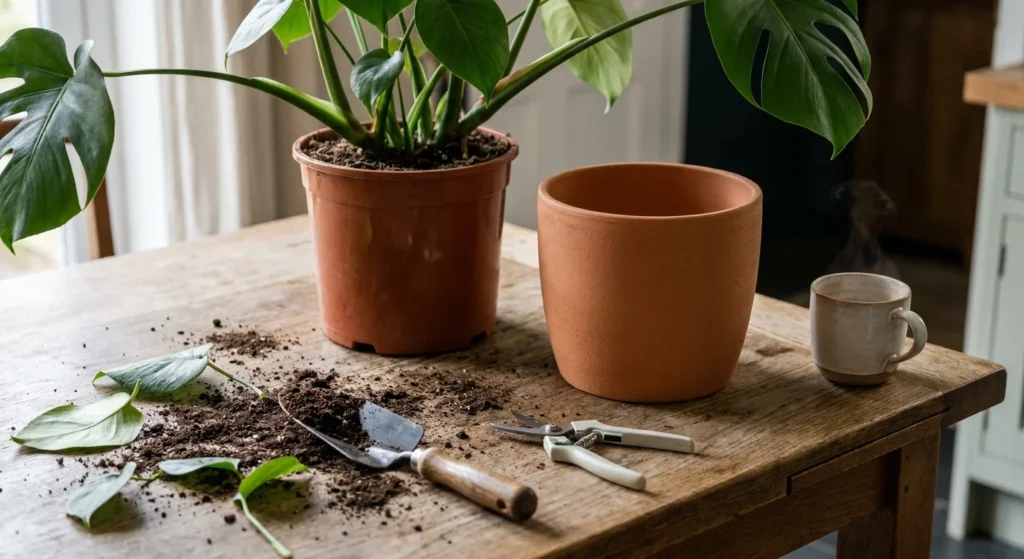
Absolutely. However, you must adjust your expectations regarding their watering needs. Plants grown in terracotta or plastic pots dry out significantly faster than those insulated by the ground. Even highly drought-resistant varieties like Moss Rose and Lantana require more frequent watering when confined to containers. Always check the top two inches of the potting soil; if it feels bone dry to the touch, give the container a thorough soaking until water runs freely out the bottom drainage holes.
Do these rugged plants require routine fertilizer?
Most plants adapted to dry, harsh climates evolved in nutrient-poor soils. Consequently, they actually perform worse when you apply rich, synthetic fertilizers. Excess nitrogen promotes rapid, floppy green growth that wilts quickly in extreme heat and significantly reduces flower production. Simply top-dressing your garden beds with a light half-inch layer of organic compost once a year in early spring provides all the necessary nutrients these tough plants require.
For region-specific advice, consult your local University Extension program (find yours via the USDA directory). For plant databases and inspiration, visit the Missouri Botanical Garden or the Royal Horticultural Society.
Disclaimer: This article provides general gardening advice. Always consider your specific climate, soil conditions, and local pests. Follow safety guidelines when using gardening tools and products.