Minimalist interior design thrives on deliberate choices where every single element serves a distinct visual purpose. Adding sleek indoor plants breathes organic vitality into crisp, modern rooms without introducing unnecessary clutter.
Carefully chosen modern houseplants introduce striking sculptural silhouettes and lush textures to open spaces. You effortlessly cultivate a peaceful, intentional sanctuary that balances clean architectural lines with calming natural beauty.
These ten exceptional plants for minimalist decor deliver remarkable visual impact alongside straightforward, forgiving care routines. Use them to create serene focal points that elevate your living environment with minimal effort.
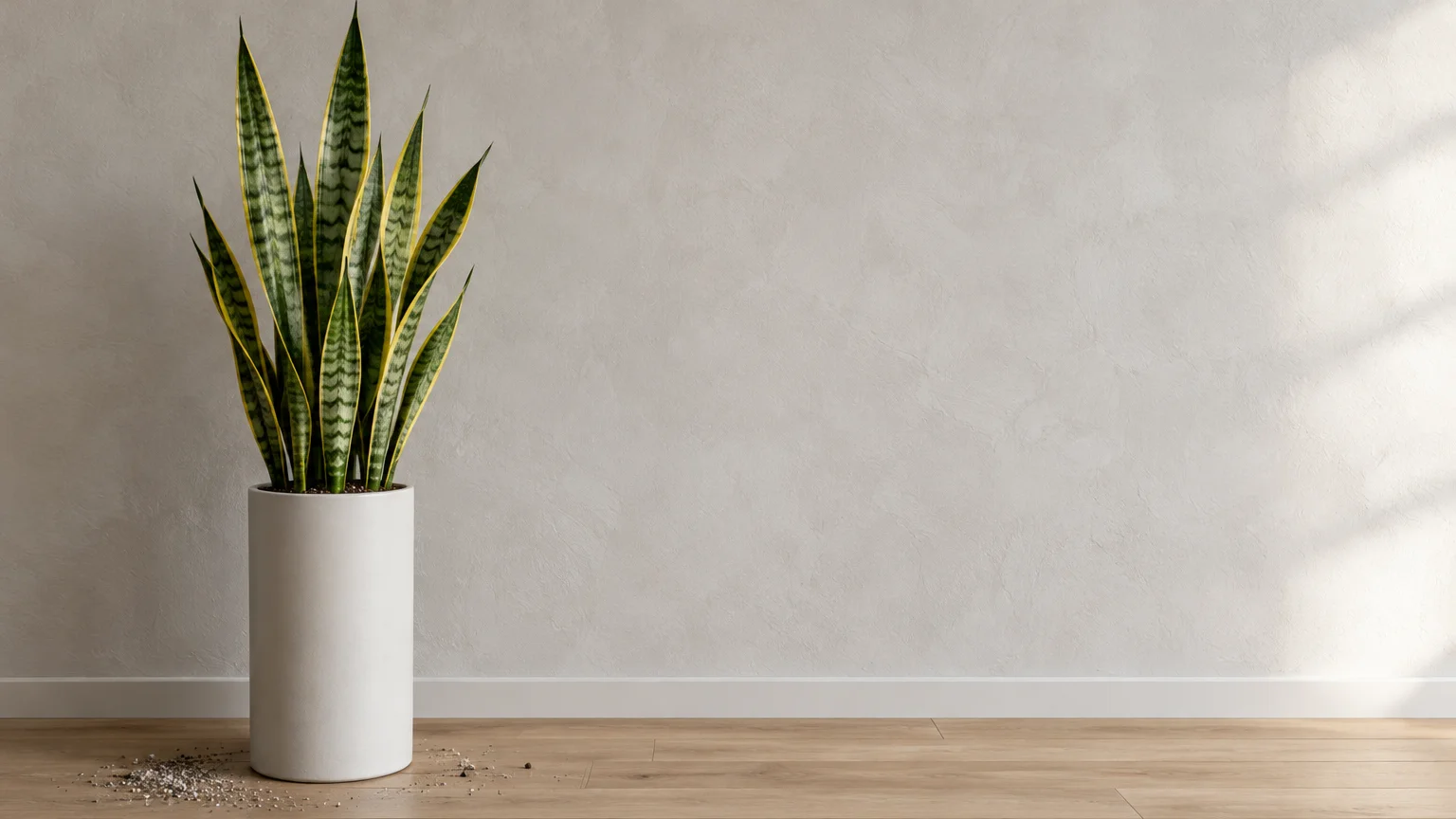
Tip #1: Snake Plant for Architectural Height
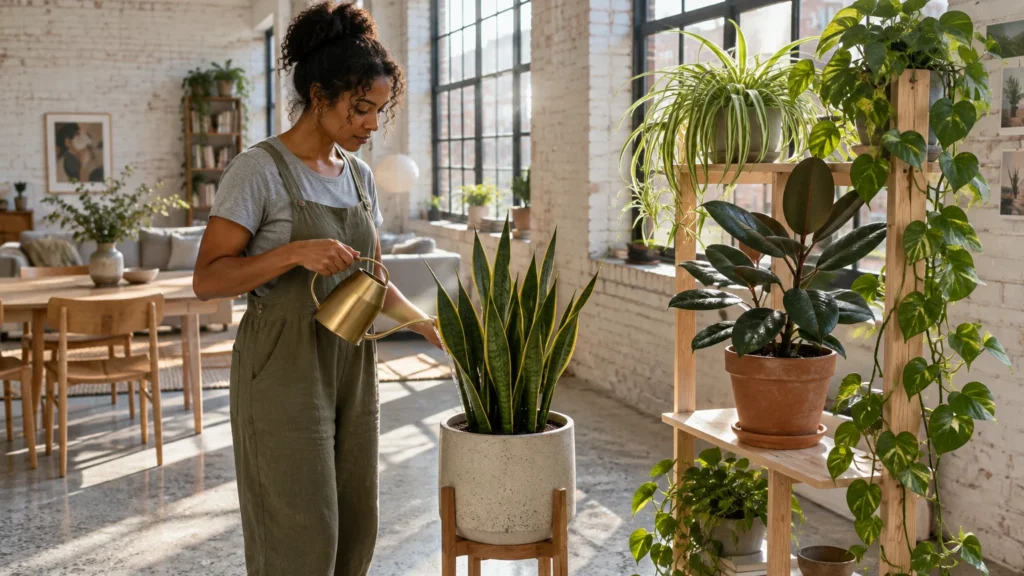
The snake plant stands out as an iconic staple in modern interior design. Its upright, sword-shaped leaves rise like living sculptures, creating strong vertical lines that draw the eye upward.
This architectural habit makes the plant exceptionally well suited for compact areas. Because the foliage remains upright rather than spreading laterally, it occupies minimal floor space while making a bold statement.
You will appreciate how effortlessly this species complements monochromatic schemes. Pair your snake plant with a matte ceramic cylinder or a smooth fiberstone planter to highlight its sharp, clean profile.
Caring for this hardy specimen requires virtually no fuss on your part. Position it in bright, indirect light for rapid growth, or tuck it into darker corners where other flora struggle.
Water your snake plant only when the potting mix dries out completely from top to bottom. During winter months, you may only need to moisten the soil once every four to six weeks.
Always plant it in a pot with drainage holes and use a gritty succulent mix. Good drainage prevents root rot and keeps the stiff foliage standing tall and firm.
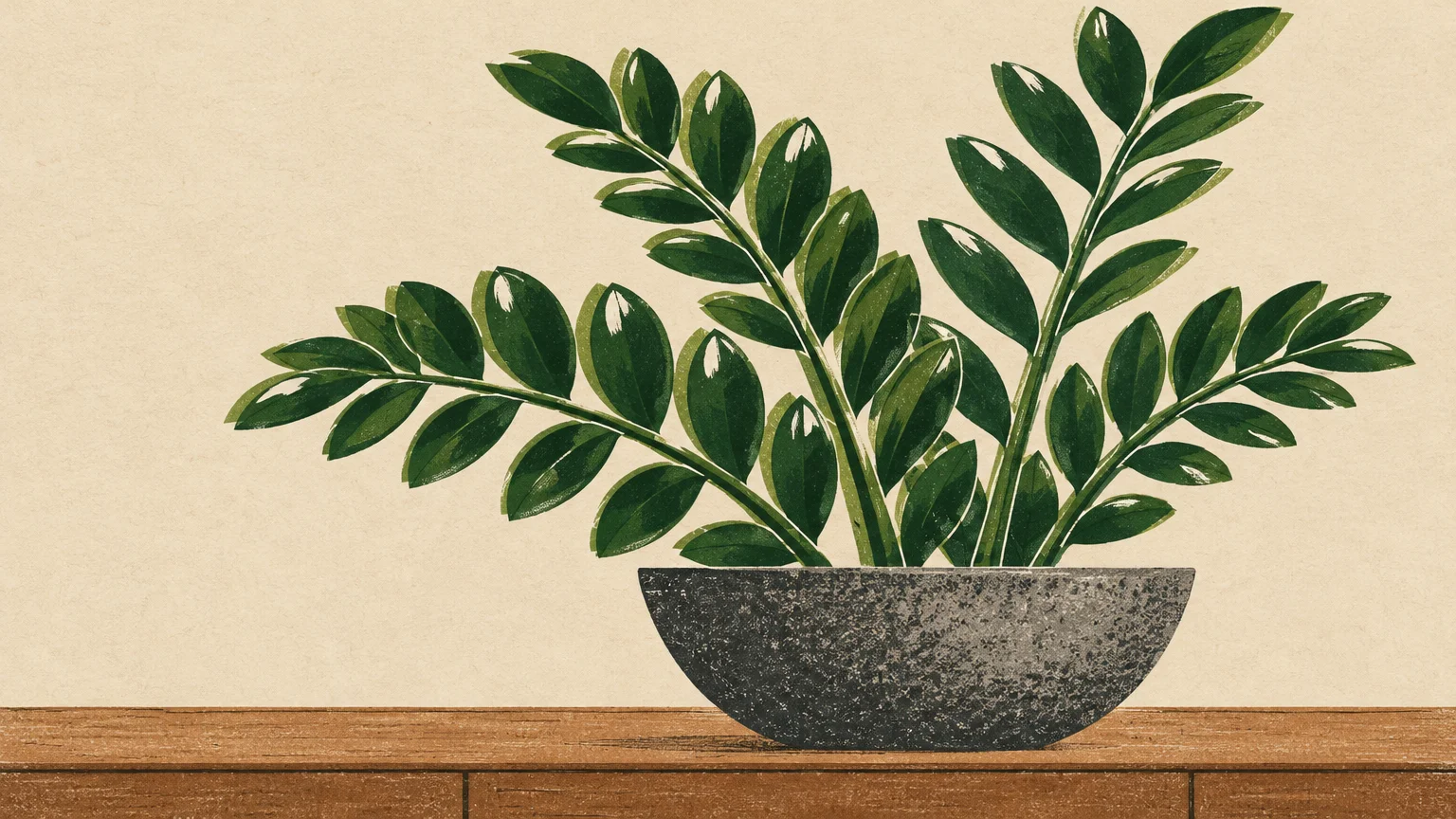
Tip #2: ZZ Plant for Glossy Simplicity
The ZZ plant offers a mesmerizing display of glossy, oval leaflets arranged along upright, gently arching stems. Its reflective surfaces bounce ambient light around rooms, creating a clean and polished appearance.
Its structured growth habit delivers balanced symmetry without appearing chaotic or unruly. That orderly posture makes it one of the most reliable low maintenance indoor plants for uncluttered homes.
Style your ZZ plant on a low credenza or an open wooden shelf. A simple neutral pot in charcoal, stone gray, or bone white creates an elegant, gallery-like presentation.
This resilient succulent thrives in virtually any lighting condition, from windowless offices to sunlit foyers. Keep it away from direct afternoon sun to prevent scorching its lustrous foliage.
Its thick underground rhizomes store substantial moisture reserves for long periods. You only need to water thoroughly when the soil has completely dried out.
Wipe the leaves periodically with a damp microfiber cloth to remove dust. Clean foliage breathes better and preserves that pristine, mirror-like sheen you love.
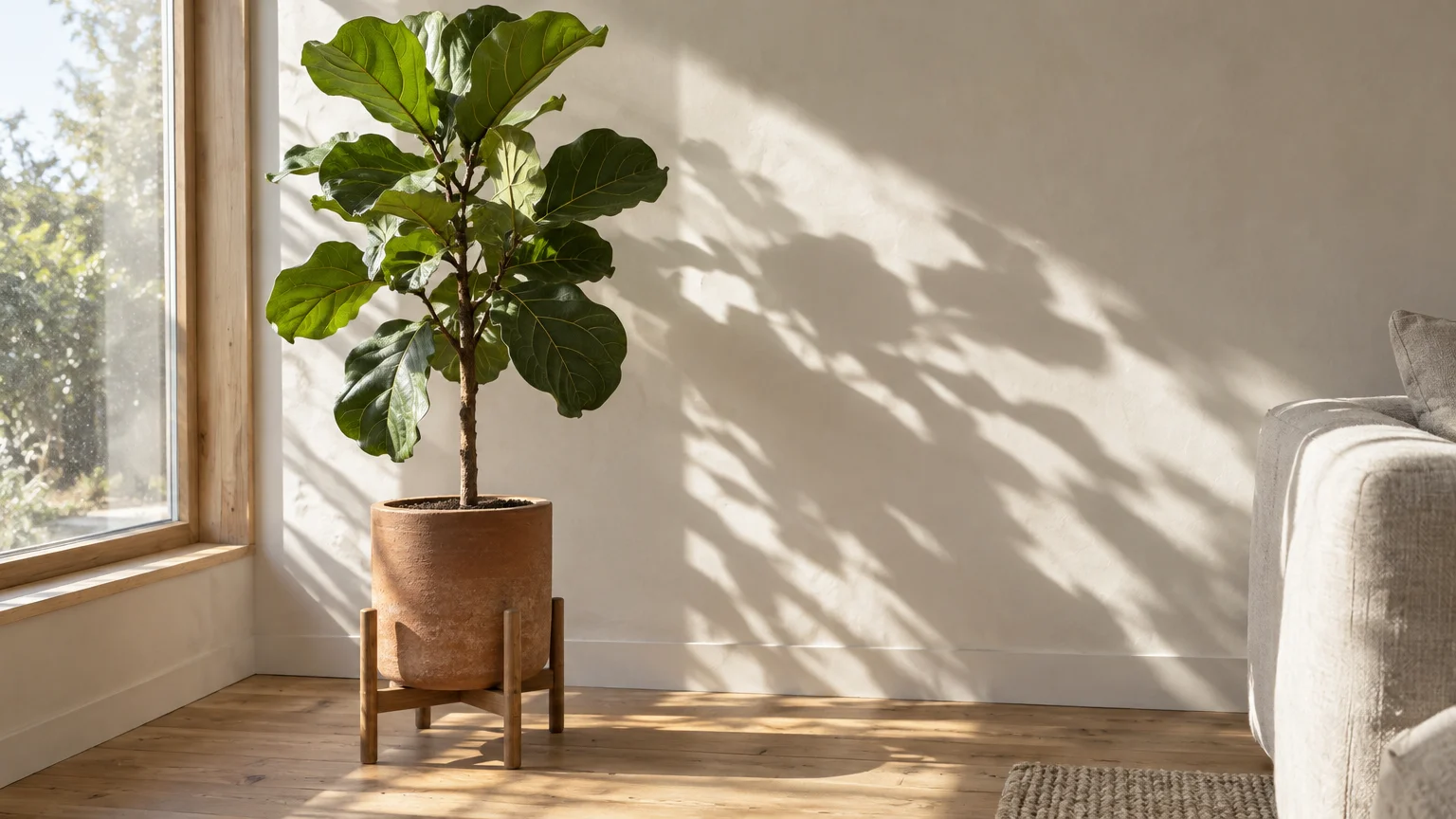
Tip #3: Fiddle Leaf Fig for a Sculptural Anchor
A single mature fiddle leaf fig can transform an empty room into a curated sanctuary. Its broad, violin-shaped leaves create bold organic shapes that soften hard edges and expansive blank walls.
Minimalism relies on focal points that eliminate the need for excessive decorative trinkets. This majestic specimen commands attention effortlessly, serving as living art in your living room or study.
Display your fiddle leaf fig in a substantial ceramic pot with clean, unadorned contours. Elevating the container on a minimalist wooden stand adds height and lets light circulate beneath the foliage.
Place the tree in generous, filtered sunlight near an east-facing or south-facing window. Rotate the container a quarter turn every week so the trunk grows straight and balanced.
Water thoroughly when the top two inches of soil feel dry to your touch. Ensure excess water drains away freely, as soggy soil causes lower leaves to drop suddenly.
Dust the broad leaves regularly to maximize photosynthesis and maintain a flawless look. Gentle pruning during spring preserves a tidy silhouette and encourages fresh, compact growth.

Tip #4: Monstera Deliciosa for Graphic Foliage
Monstera deliciosa brings graphic flair to contemporary interiors with its iconic perforated leaves. The deep splits and natural holes introduce visual intrigue without feeling noisy or chaotic.
Because its leaves grow quite large, a single specimen fills negative space with artistic presence. It provides all the dramatic impact you need without overcrowding your floor plan.
To maintain a sleek aesthetic, train your Monstera upward using a discreet moss pole or black metal trellis. Vertical training keeps the sprawling stems compact, organized, and structurally pleasing.
Give this plant plenty of bright, indirect sunlight to encourage deep leaf fenestrations. If your space receives lower light, leaf splits develop more slowly, producing solid foliage instead.
Water your Monstera evenly once the upper half of the potting soil dries out. Empty the drip tray promptly so the roots never sit in standing water.
House your Monstera in a smooth cement planter to contrast its vibrant emerald foliage. The combination of industrial material and lush botanical shapes defines modern interior elegance.
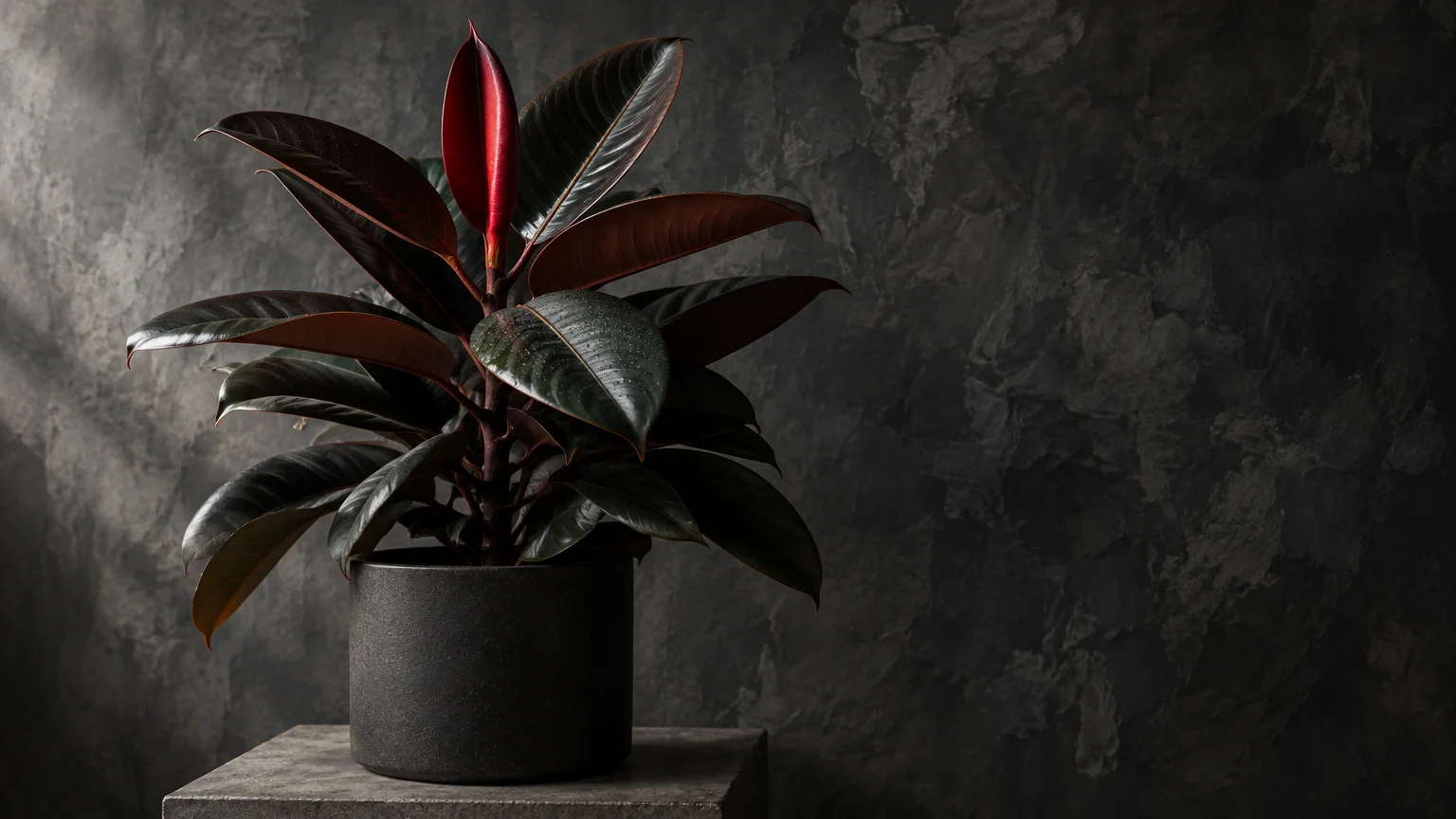
Tip #5: Rubber Tree for Moody Contrast
The rubber tree provides rich depth with its thick, leathery leaves and rich jewel-toned hues. Cultivars like Burgundy introduce moody bronze tones that contrast beautifully against crisp white walls.
Its upright growth habit and neat leaf spacing maintain clean lines throughout your space. It delivers an anchored, intentional presence that never appears untidy or unkempt.
Position your rubber tree where it receives hours of bright, indirect light each day. Adequate sunlight deepens the leaf pigmentation and keeps the vertical stem sturdy and upright.
Water thoroughly when the top two inches of potting medium dry out completely. Reduce your watering schedule throughout late autumn and winter when plant growth slows down naturally.
Select a minimalist cylindrical container in matte black or warm terracotta to ground the design. These earthy, restrained tones let the plant’s lustrous foliage take center stage.
Gently wipe the broad surfaces with warm water to keep the foliage dust-free and glossy. Regular cleaning ensures the plant efficiently absorbs light and stays radiantly healthy.
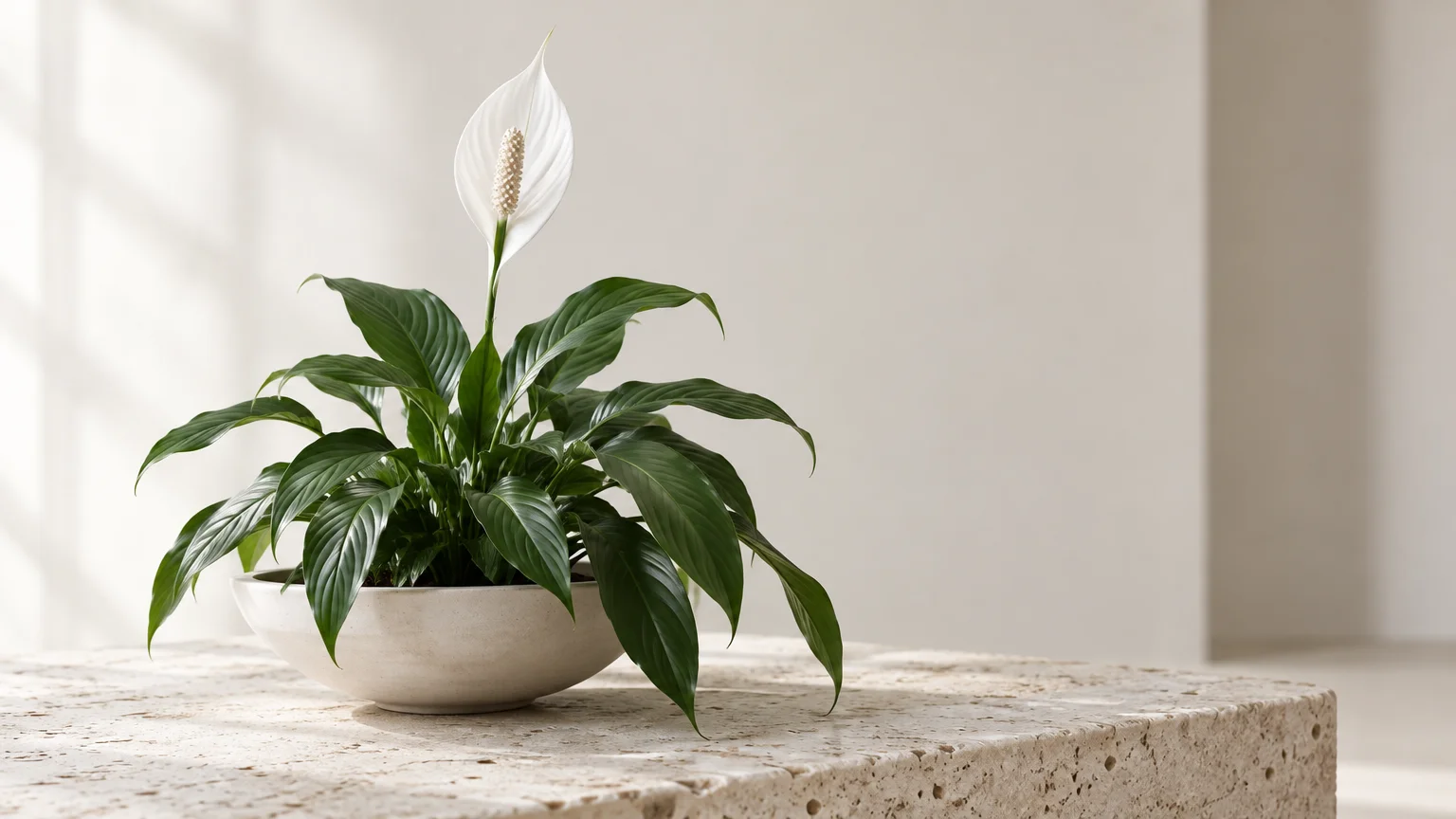
Tip #6: Peace Lily for Serene Organic Contrast
The peace lily introduces graceful curves and calming white blossoms to neutral living spaces. Its deep green, ribbed leaves arch gently, offering a softer counterpoint to rigid furniture lines.
When in bloom, its white spathes rise cleanly above the foliage like pristine modern sculptures. This striking two-tone harmony fits seamlessly into Japanese-inspired and Scandinavian minimalist themes.
Position your peace lily in medium to low indirect light away from harsh window drafts. Direct sun easily burns its tender foliage, so north-facing rooms or shaded corners work best.
Keep the potting medium consistently moist but never soggy. The plant communicates clearly by drooping slightly when thirsty, rebounding quickly within hours of a deep drink.
Use filtered water or allow tap water to sit out overnight before watering your lily. Spathiphyllum foliage remains sensitive to tap chemicals, which can cause unsightly brown tips.
Pair your peace lily with a simple glazed ceramic vessel in off-white or muted slate. The understated pot enhances the plant’s serene aesthetic without competing for attention.
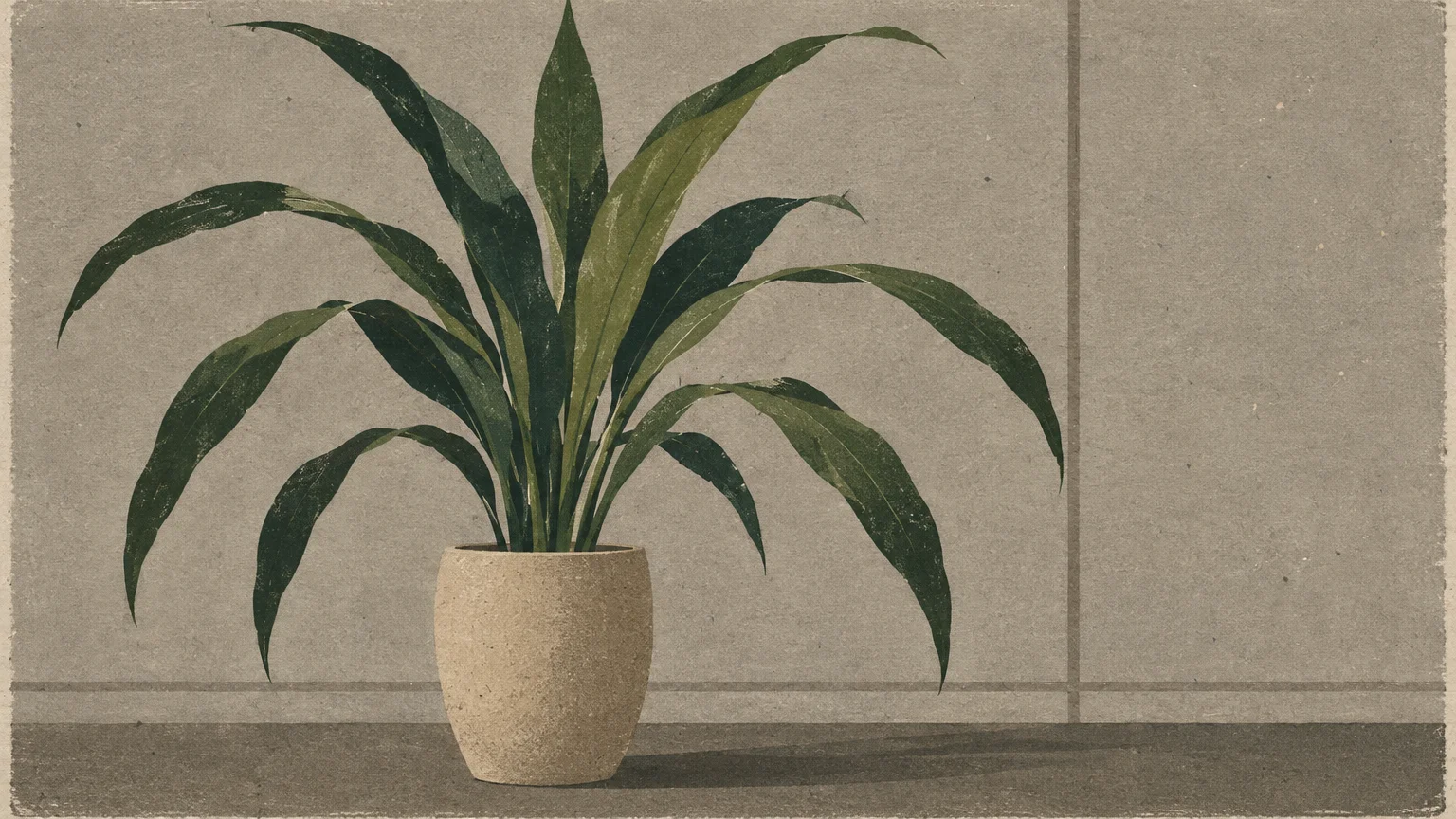
Tip #7: Cast Iron Plant for Graceful Foliage
The cast iron plant lives up to its durable name while offering refined botanical beauty. Its long, lance-shaped leaves arch outward gracefully, creating a fountain of rich, dark green foliage.
Because it grows slowly and predictably, it retains its tidy shape for years without trimming. It provides enduring greenery that respects the quiet simplicity of your decor.
This cast iron specimen thrives in deep shade and tolerates fluctuating household temperatures with ease. Place it in shadowy hallways or quiet bedrooms where other greenery fails to thrive.
Allow the top half of the soil to dry before adding room-temperature water. Overwatering remains its only vulnerability, so lean on the side of underwatering when in doubt.
Elevate this architectural plant on a slender metal plant stand to showcase its flowing leaves. The raised posture adds dynamic height while maintaining clear floor sightlines.
Select sleek indoor plants like the cast iron plant when you desire long-term, fuss-free sophistication. Its timeless form ensures it never goes out of style.
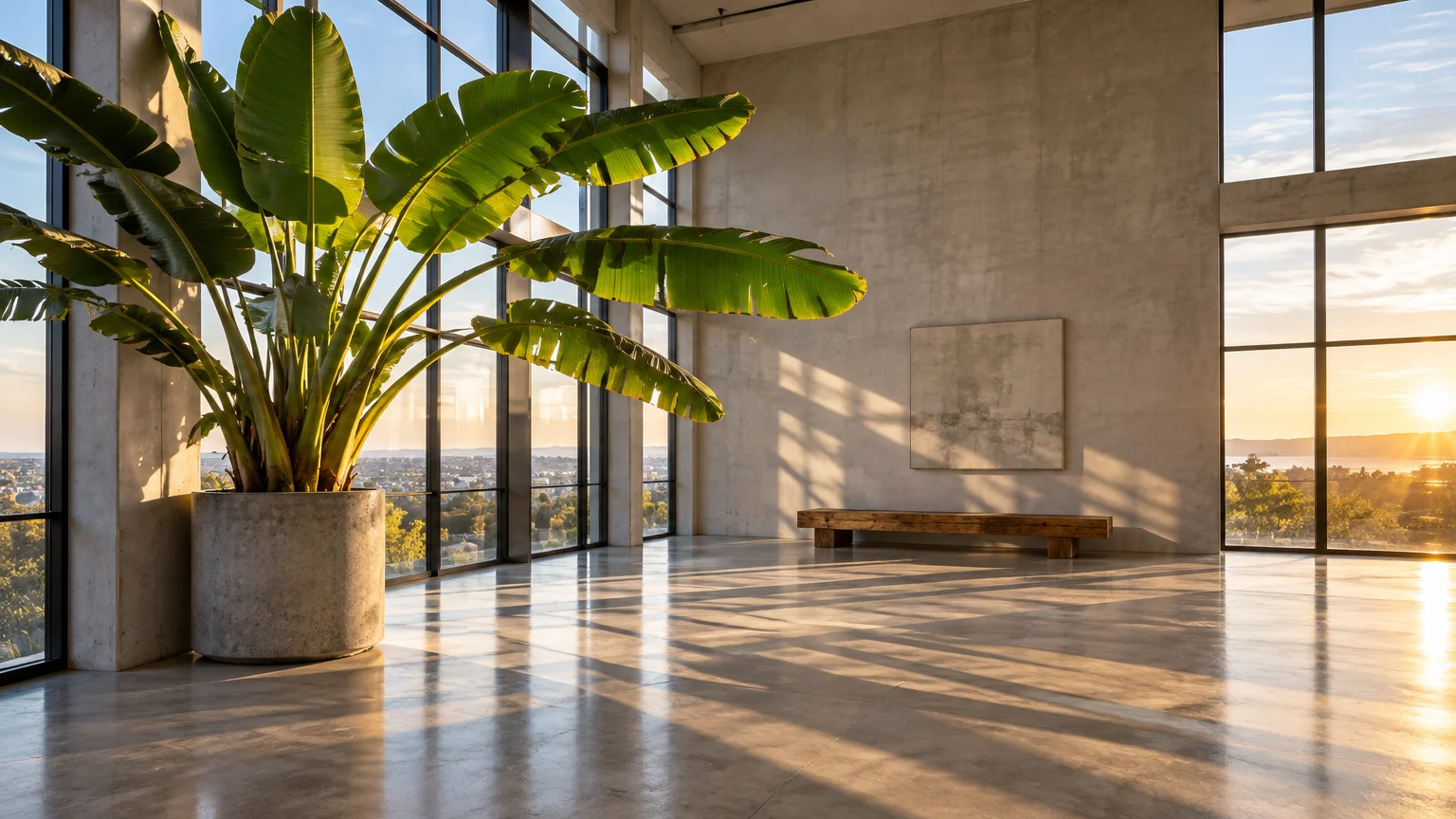
Tip #8: Bird of Paradise for Majestic Scale
The bird of paradise delivers unmatched drama and vertical scale to minimalist living environments. Its oversized, paddle-shaped leaves fan out from upright stems, creating a magnificent living screen.
Rather than cluttering your home with several small plants, choose this singular statement maker. One majestic bird of paradise anchors a large open room with clean, confident authority.
Give this tropical beauty a bright location right beside your largest, sunniest window. It thrives in direct morning light and plenty of warm, bright ambient sunshine throughout the day.
Water generously during the spring and summer growing season, allowing topsoil to dry between waterings. Reduce moisture during the darker winter months to keep the root system healthy.
Do not worry if the mature leaves develop natural splits along their lateral veins. These splits are natural adaptations that allow breezes to pass without snapping the broad foliage.
House your bird of paradise in a heavy stoneware cylinder pot for stability and balance. The clean lines of the container balance the plant’s exuberant, architectural crown.
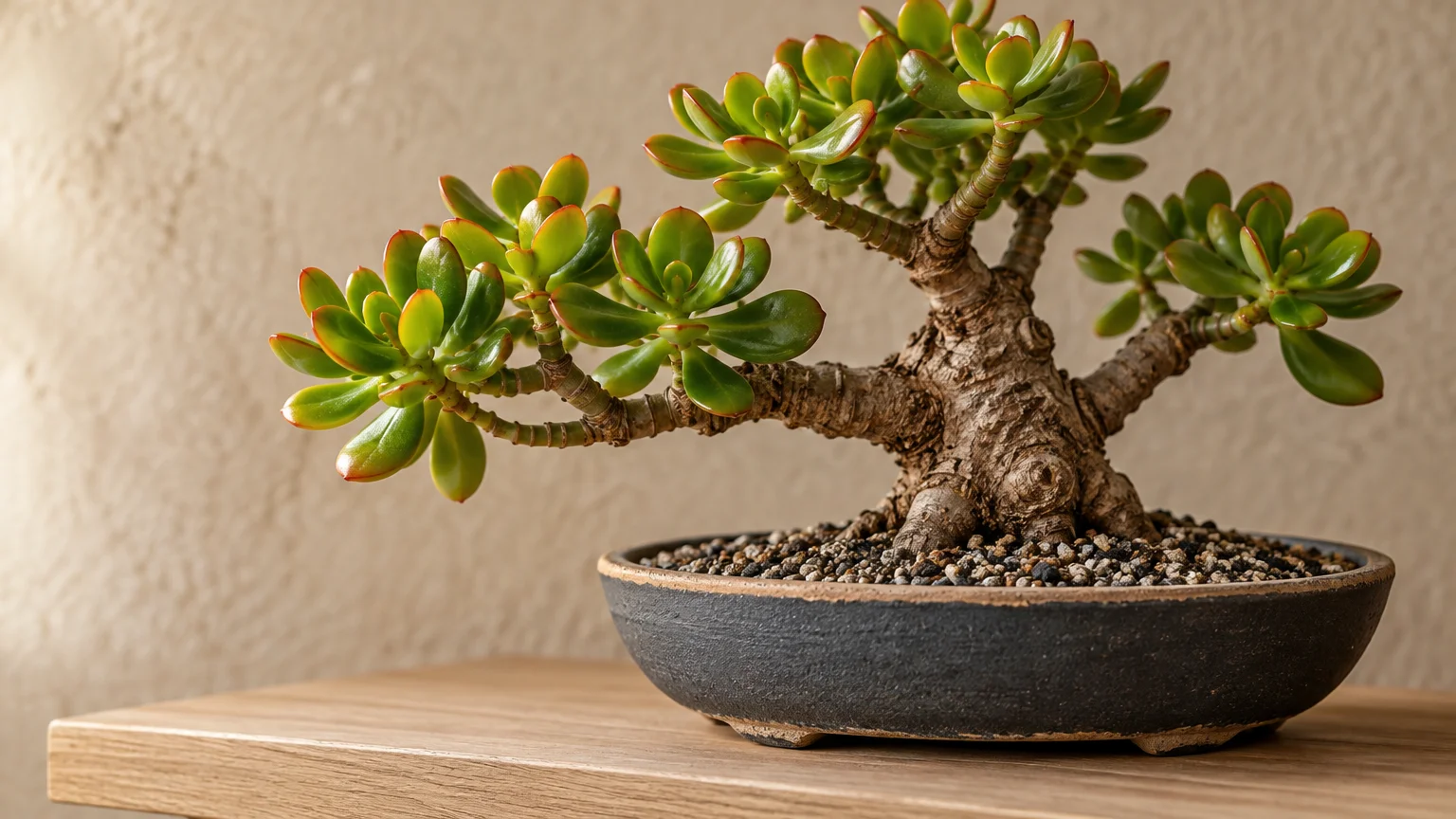
Tip #9: Jade Plant for Living Sculptural Form
The jade plant resembles a miniature tree with thick, woody stems and plump, teardrop leaves. Its dense, woody silhouette creates a living bonsai effect on desks, consoles, and window sills.
Its compact growth habit keeps your tabletop arrangements clean, grounded, and uncluttered. It offers a sculptural focal point that commands appreciation without occupying excessive horizontal space.
Position your jade plant on a sunny windowsill where it receives several hours of direct light. Abundant sunshine brings out subtle red or bronze margins on the fleshy succulent leaves.
Use a fast-draining cactus and succulent soil mix blended with coarse perlite or pumice. Good drainage prevents moisture from lingering around the plant’s shallow root ball.
Water thoroughly only when the leaves feel slightly soft to a gentle touch. Plump, firm foliage indicates your jade plant holds sufficient water stored inside its tissues.
Display it in an unglazed terracotta or neutral ceramic bowl to accentuate its earthy tones. The minimal vessel frames the plant’s gnarled, miniature trunk like a fine art sculpture.
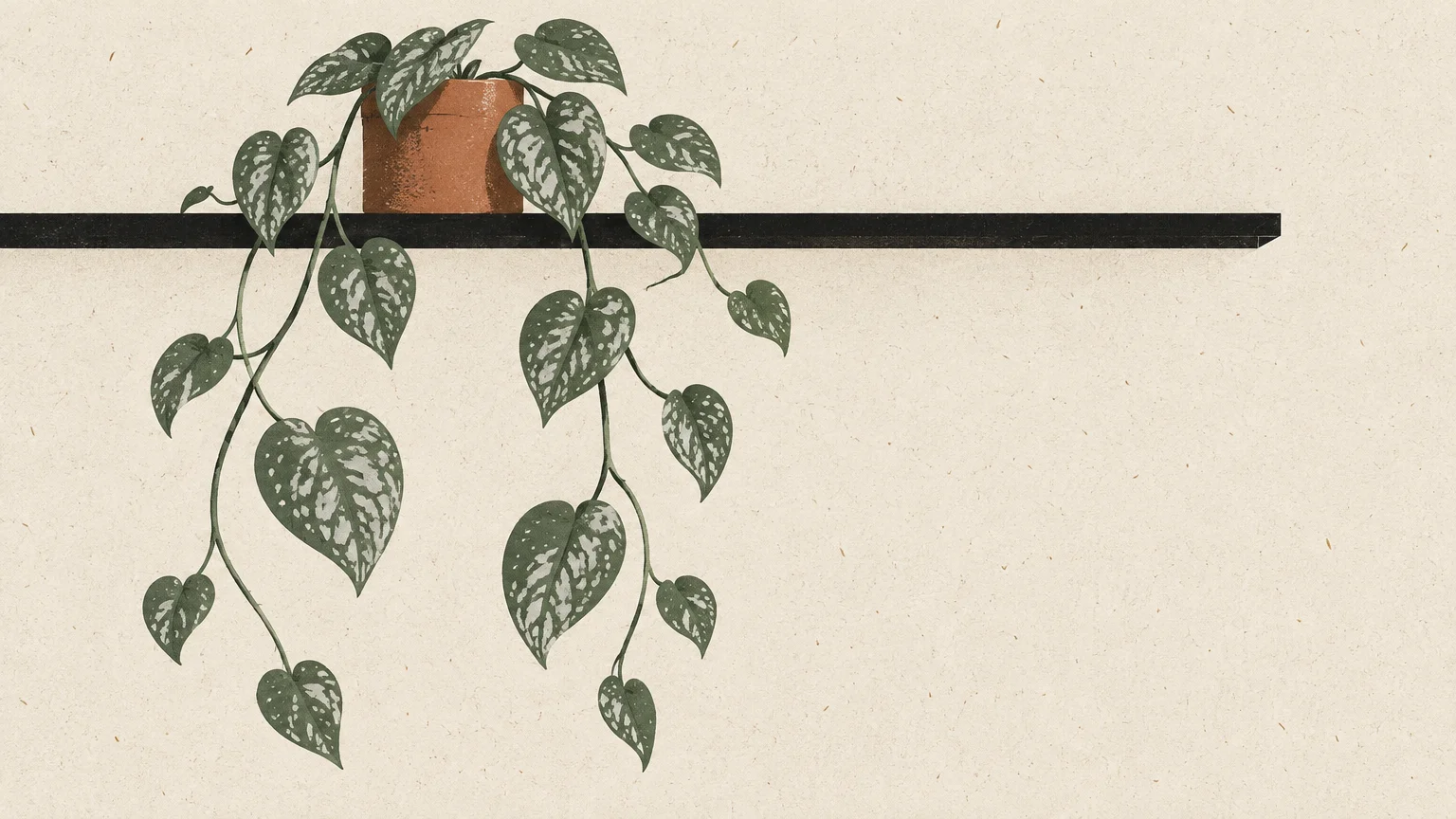
Tip #10: Satin Pothos for Delicate Trailing Accents
The satin pothos elevates minimalist shelves with its matte, heart-shaped leaves and shimmering silver markings. Unlike rambunctious vines, its foliage drapes in controlled, orderly cascades that look tailored and chic.
The silver variegation catches natural light, adding luminous depth to plain, neutral surfaces. It delivers organic softness without creating the untamed jungle appearance of common trailing plants.
Place your satin pothos on a high floating shelf or modern wall sconce planter. Let the slender vines trail downward against a pale wall to create vertical visual movement.
Provide medium to bright, filtered light to keep the silver leaf patterns vibrant and distinct. Low light causes the plant to lose its silvery sheen and produce smaller leaves.
Allow the top two inches of soil to dry out before giving the pot a thorough drink. The leaves curl slightly along their margins when thirsty, signaling exactly when to water.
Trim long runners occasionally with clean shears to maintain a neat, deliberate drape. Pruning prompts fuller growth near the base while keeping the overall display impeccably tailored.
Putting It All Together: Enjoy Your Beautiful Garden
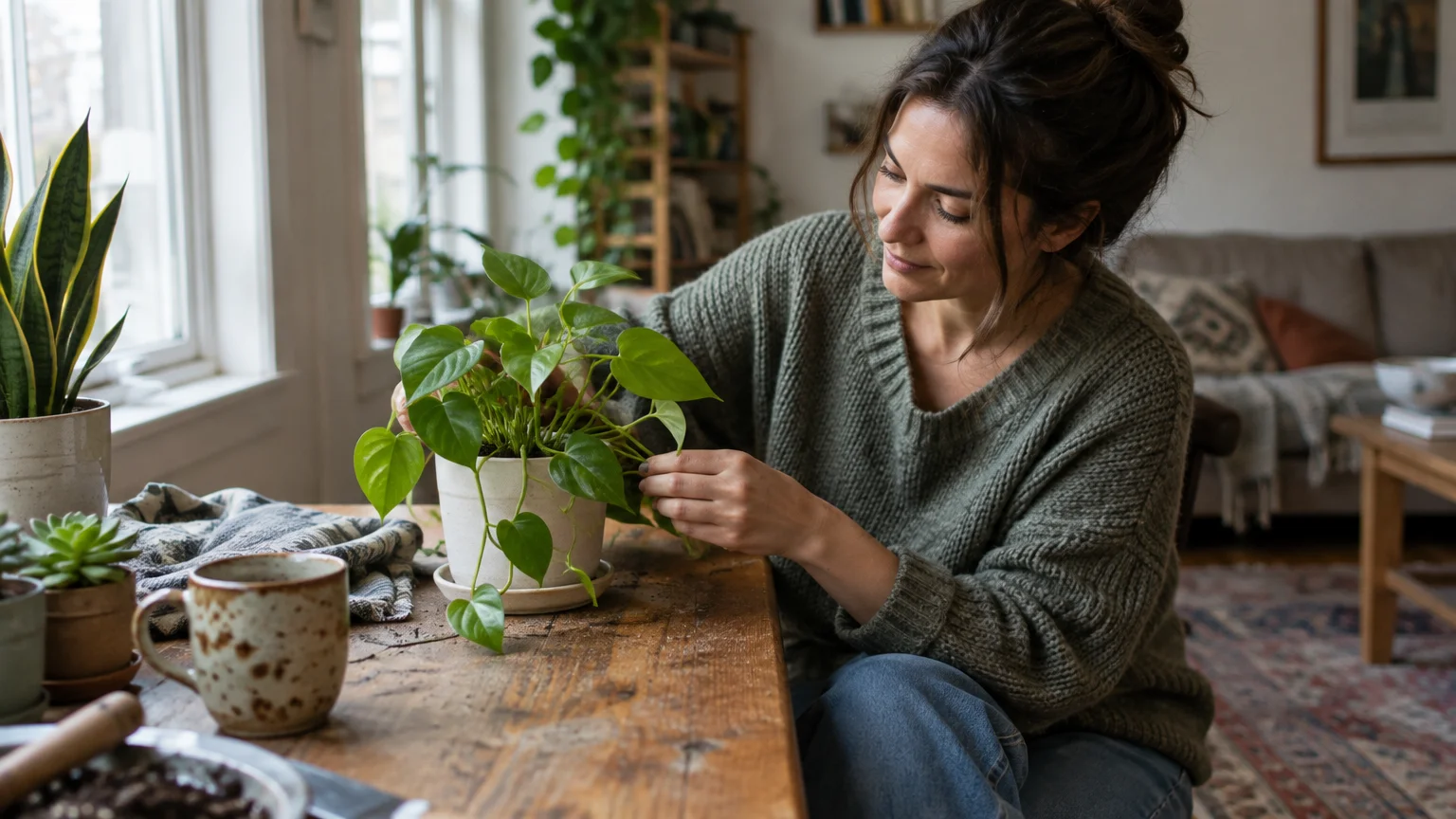
Creating a minimalist plant display requires editing your choices and celebrating negative space. Rather than gathering dozens of small containers, choose a few sculptural plants that command attention.
Select pots that share a consistent design language through matte textures, neutral tones, and simple geometries. Uniform containers create a harmonious background that allows the distinct silhouettes of your plants to shine.
Group plants in thoughtful pairs or let them stand alone as proud architectural anchors. Leaving ample empty space around each specimen emphasizes its unique form and preserves your room’s serene breathing room.
Pay close attention to light and water requirements to ensure your living decor stays pristine. Healthy, vibrant foliage is essential for maintaining the crisp elegance of any minimalist interior.
Take pleasure in the daily calm your curated indoor garden brings to your home. With the right specimens in place, you achieve a balanced harmony of nature and modern design.
For region-specific advice, consult your local University Extension program (find yours via the USDA directory). For plant databases and inspiration, visit the Missouri Botanical Garden or the Royal Horticultural Society.
Disclaimer: This article provides general gardening advice; always consider your specific climate, soil conditions, and local pests. Follow safety guidelines when using gardening tools and products.
Frequently Asked Questions
Which low maintenance indoor plants are easiest for beginners?
The snake plant and ZZ plant are the most forgiving options for beginning indoor gardeners. Both tolerate missed waterings, variable household temperatures, and low-light environments without losing their crisp, healthy appearance.
Their sturdy foliage requires minimal grooming, making them ideal for anyone wanting effortless greenery. You simply water them once or twice a month and let them thrive.
How do you select pots that match minimalist decor?
Look for planters with clean geometric profiles such as straight cylinders, gentle cubes, or smooth bowl shapes. Choose matte finishes in neutral shades like charcoal, chalk white, warm gray, or raw terracotta.
Avoid ornate patterns, high-gloss glazes, or decorative filigree that distracts from the plant itself. Consistent, understated containers ensure your foliage remains the primary focal point of the display.
Can sleek indoor plants thrive in rooms with low light?
Yes, several sculptural plants perform remarkably well in low-light environments. The cast iron plant, ZZ plant, and snake plant all sustain their lush appearance in dim bedrooms or north-facing rooms.
Just remember to reduce your watering frequency when keeping plants in dimmer conditions. Because plants use water more slowly in low light, the soil stays wet significantly longer.
How many modern houseplants should you place in a minimalist room?
In minimalist design, less is always more. Limiting your selection to one large statement tree or a balanced trio of smaller plants prevents visual clutter.
Surround each plant with generous negative space so its individual architecture can be fully appreciated. This deliberate restraint preserves the calm, uncluttered atmosphere you want to achieve.