High humidity can quickly choke your indoor jungle instead of helping it thrive. Recognizing the warning signs early saves your foliage from fungal rot and devastating cellular damage.
While tropical varieties crave moisture, excessive moisture traps water inside leaves and blocks vital gas exchange. This damp stagnation invites lethal pathogens that destroy roots and stems before you notice the danger.
Learning how to spot these moisture distress signals protects your investment and restores lush growth. You can easily balance your room moisture and rescue vulnerable houseplants with simple environmental tweaks.
Tip #1: Persistent Mold and Mildew on Leaves and Soil
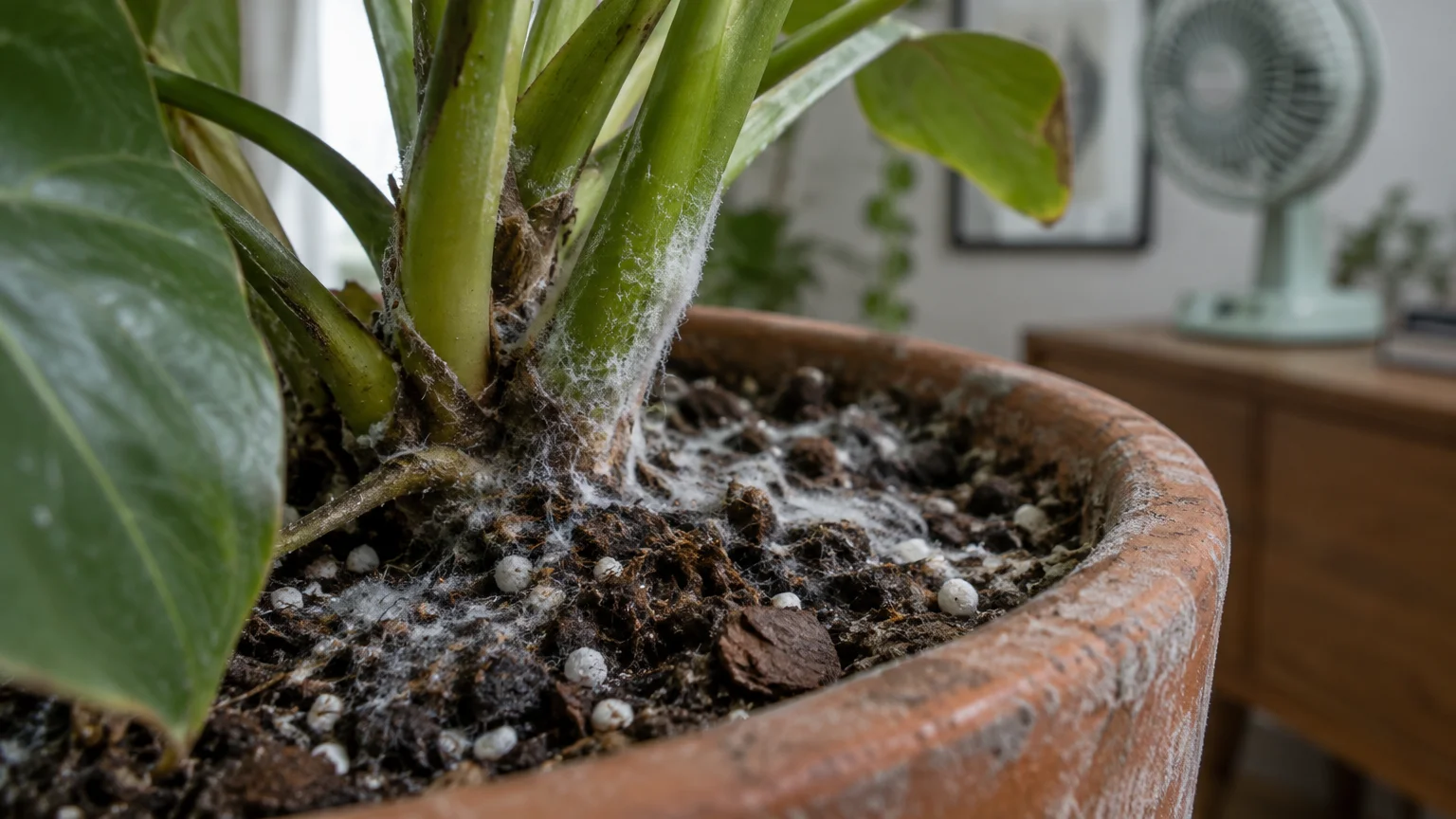
You might notice a fine white fuzz coating your potting mix or spreading across your foliage. This powdery dusting signals that stagnant moisture surrounds your greenery.
Fungal spores constantly float through home air and settle on damp surfaces. When relative moisture levels spike, these opportunistic fungi germinate on organic matter and delicate leaf tissue.
High humidity slows evaporation, leaving leaves moist for hours after watering. Powdery mildew and gray mold quickly colonize these damp microclimates.
Left unchecked, mold on plants blocks sunlight and weakens cellular health. Your prized specimens will lose vigor and struggle to photosynthesize efficiently.
You can solve this issue by scraping away the top layer of fuzzy soil. Dispose of the contaminated medium immediately to prevent spore dispersal.
Run a small oscillating fan nearby to circulate air without chilling foliage. Gentle air currents sweep away trapped moisture and discourage fungal colonization.
Always withhold foliar misting when ambient moisture already sits at elevated levels. Water directed strictly at the base keeps foliage dry and protected.
Applying a mild neem oil spray creates a protective barrier against fungal germination. This simple treatment keeps foliage glossy and prevents new mold patches from developing.
Tip #2: Edema and Blistering on Leaf Surfaces
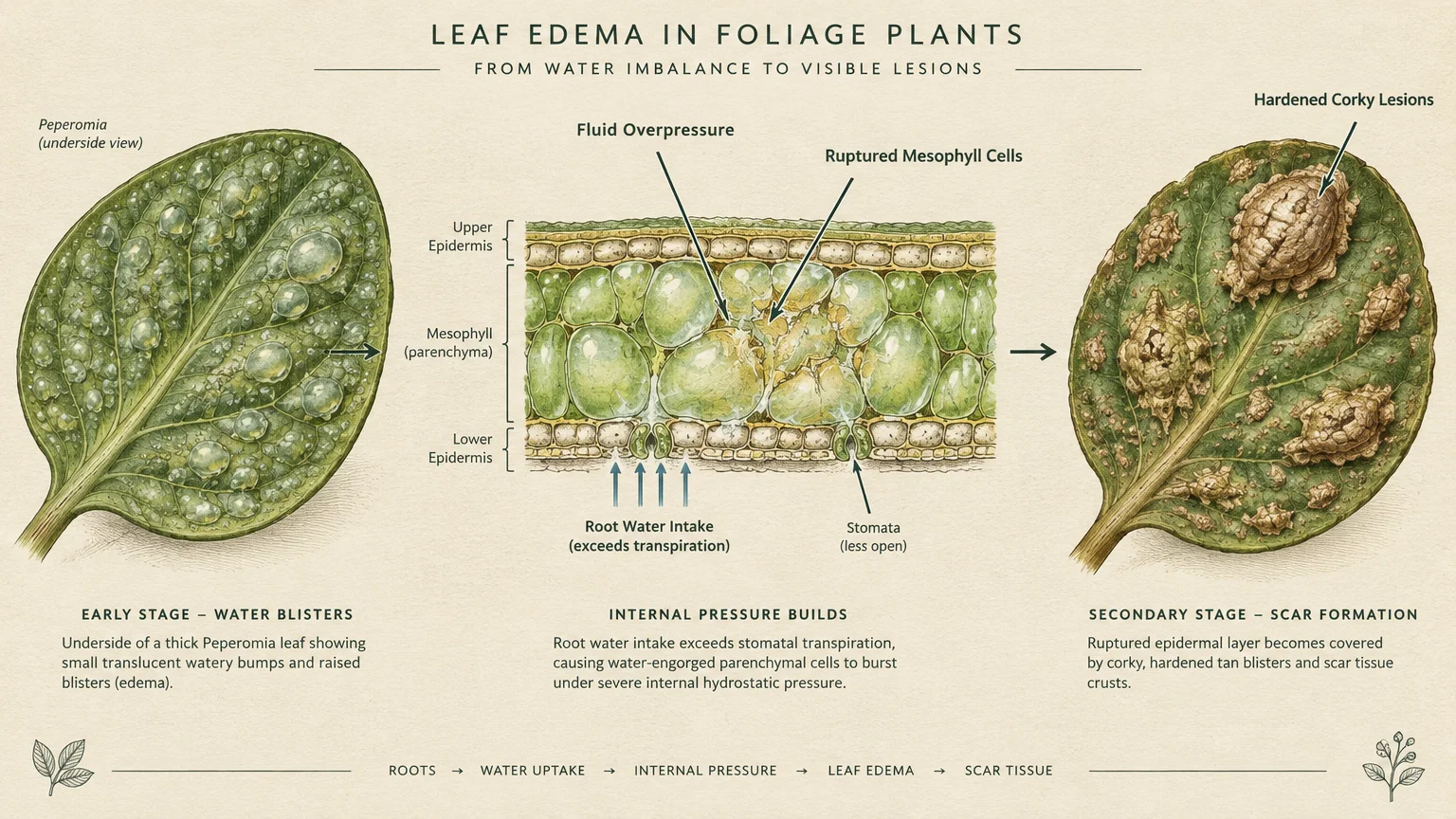
Edema appears as small, watery bumps or rough, corky blisters underneath leaf surfaces. These raised lesions often start as translucent swellings before hardening into tan crusts.
This physiological condition strikes when roots absorb moisture faster than leaves can release it. High surrounding moisture halts the natural transpiration process entirely.
Because the air is completely saturated, plant stomata cannot discharge excess internal water vapor. Internal pressure builds until plant cells rupture under the intense strain.
Peperomias, jade plants, and fiddle-leaf figs show extreme sensitivity to this cellular breakdown. Their thick foliage traps fluid easily, creating permanent scar tissue on gorgeous leaves.
You should space your containers several inches apart to boost airflow between leaves. Proper spacing encourages natural evaporation and prevents localized humidity pockets.
Reduce ambient moisture using an electric dehumidifier during warm, damp weather. Lowering room humidity allows your houseplants to resume healthy transpiration without rupture.
Adjust your watering frequency to let potting soil dry between applications. Less moisture at root level relieves dangerous internal fluid pressure.
Ensure your pots receive bright, indirect sunlight to stimulate active fluid transport. Proper illumination helps your greenery manage internal water pressure smoothly.
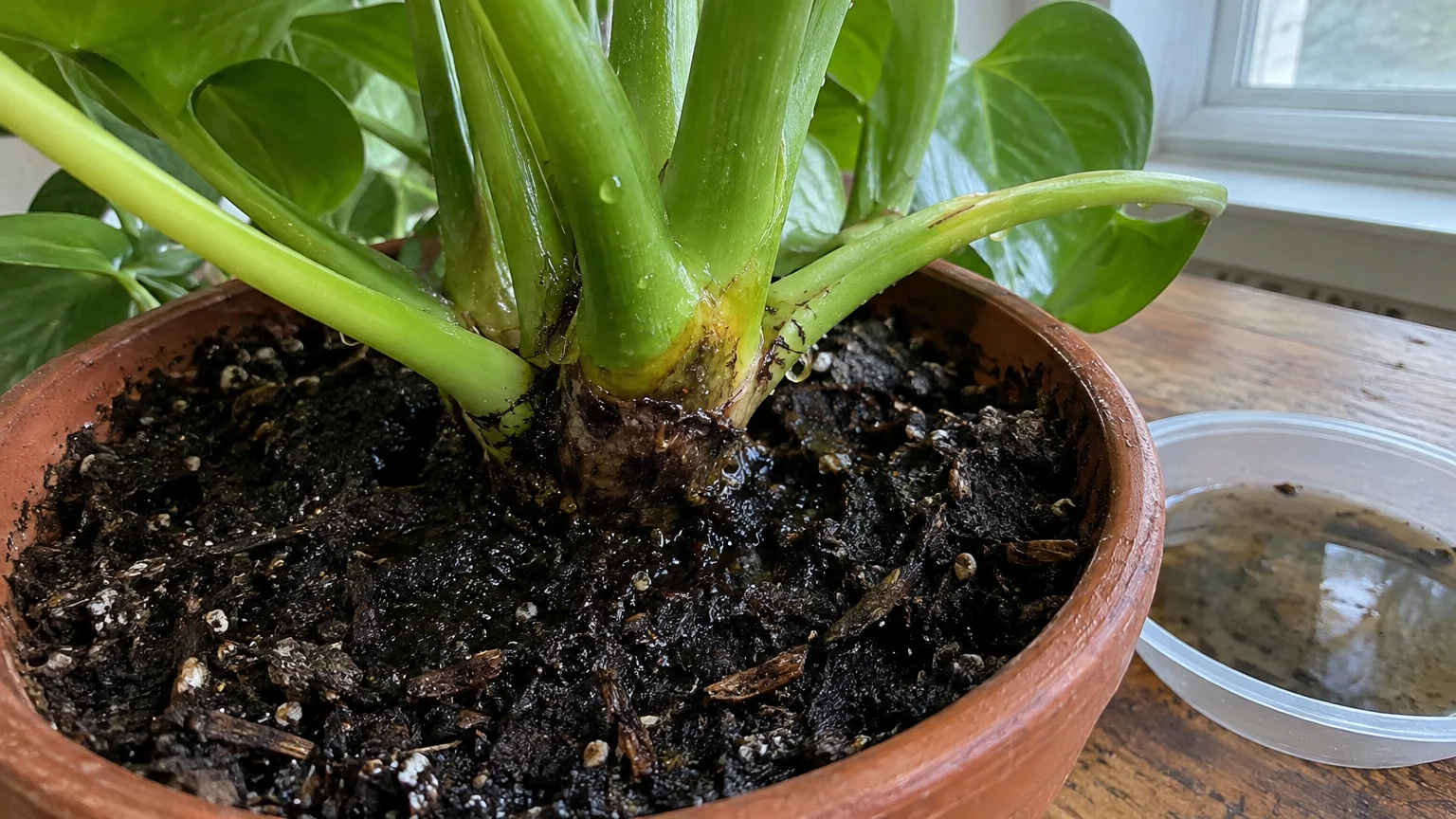
Tip #3: Soft, Mushy Stems and Crown Rot
Saturated air keeps the base of your stems permanently moist and spongy. If your plant stem feels squishy or turns brown near the soil line, rot has taken hold.
Thick crowns and dense rosettes trap damp air against delicate green stems. Without swift air movement, humid conditions create a continuous layer of moisture around the crown.
Lethal pathogens invade these softened stem tissues through natural pores and microscopic tears. Once fungal rot enters the vascular system, the entire upper plant quickly collapses.
African violets, orchids, and monsteras suffer severe damage when moisture settles around growing tips. Crown rot progresses aggressively, destroying months of careful cultivation.
Inspect the base of your plants weekly by gently touching the main stem. Healthy stems always feel firm and supportive, never soft or hollow.
Cut away any decaying tissue with sterilized pruning shears to stop rot spread. Apply a dusting of sulfur or ground cinnamon to seal clean cuts.
Elevate trailing stems and ensure crown structures sit slightly above potting compost. Good structural positioning prevents damp soil from clinging to tender stems.
Always pour water around the outer rim of the pot instead of pouring directly onto plant crowns. This targeted technique preserves crown health and limits fungal colonization.
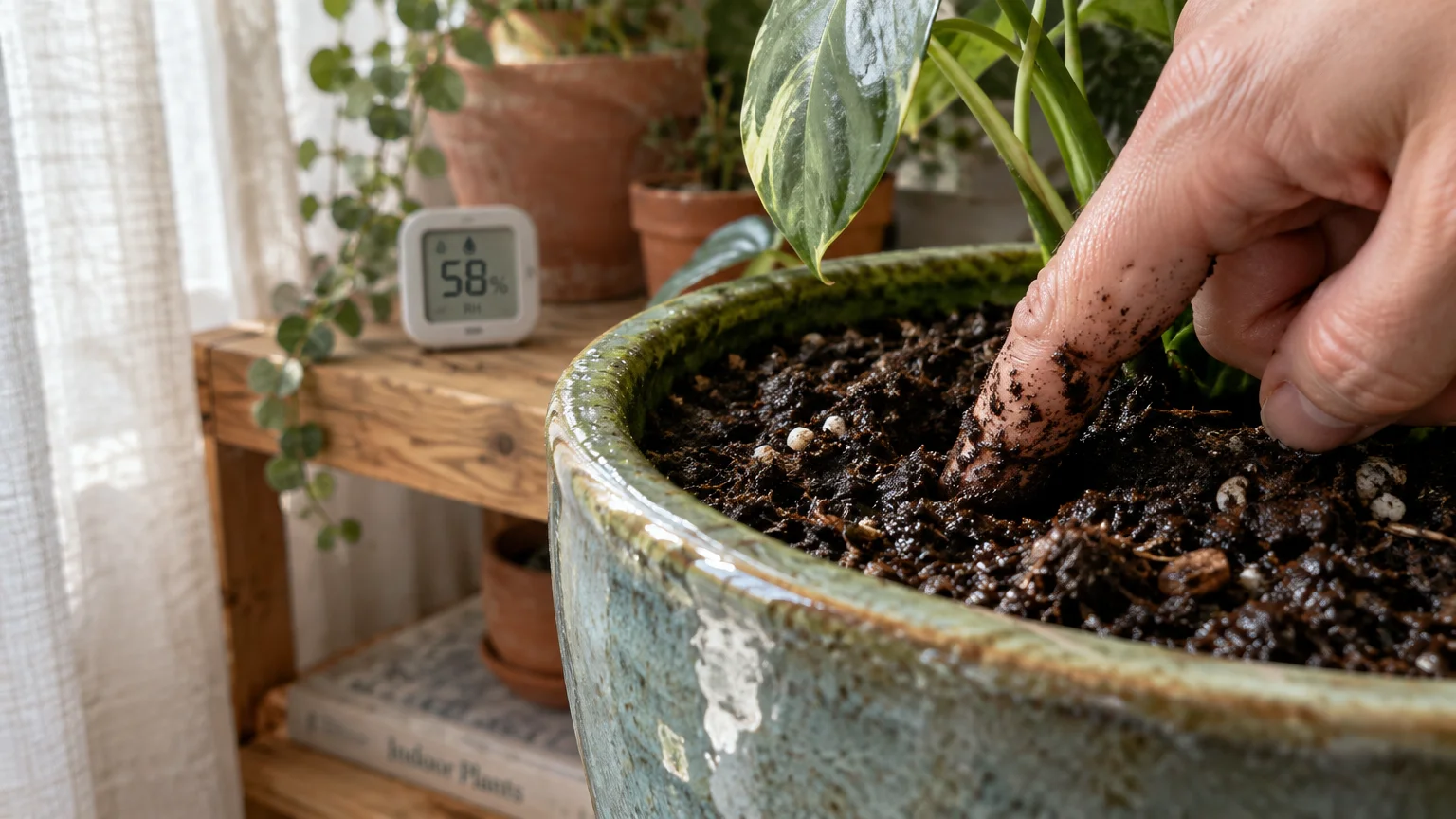
Tip #4: Potting Soil That Refuses to Dry Out
You may find that your planter remains heavy and soaked weeks after watering. In saturated environments, potting mix holds water far longer than nature intended.
High surrounding moisture reduces atmospheric demand, so roots drink very little moisture from soil. Your plant care problems often trace directly back to this lack of water consumption.
When soil stays waterlogged, microscopic air spaces in the potting medium collapse. Roots suffocate without vital oxygen, and beneficial soil microbes quickly perish.
Many indoor gardeners mistake this condition for poor drainage alone. However, too much humidity plants face prevents the surface evaporation that dries the root zone.
Insert a wooden chopstick deep into the soil to check moisture before watering. Only add water when the top two inches feel distinctly dry.
Switch plastic and glazed pots to porous terracotta containers for moisture-sensitive specimens. Clay pots breathe through their walls, releasing trapped water vapor safely.
Move your pots to areas with stronger natural light and gentle warmth. Brighter conditions increase plant metabolic activity and encourage healthy root uptake.
Mix extra perlite, pumice, or orchid bark into your potting soil to improve drainage channels. Loose soil blends retain crucial oxygen even in humid indoor climates.
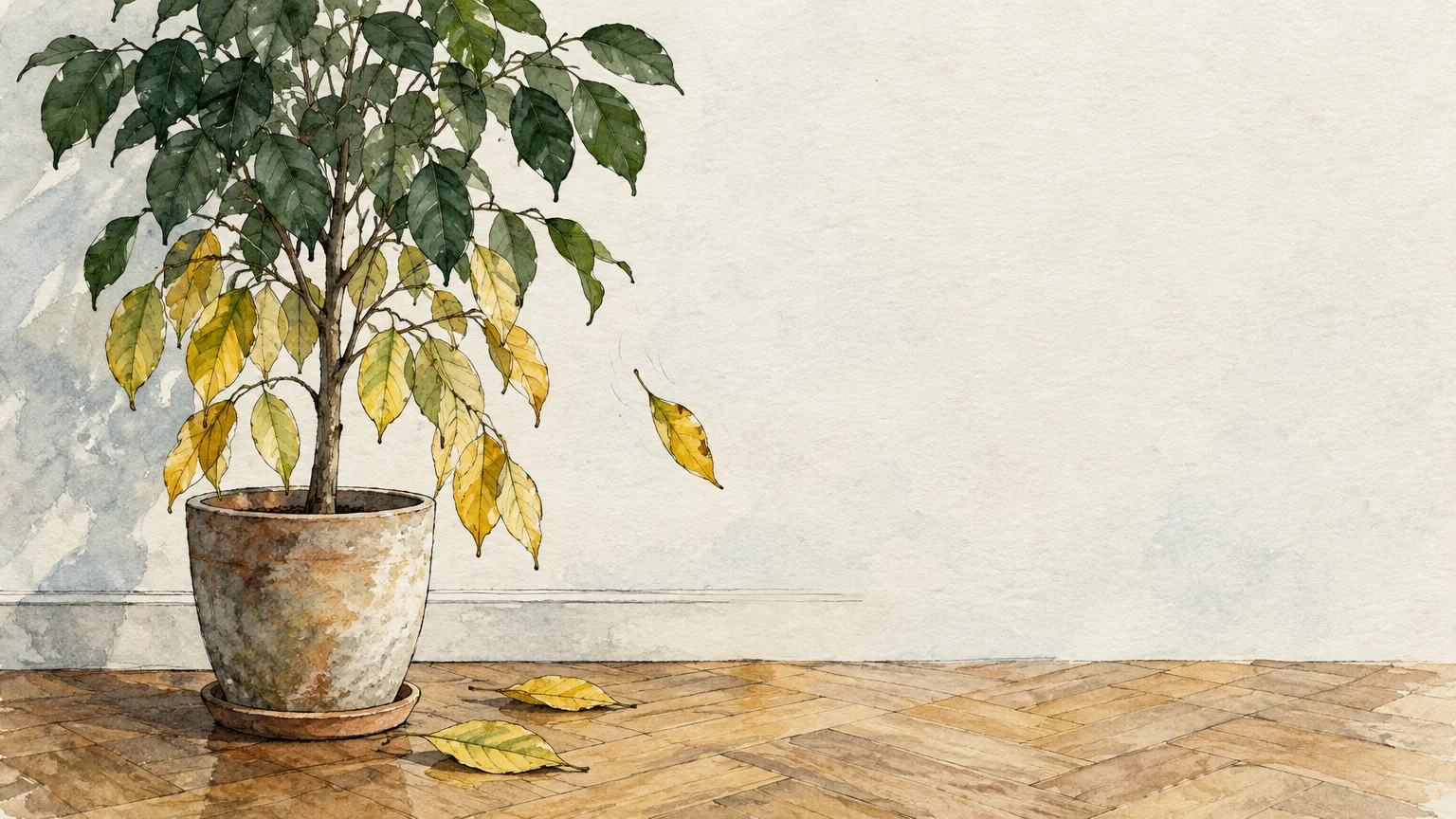
Tip #5: Rapid Yellowing and Sudden Leaf Drop
When humidity houseplants experience extreme moisture levels, lower leaves suddenly turn yellow. Unlike drought-stressed leaves that turn brittle, these yellowing leaves remain soft and limp.
Plants drop foliage when roots begin suffocating from excessive moisture exposure. Without functional roots to take up nutrients, the plant sheds older leaves to survive.
This symptom often confuses growers because it mimics common overwatering signs closely. High ambient moisture amplifies wet soil conditions, producing double distress on root systems.
Tropical plants such as ficus and pothos quickly discard green foliage when smothered by dampness. A sudden shower of fallen leaves requires immediate environmental correction.
Remove fallen leaves promptly from the soil surface to avoid breeding pests. Clean soil surfaces improve light penetration and speed up topsoil drying.
Relocate humidifiers away from sensitive foliage and decrease operational run times. Maintain steady indoor temperatures to prevent condensation from settling onto leaves.
Aerate compacted potting soil gently using a thin wooden skewer around the pot edges. Introducing fresh air pockets revives stressed roots and halts premature shedding.
Monitor your feeding schedule and withhold fertilizer while plants struggle with yellowing leaves. Stressed root systems cannot absorb fertilizer salts, which can scorch fragile root tips.
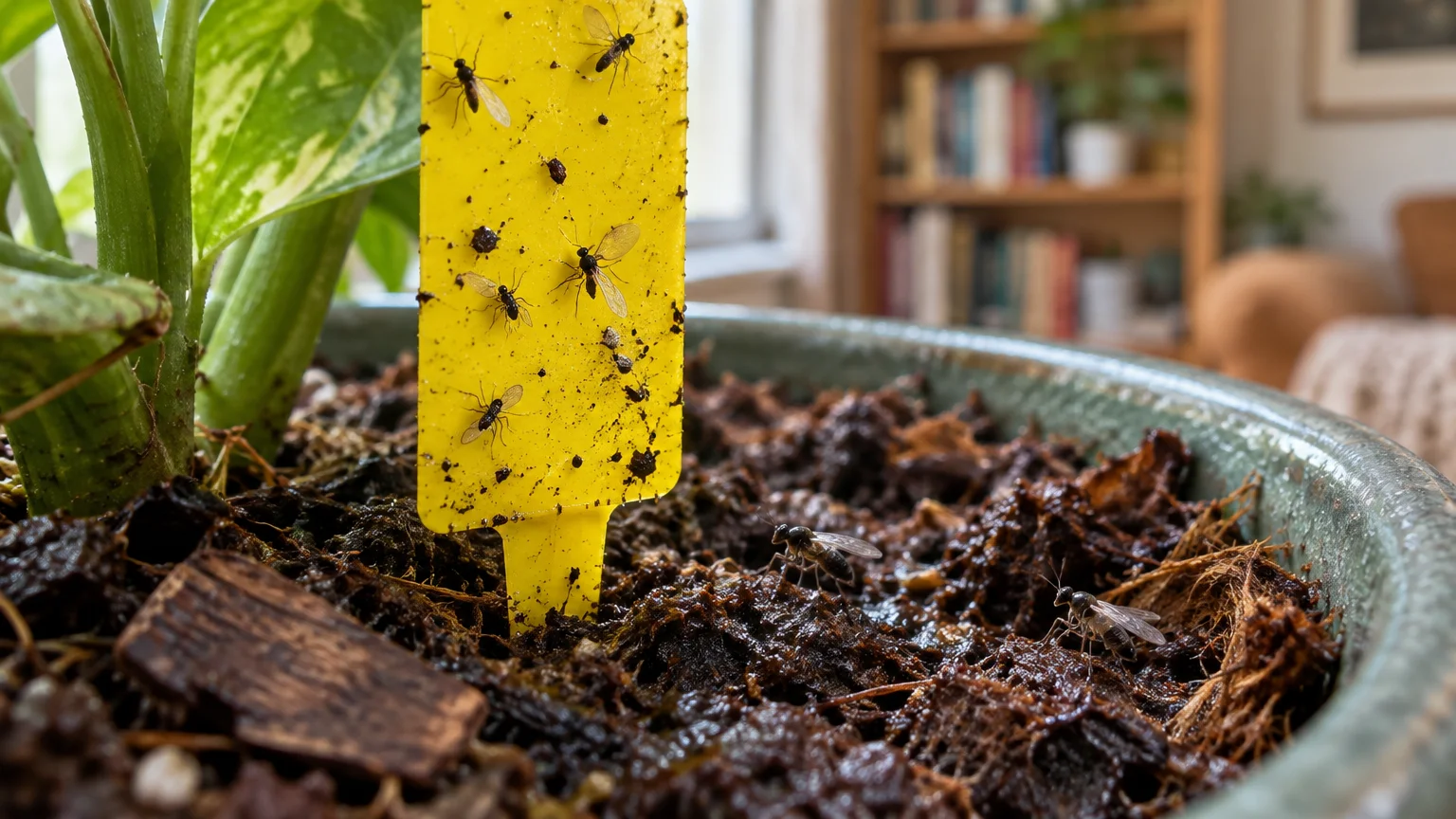
Tip #6: Infestations of Fungus Gnats and Moisture Pests
Swarms of tiny black gnats flying near your pots signal excessive moisture nearby. These pesky insects multiply explosively in humid rooms with consistently damp compost.
High humidity keeps the top layer of growing media moist indefinitely. This perpetually wet substrate provides the ultimate feast for gnat larvae, springtails, and shore flies.
While adult gnats cause annoyance, their underground larvae actively chew through delicate feeder roots. Root damage stunts plant growth and creates entry points for fungal pathogens.
Dense collections of tropical plants in enclosed rooms create humid microclimates that attract pests. What begins as a minor nuisance soon becomes an overwhelming infestation.
Set up bright yellow sticky traps directly beside affected pots to catch adult gnats. Trapping flying adults breaks the reproductive cycle before hundreds of eggs hatch.
Top-dress your planters with a thin layer of coarse horticultural sand or fine gravel. Dry inorganic barriers prevent female gnats from accessing moist soil to lay eggs.
Run a small room fan across the soil surface to create dry surface conditions. Flying insects struggle against steady breezes, keeping your collection protected.
Water with beneficial nematodes or biological larvicides to eliminate lingering soil pests naturally. These organic solutions eradicate larvae without harming delicate root systems.
Tip #7: Unexplained Wilting in Saturated Soil
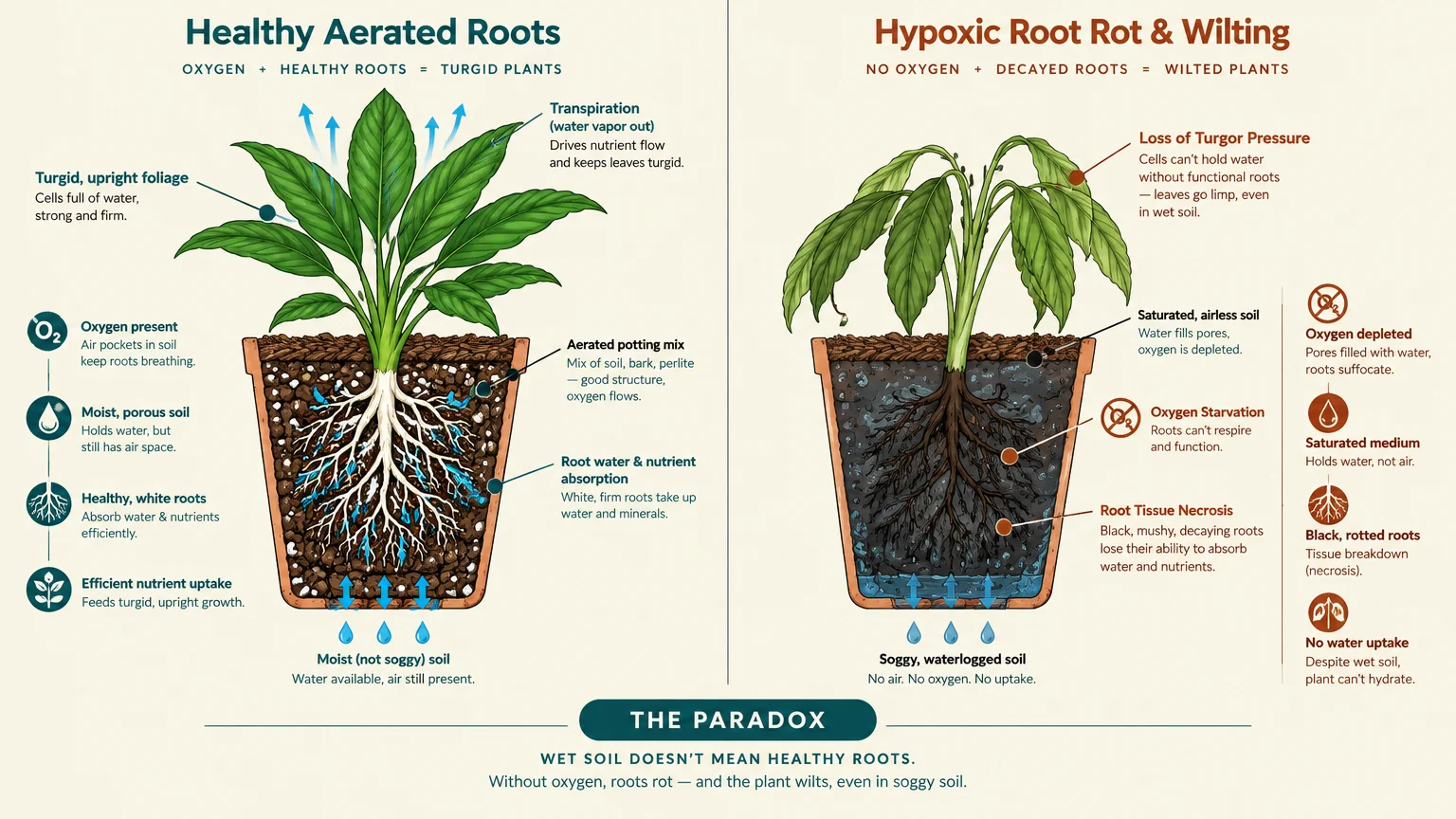
Seeing your plant droop when its soil is soaking wet creates profound confusion. This paradoxical wilting reveals severe physiological stress caused by excessive atmospheric and soil moisture.
When surrounding air is thick with humidity, plant transpiration ceases almost entirely. Transpiration acts as a vacuum pump that draws water and nutrients from roots to leaves.
Without this continuous pulling force, internal fluid transport grinds to a complete halt. At the same time, drowned roots lose the ability to absorb water.
Because water cannot travel up the stem, foliage droops helplessly despite abundant soil water. Misidentifying this as thirst and adding more water quickly kills the plant.
Lift the plant out of its container to inspect root color and firmness. Healthy roots appear white or pale cream, while rotted roots look dark and mushy.
Trim away black, foul-smelling roots with sterilized shears before repotting in fresh potting mix. Fresh airy soil gives recovering root systems a clean environment to bounce back.
Provide filtered sunlight and calm, moderately dry air while the plant recuperates. Stabilized surroundings encourage new feeder roots to establish without moisture stress.
Shield recovering plants from cold drafts and direct heating vents during this vulnerable period. Consistent warmth and moderate moisture levels speed up root regeneration.
Tip #8: Blackened, Water-Soaked Leaf Margins
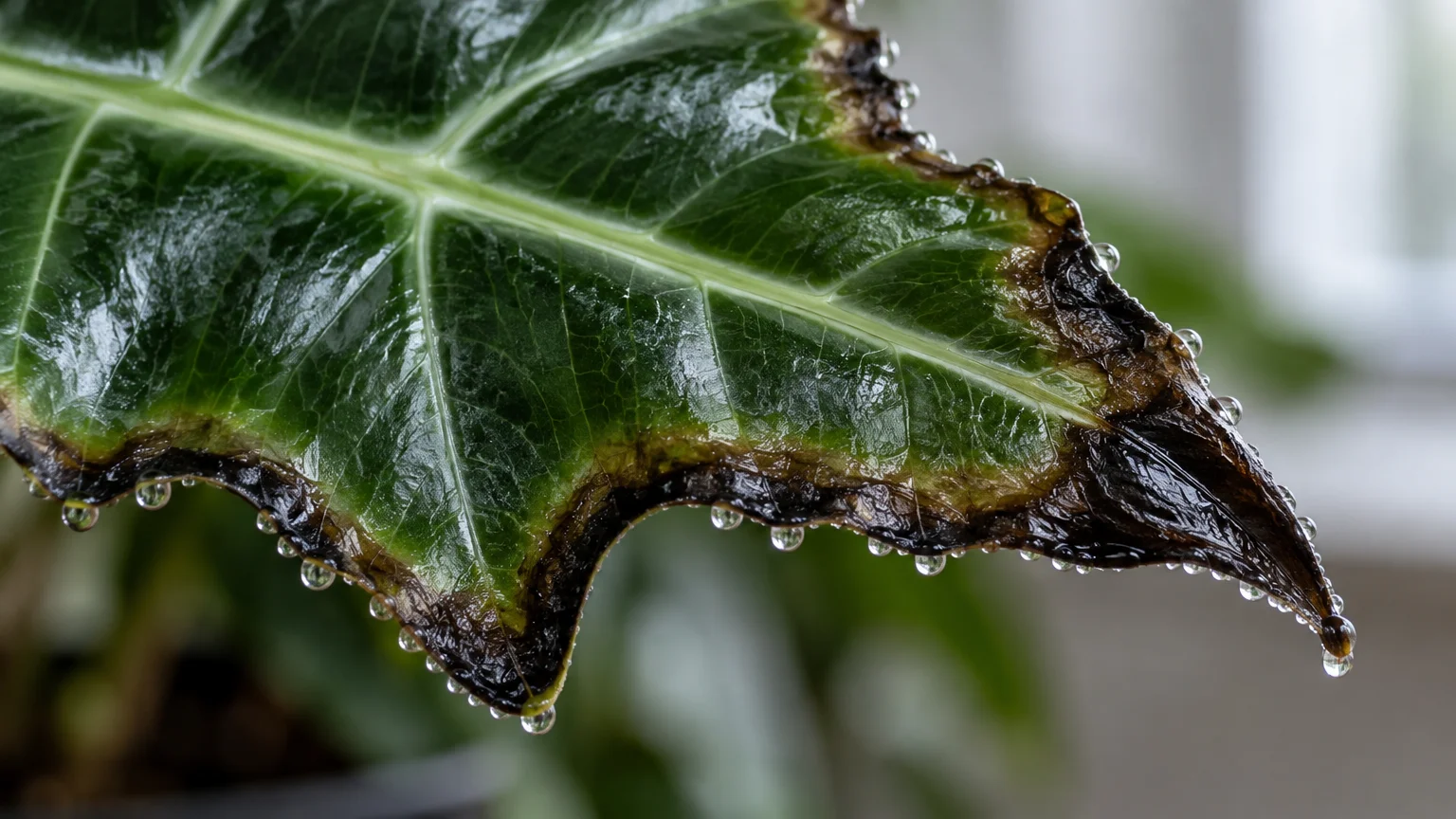
Dark, water-soaked patches along leaf margins signal dangerous bacterial or fungal colonization. These necrotic lesions often start near leaf tips before spreading across the leaf blade.
In saturated environments, natural plant pores remain open and fill with standing droplets. Droplets resting on leaf margins allow microscopic bacteria to swim straight into foliage cells.
High humidity combined with poor airflow creates an incubator for bacterial leaf spot. What begins as a water-logged edge turns yellow and eventually blackens into dead tissue.
Calatheas, monsteras, and philodendrons frequently display these scorched, blackened tips when exposed to relentless moisture. The damage ruins foliage aesthetics and stunts active seasonal growth.
Stop misting foliage immediately if you notice dark margins forming on any plant. Misting spreads pathogens to neighboring leaves and aggravates active bacterial infections.
Snip off heavily diseased leaves using clean shears disinfected between every single cut. Removing infected plant tissue prevents bacterial blights from invading healthy stems.
Boost room ventilation and increase light levels to dry leaf surfaces within minutes. Dry leaves resist infection, allowing your plants to rebuild vigorous, vibrant foliage.
Space plants so their foliage never touches neighboring stems in humid rooms. Isolation prevents moisture bridges that allow pathogens to jump from plant to plant.
Putting It All Together: Enjoy Your Beautiful Garden
Balancing moisture creates a thriving indoor sanctuary where your plants can grow with vigor. You do not need complex equipment to achieve the perfect indoor garden environment.
Paying close attention to subtle cues allows you to catch humidity imbalances before serious harm occurs. Healthy plants respond quickly when you correct their living conditions with simple adjustments.
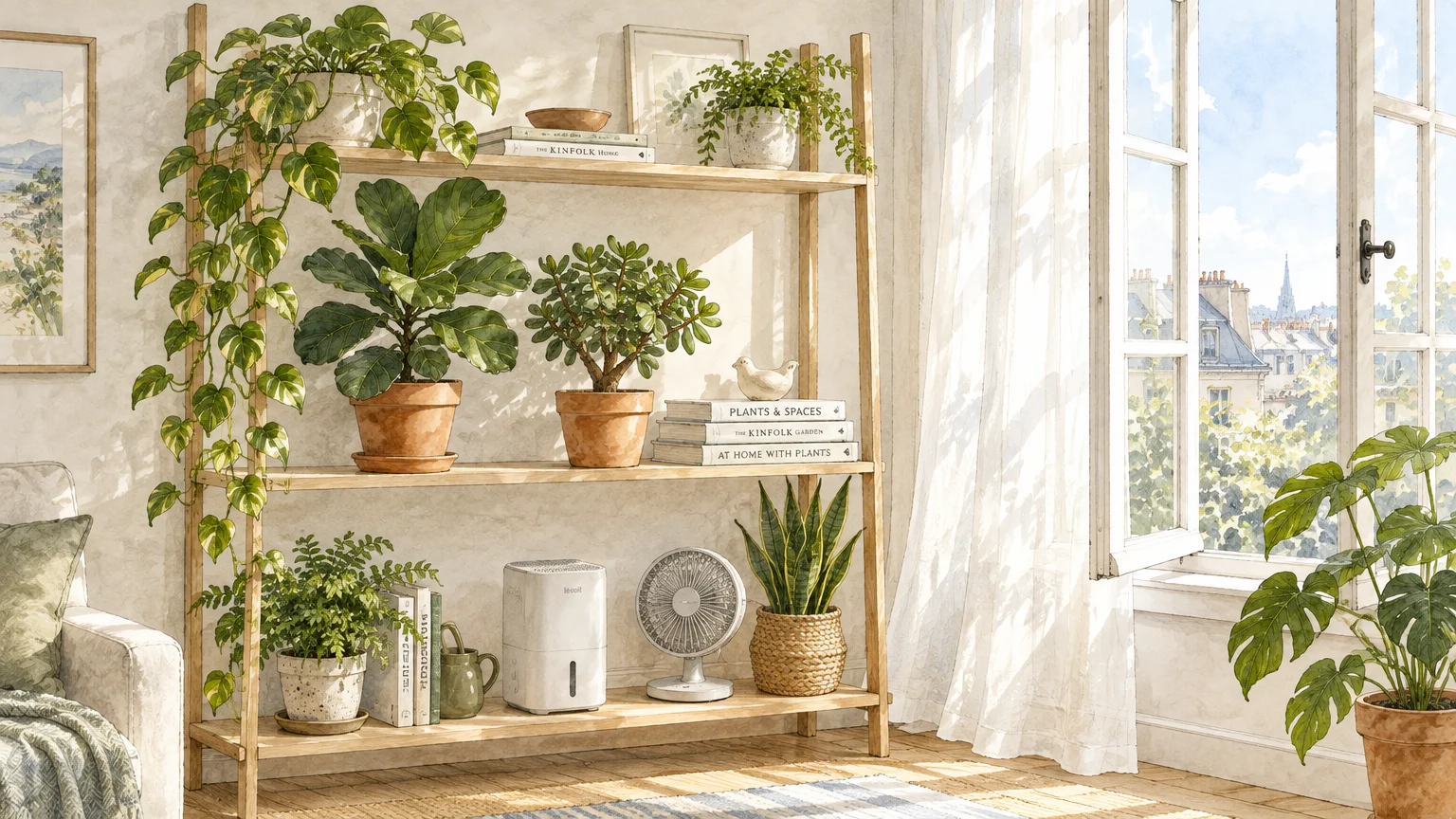
Space your plants thoughtfully across rooms rather than clustering them too tightly together. Generous spacing promotes refreshing airflow that protects delicate leaves from stagnant dampness.
Pair gentle air movement with porous potting containers to keep root zones healthy and aerated. Terracotta pots and well-draining soil mixes work wonders in high-humidity homes.
Monitor your growing areas regularly with a hygrometer so you stay informed through seasonal shifts. Winter heating and summer storms alter ambient moisture dramatically, requiring thoughtful tweaks.
Gardening brings immense joy as you learn to understand and support your green companions. With mindful attention to humidity, your indoor garden will reward you with lush, radiant foliage.
For region-specific advice, consult your local University Extension program (find yours via the USDA directory). For plant databases and inspiration, visit the Missouri Botanical Garden or the Royal Horticultural Society.
Frequently Asked Questions
What is the ideal humidity level for most indoor houseplants?
Most common indoor houseplants thrive best in relative humidity levels between 40 and 60 percent. This balanced range mimics temperate natural habitats without triggering fungal issues.
Desert succulents and cacti prefer drier conditions around 30 to 40 percent humidity. In contrast, delicate tropical ferns appreciate levels nearing 60 percent but require steady airflow.
Investing in a simple digital hygrometer gives you accurate real-time readings in your growing area. This small tool removes guesswork and keeps your indoor oasis thriving safely.
Can high humidity kill an indoor plant?
Yes, excessively high humidity can kill your plants by suffocating root systems and fostering rot. When air cannot accept moisture, plants stop transpiring and soil remains dangerously saturated.
Pathogenic fungi and destructive bacteria multiply aggressively in humid, stagnant indoor environments. These organisms attack vulnerable roots, stems, and leaves, leading to irreversible plant collapse.
You can prevent fatal decline by maintaining proper ventilation and spacing your plants carefully. Early intervention rescues struggling plants before vascular damage becomes permanent.
How can I lower humidity around my houseplants quickly?
The fastest way to reduce humidity is to run a small oscillating fan nearby. Moving air sweeps away stagnant moisture and accelerates evaporation from damp leaves and soil.
You can also open interior doors or crack open a window during pleasant weather. Fresh air exchange rapidly balances indoor moisture levels and refreshes your room.
For persistent moisture problems, install a small portable dehumidifier near your plant collection. Emptying the water reservoir daily will stabilize your room humidity within optimal targets.
How do I differentiate between overwatering and high humidity symptoms?
Overwatering and excess humidity cause similar symptoms because both restrict oxygen to the roots. However, high humidity specifically produces mold on plants, corky edema blisters, and persistent leaf condensation.
Overwatering signs typically originate beneath the soil line, causing sudden root mushiness while leaves remain dry. When humidity is too high, foliage stays wet and displays surface fungal blooms.
Checking both soil dampness and surrounding atmospheric moisture helps you pinpoint the root cause. Adjusting your watering schedule alongside ventilation resolves both plant care problems effectively.
Disclaimer: This article provides general gardening advice. Always consider your specific climate, soil conditions, and local pests. Follow safety guidelines when using gardening tools and products.