Proper hydrangea pruning guarantees spectacular summer flowers and revitalizes tired shrubs across your landscape. Mastering a few targeted cutting techniques protects next season’s tender buds from accidental destruction before they emerge.
Many enthusiastic gardeners unintentionally strip away their floral displays by trimming stems at the wrong moment. Identifying how your specific shrub produces its colorful floral display eliminates guesswork immediately.
Avoiding common pruning mistakes rewards you with robust foliage and breathtaking, profuse hydrangea blooms all summer long. Learning these essential cutting strategies ensures your prized garden shrubs thrive with minimal stress.
Tip #1: Pruning Without Identifying Your Hydrangea Species
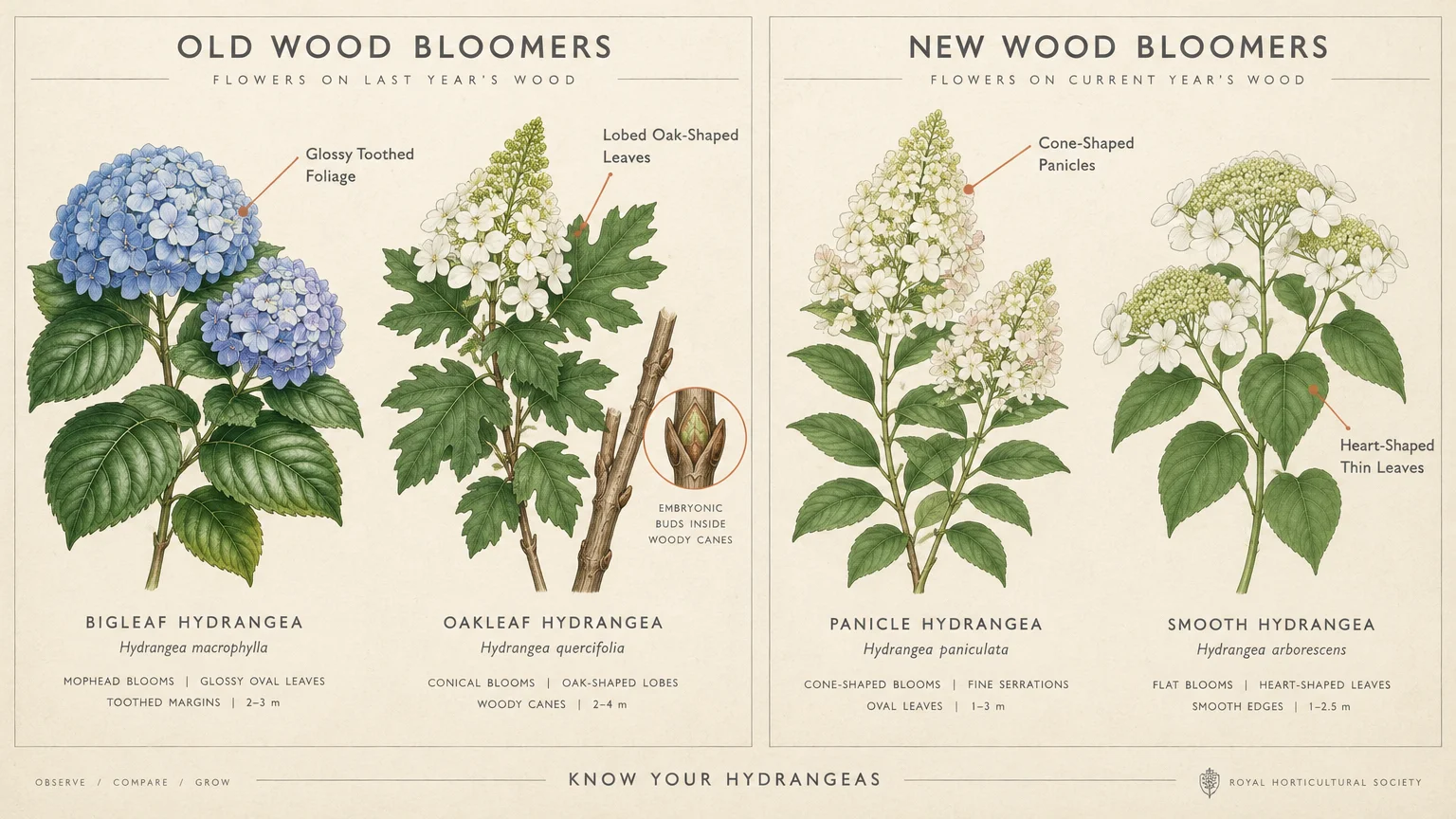
Understanding your specific plant variety forms the foundation of proper hydrangea care. Hydrangeas separate into two distinct groups based on how they develop their flower buds.
Some varieties develop blooms on old wood grown during the previous summer. Other varieties produce flowers exclusively on fresh green stems that emerge in the spring.
Bigleaf hydrangeas and oakleaf hydrangeas set their embryonic floral buds inside woody canes during late summer. Trimming these varieties in autumn or spring shears off the future blossoms before they can open.
In contrast, panicle hydrangeas and smooth hydrangeas bloom entirely on new spring growth. You can safely cut these new-wood varieties back in late winter without sacrificing floral displays.
Take time to examine leaf shapes and growth habits before touching your shrubs with pruners. Bigleaf varieties have thick, glossy, toothed foliage, whereas oakleaf hydrangeas display distinct oak-shaped leaves.
Panicle hydrangeas feature elongated cone-shaped flower clusters and finely serrated oval leaves. Smooth hydrangeas produce thinner, heart-shaped leaves along soft, slender stems topped with massive rounded flowerheads.
Check your plant’s nursery tag or purchase history to verify its exact botanical species. Knowing whether your shrub blooms on old wood or new wood prevents devastating pruning mistakes.
Keep a garden journal or attach durable botanical tags to each shrub in your garden. This simple record-keeping habit prevents confusing your varieties during dormant seasonal cleanups.
Never begin cutting until you know the exact flowering habit of your shrub. This crucial first step ensures you preserve every budding flower head for the coming season.
Tip #2: Trimming at the Wrong Time of Year
Mastering when to prune hydrangeas protects your shrubs from bare seasons without flowers. Cutting stems during the wrong month constitutes the most widespread pruning error among gardeners.
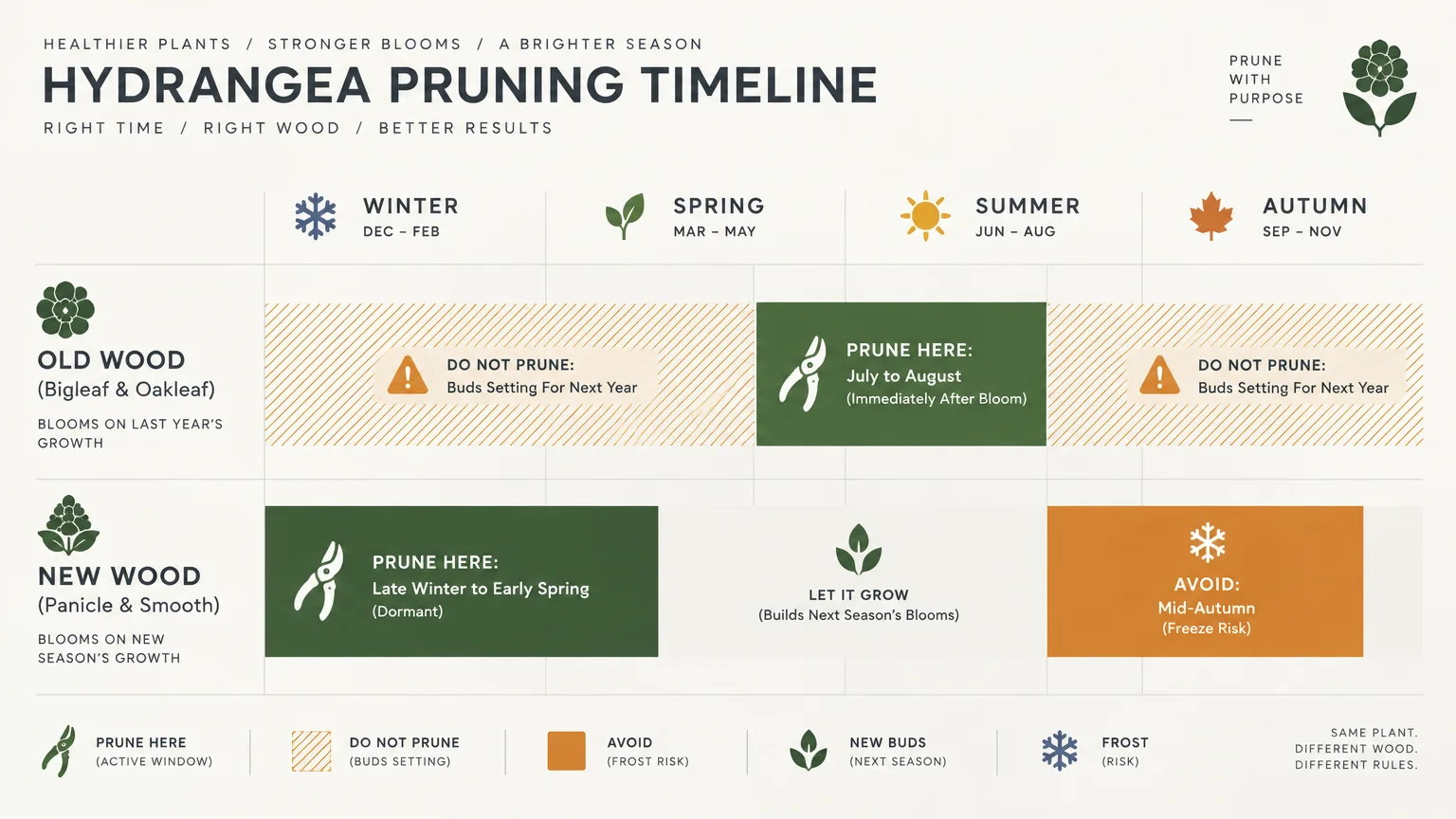
Prune old-wood varieties immediately after their colorful summer floral show concludes. Trim these shrubs in July or August before they begin setting buds for next year.
If you wait until autumn or late winter, you will remove those newly set buds. Your bigleaf shrub will remain a leafy green bush all summer without producing a single bloom.
Conversely, prune new-wood hydrangeas during late winter or very early spring. Cutting them while the plant remains dormant stimulates vigorous shoots that support heavy summer flower heads.
Avoid trimming new-wood varieties in mid-autumn or early winter. Autumn cuts expose tender inner stem tissues to freezing moisture, causing deep dieback down the canes.
Late-season trimming can also prompt vulnerable fresh growth if an unseasonal warm spell occurs. That tender green growth quickly freezes and dies once normal winter conditions return.
Always let local temperature trends guide your late winter pruning calendar. Wait until the harshest subzero cold snaps have passed before pruning your panicle or smooth hydrangeas.
Synchronizing your shears with your plant’s natural growth cycle protects developing flower buds. Thoughtful timing guarantees healthy canes that produce magnificent blossoms every single summer.
Tip #3: Shearing Healthy Stems Down to the Ground
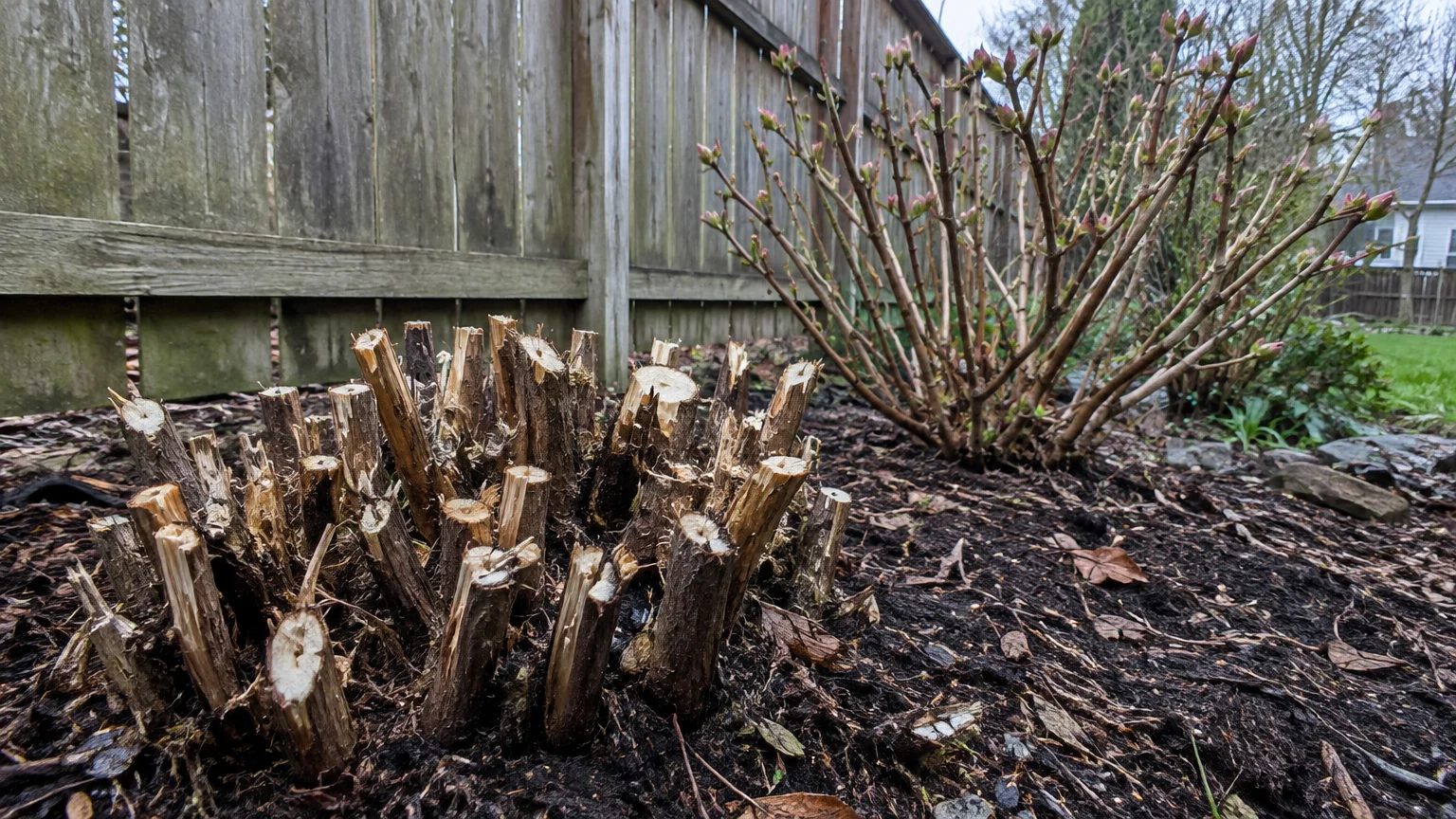
Many gardeners treat hydrangeas like herbaceous perennials by cutting every cane to the soil. Leveling an entire shrub severely shocks the root system and destroys its natural architecture.
Cutting old-wood hydrangeas down to the ground wipes out all flowering stems entirely. The shrub must spend all its energy regenerating vegetative canes, leaving you with zero summer flowers.
Even new-wood varieties like smooth hydrangeas suffer when you shear them to the soil repeatedly. Annual scalping weakens the crown and yields weak, floppy stems that collapse under heavy blossoms.
Maintain a sturdy framework of older, mature wood to support massive flower heads during summer storms. Leaving primary canes intact provides structural stability and elevates fresh growth into the sunlight.
Restrict ground-level cuts to stems that are dead, diseased, or completely hollow. Removing only degraded wood channels vital moisture and nutrients directly into healthy, productive canes.
Thin out crowded branches by removing up to one-third of the oldest canes every three years. This rotational renewal technique rejuvenates aging shrubs without sacrificing structural stability or flower counts.
Prune selective branches rather than butchering the entire plant uniformly across the top. Targeted pruning preserves graceful growth habits while opening the canopy for better air circulation.
Treat your hydrangeas like woody shrubs rather than soft-stemmed border perennials. Preserving their permanent structural stems yields stronger plants and upright, dramatic flower displays.
Tip #4: Using Dull or Dirty Pruning Shears
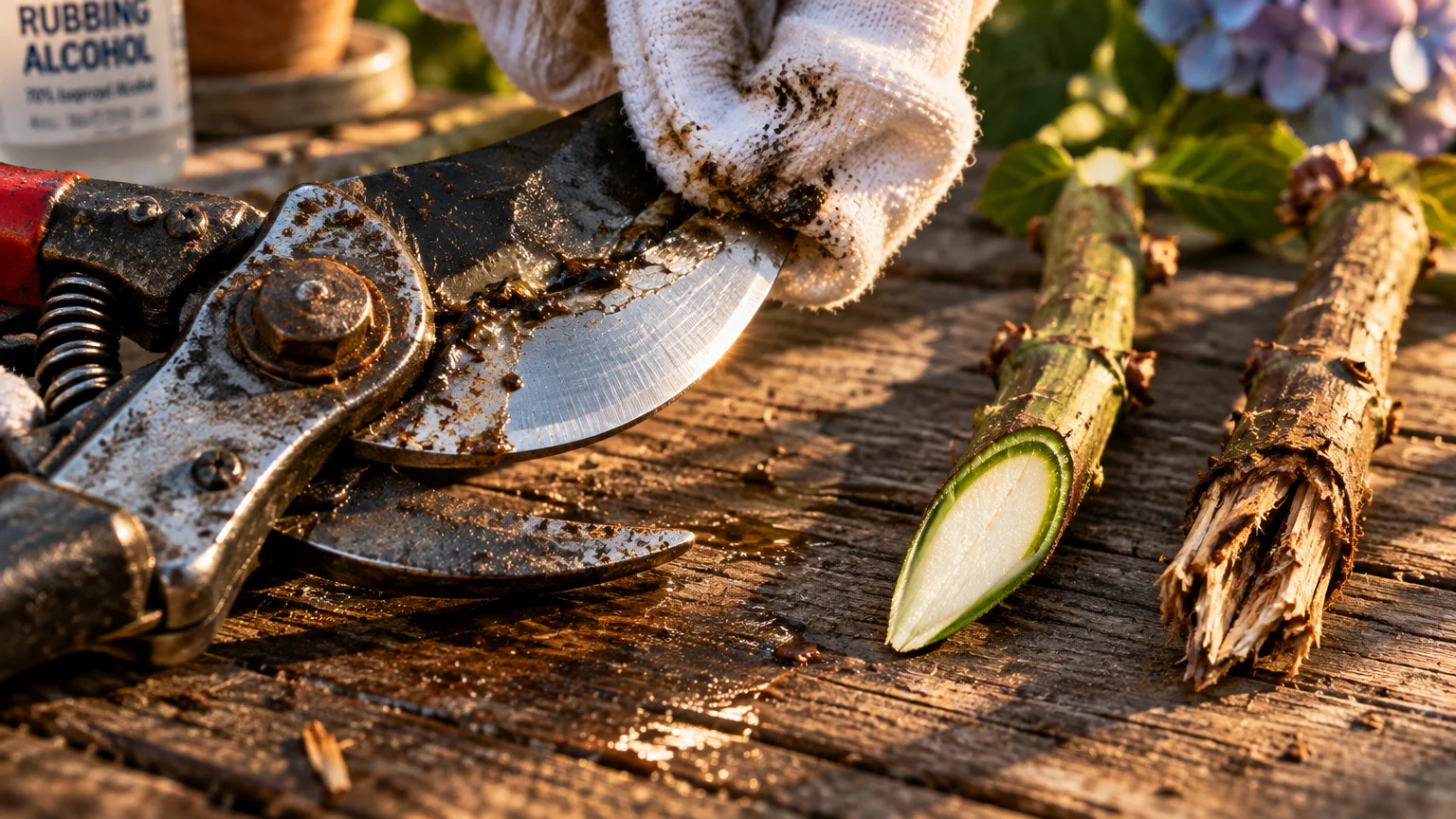
Dull cutting tools crush tender stems and shred delicate bark fibers. Ragged cuts heal slowly, creating entry wounds for airborne fungal spores and damaging wood-boring pests.
Clean cuts made with sharp blades form protective calluses quickly. Swift healing defends the shrub’s vascular system against opportunistic decay and moisture loss.
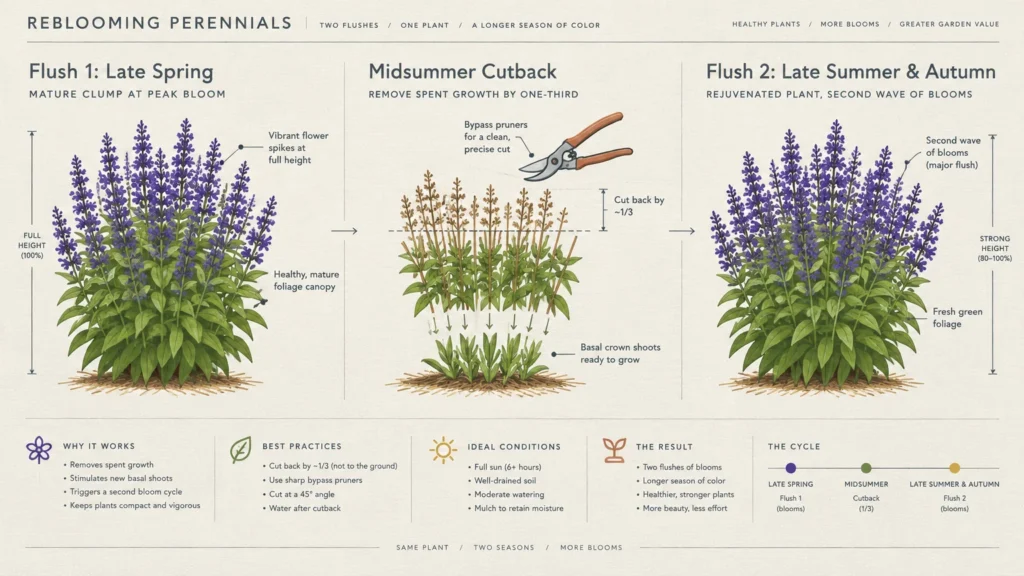
Always use bypass pruners rather than anvil pruners for delicate hydrangea pruning. Bypass blades slice cleanly past each other like scissors without crushing live vascular cambium.
Anvil pruners crush living stem tissues against a flat metal plate, causing severe cane dieback. Save anvil tools for dry, dead firewood rather than living shrub branches.
Disinfect your pruner blades with isopropyl alcohol or disinfectant wipes between individual plants. This essential habit prevents the transfer of bacterial blights and viral pathogens across your garden.
Wipe down your cutting edges after pruning diseased branches before touching healthy wood. Clean tools prevent accidental cross-contamination throughout your ornamental border.
Sharpen your bypass pruner blades with a diamond hone before starting your seasonal maintenance. A razor-sharp blade ensures crisp, effortless cuts that protect your plants from structural injury.
Invest in quality steel tools and keep them oiled to prevent rust formation. Proper tool maintenance protects your valuable garden investments and keeps your shrubs thriving.
Tip #5: Making Cuts Too Far From Active Leaf Buds
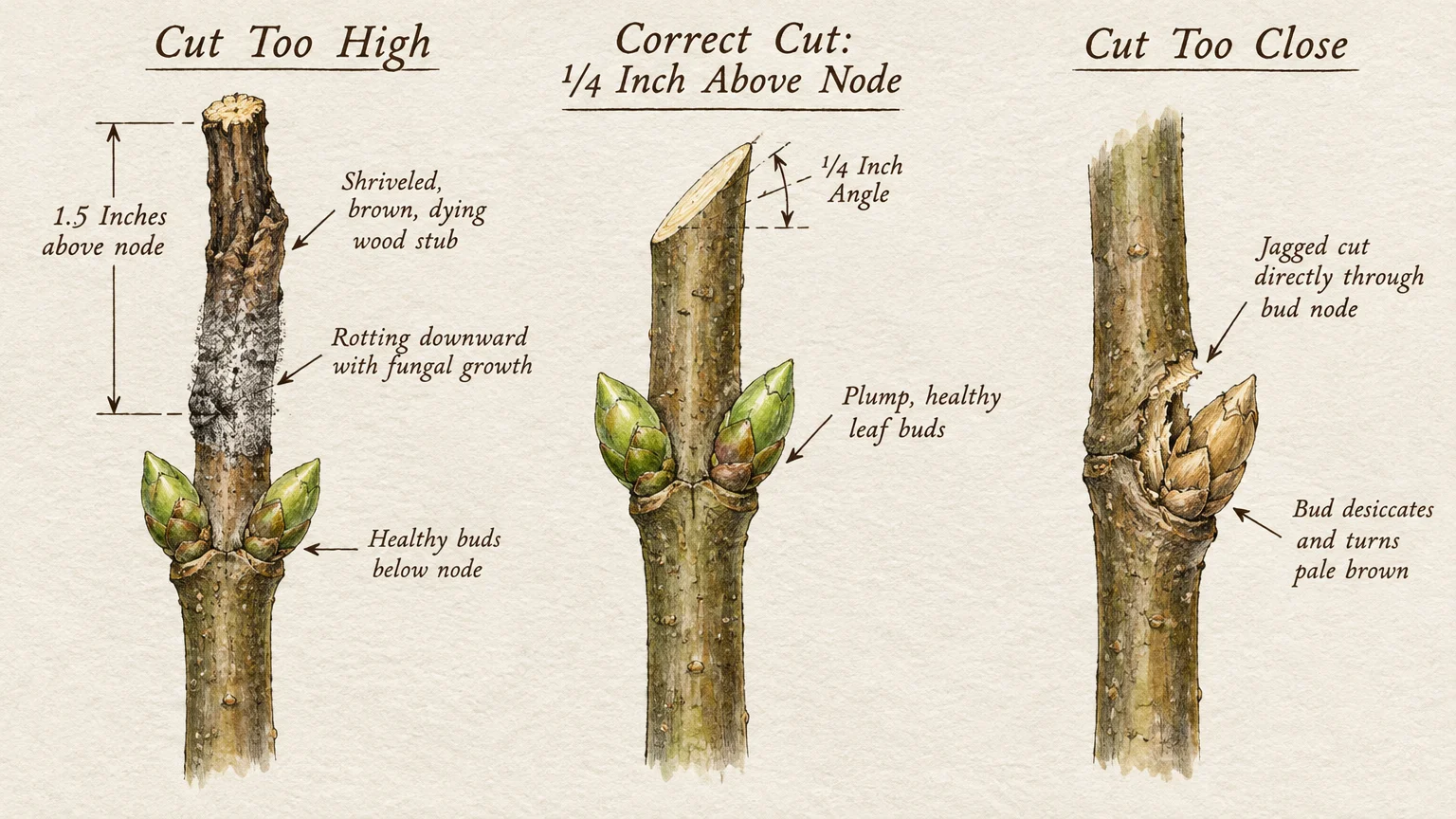
Cut location along the stem determines how quickly and cleanly the branch heals. Leaving excessive wood above a bud creates an unsightly dead stub that eventually rots.
Dead stubs cannot receive sap from the plant’s vascular network, causing them to decay backward. This gradual rot can travel downward past the node, killing healthy lower buds.
Making cuts too close to a bud causes equal damage by drying out delicate nodal tissue. Slicing directly against a bud shrivels embryonic leaves before they can emerge in spring.
Make your pruning cuts approximately one-quarter inch above a healthy, swollen leaf node. This precise spacing leaves sufficient tissue to protect the node without creating lingering dead stubs.
Angle your cut at forty-five degrees sloping gently away from the emerging bud. This deliberate angle encourages rainwater to shed away from the tender developing growth point.
Standing water sitting on flat stem wounds invites bacterial rot during cool spring rains. Angled cuts ensure rapid drying, keeping your plant tissue clean and disease-free.
Scan each cane carefully to identify outward-facing buds before positioning your shears. Cutting above outward-facing buds directs new stems away from the plant center, improving sunlight penetration.
Precision cutting technique transforms simple trimming into an artful, health-boosting practice. Careful cuts reward you with vigorous branching and spectacular summer hydrangea blooms.
Tip #6: Aggressively Deadheading Blooms in Late Autumn
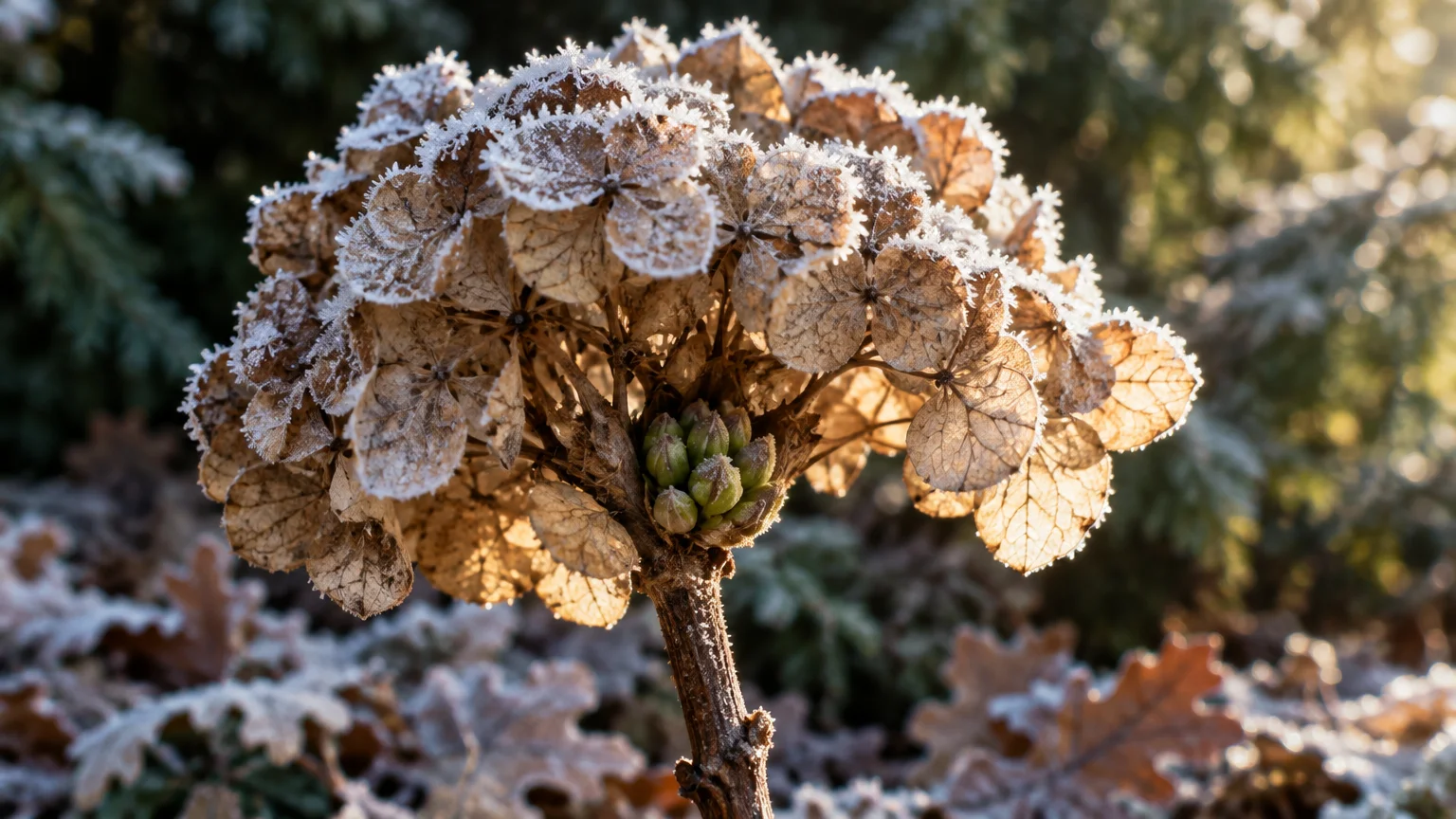
Stripping faded flowers away during autumn cleanups deprives your hydrangeas of natural winter insulation. Those papery dried blooms serve a vital ecological and protective purpose during freezing months.
Spent flower heads catch falling leaves and shield vulnerable lower buds from biting arctic winds. Removing them prematurely exposes tender embryonic buds to severe winter desiccation and frost damage.
Autumn deadheading can also trigger untimely late growth spurts if mild weather lingers. These tender shoots cannot harden off before freezing temperatures arrive, leading to blackened stems.
Leave dried flower heads on the shrub throughout the winter to protect dormant wood. They provide breathtaking architectural interest when dusted with frost or light snow in midwinter.
Delay deadheading chores until late winter or early spring as new buds swell. Waiting until active growth resumes prevents cold-weather damage to delicate flowering wood.
When spring arrives, snip dried flower heads off just above the first set of plump buds. This conservative technique preserves every viable flower node formed during the previous season.
Use light hand snips rather than heavy loppers when removing old flower clusters. Gentle deadheading avoids tearing surrounding bark or jarring swollen spring buds.
Patient gardeners enjoy better winter garden scenery and more prolific summer flowers. Letting old blooms linger remains one of the simplest secrets of successful hydrangea care.
Tip #7: Pruning Repeatedly to Control Plant Size
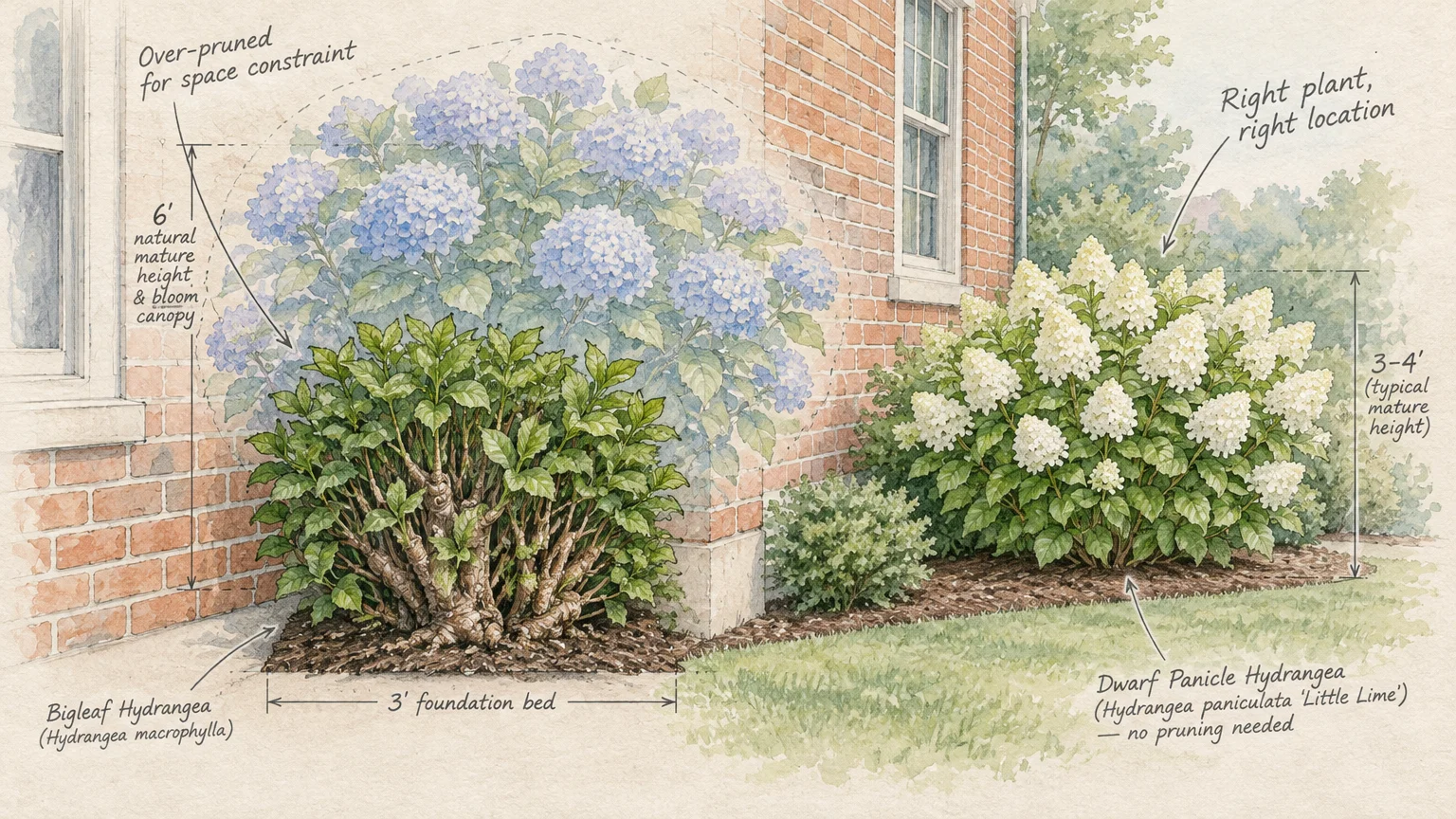
Pruning a large shrub repeatedly to fit a small location causes constant frustration. Forcing an eight-foot hydrangea into a three-foot space ruins the shrub’s natural form and vitality.
Aggressive heading cuts trigger rapid vegetative growth as the plant struggles to rebuild lost foliage. This reactive growth produces crowded, leafy shoots that rarely produce abundant flowers.
Continual severe pruning also drains carbohydrate reserves stored within the shrub’s root system. Weakened roots leave your hydrangeas vulnerable to summer heat stress, drought, and pest infestations.
Select compact cultivars bred specifically for small borders and patio containers instead. Dwarf panicle hydrangeas mature at manageable sizes without requiring constant height-reduction trimming.
Research the mature height and spread of any hydrangea cultivar before planting it. Providing adequate space allows your shrubs to showcase their graceful natural shape without interference.
If an existing hydrangea has genuinely outgrown its space, consider transplanting it elsewhere. Moving the shrub to an open location solves spacing issues permanently without brutal shearing.
Replace the relocated shrub with a compact variety suited to the available garden footprint. Matching plant genetics to garden dimensions eliminates endless pruning maintenance and maximizes floral impact.
Work alongside your plant’s natural growth habits rather than fighting against its genetic size. Respecting natural scale ensures healthier shrubs and effortless garden beauty year after year.
Putting It All Together: Enjoy Your Beautiful Garden
Mastering proper hydrangea pruning transforms confusing maintenance into an enjoyable seasonal ritual. Understanding your shrub’s flowering habits ensures your efforts produce gorgeous results every summer.
Always identify your variety, time your cuts carefully, and maintain sharp, sanitized tools. These simple habits protect developing buds and prevent the spread of harmful plant pathogens.
Allow old blooms to protect dormant stems through winter, and avoid severe shearing cuts. Respecting your shrub’s natural structure yields strong, upright branches capable of carrying magnificent floral displays.
Step into your garden with confidence knowing you possess the skills to nurture your shrubs. Thoughtful hydrangea care rewards you with vibrant foliage and breathtaking hydrangea blooms for seasons to come.
For region-specific advice, consult your local University Extension program (find yours via the USDA directory). For plant databases and inspiration, visit the Missouri Botanical Garden or the Royal Horticultural Society.
Disclaimer: This article provides general gardening advice. Always consider your specific climate, soil conditions, and local pests. Follow safety guidelines when using gardening tools and products.
Frequently Asked Questions
Can I prune my hydrangea if I do not know which variety it is?
Wait until early spring when new growth emerges before making any pruning cuts. Observing whether buds sprout from existing canes or the soil reveals your shrub’s flowering habits.
Only remove dead, damaged, or brittle wood while you identify your plant’s variety. This cautious approach prevents accidental removal of dormant flower buds on old-wood varieties.
How do I know if a hydrangea stem is dead before cutting it?
Scratch the outer bark of the cane lightly using your thumbnail or pruner blade. Green tissue beneath the surface indicates living wood, while dry brown tissue signals a dead stem.
You can safely remove brittle, hollow brown canes down to the base of the plant. Living canes should remain intact to support new spring foliage and summer blossoms.
Should I cut back my hydrangeas before winter arrives?
Avoid cutting back hydrangeas in late autumn or early winter before freezing weather strikes. Leaving canes intact shields the crown and preserves tender buds from harsh winter winds and frost.
Keep faded flower heads in place until late winter or early spring for extra insulation. Spring pruning ensures rapid healing and protects the plant from cold-weather dieback.
Why did my hydrangea fail to bloom this summer?
Trimming stems at the wrong time of year stands as the most common culprit. Harsh winter freezes, excessive nitrogen fertilizer, and inadequate sunlight can also prevent bud development.
Protect old-wood shrubs during winter and prune only immediately after summer flowering ends. Providing morning sun and balanced nutrition encourages prolific bud production for the coming season.