Planting the right peony varieties transforms your spring garden into a breathtaking showcase of color, fragrance, and layered texture. These resilient, spring flowering perennials return reliably for decades with minimal maintenance once established.
Selecting the best peonies to plant ensures a long blooming season that stretches effortlessly from early May into late June. You can mix classic herbaceous types with vigorous intersectional hybrids to build rich visual depth across your borders.
Whether you desire dramatic cut flowers or lush landscape focal points, these twelve standout selections will anchor your peony garden with vibrant elegance. Understanding how to grow peonies successfully begins with choosing the right cultivars for your yard.
Tip #1: Sarah Bernhardt
Sarah Bernhardt remains the gold standard for romantic garden peonies, producing massive double blooms in apple-blossom pink with silvered edges. This beloved heirloom fills the late-spring garden with an intoxicating, sweet perfume.
You will appreciate its remarkable cold hardiness across USDA Zones 3 through 8, where it thrives in fertile, well-draining garden soil. The colossal blooms make spectacular cut flowers that can easily last over a week in fresh water.
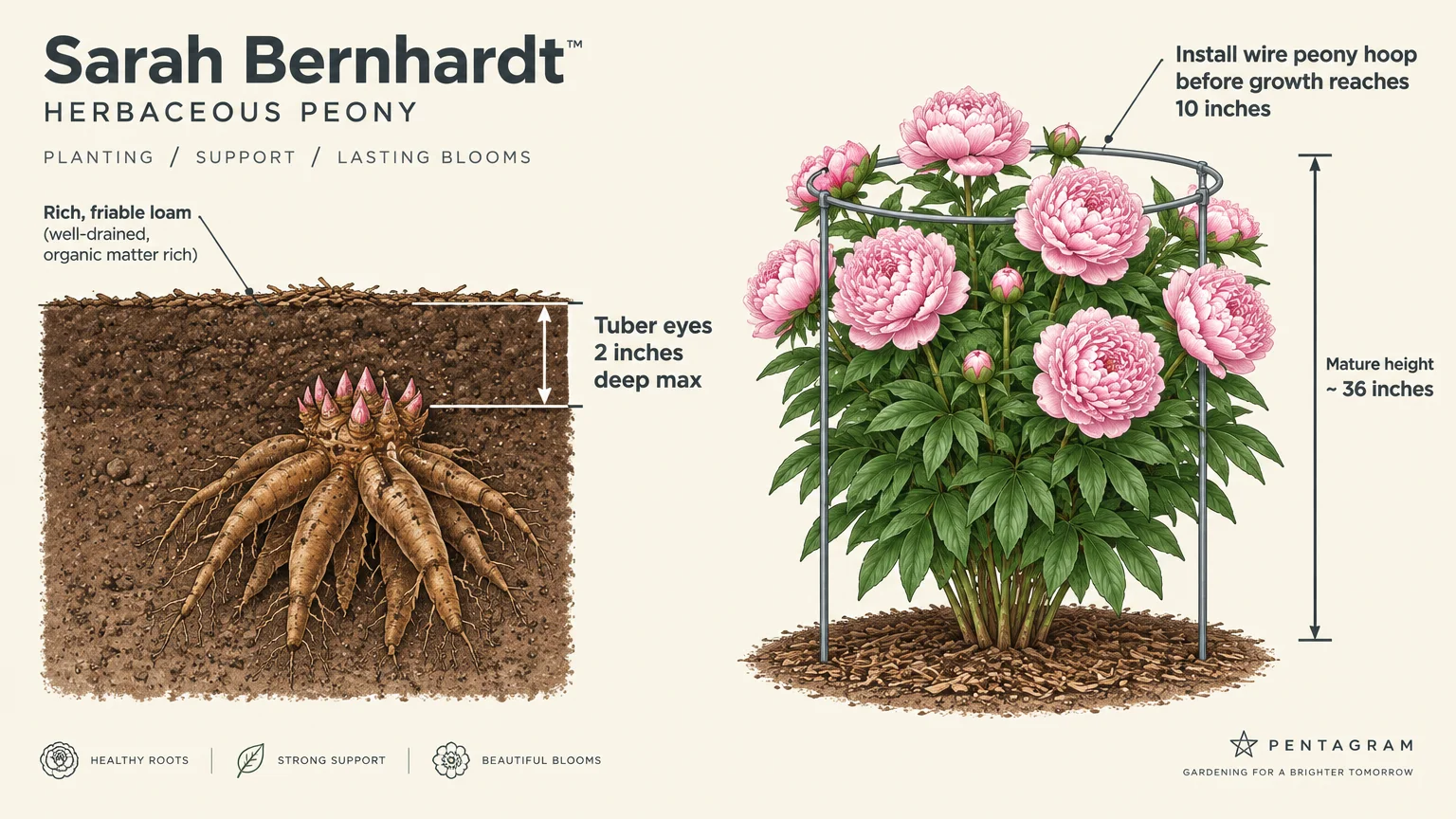
Because the heavy, multi-petaled flower heads collect rainwater quickly, you must install a sturdy wire peony hoop before growth reaches ten inches high. Stake early to prevent wind and rain from bending the thirty-six-inch stems to the ground.
Plant the dormant tuber eyes no deeper than two inches below the soil surface in full sun. Deep planting often prevents blooming, so check your depth carefully before firming the surrounding dirt.
Tip #2: Bowl of Beauty
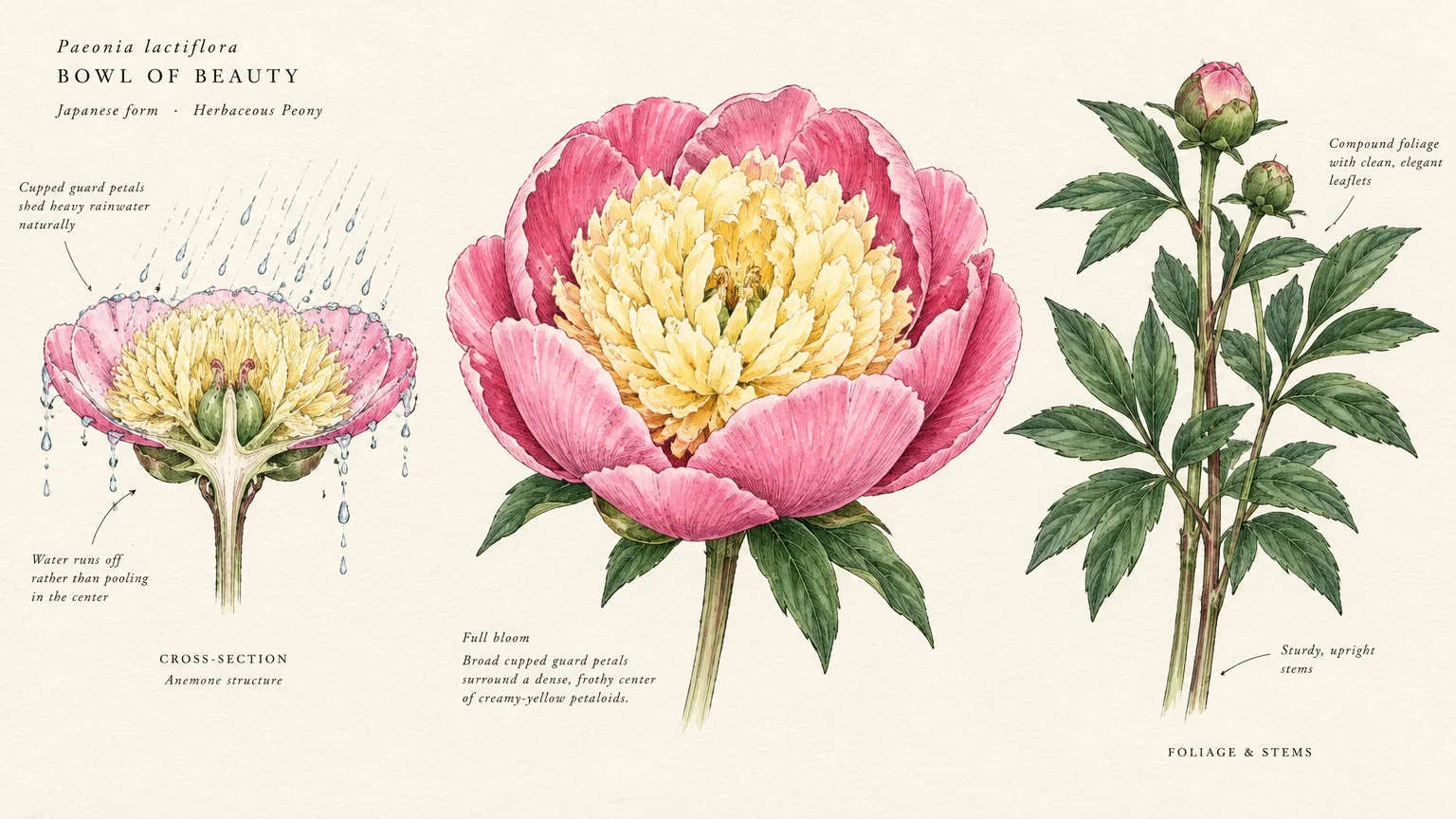
Bowl of Beauty introduces an eye-catching Japanese-form flower that immediately commands attention in mid-spring borders. Wide, rose-pink outer guard petals cup a frothy center packed with creamy-yellow petaloids.
Unlike dense double cultivars, this unique anemone structure sheds rain effortlessly and rarely flops under heavy downpours. You get clean, upright visual structure without needing unsightly support cages across your beds.
Space these plants three feet apart in loamy soil receiving at least six hours of direct sunlight each day. Good air circulation between specimens prevents common fungal issues like powdery mildew and botrytis blight.
Add an inch of compost around the drip line each autumn to replenish essential soil nutrients without disturbing tender surface roots. Keep moisture consistent throughout the active growing period to support generous bud development.
Tip #3: Coral Charm
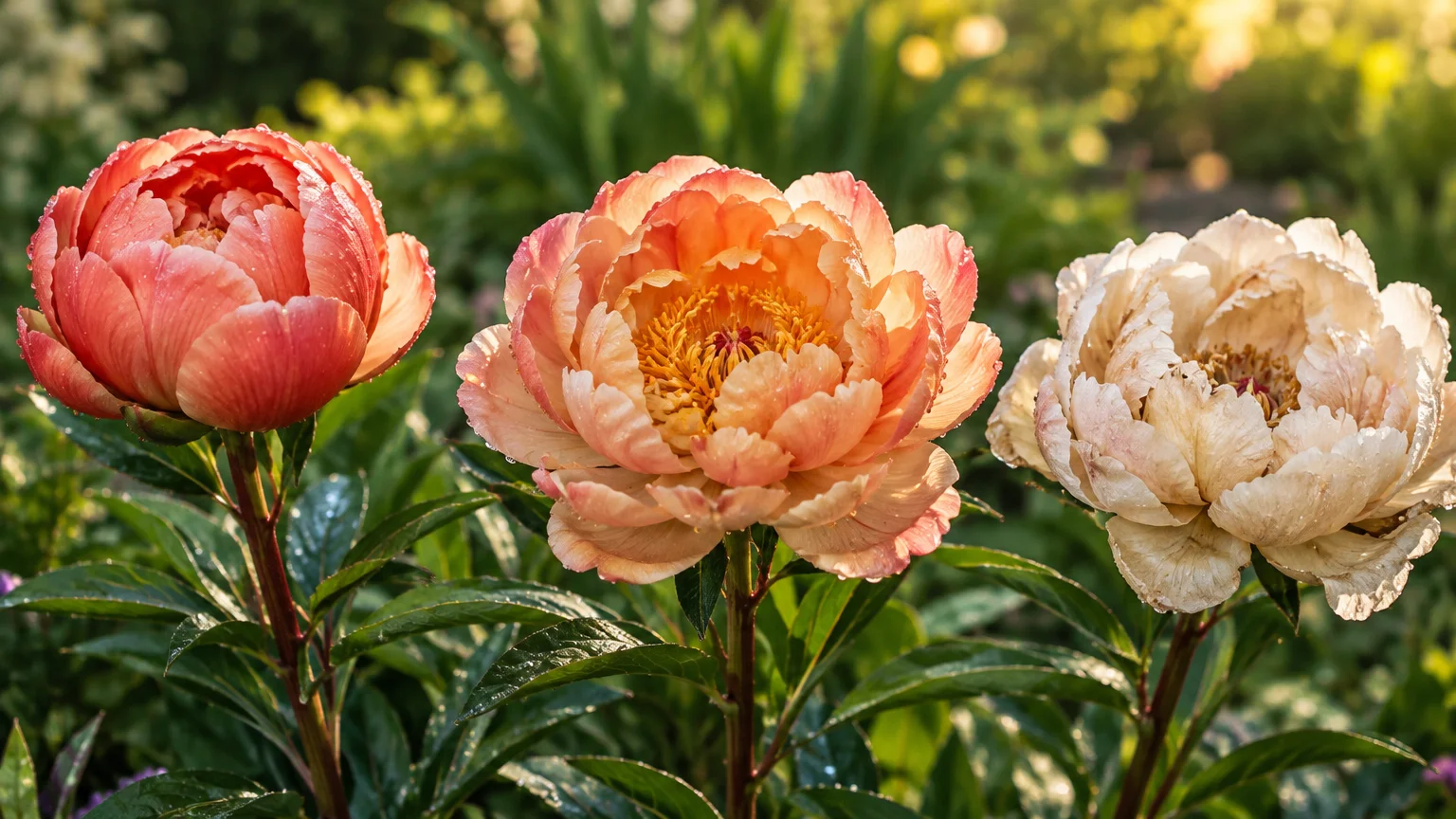
Coral Charm dazzles gardeners by shifting colors continuously as its semi-double blossoms mature under the warm spring sun. Intense coral-peach buds open into apricot blooms before fading gracefully into soft parchment and creamy yellow.
This early-season bloomer bridges the gap between spring bulbs and classic late-spring perennials; its dynamic palette enlivens any planting scheme. Robust, thirty-six-inch stems hold the upward-facing blooms proudly without staking.
Give Coral Charm full sun and rich soil with a neutral pH between 6.5 and 7.0 for optimal flower color. If your soil contains heavy clay, amend the planting site thoroughly with coarse horticultural grit and organic matter.
Harvest stems for floral arrangements when the buds feel soft like fresh marshmallows. In vases, these flowers open fully within forty-eight hours and showcase their famous color transformations indoors.
Tip #4: Festiva Maxima
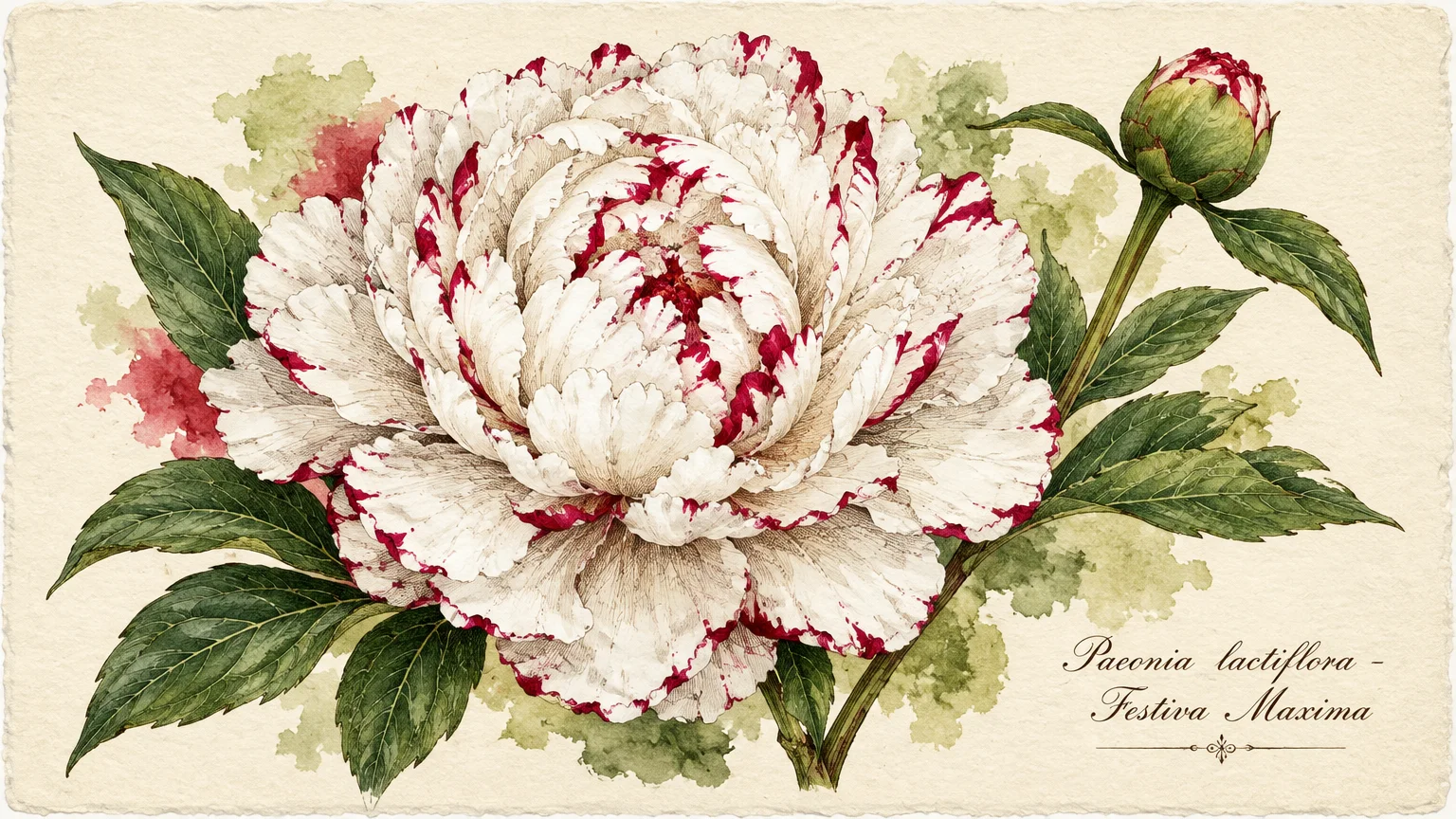
Festiva Maxima has graced American gardens since the mid-nineteenth century, renowned for its snowy double blooms flecked with crimson ribbons. Its spicy-sweet fragrance drifts across the yard on gentle spring breezes.
This vigorous cultivar tolerates erratic spring weather and stands up to chilly northern winters down to USDA Zone 3. It consistently delivers heavy flower yields year after year without losing vigor.
Provide full sunlight and water deeply at the base once a week during dry spells to maintain robust foliage. Always direct water at the ground level rather than overhead to protect the delicate white petals from fungal spotting.
Cut back the dark green leaves to ground level after the first hard autumn frost kills back the top growth. Discard all trimmed foliage in the trash to eliminate overwintering fungal spores before spring.
Tip #5: Bartzella
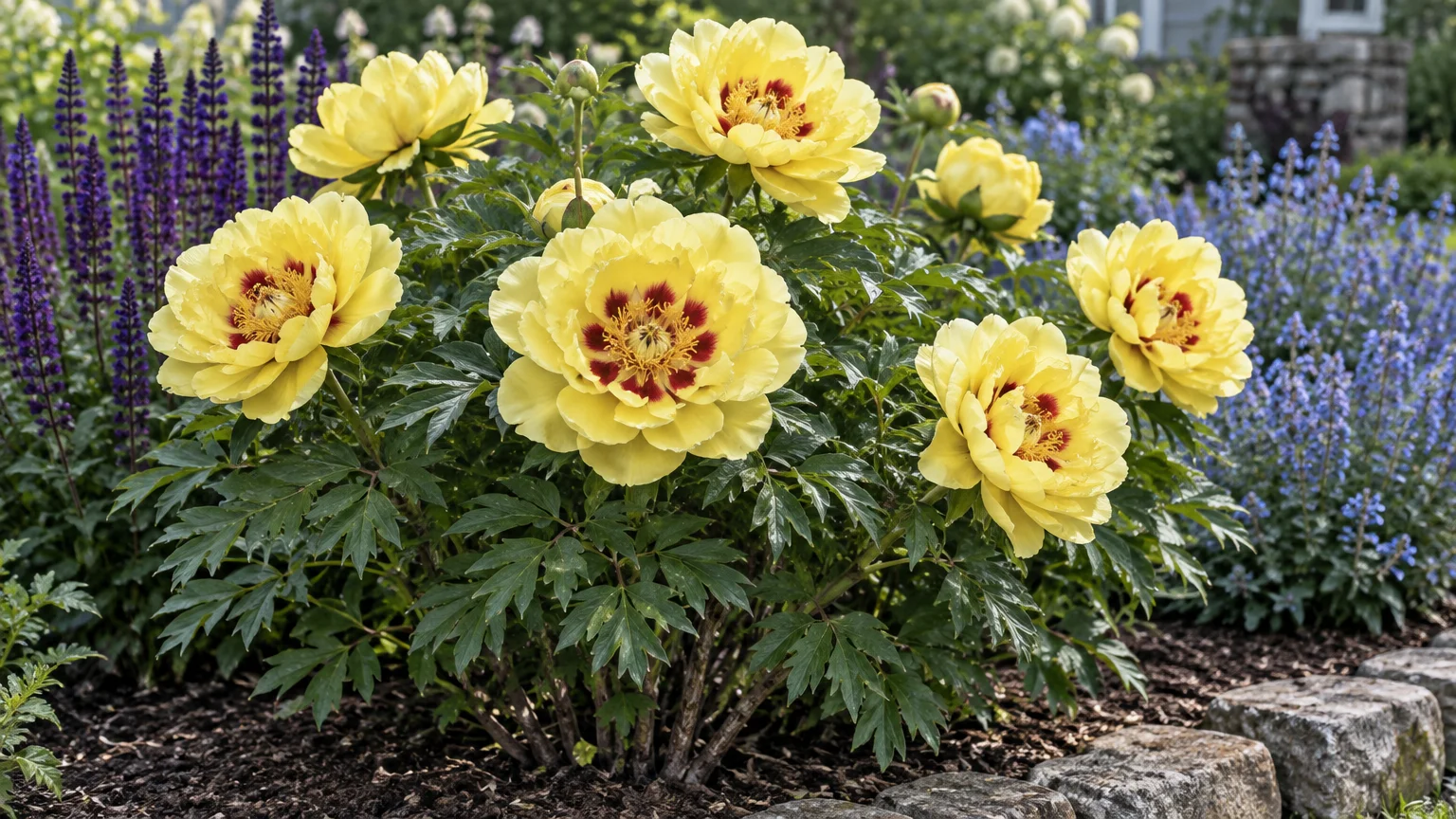
Bartzella represents one of the greatest breakthroughs in breeding, blending the lush flowers of tree peonies with the hardy nature of herbaceous types. This intersectional Itoh peony produces massive, lemon-yellow blooms with warm scarlet flares at the center.
Each mature plant can produce up to thirty blossoms over an extended four-week blooming window starting in late spring. Thick, woody stems keep the eight-inch flowers upright in blustery conditions without any mechanical support.
Select an open location with moist, well-draining soil where water never stands after heavy rains. Plant the crown shallowly, covering the pink growth buds with just one inch of loose topsoil.
Prune the soft herbaceous stems down to the woody base each late autumn after the foliage turns bronze. Apply a balanced, slow-release organic fertilizer around the perimeter in early spring as new shoots emerge.
Tip #6: Kansas
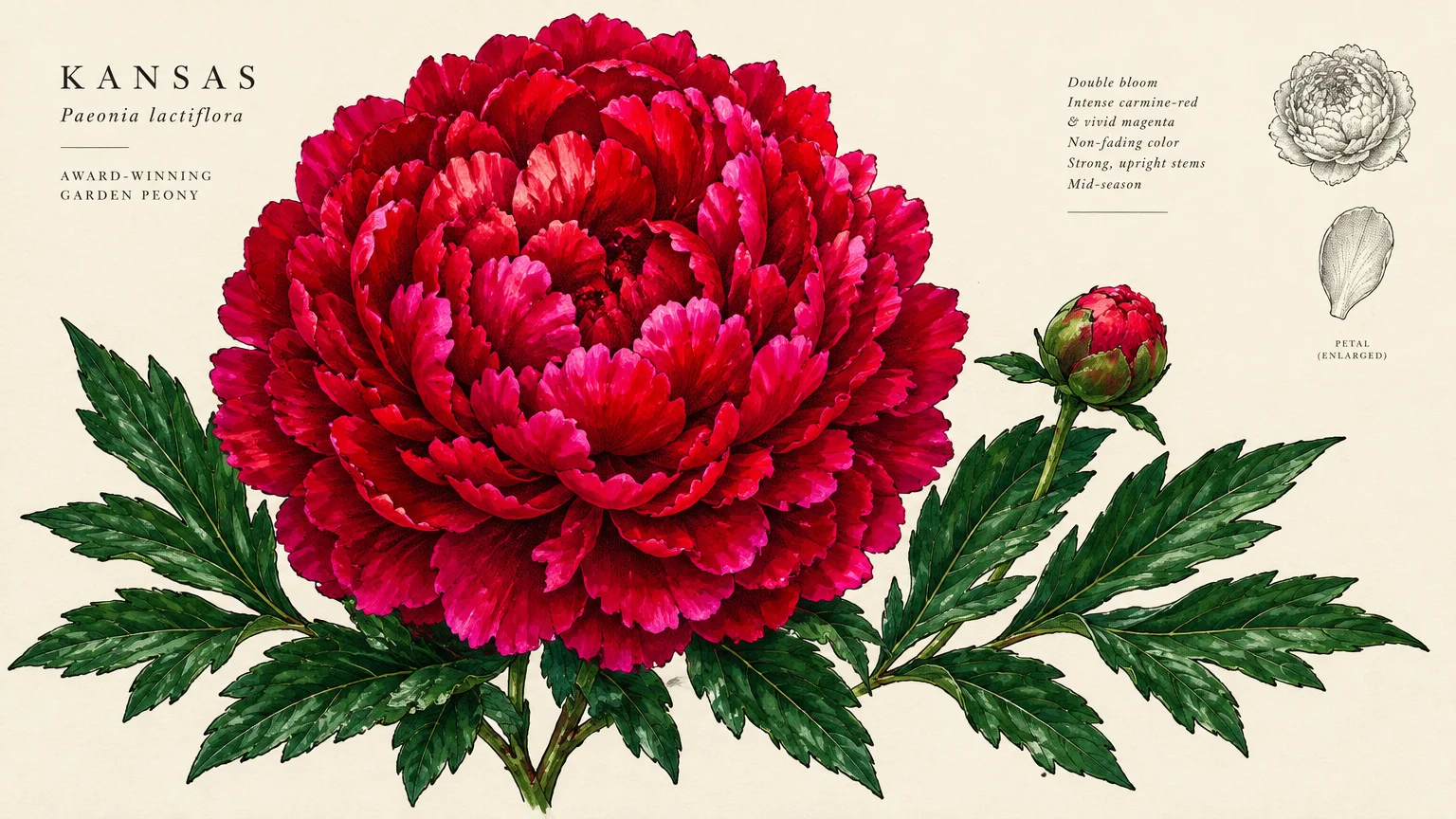
Kansas commands attention with radiant, non-fading carmine-red double flowers that refuse to bleach under harsh afternoon sunlight. The dense pom-pom blooms provide intense color saturation that contrasts beautifully against clean green foliage.
Strong, straight thirty-inch stems support these substantial blossoms far better than many older red heirloom selections. It stands as an exceptional landscape specimen and an essential staple for cut-flower enthusiasts.
Plant your Kansas peonies in an area that receives full sun for at least six to eight hours each day. While it tolerates partial shade, full sunlight produces noticeably thicker stems and a higher bud count.
Mulch carefully during the first winter after planting with clean straw or shredded pine needles to prevent frost heaving. Pull this protective mulch away from the plant crowns promptly in early spring to prevent stem rot.
Tip #7: Shirley Temple
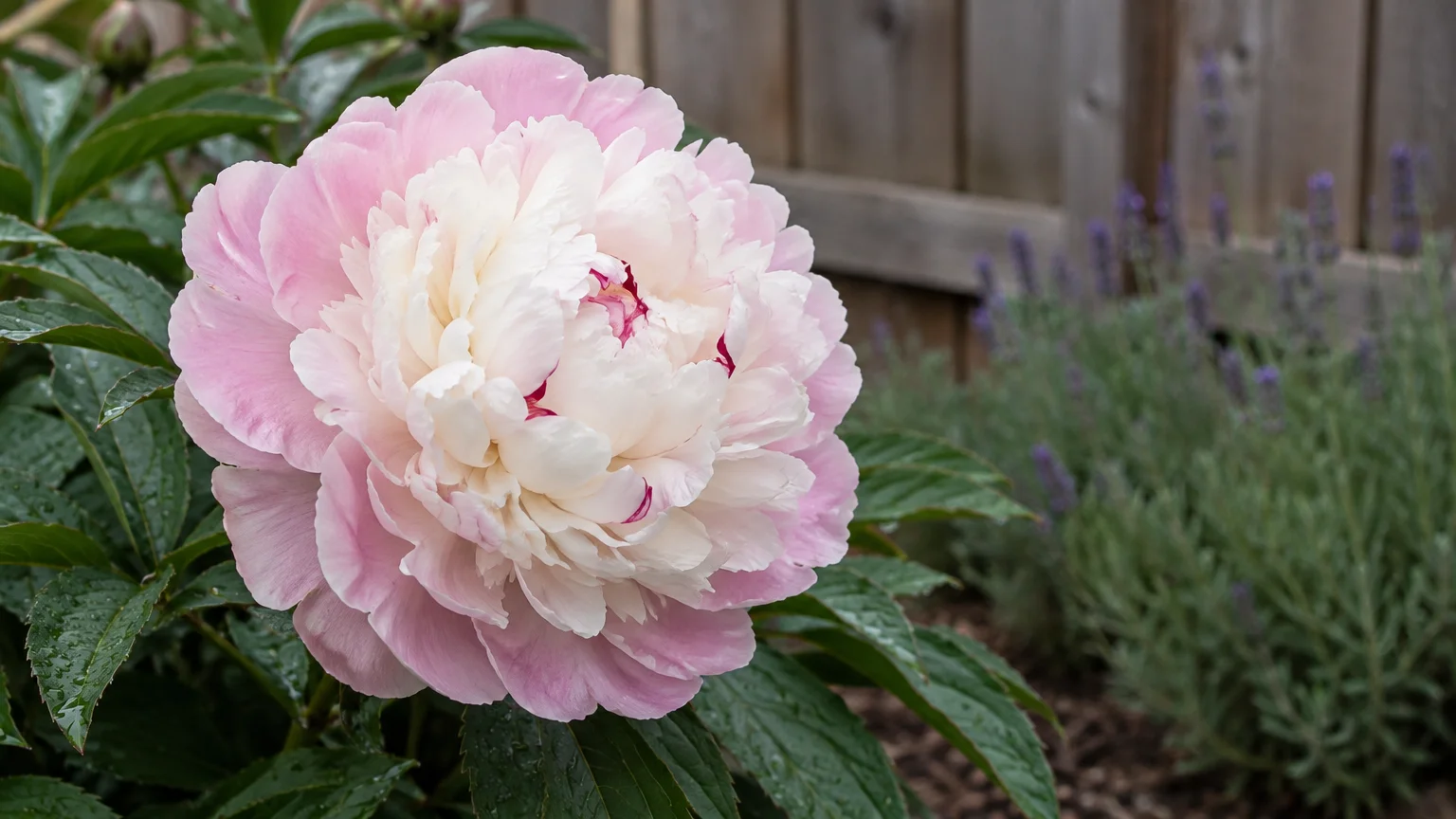
Shirley Temple opens with soft, blush-pink petals that gradually fade to an ethereal, luminous ivory white as the days progress. This mid-season bloomer carries a light, rose-like fragrance that enhances outdoor sitting areas.
The rounded, compact bush habit reaches thirty inches tall, making it a wonderful front-of-border anchor in mixed beds. It pairs effortlessly with late-flowering blue alliums, purple salvia, and silver lamb’s ear foliage.
Feed your plants in early spring with a low-nitrogen fertilizer, such as a 5-10-10 granular formula, once shoots reach three inches tall. Excessive nitrogen fuels lush green leaves at the expense of floral buds.
Inspect new growth regularly for sap-feeding ants; remember that ants are completely harmless helpers that simply feed on sweet bud nectar. Allow them to work freely without spraying chemical pesticides on your developing blossoms.
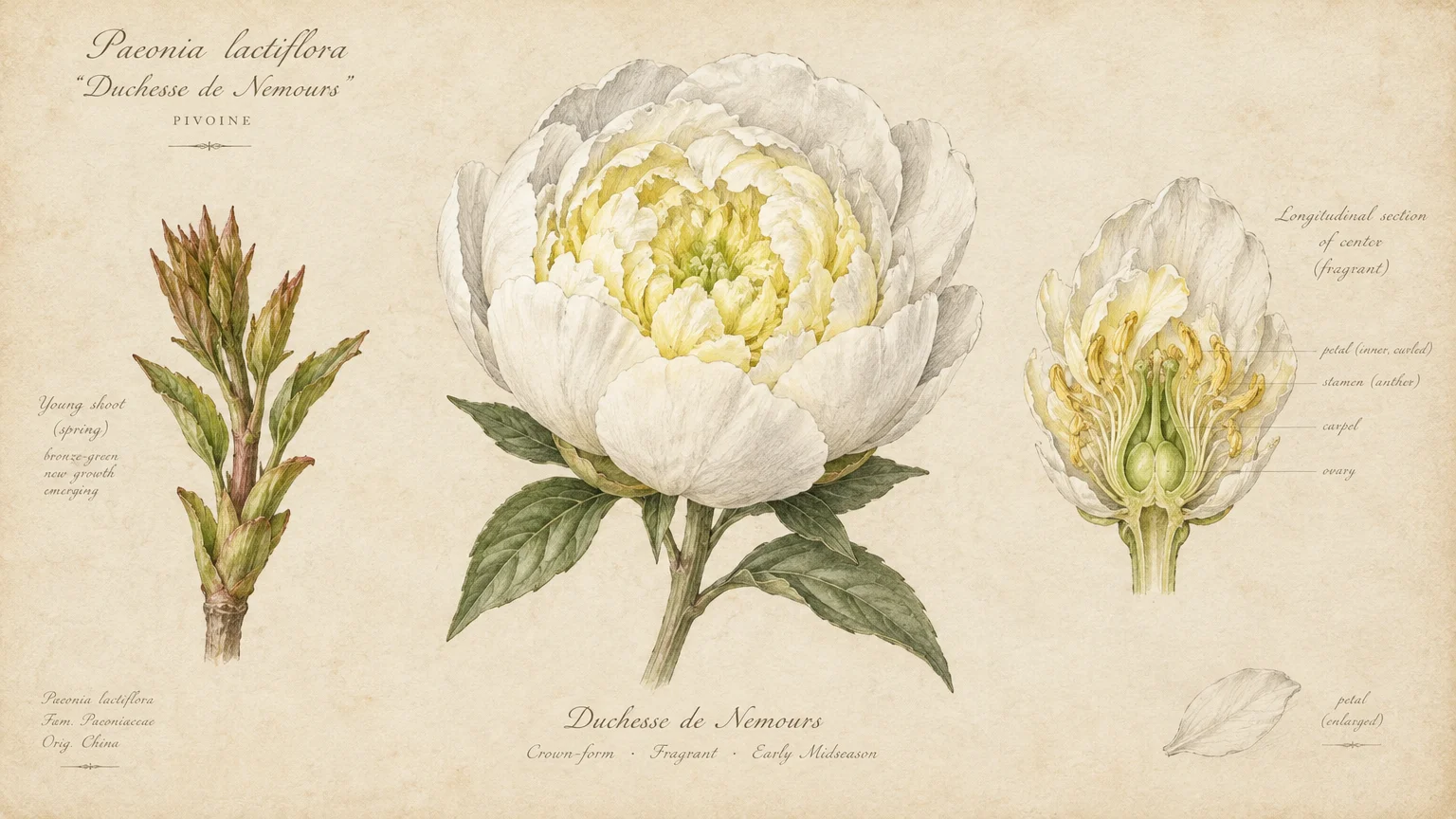
Tip #8: Duchesse de Nemours
Duchesse de Nemours has delighted gardeners for over a century with its cupped, sulfur-white blossoms and distinctive lemon-musk fragrance. Pale green undertones at the flower base give each bloom an exquisite, glowing depth.
This dependable French classic blooms during early to mid-spring, kicking off the white peony season in style. Its compact thirty-four-inch stature holds up well in garden borders and foundation plantings.
Ensure your planting site features soil with exceptional drainage; standing winter moisture will cause crown rot. If planting in heavy clay, create a raised planting mound six inches above the native soil line.
Deadhead spent blossoms immediately after the petals drop to prevent the plant from wasting vital energy producing seedpods. Retain all green leaves until frost so the roots can store energy for next year.
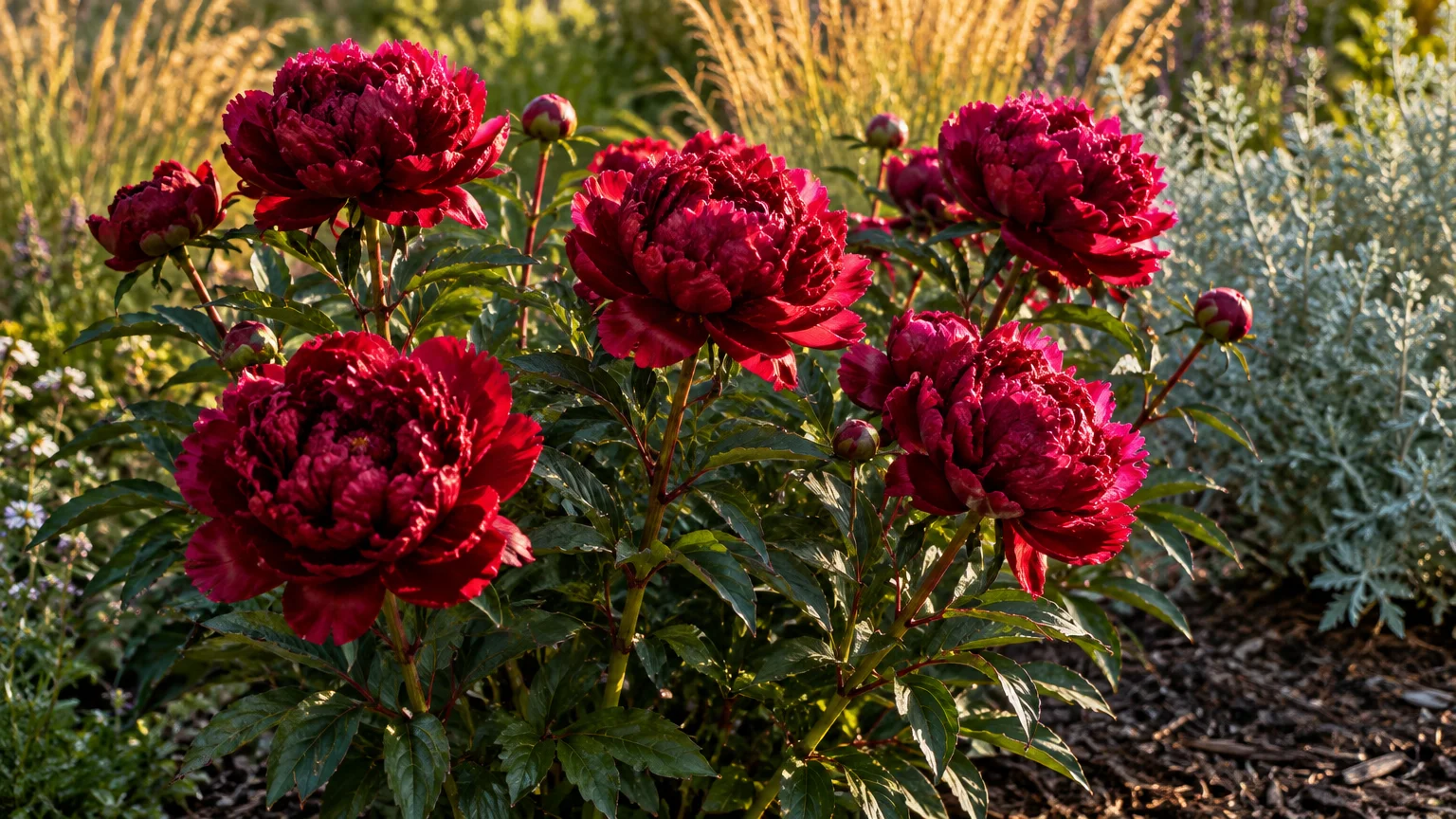
Tip #9: Karl Rosenfield
Karl Rosenfield produces lavish, deep crimson-magenta double blooms that make an unforgettable dramatic statement across early summer landscapes. The slightly ruffled petals curve symmetrically, creating perfectly rounded floral spheres.
This variety thrives in USDA Hardiness Zones 3 through 8, establishing robust root crowns that endure severe winter freezes without flinching. It remains one of the best peonies to plant if you want rich red tones.
Position Karl Rosenfield alongside white or pale pink perennials to create high-contrast color vignettes that captivate visitors. The deep green foliage stays attractive and healthy throughout the summer long after blooms fade.
Install a grow-through grid support early in the season so expanding stems rise naturally through the openings. This invisible support keeps the heavy red blooms upright during driving spring rains.
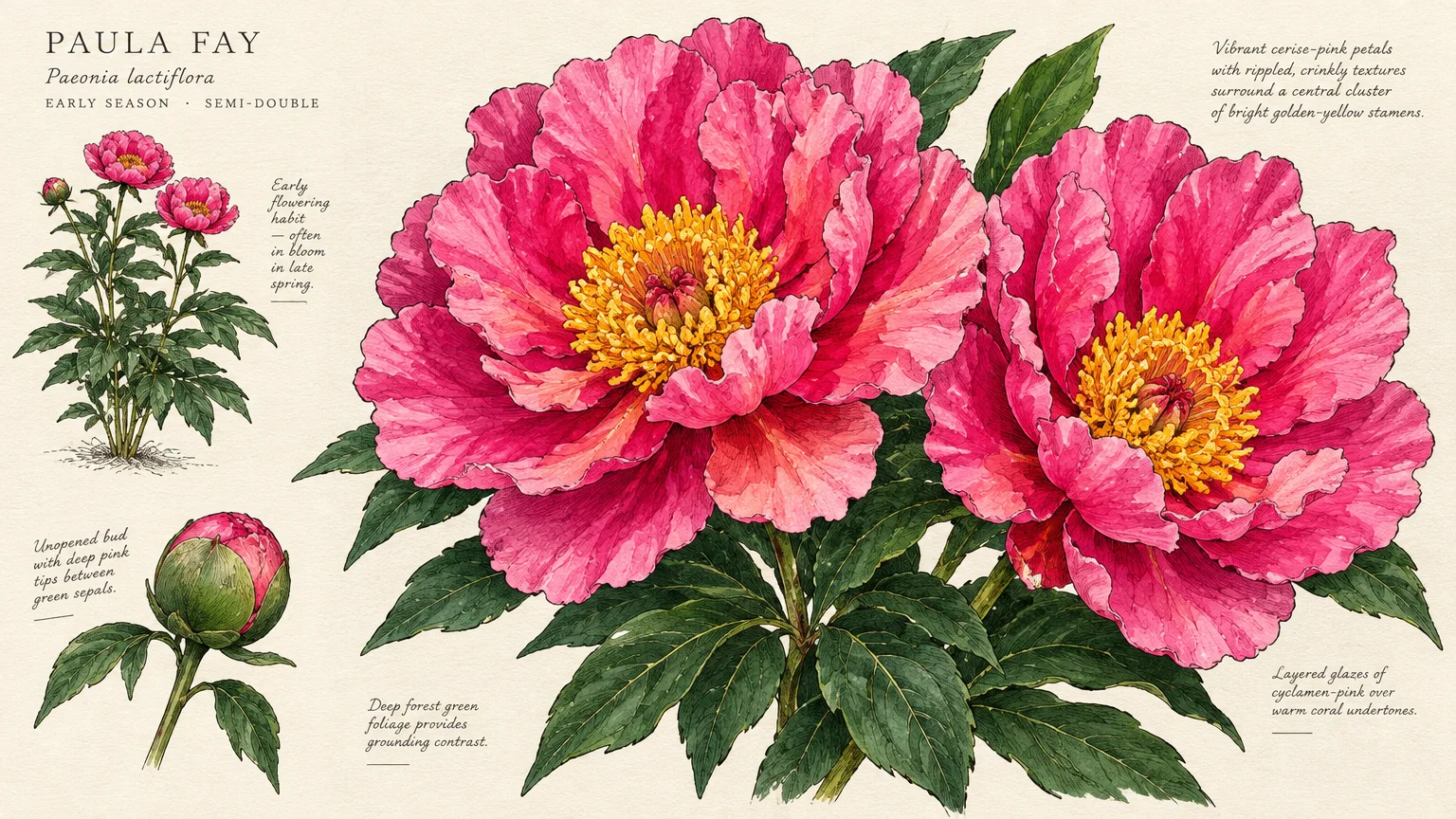
Tip #10: Paula Fay
Paula Fay ignites the garden in early spring with vibrant, luminous rose-pink semi-double flowers featuring crinkled petals and golden stamens. It is an exceptional early bloomer that wakes up your landscape before traditional double varieties open.
The waxy petal texture provides superior weather tolerance, holding up gracefully against wind and intermittent spring showers. Stiff, upright stems reach thirty-five inches high and require no staking in typical garden settings.
Plant this cultivar in full sun to maximize its bud production and promote compact, bushy foliage. Incorporate well-rotted leaf mold or compost into the planting hole to foster healthy, drought-resistant root growth.
Monitor young shoots for botrytis blight during damp spring weeks; if spotted, remove affected stems cleanly with sanitized pruners. Water around the base with a soaker hose to keep the dense foliage completely dry.
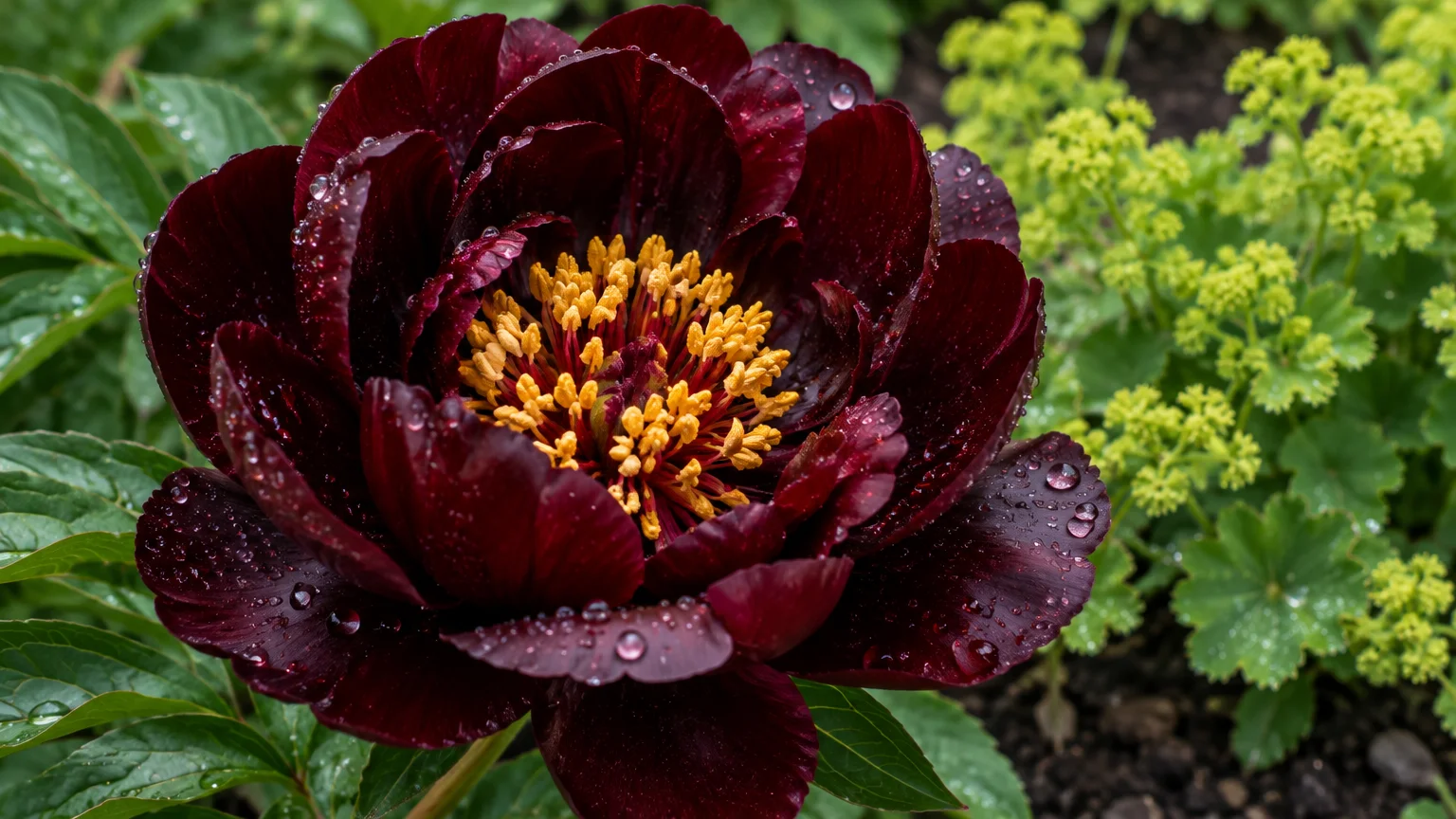
Tip #11: Buckeye Belle
Buckeye Belle offers one of the darkest, most velvety floral shades available, showcasing deep maroon-chocolate semi-double blossoms. A crown of bright golden-yellow stamens sits nestled in the center, creating an electrifying visual contrast.
This early-flowering cultivar brings rich, moody drama to mixed borders, standing out boldly against bright green companions. Its thirty-inch stems are remarkably sturdy and rarely bend under the weight of open blooms.
Site Buckeye Belle where it receives full morning sun and light afternoon dappled shade in hotter southern zones. Shelter from scorching afternoon heat helps preserve the deep, rich pigments of the dark petals.
Keep soil evenly moist during the active spring flowering season, but allow the top two inches to dry slightly between waterings. Mature plants develop deep taproots that provide impressive resilience against brief summer dry spells.
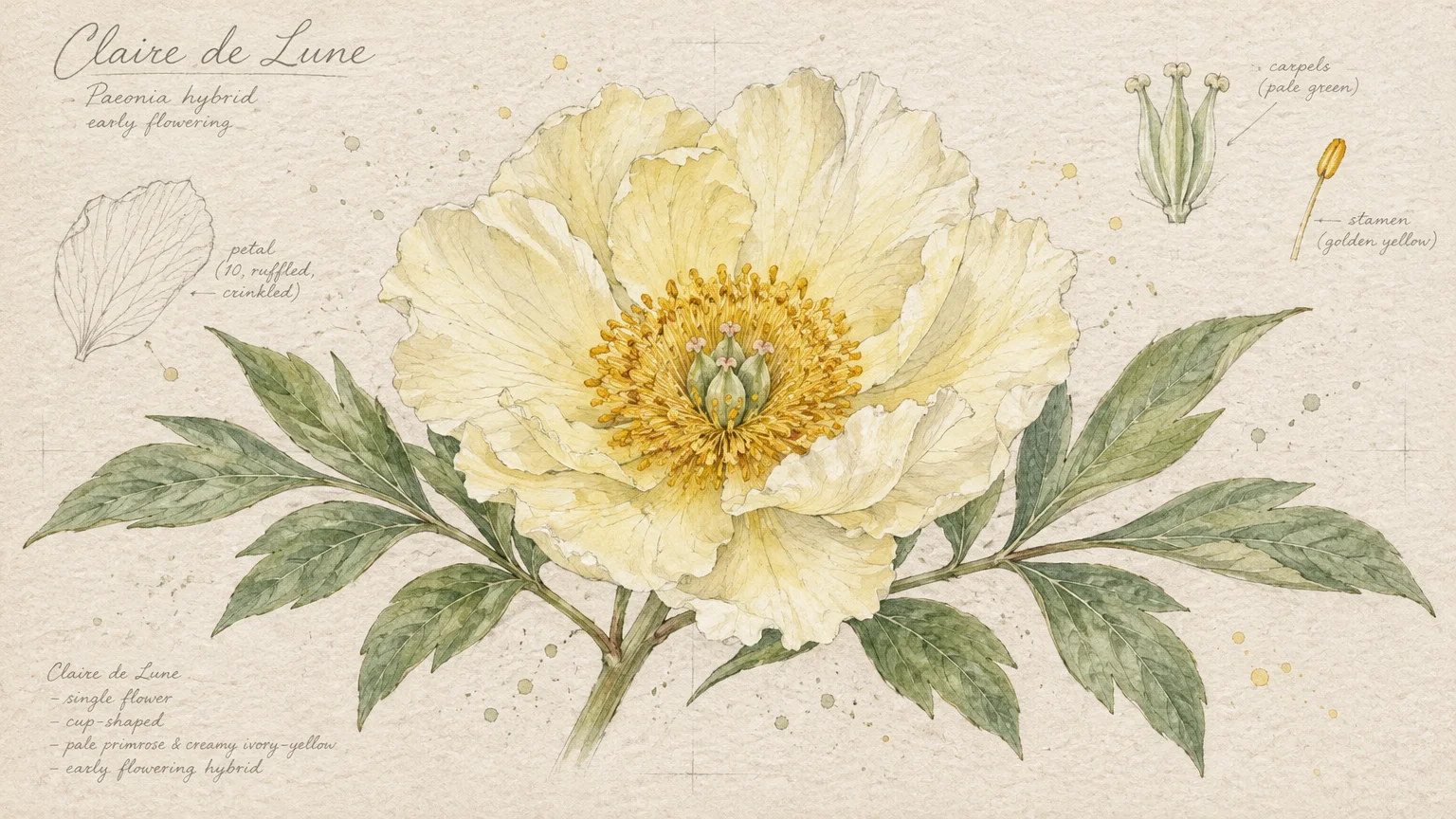
Tip #12: Claire de Lune
Claire de Lune stands out as an exquisite, early-blooming treasure, producing delicate single flowers in creamy pale primrose yellow. A central tuft of golden stamens surrounded by rounded petals gives this plant a wild, woodland grace.
Because single peonies feature lighter flower structures than heavy doubles, Claire de Lune withstands spring rainstorms without drooping. It offers refined texture for cottage plantings and naturalized border edges.
Grow this hybrid in nutrient-rich, neutral-to-slightly-alkaline soil with excellent drainage and at least six hours of morning sunlight. Mix a small handful of bone meal into the soil at planting time to encourage strong root development.
Pair Claire de Lune with early-blooming Siberian irises and bleeding hearts to craft a cohesive, classic spring display. Once established, this low-maintenance perennial can thrive undisturbed in your garden for several decades.
Putting It All Together: Enjoy Your Beautiful Garden
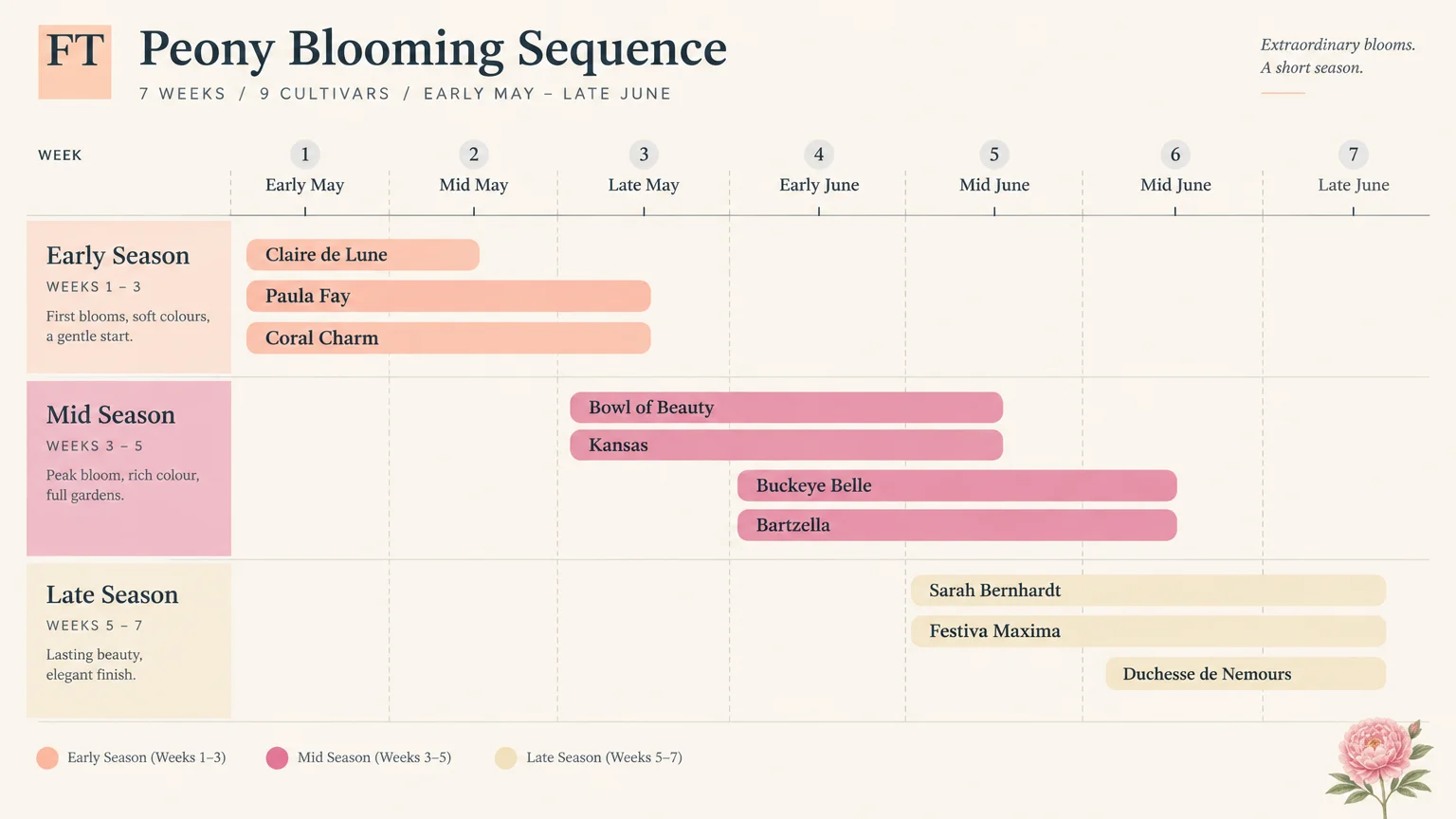
Creating a breathtaking peony garden is an investment in beauty that rewards you with richer displays each passing year. By blending early, mid-season, and late-flowering peony varieties, you can effortlessly extend your blooming window for up to six weeks.
Focus on the basic cultural requirements: plant the tubers shallowly in fertile, well-draining soil and provide plenty of direct sunlight. These simple steps establish a solid foundation for robust growth and prolific springtime blooms.
Take time to support heavy cultivars early and remove spent blooms as soon as the petals fade. Your thoughtful care will preserve foliage health all summer while replenishing root stores for next spring.
Whether you plant a single focal specimen or design an extensive border, these spring flowering perennials bring timeless charm to any landscape. Step outside, choose your favorite cultivars, and start planning your most colorful garden season yet.
For region-specific advice, consult your local University Extension program (find yours via the USDA directory). For plant databases and inspiration, visit the Missouri Botanical Garden or the Royal Horticultural Society.
Disclaimer: This article provides general gardening advice. Always consider your specific climate, soil conditions, and local pests. Follow safety guidelines when using gardening tools and products.
Frequently Asked Questions
How deep should I plant peony roots?
Plant herbaceous peony tubers so the reddish growth eyes sit only one to two inches beneath the soil surface in cooler climates. In warmer southern regions, cover the eyes with barely one inch of loose topsoil.
Burying the eyes too deeply represents the number one reason peonies fail to flower; always measure carefully before backfilling the planting hole.
Why are ants always crawling on my peony buds?
Ants visit peony buds solely to feed on the sugary liquid that the developing flower bracts naturally secrete. They do not damage the plant, spread destructive diseases, or feed on flower tissues.
You do not need to spray or remove them, because they depart naturally once the petals unfurl.
How long does it take for newly planted peonies to flower?
Most bare-root peonies require two to three years to settle their root systems and produce a full flush of flowers. You might see a single bloom during the first spring, but flower counts increase significantly each year thereafter.
Practicing patience pays off, because established peonies can easily live and flower in the same garden location for half a century.
How do I prevent peonies from flopping over in the rain?
Install three-legged metal peony hoops or grow-through grid supports in early spring when the red shoots are only six inches tall. The foliage quickly expands and hides the hardware, providing invisible structural reinforcement.
Alternatively, choose single-flowered or intersectional Itoh varieties with sturdy stems that withstand heavy storms naturally without staking.