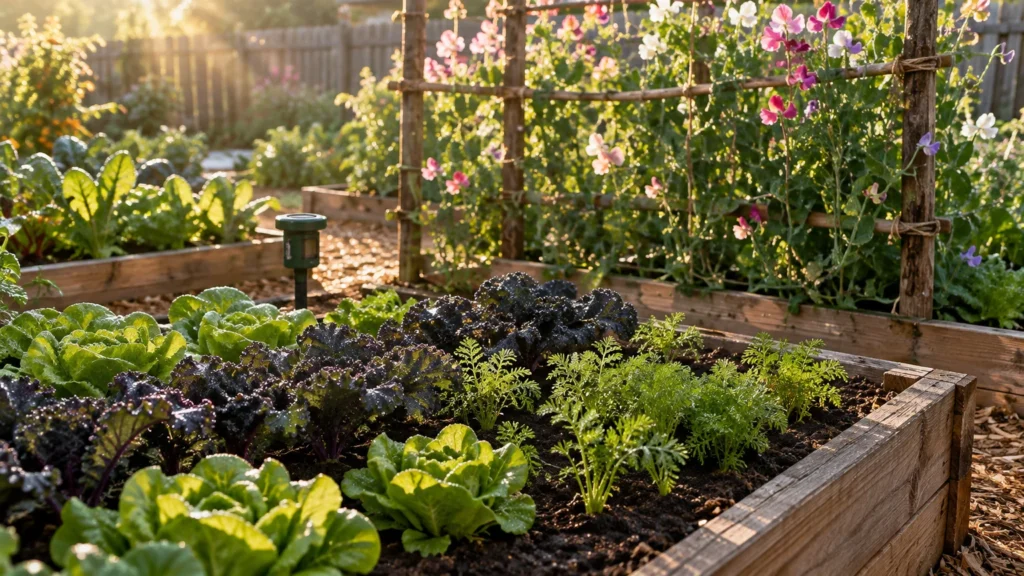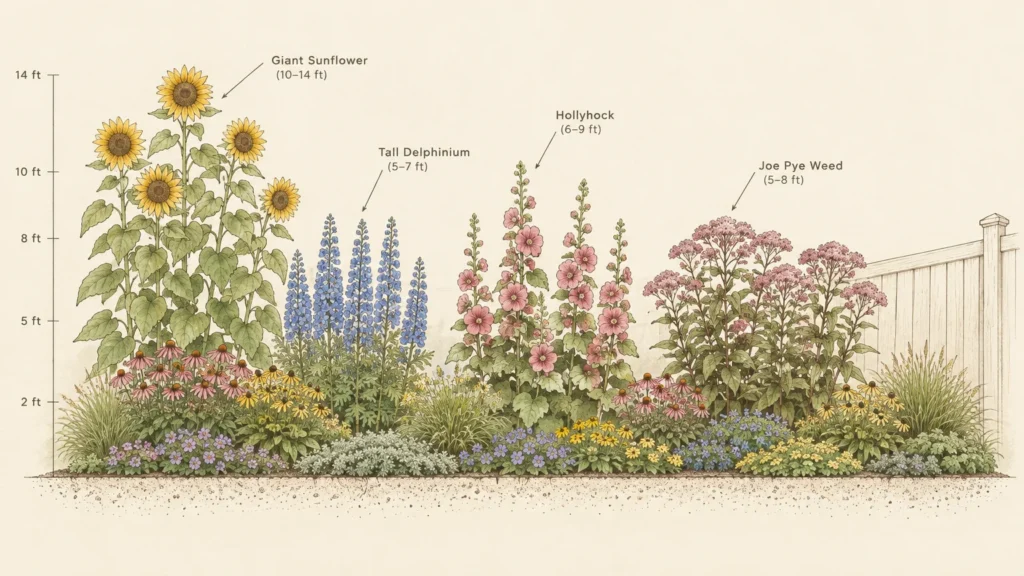
You can fill your landscape with intoxicating aromas without spending your weekends tethered to hedge shears. Selecting naturally well-behaved fragrant shrubs gives you breathtaking blossoms and effortless garden scents all season long.
Many classic scented flowering shrubs maintain balanced, attractive shapes without constant trimming. You simply plant them in the right spot, supply basic water and mulch, and let nature perform its magic.
These low-maintenance shrubs release sweet perfumes across patios, walkways, and garden beds. Here are eleven exceptional varieties that deliver sensational fragrance without demanding your precious time.
Tip #1: Korean Spice Viburnum (Viburnum carlesii)
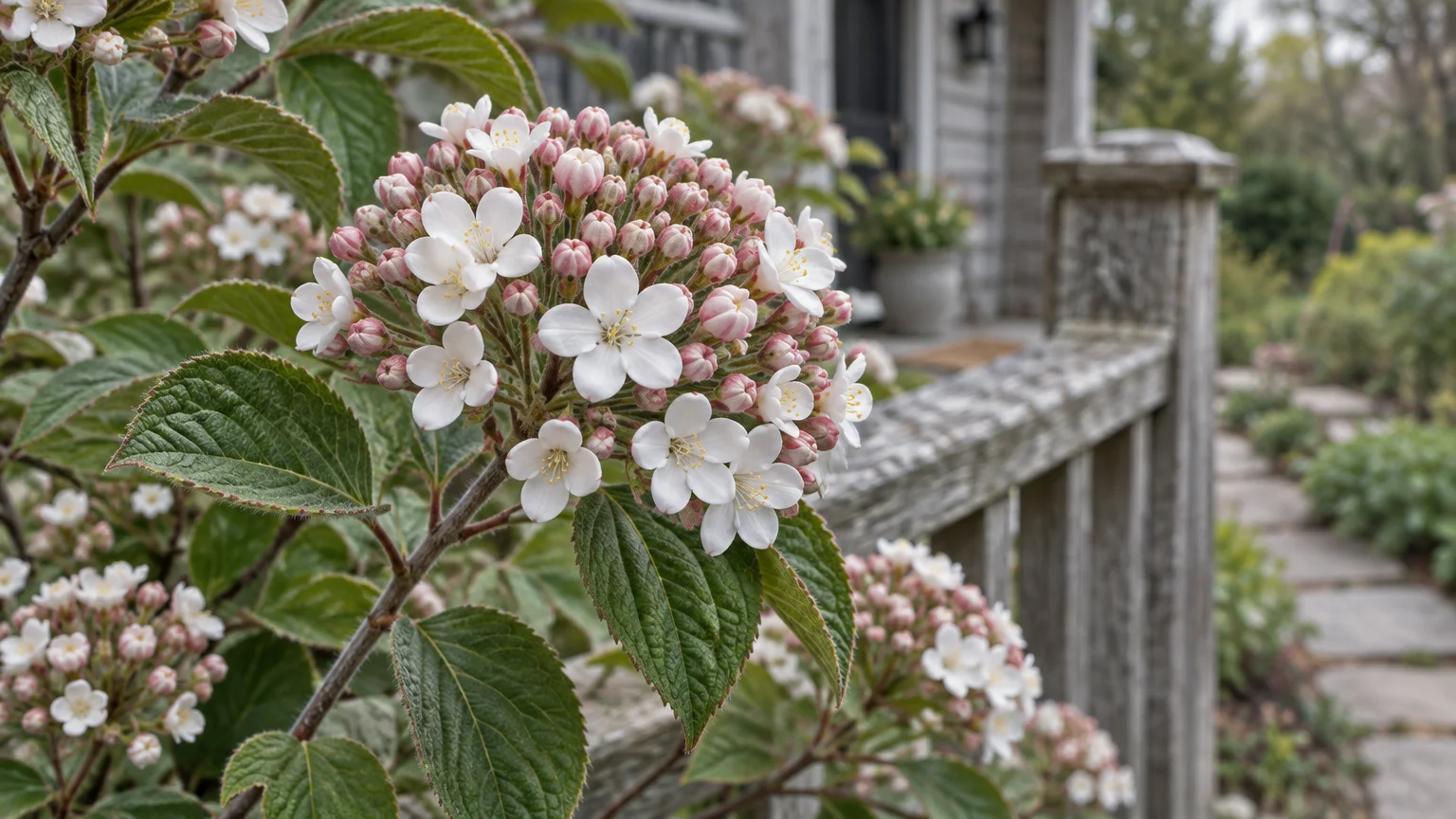
Korean spice viburnum greets spring with clusters of blush-pink buds that open into snowy white florets. The blooms release an exquisite fragrance reminiscent of sweet vanilla and spicy clove.
Reaching four to six feet in height and width, this deciduous shrub grows at a calm, deliberate pace. Its naturally rounded framework requires no shaping from hedge trimmers.
Plant it in USDA Zones 4 through 8 in full sun or light afternoon shade. It performs best in fertile, well-draining soil with regular moisture during its first two seasons.
You only need to prune damaged or dead wood in late spring after the blossoms fade. Viburnum sets bloom buds during summer, so autumn shearing removes the following year’s display.
Plant this variety near your front walkway or patio window. It ranks among the best shrubs that need little pruning while rewarding you with memorable spring perfume.
Tip #2: Carolina Allspice (Calycanthus floridus)
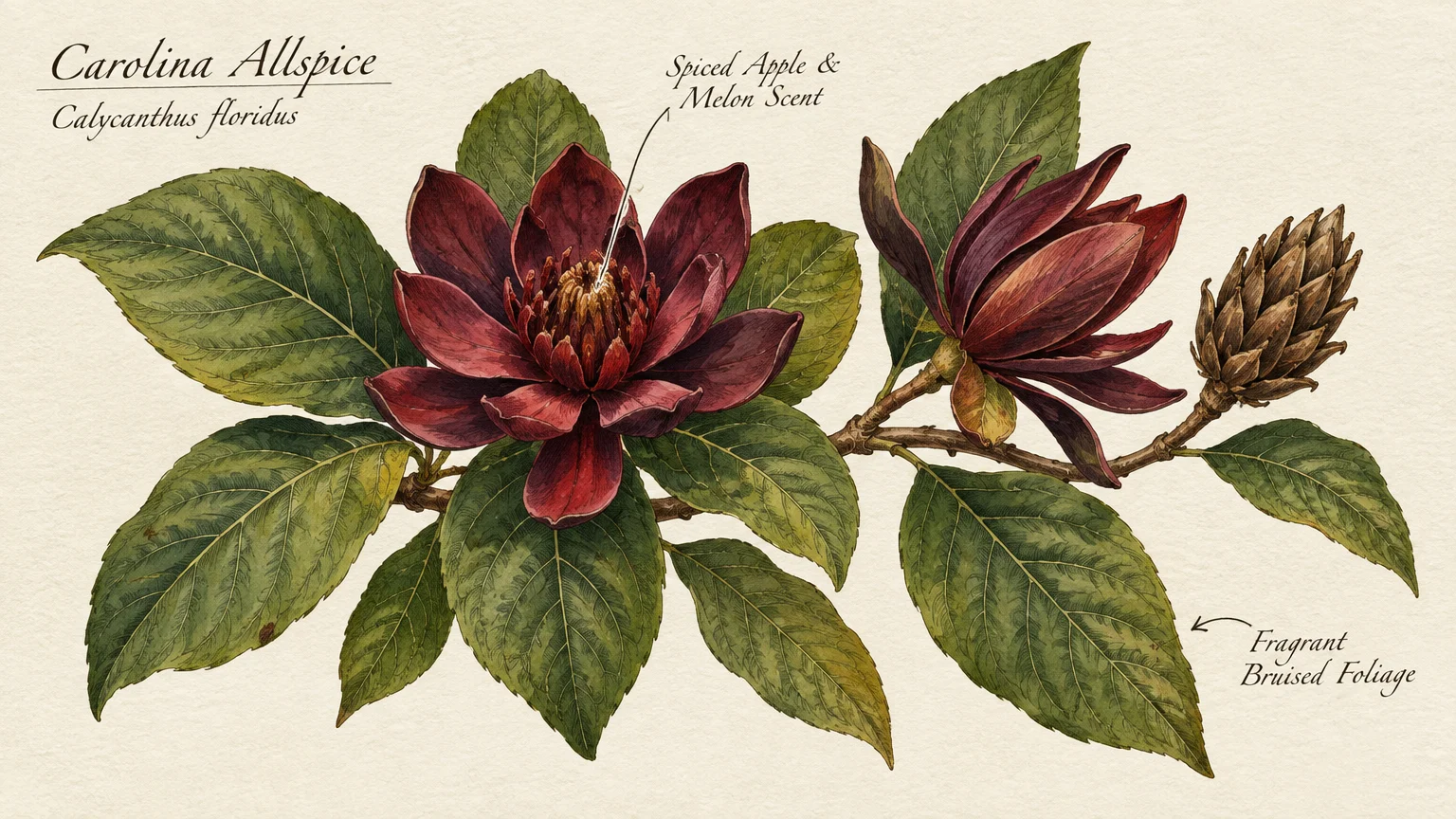
Carolina allspice, also known as sweetshrub, is a native treasure featuring unusual maroon, magnolia-like flowers in late spring. Each petal emits a complex, fruity scent blending strawberry, melon, and spiced apple.
This resilient plant grows six to nine feet tall with a lush, mounding habit. It resists deer, handles clay soil, and suffers from virtually no serious pests or diseases.
Thriving in USDA Zones 4 through 9, Carolina allspice tolerates full sun to deep shade. It stays dense and attractive without regular cutting or trimming.
Since it flowers on both old and new wood, minimal pruning keeps it blooming abundantly. Simply snip away stray root suckers in late winter if you prefer a tighter footprint.
Crushing the glossy green foliage releases an additional spicy perfume. It stands among the finest low-maintenance shrubs for busy gardeners wanting multi-sensory appeal.
Tip #3: Winter Daphne (Daphne odora)
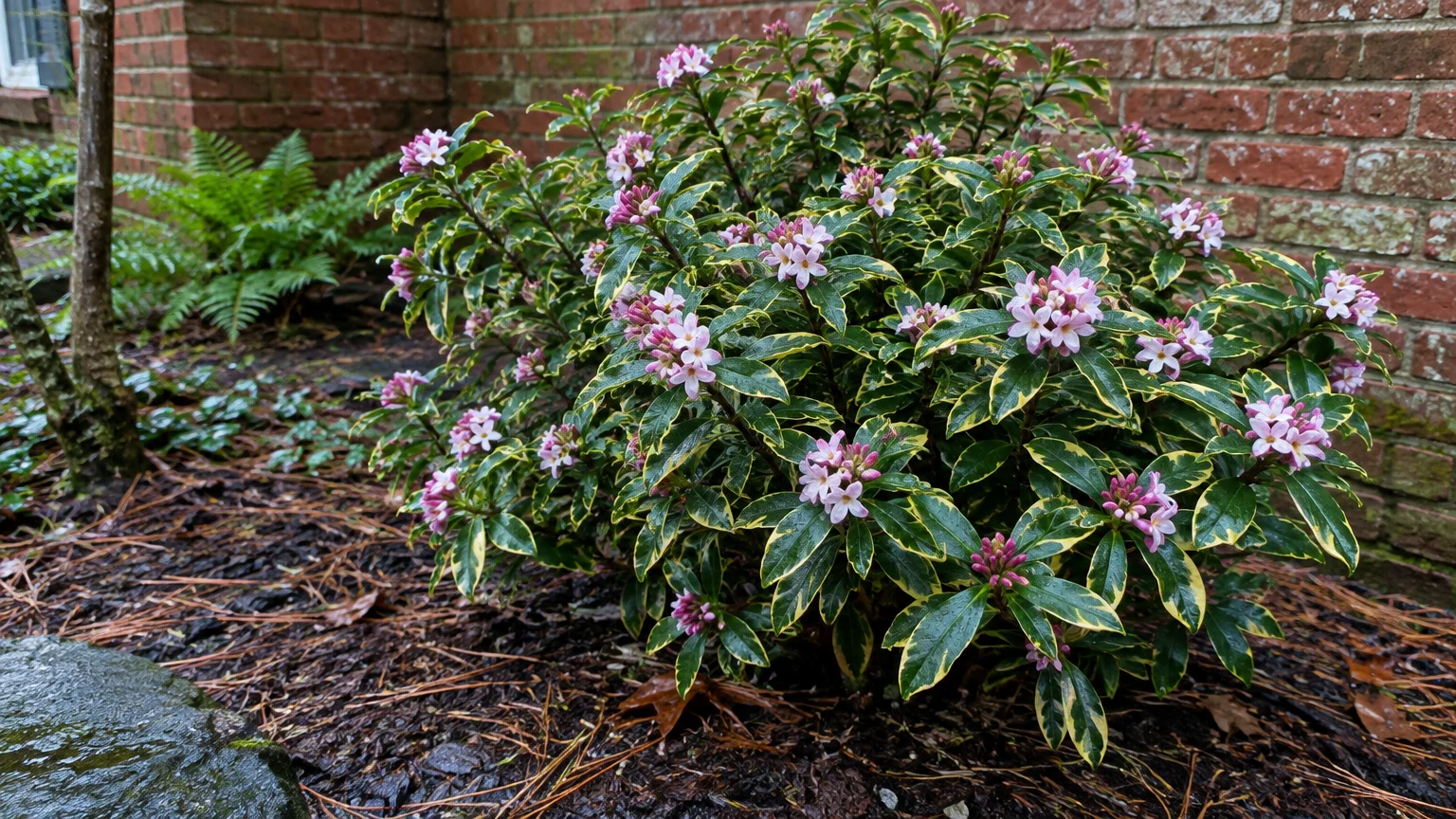
Winter daphne is legendary among gardeners for producing one of the sweetest perfumes in the plant kingdom. Clusters of rosy-purple and white blossoms open in late winter when few other plants dare bloom.
This evergreen beauty forms a neat, rounded mound three to four feet tall and wide. It grows slowly, maintaining its refined architectural presence without any pruning shears.
Suited for USDA Zones 7 through 9, winter daphne demands shelter from harsh winds and scorching afternoon sun. Provide rich, porous soil with sharp drainage to protect its sensitive root system.
This shrub actively resents aggressive pruning, which can cause stem dieback. Pruning should involve nothing more than clipping a short flowering sprig to bring indoors for a fragrant vase arrangement.
Its evergreen leaves often feature creamy yellow margins, providing year-round visual texture. Position it beside a sheltered entryway where you can appreciate its cool-season fragrance every day.
Tip #4: Summersweet (Clethra alnifolia)
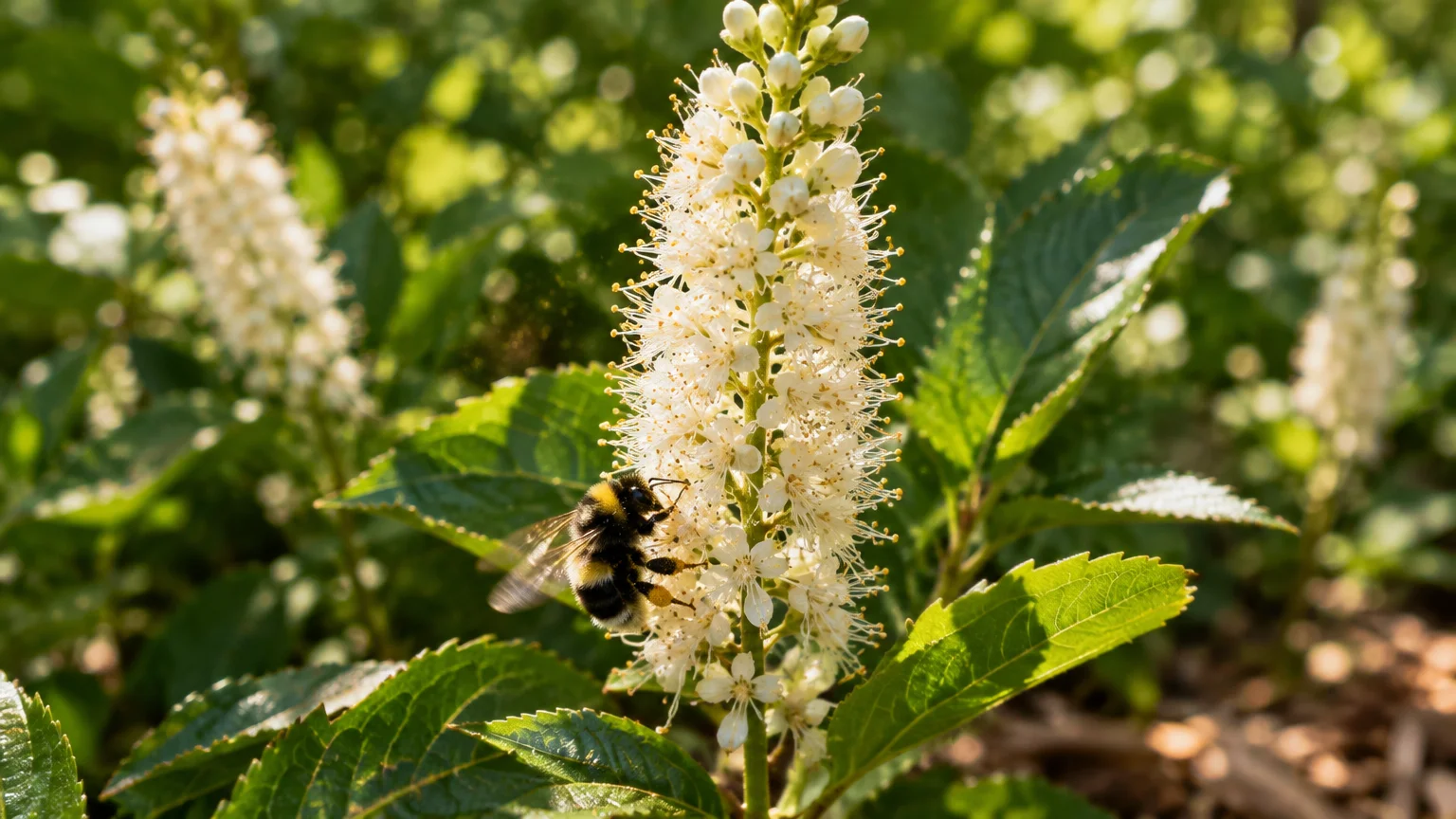
Summersweet fills the sultry midsummer garden with spikes of honey-scented, creamy white or soft pink blossoms. When most spring shrubs have finished blooming, this native powerhouse attracts countless butterflies and bees.
Compact cultivars like ‘Hummingbird’ and ‘Sixteen Candles’ stay between three and four feet tall. Their naturally dense form makes them exceptional low-maintenance shrubs for foundation plantings and borders.
Adaptable in USDA Zones 3 through 9, summersweet flourishes in full sun or moist shade. It even thrives in wet, heavy soils where other ornamental shrubs struggle.
Because summersweet blooms on new spring growth, it needs little pruning intervention. If you wish to tidy the plant, trim wayward stems in late winter before new shoots emerge.
Glossy green leaves turn bright golden-yellow in autumn, providing sensational late-season color. It represents an effortless choice for moist borders and scented flowering shrub collections.
Tip #5: Dwarf Korean Lilac (Syringa meyeri ‘Palibin’)
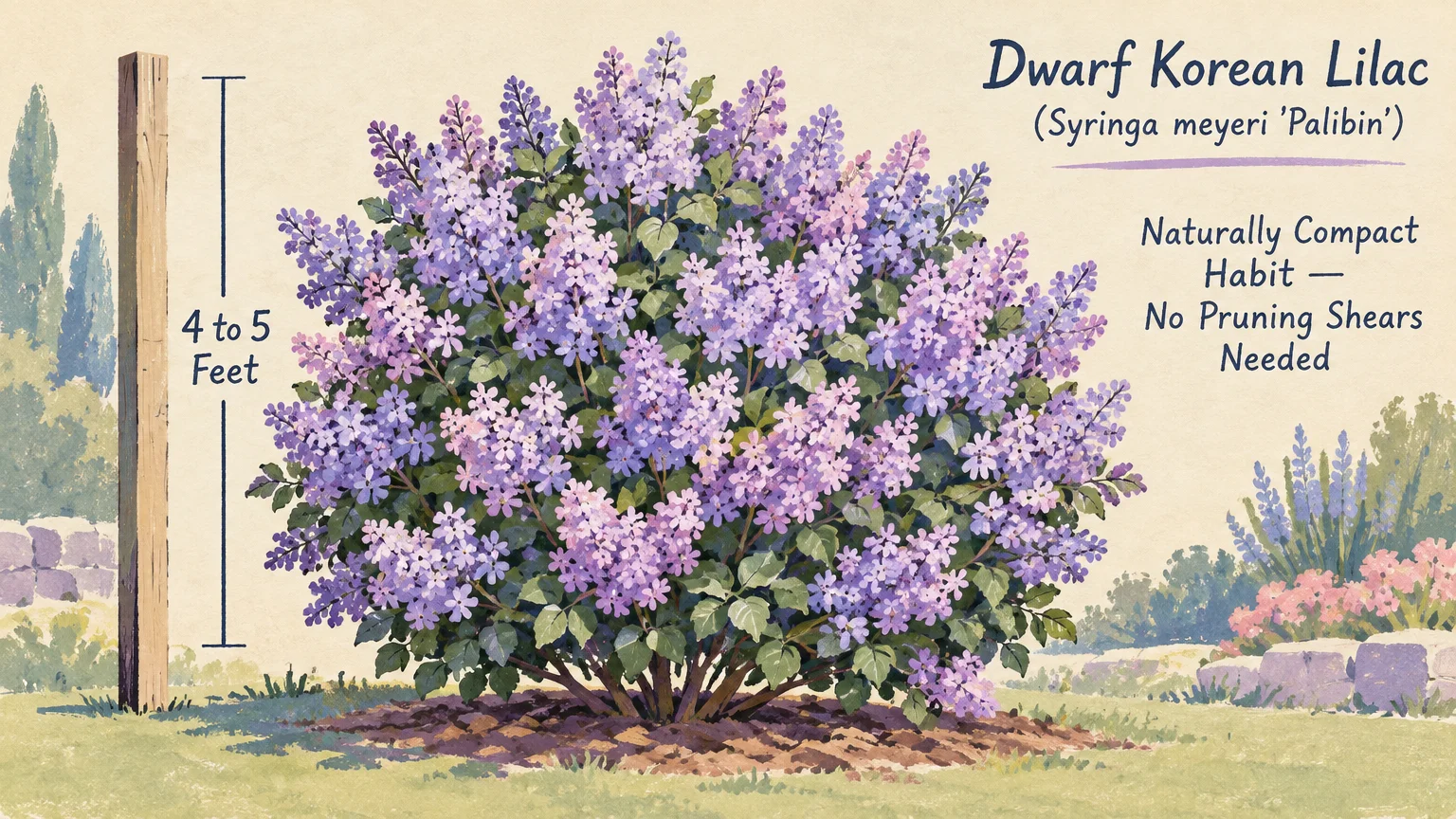
Dwarf Korean lilac delivers the classic, romantic scent of traditional lilacs without their unruly height or powdery mildew issues. In late spring, reddish-purple buds burst into lavender-pink flower panicles that coat the shrub.
Maturing at four to five feet tall and five to seven feet wide, it forms a dense, hemispherical mound. Its compact branching habit eliminates the leggy, bare-bottom appearance common to older lilac varieties.
Grow this cold-hardy champion in USDA Zones 3 through 7 under full sun for maximum blossom density. Well-drained soil with a neutral to slightly alkaline pH supports strong vigor and root health.
You do not need to prune this dwarf cultivar to maintain its tidy globe shape. Light deadheading immediately after blooming preserves energy and keeps the foliage looking pristine throughout summer.
This dwarf lilac proves that you can enjoy classic perfume in small garden spaces without constant upkeep.
Tip #6: Mexican Orange Blossom (Choisya ternata)
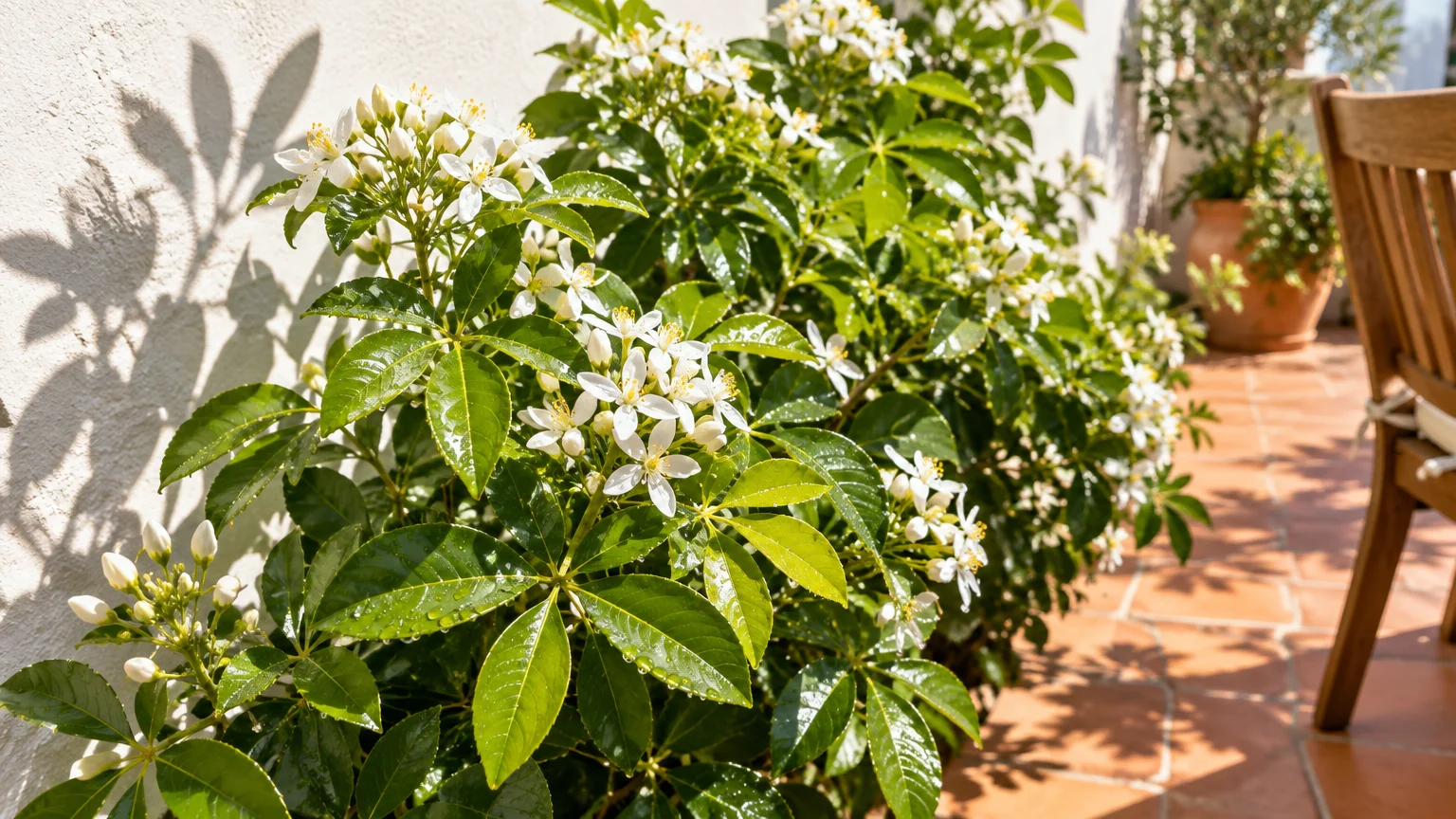
Mexican orange blossom is an aromatic evergreen shrub prized for its glossy foliage and citrus-scented flowers. Star-shaped white blossoms blanket the plant in late spring, often repeating with a second flush in autumn.
Reaching four to six feet in height and spread, it develops an orderly, rounded habit naturally. You will never need to shear it to keep a pleasing, balanced outline.
Thriving in USDA Zones 7 through 10, this Mediterranean-style beauty prefers full sun to partial shade. Ensure your soil drains quickly, as soggy conditions can harm its root system.
Bruising the bright green, trifoliate leaves releases an invigorating, spicy orange aroma. Keep your pruning shears stored away; only clip off frost-damaged stem tips in late spring.
Its drought tolerance once established makes it a stellar candidate for sunny courtyards and low-water fragrance gardens.
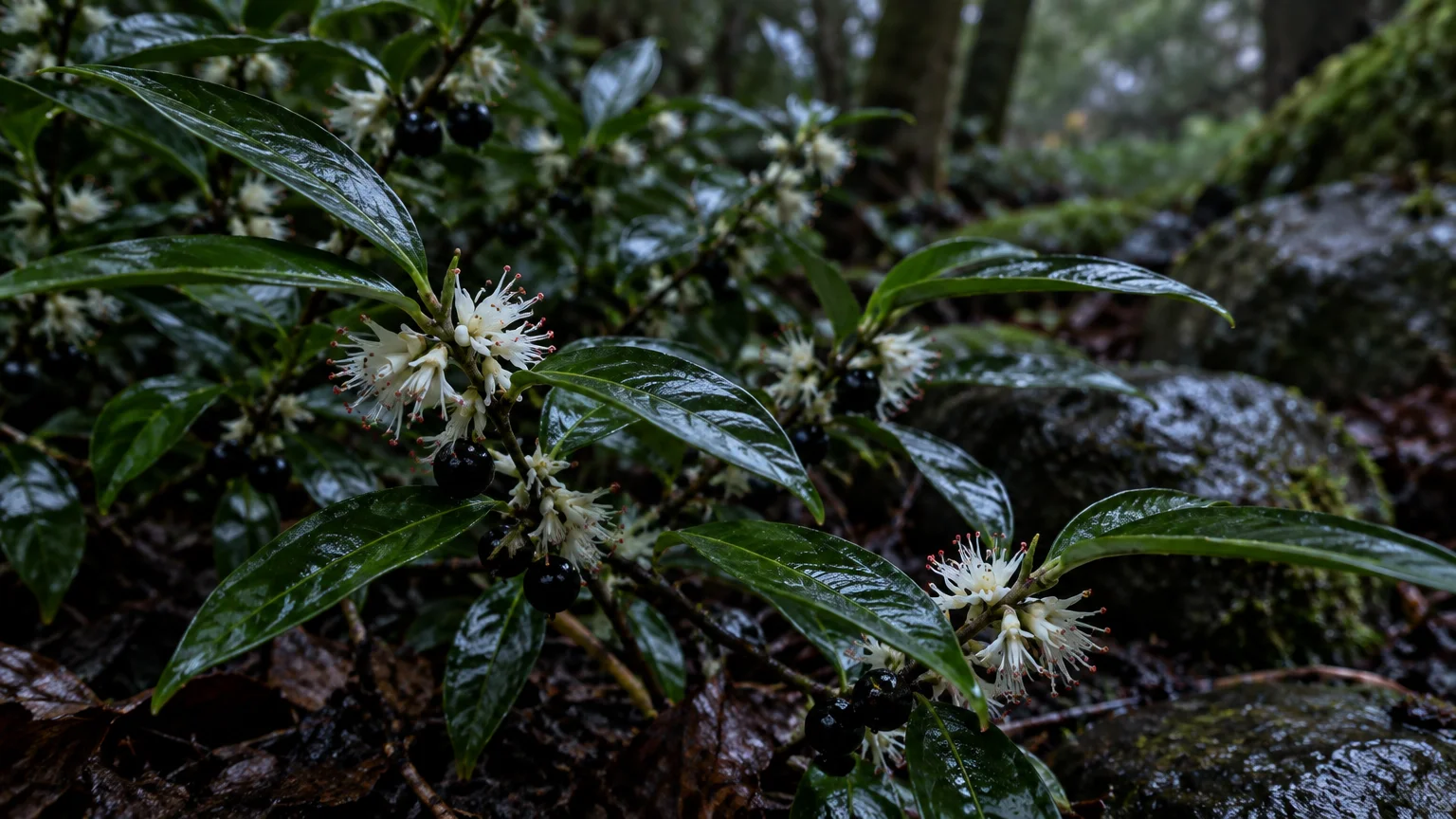
Tip #7: Sweet Box (Sarcococca hookeriana)
Sweet box is a low-growing evergreen that turns shaded garden corners into fragrant sanctuaries during chilly winter months. Tiny, tassel-like white blooms hide beneath leathery leaves, broadcasting an intoxicating, honey-vanilla scent.
Reaching two to four feet tall and spreading slowly via underground runners, it makes a pristine, low groundcover. Its compact growth habit ensures it never demands structural pruning or regular maintenance.
This shade lover flourishes in USDA Zones 6 through 9 in partial to full shade. It tolerates dry shade beneath mature trees once established, where few other fragrant plants survive.
Pruning is rarely necessary. If you desire a slightly tidier look, trim any stray stems lightly after flowering ends in early spring.
Black or red berries follow the flowers, adding extra interest for local songbirds. Plant sweet box beside your winter walkway so you can enjoy its perfume on cold mornings.
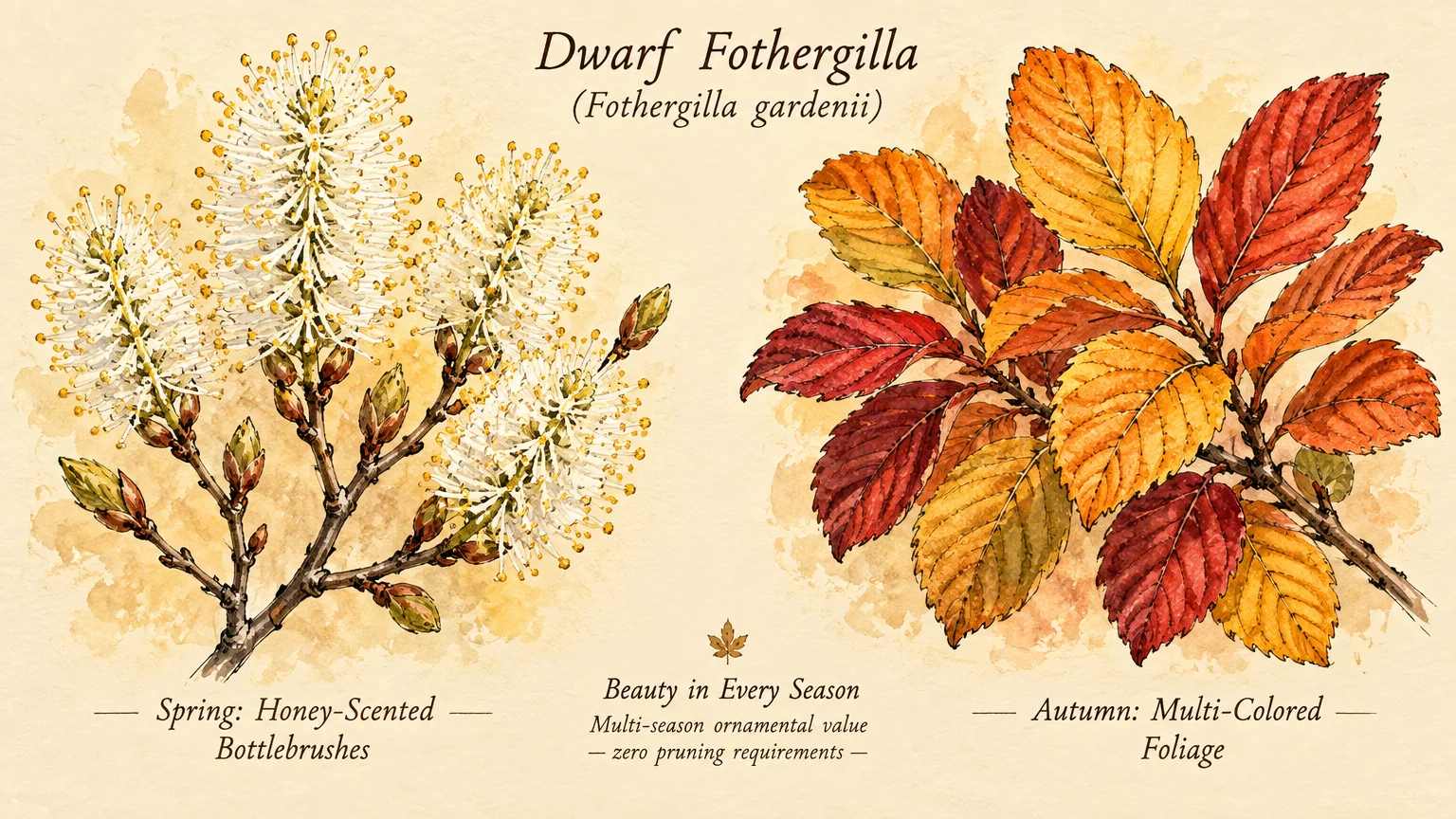
Tip #8: Dwarf Fothergilla (Fothergilla gardenii)
Dwarf fothergilla is a native deciduous shrub that features captivating ivory-white bottlebrush flowers in early spring. The unusual, petal-less blooms release a delightful fragrance reminiscent of sweet honey and licorice.
This compact shrub grows slowly to an approachable height of two to three feet tall. Its mounded form fits effortlessly into foundation borders and small cottage garden beds.
Hardiness spans USDA Zones 5 through 8, thriving in full sun to partial shade. Moist, acidic, organically rich soil provides the foundation for vigorous growth and superior autumn foliage.
Pruning is practically unnecessary with dwarf fothergilla. Its slow growth and naturally rounded habit mean you can leave your pruning shears in the shed year after year.
In autumn, the leathery blue-green leaves turn brilliant shades of fiery orange, crimson, and gold. You gain three seasons of exceptional garden beauty with essentially zero pruning chores.
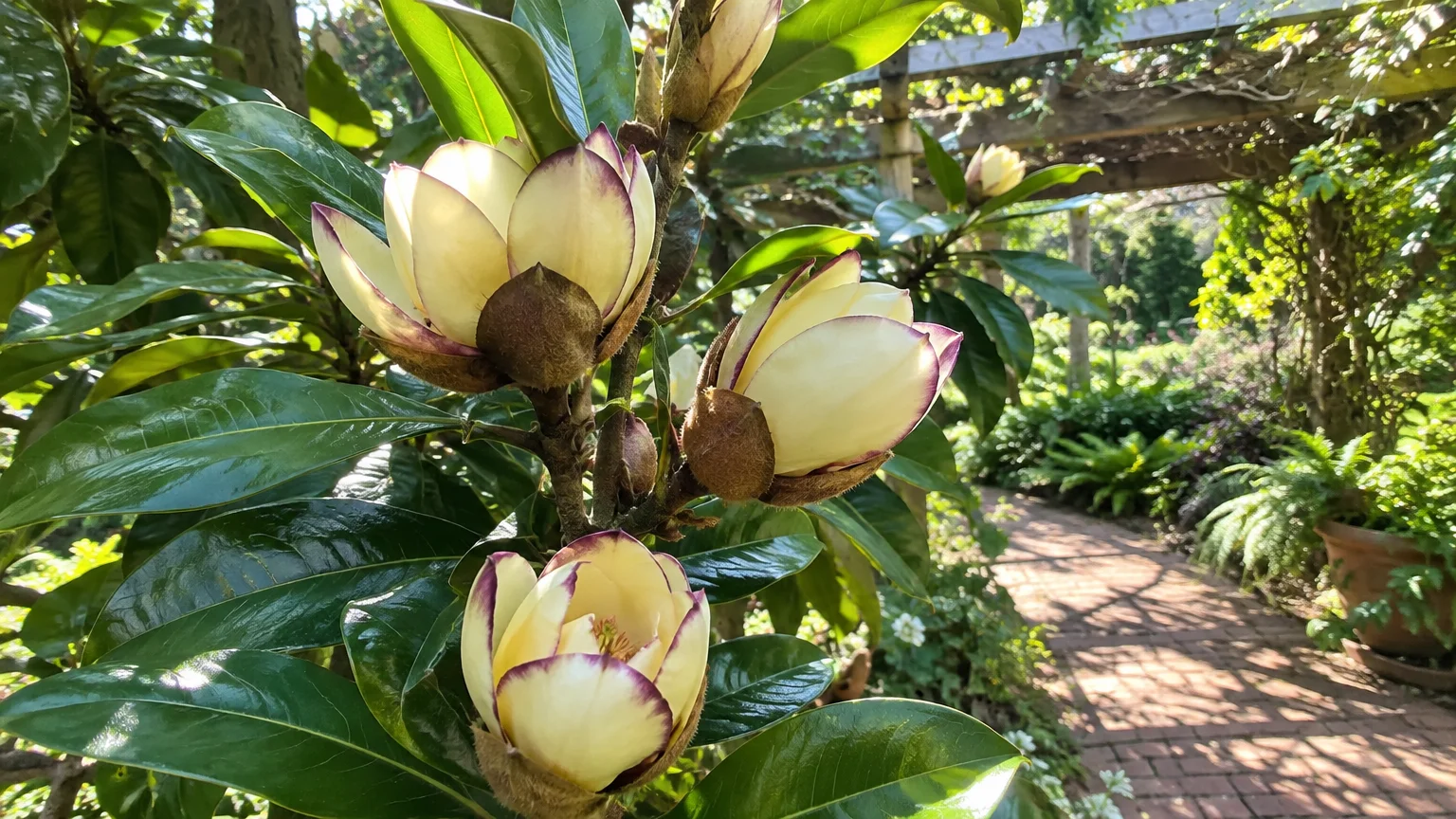
Tip #9: Banana Shrub (Magnolia figo)
Banana shrub belongs to the magnolia family and earns its common name from its unmistakable fragrance. The creamy yellow blossoms, edged with purple, smell exactly like ripe bananas and tropical melon.
This handsome evergreen slowly reaches six to ten feet tall, forming a dense, pyramidal or rounded canopy. Because of its relaxed growth rate, it never demands constant hedging to stay in bounds.
Suited to USDA Zones 7 through 10, banana shrub performs best in fertile, well-draining soil with an acidic tilt. It flourishes in full sun to filtered woodland shade.
Heavy shearing spoils its graceful form and destroys flower buds. Restrict pruning to the occasional removal of crossed or dead branches right after spring blooming concludes.
The glossy green leaves stay lush all winter, making it a wonderful fragrant privacy screen or patio backdrop.
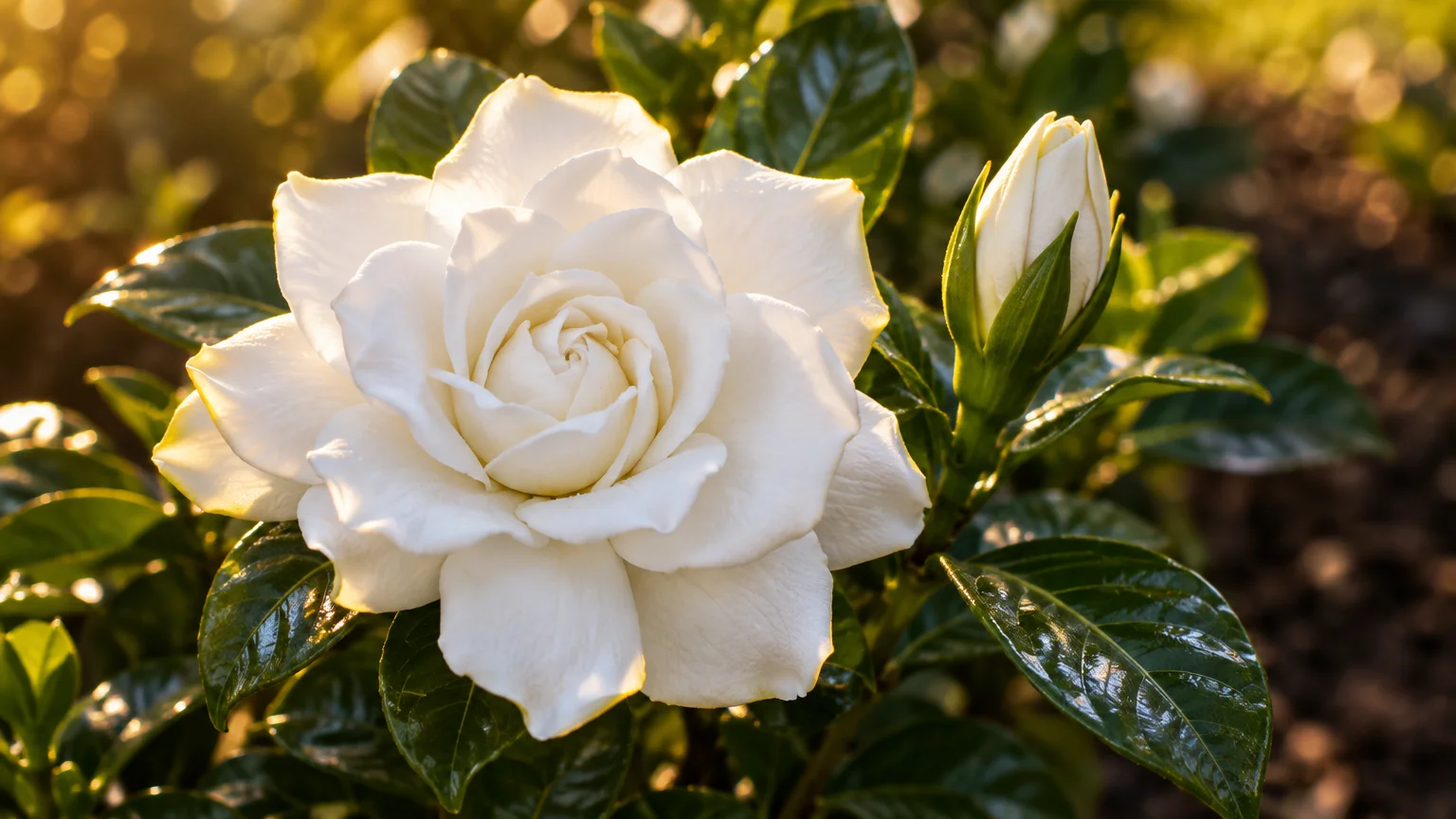
Tip #10: ‘Frostproof’ Gardenia (Gardenia jasminoides ‘Frostproof’)
Gardenias represent the pinnacle of floral perfume, and the ‘Frostproof’ cultivar brings exceptional reliability to the garden. Velvety, double white blossoms open from late spring through summer, perfuming warm breezes with rich sweetness.
Unlike unruly older varieties, ‘Frostproof’ develops an upright, compact habit maturing at four to five feet tall. Its tight branching structure eliminates the sprawling mess often seen in untamed gardenias.
Hardy in USDA Zones 7 through 11, this evergreen shrub tolerates spring frost snaps that damage other gardenias. Plant it in full sun to partial shade with acidic, moist, well-drained soil.
You rarely need to trim this resilient evergreen. If you must shape it, prune immediately after the first heavy spring flowering flush so you do not sacrifice future buds.
The lustrous dark evergreen foliage provides an exquisite backdrop for patio seating and sunny outdoor living areas year-round.
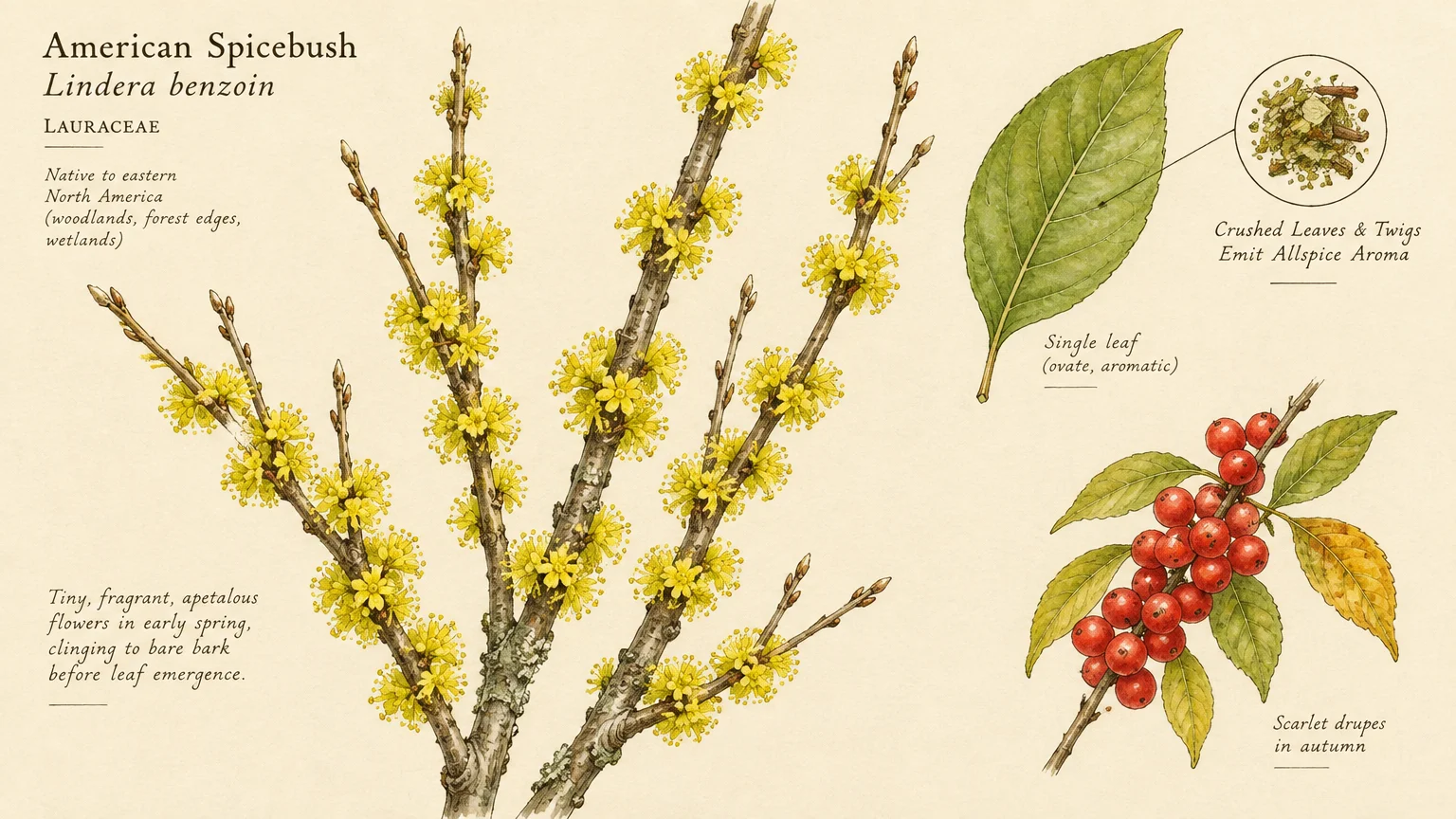
Tip #11: American Spicebush (Lindera benzoin)
American spicebush is a hardy native shrub that welcomes early spring with clusters of fragrant greenish-yellow flowers. The blooms, bark, and leaves emit a warm, refreshing citrus-and-allspice aroma whenever brushed or crushed.
Growing six to twelve feet tall with a loose, graceful vase shape, spicebush blends seamlessly into naturalized landscapes. It maintains an elegant outline without the need for mechanical shaping.
Thriving in USDA Zones 4 through 9, spicebush prospers in rich, moist soil and partial shade. It tolerates periodic flooding and damp ground, making it ideal for rain gardens and stream banks.
This native shrub looks best when allowed to express its natural, open form. Pruning is limited to clearing broken twigs in late winter to preserve its effortless woodland aesthetic.
Female plants produce glossy scarlet berries in autumn that feed migrating songbirds, while leaves turn radiant golden yellow. It offers high ecological value alongside easy-care, aromatic charm.
Putting It All Together: Enjoy Your Beautiful Garden
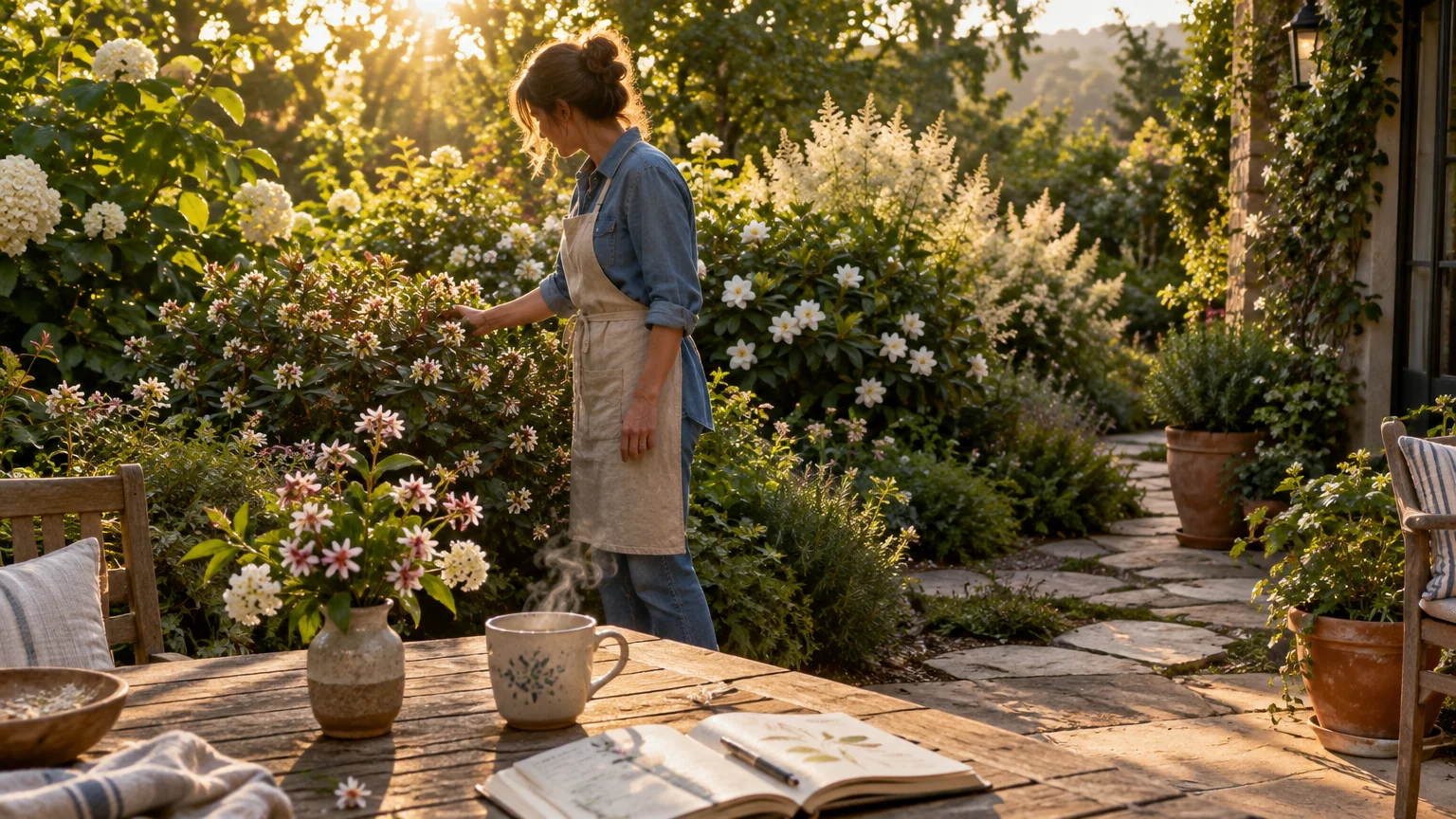
Designing an aromatic landscape does not mean chaining yourself to pruning shears and yard waste bags. Selecting shrubs that naturally maintain their shape allows you to enjoy floral fragrance with minimal effort.
Place these fragrant garden plants near outdoor living zones, bedroom windows, and high-traffic pathways. Capturing natural breezes allows their perfume to drift effortlessly through your open doorways and patio spaces.
Group shrubs with matching soil, moisture, and sunlight requirements to simplify your seasonal care routine. A layer of organic mulch around the root zones conserves moisture and suppresses weeds naturally.
Remember that healthy shrubs resist pests and diseases better than stressed plants. Provide adequate irrigation during the first growing season while roots establish in the native soil.
With the right fragrant shrubs in your soil, you can sit back and savor a sensory sanctuary. Your garden will reward you with seasons of effortless elegance and captivating scent.
Frequently Asked Questions
When is the best time of year to plant fragrant shrubs?
Early autumn is the optimal planting window for most woody shrubs in temperate zones. Cooling air temperatures combined with warm soil allow roots to develop before winter dormancy arrives.
Early spring serves as a solid secondary option once the soil thaws and becomes workable. Planting in spring gives shrubs an entire growing season to settle before cold weather returns.
Why do some fragrant shrubs fail to bloom?
Inadequate sunlight is the most common reason scented flowering shrubs produce foliage instead of blossoms. Most flowering varieties need at least four to six hours of daily sun to trigger bud formation.
Improper pruning timing also removes developing flower buds. Pruning spring bloomers in autumn or winter cuts off the embryonic flowers before they can open.
How do I keep low-maintenance shrubs healthy without frequent pruning?
Give each shrub enough physical space to reach its mature spread without crowding fences or walls. Proper initial spacing eliminates the need for trimming to control plant size.
Apply a two-inch layer of organic compost or bark mulch around the root zone annually. Mulch conserves moisture, nourishes the soil biology, and prevents competing weed growth effortlessly.
Where should I position scented shrubs for maximum fragrance impact?
Plant scented varieties along paths, entryways, or adjacent to outdoor dining spaces where you linger often. Enclosed courtyard settings or areas near sheltering walls help trap delicate volatile oils from dispersing too quickly.
Consider prevailing summer wind directions on your property. Positioning fragrant shrubs upwind of outdoor seating allows breezes to carry their perfume straight to your nose.
For region-specific advice, consult your local University Extension program (find yours via the USDA directory). For plant databases and inspiration, visit the Missouri Botanical Garden or the Royal Horticultural Society.
Disclaimer: This article provides general gardening advice. Always consider your specific climate, soil conditions, and local pests. Follow safety guidelines when using gardening tools and products.