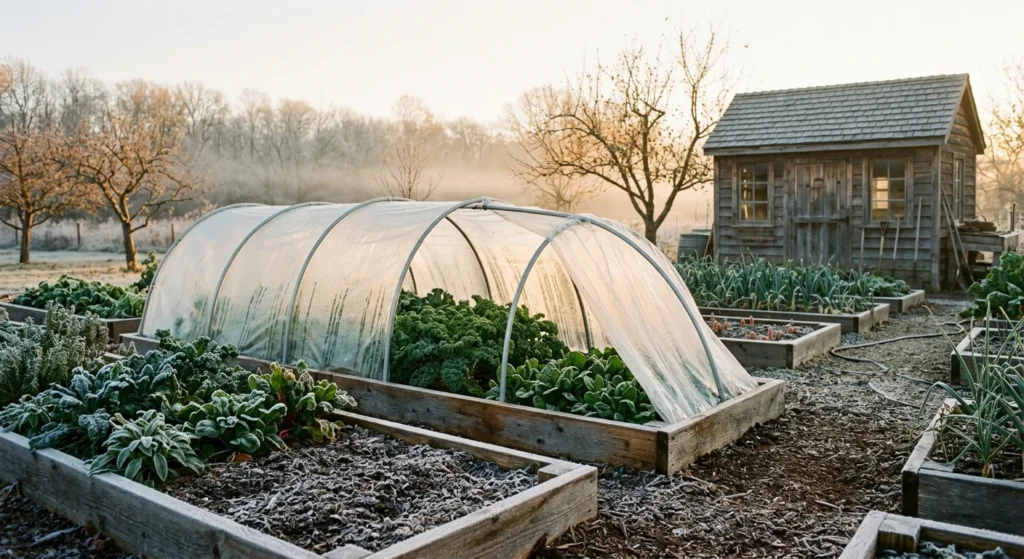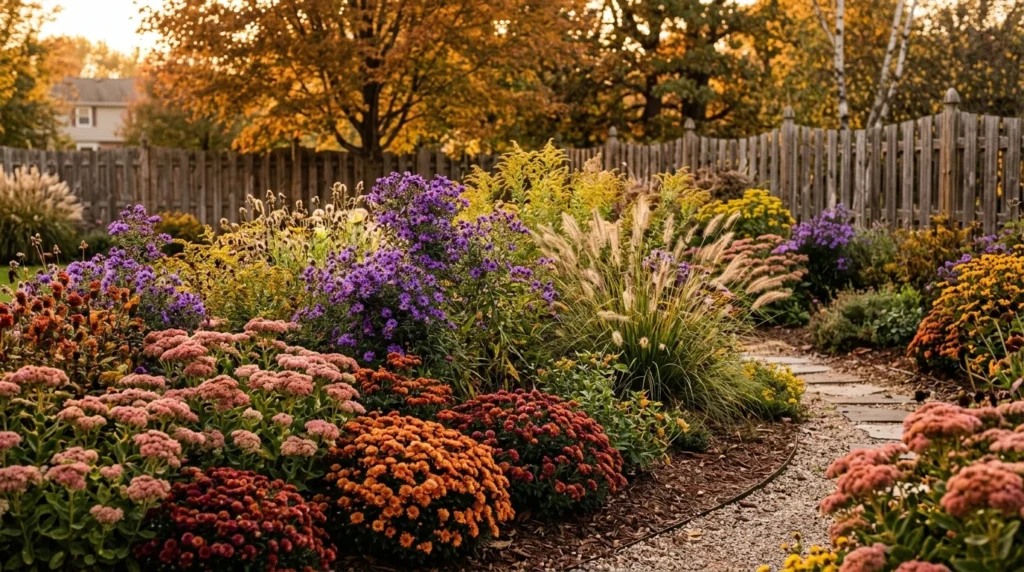
You can protect your vegetable patches and ornamental beds from destructive bugs without spraying harsh synthetic pesticides. Beautiful pest repelling plants naturally shield your harvest while infusing your yard with vibrant colors and rich aromas.
Strategic companion planting for pest control uses botanical defenses to disrupt insect feeding cycles. These natural pest control garden flowers either emit pungent essential oils that mask host crops or produce bio-compounds that drive insects away.
Cultivating garden flowers that deter bugs reduces pest patrol time while nourishing local pollinator populations. Here are twelve proven flowers that repel pests to keep your landscape resilient and thriving all season.
Tip #1: French Marigolds
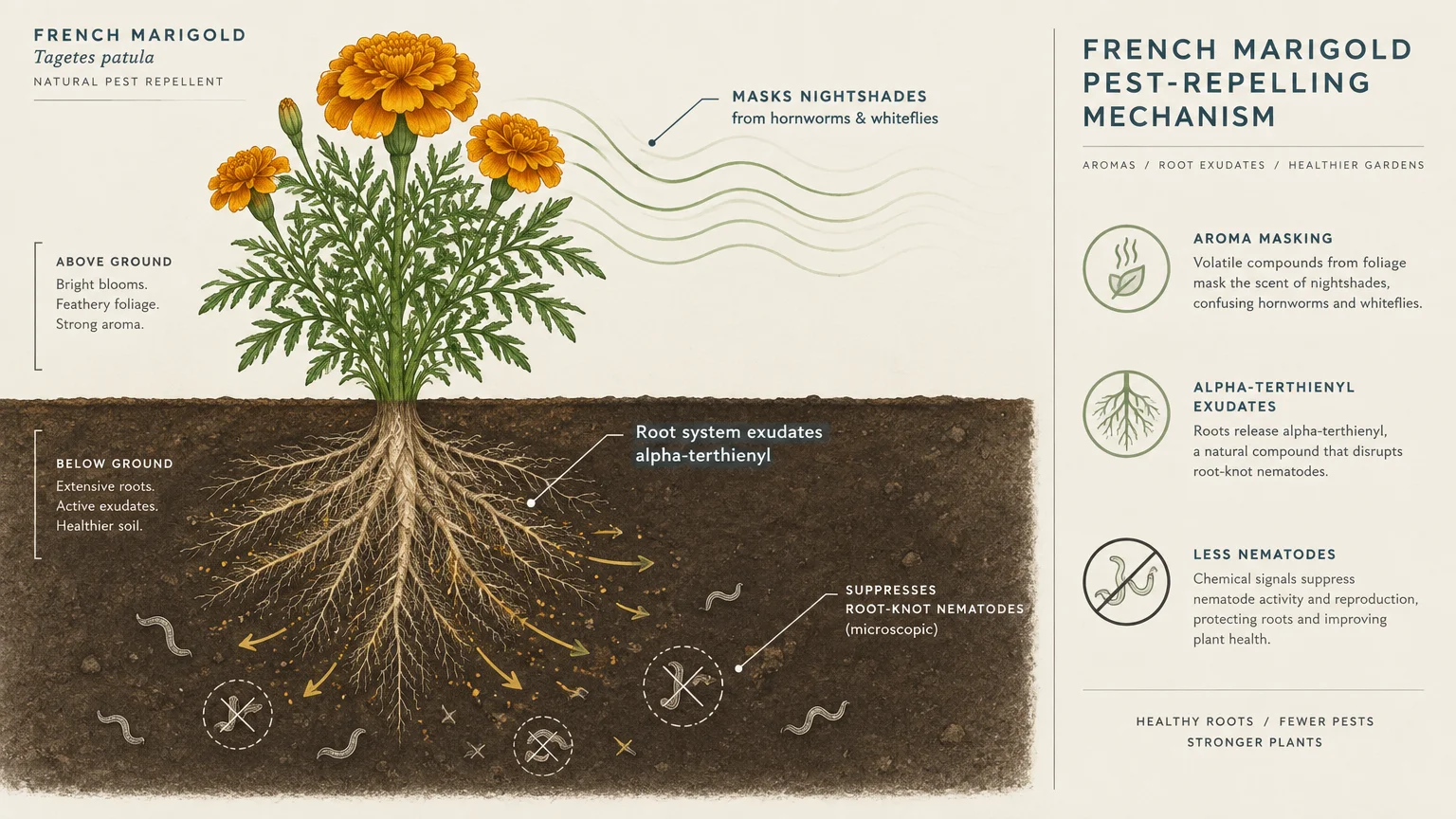
French marigolds are celebrated garden allies featuring bright orange, gold, and crimson blossoms. Their distinctive musky scent forms an invisible protective barrier around vulnerable edible crops.
Marigold root systems produce alpha-terthienyl, a potent biochemical compound that inhibits microscopic soil pests. Research shows this exudate suppresses harmful root-knot nematodes for up to one full year.
Above the soil, their spicy foliage repels squash bugs, whiteflies, tomato hornworms, and cabbage loopers. Many commercial organic growers plant them around the perimeter of nightshade patches.
Plant your marigolds directly alongside tomatoes, eggplants, and sweet bell peppers. They thrive in full sunlight and tolerate poor, sandy soil with minimal supplemental fertilization.
Pinch spent flower heads weekly to stimulate continuous blooming from late spring until autumn frost. Dense marigold plantings establish a durable deterrent line against hungry garden intruders.
You can also till the whole plants into the earth at the end of the growing season. This green manure treatment releases lingering pest-fighting compounds straight into your soil bed.
Tip #2: Nasturtiums
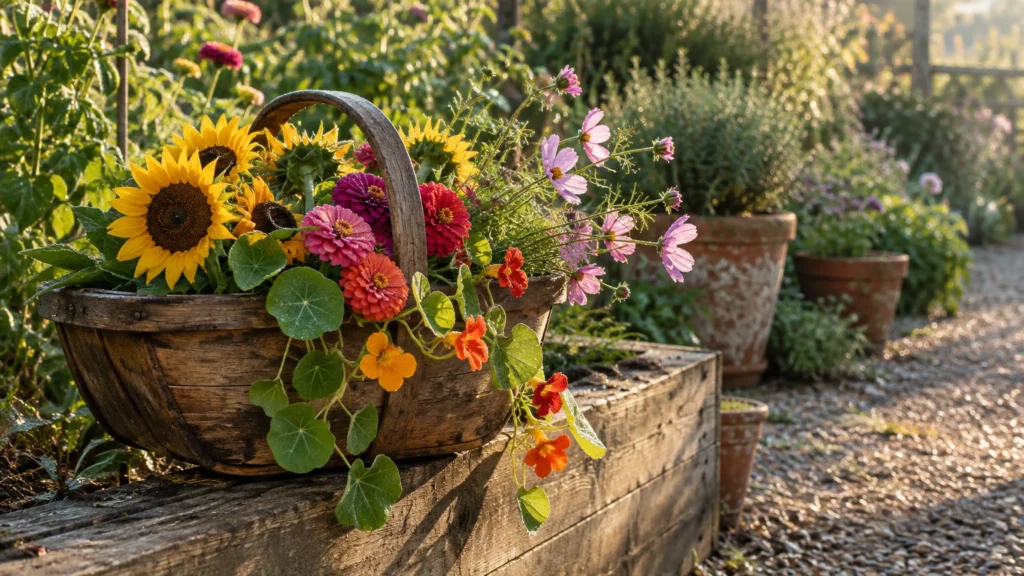
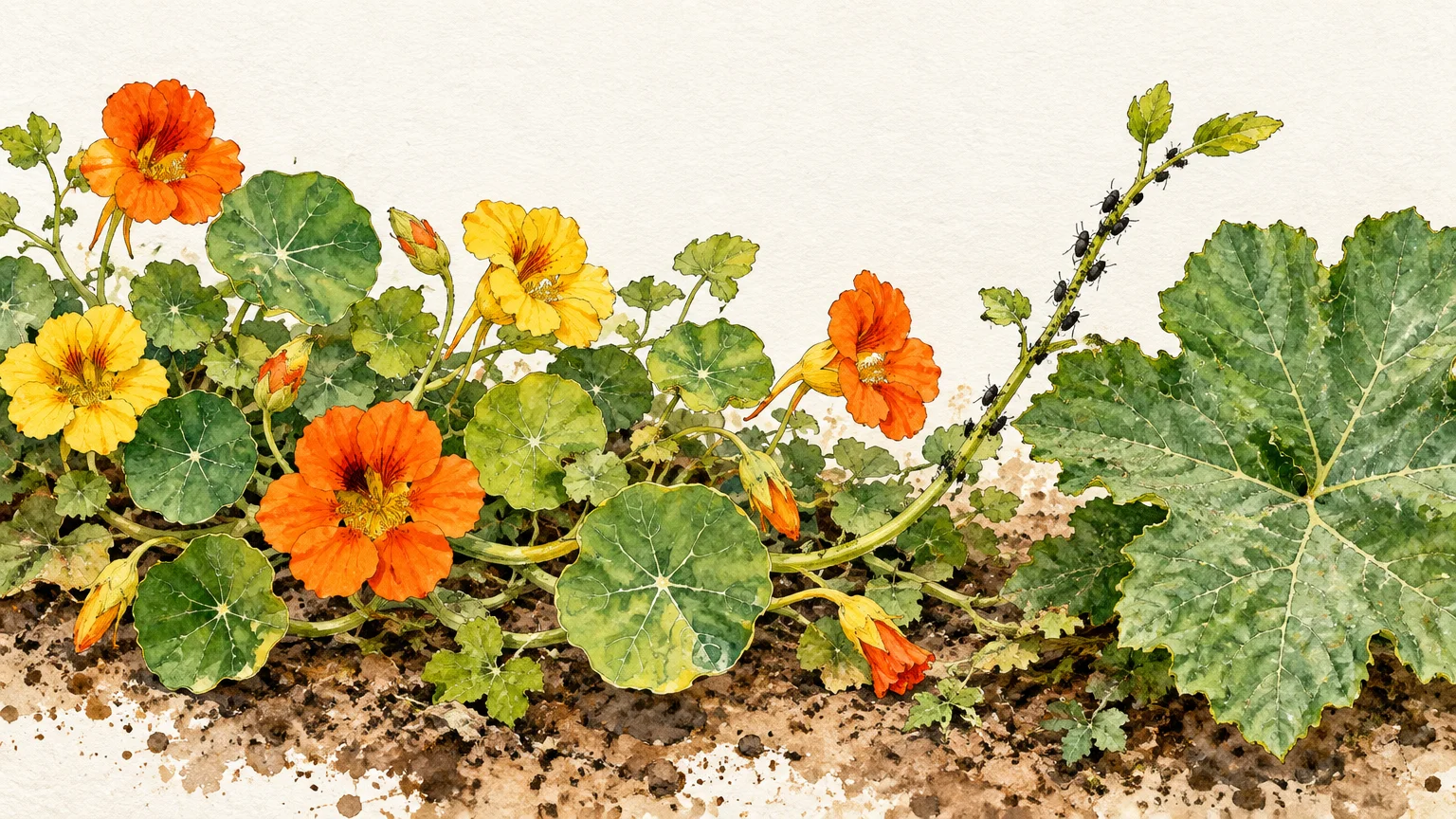
Nasturtiums produce cascading emerald foliage and fiery, funnel-shaped blossoms in brilliant sunset tones. These versatile annuals deliver unmatched pest-defense utility in any organic backyard garden.
The leaves and blossoms release airborne mustard oil glycosides as they grow under the warm sun. This chemical signal naturally confuses and deters squash bugs, striped cucumber beetles, and whiteflies.
Nasturtiums also function as exceptional sacrificial trap crops for hungry garden invaders. Cabbage white butterflies and black aphids prefer nasturtiums over vulnerable cabbages, broccoli, and kale.
Sow nasturtium seeds directly into lean, well-draining soil after the final spring frost. High-nitrogen soils cause excessive leaf development while reducing the flower production needed for pest deterrence.
Grow trailing nasturtium varieties under sprawling squash vines to shade the ground; their peppery foliage actively deters destructive squash vine borers.
As an added bonus, both the leaves and blossoms are completely edible, adding a peppery kick to summer salads.
Tip #3: Chrysanthemums
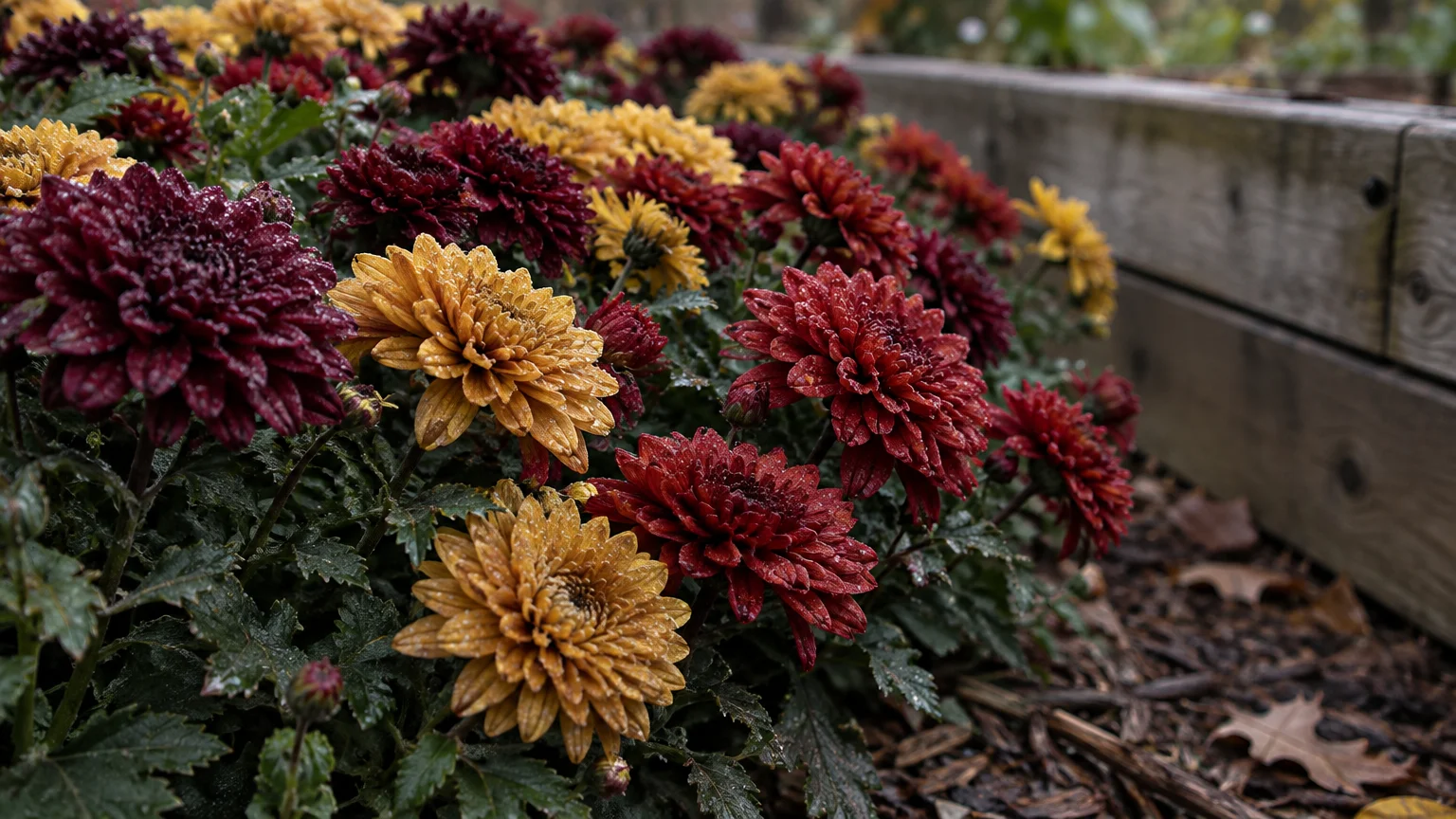
Chrysanthemums display vivid jewel-toned petals that invigorate garden beds well into late autumn. These classic autumn blossoms harbor one of nature’s most formidable natural insect deterrents.
Chrysanthemum flower heads contain concentrated natural pyrethrins, which attack the central nervous systems of insects. Contact with these biological compounds disables chewing and sucking pests before they damage foliage.
These potent flowers deter Japanese beetles, spider mites, roaches, ticks, and harlequin bugs. Position them as perennial borders near outdoor living areas or around vegetable raised beds.
Chrysanthemums perform best in moist, humus-rich soil under full sun to light shade. Provide regular moisture at the base of the plant to keep the root systems hydrated.
Prune stems back in early summer to promote dense branching and a heavier bloom set. Bushier plants produce more pyrethrin-rich blooms to defend your property against autumn pest surges.
Planting them around dog runs or patio borders also helps suppress annoying tick and flea activity naturally.
Tip #4: Lavender
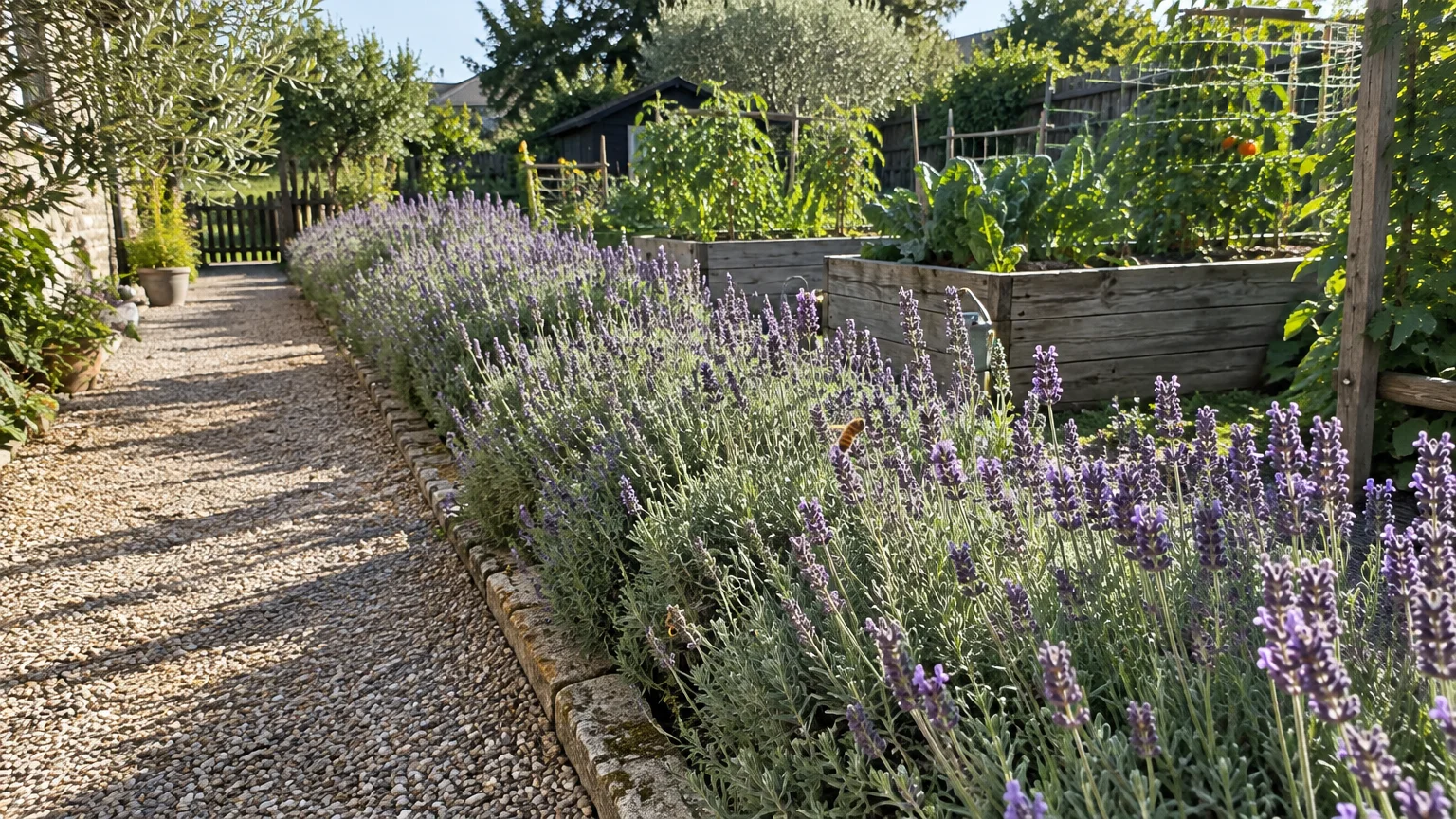
Lavender enchants growers with its silvery-green foliage, violet flower spires, and legendary soothing perfume. While humans find this scent tranquil, many annoying backyard bugs despise it.
Lavender flowers and leaves hold high concentrations of aromatic essential oils rich in linalool and camphor. These natural volatile compounds actively drive away mosquitoes, fleas, ticks, and clothes moths.
Planting lavender along border edges deters green peach aphids and whiteflies from entering vegetable beds. Concurrently, the fragrant spikes attract beneficial bumblebees and pollinating butterflies in large numbers.
Plant English or French lavender in lean, alkaline soil with sharp gravel drainage. Lavender roots will rot in soggy clay, so let the soil dry out completely between waterings.
Plant lavender shrubs along sunny garden pathways, perimeter walkways, or patio borders. Every time you brush past the foliage, you release fresh insect-repelling oils into the summer air.
Prune your bushes lightly after flowering to encourage dense new growth and prevent woody, leggy stems.
Tip #5: Borage
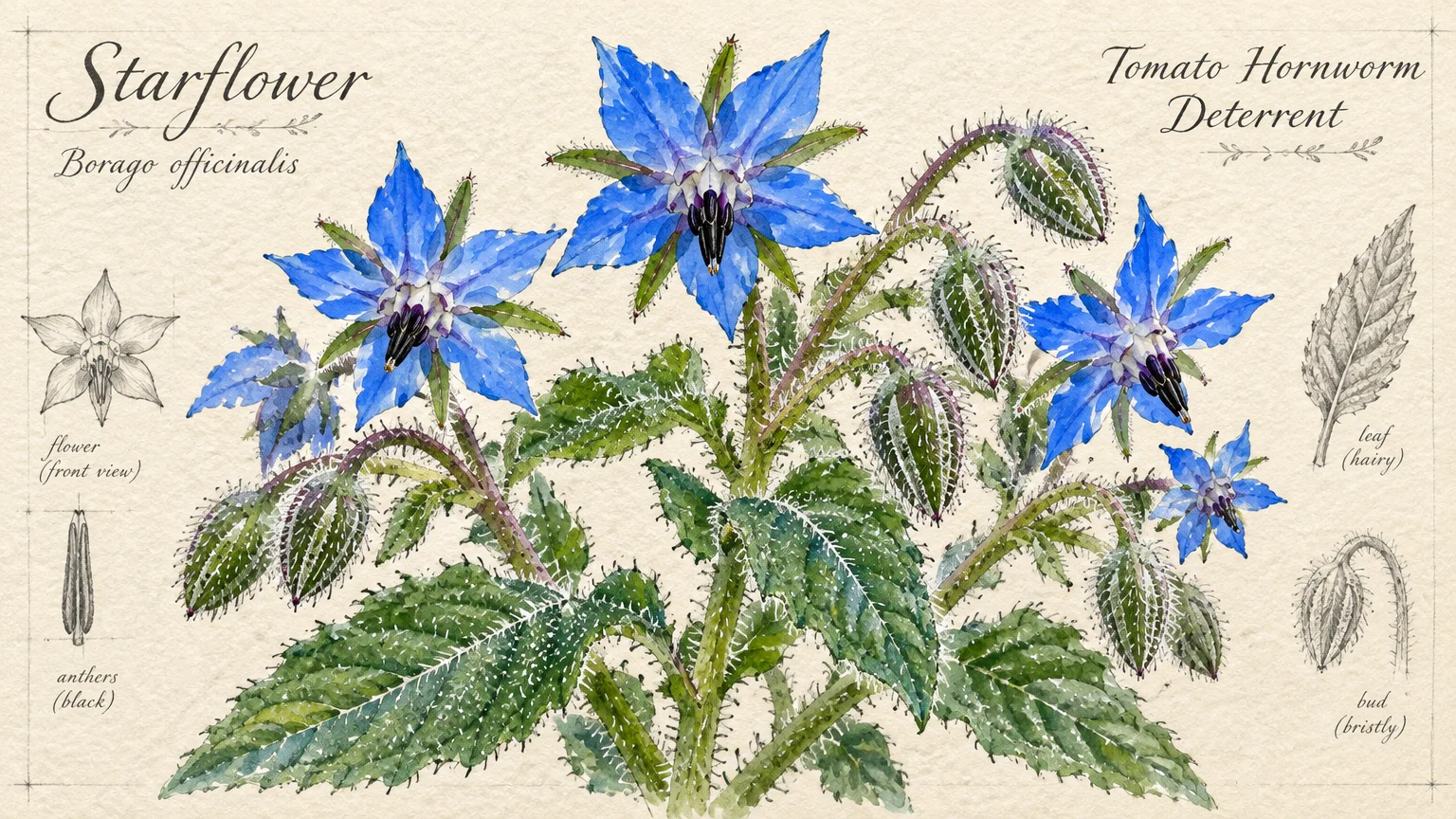
Borage is a robust annual herb featuring rough, textured foliage and breathtaking sky-blue, star-shaped flowers. It remains a legendary companion plant renowned for improving neighboring crop vigor and flavor.
The fuzzy foliage and distinctive scent of borage actively deter tomato hornworms and cabbage moth caterpillars. Planting borage alongside nightshades creates an organic barrier that interrupts egg-laying cycles.
Borage flowers also exude high amounts of nectar, attracting parasitic wasps, hoverflies, and honeybees. These tiny predator wasps hunt and consume armyworms, aphids, and beetle larvae.
Direct-sow borage seeds directly into your garden after soil temperatures warm in the spring. Borage thrives in average, well-draining soil and tolerates dry spells once its roots establish.
Allow borage to drop seed at the end of the season for self-sown pest management next year. The fallen foliage also breaks down into potassium-rich organic matter that nourishes your soil.
You can also harvest the young blossoms to float in cold summer beverages or decorate fresh salads.
Tip #6: Petunias
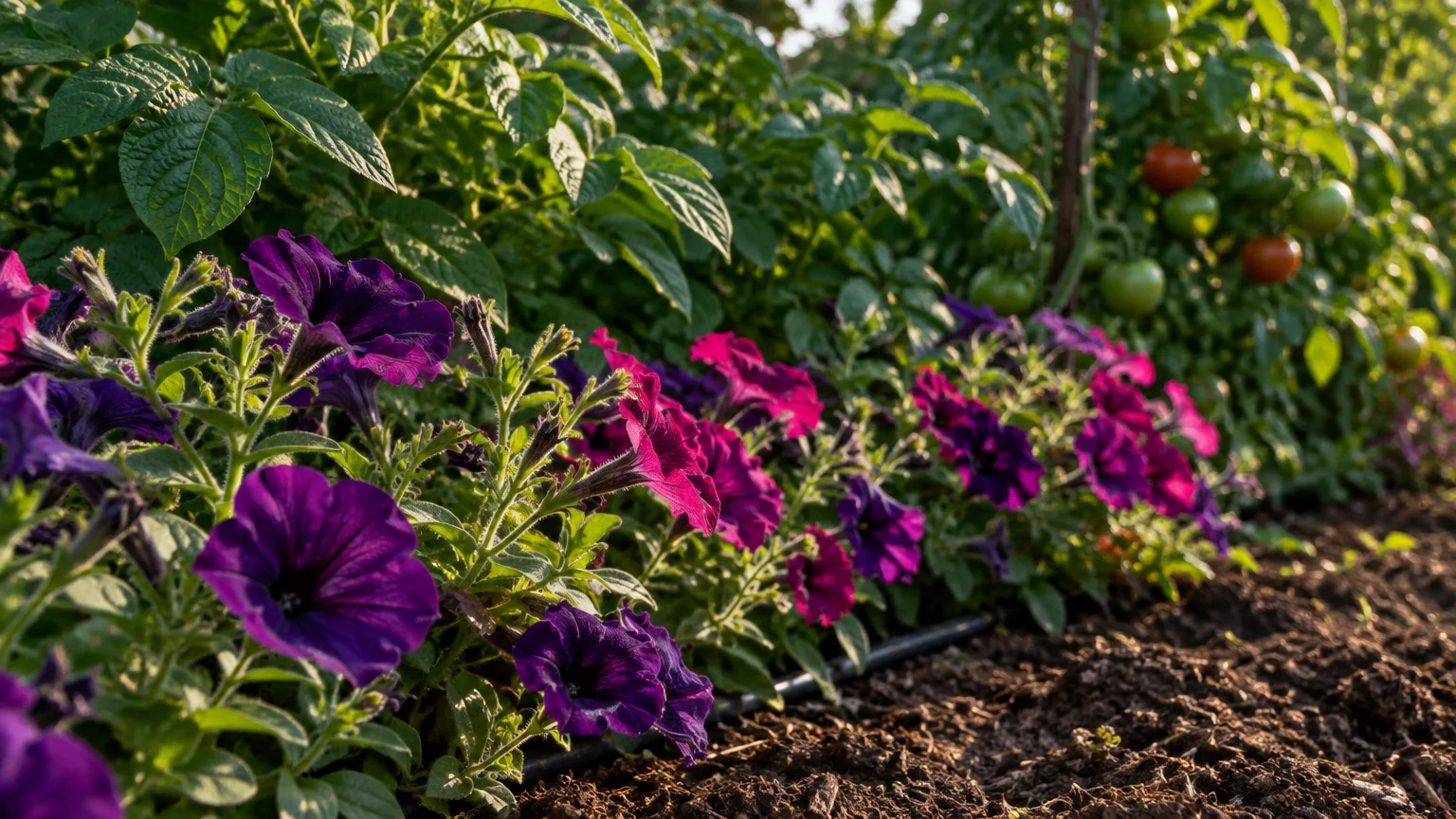
Petunias carpet garden borders and patio containers with cheerful, trumpet-shaped blooms across dozens of vibrant colors. Behind their delicate, velvety appearance lies an exceptionally hard-working pest management mechanism—one that traps invaders on contact.
Petunia stems and leaves are coated in tiny glandular trichomes that secrete a sticky insect-trapping substance. When small pests like aphids and thrips land on the plant, they become immobilized.
Petunias also produce a mild fragrance that repels asparagus beetles, leafhoppers, and tomato hornworms. Interplant them alongside tomatoes, beans, potatoes, and asparagus crowns to safeguard tender new shoots.
Grow petunias in fertile, moist, well-drained soil under at least six hours of direct daily sunlight. In shaded spots, petunias become leggy and produce fewer protective flowers.
Apply a balanced organic fertilizer every four weeks to support continuous floral production. Regular deadheading keeps the plants neat while ensuring high levels of sticky defensive trichomes.
Use trailing petunia varieties in hanging baskets near patio doorways to intercept flies and mosquitoes before they enter.
Tip #7: Sweet Alyssum
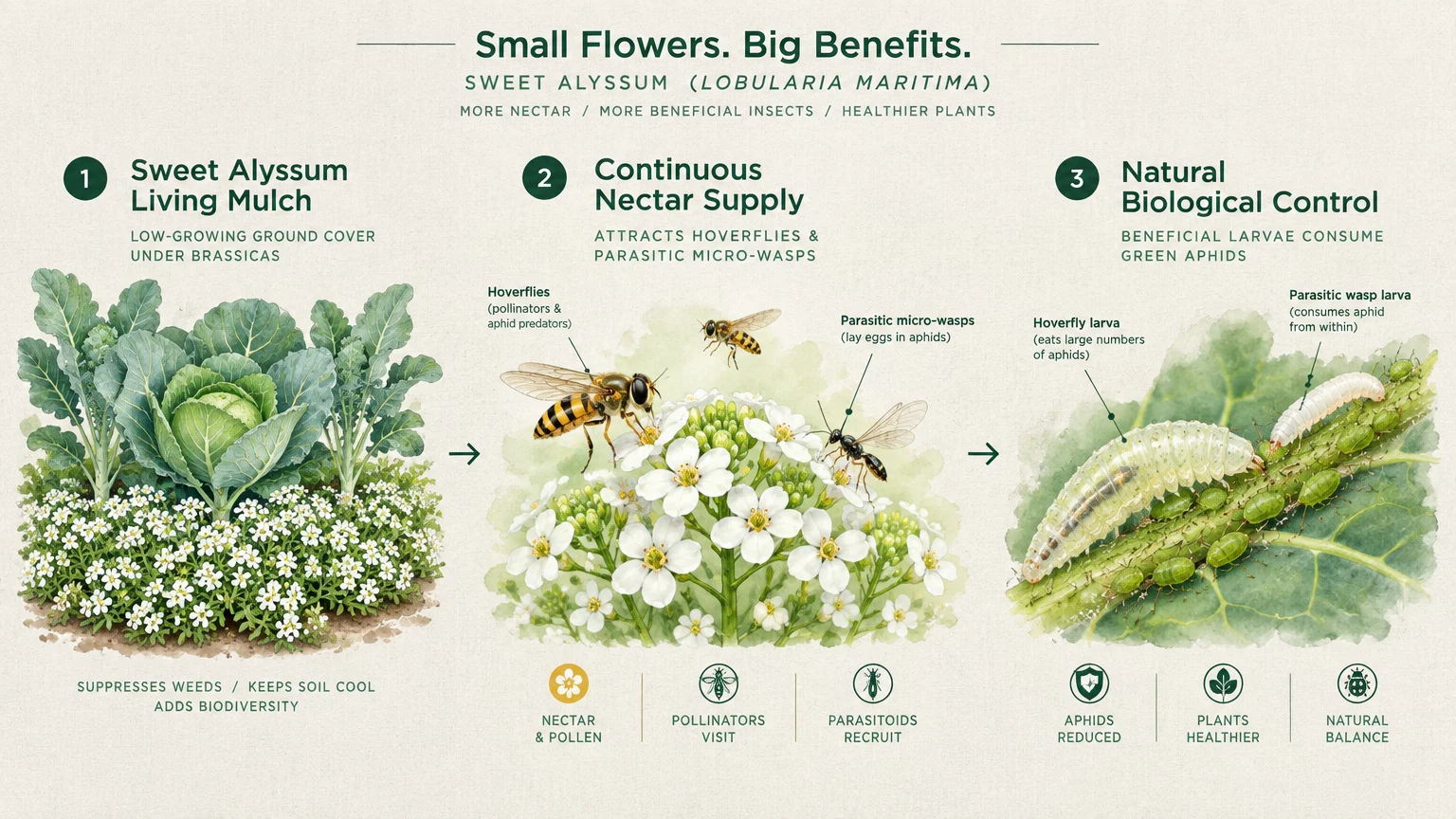
Sweet alyssum carpets garden soil with dense clusters of tiny, honey-perfumed blossoms in white and purple. It stands out as an elite living mulch and companion plant for biological insect management.
Alyssum flowers produce shallow, accessible nectar cups that nourish adult hoverflies, ladybugs, and predatory wasps. The voracious larvae of these beneficial insects consume hundreds of aphids and thrips daily.
The dense matting growth habit prevents flea beetles and cucumber beetles from establishing home colonies. It also shades garden soil, locking in moisture and preventing weed seeds from germinating.
Plant sweet alyssum beneath brassicas, lettuces, and tomatoes as a protective living ground cover. It handles full sun to light shade and tolerates moderate, moist soil conditions.
Shear your alyssum plants back by one-third after their first spring flush of blooms. This simple maintenance step triggers fresh floral flushes that shelter predator bugs through late autumn.
Because alyssum stays low to the ground, it never competes with taller vegetable crops for valuable sunlight.
Tip #8: Scented Geraniums
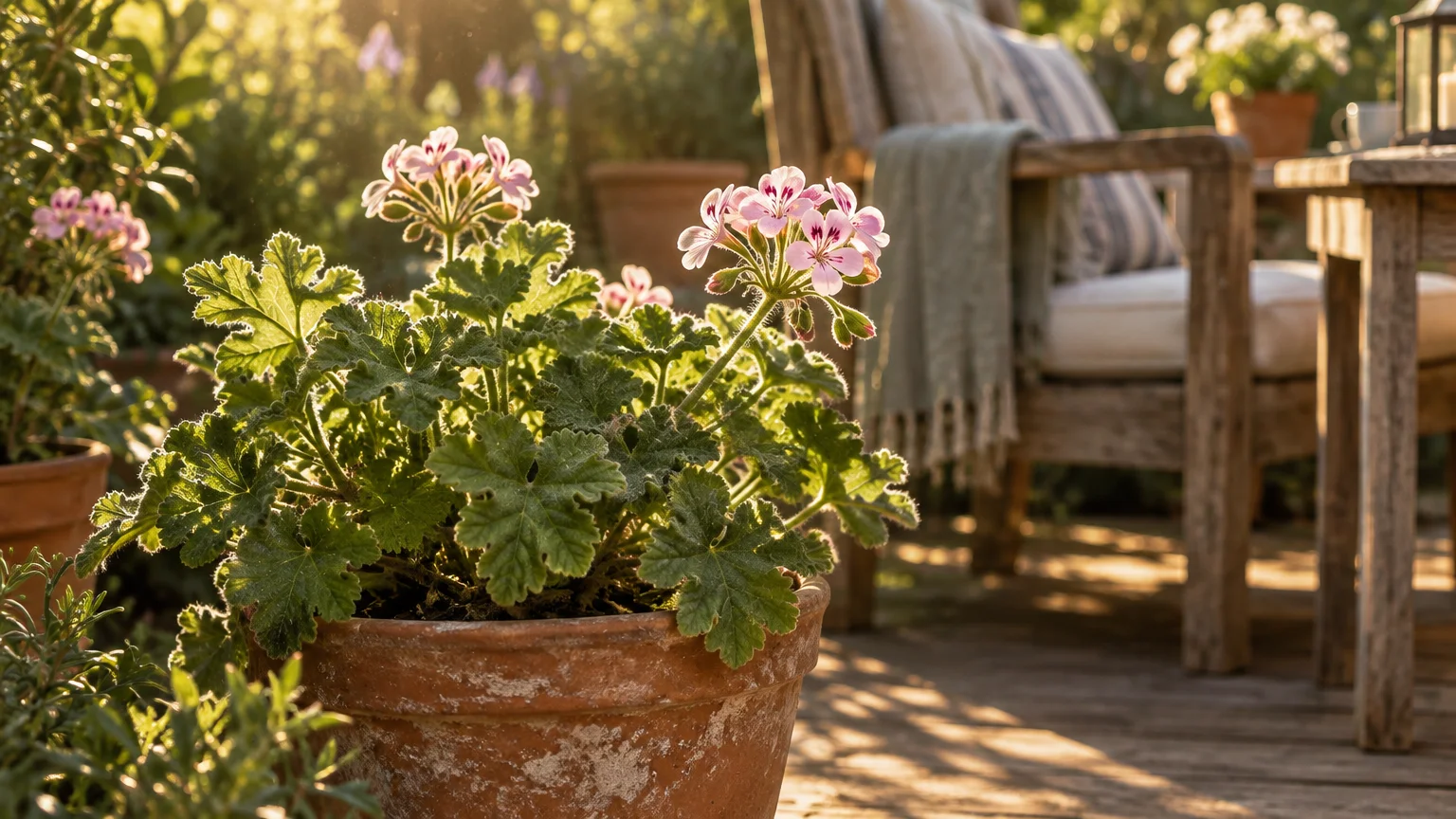
Scented geraniums feature deeply lobed, ruffled leaves paired with dainty, delicate flower petals. When ruffled by breezes or footsteps, their leaves release an explosion of crisp essential fragrances.
Many scented varieties, particularly citronella-scented and rose-scented types, contain high levels of geraniol and citronellol. These natural chemicals confuse the sensory receptors of mosquitoes, gnats, and leafhoppers.
Botanical studies confirm that Japanese beetles feeding on scented pelargonium blooms experience temporary paralysis. This disorientation leaves the beetles exposed to predatory birds and ground hunting spiders.
Plant scented geraniums in sunny containers or borders with loose, quick-draining potting compost. Allow the top two inches of soil to dry out before giving the plants fresh water.
Overwinter potted geraniums indoors near a bright south-facing window before the arrival of winter frost. Return them outdoors in spring to resume active duty as defensive garden perimeter sentries.
Place pots near outdoor dining tables to enjoy natural mosquito relief during summer evening barbecues.
Tip #9: Sunflowers
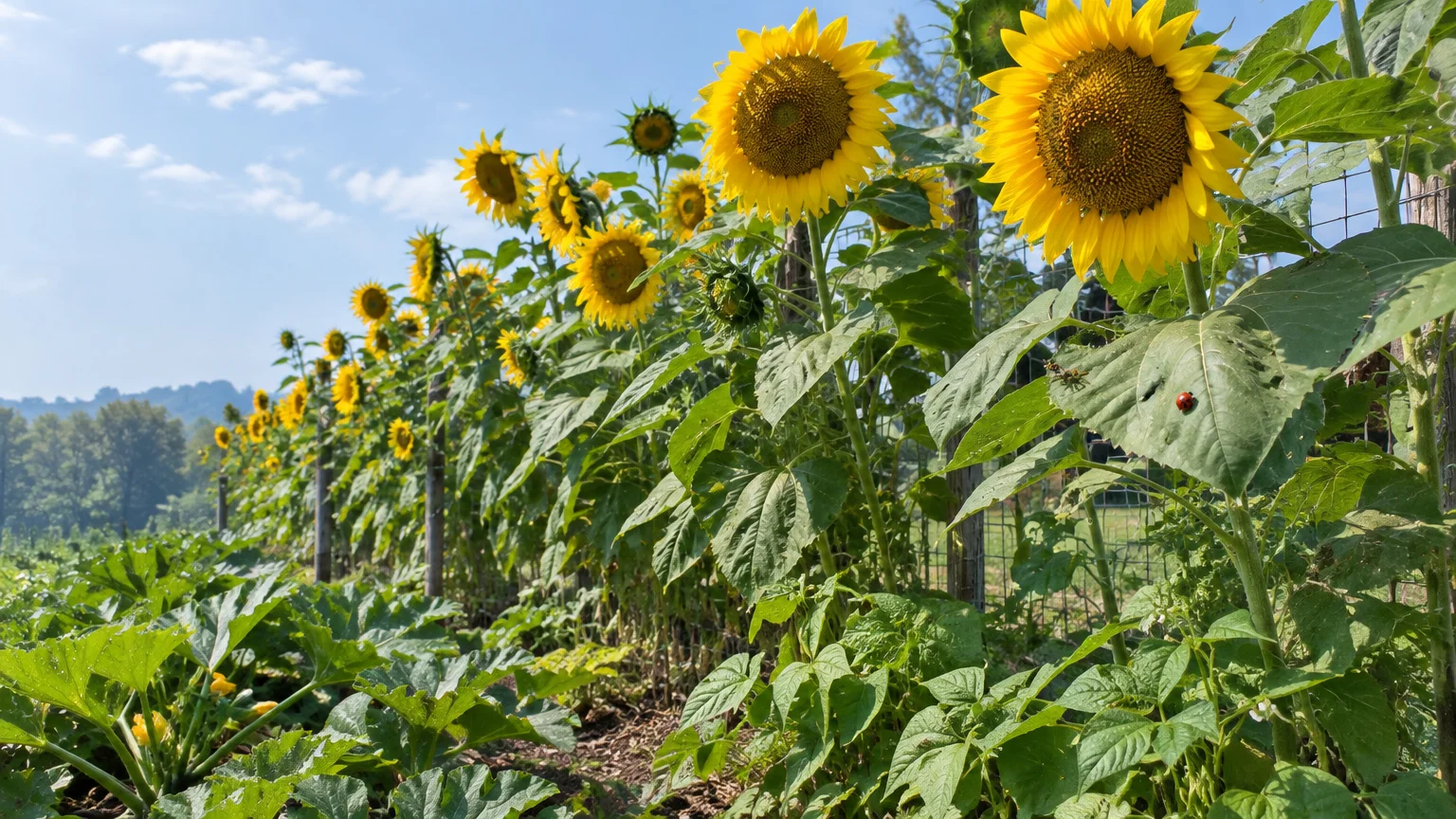
Sunflowers add majestic vertical structure and radiant golden faces to your backyard garden canvas. Beyond their ornamental grandeur, sunflowers serve as powerhouse defenders in integrated companion planting strategies.
Sunflowers operate as extraordinary perimeter trap crops for destructive brown marmorated stink bugs and leaf-footed bugs. These pests converge on sunflower seed heads, sparing neighboring tomatoes, bell peppers, and squash.
The large rough leaves also produce sweet extrafloral nectar that attracts beneficial insect predators. Parasitic wasps and ladybug beetles patrol sunflower stalks, consuming aphids and destructive armyworms.
Plant sunflower seeds directly in fertile, well-draining soil with maximum daily sun exposure. Position tall giant varieties along the northern border of your plot to avoid shading smaller crops.
Monitor sunflower heads periodically and hand-pick gathered stink bugs into a bucket of soapy water. This targeted approach prevents pests from dispersing across the rest of your garden.
After flowering ends, leave the mature seed heads intact so native birds can feed on remaining garden insects.
Tip #10: Calendula
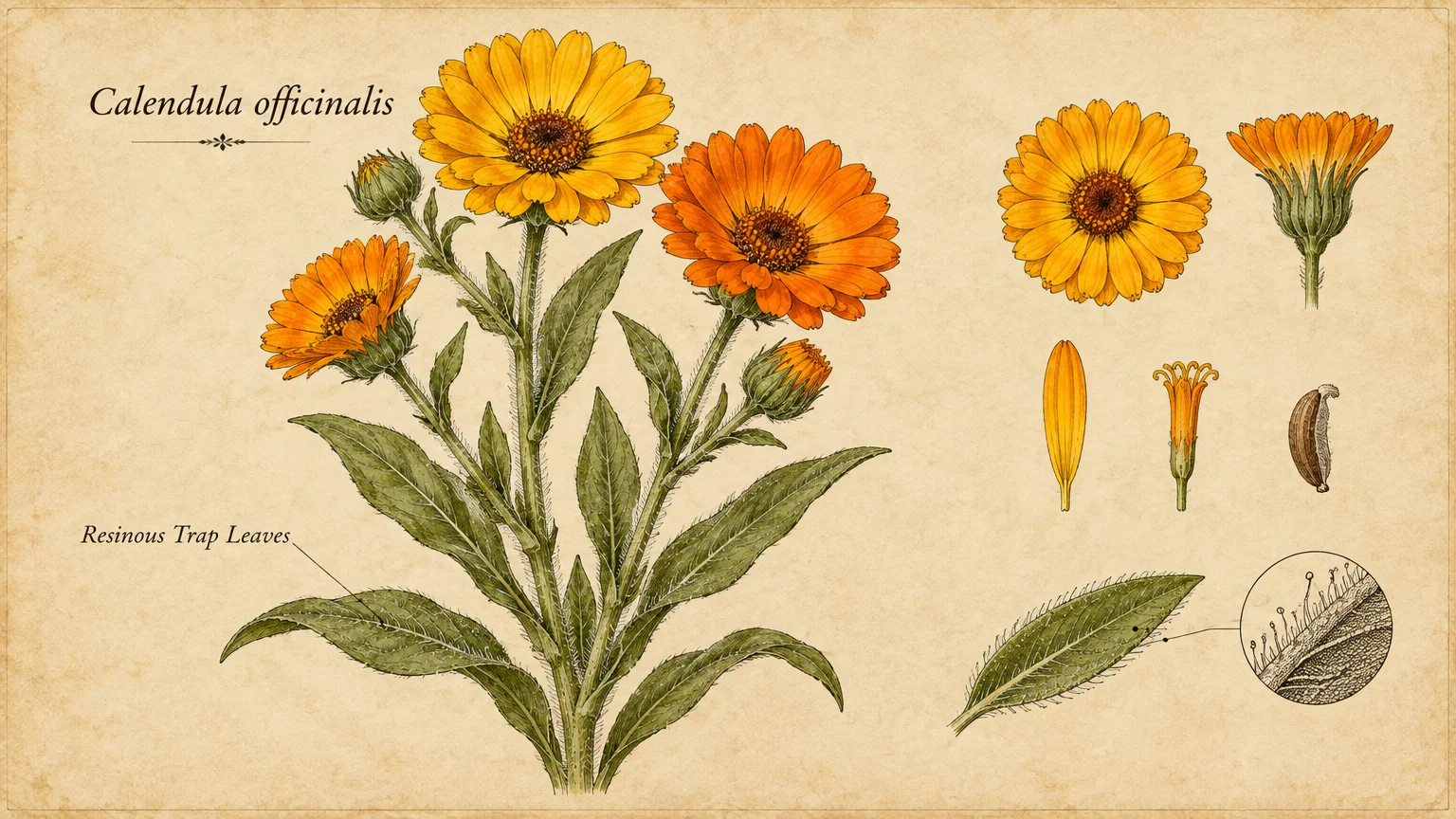
Calendula, often called pot marigold, produces cheerful, daisy-shaped blossoms in glowing shades of amber and apricot. It brings both culinary charm and robust insect-deterrent properties to home plots.
Calendula stems secrete a thick, aromatic resin that acts as an effective botanical insect glue. This resinous coating traps aphids, whiteflies, and fungus gnats before they spread to nearby vegetables.
Its distinctive herbal scent simultaneously repels tomato hornworms and asparagus beetles from laying eggs. Interplant calendula between rows of tomatoes, beans, and carrots to maintain a diverse protective shield.
Direct-sow calendula seeds into average garden soil during early spring or cool autumn months. Calendula prefers cooler weather and tolerates light frost without sustaining leaf or blossom damage.
Harvest calendula blooms frequently to brew teas, infuse skin salves, and stimulate further floral production. Constant flower harvesting forces the plant to continuously replenish its sticky, insect-trapping stems.
Calendula also enriches the soil with vibrant organic biomass as its foliage decomposes at season end.
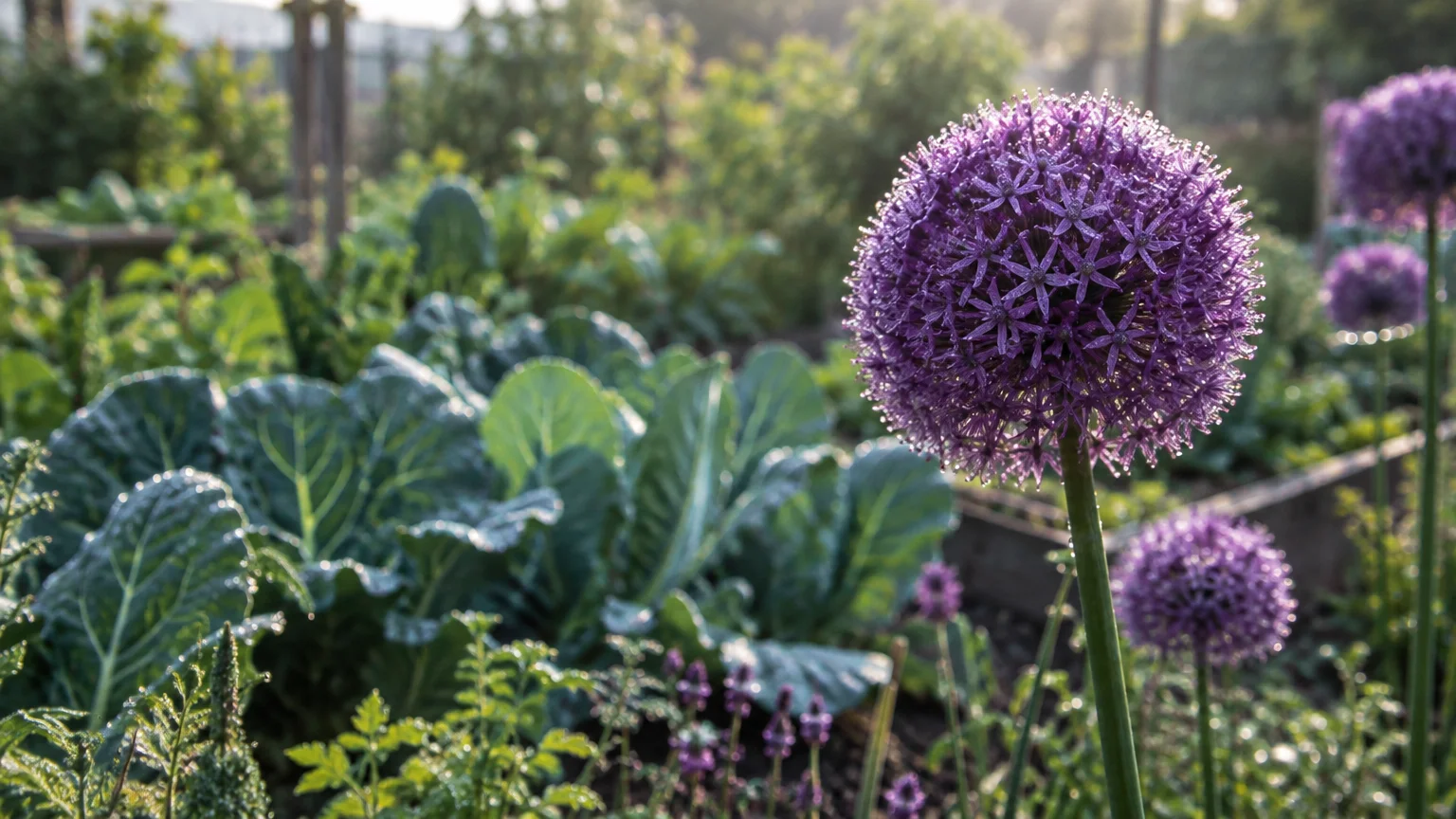
Tip #11: Ornamental Alliums
Ornamental alliums boast sculptural, spherical flower heads in striking shades of violet, amethyst, and white. These members of the amaryllis family double as powerful botanical defenders in the garden.
Alliums synthesize potent organosulfur compounds that release a sharp, onion-like aroma when disturbed. This distinct scent confuses carrot rust flies, cabbage loopers, and aphids searching for host crops.
Underground, the pungent bulbs naturally repel burrowing voles, field mice, and subterranean moles. Plant alliums among rose bushes to prevent aphids and combat black spot fungal infections simultaneously.
Plant dormant allium bulbs during the autumn months in well-drained, fertile garden soil. Ensure they receive plenty of sunshine to support strong, upright stems that withstand windy weather.
Leave spent allium flower globes standing in your beds throughout late summer and early autumn. The architectural dried seed heads add sculptural interest while maintaining lingering insect-repelling scents.
Since deer and rabbits detest allium bulbs, they provide excellent perimeter defense against four-legged garden marauders too.
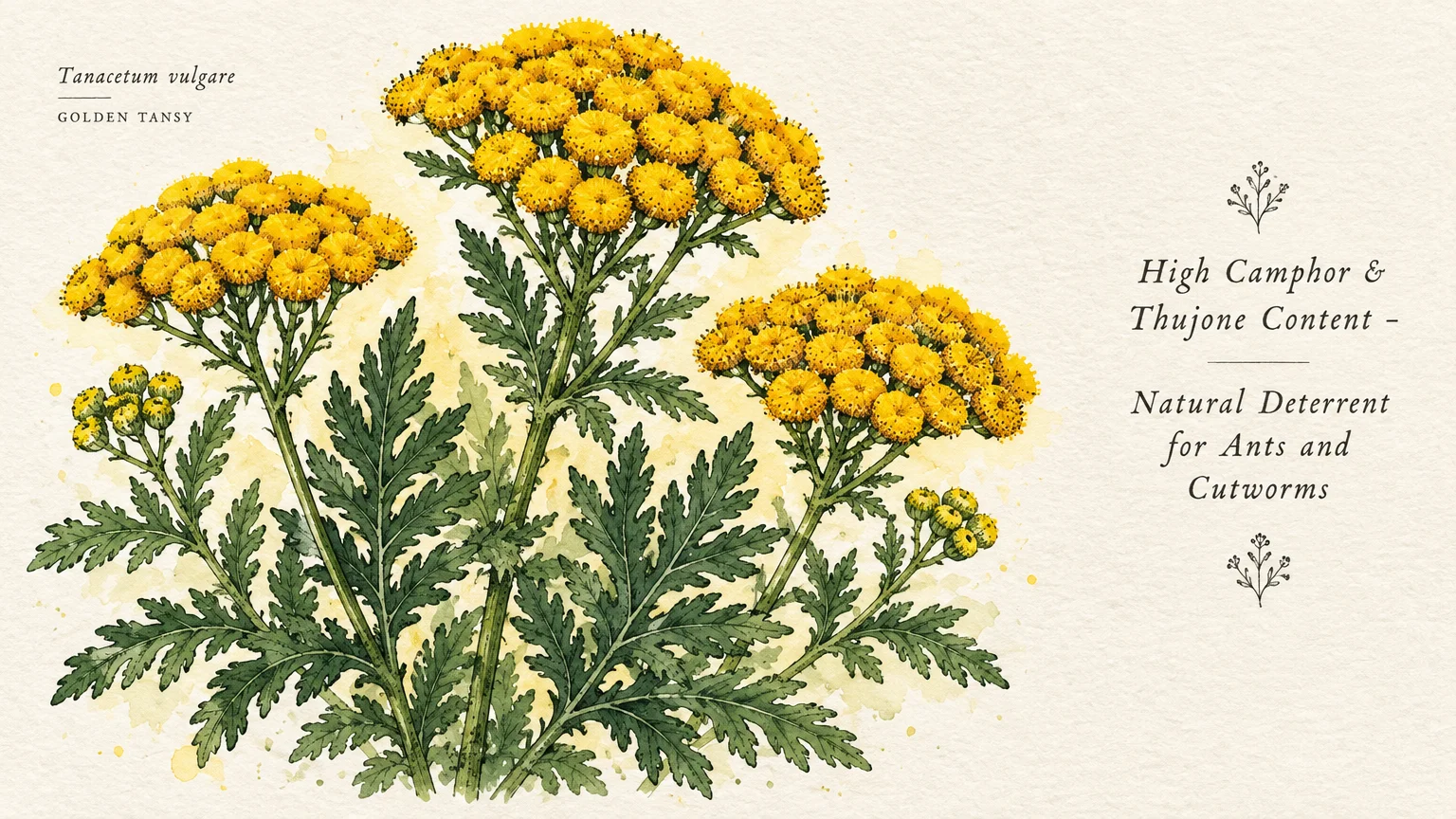
Tip #12: Tansy
Tansy produces feathery, fern-like foliage crowned by tight clusters of vibrant blossoms—a proven deterrent for centuries. Gardeners have relied on this tough, resilient perennial for generations as an organic insect deterrent.
Tansy foliage contains high levels of concentrated volatile oils, including thujone, camphor, and borneol. These compounds emit a strong medicinal scent that drives away Japanese beetles, cucumber beetles, and ants.
Planting tansy near fruit trees and raspberry canes protects soft fruit from destructive chewing pests. Furthermore, its flat-topped floral clusters supply nectar to beneficial predator wasps and ladybird beetles.
Tansy tolerates poor, dry soils and thrives in full sun to moderate partial shade. It spreads vigorously through underground rhizomes, so grow it inside buried root barriers to restrict spread.
Clip fresh tansy stems and lay them around the base of vulnerable squash and melon vines. As the cut leaves dry in the sun, they release concentrated insect-deterring vapors.
Dried tansy sprigs hung in garden sheds or doorways also help keep flies and ants away effectively.
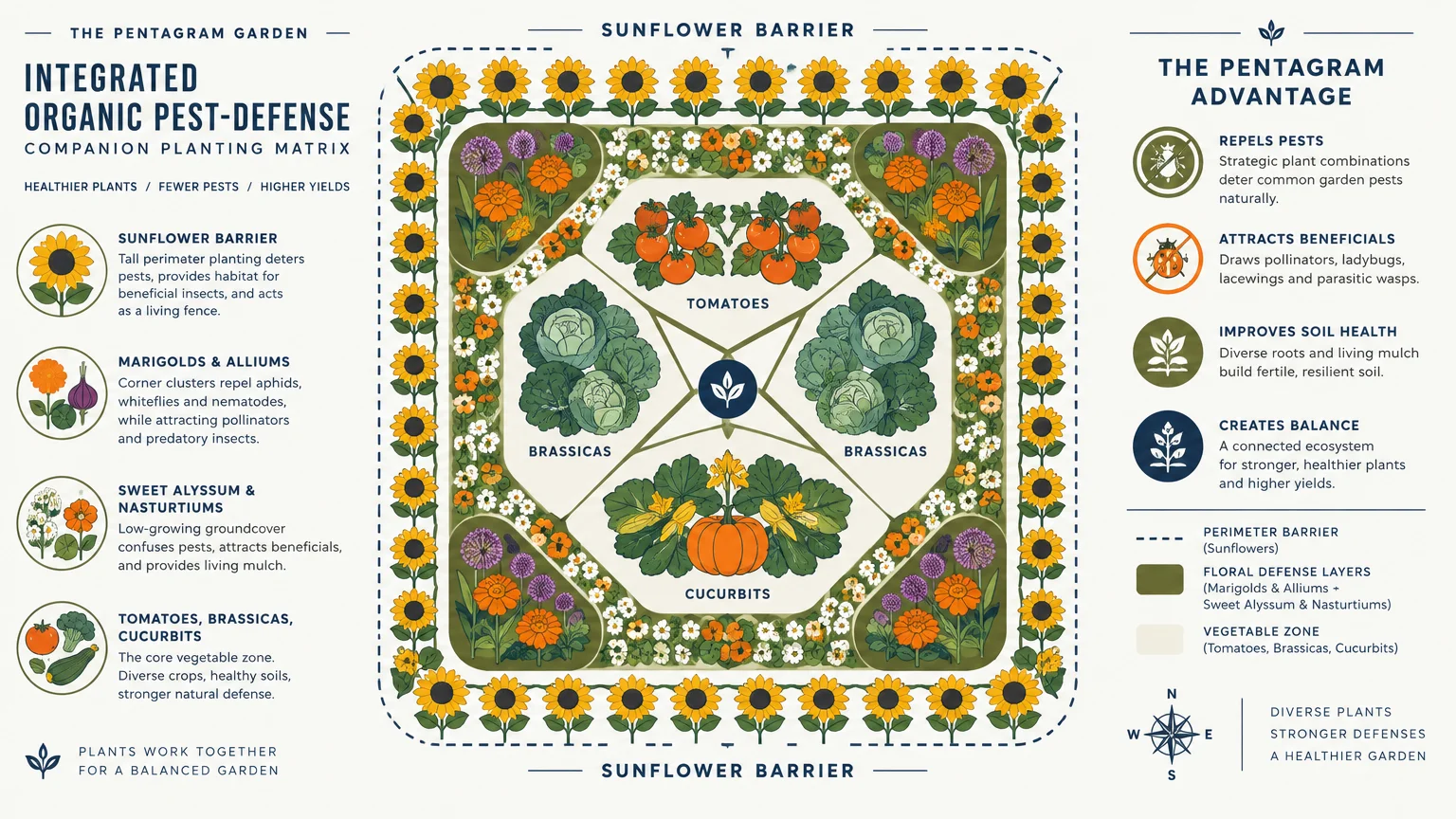
Putting It All Together: Enjoy Your Beautiful Garden
Transforming your garden into a self-defending biological sanctuary begins with embracing plant diversity. Monoculture plots invite pest explosions, whereas polycultures of protective flowers create resilient natural checks and balances.
By layering different blooming deterrents, you build multi-tiered defense perimeters across your landscape. Tall sunflowers trap stink bugs; low-growing sweet alyssum feeds hoverflies; and marigolds defend soil ecosystems below.
Combine these botanical protectors strategically throughout your vegetable beds, fruit borders, and patio containers. Observe which flower combinations perform best in your specific microclimate and soil type.
Remember that companion planting works best alongside foundational organic gardening practices. Maintain healthy, compost-rich soil; irrigate plants at their base; and encourage natural predator wildlife.
Enjoy the visual spectacle of radiant colors and delicate scents filling your outdoor spaces. With these twelve floral guardians in place, you can spend less time spraying and more time harvesting.
For region-specific advice, consult your local University Extension program (find yours via the USDA directory). For plant databases and inspiration, visit the Missouri Botanical Garden or the Royal Horticultural Society.
Disclaimer: This article provides general gardening advice. Always consider your specific climate, soil conditions, and local pests. Follow safety guidelines when using gardening tools and products.
Frequently Asked Questions
How close do pest-repelling flowers need to be to vegetables?
Position your repellent flowers within two to three feet of susceptible vegetable crops for optimal deterrence. Direct interplanting within the same raised bed provides significantly better pest protection than planting across the yard.
Can flowers completely eliminate garden pests on their own?
Companion flowers reduce pest populations substantially, but they will not eradicate every single pest insect. They work as part of an integrated management system alongside good cultural sanitation and healthy soil.
Will pest-repelling flowers also repel honeybees and butterflies?
Most pest-repelling flowers specifically target herbivorous garden pests while actively nourishing beneficial pollinators. Honeybees and butterflies seek floral nectar and remain completely unharmed by the aromatic foliage compounds.
Which flowers work best for repelling aphids specifically?
Nasturtiums and sweet alyssum provide exceptional aphid control through two different natural mechanisms. Nasturtiums lure aphids away from food crops as trap plants, while alyssum attracts predatory hoverflies that eat them.