Planting spring flowering bulbs during the cool autumn months guarantees a breathtaking, vibrant display of colors as soon as winter releases its grip on your landscape. To secure successful blooms next year, you must place your bulbs in the ground before the first hard freeze locks the soil. Autumn offers the ideal window when cool night temperatures encourage deep root establishment without triggering premature top growth. By choosing the right selections now—such as long-lasting daffodils, elegant tulips, early crocuses, and fragrant hyacinths—you build a resilient garden structure that thrives for years. Master these essential fall bulb planting techniques today to ensure your garden bursts into life next spring.
Tip #1: Tulips for Dramatic Spring Color
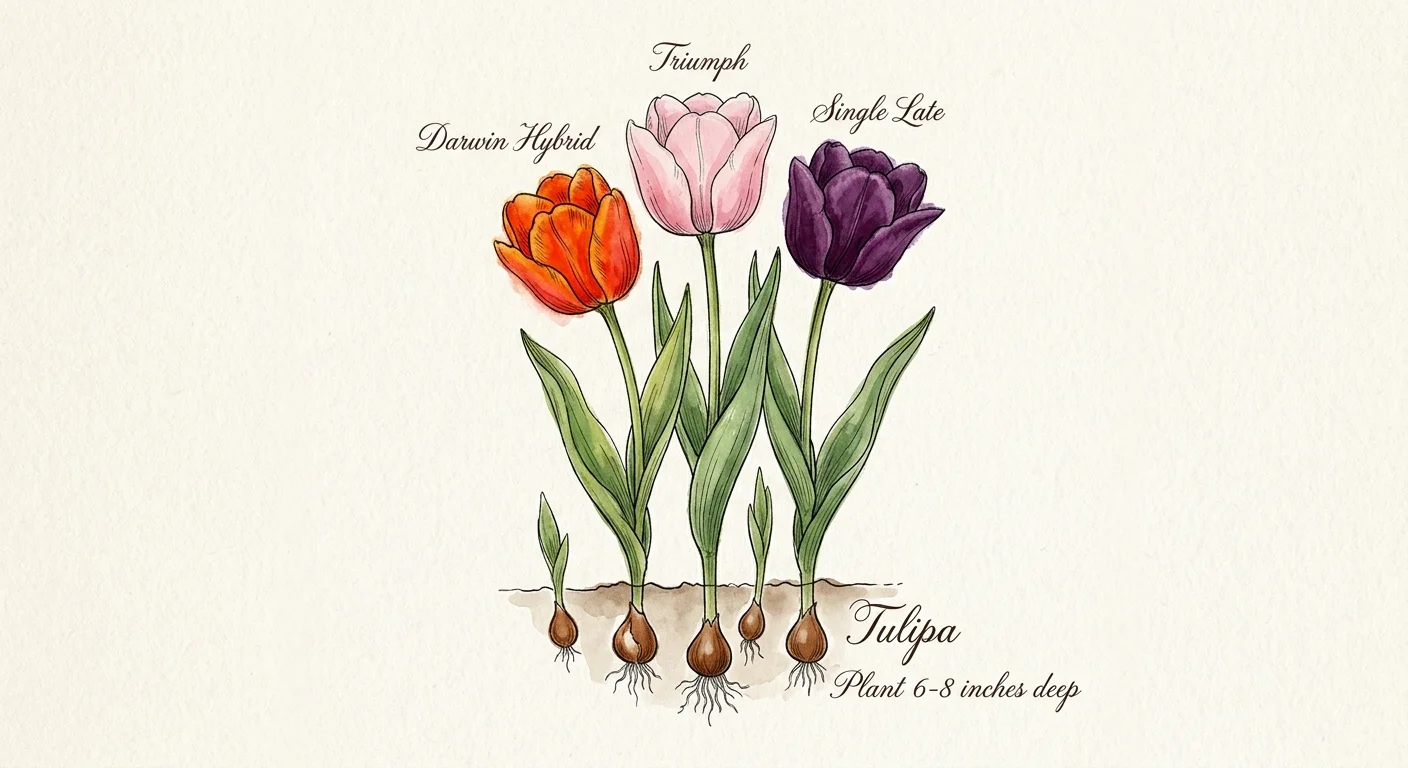
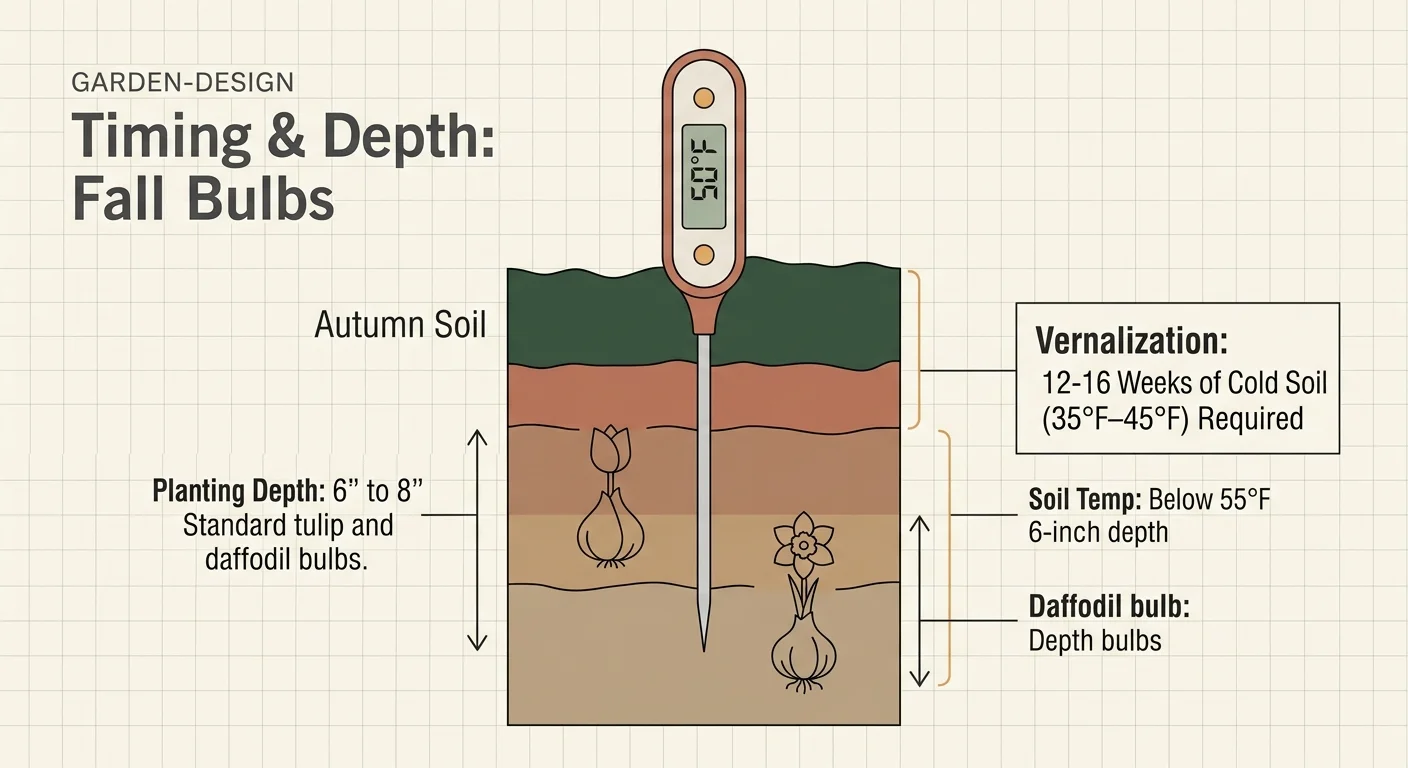
Tulips (genus Tulipa) rank among the most magnificent choices in any best bulbs to plant in fall collection. They deliver unmatched color intensity, ranging from soft pastel pinks and fiery oranges to rich, velvety purples and deep reds. To achieve robust spring blooms, you must understand when to plant tulip bulbs in your specific growing region. Plant tulip bulbs in late autumn when soil temperatures drop below 55°F at a 6-inch depth; this timing usually corresponds with roughly two consecutive weeks of nighttime air temperatures staying consistently between 40°F and 50°F.
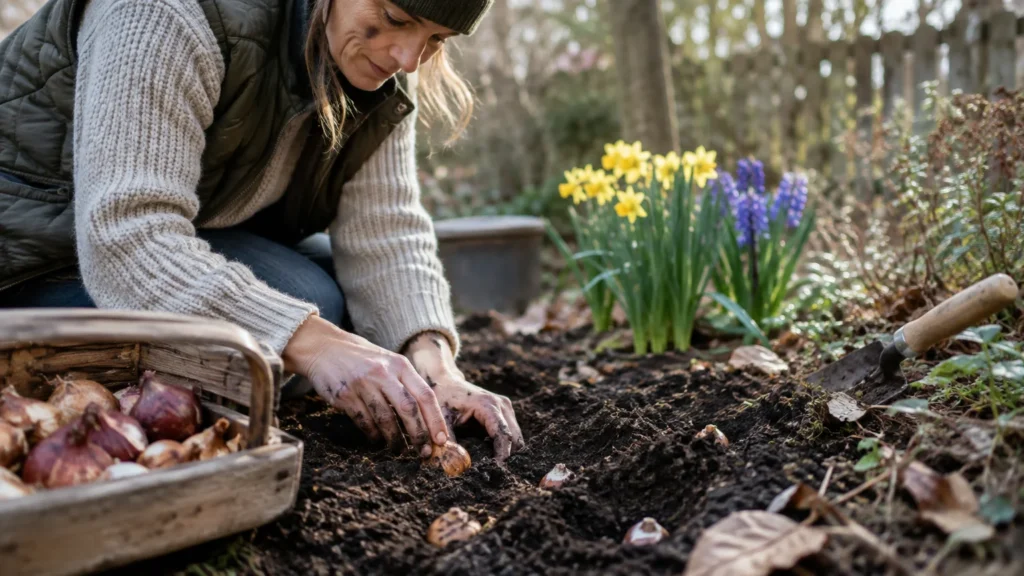
When you plant tulip bulbs, apply the standard depth rule: dig a hole equal to two to three times the height of the bulb. For standard tulip bulbs, this means placing them 6 to 8 inches deep into well-draining soil with the pointed end facing upward. Tulips require a mandatory cold dormancy period, known as vernalization, to trigger proper flower formation. The bulbs must experience 12 to 16 consecutive weeks of soil exposure at cold temperatures between 35°F and 45°F (1.7°C to 7.2°C). If you live in a warm, southern climate where winter temperatures rarely reach these lows, pre-chill your tulip bulbs in a refrigerator for 12 to 14 weeks before planting.
Select top-size, firm bulbs that show no signs of soft spots, mold, or mechanical damage. Space individual bulbs 4 to 6 inches apart to allow adequate room for root systems to expand during winter. For maximum visual impact, avoid planting tulips in single straight lines; instead, cluster them in groups of 10 to 15 bulbs. Mix early, mid, and late-season varieties like Darwin Hybrids, Triumph, and Single Late tulips to extend your flowering display for over six weeks in spring.
Tip #2: Daffodils for Pest-Resistant Permanence
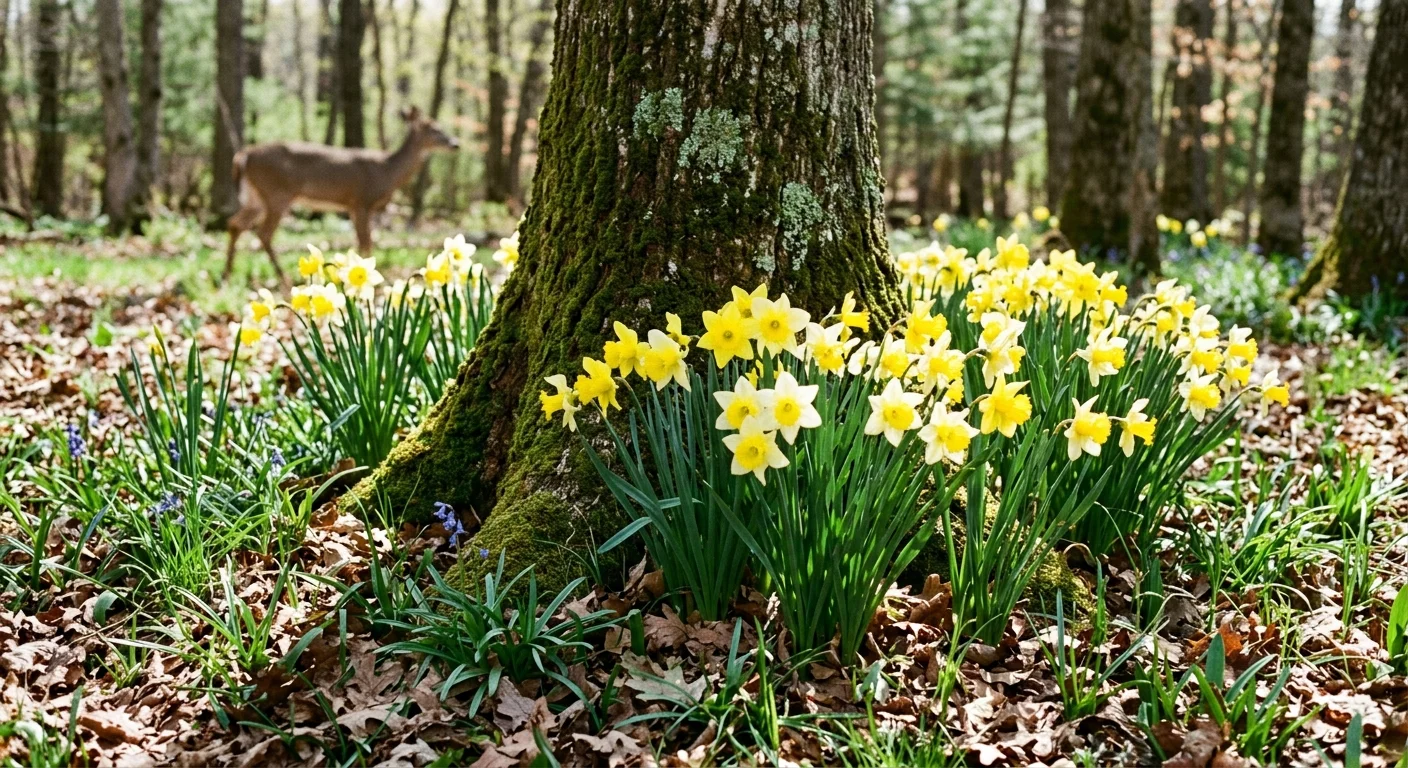
Daffodils (genus Narcissus) represent an indispensable cornerstone of any comprehensive fall gardening checklist. Unlike tulips, which hungry wildlife often consume, daffodils contain a toxic alkaloid called lycorine. This natural defense mechanism makes them virtually immune to damage from deer, rabbits, squirrels, and voles. When you plant daffodils in autumn, you invest in a permanent display that naturalizes and multiplies year after year.
Plant daffodil bulbs 6 to 8 inches deep and 4 to 6 inches apart in full sun to partial shade. Prepare the planting bed by loosening the soil down to 10 inches and incorporating organic matter, such as leaf compost or aged manure, to enhance drainage and soil structure. Daffodils perform exceptionally well in naturalized settings under deciduous trees, along property borders, or interplanted with companion perennials like hostas and daylilies.
Daffodil varieties offer incredible diversity beyond the traditional yellow trumpet types. Consider planting double-flowered types like ‘Erlicheer’, compact border cultivars like ‘Tête-à-Tête’, or sweet-scented Jonquilla types like ‘Tresemble’ for sensational fragrance near entryways. Because daffodils perennialize so effectively, they require minimal intervention once established. Simply let the foliage die back naturally for 6 weeks after flowering so the leaves can channel vital energy back into the bulb for the following season’s bloom cycle.
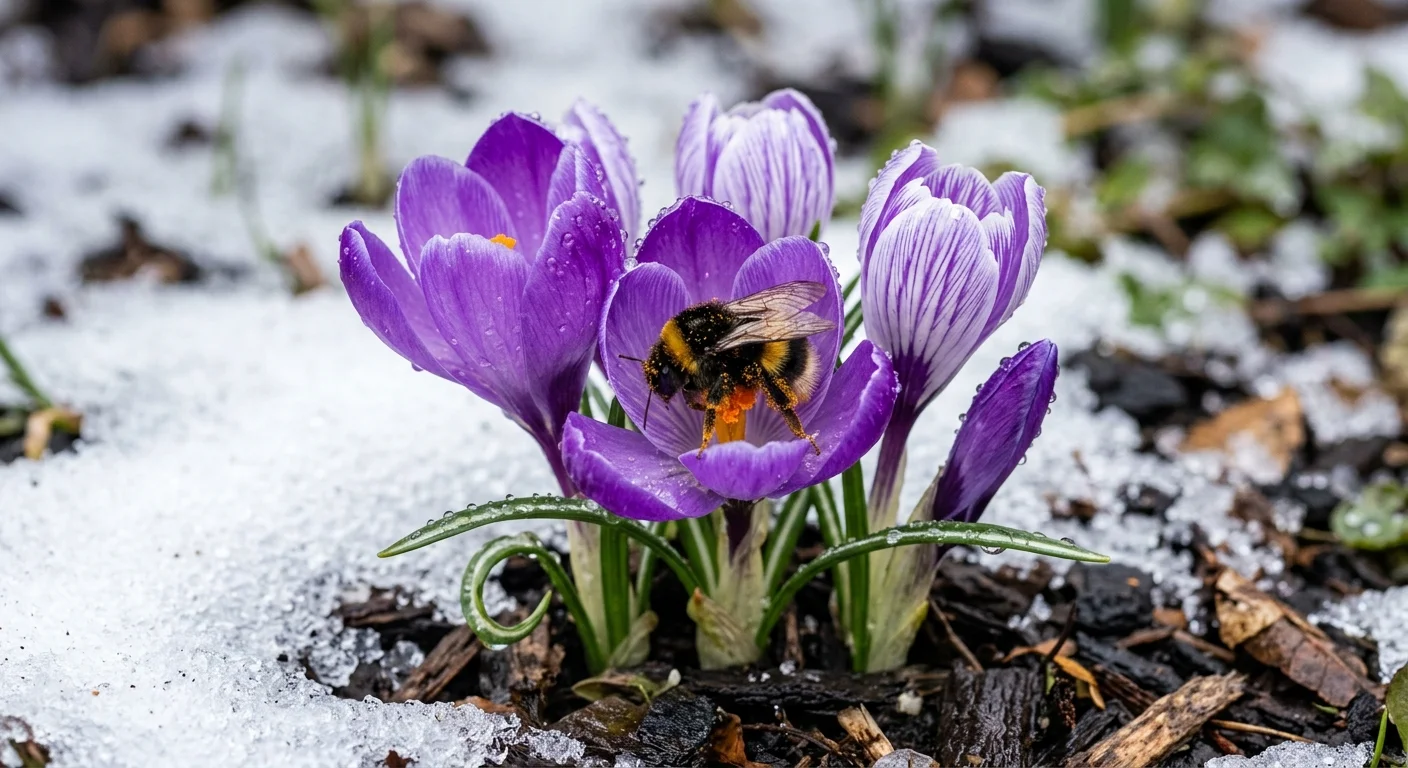
Tip #3: Crocuses for the Earliest Pollinator Nectar
Crocuses are among the earliest spring flowering bulbs to break through snow cover, offering vital early-season nectar for emerging queen bumblebees and honeybees. These petite, jewel-like blooms herald the arrival of spring weeks before most other garden perennials wake up. Incorporating crocuses into your fall bulb planting guide ensures your garden wakes up with vibrant life at the earliest possible moment.
Because crocus corms are relatively small, plant them at a depth of 3 to 4 inches, adhering strictly to the general rule of two to three times the bulb height. Space them 2 to 3 inches apart in dense clusters of 25 or more for a dazzling carpet effect. Crocuses thrive in rock gardens, front-of-border beds, container arrangements, and directly within lawn areas.
When naturalizing crocuses in lawns, scatter the corms across the turf and plant them where they land using a narrow bulb planter or soil knife. Choose Crocus tommasinianus varieties, often called “Tommies,” if squirrels frequent your yard, as these species possess greater rodent resistance than larger Dutch crocuses. Allow the grass to grow unmowed in spring until the crocus foliage yellowed completely, ensuring the corms recharge their energy reserves for future years.
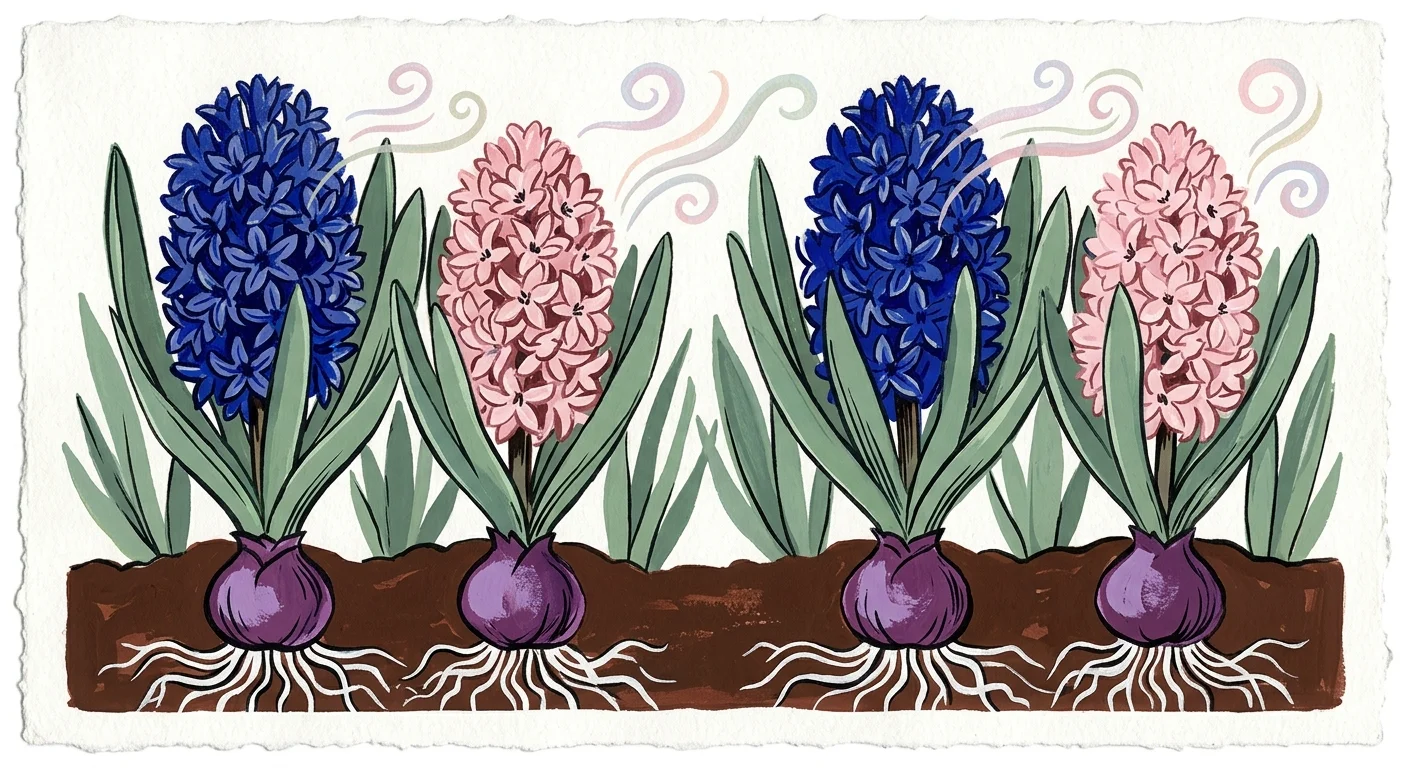
Tip #4: Hyacinths for Unmatched Garden Fragrance
Hyacinths (Hyacinthus orientalis) bring powerful perfume and dense, architectural flower spikes to the spring landscape. A single cluster of hyacinths can fill an entire garden room with rich fragrance, making them a top choice when selecting the best bulbs to plant in fall for sensory enjoyment.
Plant hyacinth bulbs 6 inches deep and 5 to 6 inches apart in well-drained, fertile soil receiving full sun to light shade. Always wear gardening gloves when handling hyacinth bulbs; they contain calcium oxalate crystals that can cause mild skin irritation or itching. Plant them near walkways, patio borders, or outdoor seating areas where you can easily appreciate their captivating scent as you walk past.
Hyacinths come in vibrant shades of deep blue, magenta, soft pink, pale yellow, and crisp white. Pair them with mid-spring tulips or blue grape hyacinths (Muscari) to create striking color contrasts in flower beds or container gardens. To maintain strong flower heads year after year, top-dress the planting bed with a balanced, slow-release bulb fertilizer high in phosphorus during planting.
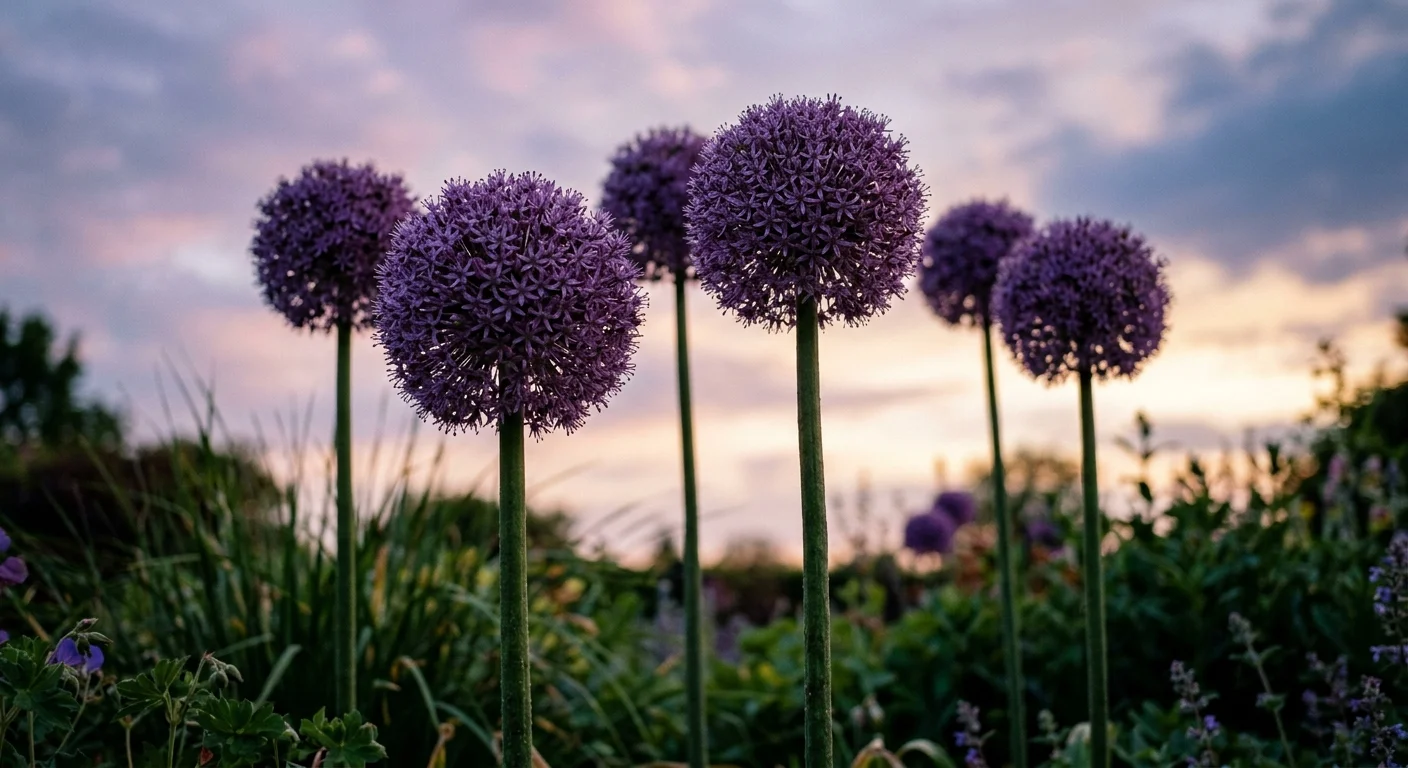
Tip #5: Alliums for Architectural Height and Late-Spring Drama
Alliums, commonly known as ornamental onions, close the seasonal gap between early spring bulbs and summer-blooming perennials. These dramatic plants produce spherical flower heads atop sturdy, leafless stems, adding striking geometric structure to your flower beds.
Plant large allium bulbs, such as ‘Globemaster’ or ‘Purple Sensation’, 6 to 8 inches deep and 8 to 12 inches apart. Smaller allium species, like Allium moly or Allium neapolitanum, need a depth of only 3 to 4 inches. Alliums demand sharply draining soil and full sunlight to keep their stems erect without leaning toward light sources.
Like daffodils, alliums belong to the Allium family and contain natural sulfur compounds that deter deer, rodents, and insect pests. Plant alliums behind shorter perennials like hostas, catmint, or salvia. These companion plants hide the foliage of alliums, which often begins to yellow just as the impressive flower globes reach peak bloom.
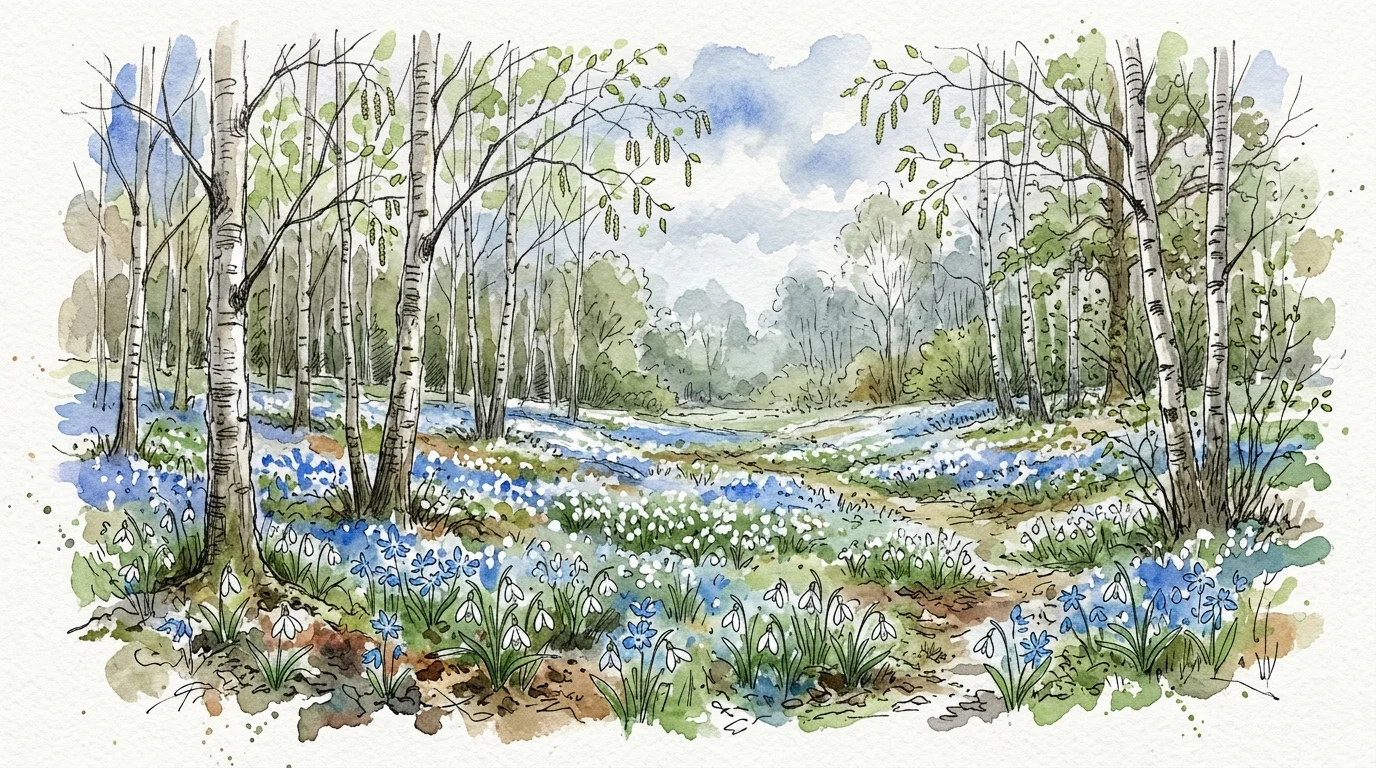
Tip #6: Snowdrops and Siberian Squill for Naturalizing Wooded Borders
For shady woodland areas and under deciduous tree canopies, snowdrops (Galanthus nivalis) and Siberian squill (Scilla siberica) offer effortless naturalizing capability. These minor bulbs multiply rapidly, forming stunning drifts of white and intense sky-blue flowers every spring.
Plant snowdrop and scilla bulbs 3 inches deep and 2 to 3 inches apart in soil rich in leaf mold or organic matter. Because these small bulbs can dry out quickly when exposed to air, plant them promptly after purchase in early to mid-autumn. They prefer moist, well-draining soil in partial shade, mimicking their native forest floor habitats.
Snowdrops often bloom through late-winter snow cover, signaling that warmer weather is on the horizon. Siberian squill follows shortly after, producing vivid blue blooms that naturalize readily via self-seeding and bulb offsets. These minor bulbs require virtually no maintenance once planted, establishing permanent spring colonies that expand gracefully over time.
Tip #7: Timing and Soil Temperature Mastery Before the Freeze
Mastering timing remains the most critical factor in your fall bulb planting guide. Planting too early in warm soil can cause bulbs to sprout prematurely or rot, while planting too late prevents adequate root establishment before the ground freezes solid. You must aim for a target window approximately 6 to 8 weeks before your region experiences its first hard soil freeze.
Monitor soil temperatures rather than air temperatures to time your planting perfectly. Measure soil temperature 6 inches deep using a soil thermometer; wait until the reading consistently remains below 55°F to 60°F (13°C to 15.5°C). According to the updated USDA Plant Hardiness Zone Map (released in November 2023 based on 30-year climate averages from 1991 to 2020), nearly 50 percent of the United States shifted to a warmer half-zone, experiencing an average minimum winter temperature increase of 2.5°F. This shift means many gardeners need to adjust their fall gardening checklist, often delaying bulb planting by one to two weeks compared to historical schedules.
Always follow proper planting depths: plant large bulbs 6 to 8 inches deep and smaller bulbs 3 to 4 inches deep. Water the bed thoroughly immediately after planting to settle the soil around the bulbs and eliminate air pockets. Apply a 2- to 3-inch layer of organic mulch, such as shredded bark or leaf mold, after the surface soil freezes to insulate the bulbs against severe freeze-thaw cycles.
For region-specific advice, consult your local University Extension program (find yours via the USDA directory). For plant databases and inspiration, visit the Missouri Botanical Garden or the Royal Horticultural Society.
Putting It All Together: Enjoy Your Beautiful Garden
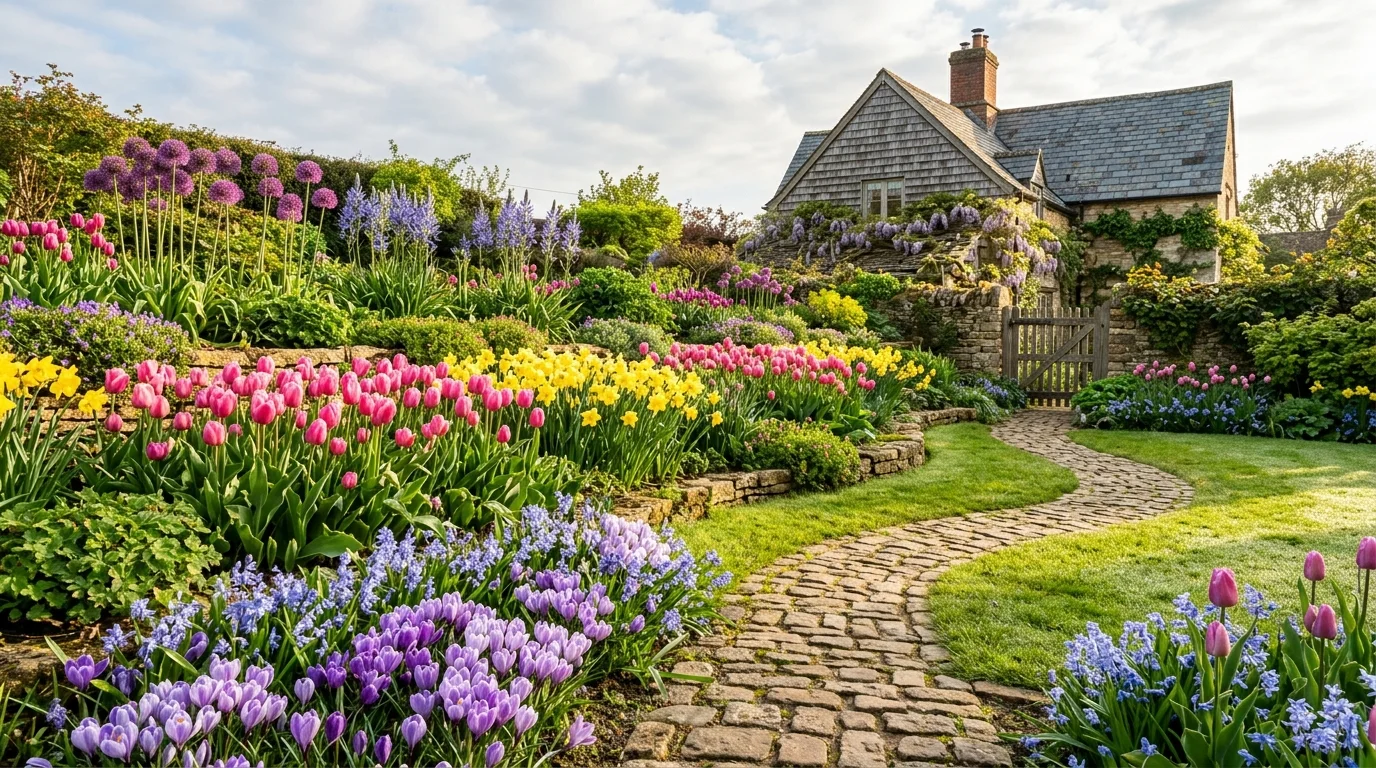
Preparing your garden in autumn pays massive dividends when spring arrives. By selecting a diverse mix of spring flowering bulbs—ranging from delicate crocuses and snowdrops to dramatic tulips, fragrant hyacinths, and towering alliums—you create a continuous sequence of bloom that revitalizes your yard for months.
Remember to adhere to proper planting depths, monitor your local soil temperatures, and protect your investment with proper soil preparation and mulching. As winter approaches, you can rest easy knowing your garden is working quietly below the surface, developing strong root systems that will deliver a stunning floral performance next spring. Take action before the first hard freeze, and enjoy the radiant beauty of your customized spring display.
Frequently Asked Questions
Should I water fall bulbs immediately after planting?
Yes, water your fall bulbs thoroughly right after planting them. Watering settles the soil around the bulbs, eliminates pockets of dry air, and provides essential moisture that stimulates initial root growth before winter dormancy sets in.
What happens if I plant bulbs after the first frost?
You can still plant bulbs after the first light frost as long as the ground remains workable and not frozen solid. Bulbs need roughly 6 to 8 weeks to develop roots before the soil freezes completely. If you must plant very late, apply a heavy 3- to 4-inch layer of mulch over the bed to keep the soil warm longer and allow roots extra time to grow.
How do I prevent squirrels and rodents from digging up my bulbs?
Protect vulnerable bulbs like tulips and crocuses by laying hardware cloth or chicken wire over the planting bed and securing it with landscape staples before covering it with soil and mulch. Alternatively, plant pest-resistant bulbs like daffodils, hyacinths, or alliums, which rodents naturally avoid due to their bitter taste and toxicity.
Do I need to fertilize fall bulbs at planting time?
Incorporating a balanced, slow-release bulb fertilizer or bone meal into the bottom of the planting hole provides essential phosphorus and potassium for strong root development. Ensure you mix the fertilizer into the soil so it does not directly touch the base of the bulb.
Disclaimer: This article provides general gardening advice. Always consider your specific climate, soil conditions, and local pests. Follow safety guidelines when using gardening tools and products.