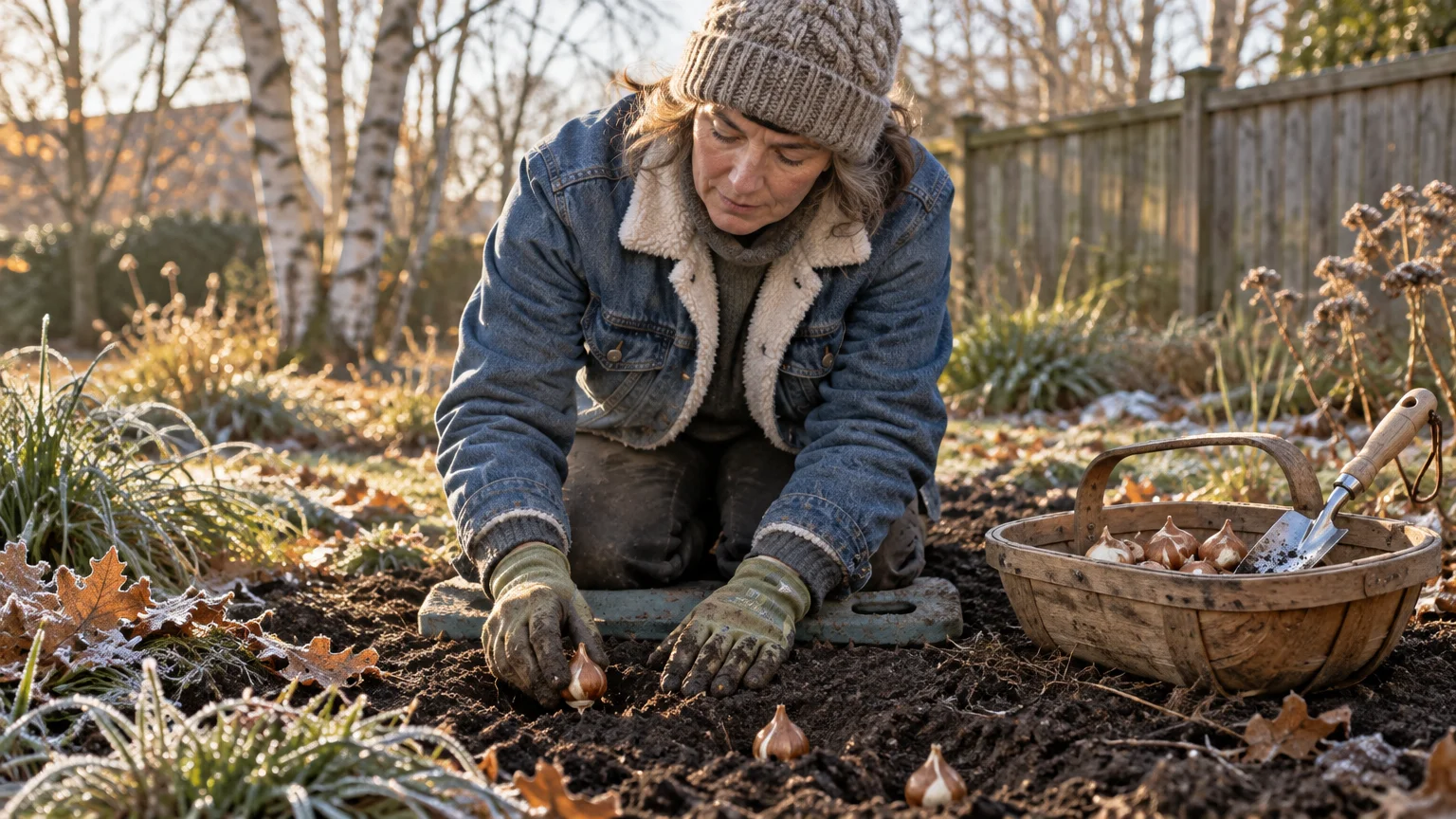
You can still plant your spring-flowering bulbs in late November as long as your soil remains workable and unfrozen. Even late-planted bulbs will often establish roots and bloom reliably when spring arrives.
November gardening requires careful attention to ground conditions before you start digging. Wet winter earth poses a far greater danger to dormant bulbs than late autumn chill.
Understanding soil moisture and frost levels ensures your hard work yields vibrant spring color. Here is how you can plant spring bulbs late and protect your investment.
Tip #1: Check Soil Workability Before Digging
You can plant bulbs as late as November or early December if your shovel penetrates the soil easily. While October provides ideal planting conditions in northern states like Minnesota and Iowa, workable soil remains your green light.
University extension services recommend planting bulbs roughly four to six weeks before seasonal ground freeze occurs. This window allows root systems to establish before freezing temperatures halt biological activity.
Do not abandon unplanted bulbs in your garage just because November is ending. Getting them into cool, workable earth gives them a far better chance of survival than leaving them in storage.
Seasonal ground freeze locks moisture in topsoil, but true permafrost only exists in subarctic regions like Alaska. As long as your garden soil crumbles rather than resists like stone, you can dig and plant.
Tip #2: Beware of Cold, Waterlogged Ground
Cold temperatures rarely kill dormant bulbs, but waterlogged soil quickly destroys them. When you bury bulbs in saturated earth, fungal pathogens thrive and cause devastating bulb rot.
Digging in drenched soil also ruins your garden structure by compacting delicate pore spaces. Compressed soil limits oxygen availability, which prevents new roots from breathing and expanding.
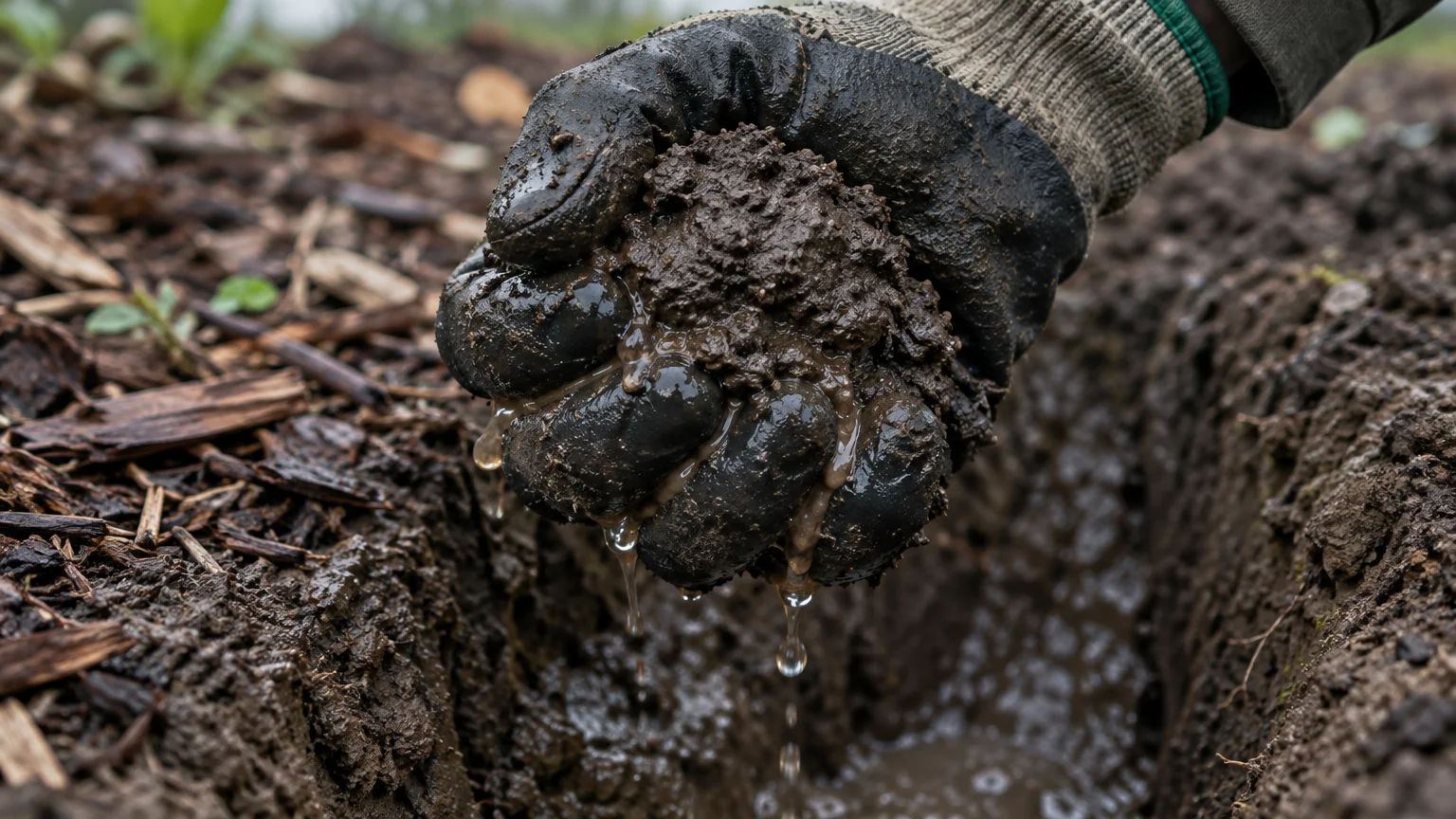
West Virginia University Extension advises waiting until garden soil is fairly dry before you plant. If you squeeze a handful of soil and it forms a dripping mud ball, delay planting until it drains.
When you plant bulbs, wet soil presents an immediate hazard that rots root plates. Wait for a dry, crisp afternoon to complete your planting chores safely.
Tip #3: Select Bulbs That Tolerate Damp Conditions
Very few spring-flowering species can survive wet winter soil. If your planting beds collect standing water during rainy periods, you must choose moisture-tolerant species carefully.
Camassia shines as a premier choice for damp ground and heavy clay soil. This North American native thrives in moist spring conditions, though it prefers slightly drier conditions during its summer dormancy.
Summer snowflake, known botanically as Leucojum aestivum, also handles boggy conditions with remarkable resilience. Its charming, bell-shaped white blooms flourish where traditional spring bulbs would drown and decay.
Planting moisture-tolerant selections in low-lying garden pockets saves you from disappointment. Matching the right species to your site conditions guarantees healthy blooms year after year.
Tip #4: Provide Proper Drainage for Alliums and Tulips
Many gardeners mistakenly assume that alliums tolerate soggy ground. In reality, alliums require dry to medium, well-drained soils and rapidly rot in wet winter conditions.
Tulips share this sensitivity and demand exceptional drainage to prevent disease. If you force alliums, tulips, and other standard spring bulbs into wet clay, they will fail before spring arrives.
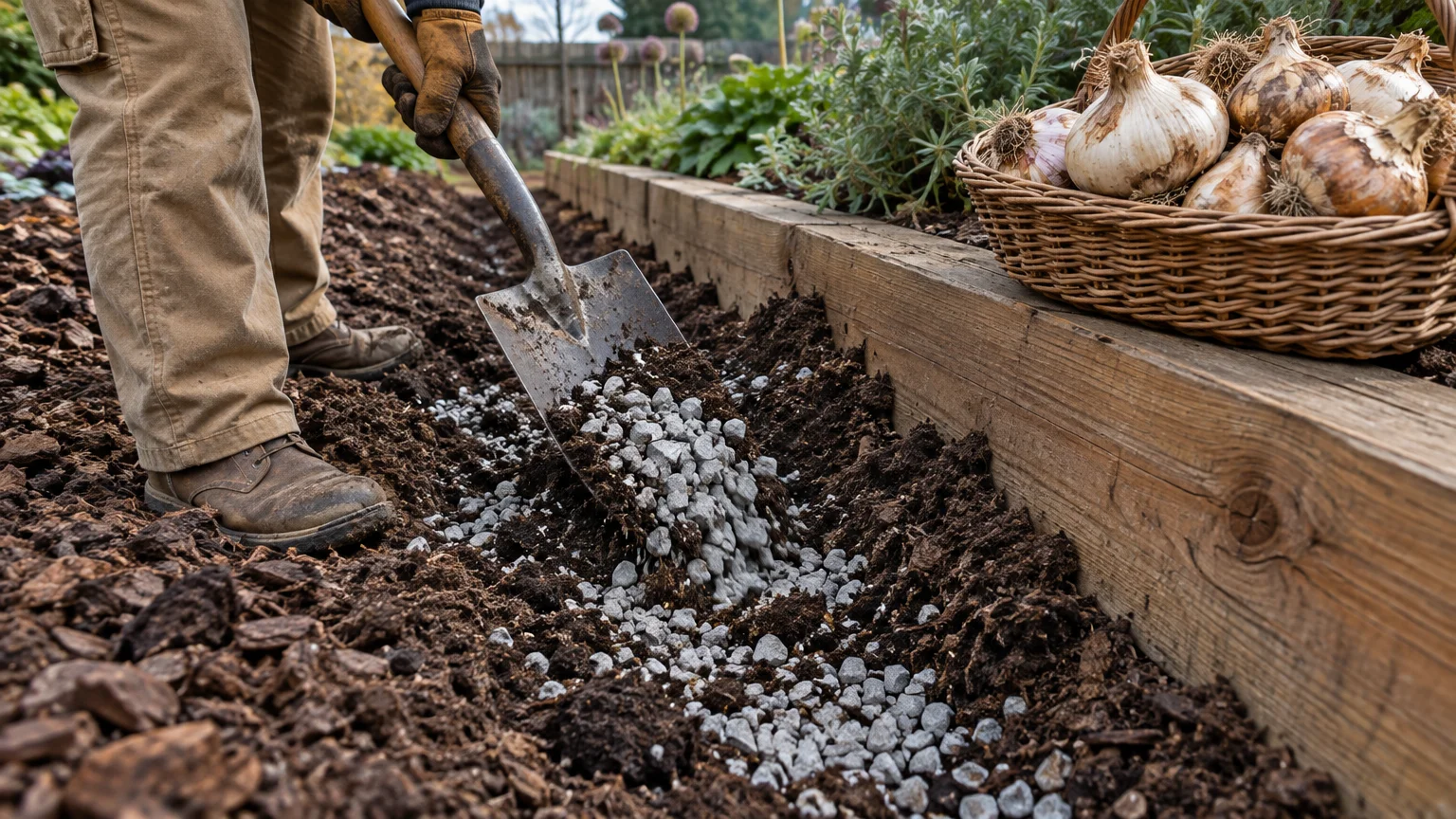
You can create ideal conditions for these species by amending planting areas with coarse grit and organic matter. This practice opens compacted earth and allows excess moisture to drain away from dormant basal plates.
Raised garden beds and sloped borders also offer outstanding drainage for late-season planting. Elevating your bulbs several inches above surrounding grade keeps their roots aerated during prolonged winter rains.
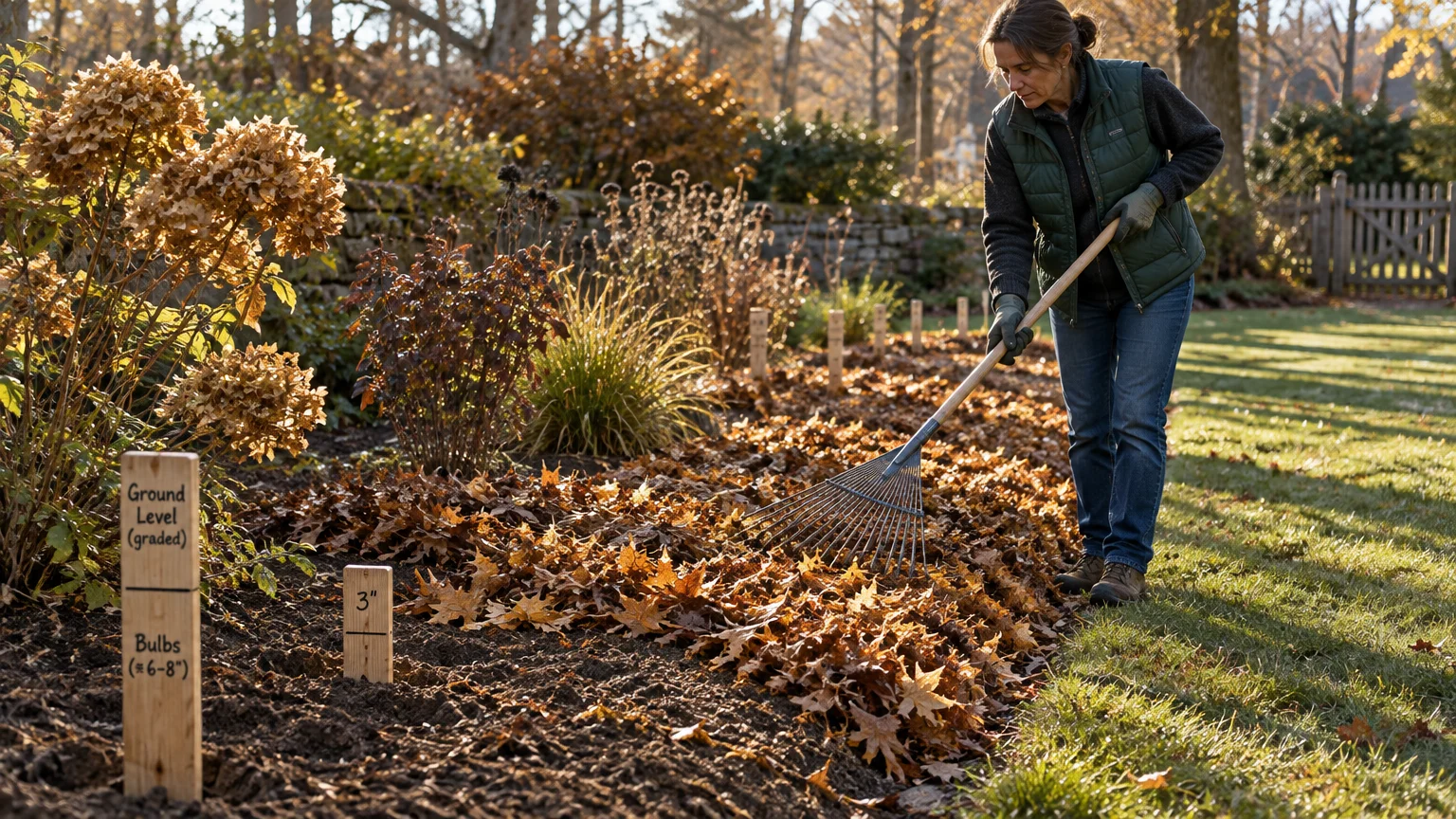
Tip #5: Adjust Planting Depth and Add Winter Mulch
When planting late in the season, proper depth protects bulbs from abrupt temperature swings. Position your bulbs at a depth equal to two or three times their vertical height.
Deeper planting shields bulbs from rapid freeze-thaw cycles that push unanchored root plates toward the surface. Always orient the pointed tip upward and press the base gently against firm soil.
Apply a three-inch layer of shredded leaves or bark mulch over the planting area after the ground surface cools. Mulch insulates the ground, maintaining warm subsoil temperatures that prolong root development.
Avoid laying thick mulch over warm, soggy earth in early autumn, as this traps unwanted moisture. Applying mulch in late November keeps winter temperatures stable and prevents frost heaving.
Putting It All Together: Enjoy Your Beautiful Garden
Do not let a late calendar date prevent you from creating a stunning spring landscape. As long as your shovel can pierce the ground, you can tuck bulbs into the earth with confidence.
Pay close attention to soil drainage, and reserve saturated ground for moisture lovers like camassia and summer snowflake. Your careful timing and site preparation will reward you with dazzling early-season blossoms.
For region-specific advice, consult your local University Extension program (find yours via the USDA directory). For plant databases and inspiration, visit the Missouri Botanical Garden or the Royal Horticultural Society.
Disclaimer: This article provides general gardening advice. Always consider your specific climate, soil conditions, and local pests. Follow safety guidelines when using gardening tools and products.
Frequently Asked Questions
Can I plant spring bulbs if the ground has a light crust of frost?
Yes, you can plant if only the top inch of soil has crusted over. Once you break through the thin crust, place your bulbs into the unfrozen, workable soil below.
Do alliums survive winter in wet soil?
No, alliums require well-drained soil and suffer severe bulb rot in damp ground. Plant them on mounds, slopes, or amended beds where excess rainwater drains freely.
What bulbs tolerate wet soil best?
Camassia and summer snowflake tolerate moist soils far better than most other spring-flowering bulbs. They handle damp spring conditions naturally without rotting.
How late can you plant tulips?
You can plant tulips into December as long as the ground remains unfrozen and workable. Even late-planted tulips will establish roots and flower nicely in spring.