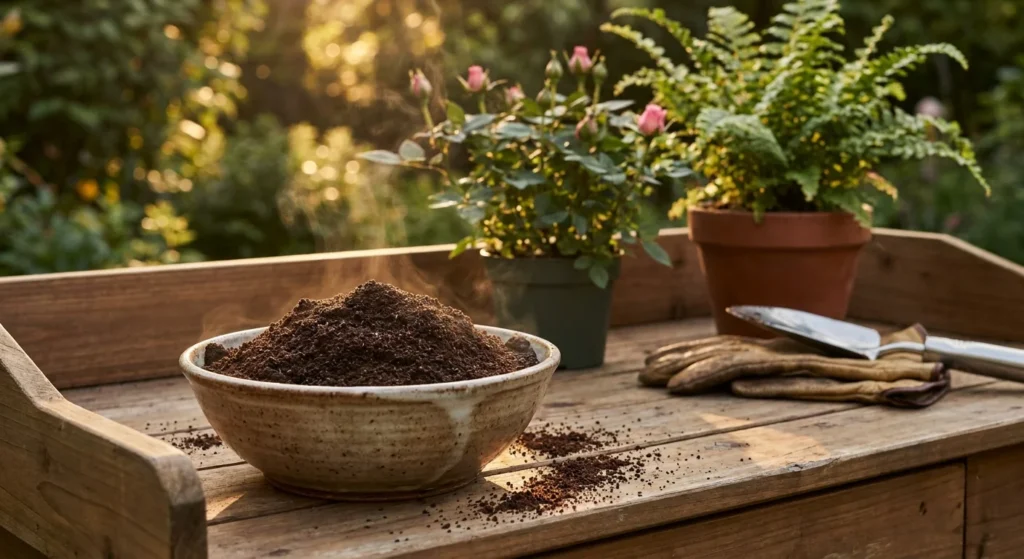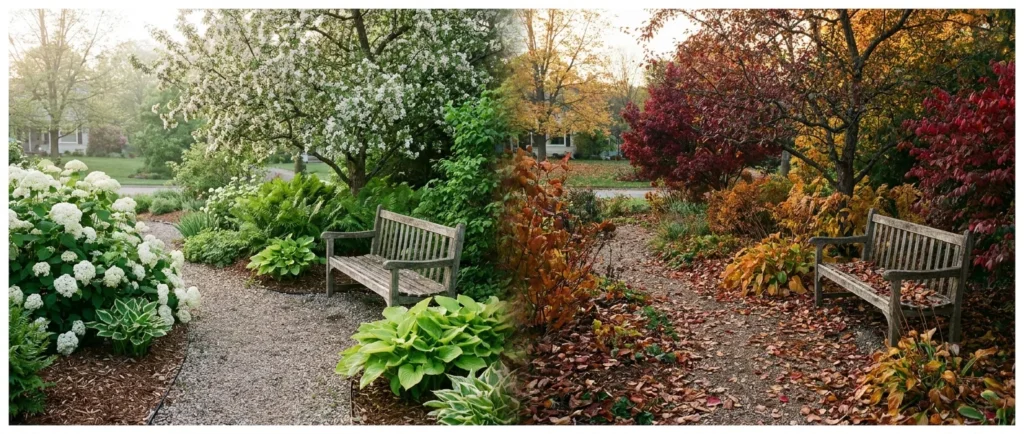
Transform your landscape into a breathtaking floral masterpiece by planting the right magnolia tree for your specific climate and aesthetic vision. Known for their massive, fragrant blossoms and striking silhouettes, these elegant ornamental plants provide unparalleled springtime drama and year-round architectural interest. Whether you need a compact shrub for a small courtyard or a towering evergreen to anchor a sprawling lawn, a perfect cultivar exists for your unique space. Discovering the ideal match means understanding growth habits, blooming seasons, and hardiness zones. Explore these twelve magnificent options to elevate your property, attract vital pollinators, and create a captivating garden sanctuary that thrives for generations.
Tip #1: Southern Magnolia (Magnolia grandiflora)
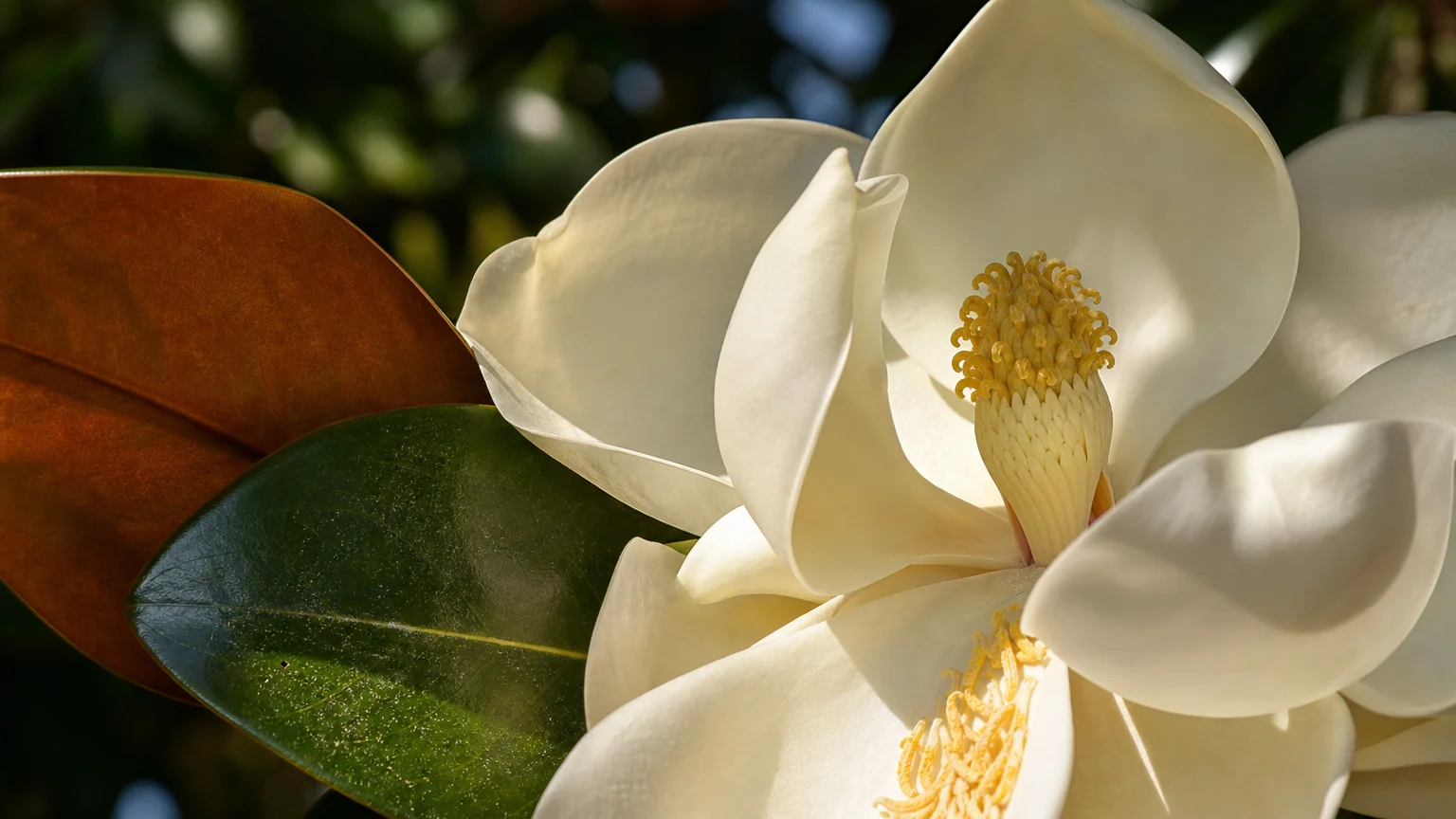
Cultivate a classic Southern landscape by planting the majestic Southern Magnolia. This evergreen giant commands attention with its glossy, deep green leaves featuring velvety, rust-colored undersides—a stunning textural contrast that persists through the winter months. Expect these towering flowering trees to reach heights of 60 to 80 feet at maturity, providing privacy and dense shade for your property. Beginning in late spring and continuing sporadically through summer, you will enjoy massive, creamy white blossoms spanning up to 12 inches across; their rich, intensely lemony fragrance effortlessly permeates the entire yard.
Plant your Southern Magnolia in well-draining, slightly acidic soil, and give it plenty of room to spread out naturally. Because of its massive, surface-level root system and the dense canopy it creates, turfgrass rarely thrives beneath its branches. You should apply a thick layer of organic mulch instead to retain moisture and suppress weeds. Monitor the branches for magnolia scale, a common pest, and treat early with horticultural oils. By giving this architectural masterpiece ample space, you create a permanent focal point that defines your landscape for generations.
Tip #2: Saucer Magnolia (Magnolia x soulangeana)
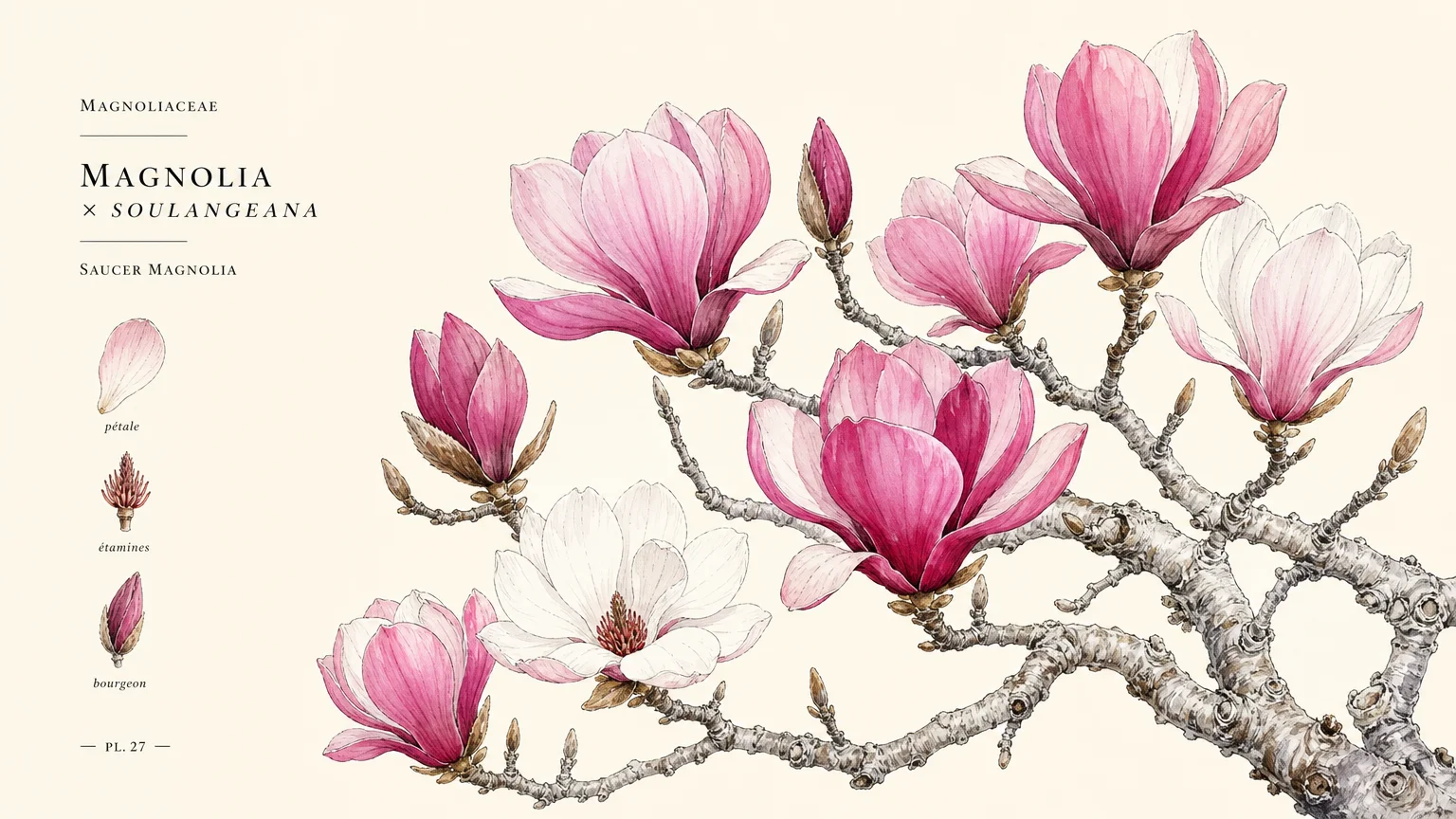
Maximize early spring color with the beloved Saucer Magnolia, one of the most popular deciduous magnolia varieties available to home gardeners. This multi-stemmed beauty erupts into a spectacular display of pink, purple, and white goblet-shaped flowers long before its leaves even begin to emerge. Reaching a manageable height of 20 to 30 feet, it serves as an excellent focal point for medium-sized front yards or mixed borders.
You must protect the early, vulnerable blooms from late spring frosts—planting it in a sheltered location away from harsh winter winds ensures the fragile buds survive unexpected, late-season cold snaps. Provide rich, loamy soil enriched with compost, and maintain consistent moisture during the first few growing seasons to establish a vigorous root system. Its broad, rounded habit adds strong architectural interest to your garden landscaping year-round, while its smooth, silvery-gray bark provides exceptional winter appeal. Pair your Saucer Magnolia with early blooming groundcovers to create a stunning, multi-layered floral display.
Tip #3: Star Magnolia (Magnolia stellata)
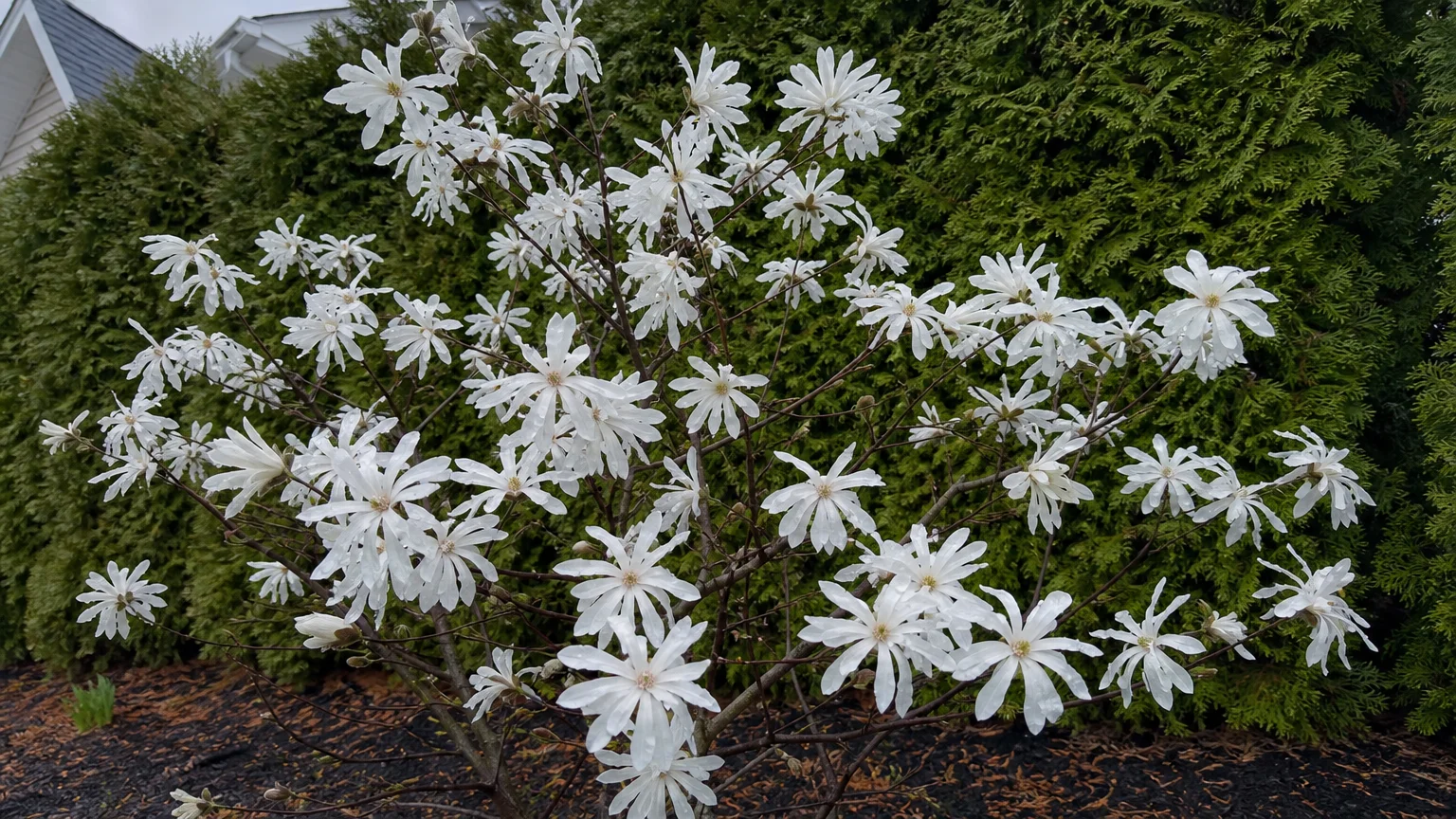
Brighten tight spaces and small garden borders with the compact Star Magnolia. This slow-growing deciduous shrub or small tree rarely exceeds 15 to 20 feet in height, making it the perfect scale for urban plots and low foundation plantings. It earns its charming name from the delicate, star-shaped white blooms boasting dozens of ribbon-like petals; these fragrant flowers arrive remarkably early in the spring, often opening in late February or early March.
Because the Star Magnolia blooms so early, plant it directly in front of a dark evergreen backdrop, like a row of dense arborvitae, to make the stark white flowers truly pop against the dark green needles. You should prune this variety sparingly, doing so immediately after flowering to seamlessly maintain its graceful, heavily tiered branching structure. Give it a location offering full sun to partial shade, and keep the soil consistently damp but never waterlogged. Watch proudly as your Star Magnolia becomes an indispensable early nectar source for emerging bees.
Tip #4: Sweetbay Magnolia (Magnolia virginiana)
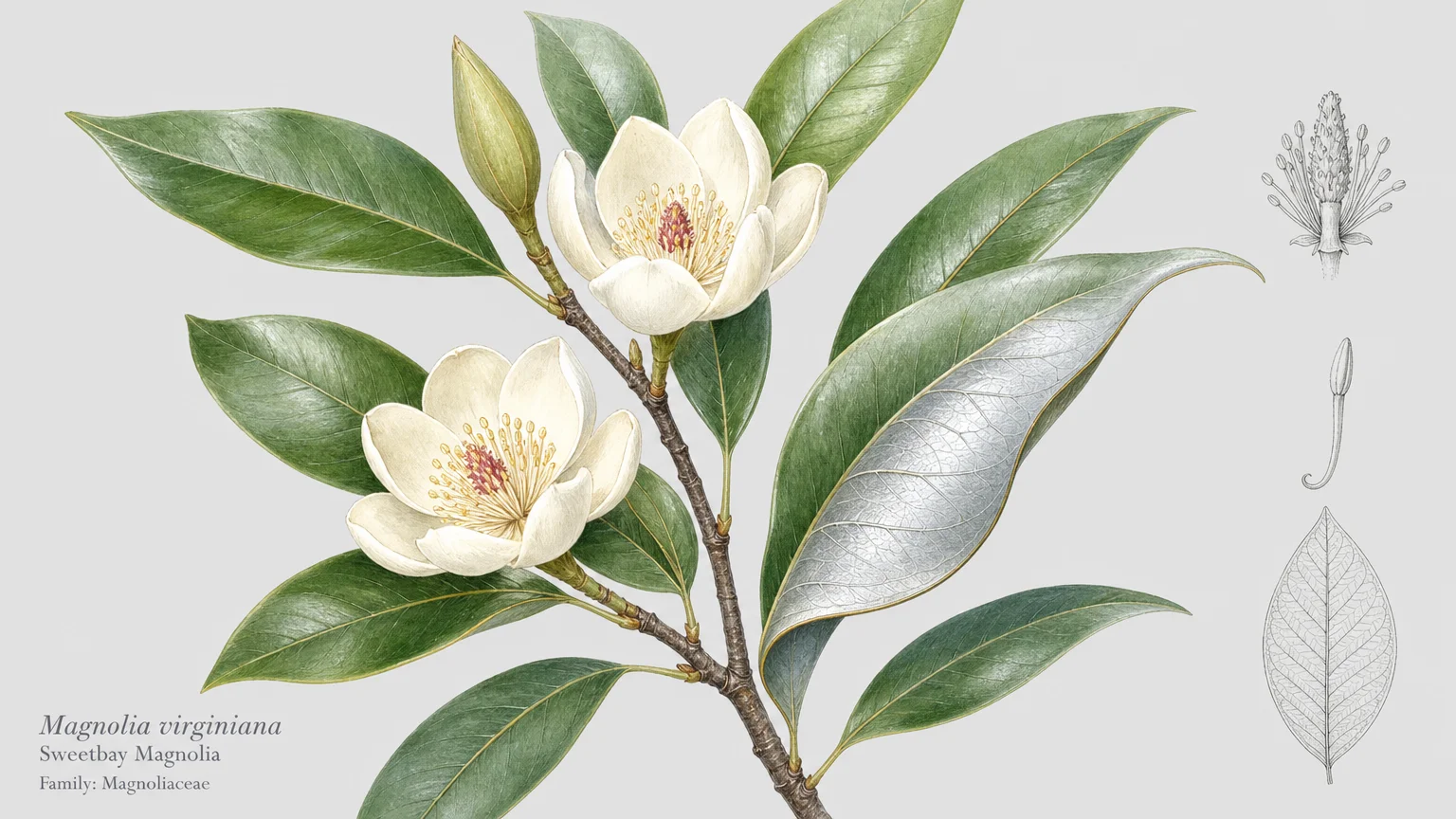
Solve tricky wet spots in your landscape by planting the adaptable, moisture-loving Sweetbay Magnolia. Unlike most traditional magnolia trees that strictly demand excellent drainage to survive, this resilient native species thrives in moist, boggy soils—even tolerating occasional standing water near ponds, streams, or low-lying rain gardens. Depending on your specific hardiness zone, it behaves as a semi-evergreen or fully deciduous tree, typically growing 20 to 30 feet tall in cooler northern climates and soaring up to 50 feet in the Deep South.
You will deeply appreciate its elegant, silvery-green foliage that flashes and shimmers beautifully whenever caught by a gentle afternoon breeze. From late spring right through the heat of summer, the Sweetbay produces smaller, two-to-three-inch creamy white flowers that continuously release a sweet vanilla scent. Plant this fragrant wonder near your outdoor patios, screened porches, or open bedroom windows to fully enjoy the lingering perfume throughout the warm months. Additionally, this tree acts as a crucial host plant for the spectacular Eastern Tiger Swallowtail butterfly.
Tip #5: Jane Magnolia (Magnolia ‘Jane’)
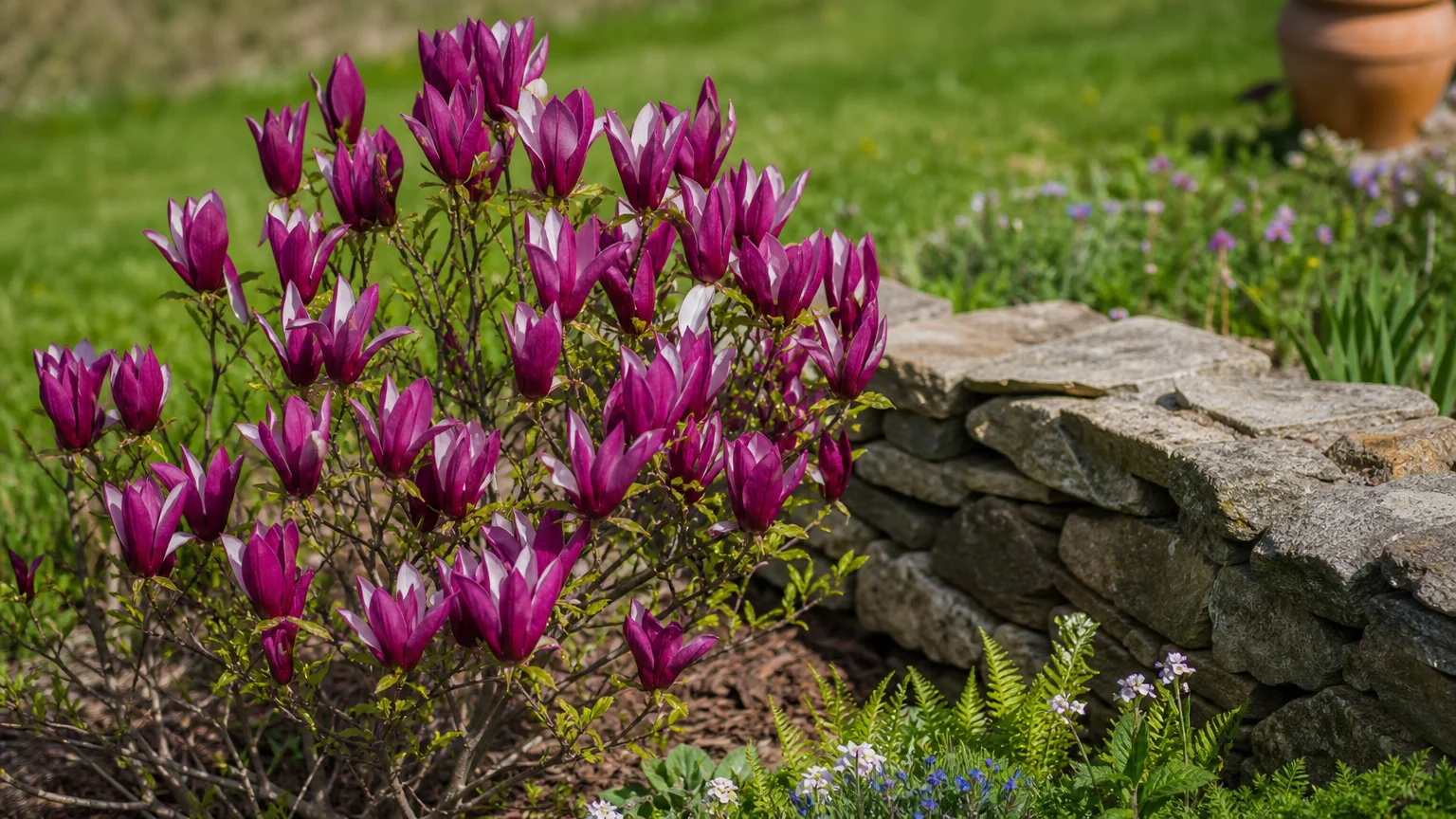
Avoid heartbreak from unpredictable late spring frosts by selecting the reliable Jane Magnolia, a true standout member of the renowned “Little Girl” series of hybrids. Developed specifically by the U.S. National Arboretum to bloom two to four weeks later than other vulnerable saucer varieties, this robust hybrid safely escapes damaging freezing temperatures. The Jane Magnolia features dramatic, tulip-shaped blossoms that display a deep reddish-purple on the outside while opening to reveal a pristine, pure white interior.
You can successfully grow it as a dense, multi-stemmed shrub or intentionally train it over time into a charming small tree reaching just 10 to 15 feet tall. Its naturally compact stature makes it an ideal, manageable addition for crowded mixed borders, property lines, or large decorative patio containers. Water the root zone deeply and consistently during summer droughts to actively encourage an occasional second wave of re-blooming later in the season. With superb resistance to common leaf diseases, this low-maintenance option practically guarantees a phenomenal floral show.
Tip #6: Lily Magnolia (Magnolia liliiflora)
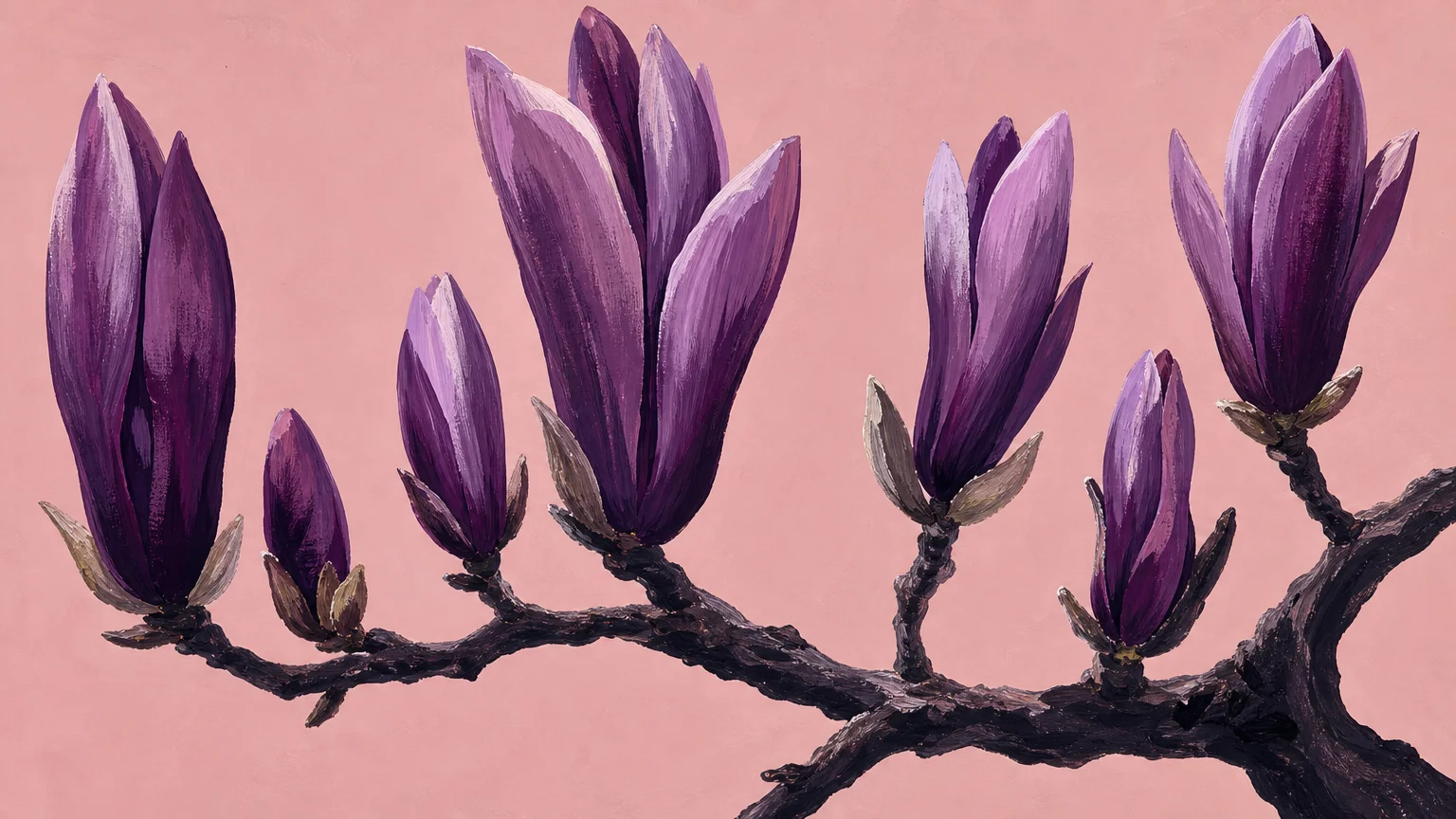
Add a touch of dramatic elegance to your courtyard design with the exquisite Lily Magnolia. Producing slender, elegant blossoms that closely mirror the upright shape of ornamental lilies, this deciduous shrub remains one of the smallest magnolia varieties available, typically maxing out at a modest 8 to 12 feet tall and wide. The stunning flowers feature dark purple-pink exteriors that seamlessly transition to soft, creamy interiors, creating a striking bi-color effect that demands close-up appreciation.
You will find it remarkably easy to tuck this versatile, compact plant directly under taller, mature shade trees or into prominent, empty corners of your garden landscaping. Because it possesses a shallow, fibrous root system, apply a generous, three-inch layer of hardwood bark mulch to keep the roots cool and retain essential soil moisture during July and August. Pair your Lily Magnolia with early-blooming yellow daffodils and vibrant grape hyacinths; the bold juxtaposition of the purple blooms against the yellow and blue spring bulbs creates a spectacular appearance.
Tip #7: Loebner Magnolia (Magnolia x loebneri)
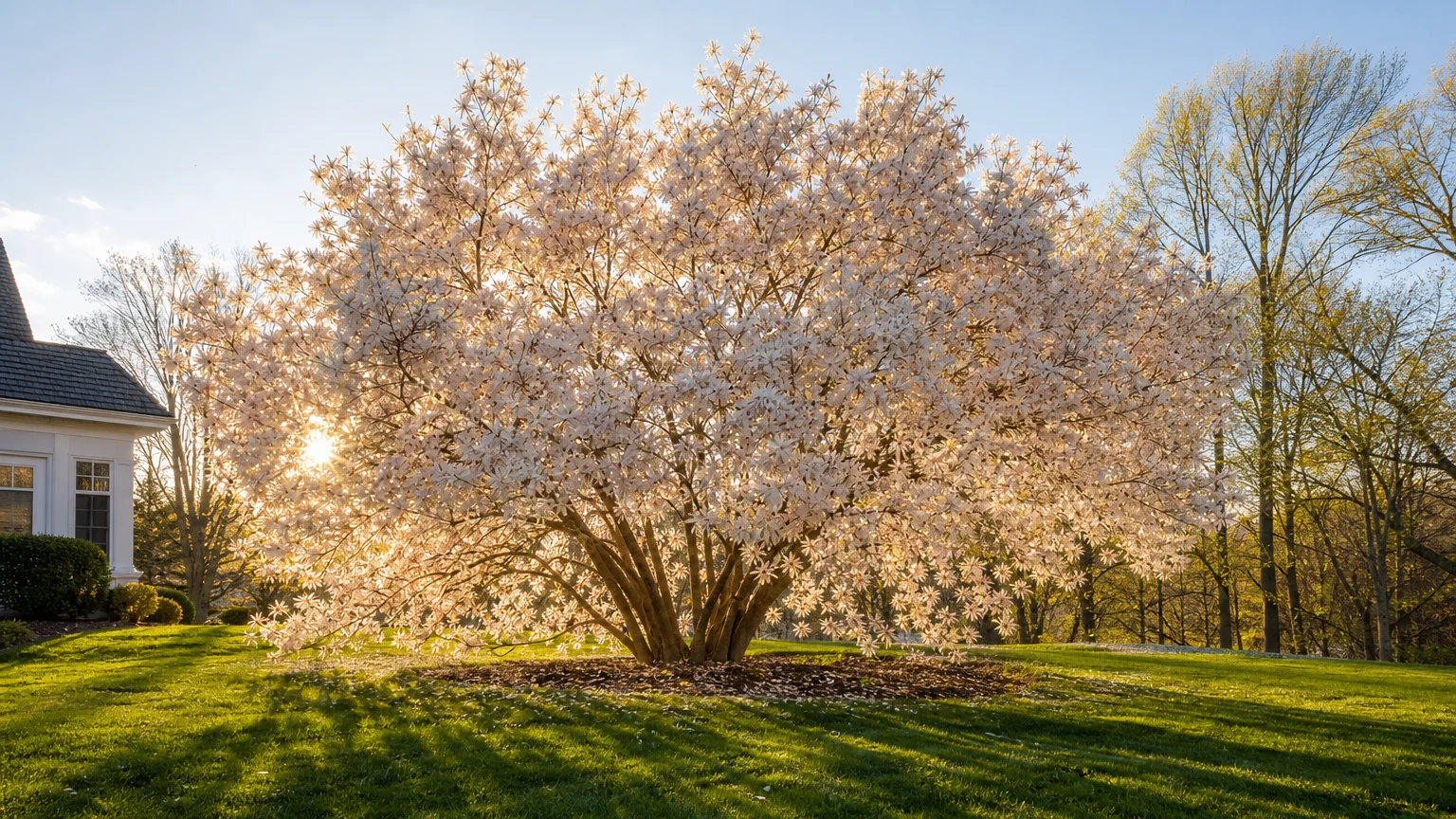
Achieve the perfect balance of manageable size and overwhelming floral density by cultivating the exceptional Loebner Magnolia. A brilliant cross between the Star Magnolia and the Kobus Magnolia, this resilient hybrid offers the delicate, multi-petaled flowers of the former on a much stronger, faster-growing tree framework. Growing to a mature height of 20 to 30 feet tall, it eventually creates a spectacular, broadly rounded canopy that completely erupts into thousands of fragrant white or pale pink flowers in early spring.
You will quickly notice how its sturdy, well-spaced branches endure winter ice accumulations and spring winds far better than its fragile parent species. Plant the Loebner Magnolia as a standalone, focal specimen tree right in the center of your front lawn to maximize its dramatic visual impact. Feed it carefully with a slow-release, acid-forming fertilizer just as the spring buds begin to swell; this strategic feeding fuels the massive floral display and strongly promotes lush, vibrant green summer foliage that lasts all season long.
Tip #8: Cucumber Tree (Magnolia acuminata)
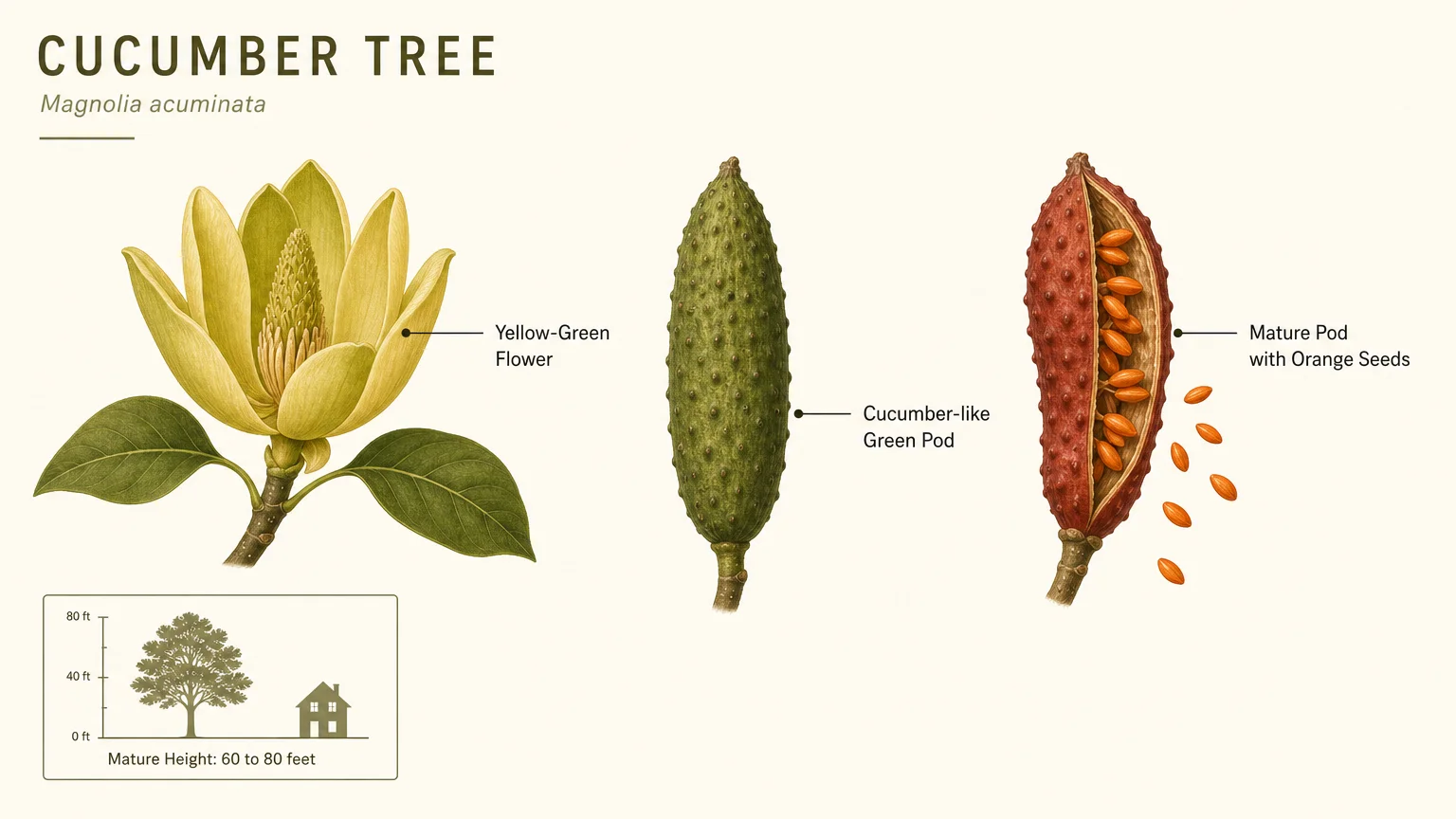
Provide massive shade and unique visual interest to an expansive property with the towering Cucumber Tree, officially recognized as the most cold-hardy of all North American magnolia trees. Easily surviving temperatures plunging all the way down to Zone 3, this rugged giant reliably reaches 60 to 80 feet in height with a massive trunk diameter exceeding three full feet. While its greenish-yellow, tulip-like flowers blend somewhat discreetly into the emerging spring foliage, you will absolutely marvel at the fascinating seed pods.
These warty green pods closely resemble miniature cucumbers before ultimately turning a striking, vivid red in late summer. This species makes an exceptional, long-lived shade tree for large private properties, golf courses, or sprawling municipal parks. Give it deep, rich, perfectly well-draining soil, and intentionally allow plenty of physical distance from your permanent structures; its expansive root system requires significant underground real estate to flourish naturally without accidentally disrupting adjacent sidewalks, driveways, or delicate home foundations over the coming decades.
Tip #9: Bigleaf Magnolia (Magnolia macrophylla)
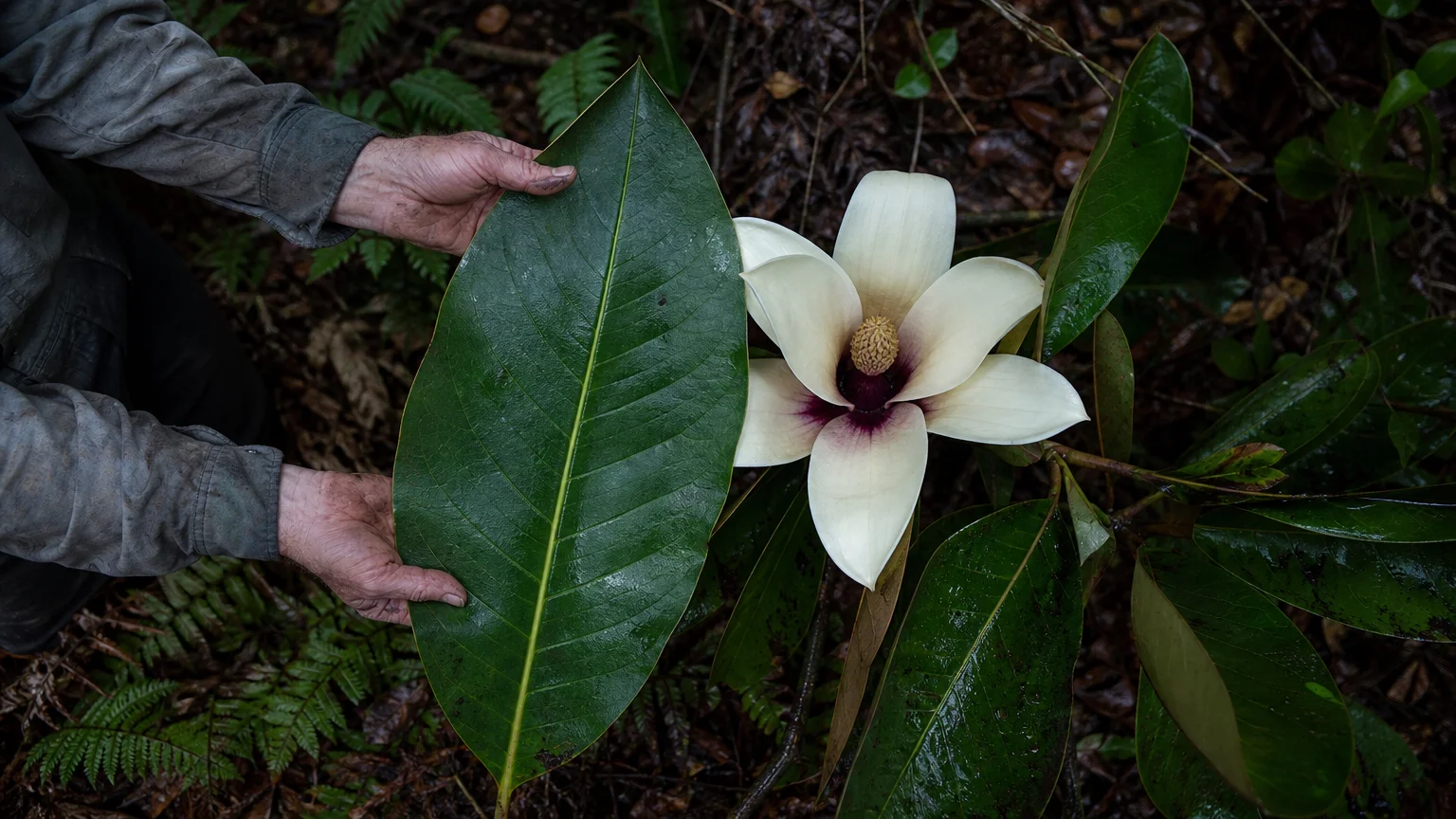
Create a lush, dramatically tropical oasis directly in a temperate climate by planting the extraordinary Bigleaf Magnolia. This magnificent specimen instantly commands attention through its sheer scale; it proudly produces the absolute largest simple leaves and the largest solitary flowers of any native plant growing in North America. The gigantic, paddle-shaped leaves easily span up to 30 inches long, while the intensely fragrant, creamy white blossoms open to measure an incredible 10 to 14 inches across.
Reaching canopy heights of 30 to 40 feet, it effortlessly casts dense, cooling shade perfectly suited for tranquil woodland gardens. You must intentionally plant this delicate variety in a highly sheltered, wind-protected location; strong gusts of wind easily shred the massive, fragile leaves, quickly ruining the plant’s pristine, exotic aesthetic. Supply the planting site with rich, organic, humus-heavy soil that closely mirrors its natural Appalachian forest habitat, ensuring robust, uninterrupted growth and a spectacular visual display.
Tip #10: Yulan Magnolia (Magnolia denudata)
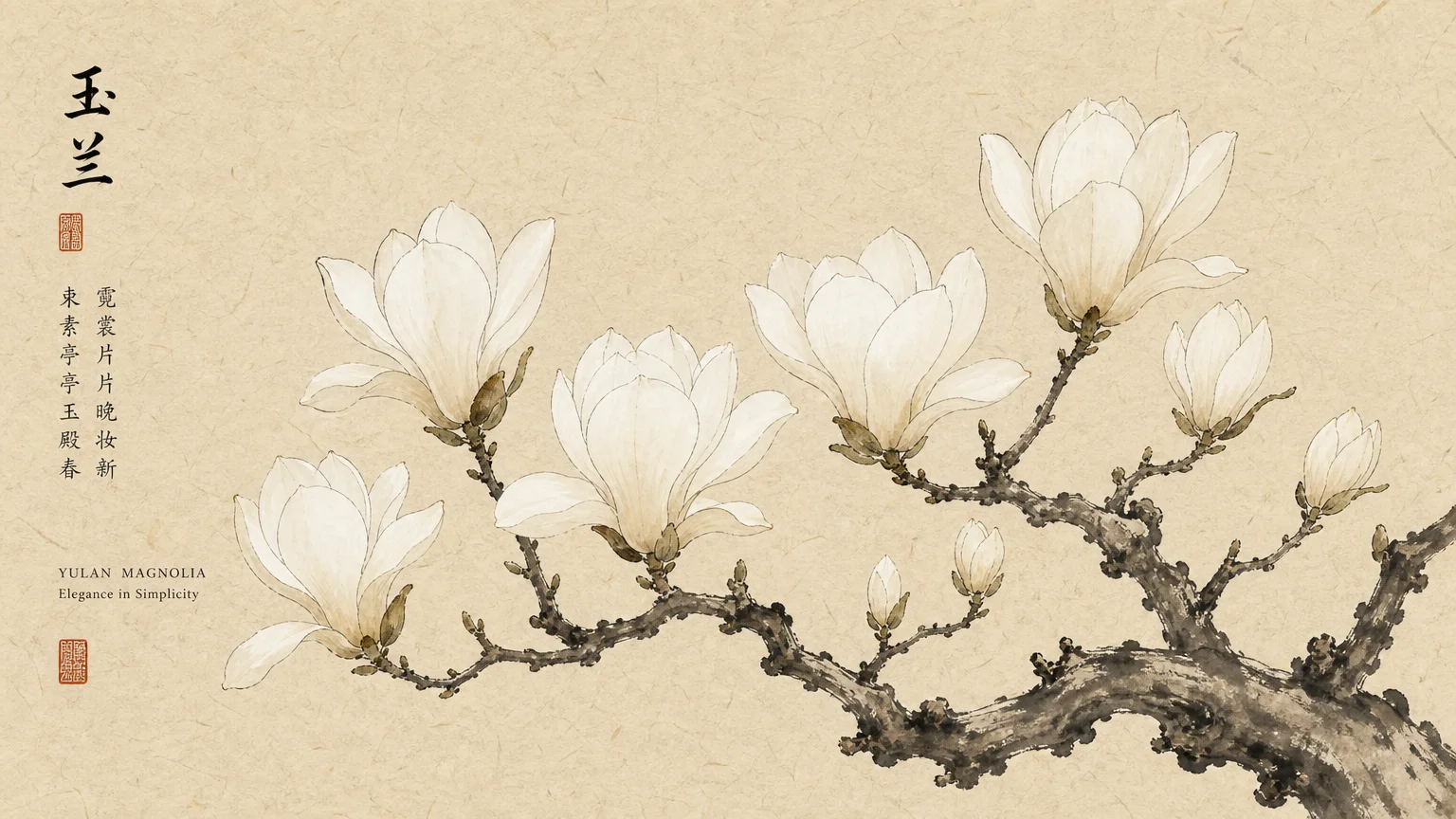
Infuse your home garden landscaping with centuries of revered horticultural history by growing the breathtaking Yulan Magnolia. Cultivated in Chinese imperial and temple gardens for well over a thousand years, this historically significant deciduous tree perfectly represents concepts of purity, nobility, and natural elegance. Long before the deep green foliage appears, the tree completely covers its bare, elegantly twisting branches in thick, ivory-white, chalice-shaped flowers that release a distinct citrus fragrance into the crisp spring air.
Growing steadily to a mature height of 30 to 40 feet, it develops a picturesque, irregular, and spreading crown that looks exceptionally dramatic when silhouetted against a clear, bright blue spring sky. You should position this gorgeous tree where its early blooms perfectly catch the soft morning sunlight, dramatically enhancing the luminous, glowing quality of the pristine white petals. Maintain a slightly acidic soil pH and diligently provide supplemental water during any extended summer dry spells to successfully protect and nourish next year’s sensitive developing flower buds.
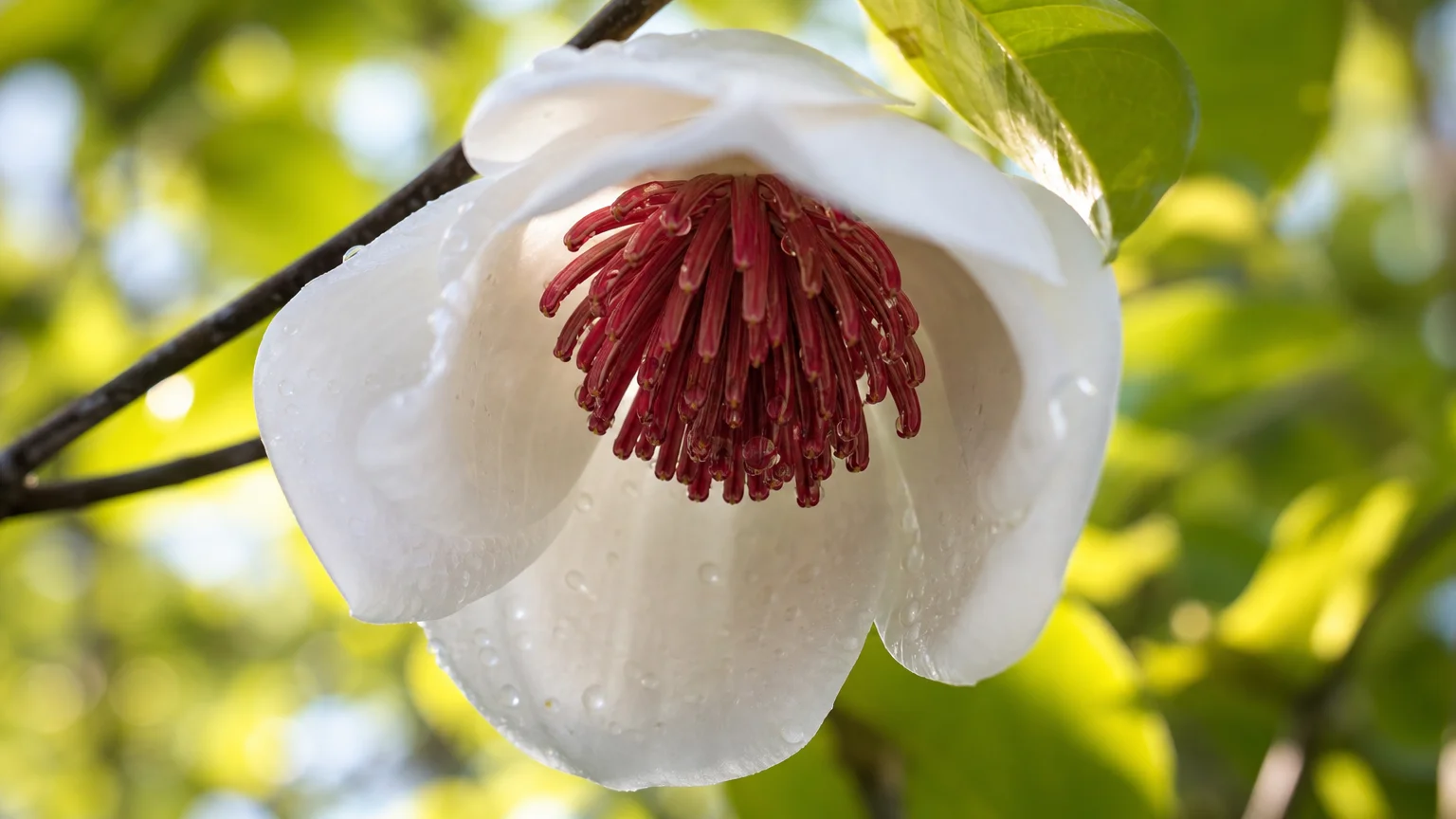
Tip #11: Oyama Magnolia (Magnolia sieboldii)
Extend your garden’s magical magnolia season well into the sweltering summer months by introducing the enchanting Oyama Magnolia. Unlike the familiar upright, goblet-shaped blooms of early spring varieties, this unique, spreading large shrub or small tree produces nodding, cup-shaped pure white flowers featuring striking, contrasting crimson stamens that dangle gracefully from the branches. Blooming continuously from late spring right through mid-summer, it reliably releases a captivating, sweet fragrance exactly when you begin spending more time relaxing outdoors on your patio.
Reaching a modest 10 to 15 feet tall, the Oyama Magnolia naturally thrives as a sheltered understory tree. You should protect its delicate foliage from the harsh, baking afternoon sun; providing dappled shade perfectly replicates its natural woodland environment and actively prevents the sensitive leaves from burning or scorching. Prune out any dead or crossing wood in late winter to effortlessly maintain its elegant, wide-spreading horizontal form, and surround the base with lush, shade-loving ferns to complete the tranquil woodland aesthetic.
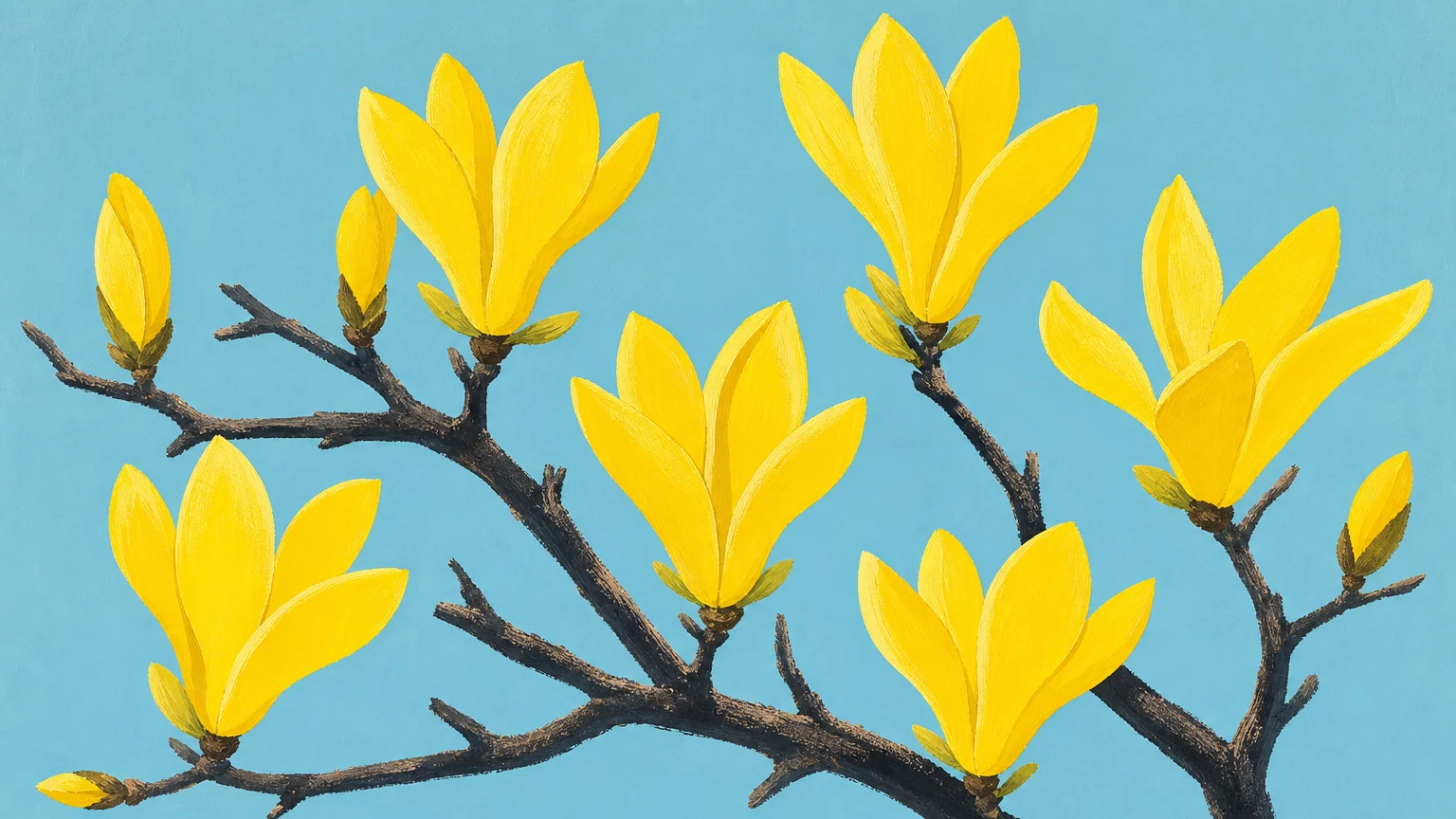
Tip #12: Butterflies Magnolia (Magnolia ‘Butterflies’)
Break away completely from traditional pinks and whites by making a bold statement with the spectacular Butterflies Magnolia. Universally recognized by landscape architects as one of the finest yellow flowering trees currently available, this sensational hybrid proudly produces brilliant, canary-yellow blossoms that sit perfectly upright on the bare branches—strikingly resembling a massive flock of yellow butterflies gracefully resting on the dark wood. It steadily grows into a tidy, symmetrical pyramidal tree reaching 15 to 20 feet tall, making it a stellar focal point.
Because the vibrant yellow pigment occasionally fades if exposed to intense, unseasonable heat, you will consistently achieve the absolute best blossom color in cooler, temperate climate zones. Plant your magnificent Butterflies Magnolia in perfectly well-draining soil heavily enriched with organic compost, and eagerly enjoy the incredibly cheerful, lemon-scented blooms that reliably arrive just as the dreary, gray winter weather finally breaks for the season. It perfectly bridges the gap between winter dormancy and the massive flush of standard spring perennials.
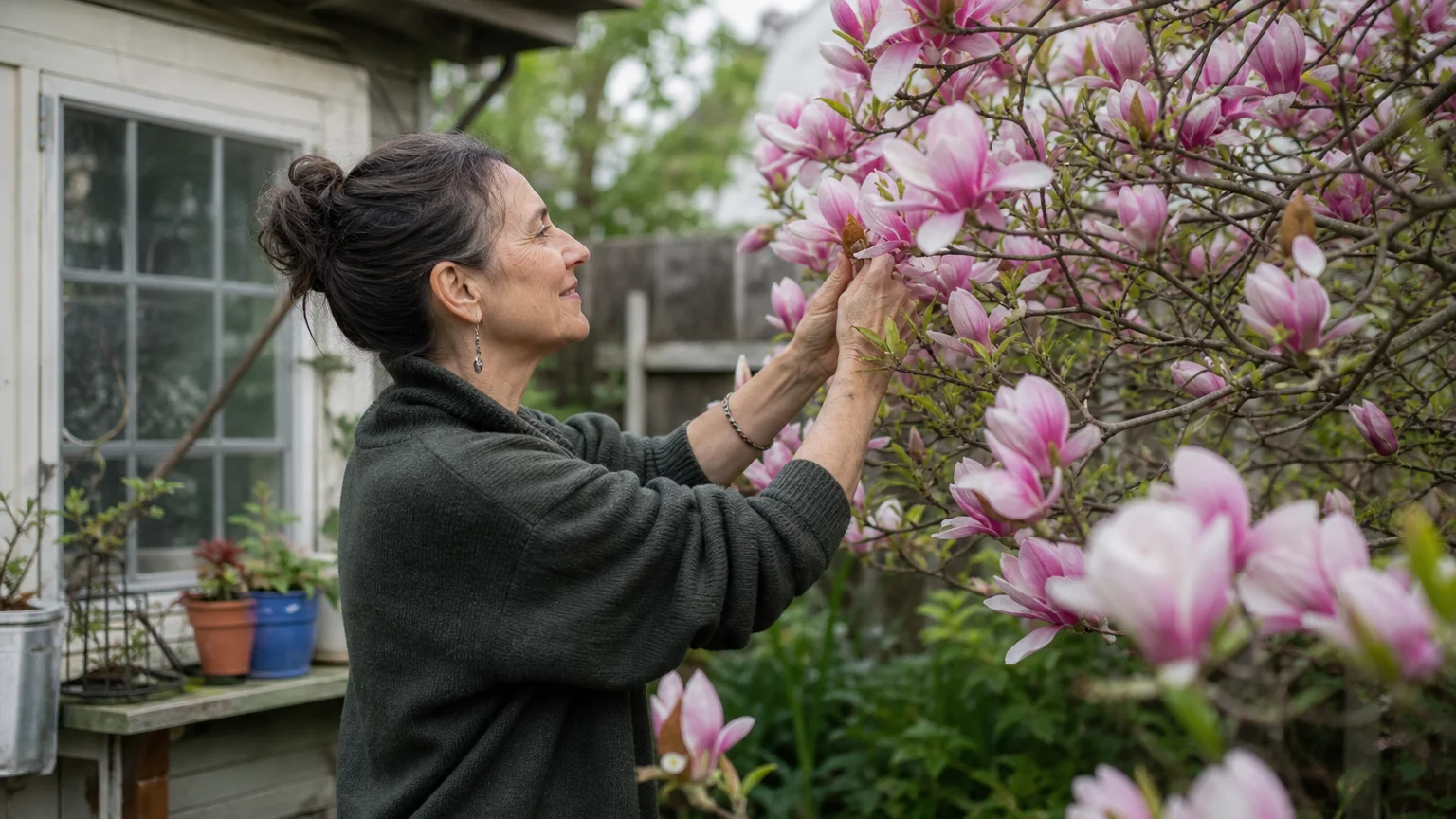
Putting It All Together: Enjoy Your Beautiful Garden
Selecting the perfect magnolia variety transforms an ordinary yard into a spectacular, fragrant haven. By truly understanding the unique, diverse characteristics of these spectacular ornamental plants—from the towering evergreen presence of the classic Southern Magnolia to the cheerful yellow blossoms of the compact Butterflies Magnolia—you can thoughtfully design a beautiful landscape that captivates your family and neighbors throughout the entire year. Remember always to match your chosen tree closely to your specific local hardiness zone and native soil conditions.
Take the required time to properly amend your planting site with rich compost, provide adequate, deep moisture during the crucial first-year establishment period, and consistently apply a thick, protective layer of mulch to deeply insulate the shallow root systems. Grab your favorite shovel, eagerly visit your trusted local plant nursery, and start planting the magnificent, long-lived flowering trees that will successfully bring literal generations of breathtaking beauty, cooling shade, and unmatched horticultural joy to your personal outdoor living space.
Frequently Asked Questions
When is the best time to plant a magnolia tree?
You should plant deciduous magnolias in late fall or early spring while the tree remains dormant. For the evergreen varieties, early spring serves as the absolute ideal planting window. Planting carefully during these cooler months effectively allows the root system to establish itself completely before the intense heat of summer suddenly arrives, significantly reducing the dangerous risk of transplant shock.
How quickly do magnolia trees grow?
Growth rates vary significantly among the different available magnolia varieties. Most standard varieties grow at a highly moderate pace of one to two feet per year under perfectly optimal soil conditions. Smaller shrub varieties generally grow much more slowly, while larger, more aggressive species like the towering Cucumber Tree can easily add well over two feet of vigorous new growth annually once fully and properly established in rich, well-draining soil.
Do magnolias require a lot of pruning?
No, you rarely ever need to prune these naturally elegant flowering trees. In fact, heavy, aggressive pruning often entirely ruins their naturally graceful, branching shapes and severely reduces their future blooming potential. Limit your necessary pruning strictly to removing dead, visibly diseased, or awkwardly crossing branches. Always make sure to prune immediately after the current blooming cycle completely finishes to permanently avoid accidentally cutting off next year’s newly developing flower buds.
For region-specific advice, consult your local University Extension program (find yours via the USDA directory). For plant databases and inspiration, visit the Missouri Botanical Garden or the Royal Horticultural Society.
Disclaimer: This article provides general gardening advice. Always consider your specific climate, soil conditions, and local pests. Follow safety guidelines when using gardening tools and products.