12 Plants That Thrive Using This Simple Coffee Ground Trick

Transforming your daily brewing waste into a powerful natural plant fertilizer gives you lush foliage and vibrant blooms without spending extra money. Used coffee grounds provide a gentle, steady source of essential nutrients like nitrogen, phosphorus, and potassium while improving soil drainage and aeration. This simple organic gardening trick creates the perfect growing environment for both indoor and outdoor varieties that prefer slightly acidic to neutral soil conditions. Instead of throwing those precious grounds in the trash, you can recycle them directly into your garden beds or potting mixes to cultivate healthier, stronger roots. By understanding exactly which species crave this rich organic matter, you maximize your harvest and cultivate a stunning landscape with minimal effort.
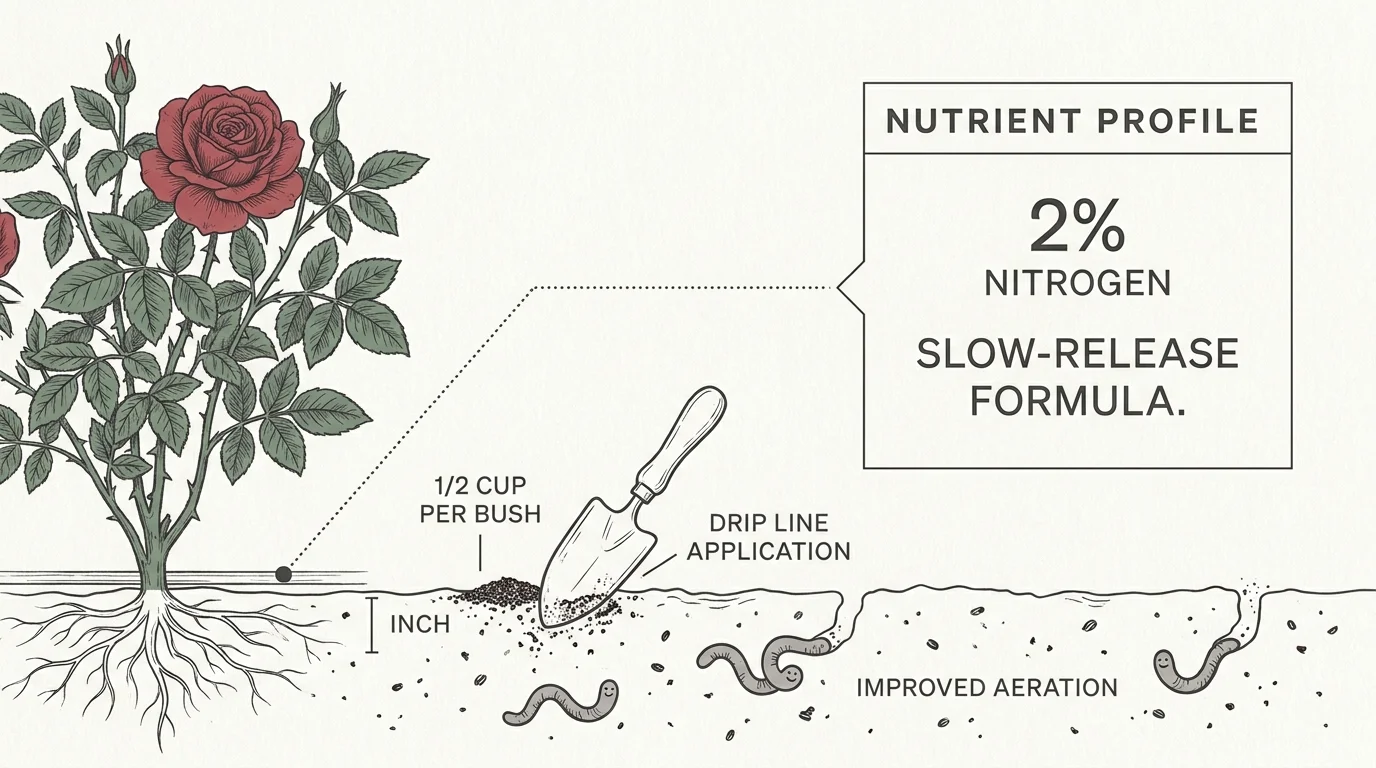
A gardening diagram showing how to apply a half-cup of coffee grounds to the base of a rose bush for nitrogen.
This diagram shows how applying coffee grounds provides nitrogen and improves soil aeration for healthy roses.

Tip #1: Roses

Roses are notoriously heavy feeders that demand nutrient-dense soil to produce spectacular, prize-winning blooms. Transforming your morning waste into a soil amendment provides these iconic flowers with a highly effective, slow-release source of vital nitrogen.

Used grounds contain roughly two percent nitrogen by volume, which directly supports the rapid development of strong canes and lush, disease-resistant foliage. Earthworms absolutely love tunneling through coffee-enriched soil; as they digest the grounds, they physically aerate the root zone, drastically improving water drainage and oxygen flow. Apply this natural plant fertilizer by measuring out a half-cup of used grounds per mature rose bush. Scatter the granules evenly around the drip line, then use a hand trowel to scratch them lightly into the top inch of the earth before watering deeply.
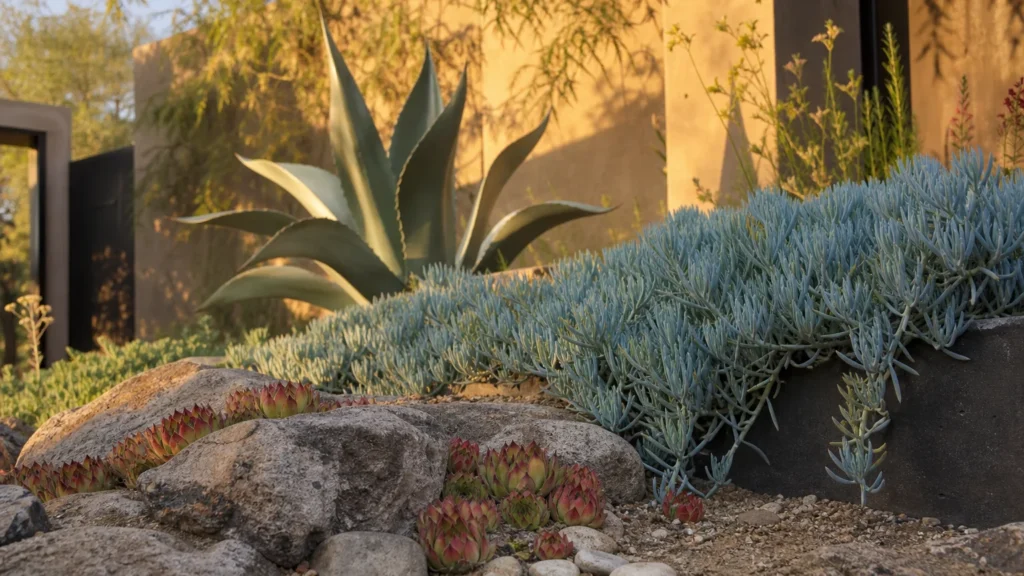
A collage showing blueberries, a pH scale highlighting 4.5 to 5.5, and a note about using unwashed coffee grounds.
Blueberries flourish when unwashed coffee grounds are used to maintain an ideal acidic pH range for growth.

Tip #2: Blueberries

Blueberries represent the quintessential acid-loving fruiting shrub, requiring strictly managed soil chemistry to thrive and produce heavy, sweet yields. These productive bushes demand an acidic soil pH hovering closely between 4.5 and 5.5 to absorb iron properly.

When the soil pH drifts too high, blueberries suffer from yellowing leaves and a disappointing, meager harvest. Coffee ground gardening offers a practical solution to maintain that crucial acidity while simultaneously delivering an organic nitrogen boost. Unwashed, fresh grounds retain far more of their natural acidity than brewed grounds, making them an exceptional targeted treatment for your blueberry patch. In early spring, just as the buds begin to swell, spread a solid one-inch layer of unwashed grounds directly beneath the protective mulch layer around the base of each bush.

A gardener pouring homemade coffee ground compost tea from a green bucket onto the roots of a pink azalea.
Pouring coffee ground compost tea onto the soil helps these vibrant pink azaleas grow and bloom beautifully.

Tip #3: Azaleas

These vibrant spring-blooming shrubs share a close botanical relationship with blueberries and exhibit an identical demand for acidic growing environments. Azaleas possess remarkably shallow, delicate root systems that easily dry out or suffer from severe nutrient burn when exposed to harsh synthetic fertilizers.

Using organic gardening tips like liquid coffee ground applications provides a safe, water-soluble nutrient profile that feeds the shrub without shocking the root system. As the grounds decompose naturally, they actively encourage the growth of beneficial soil microbes that break down surrounding organic matter into bioavailable plant food. Treat your azaleas by creating a nutrient-dense compost tea. Steep two cups of used grounds in a five-gallon bucket of water for forty-eight hours, then pour this amber liquid directly over the root zone.

A close-up of a hydrangea flower head that is half pink and half blue, showing the effect of soil acidity.
Coffee grounds help this vibrant pink and blue hydrangea bloom achieve its stunning colors in the garden.

Tip #4: Hydrangeas

Bigleaf hydrangeas captivate gardeners with their magical ability to change bloom colors based entirely on the chemical composition of the surrounding earth. If you dream of transforming your pale pink hydrangea blossoms into a stunning, saturated blue, you must actively lower the soil pH.

Highly acidic environments allow the delicate hydrangea roots to easily absorb naturally occurring aluminum from the soil, which directly triggers the dramatic blue color shift. Integrating grounds into your routine soil enrichment methods suppresses the pH level naturally over time while simultaneously feeding the leafy vegetative growth. Twice a year—once in early spring and once in mid-summer—work one full cup of used grounds into the soil profile right at the drip line. Always follow this application with a deep soaking.

A comparison diagram showing a tomato plant with coffee-amended soil having a larger root system and more fruit.
Coffee-amended soil results in larger tomato plants with stronger roots and a significantly higher fruit yield.

Tip #5: Tomatoes

Tomatoes consume massive amounts of energy during their rapid summer growth cycle, demanding consistent nutrition to set heavy, juicy fruit clusters. These popular garden vegetables require a significant nitrogen supply early in the season to build the structural leaf canopy strictly necessary for photosynthesis.

Heavy clay soils often restrict aggressive tomato roots, causing stunted growth and poor water uptake during the hottest months. Incorporating grounds into your raised tomato beds directly improves soil tilth, creating a loose, friable texture that encourages deep root penetration. Mix one part used grounds with three parts high-quality compost to create an elite planting blend. When you transplant your tomato seedlings into the garden, shovel a generous scoop of this dark, rich mixture straight into the bottom of the planting hole.

A mixed media artwork featuring rhododendron flowers, dark soil textures, and the words 'Acid-Loving Evergreen'.
A purple rhododendron painting features real coffee grounds to illustrate why this evergreen loves acidic soil.

Tip #6: Rhododendrons

Rhododendrons serve as the majestic, evergreen backbone of many woodland gardens, but they quickly decline and suffer in compacted, alkaline soils. These robust shrubs evolved to grow in the deep humus of shaded forest floors, surrounded by decaying leaves and natural organic debris.

Applying coffee waste beautifully replicates this natural, woodland-like soil texture while actively preventing the dense compaction that leads to devastating fungal diseases like root rot. The organic grounds physically separate soil particles, facilitating excellent drainage while acting as a gentle, slow-release natural plant fertilizer. Refresh the growing environment by top-dressing the earth around the main stem with a half-inch layer of used grounds each spring. Pull the grounds and surrounding mulch at least two inches away from the actual woody trunk.

Hands pulling straight, healthy carrots from loose soil mixed with coffee grounds in a sunny garden.
A gardener harvests vibrant orange carrots from a raised bed enriched with recycled coffee ground compost.

Tip #7: Carrots

Growing perfectly straight, picture-worthy carrots requires incredibly loose, obstacle-free soil from the surface all the way down to the taproot’s very tip. Dense, clumpy earth forces the growing carrot tip to bend and fork, resulting in severely deformed and stunted vegetables.

Coffee grounds act as a premium physical soil conditioner, lightening heavy clay and breaking up the tough dirt clods that ruin root crops. Additionally, the lingering, pungent scent of roasted coffee acts as a powerful natural deterrent against devastating soil pests like root maggots and carrot rust flies. One week before sowing your carrot seeds, till a concentrated half-inch layer of grounds deeply into the top eight inches of your garden bed. This guarantees a fluffy, aerated seedbed for straight downward growth.

A stylized collage of radishes growing in coffee-enriched soil, with labels for fast-drainage and nutrients.
Vibrant pink radishes thrive in fast-drainage soil enriched with a simple sprinkle of coffee grounds.

Tip #8: Radishes

Radishes provide one of the absolute fastest harvests in the vegetable garden, but they demand a well-aerated, consistently moist seedbed to swell into crisp globes. Soil compaction stands as the primary culprit behind radishes that produce massive, leafy green tops but absolutely no edible underground bulb.

Adding granular organic material prevents the soil surface from crusting over tightly after heavy spring rains, ensuring the developing radishes have the physical space to expand. Optimize your early planting process by blending equal parts dry coffee grounds and tiny radish seeds in a small bowl before heading out to the garden. Broadcasting this mixture across the soil surface naturally spaces the tiny seeds out, drastically reducing the tedious chore of thinning seedlings.

A tall snake plant in a white pot on a wooden table, with a sprinkle of coffee grounds on the soil surface.
A vibrant snake plant sits on a wooden table with coffee grounds spread over its potting soil.

Tip #9: Snake Plants

Houseplants often suffer from neglect, but the resilient snake plant powers through almost any condition while quietly purifying your indoor air. Even these incredibly tough survivors occasionally require a structural nutrient boost to maintain their striking, upright architectural leaves over the years.

Mastering essential houseplant care tips means recognizing exactly when to feed indoor specimens without overwhelming them with harsh synthetic chemicals that cause crispy, burnt leaf tips. Used grounds mimic the rich, decomposing organic debris found in their native tropical habitats, delivering trace minerals without dangerously spiking the soil salinity. Create a highly diluted liquid feed by vigorously whisking one tablespoon of brewed grounds into a gallon of room-temperature water. Utilize this mild, nutrient-infused water once every three months.

A creative collage of a trailing pothos plant with icons representing coffee grounds and recycling waste.
Turn recycled coffee grounds into liquid gold fertilizer to help your vibrant pothos plants grow lush.

Tip #10: Pothos

Pothos vines eagerly trail down bookshelves and across curtain rods, relying heavily on a steady supply of nitrogen to push out continuous new leaf nodes. Potted indoor environments present unique challenges; harsh chemical fertilizers frequently leave heavy salt accumulations in the confined soil, eventually toxifying the delicate plant roots.

Utilizing organic soil enrichment methods provides your indoor vines with a clean, slow-release alternative that physically improves the potting mix’s crucial moisture-holding capacity. When treating indoor plants, you must manage moisture carefully to prevent unwanted fungus gnat infestations. Spread your used grounds out on a baking sheet and allow them to dry completely in the sun. Once totally dry, sprinkle just a single teaspoon onto the surface of the pothos potting soil and water deeply.

A close-up of a hand using a spoon to add coffee grounds to the base of a purple African Violet on a sunny windowsill.
A hand spoons coffee grounds into the soil of a blooming African Violet on a sunny windowsill.

Tip #11: African Violets

African violets demand highly precise environmental controls, rewarding careful indoor gardeners with spectacular, continuous flushes of velvety, jewel-toned blossoms. These delicate bloomers possess a notoriously high sensitivity to pH fluctuations, strictly preferring a slightly acidic potting medium hovering exactly between 5.8 and 6.2.

A carefully measured application of coffee residue provides the exact acidic environment and essential trace minerals needed to trigger prolific, vibrant blooming cycles. Because tap water severely damages their fuzzy, delicate leaves, you must avoid top-dressing the soil directly with wet grounds. Instead, place a used, ground-filled paper coffee filter into a pitcher of water and let it steep for twenty-four hours. Remove the filter and use the resulting weak amber liquid to carefully bottom-water your African violets.

A textured artwork showing fern fronds growing in dark, moisture-rich soil enriched with coffee grounds.
Fern illustrations grow from coffee grounds in this mixed media piece highlighting improved water retention for plants.

Tip #12: Ferns

Whether you cultivate massive Boston ferns in hanging porch baskets or delicate Japanese painted ferns in a shaded garden border, these ancient plants crave rich nutrition. Ferns naturally evolved to flourish on the heavily shaded, perpetually moist forest floor, drawing vital sustenance from a deep layer of decaying organic leaf litter.

Incorporating coffee directly into their environment perfectly replicates this humus-rich, loose forest soil, retaining essential moisture while allowing excess water to drain rapidly away from the roots. The grounds provide the steady, low-dose nitrogen supply strictly necessary to keep their intricate fronds a vibrant, healthy green. Using your fingertips, gently fold a small handful of grounds into the top two inches of the soil profile, avoiding the fragile root hairs.

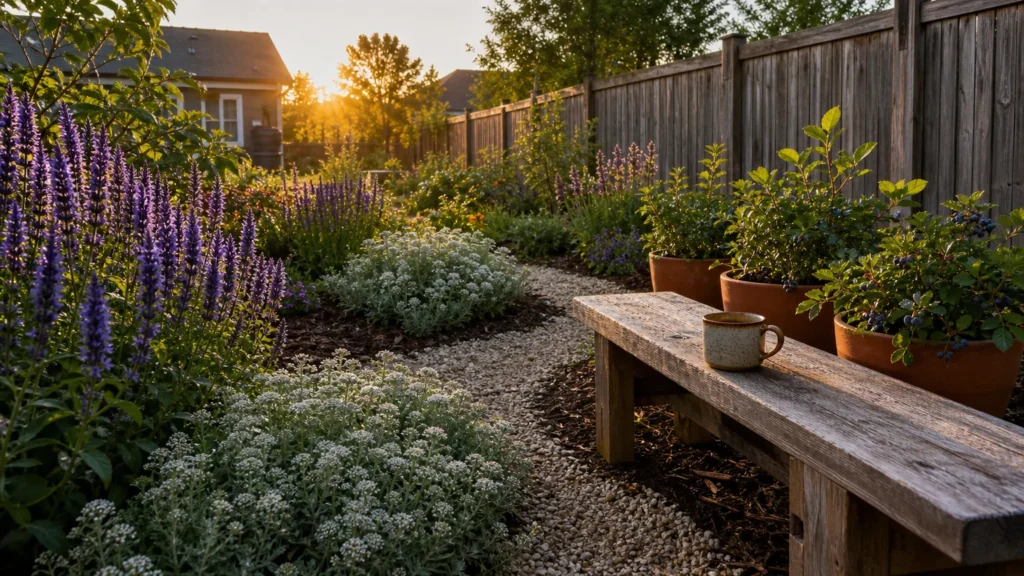
A lush, vibrant backyard garden with various healthy plants, glowing in the soft evening light.
A coffee tin sits on a wooden bench beside a lush garden of blooming hydrangeas and roses.

Putting It All Together: Enjoy Your Beautiful Garden

Recycling your morning coffee waste transforms your everyday gardening routine and actively supercharges your plant growth. These highly effective soil enrichment methods save you money on expensive commercial fertilizers while simultaneously building a healthier, more robust soil ecosystem. You now know exactly which plants benefit the absolute most from this organic boost, from the prized roses blooming in your front yard to the trailing pothos vines brightening up your living room.

Remember to practice moderation when applying any new natural soil amendment. Using thin, even layers and blending the grounds thoroughly into your existing soil actively prevents surface compaction and guarantees optimal nutrient absorption. Monitor your plants carefully throughout the growing season, testing your soil pH annually to ensure you maintain the perfect growing environment. Grab that leftover coffee filter, head out into the fresh air, and watch your beloved plants thrive like never before.

Frequently Asked Questions

Can I use fresh, unbrewed coffee grounds on my plants?

Fresh, unbrewed grounds contain significantly higher levels of natural acidity and active caffeine than brewed grounds. You should exclusively reserve unbrewed grounds for highly acid-loving plants like blueberries, azaleas, and hydrangeas. Always sprinkle fresh grounds sparingly, as the high caffeine content can temporarily stunt the growth of younger, more sensitive seedlings.

Will coffee grounds attract pests to my garden?

No, used grounds actually actively repel many common garden pests that destroy your crops. The strong, pungent scent naturally deters destructive insects like root maggots, snails, and slugs. Additionally, neighborhood cats strongly dislike the smell and texture of coffee, stopping them from using your freshly tilled garden beds as an outdoor litter box.

How often should I apply coffee grounds to my plants?

Moderation strictly guarantees the best possible growth results. Apply a thin, half-inch layer of grounds outdoors once every three to four months during the active growing season. For your indoor houseplants, limit your liquid applications or dry soil dustings to once every quarter to completely prevent unwanted nutrient buildup.

Can coffee grounds cause mold on houseplant soil?

Yes, damp grounds can quickly develop a harmless white fungal mold if left sitting wet on the soil surface indoors. Always dry your used grounds completely on a baking sheet before adding them to indoor potted plants. Alternatively, brew a diluted compost tea to deliver the rich nutrients without leaving any damp physical residue behind.

For region-specific advice, consult your local University Extension program (find yours via the USDA directory). For plant databases and inspiration, visit the Missouri Botanical Garden or the Royal Horticultural Society.

Disclaimer: This article provides general gardening advice. Always consider your specific climate, soil conditions, and local pests. Follow safety guidelines when using gardening tools and products.

SHARE:

Leave a Reply

Your email address will not be published. Required fields are marked *

About the Author

More questions?

Most Popular

Be in the Know: Subscribe for Blooming Updates!