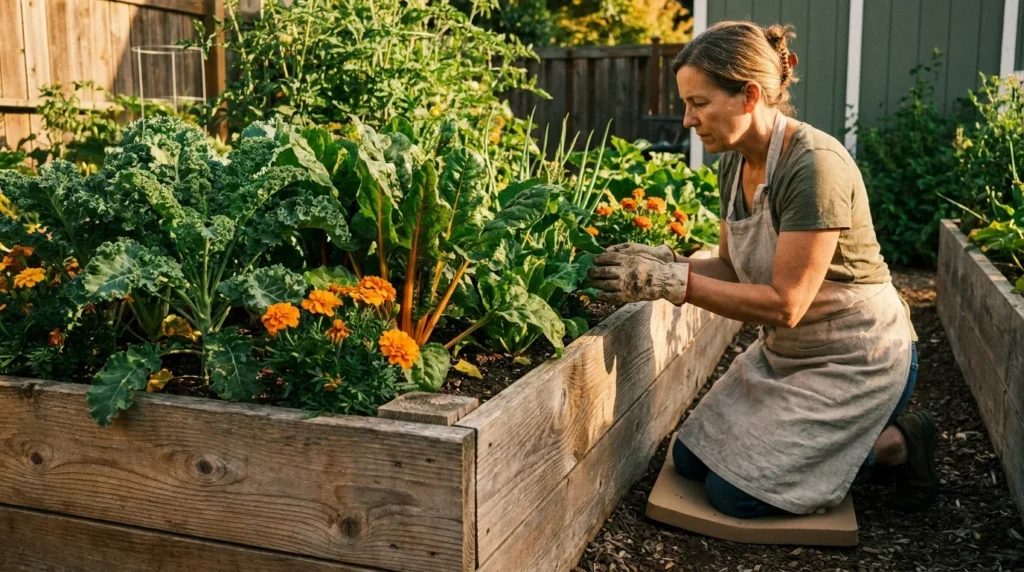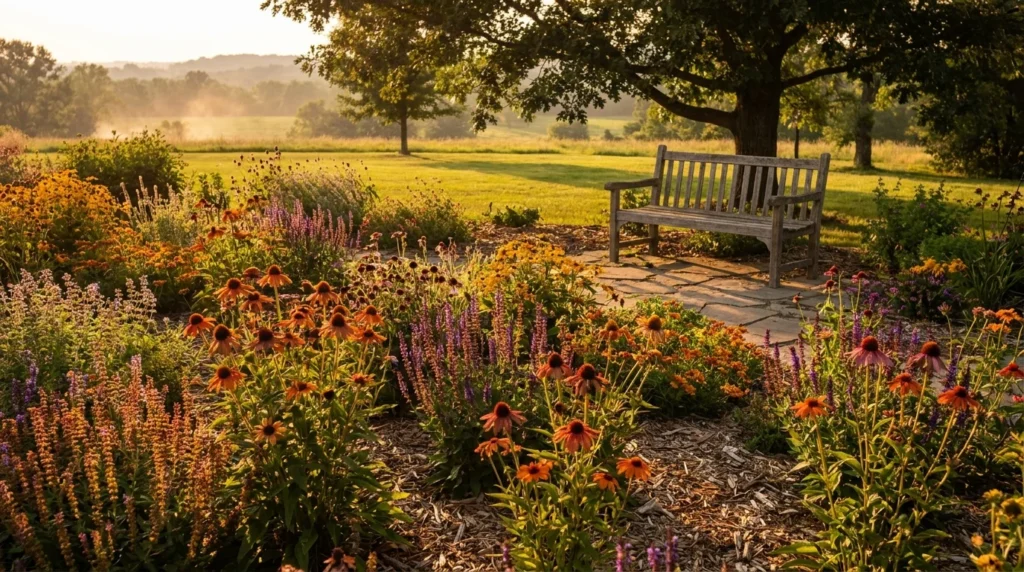
Transforming dim, sun-deprived corners of your yard into lush, vibrant retreats requires selecting the right resilient species that naturally flourish away from direct sunlight. You can effortlessly eliminate dead zones under mature trees or alongside north-facing walls by planting varieties specifically adapted to thrive in these exact conditions. While many popular blooms quickly wither without full sun, a diverse selection of gorgeous foliage and delicate blooms actually prefers the cool embrace of a shady canopy. By incorporating a thoughtful mix of these resilient varieties, you create striking contrasts in texture and color that require surprisingly little maintenance. Explore these proven varieties to discover how easily you can cultivate a thriving oasis in the darkest corners of your landscape.
Tip #1: Hosta (Plantain Lily)
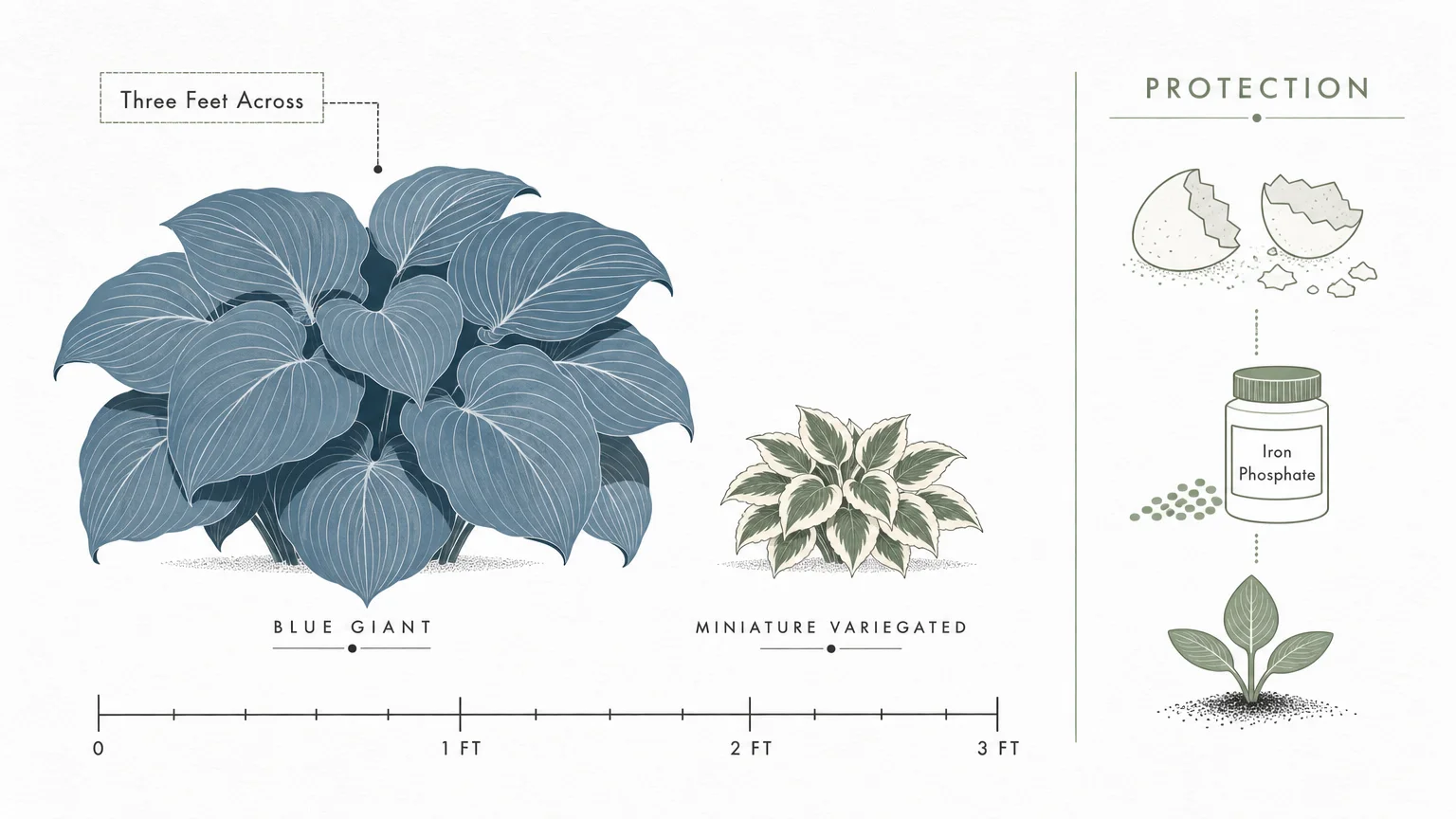
Hostas stand out as the undisputed champions among shade-loving plants, offering a breathtaking array of textures, sizes, and colors. You can find varieties featuring massive, corrugated blue leaves spanning over three feet across, or opt for delicate, variegated miniatures perfect for tight borders. Their robust nature makes them incredibly forgiving for beginners; they demand very little once established in the ground. Their dense foliage excels at suppressing weeds, creating a clean, manicured look in the darkest corners of your yard.
To ensure your hostas thrive, amend your soil generously with organic compost before planting. They prefer consistent moisture but will tolerate brief dry spells once their root systems mature. Because slugs and snails find their leaves irresistible, proactively scatter organic iron phosphate bait early in the spring or surround the base with crushed eggshells to protect the emerging shoots.
Tip #2: Astilbe (False Goat’s Beard)
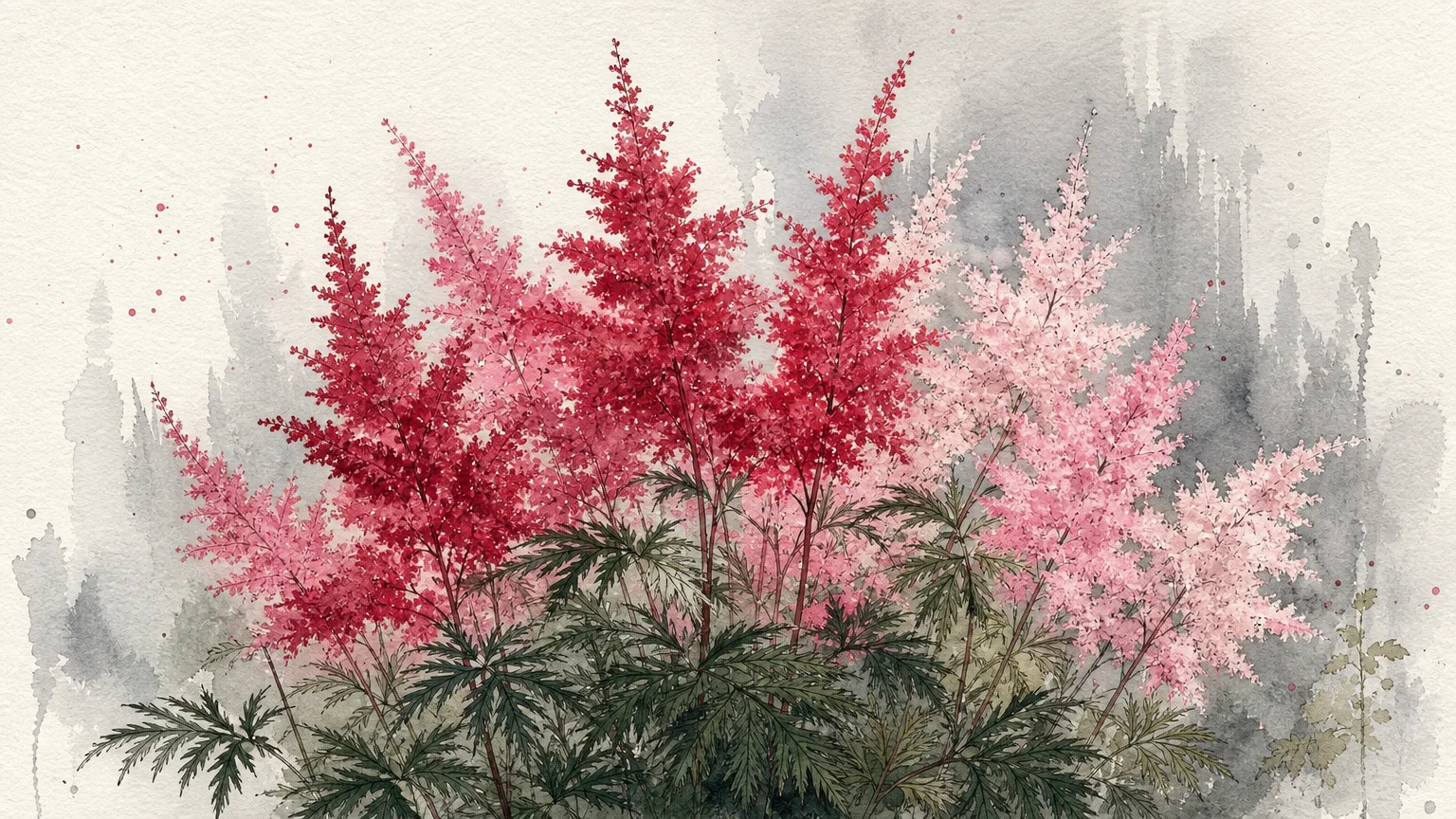
When you need a vertical burst of vibrant color to pierce the gloom, astilbe delivers spectacularly. These perennials push up tall, feathery plumes of flowers in stunning shades of cherry red, pale pink, lavender, and brilliant white. Even after the blooms fade, their deeply cut, fern-like foliage remains highly attractive through the autumn months. Astilbes act as perfect companion plants for broad-leafed species, providing a delicate textural contrast that elevates the entire garden bed.
Water is the absolute key to astilbe success—they despise drying out. You must provide them with rich, moisture-retentive soil and water them deeply during hot summer weeks. Applying a thick layer of shredded bark mulch around the crown will significantly reduce evaporation and keep their shallow roots adequately cool.
Tip #3: Heuchera (Coral Bells)
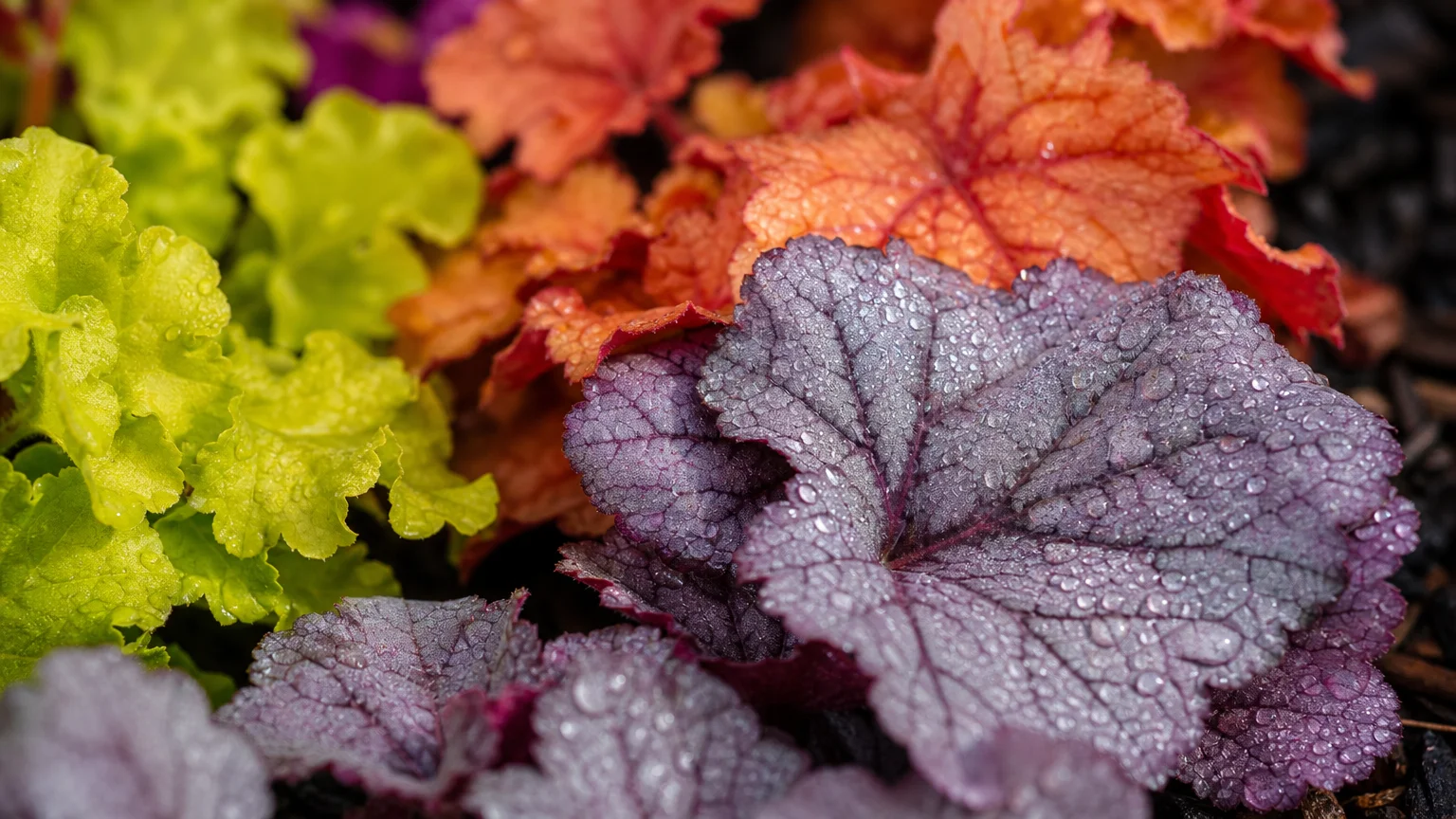
Heucheras completely revolutionize the way we design with foliage, offering an astonishing color palette that rivals traditional floral displays. You can paint your garden floor with leaves of deep metallic purple, fiery caramel, neon lime green, and frosty silver. In late spring, they send up wiry stems carrying tiny, bell-shaped shade-tolerant flowers that attract hummingbirds and beneficial pollinators. Because their vivid coloration persists from spring through the first hard frost, heucheras guarantee steady visual interest when surrounding plants inevitably fade.
Plant your coral bells in well-draining soil; their crowns are highly susceptible to rot if left sitting in waterlogged winter mud. When planting, ensure the crown rests slightly above the soil line. Every three to four years, dig up and divide the woody base to rejuvenate the plant and stimulate fresh, vibrant growth.
Tip #4: Dicentra spectabilis (Bleeding Heart)
Nothing captures the romance of a woodland setting quite like the classic bleeding heart. In early spring, thick, arching stems gracefully bend under the weight of perfect, heart-shaped flowers dangling in neat rows. The traditional pink and white bi-color variety remains a beloved favorite, though pure white cultivars offer an incredibly elegant, luminous presence in deep shadows. They provide vital early-season nectar for foraging bees and instantly signal the arrival of the spring growing season.
These are among the most reliable plants for shade gardens, returning with increasing vigor year after year. Because bleeding hearts naturally go dormant and die back during the peak heat of late summer, position them behind later-emerging perennials like hostas or broad ferns. As the bleeding heart foliage yellows and recedes, the neighboring plants will effortlessly expand to fill the visual gap.
Tip #5: Pulmonaria (Lungwort)
Do not let the slightly unfortunate common name deter you; pulmonaria is an absolute treasure for the early spring garden. The rough, lance-shaped leaves feature striking splashes of silver spots that practically glow against dark soil. When the plant blooms, it produces charming clusters of flowers that famously open as bright pink and slowly transition to a striking violet-blue over several days. The hairy texture of the foliage makes pulmonaria highly resistant to deer and rabbit browsing—a massive relief for rural and suburban gardeners alike.
Provide lungwort with a humus-rich, evenly moist environment. They spread slowly via creeping rhizomes to form a handsome, weed-smothering mat. If the foliage looks ragged or powdery mildew appears during humid summer stretches, simply shear the plant back to the ground; it will quickly push out a fresh, pristine flush of spotted leaves.
Tip #6: Helleborus (Lenten Rose)
When winter still holds the landscape in an icy grip, the lenten rose stubbornly pushes through the frost to deliver a spectacular floral showcase. These remarkably tough evergreens feature thick, leathery leaves and nod their large, cup-shaped flowers downward to protect their pollen from harsh winter rains. Breeders have introduced spectacular varieties boasting double petals, dark slaty blacks, soft yellows, and intricate speckling. Hellebores effectively bridge the barren gap between late winter and the eruption of spring bulbs.
They thrive under the canopy of deciduous trees, basking in the weak winter sun before the overarching branches leaf out and cast deep summer shade. Plant them in deep, rich soil with a neutral to slightly alkaline pH. Be patient, as they often require a full growing season to settle their roots before they begin blooming in earnest.
Tip #7: Ferns (Japanese Painted Fern)
Ferns deliver an ancient, prehistoric elegance to the landscape, offering intricate frond structures that move beautifully with the slightest breeze. While traditional green varieties provide incredible architectural height, the Japanese Painted Fern (Athyrium niponicum) introduces an entirely different dimension. Its arching fronds boast a metallic silver overlay accented with striking purplish-red central stems. They serve as the ultimate textural contrast to broad, heavy foliage, creating a tiered, multi-layered look essential to professional garden design.
Most ferns demand consistent moisture and thrive in soils heavily amended with leaf mold or compost. When planting, place the crown just at the soil surface and mulch the surrounding area generously. Shielding them from strong afternoon winds will prevent their delicate fronds from drying out or snapping during severe weather.
Tip #8: Brunnera macrophylla (Siberian Bugloss)
Siberian bugloss easily ranks among the best shade plants for illuminating gloomy, neglected corners. The heavily textured, heart-shaped leaves often feature a brilliant silver overlay that reflects ambient moonlight and brightens the garden dramatically. In mid-spring, the plant produces airy sprays of tiny, vivid blue flowers that look nearly identical to forget-me-nots. This plant offers immense aesthetic value for nearly three seasons; once the charming spring flowers fade, the striking metallic foliage carries the visual weight through the summer and into autumn.
Brunnera requires organically rich, consistently moist soil to achieve its maximum potential. Direct afternoon sunlight will quickly scorch the delicate silver leaves, so reserve this specimen for deep, dappled, or north-facing shade. While it self-seeds politely, the offspring of variegated varieties often revert to solid green; simply pull these rogue seedlings to maintain the silver display.
Tip #9: Tiarella (Foamflower)
If you want a dependable, flowering ground cover that seamlessly navigates around tree roots and shrubs, foamflower provides the perfect solution. Native to North American woodlands, this resilient perennial features deeply lobed, maple-like leaves often marked with distinct burgundy veining. In spring, it erupts with multitudes of fuzzy, bottlebrush-like flower spikes that hover just above the foliage like a low-hanging white cloud. Tiarella spreads steadily via creeping stolons without ever becoming aggressively invasive.
Plant foamflower in mildly acidic soil enhanced with plenty of decomposed organic matter. It excels when used to edge woodland pathways or when allowed to weave naturally through larger shade specimens. As temperatures drop in autumn, the foliage typically transforms into gorgeous shades of bronze and deep red.
Tip #10: Polygonatum (Solomon’s Seal)
For sheer architectural grace, Solomon’s seal remains largely unrivaled in the low-light garden. Stout, unbranched stems rise from the earth and arch gracefully, carrying alternating pairs of parallel-veined leaves. In late spring, pairs of delicate, tubular white flowers dangle from the underside of the stems, later transforming into dark, bluish-black berries. The variegated forms, which feature clean white margins along every leaf, instantly draw the eye and highlight the plant’s stunning structural geometry.
Solomon’s seal grows from thick, knobby rhizomes that should be planted relatively shallowly. They are surprisingly tolerant of dry conditions once their root systems establish, successfully competing with mature tree roots for moisture. Allow them space to naturalize; a mature colony waving in a gentle woodland breeze presents a truly hypnotic sight.
Tip #11: Epimedium (Barrenwort)
Dry shade under mature, shallow-rooted trees like maples presents the single most frustrating challenge for gardeners. Epimedium, playfully known as barrenwort or bishop’s hat, conquers this brutal microclimate with ease. The wiry, delicate-looking stems hold shield-shaped leaves that frequently emerge flushed with copper, bronze, or red tones in the spring. Before the new foliage fully unfurls, intricate, spider-like flowers in shades of yellow, pink, white, or purple dance above the plant on impossibly thin stems.
Despite their fragile appearance, these plants are rugged survivors that thrive where other low-light garden plants promptly wither and die. To fully appreciate the early spring floral display, you should shear the tattered, overwintered foliage cleanly to the ground in late winter before the new flower stalks emerge. Once established, epimediums require virtually zero supplemental watering or fertilizer.
Tip #12: Ligularia (Leopard Plant)
When you want to inject a bold, tropical, and undeniably dramatic flair into a temperate shade garden, ligularia stands ready to perform. The massive, kidney-shaped leaves can measure over a foot across, with many prized cultivars offering dark maroon or purplish-black undersides. In mid-to-late summer, strong, towering stalks shoot upward, bearing dense clusters of daisy-like, golden-yellow flowers. The immense scale of the leopard plant provides an essential focal point, anchoring large garden beds and effortlessly capturing attention.
However, you must respect ligularia’s single non-negotiable demand: it requires massive amounts of water. Plant it in a naturally boggy area, at the edge of a water feature, or in heavy clay soils that retain moisture aggressively. If the soil dries out even slightly during a hot summer afternoon, the giant leaves will collapse and wilt theatrically until you provide a deep, thorough soaking.
Tip #13: Corydalis lutea (Yellow Corydalis)
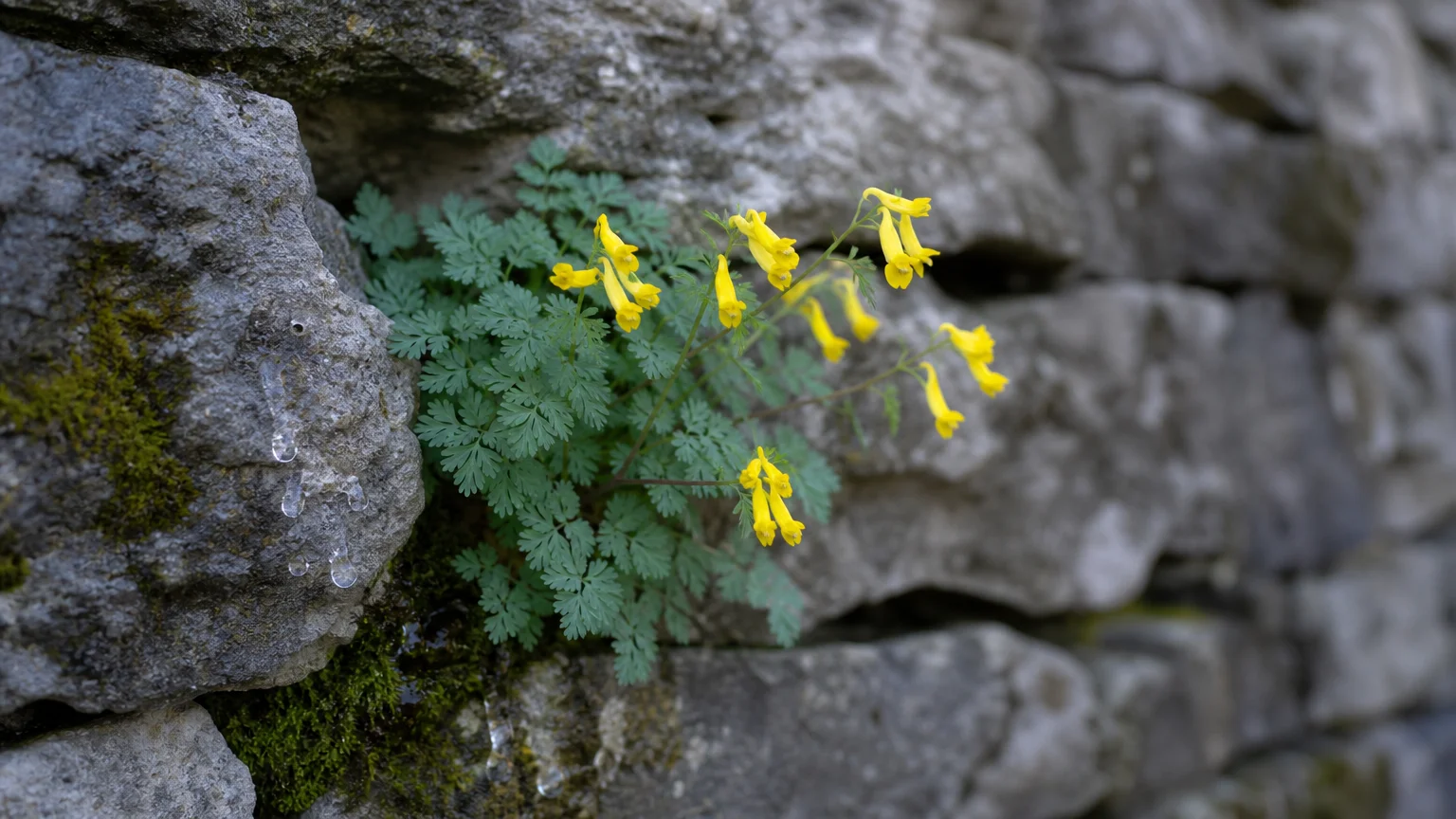
While many shade plants offer only brief windows of bloom, yellow corydalis functions as an unstoppable flowering machine. The soft, lacy foliage looks remarkably similar to a maidenhair fern, forming a delicate, mounding clump. Above this elegant greenery, small, tubular, canary-yellow flowers begin appearing in late spring and stubbornly continue blooming all the way to the first hard frost. This extraordinary bloom time makes it an invaluable asset for maintaining continuous color in the garden.
Corydalis possesses a deep taproot, meaning it aggressively resents being dug up or transplanted once settled. Instead of forcing it into specific locations, allow the plant to drop its seeds and pop up organically in the cracks of stone retaining walls, between paving stones, or along rocky shaded slopes. Ensure the soil drains exceptionally well to prevent winter crown rot.
Tip #14: Asarum (Wild Ginger)
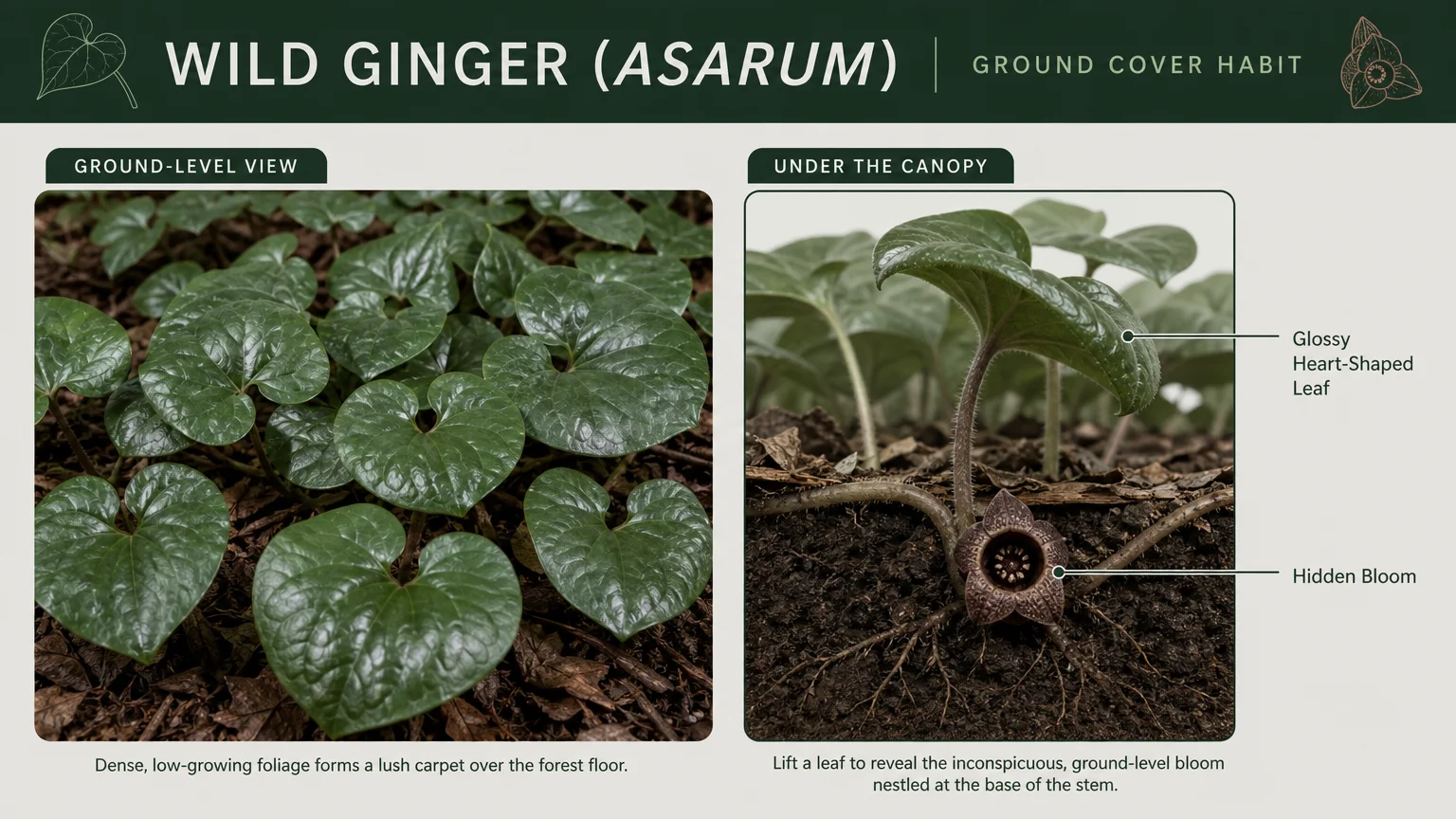
Forget about invasive vines or aggressive ivy; wild ginger provides a vastly superior, better-behaved ground cover for deep, heavy shade. This native plant forms a dense, impenetrable carpet of glossy, kidney-shaped leaves that stay remarkably crisp and fresh throughout the grueling heat of summer. The dense foliage acts as an exceptional living mulch, regulating soil temperature and completely blocking sunlight from reaching opportunistic weed seeds.
Wild ginger spreads moderately via rhizomes, making it incredibly easy to control and manage. It prefers highly organic, slightly acidic soil. You can easily propagate a new patch by slicing a chunk off the edge of an established colony in the early spring and relocating it to another bare, heavily shaded spot in your yard.
Putting It All Together: Enjoy Your Beautiful Garden
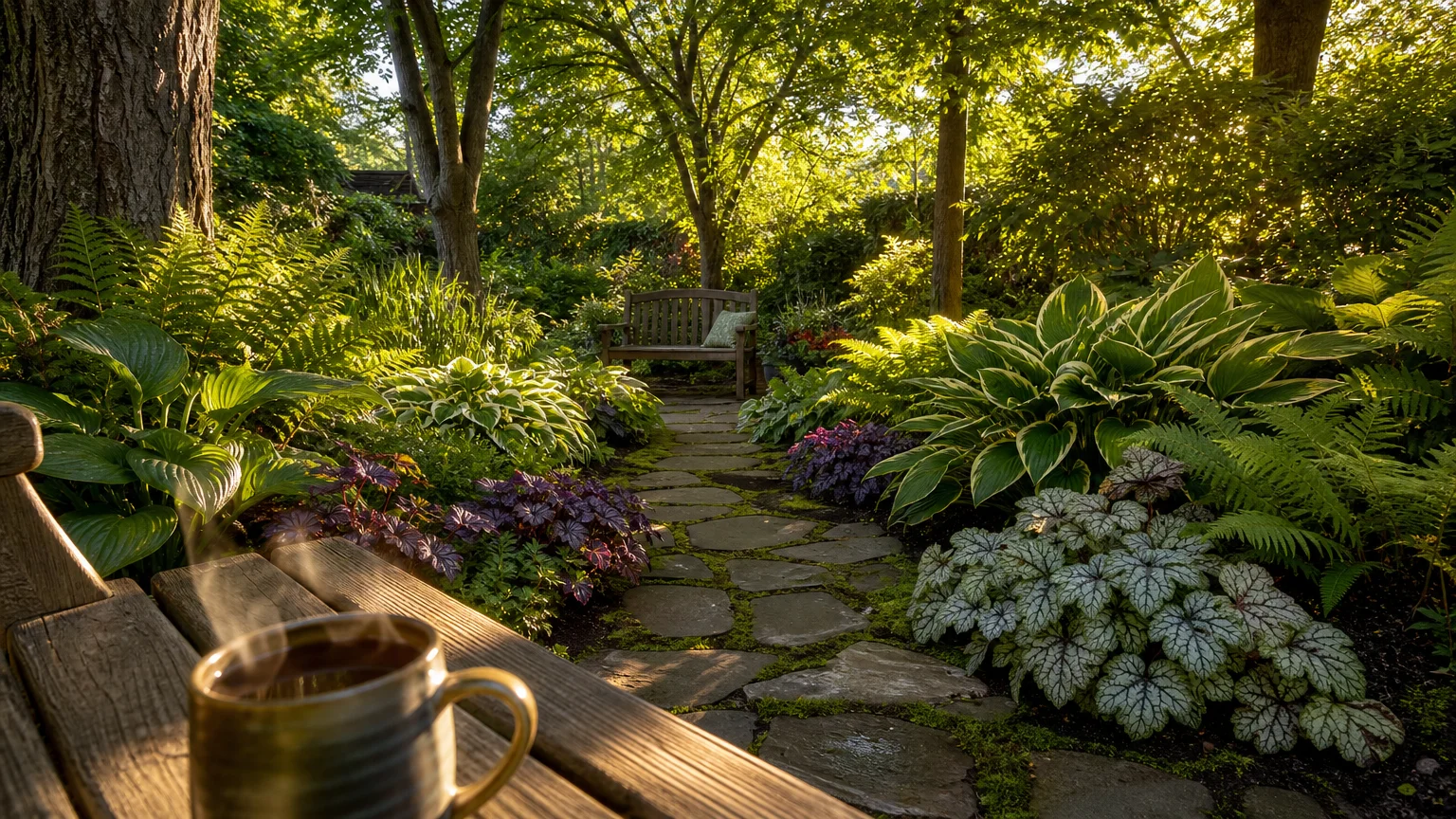
Cultivating a vibrant, dynamic shade garden shifts from a frustrating chore to an incredibly rewarding pursuit once you harness the power of the right plant varieties. By deliberately choosing species that naturally embrace low-light environments, you eliminate the constant struggle of forcing sun-loving flowers to survive against their nature. Success in the shade ultimately relies on embracing the subtle interplay of textures and foliage colors. When you pair the massive, heavy leaves of a hosta with the delicate, feathery fronds of a fern, you create visual drama that rivals any brightly lit flowerbed.
Take the time to properly amend your soil with rich compost or leaf mold, as healthy soil biology significantly offsets the stress of root competition from nearby trees. Water your new additions diligently during their first year, layer a thick blanket of mulch over the root zones, and watch as your previously barren corners transform into a lush, peaceful sanctuary.
For region-specific advice, consult your local University Extension program (find yours via the USDA directory). For plant databases and inspiration, visit the Missouri Botanical Garden or the Royal Horticultural Society.
Frequently Asked Questions
What is the best type of fertilizer for a shade garden?
Shade plants generally require less fertilizer than fast-growing, sun-loving annuals. You will achieve the best results by applying a generous layer of high-quality compost or leaf mold over the soil surface every spring. If you feel your soil is exceptionally poor, you can supplement with a slow-release, balanced organic granular fertilizer. Avoid heavy synthetic nitrogen applications, which can push weak, floppy growth that easily collapses.
How frequently should I water plants in the shade?
While shady areas do experience less evaporation from the sun, the dense canopy of trees acting as an umbrella often prevents rainfall from reaching the ground. Furthermore, tree roots fiercely compete for available moisture. You must actively check the soil around your shade plants with your fingers; if the top two inches feel completely dry, water the area deeply and slowly at the base of the plants.
Can any of these shade-loving plants handle morning sunlight?
Yes—in fact, almost all shade plants significantly benefit from a few hours of gentle, early morning sunlight. Morning sun promotes stronger stems, encourages better flower production, and helps rapidly evaporate dew, which drastically reduces the risk of fungal diseases. You only need to protect these plants from the harsh, scorching intensity of direct afternoon sunlight.
Do I need to worry about slugs in my shade garden?
Slugs and snails absolutely thrive in the cool, moist, and dark environments that shade plants prefer. Broad-leafed plants like hostas and ligularia are particularly vulnerable to their feeding habits. You can effectively manage these pests by watering in the morning so the soil surface dries before nightfall, installing shallow beer traps, or lightly applying iron phosphate-based slug baits around the perimeter of susceptible plants.
Disclaimer: This article provides general gardening advice. Always consider your specific climate, soil conditions, and local pests. Follow safety guidelines when using gardening tools and products.