Transform your outdoor space into a captivating moon garden by cultivating plants that reveal their beauty and fragrance after dusk. Night-blooming flowers offer a sensory experience that daytime blossoms simply cannot match; they release intoxicating scents and showcase luminous white or pale petals that glow under the moonlight. These nocturnal wonders attract vital pollinators like sphinx moths and bats, adding dynamic wildlife activity to your evening landscape. By integrating these unusual plants into your garden design, you extend your enjoyment well past sunset and create a tranquil retreat for nighttime relaxation. Discovering the right night flowers elevates your gardening practice and introduces a fascinating new rhythm to your planting beds.
Tip #1: Moonflower (Ipomoea alba)
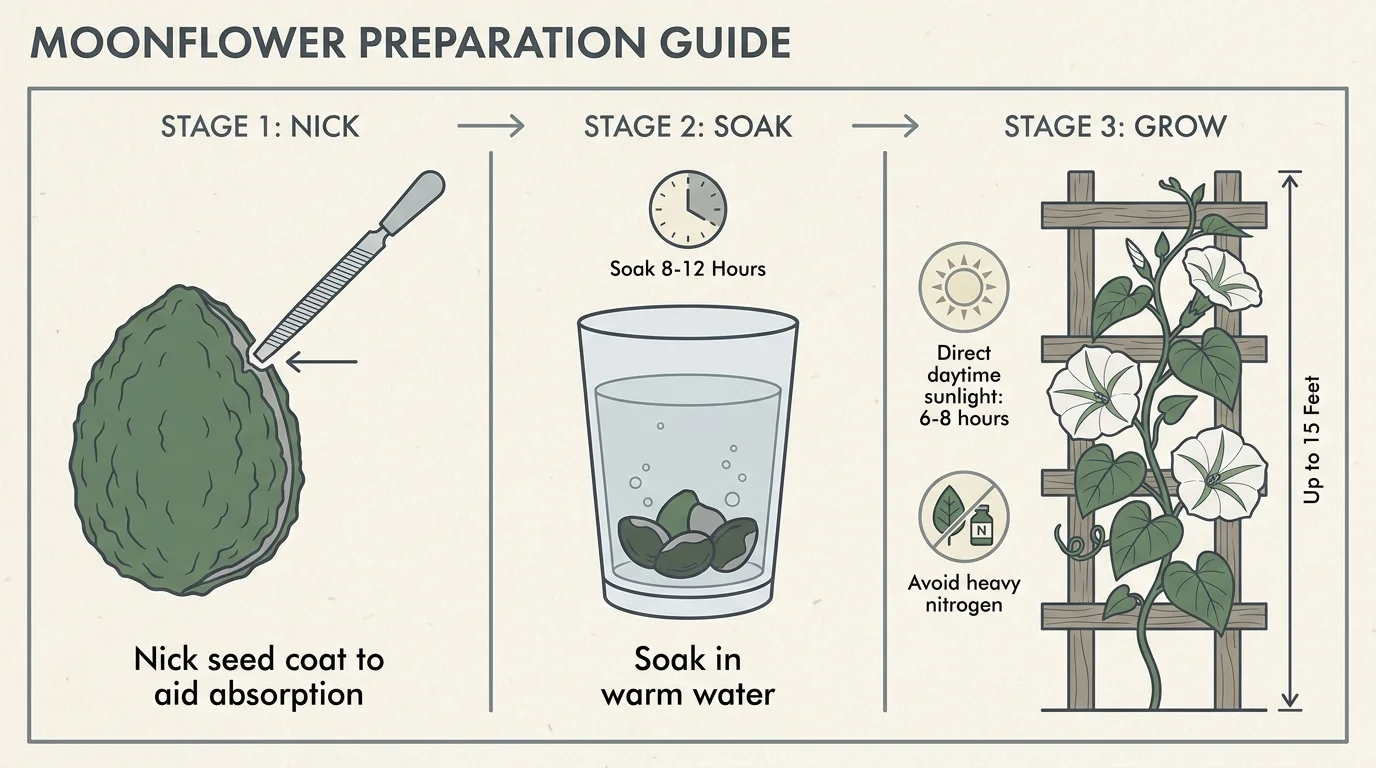
Cultivate the mesmerizing moonflower to anchor your evening garden with sprawling, vigorous vines and luminous white blossoms. These twining climbers produce large, trumpet-shaped flowers that reach up to six inches across; they unfurl rapidly as the sun sets, emitting a subtle, sweet fragrance that attracts fascinating nocturnal pollinators like the sphinx moth. Because moonflower vines easily scramble up to fifteen feet in a single season, you must provide a sturdy trellis, arbor, or fence to support their rapid growth.
To achieve the best germination rates, you need to prepare the seeds before planting. Moonflower seeds possess a tough exterior coat that inhibits water absorption. Use a metal file to gently nick the seed coat, then soak the seeds in warm water for eight to twelve hours before sowing. This simple preparation step dramatically increases your success rate and speeds up sprouting. Plant them in well-draining soil after all danger of frost has passed. While these plants only bloom in the dark, they require at least six to eight hours of direct daytime sunlight to generate the energy needed for their spectacular evening display. Avoid applying heavy nitrogen fertilizers; overly rich soil encourages rampant foliage growth at the expense of those brilliant white, night-opening blooms.
Tip #2: Night-Blooming Jasmine (Cestrum nocturnum)
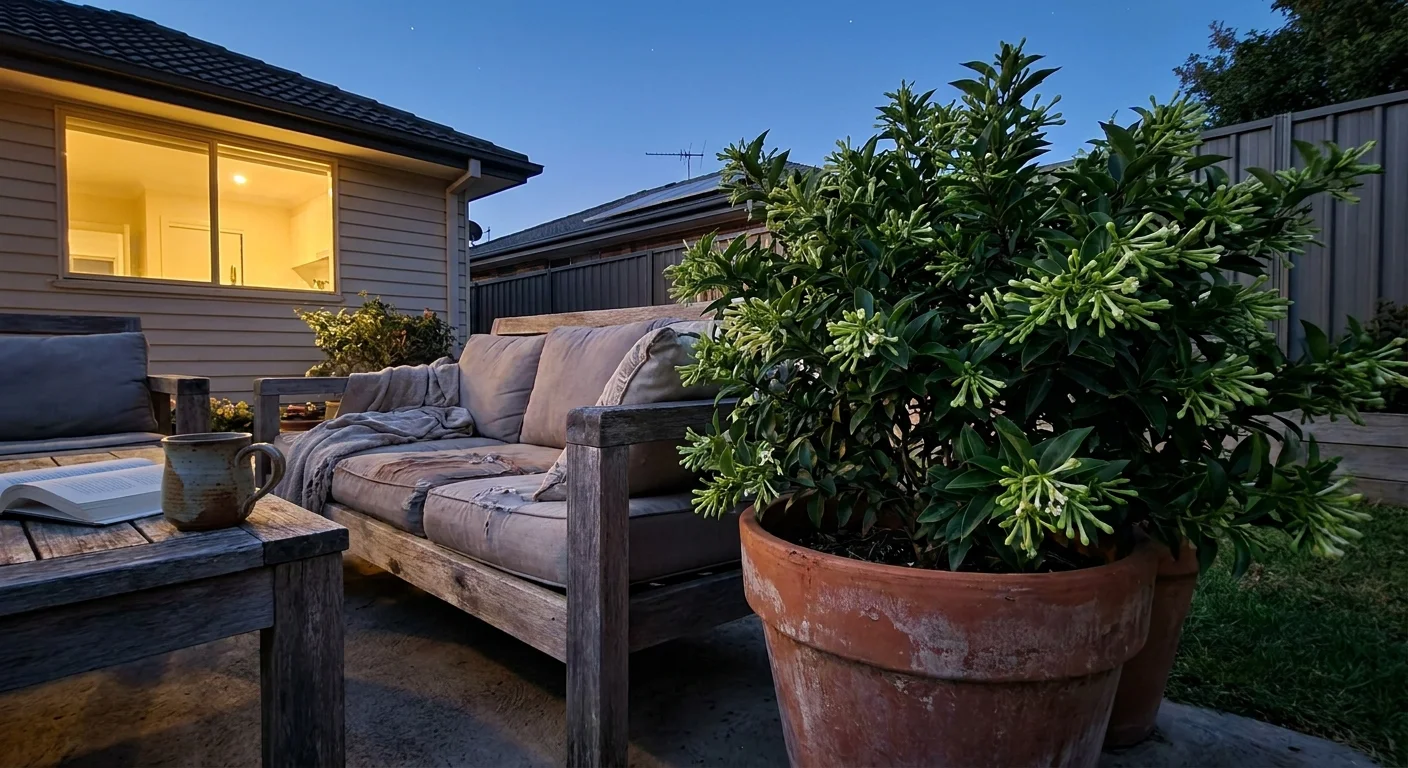
Plant night-blooming jasmine if you want to experience one of the most powerfully fragrant plants in the botanical world. While its greenish-white, tubular blossoms appear unassuming during the daylight hours, they open at dusk to release an intoxicating, sweet perfume that can easily drift up to twenty feet across your yard. This tropical evergreen shrub transforms a standard patio into an aromatic paradise, making it an essential addition to any outdoor seating area where you entertain or relax after dark.
Native to the West Indies and Central America, night-blooming jasmine thrives as a perennial in warm climates but performs exceptionally well as a container plant in cooler regions. If you live outside of hardiness zones eight through eleven, plant your jasmine in a large, well-draining pot and bring it indoors before the first autumn frost. Provide your plant with partial to full sunlight and keep the soil consistently moist but never waterlogged. Because this shrub grows vigorously—often reaching six to ten feet tall—you should prune it back significantly after its main flowering cycle to maintain a bushy, manageable shape. Regular pruning prevents the branches from becoming overly leggy and encourages a profusion of new growth, which ultimately leads to an even more spectacular floral display and stronger fragrance during the next blooming cycle.
Tip #3: Evening Primrose (Oenothera biennis)
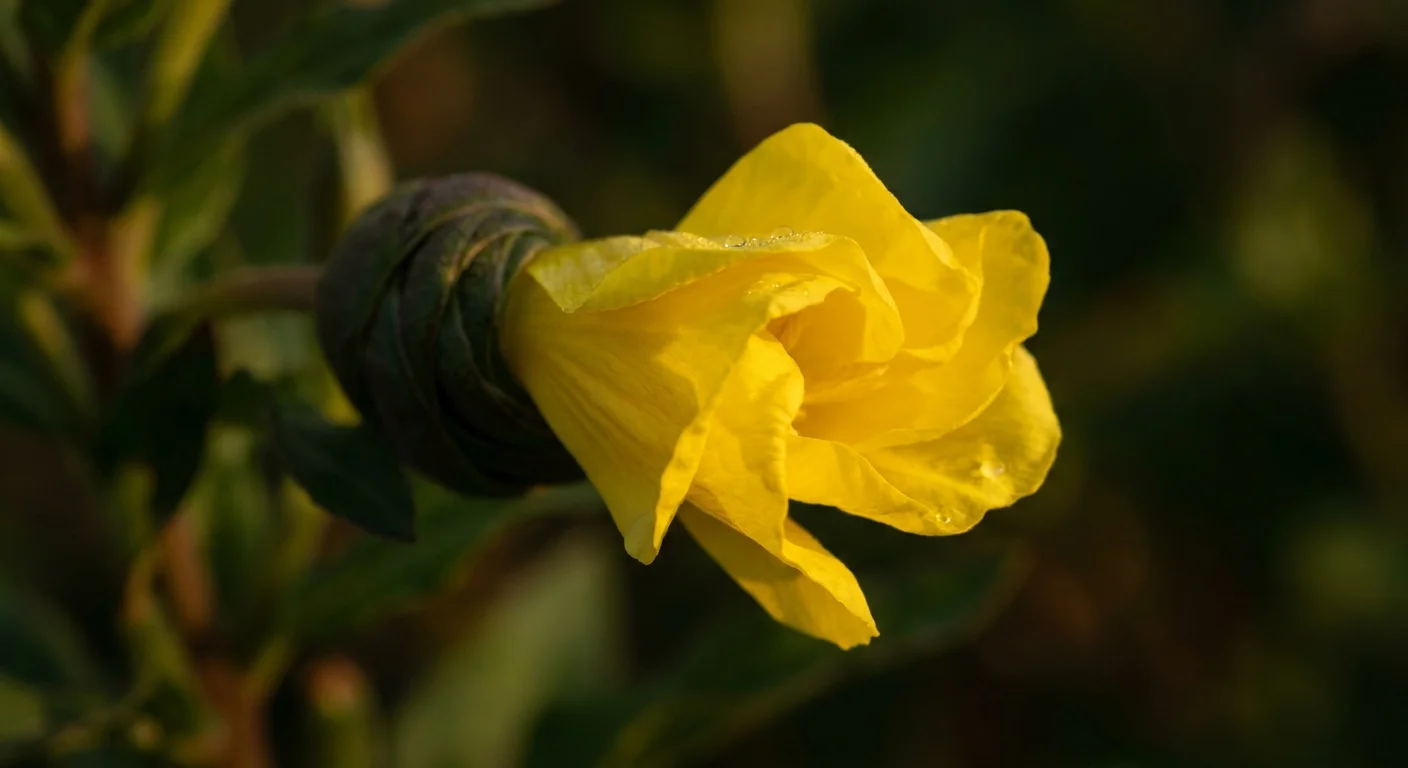
Introduce evening primrose to your garden beds for a burst of bright, luminescent color that activates exactly when most other plants go dormant. This hardy biennial produces a tall, sturdy central stalk covered in tightly wound buds that literally pop open in a matter of minutes as dusk approaches. Watching an evening primrose unfurl its delicate, cup-shaped yellow petals provides a captivating show; the flowers reflect ambient moonlight beautifully and emit a mild, lemon-scented fragrance that draws in specialized night-flying moths.
Growing evening primrose requires minimal effort, making it a perfect choice for low-maintenance borders or wildflower meadows. These tough plants thrive in poor, rocky, or sandy soils where other perennials might struggle. You only need to ensure the soil drains quickly, as heavy, wet clay can cause the deep taproots to rot. Sow the seeds directly into your garden beds in early spring or late autumn. Because evening primrose is highly drought-tolerant once established, you rarely need to provide supplemental watering. The plant dies back after its second year of growth, but it self-seeds prolifically; simply leave a few spent flower heads on the stalks at the end of the season, and you will enjoy a continuous, renewing patch of these reliable nighttime bloomers year after year.

Tip #4: Four O’Clocks (Mirabilis jalapa)
Brighten your late afternoon and evening landscape with the vibrant, multi-colored blossoms of four o’clocks. True to their common name, these bushy, fast-growing plants begin opening their trumpet-shaped flowers around four in the afternoon—or earlier on cloudy days—and remain open throughout the night until the morning sun warms the air. Four o’clocks offer a unique visual spectacle because a single plant can produce flowers in multiple shades of pink, yellow, white, and magenta; you might even spot individual petals splashed with contrasting stripes and speckles.
You will find four o’clocks incredibly easy to cultivate from seed. Sow the large, dark seeds directly into the ground after the last frost, choosing a spot that receives full sun to partial shade. The plants quickly develop a dense, shrub-like habit, growing two to three feet tall and wide, which makes them excellent gap-fillers in your perennial borders. They release a delicate, orange-blossom fragrance that becomes most pronounced on warm summer nights. While typically treated as annuals in cooler climates, four o’clocks form thick, tuberous roots. You can easily dig these tubers up in the fall, store them in a cool, dry place over the winter, and replant them the following spring for an even faster, more robust display of colorful night flowers.
Tip #5: Night-Blooming Cereus (Epiphyllum oxypetalum)
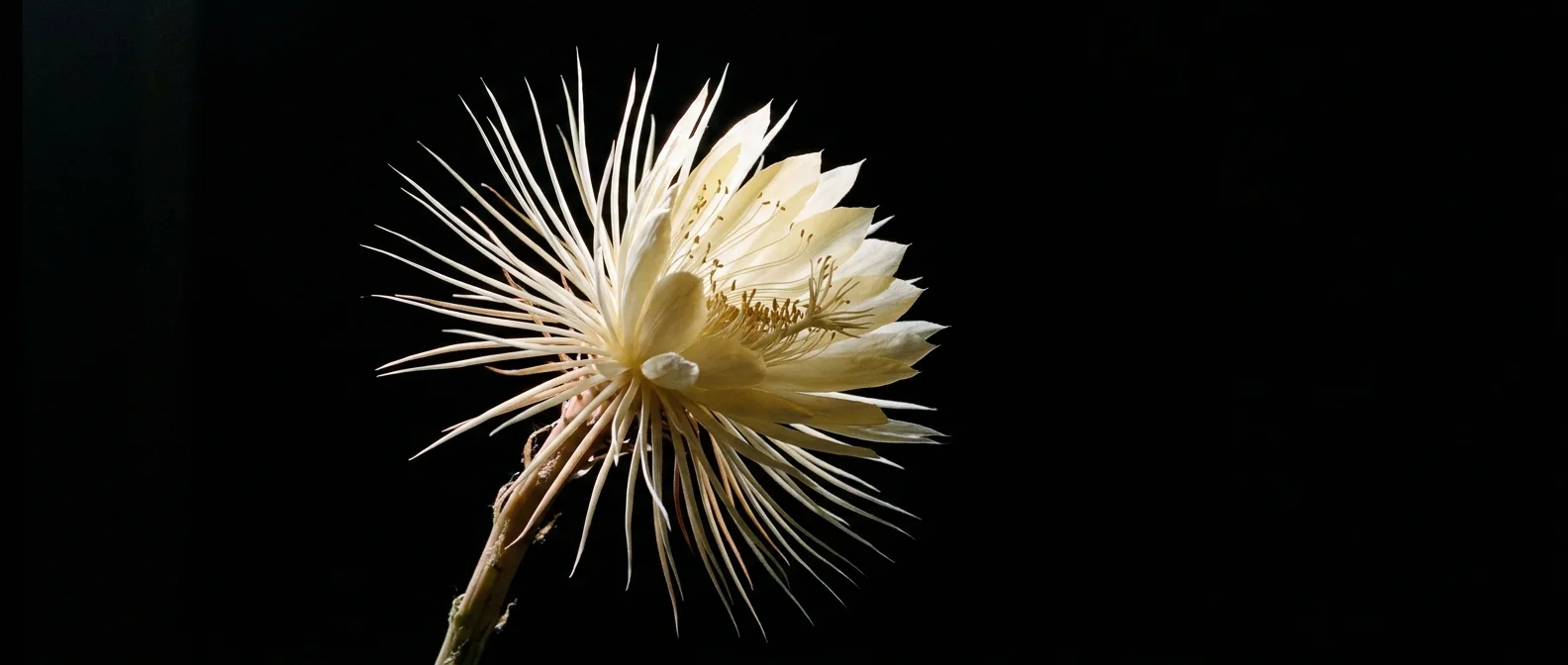
Experience the dramatic, fleeting beauty of the night-blooming cereus, an epiphytic cactus that delivers one of the most anticipated floral events in the gardening world. This unusual plant produces enormous, pure white flowers that measure up to eight inches across, but each magnificent bloom lasts for only a single night. As evening falls, the massive buds slowly swell and burst open, revealing layers of pristine, waxy petals and a striking cluster of golden stamens. The bloom releases an overwhelming, sweet fragrance designed to attract pollinating bats in its native habitat before wilting forever by sunrise.
Successfully cultivating a night-blooming cereus requires understanding its tropical forest origins. Unlike desert cacti, this plant naturally grows in the branches of trees, absorbing moisture from the humid air. Plant your cereus in a loose, highly porous potting mix—such as a blend of orchid bark, perlite, and high-quality potting soil. During the active summer growing season, keep the soil lightly moist and provide bright, filtered indirect sunlight. To trigger that spectacular blooming cycle, you must expose the plant to a cooler, drier rest period during the winter months. Keep it in a cool room, reduce watering significantly, and wait for the distinctive, flat stems to produce those legendary, overnight blossoms in late summer.
Tip #6: Angel’s Trumpet (Brugmansia)
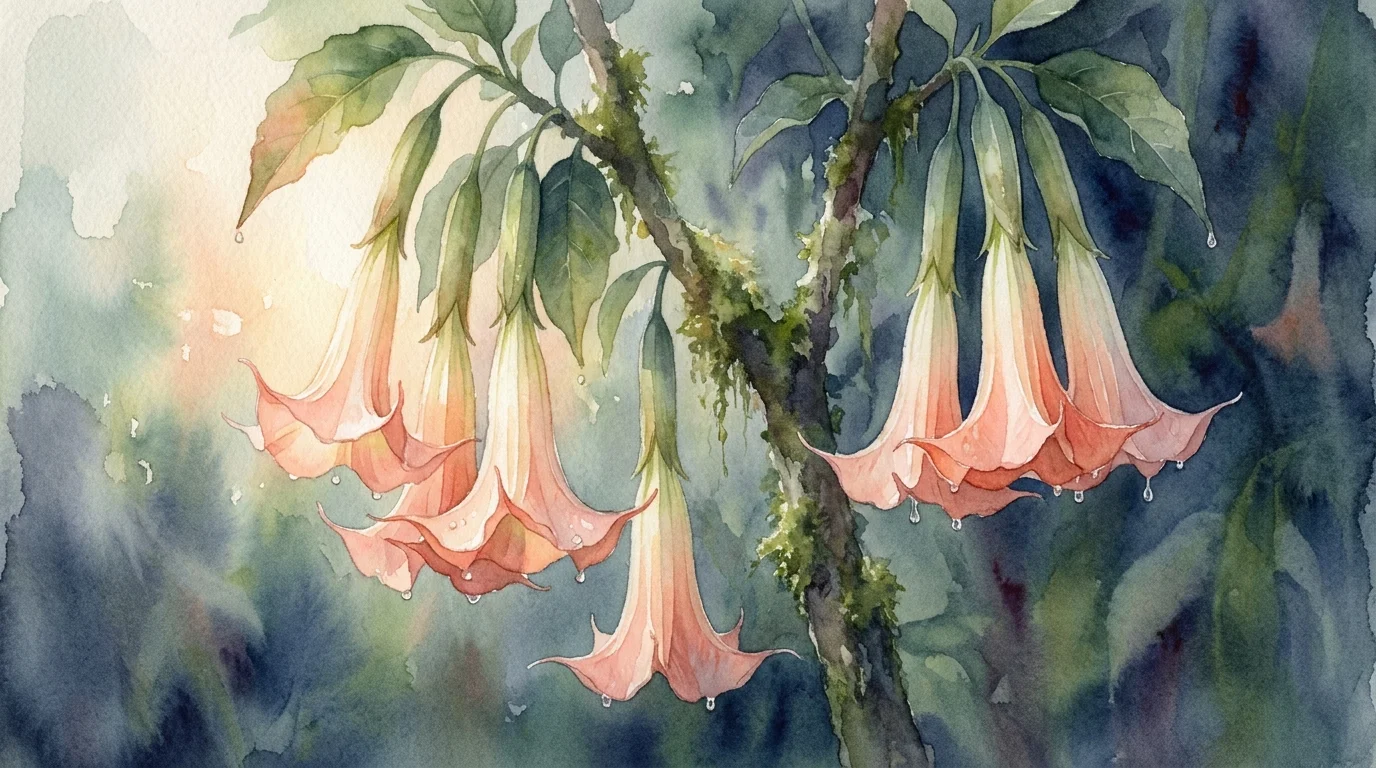
Make a bold, architectural statement in your garden with the sweeping, pendulous blossoms of the angel’s trumpet. This striking tropical shrub or small tree produces massive, bell-shaped flowers that can reach up to a foot in length. While the sheer size of the blossoms commands attention during the day, the plant truly shines after dark when it releases a heady, exotic perfume that completely transforms your evening garden. The flowers, which bloom in luminous shades of white, yellow, peach, and pink, hang dramatically downward, creating a cascading chandelier effect under the moonlight.
To keep your angel’s trumpet thriving and producing its spectacular nighttime display, you must commit to a rigorous feeding and watering schedule. These plants act as notoriously heavy feeders and drinkers. Plant them in rich, well-draining soil and apply a balanced, water-soluble fertilizer every two to three weeks throughout the growing season. During hot summer days, you may need to water potted specimens daily to prevent the large leaves from drooping. You must also exercise caution when placing this plant in your yard; every part of the angel’s trumpet is highly toxic if ingested. Position it safely away from play areas used by curious pets or small children, and always wash your hands thoroughly after pruning or handling the foliage.
Tip #7: Night Phlox (Zaluzianskya capensis)
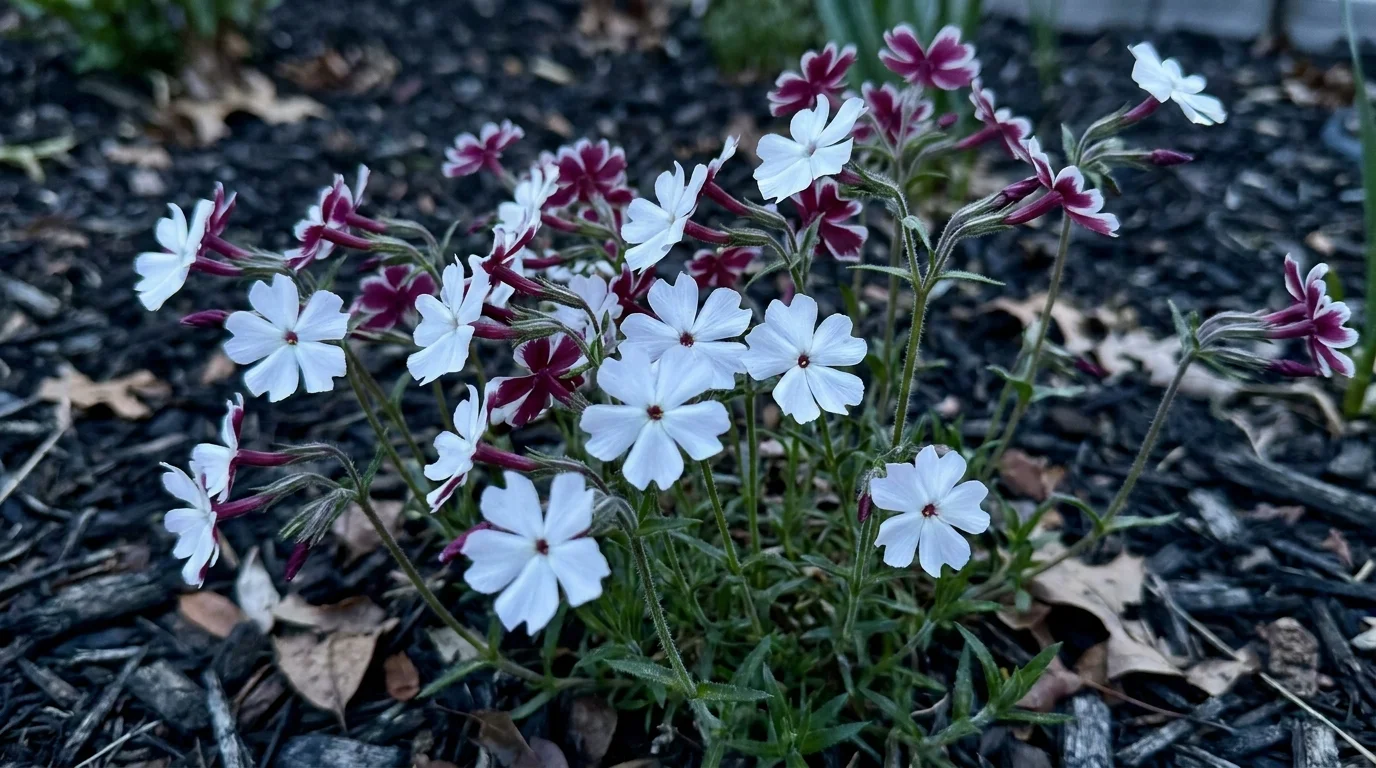
Tuck night phlox into your patio containers or front-row garden borders to enjoy its extraordinary, candy-like scent. Often sold under the fitting name “Midnight Candy,” this low-growing, unassuming annual saves its entire performance for the twilight hours. During the day, the tiny flowers remain tightly closed, resembling small, dark maroon matchsticks. As the sun dips below the horizon, the buds open to reveal crisp white, heart-shaped petals and instantly begin emitting an intense fragrance that smells remarkably like a blend of vanilla, honey, and almond.
Because night phlox only grows about twelve inches tall, you should plant it strategically where you can easily appreciate its scent. Window boxes, hanging baskets, or elevated planters situated near your outdoor seating areas make ideal locations. Start the seeds indoors six weeks before your last frost date, pressing them gently into the soil surface since they require light to germinate. Once transplanted outdoors, provide them with rich, moist soil and full daytime sun. Night phlox prefers cooler summer temperatures; if you live in a climate with blistering summer heat, place your containers in a spot that receives afternoon shade to prolong the blooming season and keep the foliage looking fresh.

Tip #8: Night-Blooming Water Lily (Nymphaea spp.)
Elevate your backyard pond or water feature by introducing a night-blooming water lily. While daytime water lilies close their petals late in the afternoon, these tropical aquatic plants operate on an opposite schedule. They push their vivid, star-shaped blossoms above the water’s surface right around dusk and remain fully open until mid-morning. Available in brilliant, glowing colors—including deep crimson, vibrant magenta, and electric purple—night-blooming water lilies provide a striking contrast against the dark, reflective surface of your pond.
Growing night-blooming water lilies requires warmer water temperatures than their hardy daytime counterparts. Wait until your pond water consistently stays above seventy degrees Fahrenheit before submerging the potted tubers. Plant the rhizomes in heavy clay loam at the bottom of a sturdy aquatic planter, avoiding standard potting soils that simply float away or foul the water. Place the container so the crown sits about twelve to eighteen inches below the water surface. These vigorous growers require ample nutrients to fuel their large, nocturnal blossoms; press specialized aquatic fertilizer tablets directly into the root zone every month during the active growing season. With proper feeding and full daytime sun, a single plant will produce a continuous succession of breathtaking, illuminated blooms all summer long.
Putting It All Together: Enjoy Your Beautiful Garden
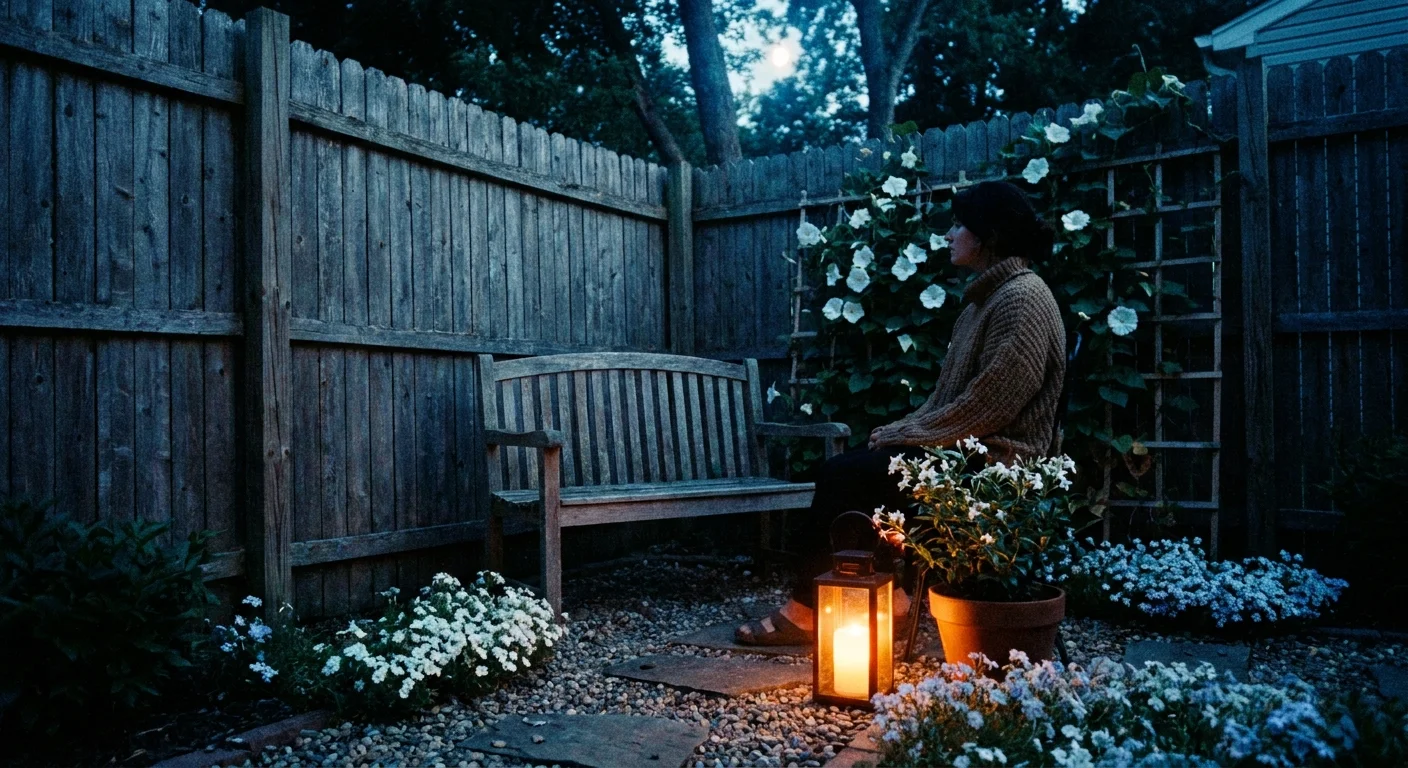
Designing a moon garden filled with night flowers completely redefines how you interact with your outdoor living spaces. Instead of abandoning your yard when the sun goes down, you can step into an illuminated, fragrant sanctuary that feels entirely separate from the daytime landscape. The key to a successful evening garden involves strategic placement; situate your night-blooming plants near bedroom windows, wrap-around porches, or backyard fire pits where their intense perfumes and glowing petals can be fully appreciated.
Combine varying plant heights and textures to create visual depth in the darkness. Let tall moonflower vines climb up trellises in the background, position bushy four o’clocks and angel’s trumpets in the middle borders, and tuck low-growing night phlox into easily accessible patio containers. Providing the necessary daytime sunlight ensures these plants have the energy required to deliver their nocturnal performances. As you curate this specialized collection of unusual plants, you actively support a hidden ecosystem of night-flying pollinators, bringing a fascinating, dynamic sense of life and motion to your evening garden. Take the time to observe these blossoms as they unfurl at dusk, and allow the quiet beauty of nature to enhance your nighttime relaxation.
Frequently Asked Questions
Do night flowers require sunlight during the day?
Yes, almost all night-blooming plants require significant daytime sunlight. They rely on solar energy gathered during the day to fuel the rapid unfurling of their petals and the intense production of fragrance after dark. Placing them in total, continuous shade will result in weak growth and very few evening blossoms.
What types of pollinators visit a moon garden?
While bees and butterflies rule the daytime garden, your nighttime landscape attracts an entirely different crew of essential pollinators. Sphinx moths, hummingbird moths, and various species of nocturnal beetles are highly attracted to the white petals and sweet scents. In warmer climates, nectar-feeding bats also play a crucial role in pollinating large night flowers like the night-blooming cereus.
Why do some plants only bloom in the dark?
Nighttime blooming serves as an evolutionary adaptation. Many of these unusual plants originated in hot, arid, or highly competitive environments where daytime temperatures easily dehydrate delicate petals. By opening at night, they conserve moisture and specifically target nocturnal pollinators that face less competition for nectar, ensuring a higher rate of successful reproduction.
Can I grow night-blooming plants in containers?
Absolutely. Growing evening-blooming plants in pots is a highly effective strategy, especially if you live in a colder hardiness zone. Tropical varieties like night-blooming jasmine and night phlox thrive in well-draining patio containers. Potted plants also allow you to move the intoxicating fragrances closer to your seating areas or bring tender perennials indoors during the winter months.
For region-specific advice, consult your local University Extension program (find yours via the USDA directory). For plant databases and inspiration, visit the Missouri Botanical Garden or the Royal Horticultural Society.
Disclaimer: This article provides general gardening advice. Always consider your specific climate, soil conditions, and local pests. Follow safety guidelines when using gardening tools and products.