Transform your outdoor space into a lush, thriving sanctuary by strategically planting pest-proof plants that naturally deter hungry insects and grazing wildlife. Incorporating plants that repel pests reduces your reliance on harsh chemical sprays while actively supporting beneficial pollinators. Many of the best outdoor plants feature thick cuticles, hairy leaves, or highly concentrated essential oils that act as a powerful line of defense against common garden invaders. Whether you battle aphids stripping your vegetable garden or deer devouring your carefully curated flowerbeds, choosing naturally pest resistant plants ensures a healthier, more resilient landscape. Dive into this curated list of proven, beautiful, and highly effective botanical allies to elevate your garden pest control strategy today.
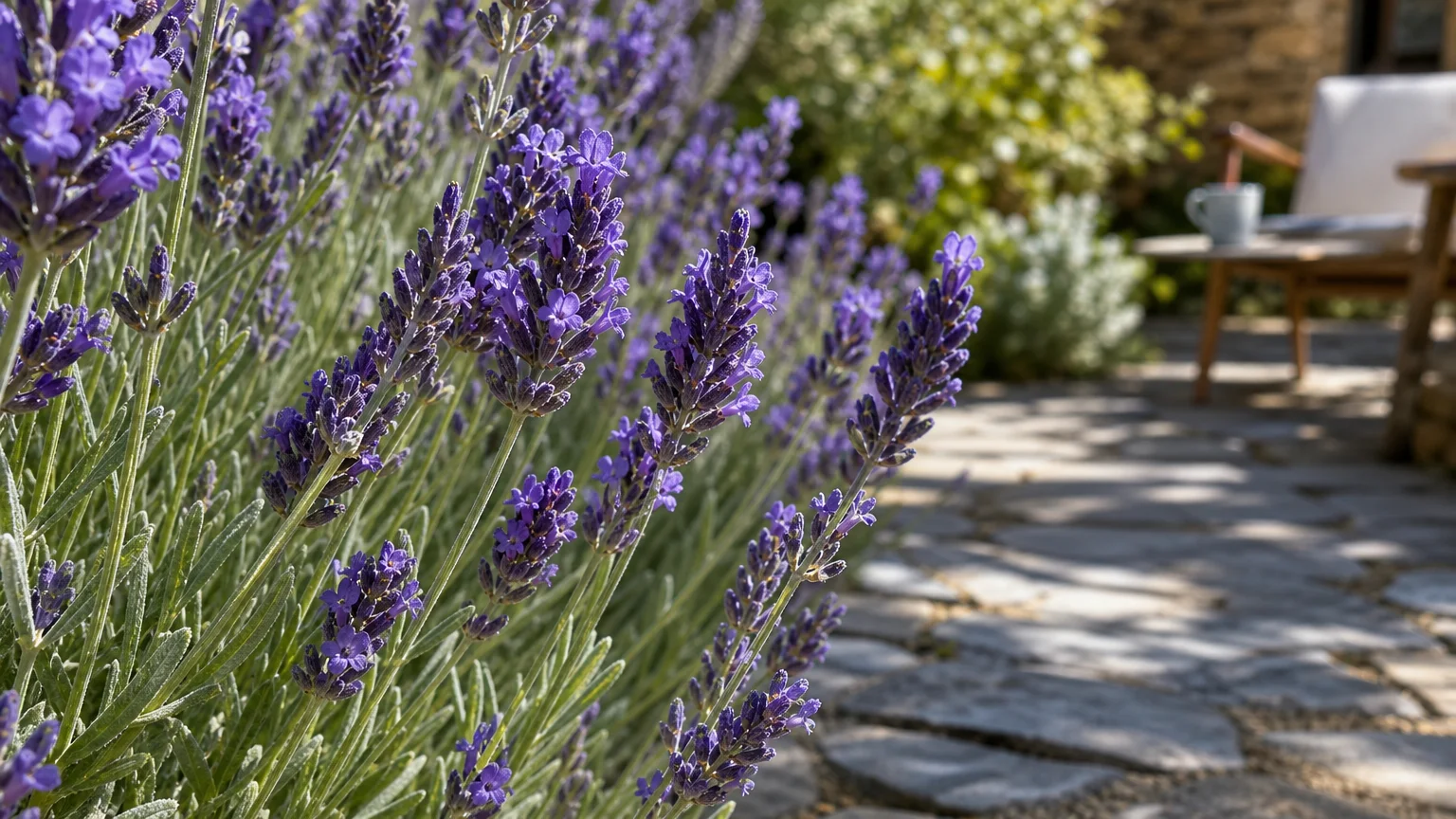
Tip #1: Lavender
Integrate the soothing aroma of lavender into your landscape to create an impenetrable barrier against flying insects. This hardy Mediterranean native thrives in hot, dry conditions and produces gorgeous wands of purple, pink, or white flowers. While humans adore the sweet, calming fragrance drifting across a patio, many common garden invaders completely despise it. The potent scent effectively masks the attractive smells of neighboring crops, confusing hungry pests before they can land and feed on your vulnerable foliage.
Lavender contains exceptionally high concentrations of linalool, a naturally occurring terpene compound scientifically proven to overload and disrupt the olfactory receptors of mosquitoes, fleas, flies, and clothes moths. By planting English or Spanish lavender strategically along walkways, near outdoor seating areas, or adjacent to entryways, you establish a highly active shield of garden pest control. You can also harvest and dry the flower buds at the end of the summer to create fragrant indoor sachets that keep moths completely out of your closets.
For maximum success, plant lavender in well-draining soil and ensure it receives a minimum of eight hours of direct sunlight daily. Heavy clay soils retain too much moisture, which inevitably causes root rot; amend your garden beds with sand or fine gravel to improve drainage. Prune the plant back by one-third immediately after the first flush of summer blooms to encourage dense, bushy growth and a second generous harvest of pest-fighting flowers later in the season.
Tip #2: Marigolds
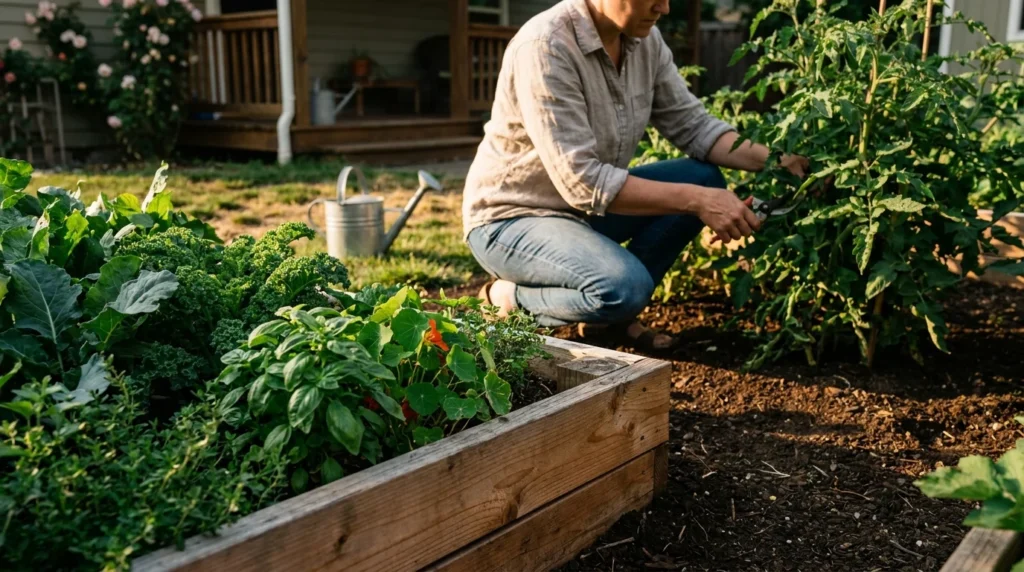
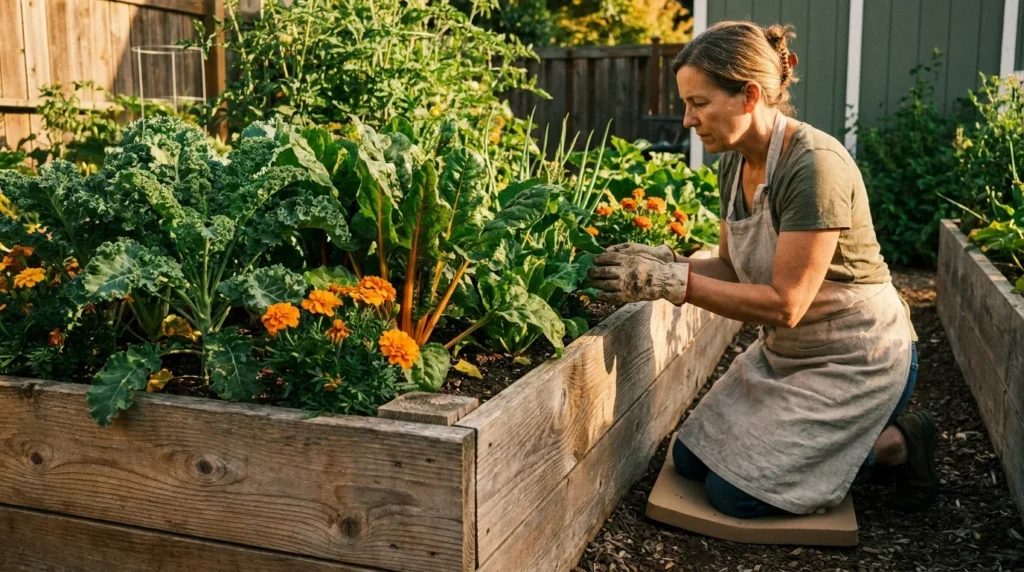
Planting marigolds remains a time-tested strategy used by organic farmers and backyard enthusiasts alike to protect vulnerable vegetable crops. These bright, cheerful annuals deliver a massive pop of golden, yellow, and orange color to your garden beds while working continuously as relentless pest defenders. You will frequently see them framing tomato plants or outlining the borders of raised beds, and this strategic placement is entirely intentional for anyone serious about natural pest management.
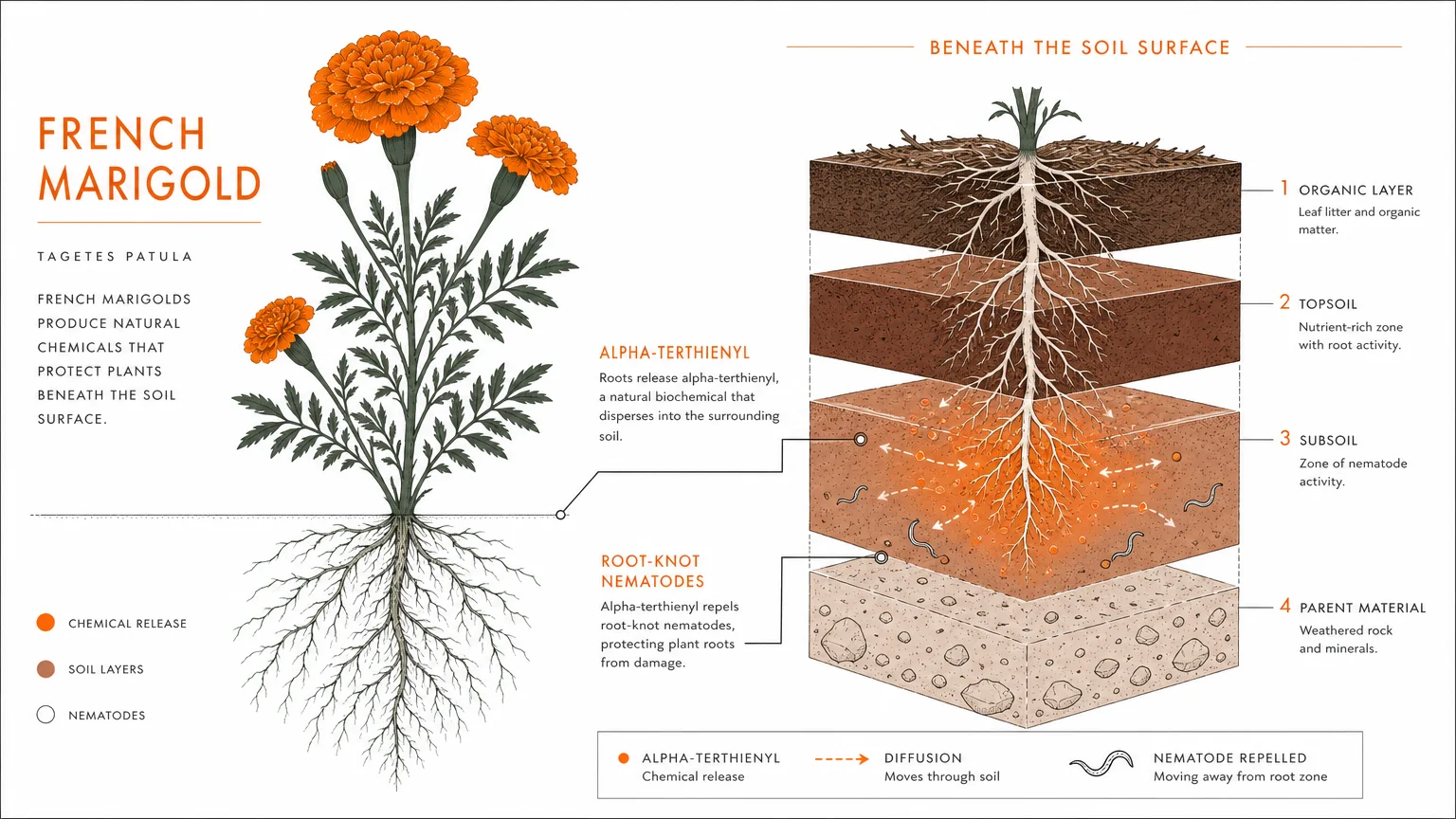
The true defensive power of marigolds lies beneath the soil surface. French marigolds specifically release alpha-terthienyl, a potent phototoxin that targets and eliminates destructive root-knot nematodes hiding in the soil. Above ground, the sharp, intensely pungent scent of the fern-like foliage drives away whiteflies, aphids, and even hungry rabbits. Many gardeners effectively use them as a trap crop, meaning the marigolds attract specific pests like spider mites away from more valuable vegetables, keeping your primary harvest completely safe and pristine.
Grow marigolds from seed directly in the garden immediately after the danger of frost completely passes. They require full sun and consistently moist, moderately fertile soil to produce their most vigorous blooms. Pinch off the dead flowers regularly to signal the plant to generate new buds, ensuring a continuous, vibrant display of color and a steady, uninterrupted release of pest-deterring compounds from early spring until the very first autumn freeze.
Tip #3: Rosemary
Elevate your culinary garden and your biological pest management strategy simultaneously by growing rosemary. This notoriously hardy evergreen shrub features distinct needle-like leaves and delicate blue flowers that provide crucial early-season nectar for beneficial bees. Because it retains its robust foliage year-round in milder climates, rosemary serves as a permanent structural element in your landscape and a continuous, reliable source of defense against unwanted destructive insects.
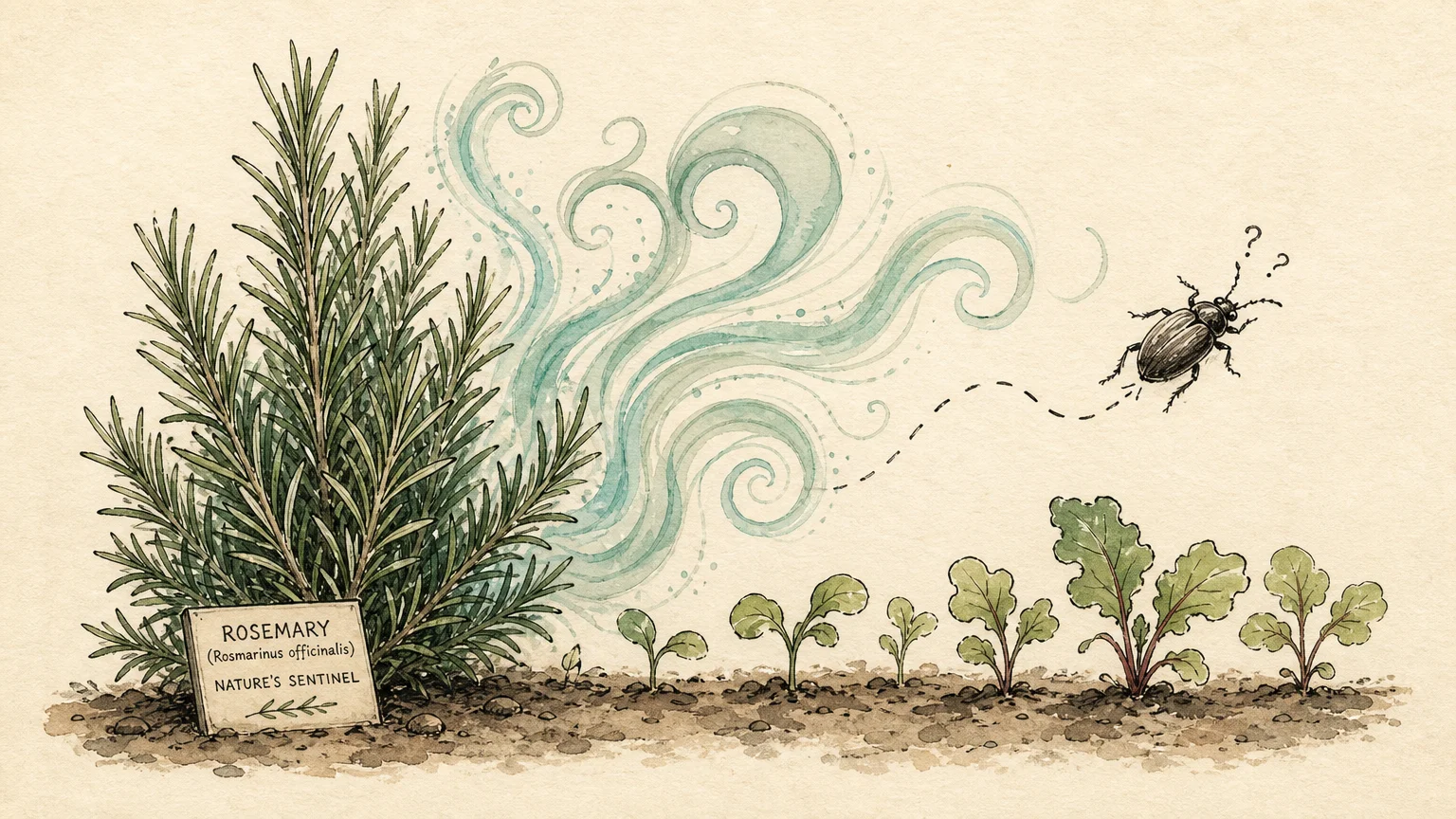
The highly concentrated essential oils trapped inside rosemary leaves emit a robust, woodsy fragrance that entirely overpowers the delicate senses of foraging pests. Cabbage moths, Mexican bean beetles, and carrot rust flies rely entirely on their sense of smell to locate their preferred host plants. When you interplant rosemary bushes closely with your brassicas or root vegetables, the intense aroma acts as an invisible cloaking device, effectively hiding your vulnerable crops from these persistent flying threats.
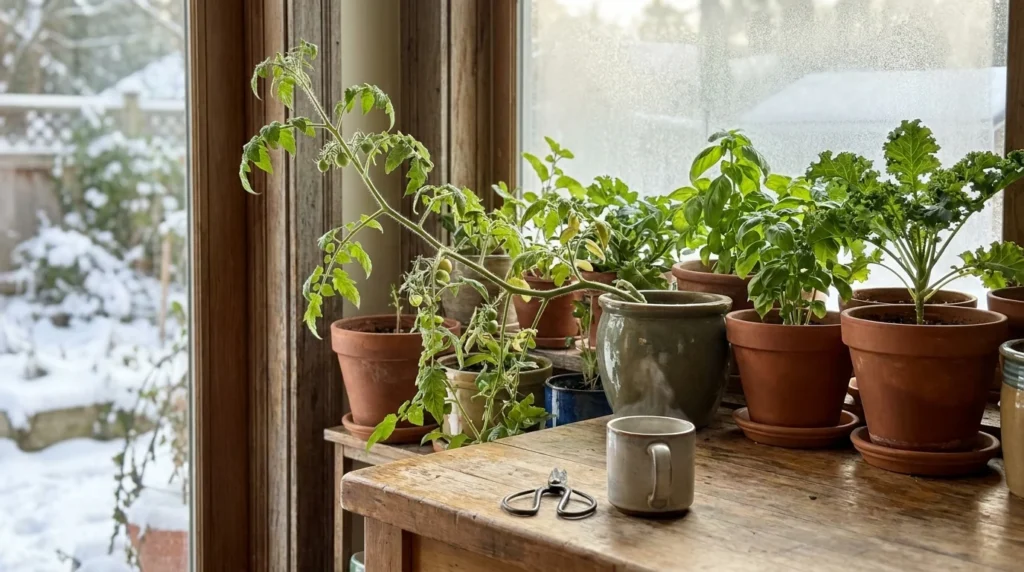
Treat rosemary precisely like lavender when selecting an optimal planting location. It demands excellent drainage, poor to average soil, and scorching full sun to develop the absolute highest concentration of essential oils. Avoid overwatering this drought-tolerant shrub, as soggy, waterlogged roots quickly lead to fatal fungal diseases. If you live in a colder climate that experiences harsh, freezing winters, cultivate rosemary in large terra cotta pots and bring them indoors to a sunny window before the cold weather strikes your region.
Tip #4: Alliums
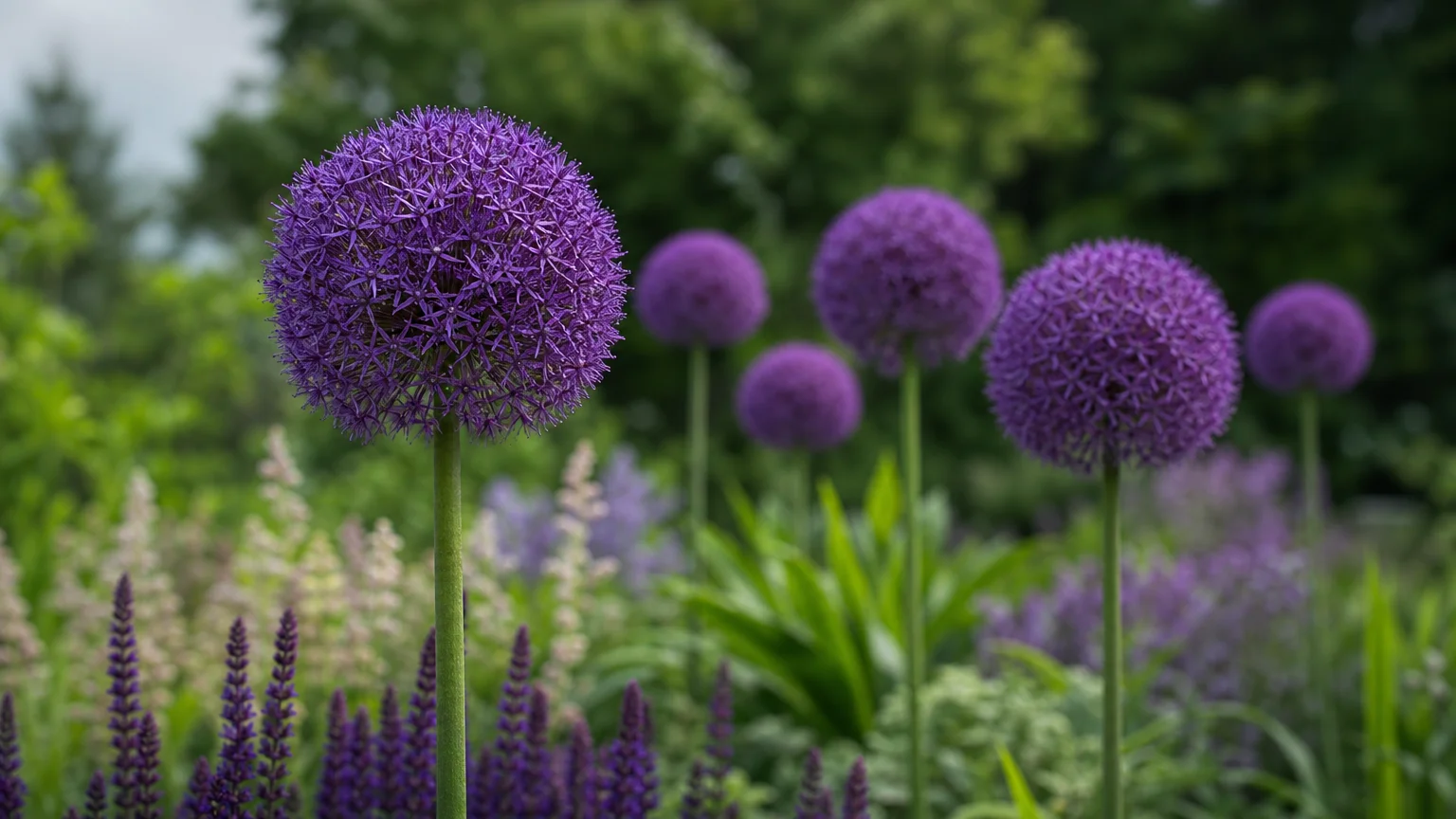
Incorporate members of the diverse allium family into your flowerbeds and vegetable plots to build a resilient, multi-layered defensive perimeter. This highly pungent plant family includes garlic, onions, leeks, shallots, and chives, all of which share a distinct, sulfurous odor. While you might associate these plants strictly with culinary applications in the kitchen, ornamental alliums produce stunning, towering globe-shaped purple flower heads that add spectacular architectural interest to modern garden designs.
The strong sulfur compounds responsible for the signature taste and smell of alliums act as an incredibly aggressive biological repellent. Aphids, Japanese beetles, and carrot flies actively avoid areas heavily saturated with allium scents. Furthermore, these robust plants are highly effective at deterring much larger grazing wildlife; deer and rabbits find the taste and smell of allium foliage extremely bitter and will generally bypass your garden entirely if they encounter a thick, unbroken border of chives or garlic.
Position alliums strategically alongside highly susceptible plants like roses, tomatoes, and bell peppers to maximize their localized protective benefits. They thrive in rich, well-draining soil and require regular, deep watering during their most active growth phase in the early spring. Allow your chives to flower fully to attract parasitic wasps and hoverflies, two highly beneficial predatory insects that naturally hunt and consume existing aphid populations hiding under your plant leaves.
Tip #5: Chrysanthemums
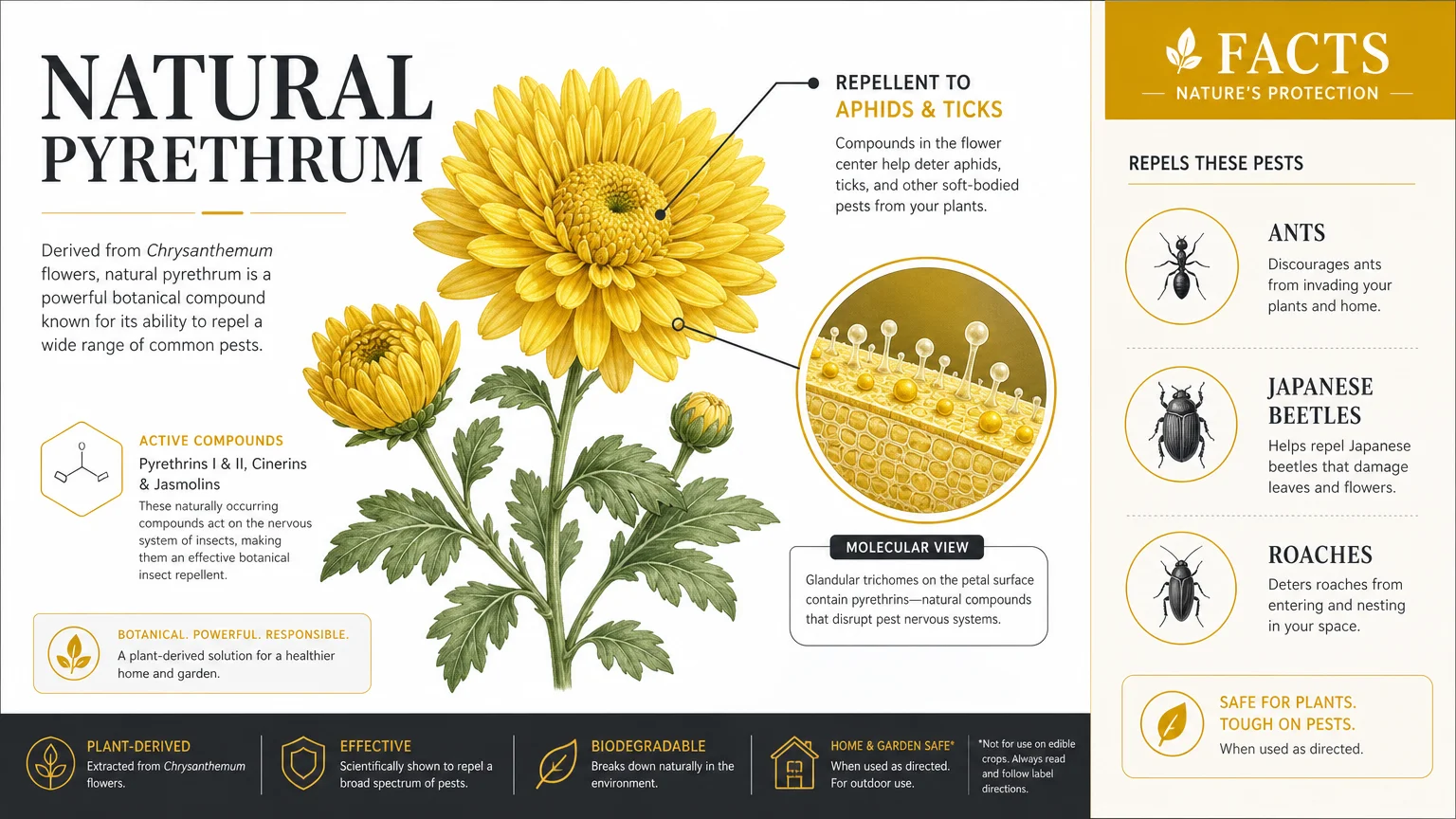
Deploy chrysanthemums to tackle some of the most stubborn and destructive pests currently invading your landscape. These quintessential autumn bloomers deliver spectacular, long-lasting displays of rich reds, vibrant yellows, and deep purples long after your fragile summer flowers fade. Beyond their obvious aesthetic value, specific types of chrysanthemums pack a serious punch when it comes to garden pest control, serving as the biological foundation for many commercial organic pesticides worldwide.
The secret weapon hidden deep within chrysanthemum flower heads is a powerful natural chemical compound called pyrethrin. Pyrethrin directly attacks the nervous systems of insects, paralyzing and ultimately eliminating them almost immediately upon physical contact. Planting chrysanthemums thickly around your patio or garden borders actively repels a massive spectrum of crawling and flying threats, including roaches, ants, Japanese beetles, ticks, silverfish, and microscopic spider mites.
Plant chrysanthemums in the spring rather than the fall to give their developing root systems ample time to establish securely before harsh winter weather arrives. They require full sun and nutrient-rich, exceptionally well-drained soil to produce massive clusters of protective blooms. Pinch the growing tips back every few weeks during the early summer months to encourage a dense, bushy shape. Remember that pyrethrin is highly potent, so place these beautiful flowers carefully if you have curious pets that tend to chew on garden foliage.
Tip #6: Mint
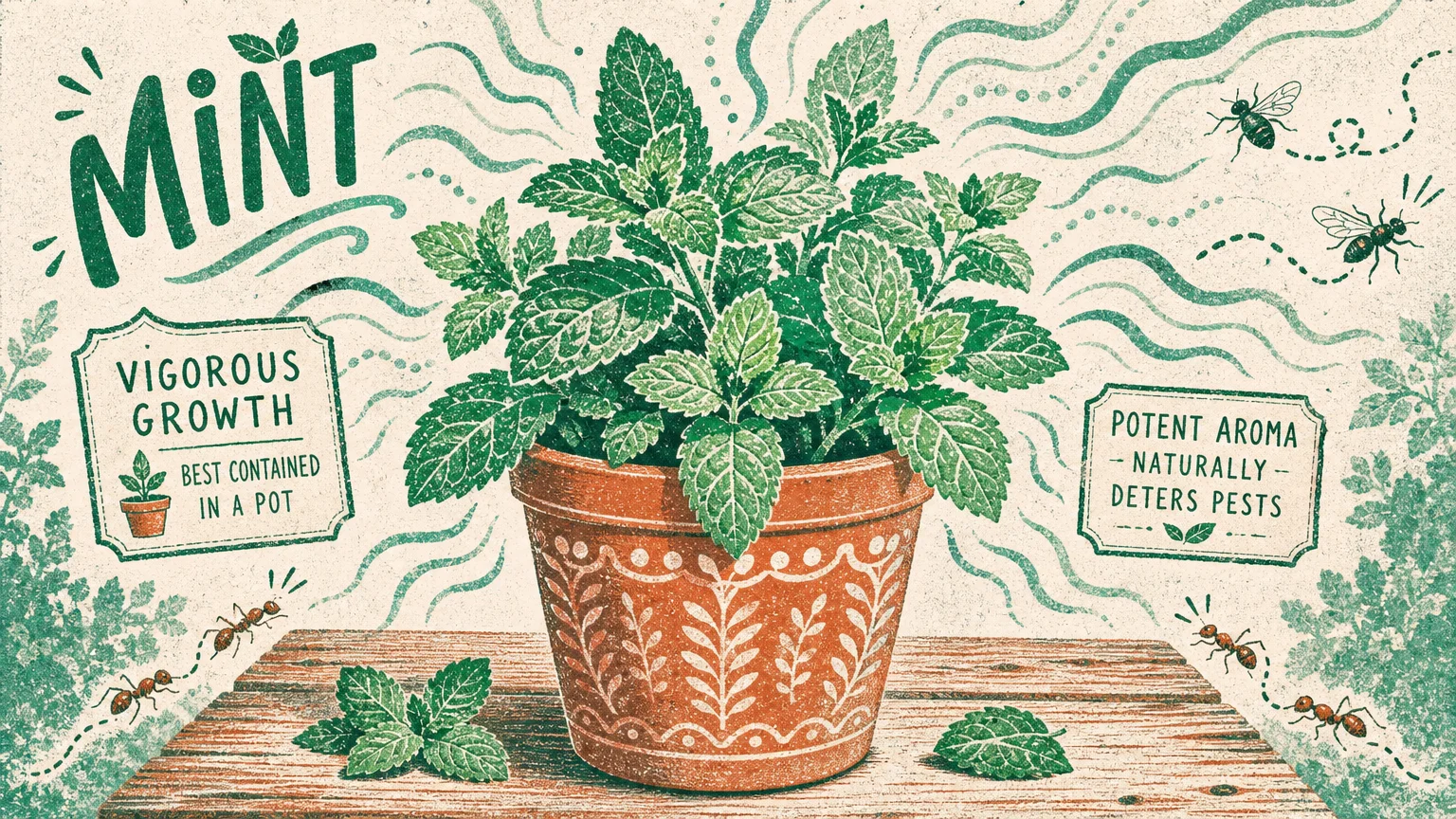
Harness the notoriously aggressive growing power of mint to establish a highly fragrant, pest-free zone completely around your home. Mint varieties range from classic peppermint and spearmint to unique, highly bred cultivars like chocolate mint and apple mint. The refreshing, sharp aroma completely transforms the sensory experience of your garden while simultaneously signaling to unwanted insects that they should find another, less hostile place to forage.
Menthol, the primary active botanical compound found abundantly in mint leaves, is a proven biocidal agent that effectively repels spiders, ants, and mosquitoes. Ants rely entirely on delicate, invisible pheromone trails to navigate your yard and communicate with their massive colonies; the overwhelming scent of menthol completely disrupts these trails, effectively banishing ant populations from your patios and brick walkways. Placing crushed mint leaves near doorways or windowsills also prevents opportunistic spiders from sneaking inside your warm home during the autumn months.
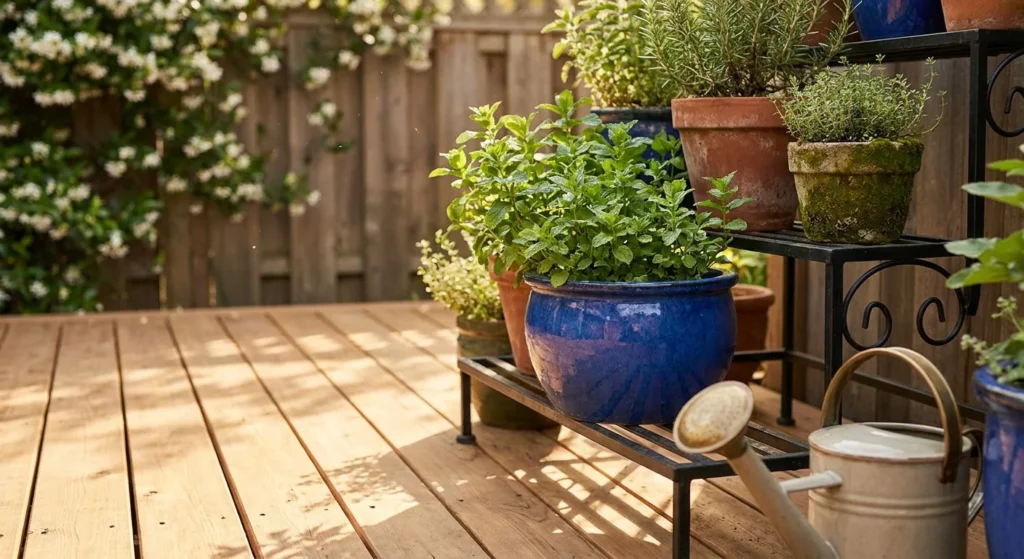
You must exercise extreme caution and strict discipline when adding mint to your collection of the best outdoor plants. Mint spreads incredibly rapidly through aggressive underground runners and will quickly choke out neighboring, less vigorous vegetation if left entirely unchecked. Always plant mint in sturdy plastic containers or heavily restricted raised beds. Provide it with partial shade and consistently moist soil, and harvest the leaves frequently to constantly stimulate fresh, highly scented new growth.

Tip #7: Lemongrass
Introduce the striking, tropical elegance of lemongrass to your outdoor living spaces for immediate, localized relief from biting pests. This fast-growing ornamental grass forms dense, sweeping clumps of tall, razor-edged leaves that rustle beautifully in the warm summer breeze. It serves as an excellent architectural thriller plant in large container arrangements and provides a continuous, generous harvest of flavorful stalks for authentic Asian-inspired culinary dishes.
Lemongrass naturally produces incredibly high concentrations of citronella oil, the exact botanical extract utilized in commercial mosquito-repellent candles and expensive bug sprays. The living plant constantly releases trace amounts of this essential oil into the surrounding air, creating a highly hostile environment for mosquitoes and biting gnats. For an immediate, localized burst of protection during evening patio dinners, simply crush a few long blades of lemongrass aggressively between your fingers to release a concentrated, invisible cloud of citronella essence.
Cultivating lemongrass successfully requires closely mimicking its native tropical environment. Plant it in a location that receives absolute full, unshaded sun and ensure the soil remains consistently moist but never completely waterlogged. Feed the grass with a nitrogen-rich liquid fertilizer every three weeks during the peak summer growing season to support its incredibly rapid expansion. Because lemongrass is extremely frost-tender, you must move the heavy containers indoors or into a heated greenhouse before temperatures drop below freezing.
Tip #8: Catnip
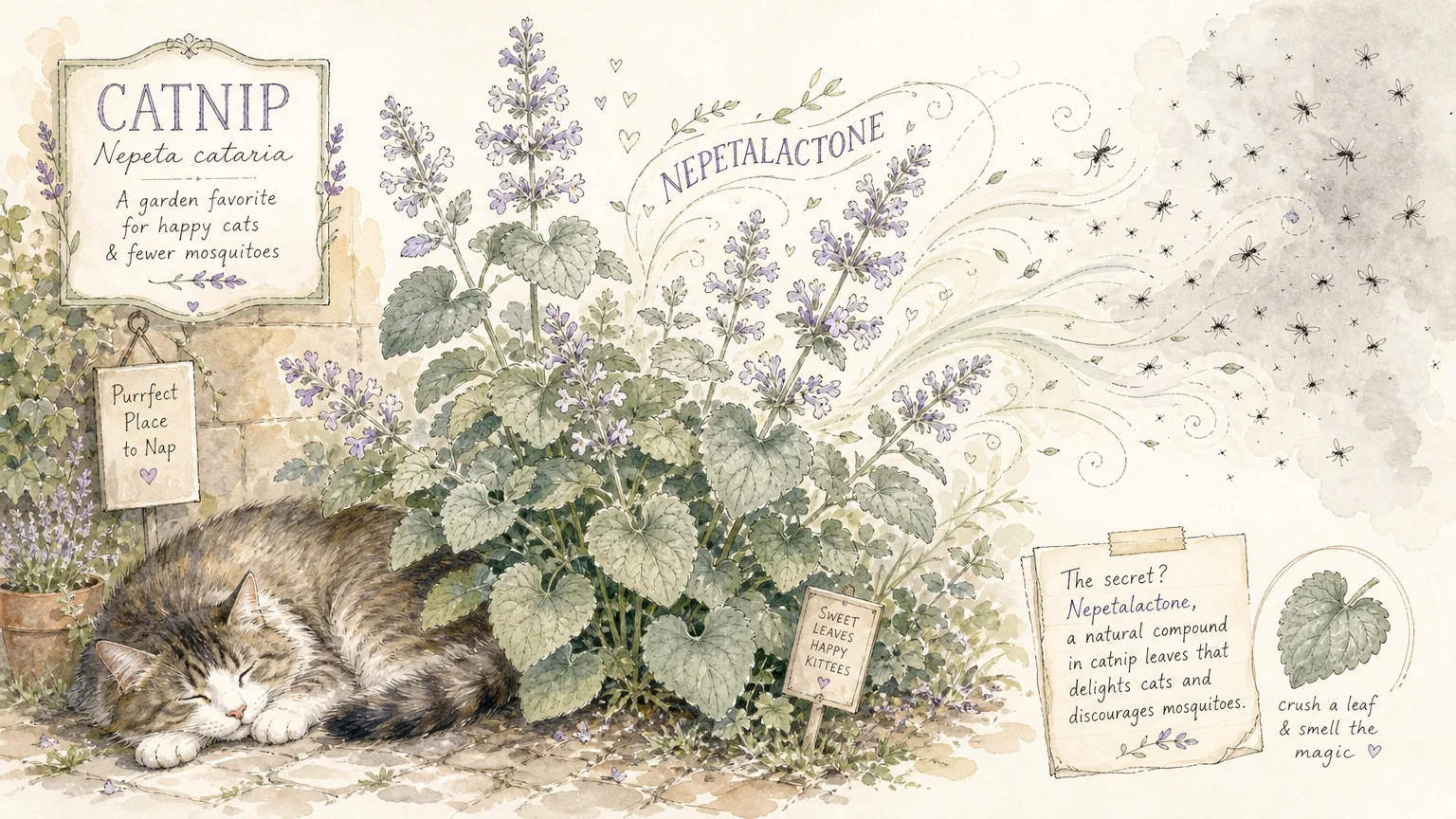
Invite catnip into your garden beds to utilize an incredibly effective, scientifically backed pest deterrent. A tough, resilient member of the mint family, catnip features attractive, deeply veined grayish-green foliage and tiny, delicate clusters of white or pale purple flowers. While it famously sends domestic felines into a state of temporary euphoria, its biological effect on destructive garden insects is entirely hostile and highly disruptive.
Researchers at Iowa State University discovered that nepetalactone, the primary essential oil responsible for catnip’s incredibly unique odor, is actually ten times more effective at repelling mosquitoes than DEET, the standard harsh chemical used in modern commercial bug sprays. Beyond mosquitoes, the incredibly potent scent of catnip actively drives away aphids, squash bugs, Colorado potato beetles, and cabbage loopers. This robust defense mechanism makes it an absolutely invaluable companion plant for vulnerable vegetable crops like zucchini, cucumbers, and tender potatoes.
Grow catnip in sandy, rapidly draining soil and position it strategically in an area that receives full sun to partial shade. Like its close cousin mint, catnip grows vigorously and spreads aggressively through both prolific seeds and creeping root systems. To prevent it from taking over your entire garden ecosystem, trim off the flower heads immediately before they go to seed and confine the primary root ball entirely to a large, sunken plastic pot.

Tip #9: Basil
Pair your favorite summer vegetables with highly fragrant basil to instantly boost their culinary flavor and shield them from devastating pest damage. Basil is a tender, warm-weather herb that offers incredible culinary versatility alongside striking, varied visual appeal. From massive, ruffled Italian sweet basil to the dark, glossy purple leaves of Opal basil, this plant fits seamlessly into both highly productive edible landscapes and purely ornamental flower gardens.
The highly volatile oils present in basil leaves emit a strong, peppery aroma that effectively repels tomato hornworms, whiteflies, mosquitoes, and common houseflies. Tomato hornworms, in particular, can completely strip a mature tomato plant of its foliage overnight; planting a thick, unbroken understory of basil acts as a highly effective biological barrier against these massive, destructive caterpillars. Additionally, allowing just a few basil plants to bolt and flower will actively attract hordes of beneficial bees and predatory wasps that hunt smaller pest insects.
Wait until the garden soil warms completely and all danger of frost is entirely gone before transplanting young basil outdoors. The plant thrives vigorously in rich, well-composted soil and demands full morning sun with a bit of protective afternoon shade in extremely hot climates. Water the soil directly at the base of the plant to keep the delicate foliage completely dry, which drastically prevents devastating fungal diseases like downy mildew. Harvest the sweet leaves from the top down to actively encourage continuous, bushy branching.
Tip #10: Petunias
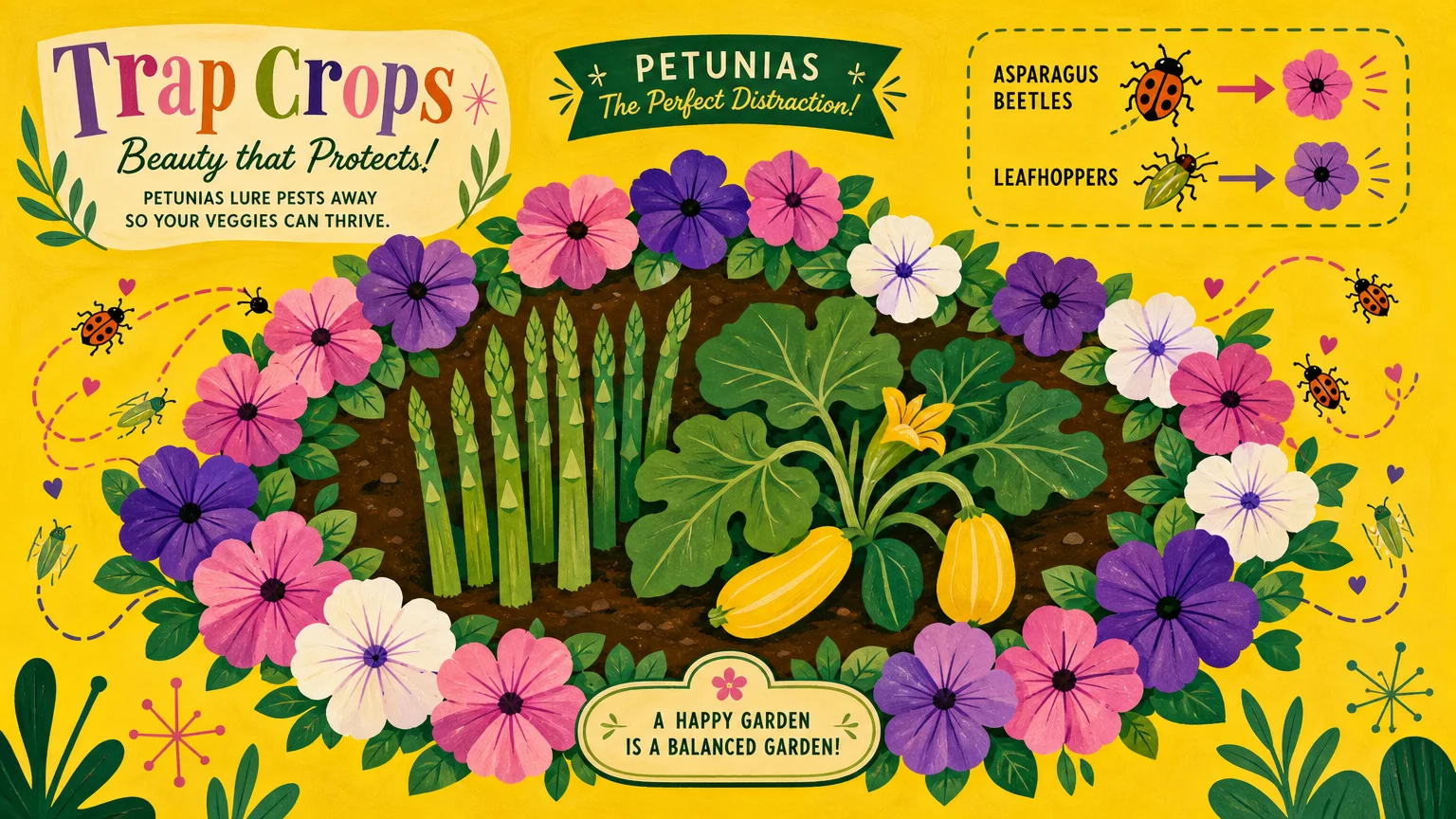
Finish your comprehensive defensive landscape design by filling window boxes and hanging baskets with colorful, trailing petunias. These incredibly popular, low-maintenance annuals offer non-stop blooms from late spring until the very first frost, available commercially in nearly every vibrant color of the rainbow. While they are prized primarily for their stunning aesthetics, petunias are secretly one of the most effective pest-proof plants currently available to modern home gardeners.
Petunias function effectively as nature’s original pesticide. Their thick stems and green leaves are completely covered in tiny, glandular hairs that secrete a highly sticky, sap-like substance. When small, weak insects like aphids, leafhoppers, and asparagus beetles land on the plant, they become permanently trapped in the sticky hairs and quickly perish. Furthermore, the foliage contains unique chemical compounds that actively repel tomato worms and Mexican bean beetles, making petunias a highly surprising but incredibly effective companion plant for dense vegetable gardens.
Plant petunias in light, highly fertile soil and provide them with at least six hours of direct, unfiltered sunlight each day for maximum flower production. They are notoriously heavy feeders and require regular, scheduled applications of a balanced, water-soluble fertilizer to sustain their rapid vegetative growth and prolific blooming cycle. Remove spent, wilted blossoms frequently to prevent the plant from wasting vital energy on seed production, ensuring a remarkably steady supply of sticky, pest-trapping foliage all season long.

Putting It All Together: Enjoy Your Beautiful Garden
Designing a beautiful, thriving outdoor space absolutely does not require relying on harsh, synthetic chemical pesticides. By strategically integrating the right botanical allies into your landscape, you successfully create a balanced, totally self-regulating ecosystem. Plants like lavender, marigolds, and chrysanthemums do the heavy lifting for you, working continuously around the clock to deter aggressive mosquitoes, invisible root nematodes, and destructive beetles. You effectively mask the sweet scent of vulnerable vegetables by surrounding them entirely with highly aromatic, protective herbs like basil, rosemary, and mint.
Take a deliberate walk through your property today and carefully identify the specific areas most affected by unwanted insect pressure or heavy grazing wildlife. Select three or four pest resistant plants from this comprehensive list that perfectly match your specific sunlight availability and soil drainage conditions. As you plant these powerful biological defenders, you actively reduce harmful pest populations while simultaneously increasing the profound beauty, fragrance, and natural biodiversity of your yard. Embrace the incredible power of natural garden pest control and enjoy a much healthier, vastly more vibrant harvest this season.
Frequently Asked Questions
Do pest-proof plants eliminate all garden bugs completely?
No single plant will completely eradicate every insect from your yard, and a healthy, functioning garden actually relies heavily on a balanced population of bugs. Pest resistant plants work primarily by repelling destructive insects, masking the scent of highly vulnerable crops, or physically trapping specific threats. The ultimate goal is to manage and drastically reduce harmful pest pressure to a level where your plants thrive naturally, without completely destroying the highly beneficial pollinators and predatory insects that keep your entire ecosystem stable.
How close do these protective plants need to be to my vegetables?
To achieve the absolute best results with companion planting, place your pest-deterring plants immediately adjacent to the specific crops you want to protect. Insects rely incredibly heavily on their delicate sense of smell to find viable food sources. If you plant a dense border of fragrant marigolds or pungent basil right next to your tomatoes, the intense aromas will physically hide the vegetables from passing whiteflies and hungry hornworms. Generally, planting within a strict one-to-two-foot radius provides the absolute maximum defensive benefit.
Are any of these pest-repelling plants toxic to dogs or cats?
Yes, you must carefully research individual plant toxicity before adding them to open areas accessible to your domestic pets. Chrysanthemums, for example, contain potent pyrethrin, which can quickly cause severe gastrointestinal upset and frightening neurological issues in dogs and cats if heavily ingested. Alliums like onions and garlic are also considered highly toxic to domestic animals. Always monitor your pets closely in the garden and consider actively utilizing physical barriers or tall raised beds to keep curious animals far away from potentially dangerous foliage.
Can I grow these plants in containers on my patio?
Absolutely. Cultivating plants that repel pests entirely in containers is an exceptionally excellent strategy for keeping seating areas and outdoor dining spaces perfectly comfortable. Lemongrass, lavender, and mint thrive beautifully in large pots and effectively create a highly protective, mosquito-repelling perimeter completely around your patio furniture. Growing aggressive, spreading plants like mint and catnip in heavy containers is actually the preferred method, as the heavily restricted root space absolutely prevents them from rapidly overtaking your traditional garden beds.
For region-specific advice, consult your local University Extension program (find yours via the USDA directory). For plant databases and inspiration, visit the Missouri Botanical Garden or the Royal Horticultural Society.
Disclaimer: This article provides general gardening advice. Always consider your specific climate, soil conditions, and local pests. Follow safety guidelines when using gardening tools and products.