Transforming a bland room into a vibrant, inviting space requires nothing more than the strategic placement of the best houseplants. You can instantly elevate your indoor plants decor and purify your air by choosing species that thrive in your specific home environment. Cultivating stylish houseplants goes beyond simple aesthetics; it actively reduces stress and boosts your daily productivity. Whether your home features abundant bright light or suffers from shadowy corners, specific home plant ideas exist to solve your design dilemmas. Selecting aesthetic indoor plants brings architectural intrigue and natural elegance to your countertops, floor spaces, and bookshelves. Discover the ten most impactful plants that guarantee a dramatic visual upgrade and learn exactly how to keep them flourishing.
Tip #1: Monstera Deliciosa (Swiss Cheese Plant)
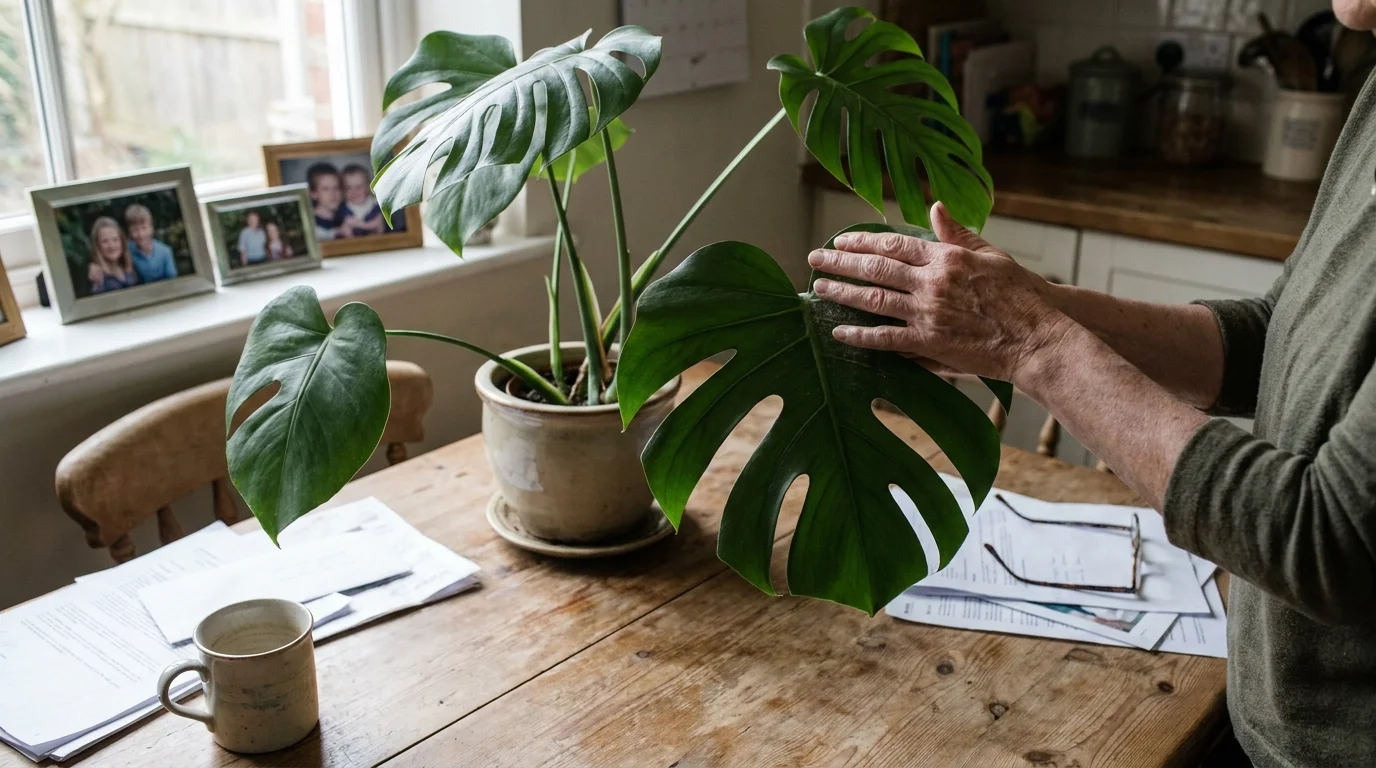
Few plants make a bolder architectural statement than the Monstera Deliciosa. Known for its massive, glossy leaves featuring dramatic natural holes—botanically called fenestrations—this tropical giant instantly transforms any ordinary room into a lush, jungle-inspired oasis. In their natural rainforest habitat, these splits allow heavy winds and intense rain to pass right through the foliage without causing damage. Indoors, they create a stunning visual texture that interior designers frequently use to break up the monotony of flat walls and sharp furniture angles.
To maximize the visual impact of your Monstera, provide a sturdy support structure. Because it grows as a climbing vine in the wild, staking it to a moss pole or wooden trellis encourages the plant to grow upward rather than sprawling across your floor. This vertical growth habit saves precious floor space while drawing the eye upward, making your ceilings appear higher.
Keep your Monstera thriving by placing it in bright, indirect sunlight. Direct afternoon sun will scorch the leaves, while deep shade prevents the iconic fenestrations from forming. Water the plant thoroughly only when the top two inches of soil feel completely dry to the touch. With proper care, a happy Monstera can push out leaves that measure up to two feet across, anchoring your room’s design for decades.
Tip #2: Ficus Lyrata (Fiddle Leaf Fig)
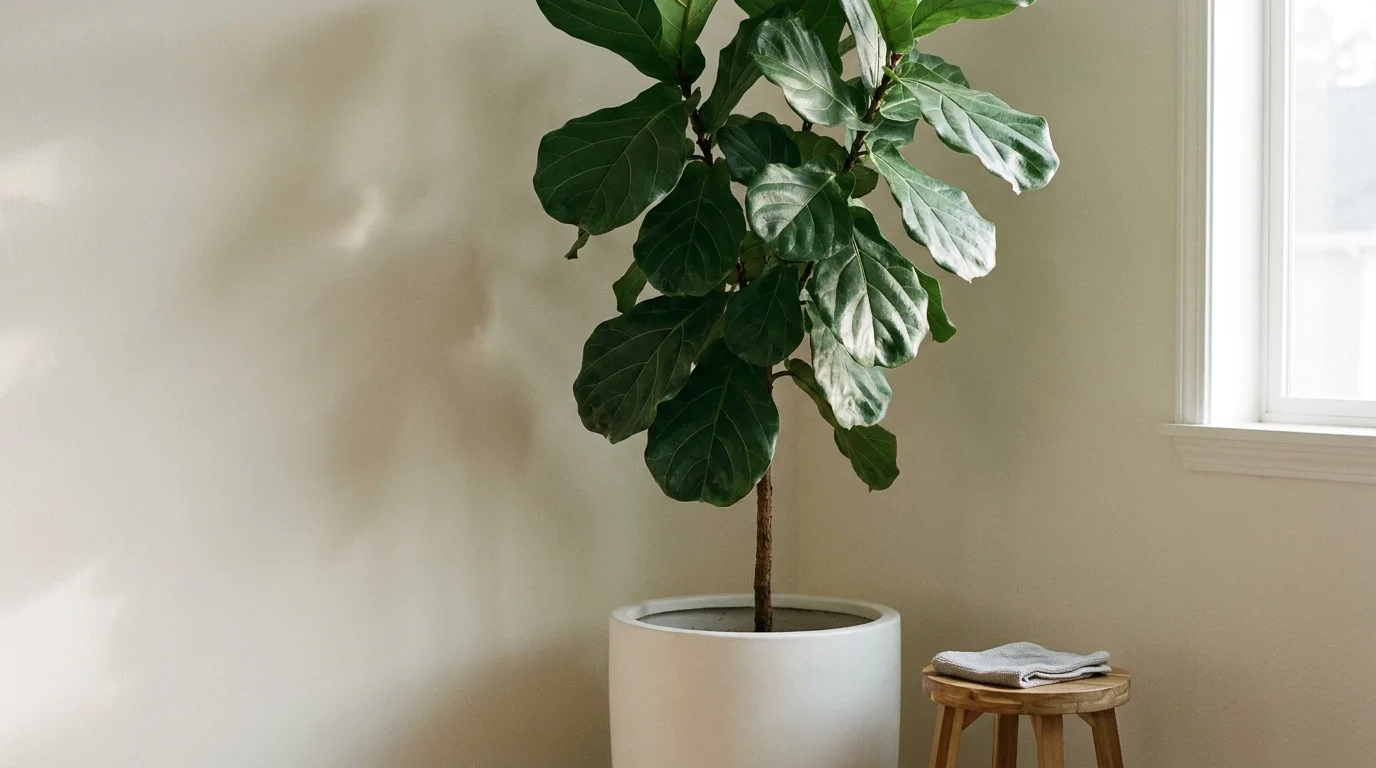
The Fiddle Leaf Fig reigns supreme as the ultimate statement tree for modern interiors. Featuring heavily veined, violin-shaped leaves that can stretch up to fifteen inches long, this plant commands attention the moment you walk into a room. Its slender, elegant trunk topped with a dense canopy of foliage makes it the perfect living sculpture to fill an empty corner or frame a large window.
While the Fiddle Leaf Fig carries a reputation for being somewhat demanding, mastering its care simply requires consistency. This plant despises sudden environmental changes. Once you find a spot receiving bright, filtered sunlight—ideally near an east-facing or south-facing window—leave the plant exactly where it is. Moving it frequently or exposing it to sudden drafts from air conditioning vents often triggers dramatic leaf drop.
Maintain the plant’s striking aesthetic by wiping the massive leaves with a damp cloth every two weeks. Dust buildup blocks crucial sunlight, hindering photosynthesis and dulling the plant’s natural glossy sheen. Water your Ficus Lyrata deeply when the top three inches of soil dry out, ensuring excess water drains completely from the bottom of the pot. Root rot remains the number one killer of this majestic houseplant, so prioritize excellent drainage.
Tip #3: Epipremnum Aureum (Golden Pothos)
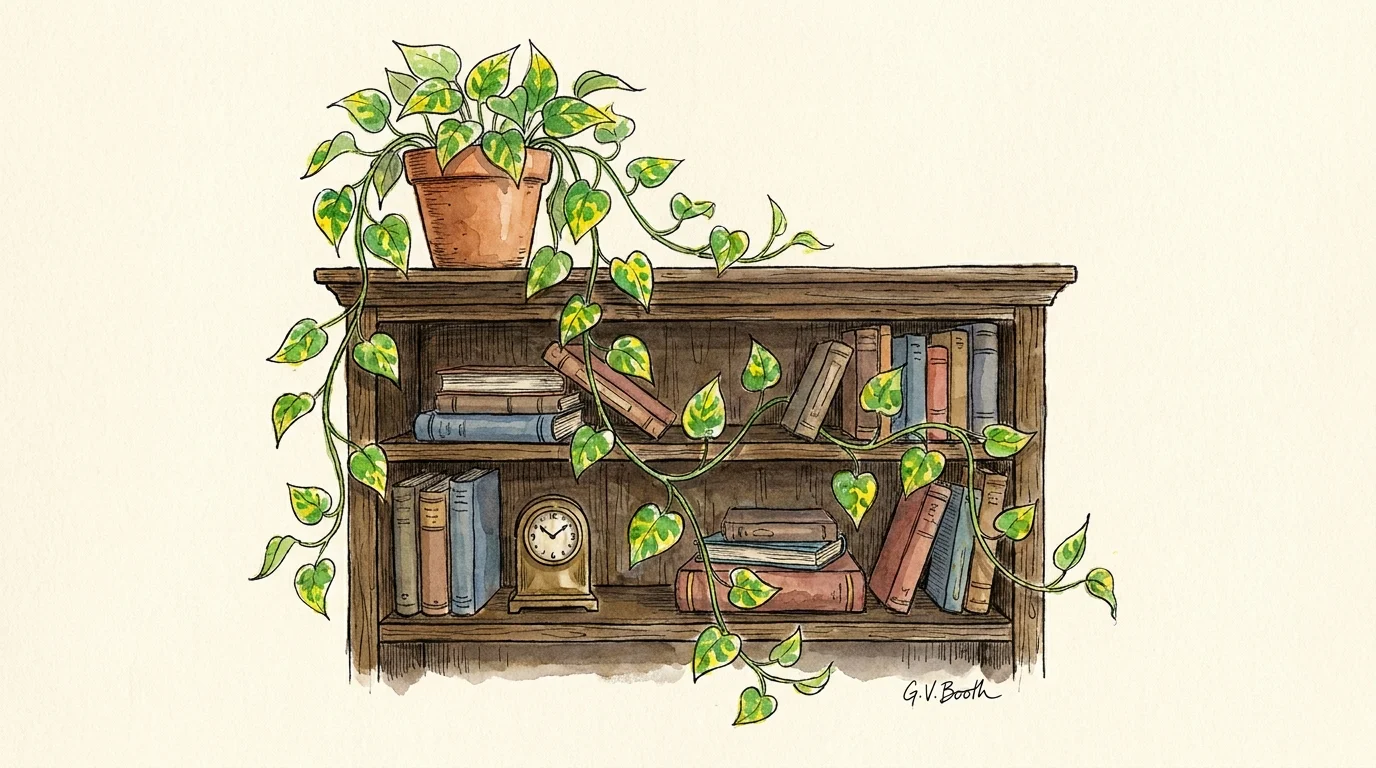
If you want to add dynamic, cascading movement to your home decor, look no further than the Golden Pothos. This incredibly resilient vine features heart-shaped green leaves heavily variegated with splashes of yellow and gold. By placing a Golden Pothos on a high bookshelf or hanging it in a macrame planter, you create a living waterfall effect that softens the hard edges of your cabinetry and draws the eye across the room.
The Golden Pothos is universally celebrated for its forgiving nature. It thrives in nearly any lighting condition, from the bright ambient light of a sunroom to the dim corners of a basement office. While bright, indirect light encourages more vibrant yellow variegation, the plant adapts seamlessly to low-light environments. Furthermore, a famous NASA clean air study highlighted this specific plant for its remarkable ability to filter airborne toxins like formaldehyde and benzene from indoor environments.
Watering a Pothos takes very little guesswork. Allow the soil to dry out almost completely between waterings. When the plant gets too thirsty, the leaves will gently droop, giving you a clear visual cue that it is time for a drink. If the vines grow too long or look unkempt, simply snip them back; you can easily propagate the cuttings in a glass of water to create brand-new plants for other rooms.
Tip #4: Sansevieria Trifasciata (Snake Plant)
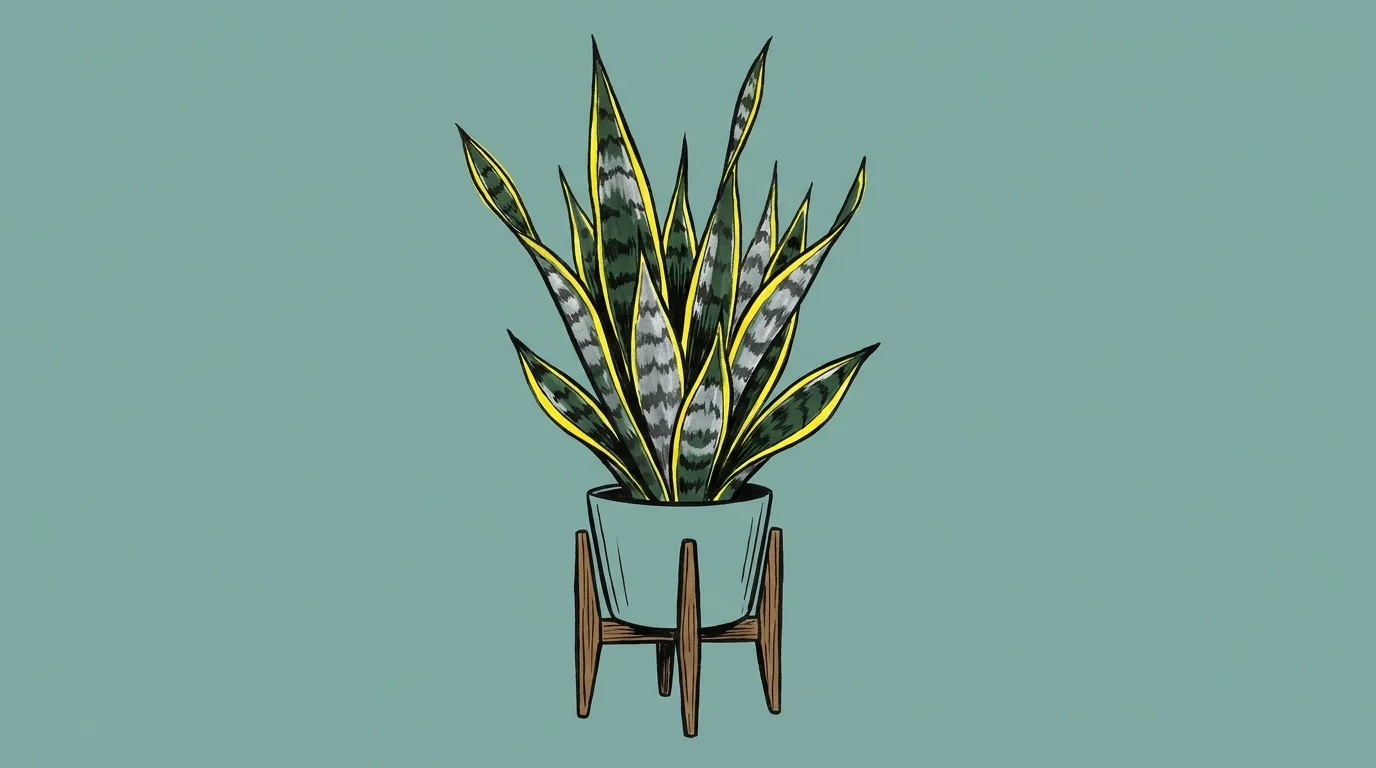
Embrace sleek, minimalist design with the Sansevieria, commonly known as the Snake Plant. This structural masterpiece sends thick, sword-like leaves shooting straight upward, creating a strong vertical element that complements contemporary and mid-century modern interiors. The stiff, upright foliage features striking patterns of dark green, light gray, and vibrant yellow edges, adding complex visual interest without consuming valuable square footage.
Beyond its striking appearance, the Snake Plant functions as a hardworking air purifier, particularly suited for bedrooms. Unlike most houseplants, Sansevieria utilizes Crassulacean Acid Metabolism (CAM) photosynthesis. This unique biological process means the plant absorbs carbon dioxide and releases fresh oxygen throughout the night while you sleep, potentially improving your air quality and sleep environment.
You will struggle to find a plant easier to keep alive. The Snake Plant thrives on sheer neglect. Because its thick leaves store a massive amount of water, you only need to water it once every three to four weeks. Always wait until the potting soil feels completely bone dry from top to bottom. Pair this drought-tolerant beauty with a modern terracotta or matte black ceramic pot to enhance its architectural appeal.
Tip #5: Zamioculcas Zamiifolia (ZZ Plant)
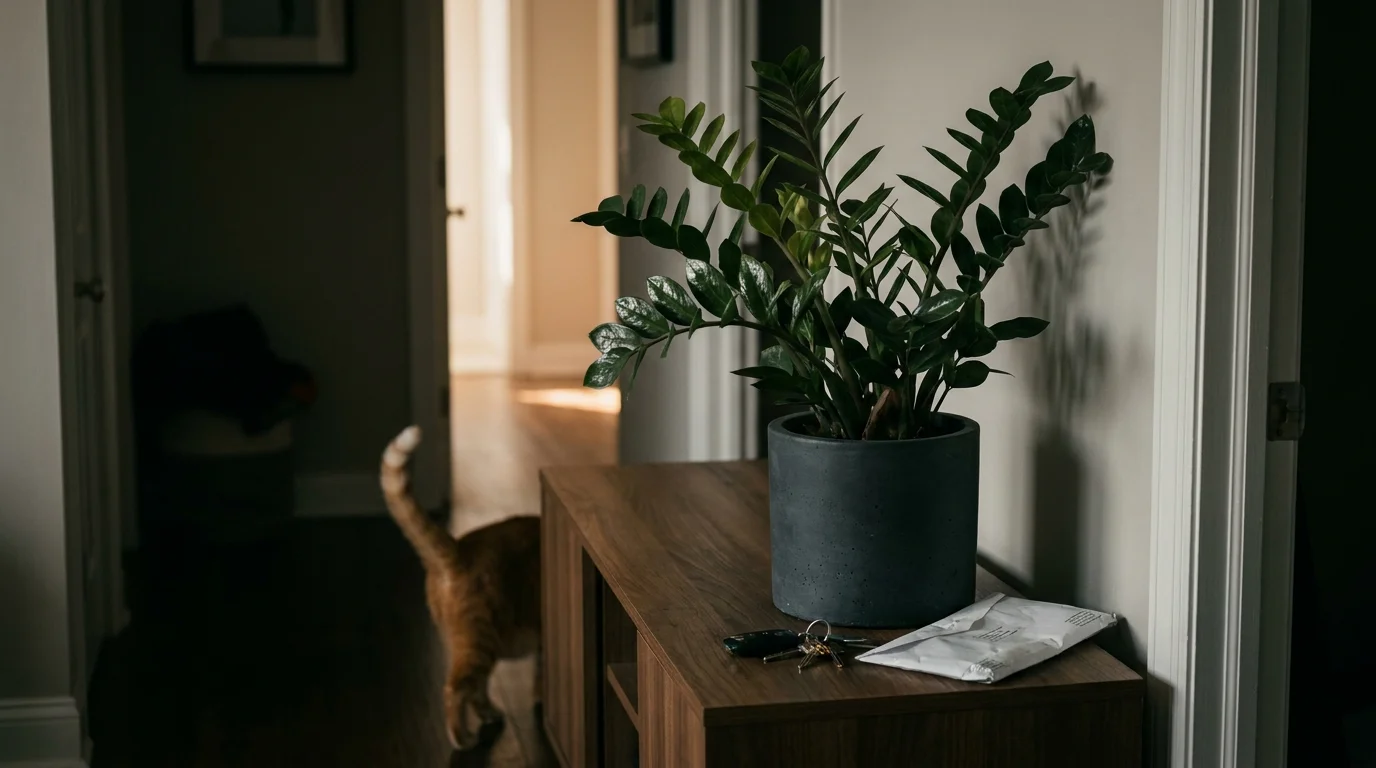
When you need to bring life to a stubbornly dark corner or a windowless bathroom, the ZZ Plant stands ready to perform. This architectural marvel features graceful, wand-like stems lined with symmetrical, deep green leaves. The foliage grows so incredibly thick and glossy that guests often mistake the ZZ Plant for a high-quality artificial replica.
The secret to the ZZ Plant’s legendary resilience lies beneath the soil. It grows from thick, potato-like rhizomes that store significant amounts of water. This evolutionary adaptation allows the plant to survive severe droughts in its native Eastern African habitat. In your home, this translates to a watering schedule of roughly once a month. Overwatering represents the only real threat to a ZZ Plant, so always err on the side of underwatering.
Aesthetically, the ZZ Plant brightens up dark spaces by reflecting whatever ambient light is available off its waxy leaves. It requires no pruning, drops virtually no leaves, and maintains a tidy, compact shape as it matures. Plant it in a heavily textured planter—like woven rattan or ribbed concrete—to contrast beautifully with its smooth, polished foliage.
Tip #6: Spathiphyllum (Peace Lily)
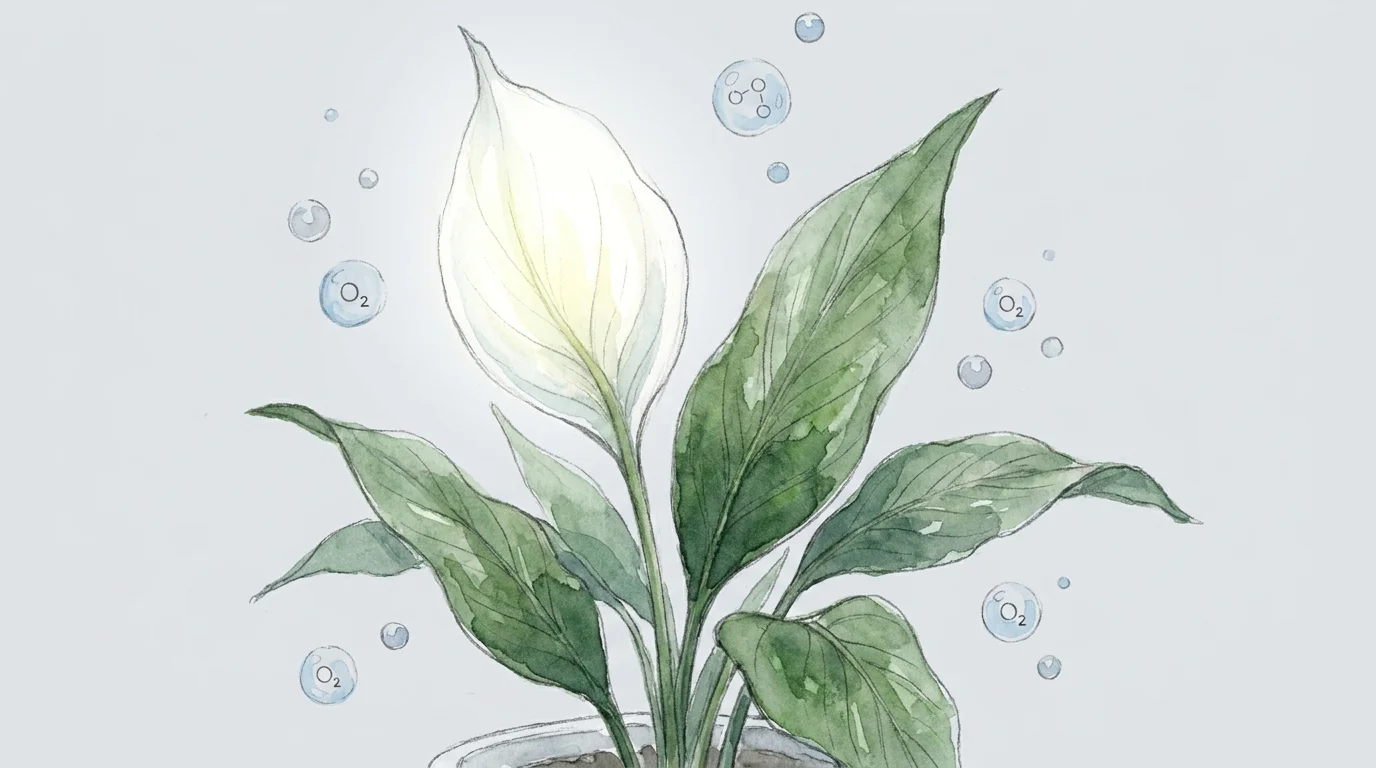
Introduce an element of classic elegance to your home with the Peace Lily. This lush, mounding plant features dark, ribbed foliage and produces striking white blooms—technically known as spathes—that hover gracefully above the leaves like small white flags. The gentle curve of the leaves makes it an excellent choice for softening harsh architectural lines on coffee tables and nightstands.
The Peace Lily acts as one of the best botanical communicators in the houseplant world. You never have to guess when it needs water. The moment the soil becomes too dry, the entire plant will dramatically collapse and wilt. While this looks alarming, providing a thorough watering will cause the stems to perk right back up within a few hours. Keep the soil lightly moist, but never soggy, to prevent this extreme wilting cycle.
Place your Peace Lily in medium to low indirect light. Direct sunlight will quickly scorch the delicate leaves and turn the pristine white blooms brown. Because this plant transpires water at a high rate, it actively increases the ambient humidity in your room, making it an excellent natural humidifier during dry winter months.
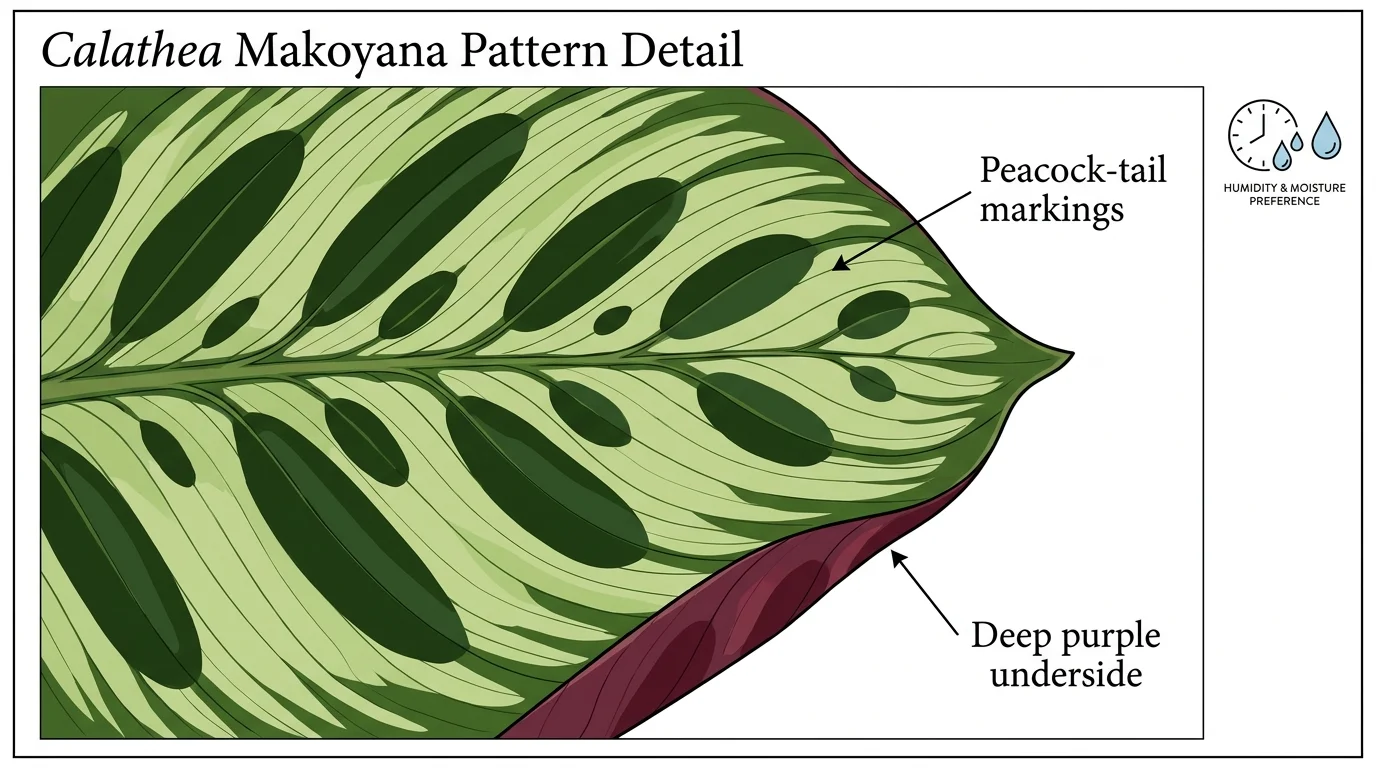
Tip #7: Calathea Makoyana (Peacock Plant)
If you treat your houseplants as living art, the Peacock Plant deserves a prominent display space in your home. The foliage features mesmerizing, intricate patterns of deep green and pale yellow that closely resemble a peacock’s tail feathers. Even more stunning, the undersides of the leaves boast a rich, vibrant burgundy color that reveals itself depending on the angle of the viewer.
The Calathea family exhibits a fascinating botanical behavior called nyctinasty. As the sun sets in your home, the plant actively folds its leaves upward, resembling hands clasped in prayer. When morning arrives, the leaves lower back down to catch the light. This daily movement brings a dynamic, living energy to your indoor spaces that static decor simply cannot match.
To keep the Peacock Plant looking flawless, you must manage its specific environmental needs. It demands high humidity; place a humidifier nearby or set the pot on a tray filled with pebbles and water. Furthermore, Calatheas are highly sensitive to the chlorine and fluoride found in standard tap water, which causes their leaf edges to turn crispy and brown. Protect their stunning aesthetics by watering them exclusively with distilled water or collected rainwater.
Tip #8: Ficus Elastica (Rubber Plant)
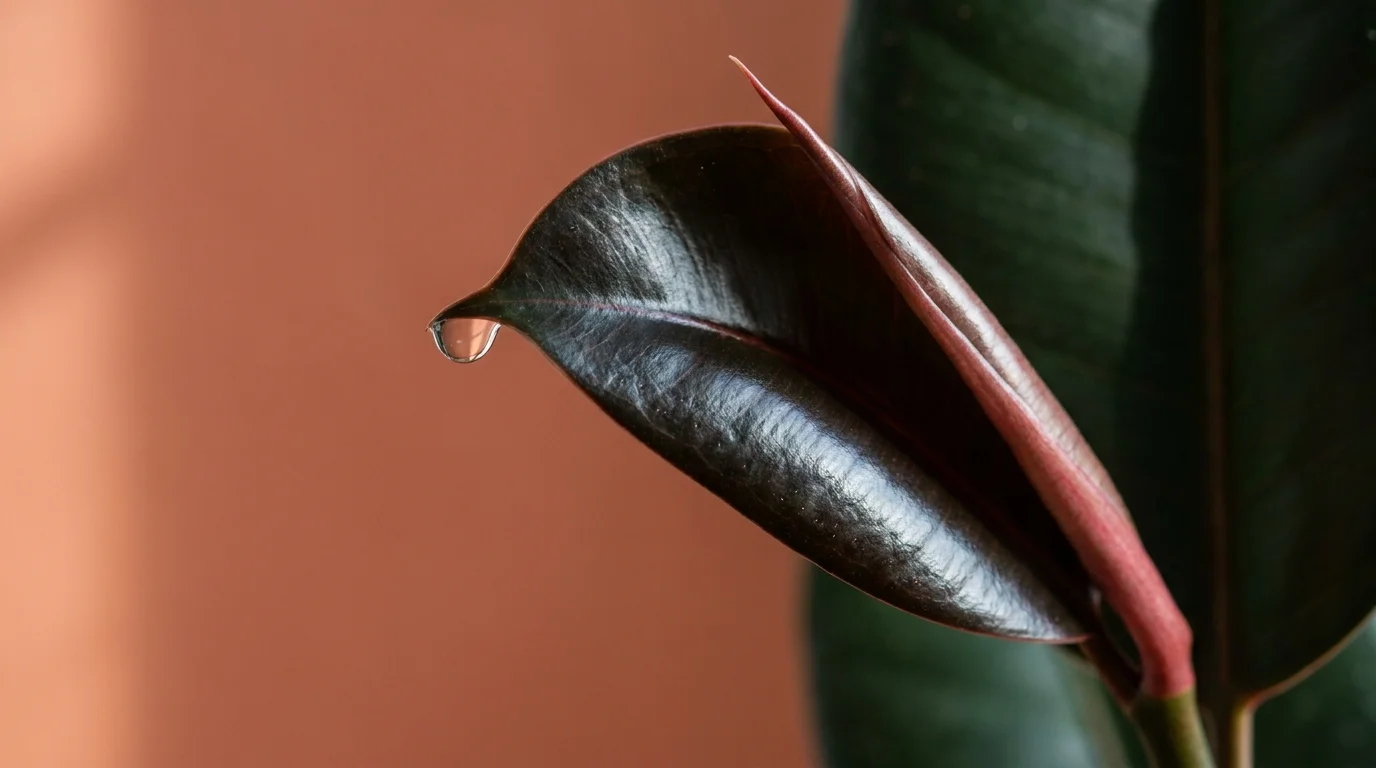
For a sophisticated, moody aesthetic, integrate a Rubber Plant into your design scheme. Particularly in its ‘Burgundy’ variety, this robust tree produces thick, leathery leaves in shades of deep green and almost black, accented by bright red sheaths covering new growth. The dark foliage provides a striking, high-contrast pop against neutral white or gray walls.
In its native Asian habitat, the Rubber Plant grows into a massive canopy tree exceeding one hundred feet tall. Indoors, it remains a manageable size but still offers aggressive, fast-paced vertical growth. You can encourage the plant to develop a bushier, more tree-like shape by strategically pruning the main stem, which forces the plant to push out multiple lateral branches.
Provide your Rubber Plant with ample bright, indirect light to maintain the depth of its dark colors. When placed in low light, the lower leaves tend to drop, leaving a bare, leggy stem. Water the plant when the top half of the soil feels dry. The sap inside the stems contains natural latex, so wear gloves when pruning to avoid mild skin irritation.
Tip #9: Philodendron Hederaceum (Heartleaf Philodendron)
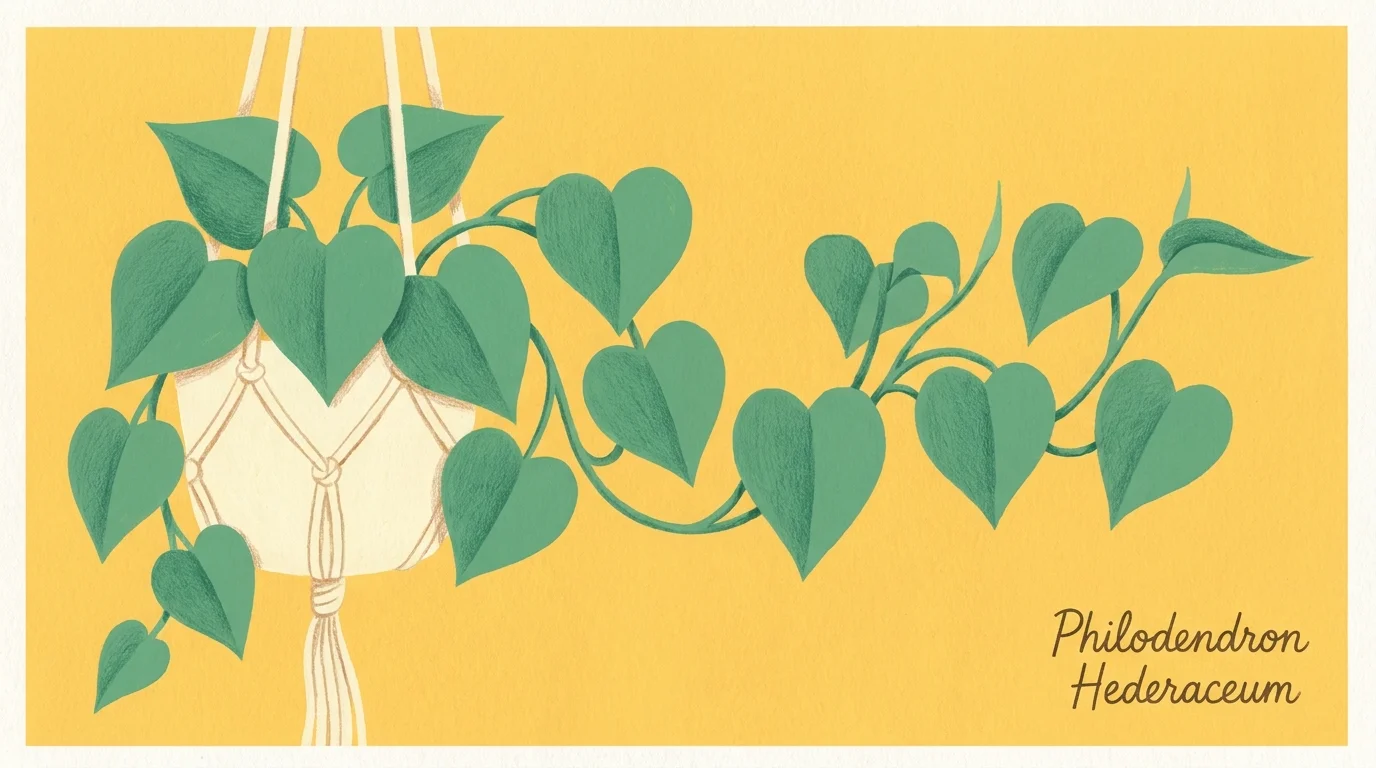
The Heartleaf Philodendron offers a softer, more romantic alternative to the Golden Pothos. Its perfectly shaped, velvety green leaves emerge with a slight bronze tint before maturing to a solid emerald color. Because the vines grow rapidly and drape elegantly, this plant looks exceptional when positioned on floating shelves, allowing the foliage to frame artwork or mirrors.
Home gardeners cherish the Heartleaf Philodendron for its incredibly laid-back nature. It tolerates missed waterings, bounces back quickly from stress, and pushes out new growth even in suboptimal lighting conditions. While it thrives best in bright, indirect light, it readily adapts to the dimmer environments often found in hallways and bedrooms.
You can easily manipulate the aesthetic of this plant to suit your space. Let it trail downward for a relaxed, bohemian look, or train the vines to climb up a small trellis or wall hooks to create a lush, green accent wall. Water the plant thoroughly when the top half of the soil dries out, and occasionally mist the leaves to remove dust and boost localized humidity.
Tip #10: Strelitzia Nicolai (Giant Bird of Paradise)
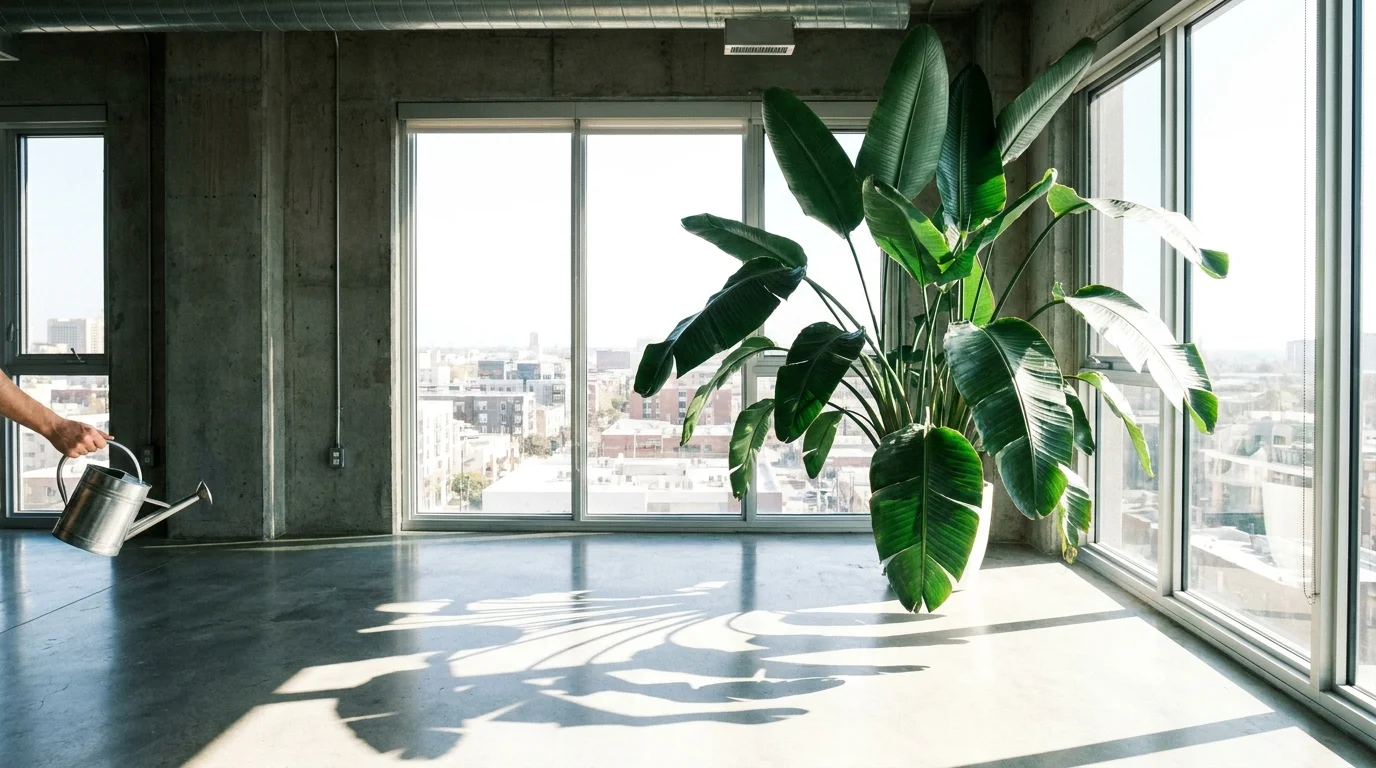
Create an instant resort-style atmosphere in your home by introducing the Giant Bird of Paradise. Featuring massive, paddle-shaped leaves that can span several feet long, this spectacular plant brings the bold scale of the tropics directly into your living room. A mature indoor Bird of Paradise often reaches six to eight feet in height, commanding the entire visual space of a room.
Do not panic when you notice the large leaves naturally splitting along the edges. In the wild, these splits are an evolutionary adaptation that prevents the massive foliage from acting like a sail and snapping the stems during tropical storms. Indoors, these splits add a rugged, textured character to the plant’s overall aesthetic.
To support its massive size and rapid growth rate, the Bird of Paradise requires the brightest spot in your home. It can even handle a few hours of direct morning sunlight. Keep the soil evenly moist during the spring and summer growing seasons, but allow the top third of the soil to dry out during the winter. Feed it with a balanced liquid fertilizer monthly during the summer to fuel the development of its colossal leaves.
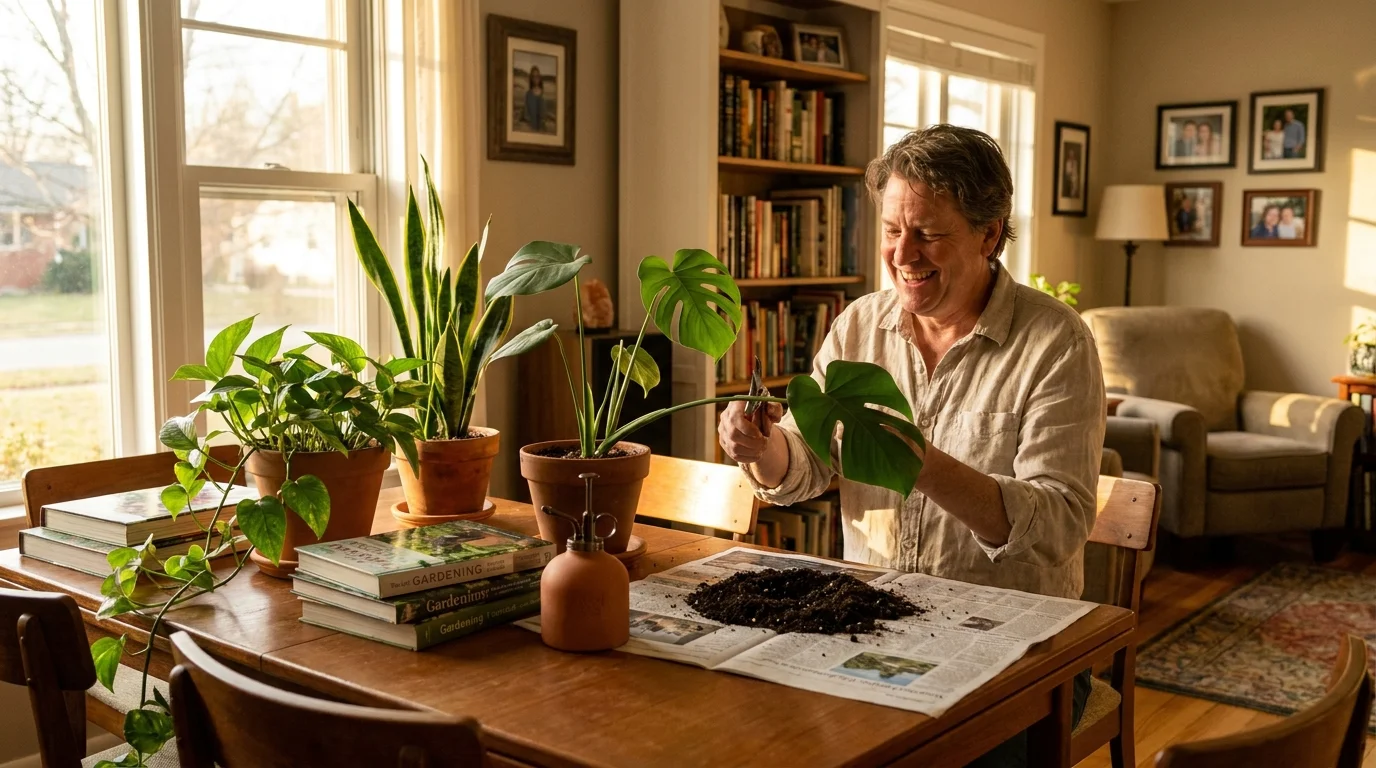
Putting It All Together: Enjoy Your Beautiful Garden
Integrating houseplants into your home decor does more than simply fill empty corners; it breathes actual life into your living spaces. By thoughtfully selecting species that match your home’s lighting and your personal maintenance style, you create a sustainable, lush environment that thrives year after year. The visual upgrade provided by massive Monstera leaves, elegant Fiddle Leaf Figs, or cascading Pothos vines easily surpasses any artificial decor piece you could buy.
Start small if you feel overwhelmed. Choose one or two resilient plants, master their specific watering cues, and watch how they instantly soften your space. As your confidence grows, you can expand your indoor garden, mixing contrasting textures, varying heights, and different shades of green. Soon, you will find that caring for your indoor jungle becomes a deeply rewarding daily ritual, transforming your house into a vibrant, oxygen-rich sanctuary.
Frequently Asked Questions
How often should I water my indoor plants?
Watering frequency depends entirely on the plant species, the size of the pot, and the amount of light the plant receives. Never water on a strict calendar schedule. Instead, check the soil manually by inserting your finger a few inches into the dirt. Succulents and ZZ plants need completely dry soil before watering, while tropicals like Peace Lilies prefer slight, consistent moisture. Overwatering remains the number one cause of houseplant death.
Can I keep houseplants in a room with no windows?
Every real plant requires light to photosynthesize and survive. If you place a plant in a room with zero natural light, it will eventually decline. To solve this, you can install full-spectrum LED grow lights that mimic the sun. Alternatively, you can rotate low-light tolerant plants—like the Snake Plant or ZZ Plant—between the windowless room and a brighter room every few weeks to keep them healthy.
Why are the leaves on my houseplant turning brown at the tips?
Brown, crispy leaf tips usually indicate a lack of humidity or a reaction to harsh chemicals in your tap water. Tropical plants, especially Calatheas and ferns, require higher air moisture than standard homes provide. Grouping plants together naturally raises localized humidity. If humidity is not the issue, switch from tap water to distilled water to prevent fluoride and chlorine buildup in the soil.
How do I choose the right size pot for a new plant?
When repotting a plant, select a container that is only one to two inches wider in diameter than the current root ball. Placing a small plant in a massive pot surrounds the roots with too much excess soil. That extra soil holds onto surplus water for too long, rapidly leading to root rot. Additionally, ensure your chosen pot always features drainage holes at the bottom.
For region-specific advice, consult your local University Extension program (find yours via the USDA directory). For plant databases and inspiration, visit the Missouri Botanical Garden or the Royal Horticultural Society.
Disclaimer: This article provides general gardening advice. Always consider your specific climate, soil conditions, and local pests. Follow safety guidelines when using gardening tools and products.