Fungal infections can transform a vibrant garden into a landscape of wilting leaves, powdery blights, and sunken leaf spots almost overnight. You can shield your flowers, vegetables, and ornamental shrubs from destructive pathogens by mastering proactive plant fungal infection prevention techniques that stop fungal spores before they establish mycelial networks. Rather than reacting to yellowing leaves or rotting stems with emergency remedies, establishing healthy cultural practices creates an environment where plants thrive while parasitic fungi starve. From optimizing soil moisture levels to choosing resilient plant varieties, these simple, field-tested strategies will safeguard your garden investment, boost crop yields, and keep your green spaces flourishing throughout every growing season.
Tip #1: Practice Soil-Level Watering and Moisture Management
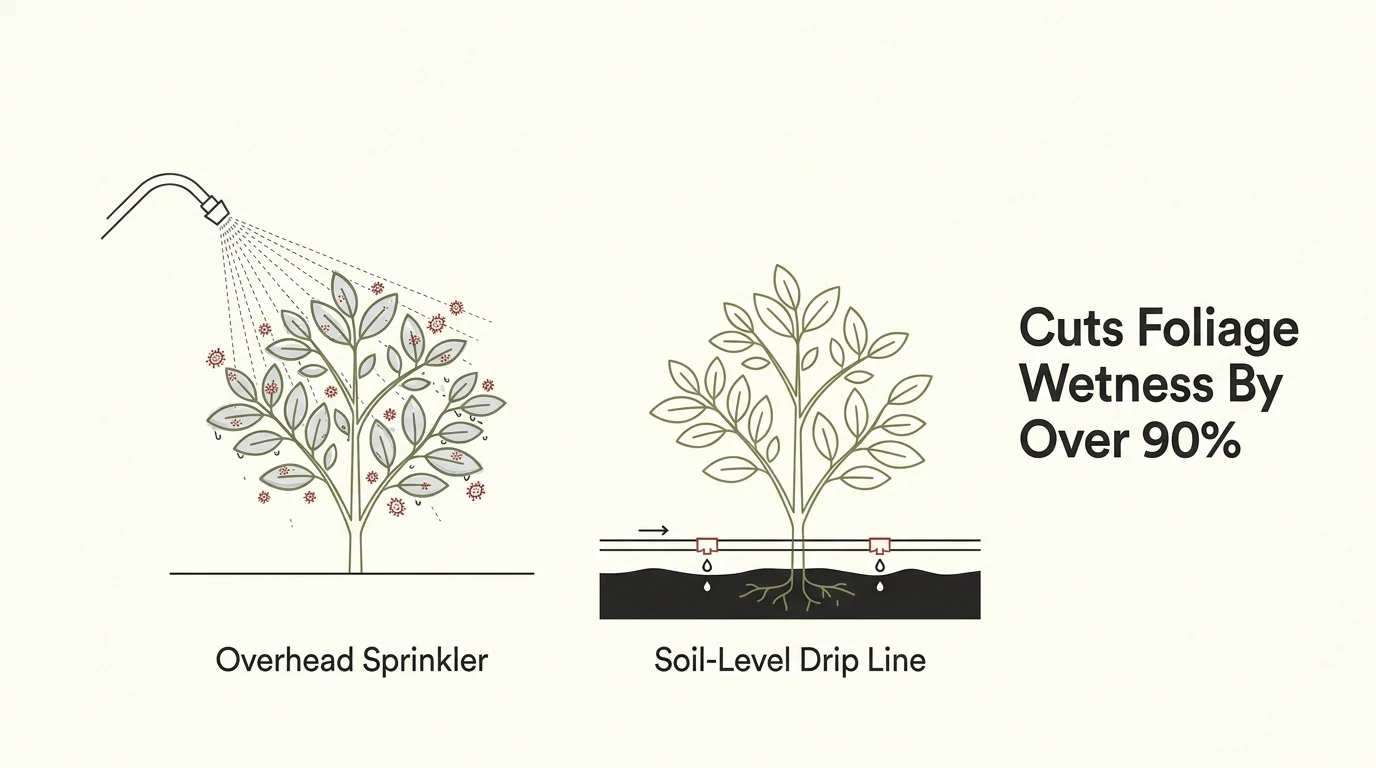
Watering technique dictates whether your garden thrives or succumbs to moisture-loving pathogens. Fungal spores of notorious blights, damping-off fungi, and leaf spot pathogens require free-standing water on leaf surfaces to germinate and penetrate plant tissues. When overhead sprinklers spray foliage, water droplets remain on leaves for hours; microscopic spores of Septoria leaf spot or downy mildew use those surface droplets to move toward stomata, entering internal tissues within 4 to 6 hours.
You can eliminate this vulnerability by shifting from overhead sprinklers to soil-level irrigation systems. Drip irrigation tubing, soaker hoses, and targeted hand-watering deliver moisture straight to root zones while keeping leaves completely dry. Directing water to the soil surface cuts foliage wetness duration by over 90%, neutralizing spore germination before it starts; this simple adjustment serves as your primary defense against fungal infection plants face during humid summers.
Timing plays an equally crucial role in moisture management. Schedule your watering routines for early morning between 5:00 AM and 9:00 AM. Early morning irrigation gives the rising sun and daylight breeze ample time to dry off any stray splashes before evening temperatures cool down. Evening watering traps moisture on leaf surfaces overnight—a damp, dark setting where Botrytis gray mold and root rots thrive.
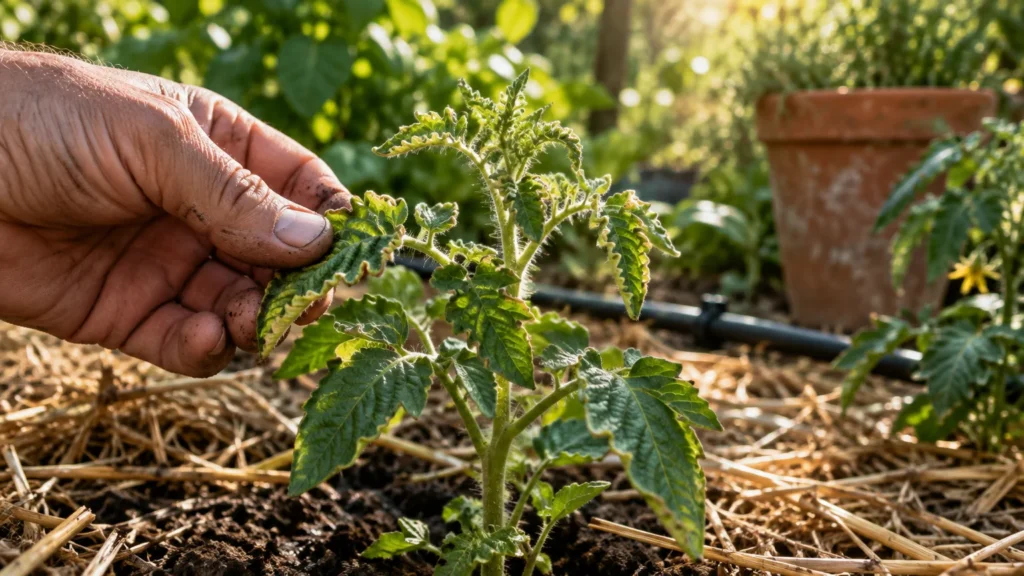
Applying a generous two- to three-inch layer of organic mulch provides another vital layer of defense. Shredded bark, straw, or leaf mold cushions the soil surface, preventing rain droplets and hose streams from splashing soil-borne spores onto lower leaves. This simple physical barrier keeps splash-borne pathogens locked firmly in the dirt while helping your soil retain consistent, healthy moisture levels throughout heatwaves.
Tip #2: Optimize Air Circulation through Strategic Spacing and Pruning
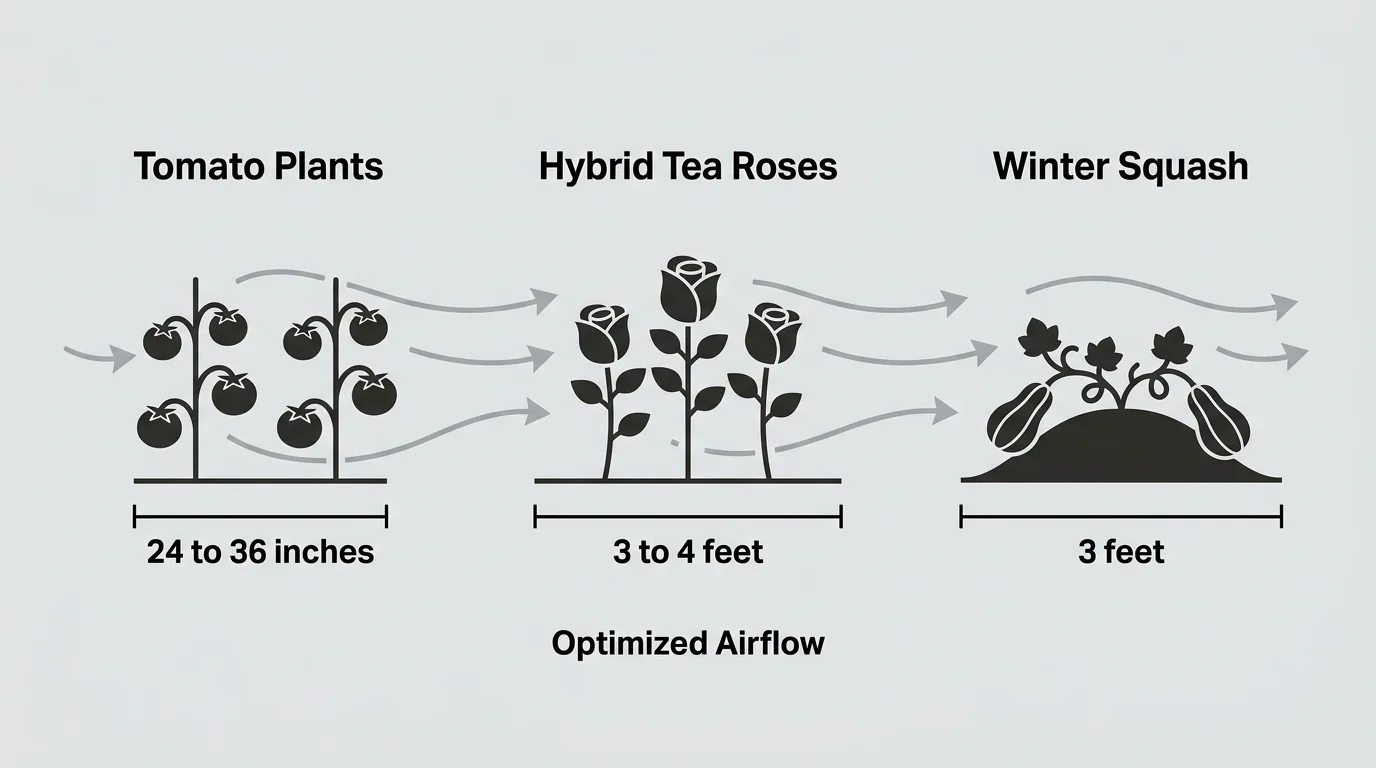
Stagnant air and dense plant foliage trap relative humidity within plant canopies, creating an ideal incubator for fungal outbreaks. When microclimate humidity levels within a canopy exceed 70%, fungal spores of powdery mildew, anthracnose, and rust rapidly germinate and spread. By optimizing airflow throughout your growing space, you accelerate leaf drying times and disrupt spore settling.
Start by respecting proper plant spacing guidelines at planting time. Tomato transplants require 24 to 36 inches of space between stems; hybrid tea roses need 3 to 4 feet of clearance; winter squash vines thrive when spaced at least 3 feet apart on raised mounds. Dense plantings might look lush initially, but crowded leaves block wind currents and lock in humidity, allowing airborne fungi to leap effortlessly from leaf to leaf.
Pruning plays an indispensable role in maintaining robust airflow and figuring out how to prevent plant fungus across thick vegetative canopies. Perform selective thinning on internal branches to open up the center of leafy shrubs, fruit trees, and bushy vegetables. For tomato plants and other nightshades, clip off all foliage from the bottom 12 inches of the main stem once the plant reaches two feet in height. Stripping these lower branches opens up ground-level ventilation and breaks the vertical ladder that soil-dwelling spores climb to reach upper leaves.
Position your garden beds to take advantage of prevailing summer winds wherever possible. Aligning row crops parallel to typical wind patterns encourages natural breeze filtration through leaf canopies. Fresh, moving air lowers microclimate relative humidity by 15% to 20%, creating an inhospitable environment for airborne fungal spores searching for wet host foliage.
Tip #3: Maintain Strict Garden Sanitation and Disinfect Tools
Fungal pathogens are tough, microscopic survivalists that overwinter comfortably in plant debris, soil crevices, and garden tools. Spores of Diplocarpon rosae (black spot on roses) and Alternaria solani (early blight on tomatoes) can lie dormant inside dead foliage throughout winter freezes, ready to infect new spring growth. Establishing disciplined plant disease prevention protocols removes these persistent inoculum sources from your garden.
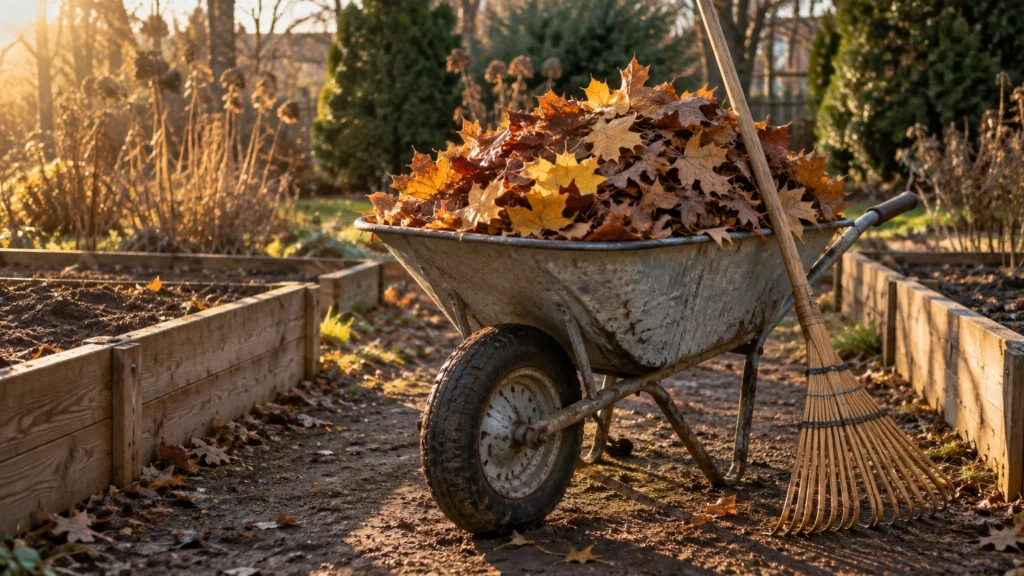
Inspect your plants twice a week during active growing periods to catch early signs of disease. Promptly prune out yellowing leaves, spotted foliage, or blighted stems before fungal fruiting bodies release millions of new airborne spores. Always collect fallen leaves and dead flowers from the soil around your plants; leaving decaying organic material on the ground creates a permanent breeding reservoir for destructive pathogens.
Never place diseased plant material into standard home compost piles. Home composting bins rarely reach the sustained internal temperatures of 140 to 160 degrees Fahrenheit required for 15 consecutive days to destroy hardy fungal spores. Dispose of infected foliage in your household trash, or burn it safely if local ordinances allow, ensuring pathogens are permanently eliminated from your property.
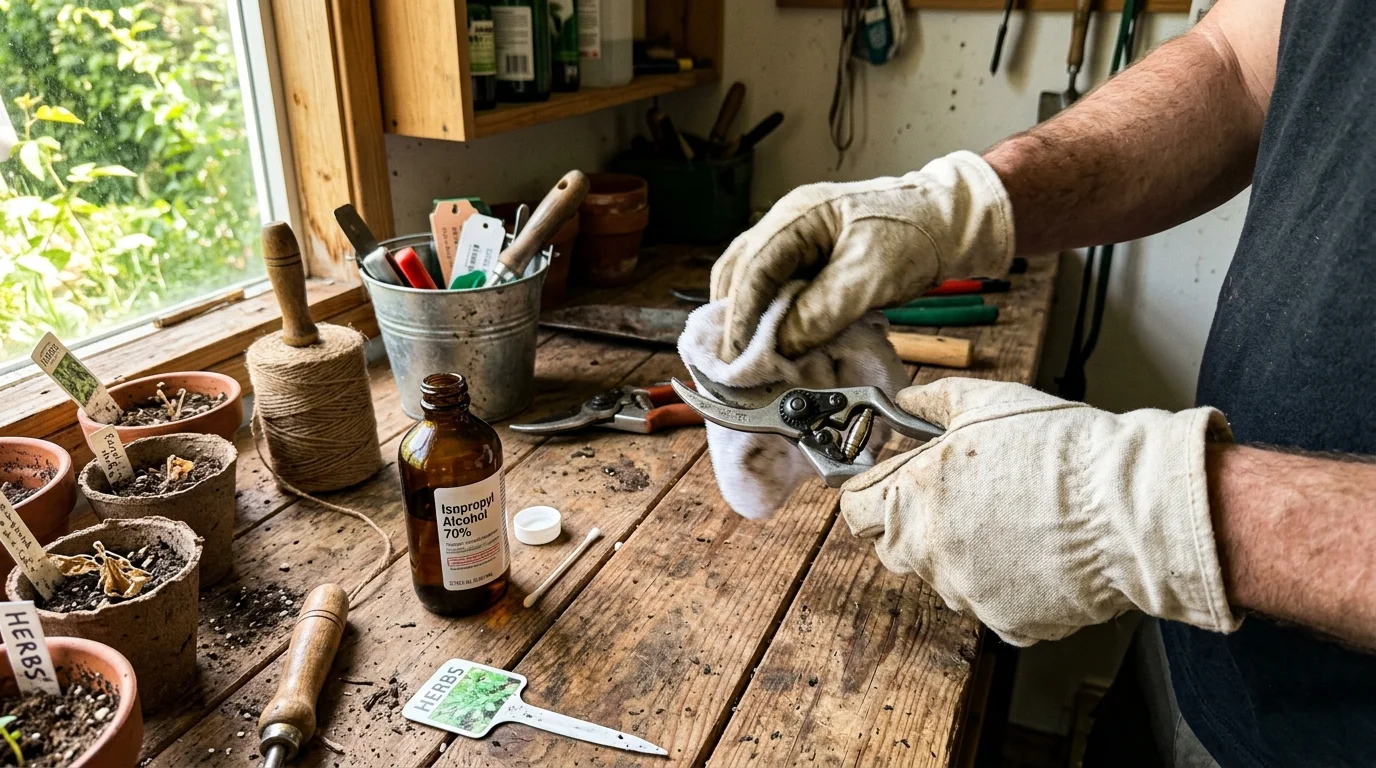
Disinfecting garden tools is just as critical as cleaning up plant debris. Bypass hand pruners, snips, and soil trowels easily transfer fungal spores between plants during routine maintenance. Keep a spray bottle of 70% isopropyl alcohol or a 10% household bleach solution handy while gardening. Wipe blade surfaces clean between cuts when working on susceptible plants, or soak tools for 30 seconds after working in diseased beds. Sanitizing your pruners takes seconds, but it prevents costly cross-contamination across your entire landscape.
Tip #4: Implement Strategic Crop Rotation and Build Soil Microbes
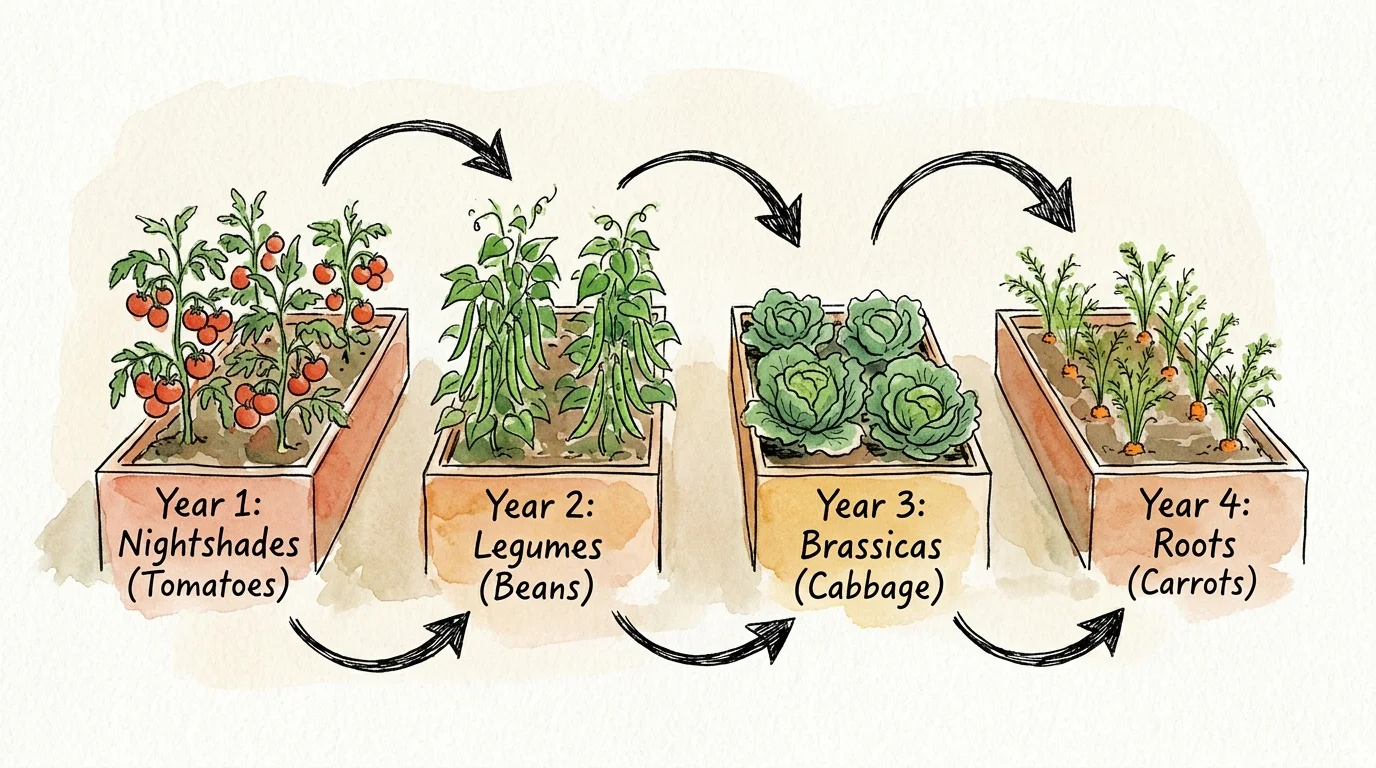
Soil-borne fungal pathogens such as Fusarium, Verticillium, Sclerotinia, and Rhizoctonia can survive in garden topsoil for three to five years without a live host plant. If you plant the same crops in the exact same spot year after year, these soil fungal populations build up to catastrophic levels, overwhelming even healthy plants. Implementing a structured crop rotation schedule breaks pathogen life cycles and protects your garden investment.
Organize your garden layout into plant families and rotate them across a three- to four-year schedule. Avoid planting heavy-feeding Solanaceae crops—including tomatoes, peppers, eggplants, and potatoes—in ground where nightshades grew during the previous three seasons. Rotate those beds with non-host plant families such as Fabaceae (beans and peas), Brassicaceae (cabbage, broccoli, and radishes), or Poaceae (sweet corn). Without their preferred target host plants, soil-borne fungal spores starve and die off over time.
Enhance soil health by actively cultivating a diverse soil microbiome. Incorporate rich, aerobic compost and biochar into your soil beds each spring and autumn. Healthy compost introduces billions of beneficial bacteria and predatory soil microbes that actively outcompete pathogenic fungi for space and nutrients.
Inoculate your soil with beneficial fungal species such as Trichoderma harzianum or mycorrhizal fungi during planting. These friendly fungi colonize root systems, creating a protective physical shield around root tips. Trichoderma species even produce specialized chitinase enzymes that break down and digest the cell walls of harmful fungal pathogens like Pythium and Rhizoctonia, protecting your plant roots from underground attacks.
Tip #5: Choose Disease-Resistant Cultivars and Enhance Plant Immunity
Effective plant disease prevention starts long before you dig a hole in the ground; it begins with smart genetic selection. Plant breeders have invested decades cross-breeding wild species and heirloom varieties to create cultivars with powerful natural immunity against destructive fungal pathogens. Choosing disease-resistant varieties gives your garden an immediate biological advantage.
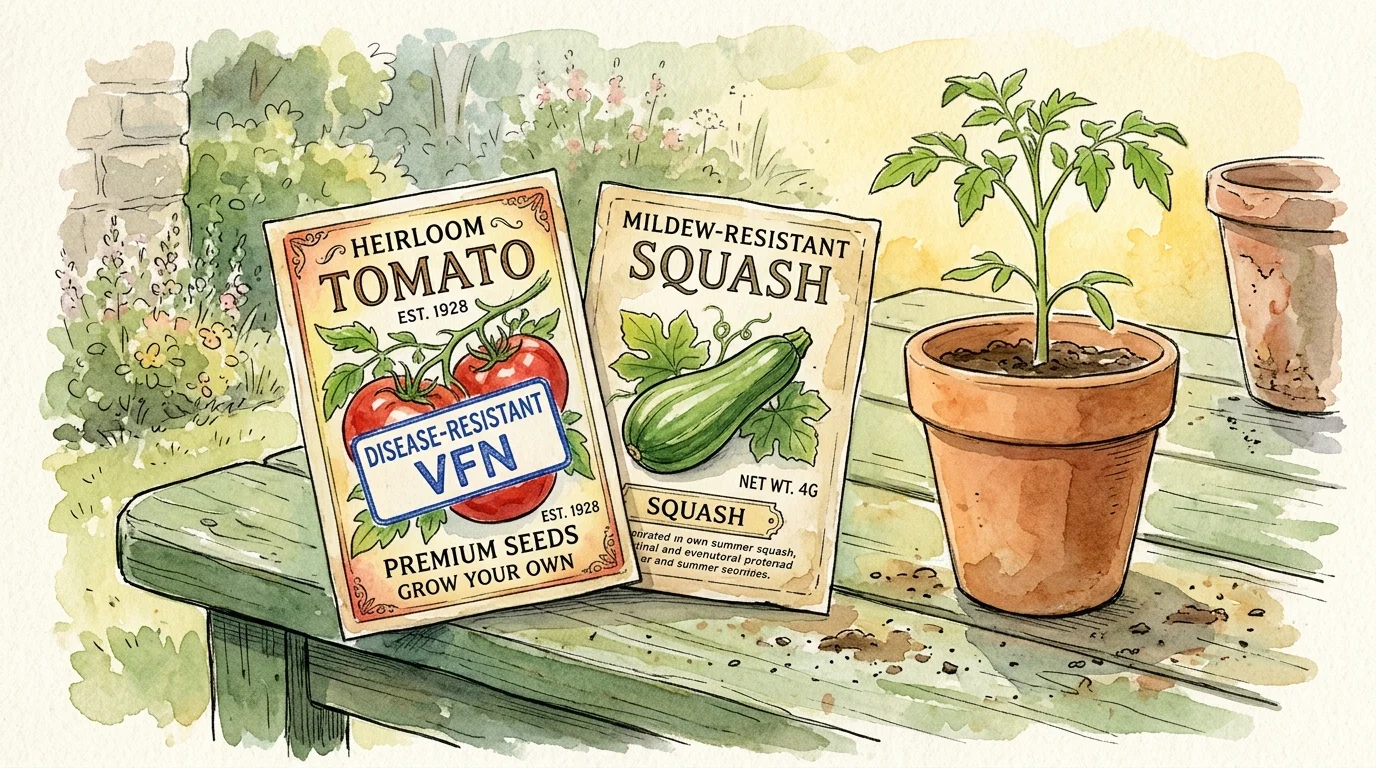
When selecting seeds or nursery starts, carefully read catalog descriptions and plant labels for disease-resistance ratings. Tomato varieties, for example, feature standardized acronym codes listed after their names: V for Verticillium wilt resistance, F for Fusarium wilt, EB for Early Blight, and LB for Late Blight. Cultivars like ‘Celebrity’, ‘Iron Lady’, and ‘Defiant PHR’ carry multiple genetic resistance factors designed to stop fungal hyphae from penetrating cell walls. Look for similar disease-free certifications on rose bushes, apple trees, and squash seeds.
Protect your plants further by feeding them a balanced, species-appropriate nutrient regimen. Avoid over-applying synthetic high-nitrogen fertilizers. Excessive nitrogen causes plants to produce rapid, soft, watery growth with thin cell walls—an easy target for fungal spores like Botrytis gray mold.
Focus on balanced nutrition that reinforces plant cell structures. Ensure adequate levels of potassium (potash) and calcium in your soil, as potassium regulates stomatal closure while calcium strengthens structural cell walls. Supplementing your watering routine with soluble liquid silica provides additional protection. Plants absorb silica and deposit it within outer leaf cell layers, building an armor-like physical barrier that resists mechanical penetration by fungal germ tubes.
Tip #6: Apply Bio-Fungicides and Organic Preventative Sprays Early
When dealing with aggressive fungal pathogens, waiting until leaves turn brown or display powdery white spots is a recipe for struggle. Eradicating an established fungal infection inside plant tissues is difficult, but preventing spore germination on leaf surfaces is straightforward. Applying preventative bio-fungicides and organic treatments before disease symptoms manifest provides a crucial safety net for your garden.
Modern bio-fungicides harness the natural protective powers of beneficial bacteria like Bacillus subtilis or Bacillus amyloliquefaciens. When sprayed onto plant foliage, these beneficial bacteria rapidly multiply, occupying leaf surface sites and producing natural lipopeptide compounds that break down fungal cell membranes. Apply bio-fungicides every 7 to 14 days during warm, humid spring and summer periods when weather forecasts predict wet conditions.
Organic contact sprays offer additional protective barriers against airborne fungal spores. Copper hydroxide and liquid sulfur sprays coat foliage with protective ions that disrupt vital respiratory enzymes inside germinating fungal spores. Apply copper sprays early in the season to control stubborn diseases like peach leaf curl or tomato early blight. Always test copper or sulfur products on a few leaves first, as heavy applications during hot weather above 85 degrees Fahrenheit can cause foliage burn.
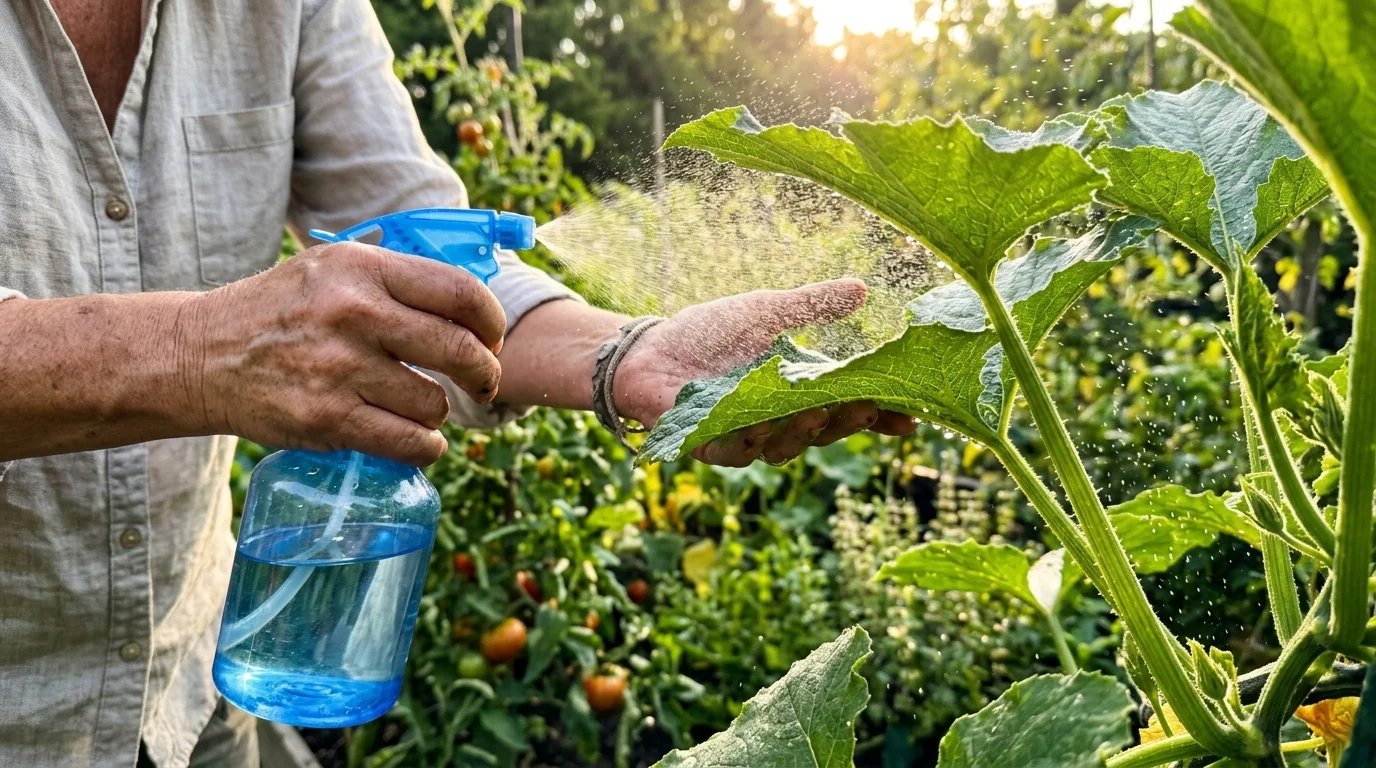
Potassium bicarbonate sprays offer a gentle yet highly effective garden fungus treatment for powdery mildew. Potassium bicarbonate alters leaf surface pH levels, raising it above 8.0 to create an alkaline environment where mildew spores cannot survive. Spray your foliage thoroughly—including the undersides of leaves—in the early morning so liquid dries cleanly under morning sunlight.
Putting It All Together: Enjoy Your Beautiful Garden
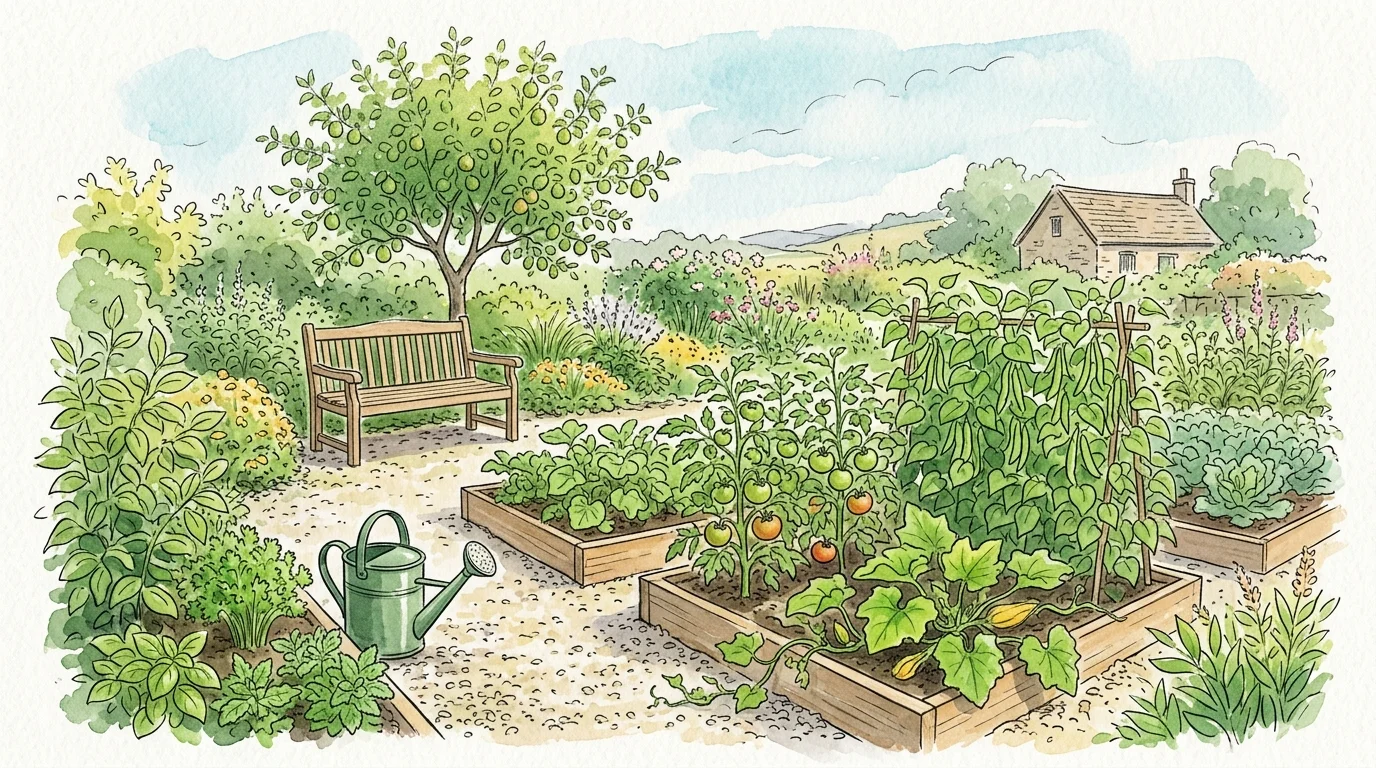
Protecting your garden from fungal infections requires a proactive, multi-layered approach rather than panic-driven chemical spraying. By pairing soil-level watering, proper plant spacing, and strict tool sanitation with crop rotation, disease-resistant plant varieties, and timely bio-fungicide applications, you build an impenetrable fortress for your plants. These simple, sustainable garden habits save you time, reduce plant loss, and ensure your flowers, fruits, and foliage stay lush and productive all season long.
For region-specific advice, consult your local University Extension program (find yours via the USDA directory). For plant databases and inspiration, visit the Missouri Botanical Garden or the Royal Horticultural Society.
Disclaimer: This article provides general gardening advice. Always consider your specific climate, soil conditions, and local pests. Follow safety guidelines when using gardening tools and products.
Frequently Asked Questions
What is the primary difference between a bio-fungicide and a synthetic chemical fungicide?
Bio-fungicides utilize naturally occurring micro-organisms—such as beneficial Bacillus bacteria or Trichoderma fungi—or botanical oils to prevent fungal spore establishment without harsh synthetic chemicals. They carry low toxicity risks for beneficial pollinators and break down rapidly in the environment. Synthetic chemical fungicides rely on lab-synthesized chemical compounds designed to eradicate active fungal hyphae, but they carry higher risks of runoff and can harm beneficial soil micro-organisms if overused.
How can I tell if my plant has a fungal infection versus a bacterial or viral infection?
Fungal infections on plants often feature visible powdery coats, fuzzy molds, rust-colored spots, or dry leaf spots surrounded by distinct yellow halos (chlorotic rings). Fungal leaf spots frequently display concentric rings, similar to a bullseye target. Bacterial infections, in contrast, often produce water-soaked, angular leaf lesions or slimy, foul-smelling soft rots. Viral infections typically cause mottled mosaic leaf patterns, severe leaf curling, or distorted stem growth without visible fuzzy fungal growth.
Why does powdery mildew appear on plants even during hot, dry summer weather?
Unlike most fungal pathogens that require free-standing water droplets on leaves to germinate, powdery mildew spores (Erysiphaceae) only require high atmospheric relative humidity around the leaf surface. Hot, dry daytime temperatures paired with cool, humid summer nights create the precise microclimate relative humidity spikes powdery mildew needs to thrive. Shade and overcrowded foliage compound this issue by trapping moist air around leaves overnight.
Is it safe to eat vegetables harvested from plants that suffered from a mild fungal leaf spot?
Yes, produce harvested from plants experiencing mild foliage fungal leaf spot is generally safe to consume, provided the fruit or vegetable itself shows no signs of rot, sunken lesions, or discoloration. Thoroughly wash all harvested produce under clean running water before eating. However, you should discard any fruits, stems, or edible roots that display direct fungal decay, soft spots, or internal mold growth.