
Frequently Asked Questions
Do plants with large flowers need more fertilizer than standard plants?
Yes; producing massive blooms requires tremendous biological energy, making many of these giant varieties incredibly heavy feeders. You should apply a balanced, slow-release organic fertilizer very early in the spring growing season to establish strong roots and stems. Once the actual flower buds physically begin to form, switching to a high-phosphorus liquid fertilizer effectively encourages maximum flower size and deep, rich color saturation without accidentally promoting excessive, weak vegetative foliage.
How do I protect giant blooms from heavy rain and wind?
Oversized ornamental flowers remain highly susceptible to severe wind damage and frequently snap entirely under the immense weight of heavy summer rain. You must proactively stake tall, heavy varieties like dinnerplate dahlias and giant sunflowers early in the season well before they actually reach their full mature height. Carefully positioning delicate bloomers like tree peonies near sturdy fences, dense hedges, or strong structural walls provides excellent natural windbreaks that protect fragile petals.
Can I grow large-flowered plants in containers?
Absolutely; many spectacular giant bloomers naturally thrive in pots if you specifically provide adequate physical space for their robust root systems to expand. Angel’s trumpet, bigleaf hydrangeas, and large-flowered clematis make truly spectacular container specimens for sunny patios. You must use extremely large, heavy ceramic or resin pots to physically prevent these top-heavy plants from completely tipping over in a breeze, and always ensure the containers feature excellent bottom drainage holes.
Why are my bigleaf hydrangeas not producing large flowers?
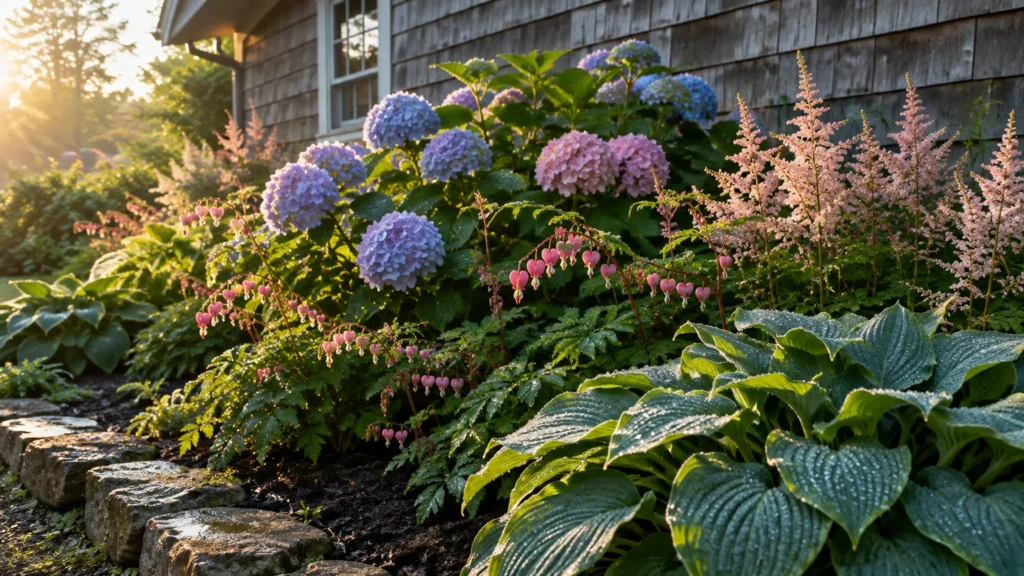
A frustrating lack of impressive, oversized blooms typically results directly from improper pruning techniques or severely insufficient summer watering. Many classic bigleaf hydrangeas bloom entirely on old wood from the previous year, meaning that aggressive spring pruning permanently removes the heavily developing flower buds. Always maintain consistent, deep soil moisture during the hottest summer months, as acute drought stress immediately forces the plant to abort its large flower heads entirely to conserve basic survival energy.
For region-specific advice, consult your local University Extension program (find yours via the USDA directory). For plant databases and inspiration, visit the Missouri Botanical Garden or the Royal Horticultural Society.
Disclaimer: This article provides general gardening advice. Always consider your specific climate, soil conditions, and local pests. Follow safety guidelines when using gardening tools and products.
One Response
Not sure why I was sent this. But I’m sure glad I was. It’s simple to read without droning on too long. Thank you whoever sent me this