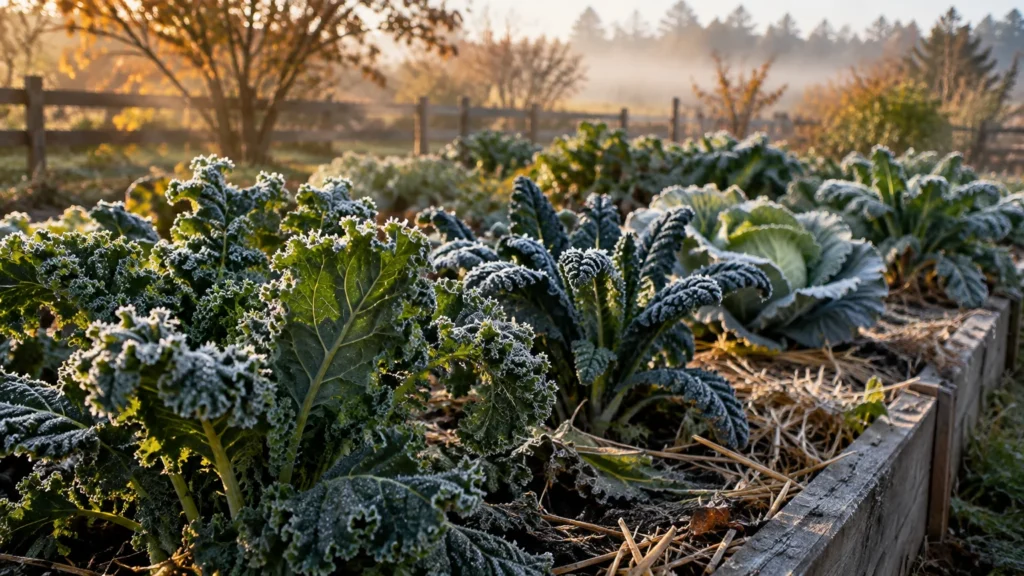
Mild winters offer a golden opportunity to cultivate a vibrant outdoor oasis while colder regions freeze. You can transform your landscape into a tapestry of vivid color with the right winter blooming flowers.
Many cool season flowers actually perform at their peak when temperatures dip into the fifties and sixties. These resilient varieties reward you with continuous blooms, sweet fragrances, and lush foliage straight through the season.
Explore these outstanding winter flowering plants to discover reliable selections that elevate your warm climate winter garden with ease and elegance.
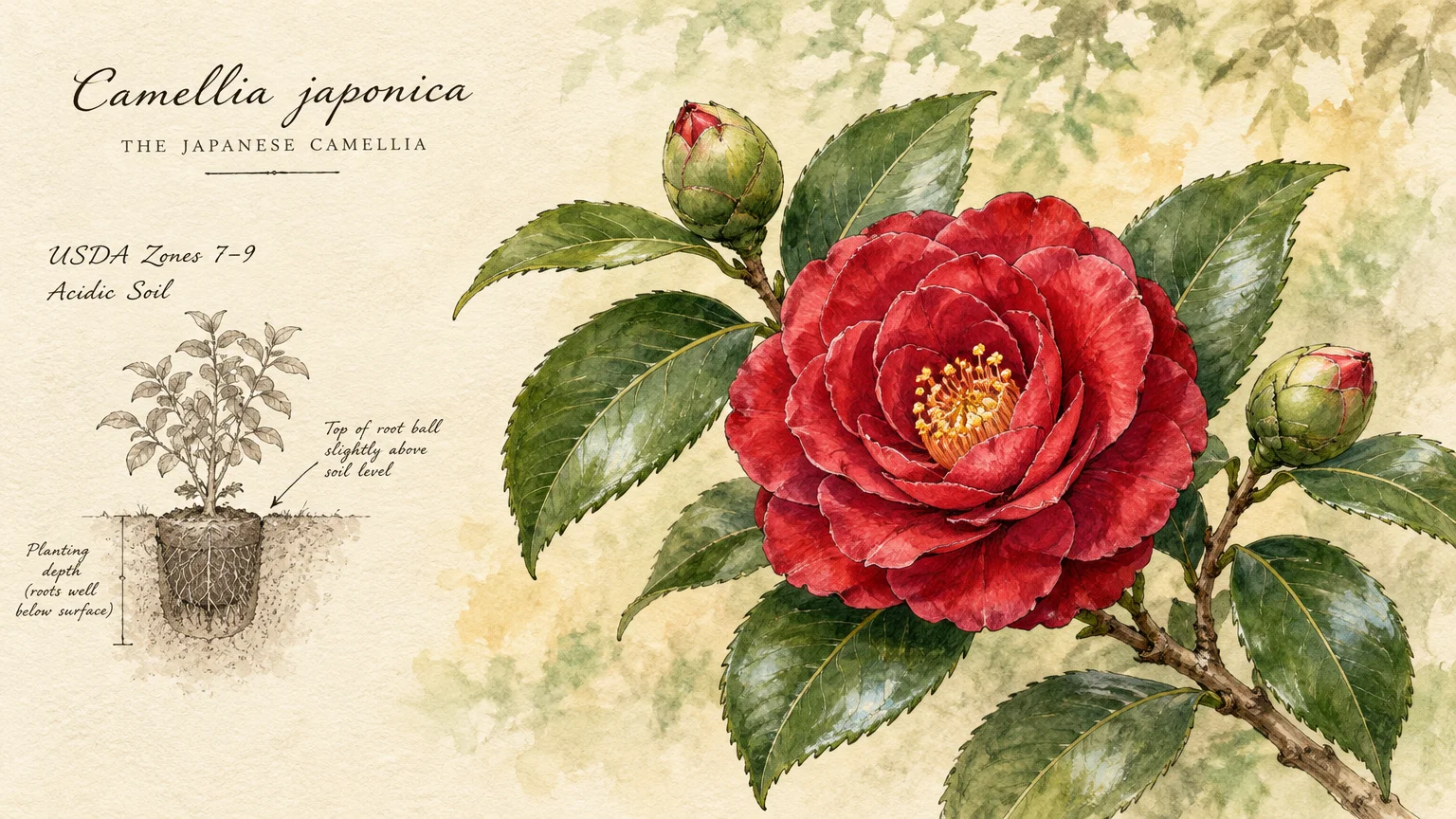
Tip #1: Camellia (Camellia japonica)
Camellias reign supreme as the quintessential evergreen shrubs for winter flowers mild climates. Their glossy foliage and rose-like blossoms bring dramatic visual appeal to shaded borders.
These magnificent winter blooming flowers thrive in USDA hardiness zones seven through nine. They produce spectacular petals in shades of crimson, blush pink, and pure white from late autumn through spring.
Plant your camellias in rich, acidic soil that drains surplus moisture effectively. They prefer dappled shade beneath tall canopy trees where intense midday sunlight cannot scorch their delicate petals.
Maintain consistent soil moisture, especially during bud formation in the autumn months. Mulch generously around the shallow root zone with pine needles or shredded bark to regulate soil temperatures.
Avoid planting camellias too deeply because their surface feeder roots require oxygen. Position the top of the root ball slightly above the surrounding soil line for optimum root health.
Prune lightly immediately after flowering concludes to maintain their desired shape. Removing crossing branches improves airflow and helps prevent common fungal diseases.
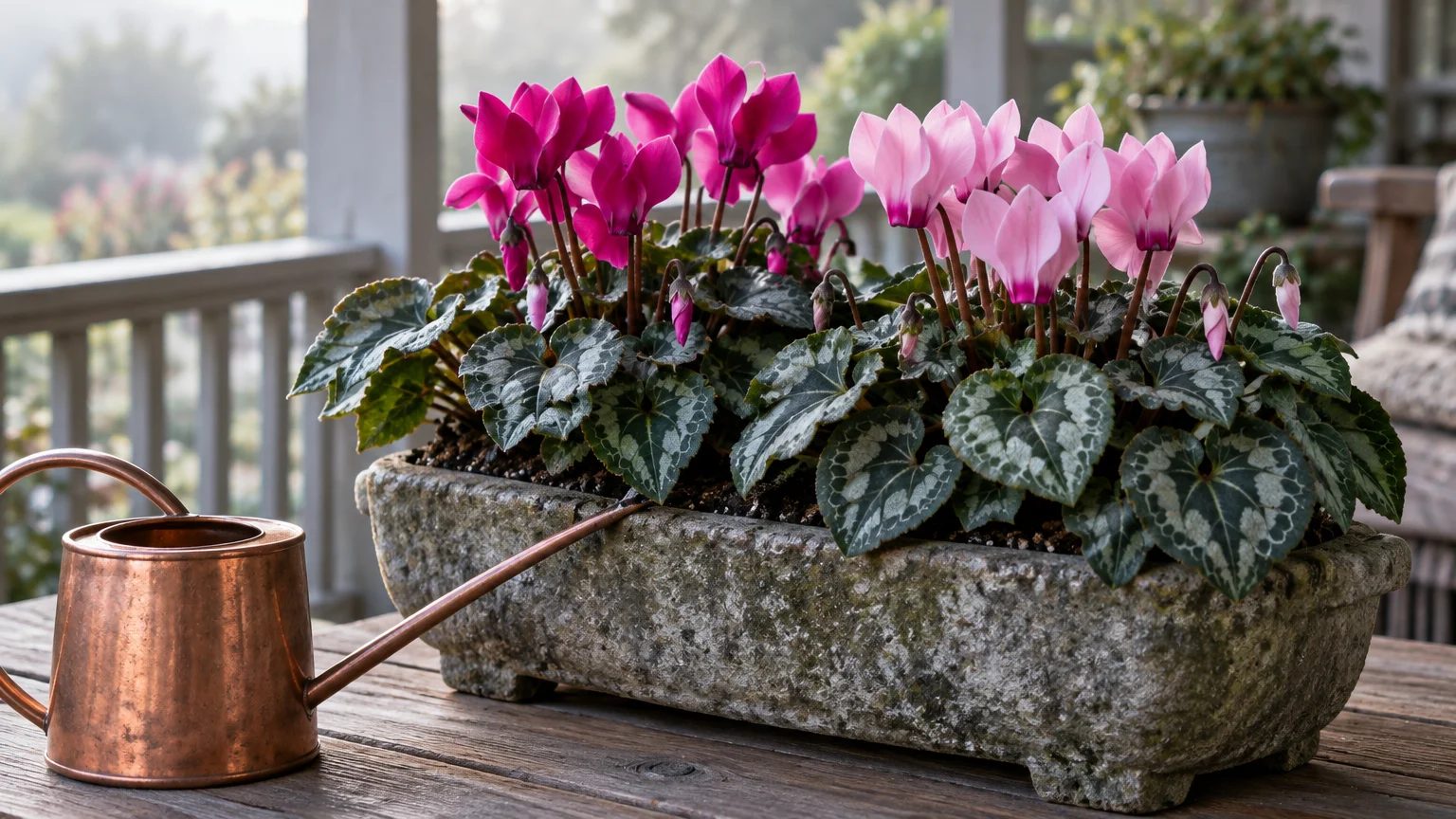
Tip #2: Cyclamen (Cyclamen persicum)
Cyclamen brings sculptural beauty and vivid color to containers and shaded garden beds. Their upswept petals resemble shooting stars hovering above heart-shaped, silver-marbled foliage.
These compact perennials flourish in temperatures between forty and sixty-five degrees Fahrenheit. They offer steady blossoms throughout the coolest months of the year without fading.
Water your cyclamen at the base of the plant rather than directly over the tuber. Wet crowns invite fungal rot, so moist but well-drained potting compost provides the safest growing medium.
Place containers on sheltered patios or beneath covered entryways where they receive bright, indirect light. Morning sunlight keeps them compact, while harsh afternoon rays cause foliage to droop.
Remove spent flower stems by twisting them gently at the tuber base. This simple grooming technique stimulates fresh flower buds and keeps your plants looking tidy.
Feed your cyclamen every two weeks with a diluted, low-nitrogen liquid fertilizer. Balanced nutrition maintains vivid petal pigmentation without producing excessive, crowded foliage.
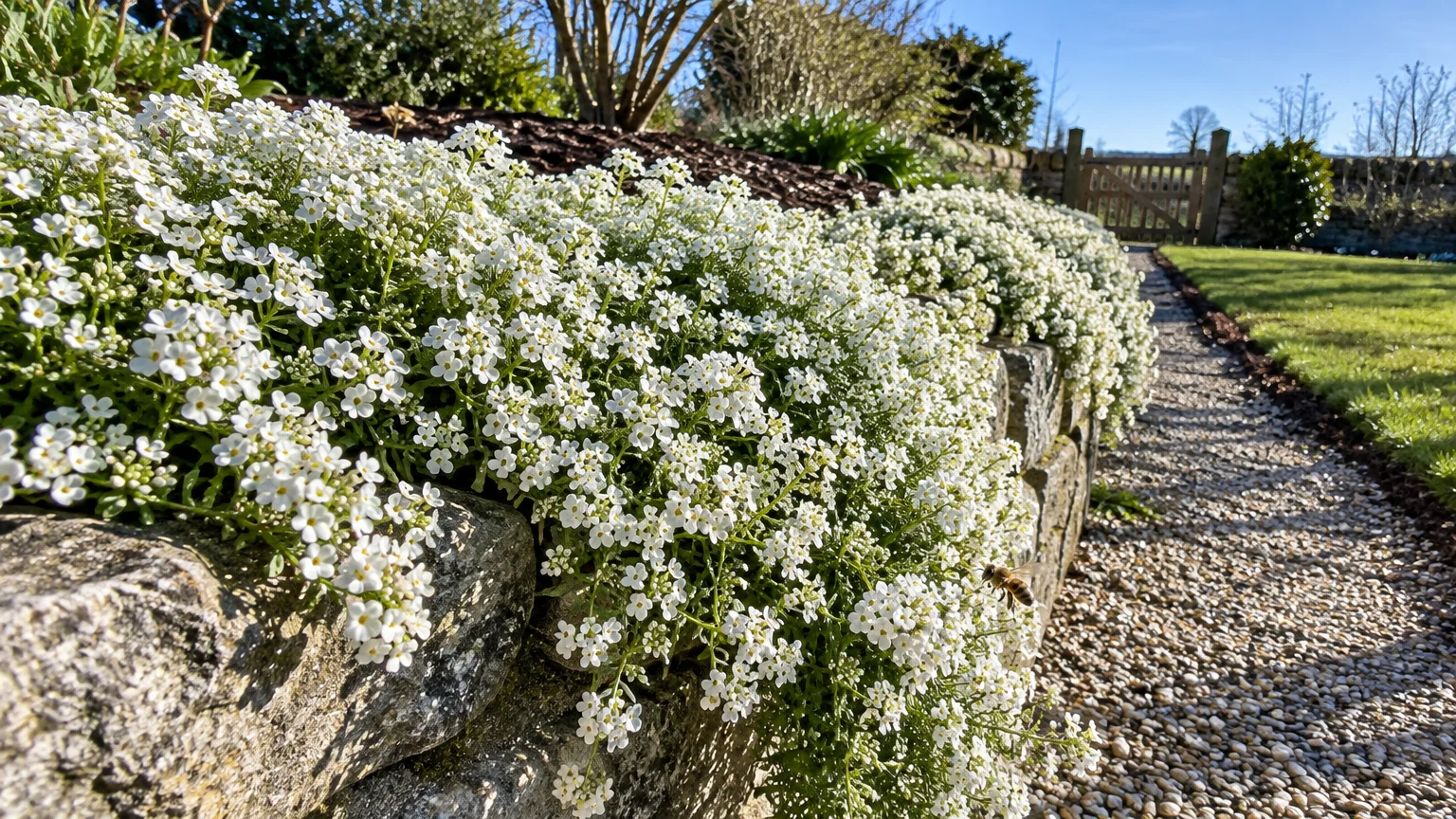
Tip #3: Sweet Alyssum (Lobularia maritima)
Sweet alyssum forms a dense carpet of tiny, honey-scented flowers that drape gracefully over borders. It acts as an industrious groundcover, blooming vigorously during mild winter months.
This versatile cool season annual tolerates light frost and bounces back quickly under sunny skies. It blankets bare soil and suppresses weeds while attracting early-season pollinators to your beds.
Sow seeds directly into garden beds or plant starter plugs along walkway edges and retaining walls. Sweet alyssum demands full sun to partial shade and porous, well-draining garden soil.
Water moderately, allowing the top inch of soil to dry out between applications. Overly wet soil reduces blooms and weakens the plant stems over time.
Shear the foliage back by one-third if stems become leggy after several weeks. This quick trim triggers a fresh burst of fragrant blossoms within two weeks.
Combine sweet alyssum with taller winter flowering plants to create layered container combinations. Its cascading habit softens hard container rims and fills empty gaps effortlessly.
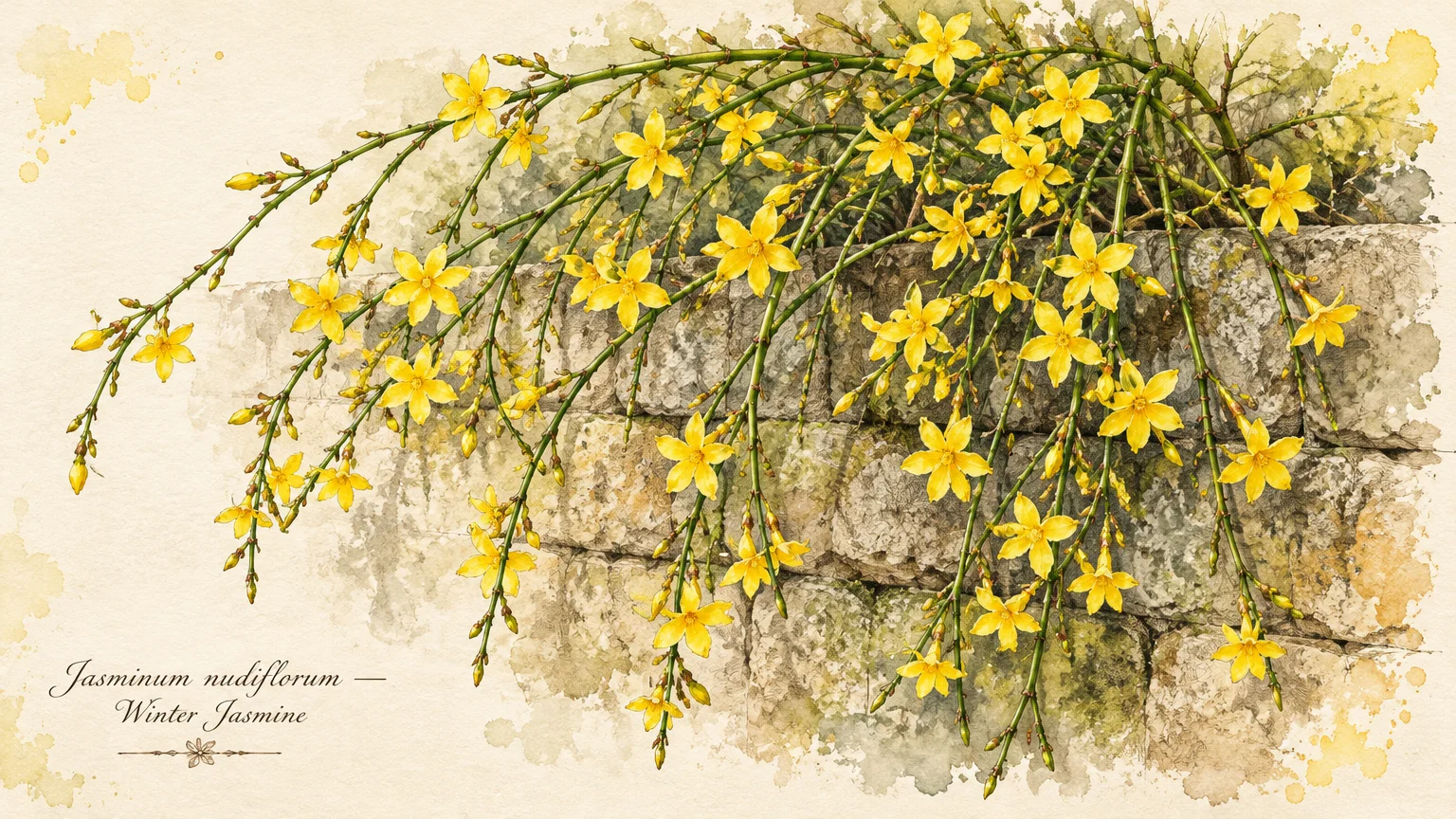
Tip #4: Winter Jasmine (Jasminum nudiflorum)
Winter jasmine offers bright yellow flowers on slender green stems before its leaves emerge. It creates a cheerful fountain of golden blooms during the darkest weeks of January.
Unlike common summer jasmines, this hardy vining shrub produces no scent. Instead, it relies on dramatic visual color to brighten stone walls, trellises, and garden slopes.
Give this sprawling plant full sunlight to maximize flower production throughout the season. It tolerates poor soil and dry spells once its extensive root system establishes firmly.
Secure the arching canes to a sturdy support or let them cascade naturally over raised beds. Wherever trailing stems touch bare earth, they root readily to stabilize sloping banks.
Prune stems back right after blooming finishes in early spring. This timing stimulates new green growth, which will carry the next round of winter flowers.
Mulch around the base in late autumn to retain soil moisture and prevent weed competition. A thin layer of compost supplies all the slow-release nutrients this tough shrub needs.
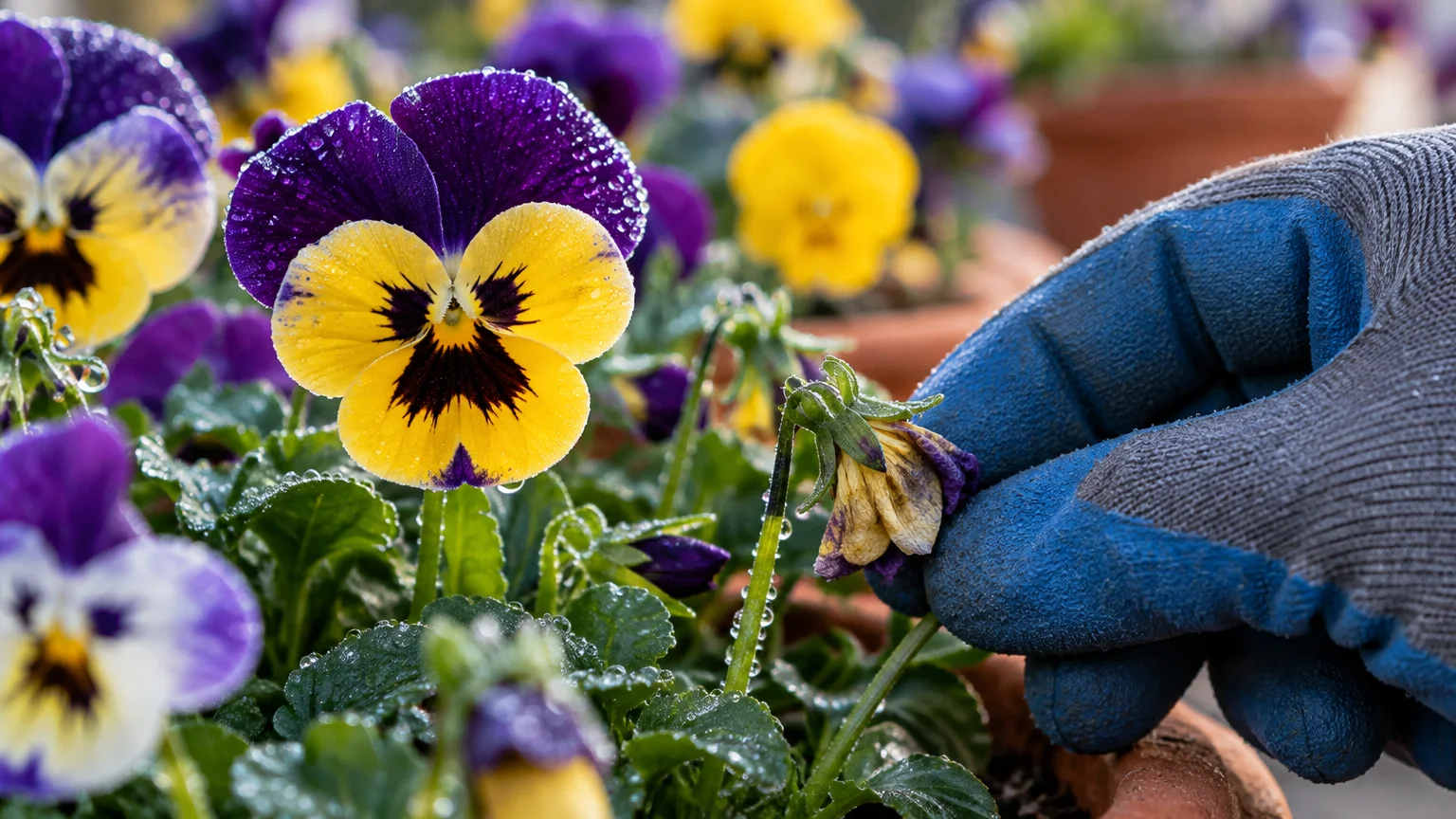
Tip #5: Pansies and Violas (Viola)
Pansies and violas remain the indisputable champions of the warm climate winter garden. Their cheerful painted faces and broad color palette brighten garden beds from November through April.
Violas feature smaller, more numerous flowers that withstand heavy winter rains better than large-flowered pansies. Both varieties thrive when day temperatures hover in the mid-fifties.
Plant them in fertile, compost-rich soil with excellent drainage and exposure to full sun. Partial afternoon shade helps prolong their bloom cycle if winter days turn unseasonably warm.
Feed your plants every two to three weeks with a balanced, water-soluble fertilizer. Regular nutrients sustain vigorous growth and keep blossoms opening across the entire winter season.
Deadhead spent blossoms consistently by pinching the flower stalk right down to the foliage. Removing fading petals prevents seed formation and encourages continuous, prolific flowering.
Protect young plants from slugs and snails during wet weather using organic iron phosphate bait. Checking beneath foliage after dark helps identify pest problems before plants suffer damage.
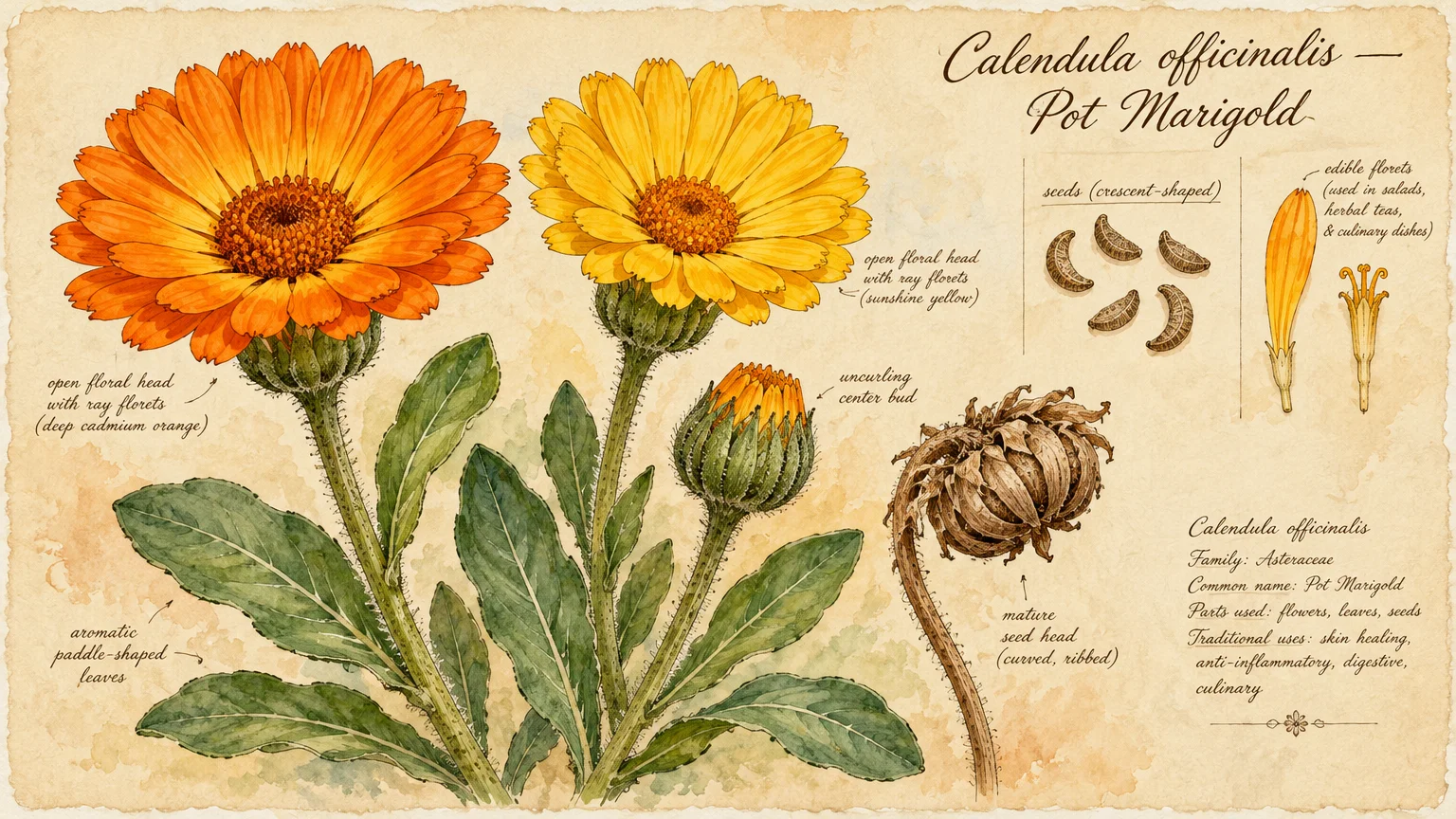
Tip #6: Calendula (Calendula officinalis)
Calendula, commonly known as pot marigold, produces radiant daisy-like blossoms in luminous shades of amber and gold. It infuses sunny borders with vibrant warmth during cool winter mornings.
These edible cool season flowers add beauty to garden beds and bright petals to seasonal salads. They handle mild frosts with remarkable poise and continue setting buds consistently.
Choose a sunny garden spot with moderately fertile soil that drains excess water freely. Calendula easily rots in waterlogged clay, so elevated beds or containers provide ideal environments.
Water plants deeply at ground level to keep the foliage dry and disease-free. Wet leaves can foster powdery mildew during cool, humid winter weather.
Snip off fading blooms weekly to extend your floral harvest into early spring. Regular cutting prompts the plant to generate continuous branching stems packed with fresh buds.
Collect mature seeds at the end of the season to replant next autumn. These curved, ridged seeds germinate quickly when pressed lightly into moist soil.
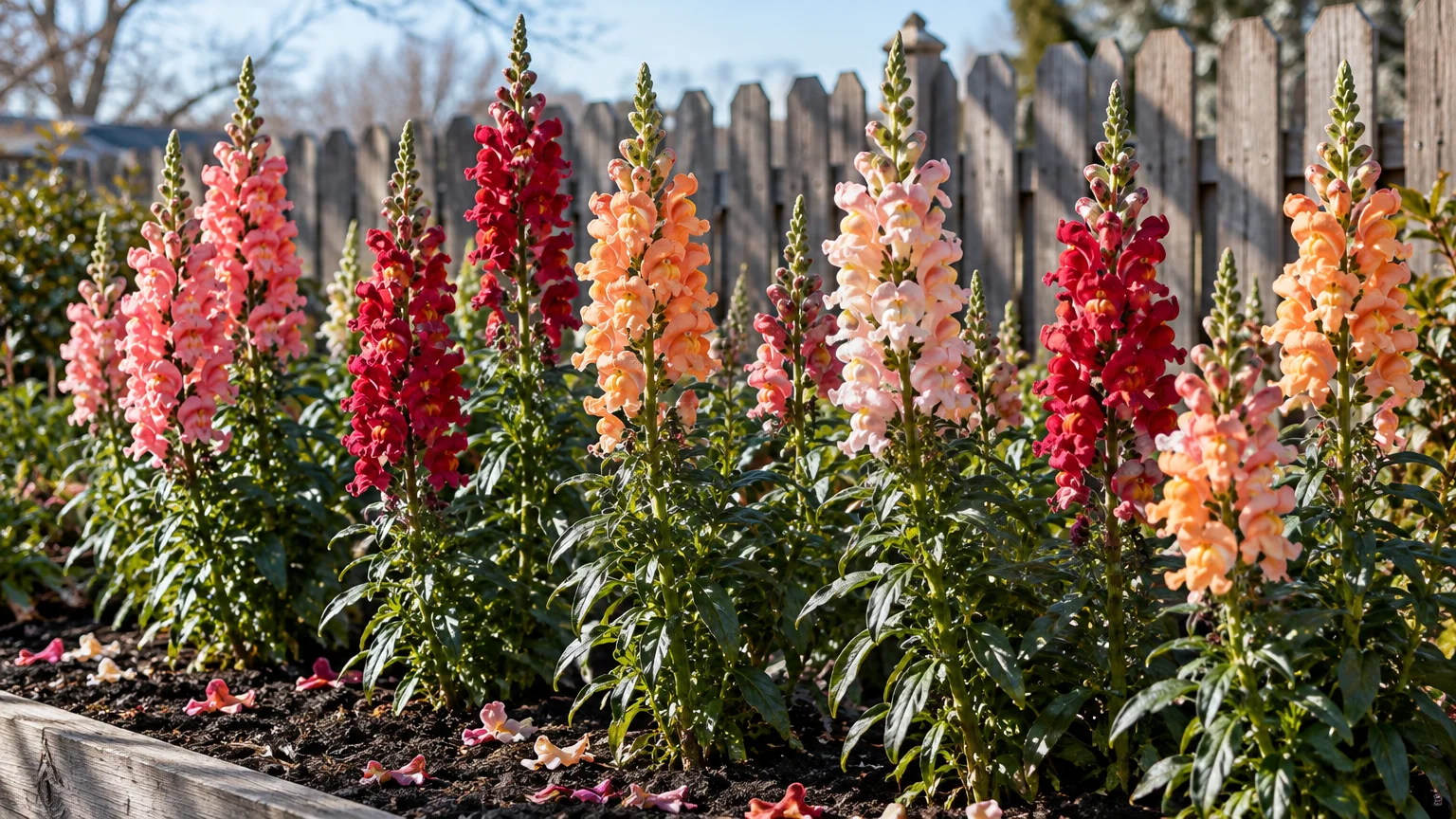
Tip #7: Snapdragons (Antirrhinum majus)
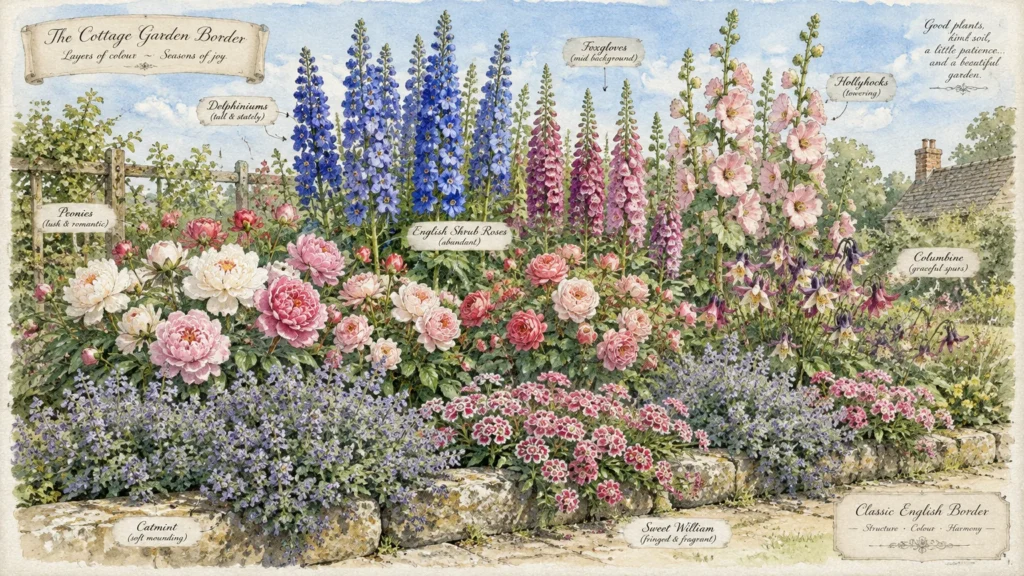
Snapdragons provide striking vertical height and architectural drama to winter garden borders. Their tall floral spires open in rich hues ranging from velvety burgundy to soft pastel peach.
These classic cottage garden favorites perform exceptionally well during mild winters. They tolerate cool temperatures and continue developing robust stems while summer heat would cause them to stall.
Plant snapdragons in loose, well-amended soil that receives at least six hours of direct sunlight. Incorporate organic compost prior to planting to give their root systems essential nutrients.
Stake taller varieties in windy areas to prevent top-heavy flower spikes from snapping. Dwarf cultivars require no staking and fit wonderfully into window boxes and patio urns.
Pinch out the central growing tip of young plants when they reach four inches high. This simple step encourages multiple lateral branches and yields significantly more flower spikes.
Cut flower spikes when the bottom third of the florets have fully opened. This stage ensures the longest vase life when bringing cut stems indoors for floral arrangements.
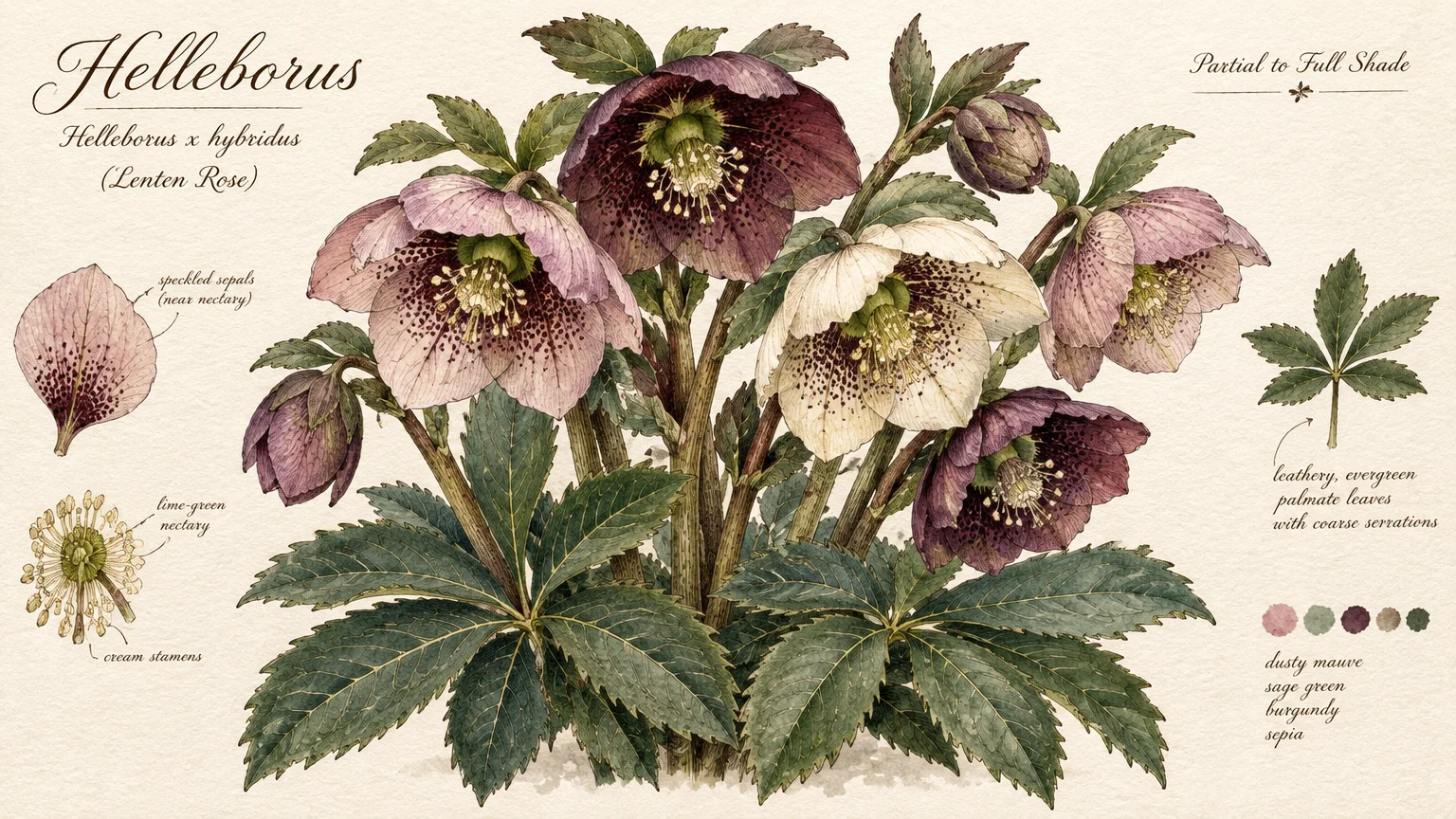
Tip #8: Hellebores (Helleborus)
Hellebores, often called Lenten roses, bring refined elegance to shaded corners of the garden. Their downward-facing cup-shaped blooms emerge in subtle tones of slate green, dusty rose, and deep plum.
These tough, evergreen perennials tolerate dry shade once established under deciduous trees. Their leathery leaves provide handsome foliage interest year-round, resisting browsing deer and garden pests.
Plant hellebores in moisture-retentive soil enriched with well-rotted leaf mold or compost. Position them on gentle slopes or in raised planters so you can admire their nodding blooms from below.
Keep the soil consistently moist during their active winter growing and flowering cycle. A layer of organic mulch protects their shallow roots and retains beneficial moisture.
Prune away older, tattered leaves in late autumn just before flower buds emerge from the crown. This cosmetic pruning reveals the blossoms and reduces the spread of fungal leaf spot.
Avoid disturbing established clumps because hellebore roots do not transplant easily. Allow them to form expanding colonies over time for an increasingly impressive winter display.
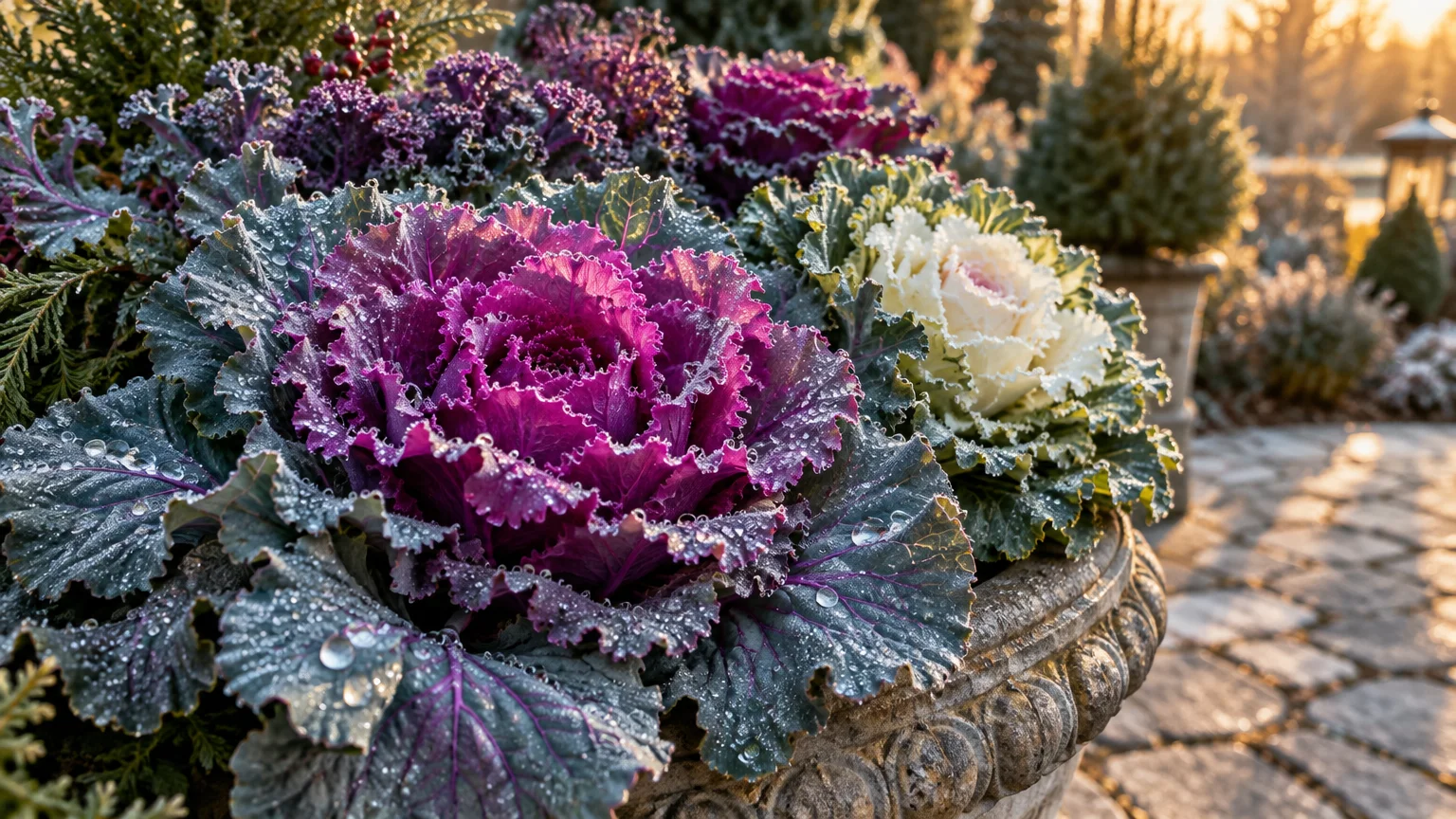
Tip #9: Ornamental Cabbage and Kale (Brassica oleracea)
Ornamental cabbage and kale offer striking rosettes of ruffled foliage that rival conventional flower petals. Their vivid centers of magenta, violet, and creamy white intensify as winter temperatures drop.
These hardy foliage accents form bold textural foundations in cold-season container arrangements. They withstand light freezes without flinching, maintaining crisp structure throughout the winter season.
Situate your brassicas in full sun to encourage the most brilliant pigmentation across the leaves. They tolerate partial shade but develop looser rosettes and paler coloring in low light.
Water thoroughly whenever the top two inches of soil feel dry to the touch. Ensure container drain holes remain open so standing water does not rot the base.
Plant them deeply so the lower leaves rest right at soil level. This deep positioning anchors the heavy heads securely against winter wind gusts.
Watch for cabbage loopers early in the season and pick them off by hand. Applying biological controls like Bacillus thuringiensis keeps foliage pristine without harming beneficial garden insects.
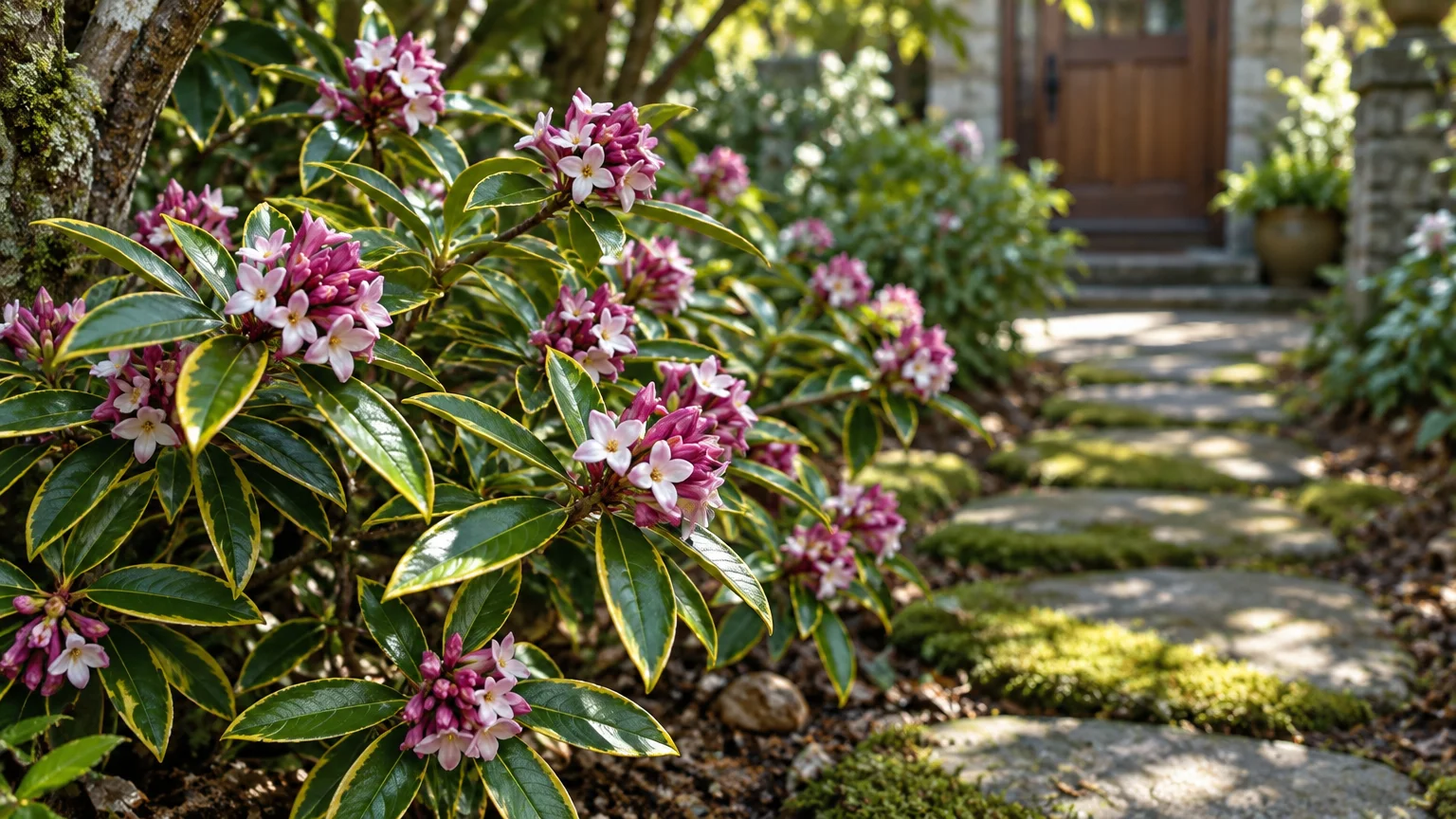
Tip #10: Winter Daphne (Daphne odora)
Winter daphne captivates gardeners with one of the sweetest fragrances in the botanical world. Clusters of starry pale-pink blossoms open in mid-winter amidst glossy, variegated evergreen foliage.
This slow-growing shrub makes an unforgettable sensory addition near outdoor seating areas and entry pathways. Just a few open blooms can perfume an entire patio garden on calm winter afternoons.
Provide winter daphne with sharp soil drainage and protection from harsh midday sun. These shrubs despise heavy clay and standing water, which quickly trigger root rot problems.
Plant in an elevated garden bed or a large container filled with porous potting mix. Settle the shrub in a permanent location, as daphnes resent root disturbance after planting.
Water moderately and resist the urge to over-fertilize during the cooler months. A light application of balanced organic plant food in spring provides sufficient seasonal nutrition.
Prune very sparingly, removing only dead or damaged twigs after the blooming period ends. Heavy pruning can permanently weaken the shrub and stunt its slow growth habit.
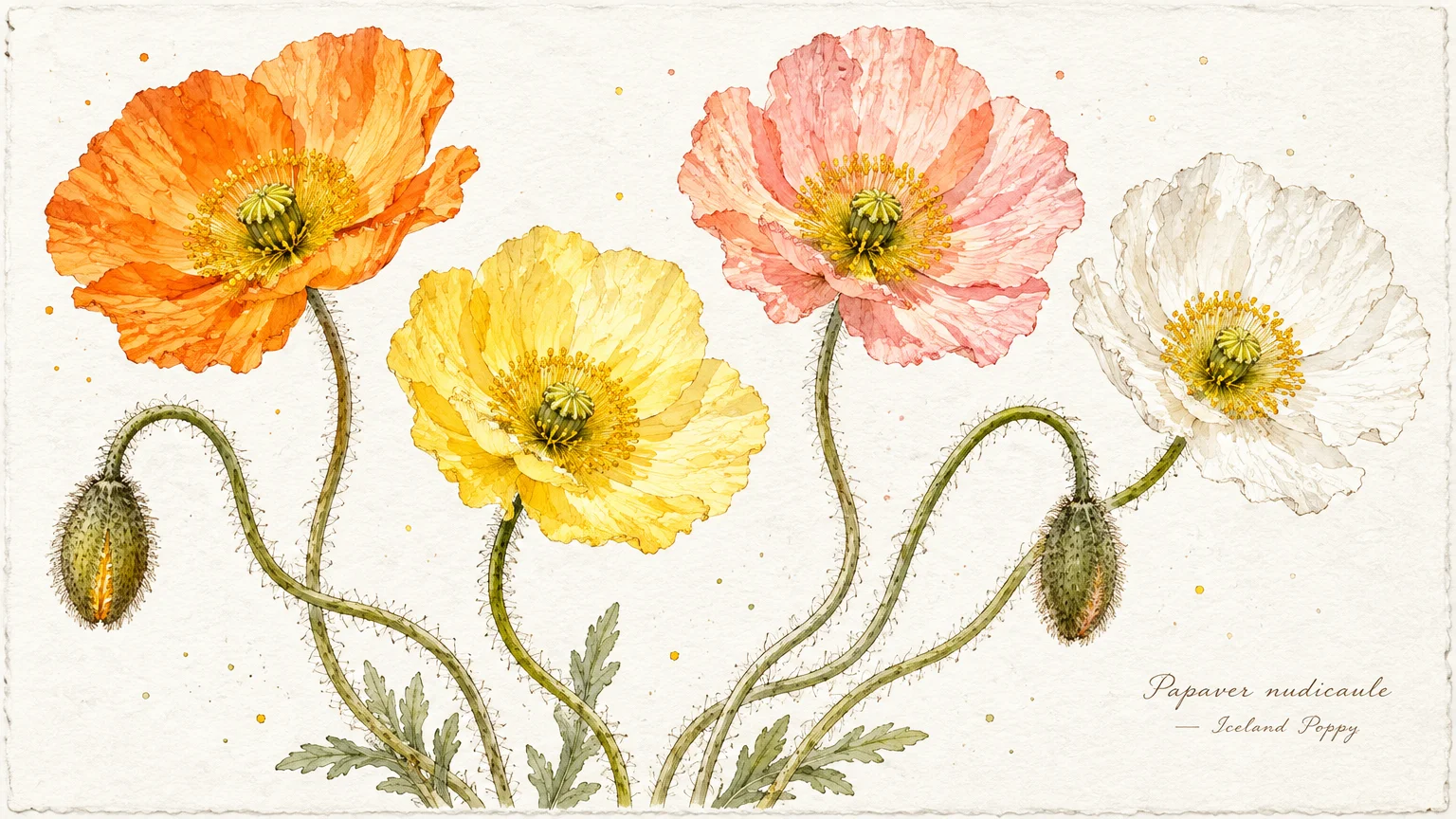
Tip #11: Iceland Poppy (Papaver nudicaule)
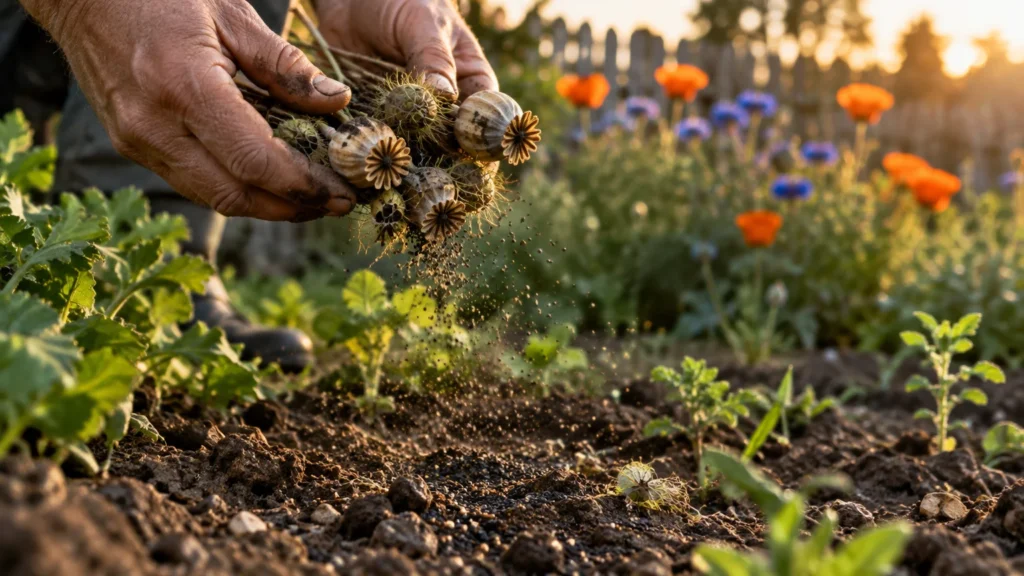
Iceland poppies produce tissue-paper blooms atop wiry, leafless stems that sway gracefully in the breeze. Their luminous petals glow in shades of citrus orange, lemon yellow, salmon, and cream.
These cool season flowers deliver unmatched vibrancy in warm climate winter gardens. While treated as annuals in mild regions, they produce blooms for months when temperatures stay mild.
Plant poppies in full sun and well-drained, sandy loam for optimum stem strength. Heavy moisture around the crown can damage the plant, so let beds drain thoroughly between waterings.
Harvest flowers for indoor bouquets when buds show color and just begin to crack open. Searing the cut stem ends briefly in hot water prolongs vase life significantly.
Deadhead spent seed pods promptly to keep plants channeling their energy into new flower production. Continuous deadheading ensures an uninterrupted display until the warmth of late spring arrives.
Space plants eight to ten inches apart to encourage generous airflow around the basal foliage. Good air circulation prevents damp conditions that can encourage powdery mildew and botrytis.
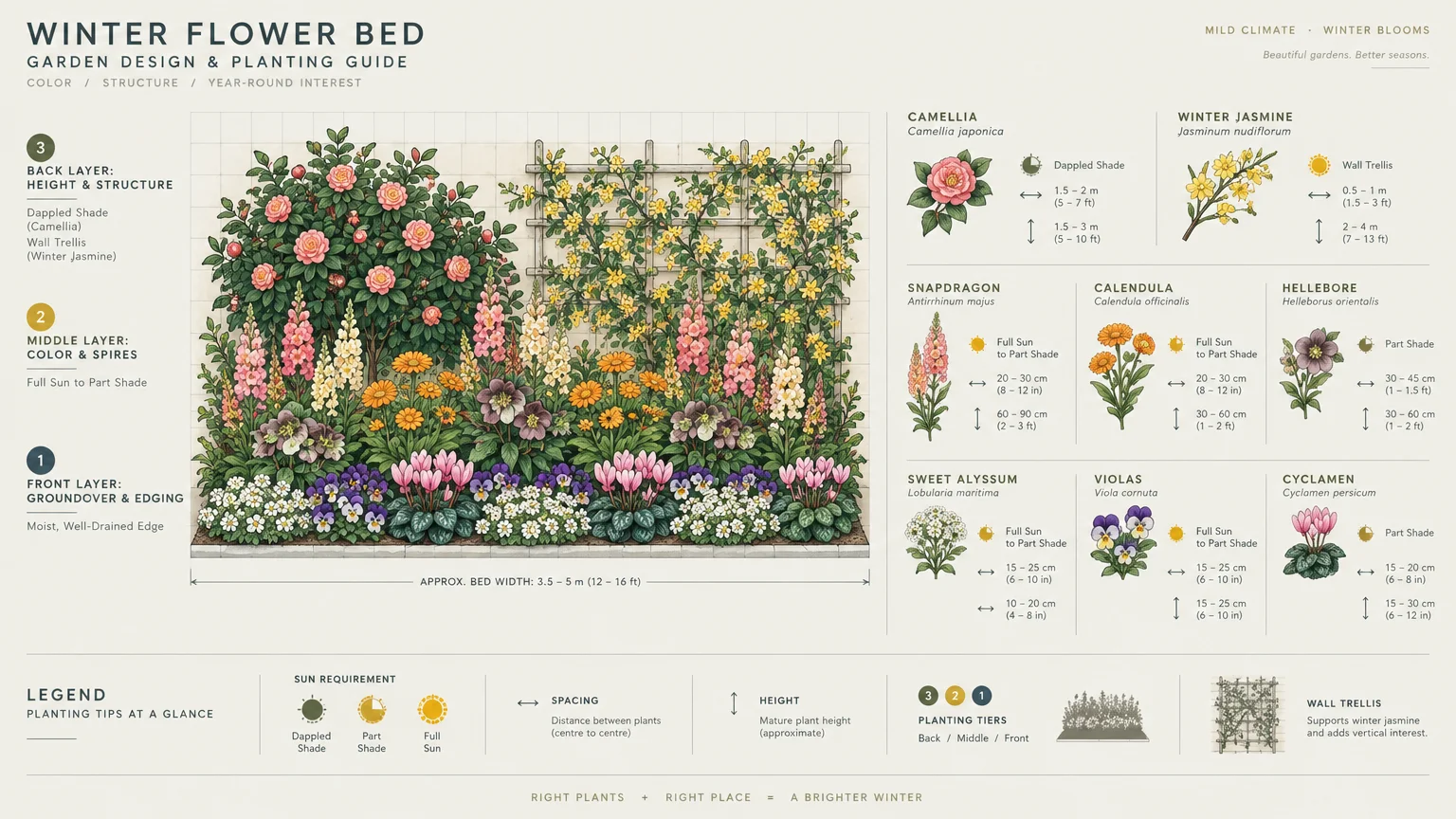
Putting It All Together: Enjoy Your Beautiful Garden
Designing a warm climate winter garden transforms the cooler months into a season of abundance and discovery. By combining shrubs like camellia with cheerful annuals like pansies, you create layered visual interest.
Group plants with matching light and water requirements together to ensure healthy, low-maintenance displays. Raised garden beds and decorative patio containers give you precise control over moisture and soil quality.
Remember to deadhead fading blossoms regularly throughout the season. This simple routine stimulates continuous flowering and keeps your outdoor living spaces looking fresh and vibrant.
Take advantage of mild winter days by spending time outside tending your borders. With thoughtful plant selection, your garden will stay colorful and inviting long before spring officially arrives.
Experiment with different flower textures and scents to find the combinations you love most. Your winter landscape can become one of the most rewarding spaces in your home.
For region-specific advice, consult your local University Extension program (find yours via the USDA directory). For plant databases and inspiration, visit the Missouri Botanical Garden or the Royal Horticultural Society.
Disclaimer: This article provides general gardening advice; always consider your specific climate, soil conditions, and local pests. Follow safety guidelines when using gardening tools and products.
Frequently Asked Questions
When should I plant winter blooming flowers in mild climates?
Plant your cool season flowers during mid to late autumn when daytime heat begins to subside. This timing allows root systems to establish in warm soil before winter flowering begins.
Planting before soil temperatures drop sharply ensures strong root development and earlier winter blossoms. If you miss the autumn window, buy established nursery starts in early winter.
How often should I water winter flowering plants?
Water your garden when the top two inches of soil dry out, usually once every week or two. Cooler temperatures slow evaporation rates, so plants need far less moisture than during summer.
Always check soil moisture before watering to prevent root rot in dormant or slow-growing plants. Container plants may need more frequent checks, particularly on breezy, sunny afternoons.
Do winter flowers in warm climates need fertilizer?
Active bloomers like pansies, cyclamen, and snapdragons benefit from light feeding every two to three weeks. Use a balanced, half-strength liquid fertilizer to keep them producing vibrant flowers.
Avoid high-nitrogen fertilizers that stimulate soft green leaves at the expense of blossom development. Stop feeding woody shrubs like camellia once winter flowering is well underway.
How can I protect winter flowers during an unexpected freeze?
Drape lightweight frost cloth or burlap over sensitive plants if temperatures dip toward freezing overnight. Anchor the edges firmly to the soil with stones or landscape pins to trap ground warmth.
Remove the fabric covering the following morning once temperatures rise above freezing. This allows sunlight to warm the soil and prevents excessive heat buildup around foliage.