Frequently Asked Questions
When is the best time to plant fall blooming perennials?
The ideal time to plant cold hardy flowers is in early spring or early fall. Planting in spring allows the perennials to spend the entire growing season developing extensive root systems, which increases their frost tolerance for their first autumn display. If you plant in early autumn, get them in the ground at least six weeks before your region’s average first hard frost date so roots can settle before the ground freezes solid.
How can I protect my late blooming perennials during an extreme unseasonal freeze?
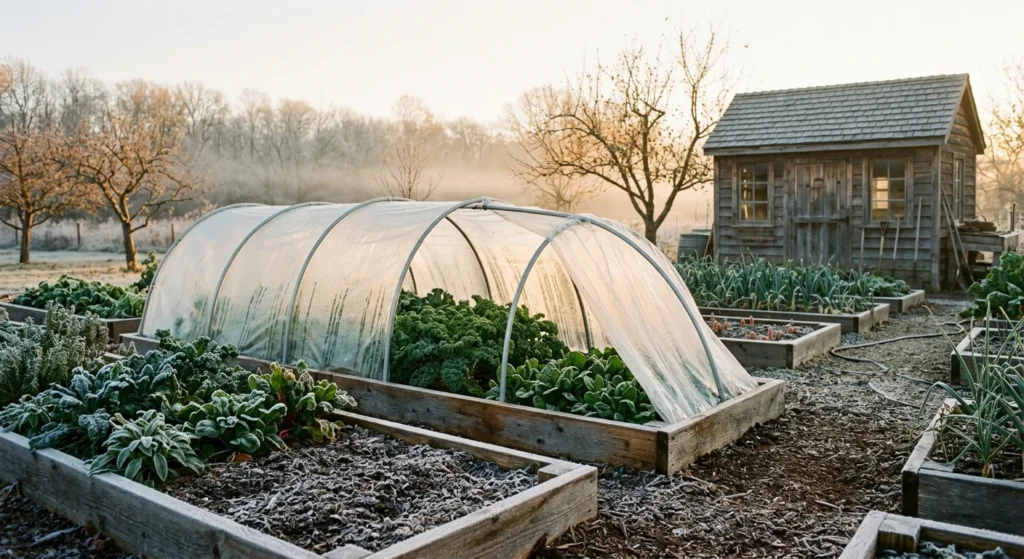
If weather forecasts predict an unusually severe early drop in temperatures—such as a sudden drop into the low 20s Fahrenheit (-5°C) early in autumn—you can cover delicate open blooms with breathable frost cloth, burlap, or lightweight bedsheets. Stake the covers so they do not press directly on stems, and anchor the edges with bricks or soil. Remove the covers early the following morning as temperatures rise above freezing so sunlight can reach the plants.
Should I cut down my late blooming perennials after the first frost?
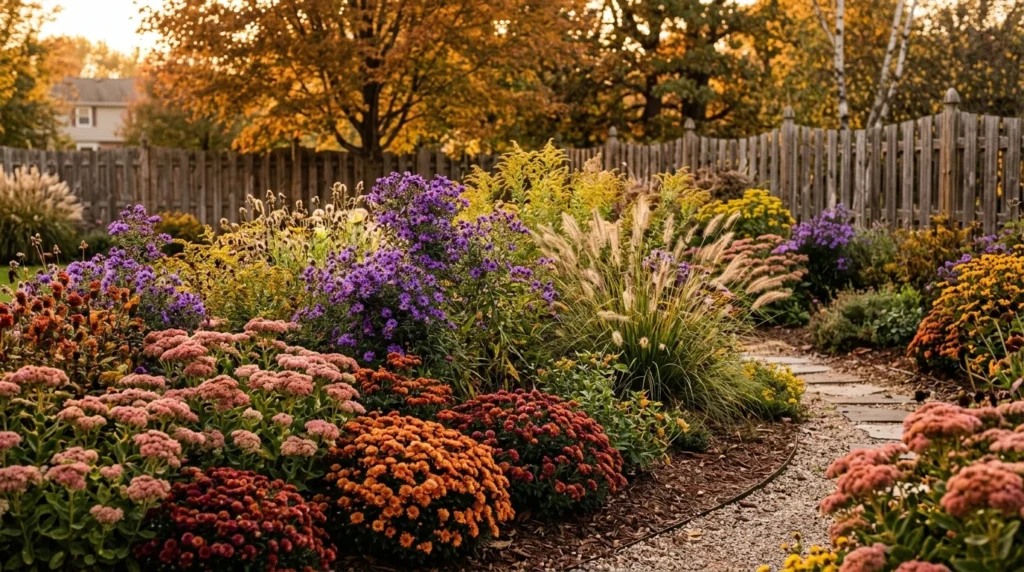
No, you should leave the hollow stems and dried seed heads intact throughout the winter months. Standing foliage traps snow, creating a natural insulating layer that protects root crowns from extreme freeze-thaw cycles. Additionally, dried flower heads from asters, goldenrod, and anise hyssop provide critical seed food for overwintering songbirds while adding structural architectural beauty to snowy garden beds.
Why do some perennials bloom through frost while others die back?
Frost resistant flowers possess physiological adaptations that protect their tissues from cellular collapse. Many late blooming perennials accumulate high concentrations of sugars, amino acids, and natural anti-freeze compounds within their cell sap, lowering the freezing point inside plant cells. Others feature dense cellular structures or thick waxy cuticles that resist ice crystal formation on leaves and petals.