Living holiday plants brighten winter homes and offer lasting joy long after seasonal decorations return to storage. Giving lush greenery shows genuine thoughtfulness while bringing fresh energy into any living space.
When you choose the right festive houseplants, you give a memorable experience that continues to grow and flourish. You do not need expert skills to select healthy specimens that thrive on bright windowsills.
This curated guide highlights stunning plant gift ideas that match every personality and skill level on your shopping list. Explore our top festive selections to find the ultimate botanical presents this holiday season.
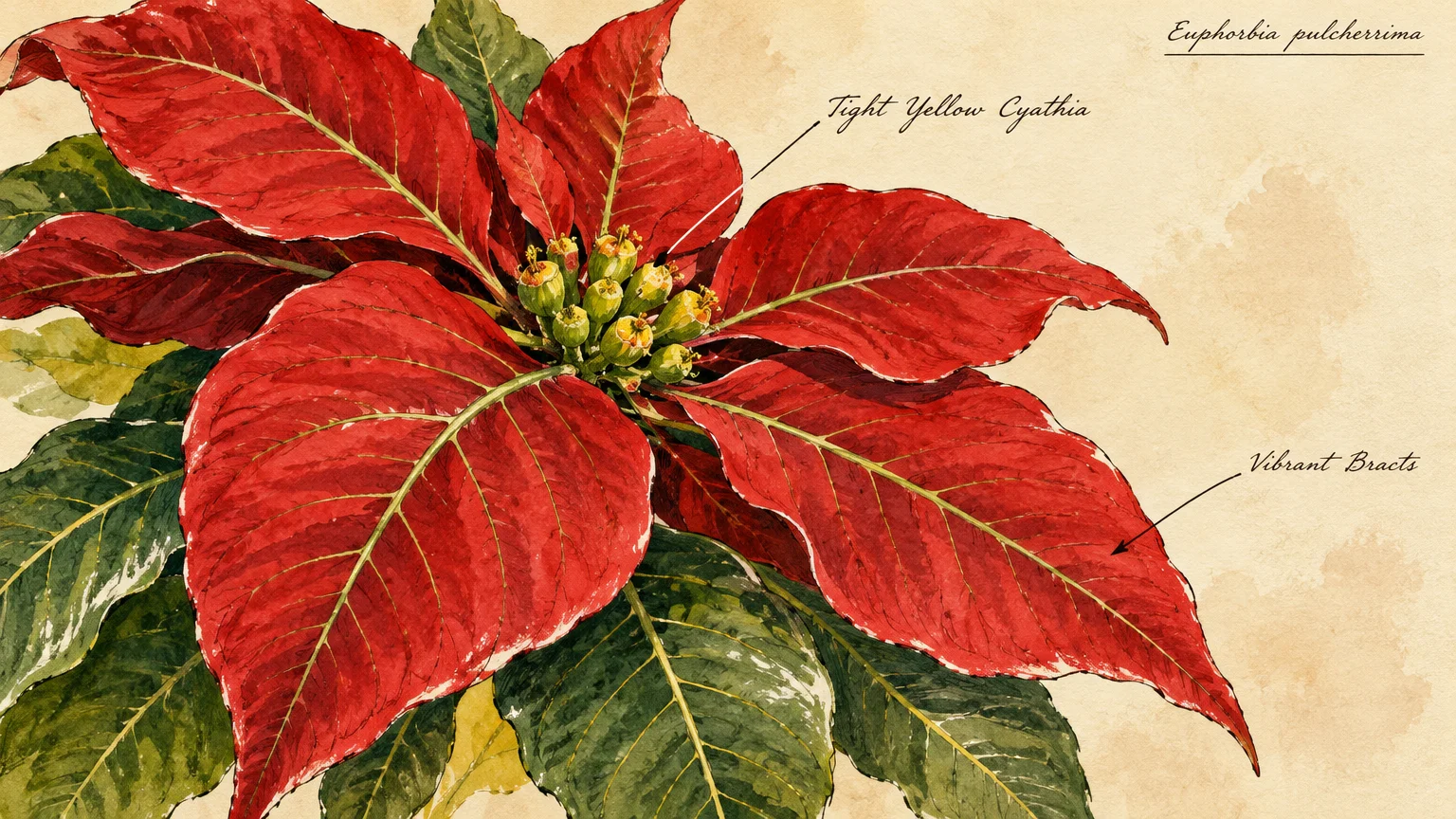
Tip #1: Dazzle with Poinsettia Gifts
Poinsettias represent the quintessential holiday centerpiece with their brilliant crimson, creamy white, or speckled pink bracts. These classic holiday plants instantly infuse rooms with cheerful color during dark winter afternoons.
When shopping for poinsettia gifts, inspect the tiny yellow buds tucked into the center of the colored bracts. Choose plants with tight, unopened buds to ensure the colorful display lasts well past New Year’s Day.
Place your poinsettia in a warm spot that receives bright, indirect sunlight away from chilly window glass. Keep the plant safe from cold drafts caused by exterior doors, radiators, and heating vents.
Check the soil moisture regularly by pressing your finger an inch beneath the surface. Water thoroughly only when the topsoil feels dry, allowing excess liquid to drain completely from the nursery pot.
Never let your poinsettia sit in standing water inside a decorative foil wrapper. Trapped water quickly suffocates the roots and causes premature leaf drop.
Poinsettias produce mild sap that may irritate sensitive skin or upset pet stomachs if ingested. Remind recipients to place these gorgeous holiday favorites out of reach of curious cats and dogs.
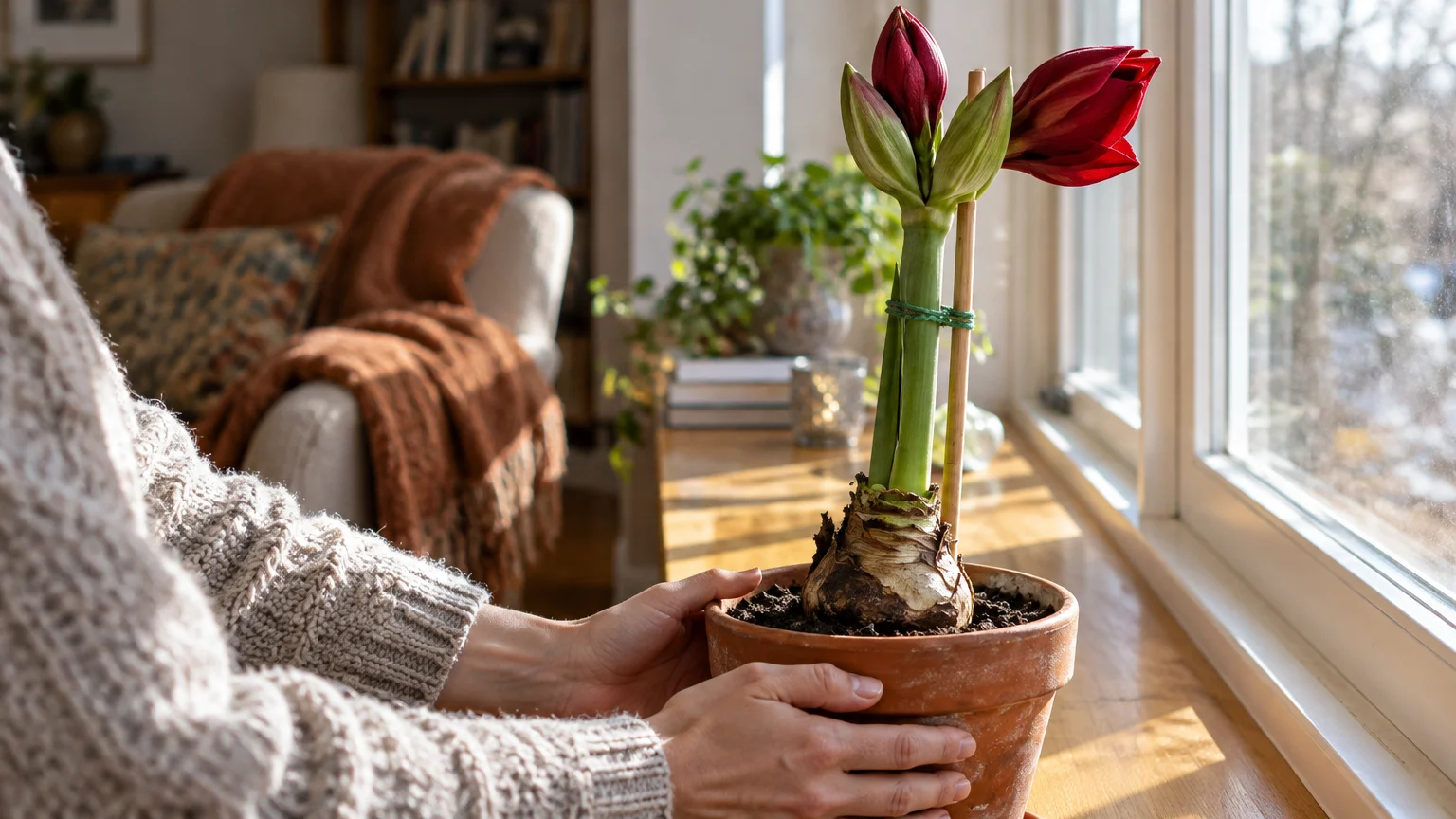
Tip #2: Captivate with Show-Stopping Amaryllis
Amaryllis bulbs produce enormous, trumpet-shaped blossoms that command attention in any living room. They rank among the most dramatic Christmas plant gifts because they grow visibly taller each day.
You can gift dormant bulbs packaged in decorative kits or potted specimens that already display emerging flower stalks. Stalked varieties give your recipient the thrill of watching vibrant blooms open within days.
Position the potted bulb in bright, direct sunlight to encourage stout stems that support the heavy floral heads. Rotate the pot a quarter turn every few days so the stalk grows straight toward the ceiling.
Water sparingly until the green bud actively emerges from the bulb neck. Once active growth begins, increase watering to keep the soil consistently damp but never soggy.
Insert an ornamental bamboo stake beside the stem if the massive blooms cause the plant to lean. Staking prevents the heavy flowers from snapping the stalk before all buds finish opening.
After the flowers fade, snip the stems near the base while preserving the long strap-like foliage. Your recipient can keep the bulb alive indoors and coax fresh flowers next winter.
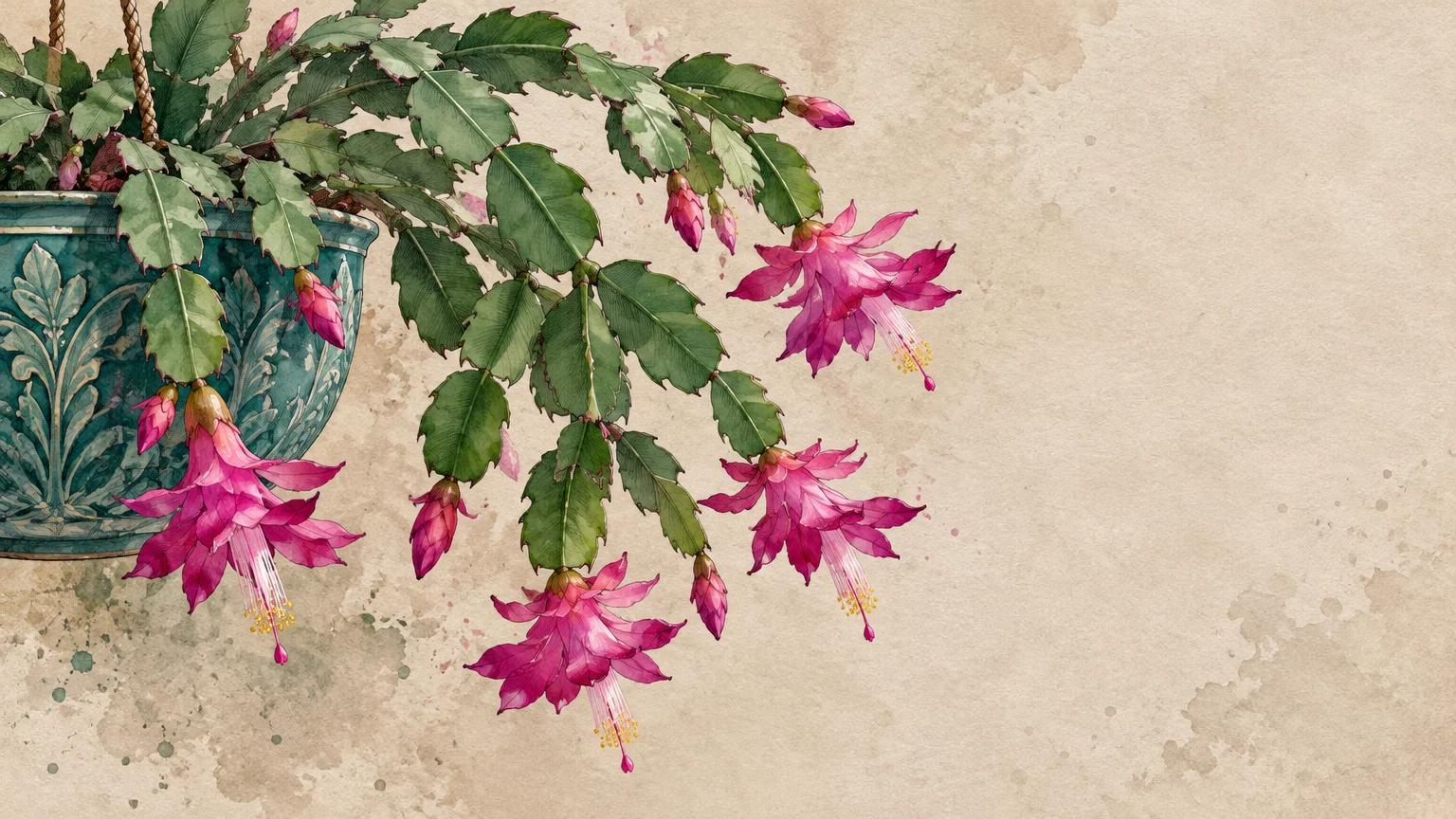
Tip #3: Share Heirlooms with the Christmas Cactus
The Christmas cactus features arched, segmented stems tipped with exotic, satiny blooms in shades of magenta, salmon, and white. This resilient succulent makes an outstanding present because it can thrive for decades with minimal maintenance.
Unlike desert cacti, this tropical forest native naturally grows on tree branches in humid rainforest canopies. It prefers dappled light and moderate moisture rather than blazing heat and bone-dry soil.
Place the plant near an east-facing window where it absorbs gentle morning light. Harsh afternoon sunlight will scorch the fleshy green foliage and cause the delicate flower buds to drop.
Water the pot thoroughly when the top two inches of soil feel dry to the touch. Discard runoff promptly so the potting mix remains aerated and healthy.
Boost surrounding humidity during dry winter heating cycles by setting the container on a shallow pebble tray filled with water. The evaporating moisture keeps foliage plump and supports lingering flower buds.
Tell your gift recipient that this forgiving houseplant easily propagates from stem cuttings. They can root segments in moist soil and share generational plants with their own children later in life.
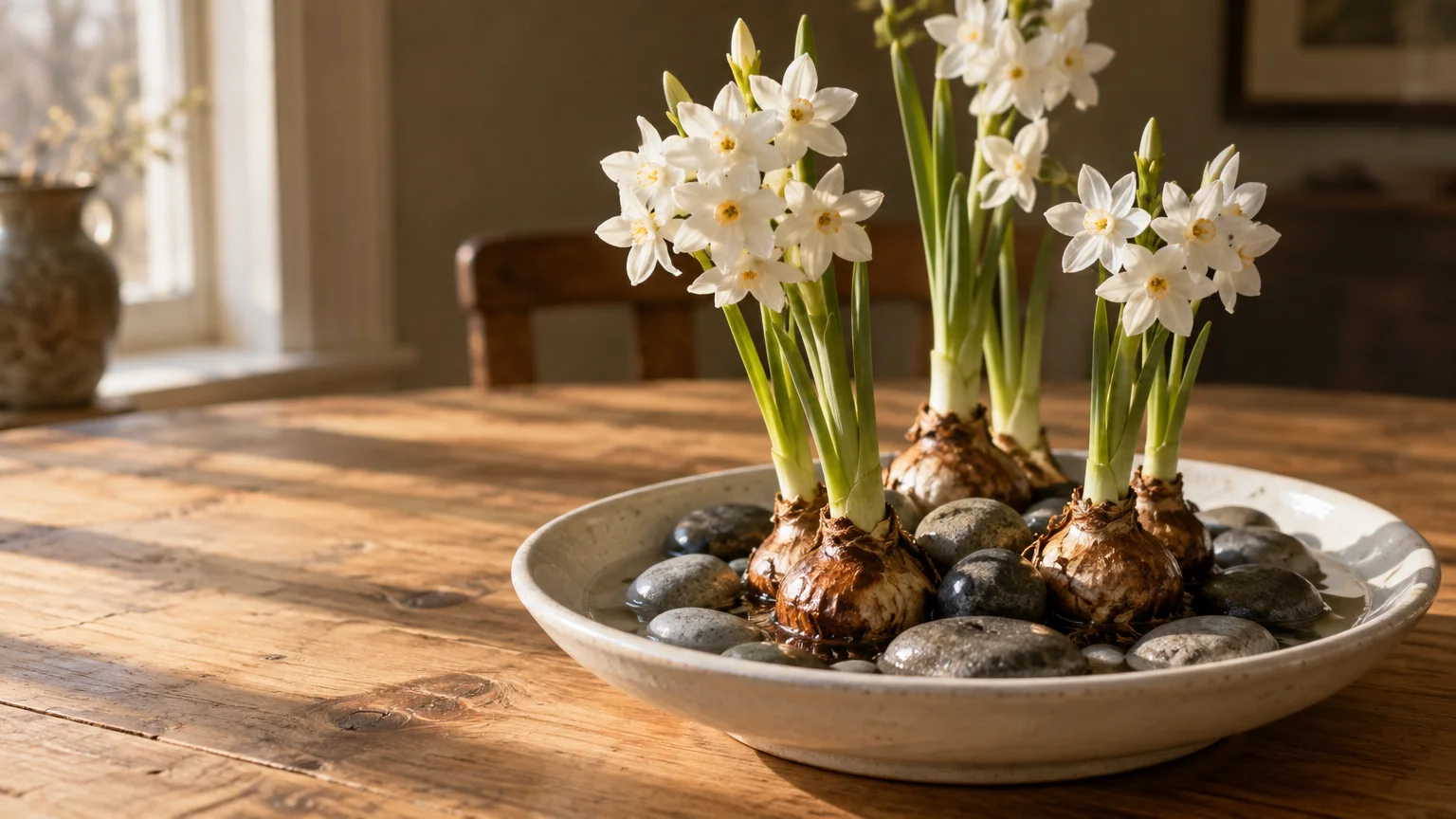
Tip #4: Enchant the Senses with Fragrant Paperwhites
Paperwhite narcissus bulbs bring crisp white blossoms and intoxicating perfume directly into winter living spaces. These cheerful bulbs require no cold stratification period, making them exceptionally easy plant gift ideas.
Assemble a creative DIY gift by arranging several paperwhite bulbs over a shallow glass dish filled with polished river stones. Add water until it touches only the base of the bulbs without submerging them.
Place the dish in a cool, bright location to keep the developing stems compact and sturdy. Stems grown in warm or dim rooms often stretch toward light and flop over under their own weight.
Support tall flower stalks with decorative ribbon tied gently around the stems. This keeps the presentation neat while adding a charming seasonal accent to your gift.
Refresh the reservoir with clean water weekly to prevent stagnation around the root zone. Clear water keeps the bulb roots healthy and free from unpleasant odors throughout the bloom cycle.
Note that paperwhite perfume can smell quite intense in confined spaces. Recommend placing these dynamic flowers in open living areas or breezy entryways where air circulates freely.
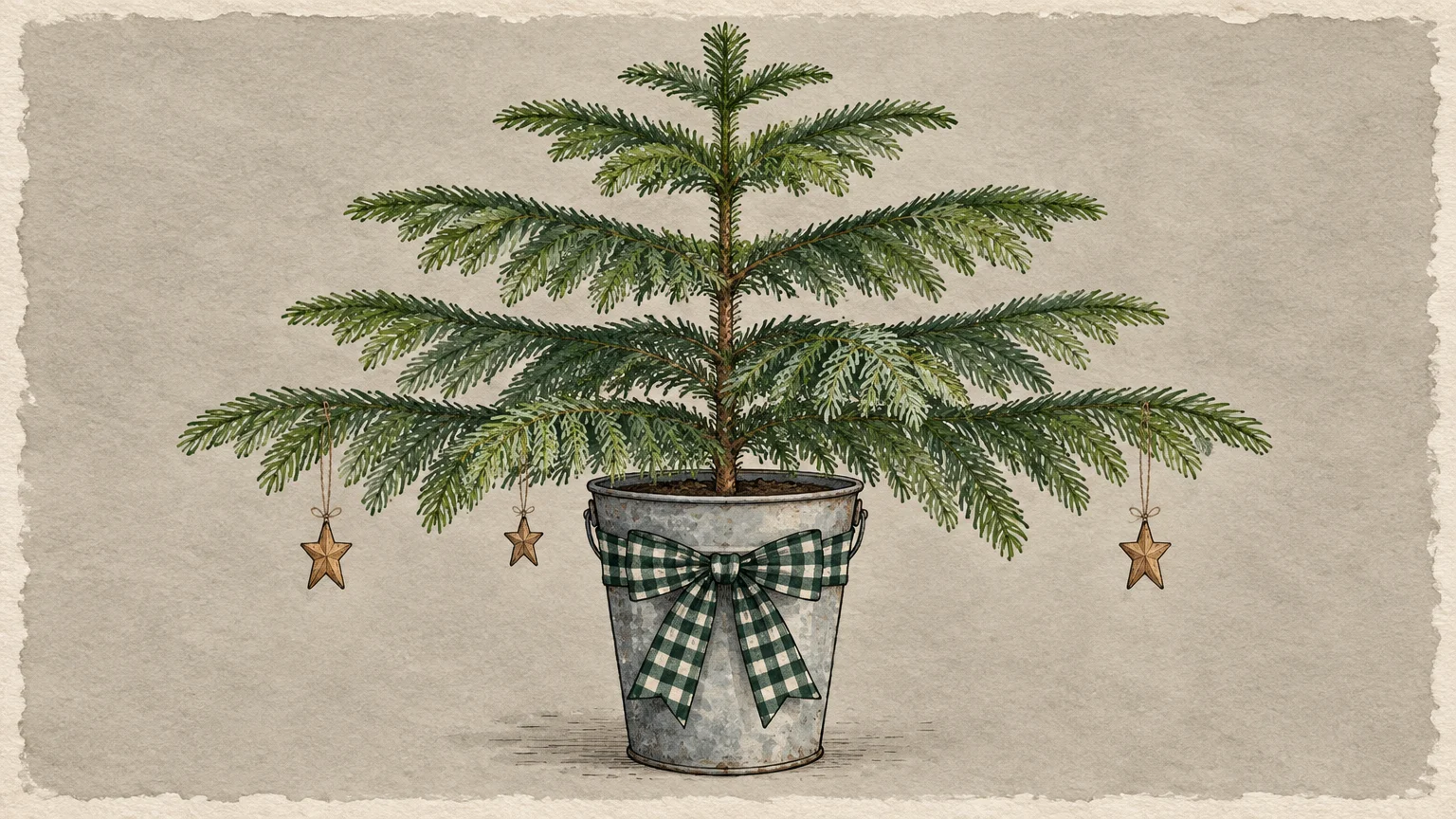
Tip #5: Gift Living Decor with Norfolk Island Pines
The Norfolk Island pine resembles a miniature evergreen tree complete with soft, tiered needle-covered branches. It serves as an adorable tabletop Christmas tree that continues growing as an indoor houseplant for years.
Decorate the branches with tiny, lightweight baubles or fairy lights before wrapping the container in festive burlap. You deliver a complete miniature holiday centerpiece that delights both children and seasoned gardeners.
Place this tropical conifer in a location that receives several hours of bright, filtered daylight. Turning the plant every week encourages symmetrical branch development across all sides.
Maintain steady moisture by watering as soon as the top inch of soil feels dry. Never allow the root system to dry out completely, as lower branches will turn brown and shed.
Mist the foliage frequently or run a room humidifier nearby during winter months. Central heating dries the surrounding air, which can cause needle tips to brown and dry out.
Remind the recipient that lost lower branches do not regenerate on these trees. Careful watering and adequate humidity ensure their miniature pine retains its lush pyramidal silhouette forever.
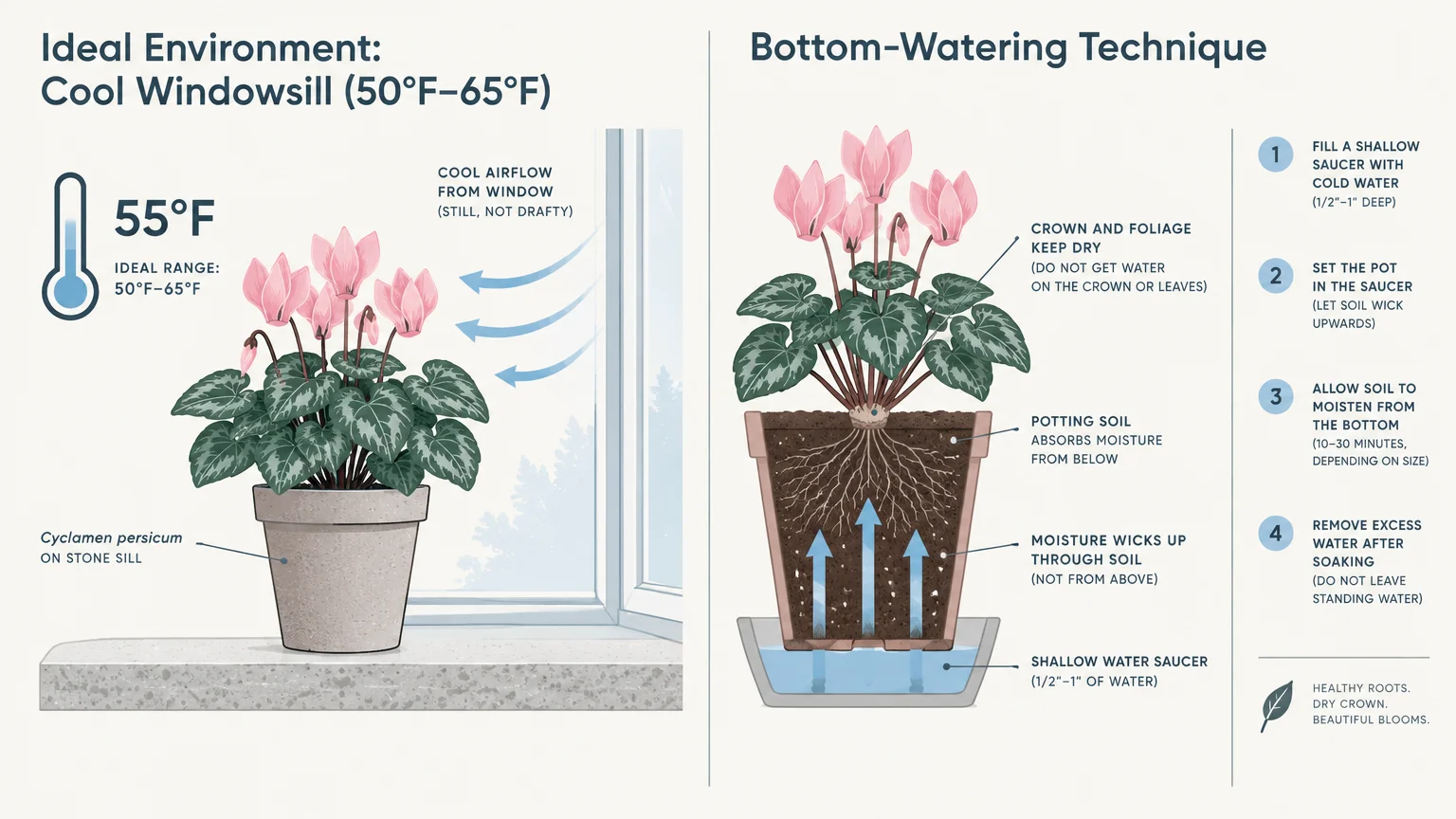
Tip #6: Brighten Cold Windowsills with Cyclamen
Cyclamen plants feature heart-shaped leaves marbled in silver alongside striking blooms that resemble darting butterflies. They thrive in chilly conditions, making them ideal festive houseplants for drafty winter rooms.
Look for sturdy plants packed with unopened buds nestled just beneath the foliage canopy. These compact beauties produce continuous waves of vibrant blossoms throughout the entire holiday season.
Keep cyclamen in a cool room where nighttime temperatures drop naturally. Extended exposure to high heat causes the plant to enter premature summer dormancy and drop its foliage.
Water cyclamen from the bottom by setting the pot in a shallow saucer of water for twenty minutes. Bottom watering prevents moisture from pooling inside the central crown, which causes tuber rot.
Remove spent flowers and yellow leaves by twisting the stems firmly at the base and pulling upward. This clean removal prevents fungus and stimulates the tuber to form fresh buds.
Cyclamen makes a thoughtful gift for friends who keep their thermostats low during winter. The cool environment will actually prolong the floral display and keep foliage lush and crisp.
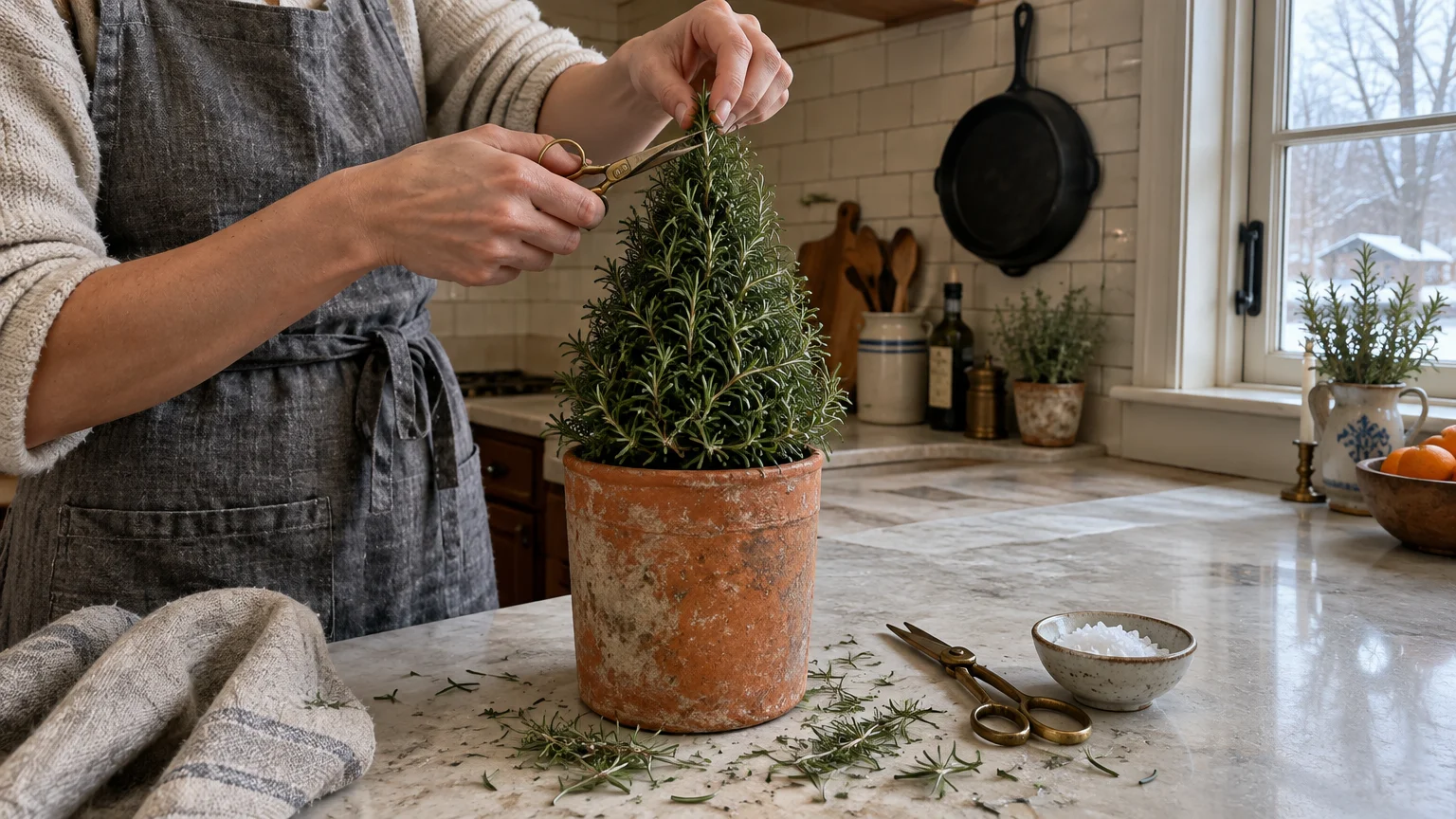
Tip #7: Shape Memories with Rosemary Topiaries
Rosemary topiaries pruned into conical tree shapes offer rich evergreen beauty combined with mouthwatering herbal fragrance. They make wonderful Christmas plant gifts for home cooks, hostesses, and herb enthusiasts alike.
Recipient cooks can snip aromatic sprigs directly from the plant to season roasted potatoes, poultry, and festive holiday breads. The plant combines practical culinary value with delightful seasonal charm.
Set the rosemary topiary in your sunniest south-facing window where it receives at least six hours of direct light. Mediterranean herbs crave intense sunlight to maintain sturdy foliage and vibrant color.
Water thoroughly when the top surface of the soil feels dry, but ensure complete drainage through the pot bottom. Rosemary roots suffer quickly in waterlogged soil, yet dry soil can suddenly shrivel needle foliage.
Prune new growth gently using sharp herb shears to preserve the neat conical topiary shape. Save your trimmed sprigs for cooking or infuse them into holiday oils and vinegars.
When spring arrives, your recipient can transition the topiary outdoors to a patio or garden bed. Rosemary thrives in warm outdoor sunshine and provides fresh seasoning all summer long.
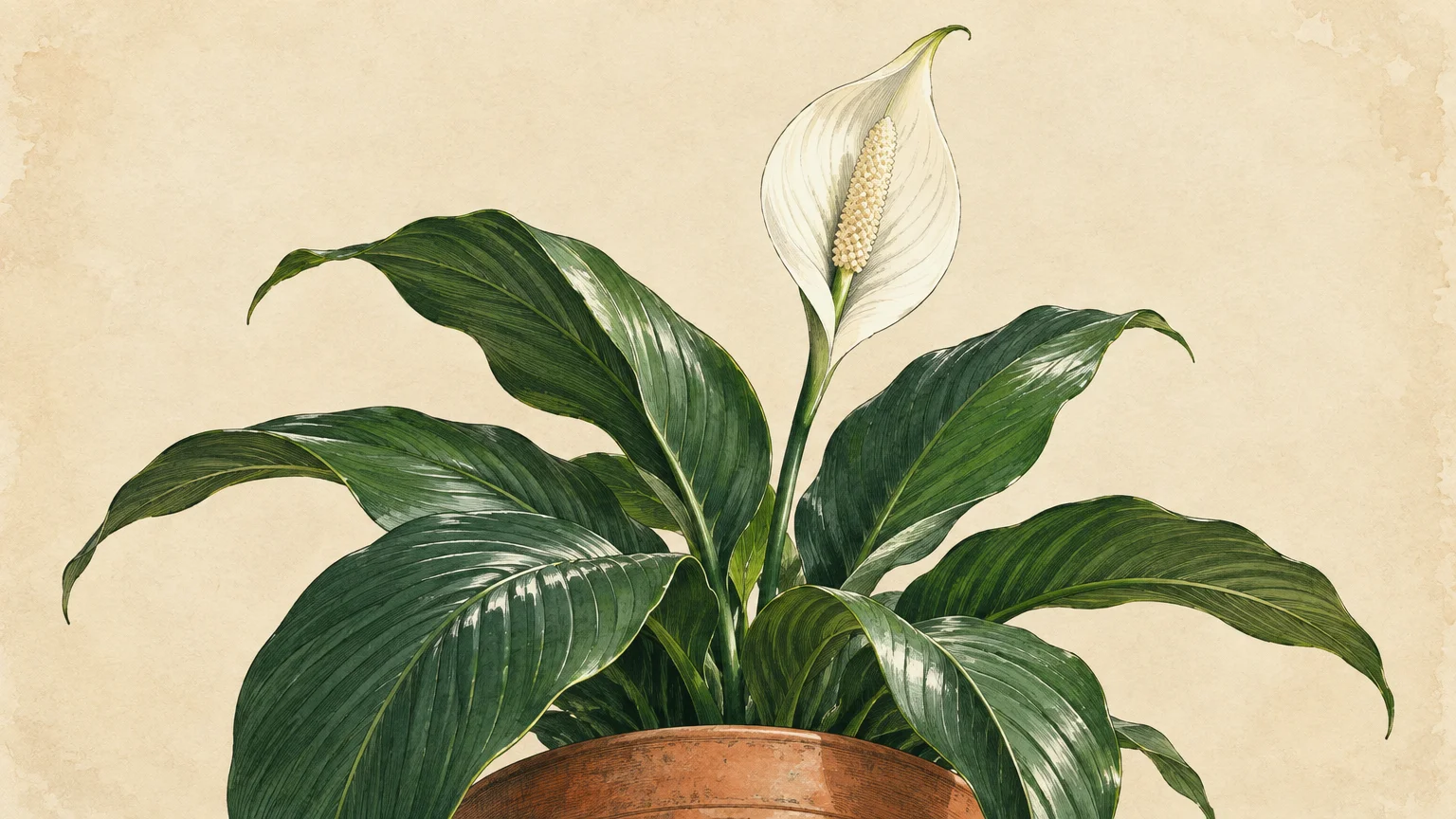
Tip #8: Present Year-Round Elegance with Peace Lilies
Peace lilies feature glossy, arching leaves and serene white floral spathes that resemble peaceful winter snow. They provide a refined, understated alternative to brightly colored holiday plants.
These adaptable perennials tolerate low light conditions that would cause other houseplants to struggle. They make foolproof plant gift ideas for office workers, beginners, or dorm residents.
Position the container in medium, indirect light for best blooming performance. Harsh sunlight burns the lush green leaves, leaving unsightly brown patches across the blades.
Water your peace lily when the foliage begins to droop slightly, signaling that the soil has dried. These expressive plants bounce back quickly once you soak the root ball with fresh water.
Wipe the broad leaves periodically with a damp cloth to remove accumulated household dust. Clean leaves absorb light more efficiently and maintain a healthy, polished sheen.
Peace lilies contain insoluble calcium oxalate crystals that can cause oral discomfort in household pets. Package your gift with a gentle care tag advising owners to display the plant on higher furniture.
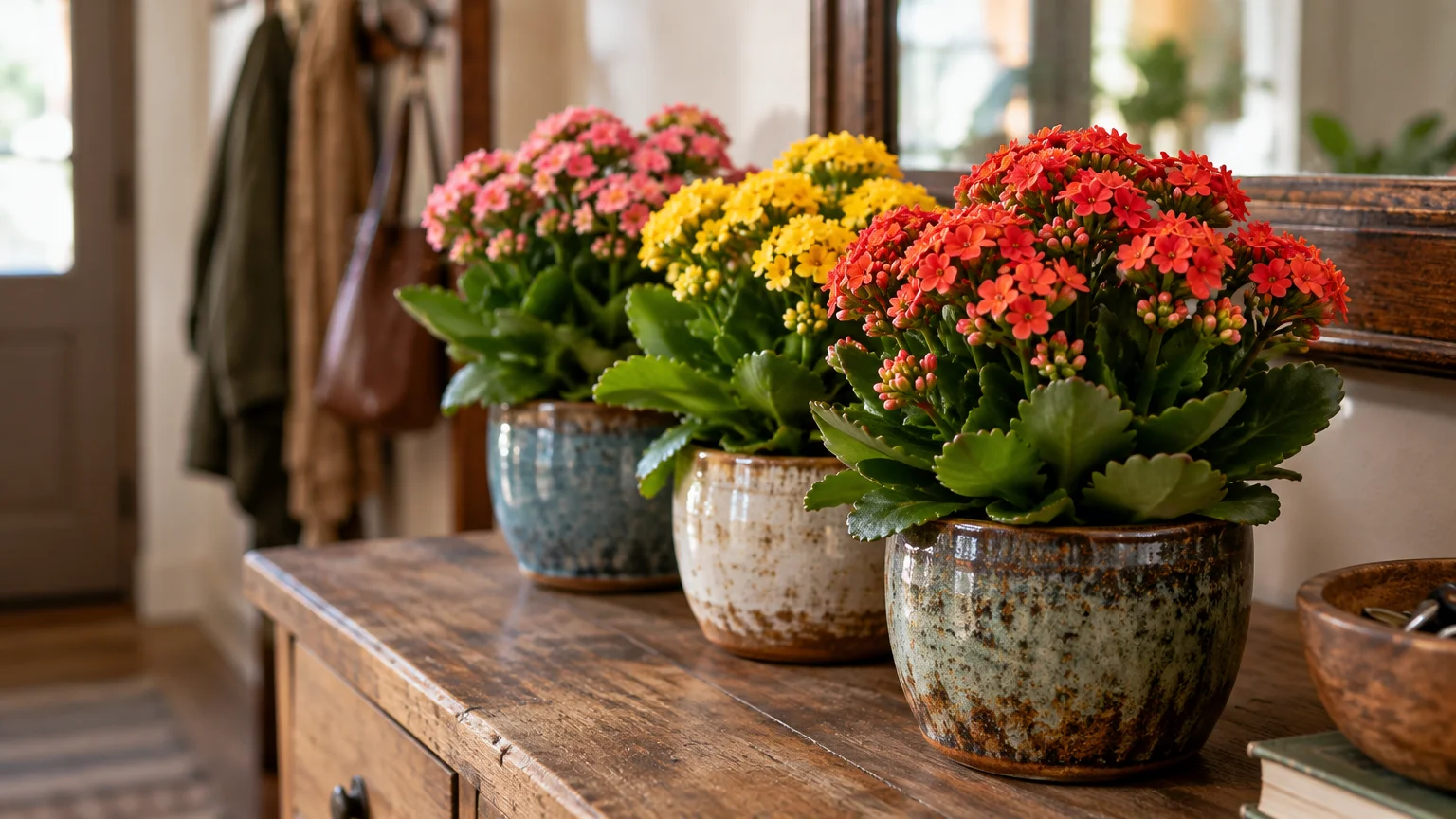
Tip #9: Delight with Vibrant Holiday Kalanchoes
Kalanchoe blossfeldiana features thick, glossy succulent leaves topped with dense clusters of tiny, star-shaped blossoms. Available in radiant red, gold, orange, and magenta, it brings cheerful warmth into frosty winter interiors.
This hardy succulent tolerates dry indoor air created by winter heating systems far better than most tropicals. It requires very little attention to stay vibrant throughout the entire holiday season.
Place the kalanchoe on a sunny windowsill where it receives plenty of bright natural light. Ample light helps preserve the vivid petal hues and prevents the succulent stems from stretching out.
Allow the potting soil to dry out almost completely between thorough waterings. Overwatering represents the single biggest danger to kalanchoes, so when in doubt, wait a couple of days.
Snip off individual spent flower clusters down to the leaf joint to keep the plant looking tidy. This routine deadheading directs energy toward developing buds and encourages longer bloom duration.
Pair the pot with a colorful ceramic saucer and a festive ribbon for instant gift presentation. Your recipient will enjoy an easy-care bloomer that brightens their home well into the new year.
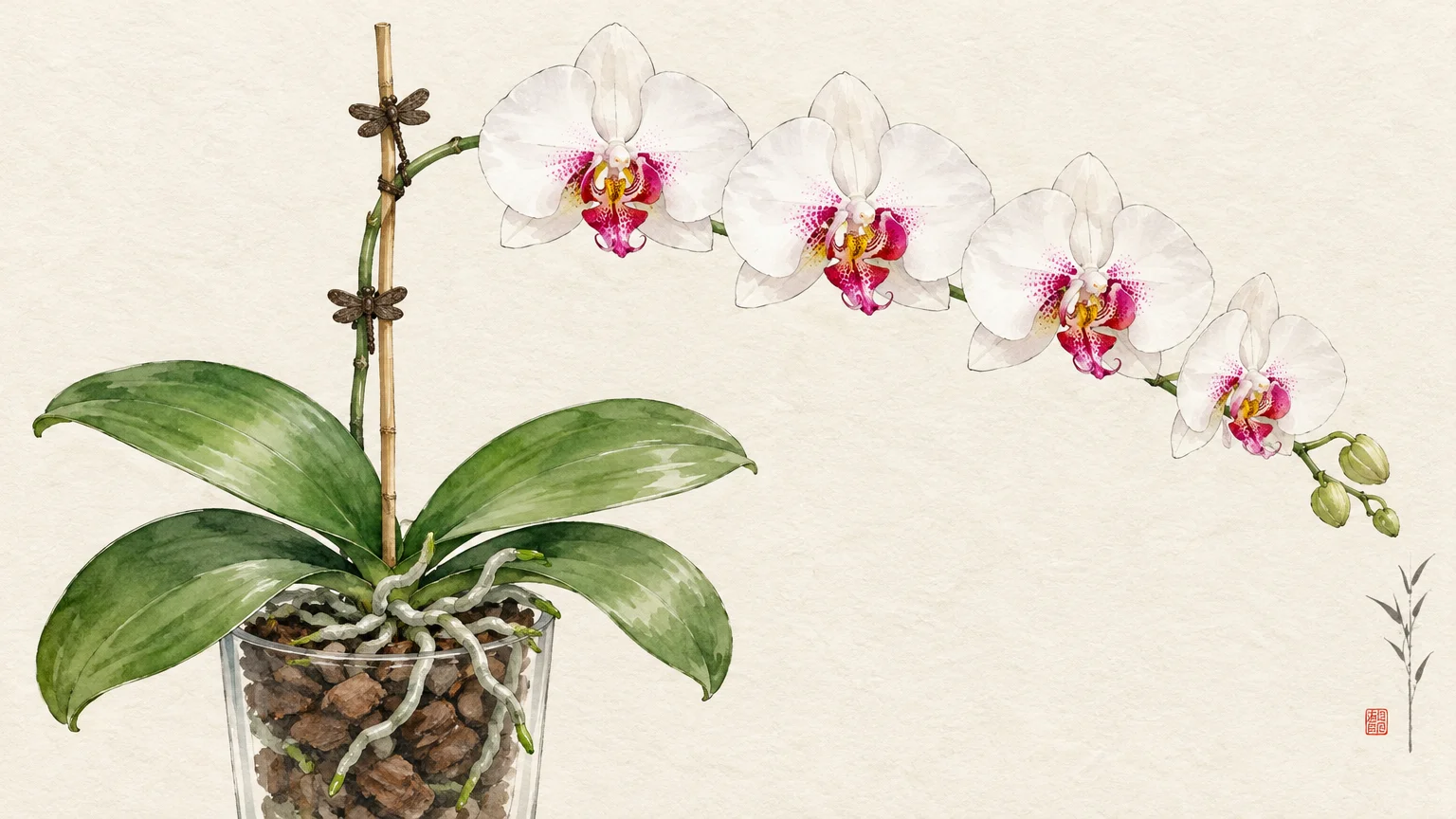
Tip #10: Inspire Awe with Elegant Moth Orchids
Moth orchids, or Phalaenopsis, showcase graceful arching sprays of pristine blooms that stay fresh for up to three months. They deliver sophisticated luxury, making them beloved holiday gifts for close friends and family.
Choose specimens with several open flowers and plenty of plump, healthy green buds waiting along the floral spike. These emerging buds guarantee weeks of continued beauty after the unwrapping excitement subsides.
Display moth orchids in bright rooms with plenty of indirect sunlight, avoiding harsh sun that bleaches blooms. Gentle morning light from an east window provides the perfect balance for orchid health.
Water the chunky bark medium thoroughly once a week at the sink, letting all moisture drain out cleanly. Never let water pool inside the central crown where leaves join together, as this fosters crown rot.
Avoid placing ice cubes directly on orchid roots, despite popular household myths. Frigid ice chills delicate tropical roots and can cause permanent cellular damage.
Once the final bloom drops, trim the flower stem back to an active green node. With routine care and bright light, your recipient will enjoy brand-new flower spikes next season.
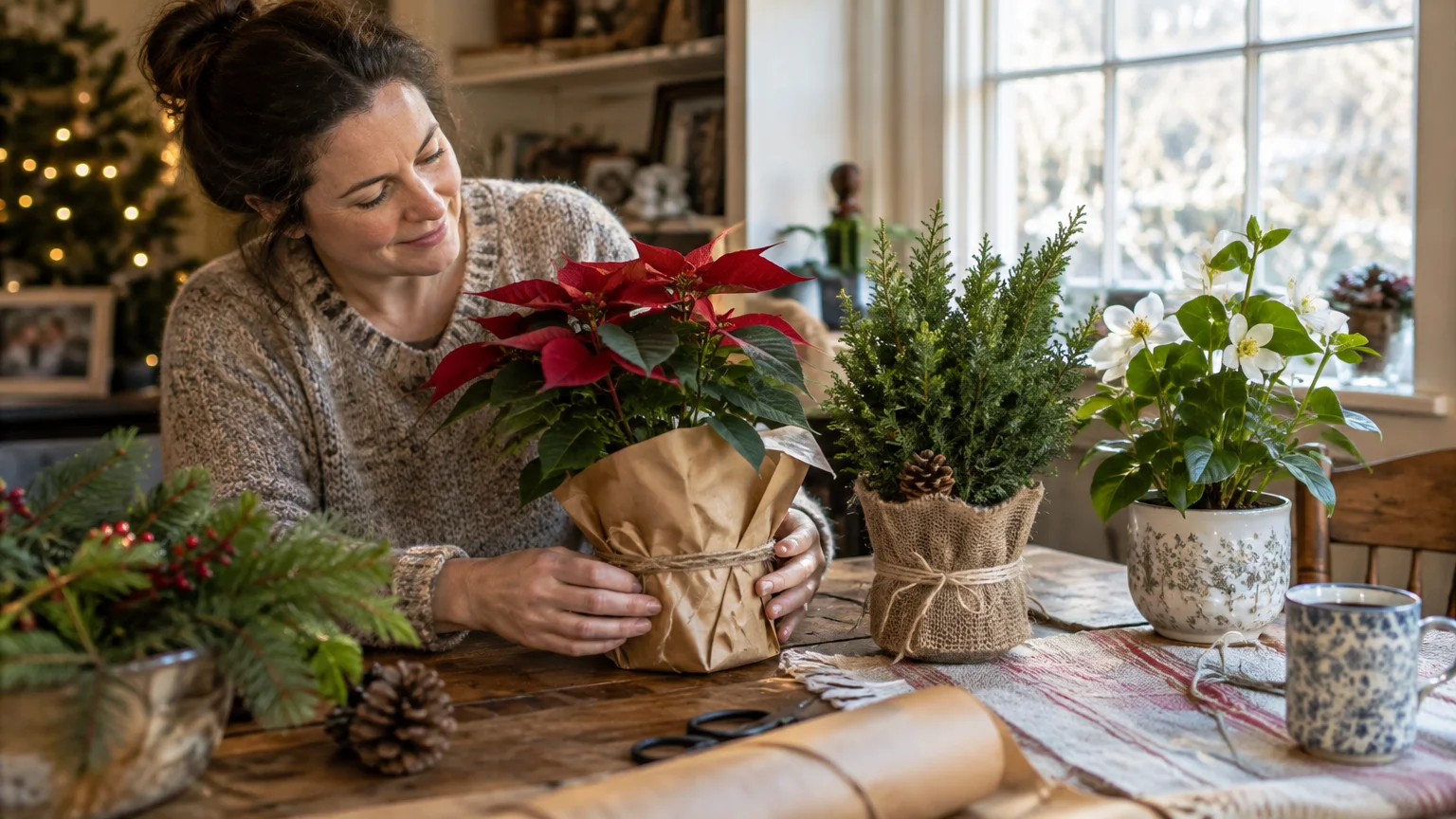
Putting It All Together: Enjoy Your Beautiful Garden
Choosing living botanical presents transforms traditional holiday gift-giving into an enduring celebration of nature. Every time your loved ones water their plants, they will remember your kindness and seasonal care.
Always consider the recipient’s indoor environment, lifestyle habits, and pet situation before making your final selection. Matching a plant’s light and humidity needs to their home ensures years of rewarding gardening success.
Take time to write a handwritten care card detailing basic watering and light instructions. Including simple, confident guidance empowers your recipient to enjoy their new green companion with total ease.
Wrap the nursery pots in natural burlap, woven baskets, or decorative ceramic vessels to elevate the presentation. Adding a festive bow creates a breathtaking holiday gift that stands out beneath the tree.
For region-specific advice, consult your local University Extension program (find yours via the USDA directory). For plant databases and inspiration, visit the Missouri Botanical Garden or the Royal Horticultural Society.
Disclaimer: This article provides general gardening advice, so always consider your specific climate, soil conditions, and local pests. Follow safety guidelines when using gardening tools and products.
Frequently Asked Questions
How do I transport holiday plants safely in freezing winter weather?
Wrap the entire plant securely in heavy paper or a plastic shopping bag before leaving the greenhouse or store. Chilly winter air can blacken tender foliage within seconds of outdoor exposure.
Warm up your vehicle beforehand and transport the plant inside the heated cabin rather than the cold trunk. Bring the covered plant indoors immediately once you reach your destination.
Which festive plants are safe for homes with cats and dogs?
The Christmas cactus represents one of the safest holiday plants to display around curious pets. It poses no toxic threat to cats or dogs, making it completely family-friendly.
Avoid gifting true lilies and paperwhites to cat owners, as these bulbs present severe health risks. When in doubt, research pet toxicity ratings before purchasing botanical gifts for animal lovers.
Why do poinsettia leaves turn yellow and drop off indoors?
Leaf drop typically occurs when poinsettias experience sudden temperature fluctuations or cold drafts from nearby doors. Make sure the container stays in a stable room between sixty-five and seventy degrees.
Overwatering and poor pot drainage also rot root systems and trigger dramatic foliage loss. Always let topsoil dry slightly and empty drainage saucers promptly after watering.
Can you keep a Christmas cactus blooming for multiple years?
Yes, you can easily trigger reblooming each autumn by manipulating light exposure and night temperatures. Provide your plant with fourteen hours of uninterrupted darkness each night starting in October.
Keep nighttime temperatures around fifty-five to sixty-five degrees during this dark phase to initiate flower buds. Once buds form along stem tips, return the cactus to standard indoor lighting.