You can transform your living room into a vibrant sanctuary by infusing it with outdoor tones. Fresh garden colors energize tired spaces and bring soothing vitality to your daily routine.
Drawing rich palettes from your backyard bridges the gap between indoor comfort and natural beauty. It creates an uplifting atmosphere where you can relax surrounded by peaceful garden hues.
Whether you display lush foliage or colorful botanical textiles, these practical strategies will effortlessly bring outdoors inside. Explore these creative ways to rejuvenate your home today.
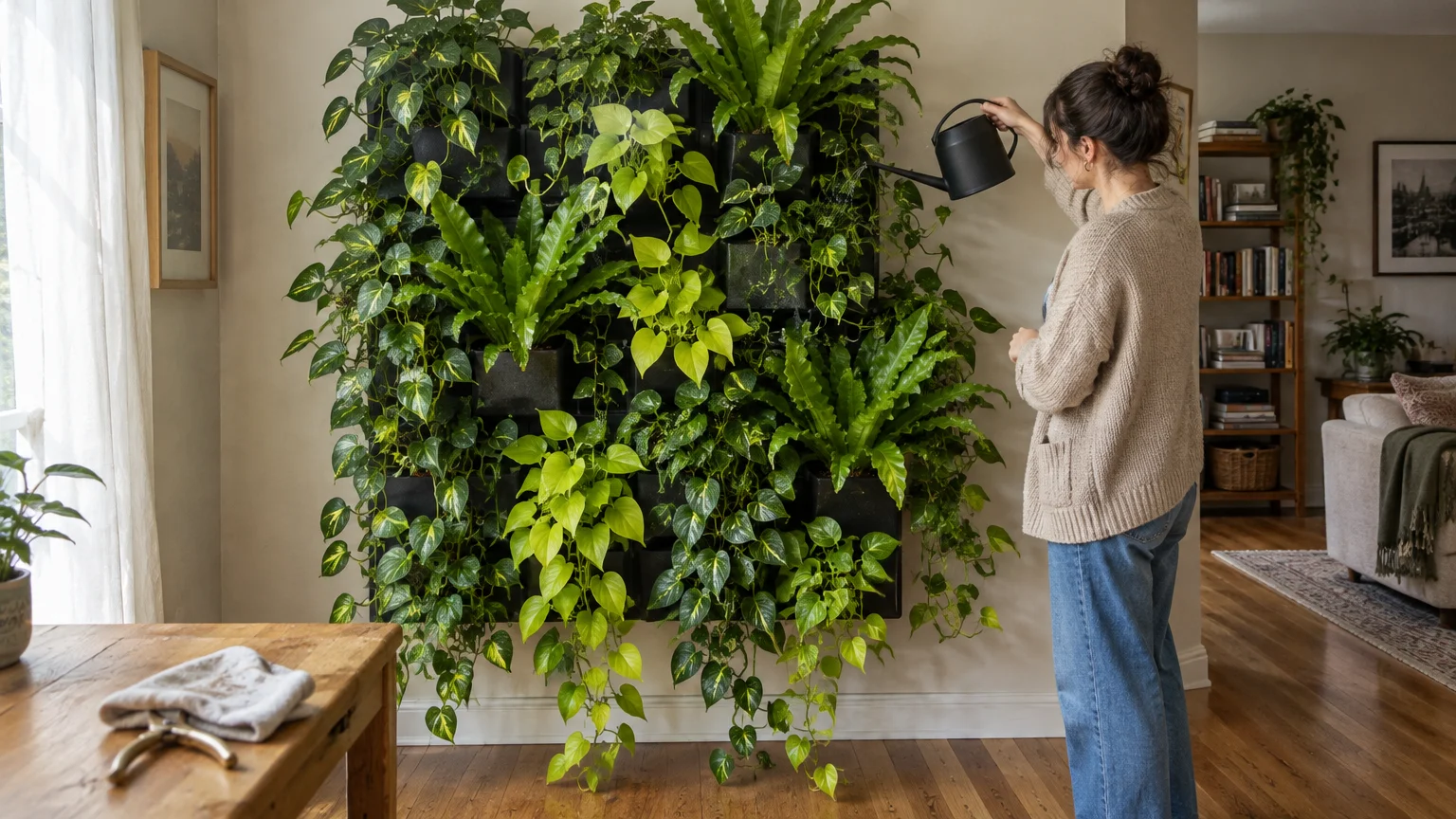
Tip #1: Curate a Living Wall of Foliage Plants
A vertical arrangement of houseplants instantly covers blank drywall with rich botanical depth. You can mount modular wall planters or install floating shelves to support an array of leafy specimens.
Mix cascading vines like golden pothos and heartleaf philodendron with upright species such as bird’s nest ferns. This variation in leaf texture creates a dynamic, layered display that mimics outdoor landscape beds.
Select foliage with varied green tones to establish visual interest. Pair deep forest greens with lime chartreuse cultivars like neon pothos to brighten shaded corners naturally.
Ensure your vertical garden receives adequate indirect sunlight throughout the day. If natural illumination runs low, install full-spectrum LED track lighting directly above the plants to maintain vigorous growth.
Water each planter carefully using a narrow-spout watering can to avoid dripping onto floors. Consistent moisture checks prevent root dehydration while keeping leaves crisp and vibrant.
This lush green decor idea immediately anchors your botanical living room with organic energy. It purifies your indoor atmosphere while surrounding you with restful woodland charm.
Wipe foliage with a damp cloth monthly to clear dust and maximize light absorption. Clean leaves reflect ambient light beautifully and showcase their distinct veins and margins.
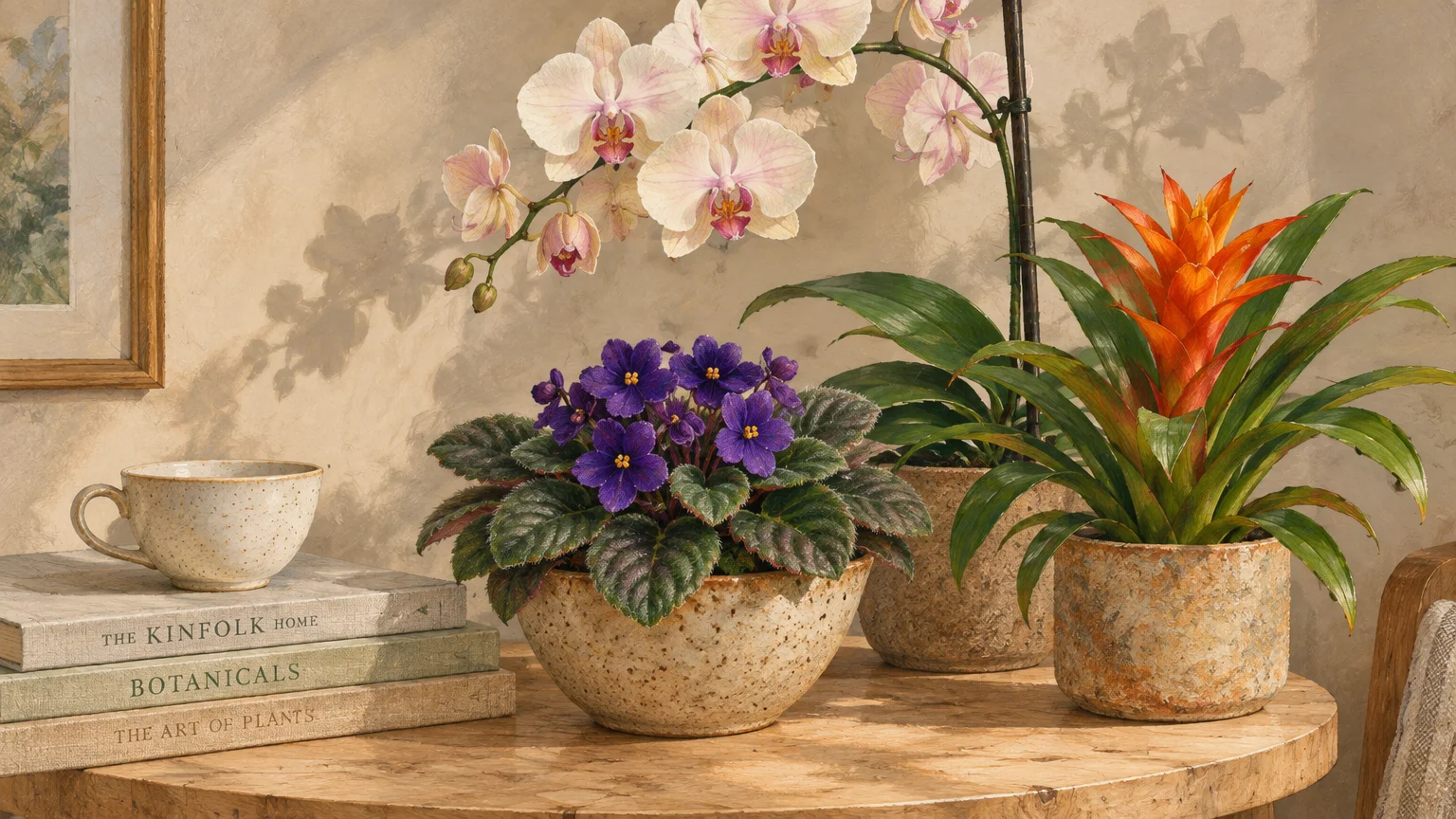
Tip #2: Showcase Vibrant Flowering Houseplants
While green foliage offers calm balance, blooming houseplants inject brilliant splashes of garden colors indoors. Petal shades of magenta, coral, and sunny gold infuse living spaces with cheerful optimism.
African violets thrive on bright windowsills and provide continuous purple, pink, or white blossoms. Their velvet leaves add tactile contrast alongside smooth tabletop surfaces and ceramic decorative objects.
Moth orchids provide elegant blooms that endure for several months with minimal intervention. Position them on coffee tables or fireplace mantels to introduce sculptural refinement and exotic color.
Bromeliads offer fiery central flower bracts in scarlet, tangerine, and electric yellow. Their striking silhouettes and drought tolerance make them dependable centerpieces for sunny living areas.
Feed your flowering companions with a balanced, diluted bloom-boosting fertilizer during active growth seasons. Regular nutrients stimulate bud production and ensure vivid petal pigmentation throughout the year.
Deadhead spent flowers promptly to redirect plant energy into fresh bud formation. This simple maintenance habit keeps your interior floral accents tidy and continuously productive.
Group flowering containers in odd numbers on side tables to create harmonious visual focal points. Staggering heights draws the eye across your floral vignettes seamlessly.
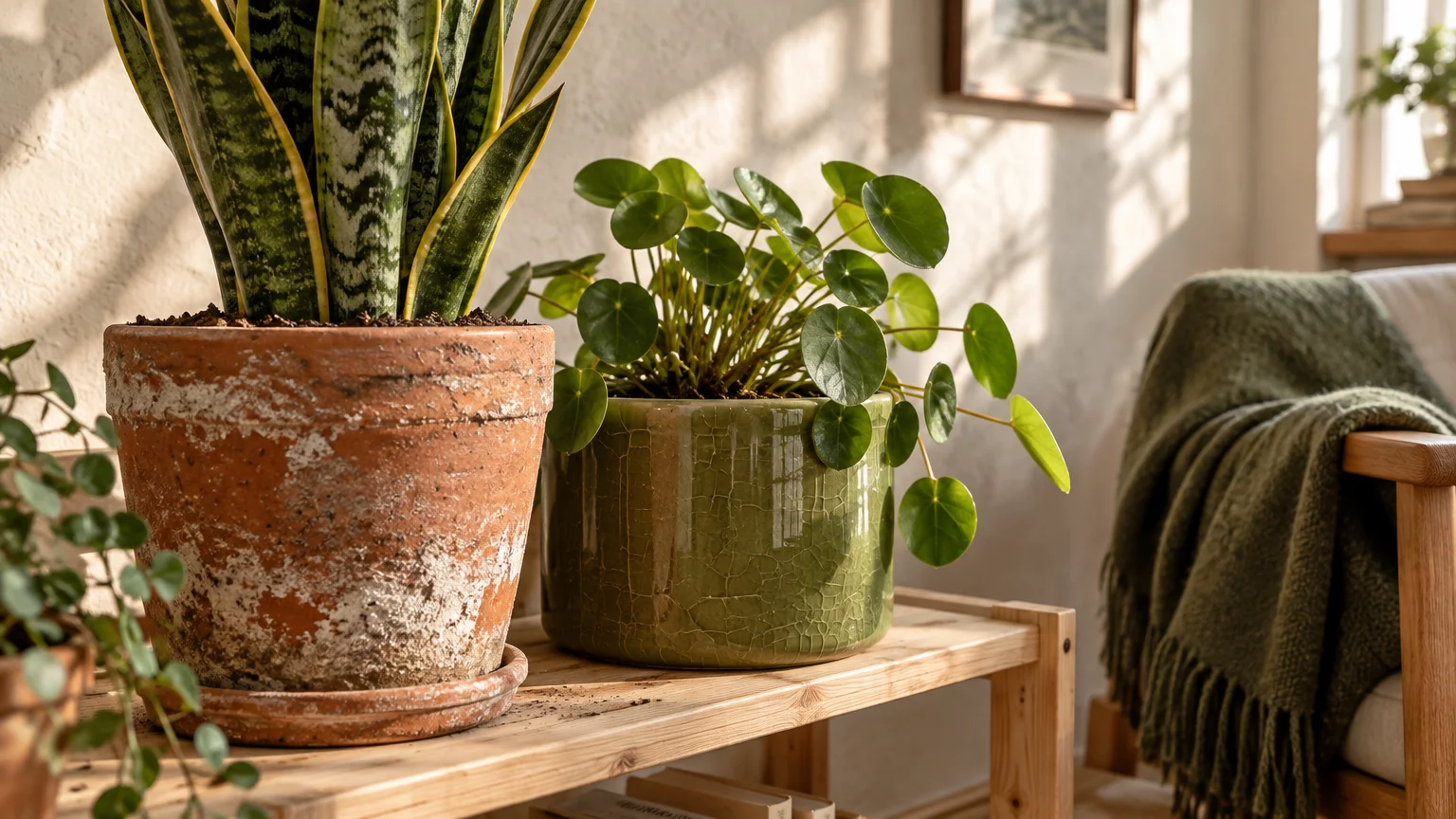
Tip #3: Introduce Earthy Terracotta and Ceramic Planters
The vessels holding your greenery offer an exceptional opportunity to layer authentic outdoor materials into your home. Porous clay containers evoke sunbaked garden paths and Mediterranean courtyard planters.
Unfinished terracotta features a warm, reddish-orange undertone that complements cool green foliage. Over time, natural mineral deposits create a soft patina that adds vintage garden character.
Complement porous clay with glazed ceramic pots finished in moss green, cobalt, or sky blue. Glazed surfaces catch natural sunlight, reflecting radiant color into living spaces throughout the afternoon.
Always choose pots with functional drainage holes to protect root systems from waterlogging. Place matching ceramic saucers underneath each container to safeguard wood floors and tabletop surfaces.
Vary the shapes and heights of your pottery collection on plant stands and credenzas. Combining squat urns with tall pedestals produces an organic, collected-over-time aesthetic.
This earth-toned foundation supports your nature inspired decor by reinforcing organic visual weight. It establishes a grounded atmosphere that feels connected to outdoor soil and stone.
Top dress your potting mix with smooth river pebbles or tumbled lava rock for a polished finish. This decorative layer prevents soil erosion during watering and locks in ambient root moisture.
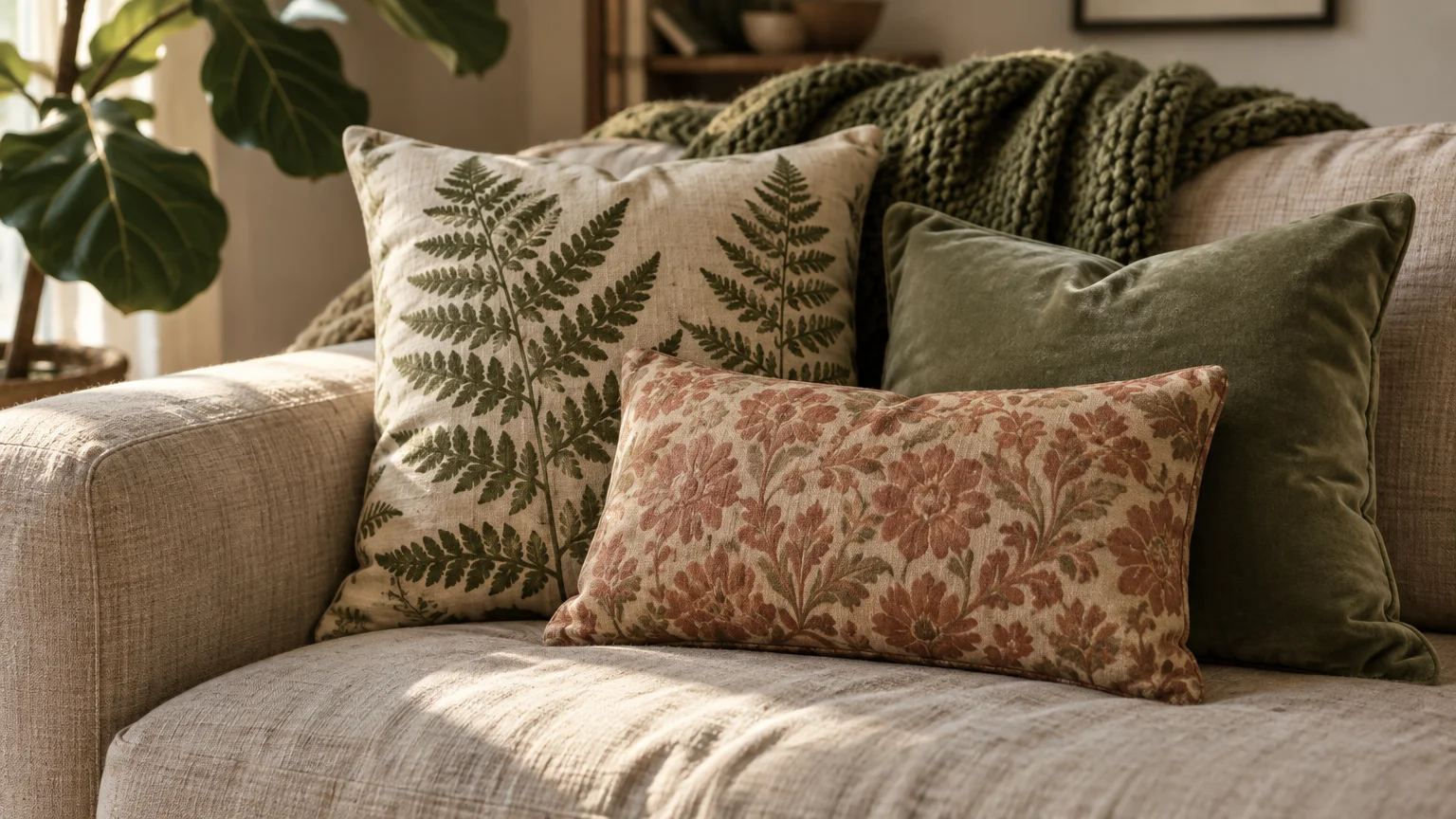
Tip #4: Style Botanical Textiles and Accent Pillows
Soft furnishings offer a versatile, non-permanent medium for introducing rich garden shades to your living room. Swapping out decorative cushion covers allows you to reflect changing outdoor seasons effortlessly.
Choose throw pillows featuring delicate fern prints, oversized palm fronds, or classic wildflower motifs. These botanical designs soften rigid furniture lines while adding tactile comfort to sofas and armchairs.
Incorporate woven blankets crafted from natural linen or slub cotton in sage and olive tones. Draping a forest-toned throw over a neutral couch establishes an instant connection to woodland scenery.
Layer patterned window drapery in botanical prints to frame your outdoor garden views. Sheer botanical panels filter incoming light softly, casting delicate leaf shadows across interior floors.
Balance bold floral patterns with solid, textured fabrics to avoid overwhelming your seating area. A single floral print flanked by two solid moss-green pillows maintains elegant symmetry.
Select high-quality, washable fabric covers so you can easily refresh them after heavy daily use. Durable cotton canvas and linen blends resist fading from indirect sunlight near living room windows.
Introduce an area rug woven with botanical borders or mossy abstract gradients under your coffee table. This anchors your seating arrangement in earthy textures reminiscent of lush garden turf.
Tip #5: Display Pressed Flowers and Botanical Wall Art
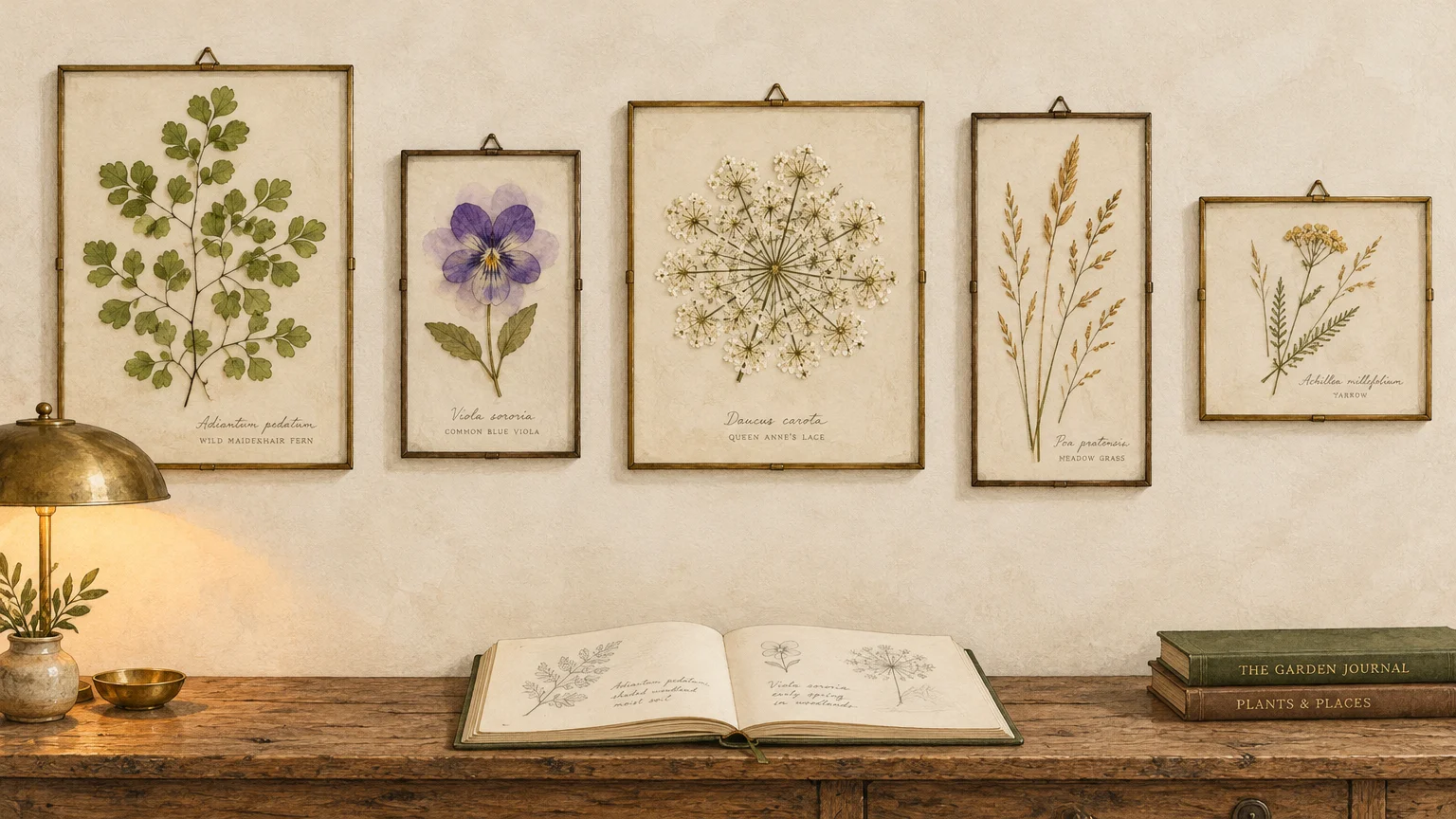
Preserving blossoms from your own landscape turns ephemeral garden beauty into permanent interior artwork. Framed botanical specimens celebrate nature’s intricate architecture on living room gallery walls.
Collect flat blooms like pansies, cosmos, and delphiniums on dry, sunny mornings. Press them between sheets of absorbent blotting paper inside heavy books for two to three weeks.
Mount dried petals and delicate fern fronds between double-paned glass frames for a floating effect. The transparent borders let wall colors show through, creating an airy and sophisticated presentation.
Mix pressed specimens with vintage botanical illustrations that depict regional trees and garden perennials. Antique-style copper or wooden frames lend historic gravitas to your curated art collection.
Hang framed botanical prints in tight geometric grids above a sofa to make a dramatic visual statement. Consistent framing unifies diverse floral illustrations into a cohesive decorative feature.
Position your framed plants away from direct southern sunlight to prevent petal colors from fading. Indirect ambient lighting preserves delicate pigments so your floral artwork retains vivid beauty for years.
Label your pressed specimens with their scientific and common names using neat calligraphy. This classic horticultural touch adds educational charm and authentic botanical elegance to your display.
Tip #6: Incorporate Natural Wood and Woven Fibers
Garden aesthetics extend beyond floral pigments to include raw organic textures like wood and bark. Integrating natural lumber elements establishes an earthy foundation that makes botanical greens pop.
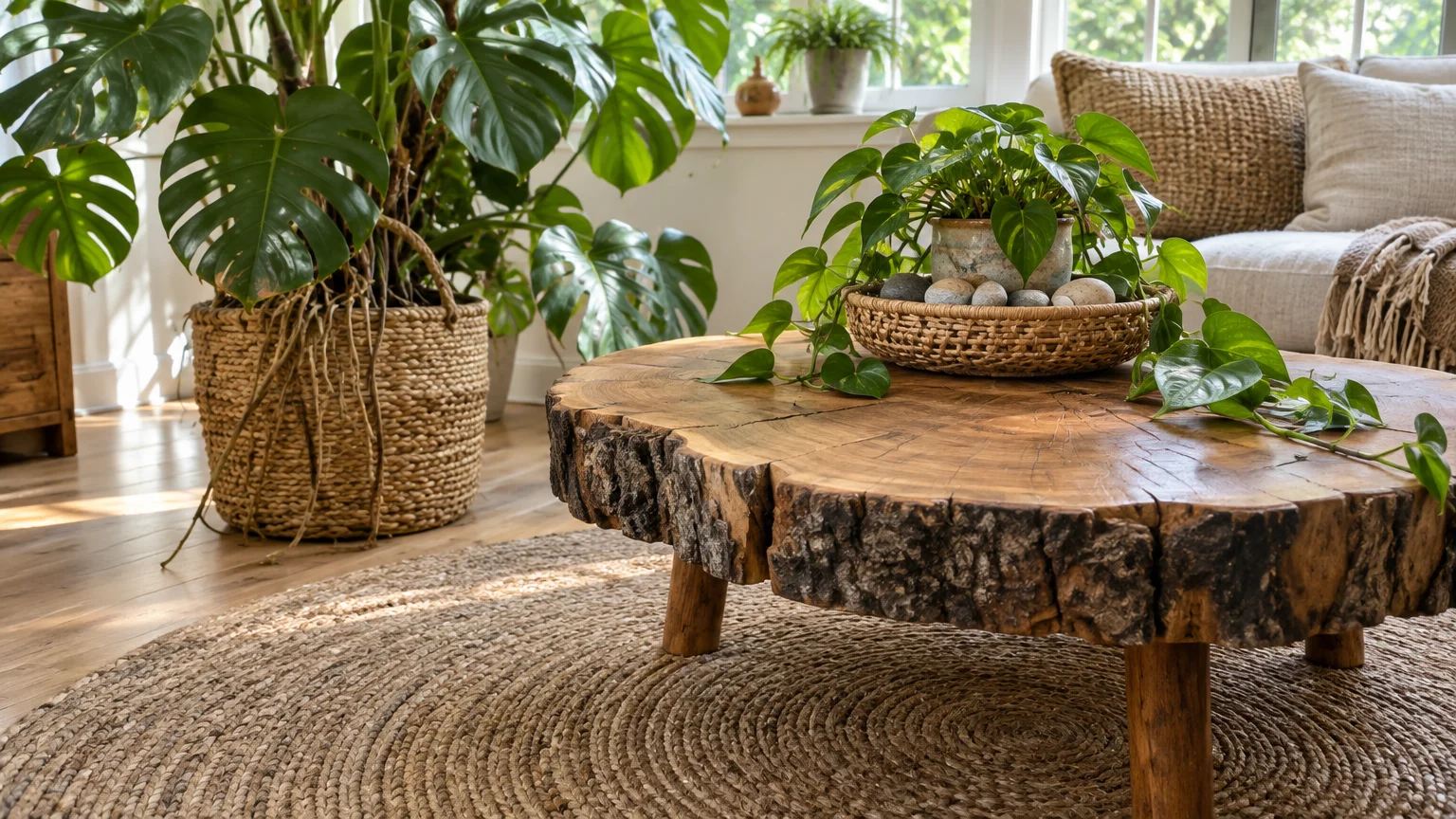
Introduce a live-edge wooden coffee table crafted from salvaged oak, walnut, or cedar. Visible grain patterns and natural knots evoke the organic imperfections found in outdoor forests.
Incorporate woven storage baskets made from seagrass, water hyacinth, or natural jute. These tactile containers hide living room clutter while mimicking the woven texture of traditional garden harvesting trugs.
Use woven rattan accent chairs or woven cane lamp shades to introduce warm golden tones. These breathable outdoor materials bring outdoors inside, cultivating a relaxed garden-room ambiance.
Select raw or lightly oiled timber finishes over glossy, high-build lacquers. Matte wood surfaces showcase natural woodgrain textures and age with graceful organic patina over time.
Group turned wooden bowls on shelves to display garden stones, pinecones, or dried seed pods. These sculptural organic accents remind you of daily walks through natural landscapes.
Treat unsealed interior wood surfaces with food-safe mineral oil or beeswax polish twice a year. Proper conditioning preserves rich timber tones and prevents cracking in conditioned indoor air.
Tip #7: Arrange Fresh Cut Stems and Seasonal Blooms
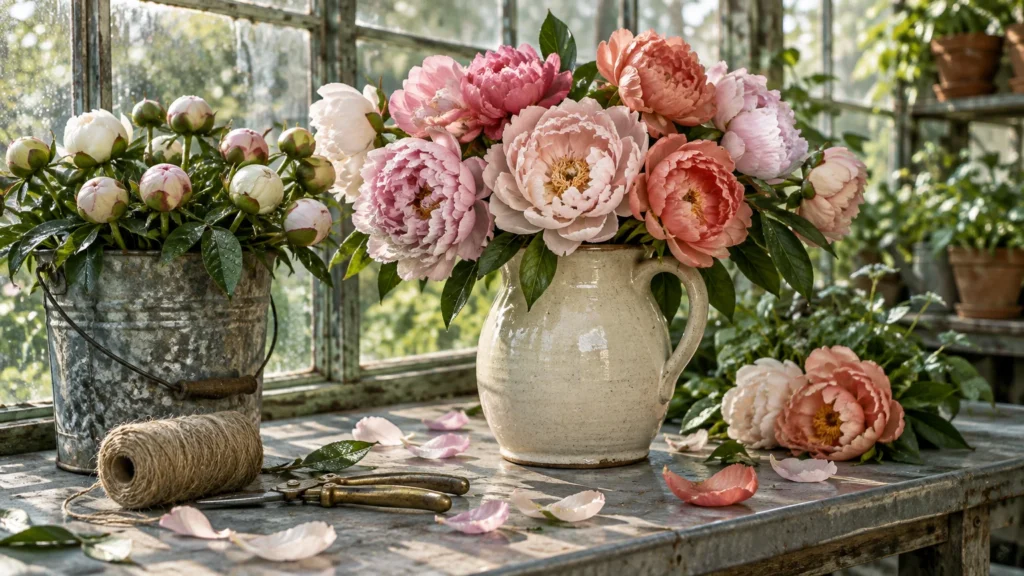
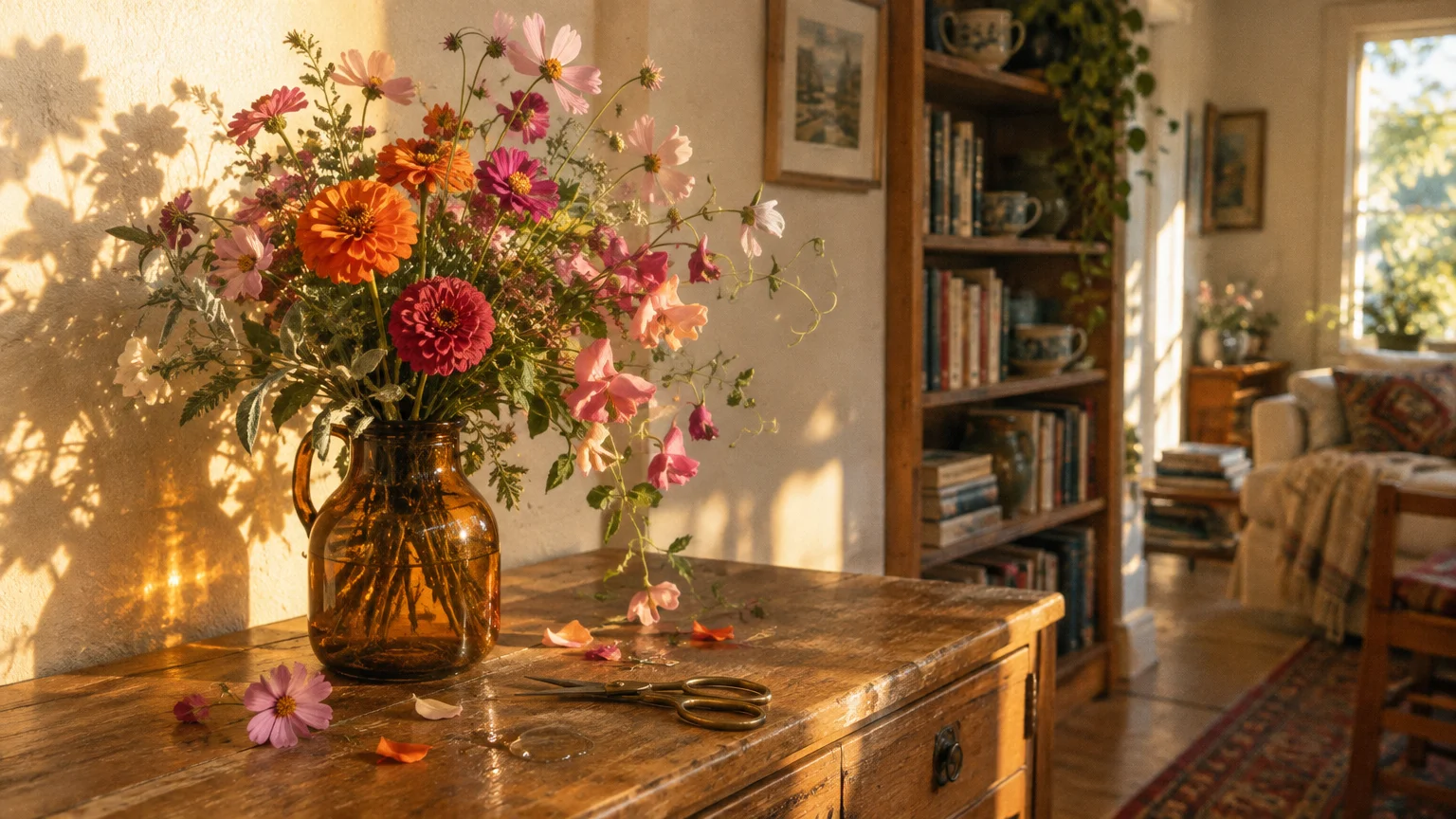
Nothing captures the authentic rhythm of nature quite like vases filled with freshly clipped garden stems. Rotating arrangements weekly allows your living room to celebrate each distinct horticultural season.
Clip flowering branches like lilacs or forsythia in early spring to usher in sweet fragrance and pastel tones. In high summer, transition to vibrant zinnias, sunflowers, and scented garden roses.
Do not overlook foliage branches when arranging vases for side tables and mantels. Stems of eucalyptus, smoky cotinus, or hosta leaves provide sculptural longevity and cool green depth.
Cut stems in early morning when plants remain fully hydrated from cool night temperatures. Make clean, 45-degree diagonal cuts using sharp pruning shears to maximize water uptake in vases.
Strip all foliage below the waterline to prevent bacterial growth and extend vase freshness. Refresh vase water every two days to keep your garden arrangements vibrant and odor-free.
Display stems in clear glass carafes or rustic ceramic pitchers across your main living zones. Spreading small arrangements across multiple surfaces creates a continuous flow of natural color.
Add floral preservative packets to vase water to nourish blooming stems and deter cloudy bacteria. This simple step keeps delicate flower petals turgid and radiant for up to two weeks.
Tip #8: Paint an Accent Wall in a Garden-Inspired Hue
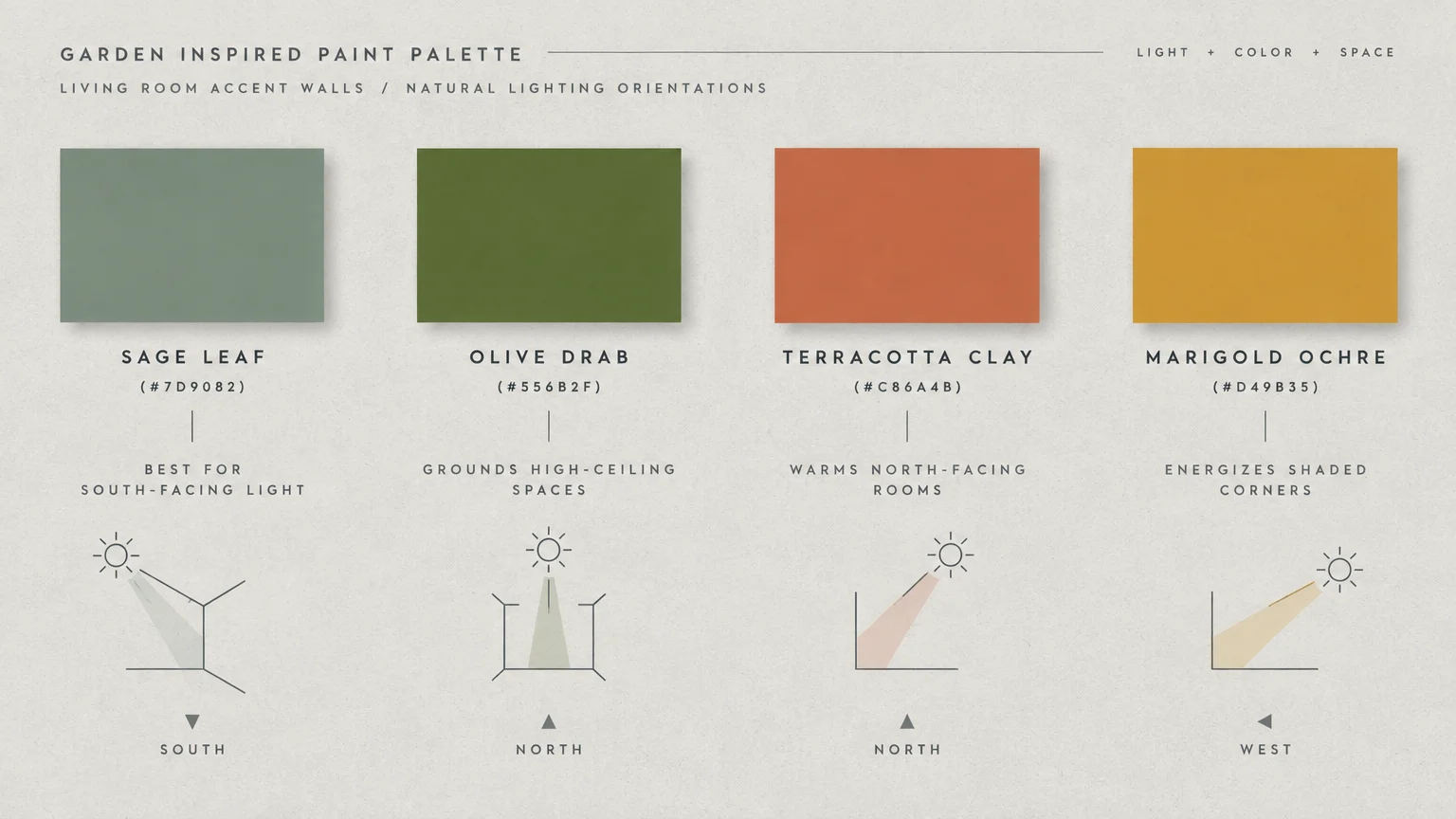
Painting a single feature wall provides an expansive canvas to anchor your botanical living room. Selecting colors drawn from the garden creates an immersive background that envelops the room in serenity.
Soft sage green offers a tranquil, versatile backdrop that makes white trim and wood furnishings pop. It reflects natural daylight cleanly without overwhelming smaller spaces or clashing with existing decor.
Deeper olive or moss tones evoke dense forest canopies and create a cozy, dramatic ambiance. These richer shades pair exceptionally well with warm brass light fixtures and potted foliage.
If you prefer warm tones, choose a muted terracotta hue inspired by sunlit courtyard bricks. Terracotta wall paint radiates comforting warmth and flatters leafy houseplants positioned in front of it.
Test large paint swatches on your living room walls before committing to a final shade. Observe how shifting morning sunlight and artificial evening lamps alter the color tone across the day.
Select an eggshell or matte finish to avoid harsh light glare across your colored surface. Low-sheen paint formulations absorb ambient light softly, mimicking the velvety texture of natural plant leaves.
Apply two uniform coats of low-VOC paint over a reliable primer for rich, enduring color saturation. Quality paint formulations resist scuffs and wash clean easily when household dust settles.
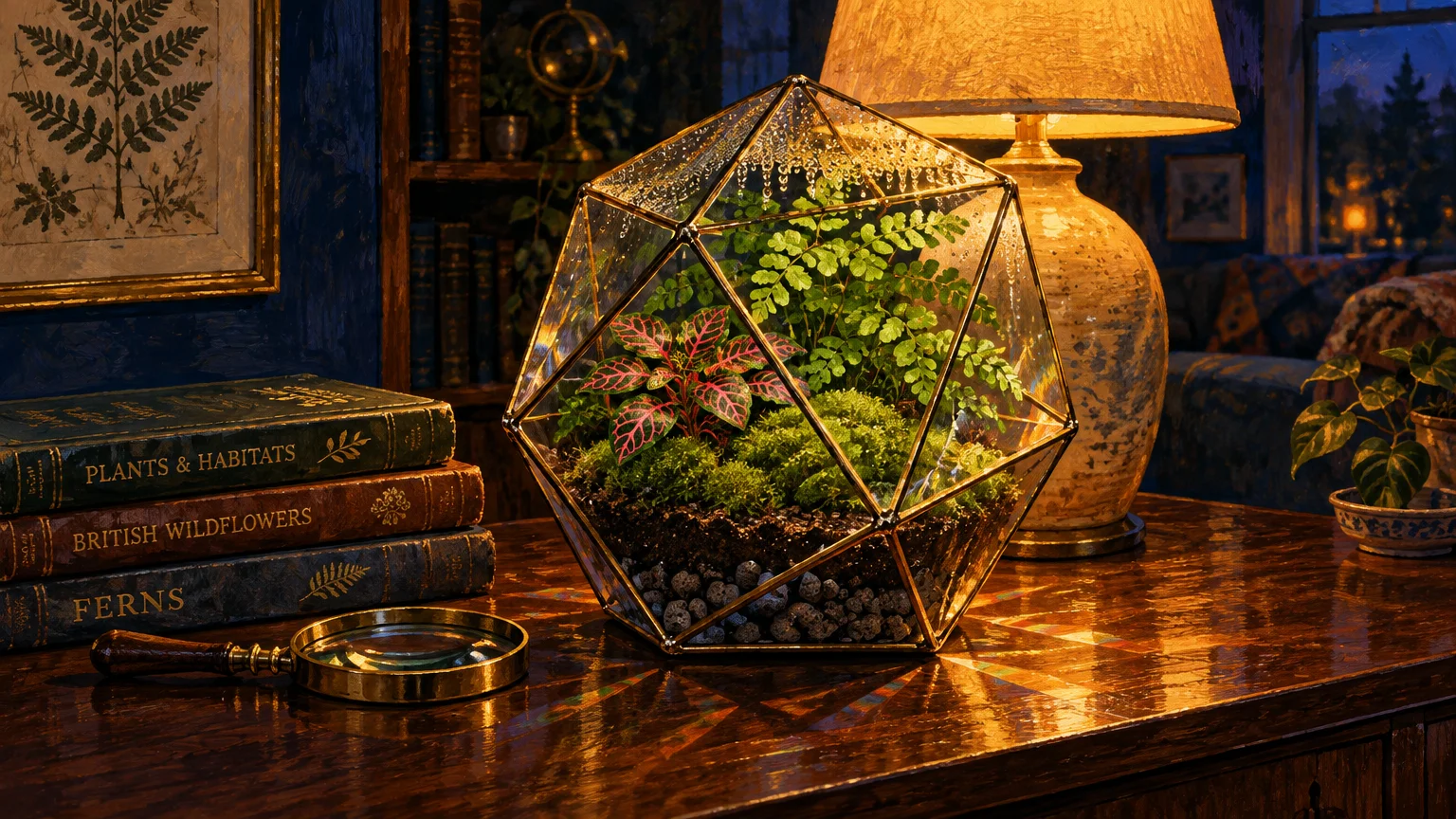
Tip #9: Layer Light with Garden-Style Glass Terrariums
Glass terrariums act as miniature indoor greenhouses that capture natural light while showcasing intricate micro-gardens. Placing glass vessels on tabletops creates jewel-like focal points packed with vivid living color.
Choose enclosed glass jars or geometric brass Wardian cases to establish a classic nineteenth-century botanical aesthetic. Clear glass walls trap humidity, allowing moisture-loving mosses and miniature ferns to flourish.
Build an active drainage foundation using small pea gravel topped with activated horticultural charcoal. This essential filtration layer prevents stagnant water accumulation and keeps enclosed soil sweet and healthy.
Populate your terrarium with contrasting textures like fittonia, maidenhair ferns, and lush cushion moss. The striking pink or white vein patterns of fittonia inject subtle floral charm into the green landscape.
Position terrariums where they receive bright, indirect light rather than scorching direct sun rays. Glass containers magnify intense direct heat rapidly, which can scorch delicate miniature foliage.
Mist your enclosed micro-ecosystem lightly every few weeks using distilled water to prevent mineral spots. Clean the outer glass surfaces regularly with a microfiber cloth to maintain crystal clarity.
Add decorative river stones, miniature bark chunks, or polished crystals to complete the miniature tableau. These artistic details turn a basic glass container into a captivating living sculpture.
Putting It All Together: Enjoy Your Beautiful Garden
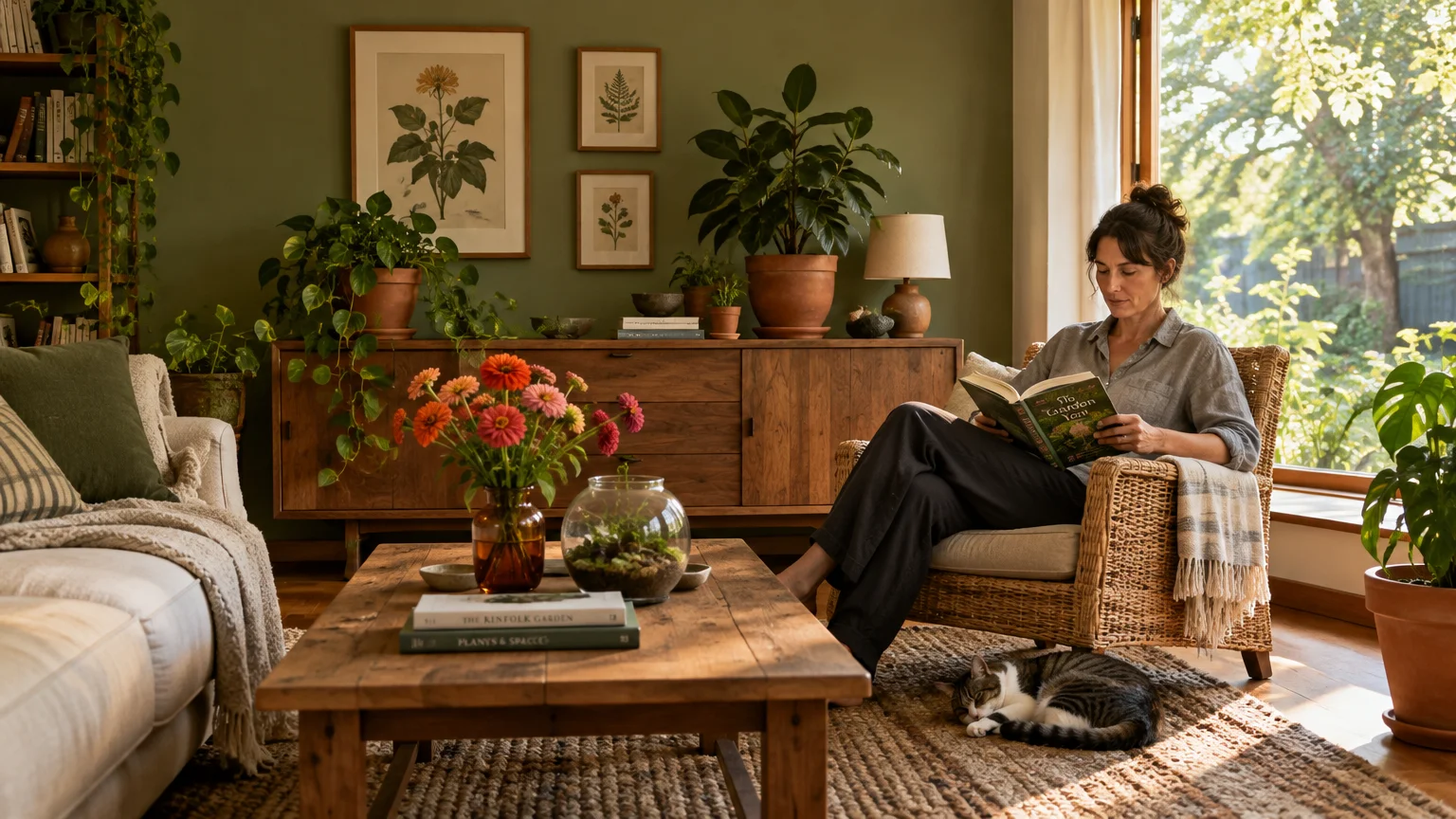
Transforming your living room into a botanical oasis does not require an immediate, whole-room overhaul. Start by introducing one or two living houseplants alongside earth-toned ceramic planters.
As you grow confident, layer botanical textiles, rich wall colors, and freshly cut garden blooms. Mixing organic textures like wood and woven wicker unifies these diverse elements into a cohesive haven.
Pay attention to how incoming seasonal daylight interacts with your botanical accents throughout each month. Adapting your indoor display to seasonal shifts keeps your living space dynamic, fresh, and restorative.
Surrounding yourself with garden-inspired tones cultivates daily serenity and a deeper appreciation for the outdoors. Enjoy the revitalizing calm that comes from living in harmony with nature every day.
Frequently Asked Questions
Which houseplants provide the most colorful foliage for a living room?
Aglaonemas, crotons, and coleus offer exceptional non-green foliage colors that rival outdoor flower beds. Aglaonemas tolerate moderate indoor light while displaying striking pink, red, and cream leaf variegation.
Crotons produce brilliant shades of crimson, gold, and orange when placed in bright, sunny windows. Their glossy leaves bring dynamic autumn garden tones indoors throughout the entire calendar year.
How do I choose the best green paint shade for a low-light room?
For rooms with limited natural light, opt for warm sage or muted olive tones with yellow undertones. Avoid cold blue-greens, which can read as dreary gray in shadowy living rooms.
Light-reflective sage paint bounces ambient lamp light across walls, making the room feel open and welcoming. Always test swatches on multiple walls to verify how the hue responds to artificial fixtures.
How can I bring garden colors inside without caring for live plants?
You can capture outdoor beauty using botanical wall art, patterned throw pillows, and preserved moss installations. Dried botanical stems, pressed flower frames, and landscape photography also evoke vibrant garden serenity without maintenance.
Additionally, styling high-quality faux olive trees or faux fiddle-leaf figs delivers organic greenery with zero watering. Pair them with woven baskets and terracotta pottery for an authentic garden aesthetic.
What are the easiest cut flowers to grow for living room arrangements?
Zinnias, cosmos, and sunflowers are exceptionally easy annuals that produce abundant blooms for indoor cutting. They germinate quickly from seed and bloom continuously from early summer until the first autumn frost.
Perennials like hydrangeas, coneflowers, and black-eyed Susans provide dependable, low-maintenance stems year after year. Harvest them in the early morning for long-lasting vase displays that brighten your living area.
For region-specific advice, consult your local University Extension program (find yours via the USDA directory). For plant databases and inspiration, visit the Missouri Botanical Garden or the Royal Horticultural Society.
Disclaimer: This article provides general gardening advice, so always consider your specific climate, soil conditions, and local pests. Follow safety guidelines when using gardening tools and products.