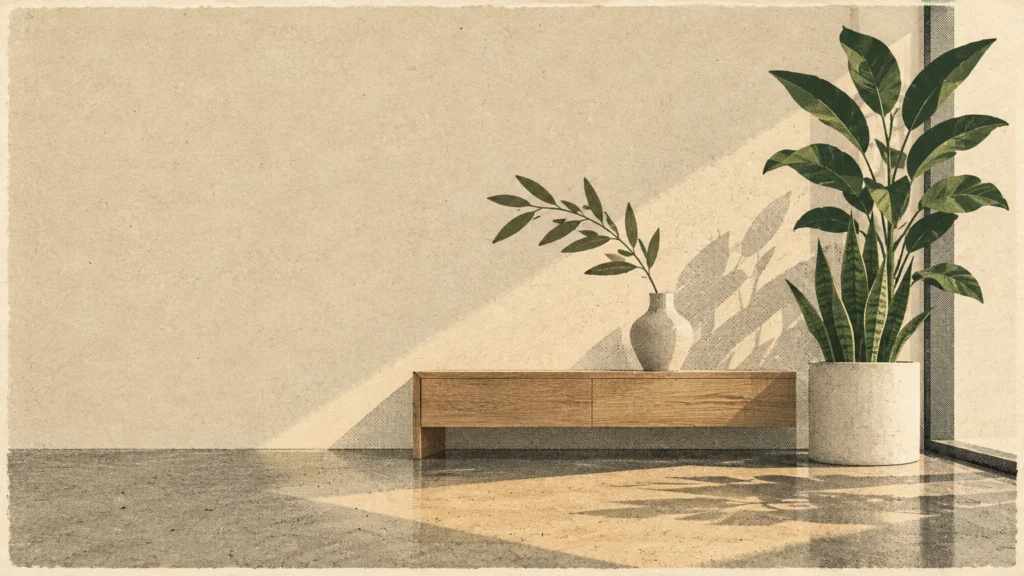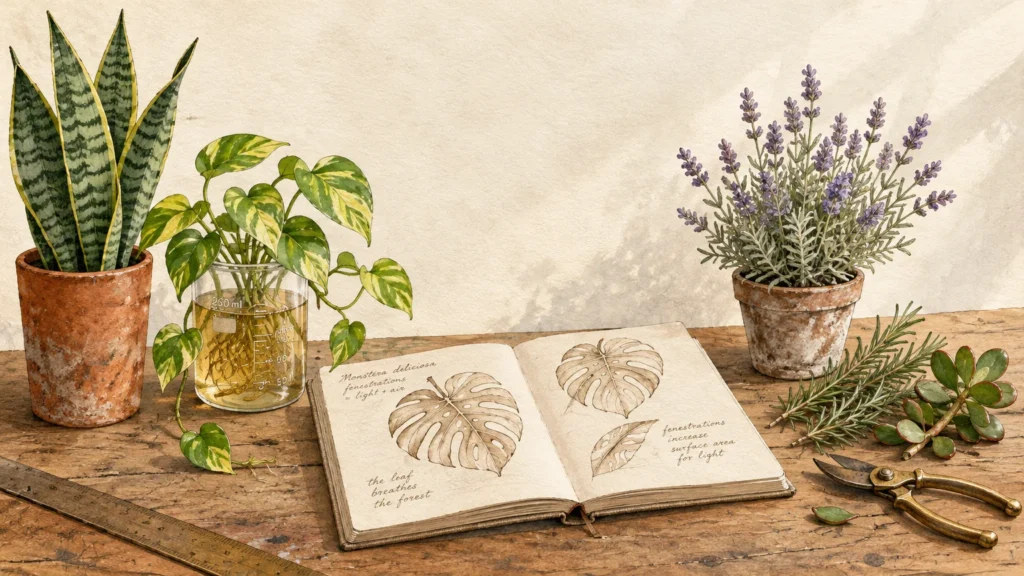
You can transform an awkward nook into a breathtaking living centerpiece with the right greenery. Placing vibrant plants for empty corners brings instant warmth, texture, and organic balance to your home.
Bare walls often leave a room feeling disjointed and unfinished. Thoughtful corner houseplants solve this decorating dilemma effortlessly by softening sharp architectural angles with lush foliage.
Whether your space receives brilliant sunshine or quiet shade, versatile indoor plant ideas can revitalize your decor. Let us explore the best botanical companions to elevate your living areas today.
Tip #1: Fiddle-Leaf Fig (Ficus lyrata)
The fiddle-leaf fig stands as an iconic centerpiece among large houseplants. Its broad, violin-shaped foliage creates a bold vertical statement that commands attention in any living room.
If your empty corner sits near a sunny window, this architectural tree will thrive. It craves generous amounts of bright, filtered sunlight throughout the day to sustain its massive leaves.
Water your tree only when the top few inches of potting mix feel dry. Consistent moisture without waterlogging prevents sudden leaf drop and maintains lush green vitality.
Place your fiddle-leaf fig in a heavy ceramic planter to anchor the corner visually. Rotating the pot a quarter turn each week encourages balanced, symmetrical growth toward the light.
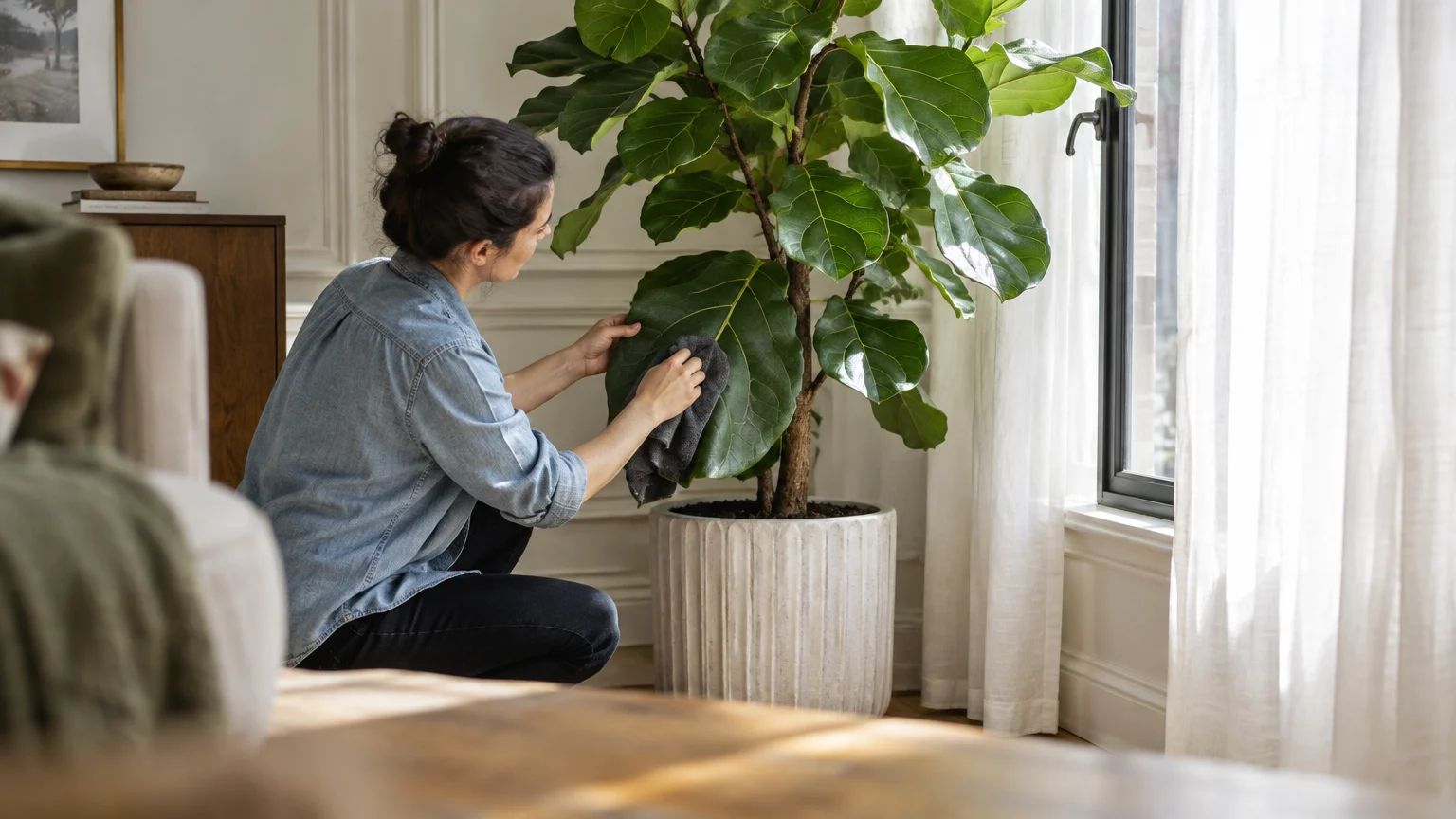
Wipe the broad leaves regularly with a damp microfiber cloth to remove settled dust. Clean foliage absorbs ambient light far more efficiently; it also deters persistent indoor pests.
Keep this striking specimen well away from cold drafts and heating vents. Consistent indoor temperatures allow the tree to focus its energy on producing magnificent, glossy leaves.
Prune the top stem once your plant reaches your preferred ceiling height. This simple trim stimulates lateral branching, producing a fuller canopy that occupies vertical space beautifully.
Always use a potting container with ample drainage holes to protect root health. Proper drainage ensures your statement tree remains vigorous and resistant to fungal complications.
Tip #2: Snake Plant (Sansevieria trifasciata)
The snake plant offers an impeccably clean, upright silhouette that slots effortlessly into tight spaces. Its sword-like, variegated foliage provides strong architectural interest without crowding nearby walkways.
This succulent ranks among the most adaptable corner houseplants you can cultivate indoors. It tolerates deep shade just as gracefully as it accepts bright, unfiltered sunbeams.
Busy schedules rarely harm this rugged survivor because its fibrous leaves store reserves of water. You only need to hydrate the soil once it dries out completely.
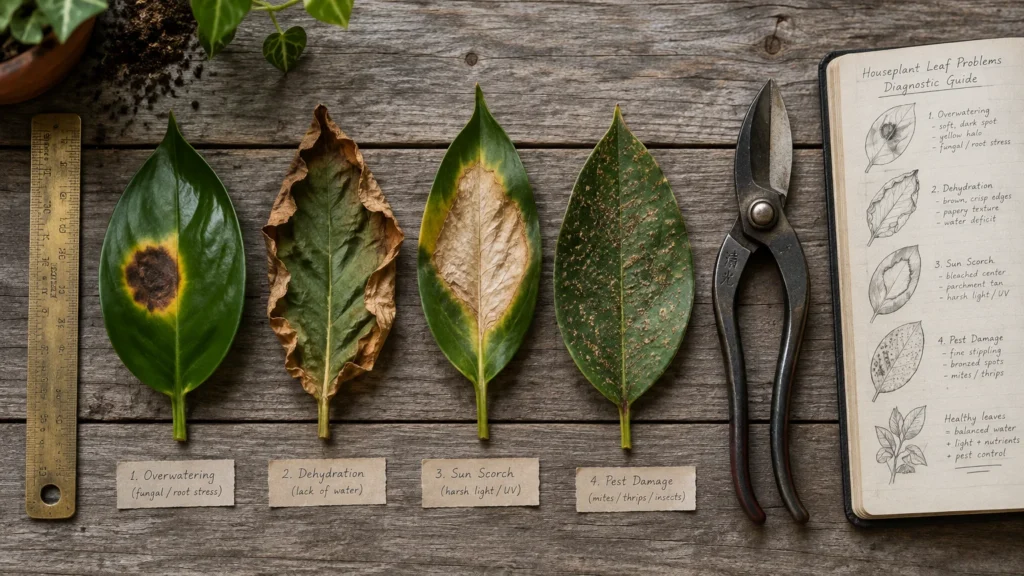
Overwatering poses the greatest risk to this durable plant. Empty any excess water from the drainage saucer immediately to keep the root system firm and healthy.
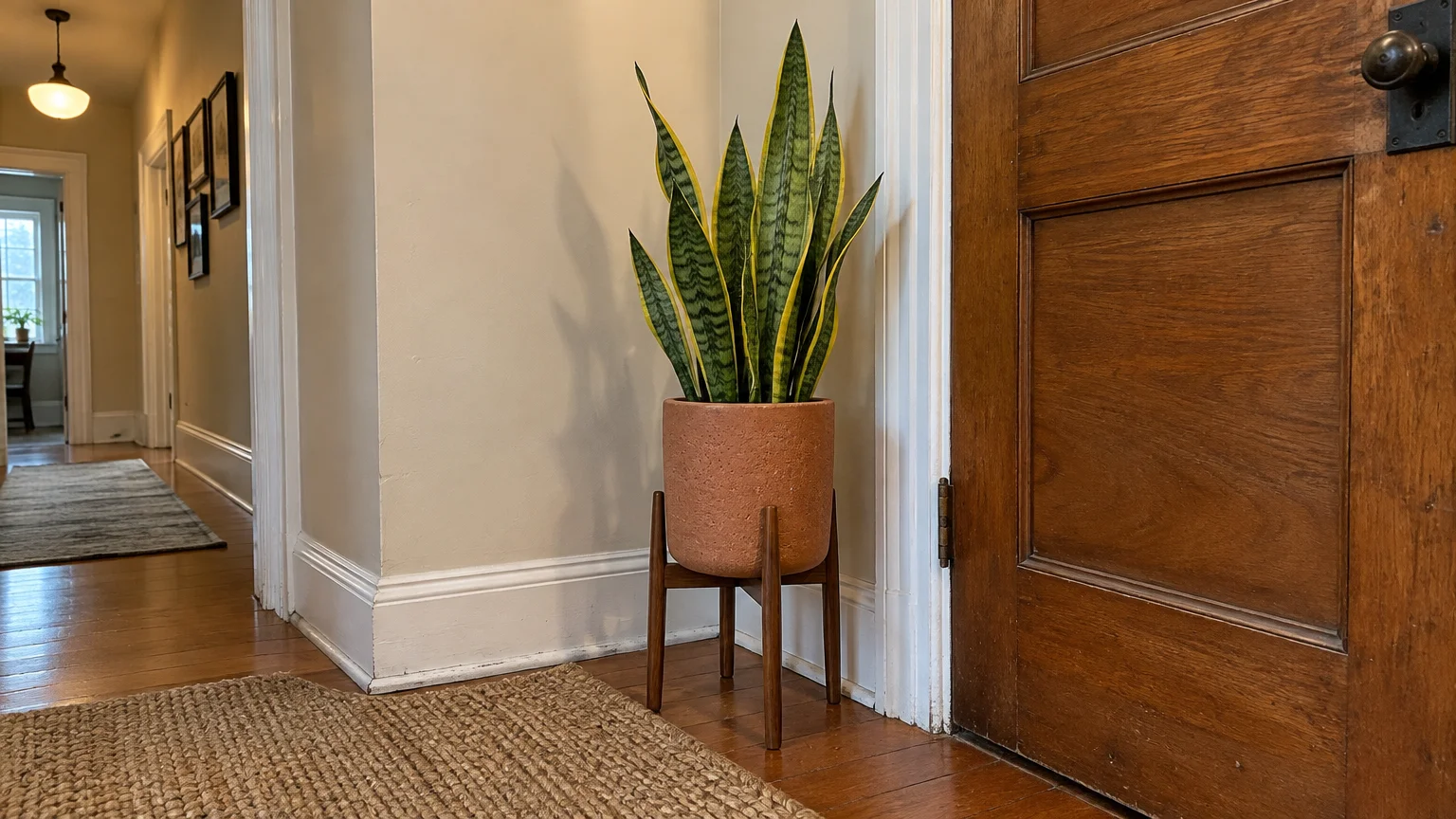
Elevate your snake plant on a slender wooden stand to enhance vertical proportions. This slight elevation lifts the foliage, bringing vibrant green and gold tones directly to eye level.
Wipe down the upright spears occasionally to keep them free from household dust. The crisp margins and banded patterns will gleam attractively under your room’s ambient lighting.
Choose a heavy terracotta container that allows trapped soil moisture to evaporate through the porous clay. The weight of terracotta also prevents top-heavy stems from tipping over.
Decorating with plants like the snake plant instantly refreshes dim hallways and quiet bedroom corners. Its dependable nature provides peace of mind alongside sophisticated interior appeal.
Tip #3: Monstera Deliciosa
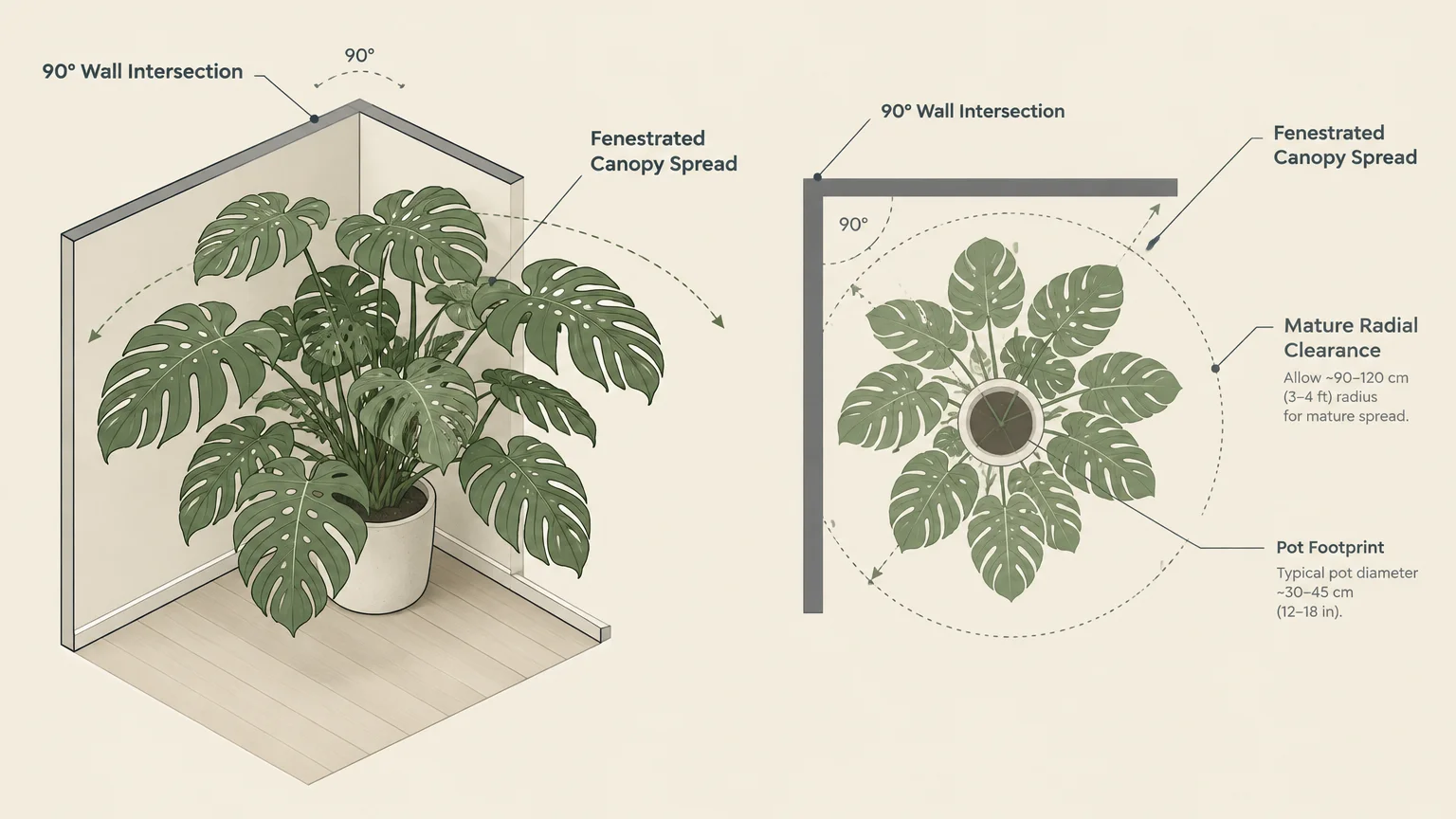
Monstera deliciosa delivers an unmistakably tropical aesthetic with its dramatic, perforated foliage. Its spreading growth habit makes it an exceptional candidate for filling wide, cavernous corners.
In tropical forests, this vigorous climber ascends tree trunks toward the canopy. You can support its natural climbing habit indoors by inserting a sturdy coco-coir or moss pole.
Provide your monstera with moderate to bright indirect sunlight for optimal leaf fenestration. Gentle illumination encourages new leaves to develop those celebrated splits and interior holes.
Water thoroughly whenever the top half of the potting soil feels dry to the touch. Monstera specimens appreciate consistent hydration, though soggy roots will quickly invite leaf discoloration.
Tuck wandering aerial roots back into the soil or wrap them gently around the central pole. This technique anchors the plant securely while helping it absorb ambient moisture.
Pair your monstera with a wide woven floor basket to establish a warm, relaxed mood. The natural fibers complement the deep emerald sheen of its sprawling leaves.
Mist the foliage occasionally or place a humidifier nearby to recreate tropical humidity levels. Added moisture helps tender new leaves unfurl smoothly without snagging or browning.
Prune away older, lower leaves as the plant matures to redirect vital resources upward. This selective maintenance keeps your corner arrangement neat, sculptural, and vigorous.
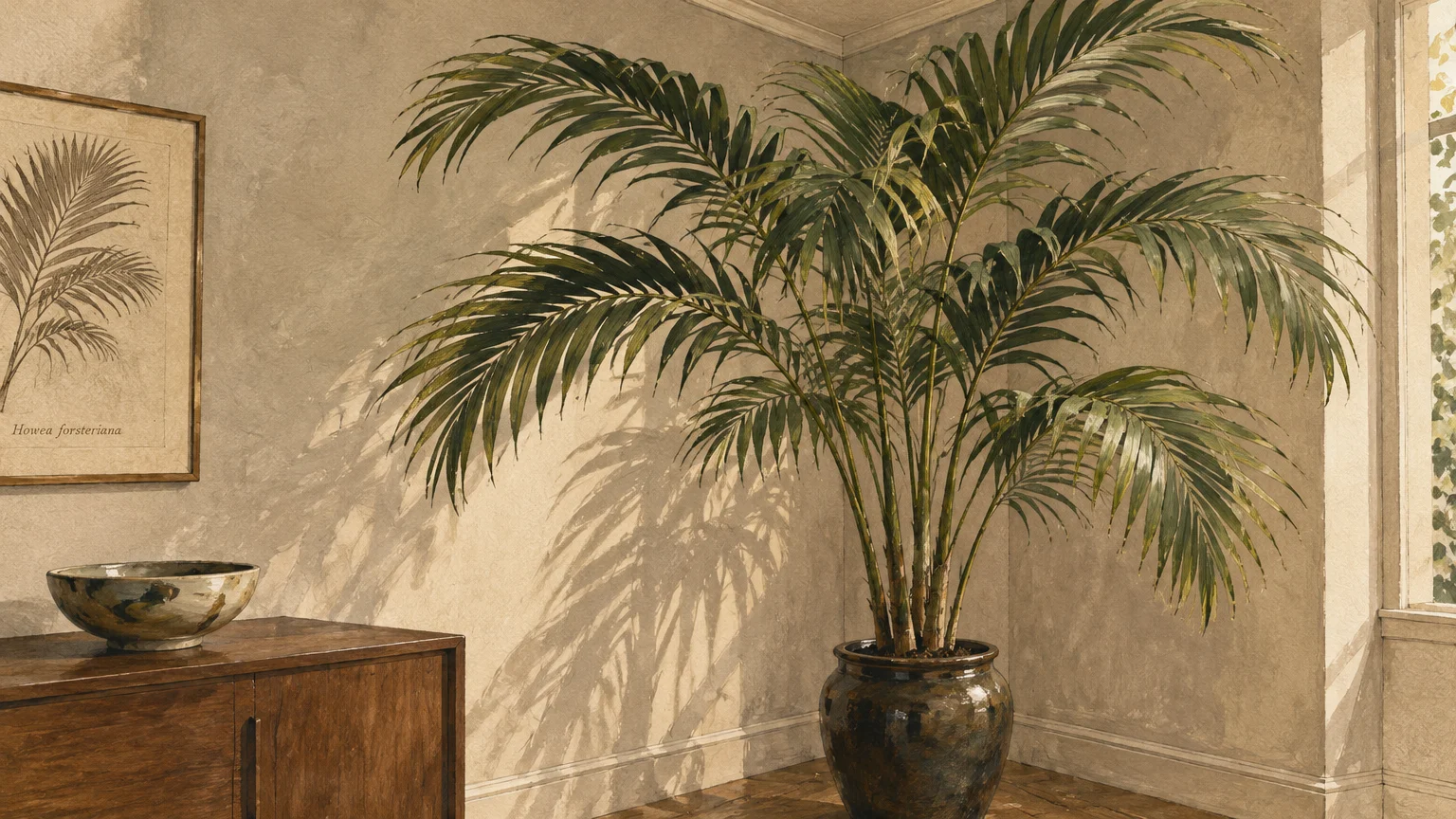
Tip #4: Kentia Palm (Howea forsteriana)
The Kentia palm radiates timeless grace with its arching, feathery fronds and slender canes. It brings an airy, tranquil atmosphere to dim corners without overwhelming the surrounding decor.
Unlike many temperamental palm varieties, the Kentia shows remarkable tolerance for low light and dry household air. It perseveres in quiet corners where fussier species quickly deteriorate.
Position your palm where it receives soft, filtered light or steady indirect brightness. Direct midday sun can easily scorch its delicate leaflets, creating unsightly yellow patches.
Allow the top inch of potting soil to dry before providing a thorough soaking. Kentia palms prefer steady moisture throughout spring and summer, followed by lighter watering during winter.
Because this palm grows at an unhurried pace, it will maintain balanced proportions for years. You can invest in a mature specimen without worrying about rapid overcrowding.
Display your palm in a fluted ceramic container that complements your existing color palette. The spreading fronds soften harsh wall intersections while keeping floor space clear beneath.
Leach the soil with pure water every few months to flush out accumulated fertilizer salts. This simple routine prevents the frond tips from developing dry, brown edges.
Use this elegant palm to soften formal dining areas or frame large corner windows. Its graceful silhouette turns neglected floor space into a soothing, nature-filled haven.
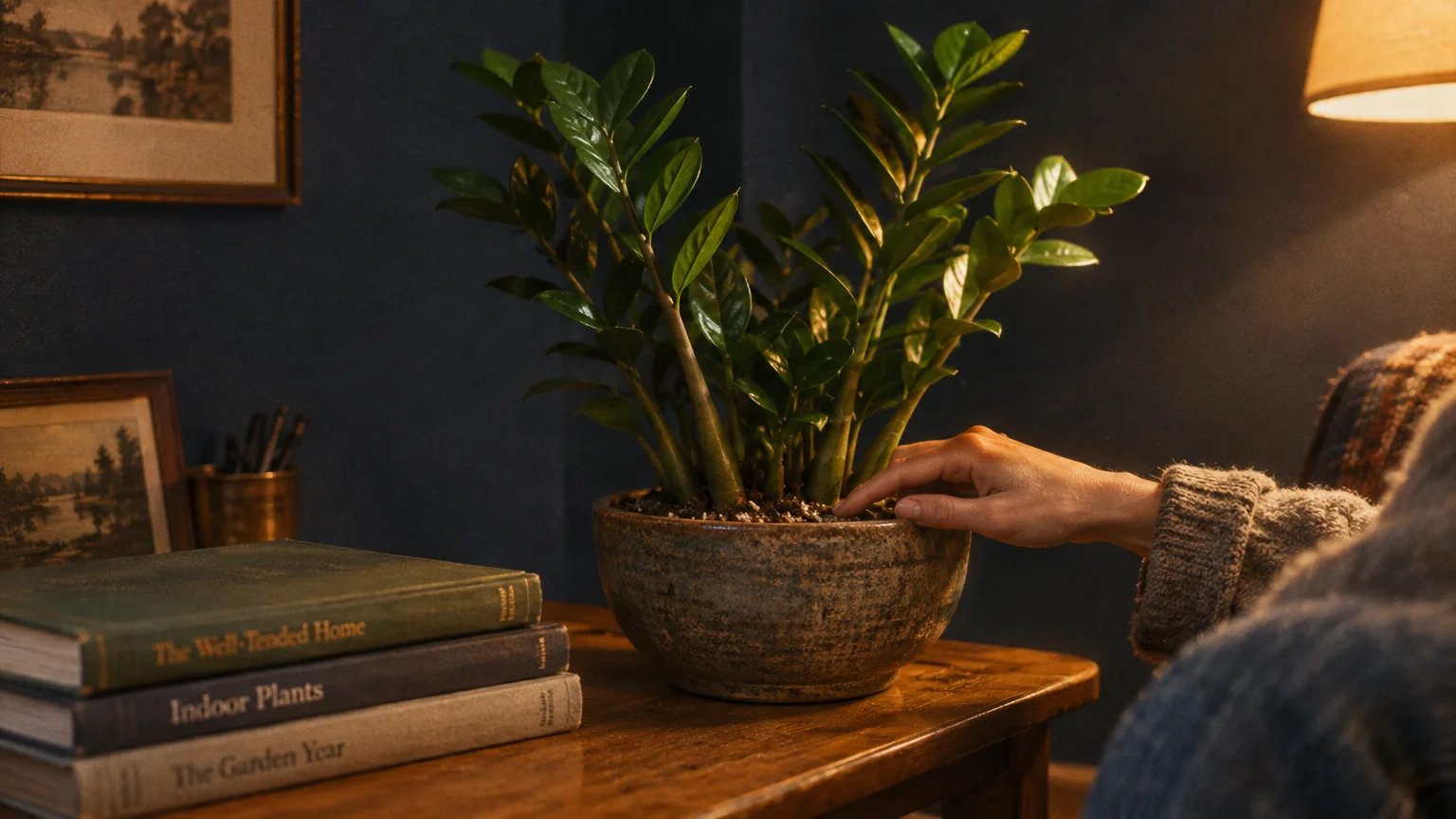
Tip #5: ZZ Plant (Zamioculcas zamiifolia)
The ZZ plant stands out as an exceptionally reliable choice among corner houseplants. Its glossy, zigzagging foliage catches available ambient light, brightening shadowy alcoves with minimal fuss.
Below the soil surface, thick potato-like rhizomes store moisture for extended periods. This drought-resistant mechanism makes the plant wonderfully forgiving if you travel frequently or forget routine waterings.
Place your ZZ plant in low, medium, or filtered light without hesitation. It adapts willingly to almost any indoor lighting situation, including interior offices illuminated entirely by overhead bulbs.
Water sparingly, allowing the potting mix to dry out completely between watering sessions. Excessive soil moisture remains the single hazard that can compromise this nearly bulletproof houseplant.
Its compact, upright posture fits neatly into tight corners beside bookshelves and armchairs. The sturdy stems remain upright, so they will not sprawl into your walkways.
Seek out the dramatic ‘Raven’ cultivar if you desire a sleek, contemporary appearance. Its deep purple-black foliage creates an eye-catching focal point against light-colored walls.
Repot your ZZ plant only when its growing rhizomes begin stretching the container walls. Keeping the roots slightly snug promotes healthy growth and prevents surplus soil from retaining water.
This dependable evergreen asks for little beyond a quick monthly dusting of its leaves. It delivers maximum aesthetic impact with remarkably little maintenance on your part.
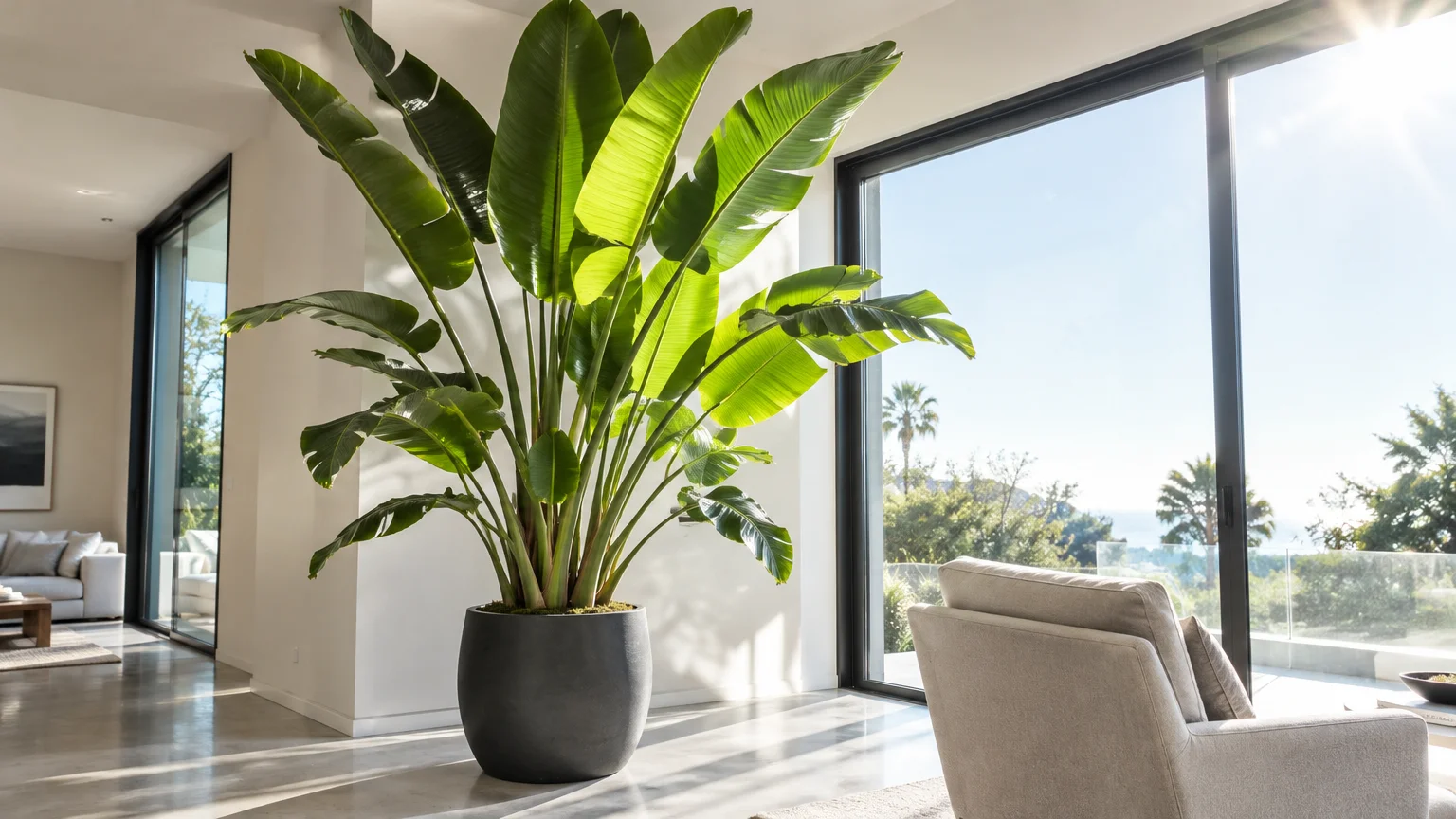
Tip #6: Bird of Paradise (Strelitzia nicolai)
The bird of paradise provides majestic scale with oversized, paddle-shaped leaves that climb skyward. It commands attention effortlessly, transforming an empty corner into an opulent indoor jungle.
This dramatic giant flourishes in corners that receive generous bright light and direct morning sunshine. Strong lighting fuels healthy growth and keeps the towering leaf stems upright and sturdy.
Water thoroughly when the top two inches of soil dry out during the warmer months. Scale back your watering frequency during winter dormancy to protect the extensive root system.
Expect harmless splits to develop along the broad leaf blades as the plant matures. In nature, these splits allow wind to pass freely through the leaves without snapping them.
Anchor your plant in a wide, heavy planter to provide firm stability on the floor. A substantial base prevents tall, heavy leaves from swaying or tipping in high-traffic zones.
Feed your bird of paradise with a balanced liquid houseplant fertilizer once a month throughout spring. Consistent nourishment powers the production of dramatic new leaves all season long.
Underplant your giant specimen with smaller trailing ivy or creeping figs around the soil rim. This two-tiered planting arrangement adds rich depth and boosts ambient humidity around the main stem.
Position this showstopper beneath high ceilings or next to expansive corner windows. Its soaring height draws the gaze upward, instantly expanding the visual boundary of your room.
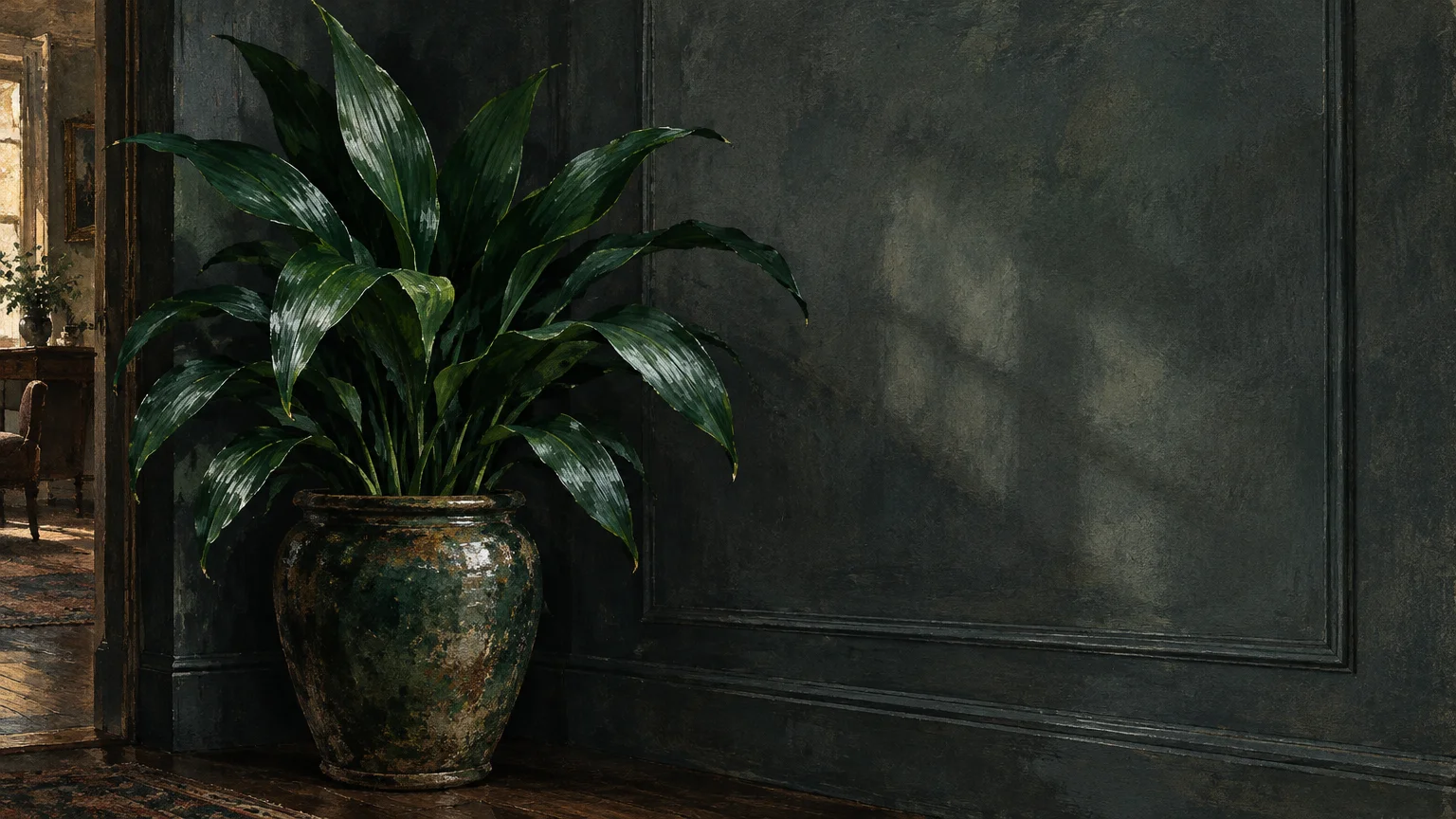
Tip #7: Cast-Iron Plant (Aspidistra elatior)
True to its name, the cast-iron plant handles neglect, low light, and temperature changes with incredible fortitude. It produces broad, deep green leaves that fan out gracefully from the base.
Dim, drafty nooks that would stress other tropical houseplants suit this durable species perfectly. It remains vibrant even in chilly entryways or shaded hallways that lack natural sunlight.
Keep the soil lightly moist throughout the active growing period, but avoid saturated soil. During the winter, let the potting mix dry out almost entirely before adding moisture.
Direct sun exposure quickly scorches or bleaches its handsome emerald foliage. Position this plant in shaded recesses where gentle ambient room light touches it softly.
House your cast-iron plant in a pedestal planter or textured stone container to emphasize its classic charm. Its rich, dark leaves bring timeless elegance to both traditional and modern decors.
Because it grows at an unhurried pace, this plant rarely demands repotting or root disturbance. You can enjoy its steady structural presence without constant gardening interventions.
Wipe the leaves with a soft damp cloth every month to preserve their satiny sheen. Clean foliage maximizes photosynthesis, even under the dimmest indoor lighting conditions.
Combine it with lighter decorative elements, such as a pale floor lamp or polished brass saucer. The deliberate contrast accentuates the plant’s saturated colors against your walls.
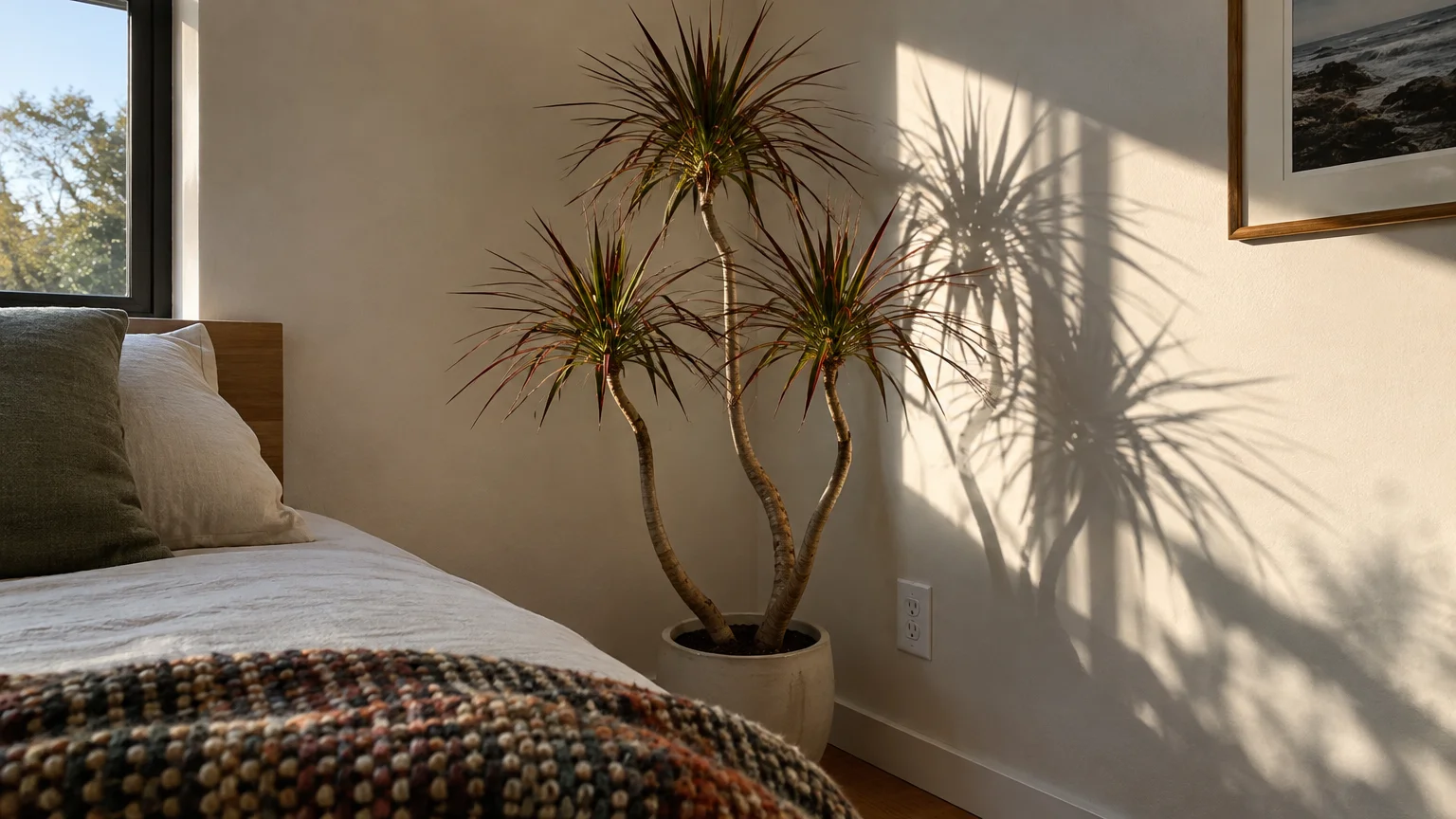
Tip #8: Dragon Tree (Dracaena marginata)
The dragon tree adds an energetic, sculptural presence with its slender wooden canes and crown of spiky foliage. Its narrow profile makes it ideal for tight corners that lack lateral space.
Slender ribbon leaves edged in crimson provide subtle color accents that enliven neutral room palettes. The plant delivers vertical greenery without intruding upon nearby furniture or walkways.
This tough tree prospers in bright indirect sunlight, yet it also tolerates medium and lower light conditions. Avoid intense, direct rays that can singe the narrow leaf tips.
Allow the potting soil to dry down substantially before watering your dragon tree thoroughly. Overly moist soil conditions invite root complications and cause lower leaves to turn yellow.
Tap water containing fluoride or chlorine can sometimes create brown blemishes on delicate leaf tips. Using distilled water or collected rainwater preserves the pristine beauty of the colorful leaf margins.
Select multi-stemmed specimens clustered together in a single large pot. Staggered trunk heights produce a tiered architectural profile that fills vertical wall space with lush texture.
Prune overgrown canes in early spring if your dragon tree eventually touches the ceiling. Fresh foliage clusters will emerge just below the cut point within a few short weeks.
Its striking silhouette introduces modern geometry and vibrant life into forgotten room corners. It serves as one of the most reliable large houseplants for minimalist living areas.
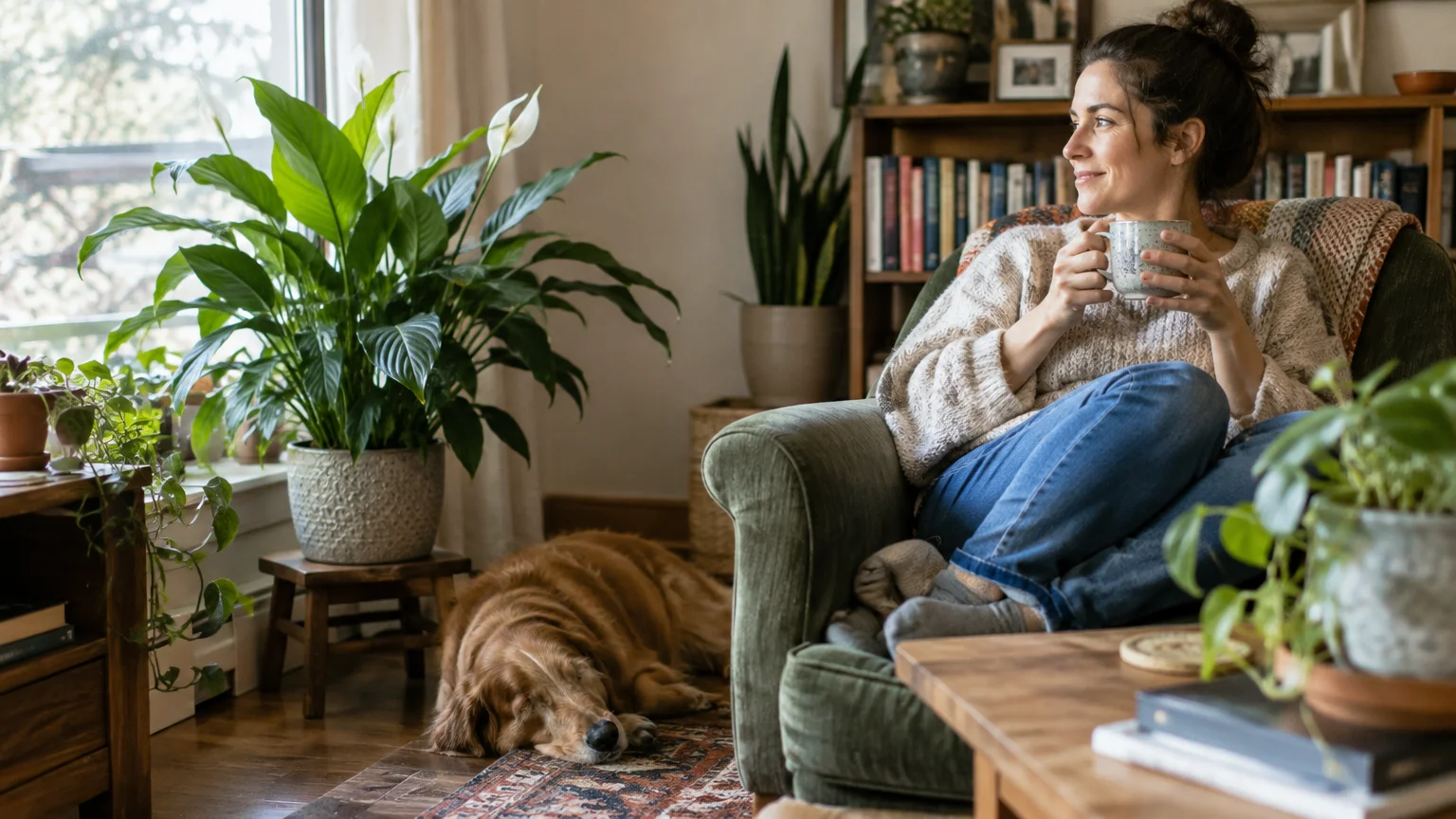
Putting It All Together: Enjoy Your Beautiful Garden
Transforming unused corners with vibrant houseplants elevates your entire home environment. Greenery softens hard angles, injects lively color, and establishes a serene connection to the natural world.
Assess your lighting conditions carefully before selecting your specimen. Matching each plant’s biological needs to your room’s natural environment ensures healthy, vigorous growth for years.
Elevate shorter varieties with decorative plant stands, or let towering statement trees rest directly on the floor. Varying heights and textures creates a dynamic, intentional interior layout.
Don’t hesitate to experiment with contrasting planter materials like terracotta, ceramic, and woven baskets. These textural elements showcase your personal style while supporting your plants’ well-being.
Decorating with plants is an evolving journey of observation, nurturing, and quiet enjoyment. Take time each week to inspect your greenery, wipe leaves, and savor their calming presence.
With the right choices in place, your previously forgotten corners will soon become your favorite visual retreats. Embrace the process and watch your living spaces flourish with botanical vitality.
For region-specific advice, consult your local University Extension program (find yours via the USDA directory). For plant databases and inspiration, visit the Missouri Botanical Garden or the Royal Horticultural Society.
Disclaimer: This article provides general gardening advice; always consider your specific climate, soil conditions, and local pests. Follow safety guidelines when using gardening tools and products.
Frequently Asked Questions
How do I know if my corner receives enough light for houseplants?
Test your corner by holding your hand twelve inches above a piece of paper during midday. A sharp shadow indicates bright light, whereas a soft shadow signals moderate, indirect exposure.
If you see no distinct shadow at all, your corner possesses low light. In that scenario, select shade-tolerant varieties like the ZZ plant or snake plant.
How can I prevent large corner houseplants from leaning toward the room?
Houseplants naturally lean toward the strongest source of ambient illumination. Rotate your container a quarter turn every time you water to promote balanced, upright growth.
You can also install a small grow light overhead to supply directional illumination from above. This overhead lighting keeps tall stems perfectly centered and stable.
What size pot should I choose for an empty corner plant?
Select a planter that accommodates the current root ball with two inches of extra space around the perimeter. Oversized containers hold excessive moisture, which often invites root rot.
If your room needs immediate visual height, place an appropriately sized pot atop a sturdy plant stand. This technique adds vertical presence without risking plant health.
How often should I clean the leaves of corner houseplants?
Wipe your plant’s foliage every two to four weeks using a damp microfiber cloth. Household dust settles rapidly in quiet corners, which reduces the amount of light leaves can absorb.
Regular cleaning also allows you to inspect the undersides of leaves for common pests. Early detection ensures quick treatment and keeps your indoor oasis thriving.