Fixing unhealthy garden soil fast transforms lackluster plants into thriving, vibrant landscapes and saves you countless hours of frustrating trial and error. Your soil serves as the living foundation of your entire landscape; when it lacks proper nutrients, biological activity, and structural integrity, even the hardiest seeds struggle to survive. Recognizing unhealthy garden soil signs early allows you to intervene before minor deficiencies ruin your harvest. By understanding the critical soil health indicators garden experts rely on, you can quickly diagnose underlying issues and apply targeted remedies to improve poor garden soil. Spot these ten common warning signs below, implement the practical solutions, and start growing the lush, productive, and beautiful garden you truly deserve.
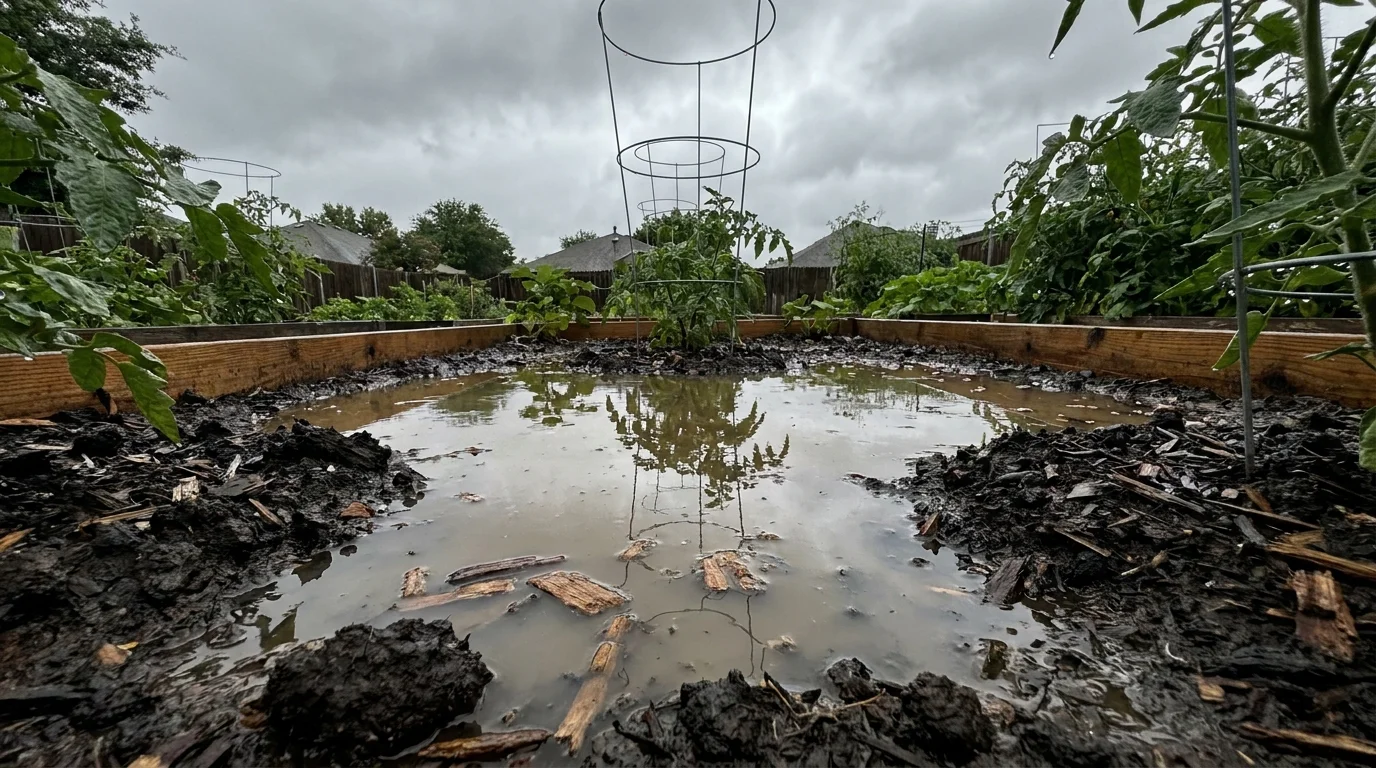
Tip #1: Water Pools on the Surface After Rain
Watch your garden beds carefully after a heavy rainstorm. If water sits on the surface for more than an hour, your soil suffers from severe compaction or poor drainage. Compaction occurs when the tiny air pockets between soil particles collapse under heavy foot traffic or relentless pounding from harsh weather. These air pockets remain absolutely critical for plant health; they hold the oxygen that root systems need to breathe. When water pools persistently, it suffocates the roots and encourages destructive fungal diseases like root rot.
You can fix bad garden soil compaction rapidly by mechanically opening up the earth. Use a core aerator for large lawn areas, or plunge a broadfork deeply into your vegetable beds to gently lift and fracture the hard ground. Never work the soil while it is soaking wet, as this practice only worsens the structural damage. Once you loosen the earth, spread a three-inch layer of rich, finished compost over the surface. The compost naturally filters down into the newly created crevices, keeping the soil open, improving long-term drainage, and inviting beneficial organisms back into your growing space.
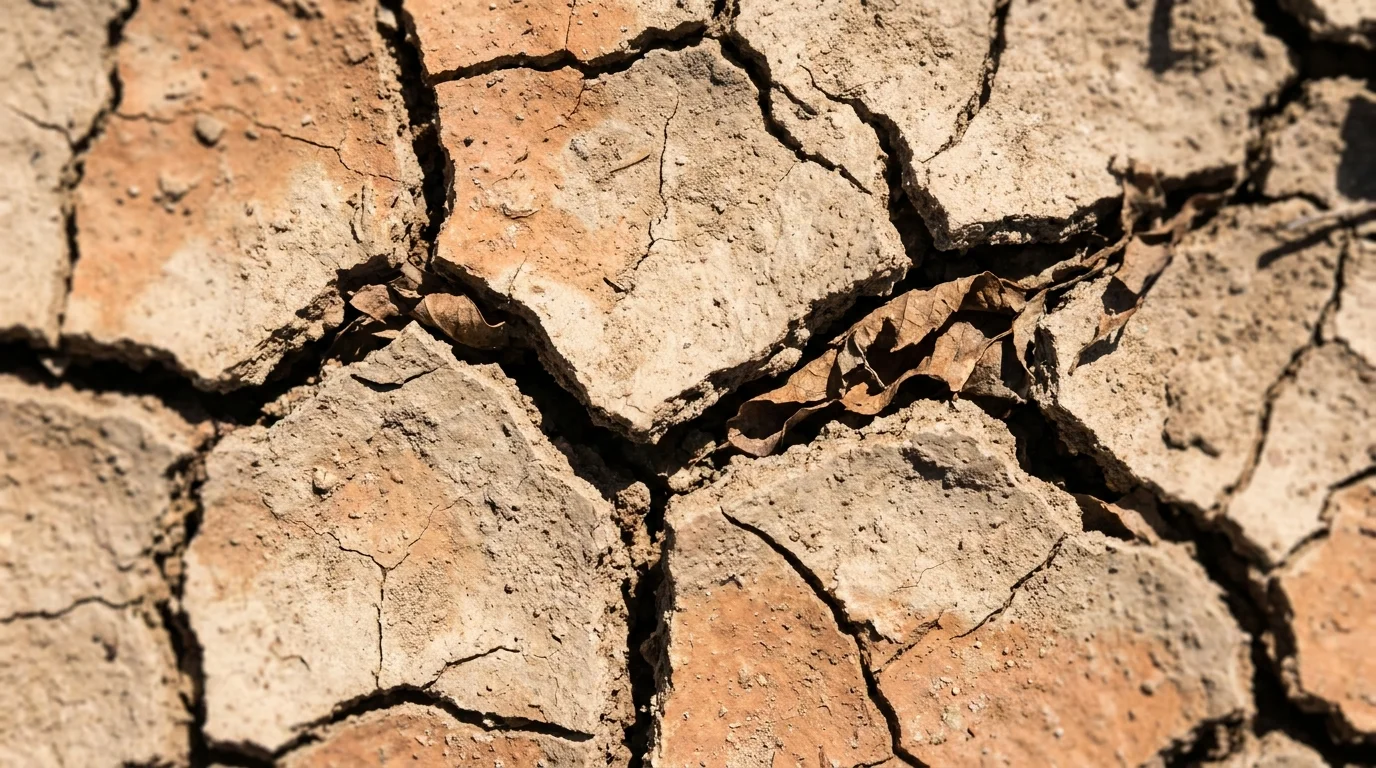
Tip #2: The Ground Forms a Hard Crust and Cracks When Dry
Run your hands across the top of your garden beds during a dry summer spell. If the ground feels rock-hard, forms a brittle crust, or develops deep, visible cracks, you are looking at classic unhealthy garden soil signs. This excessive cracking typically occurs in clay-heavy soils that desperately lack organic matter. Without spongy organic materials to bind individual soil particles together, the intense sun bakes the bare dirt into a concrete-like surface.
This rigid crust heavily repels water, meaning the moisture from your hose simply runs off into your pathways rather than soaking down to the thirsty root zone. You must break this cycle immediately by protecting the soil surface and restoring its structural integrity. First, gently break up the top layer with a hand cultivator to allow immediate water penetration. Next, apply a thick layer of organic mulch—such as shredded leaves, clean straw, or aged wood chips. Mulch acts as a robust protective shield against the sun, dramatically slowing evaporation and preventing the soil from baking. As the mulch naturally breaks down over the season, it constantly feeds the topsoil, completely preventing future crusting.
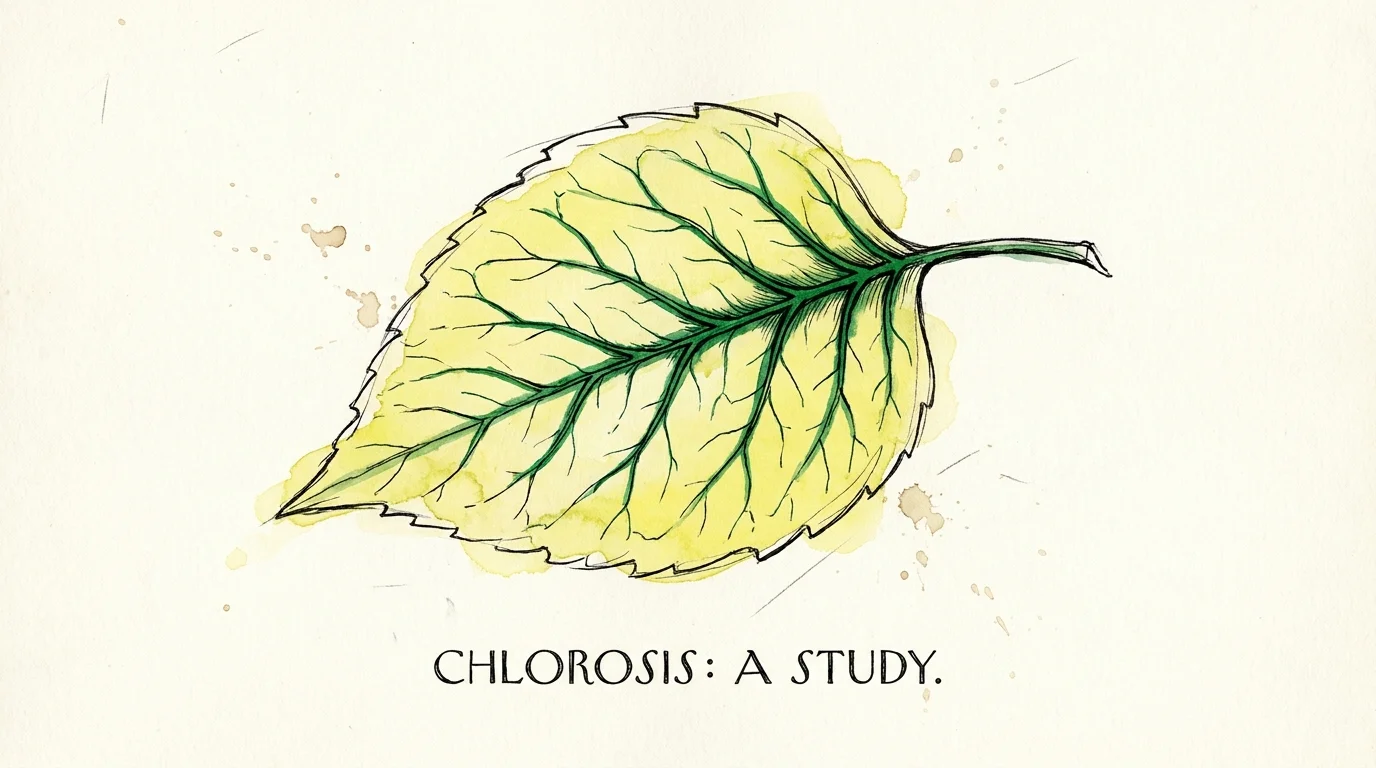
Tip #3: Plant Leaves Constantly Turn Yellow While Veins Stay Green
Pay close attention to the color of your plant foliage throughout the active growing season. When leaves consistently turn yellow while the veins remain starkly green, or when the entire plant looks pale and stunted, you face a serious nutrient availability issue. This visual condition, known as chlorosis, often indicates that vital elements like nitrogen, iron, or magnesium are missing entirely or locked away by an improper pH balance.
Applying synthetic fertilizers blindly rarely solves the root cause and frequently burns your sensitive plants. Instead, purchase a high-quality home soil testing kit or send a quick sample to a local university extension laboratory to determine your precise pH and nutrient levels. Most vegetables thrive in a slightly acidic pH range between 6.0 and 7.0. If your soil proves too acidic, you can sweeten it quickly by incorporating agricultural lime. If the soil tests too alkaline, adding elemental sulfur helps lower the pH safely, making those locked-up nutrients immediately available to your struggling plants. Supplementing with targeted, fast-acting organic amendments like blood meal for a nitrogen boost or iron chelate speeds up the greening process.
Tip #4: You Cannot Find Earthworms or Soil Life
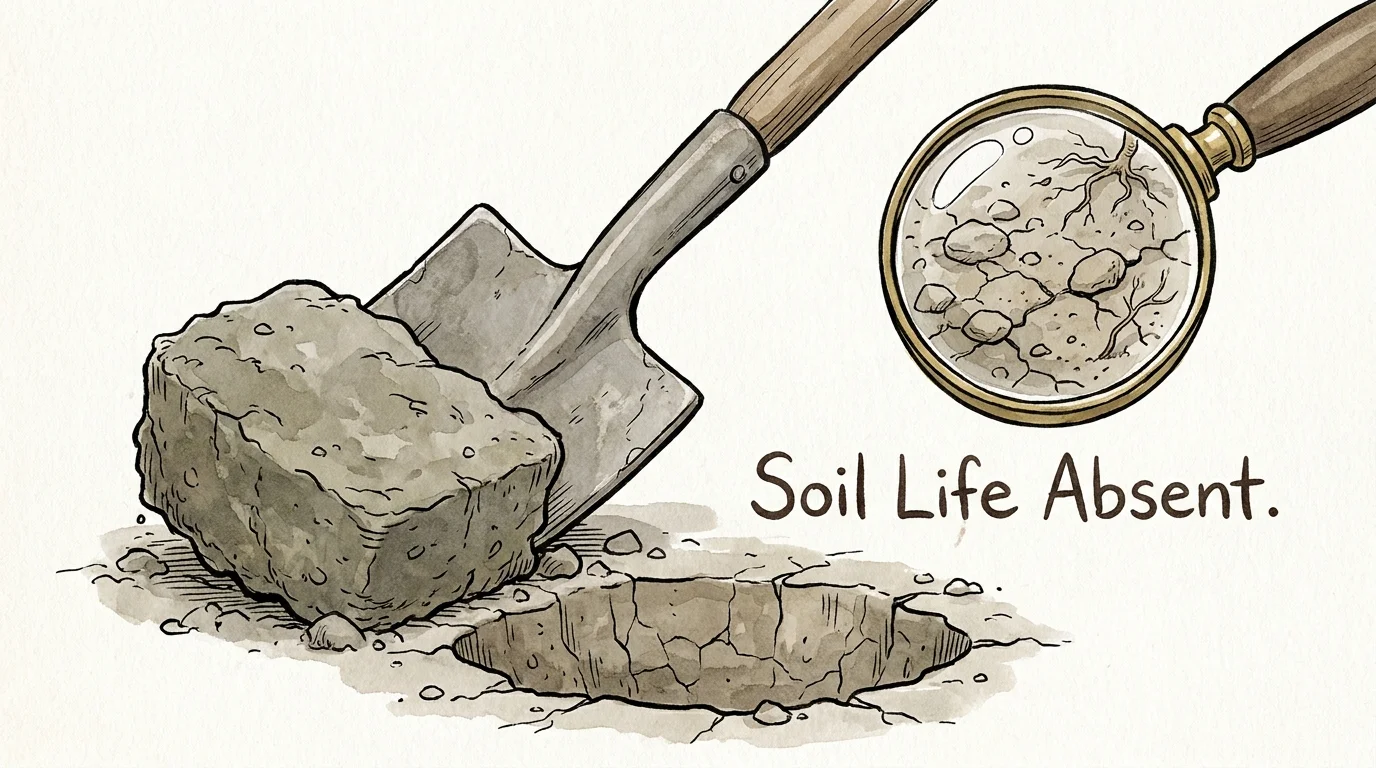
Grab a shovel and dig a small, six-inch hole in your garden bed. If you cannot find a single earthworm in a large scoop of dirt, your underground biology has collapsed. Earthworms act as nature’s tireless tillers, constantly moving through the earth, aerating the ground, and leaving behind incredibly nutrient-dense castings. A healthy, vibrant garden bed should reveal at least five to ten active earthworms per shovelful.
The total absence of these vital creatures—along with a lack of centipedes, beneficial beetles, and visible white fungal networks—means your soil is essentially lifeless. Synthetic pesticides, excessive chemical fertilizers, and aggressive rototilling frequently wipe out these helpful populations. You can invite this essential life back into your garden by completely eliminating harsh chemicals from your maintenance routine. Feed the microscopic and macroscopic soil web by top-dressing your beds with highly nutritious organic matter like homemade compost, well-rotted herbivore manure, or dark leaf mold. Keep the soil consistently moist, as earthworms breathe through their delicate skin and require a damp environment to survive. Within a few weeks of providing proper food and moisture, the worms will return to do the heavy lifting for you.
Tip #5: Specific Indicator Weeds Dominate Your Beds
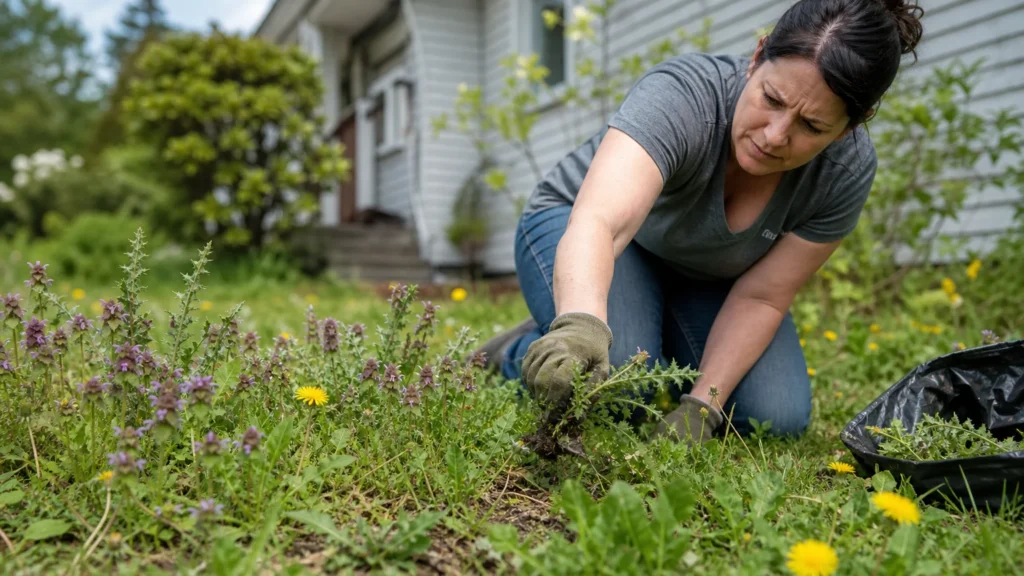
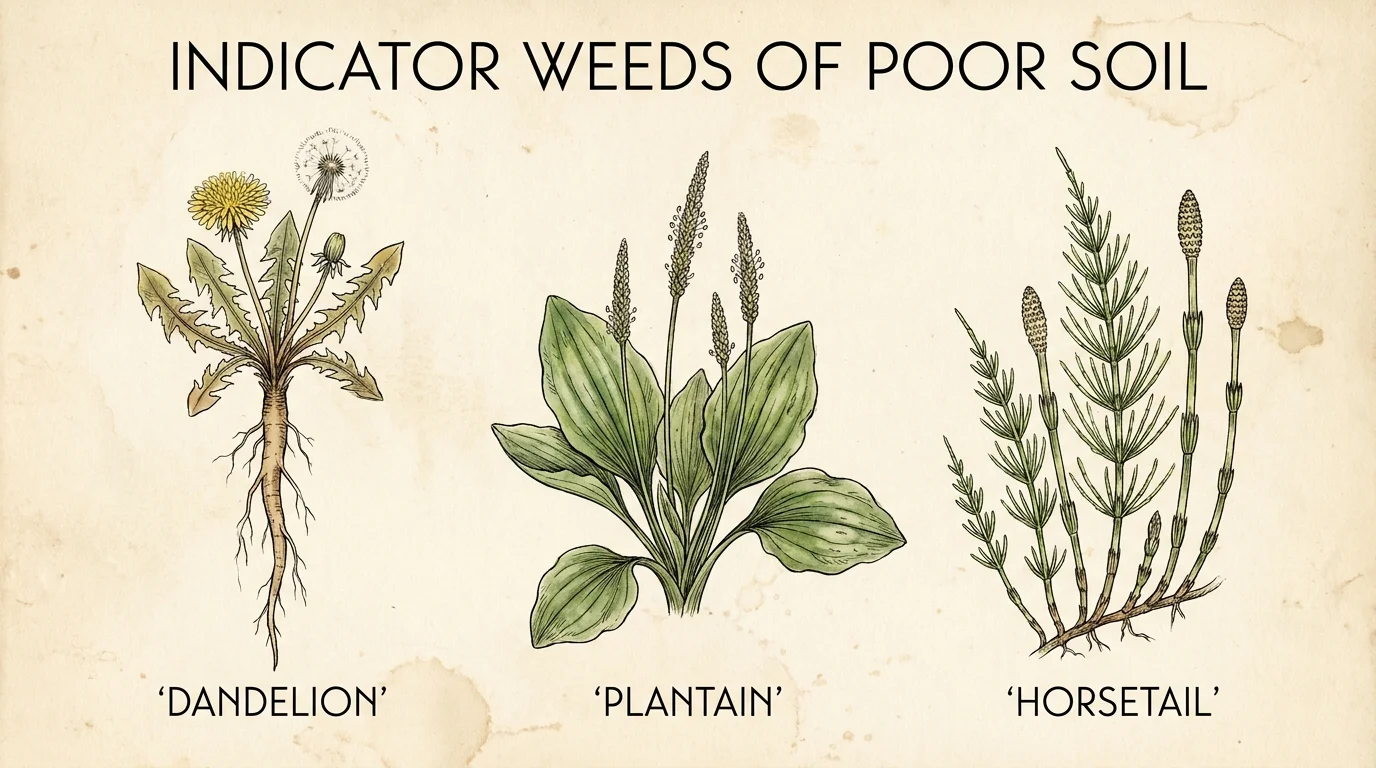
Examine the specific types of weeds aggressively taking over your garden space. Weeds often serve as brilliant, natural soil health indicators garden experts use to diagnose complex underground problems. For instance, if your beds are choked with broadleaf plantain or knotweed, your soil suffers from severe compaction. If you see thick carpets of green moss or creeping Charlie, your soil stays far too wet and probably leans highly acidic.
Fields completely dominated by dandelions often indicate low calcium levels and deep hardpans, as the dandelion utilizes its remarkably strong taproot to mine nutrients from deep below the surface. Instead of merely pulling these weeds and throwing them away, let them guide your comprehensive soil repair strategy. Do not rely on chemical herbicides, which further degrade the fragile soil ecosystem. Change the environmental conditions so those specific weeds no longer find your garden hospitable. Aerate the ground thoroughly to discourage compaction-loving weeds. Adjust your watering schedule and improve drainage channels to eliminate moss naturally. By addressing the specific structural or chemical imbalances the weeds point out, you easily create an environment where your desirable vegetable crops and flowers outcompete the intruders.
Tip #6: The Dirt Looks Pale, Powdery, and Lifeless
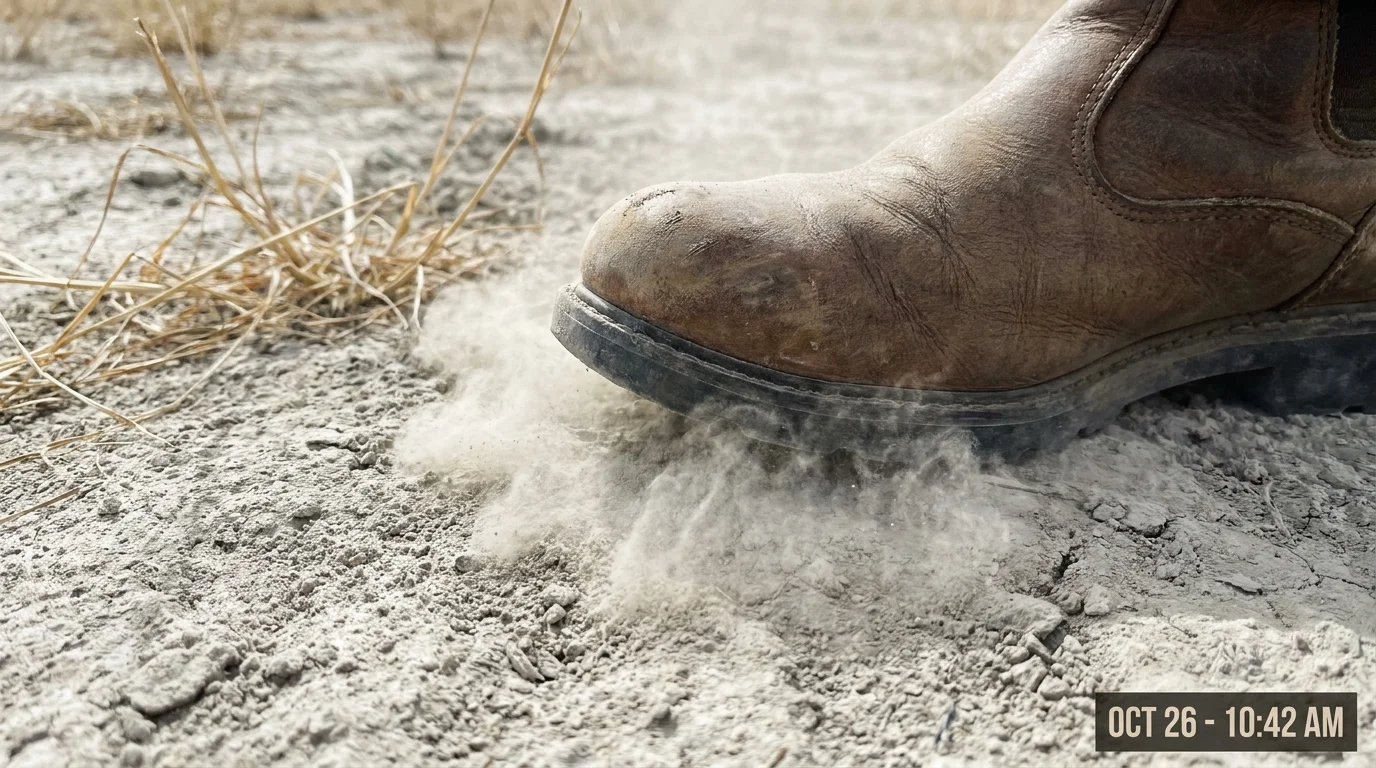
Look closely at the color and texture of your bare dirt. Rich, highly productive soil generally features a deep, dark brown or almost black coloration, indicating a high concentration of decomposed organic matter. If your dirt looks noticeably pale, dusty gray, or resembles dry beach sand, it suffers from severe organic depletion. Pale soil critically lacks the complex carbon compounds needed to retain moisture and hold onto essential plant nutrients.
When you water pale, dusty soil, the nutrients simply leach past the root zone and wash away into the subsoil, leaving your plants continually starving. You must dramatically increase the organic content to permanently improve poor garden soil color and texture. Spread two to three inches of premium, dark compost over the entire surface of your garden beds. For a remarkably fast structural improvement, plant fast-growing green manure cover crops like buckwheat in the summer or winter rye in the fall. When you chop these cover crops down and let them decay directly on the soil surface, they inject massive amounts of rich, carbon-heavy organic material directly into the topsoil, rapidly darkening and enriching the ground.
Tip #7: Moisture Vanishes Instantly After Heavy Watering
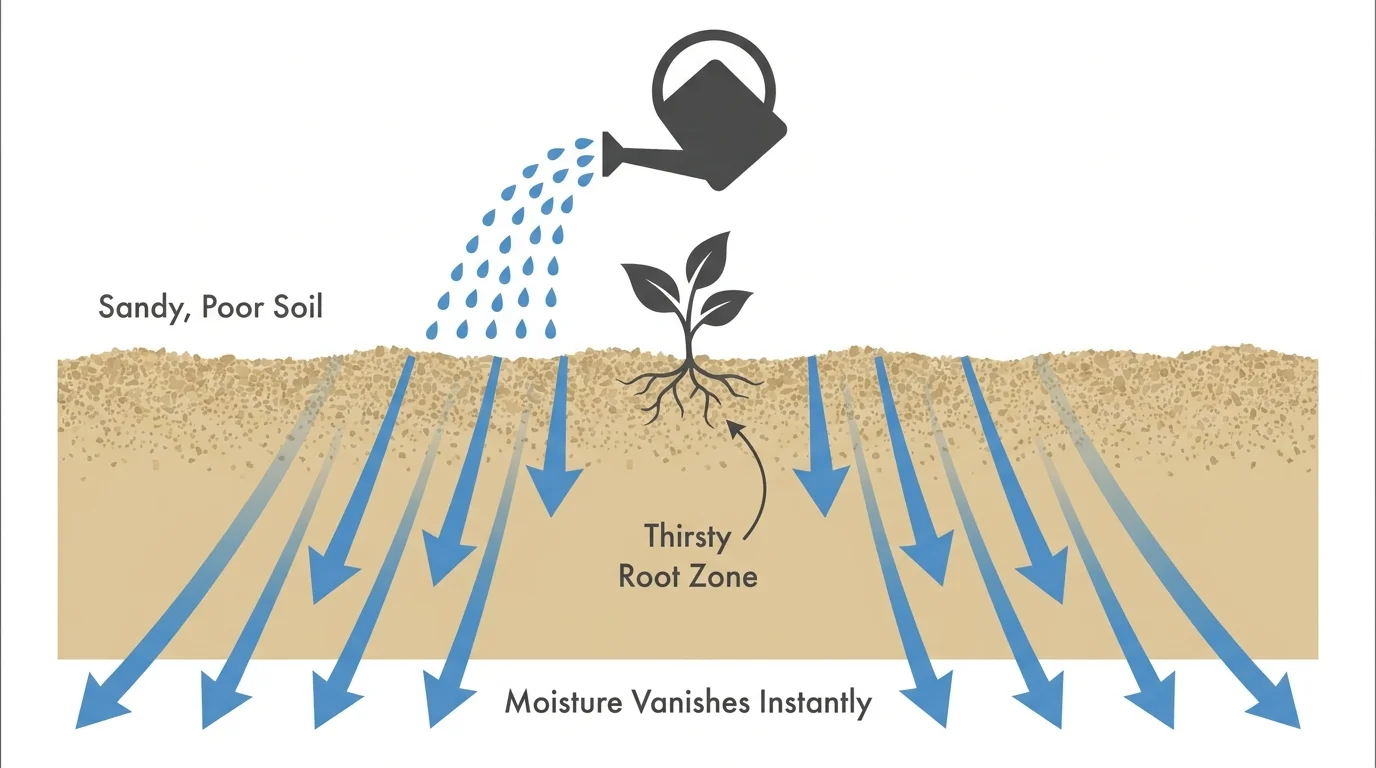
Monitor exactly how your garden beds handle an extended watering session. If you deeply soak a raised bed and the moisture completely vanishes within an hour, leaving the ground bone-dry just beneath the surface, your soil lacks essential moisture-holding capacity. This rapid draining happens most frequently in highly sandy soils where the individual mineral particles are extremely large and irregularly shaped, creating massive gaps where water rushes straight through.
While excellent drainage generally sounds ideal, extreme sandiness prevents plant roots from drinking adequately during scorching hot summer days. You can quickly fix excessive drainage by incorporating dense, sponge-like organic materials. Mix in substantial amounts of coconut coir or high-quality compost, both of which easily hold many times their own weight in water. For a permanent, highly effective solution, add horticultural biochar to your planting holes. Biochar consists of porous carbon that acts exactly like a microscopic reservoir, trapping water and water-soluble nutrients right at the root zone where your plants need them most. Always follow up by heavily mulching the surface to prevent the sun from stealing whatever precious surface moisture remains.
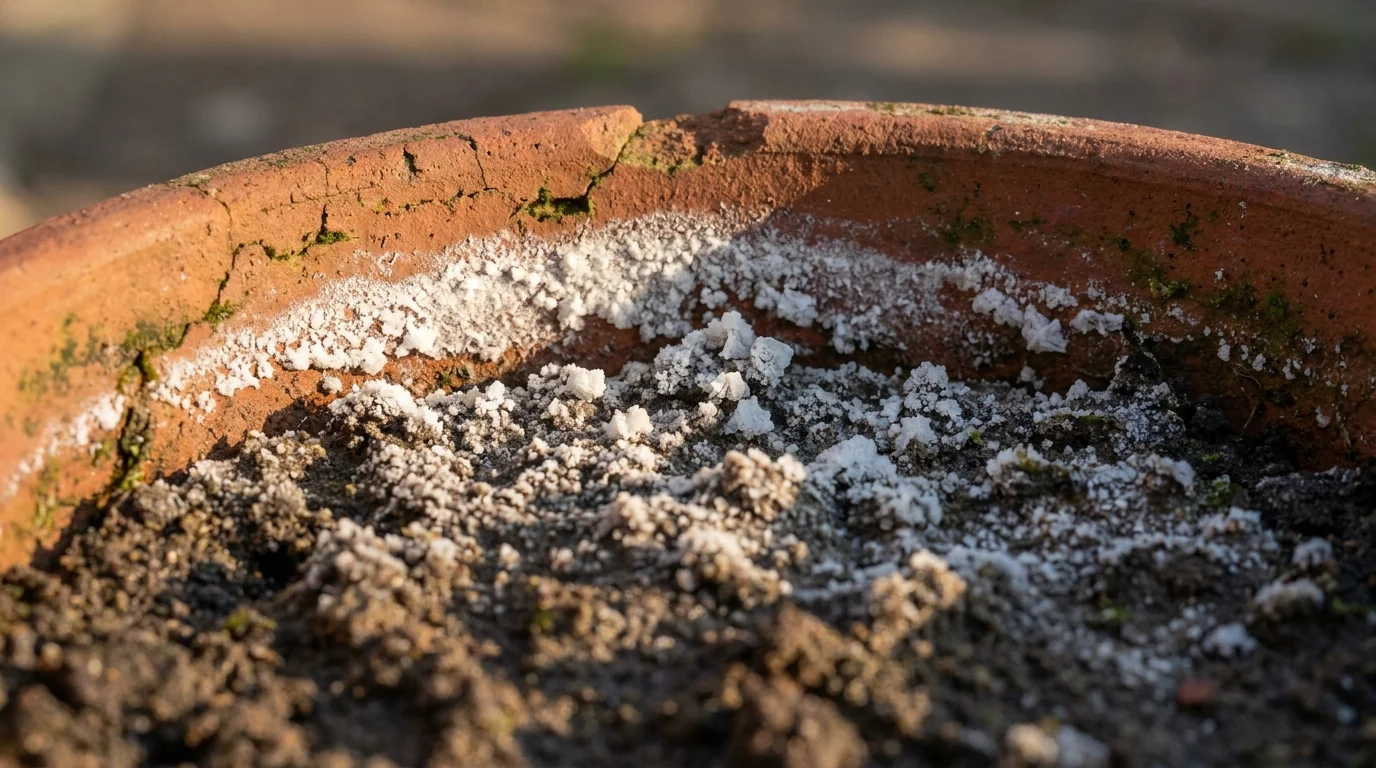
Tip #8: A White, Chalky Crust Coats the Soil Surface
Inspect the surface of your soil carefully during warm, dry weather. If you notice a distinct, white, chalky crust forming on the top of the dirt or crusting around the base of your potted plants, you are witnessing dangerous salt accumulation. This toxic buildup usually results from relying on cheap synthetic fertilizers, which are composed primarily of heavy chemical salts. It can also stem from watering your garden heavily with hard municipal water that contains high levels of dissolved minerals.
When the irrigation water evaporates, it leaves these damaging salts behind on the surface. High salt concentrations actively pull moisture directly out of plant roots, causing severe chemical burns, browned leaf edges, and severe dehydration even when the ground feels adequately wet. You must leach these salts completely out of the root zone to save your plants. Water the affected area slowly and deeply for several hours, allowing the fresh water to flush the accumulated salts deep into the subsoil away from sensitive roots. Throw away your synthetic granular fertilizers immediately. Switch entirely to gentle, slow-release organic feeds like liquid kelp, fish emulsion, or alfalfa meal, which steadily nourish the garden without leaving harmful salty residues behind.
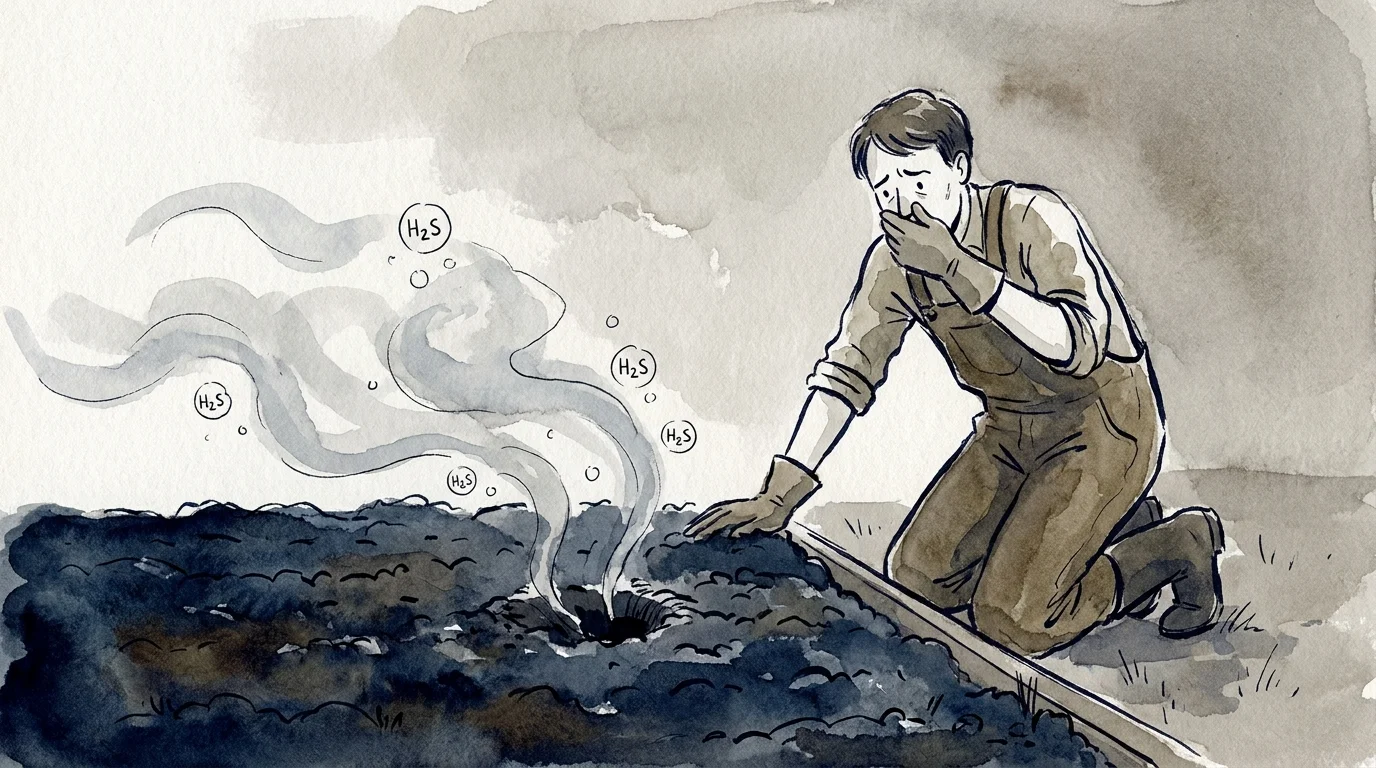
Tip #9: The Ground Smells Sour or Like Rotten Eggs
Kneel down and take a deep breath near the surface of your freshly watered garden beds. Healthy, vibrant soil should emit a rich, sweet, earthy fragrance—a highly desirable scent produced by beneficial actinomycetes bacteria. If you suddenly detect a foul, sour smell, or a stench strongly resembling rotten eggs or swamp gas, your soil has gone completely anaerobic.
Anaerobic conditions occur when the ground remains severely waterlogged for extended periods, driving all the vital oxygen out of the microscopic pore spaces. Without oxygen, beneficial aerobic microbes die off rapidly, and toxic, disease-causing anaerobic bacteria take over, producing noxious hydrogen sulfide gas as a destructive byproduct. You must act quickly to introduce oxygen back into the environment before root rot completely destroys your crop. Stop watering immediately. Create deep breathing channels by driving a sturdy garden fork straight down and pulling back gently to crack the soil open without entirely turning it over. If the area naturally sits in a low-lying depression that constantly collects runoff, you must physically raise the planting area. Constructing elevated raised beds filled with a highly porous mix of topsoil, coarse sand, and compost guarantees excellent drainage and permanent aeration.
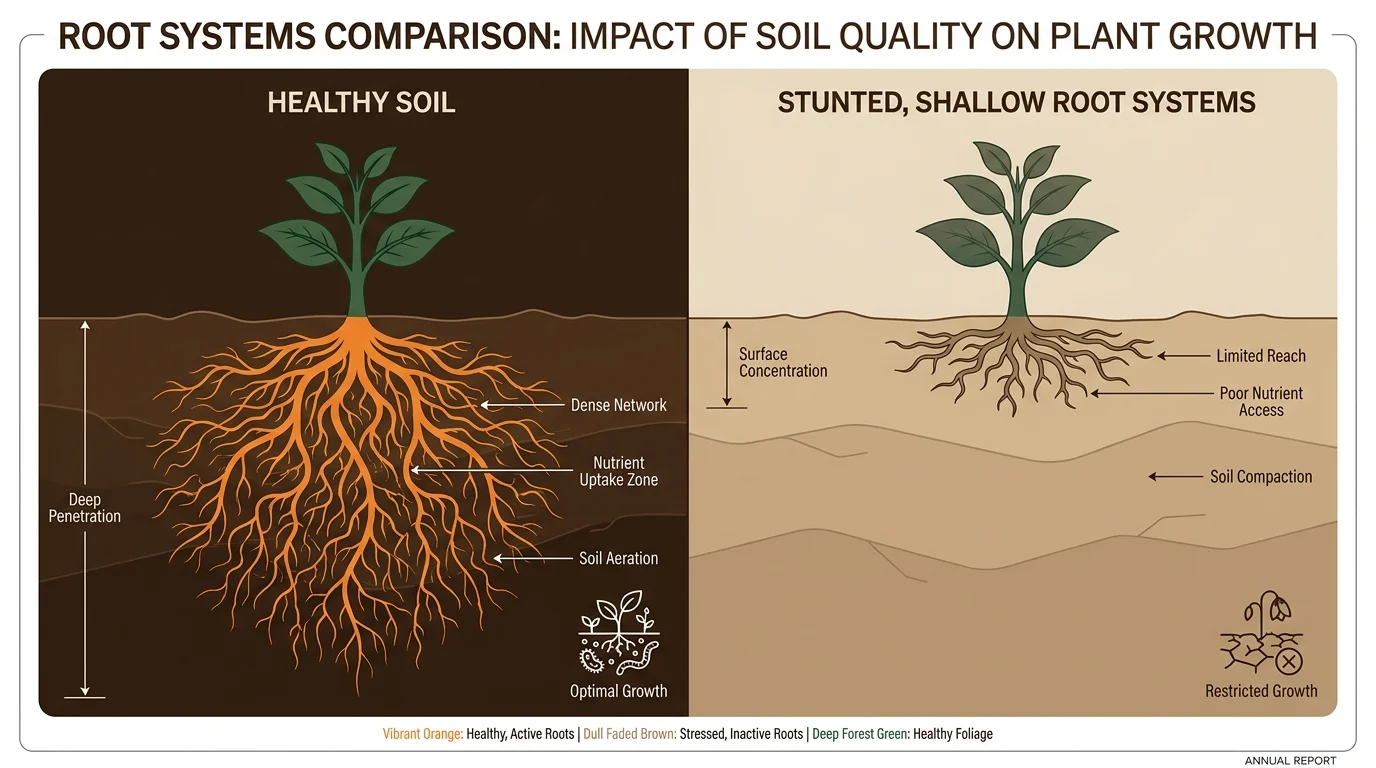
Tip #10: Pulled Plants Reveal Stunted, Shallow Root Systems
Examine the root structures carefully the next time you pull up a spent vegetable or a dying weed at the end of the season. Healthy plant roots should grow deep, wide, and straight down into the earth to secure structural stability and tap into deep moisture reserves. If you pull up a plant and find roots that are severely stunted, densely tangled, or abruptly bent at a harsh ninety-degree angle just a few inches below the surface, you have encountered a severe subsurface hardpan.
A hardpan is a dense, impenetrable layer of highly compacted clay or rock-hard minerals lurking invisibly just below the fluffy topsoil. It physically blocks roots from accessing deep soil layers and traps water above it, creating a shallow, perilous growing environment. Fixing a hardpan requires serious mechanical or biological intervention. Utilize the traditional double-digging technique to manually shatter the dense layer beneath your topsoil. If manual labor seems far too daunting, employ biology to do the heavy digging for you. Plant a dense stand of daikon radishes—often sold commercially as tillage radishes. These incredibly aggressive, deep-rooting vegetables act as natural bio-drills, easily punching right through concrete-like hardpans. When the radishes naturally die back in the freezing winter, they leave behind massive, deep drainage holes that completely transform your previously impenetrable subsoil.
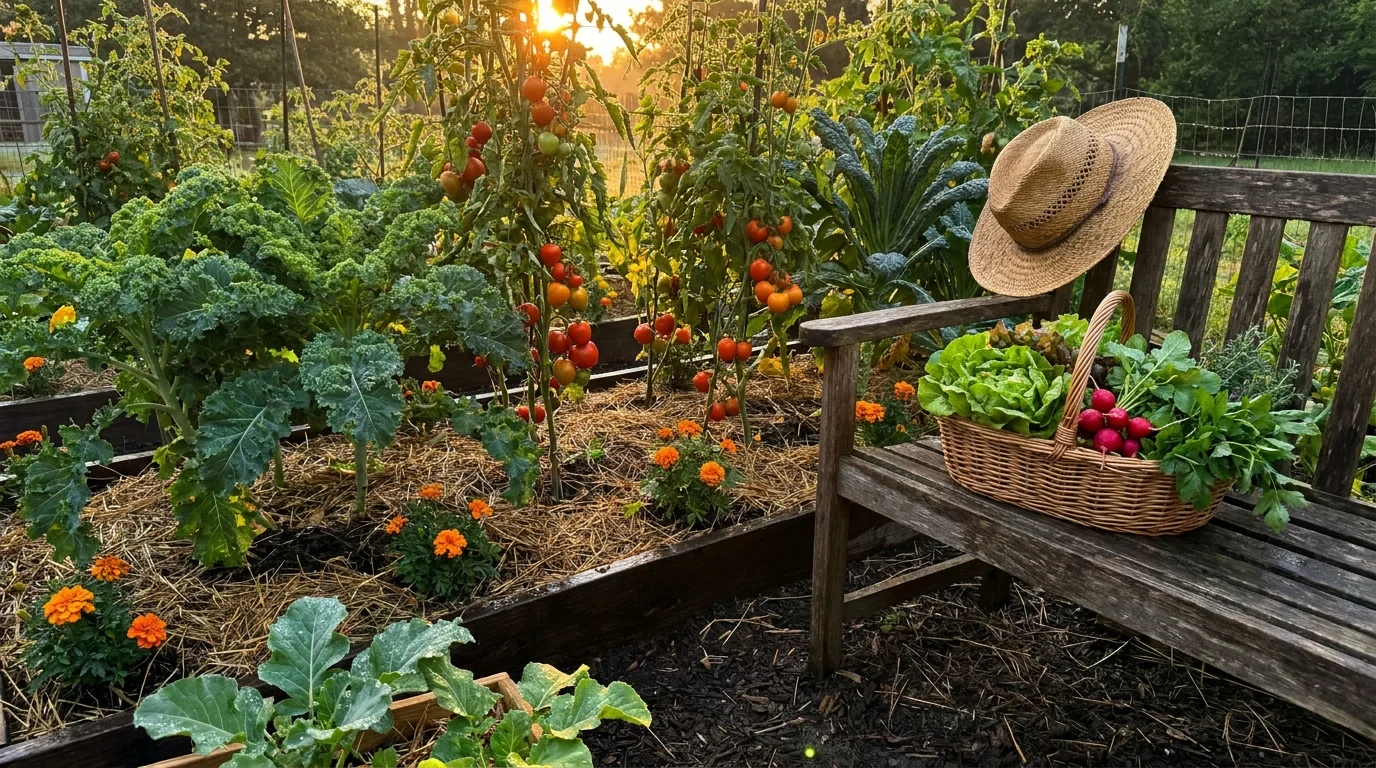
Putting It All Together: Enjoy Your Beautiful Garden
Healthy soil forms the living, breathing heart of every successful landscape. When you learn to accurately read the ground beneath your feet, you unlock the absolute greatest secret to gardening success. Soil building requires patience, but applying these fast, targeted fixes instantly stops ongoing damage and sets your garden on a rapid path to recovery. By replacing harsh chemicals with rich organic matter, improving structural drainage, and encouraging vibrant microbial life, you create an underground paradise where plant roots flourish.
Take time this week to step out into your yard, dig a small test hole, and truly observe what happens. The earth constantly communicates its needs through the color of the leaves, the presence of specific weeds, and the scent of the dirt itself. Respond thoughtfully to these soil problems and solutions, feed your soil web generously, and enjoy the immense satisfaction of growing a lush, vibrant, and incredibly beautiful garden.
Frequently Asked Questions
How long does it take to naturally fix poor garden soil?
Surface improvements happen incredibly fast. Adding a thick layer of high-quality compost or organic mulch improves moisture retention and beneficial microbial activity within just a few weeks. However, deeply repairing structural issues like severe clay compaction or total organic depletion requires persistent effort over two to three growing seasons. Consistent, seasonal applications of organic matter provide the best long-term results.
Can I just add heavy fertilizer to fix bad soil?
No. While fertilizers quickly provide missing chemical nutrients, they do absolutely nothing to improve the physical structure or biological health of the dirt. Adding synthetic fertilizers to dead, compacted soil is like taking a vitamin pill without drinking water or eating food. You must improve poor garden soil structure with compost and aeration first so the plant roots can actually absorb the nutrients you apply.
What is the absolute fastest way to add organic matter to a garden bed?
The fastest, most effective method involves top-dressing your entire garden bed with two to three inches of fully finished compost, followed immediately by a thick layer of organic mulch like shredded leaves. Applying active liquid compost teas also rapidly introduces beneficial microbes that speed up the decomposition of organic matter, quickly turning raw materials into highly usable plant food.
Do I need to rototill my garden to fix compacted soil?
Rototilling provides a temporary fluffing effect but actually destroys the delicate fungal networks and earthworm habitats that keep soil naturally loose over time. Repeated tilling often creates a severe hardpan directly beneath the tilling depth. Instead of tilling, use a broadfork to gently crack and aerate the ground, then apply compost to naturally improve the soil structure without destroying the vital underground ecosystem.
For region-specific advice, consult your local University Extension program (find yours via the USDA directory). For plant databases and inspiration, visit the Missouri Botanical Garden or the Royal Horticultural Society.
Disclaimer: This article provides general gardening advice. Always consider your specific climate, soil conditions, and local pests. Follow safety guidelines when using gardening tools and products.