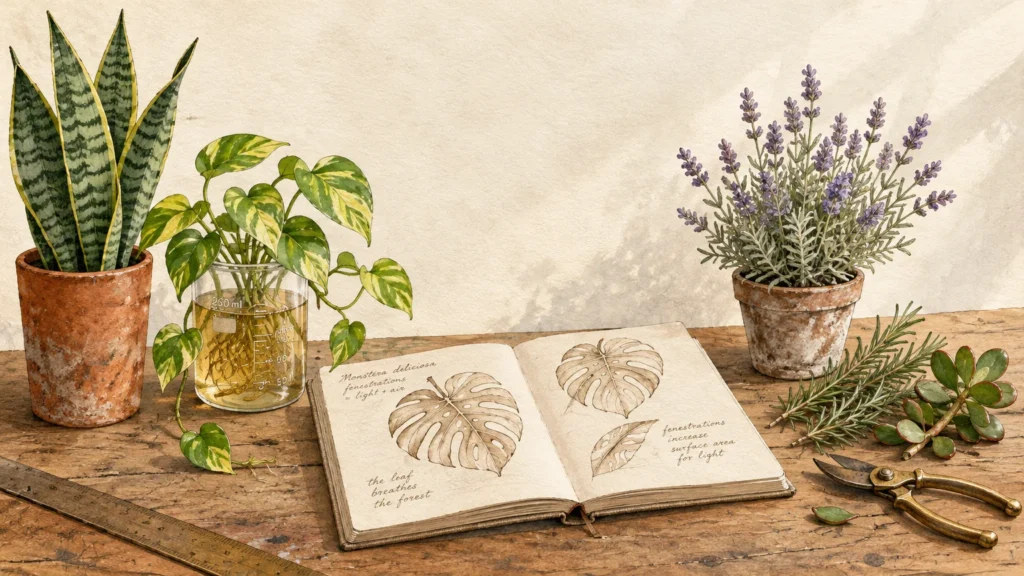
You can instantly transform dull interior spaces into vibrant, museum-worthy displays by choosing houseplants with colorful leaves. Thoughtfully selected decorative plants inject bold ruby, chartreuse, and blush tones into your rooms without requiring a single paintbrush.
Living foliage brings architectural movement and natural warmth to your living room shelves and bedside tables. These stunning varieties serve as dynamic indoor plant styling accents that evolve beautifully throughout every season.
Here are twenty-five exceptional colorful houseplants that function as living decor, paired with expert placement and cultivation advice.
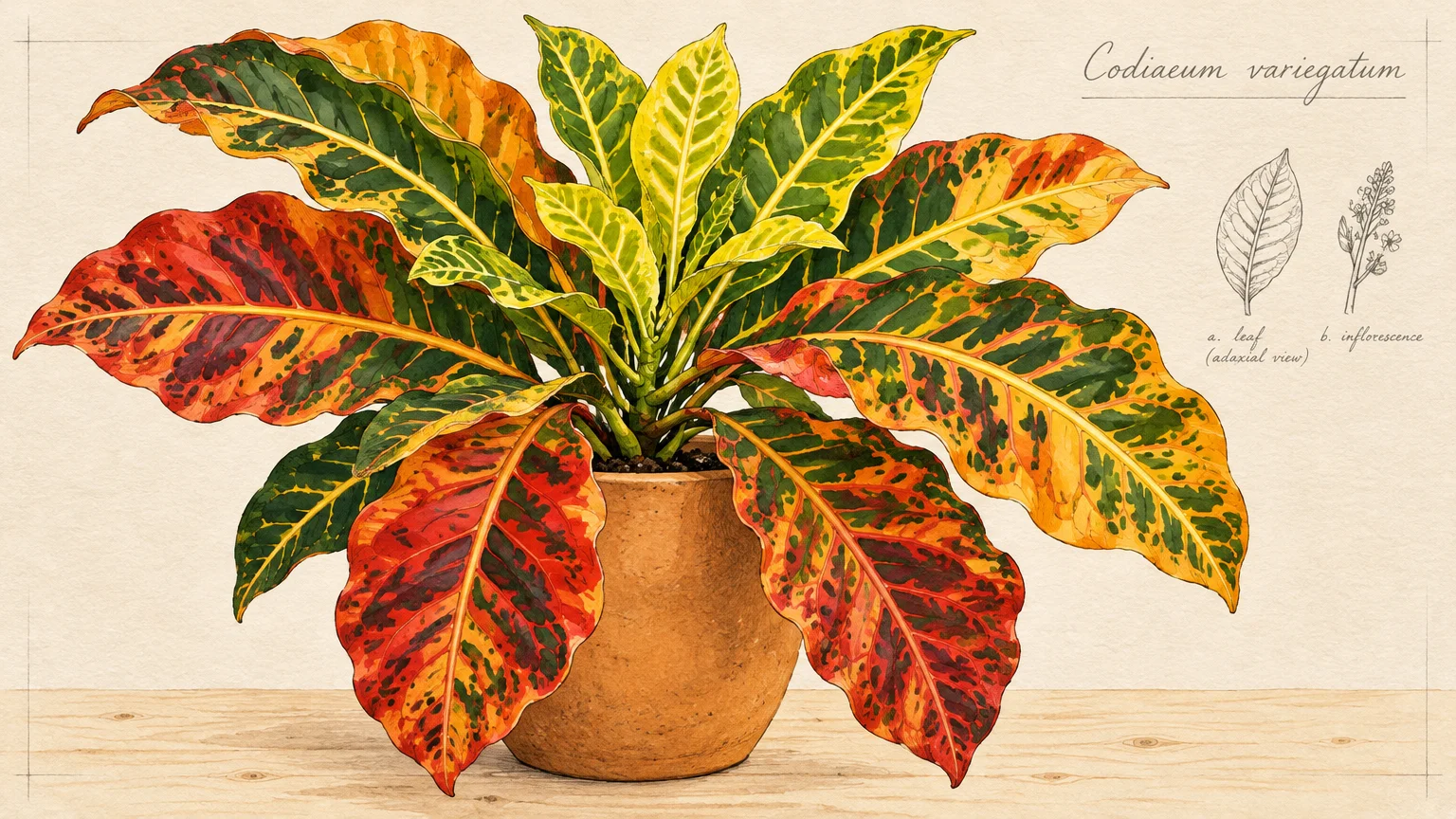
Tip #1: Croton (Codiaeum variegatum)
Crotons deliver spectacular autumn colors year-round with thick, leathery leaves drenched in fiery scarlet, gold, and deep green. They act as bold focal points in minimalist rooms that need rich color.
Place your croton on a sunny windowsill where it receives direct morning light. Keep the soil evenly moist; insufficient light causes the vivid pigment to fade back to solid green.
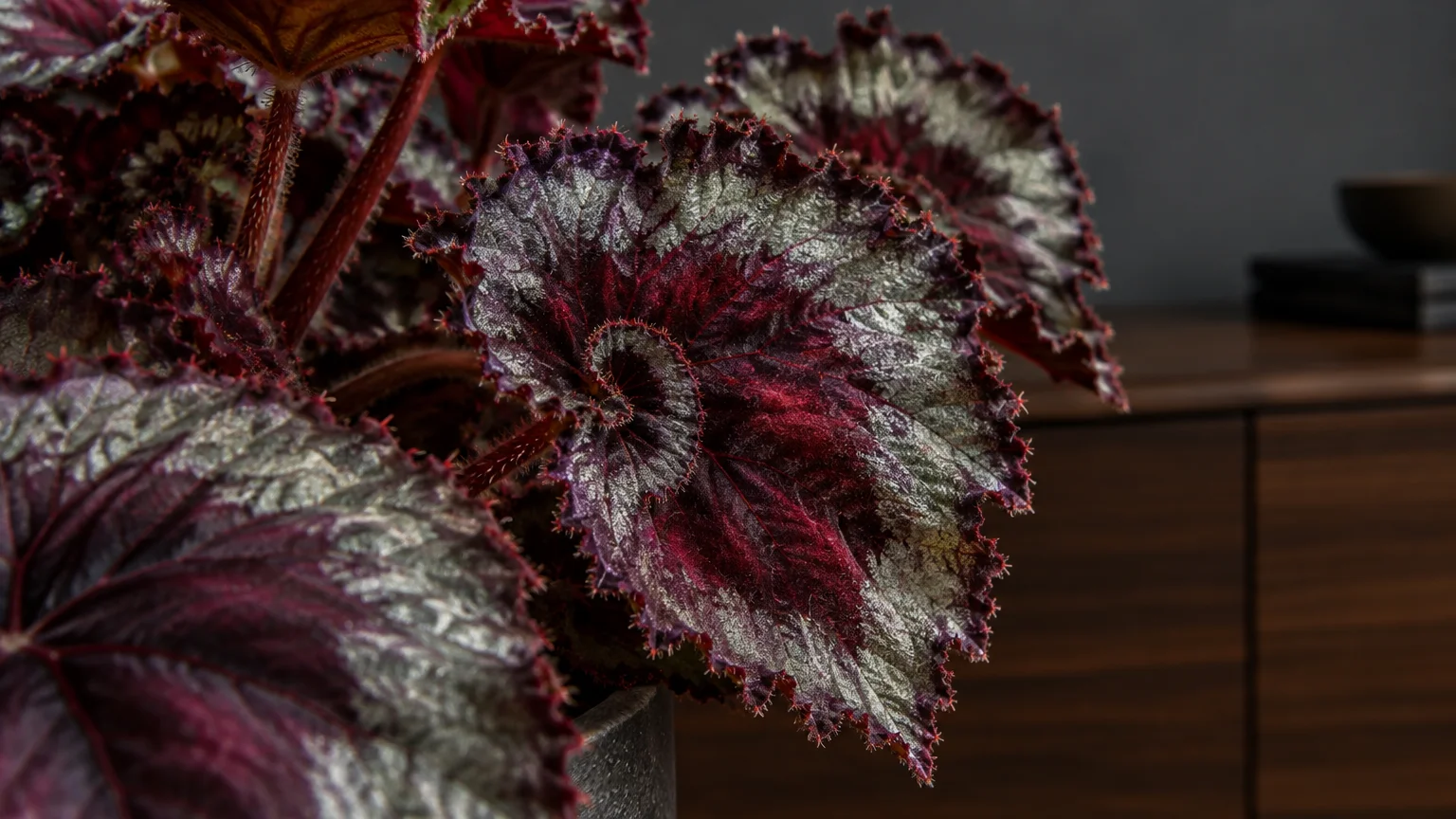
Tip #2: Rex Begonia (Begonia rex-cultorum)
Rex begonias showcase swirling metallic foliage patterned with shimmering silver, deep plum, and crimson accents. Their dramatic, ruffled leaf margins offer an artistic touch to modern credenzas and accent tables.
Position them in bright, indirect light and maintain moderate humidity around fifty percent. Water when the top inch of potting mix feels dry, keeping water off the delicate leaves.
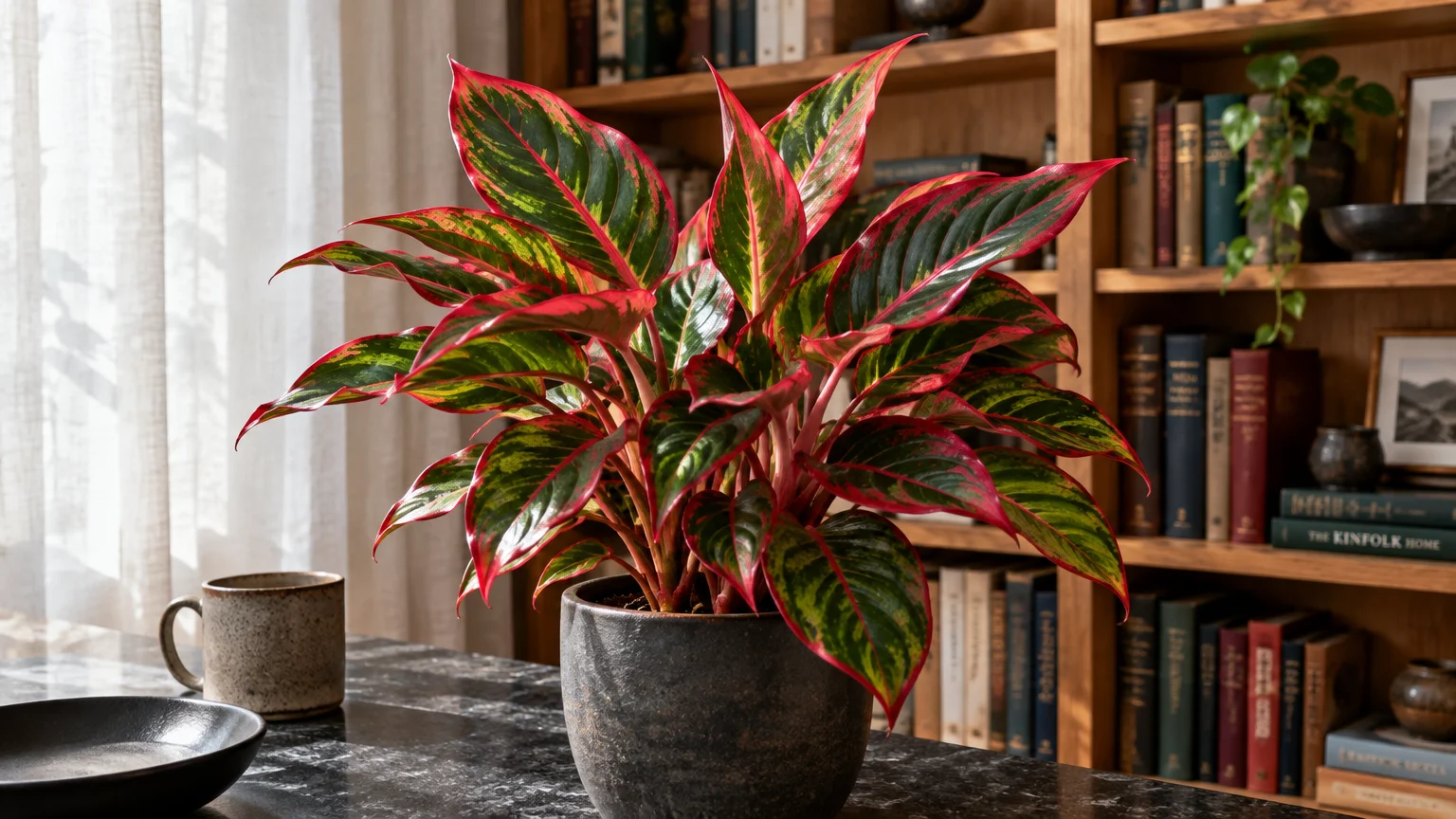
Tip #3: Red Aglaonema (Chinese Evergreen)
Red Aglaonema varieties like ‘Siam Aurora’ flash electric pink and cherry-red borders along glossy emerald foliage. They provide instant color contrast on dark wooden bookshelves and granite home office desks.
These resilient specimens tolerate dry indoor air and sporadic watering routines with exceptional grace. Give them medium indirect light to preserve their brilliant neon variegation without scorching their leaves.
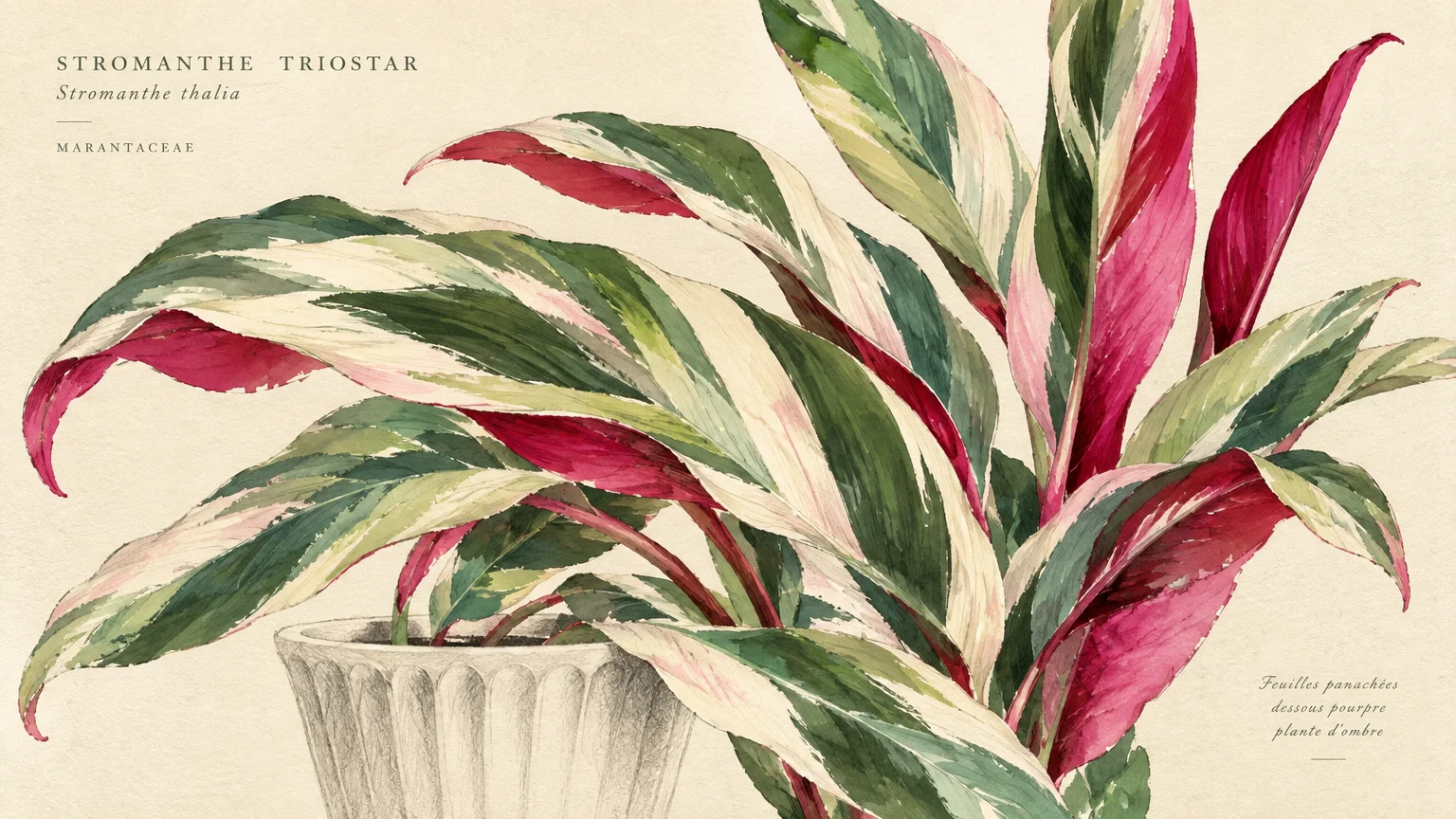
Tip #4: Stromanthe Triostar (Stromanthe thalia)
Stromanthe Triostar resembles a painted canvas with paddle-shaped leaves brushed in pastel cream, mint green, and vivid magenta undersides. It brings flowing energy to sideboards because the leaves fold upward at dusk.
Group this tropical beauty with other plants near a humidifier to keep its leaf edges pristine. Offer filtered, medium light and hydrate it exclusively with distilled water or clean rainwater.
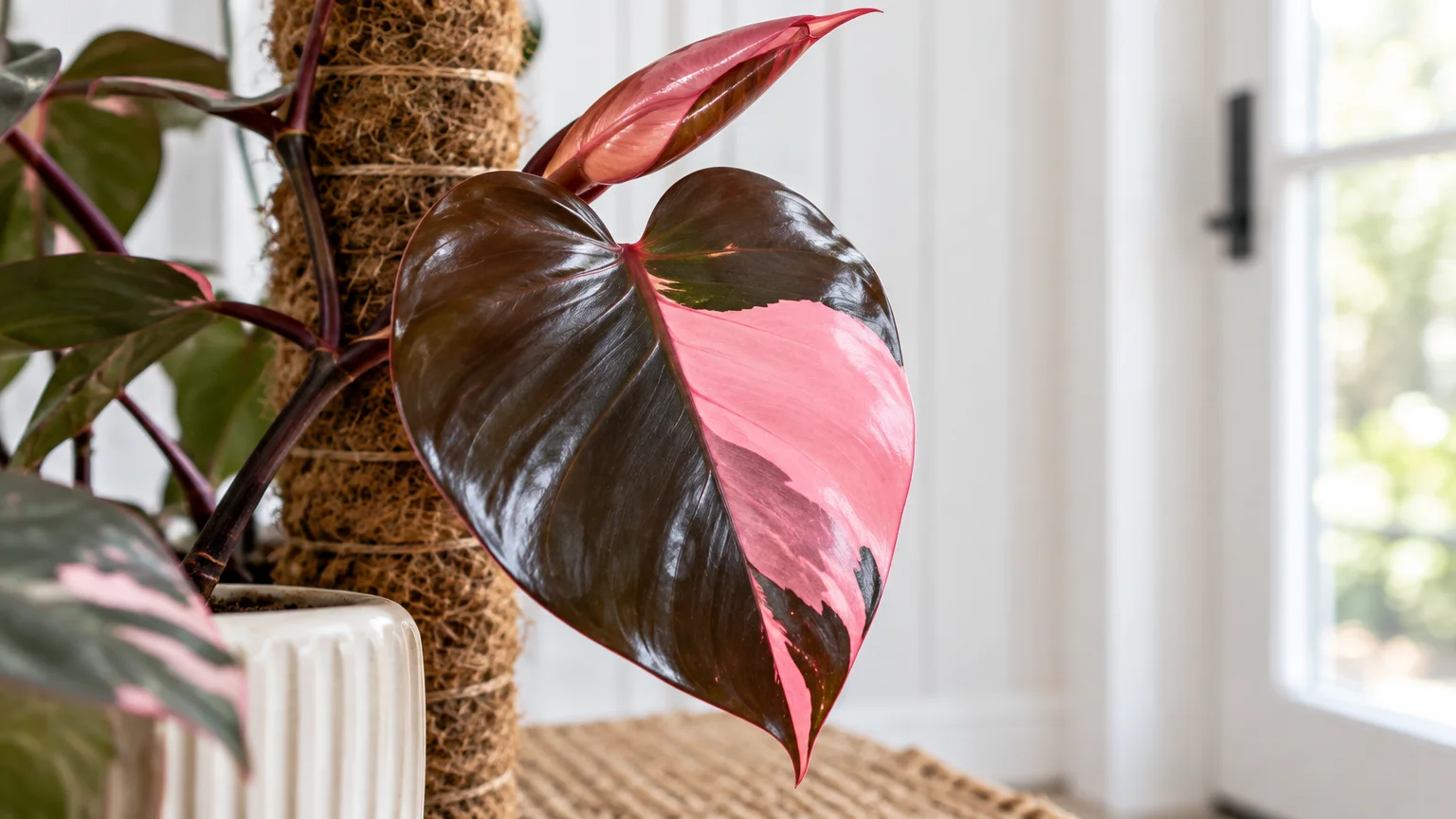
Tip #5: Philodendron ‘Pink Princess’
Philodendron ‘Pink Princess’ is a premier collector favorite featuring dark chocolate-green leaves splashed with vibrant bubblegum pink variegation. It commands attention when styled against crisp white walls or neutral backdrops.
Train your vine up a sturdy moss pole to encourage larger, heart-shaped leaf development. Provide steady, bright indirect sunshine; abundant light signals the plant to produce those sought-after pink sectors.
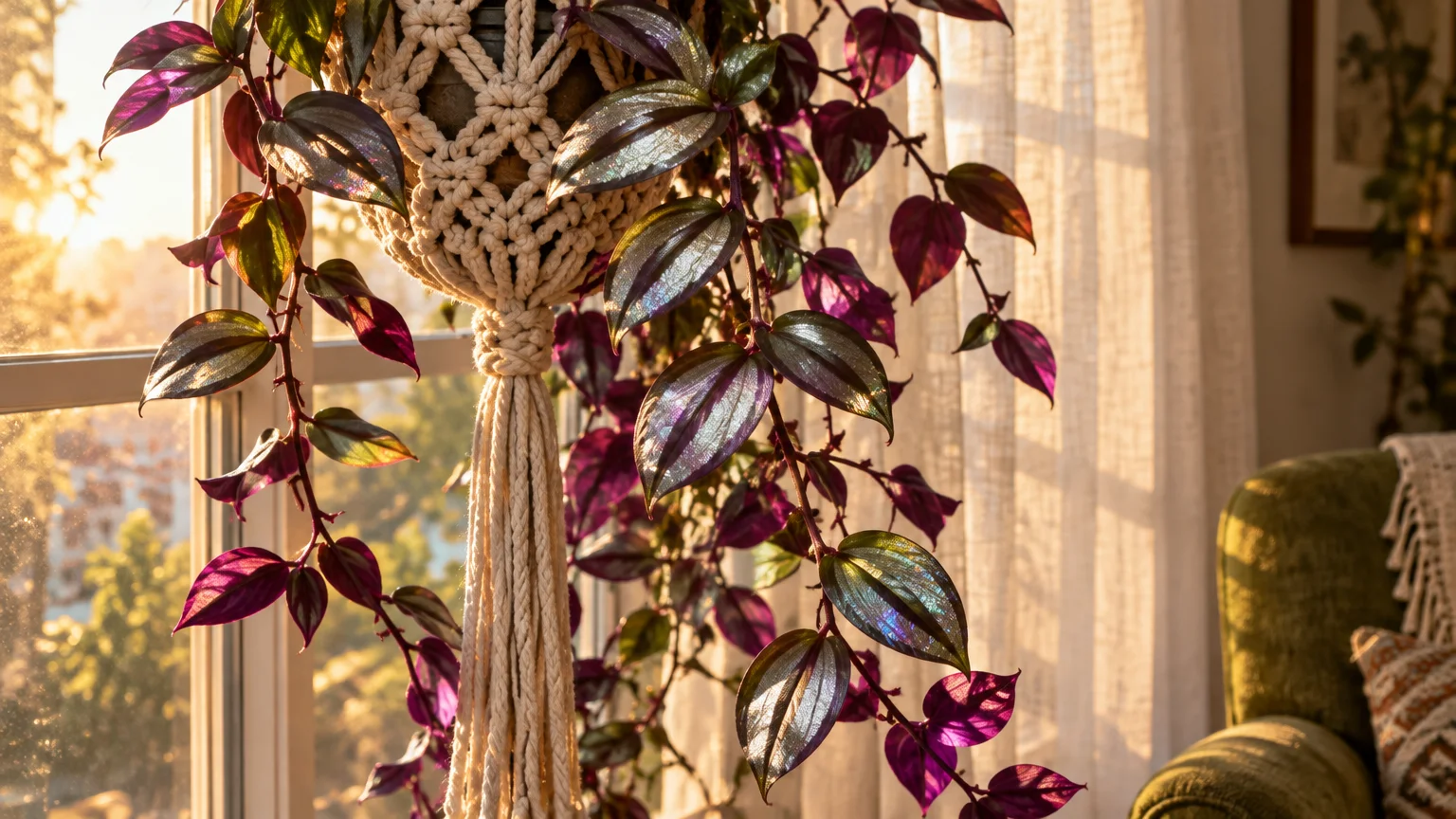
Tip #6: Tradescantia zebrina (Silver Inchplant)
Tradescantia zebrina drapes gracefully from hanging macramé baskets, displaying metallic silver bands and royal purple underbellies. This trailing gem catches natural daylight, creating a shimmering optical effect across your room.
Hang it near south- or west-facing windows to maintain tight leaf spacing and saturated jewel tones. Pinch back trailing stem tips monthly to promote bushy, vigorous growth.
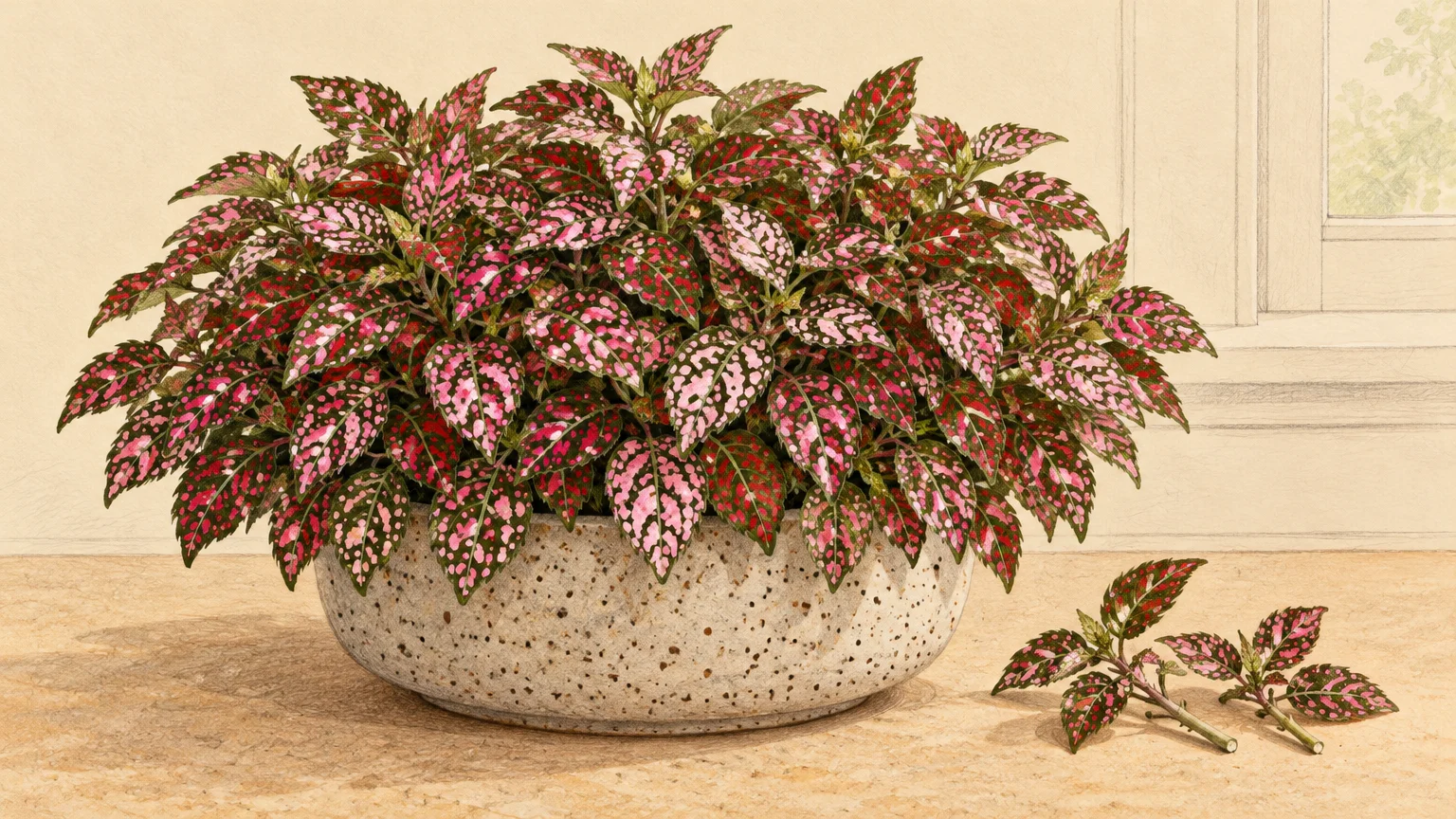
Tip #7: Polka Dot Plant (Hypoestes phyllostachya)
Polka dot plants feature compact, cheerful foliage speckled with hot pink, pure white, or vibrant scarlet freckles. They serve as charming miniature tabletop accents for bright kitchen counters and terrariums.
Provide ample filtered sunlight to prevent the colorful dots from reverting into solid green patches. Pinch off terminal buds regularly to maintain a dense, tidy mound rather than leggy stems.
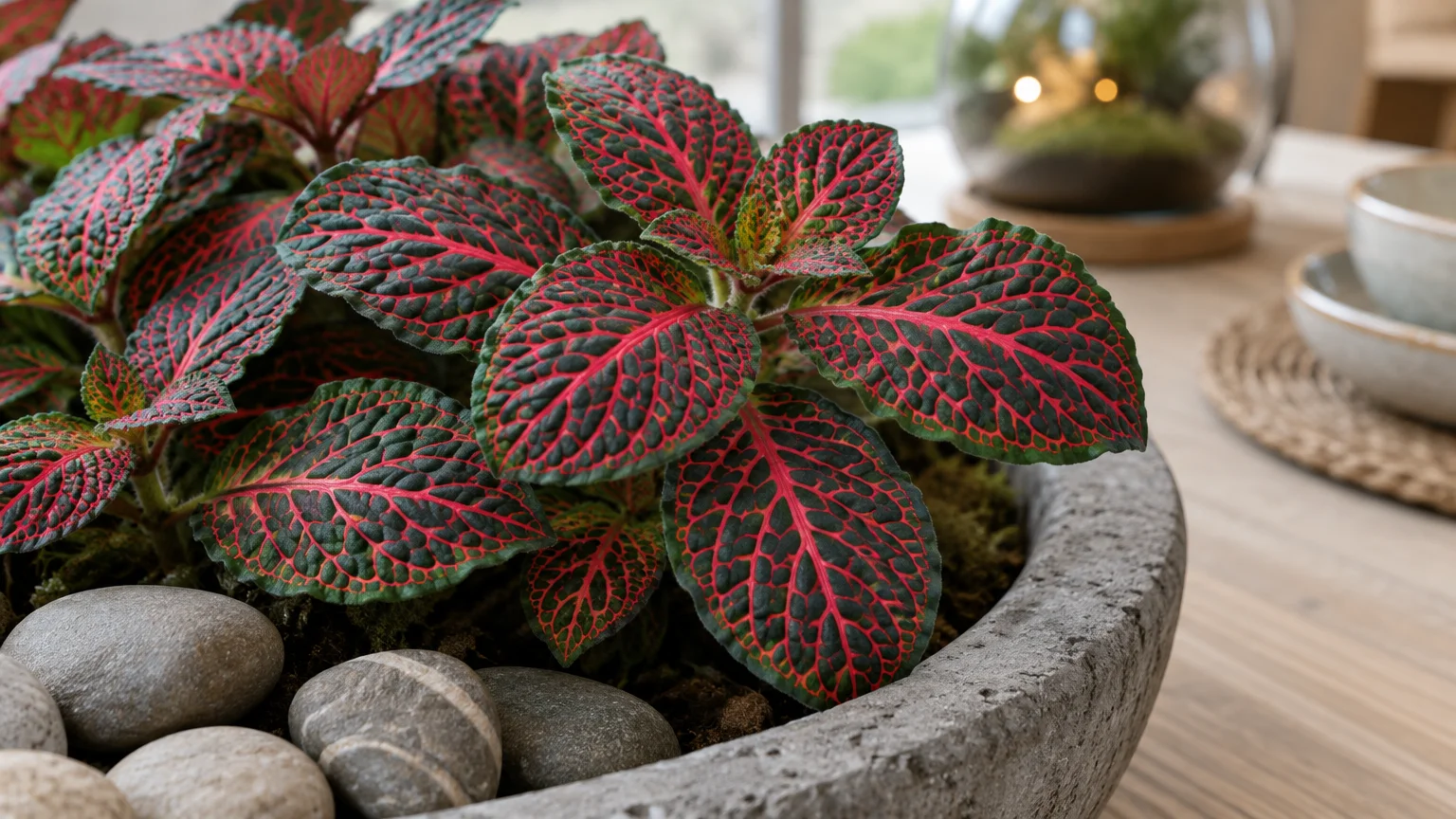
Tip #8: Fittonia (Nerve Plant)
Nerve plants display intricate, net-like veins in electric white, carmine red, or glowing pink across dark olive leaves. Their compact growth habit makes them perfect for coffee table styling and glass cloches.
Keep the soil consistently damp; these expressive houseplants will dramatically faint if they miss a single watering session. Place them in warm, humid rooms with gentle, indirect lighting conditions.
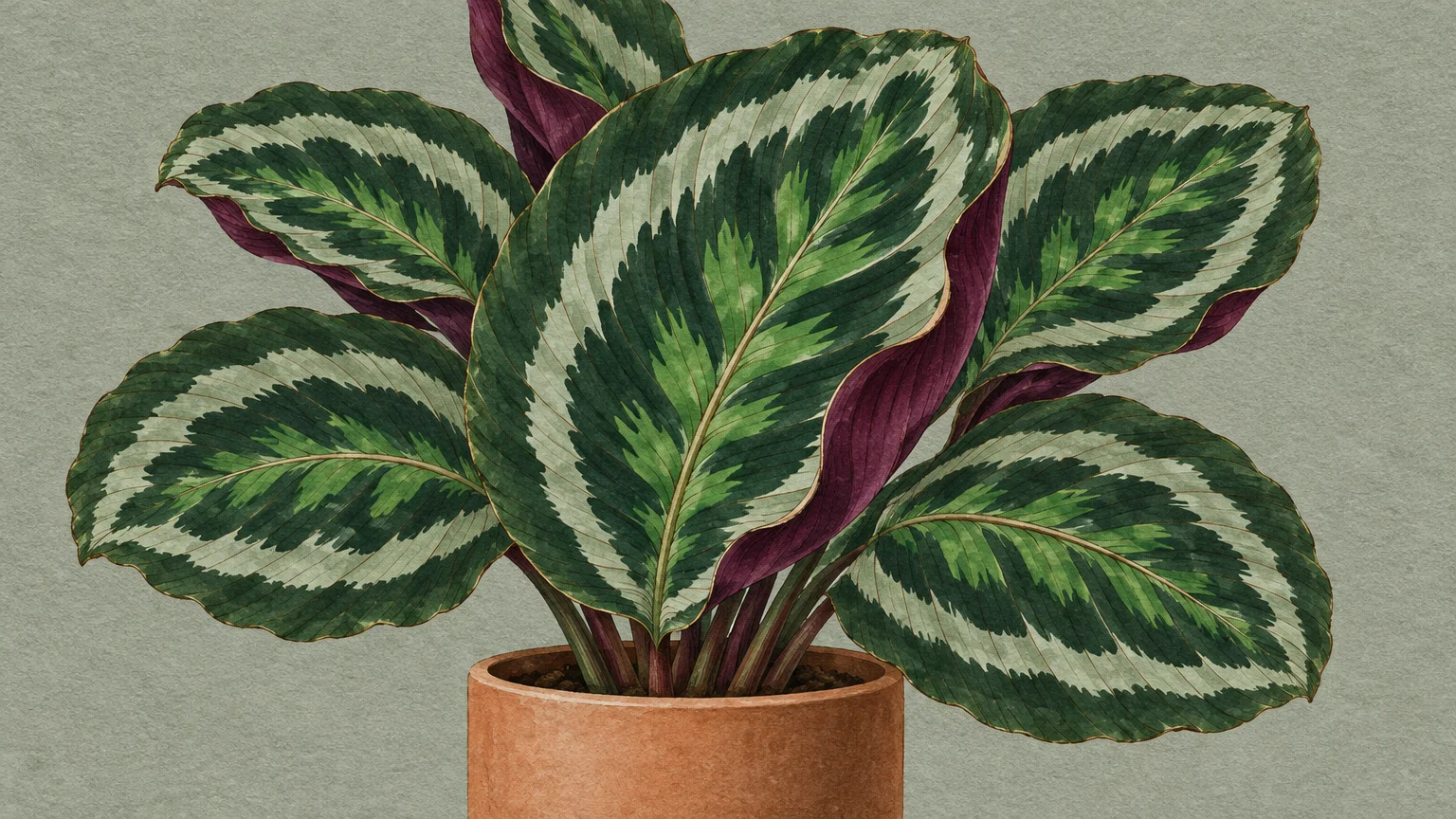
Tip #9: Calathea ‘Medallion’ (Goeppertia veitchiana)
Calathea ‘Medallion’ looks like an intricate medallion brooch, flaunting feathered emerald patterns on top and deep aubergine underneath. This dynamic prayer plant folds its foliage upright each evening, revealing its rich purple tones.
Shield your medallion from harsh midday sun to protect the delicate feather patterns from fading. Maintain higher indoor humidity and always water with filtered room-temperature water to avoid brown leaf tips.
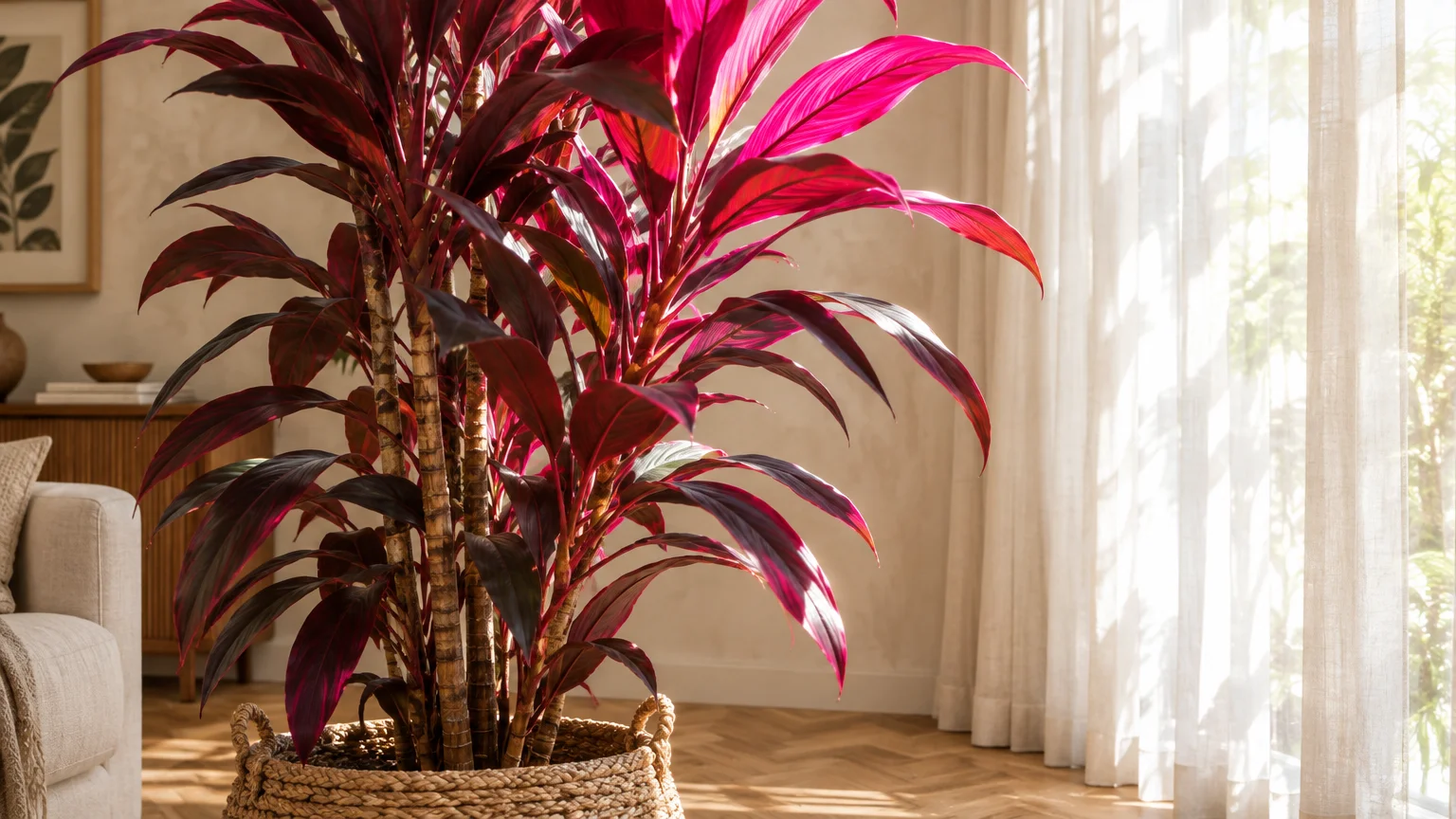
Tip #10: Hawaiian Ti Plant (Cordyline fruticosa)
The Hawaiian Ti plant creates dramatic vertical scale with wide lance-shaped leaves flushed in brilliant fuchsia, maroon, and bronze. It makes a statuesque floor plant next to mid-century modern credenzas or sunny entryways.
Set this tropical beauty where it receives several hours of bright, filtered morning light. Water thoroughly when the top two inches of soil feel dry, ensuring rapid drainage to protect the root ball.
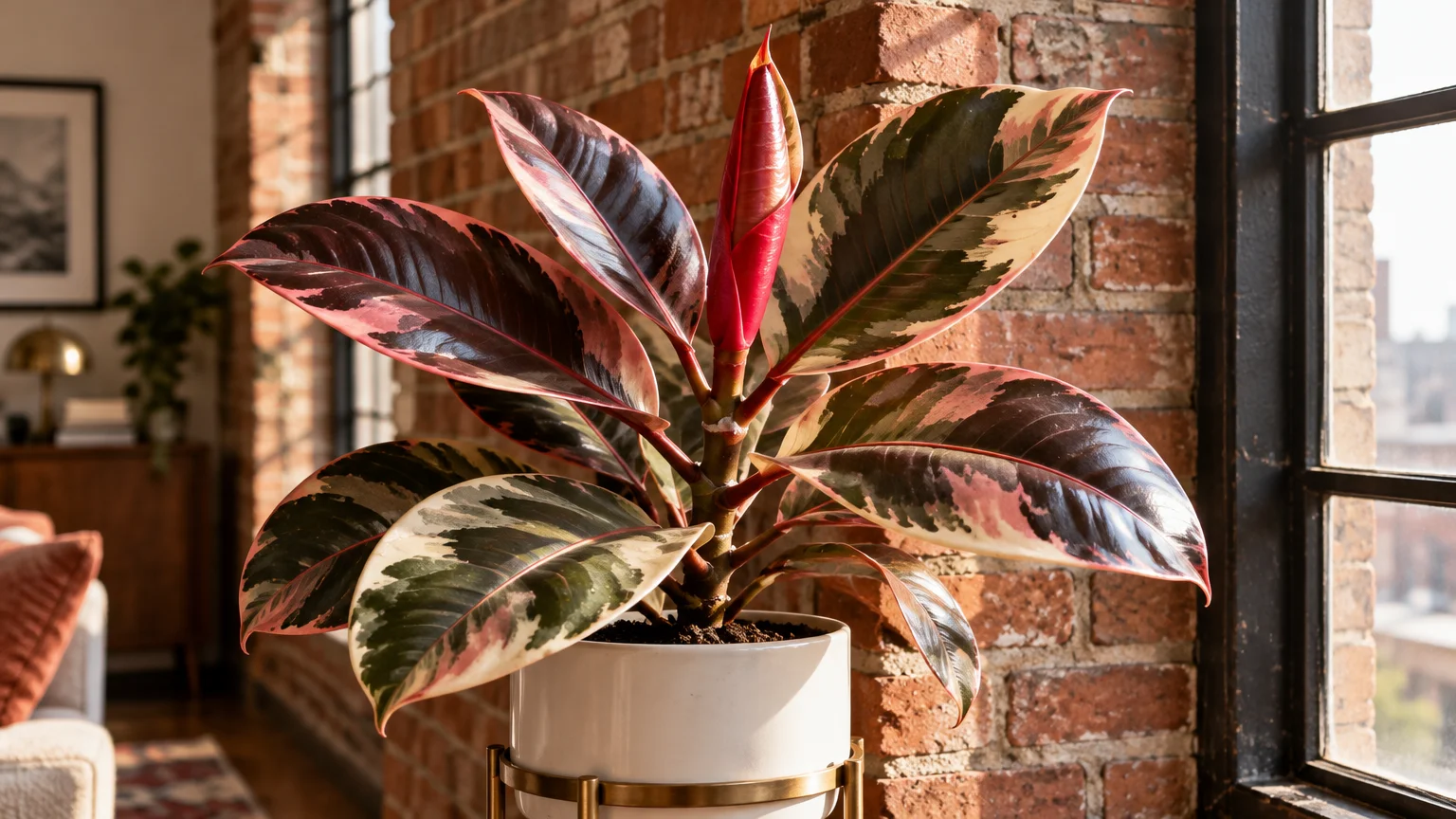
Tip #11: Rubber Tree ‘Ruby’ (Ficus elastica ‘Ruby’)
Ficus elastica ‘Ruby’ boasts glossy, substantial leaves washed in painterly strokes of rose red, cream, and deep sage green. The brand-new leaf sheaths emerge in incandescent crimson, adding sculptural drama to bare corners.
Situate this bold ficus near a bright eastern window to intensify its rosy pigments. Wipe down its broad leaves with a damp cloth monthly to maximize photosynthesis and dust-free shine.
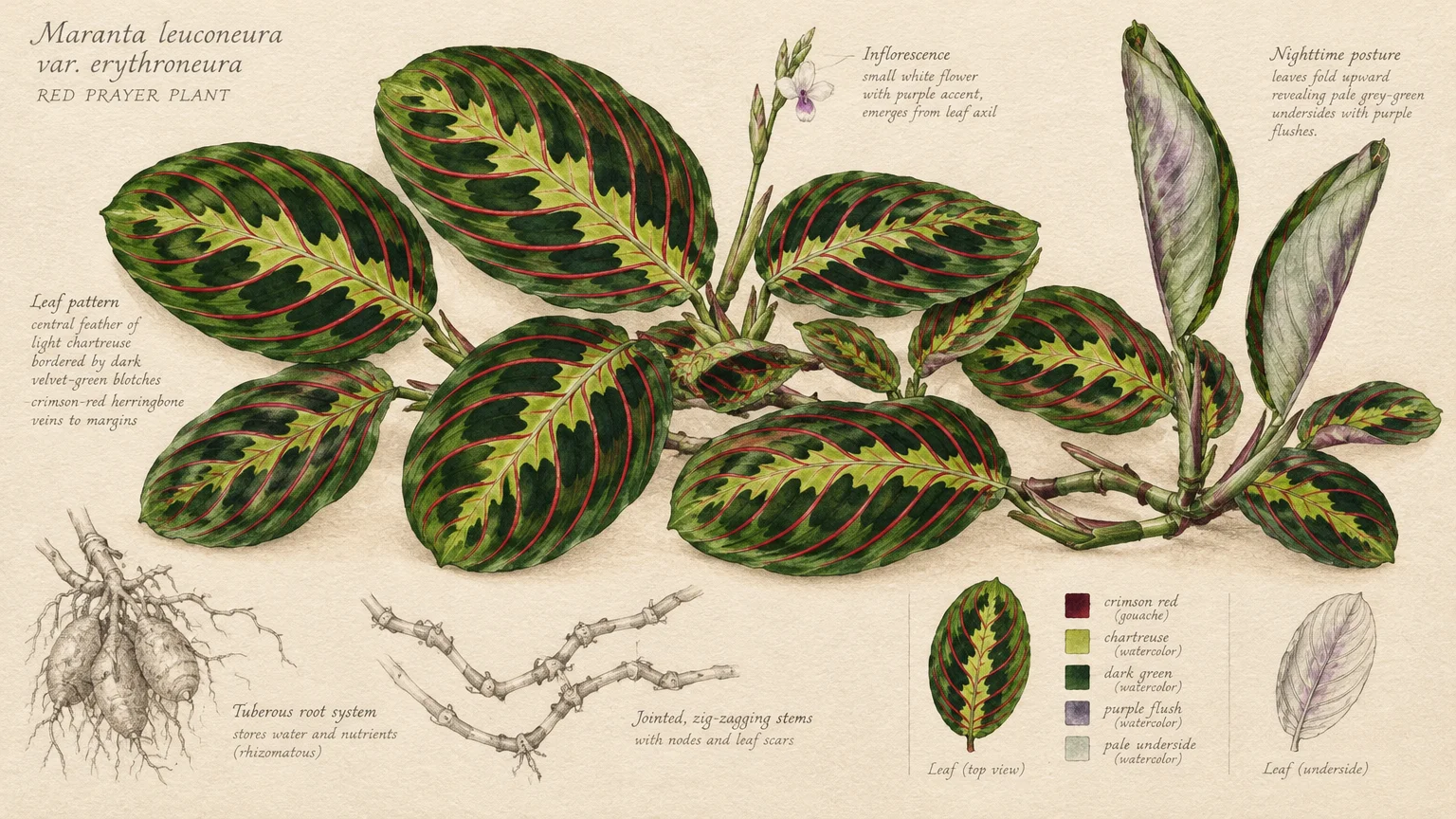
Tip #12: Red Prayer Plant (Maranta leuconeura)
Red prayer plants captivate observers with delicate herringbone veins of bright neon red crisscrossing velvety emerald foliage. Their low, spreading habit looks stunning cascading over bookshelf edges or wide decorative ceramic planters.
They thrive in dappled, medium-light settings away from drafty exterior doors and heater vents. Keep their potting compost evenly moist but never saturated to prevent root rot.
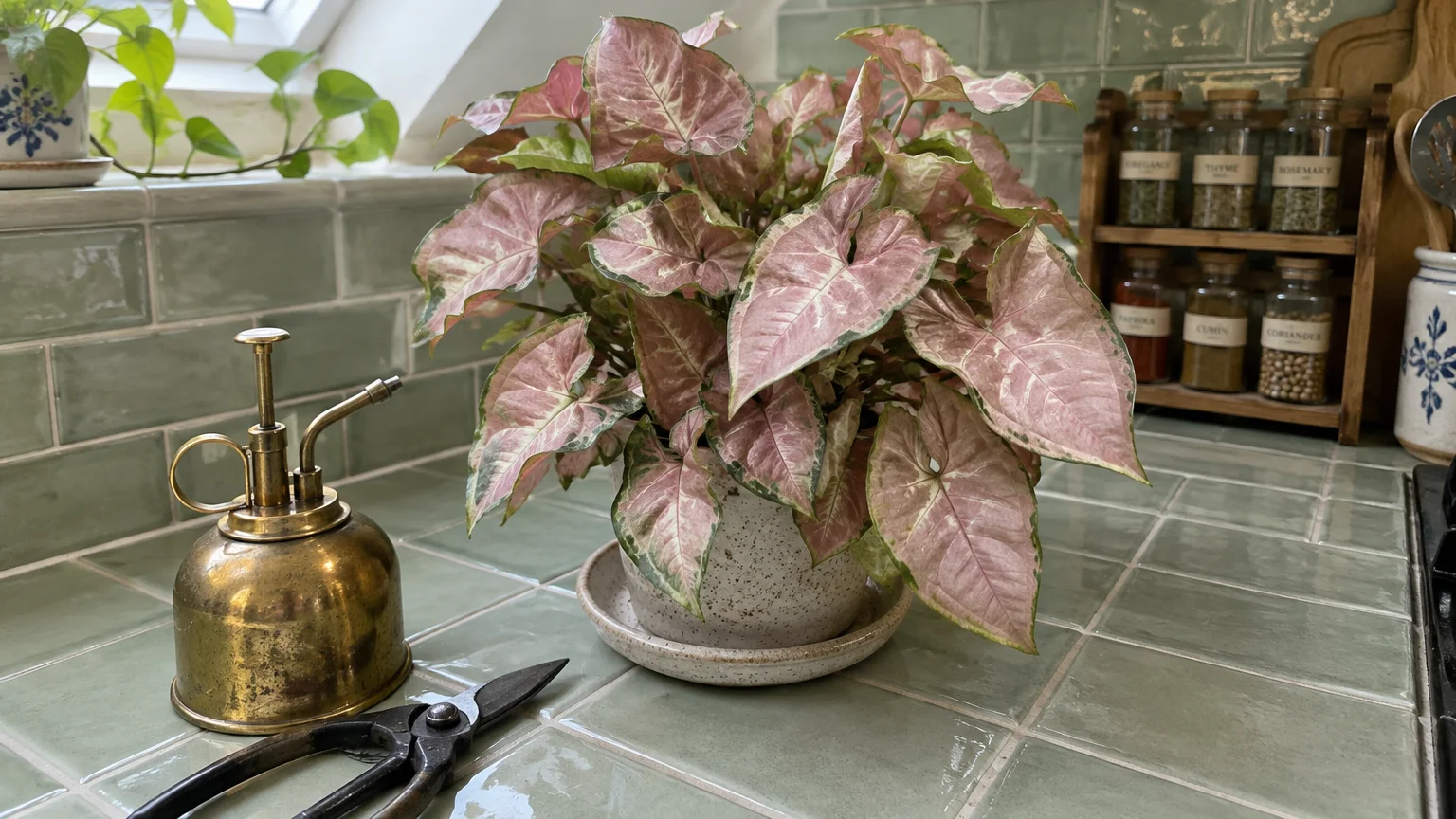
Tip #13: Syngonium ‘Neon Robusta’ (Arrowhead Vine)
Syngonium ‘Neon Robusta’ produces arrow-shaped leaves in an unusual shade of dusty rose-pink with olive undersides. It softens modern interiors and looks delightful when paired with white or terracotta planters.
Grow it as a compact desk mound, or give it a small trellis as it matures into a climber. Water when the top half-inch of soil dries, providing moderate to bright indirect sunlight.
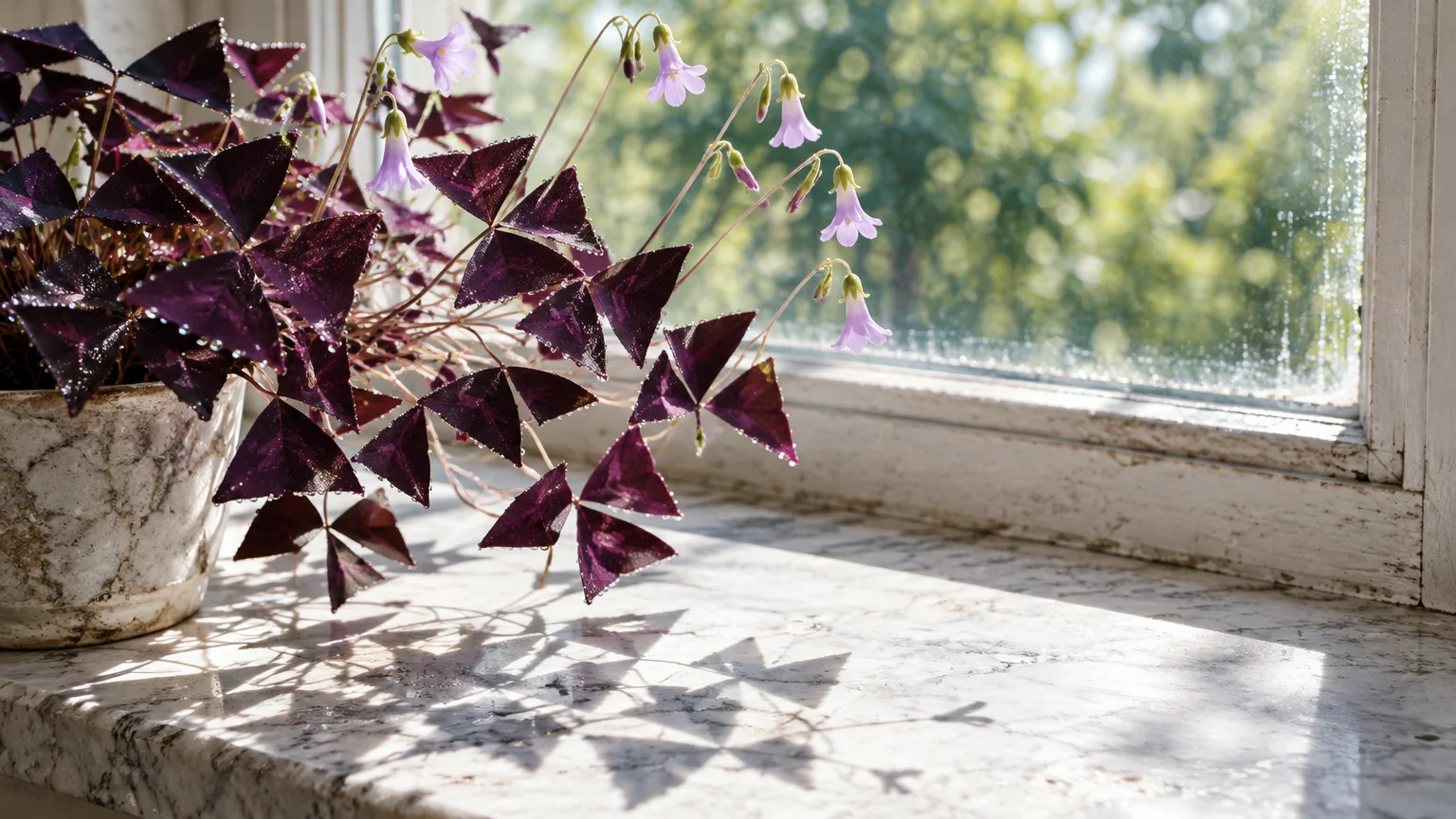
Tip #14: Purple Shamrock (Oxalis triangularis)
Purple shamrocks feature delicate, geometric three-lobed leaves of deep velvet violet that resemble fluttering purple butterflies. They open wide in response to morning light and close tightly at dusk, creating an interactive decorative accent.
Stage this botanical wonder on an east-facing kitchen table where it receives bright morning sunlight. Allow the top soil layer to dry between waterings, and do not worry if it rests during winter.
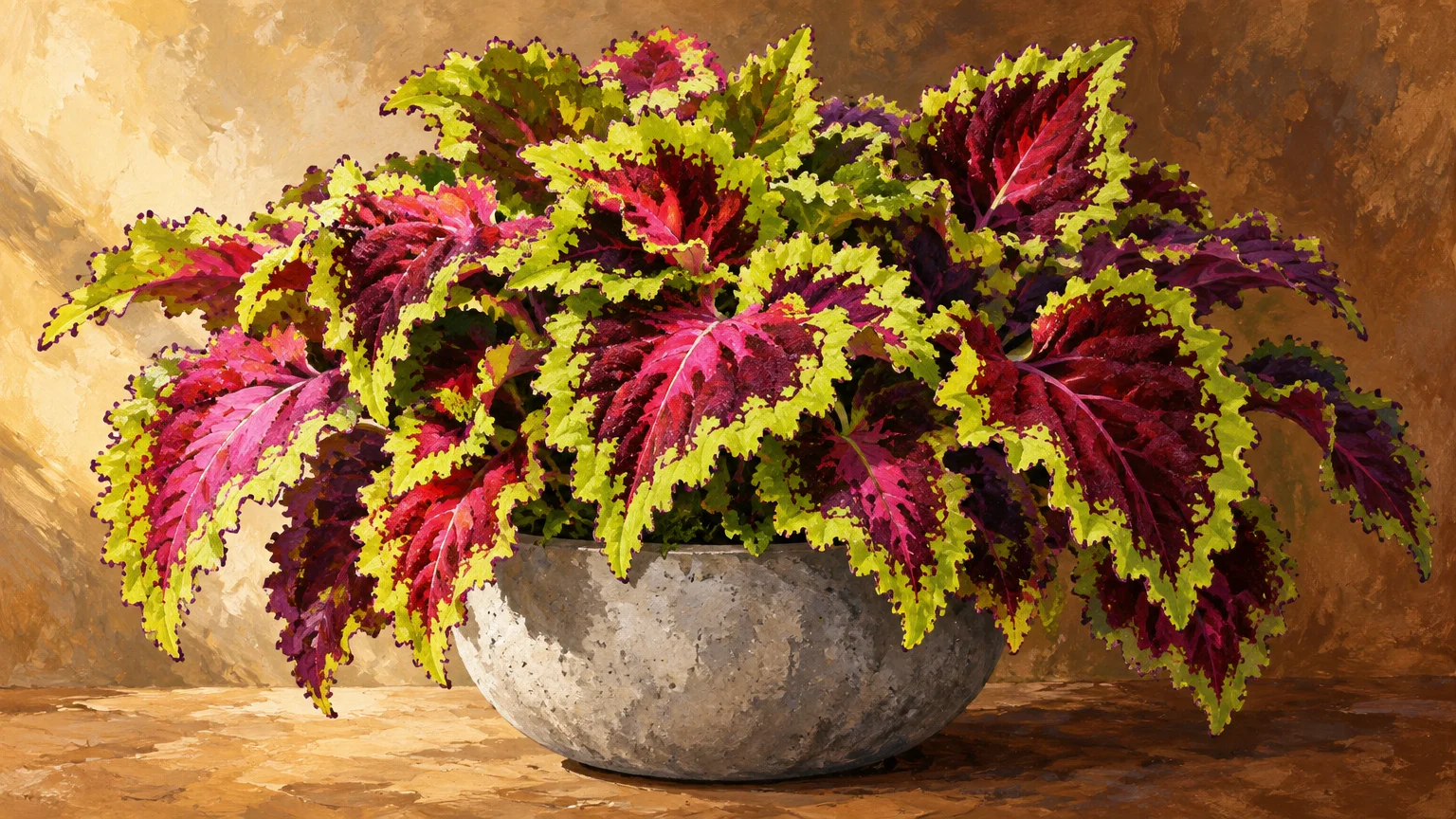
Tip #15: Coleus (Plectranthus scutellarioides)
Indoor coleus varieties provide an explosion of neon lime, magenta, copper, and velvety black foliage on scalloped leaves. They act as vibrant living bouquets on sunny dining tables without fading after a week.
Provide ample direct sun indoors to retain saturated leaf coloration and prevent spindly stem growth. Pinch off small flower spikes as soon as they appear to redirect energy back into luxuriant foliage.
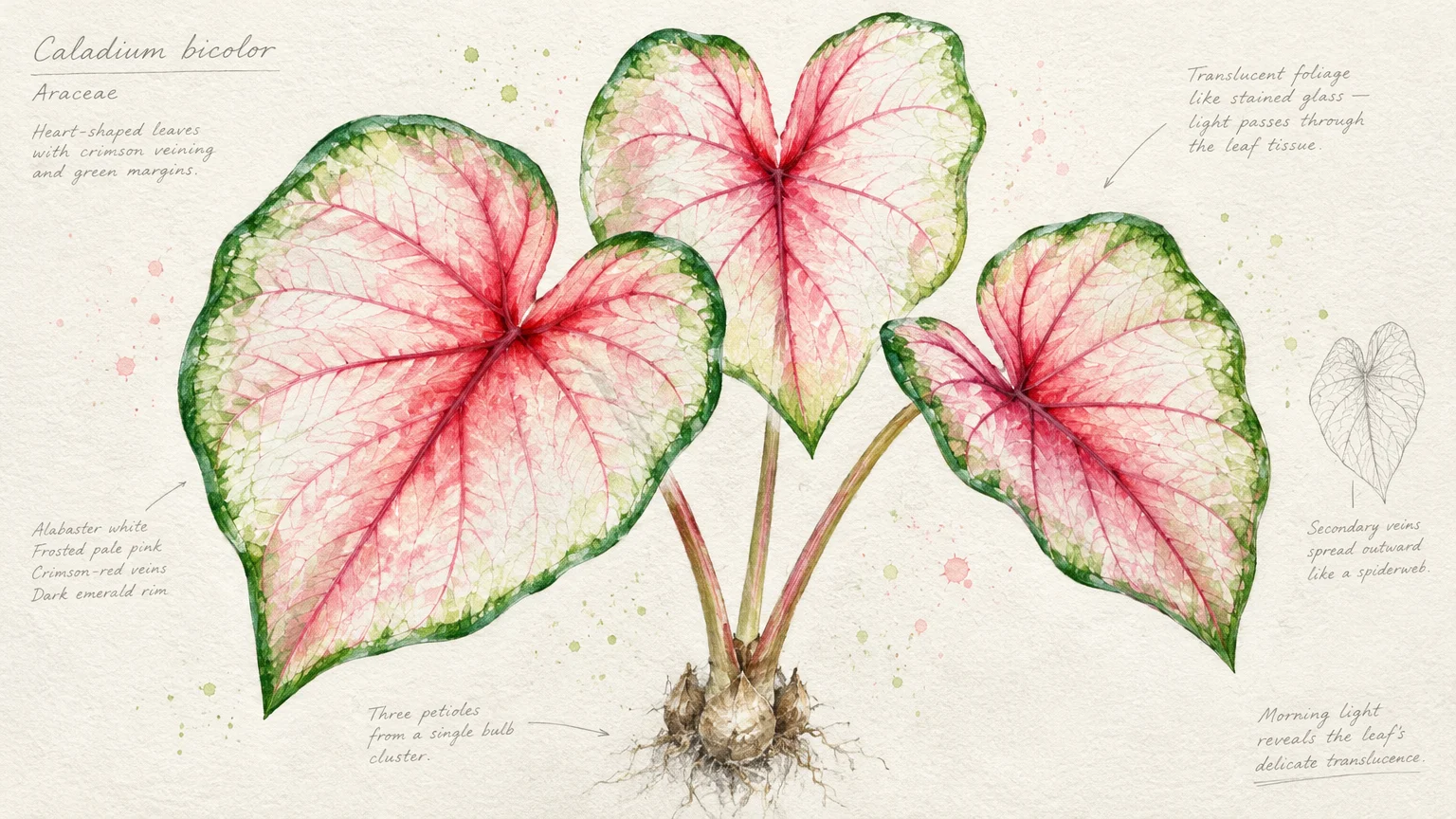
Tip #16: Caladium (Caladium bicolor)
Caladiums display paper-thin, heart-shaped leaves washed in translucent whites, candy pinks, and crimson center veins. They provide dramatic seasonal warmth and airy elegance on protected indoor plant stands during warm months.
Give these tuberous plants warm ambient air above seventy degrees Fahrenheit and gentle, filtered light. Keep their substrate constantly damp and let tubers rest in a dry cupboard over the winter season.
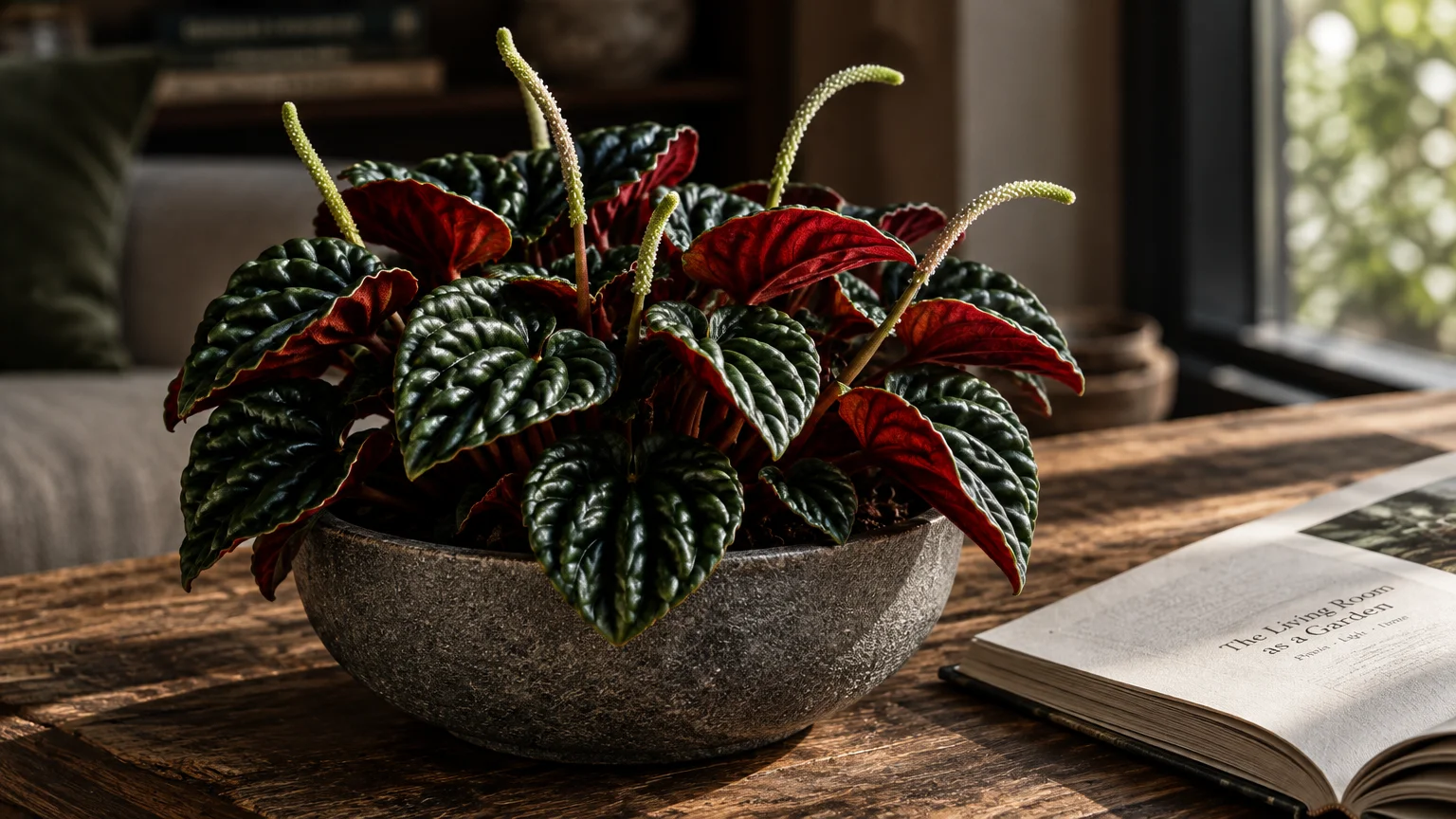
Tip #17: Peperomia caperata ‘Rosso’
Peperomia ‘Rosso’ exhibits deeply grooved, dark emerald leaves whose bright scarlet undersides reflect light upward. This architectural, compact growth pattern makes it a fantastic centerpiece for narrow floating shelves and desks.
Treat this hardy plant like a semi-succulent by letting the soil dry out moderately between waterings. Supply medium to bright filtered light, avoiding harsh direct sun that can scorch its textured canopy.
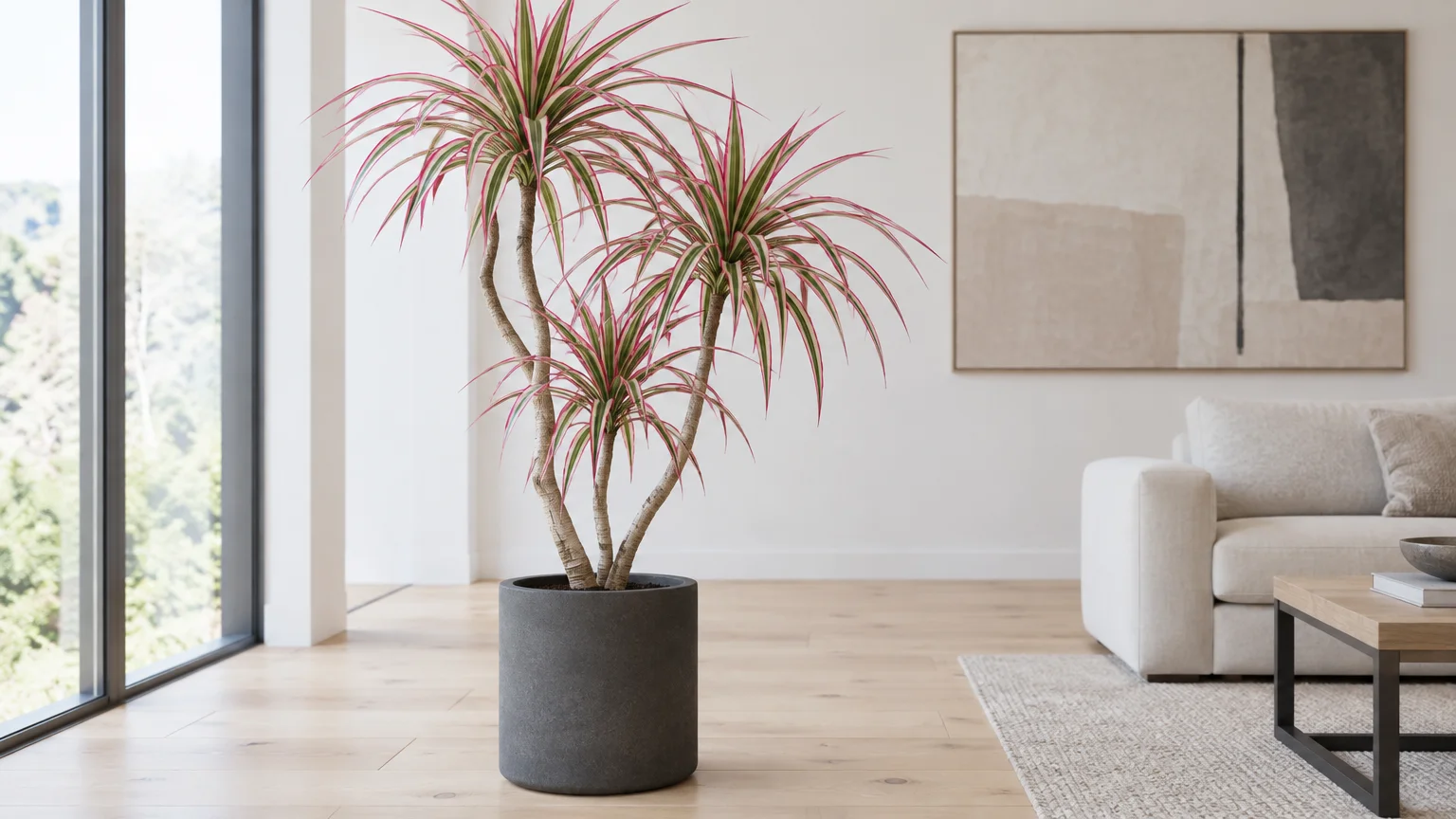
Tip #18: Dracaena marginata ‘Tricolor’
Dracaena ‘Tricolor’ produces fountain-like spires of slender ribbon leaves striped in olive, cream, and brilliant magenta-pink. Its sculptural, architectural silhouette creates stunning vertical interest beside sofas and reading armchairs.
Position this drought-tolerant specimen in bright, filtered light to maintain its cheerful pink leaf margins. Allow the potting soil to dry out almost completely between deep waterings.
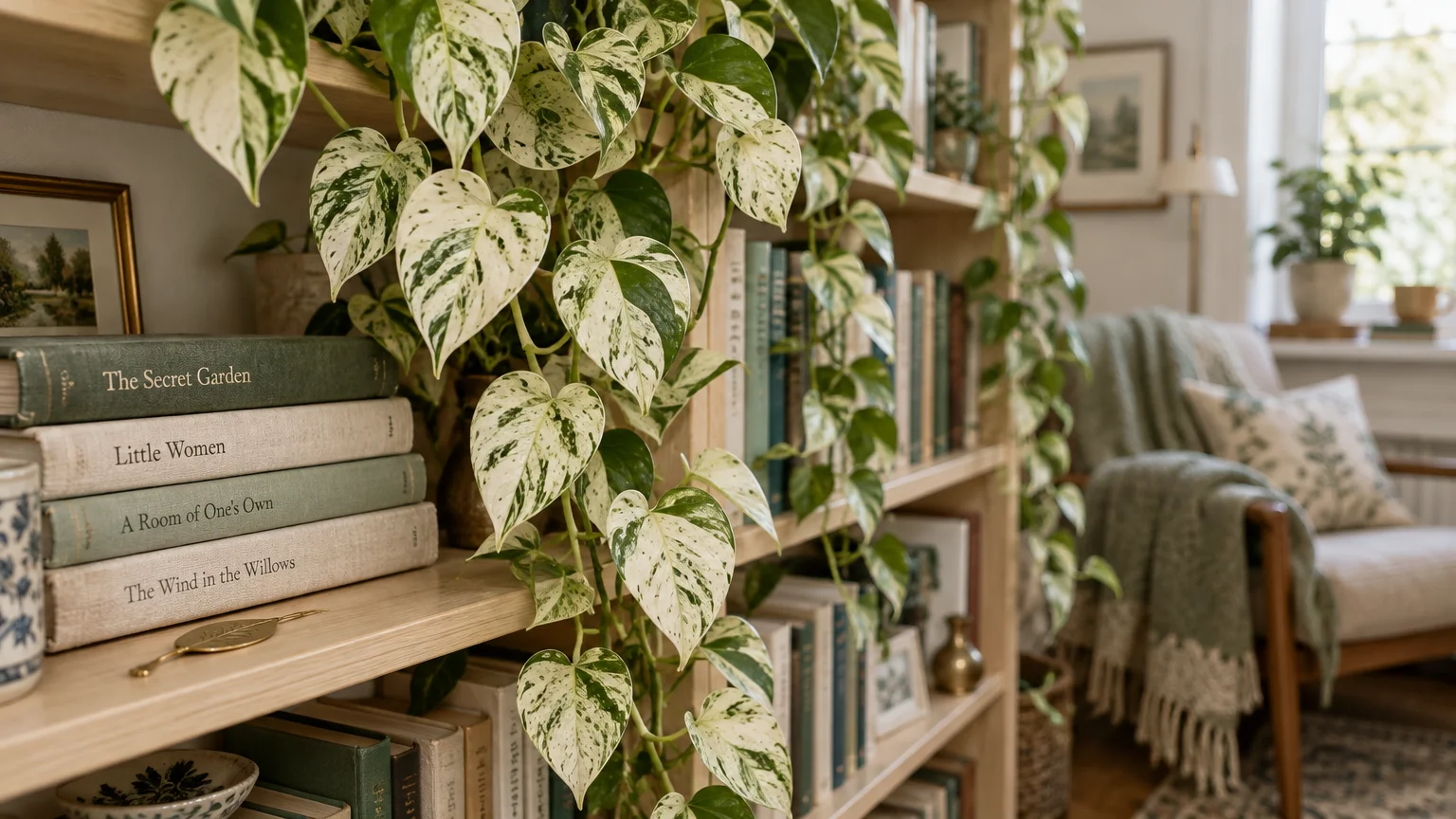
Tip #19: Pothos ‘Marble Queen’ (Epipremnum aureum)
Pothos ‘Marble Queen’ features heart-shaped foliage heavily marbled with creamy white, ivory, and soft emerald green. This classic trailing vine brightens dark room corners and looks sensational tumbling from wall-mounted sconces.
Provide steady indirect lighting to safeguard the rich white marbling from reverting to solid green. Let the soil dry out halfway before saturating it, making it one of the easiest decor plants to grow.
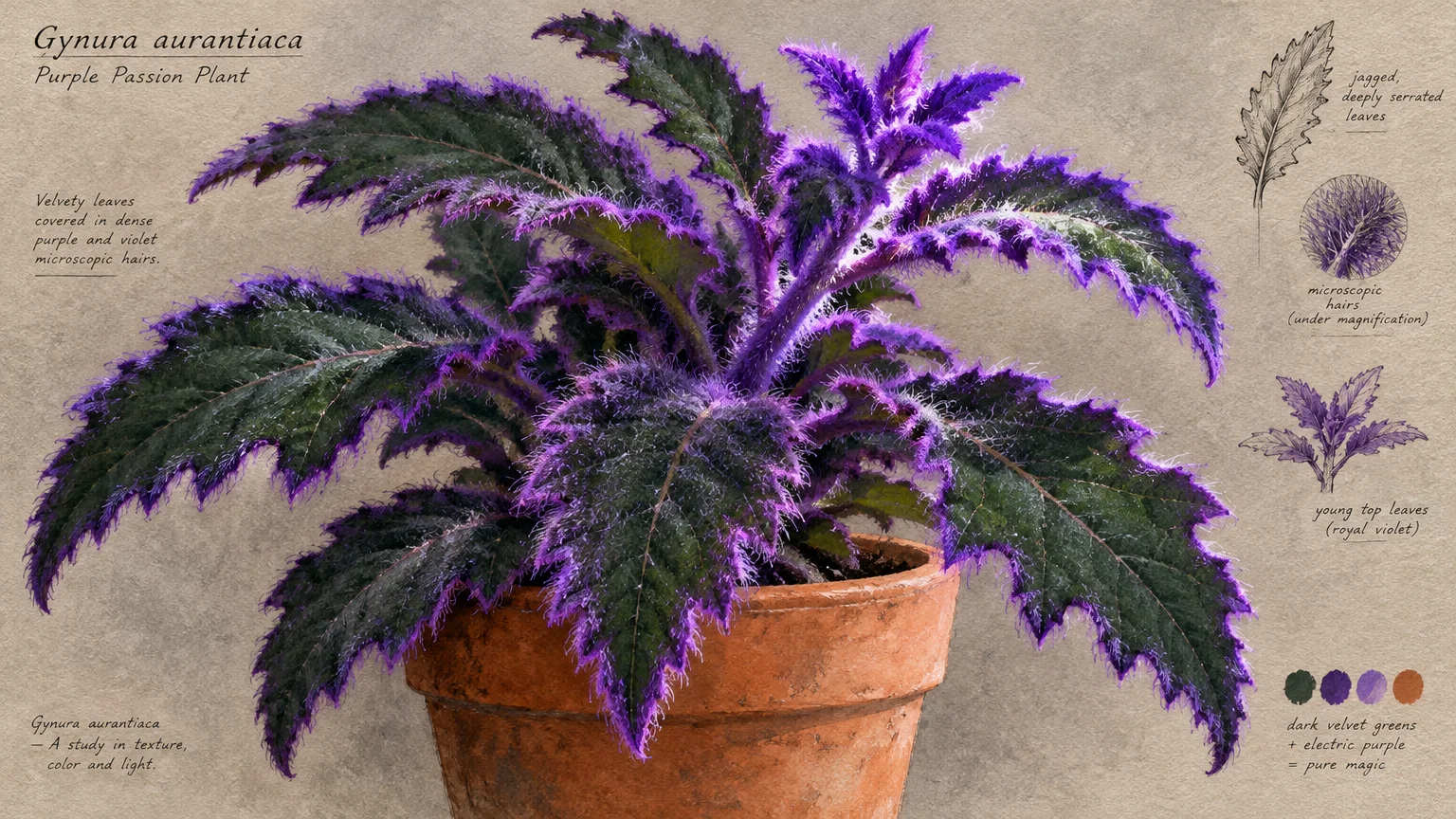
Tip #20: Purple Passion Plant (Gynura aurantiaca)
Gynura aurantiaca features velvety serrated leaves coated with microscopic, iridescent purple hairs that shimmer when light strikes them. It provides an unexpected tactile quality and dramatic velvet sheen on sunny credenzas.
Give this trailing plant bright, indirect light to intensify the royal purple fuzz across new leaves. Water from below or at soil level to prevent water droplets from spotting the fuzzy foliage.
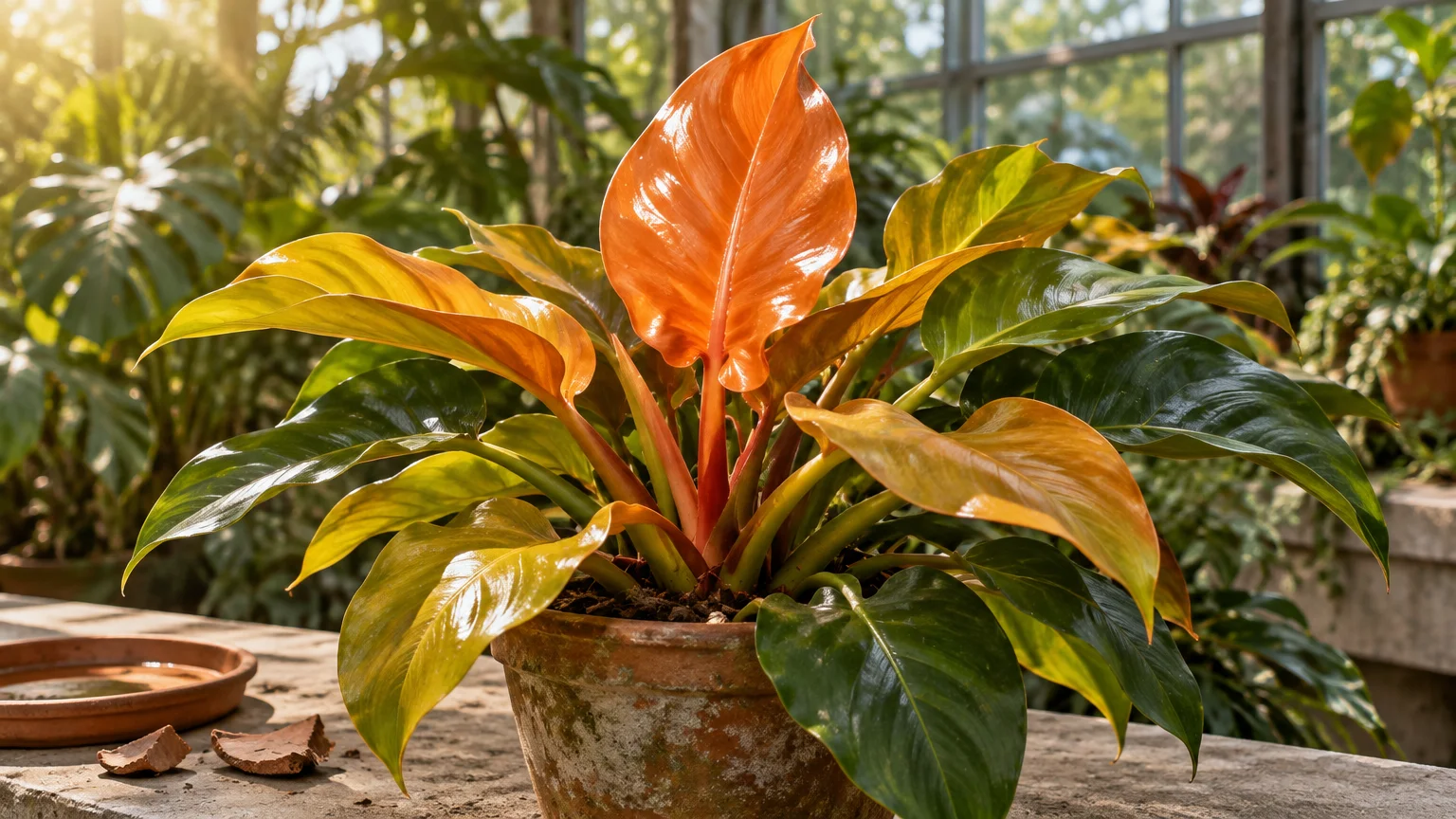
Tip #21: Philodendron ‘Prince of Orange’
Philodendron ‘Prince of Orange’ unfolds brand-new leaves in radiant copper-orange before they transition to golden amber and deep green. Because each leaf develops at a different stage, the plant exhibits a multi-colored ombre display.
Place this self-heading philodendron in bright indirect light to preserve its fiery warm tones. Water thoroughly whenever the top inch of potting soil feels completely dry to the touch.
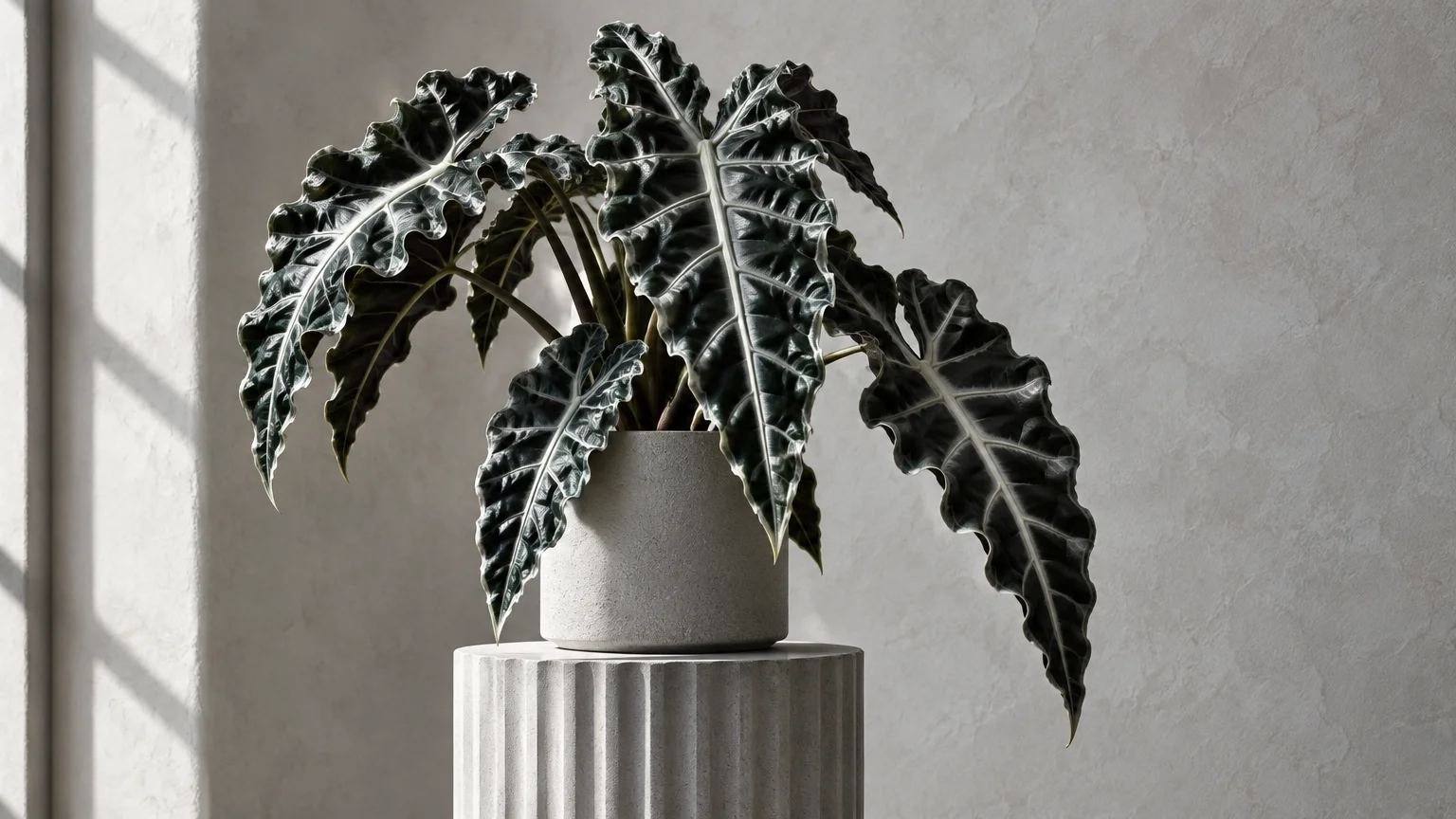
Tip #22: Alocasia ‘Polly’ (Amazonian Elephant Ear)
Alocasia ‘Polly’ commands attention with scalloped, arrow-shaped leaves in deep black-green framed by thick, silvery-white veins. It acts as a living gothic sculpture, providing high visual drama on sleek contemporary consoles.
Deliver warm temperatures and elevated indoor humidity to keep the foliage crisp and healthy. Allow the top two inches of soil to dry between waterings to safeguard its rhizome system.
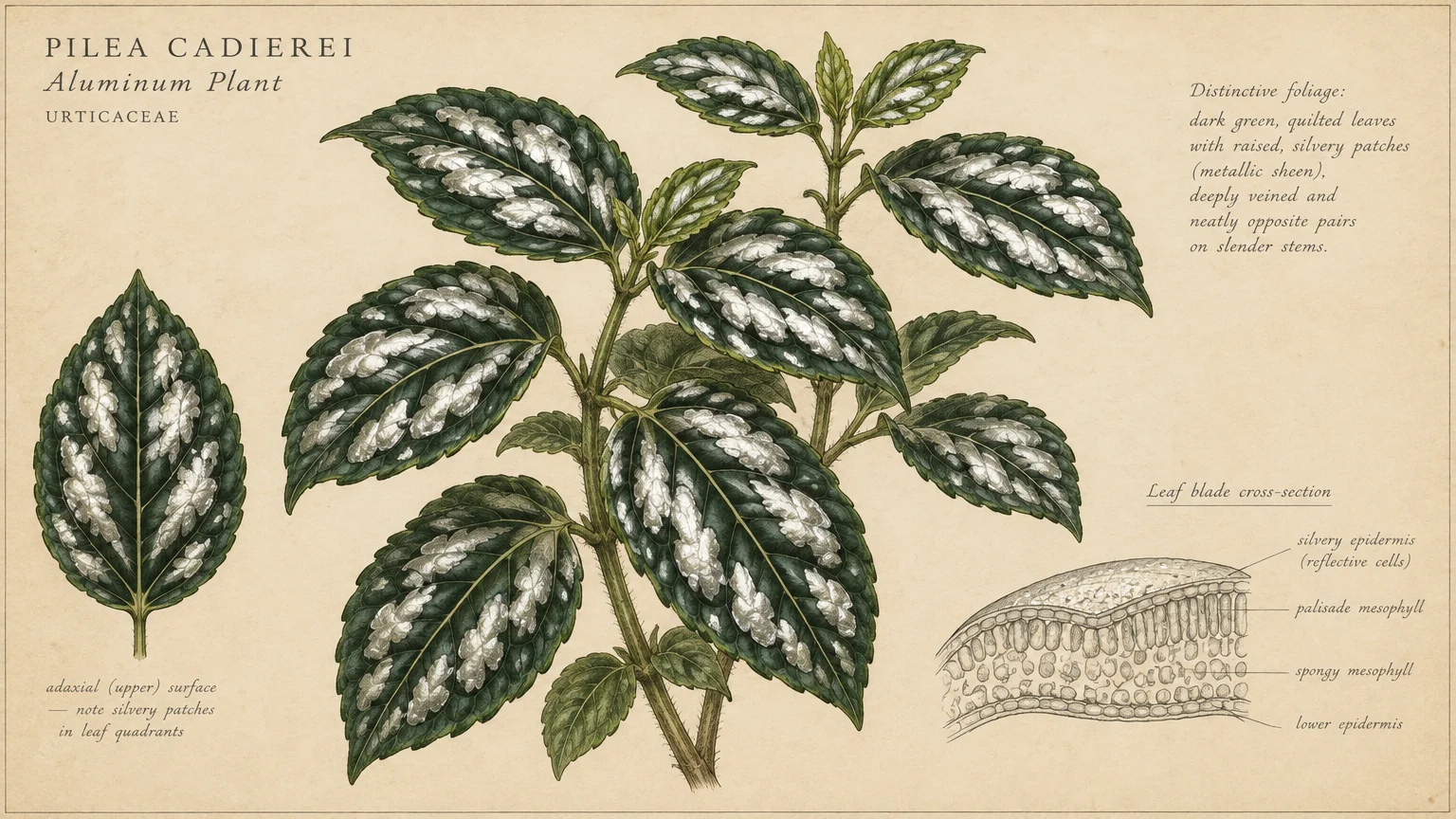
Tip #23: Pilea cadierei (Aluminum Plant)
Pilea cadierei features quilted deep-green leaves embossed with raised patches of metallic, mirror-like silver. It pairs exceptionally well with brushed nickel fixtures and modern glass decor on open living room shelving.
Keep this neat foliage plant in bright indirect light and water whenever the soil surface feels dry. Prune back leggy stems each spring to encourage a dense, well-branched habit.
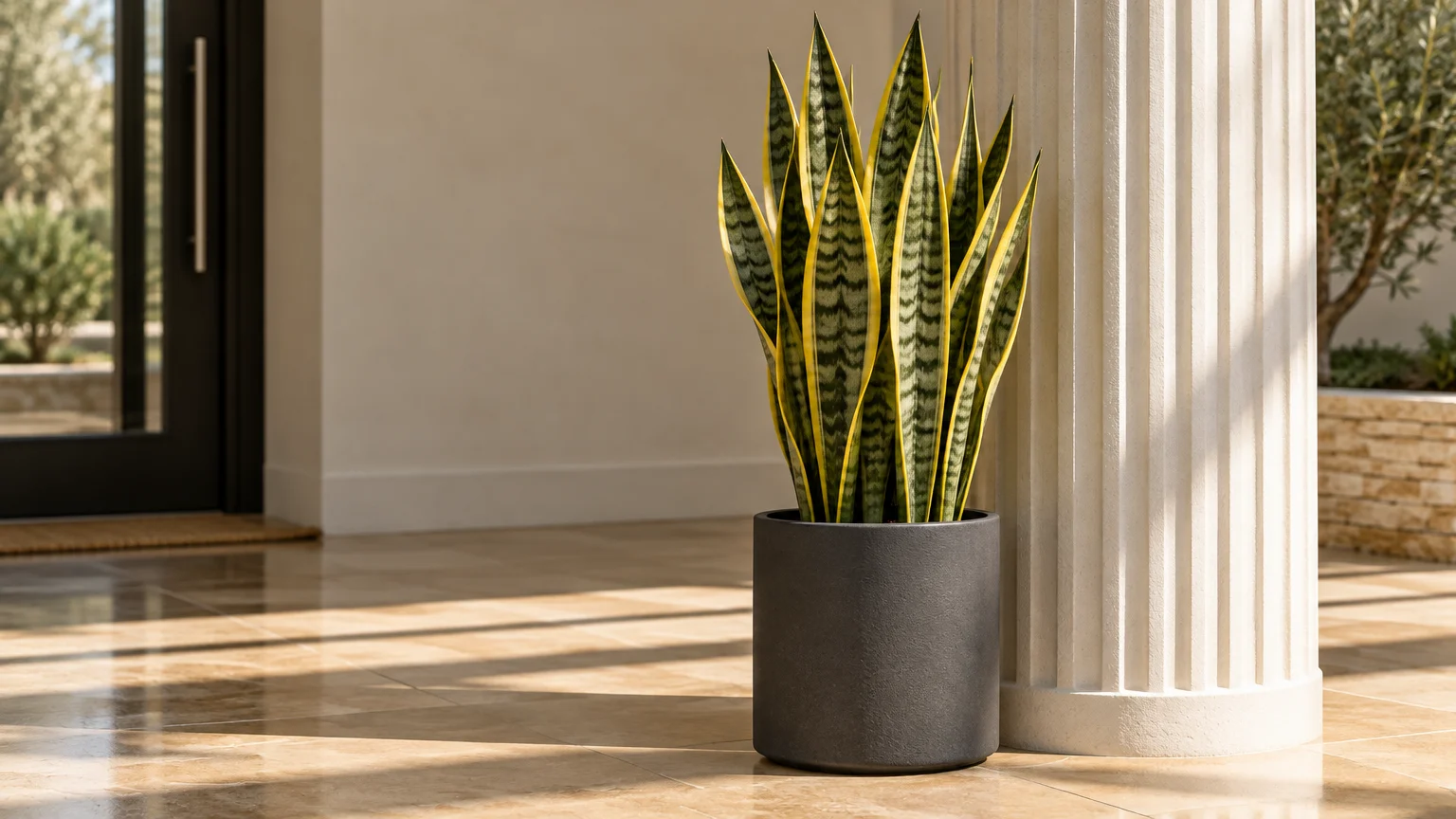
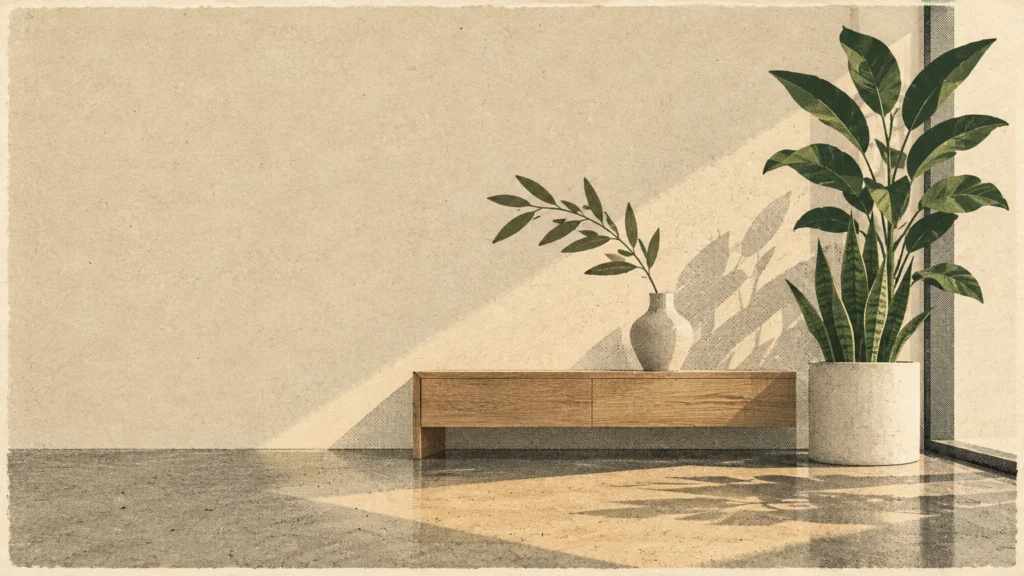
Tip #24: Snake Plant ‘Laurentii’ (Sansevieria trifasciata)
Snake Plant ‘Laurentii’ features architectural, sword-like foliage edged with vivid golden-yellow borders against a marbled green core. It provides clean vertical geometry that anchors minimalist, industrial, or mid-century room aesthetics.
This ultra-tough houseplant thrives on neglect and tolerates low-light settings, though bright filtered sun keeps its yellow borders luminous. Water sparingly once every two to three weeks, allowing the soil to dry completely.
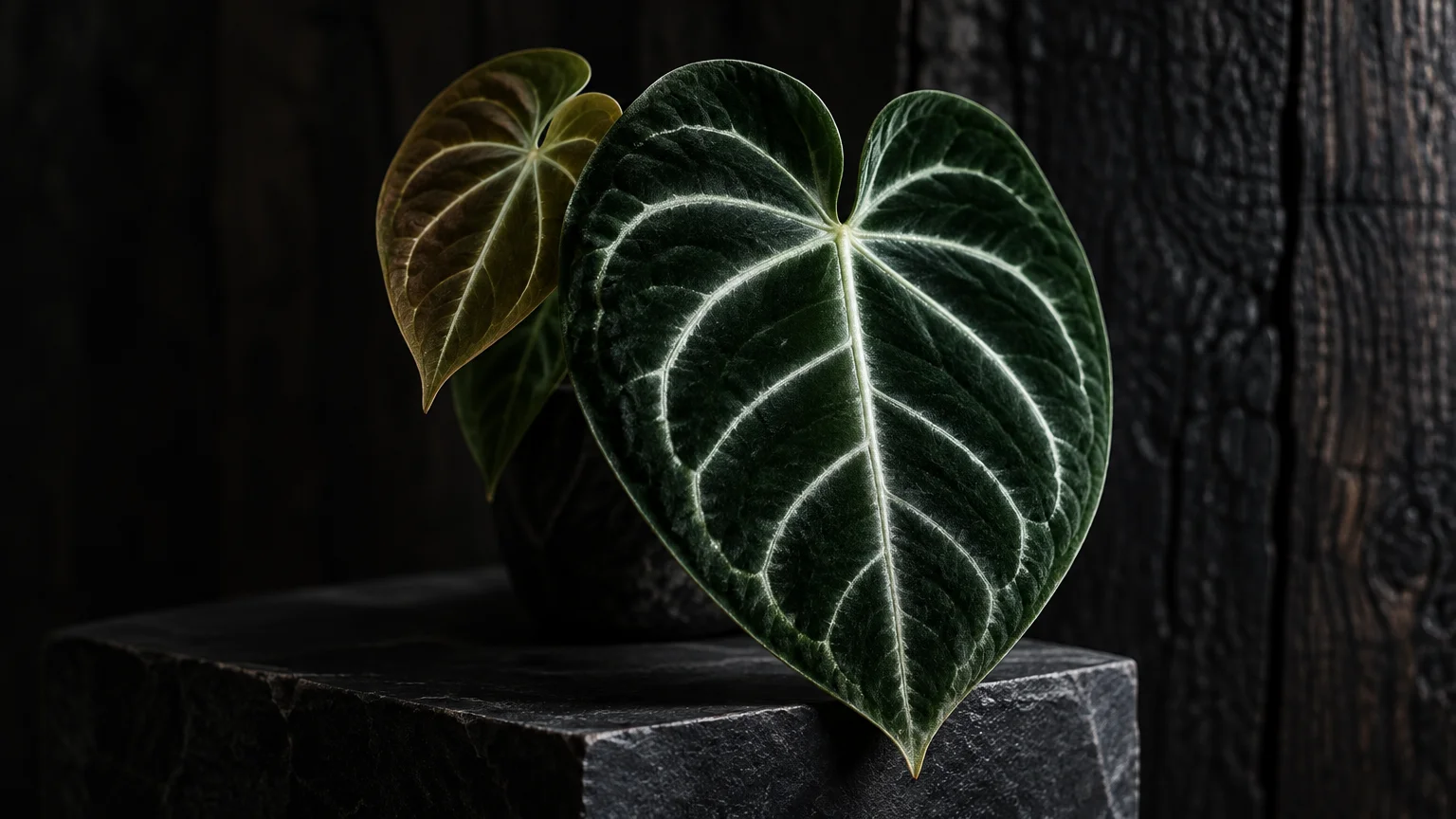
Tip #25: Anthurium clarinervium
Anthurium clarinervium displays thick, cardboard-like heart leaves of deep velvety matte-black green etched with luminous white crystal veins. It instantly elevates plant stands into high-end art installations with its breathtaking contrasting textures.
Plant it in an airy, chunky aroid mix containing orchid bark and perlite. Provide bright indirect light alongside gentle humidity; water thoroughly only when the top half of the potting mix feels dry.
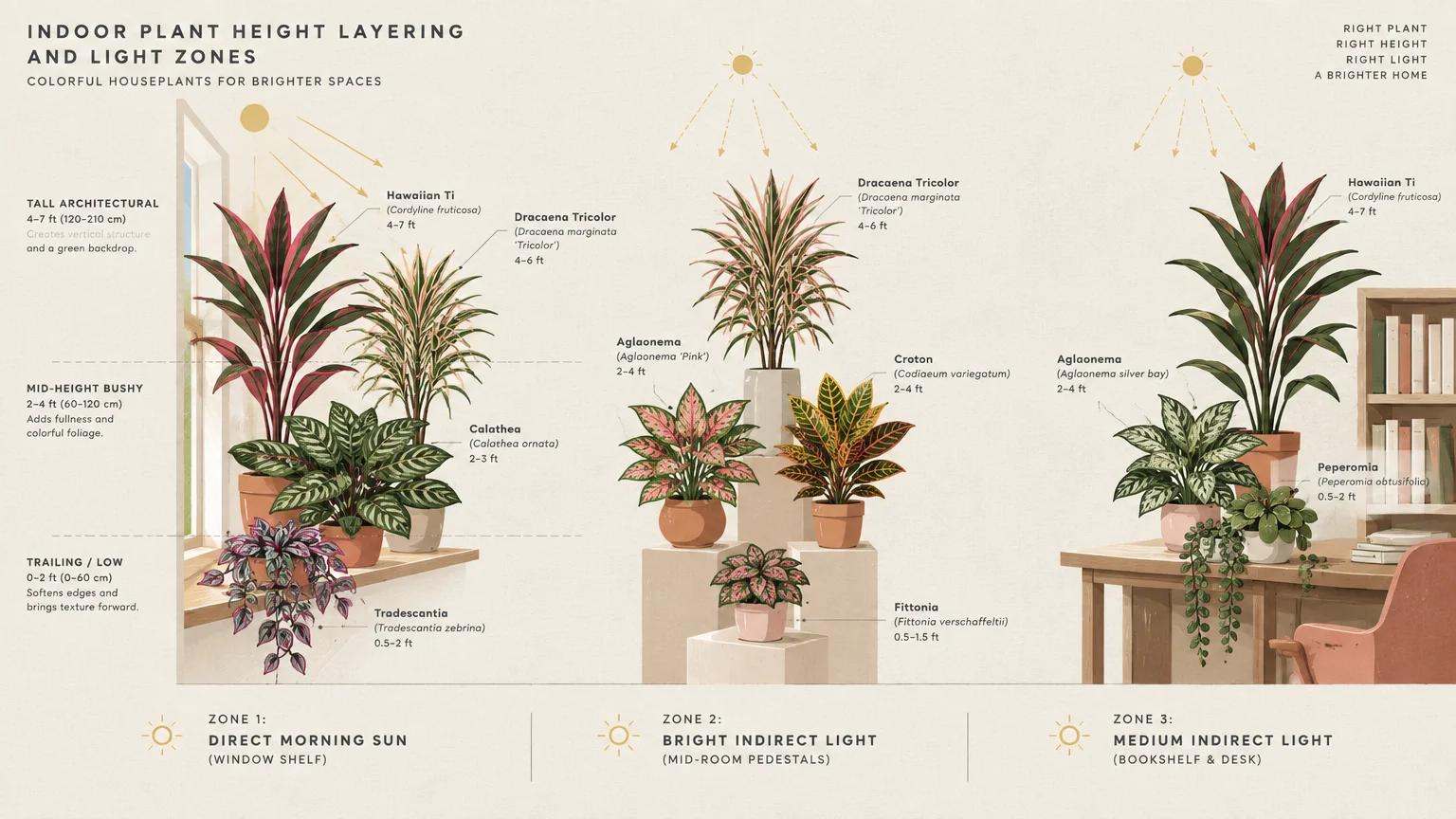
Putting It All Together: Enjoy Your Beautiful Garden
Styling your home with colorful houseplants elevates ordinary interior spaces into vibrant, dynamic sanctuaries filled with life. Thoughtfully combining architectural vertical specimens like snake plants with trailing colorful vines builds rewarding visual depth across every room.
Choose neutral pots crafted from stone, matte terracotta, or ceramic to let the radiant foliage remain the primary focal point. Group plants with similar light and humidity requirements together to simplify your weekly care routine.
Pay close attention to seasonal changes in natural sunlight, shifting your colorful displays closer to windows during winter months. With mindful care and creative indoor plant styling, your living decor will thrive and inspire you daily.
Frequently Asked Questions
How do I prevent my colorful houseplants from losing their vibrant foliage?
Colorful houseplants require bright, indirect daylight to produce and sustain their non-green pigments like anthocyanins and carotenoids. When lighting levels drop too low, plants produce excess green chlorophyll to survive, causing rich colors to fade.
Which colorful houseplants are safe to keep around cats and dogs?
Calatheas, Marantas (prayer plants), and Stromanthe varieties offer gorgeous, colorful leaves while remaining completely non-toxic to household pets. Always verify plant safety on the ASPCA toxic plant registry before adding new decorative plants to your home.
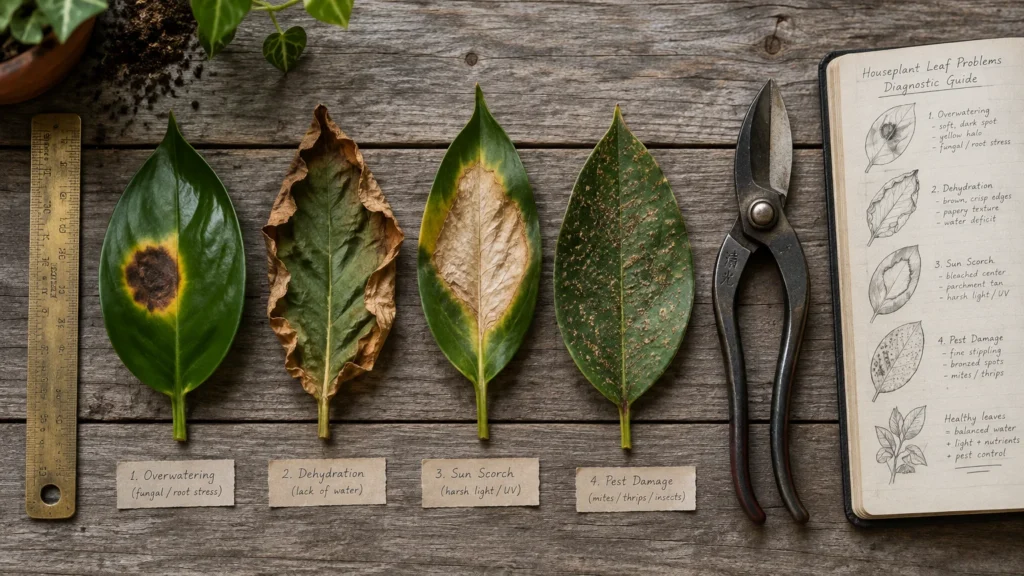
Why are the edges of my colorful leaves turning brown and crispy?
Crispy leaf margins usually indicate dry indoor air, proximity to heater vents, or sensitivity to tap water minerals. Group your plants together, run a cool-mist humidifier, and hydrate sensitive varieties using filtered or distilled water.
How often should I fertilize indoor plants with colorful leaves?
Apply a balanced, water-soluble liquid fertilizer diluted to half strength once a month during spring and summer. Stop feeding entirely during autumn and winter when plant growth naturally slows down in response to reduced light.
For region-specific advice, consult your local University Extension program (find yours via the USDA directory). For plant databases and inspiration, visit the Missouri Botanical Garden or the Royal Horticultural Society.
Disclaimer: This article provides general gardening advice. Always consider your specific climate, soil conditions, and local pests. Follow safety guidelines when using gardening tools and products.