Kitchen environments present unique challenges for indoor gardening due to fluctuating temperatures, high humidity, and varying light levels. Selecting the right plants transforms your cooking space into a vibrant, living oasis while naturally purifying the air you breathe. You can effortlessly integrate greenery into your home decor by choosing resilient varieties that genuinely flourish in culinary spaces. Kitchen plants offer both aesthetic charm and practical benefits—from trailing vines that soften harsh cabinet lines to robust succulents that endure the occasional missed watering. By understanding which low maintenance plants adapt best to countertop conditions, you will create a thriving indoor garden that elevates your daily routine.
Tip #1: Spider Plant (Chlorophytum comosum)
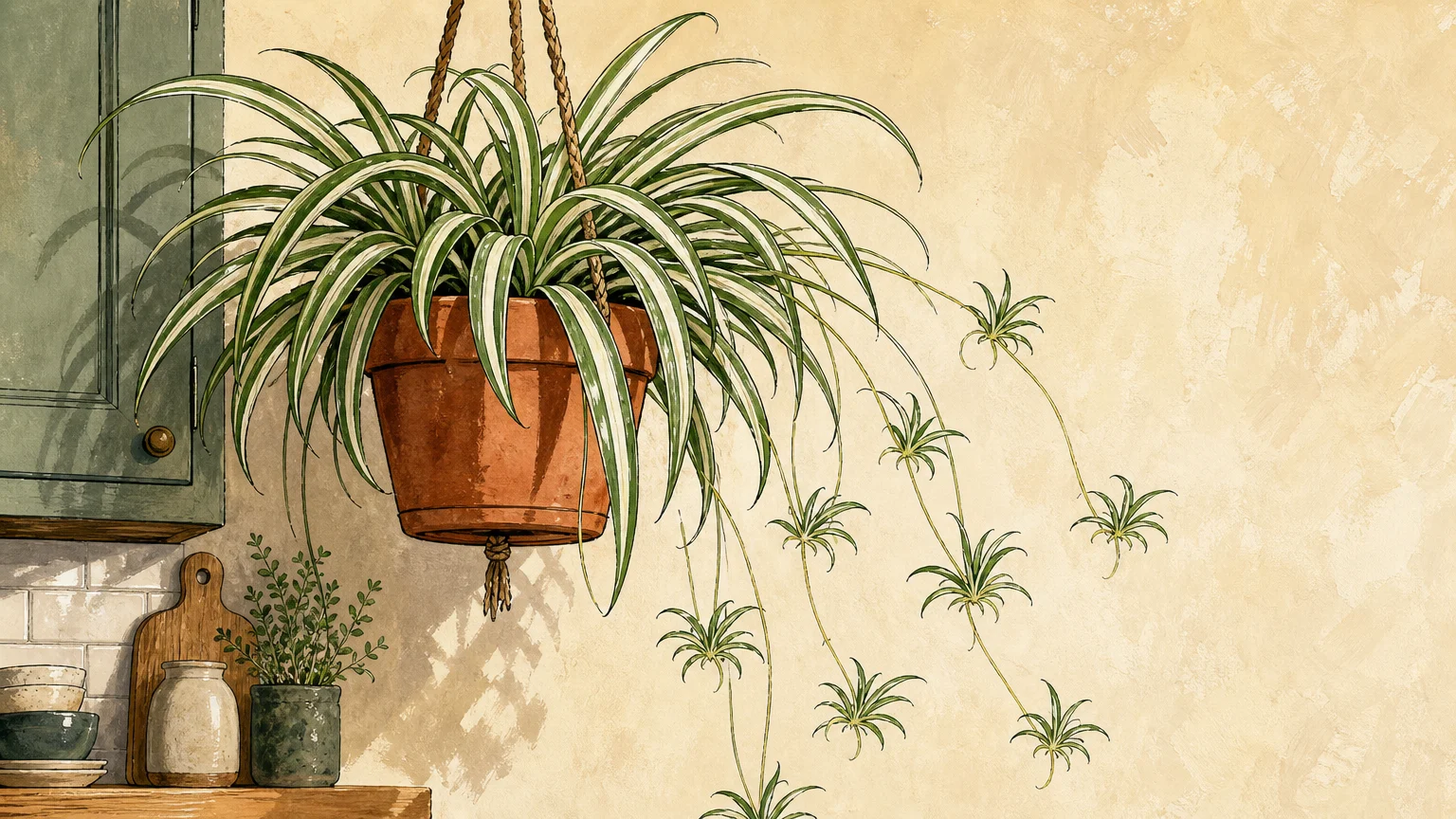
Spider plants serve as the quintessential houseplant for any bustling culinary space. Their long, slender leaves gracefully arch over container edges, producing miniature plantlets that dangle like tiny green spiders. This growth habit makes them incredibly appealing for home decor, adding instant vertical interest to rooms dominated by rigid cabinetry. You also benefit from their exceptional air-purifying qualities. A renowned NASA clean air study revealed that spider plants effectively remove significant amounts of airborne toxins, including formaldehyde and xylene, from indoor environments. This hard-working trait perfectly suits areas where cooking fumes and cleaning agents frequently linger.
Caring for a spider plant requires minimal effort, suiting the lifestyle of a busy home cook. These low maintenance plants possess thick, fleshy roots that store water efficiently, forgiving you if you occasionally miss a watering cycle. Water them thoroughly when the top two inches of soil feel dry, ensuring excess moisture drains completely from the bottom of the pot. They adapt exceptionally well to fluctuating kitchen temperatures, shrugging off the occasional window draft or radiant oven heat.
Position your spider plant atop high cabinets or in a hanging basket near a window. They thrive in bright, indirect light but tolerate lower light conditions easily. Elevating them gives their cascading offshoots room to drape beautifully, softening the functional edges of your cooking environment.
Tip #2: Pothos (Epipremnum aureum)
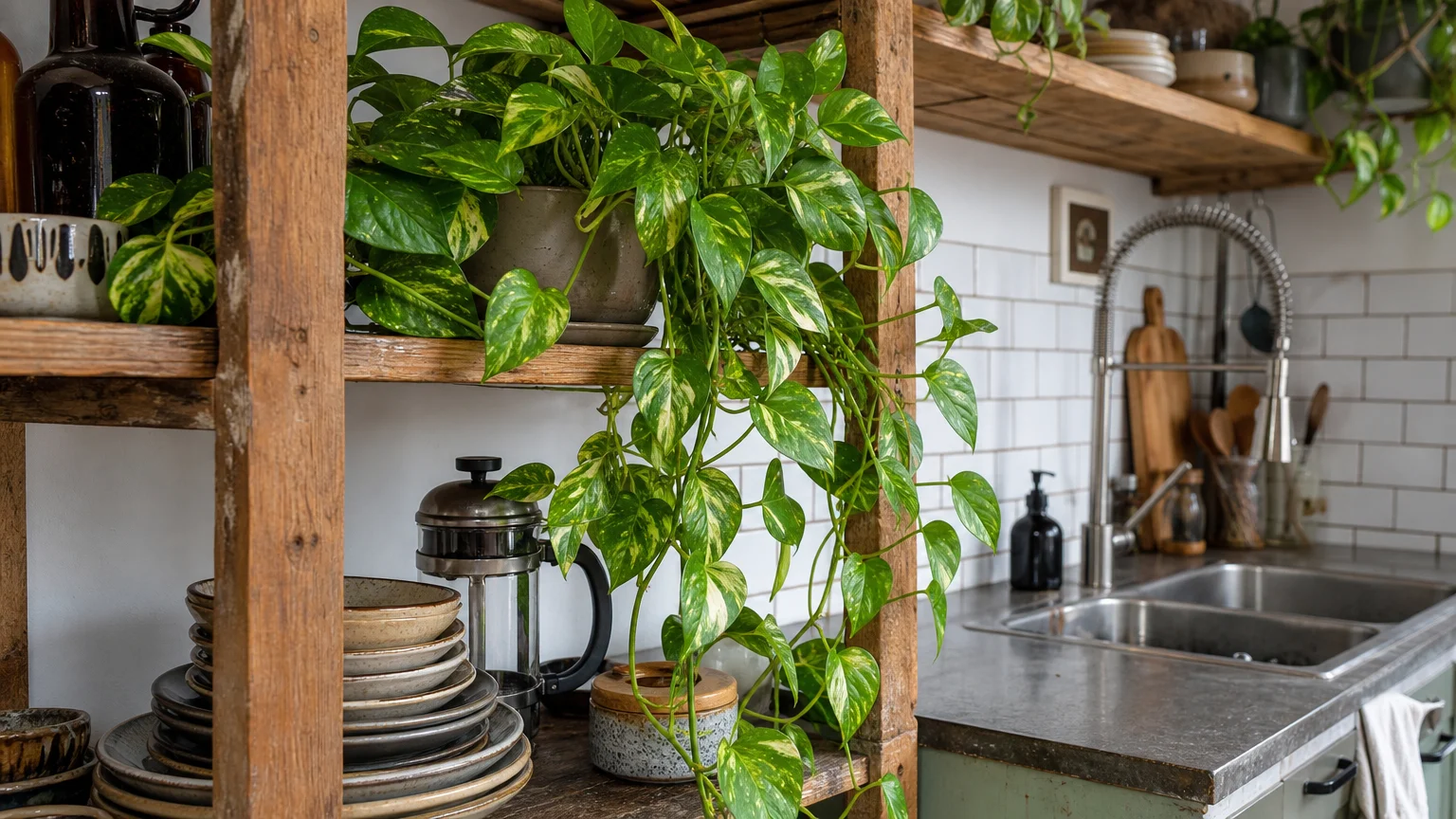
Pothos plants remain a staple of indoor gardening for excellent reasons; they are practically indestructible and grow with astonishing vigor. Featuring heart-shaped leaves that come in striking shades of neon green, marble white, or golden yellow, pothos effortlessly elevates your home decor. These trailing vines break up the hard angles of kitchen shelves and add vibrant life to otherwise sterile stainless-steel environments. You will appreciate their remarkable ability to filter indoor air, actively absorbing volatile organic compounds that tend to accumulate in enclosed spaces.
When it comes to plant care, pothos demands very little of your time or energy. These resilient houseplants survive beautifully in a variety of lighting conditions, ranging from the bright indirect sunlight of a south-facing window to the dim corners of a basement kitchenette. You only need to water your pothos when the soil has completely dried out. They actually prefer slightly dry conditions and suffer from root rot if left sitting in soggy soil.
Integrate pothos into your kitchen by placing a pot on an open floating shelf or directly on top of your refrigerator. As the vines grow—sometimes up to twelve inches a month under optimal conditions—you can gently guide them along walls or let them cascade toward the counter. Simply trim them with clean scissors if the vines become too long.
Tip #3: ZZ Plant (Zamioculcas zamiifolia)
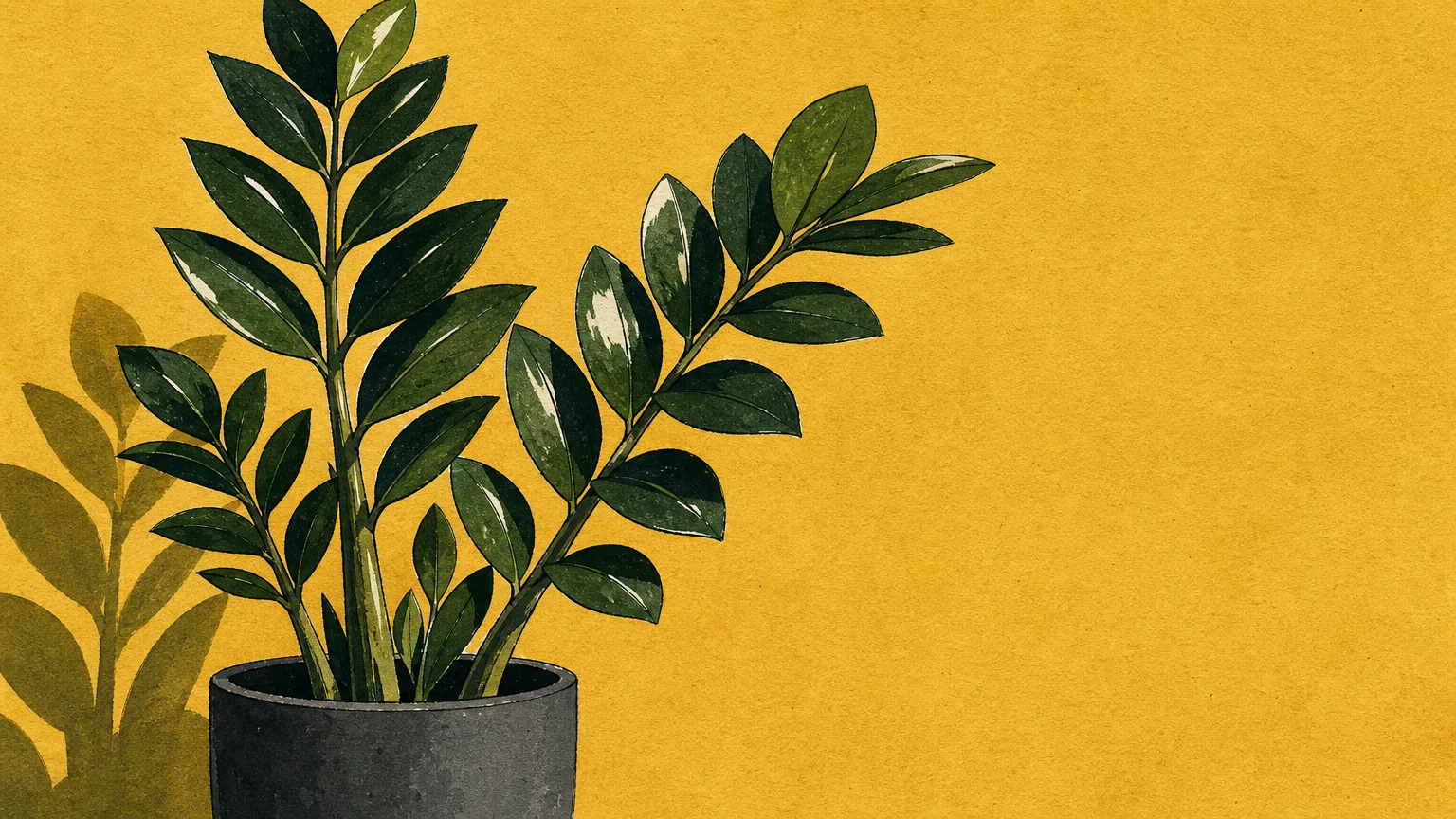
The ZZ Plant brings sleek, modern architecture to your indoor gardening lineup while boasting an almost legendary reputation for hardiness. Its thick, upright stems feature glossy, dark green leaflets that naturally reflect ambient light, instantly brightening up dark kitchen corners. This structural beauty functions perfectly as minimalist home decor, holding its shape without spilling over onto your valuable counter space. Because it grows relatively slowly, you never need to worry about the ZZ plant outgrowing its designated spot next to the coffee maker or microwave.
You will struggle to find a more forgiving houseplant than the ZZ plant. Beneath the soil, this plant grows large, potato-like rhizomes that store massive amounts of water. This evolutionary trait allows the ZZ plant to survive weeks—sometimes even months—without a single drop of water. You should only reach for your watering can when the soil feels completely dry from top to bottom. Watering once every three to four weeks usually suffices.
Place your ZZ plant anywhere in your kitchen that needs a pop of vibrant green. They thrive in low light conditions, making them the ultimate solution for kitchens equipped with only a single small window or artificial fluorescent lighting.
Tip #4: Aloe Vera (Aloe barbadensis miller)
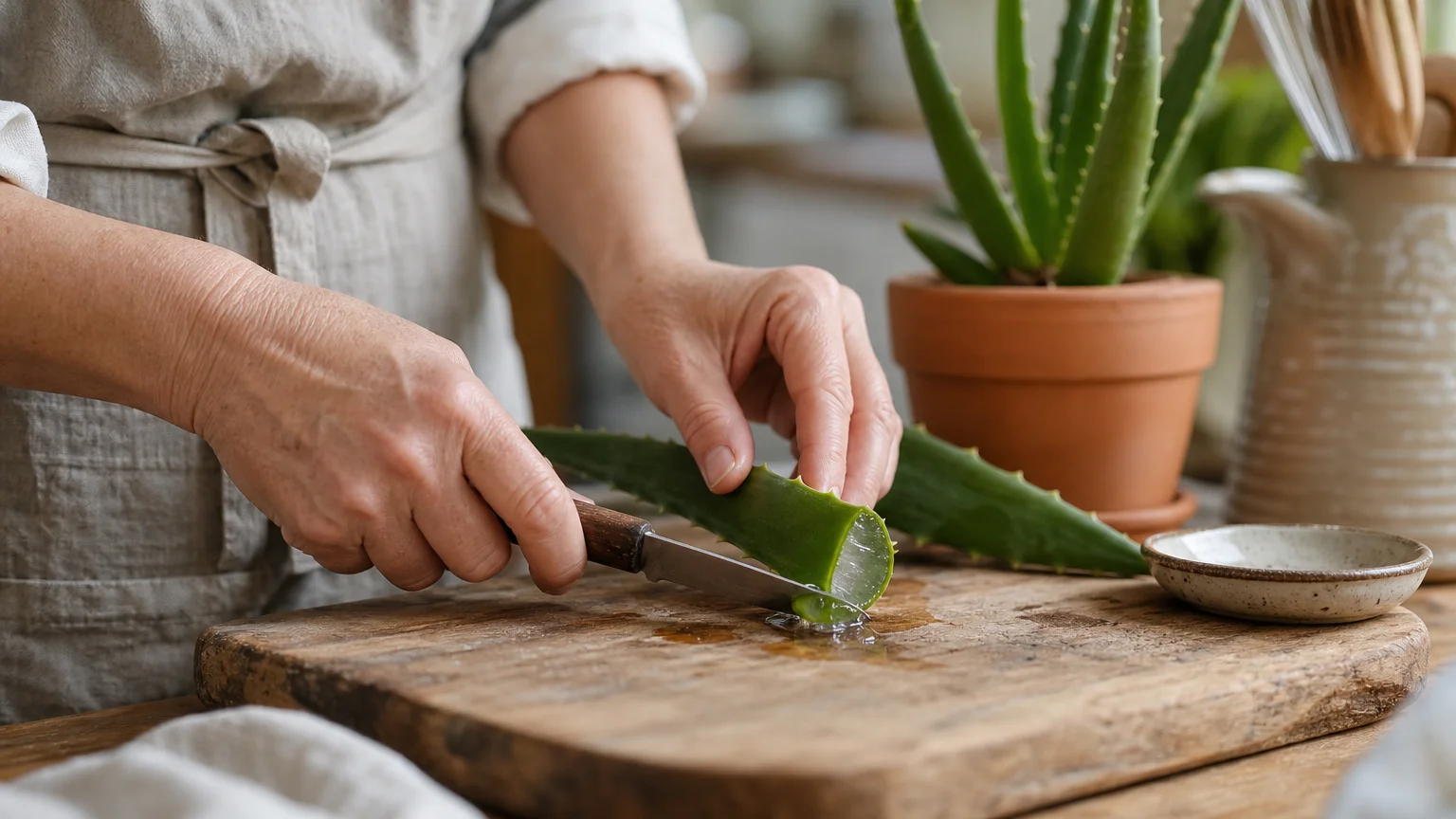
Aloe vera functions as the ultimate multitasking houseplant, offering both striking visual appeal and immediate practical utility. This classic succulent features thick, jagged leaves that grow in an attractive rosette pattern, adding a distinct desert aesthetic to your home decor. Beyond its beauty, keeping an aloe vera plant in your kitchen provides you with a living first-aid kit. The clear, cooling gel inside its leaves famously soothes minor cooking burns, grease splatters, and unexpected scrapes right when you need it most.
To keep your aloe vera thriving, you must recreate its native arid environment. Plant it in a highly porous, well-draining cactus mix, and utilize a pot equipped with large drainage holes. These low maintenance plants rot quickly if their roots sit in excess water. Drench the soil thoroughly during watering sessions, but wait until the potting mix dries out completely before watering again.
Sunlight serves as the most critical factor for aloe vera success. Place your plant directly on a sunny kitchen windowsill—preferably one facing south or west. Without at least six hours of bright, direct light daily, the plant’s heavy leaves will droop and snap near the base.
Tip #5: Snake Plant (Dracaena trifasciata)
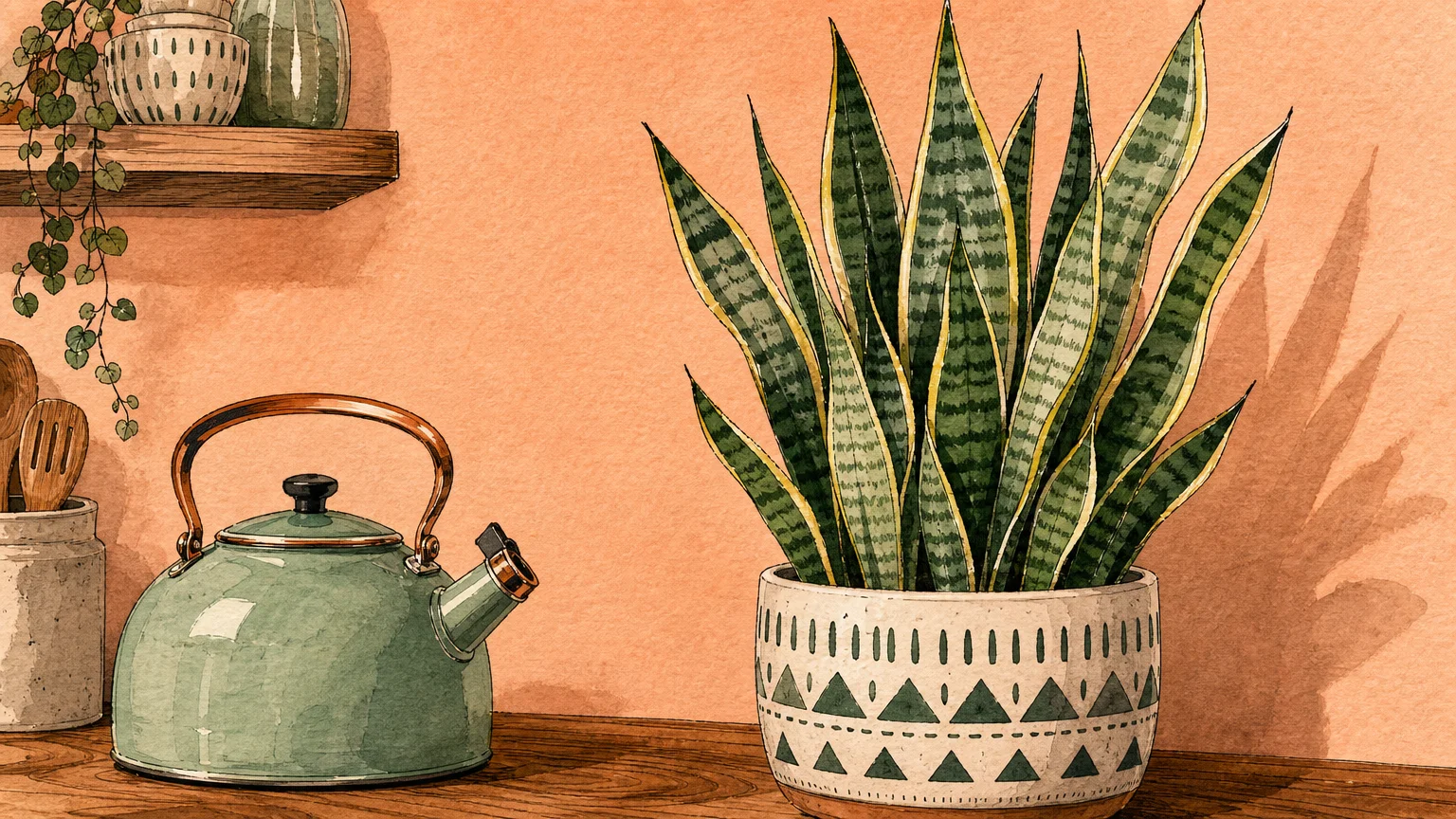
The snake plant, with its stiff, sword-like leaves banded in shades of silver, yellow, and deep green, delivers maximum visual impact while occupying minimal horizontal space. Its vertical growth habit makes it the perfect candidate for narrow kitchen counters, tight corners, or that awkward gap between your cabinets and the wall. Snake plants actively improve your indoor air quality using a unique biological process called Crassulacean Acid Metabolism (CAM). Unlike most houseplants, they continuously absorb carbon dioxide and release fresh oxygen throughout the night.
Treat your snake plant with a hands-off approach. Overwatering stands as the single biggest threat to this otherwise indestructible plant. You must wait until the soil feels bone dry before applying water, which usually translates to a watering frequency of once every two to four weeks depending on your kitchen’s temperature. Always err on the side of underwatering.
While snake plants grow fastest in bright, indirect sunlight, they adapt flawlessly to virtually any lighting condition. You can place them near a blazing sunny window or tuck them into a windowless pantry corner; they will stubbornly refuse to die, maintaining their striking home decor presence year-round.
Tip #6: English Ivy (Hedera helix)
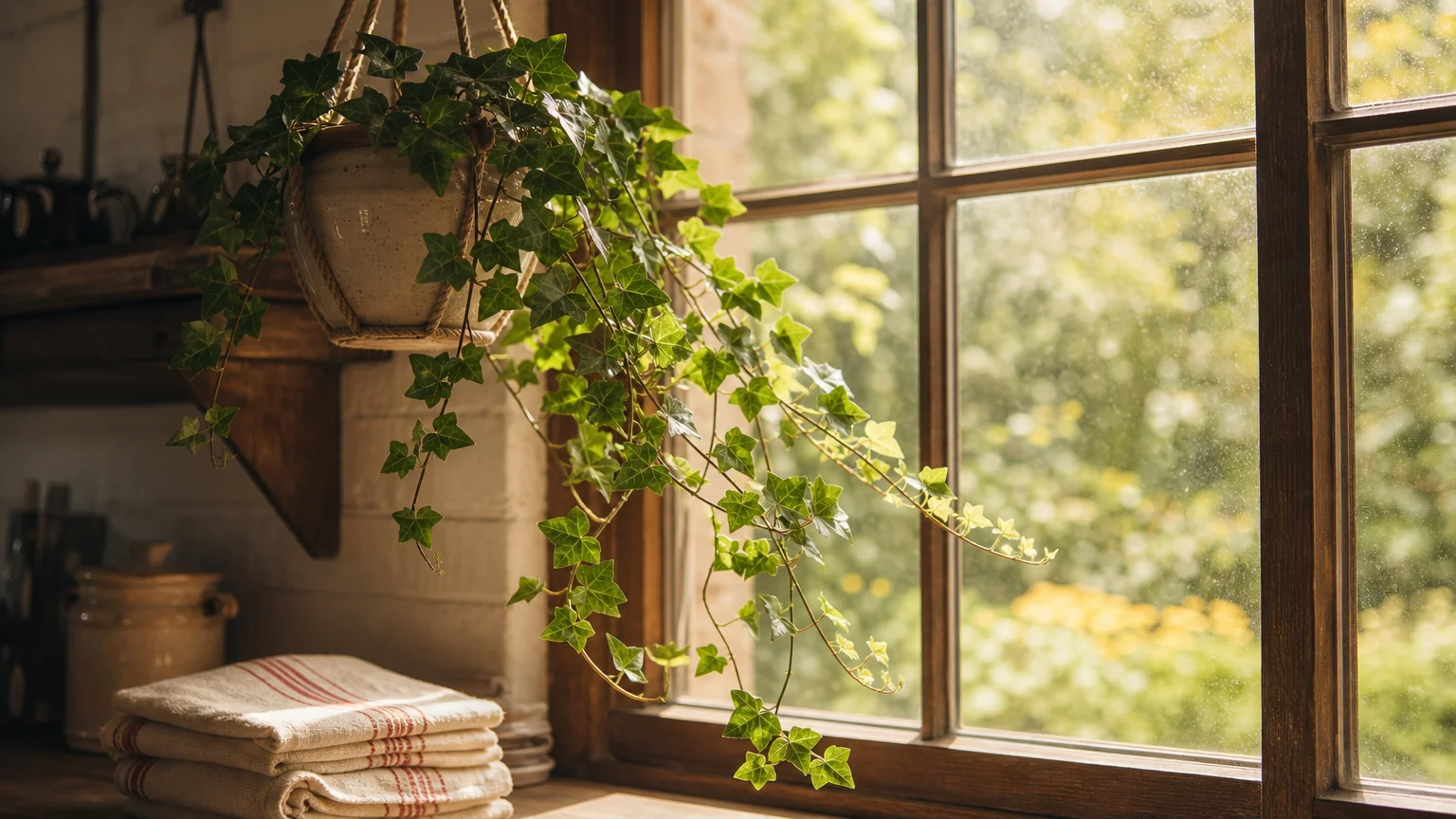
English Ivy offers a classic, timeless aesthetic that integrates beautifully into traditional and farmhouse-style home decor. This vigorous climbing vine produces distinct, lobed leaves that cascade elegantly over the edges of hanging baskets or climb up decorative window trellises. Beyond its visual charm, English Ivy serves a highly functional role in your culinary space. Research presented by the American College of Allergy, Asthma & Immunology demonstrates that this specific plant significantly reduces airborne mold particles. Because kitchens frequently experience high humidity and dampness around sinks, introducing a natural mold-reducer actively improves your environment.
Keep the soil evenly moist during the active spring and summer growing seasons, allowing only the top inch to dry out before watering again. During the winter months, reduce your watering frequency to prevent cold, soggy soil. Wash the leaves occasionally in your sink to remove the sticky cooking grease and dust that naturally accumulates in kitchens.
Place your English Ivy in a location that receives bright, indirect sunlight. Because this plant contains compounds that are toxic to cats and dogs if ingested, hang your ivy high above the sink or window frame where curious pets cannot reach the trailing vines.
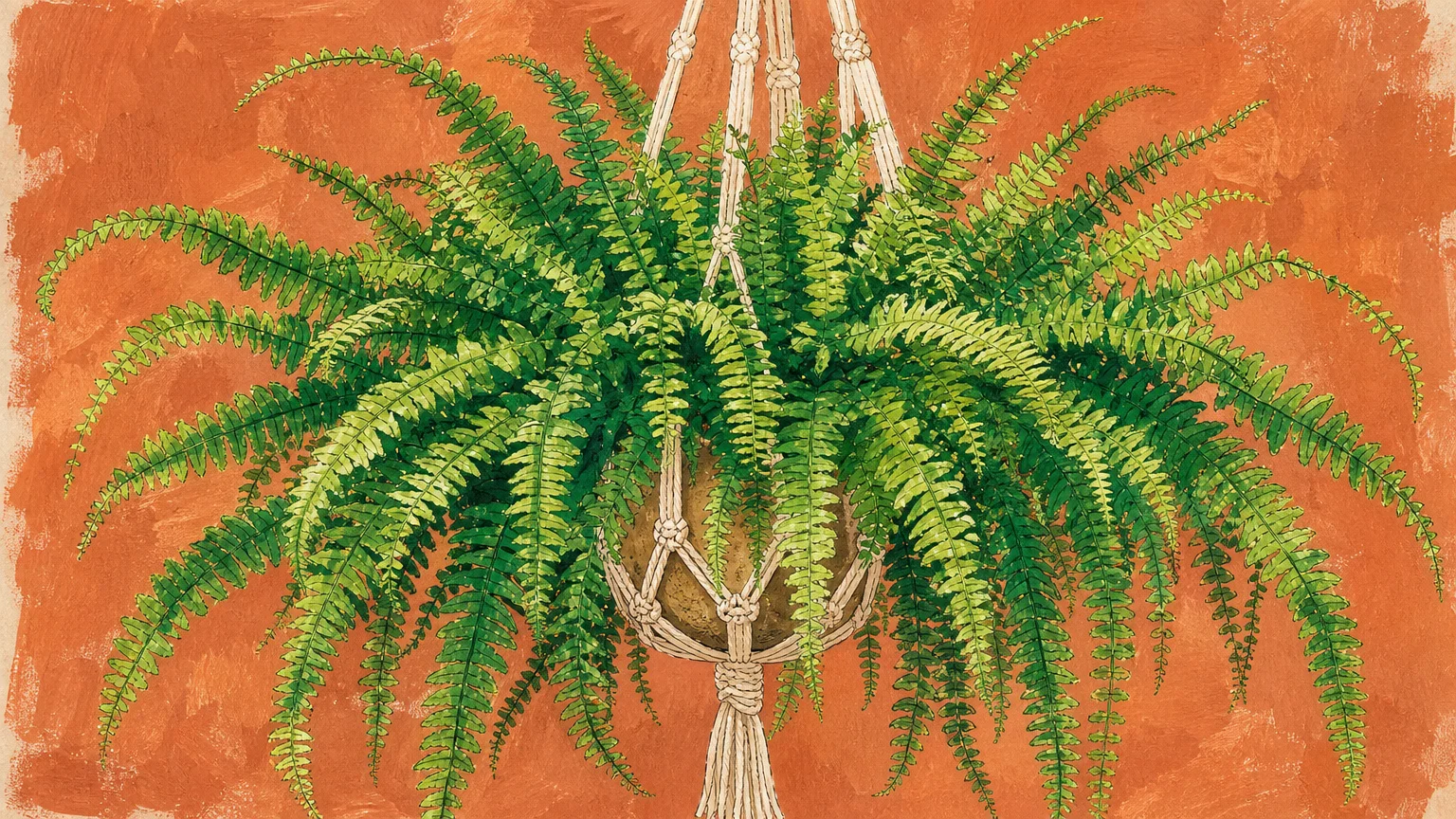
Tip #7: Boston Fern (Nephrolepis exaltata)
Boston Ferns bring a lush, woodland energy to your indoor gardening endeavors, producing voluminous, feathery fronds that arch outward in a vibrant display. These ancient plants thrive in environments that mimic their natural tropical habitats, making them perfectly suited for the elevated humidity levels commonly found in active kitchens. Every time you boil water for pasta, simmer a soup, or run your dishwasher, you release ambient moisture into the air that your Boston Fern eagerly absorbs.
Consistent moisture remains the secret to keeping this dramatic plant vibrant and healthy. Never allow the root ball to dry out completely. Check the soil every few days, and water thoroughly when the top surface feels slightly dry to the touch. If your kitchen tends to run dry during the winter heating season, set the pot on a tray filled with pebbles and water, or generously mist the fronds with a spray bottle.
You should position your Boston Fern in an area that receives bright, indirect light, as harsh, direct sunlight quickly scorches their delicate leaves. Their wide growth habit makes them stunning focal points; consider placing them on a sturdy pedestal near your breakfast nook or hanging them near the kitchen sink.
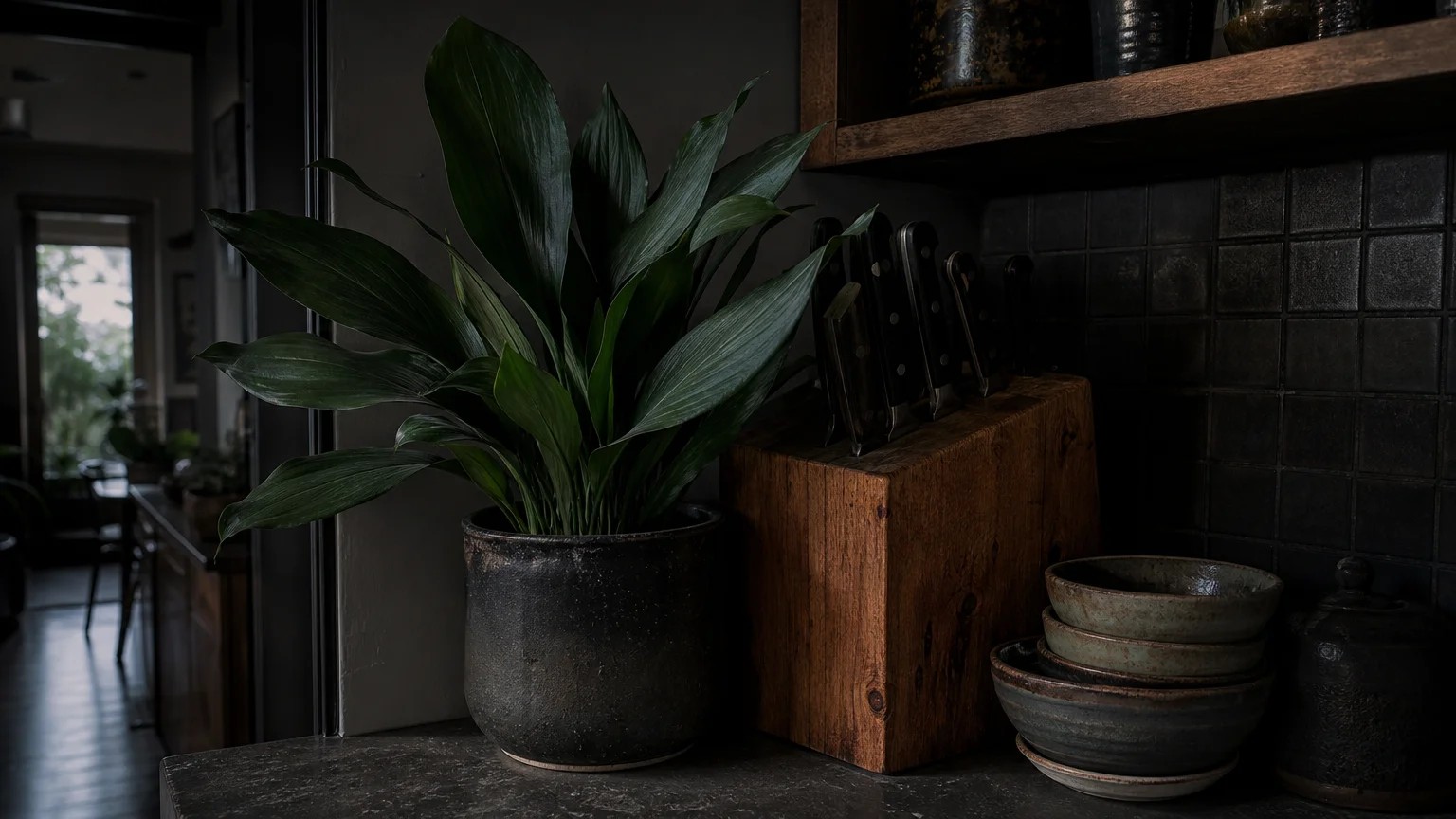
Tip #8: Cast Iron Plant (Aspidistra elatior)
The Cast Iron Plant genuinely lives up to its rugged name, surviving difficult conditions that quickly decimate more delicate houseplants. Featuring broad, dark green leaves that grow straight up from the soil, this plant adds architectural height and bold texture to your kitchen space. Kitchens often experience dramatic temperature fluctuations, shifting rapidly from a cold morning chill to sweltering heat when the oven runs. The Cast Iron Plant ignores these extremes completely, maintaining its rich color and structural integrity through drafts and heat waves.
You should water this plant deeply, allowing the top half of the soil to completely dry out before offering another drink. Overwatering remains the only real threat to this robust survivor. Because kitchens generate airborne oils, take a damp cloth once a month and gently wipe down the wide leaves; this simple maintenance task keeps the foliage glossy and ensures the plant photosynthesizes properly.
Position your Cast Iron Plant in those tricky, deeply shaded kitchen corners where other plants struggle. They tolerate very low light conditions with remarkable ease. This slow-growing nature makes them ideal low maintenance plants for busy home cooks who want lasting greenery without frequent repotting.
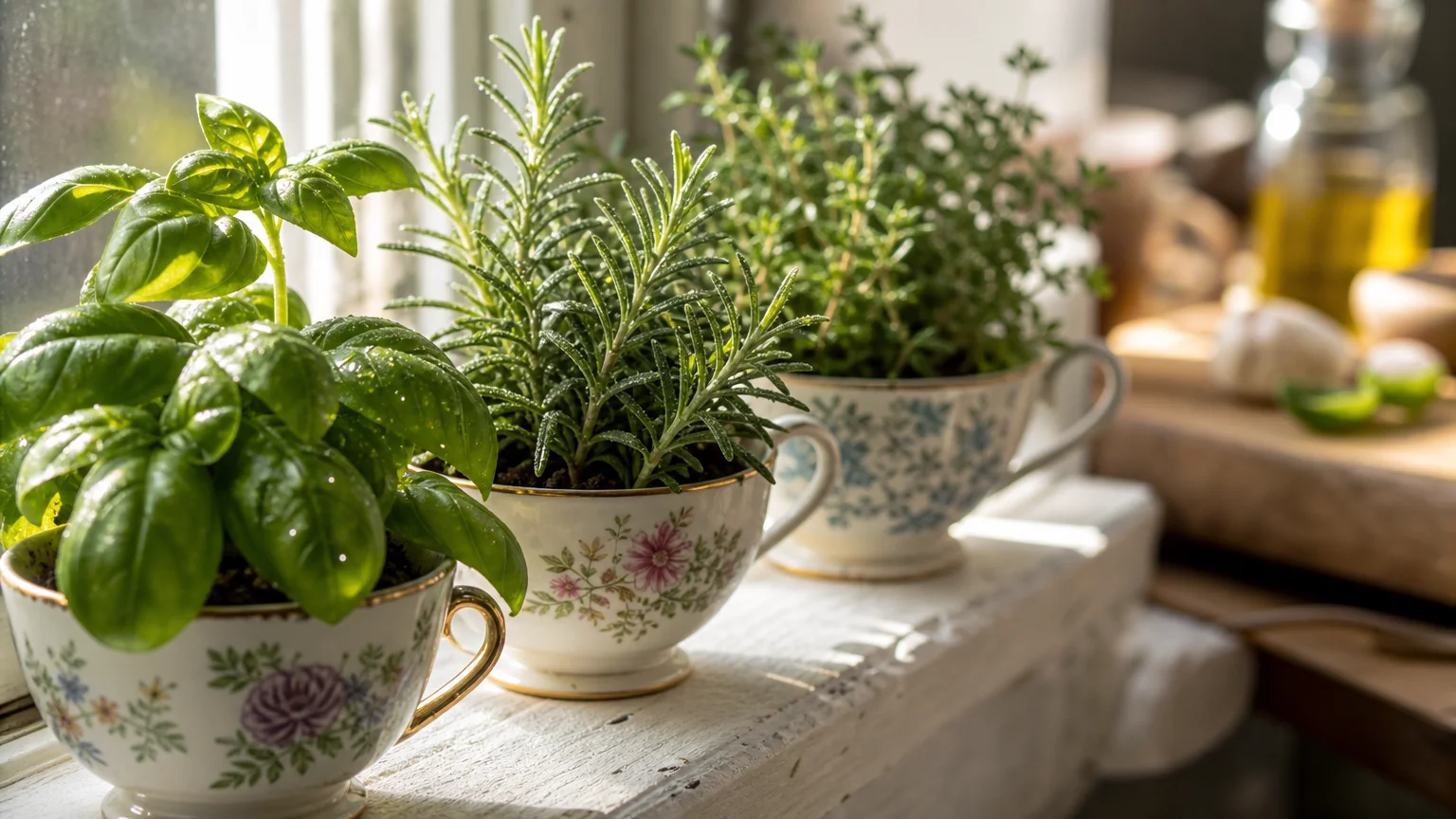
Tip #9: Culinary Herb Assortment (Basil, Rosemary, Thyme)
Growing an assortment of culinary herbs transforms your kitchen windowsill into a highly productive and wonderfully fragrant mini-farm. Herbs provide the ultimate fusion of form and function for indoor gardening. Not only do they offer delicate, textured greenery that brightens up your counter space, but they also supply you with fresh, organic flavor enhancements for your daily meals. Snipping a sprig of fresh rosemary for a roast or tearing basil leaves for a homemade pizza delivers immense satisfaction.
To succeed with indoor herbs, you absolutely must provide them with abundant sunlight. Place your pots in a south-facing or west-facing window where they receive at least six hours of direct sunlight each day. If your kitchen lacks natural light, install a small, full-spectrum LED grow light directly above the plants to prevent them from becoming weak and leggy. Use a high-quality, well-draining potting mix, and water the herbs when the top inch of soil feels dry.
Harvest your herbs frequently by pinching off the top sets of leaves. This actionable technique prevents the plants from flowering prematurely and encourages bushier, more robust growth, ensuring a continuous supply of fresh ingredients.
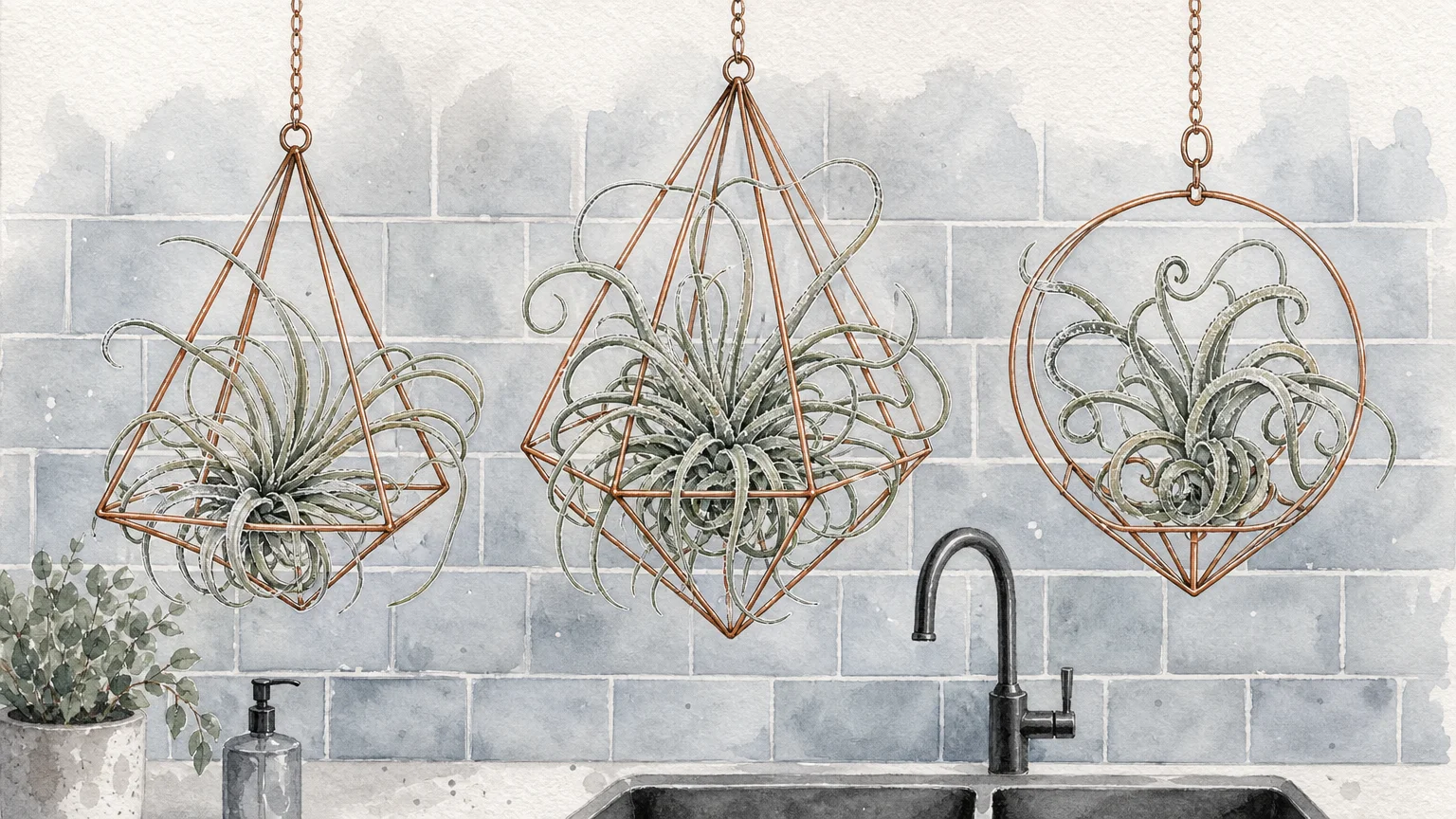
Tip #10: Air Plants (Tillandsia)
Air plants revolutionize the concept of traditional indoor gardening by entirely eliminating the need for potting soil. These fascinating epiphytes absorb water and nutrients directly through specialized microscopic scales on their leaves, allowing for wildly creative home decor applications. You can place them in decorative glass globes, mount them on pieces of natural driftwood, or simply set them atop your kitchen cabinets. Their spiky, sculptural appearance adds a modern charm to your kitchen without taking up valuable counter space with bulky pots.
Caring for air plants requires a different approach than typical low maintenance plants. Instead of using a watering can, submerge your air plants in a bowl of room-temperature water—or right in your clean kitchen sink—for twenty to thirty minutes every week. After their bath, vigorously shake off the excess water and place them upside down on a dish towel to dry completely for a few hours. Returning them to their display while wet causes fatal rot at their base.
Provide them with bright, indirect sunlight. When properly hydrated and lit, they will steadily grow and occasionally reward you with striking, vibrant blooms in brilliant shades of pink or purple.
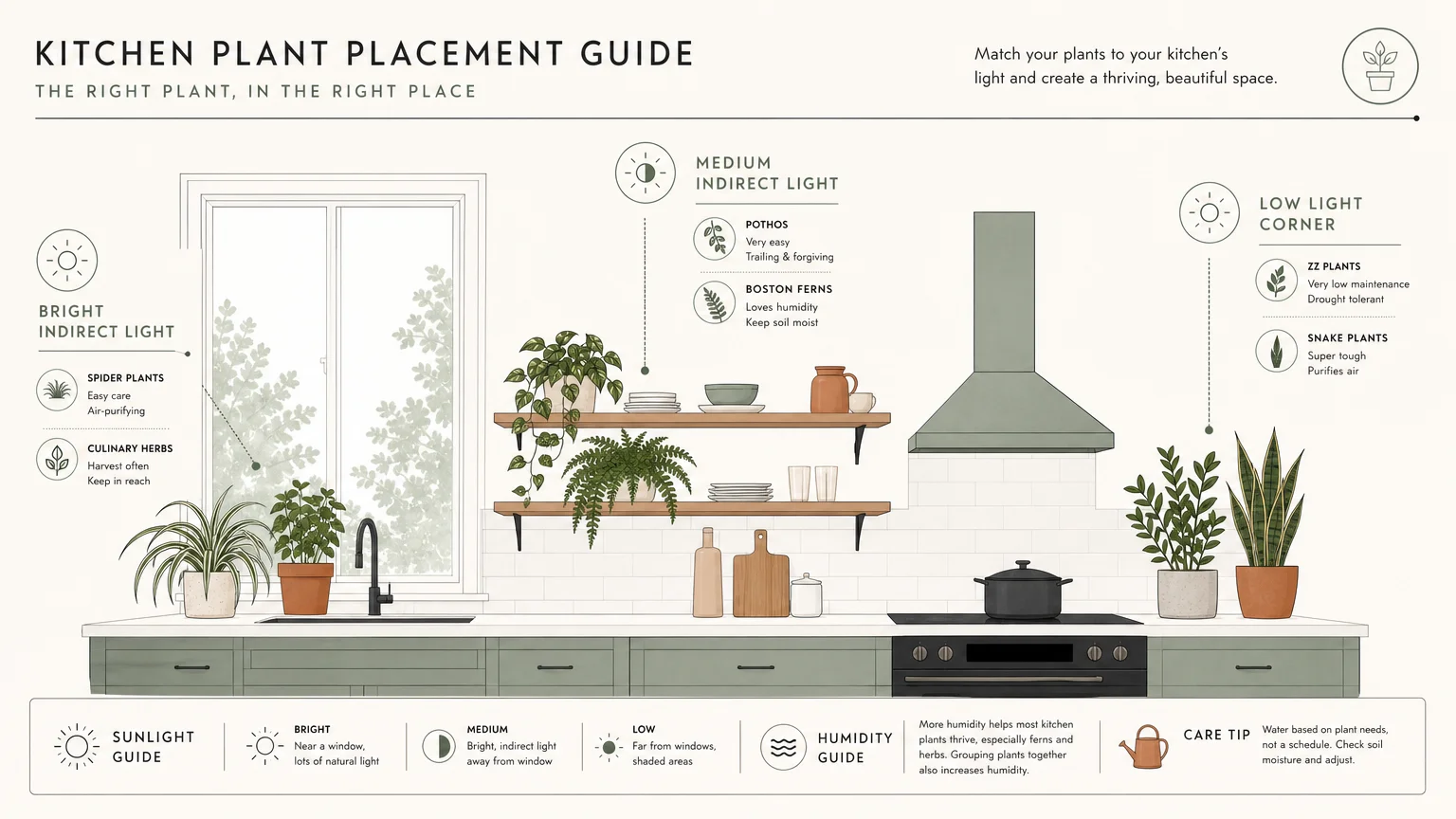
Putting It All Together: Enjoy Your Beautiful Garden
Transforming your culinary space with lively greenery elevates both your home decor and your daily cooking routine. By selecting resilient, low maintenance plants that naturally adapt to the unique humidity and light conditions of your kitchen, you guarantee a successful indoor gardening experience. You no longer need to worry about wilted leaves or demanding care schedules. Instead, you get to enjoy the vibrant energy, purified air, and subtle beauty that these ten remarkable houseplants provide.
Take action today by analyzing the natural light available on your countertops, shelves, and windowsills. Start small by introducing a forgiving pothos above your cabinets or a practical aloe vera near your stove. As you grow more comfortable with your new green companions, you can confidently expand your collection. Cultivating a thriving kitchen garden not only makes your space feel more welcoming, but it also reconnects you with the calming, restorative power of nature right in the heart of your home.
Frequently Asked Questions
How often should I water the plants in my kitchen?
Watering frequency depends entirely on the specific plant species and your kitchen’s environment. Kitchens often fluctuate in humidity and temperature. Always test the soil before watering; insert your finger about two inches into the potting mix. If it feels dry, apply water. If it feels moist, wait a few more days. Succulents like aloe vera and ZZ plants require much less frequent watering than ferns or English ivy.
Do kitchen houseplants attract fruit flies or other pests?
Healthy houseplants do not inherently attract fruit flies, but overwatered soil often invites fungus gnats, which look remarkably similar. You can easily prevent fungus gnats by allowing the top few inches of your soil to dry out completely between watering sessions. If you spot tiny flying insects, apply yellow sticky traps near the base of your plants and reduce your watering frequency immediately.
Can I safely place my plants right next to my oven or stove?
You should avoid placing your houseplants directly next to your oven, stove, or radiator. The intense, radiating heat and sudden temperature spikes easily scorch delicate leaves and dry out the soil too rapidly. Additionally, airborne cooking grease quickly coats plant leaves, preventing them from breathing and photosynthesizing. Keep your kitchen plants at least a few feet away from major heat sources for optimal growth.
For region-specific advice, consult your local University Extension program (find yours via the USDA directory). For plant databases and inspiration, visit the Missouri Botanical Garden or the Royal Horticultural Society.
Disclaimer: This article provides general gardening advice. Always consider your specific climate, soil conditions, and local pests. Follow safety guidelines when using gardening tools and products.