Bringing challenging greenery into your living space transforms routine indoor gardening into an art form. Mastering high-maintenance houseplants rewards you with vibrant foliage and architectural drama that ordinary cultivars cannot match.
These dramatic botanicals demand precision, shedding leaves or wilting the moment room conditions fluctuate. Learning their microclimate triggers turns frustrating setbacks into predictable, lush growth throughout your home.
Our practical guide reveals the secrets behind ten notoriously fussy plants so you can help them thrive. Discover exact adjustments for humidity, lighting, and irrigation to conquer these difficult houseplants with complete confidence.
Tip #1: Master the Fiddle-Leaf Fig
The fiddle-leaf fig reigns supreme as an interior design darling; however, its temperamental nature catches many growers off guard. Its broad, violin-shaped foliage demands unwavering environmental stability to avoid sudden leaf loss.
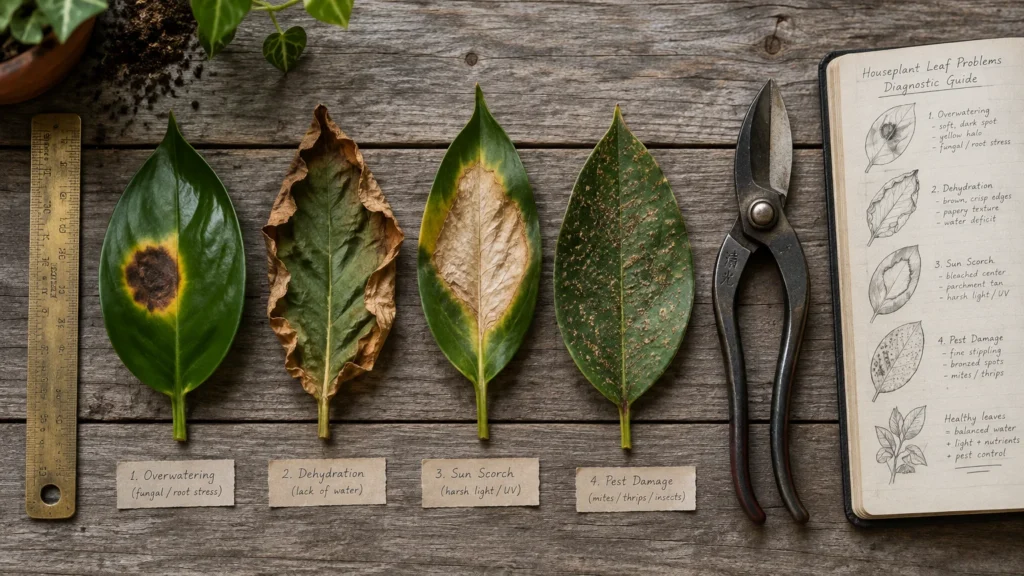
Drafts from air vents, sudden temperature drops, and inconsistent watering routines trigger immediate stress responses. When distressed, this dramatic tree sheds lower leaves and develops unsightly brown patches across its canopy.
Position your fiddle-leaf fig in generous, indirect sunlight near an east- or south-facing window. Protect the leaves from harsh, direct afternoon sunbeams that scorch the tender green tissue.
Water thoroughly only when the top two inches of potting mix dry out completely. Always ensure your container drains freely, as stagnant water around roots causes destructive fungal root rot.
Rotate the container ninety degrees every week to promote symmetrical growth and prevent leaning. This simple adjustment ensures all sides of the tree receive equal exposure to ambient light.
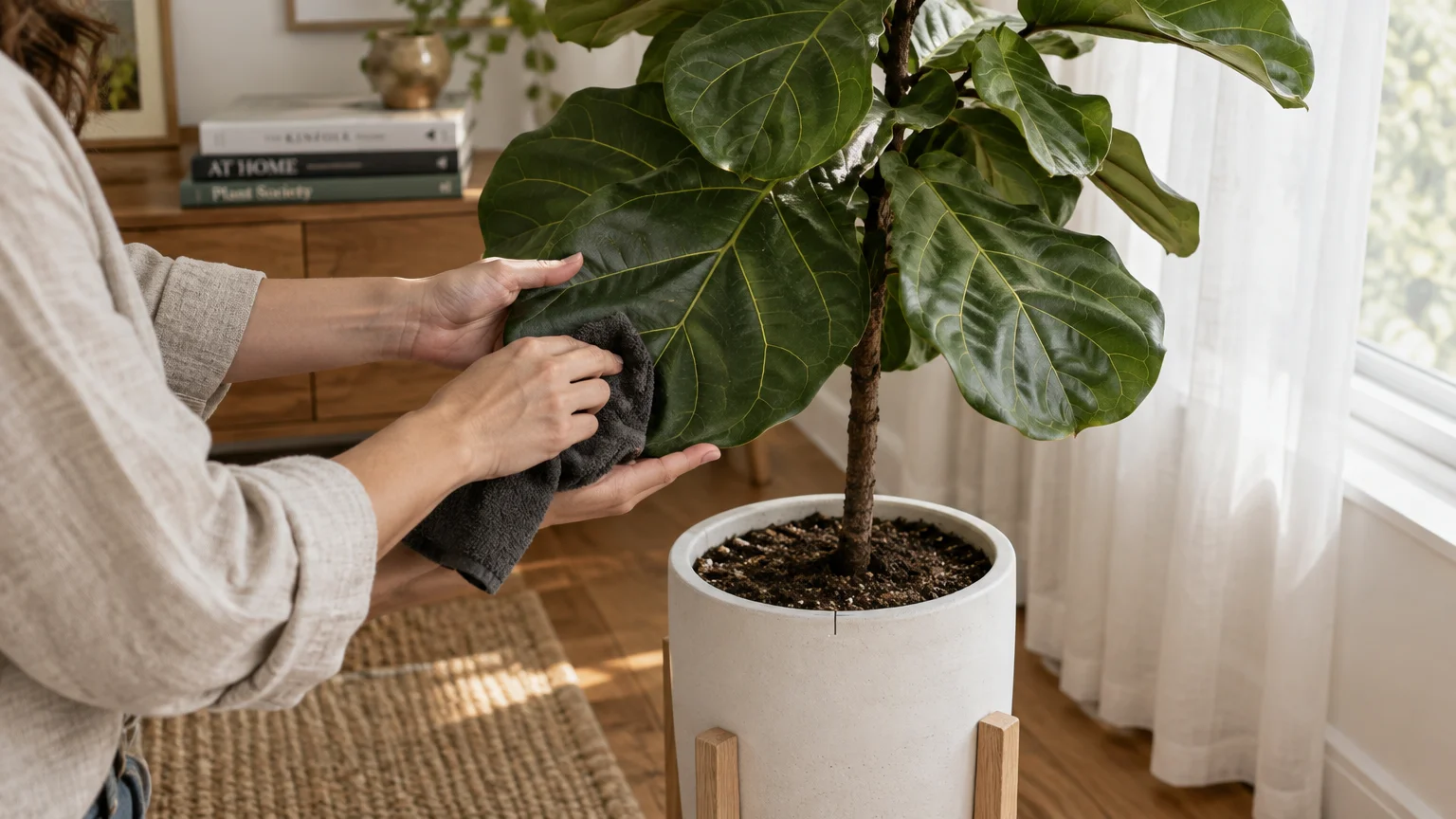
Wipe both sides of the large leaves every two weeks using a damp microfiber cloth. Removing household dust layers maximizes light absorption and keeps your houseplant care routine exceptionally effective.
Tip #2: Tame the Dramatic Zebra Plant
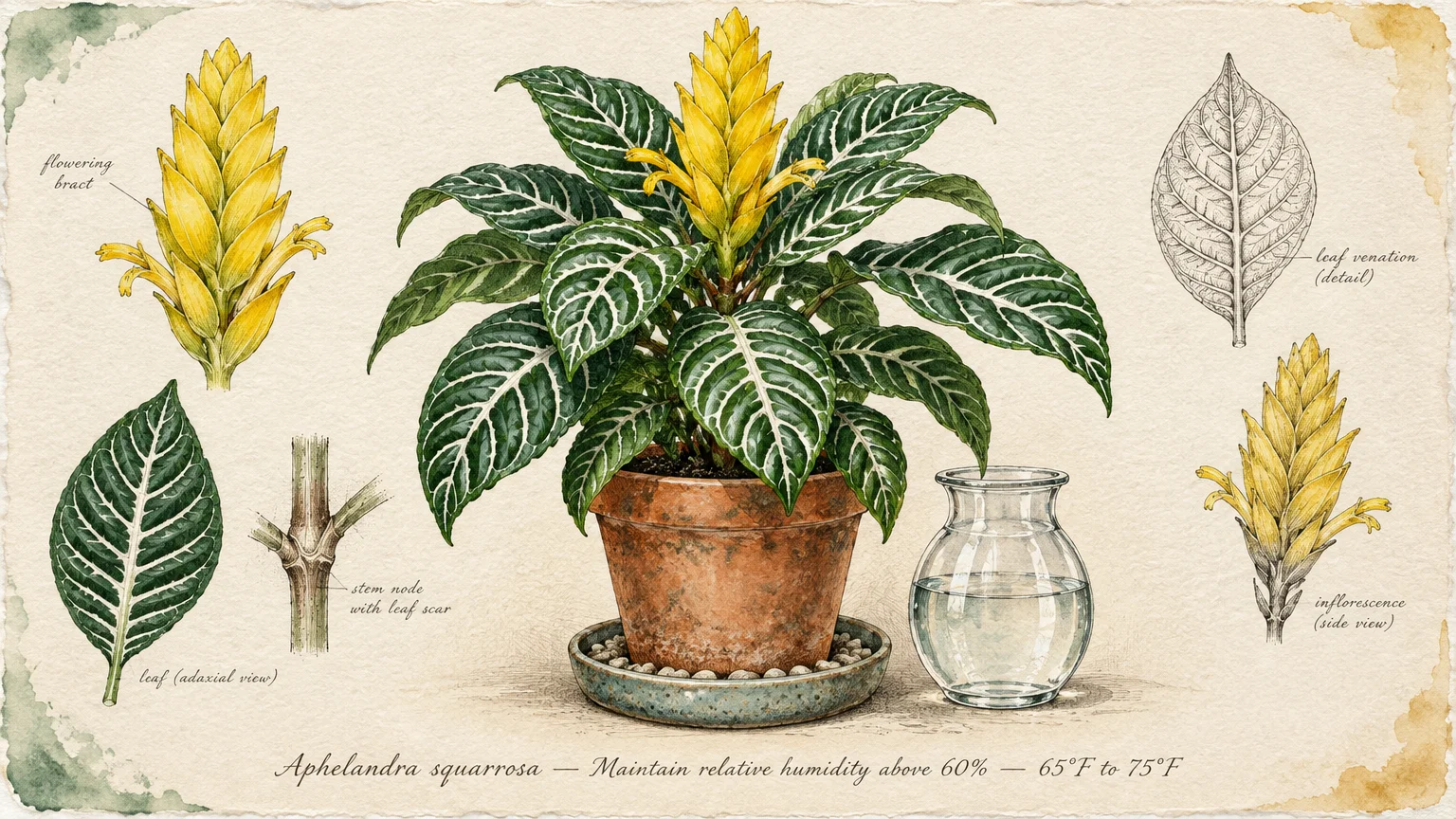
Featuring deep emerald leaves striped with stark white veins, the zebra plant instantly captures attention. It crowns this stunning foliage with a golden bract flower spike under the right conditions.
Despite its breathtaking appearance, the zebra plant ranks among the most difficult houseplants due to its extreme moisture sensitivity. Even a brief dry spell causes the entire plant to wilt dramatically overnight.
Maintain consistent soil moisture without allowing the root zone to sit in muddy water. Use room-temperature, filtered water whenever the soil surface begins to feel barely dry to the touch.
This tropical native demands relative humidity levels above sixty percent to sustain its crisp leaf edges. Run a cool-mist humidifier nearby or place the container atop a pebble tray filled with water.
Provide bright, filtered sunlight while shielding the plant from harsh direct rays. Moderate, steady room temperatures between sixty-five and seventy-five degrees Fahrenheit produce the strongest growth.
Prune back the stems after the golden flowering bract fades in autumn. Trimming encourages compact, bushy growth and prevents the lower stem from becoming bare and leggy.
Tip #3: Demystify Fussy Calathea Varieties
Calatheas display intricate leaf patterns that fold upward at night like hands in prayer. Unfortunately, these fussy plants quickly develop crispy brown margins when household humidity drops below optimal levels.
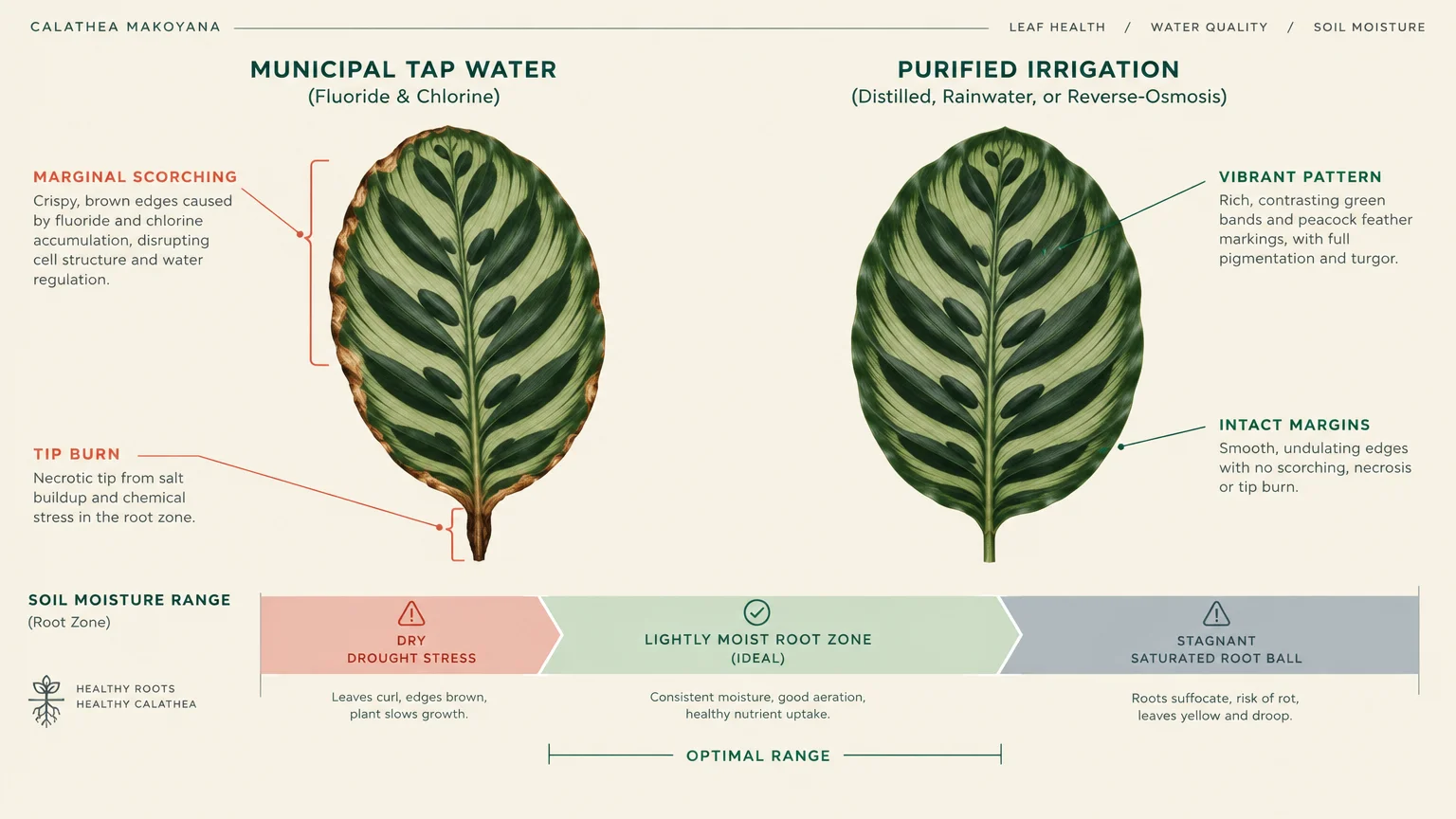
Tap water chemicals present another major obstacle for calathea foliage. Municipal fluoride, chlorine, and dissolved salts accumulate within the delicate leaf tips, causing unsightly burning along the edges.
Irrigate your calathea exclusively with distilled water, gathered rainwater, or reverse-osmosis water. Keeping the root ball lightly moist—never waterlogged—preserves the pristine colors of its ornate leaves.
Calatheas prefer gentle, medium indirect light that mimics the shaded tropical forest floor. Direct sun will bleach the vivid purples and greens, leaving the foliage dull and withered.
Group your calatheas together with other tropical specimens to create a natural, shared moisture bubble. This communal microclimate raises ambient humidity and prevents edges from curling prematurely.
Repot your specimen every two years in spring using a rich, peat-based potting blend. Aerated soil supports root respiration and prevents compaction around the sensitive root structure.
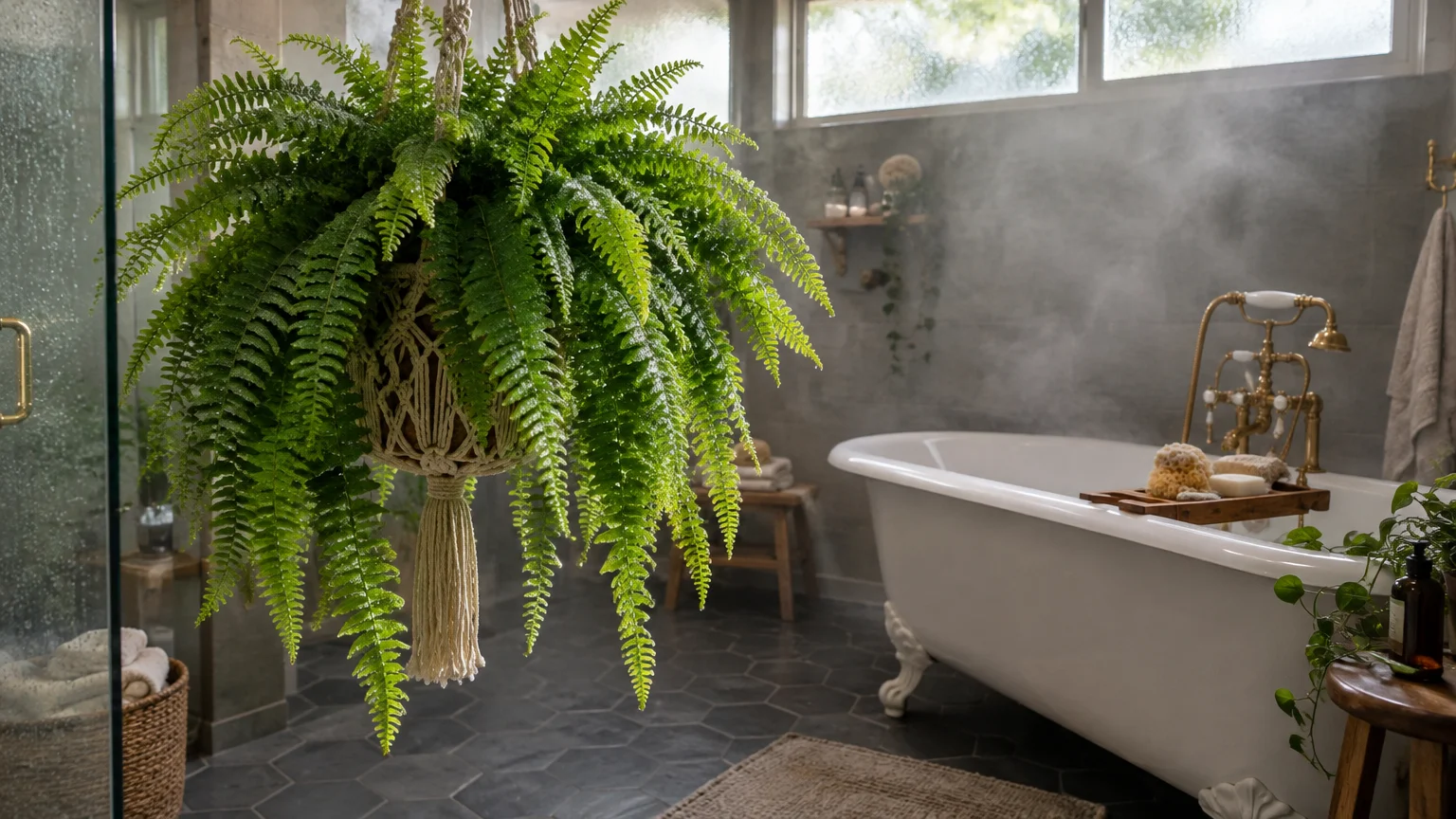
Tip #4: Revive the Thirsty Boston Fern
Boston ferns offer lush, arching fronds that soften interior spaces with timeless elegance. Yet dry indoor air turns these classic beauties into brittle, shedding liabilities within a few short weeks.
Central heating systems and air conditioners strip moisture from indoor air, leaving ferns severely dehydrated. The tiny leaflets shrivel rapidly, scattering across your floorboards whenever the plant is disturbed.
Boost humidity substantially by placing your fern in a naturally damp room, such as a well-lit bathroom. A continuous misting schedule or a dedicated humidifier keeps the delicate fronds vibrant and supple.
Check the potting medium frequently to guarantee it never dries out completely. Soak the root ball thoroughly with tepid water as soon as the surface feels dry, allowing excess water to drain.
Feed your fern with a balanced houseplant fertilizer diluted to half-strength once a month during spring and summer. Withhold nutrients during winter months when frond production naturally slows.
Filtered morning light provides the ideal energy source for healthy frond development. Keep Boston ferns away from drafty entryways and heating vents to avoid rapid moisture depletion.
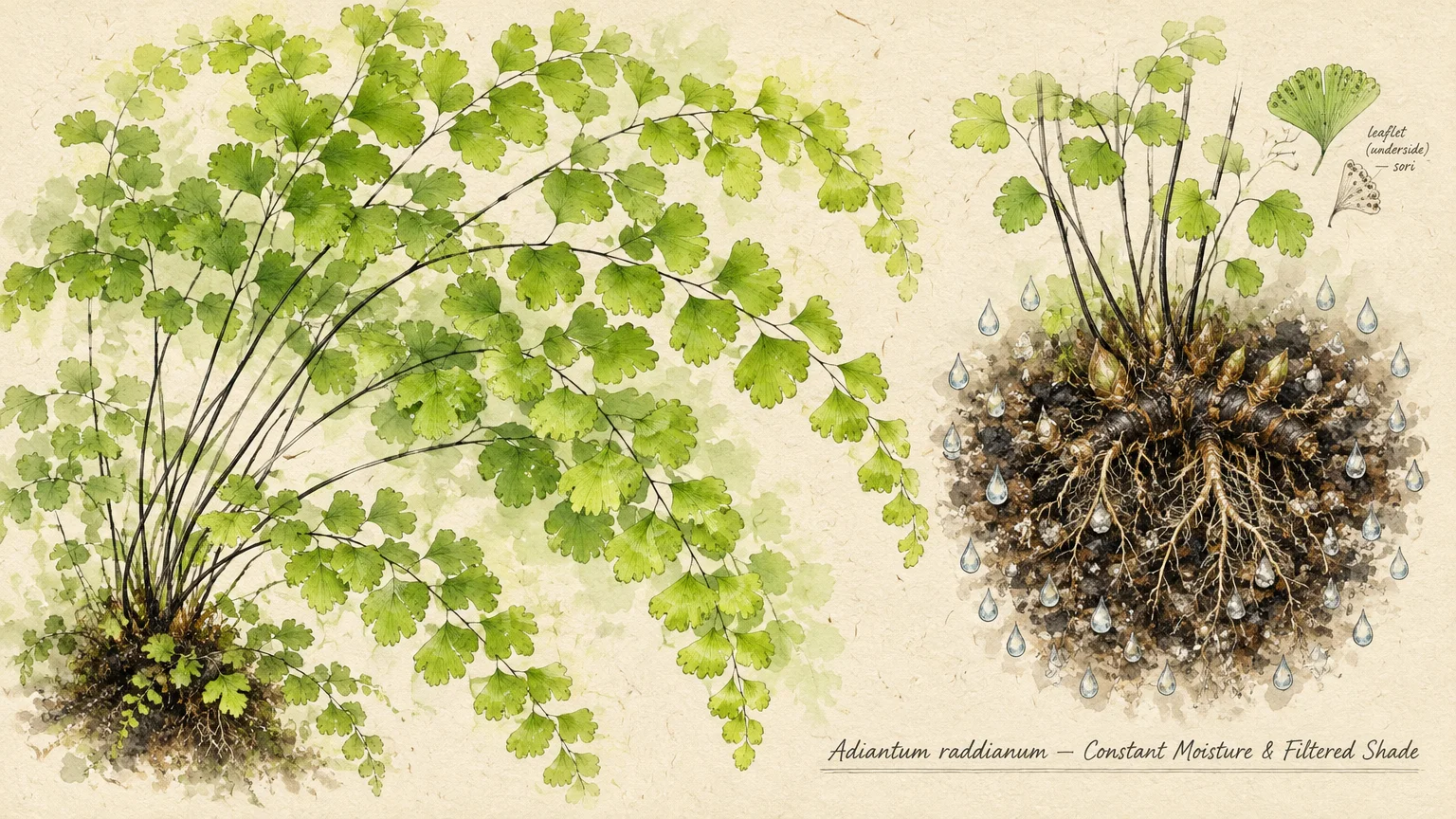
Tip #5: Protect Delicate Maidenhair Ferns
With their ethereal, lace-like fronds and ebony stems, maidenhair ferns look impossibly delicate. In reality, they are indeed fragile and earn their reputation as notoriously hard to grow plants.
If the soil dries out even once, the paper-thin leaflets shrivel into crisp brown crisps within hours. Unlike sturdier houseplants, a dehydrated maidenhair rarely recovers its damaged canopy without drastic pruning.
Plant your maidenhair fern in a moisture-retentive, porous potting mix containing peat moss and perlite. A self-watering pot often provides the reliable, capillary moisture that prevents disastrous soil desiccation.
Maintain high humidity around seventy percent without restricting gentle air circulation. Enclosing the fern inside a glass terrarium or cloche offers the consistent microclimate it craves.
Prune dead fronds down to the soil line using sharp, sterilized shears. If your fern dries out completely, shear the fronds back and keep the soil moist; fresh fiddleheads often emerge from the rhizome.
Provide bright, dappled shade similar to the plant’s native rainforest habitat alongside rocky riverbeds. Direct sunlight easily scorches the gossamer foliage, destroying months of careful cultivation.
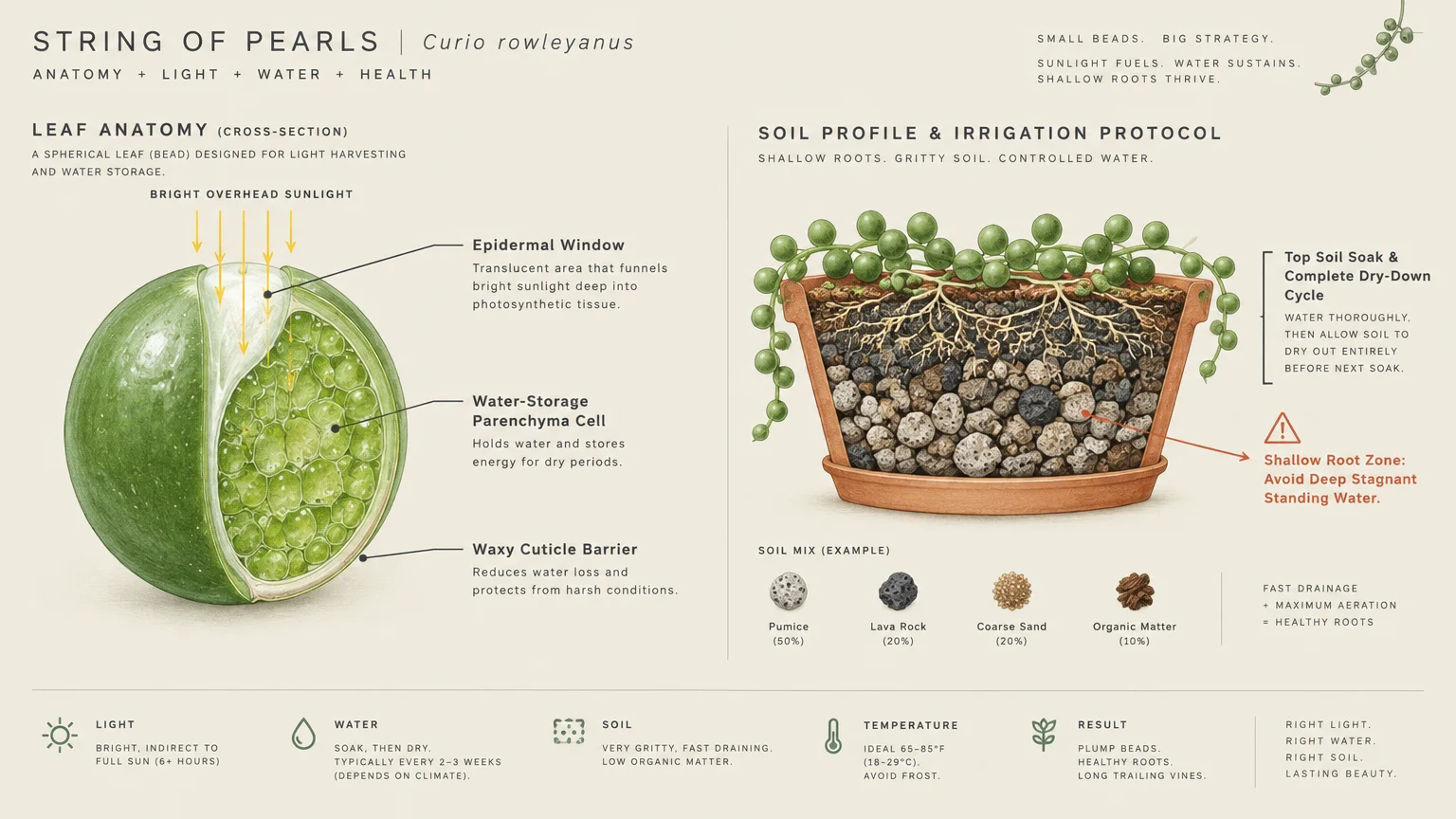
Tip #6: Balance Succulent Care for String of Pearls
Cascading vines adorned with spherical, bead-like leaves make string of pearls an architectural marvel. However, this succulent’s shallow root system and unique water-storage habit make it prone to swift rot.
Indoor gardeners frequently overwater this species, causing the pea-sized foliage to turn translucent, mushy, and detach from the stems. Insufficient sunlight exacerbates moisture retention, leading to rapid subterranean decay.
Plant string of pearls in a shallow terracotta pot using a gritty, fast-draining cactus and succulent substrate. Porous terracotta walls allow excess moisture to evaporate swiftly from the delicate root area.
Water only when the epidermal windows—the tiny slits along the beads—narrow and the spheres begin to pucker slightly. When you water, soak the soil thoroughly and drain the saucer completely.
Propagate trailing stems by coiling them over the soil surface and securing them with floral pins. New roots establish quickly from the stem nodes, creating a fuller, denser canopy.
Provide at least six hours of bright, indirect light daily, including gentle morning sun on the crown. Adequate overhead light ensures the top of the pot stays dense and healthy.
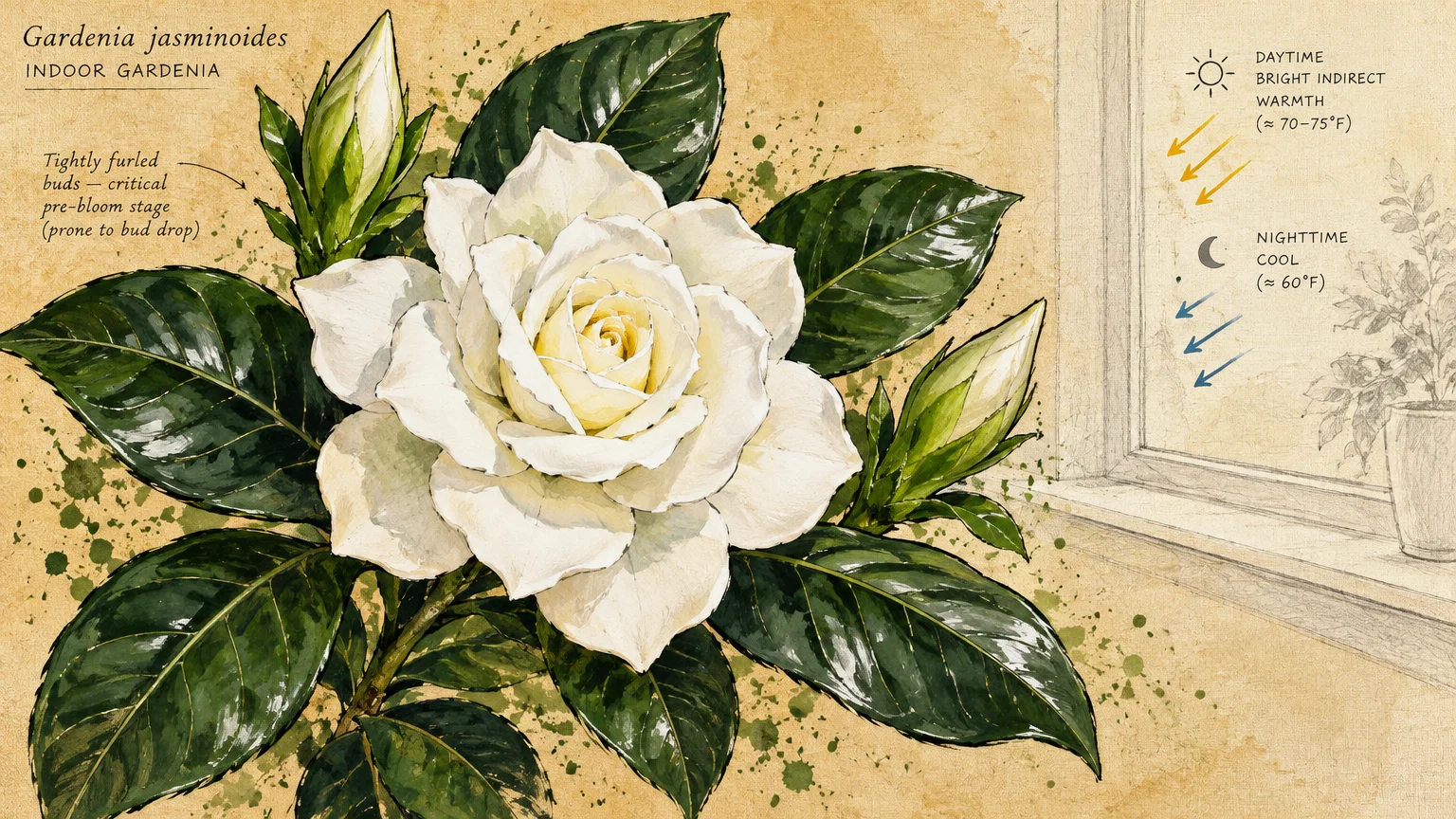
Tip #7: Conquer Finicky Indoor Gardenias
Gardenias entice gardeners with glossy, evergreen foliage and intoxicatingly fragrant, creamy blossoms. Bringing this outdoor shrub indoors, however, often results in dropped buds and yellowing foliage.
Gardenias demand cool nighttime temperatures around sixty degrees paired with warm daytime conditions near seventy-five degrees. Without this diurnal temperature drop, unopened flower buds turn black and drop before opening.
Provide intense light by placing your gardenia directly in front of a sunny, south-facing window. During darker winter months, supplement natural sunlight with high-output full-spectrum grow lights.
These acid-loving shrubs require an acidic soil mix with a pH between 5.0 and 6.0 to absorb vital iron. Use a specialized acidic fertilizer diluted to half-strength during the active spring growing season.
Monitor the plant diligently for destructive spider mites and whiteflies that flourish in dry indoor air. Spraying foliage with insecticidal soap protects your high-maintenance houseplants from sudden insect infestations.
Flush the soil with distilled water periodically to prevent harmful mineral salt buildup from synthetic fertilizers. Clean, unblocked roots absorb essential micronutrients far more efficiently.
Tip #8: Sustain Vibrant Colors on Crotons
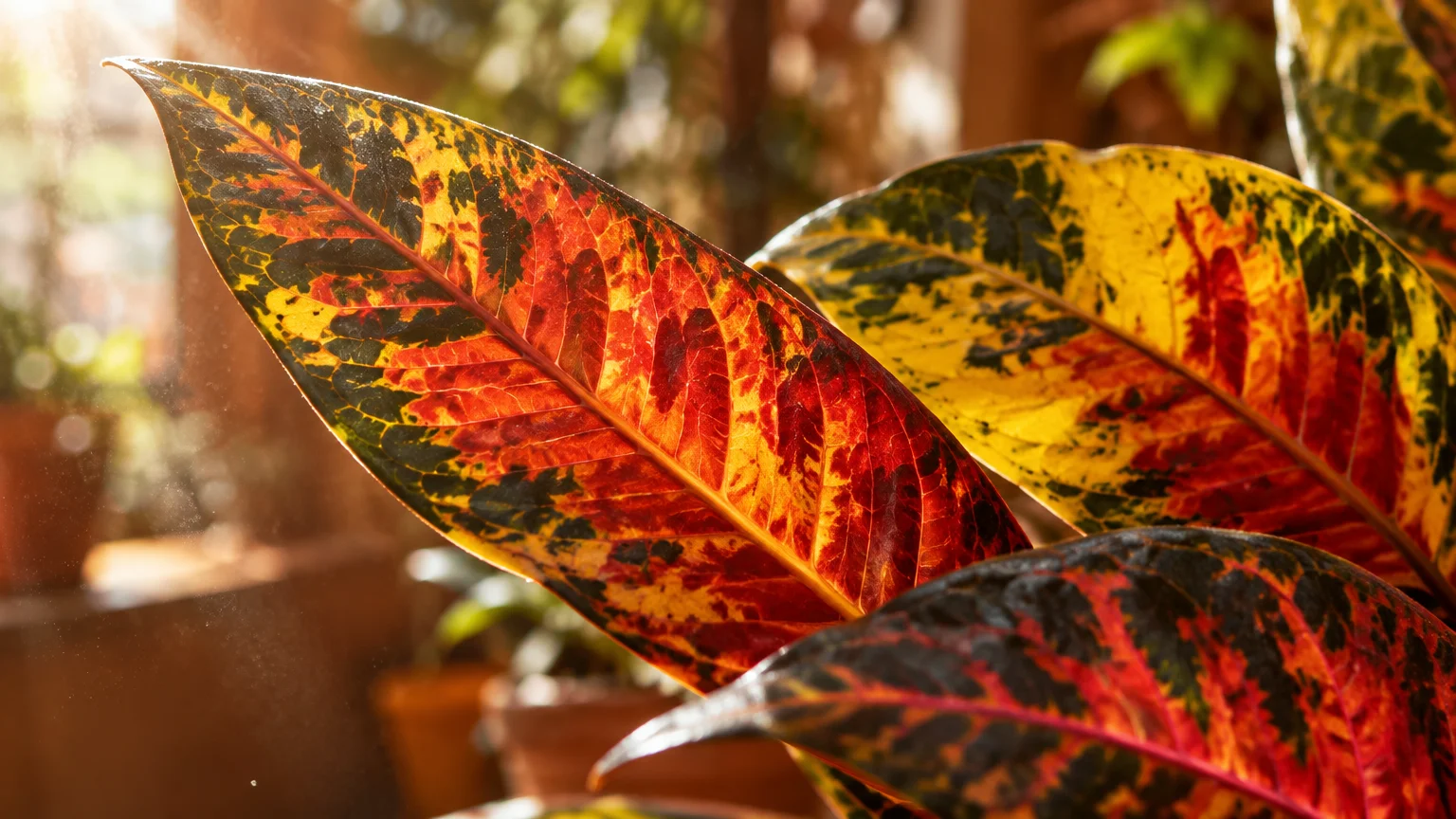
Crotons dazzle the eye with leathery leaves painted in fiery shades of scarlet, gold, orange, and emerald. Unfortunately, this tropical shrub behaves like an absolute prima donna whenever its routine is disrupted.
Moving a croton to a new spot often triggers shock, causing the plant to dump multiple leaves onto the floor. It demands stability and sulks aggressively when exposed to cold drafts or low lighting.
Give your croton as much direct, bright sunlight as possible to preserve its brilliant multicolored patterns. Insufficient illumination causes the new growth to revert to plain green, diminishing its ornamental appeal.
Keep the soil evenly moist throughout the spring and summer, watering when the top inch dries out. Reduce irrigation during winter resting periods to avoid waterlogged soil and root rot.
Dust the thick leaves routinely with a soft cloth to encourage optimal photosynthesis and repel pests. Clean leaves reflect light brilliantly, showcasing the intense, fiery hues across your home.
Maintain steady temperatures above sixty-five degrees Fahrenheit and mist the foliage regularly to deter spider mites. With stable conditions, your croton will maintain its breathtaking, fiery display year-round.
Tip #9: Nurture the Striking Alocasia Polly
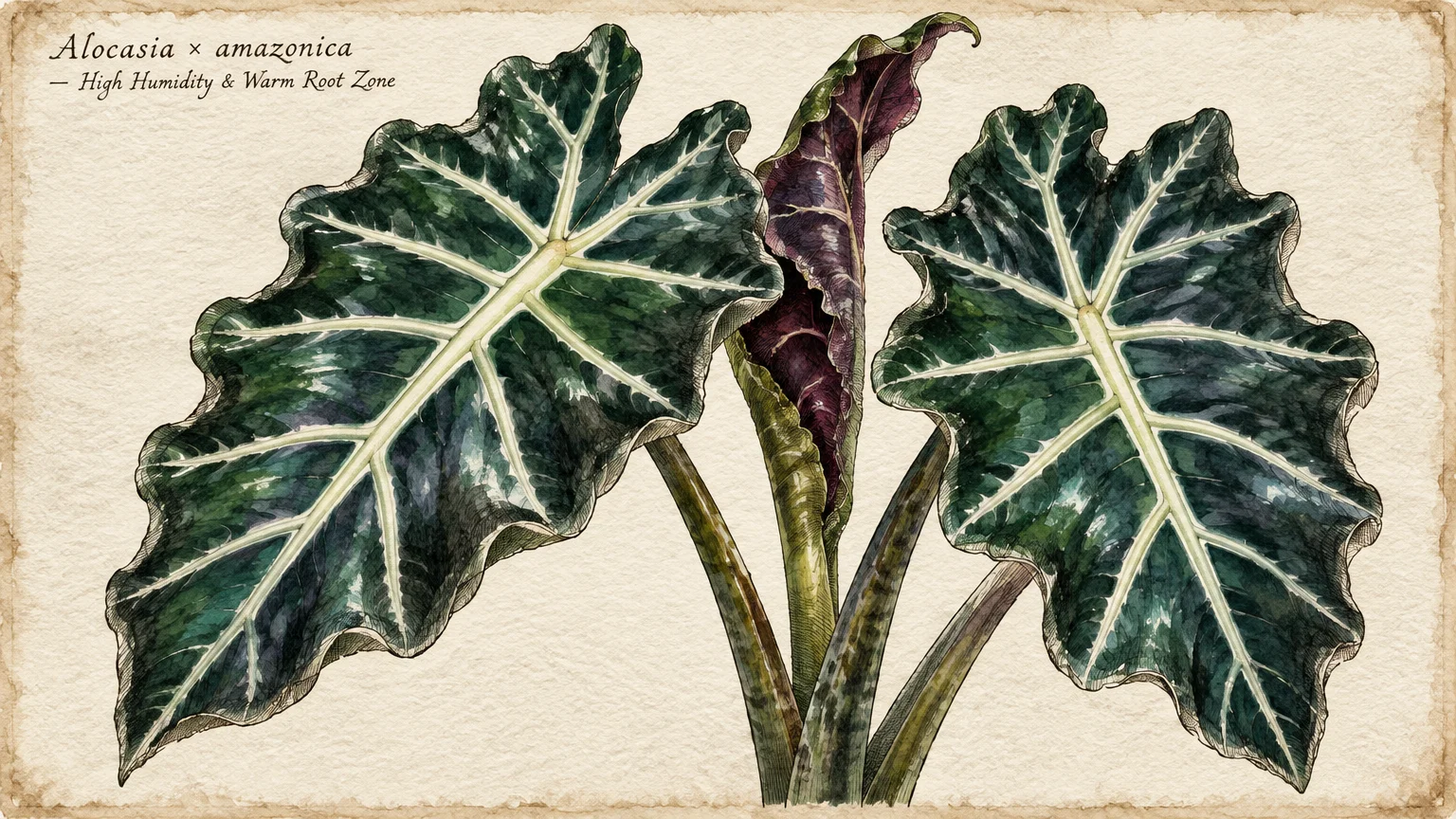
Alocasia Polly features dramatic, arrow-shaped foliage with scalloped margins and luminous white veins. While visually arresting, this tropical beauty ranks high among difficult houseplants due to its dormant tendencies.
When temperatures drop or light levels decrease in autumn, alocasias frequently slip into dormancy. Novice growers often mistake this natural leaf die-back for permanent death and prematurely discard their bulbs.
Position your plant in bright, indirect light away from harsh sun that can scorch the glossy leaves. Maintain steady warmth above seventy degrees Fahrenheit to keep the plant actively growing through the year.
Water when the top two inches of soil feel dry, ensuring rapid drainage through a chunky, aerated soil mixture. Heavy soils retain excess water around the corms, causing catastrophic bulb rot within weeks.
Feed with a balanced, gentle liquid fertilizer every three weeks throughout the spring and summer months. Diluted nutrients fuel rapid leaf expansion without scorching delicate subterranean roots.
Keep ambient humidity around sixty percent to prevent dry edges and resist troublesome spider mite colonies. Wipe the leaves periodically to remove dust and examine the undersides for early pest signs.
Tip #10: Cultivate Miniature Roses Indoors
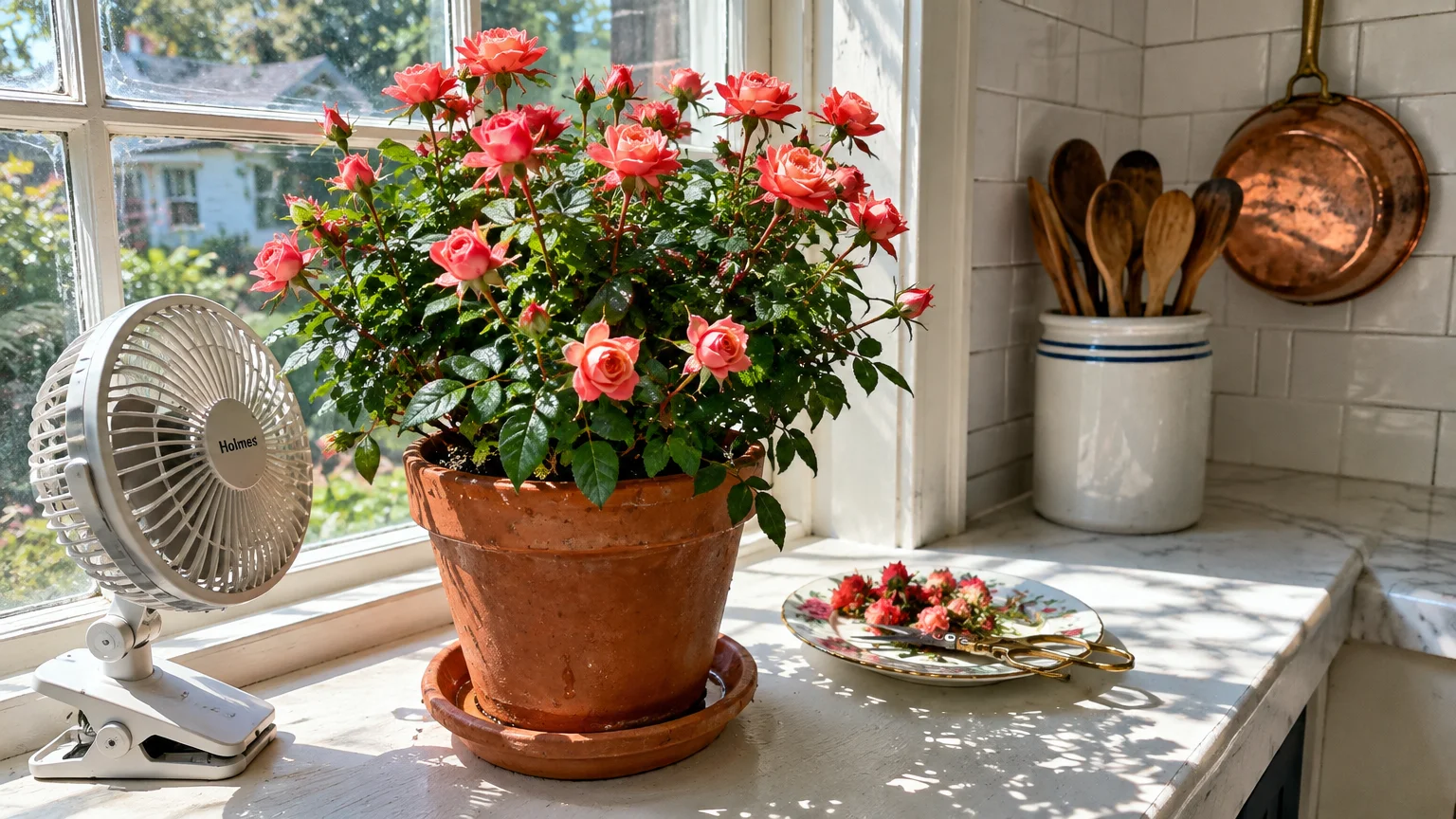
Miniature roses make tempting grocery store impulse purchases with their charming, perfectly formed blooms. However, keeping these outdoor sun-worshippers healthy indoors requires rigorous houseplant care and vigilant attention.
Indoors, miniature roses suffer from inadequate lighting, stale air, and bone-dry indoor winter conditions. Deprived of strong sunlight, they quickly stretch, drop their leaves, and stop producing flower buds.
Supply at least six to eight hours of direct, unfiltered sunlight daily on a sunny southern windowsill. If natural sunlight is lacking, install a powerful grow light directly above the canopy.
Check the soil daily and water thoroughly whenever the top inch feels dry to the touch. Never allow the pot to sit in drainage water, which drowns delicate feeder roots.
Feed every two weeks with a bloom-boosting fertilizer while the plant actively produces flower buds. Consistent feeding provides the necessary phosphorus for deep flower color and strong petal formation.
Inspect the leaf undersides weekly for spider mites and powdery mildew, which flourish on indoor roses. Prune spent blooms down to a five-leaflet leaf node to stimulate continuous, healthy flowering flushes.
Putting It All Together: Enjoy Your Beautiful Garden
Cultivating high-maintenance houseplants requires patience, observation, and a willingness to learn from your plant’s subtle cues. Small adjustments to your watering schedule and light exposure yield profound transformations over time.
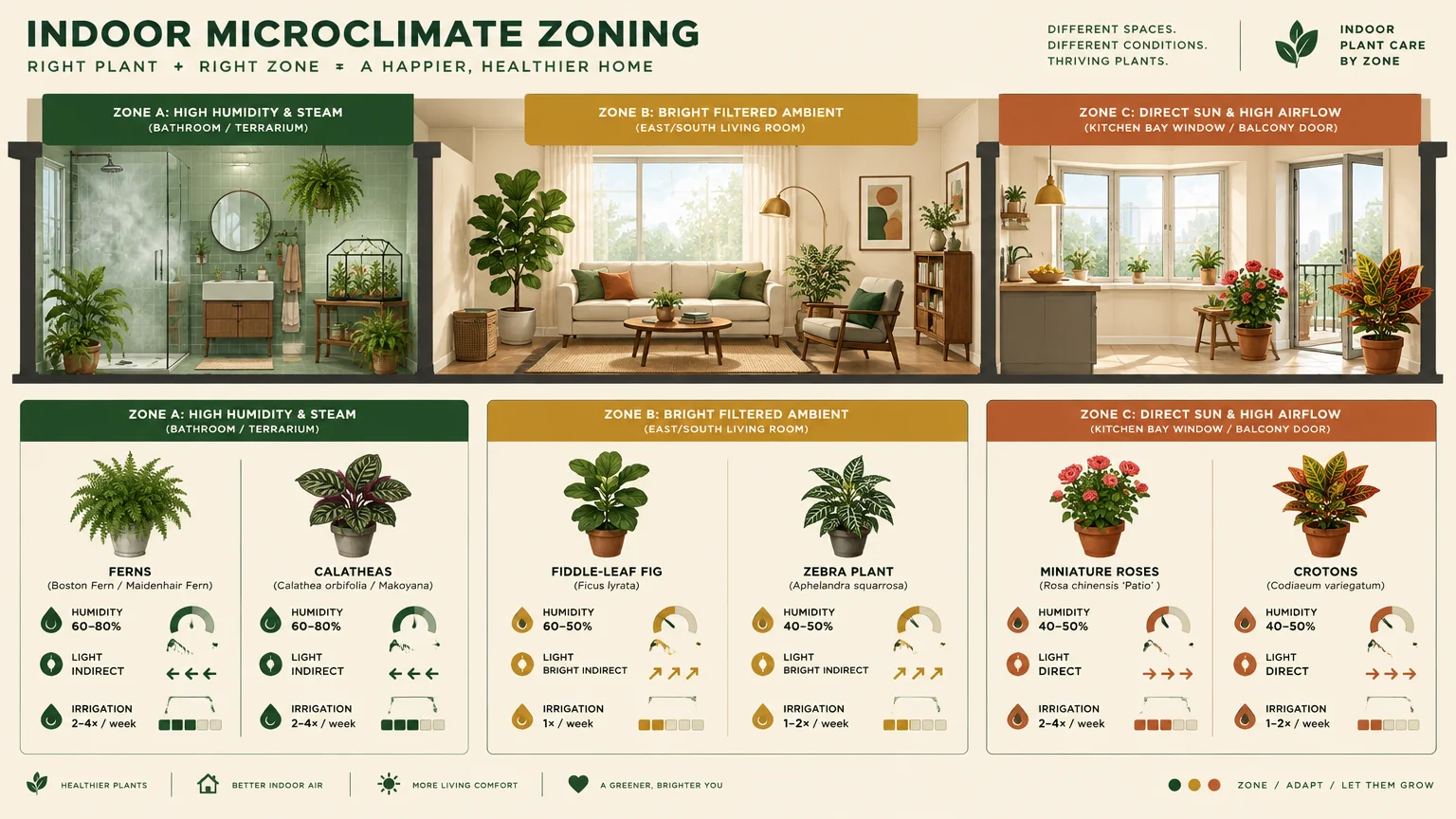
By understanding each specimen’s native habitat, you can tailor your indoor environment to replicate tropical rainforests or arid highlands. Creating specialized microclimates turns hard to grow plants into thriving, long-lasting centerpieces.
Do not feel discouraged by occasional yellow leaves or temporary setbacks as you hone your routine. Consistent attention, proper humidity, and adequate illumination will reward you with lush, show-stopping foliage.
Embrace the challenge as an opportunity to deepen your horticultural knowledge and elevate your indoor space. With persistence and these practical strategies, you will enjoy a stunning home garden filled with rare botanical beauty.
For region-specific advice, consult your local University Extension program (find yours via the USDA directory). For plant databases and inspiration, visit the Missouri Botanical Garden or the Royal Horticultural Society.
Disclaimer: This article provides general gardening advice. Always consider your specific climate, soil conditions, and local pests. Follow safety guidelines when using gardening tools and products.
Frequently Asked Questions
Why do the leaf tips on my fussy plants turn brown and crispy?
Brown leaf tips typically indicate low ambient humidity, irregular irrigation, or high mineral levels in your tap water. Switching to distilled water and running a cool-mist humidifier often resolves this issue swiftly.
How can I increase humidity for difficult houseplants without damaging furniture?
Group humidity-loving plants together on a large pebble tray filled with water to elevate local air moisture naturally. Alternatively, run an ultrasonic humidifier directed toward the plants rather than wood surfaces or drywall.
What should I do when my fiddle-leaf fig starts dropping healthy green leaves?
Sudden leaf drop usually signals an environmental shock, such as a cold draft, relocation, or overwatering. Stabilize the plant’s position, avoid drafty vents, and allow the upper soil to dry before watering again.
Can beginner gardeners successfully grow hard to grow plants indoors?
Beginners can certainly succeed by researching individual plant requirements thoroughly before making a purchase. Starting with one challenging species allows you to master its microclimate needs without feeling overwhelmed.