You can bring vibrant natural energy into any dim room without worrying about watering schedules or fading leaves. High-quality realistic artificial plants now capture the exact textures, glossy sheens, and growth patterns of live botanical specimens.
Modern manufacturing techniques use coated fabrics, molded polyethylene, and natural wood stems to replicate nature with breathtaking accuracy. These lifelike artificial plants fool the eye and withstand years of daily life.
Discovering the best fake plants for your living space allows you to design lush displays where living greenery cannot survive. Here are the top selections to transform your indoor spaces with effortless, lasting beauty.
Tip #1: Fiddle Leaf Fig
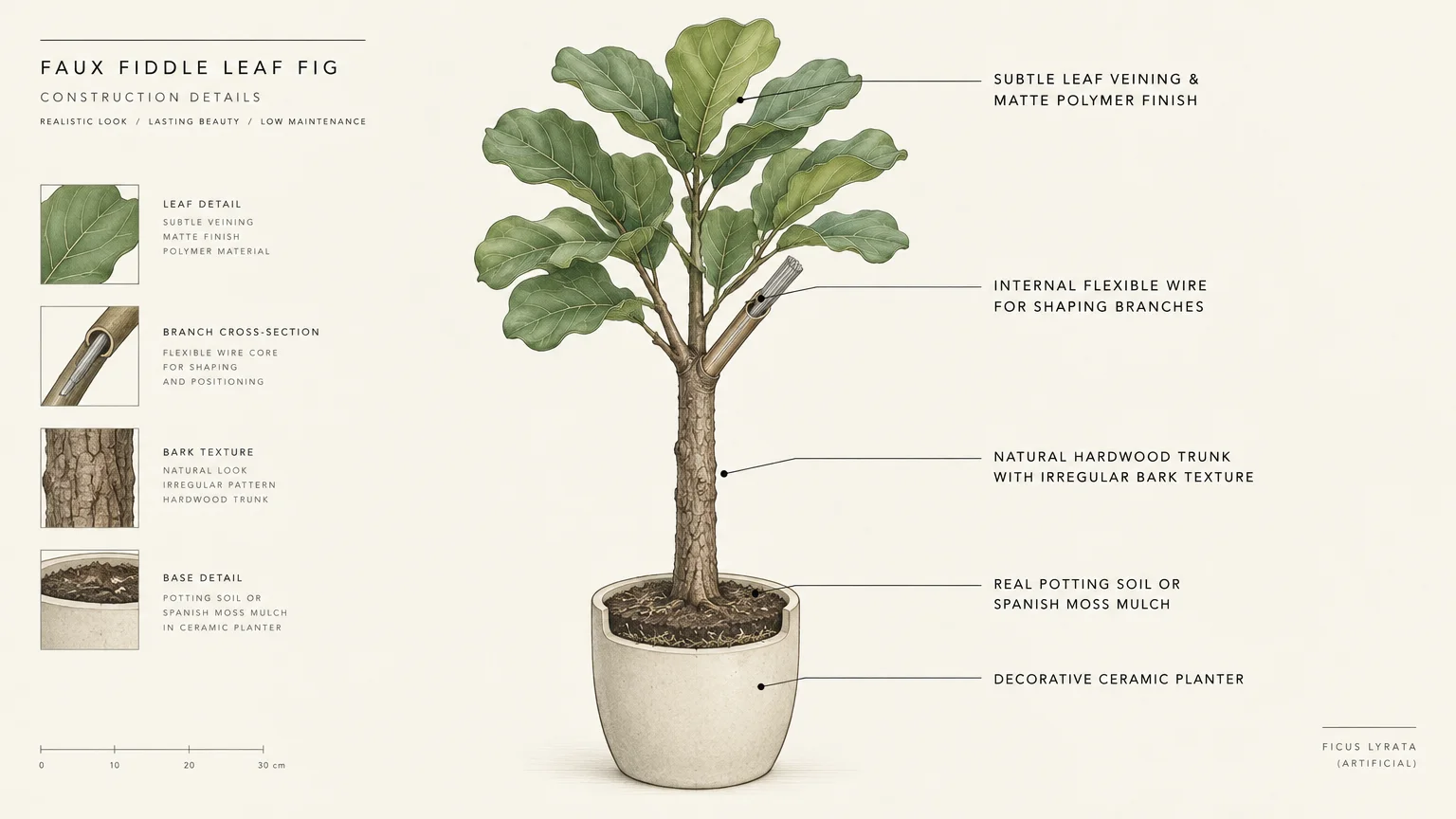
The fiddle leaf fig reigns supreme in modern interior styling, yet living specimens notoriously drop foliage when exposed to slight temperature shifts. A premium faux fiddle leaf fig delivers dramatic, violin-shaped foliage without the constant stress of leaf drop.
Examine the leaf texture and color variation closely before choosing your specimen. Premium faux plants for home decor feature subtle veining, slight color gradients from deep emerald to olive, and matte polymer coatings rather than shiny plastic.
Look for designs constructed with wired stems running through the foliage branches. These flexible wires allow you to gently bend each leaf downward and outward, mimicking the relaxed architecture of mature living canopies.
Live fiddle leaf figs feature irregular trunks with realistic woody textures. Select models that incorporate natural wood trunks or detailed molded bark to eliminate unsightly industrial seams.
Once your tree arrives, transfer it out of its basic weighted plastic nursery pot. Repotting your faux tree into a decorative ceramic planter or woven basket provides appropriate scale and visual stability.
Top the container with real potting soil or preserved Spanish moss. This horticultural detail conceals the artificial base and convinces visitors that the tree is completely genuine.
Tip #2: Snake Plant
Snake plants, commonly called mother-in-law’s tongue, possess architectural upright leaves that naturally appear stiff and waxy. Because real sansevieria foliage looks sculptural, synthetic versions are among the most convincing realistic artificial plants available today.
Search for varieties crafted from high-density polyurethane that reproduce the firm, succulent feel of genuine foliage. Quality versions display mottled green cross-banding alongside realistic golden-yellow margins on outer blade edges.
Avoid specimens where every leaf stands at the exact same height or angle. Natural sansevieria grows asynchronously, featuring young upright spears surrounded by mature, slightly outward-curving blades.
Stagger the leaf stems by bending them gently away from the center rosette. Creating subtle variation in leaf angles breaks up artificial symmetry and establishes an authentic growth habit.
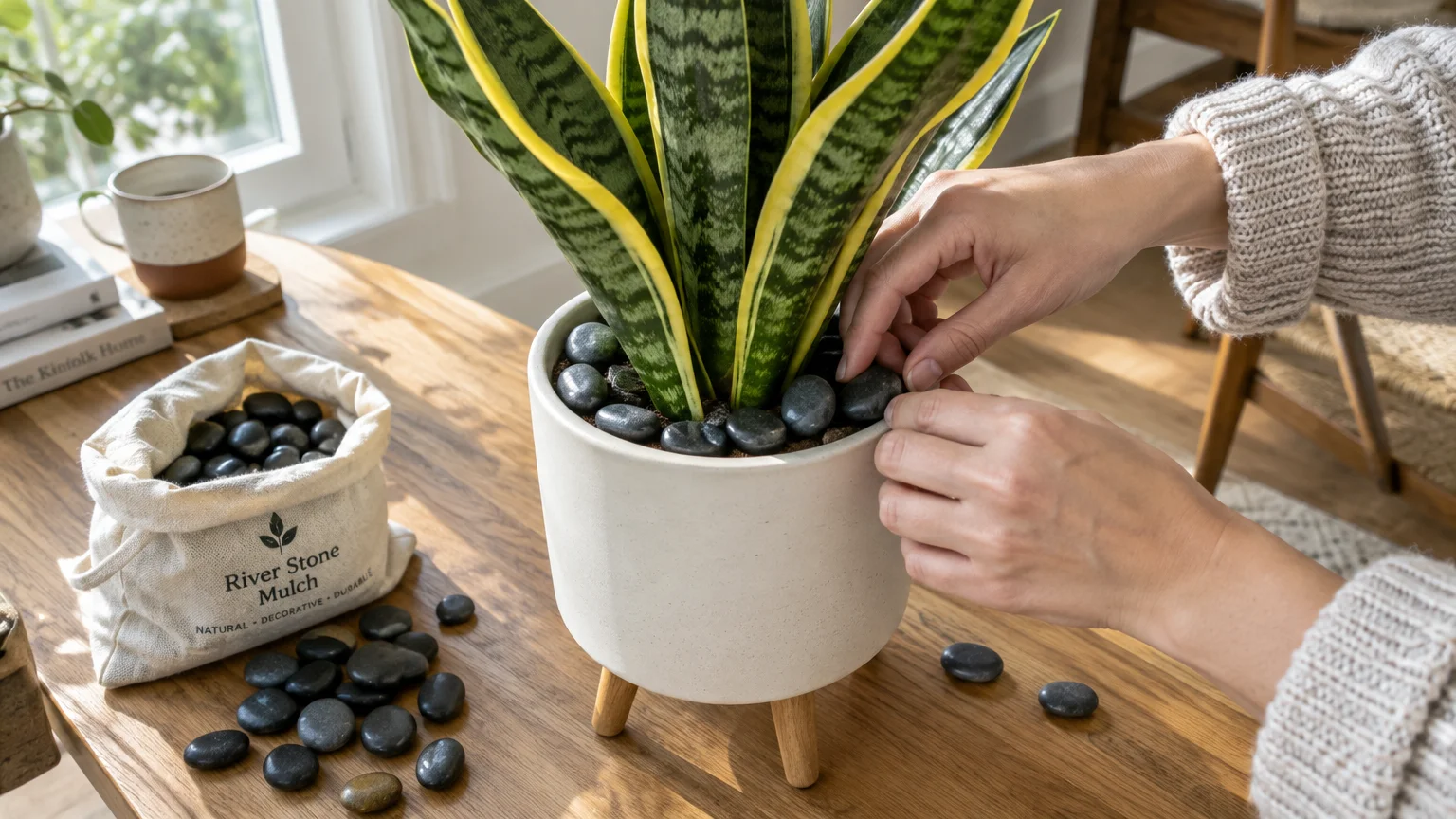
Pair your faux snake plant with a mid-century modern planter on elevated wooden legs. This pairing flatters the clean vertical lines of the sword-like leaves.
Finish the presentation by surrounding the base with smooth black river stones or coarse pea gravel. Stone mulch anchors the arrangement and replicates professional interior landscape design.
Tip #3: Olive Tree
Faux olive trees bring soft Mediterranean warmth and understated elegance into contemporary living rooms. Because live olive trees require intense direct sunlight and airy conditions, artificial versions offer the ideal solution for darker indoor spaces.
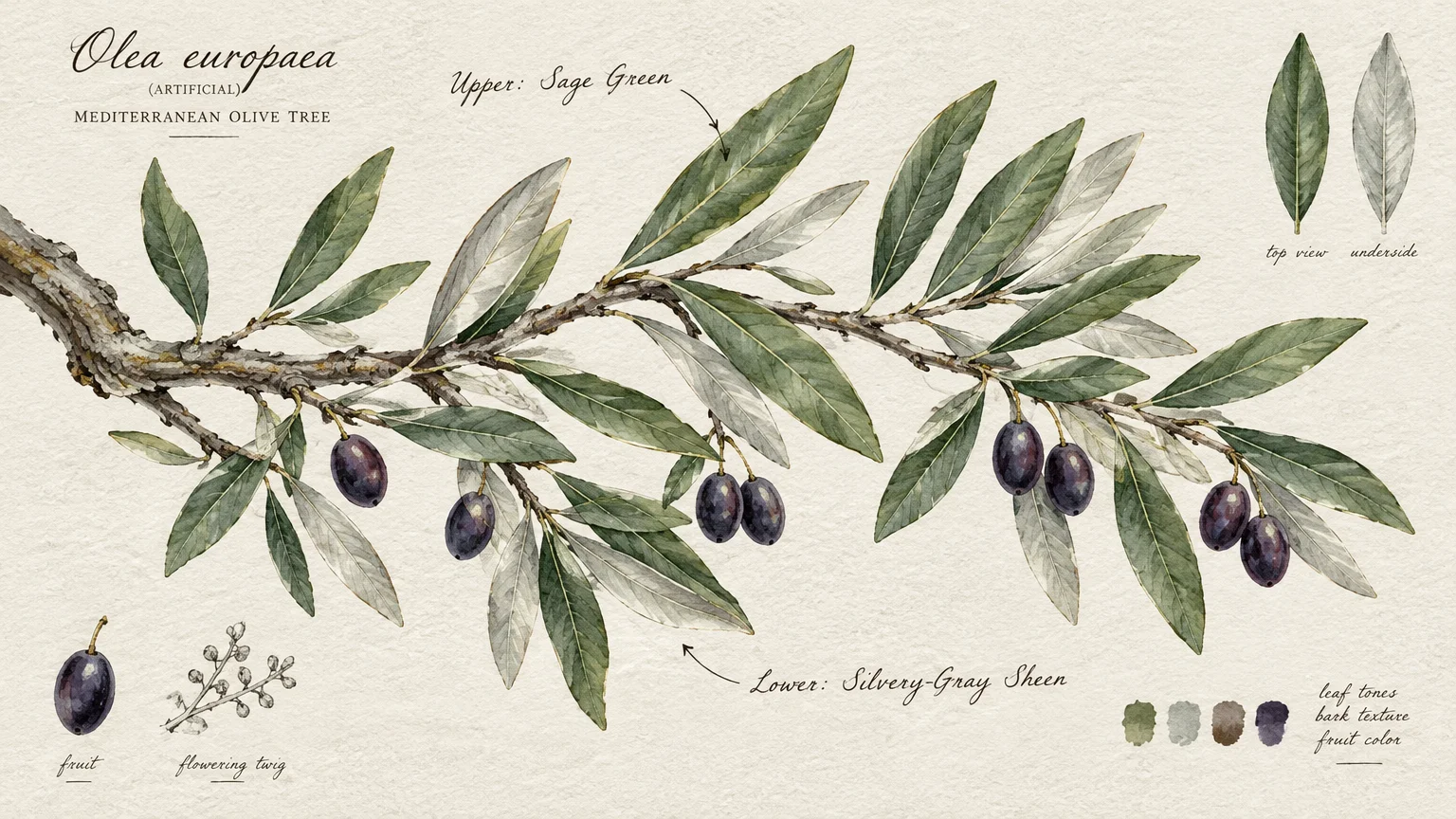
Focus on foliage quality when evaluating potential olive trees. Natural olive foliage features a two-toned appearance, displaying soft sage green on the top surface and silvery-gray underneath.
The finest lifelike artificial plants feature natural wood trunks grafted with artificial branches. Real wood displays natural knots, bark fissures, and organic twists that no machine-molded plastic can replicate.
Look for trees that include delicate, realistic faux olives clinging to smaller twigs. Well-made versions feature varied fruit ripeness, blending small green berries with deeper purple-black fruits.
When unboxing, take time to shape the thin branch network outward and upward. Spreading the branches creates an airy, light-dappled silhouette typical of groves in coastal Greece or southern Spain.
Place your olive tree inside an aged terracotta urn or distressed stone planter. This Mediterranean aesthetic harmonizes with the soft gray-green foliage and completes the rustic look.
Tip #4: Monstera Deliciosa
The Swiss cheese plant provides bold tropical drama with its expansive split leaves and distinctive perforations. Faux monsteras serve as magnificent focal points in spaces where living tropicals would wither from dry indoor heating.
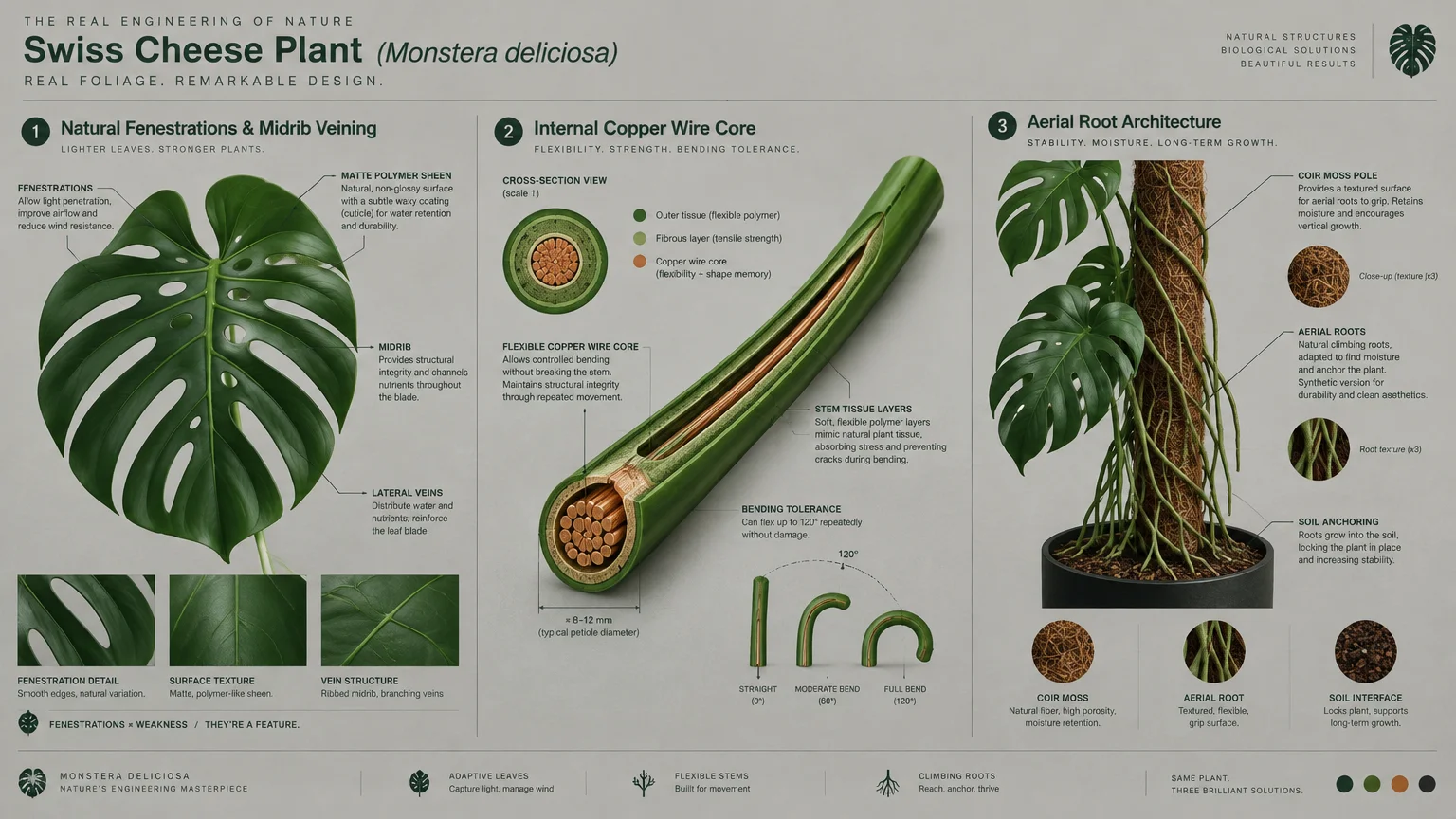
Look for leaves made with 3D printing or textured latex coatings. These advanced materials replicate the thick, leathery texture of genuine monsteras without producing an unnatural plastic glare.
Examine the perforations, known botanically as fenestrations. High-quality versions show varied cut patterns across different leaves, representing both juvenile solid leaves and mature, deeply split foliage.
Gently curve the leaf petioles outward to mimic how living monsteras reach toward available ambient light. Flat, upright leaves appear synthetic, while slightly arching stems capture authentic growth forms.
Add a faux coir moss pole behind the central stems to mimic how monsteras climb in nature. Tying a few central stems to the pole creates authentic structural realism.
Wipe the wide leaves periodically with a soft damp microfiber cloth. Removing household dust preserves the natural satin sheen and keeps your tropical display vibrant.
Tip #5: ZZ Plant
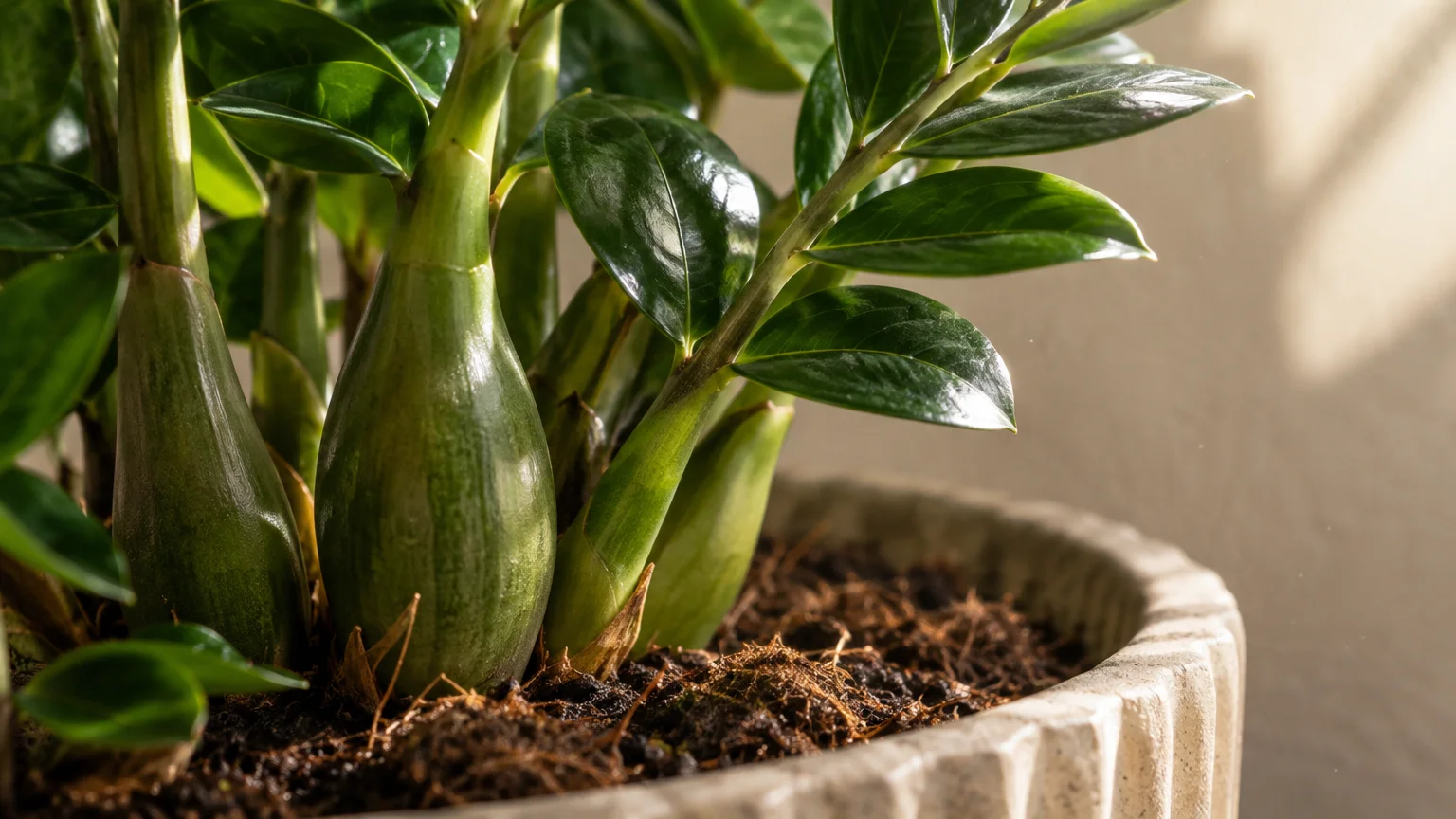
The ZZ plant is renowned for its thick stems and naturally glossy, emerald-green leaflets. Because a healthy living ZZ plant looks almost artificial naturally, faux models are remarkably difficult to distinguish from real plants.
Select models crafted from molded polyethylene that recreate the fleshy, succulent feel of real stems. Authentic faux specimens feature swollen stem bases that mimic the water-storing tubers of the living species.
Check the leaf sheen to ensure it looks radiant rather than oily. High-grade faux plants for home styling feature a natural luster that catches daylight without reflecting harsh synthetic highlights.
Ensure the foliage includes varying leaf sizes along each stem. Stems should display smaller, brighter green leaflets near the tips and larger, darker leaflets toward the base.
Shape the stems into an upright, slightly flared cluster. Avoid spreading the stems too wide, as natural ZZ plants grow in compact, fountain-like habits.
Display your ZZ plant on a low bookshelf or console table in a low-light hallway. Placing fake greenery where real plants struggle creates an effortless interior statement.
Tip #6: Boston Fern
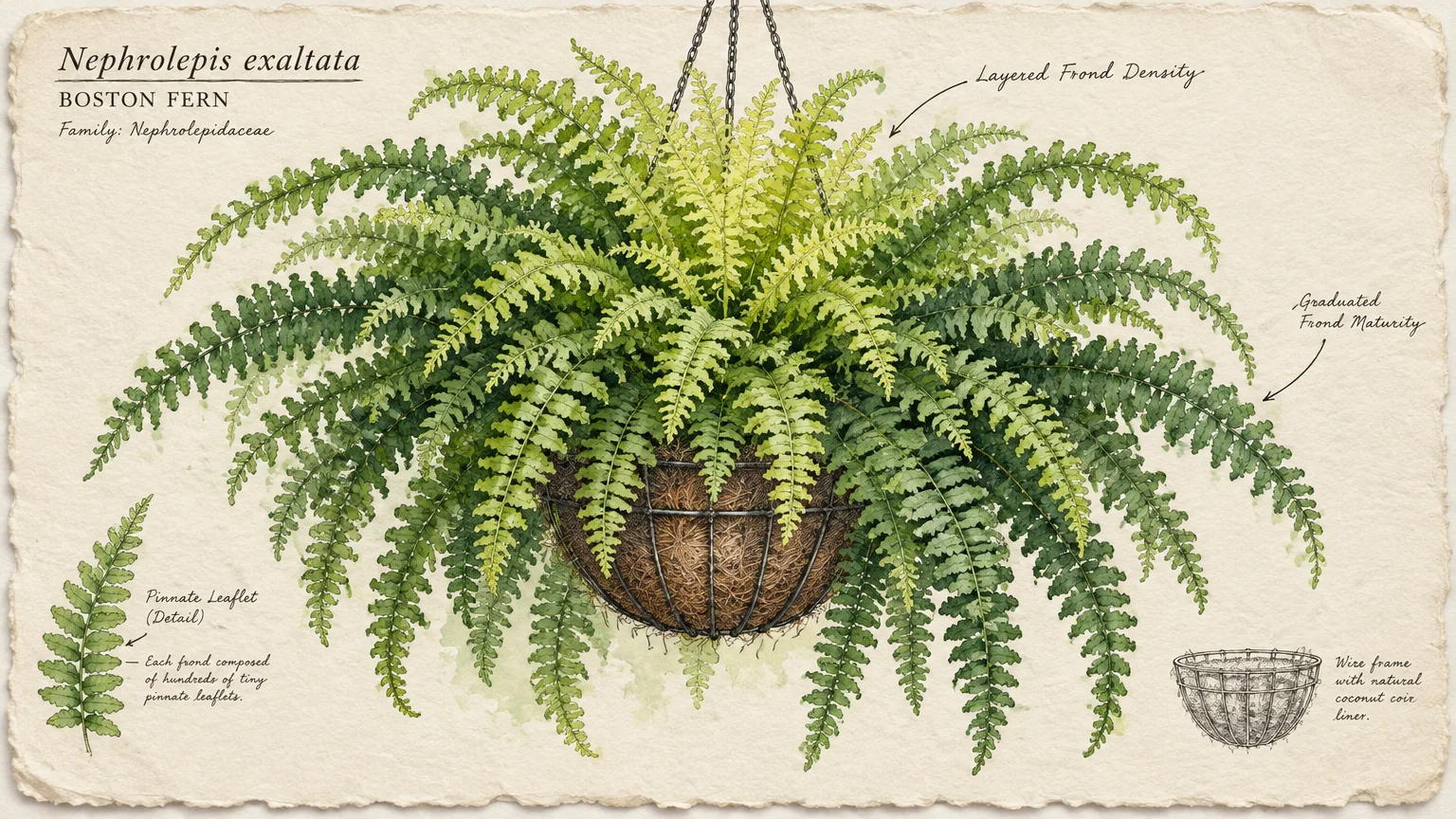
Living Boston ferns demand relentless humidity and frequent misting; otherwise, they shower floors with brittle brown leaflets. A faux fern gives you lush, feathery fronds without the constant cleanup of dried debris.
Look for ferns manufactured with fabric leaves coated in thin protective polymers. This technique allows delicate fronds to flutter naturally in gentle room breezes while preventing frayed fabric edges.
Inspect the center of the fern crown for realistic botanical details. Top-tier lifelike artificial plants include tiny brown fiddleheads and soft downy fuzz at the base of newly unfurling fronds.
Spend time separating and arching individual fronds during the initial styling process. Curve the lower fronds sharply downward over the container rim while leaving center fronds standing semi-upright.
Hang your faux fern in a macrame hanger or set it atop a tall pedestal. Elevating the plant allows the feathery fronds to cascade freely in all directions.
Positioning your fern in a guest bathroom adds a spa-like touch of verdant softness. Visitors will assume the plant thrives on everyday shower moisture.
Tip #7: Golden Pothos
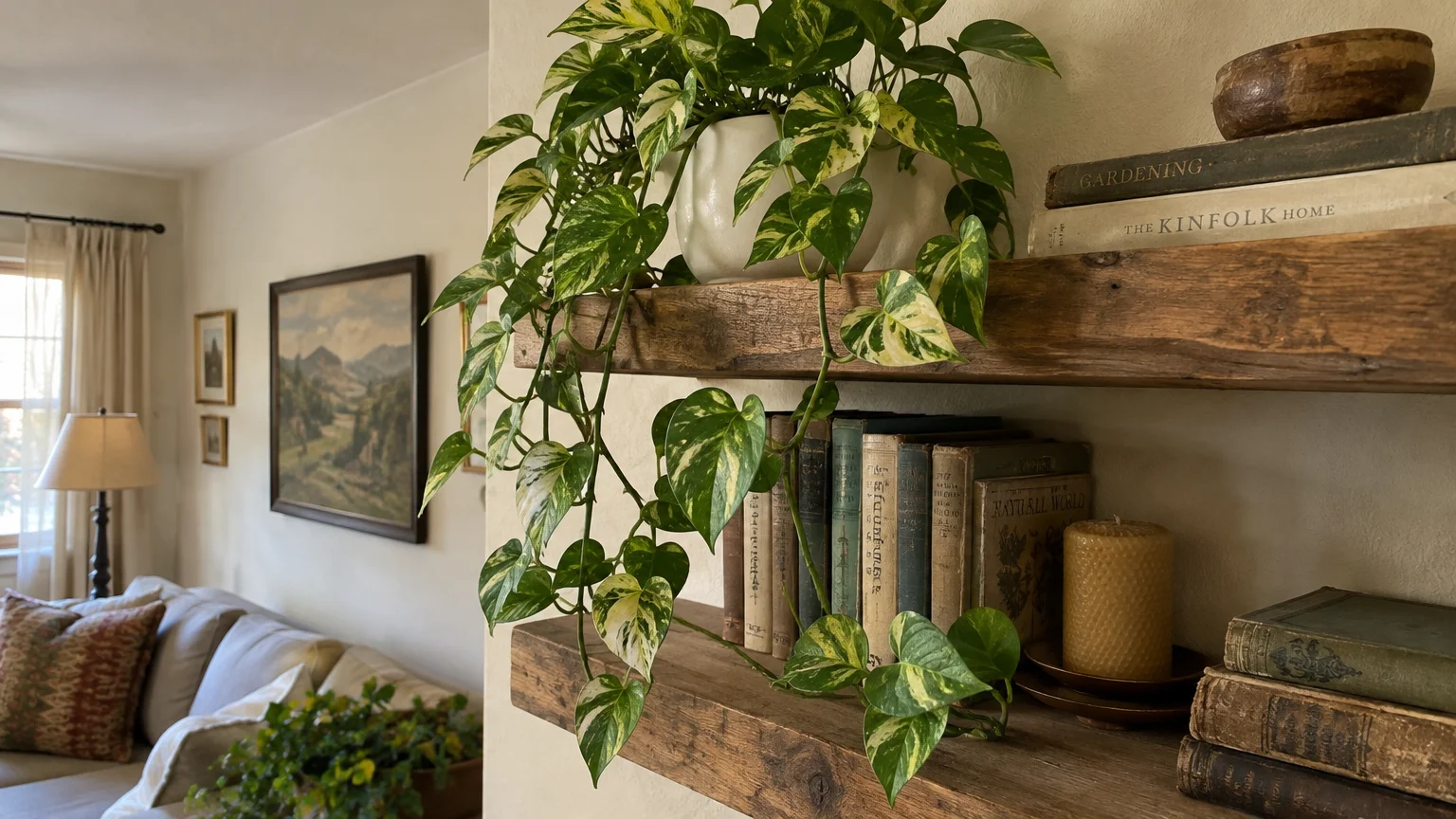
Golden pothos is beloved for heart-shaped leaves splashed with creamy yellow variegation. Faux trailing pothos vines allow you to cascade lush greenery from high shelving without dragging out step stools for watering.
Look for variegated leaves with unique markings on every leaf surface. Budget fakes repeat the exact same stamped pattern across every blade, which immediately signals artificial construction to observant viewers.
Examine the vine structure to ensure it features tiny simulated aerial root nubs along the stems. These brown nodes give trailing vines an authentic, botanical texture when draped across furniture.
Weave the trailing stems across bookshelves or loop them over picture frames. Allowing vines to drop at staggered lengths mimics natural phototropic searching behaviors.
Keep the main container slightly out of direct sightline on upper shelves. Letting the vines spill over the shelf ledge emphasizes the lush trailing foliage rather than the container base.
Combine your faux pothos with stacks of books and decorative ceramic objects. Mixing greenery with everyday decor items creates a cozy, lived-in library aesthetic.
Tip #8: Bird of Paradise
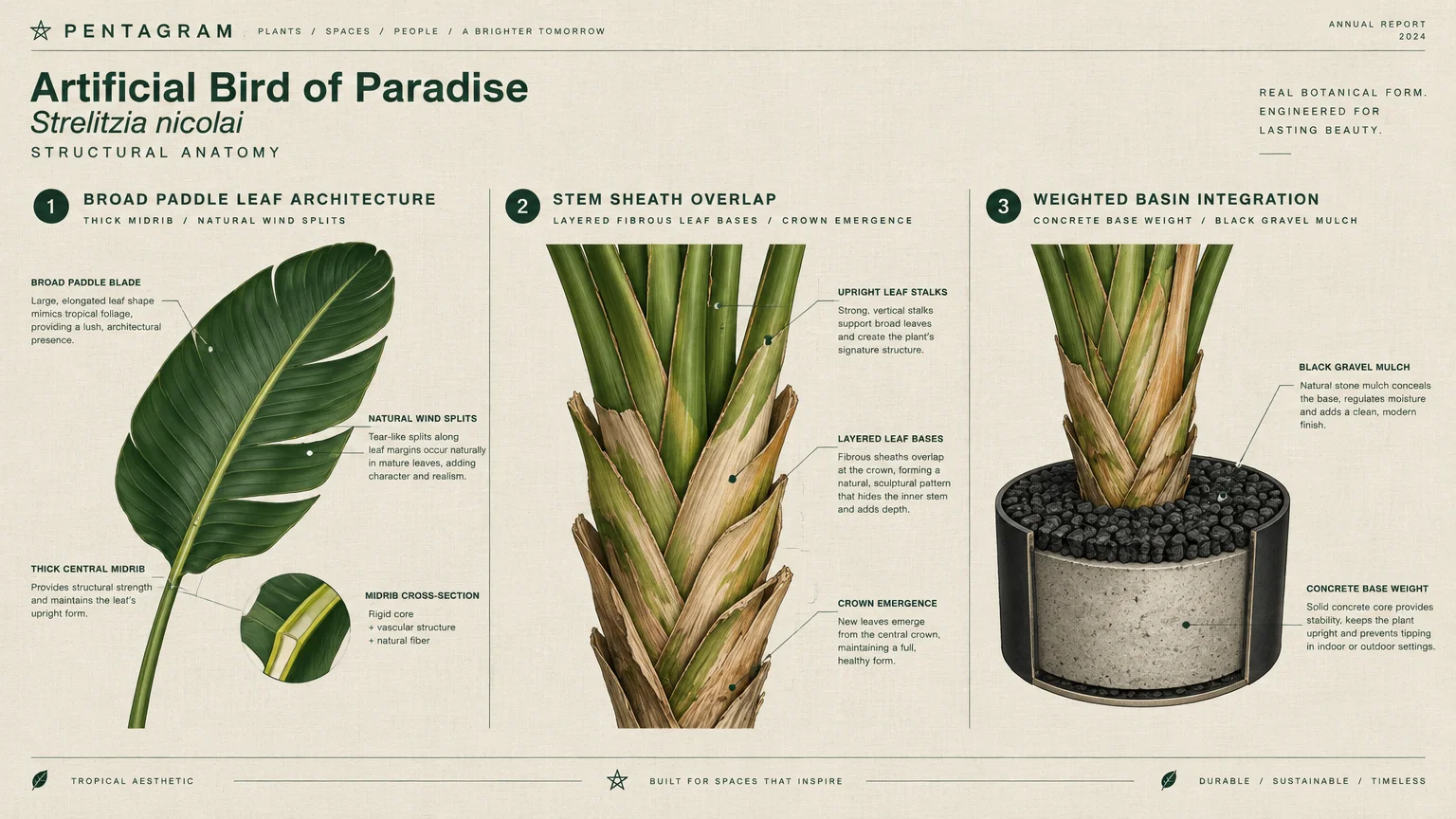
The bird of paradise offers majestic architectural scale with its towering paddle-shaped leaves. Live specimens often outgrow interior spaces or suffer leaf splitting, making artificial versions ideal for long-term interior styling.
Search for models made with real-touch latex or heavy-duty polyurethane. These premium materials provide the rigid, upright structure needed to keep towering foliage from drooping unnaturally over time.
Look for authentic intentional imperfections along the leaf margins. Real bird of paradise leaves develop minor natural splits as they mature, so realistic fakes often replicate these subtle fissures.
Bend the outer leaf stems outward at gentle angles while keeping the central emergent leaf upright. This arrangement recreates the natural fan-shaped growth pattern of healthy wild specimens.
Select a tall, substantial ceramic planter to anchor the visual weight of the large leaves. A narrow or flimsy base makes tall tropical foliage look top-heavy and unstable.
Place this majestic plant in an empty corner or beside large patio doors. The bold vertical lines frame windows beautifully and bring luxurious resort vibes into your home.
Tip #9: String of Pearls
String of pearls is one of the most notoriously fragile succulents for indoor gardeners to maintain. Faux versions provide the whimsical beauty of cascading pea-shaped beads without the peril of root rot.
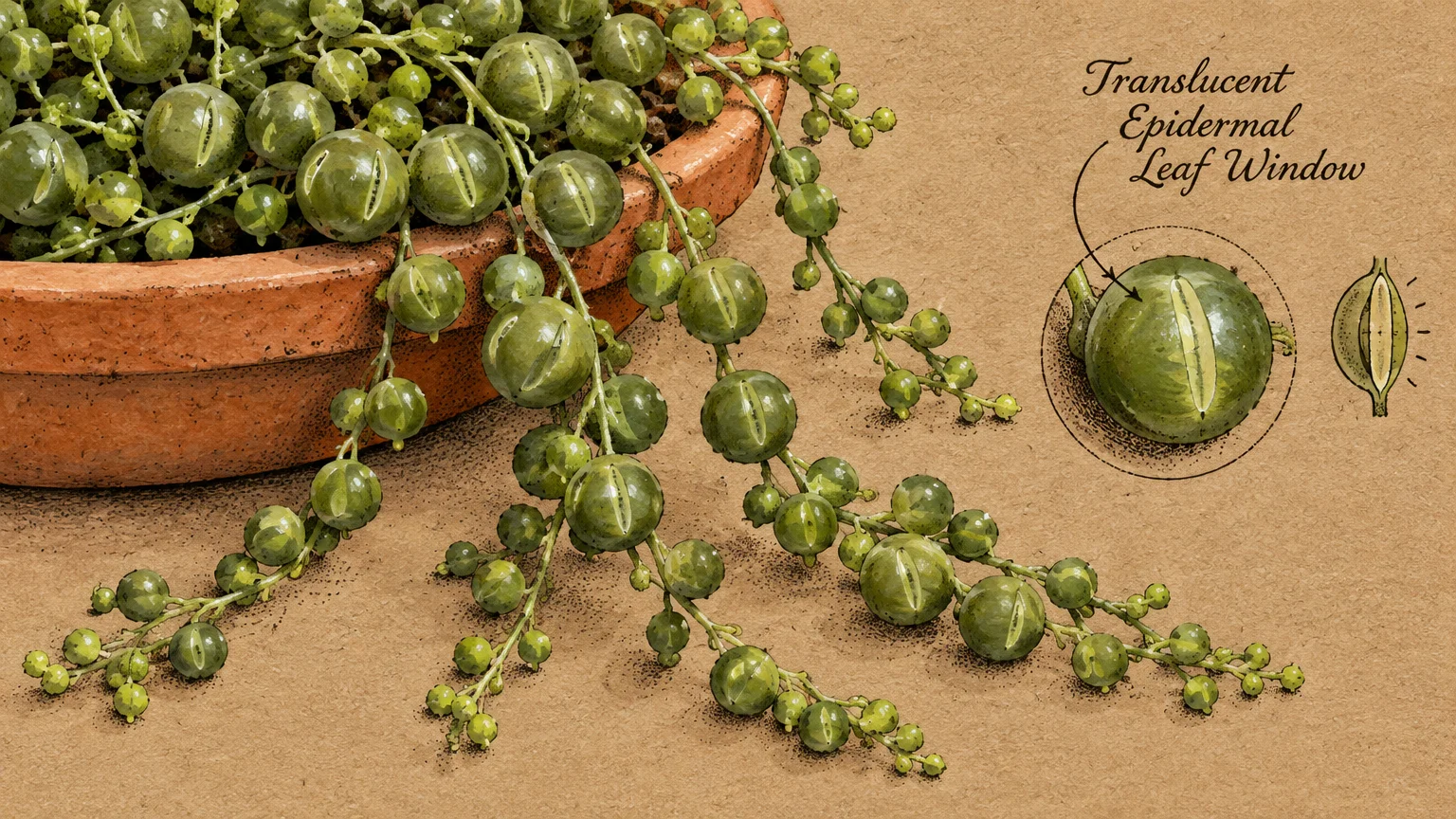
Evaluate the bead texture and coloration carefully before purchasing. High-quality realistic artificial plants feature translucent green pearls with subtle epidermal windows that mimic the light-capturing slits of living succulents.
Check that the pearl sizes graduate along the length of each strand. Stems should showcase larger beads near the root crown and tiny, emerging pearls at the cascading tips.
Drape the strands casually over the edges of a small wall-mounted planter or elevated pot. Avoid tangling the strands together, allowing individual bead chains to fall naturally in vertical cascades.
Position your trailing succulent on a sunny floating shelf or beside kitchen windows. Because real succulents thrive in bright light, placing faux succulents near natural light sources enhances believability.
Top the planting soil with coarse horticultural sand or small crushed pumice pebbles. Authentic succulent substrates complete the visual illusion and anchor the hanging vines.
Tip #10: Areca Palm
Areca palms infuse interiors with breezy tropical tranquility, but live palms frequently suffer from dry air and brown leaf tips. A top-grade artificial areca palm provides lush, feather-like fronds that stay perpetually green.
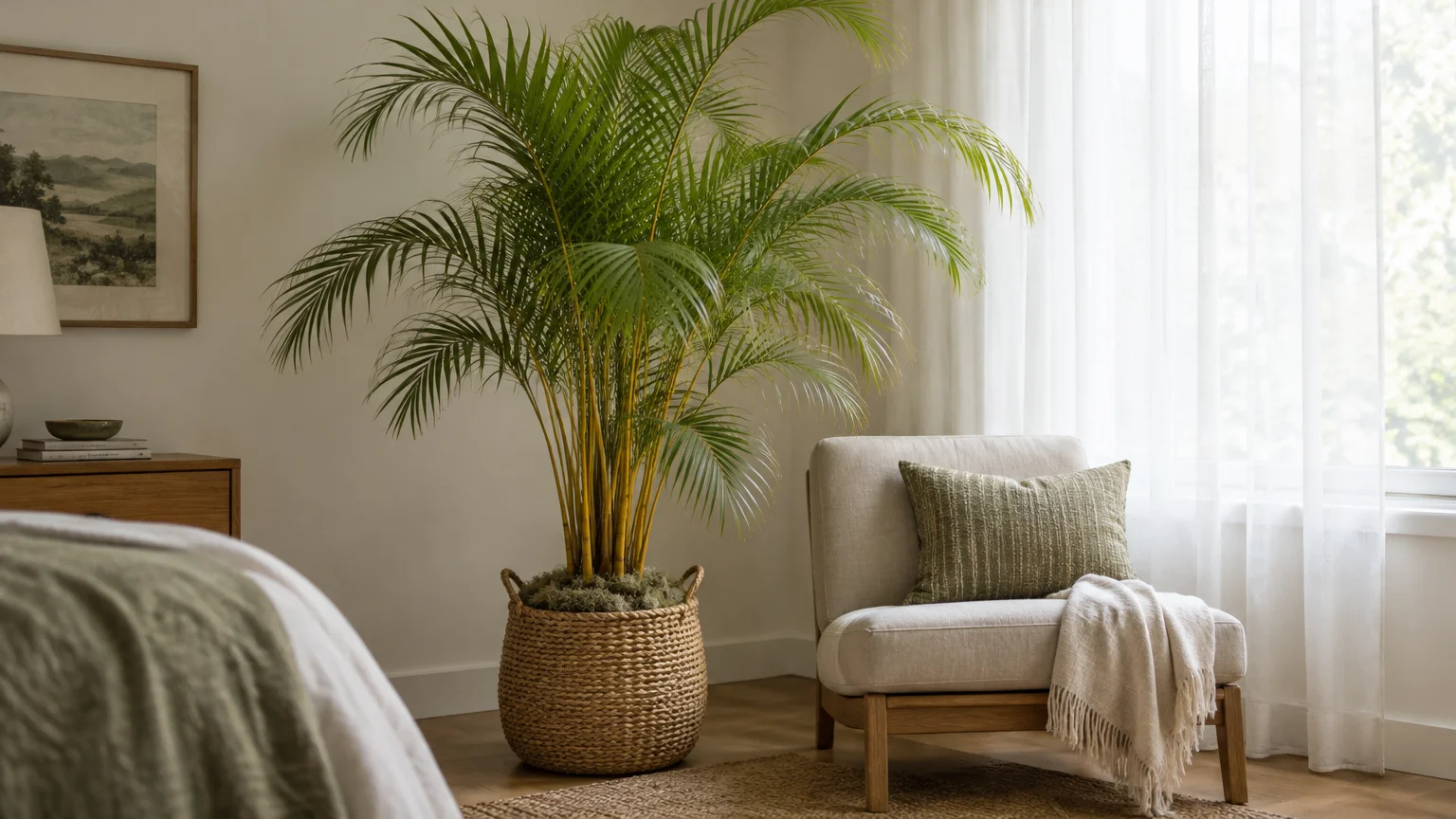
Look for multi-stem designs featuring natural bamboo canes or fiber-wrapped cane bases. Realistic cluster bases with authentic husk fibers eliminate the hollow plastic look common in cheap imitations.
Examine the pinnae, or individual palm leaflets, along each frond. Quality faux plants for home spaces feature soft, flexible leaflets with realistic matte sheens and subtle golden-yellow undertones on the petioles.
Shape your palm starting from the bottom fronds and working toward the top. Arch the outer fronds broadly downward and leave the central spear fronds pointing toward the ceiling.
Anchor your palm in a large, textured cement pot or substantial clay container. The substantial pot base prevents tall palms from tipping while grounding the dramatic tropical silhouette.
Use your faux palm to soften stark corners in living rooms or home offices. The lush arching fronds filter ambient lighting beautifully, casting gentle organic shadows across walls.
Putting It All Together: Enjoy Your Beautiful Garden
Curating lifelike artificial plants allows you to enjoy lush greenery anywhere in your home regardless of natural light levels. Investing in best fake plants made with quality materials guarantees years of effortless botanical beauty.
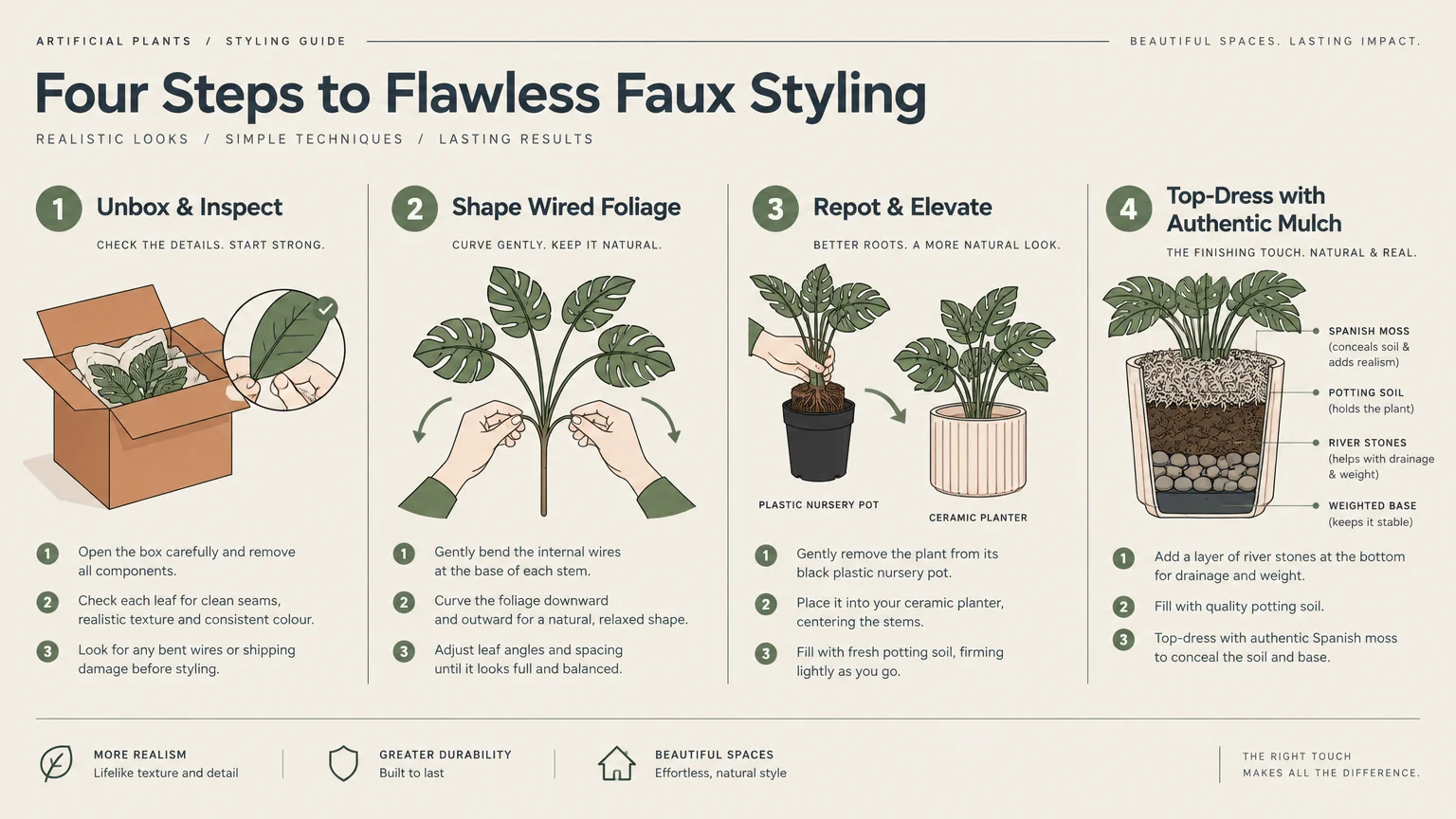
Remember that realistic presentation depends heavily on how you pot and style your botanical pieces. Always discard cheap starter containers in favor of weighty decorative planters filled with authentic moss, stones, or soil.
Take time to bend stems, spread branches, and shape leaves to mirror natural growth patterns. Natural plants display organic irregularities, so avoiding rigid symmetry makes your faux botanical collection truly convincing.
Incorporate artificial specimens alongside your living houseplants to create a seamless indoor jungle. Mixing live and faux plants makes it impossible for guests to tell which foliage requires watering.
Enjoy the peaceful ambiance and vibrant colors that low-maintenance decor brings into your home. With thoughtful placement and styling, your indoor garden will thrive effortlessly through every season.
Frequently Asked Questions
How do you make artificial plants look more realistic?
Upgrade the factory pot to a substantial ceramic planter and top the surface with genuine potting soil, bark, or river stones. Gently bend wired stems into asymmetrical, natural postures to eliminate factory stiffness.
How should you clean and maintain faux plants?
Dust your foliage monthly using a soft microfiber duster or a damp cloth to maintain natural color vibrancy. For intricate plants, a gentle blast from a can of compressed air removes trapped dust instantly.
Can you put realistic artificial plants outdoors?
Standard indoor faux foliage fades and cracks under harsh exterior weather and intense ultraviolet radiation. If you decorate patios, select specialized outdoor-rated faux plants treated with UV-resistant coatings.
What materials indicate the best fake plants?
Look for real-touch polyurethane, molded polyethylene, natural wood stems, and coated fabric leaves. These materials capture organic textures, soft color variations, and natural flexibility far better than rigid plastic.
For region-specific advice, consult your local University Extension program (find yours via the USDA directory). For plant databases and inspiration, visit the Missouri Botanical Garden or the Royal Horticultural Society.
Disclaimer: This article provides general gardening advice. Always consider your specific climate, soil conditions, and local pests; follow safety guidelines when using gardening tools and products.