Few gardening setbacks sting worse than watching a lush, vibrant plant wither within days of bringing it home. Understanding which greenery collapses quickly saves your budget, your time, and your sanity.
Many popular species possess narrow survival margins, demanding exact humidity, delicate watering schedules, or specific light levels to stay alive. Others simply follow short natural life cycles that conclude sooner than gardeners anticipate.
Here are fourteen notorious indoor and outdoor plants that die surprisingly fast, along with practical steps to keep them thriving in your care.
Tip #1: Fiddle Leaf Fig (Ficus Lyrata)
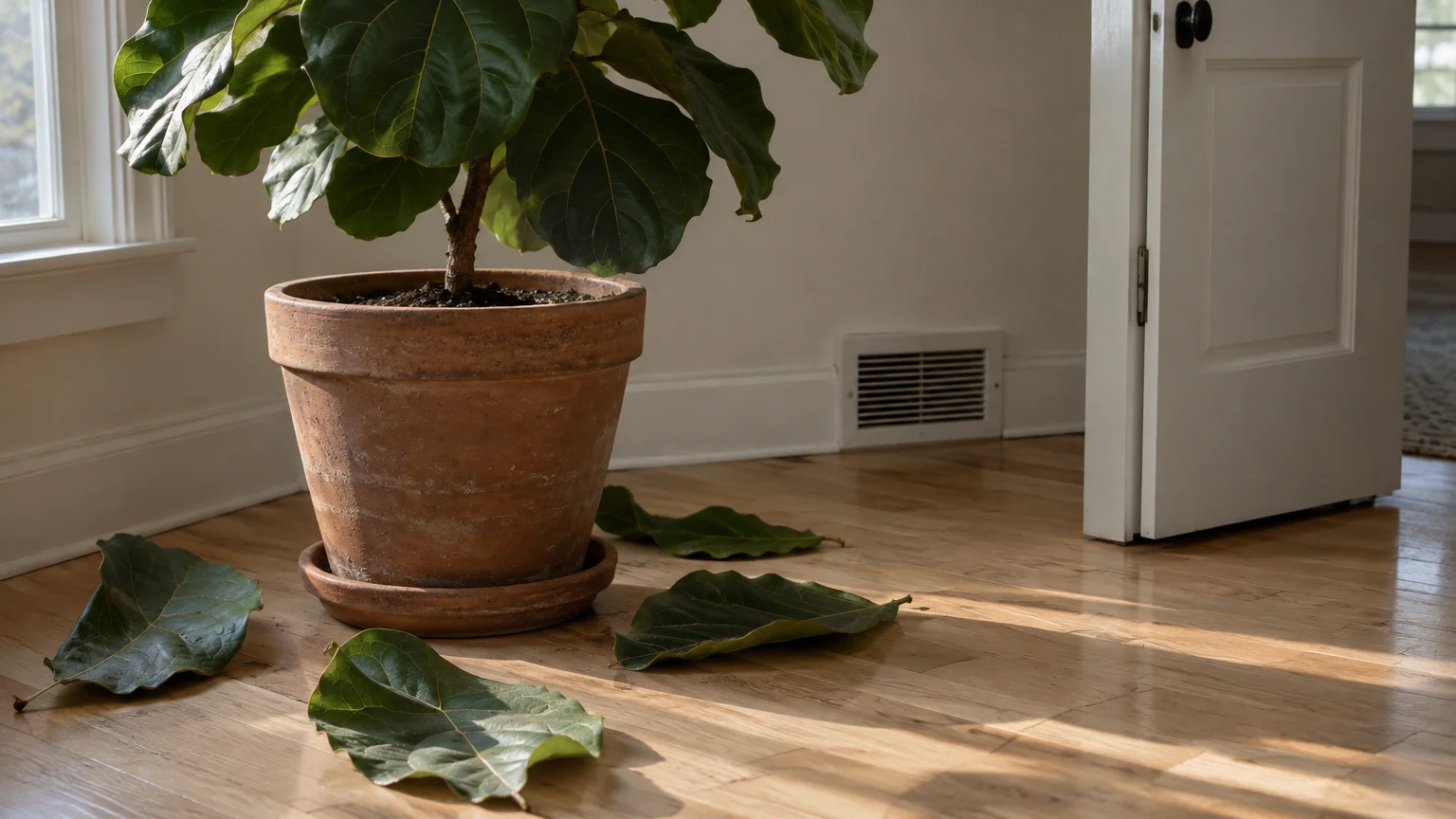
The fiddle leaf fig reigns supreme in home decor, yet it stands out as one of the most finicky houseplants available today. Without warning, a gorgeous green specimen can drop half its leaves within forty-eight hours.
Sudden temperature fluctuations and cold drafts shock the root system, causing immediate foliage loss. Similarly, dense commercial potting soil retains excess water, suffocating roots and creating rapid fungal decay.
Place your tree in an area with bright, filtered sunlight away from heating vents and drafty doorways. Maintain steady humidity around the foliage and avoid moving the pot once the plant settles.
Allow the top two inches of potting medium to dry out between thorough waterings. Always discard runoff sitting in the drainage tray to preserve root health.
Tip #2: Maidenhair Fern (Adiantum)
With delicate, lace-like fronds and dark stems, maidenhair ferns look ethereal on plant stands. Unfortunately, they belong to the notorious group of plants that die quickly when conditions change.
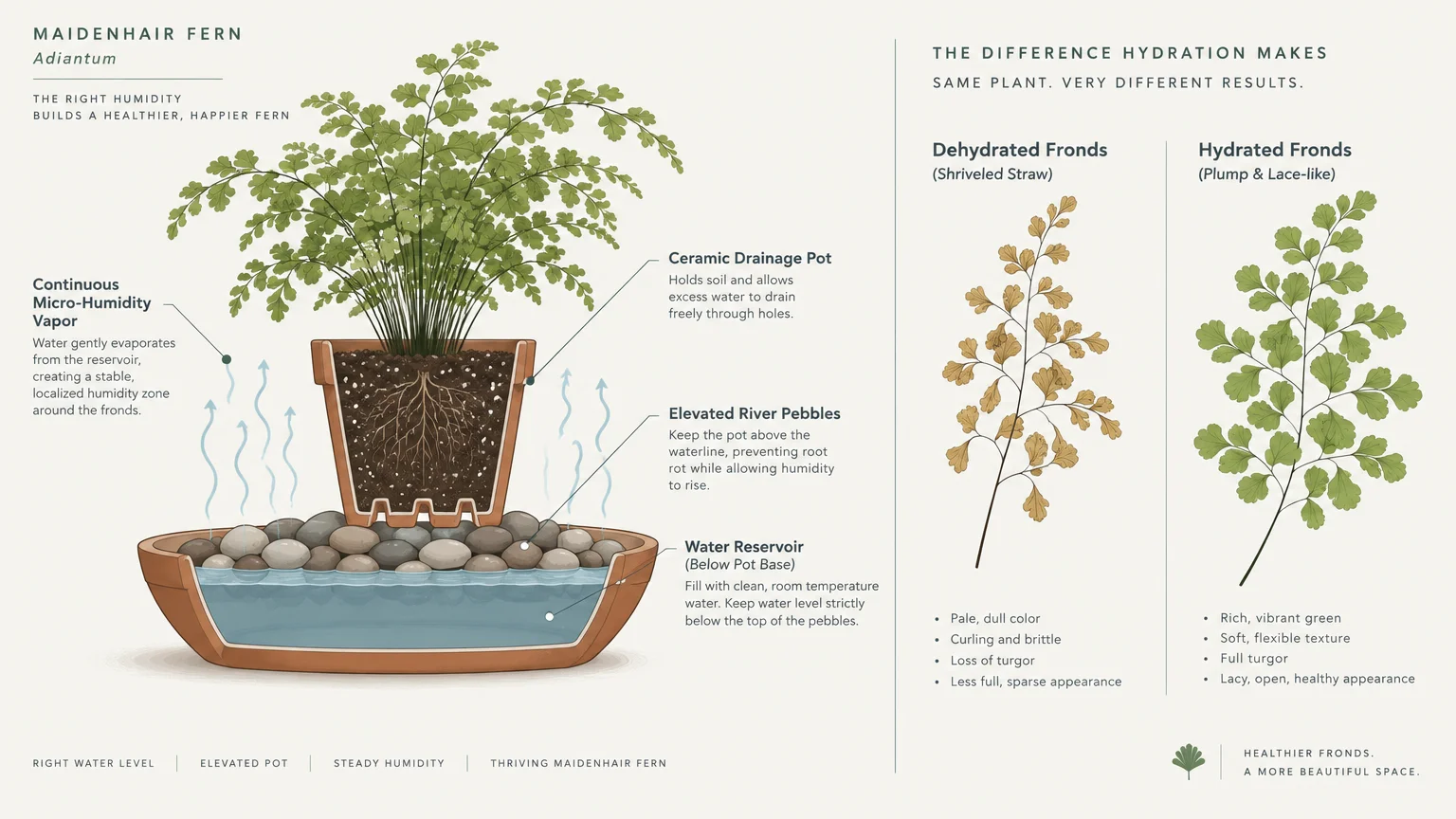
These fragile ferns rely on continuous, elevated atmospheric moisture to keep their papery fronds plump. Just one afternoon of dry indoor air or missed watering causes the entire plant to shrivel into dry straw.
Situate your fern on a pebble tray filled with water, or place it inside a naturally humid bathroom window. Never allow the potting substrate to dry out entirely.
If your fern crisps unexpectedly, cut back the dead fronds to soil level and maintain moist soil. These resilient root crowns often push fresh fiddleheads if you restore humidity quickly.
Tip #3: Poinsettia (Euphorbia Pulcherrima)
Bright crimson poinsettias fill nurseries during winter holidays, bringing instant festive warmth into living rooms. Regrettably, most people discard them within a month because their colorful bracts drop rapidly.
Commercial growers cultivate poinsettias in warm, humid greenhouses under optimal conditions. Bringing them into dry, heated homes shocks the vascular system and triggers massive defoliation.
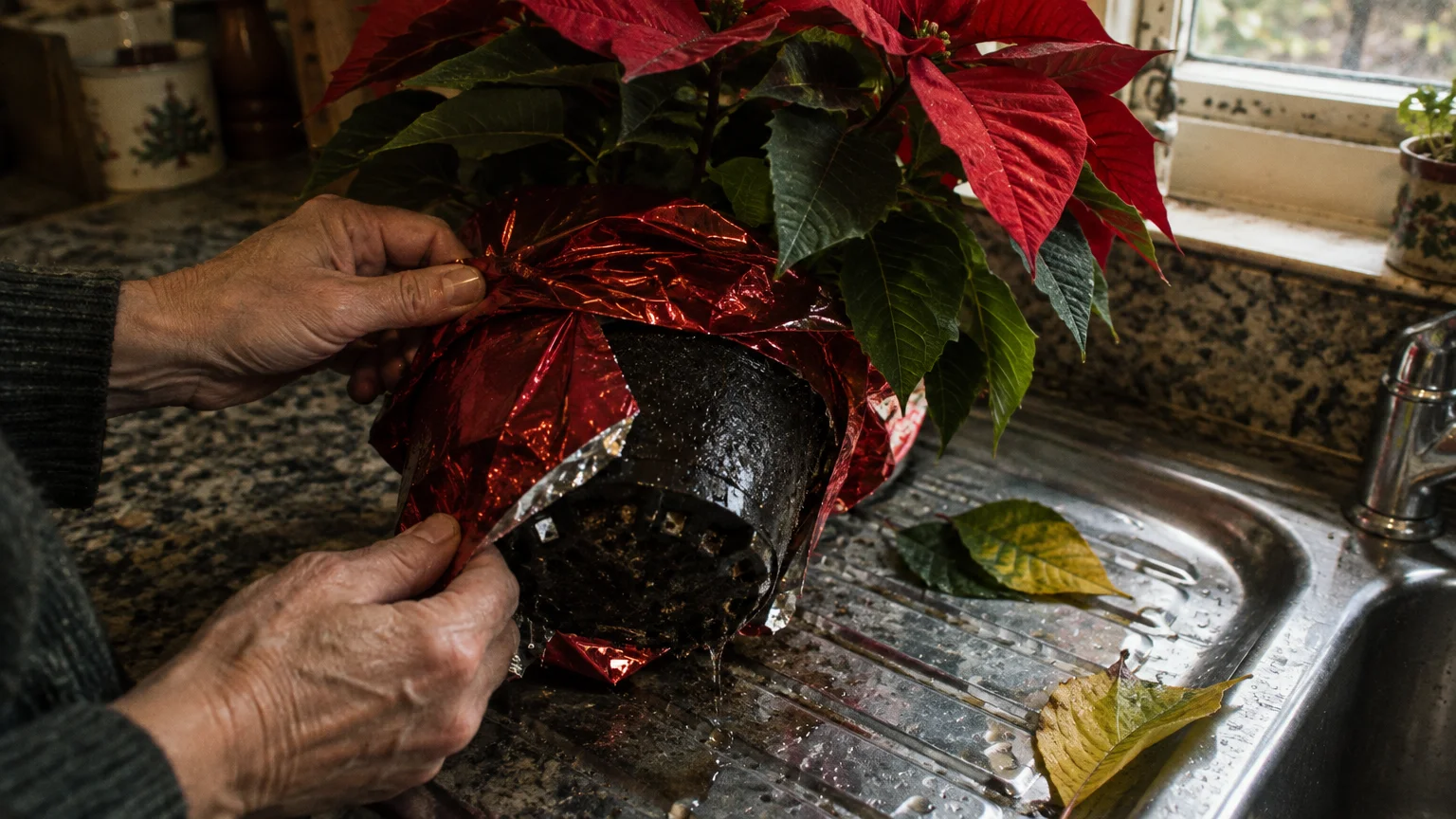
Common plant care mistakes like waterlogged soil exacerbate this decline. Decorative foil wrappers trap excess irrigation water, which rots the tender roots within days.
Remove the foil wrap immediately and punch holes in the container base for proper drainage. Keep your poinsettia in bright, indirect sun and maintain room temperatures above sixty-five degrees Fahrenheit.
Tip #4: Calathea and Zebra Plants (Goeppertia)
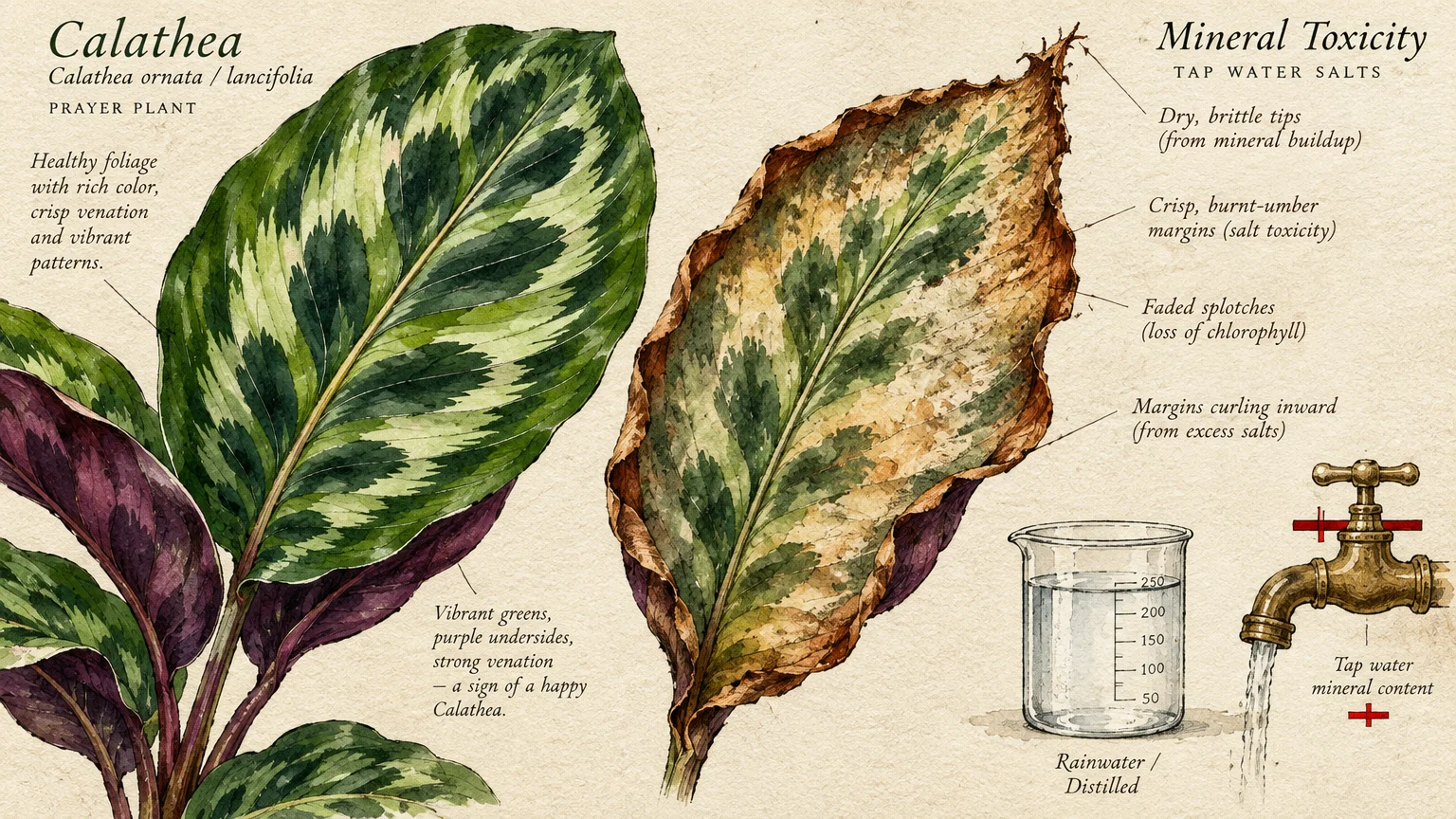
Calatheas captivate plant collectors with intricate, painted foliage that folds upward at dusk. However, their extreme sensitivity earns them a reputation among the most finicky houseplants you can cultivate.
Standard tap water containing chlorine, chloramines, fluoride, and salts burns the delicate leaf tissue. Within a week, pristine leaves develop crispy brown borders and curl inward dramatically.
Dry ambient air also invites devastating infestations of spider mites, which can drain the life from foliage in days. Low humidity accelerates leaf browning and halts new unfurling growth.
Irrigate your calathea exclusively using rainwater or distilled water at room temperature. Group it with other tropical specimens or run an ultrasonic humidifier nearby to maintain sixty percent ambient moisture.
Tip #5: Moth Orchid (Phalaenopsis)
Phalaenopsis orchids look sophisticated on grocery displays, tempting impulse shoppers with long-lasting floral arches. Despite their hardy stems, thousands of these plants perish prematurely due to routine plant care mistakes.
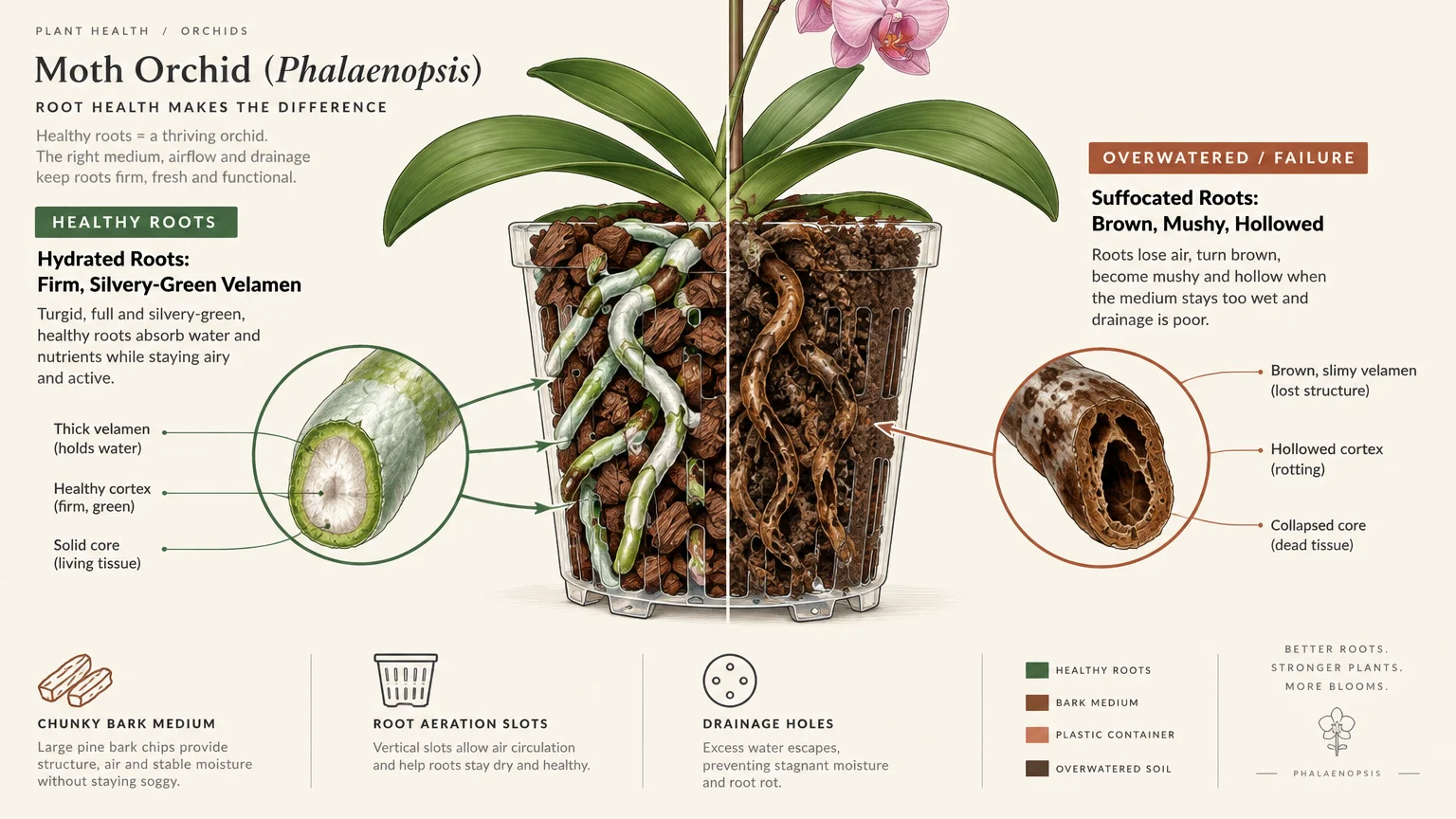
In nature, orchids grow as epiphytes anchored to tree bark with their roots completely exposed to fresh air. Burying them in dense garden soil suffocates their spongy roots, turning them black and squishy.
Trapping water in the central crown also causes crown rot, which kills the plant from the core within days. Never pour water directly into the leaf joints or leaves.
Plant orchids exclusively in coarse fir bark or sphagnum moss inside aerated, transparent plastic pots. Soak the bark medium thoroughly once weekly, then allow all surplus moisture to drain completely away.
Tip #6: Living Stones (Lithops)
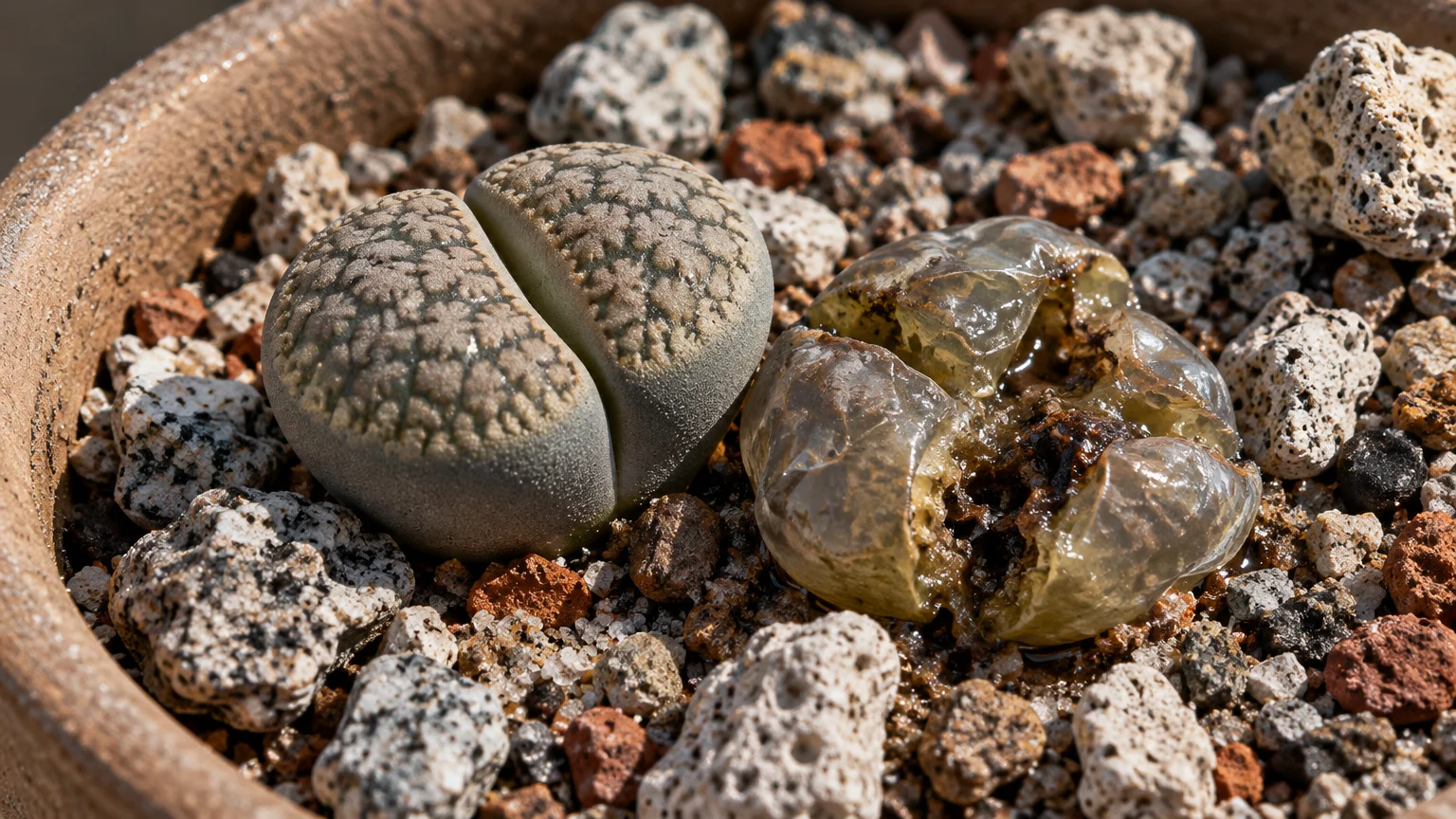
Lithops mimic miniature pebbles to hide from grazing herbivores across arid southern African deserts. These fascinating succulents attract curious gardeners, but they often turn to mush within forty-eight hours.
Living stones have evolved to survive on minuscule amounts of desert condensation and sparse annual rainfall. A single untimely watering during their dormancy splits the leaf body and introduces lethal bacterial rot.
Pot your lithops in an inorganic, gritty blend consisting of ninety percent pumice, perlite, and coarse sand. Standard commercial succulent soil contains far too much organic peat for their survival.
Provide at least four to five hours of direct sunlight on a south-facing windowsill. Water them only when the tops wrinkle during active spring and autumn growth, withholding moisture entirely throughout winter.
Tip #7: Potted Garden Mums (Chrysanthemum)
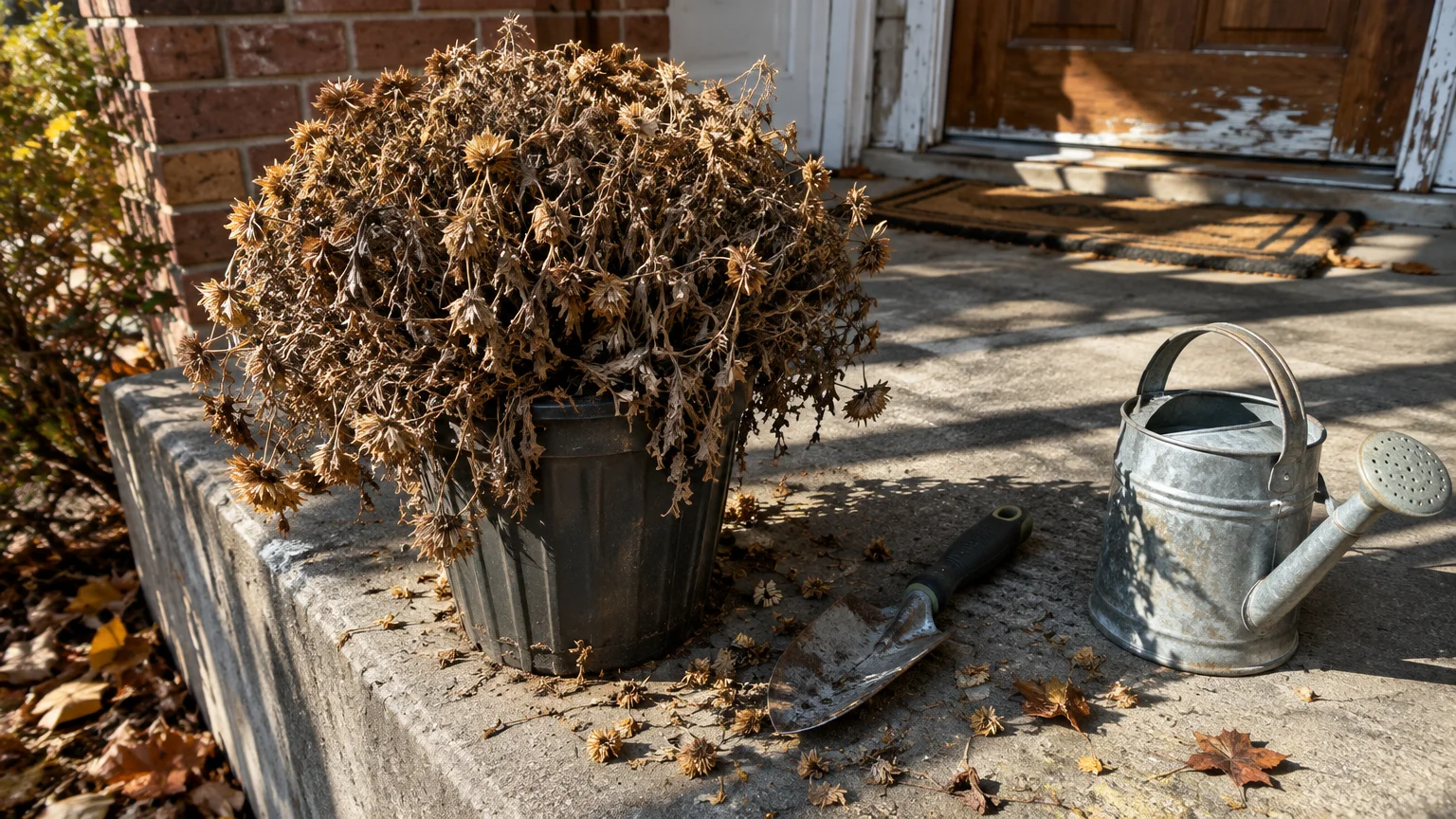
Potted chrysanthemums provide vibrant autumn color for front porches across the country. Yet millions of these popular autumn bloomers rank among outdoor plants that die quickly after purchase.
Growers pump these mums with growth regulators and heavy fertilizers to produce dense flower coverage in small plastic pots. Because dense roots completely pack the container, the soil dries out in hours under autumn sunshine.
Once the tight root ball dries out, the delicate flowers wilt, brown, and refuse to reopen. In addition, planting them late in autumn rarely gives roots enough time to establish before freezing winter ground arrives.
Slip nursery mums into larger containers packed with moisture-retentive potting mix right after purchase. Check soil moisture daily and keep them shielded from blistering midday heat to extend floral displays.
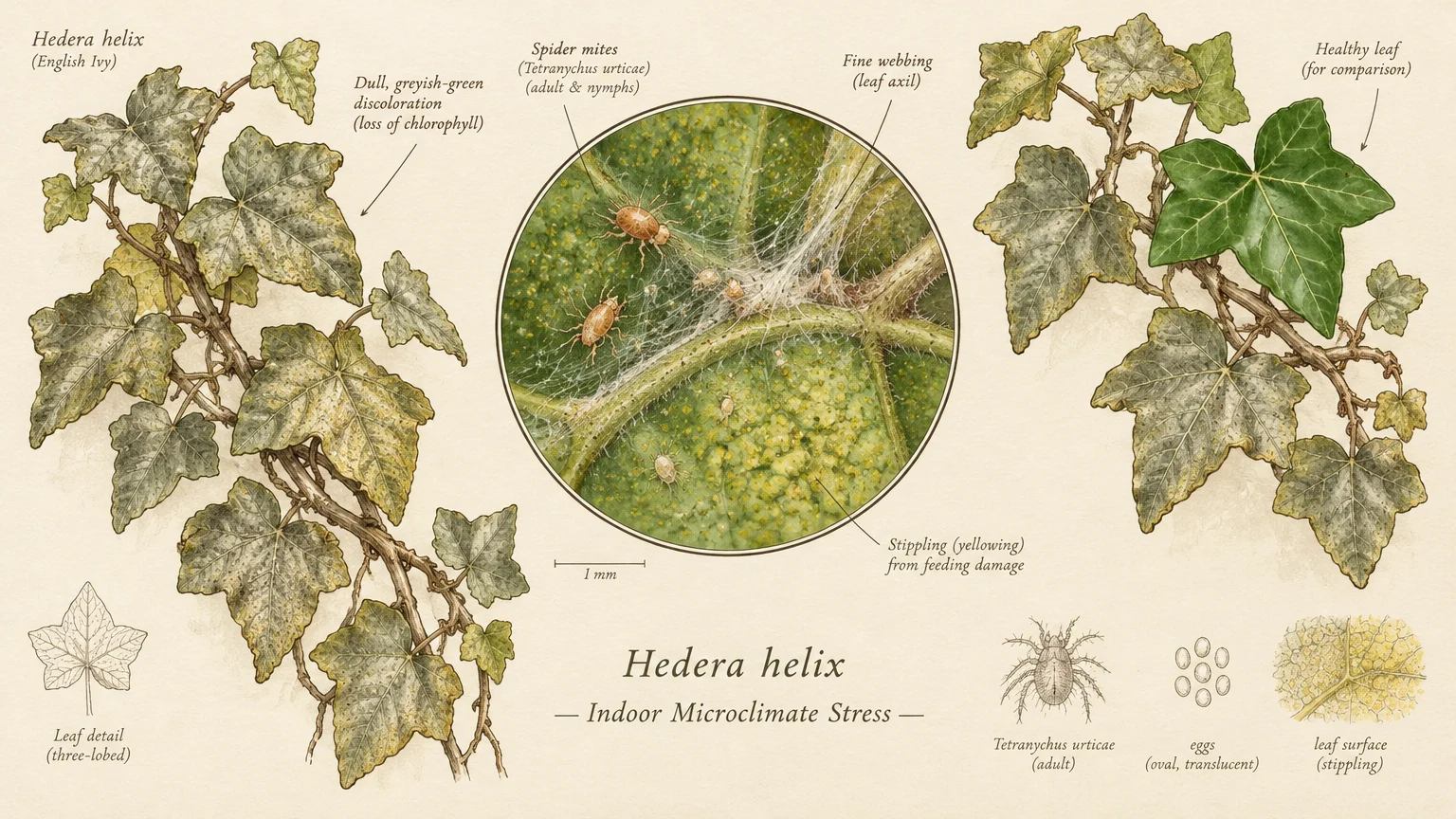
Tip #8: English Ivy Indoors (Hedera Helix)
Outdoors, English ivy grows with unstoppable vigor, climbing brick walls and blanketing forest floors effortlessly. Inside the house, however, this aggressive groundcover transforms into an extraordinarily fragile resident.
Indoor air lacks the humidity and natural air currents that wild ivy requires to thrive. Within weeks, heated indoor air encourages severe spider mite populations that web across the vines and drain leaf vitality.
Overwatering in poorly ventilated rooms quickly triggers fungal root rot, causing entire stems to drop crisp, dried foliage. Gardeners often misdiagnose this root loss as underwatering, adding more water and sealing the plant’s demise.
Keep indoor ivy in bright, indirect light and wash the leaves under a cool shower every week. Mist foliage regularly and ensure crisp air movement around the pot to deter pests.
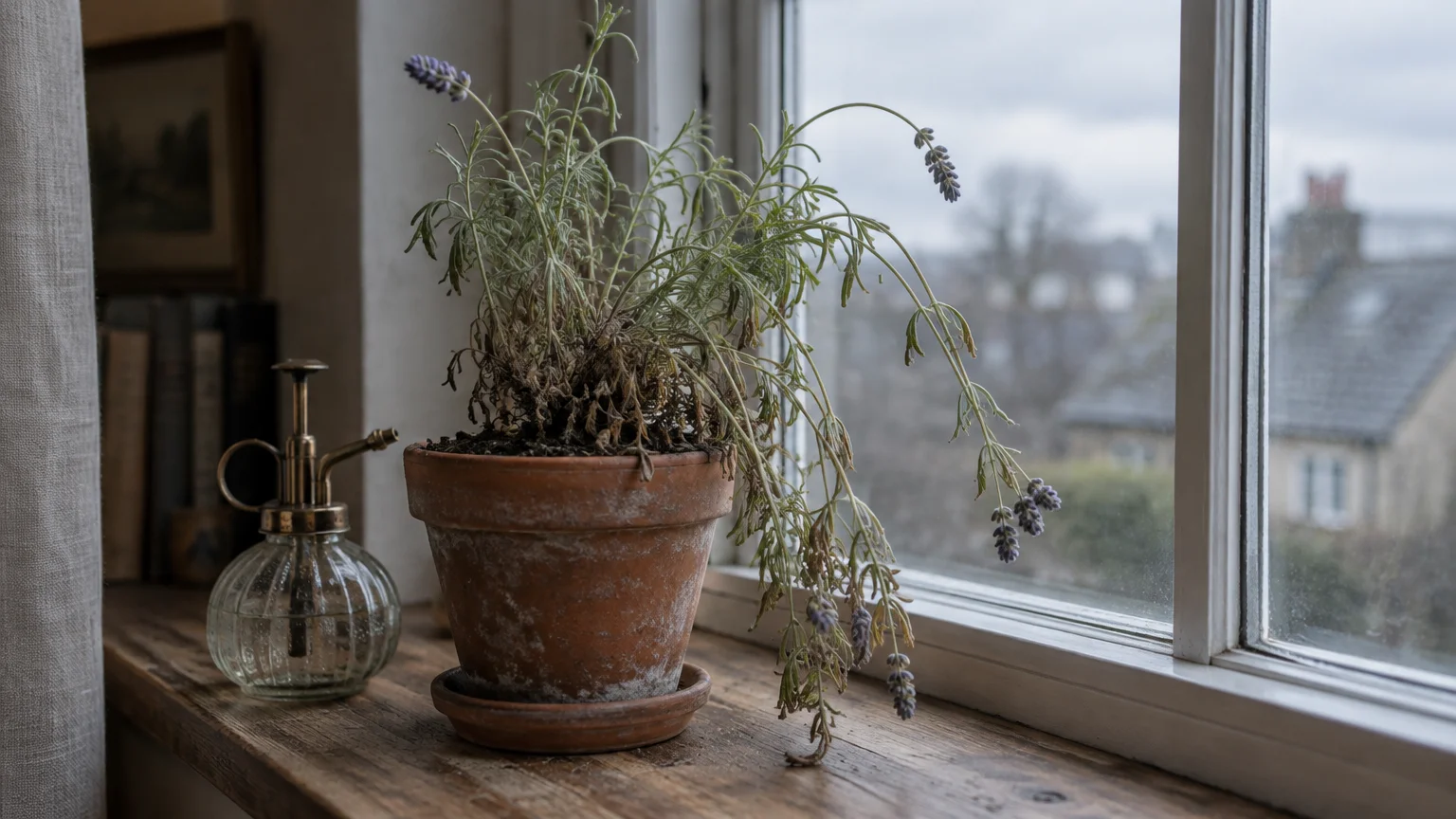
Tip #9: Potted Lavender Indoors (Lavandula)
The sweet aroma and silver-gray foliage of lavender make it an appealing windowsill herb. Nevertheless, container lavender ranks among the most notoriously hard to grow plants when kept inside.
Lavender demands full, unyielding Mediterranean sun and lean, sharply drained soil to maintain its structural vigor. Typical indoor rooms provide only a fraction of the necessary light intensity, causing stems to stretch and collapse.
Well-meaning owners frequently overwater the struggling herb, suffocating the roots in damp soil. Within weeks, the aromatic foliage turns gray-brown, and stems rot at the soil line.
If you grow lavender indoors, choose dwarf varieties and place them under a dedicated full-spectrum grow light for twelve hours daily. Use terracotta pots and porous gravel potting soil, watering only when soil dries completely.
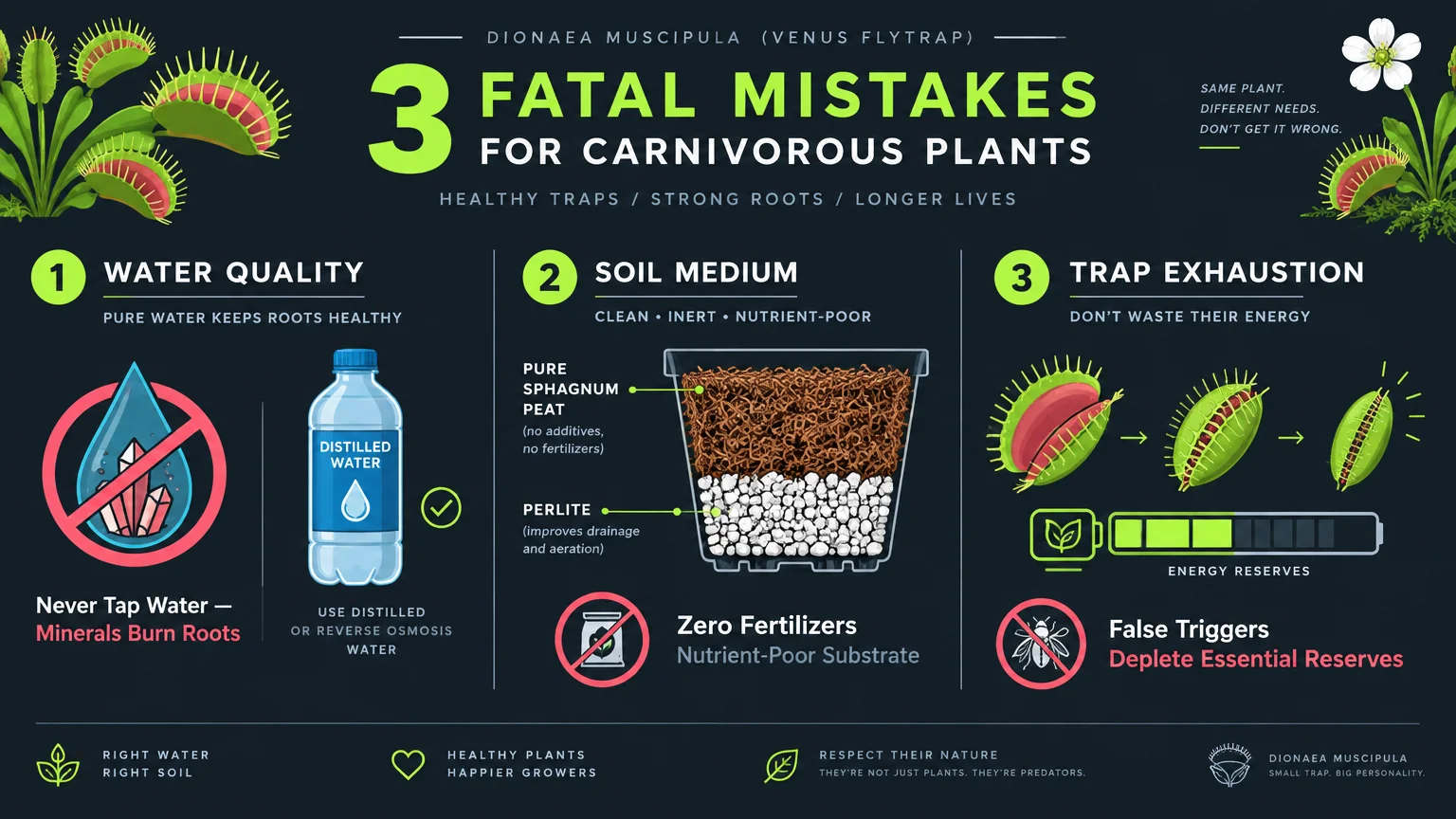
Tip #10: Venus Flytrap (Dionaea Muscipula)
Venus flytraps fascinate both beginners and seasoned gardeners with their rapid, snap-shut carnivorous traps. However, this bog native collapses rapidly when cared for like an ordinary houseplant.
Flytraps evolved in nutrient-deficient coastal bogs and cannot process minerals found in standard potting soil or tap water. Feeding them tap water or conventional plant fertilizers burns their specialized roots within days.
Gardeners also trigger premature death by repeatedly poking the traps for amusement. Each trap can close only a few times before dying, exhausting the plant’s vital energy reserves.
Pot flytraps strictly in unenriched peat moss mixed with perlite, never standard potting soil. Place the pot in a shallow tray of pure distilled water under intense direct sun.
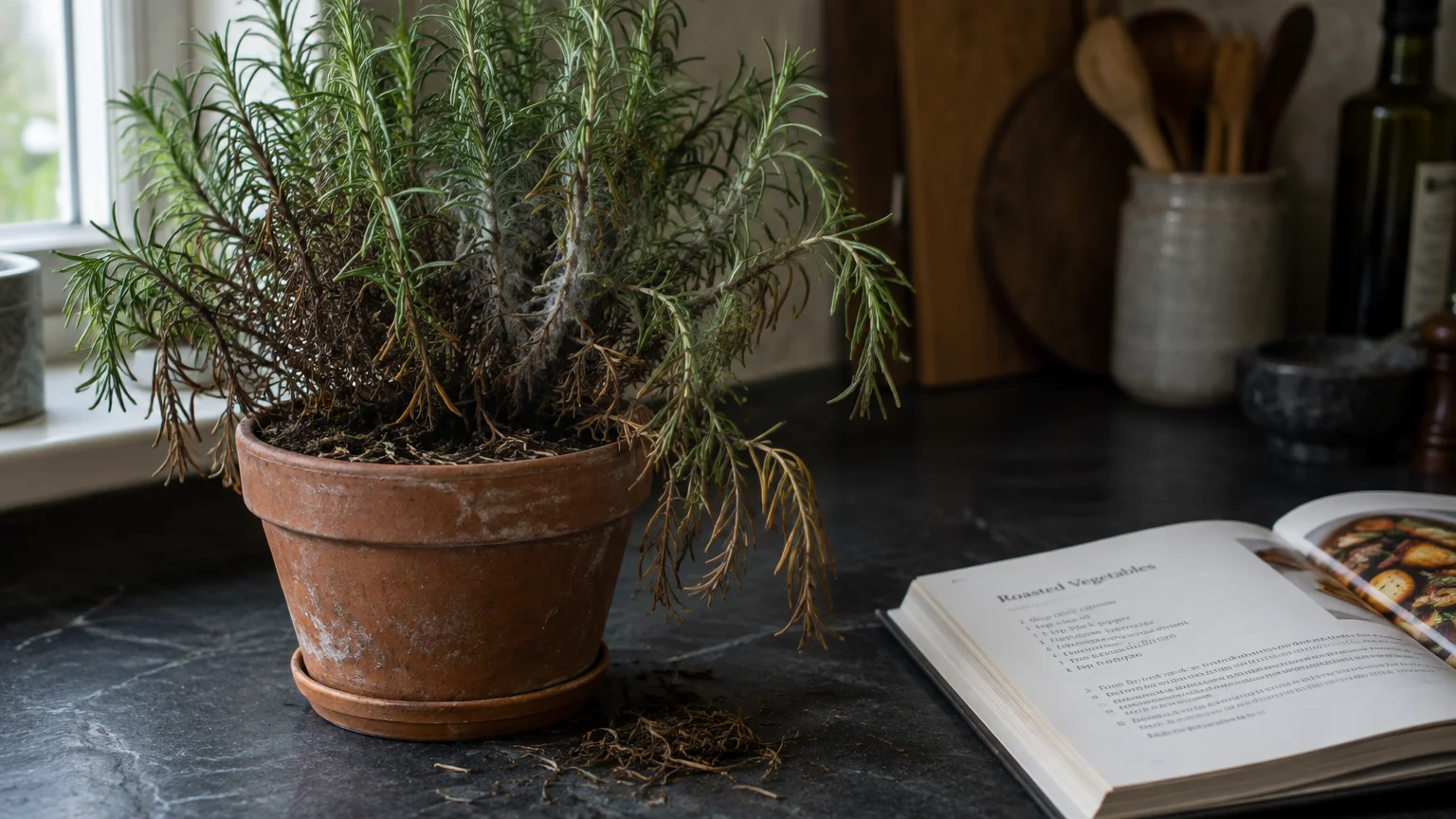
Tip #11: Indoor Rosemary (Salvia Rosmarinus)
Purchasing a fragrant rosemary topiary during the holiday season provides instant culinary appeal. Unfortunately, indoor rosemary quickly succumbs to rapid decline without strict horticultural intervention.
Stagnant indoor air and warm indoor heating create the perfect breeding ground for powdery mildew. At the same time, dry indoor conditions cause the needle-like foliage to turn brittle and drop en masse.
Common plant care mistakes include keeping the soil soggy or letting the root ball bake beside hot radiators. Rosemary roots rot swiftly in dense wet soil yet cannot endure bone-dry drought in tight pots.
Supply your rosemary with six to eight hours of direct southern sunlight each day. Circulate air with a small oscillating fan nearby, and water only when the surface soil feels dry to touch.
Tip #12: Delphinium
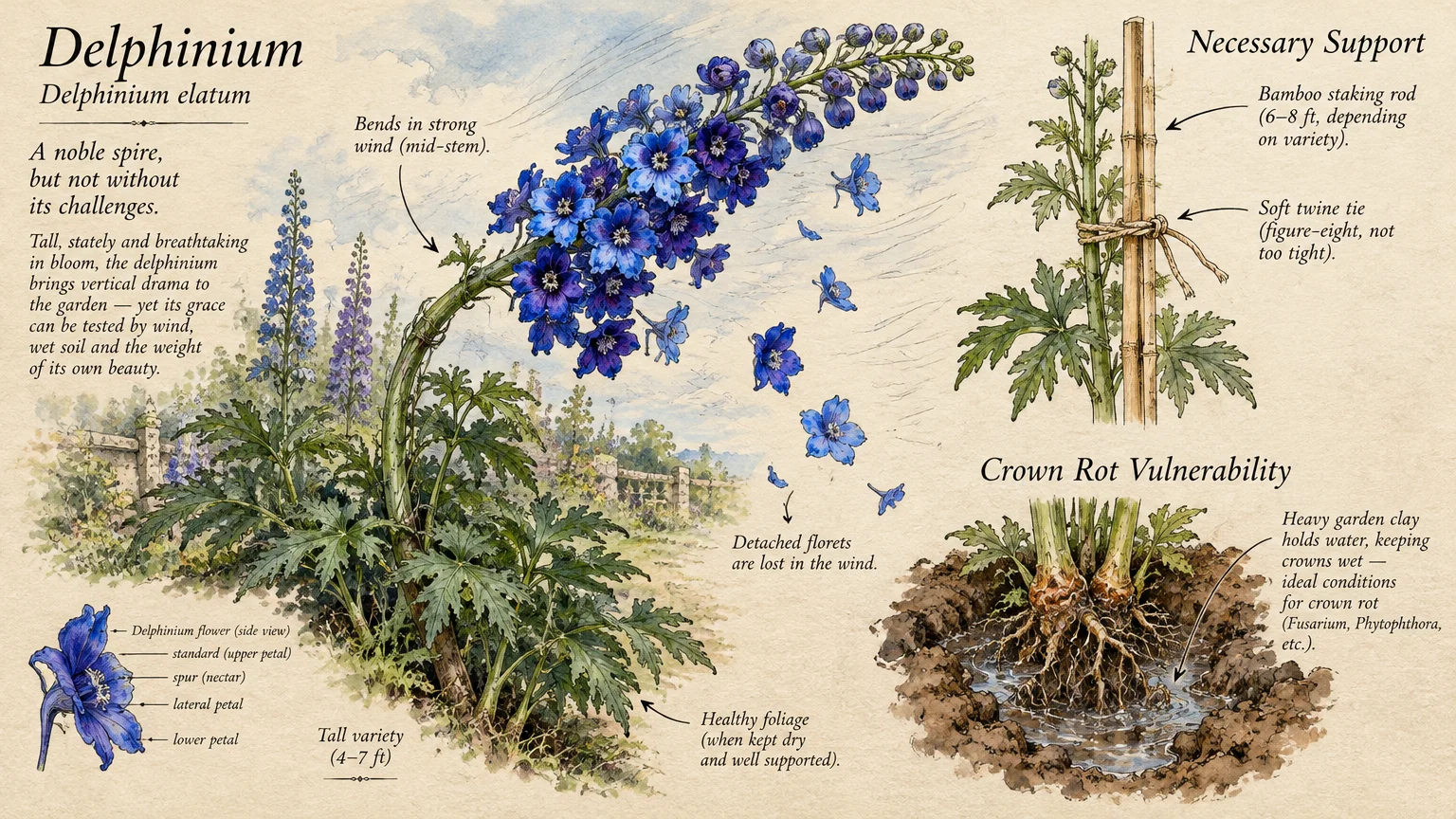
Delphiniums produce breathtaking, stately spires of pure blue, lavender, and purple in outdoor cottage gardens. While labeled as perennials, they often function as short-lived plants in warmer temperate regions.
These regal garden beauties require cool summer nights and damp, rich, yet freely draining soil. Intense summer heat combined with high nighttime temperatures causes crowns to melt away and rot in midseason.
Heavy winds easily snap the tall flower spires, while garden slugs devastate new basal shoots in early spring. These environmental sensitivities place delphiniums squarely among hard to grow plants for novice gardeners.
Plant delphiniums where they receive morning sun and sheltering shade during blistering afternoon hours. Mulch the root zone with organic compost, stake tall stalks early, and treat them as biennials in warm climates.
Tip #13: Boston Fern (Nephrolepis Exaltata)
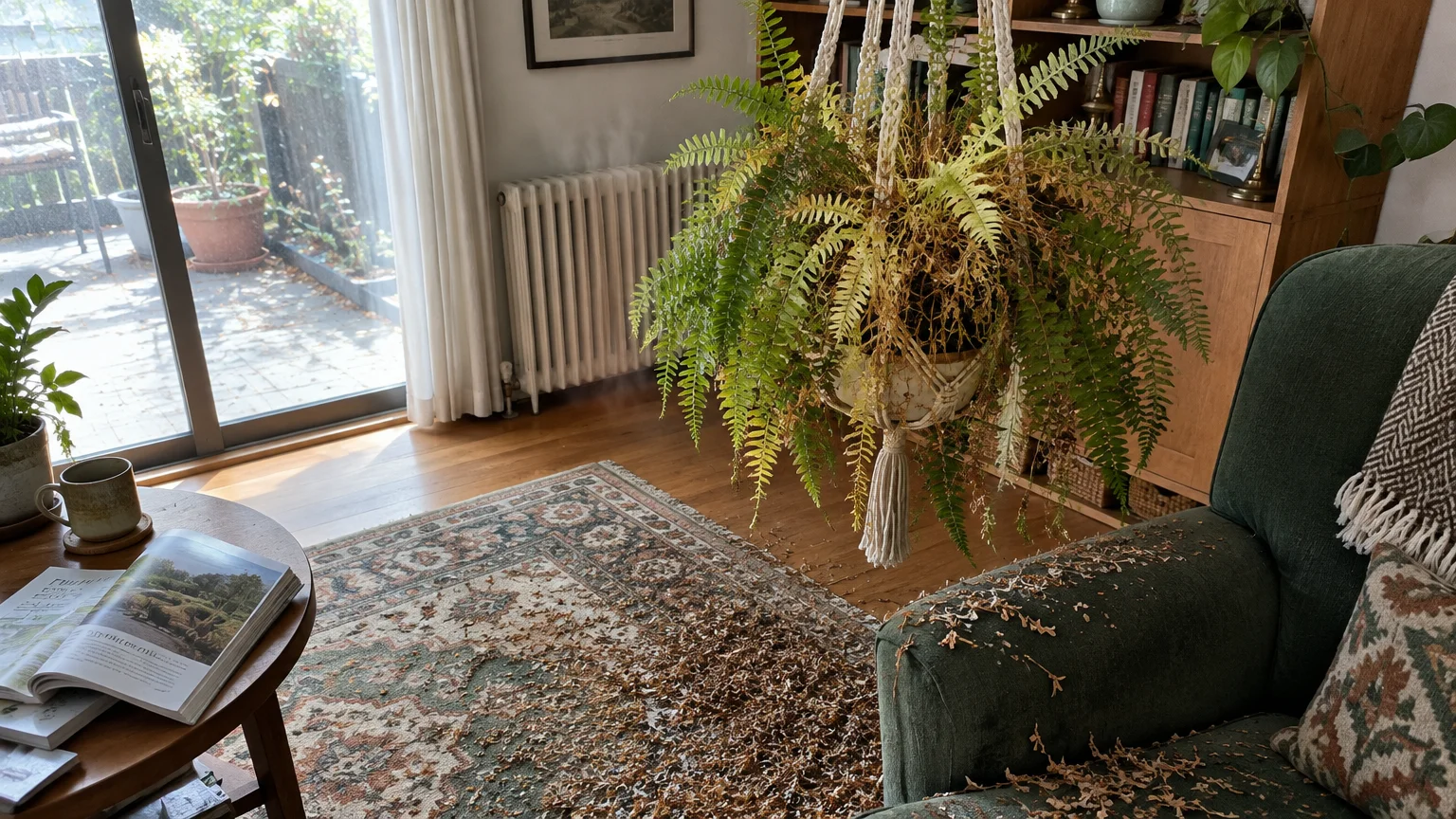
Boston ferns produce arching, feathery fronds that bring lush woodland charm to covered porches and living spaces. Sadly, they often drop carpet-covering blizzards of brown needles before perishing indoors.
These classic ferns rely on continuous atmospheric humidity between fifty and eighty percent. When brought indoors for winter, dry furnace air drains leaf moisture rapidly, turning vibrant green fronds into brittle chaff.
Uneven moisture levels accelerate this demise. If the soil dries out just once, inner fronds turn brown and shed, leaving a bare, dying crown that rarely recovers.
Hang Boston ferns in brightly lit bathrooms or near room humidifiers where air stays consistently moist. Water regularly to keep the root ball evenly moist, never allowing the container to dry out completely.
Tip #14: Bromeliads (Guzmania and Aechmea)
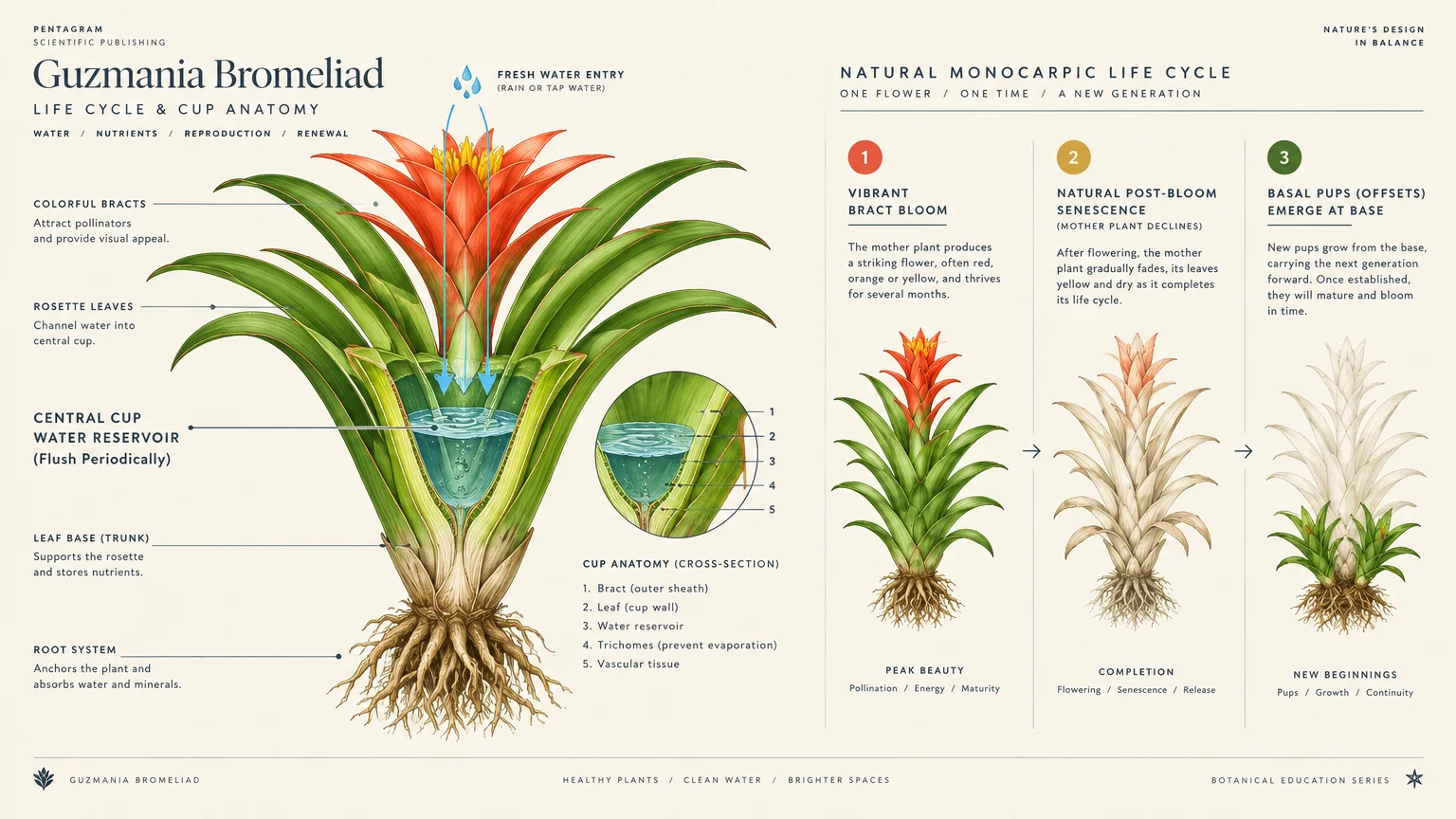
Bromeliads showcase dazzling, tropical flower spikes that stay vivid for months in living rooms. Yet owners often panic when the central bloom and main foliage brown and collapse unexpectedly.
Most commercial bromeliads are naturally monocarpic, meaning each rosette flowers once, produces seeds, and naturally dies. The mother plant does not die from poor care; its biological life cycle has concluded.
Overwatering the soil instead of filling the central leaf cup also accelerates premature rotting. Wet soil suffocates the root system, which primarily serves as an anchor rather than a moisture conduit.
Keep fresh, room-temperature water in the central vase and rinse it out monthly to avoid stagnation. When the parent plant withers, look around the base for miniature offsets, or pups, to propagate new specimens.
Putting It All Together: Enjoy Your Beautiful Garden
Gardening always involves learning the biological rhythms of every species you invite into your living space. When a delicate plant begins to decline, evaluate light exposure, watering habits, and air moisture immediately.
Understanding which varieties need specialized care prevents frustration and helps you make informed choices at your local nursery. Recognizing naturally short-lived plants also frees you from unnecessary gardener guilt.
By matching plant selections to your actual home environment, you ensure lush, resilient greenery all year long. Take your time, adjust your routines, and watch your indoor and outdoor garden flourish.
For region-specific advice, consult your local University Extension program (find yours via the USDA directory). For plant databases and inspiration, visit the Missouri Botanical Garden or the Royal Horticultural Society.
Disclaimer: This article provides general gardening advice. Always consider your specific climate, soil conditions, and local pests. Follow safety guidelines when using gardening tools and products.
Frequently Asked Questions
Why do my houseplants die suddenly after bringing them home?
Plants face massive shock when transitioning from bright, humid greenhouses to darker, drier home environments. Acclimate new purchases by offering gentle indirect light and stable moisture levels during their first few weeks.
How can I tell if a plant is dying from overwatering or underwatering?
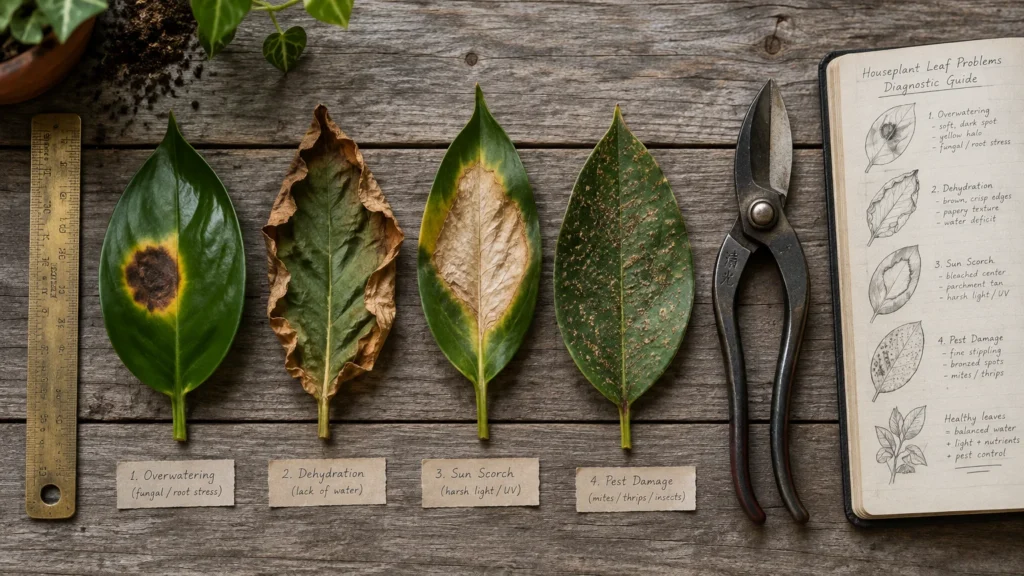
Overwatered plants develop soft, yellowing leaves and dark, mushy roots with a sour odor. Underwatered plants display dry, crispy leaf edges, brittle stems, and lightweight, shrinking soil pulling from pot walls.
Can plants that die quickly be revived once they wilt?
You can often revive wilted plants if their crown and primary root structure remain firm and intact. Hydrate the soil thoroughly, elevate ambient humidity, and trim away withered dead foliage to encourage fresh growth.
Are short-lived plants worth growing in home gardens?
Short-lived species deliver intense seasonal color and striking architectural beauty that durable perennials often cannot match. Treating them as ephemeral accents allows you to enjoy their peak display without disappointment.