A gorgeous flower bed naturally invites you to lean in and inhale its sweet perfume. However, burying your nose in certain dangerous flowers can expose your lungs and mucous membranes to airborne toxins.
Some toxic flowers produce potent alkaloids and volatile resins that trigger immediate respiratory distress, blinding headaches, and nausea. Practicing garden safety means knowing which blooms to admire strictly from a safe distance.
Before you take another deep breath outdoors, discover ten poisonous plants that could turn a peaceful walk into a medical emergency.
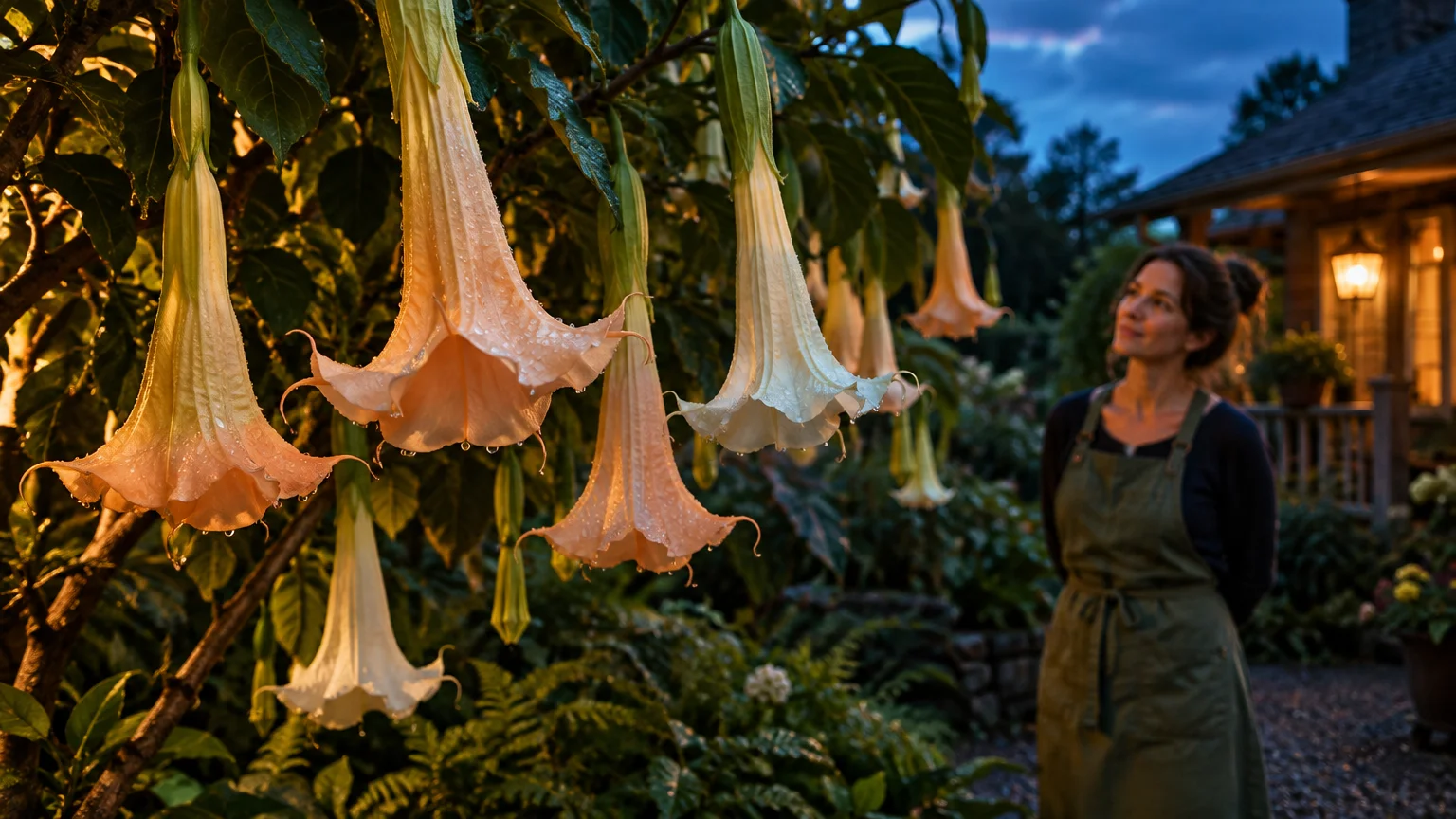
Tip #1: Angel’s Trumpet (Brugmansia)
Angel’s trumpet enchants gardeners with its massive, pendulous flowers that release an intoxicating nocturnal perfume. This dramatic ornamental shrub creates an exotic focal point in warm landscapes.
You must never inhale this scent up close; the entire plant contains dangerous tropane alkaloids, including scopolamine and atropine. Sniffing these blooms closely can cause immediate dizziness, hallucinations, and rapid pupil dilation.
Inhaling airborne compounds or microscopic pollen particles from the flower bell inflames your respiratory tract. It can quickly induce confusion and intense dry mouth.
Always plant Brugmansia well away from outdoor seating areas, dining patios, and bedroom windows. Keep it behind low-growing borders so curious visitors cannot easily reach the dangling flowers.
Wear sturdy gloves when pruning this vigorous grower, and wash your gardening tools immediately after use. Admire the stunning trumpet-shaped blooms from a healthy distance of several paces.
If you experience sudden lightheadedness or blurred vision while working near your bush, move into fresh air immediately. Rest quietly until your vision stabilizes.
Consider planting native honeysuckle or fragrant jasmine along your patio trellis instead for a delightful, family-safe evening aroma.
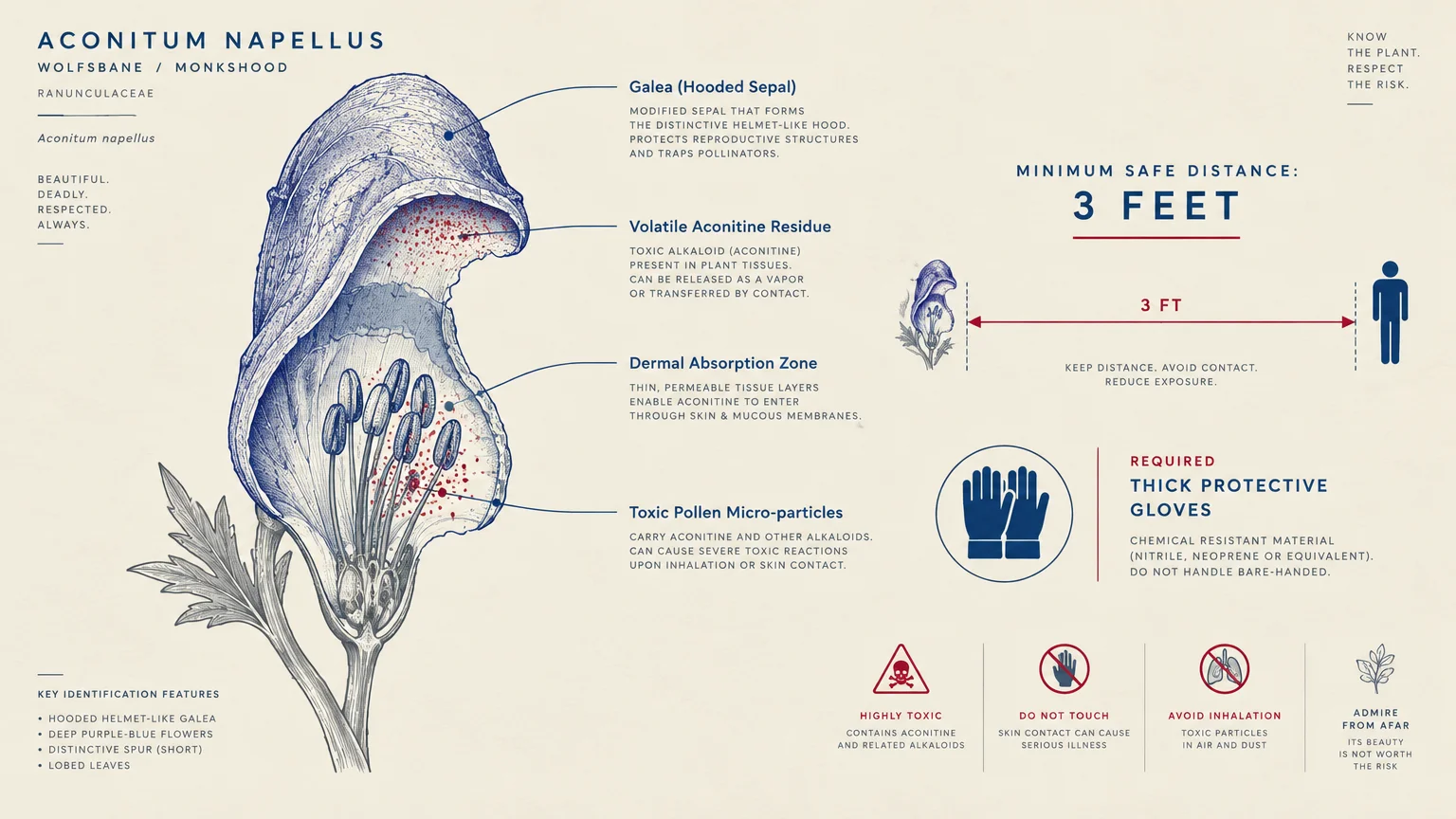
Tip #2: Monkshood (Aconitum napellus)
Monkshood, often called wolfsbane, showcases towering spires of electric blue and deep purple hood-shaped blooms. It adds magnificent architectural height and rich color to shaded cottage borders.
Despite its majestic beauty, monkshood ranks among the most deadly poisonous plants in the world. It contains aconitine, a lethal neurotoxin that disrupts normal cardiac function and nerve transmission.
Never lean over the hooded blossoms to smell their aroma. Breathing in fine pollen or handling the petals releases volatile compounds that can numb your lips and throat.
The plant can absorb through intact skin, meaning accidental brushing against the bloom poses serious hazards. Sniffing brings toxic residues dangerously close to your sensitive facial mucous membranes.
Cultivate monkshood in low-traffic areas of your garden, clearly separated from edible herbs and vegetable patches. Always wear thick, impervious gardening gloves when staking or deadheading the flower spikes.
Seek immediate medical care if you feel tingling, numbness, or dizziness after tending this striking perennial.
You can substitute perennial delphiniums or tall blue salvia to achieve the same stunning vertical color safely.
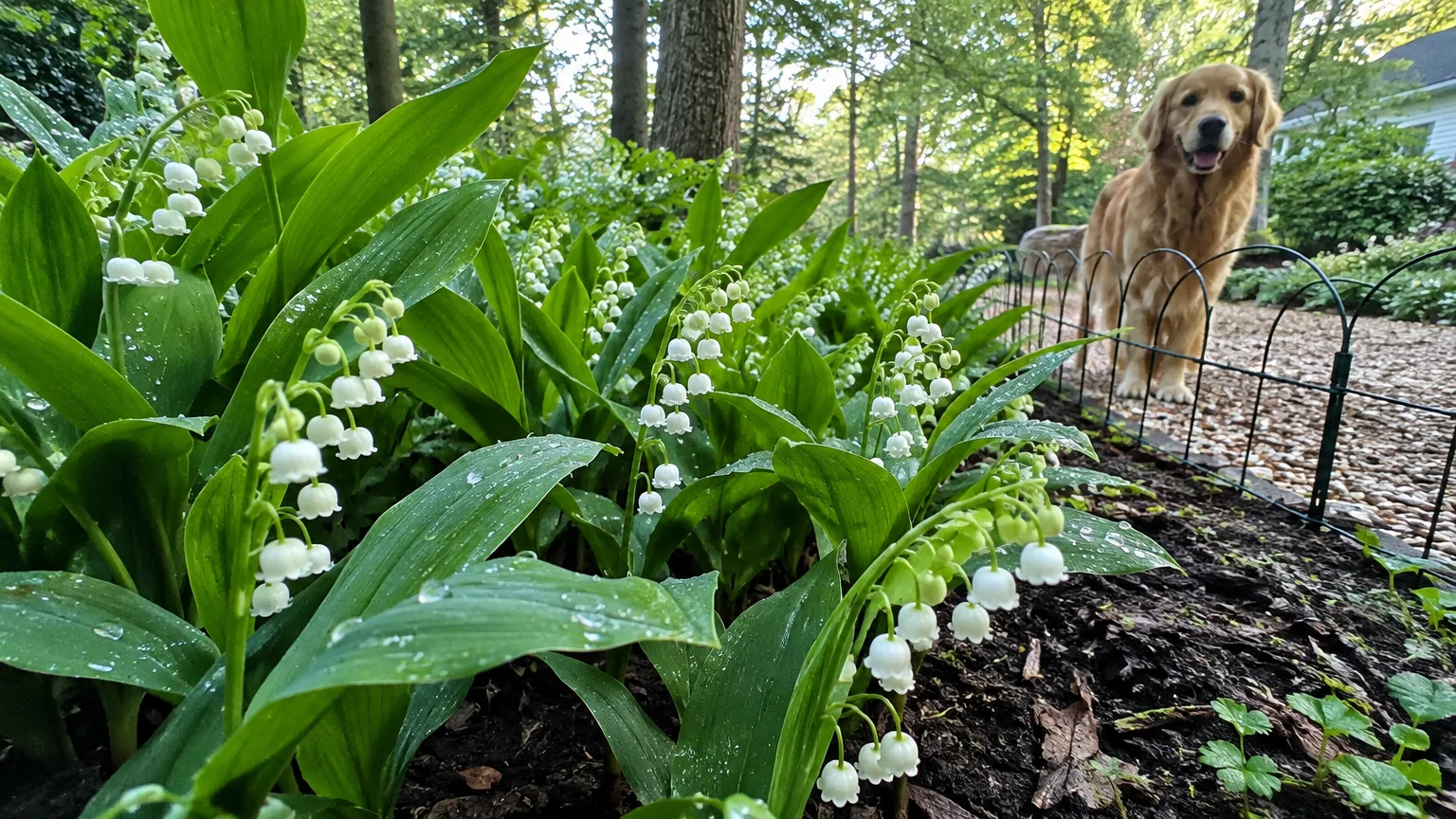
Tip #3: Lily of the Valley (Convallaria majalis)
Lily of the valley spreads a lush carpet of bright green foliage dotted with delicate, bell-shaped white blossoms. Its sweet, nostalgic scent frequently inspires people to bend down for a deep sniff.
You should avoid burying your face in these charming woodland groundcovers. The dainty bells pack over thirty potent cardiac glycosides, most notably convallatoxin.
Inhaling near the dense clusters can transfer potent pollen into your nostrils and eyes. This exposure causes burning sensations, headaches, and sudden nausea in sensitive individuals.
Pet owners face an even greater hazard, as dogs and cats can inhale dislodged toxins while sniffing the ground. Keep your furry companions away from shaded patches of this persistent perennial.
Position lily of the valley under deciduous trees where you can view it from garden paths. Never cut these flowers for indoor dining tables, where the pollen could settle onto food.
Enjoy its springtime beauty visually, and rely on non-toxic perennials like creeping phlox for safe garden fragrance.
If you decide to remove these groundcovers, dig up the underground rhizomes while wearing protective garden gloves.
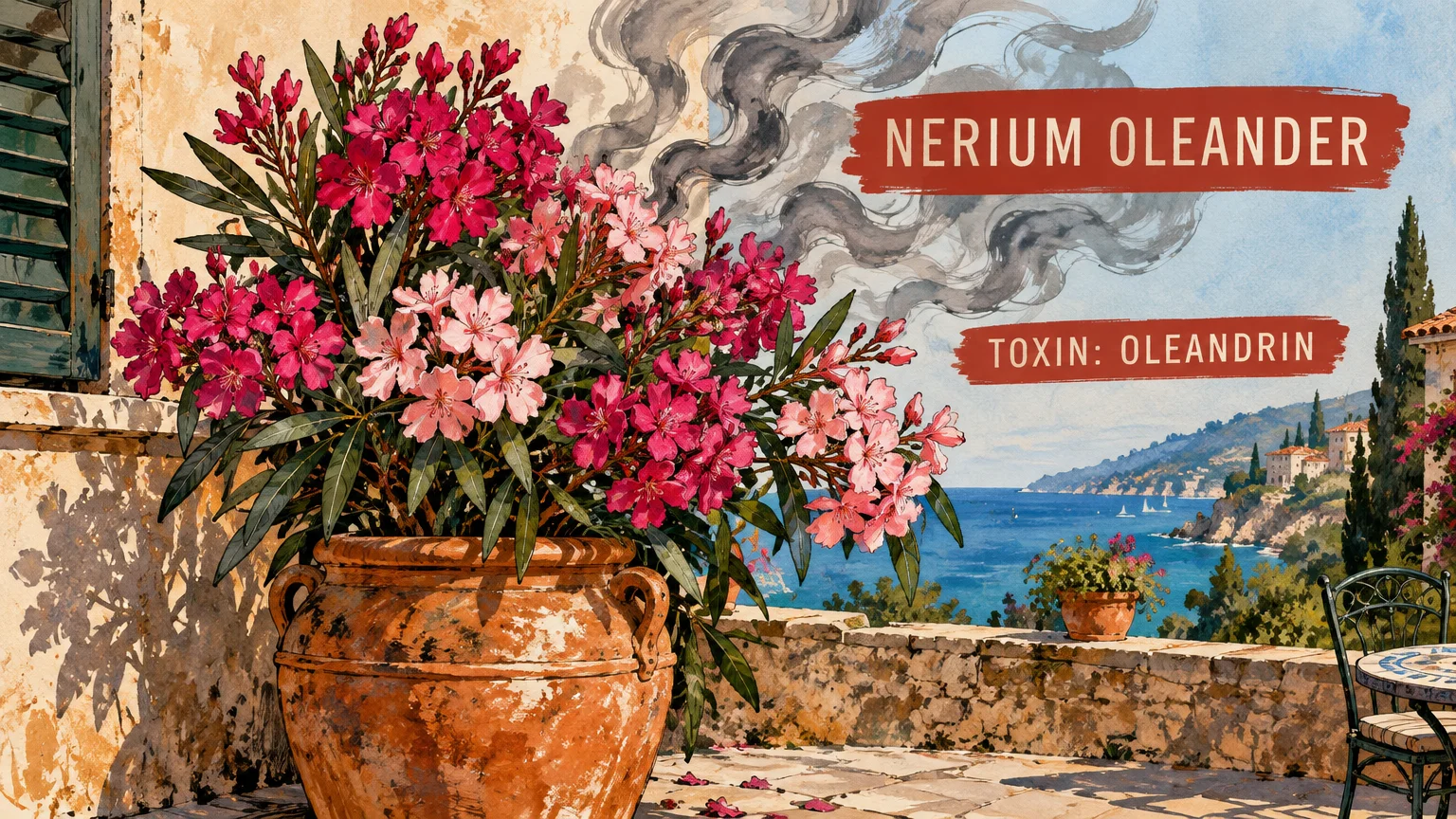
Tip #4: Oleander (Nerium oleander)
Oleander thrives in warm climates, producing clusters of vibrant pink, white, and crimson blossoms that withstand severe drought. Its alluring fragrance tempts passersby to stop and take a close whiff.
However, oleander is one of the most toxic flowers you can cultivate. Every part of the shrub contains oleandrin, a cardiac toxin that can cause irregular heartbeats.
Sniffing the blossoms brings your mucous membranes into direct contact with irritating pollen and volatile sap vapors. Deep inhalation frequently triggers respiratory inflammation, sinus headaches, and sudden dizziness.
Garden safety requires vigilant placement of oleander along property perimeters rather than near patios or outdoor play zones. Never burn pruned branches, as smoke carrying oleandrin can severely damage your lungs.
Wash all garden clippers with soap and water after trimming the vibrant branches. Wear protective eye gear and a mask if you must prune large flowering hedges.
Respect this resilient Mediterranean shrub by appreciating its dazzling blossoms purely through a camera lens.
Try drought-tolerant crape myrtles instead if you want vibrant summer blooms without the dangerous toxic compounds.
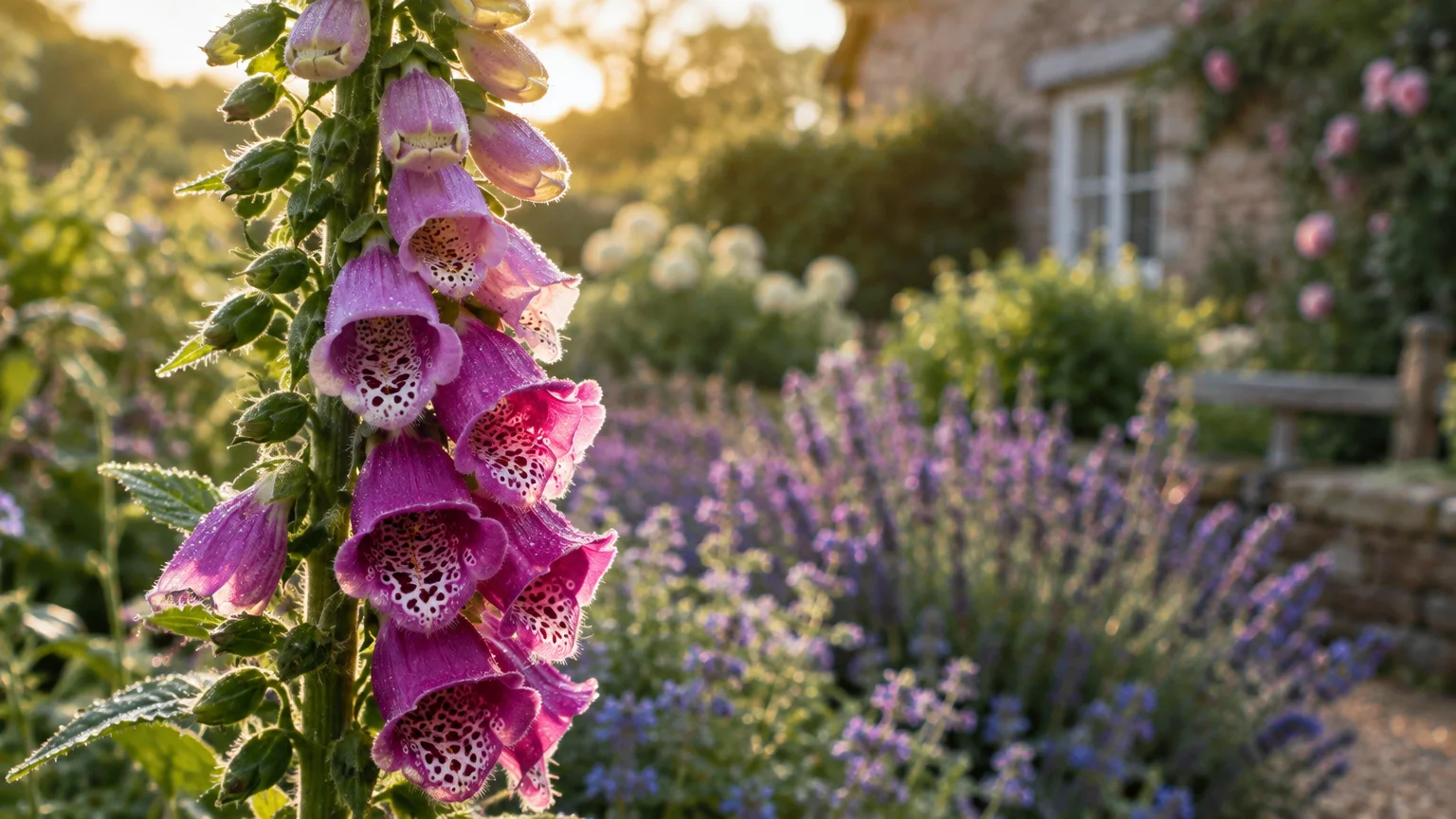
Tip #5: Foxglove (Digitalis purpurea)
Foxglove commands attention with tall, dramatic spires lined with speckled, tubular blossoms. These eye-catching flowers draw bumblebees and hummingbirds to woodland borders and cottage settings.
While tempting to inspect up close, you must never put your face inside the speckled blossoms. Foxglove produces powerful cardiac glycosides, including digoxin and digitoxin, that alter heart rhythms.
Leaning in closely dislodges fine, bioactive pollen directly into your nostrils and respiratory tract. Even small amounts of inhaled dust can provoke rapid heart rate, nausea, and blurred vision.
The tiny speckles inside each flower act as landing lights for bees, not human noses. Keep small children from playing near the tall spikes, as the curious bells look playful.
Stake tall stems early in the season to prevent them from bending toward walkways. When the flowers fade, clip the stalks at the base using sturdy gloves.
Grow snapdragons instead if you want safe, tubular blooms that children can safely touch and smell.
Ensure you discard clipped foxglove stems in the yard waste bin rather than your household compost pile.
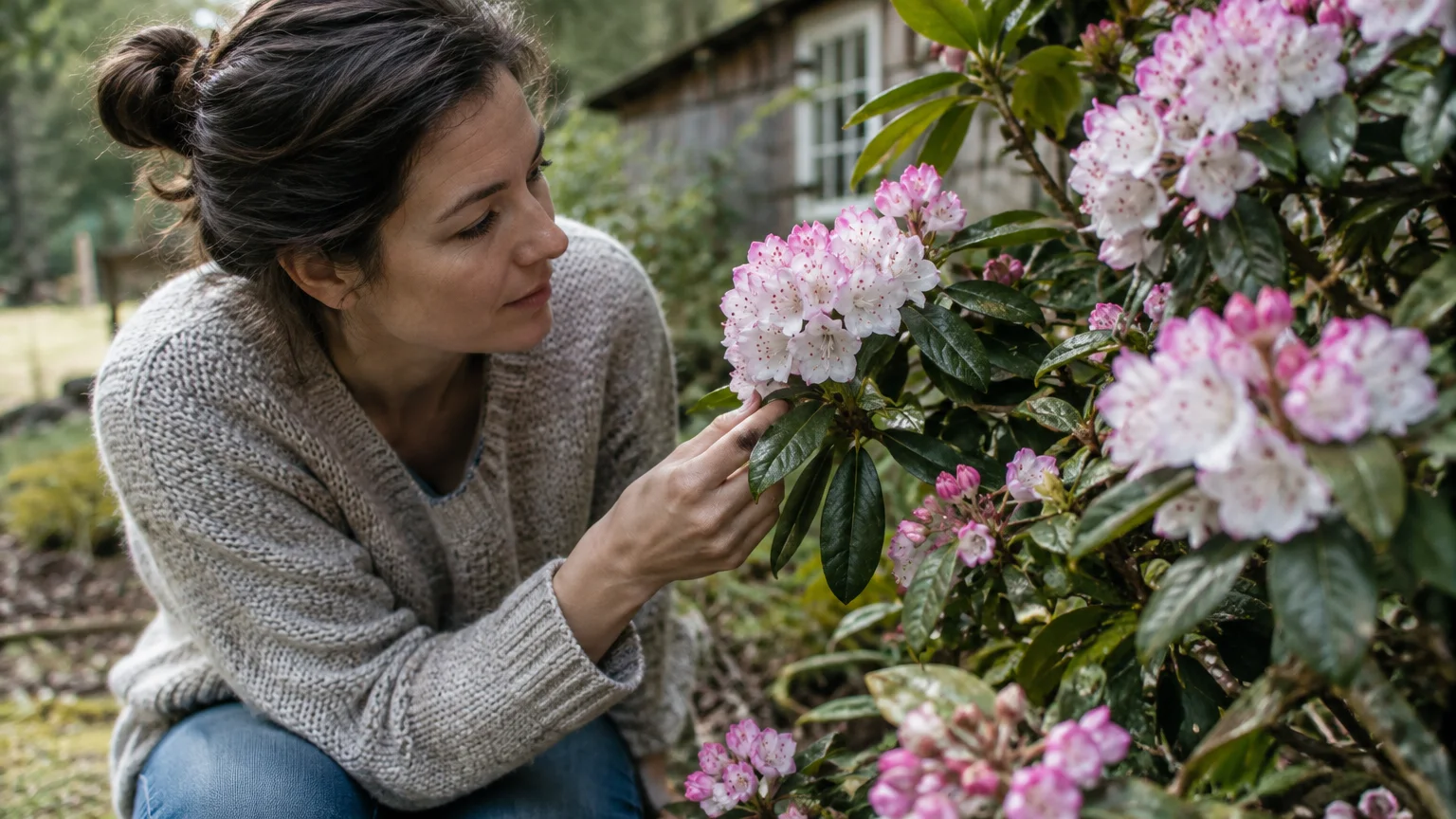
Tip #6: Mountain Laurel (Kalmia latifolia)
Mountain laurel graces eastern woodlands with intricate, bowl-shaped flowers resembling handcrafted porcelain cups. Their geometric blooms and subtle fragrance draw hikers and gardeners in for closer examination.
Steer clear of smelling these delicate blossoms directly. Mountain laurel contains grayanotoxins, powerful chemical compounds that interfere with cellular sodium channels and nervous system function.
Inhaling pollen while smelling the blooms can trigger sneezing, wheezing, and lightheadedness. In severe cases, high exposure to grayanotoxins leads to dangerously low blood pressure and muscular weakness.
Even honey produced from mountain laurel nectar carries these toxins, historically known as mad honey. Do not forage or smell blossoms if you maintain backyard beehives nearby.
Plant this evergreen shrub in acidic, well-draining soil where you can admire the blooms from afar. Maintain a wide mulched buffer around the base to prevent curious pets from investigating.
You can safely appreciate the intricate origami-like petals from a respectful distance along your garden trail.
Choose native mountain camellias or rhododendrons with lower toxicity profiles if you want similar ornamental elegance.
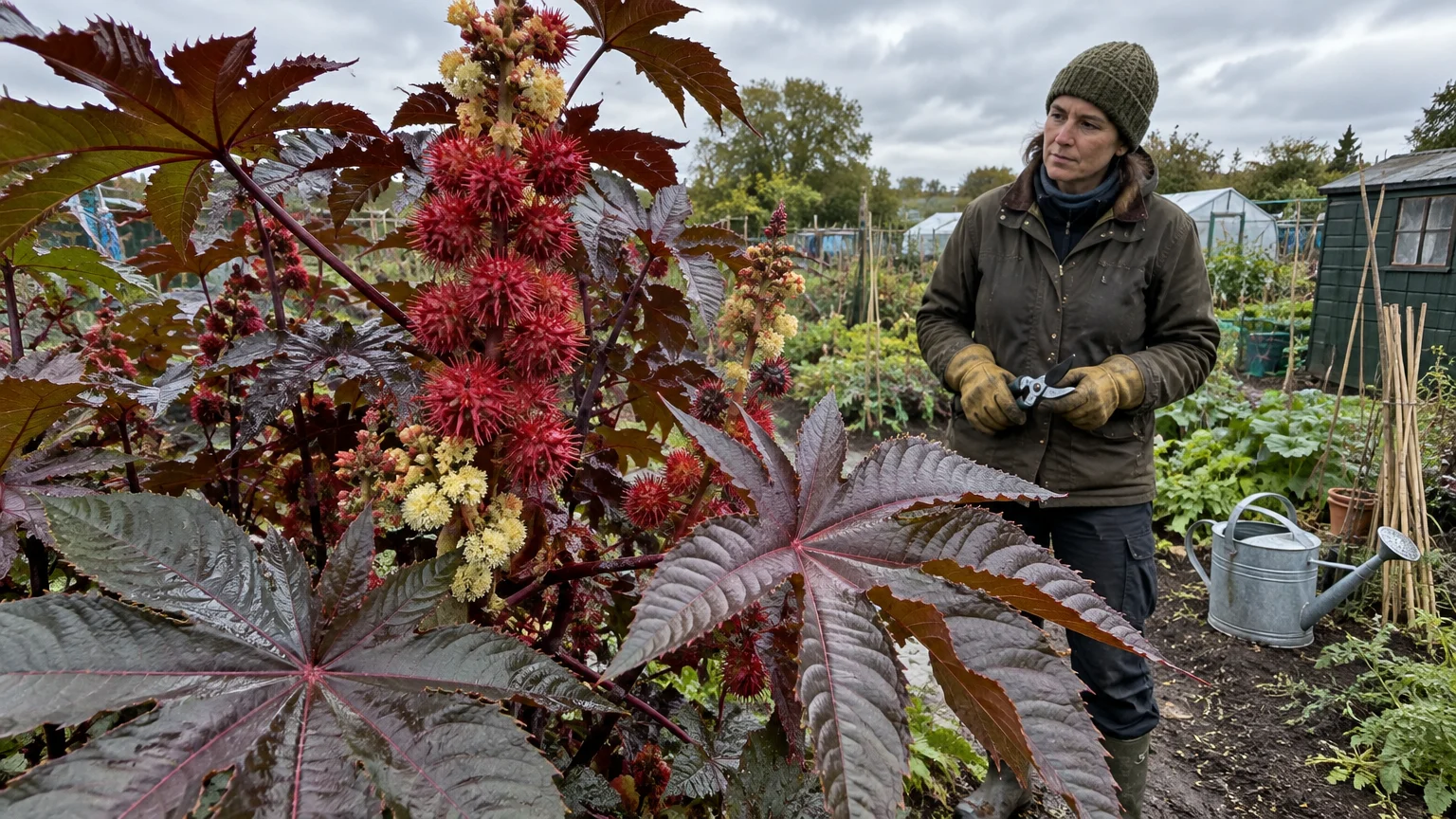
Tip #7: Castor Bean Plant (Ricinus communis)
The castor bean plant offers dramatic tropical foliage with massive palmate leaves and strange, bristly red flower clusters. Gardeners love this fast-growing annual for adding bold structural interest to borders.
You must exercise extreme caution around its exotic blooms, as the entire plant contains lethal ricin. Ricin is a deadly cellular poison that halts protein synthesis inside human cells.
Never lean close to smell or inspect the unique flowering heads. Inhaling the fine dust and pollen released by the flowers can trigger acute asthma attacks, coughing, and throat tightness.
The spiky seed pods develop quickly after flowering and hold the highest concentration of toxins. Removing the flower heads before they set seed protects your household and neighborhood wildlife.
Wear disposable gloves and a face covering whenever you deadhead or prune this dramatic plant. Discard the cuttings directly into sealed trash bags rather than adding them to home compost piles.
Treat this striking specimen as a hands-off architectural accent, and never allow children near its stems.
If you want massive leaves without the toxic hazard, plant non-toxic canna lilies or hardy hibiscus varieties.
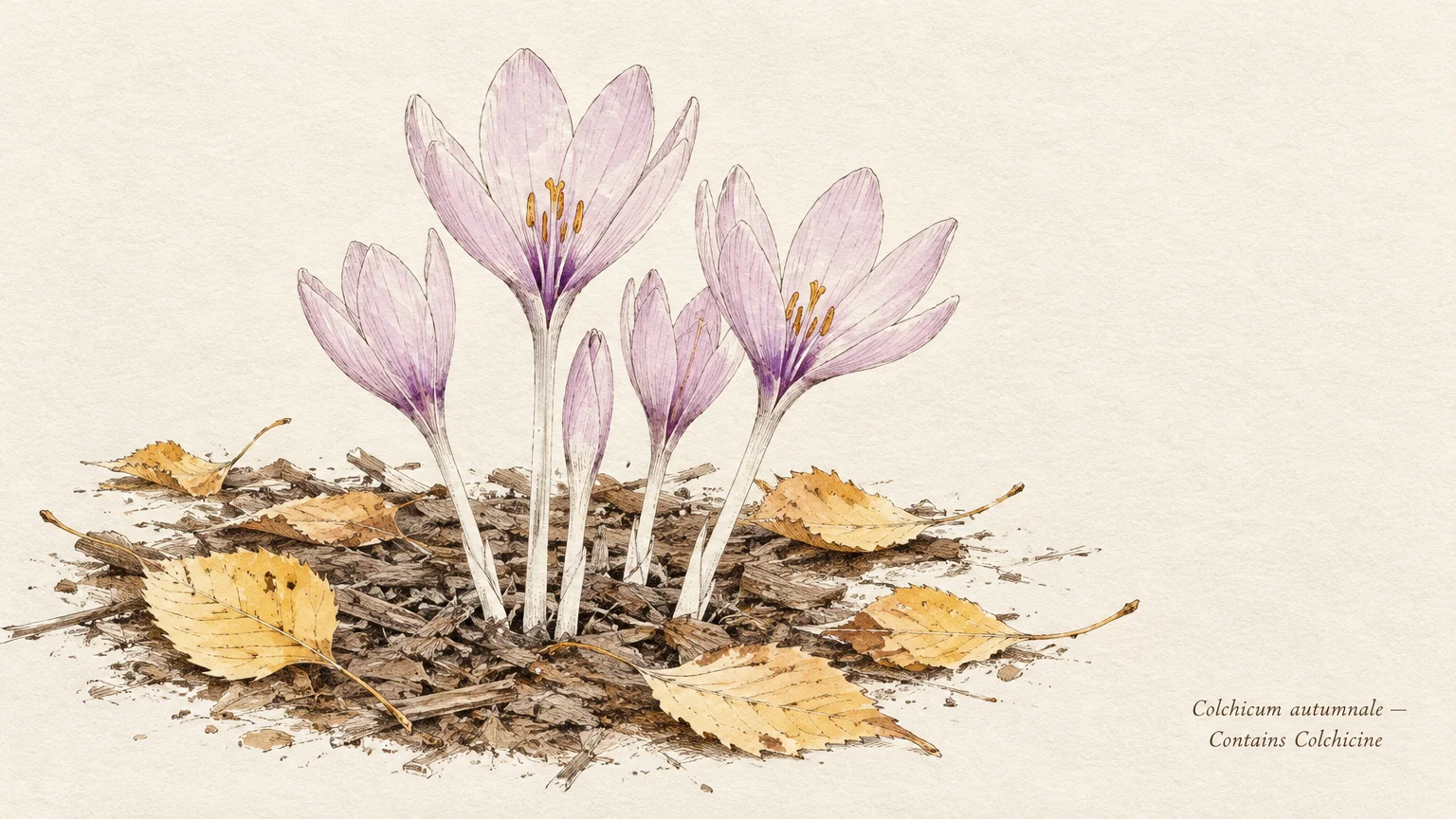
Tip #8: Autumn Crocus (Colchicum autumnale)
Autumn crocus surprises gardeners by pushing up delicate pink and lavender blooms as other perennials fade. These naked flowers appear without leaves in early autumn, creating an ethereal carpet of color.
Do not make the mistake of leaning down to smell these captivating autumn blossoms. The entire plant contains colchicine, a toxic alkaloid with effects similar to arsenic poisoning.
Breathing in the microscopic pollen grains while smelling the petals irritates your mucous membranes. Exposure can cause immediate nasal inflammation, burning sensations, and gastrointestinal distress.
People often confuse autumn crocus with saffron crocus, but the two plants belong to completely different botanical families. Saffron flowers bloom safely in the iris family, while Colchicum remains strictly hazardous.
Mark your Colchicum planting beds clearly so you remember their identity when the flowers emerge leafless. Use small decorative fencing around the perimeter to keep dogs from sniffing the low-growing petals.
Enjoy this late-season splash of vivid color without ever lowering your nose toward the petals.
Plant true fall-blooming crocus species or hardy asters if you want reliable autumn beauty and safe blooms.
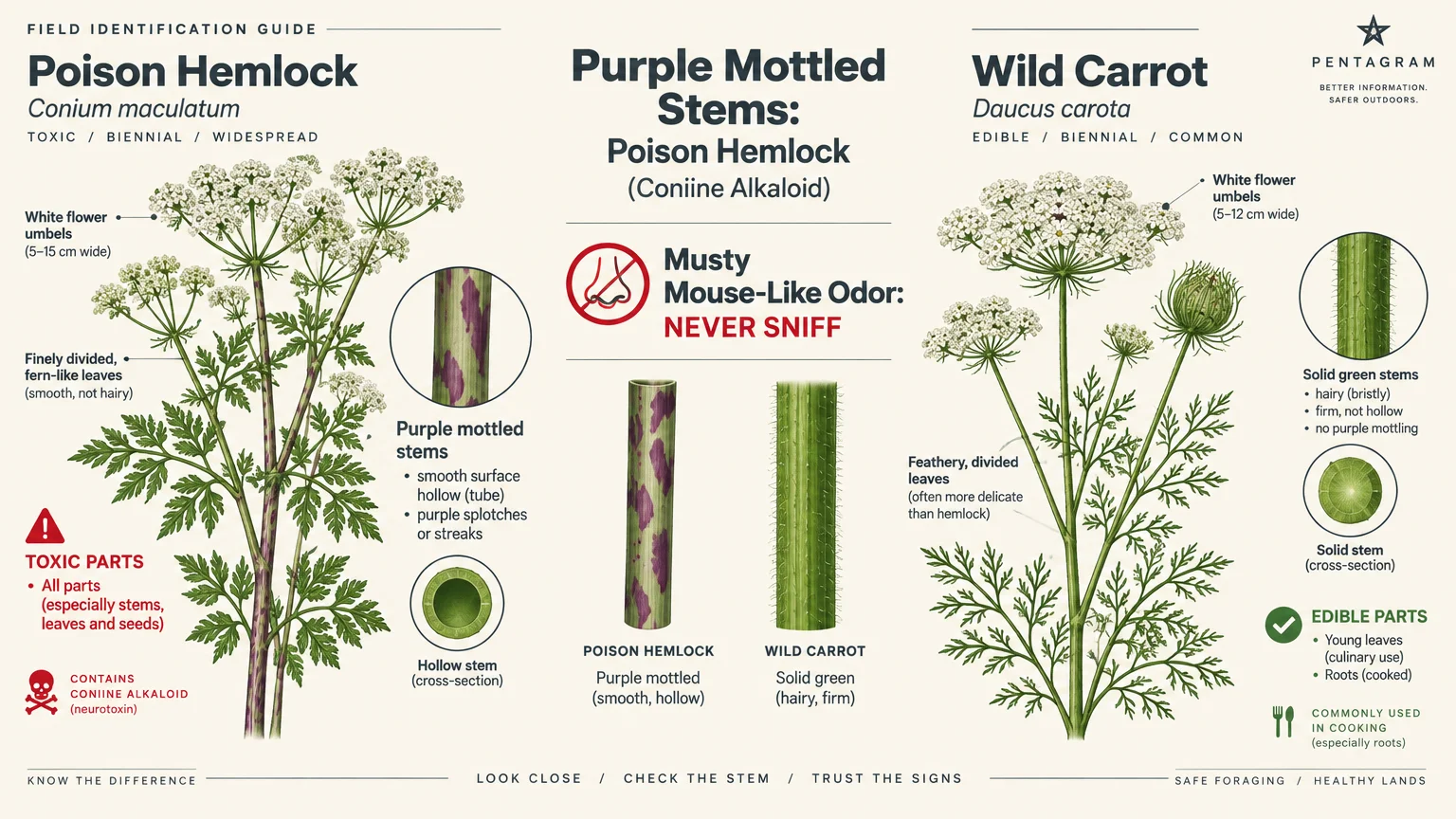
Tip #9: Poison Hemlock (Conium maculatum)
Poison hemlock produces broad, lacy umbrellas of small white flowers that mimic innocent wild herbs like cow parsley. This invasive plant frequently colonizes roadsides, pasture borders, and unmanaged garden edges.
Sniffing poison hemlock is exceptionally dangerous. The plant produces volatile piperidine alkaloids, including coniine, which paralyze the central nervous system and respiratory muscles.
When disturbed, the blossoms emit a foul, musty scent that can cause instant headaches and nausea. Inhaling the volatile compounds or fine pollen induces dizziness, throat constriction, and respiratory failure.
You can identify poison hemlock by its smooth, hollow stems marked with distinctive purple splotches. Safe edible lookalikes like Queen Anne’s lace feature hairy green stems and sweet herbal scents.
Eradicate poison hemlock from your property wearing long sleeves, eye protection, and an airtight respirator. Dig up the taproot before the flower umbels mature and disperse thousands of airborne seeds.
Never bring these wild umbrella flowers indoors for floral arrangements or sniff them in the wild.
Plant sweet alyssum or white yarrow instead to enjoy safe, lacy white blossoms across your garden beds.
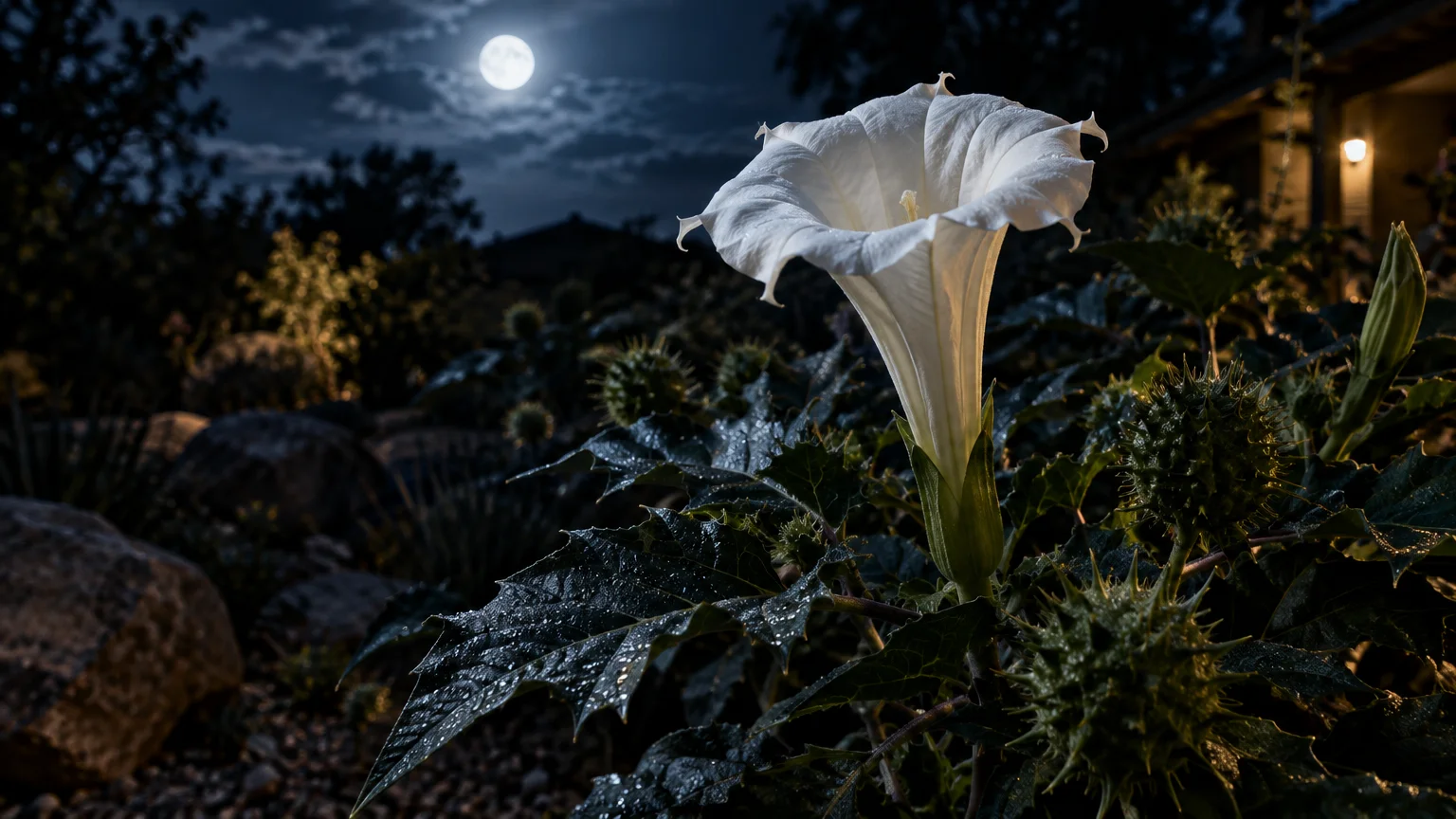
Tip #10: Jimsonweed (Datura stramonium)
Jimsonweed, also known as sacred datura or thornapple, blooms with enormous, upright, trumpet-shaped white flowers. These nocturnal blossoms open at dusk, releasing a heavy, sweet fragrance that permeates the evening breeze.
You should never lean over a datura blossom to inhale its sweet nighttime scent. Like its cousin Brugmansia, datura contains extreme concentrations of toxic tropane alkaloids, including hyoscyamine.
Sniffing the deep trumpet draws volatile oils and pollen directly into your upper respiratory system. Deep inhalation can trigger rapid disorientation, hallucinations, severe photophobia, and extreme dry mouth.
Night-blooming gardens can easily thrive without datura by substituting evening primrose or night-blooming jasmine. These alternative selections provide magnificent fragrances without exposing your family to hazardous chemical compounds.
If jimsonweed self-seeds in your garden beds, pull the young seedlings while wearing gloves. Bag the mature plants carefully before the spiny seed pods burst and spread throughout your soil.
Appreciating night flowers safely means knowing which nocturnal scents enhance health and which cause harm.
Educate your neighbors about datura so everyone can recognize and handle this dangerous weed responsibly.

Putting It All Together: Enjoy Your Beautiful Garden
Growing an extraordinary flower garden should always bring joy, relaxation, and peace of mind. By recognizing dangerous flowers, you protect yourself, your family, and your pets from preventable harm.
Many toxic flowers offer remarkable aesthetic value, historic charm, and ecological support for native pollinators. You do not need to banish every poisonous plant from your ornamental beds completely.
Garden safety simply requires thoughtful planning, proper placement, and safe behavioral habits. Plant fragrant, non-toxic varieties like lavender and roses near walking paths where sniffing is harmless.
Always wear gardening gloves when pruning unfamiliar shrubs or weeding around dense flower borders. Wash your hands with warm water and soap immediately after working in the garden.
Teach young children never to put unfamiliar flowers or leaves in their mouths or noses. With a little vigilance and knowledge, you can cultivate a breathtaking, safe outdoor sanctuary.
For region-specific advice, consult your local University Extension program (find yours via the USDA directory). For plant databases and inspiration, visit the Missouri Botanical Garden or the Royal Horticultural Society.
Disclaimer: This article provides general gardening advice. Always consider your specific climate, soil conditions, and local pests; follow safety guidelines when using gardening tools and products.
Frequently Asked Questions
Can smelling toxic flowers cause permanent damage?
Smelling toxic flowers usually causes acute symptoms like dizziness, coughing, and nausea rather than permanent injury. However, people with asthma or severe allergies can suffer serious, life-threatening complications.
Move into well-ventilated fresh air immediately if you inhale irritating plant scents or pollen. Contact your local poison control center right away if severe symptoms develop.
Why do poisonous plants produce sweet fragrances?
Plants develop sweet perfumes to attract specific insect pollinators like moths, bees, and beetles. The airborne scents guide pollinators to nectar while the toxic chemicals protect foliage against herbivores.
Evolution designed these fragrances to signal insects, not human noses. Never assume a sweet-smelling blossom is safe to touch, smell, or consume.
How can I safely identify flowers not to smell in my yard?
Use reliable botanical field guides and digital plant identification tools before approaching unknown garden flowers. Take clear photographs of the leaves, stems, and flower shapes from several paces away.
Cross-reference your photographs with botanical databases or consult master gardeners at your local extension office. When in doubt, keep a safe physical distance until you confirm its identity.
What should you do if you accidentally inhale pollen from dangerous flowers?
Step away from the plant and rinse your nose and face gently with cool water. Flush your eyes with saline solution if fine pollen grains cause stinging or redness.
Rest in a cool, quiet room and drink plenty of water to flush your system. Call emergency medical services or poison control if you experience irregular breathing or blurred vision.