Swarms of tiny dark flies hovering near your favorite foliage can quickly turn an indoor oasis into a daily frustration. Knowing which indoor plants that attract flies create these breeding grounds helps you stop infestations before they spread.
Most houseplant pests do not arrive to eat healthy leaves. Instead, fungus gnats, fruit flies, and phorid flies chase damp peat-heavy potting mix, surface algae, and decaying roots.
You can protect your indoor jungle without sacrificing lush foliage. Simply adjusting your watering habits, refreshing container setups, and matching each plant to your room’s light stops pests fast.
Houseplant Secret #1: Peace Lily (Spathiphyllum)
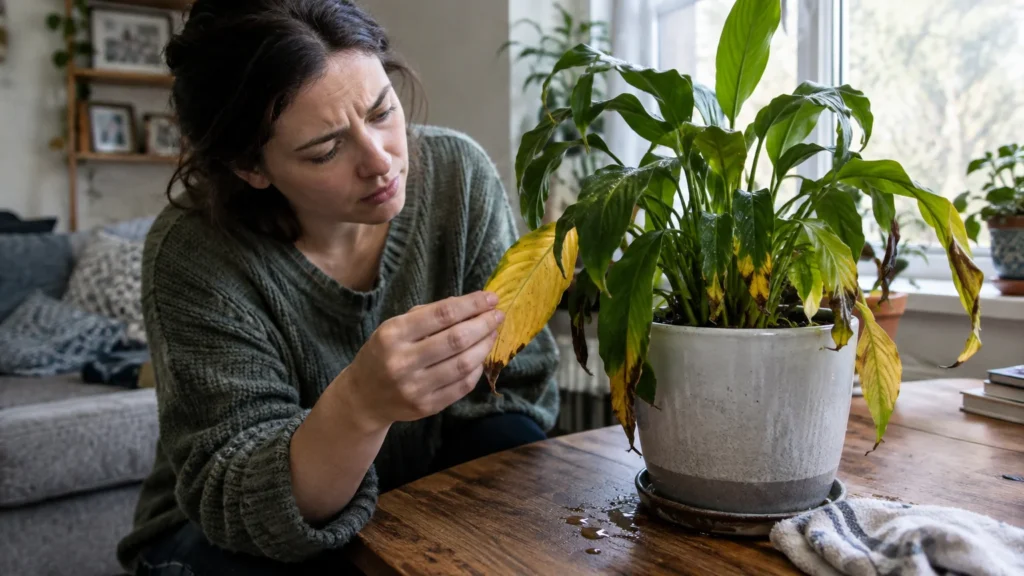
The peace lily enchants plant lovers with glossy deep-green leaves and sculpted white spathes. Because this tropical beauty prefers evenly moist soil and tolerates lower indoor light, its pot often stays damp long enough to invite fungus gnats houseplants struggle with.
Adult fungus gnats measure just 3 to 4 millimeters long and live 7 to 10 days, yet a single female lays 100 to 200 eggs inside moist soil cracks. Those tiny eggs hatch in 3 to 6 days, releasing translucent larvae that chew delicate root hairs.
Ohio State University Extension notes that egg-laying females strongly prefer potting mixes high in peat moss over commercial composts. Peace lilies frequently arrive from nurseries in dense peat blends that hold water like a sponge.
Give your peace lily bright, indirect light near an east-facing window so it drinks faster and dries evenly. Wait until the top 0.5 inch to 2 inches of potting mix feels dry before watering again, and always empty standing water from the saucer.
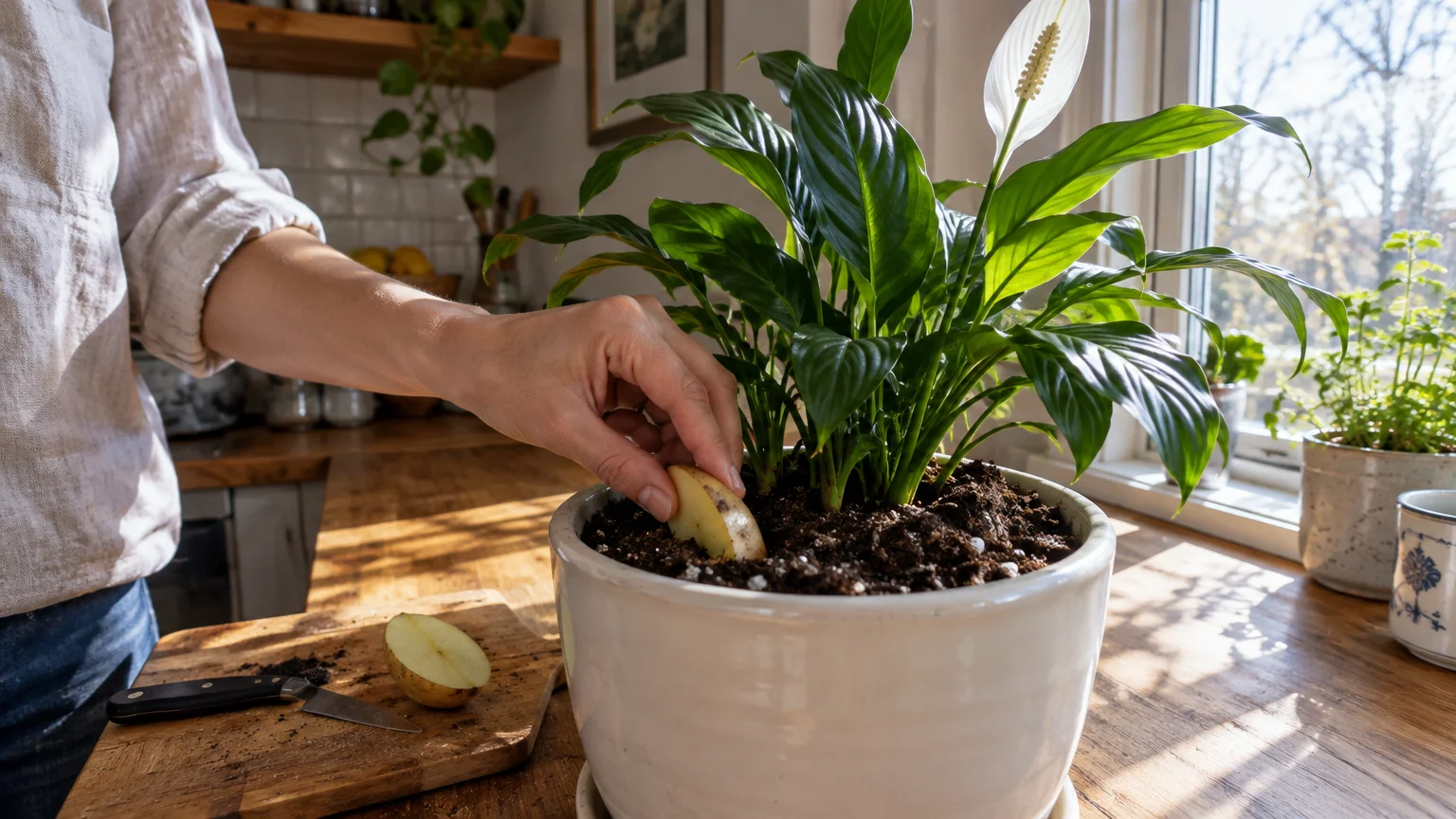
If gnats already patrol your pot, press raw potato wedges cut-side down into the soil for 3 to 4 days—Colorado State University Extension recommends this trick to lure larvae out for easy disposal. Keep peace lilies out of reach of pets, as the ASPCA lists them as toxic due to insoluble calcium oxalate crystals.
Houseplant Secret #2: Monstera (Monstera deliciosa)
Few houseplants command a living room like a thriving monstera with its dramatic, fenestrated foliage. However, those oversized floor planters hold huge volumes of soil that stay soggy beneath the surface—creating a paradise for fungus gnats and algae-feeding shore flies.
Fungus gnat larvae and pupae stay within the top 0.5 inch to 2 inches of potting media, growing up to 6 millimeters across four stages before emerging as adults. A full generation takes only 20 to 28 days inside a warm home.
Monstera roots crave oxygen as much as moisture, so heavy garden soil or fresh compost invites trouble. UNH Extension advises avoiding potting mixes made with compost aged less than one year, which breaks down quickly and feeds moisture-loving pests.
Repot your monstera into a breathable terracotta container filled with chunky bark, perlite, and well-aged organic matter. Bright, filtered sunlight fuels vigorous growth and speeds up evaporation between waterings.
When persistent larvae hide below the crust, mix a biological drench using Bacillus thuringiensis subsp. israelensis (Bti). According to the U.S. EPA label for Summit Mosquito Bits, soaking 2 tablespoons per half gallon of water for 5 to 30 minutes controls feeding larvae for up to 3 weeks; note that monsteras are also toxic to cats and dogs.
Houseplant Secret #3: Pothos (Epipremnum aureum)
Trailing golden and marble queen pothos vines bring effortless charm to high bookshelves and hanging macrame baskets. Unfortunately, hanging planters sitting far from bright windows dry sluggishly, turning into stealth incubators for houseplant pests.
Overwatered pothos pots frequently develop slimy bacterial film across fertilized soil surfaces, drawing drain flies with densely haired wings alongside shore flies. Even water-propagation jars can attract phorid flies if decaying leaf nodes sit submerged too long.
Move your pothos into brighter indirect light and ensure every decorative cachepot has clear drainage beneath the nursery liner. Let the top 2 inches of mix dry completely so larvae starve before pupating.
To break an active cycle fast, apply a mild soil drench recommended by Cornell Cooperative Extension—mix 1 part 3% hydrogen peroxide with 4 parts water to kill larvae on contact. Let the root ball dry thoroughly afterward before resuming regular indoor plant care.
Remember that pothos vines contain calcium oxalate crystals and remain toxic to curious pets per the ASPCA. Elevate trailing stems onto sturdy wall hooks where cats and dogs cannot chew them.
Houseplant Secret #4: Boston Fern (Nephrolepis exaltata)
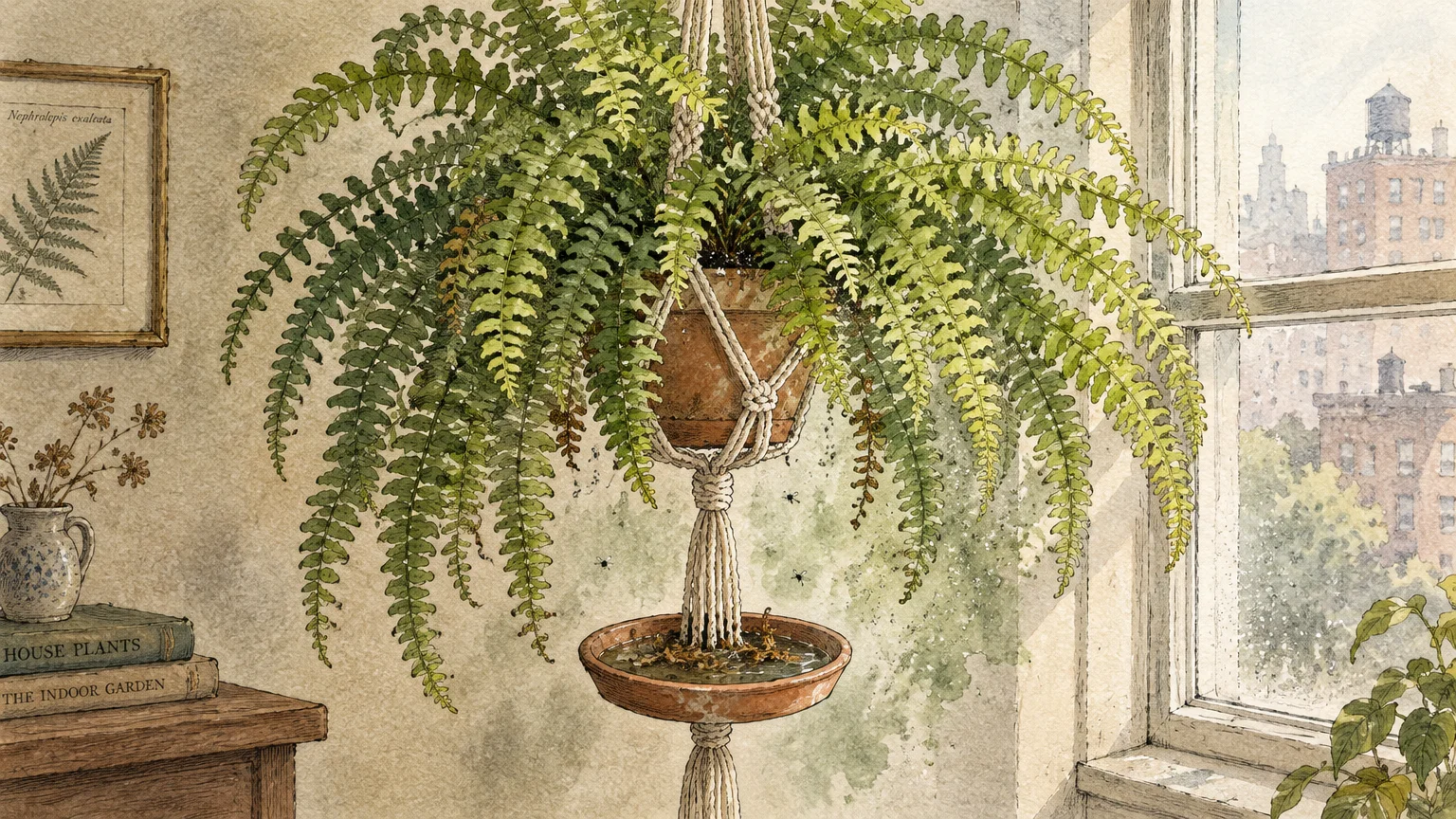
With cascading lime-green fronds that soften sharp architectural corners, the Boston fern brings Victorian conservatory elegance indoors. Its thirst for constant humidity and evenly damp roots makes it one of the most notorious indoor plants that attract flies.
Short winter days and cooler indoor temperatures slow a fern’s water uptake considerably, warns Colorado State University Extension. When you keep watering on a summer schedule through November and January, stagnant moisture triggers explosive gnat outbreaks.
Instead of saturating the soil every few days, boost ambient moisture around the fronds using a cool-mist humidifier or a wide pebble tray filled with water. Keep the pot sitting above the waterline on pebbles so roots never sit submerged.
Place your Boston fern in medium-to-bright filtered light and trim away brown inner fronds where decaying organic debris accumulates. Adding a 0.5-inch top-dressing of coarse sand or food-grade diatomaceous earth deters female gnats from laying eggs, according to NC State Extension.
Best of all, the ASPCA confirms that Boston ferns are completely non-toxic to dogs and cats. That pet-friendly status makes them worth the extra attention to moisture balance.
Houseplant Secret #5: Fiddle Leaf Fig (Ficus lyrata)
A sculptural fiddle leaf fig anchors modern interiors with broad, violin-shaped leaves that gleam in sunny rooms. Yet its hefty trunk and deep nursery pot often mask soaked potting mix two inches below a deceptive dry crust.
Dropped lower leaves left resting atop damp soil slowly rot, attracting humpbacked phorid flies—small 2-to-4-millimeter insects with a 14-to-37-day lifecycle in decaying organic matter. Meanwhile, fungus gnats colonize the warm, sheltered cracks around the root flare.
Position your fiddle leaf fig directly beside a bright south- or west-facing window where abundant light drives steady transpiration. Rotate the pot weekly for balanced foliage and check soil moisture with your finger before grabbing the watering can.
For stubborn outbreaks in large floor planters, try beneficial nematodes (Steinernema feltiae). UC IPM notes these microscopic allies thrive as a soil drench when potting media stays moist and room temperatures sit between 60 degrees Fahrenheit and 90 degrees Fahrenheit.
Two to three applications suppress larvae over a 10-to-12-week cycle, and starter bundles pairing 5 million nematodes with Bti granules and traps retail around $46.35 via ARBICO Organics. Keep pets away from fallen leaves, as the ASPCA classifies fiddle leaf figs as mildly toxic.
Houseplant Secret #6: Poinsettia (Euphorbia pulcherrima)
Vivid crimson and cream poinsettia bracts brighten winter tables long after the holidays wrap up. Sadly, bringing nursery poinsettias home often introduces unwelcome hitchhikers right when indoor heating and low winter sunlight slow evaporation.
UNH Extension documents that fungus gnat larvae do not merely graze on poinsettia roots—they can bore directly into succulent stems. Heavy larval feeding stunts growth, wilts foliage, and opens pathways for secondary root rot.
University of Minnesota Extension also lists poinsettias among the houseplants most vulnerable to fungus gnat injury. Foil-wrapped decorative sleeves worsen the risk by trapping runoff water around the bottom drainage holes.
Strip off decorative foil immediately or punch clean drainage holes into the bottom so excess water escapes into a removable saucer. Bright indirect light and cool-to-moderate room temperatures keep bracts vibrant without baking the soil.
Because poinsettias arrive during peak gnat season, quarantine new plants for up to one month away from your main collection, as Master Gardener and Extension guidelines advise. Hang yellow sticky traps horizontally right above the soil line to catch wandering adults early.
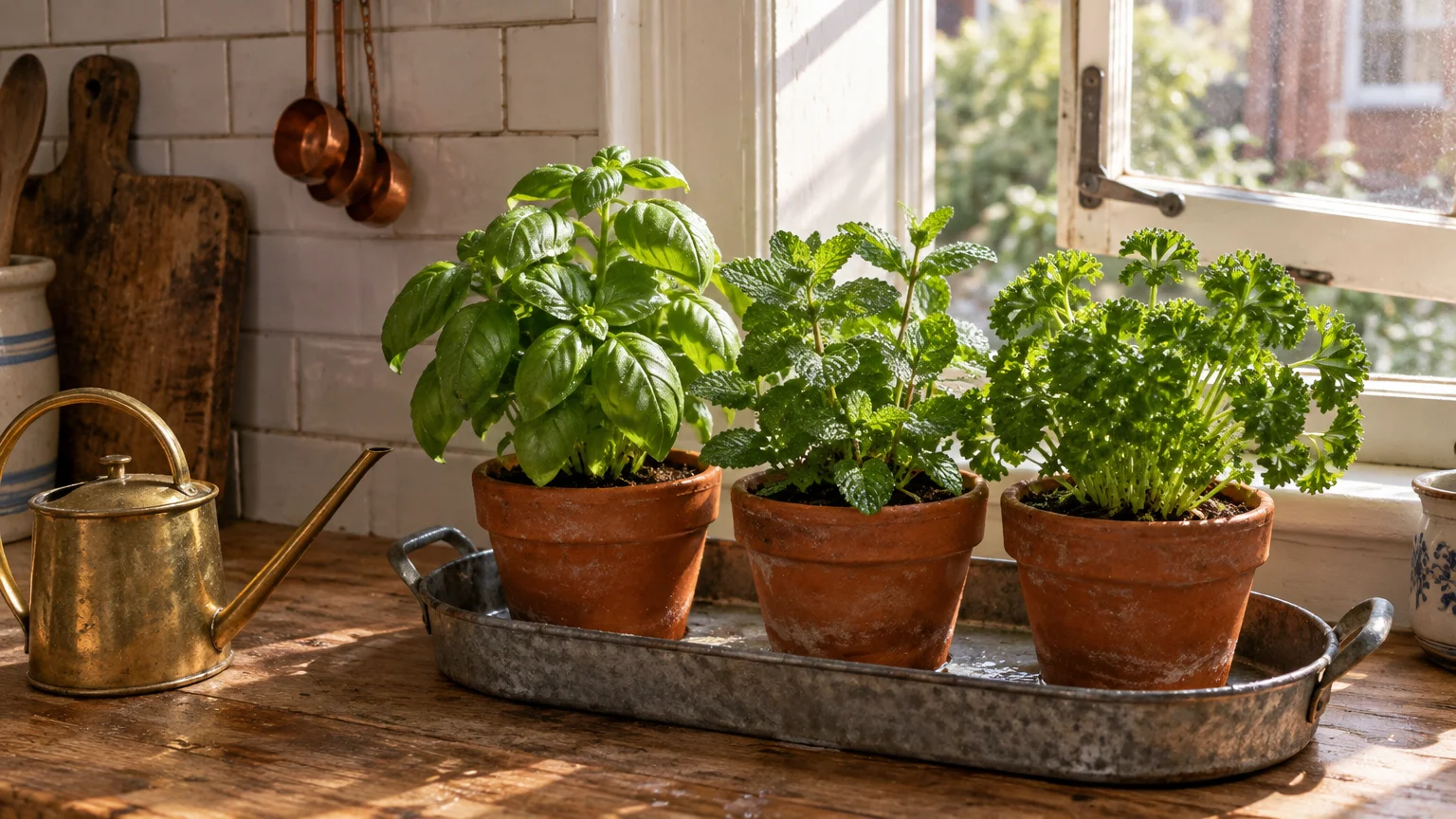
Houseplant Secret #7: Indoor Culinary Herbs (Basil, Mint, and Parsley)
Nothing beats snipping fresh basil, mint, or parsley from a sunny kitchen sill while dinner simmers. Yet closely packed kitchen pots stay warm and frequently watered, creating a busy intersection for plants and fruit flies as well as fungus gnats.
Most indoor herbs demand at least 6 hours of direct sunlight daily—or 14 to 16 hours beneath two 40-watt cool white fluorescent bulbs hung 6 to 12 inches above the canopy. Weak light produces leggy stems that drink slowly and leave damp soil exposed.
Penn State Extension advises against spraying even soft insecticides like neem oil or Bti onto culinary herbs intended for fresh harvest. Instead, rely on disciplined watering, crisp airflow, and horizontal yellow sticky traps to monitor and capture flying adults.
Wait until the top inch of potting mix dries before watering, and water from the bottom tray whenever possible so the surface stays uninviting for egg-laying females. Keep ripe fruit bowls and damp sink sponges far from your kitchen herb garden.
Red-eyed and dark-eyed fruit flies measure just 2 to 4 millimeters, lay over 500 eggs, and finish their lifecycle in 7 to 10 days on fermenting kitchen waste. Clean saucers and prompt pruning keep your edible herbs crisp, aromatic, and pest-free.
Houseplant Secret #8: Easter Lily (Lilium longiflorum)
Trumpeting white Easter lilies fill spring rooms with honeyed fragrance and timeless grace. Yet University of Minnesota Extension identifies Easter lilies as prime targets for fungus gnats, whose larvae thrive in the dense, rich media packed around potted bulbs.
Florist pots often contain heavy peat mixtures topped with decorative moss that locks humidity against the soil surface. That cozy microclimate allows adult gnats—living 7 to 10 days—to deposit multiple clusters of eggs right beside tender bulb scales.
Furthermore, fading blossoms dropping onto damp potting mix ferment quickly and draw lingering fruit flies and phorid flies. Promptly snipping spent trumpets keeps your pot tidy and eliminates decaying organic matter.
Peel away decorative sheet moss right after bringing your lily home so air circulates across the potting mix. Give the plant bright, indirect sunlight and let the top inch dry out between thorough waterings.
If flies emerge from the bulb pot, apply Bti soil drenches every 3 to 7 days during active outbreaks as UNH Extension recommends, because Bti only kills young feeding larvae rather than eggs or pupae. Always remember that B.t. kurstaki sold for caterpillars will not work on fungus gnats.
Houseplant Secret #9: Overwatered Succulents and Cacti
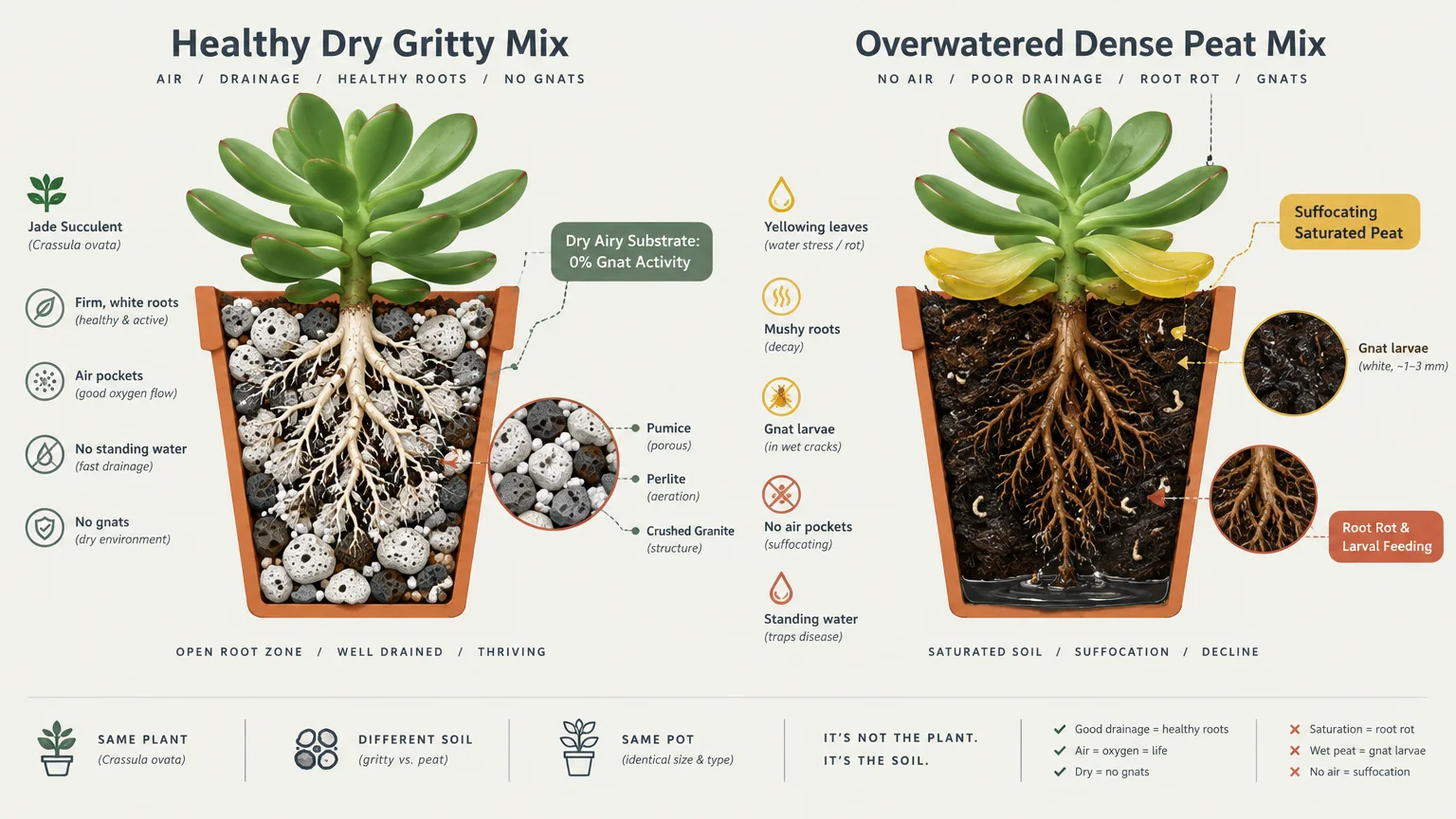
Wait—desert succulents and prickly cacti seem like the last plants on earth to invite flies! When healthy and dry, they rarely do; however, a single bout of overwatering turns fleshy stems into an unexpected feast for plants and fruit flies.
Texas A&M AgriLife Extension reports that dark-eyed fruit flies breed not only in kitchen drains and rotting produce, but even inside rotting cacti. Once root rot softens a cactus base, fermenting yeast lures adult fruit flies capable of living 40 to 50 days.
Phorid flies also colonize mushy, collapsing succulent leaves tucked inside dim decorative terrariums. Closed glass bowls without drainage holes trap condensation and cook roots rapidly.
Give succulents and cacti at least 6 hours of bright light daily in porous, gritty mineral mixes rich in pumice or coarse perlite. Always choose pots with generous drainage holes and soak thoroughly only after the entire container dries out.
Inspect the base of any wilting cactus immediately for soft, darkened spots or sour odors. Removing a rotting plant quickly protects nearby houseplants from wandering fruit flies and prevents fungal spores from spreading across your shelves.
Houseplant Secret #10: Carnivorous Pitcher Plants and Sundews (Nepenthes, Sarracenia, and Drosera)
While most houseplants attract flies by accident, carnivorous beauties lure insects on purpose—and do the dirty work for you. Tropical pitcher plants (Nepenthes), North American pitcher plants (Sarracenia), sundews (Drosera), and butterworts (Pinguicula) evolved in nutrient-poor bogs to dine on insects.
UC Davis and UF/IFAS Extension note that pitcher plants secrete sweet nectar along the pitcher rim and lid to tempt flies onto ultra-slippery surfaces. Downward-pointing hairs prevent escape, dropping prey straight into pools of digestive enzymes.
Sundews and butterworts take a different approach by coating delicate filaments or flat leaves in glistening sticky mucilage. Flies, gnats, and craneflies land for a sip and remain glued fast.
These living flytraps require bright, sunny windowsills and consistently damp, mineral-free media watered strictly with distilled water or rainwater. Never feed them tap water or standard houseplant fertilizer, which burns their specialized roots.
Because their sphagnum moss stays perpetually moist, pair your sundews with crisp airflow and strong sunlight so stray gnats become dinner rather than breeding stock. Tucking a butterwort near moisture-loving ferns adds living sculpture while trimming stray adult gnats naturally.
Choosing the Right Plant for Your Space
Selecting plants that match your room’s actual sunlight and airflow prevents overwatering before it begins. Bright south- or west-facing windows help fast-drinking herbs, succulents, and carnivorous sundews dry evenly without fostering stagnant fungus gnat nurseries.
Dimmer bedrooms or north-facing offices slow evaporation dramatically, especially during autumn and winter. If you love lush greenery in low light, choose tolerant species and cut your watering frequency in half while checking moisture 2 inches deep.
Beginners often find success starting with forgiving, pet-safe houseplants confirmed non-toxic by the ASPCA, such as spider plants (Chlorophytum comosum), African violets (Streptocarpus sect. Saintpaulia), friendship plants (Pilea involucrata), and Easter cacti (Rhipsalidopsis gaertneri). These beauties tolerate brief drying cycles far better than boggy ferns.
Collectors who share homes with curious cats or dogs should double-check popular tropicals before buying. Alongside peace lilies, monsteras, and pothos, the ASPCA lists philodendrons, Chinese evergreens (Aglaonema), elephant ears, calla lilies, dieffenbachias, flamingo plants (Anthurium), and ZZ plants (Zamioculcas) as toxic.
Always quarantine every new plant—and any houseplant returning indoors after summering on the patio—for up to one month. Keeping newcomers isolated lets you spot wandering 3-millimeter gnats or hitchhiking larvae before they colonize your entire collection.
Stock a simple pest-ready kit in your potting bench before trouble starts. An 8-ounce jar of Summit Mosquito Bits retails near $10.95 (or $17.80 for 30 ounces) via ARBICO Organics and keeps a 3-year shelf life when stored dry.
Aesthetic Tips for Styling Your Indoor Plants
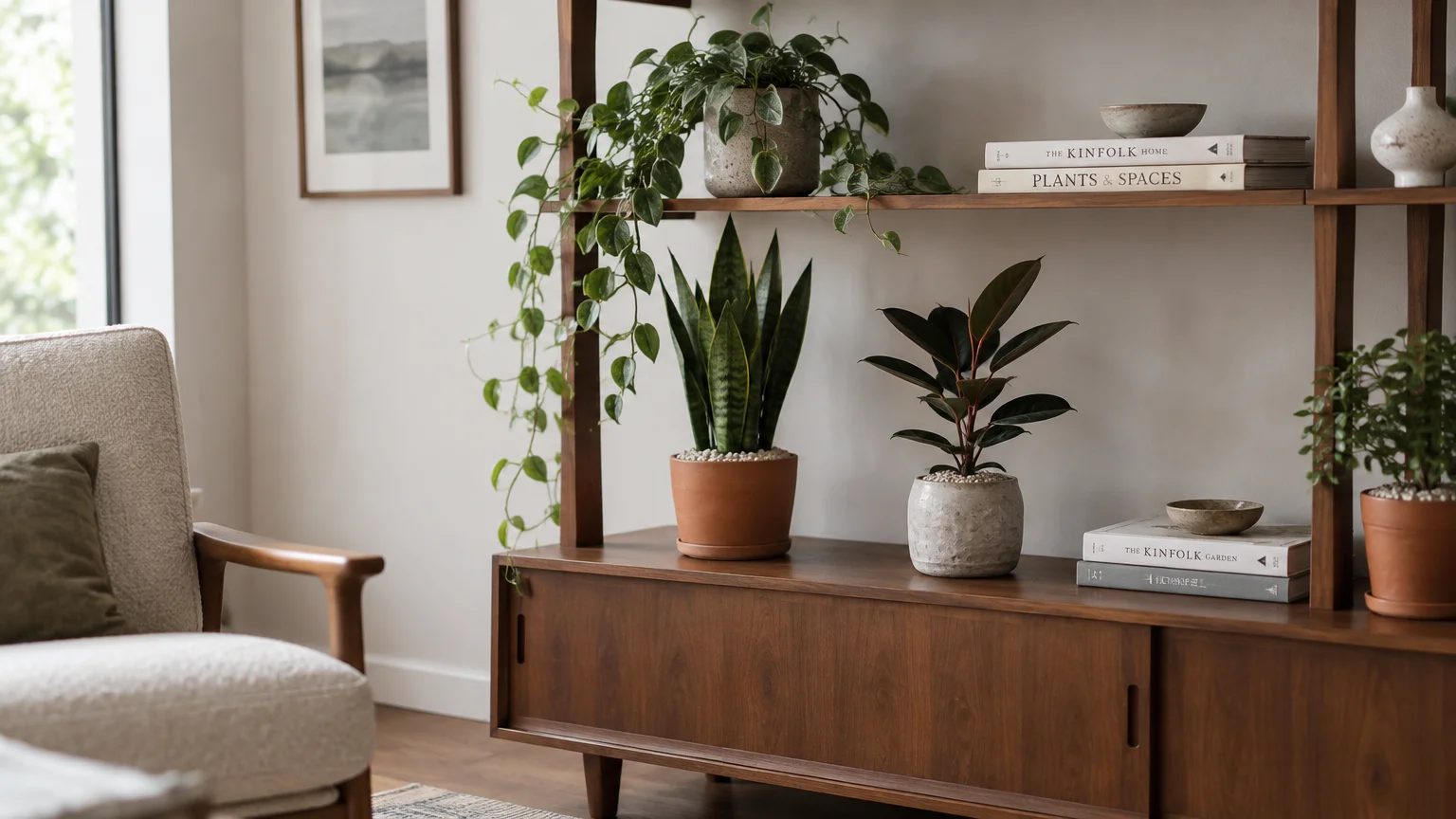
Thoughtful styling turns smart pest prevention into effortless home design. Swapping sealed ceramic pots for unglazed terracotta planters gives damp-loving species like peace lilies and monsteras natural aeration through porous clay walls while adding warm Mediterranean texture.
When you fall in love with a glazed decorative planter that lacks drainage holes, use it strictly as an outer cachepot. Keep your plant inside a lightweight plastic nursery pot with clear bottom drainage, then lift it out to water over the sink.
Turn top-dressing into a chic design accent that pulls double duty against egg-laying gnats. A 0.5-inch layer of rinsed aquarium gravel, river pebbles, or coarse horticultural sand creates a crisp gallery-worthy finish while blocking females from damp peat crevices.
Cluster humidity-craving Boston ferns and tropicals together atop a wide copper or slate pebble tray rather than overwatering their soil. Grouping foliage creates an eye-catching microclimate of dappled greens while keeping potting mixes airy and well-drained.
Give functional plants a spotlight too—hang a trailing tropical pitcher plant in a sunlit kitchen window or arrange jewel-like sundews in shallow glazed bowls near your coffee bar. Their glistening droplets look like living glasswork while quietly snapping up stray fruit flies.
For information on plant toxicity to pets, consult the ASPCA’s plant list. Find inspiration at major conservatories like the U.S. Botanic Garden.
Frequently Asked Questions
Do yellow sticky traps get rid of fungus gnats on their own?
No—yellow sticky traps capture adult flies hovering near the soil surface, which reduces egg-laying, yet eggs and larvae stay safely underground. Utah State University Extension, Illinois Extension, and Colorado State University Extension emphasize pairing traps with drier soil, Bti drenches, or beneficial nematodes.
How do I tell fungus gnats apart from fruit flies around my houseplants?
Fungus gnats are slender, dark, mosquito-like flyers measuring 3 to 4 millimeters that hover lazily around damp potting soil and windows. Fruit flies appear rounder and tan or brownish with red or dark eyes, gathering near fermenting fruit, drains, or rotting cactus tissue.
Is Bti safe to use around dogs, cats, and houseplants?
Yes—Bacillus thuringiensis subsp. israelensis (Bti) targets specific fly larvae and is nontoxic to humans, pets, birds, and fish. Always follow EPA label directions, and avoid using Bti on culinary herbs harvested fresh as advised by Penn State Extension.
Why do flies suddenly appear in winter when I barely water?
Cooler indoor temperatures and shorter winter days slow plant water uptake dramatically, keeping the top 2 inches of peat-based mix wet for days longer than expected. Meanwhile, a single 20-to-28-day gnat generation can emerge indoors from eggs laid weeks earlier.
Disclaimer: This article provides general advice for houseplants. Every home environment is different, so observe your plants carefully and adjust care as needed.