You can transform your freshly dug vegetable beds and flower borders from a neighborhood feline litter box back into a thriving sanctuary. Finding the best cat repellents allows you to protect tender seedlings without harming visiting animals.
Cats rely heavily on sensitive paw pads and sharp olfactory senses when navigating outdoor spaces. By understanding these instinctual behaviors, you can deploy humane deterrents that keep cats out of garden spaces permanently.
Whether you prefer natural cat deterrents or automated technology, reliable solutions exist for every garden layout. Here are the most effective strategies to reclaim your soil and preserve your harvest today.
Tip #1: Deploy Motion-Activated Water Sprinklers
The Power of Sudden Water Bursts
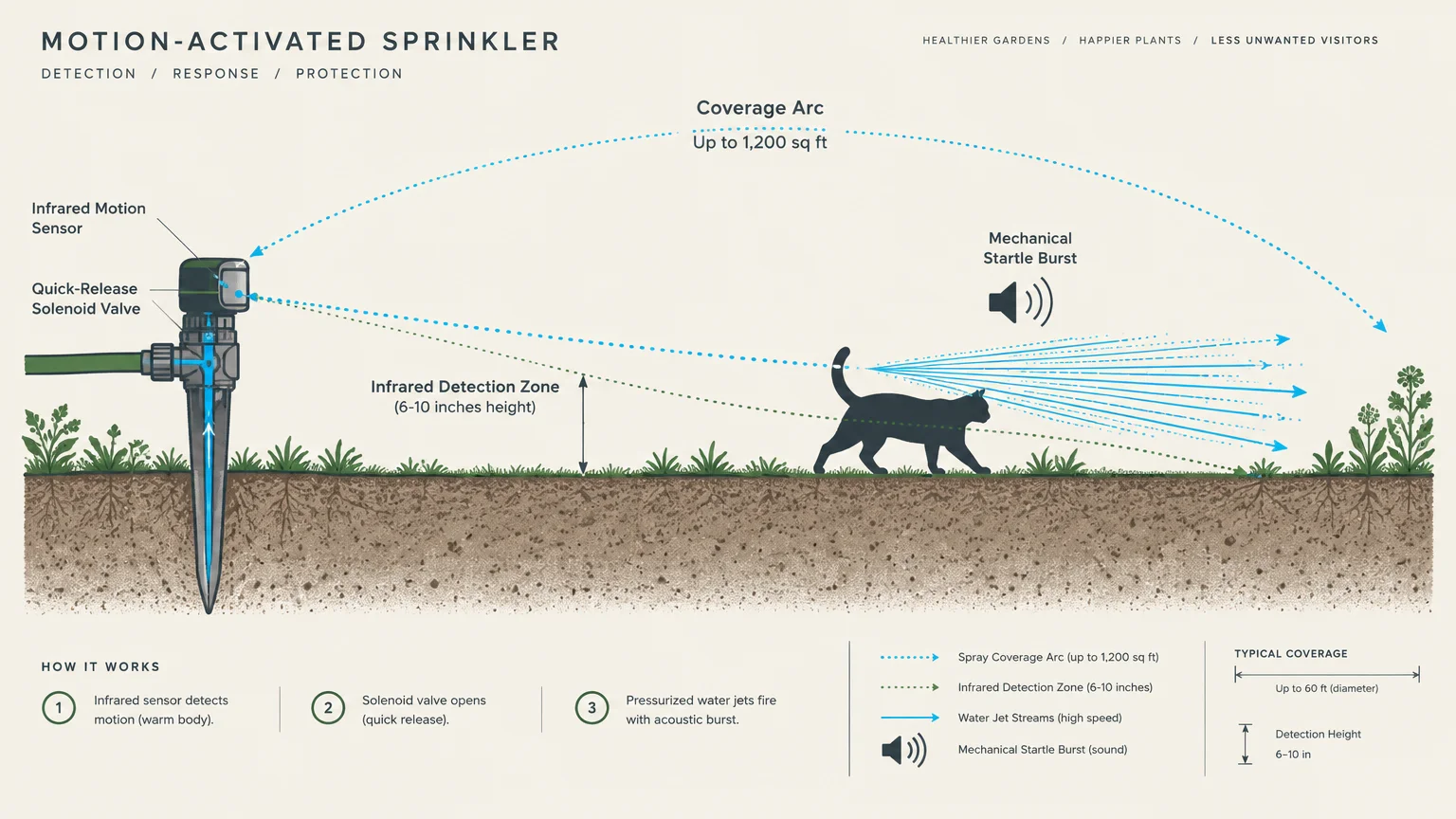
Motion-activated sprinklers stand out as one of the best cat repellents available for open landscapes. These automated devices use infrared sensors to detect body heat and physical movement across your lawn.
When an intruding feline steps into the monitored zone, the valve opens instantly. It releases a rapid, startling burst of pressurized water accompanied by a distinct clacking sound.
Why Water Deters Feline Visitors
Cats spend up to half of their waking hours grooming their fur coats. Sudden drenching ruins their insulating fur layer and triggers an immediate instinct to flee.
The mechanical hiss and sudden movement also startle animals without causing physical injury. Over several days, cats build a strong mental association between your garden borders and an unpleasant soaking.
Setup and Optimization Tips
Position your sprinkler unit near common entry points, such as gaps along fence lines or open driveway borders. Aim the infrared sensor roughly six to ten inches above the soil surface.
Most commercial units guard an arc up to 1,200 square feet. Adjust the sensitivity knob carefully during hot summer days so windblown ornamental grasses do not trigger false activations.
Tip #2: Install Texture-Based Ground Barriers
Targeting Sensitive Feline Paws
If you want to know how to repel cats naturally, focus on ground texture. Cats possess highly sensitive nerve endings in their paw pads that guide their steps.
They crave soft, loose, dry soil that resembles fine litter. Replacing smooth dirt with rough, prickly textures makes scratching and digging thoroughly uncomfortable for them.
Practical Ground Cover Materials
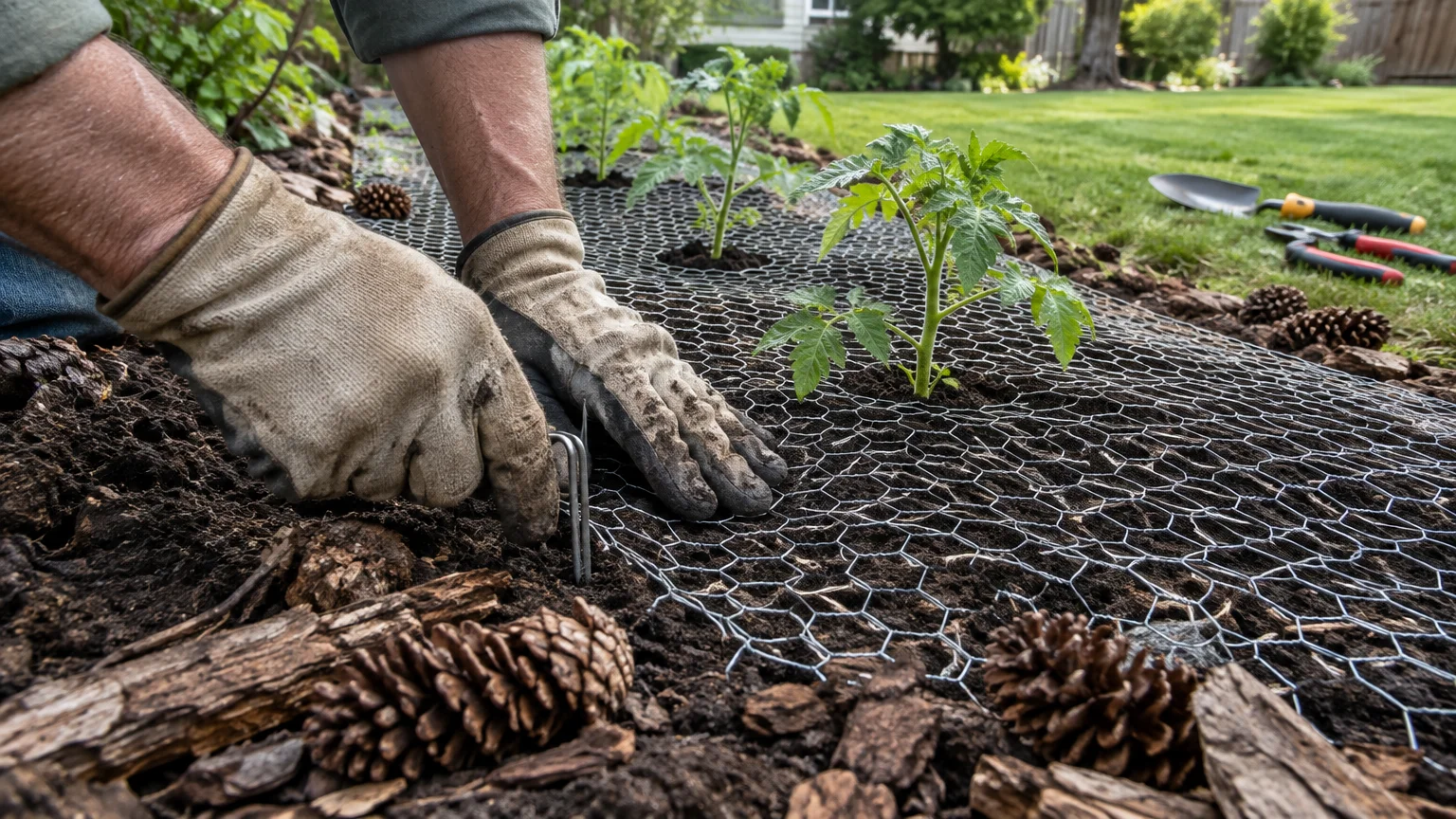
Spreading sharp pine cones across exposed planting beds creates an instant, natural walking obstacle. Large pine cones interlock easily around perennial stems and deter paws without impeding water drainage.
Coarse, chunky wood bark and thorny berry clippings offer similar physical resistance. Alternatively, lay plastic garden scat mats equipped with flexible, blunt plastic spikes directly over open soil.
Subsurface Wire Techniques
For newly seeded vegetable beds, roll standard chicken wire flat across the garden bed before planting. Secure the wire edges firmly with heavy-duty metal sod staples.
Cut small openings through the wire mesh using wire snips to insert your vegetable starts. Cats cannot dig through the submerged hexagonal wire, while your crops grow upward unhindered.
Tip #3: Plant Aromatic Cat-Repelling Botanicals
Harnessing Natural Herbal Fragrances
Cultivating pungent plants is among the most attractive natural cat deterrents for decorative landscapes. Cats have an olfactory system containing over 200 million scent receptors, making strong essential oils overwhelming.
By surrounding prized annuals with aromatic foliage, you create an invisible, botanical scent barrier. These plants provide long-lasting deterrence while enhancing your landscape with vibrant blooms.
The Most Effective Repellent Plants
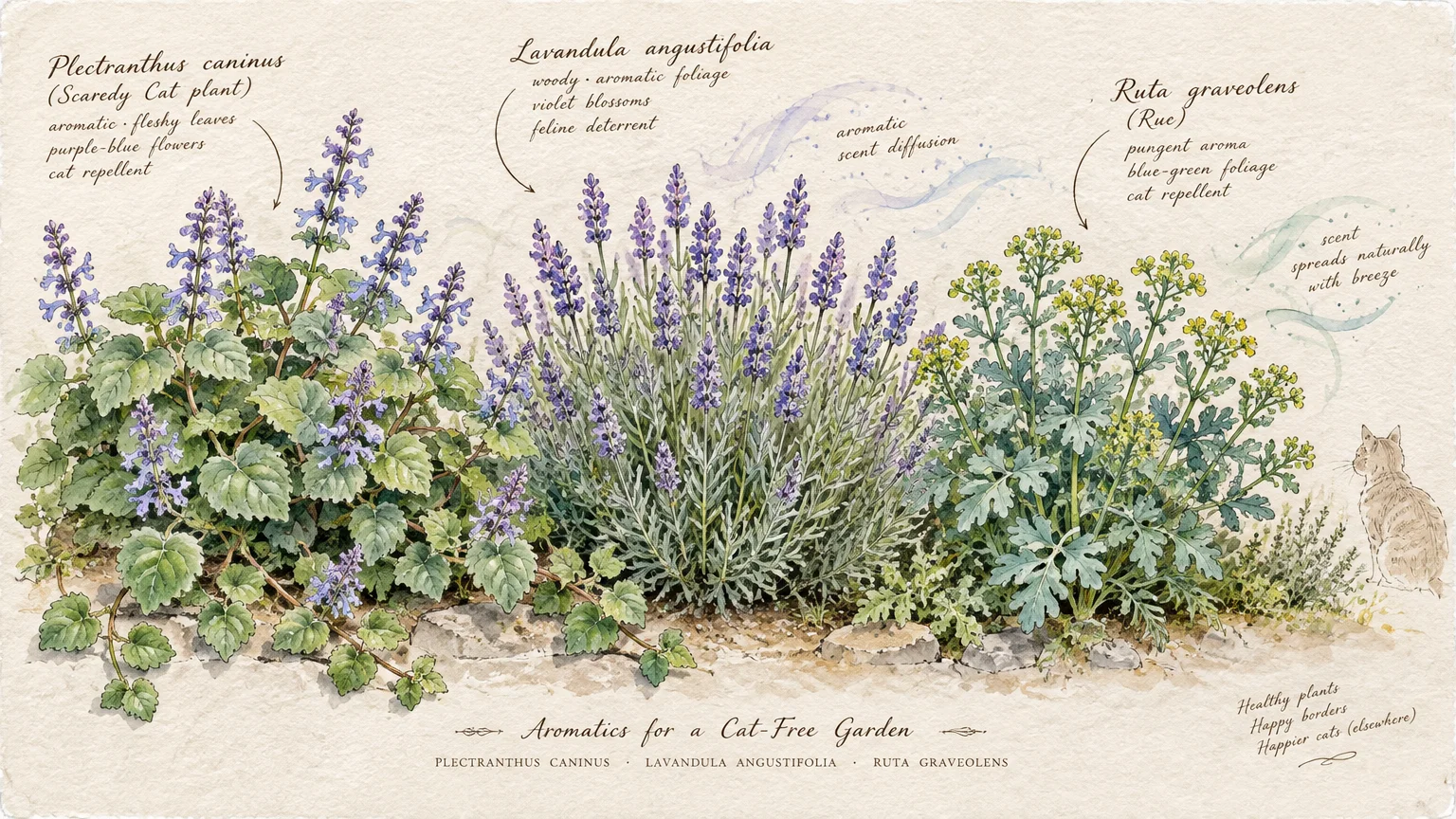
Plectranthus caninus, commonly called the Scaredy Cat plant, emits an intense herbal aroma that felines actively avoid. Its attractive blue flowers blossom throughout summer while keeping visitors away.
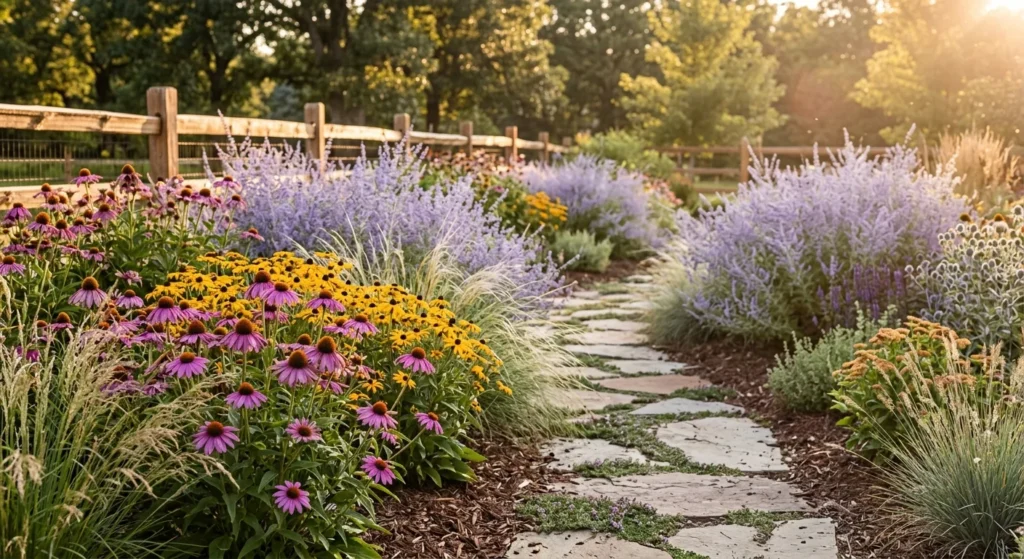
Lavender (Lavandula angustifolia) offers dense silvery foliage rich in linalool, a floral compound cats dislike. English varieties thrive in sunny, well-draining soil and add timeless Mediterranean beauty.
Placement and Companion Growing
Interplant common rosemary (Salvia rosmarinus) and rue (Ruta graveolens) around the perimeter of your raised beds. These resilient perennial herbs release volatile oils whenever an animal brushes against their stems.
Cluster these botanical guardians around vulnerable root crops and salad greens. The dense aromatic hedge discourages neighborhood prowlers while attracting beneficial pollinators like honeybees.
Tip #4: Apply Natural Citrus and Vinegar Sprays
Crafting Scent Deterrents at Home
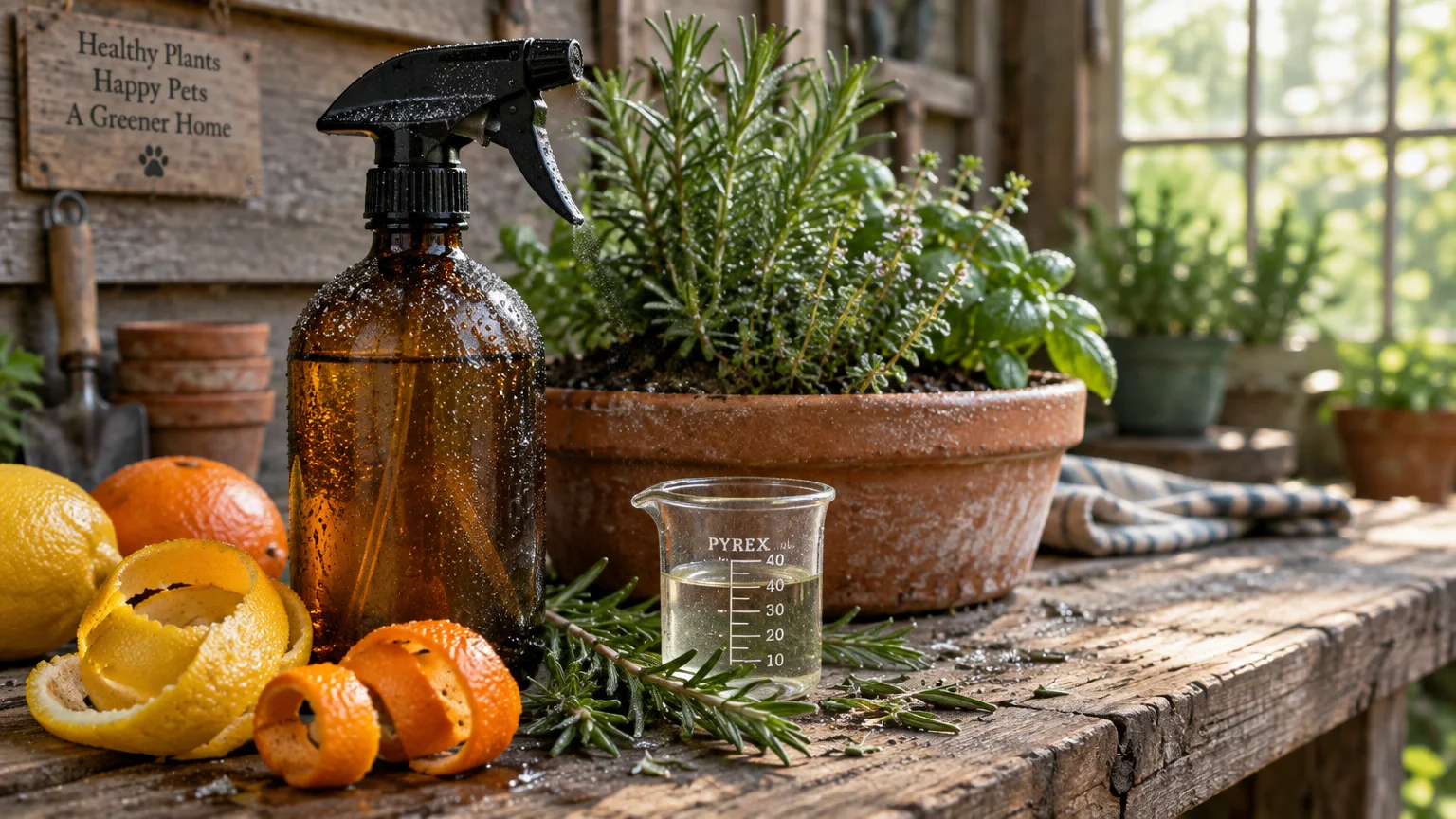
Citrus infusions rank among the easiest cat repellent products that work without synthetic chemicals. Felines naturally detest the pungent aroma of limonene found concentrated within citrus rinds.
You can create a potent spray by simmering orange, lemon, and grapefruit peels in water for twenty minutes. Allow the mixture to cool overnight before straining it into a standard spray bottle.
Strategic Application Techniques
Mist the citrus solution liberally along wooden fence rails, stone retaining walls, and patio edges. Focus heavily on decorative container pots where neighborhood cats enjoy napping on warm potting mix.
Alternatively, dilute raw apple cider vinegar with equal parts water to treat hard surfaces. The sharp acetic acid smell signals an inhospitable zone to wandering felines.
Reapplication and Foliage Care
Never spray undiluted vinegar directly onto tender plant leaves, as the acid can scorch delicate plant tissue. Stick to non-plant surfaces, mulch rings, and garden pathways instead.
Sunlight and precipitation naturally break down organic botanical oils over time. Reapply your citrus sprays every three to four days, especially after sudden rain showers wash away scents.
Tip #5: Deploy Ultrasonic Deterrent Devices
High-Frequency Acoustic Defense
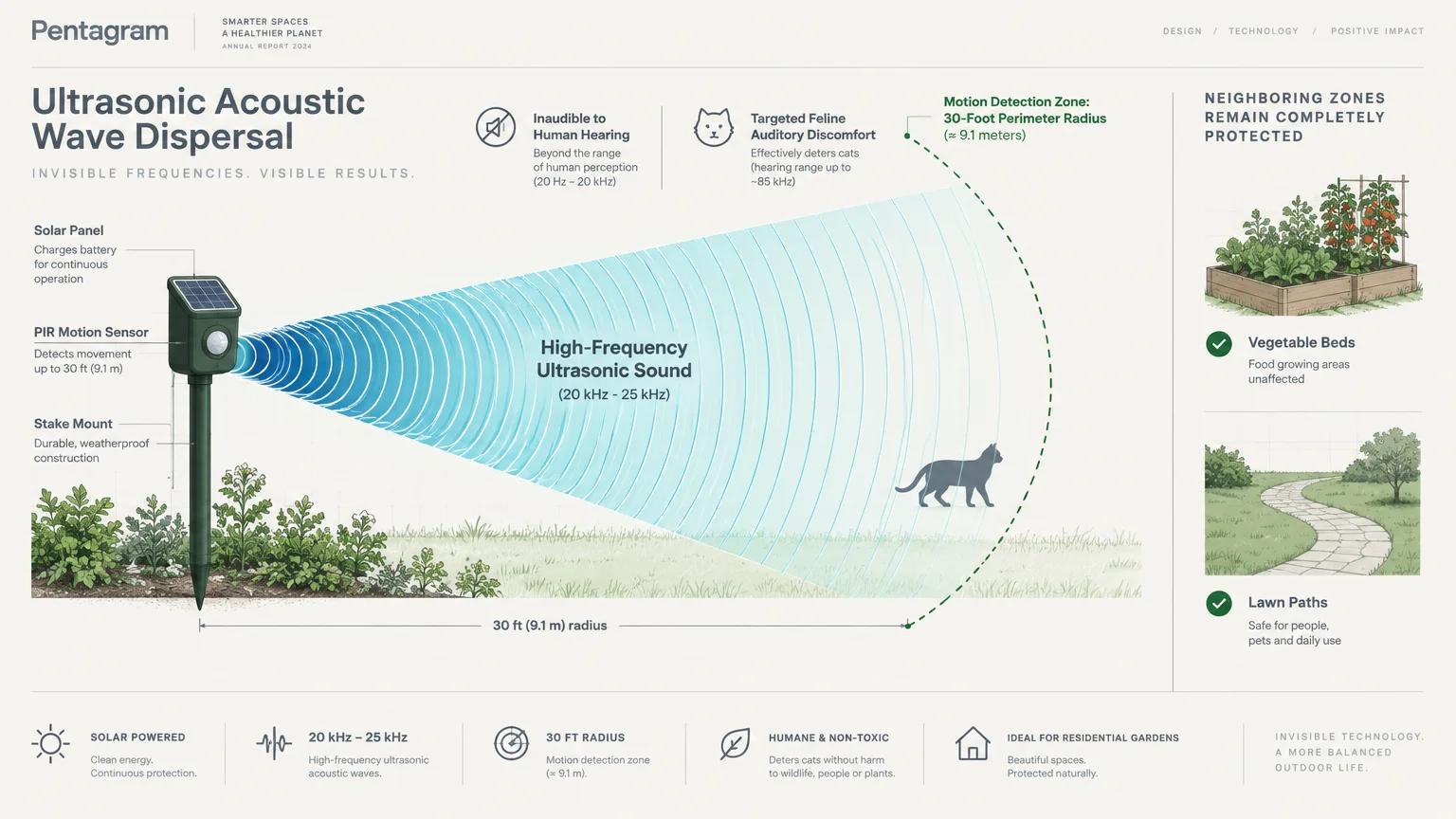
Ultrasonic sound devices represent modern, high-tech cat repellent products that work silently to human ears. While humans rarely hear frequencies above 20,000 Hertz, cats detect frequencies up to 64,000 Hertz.
These devices emit high-pitched acoustic waves between 19,000 and 24,000 Hertz whenever an animal triggers the motion sensor. The piercing tone disorients visiting felines and encourages them to retreat.
Solar-Powered Hardware Selection
Select weather-resistant stakes equipped with integrated solar charging panels for zero-maintenance operation. High-quality models feature variable frequency dials to prevent visiting animals from growing accustomed to a single tone.
Many units also incorporate flashing LED strobe lights. The combination of intense auditory bursts and flashing lights creates a powerful sensory deterrent at night.
Optimal Garden Placement
Place ultrasonic emitters at feline eye level along narrow pathways, such as side yards and garden gates. Sound waves travel poorly through dense vegetation, so maintain a clear line of sight.
Angle the detector toward incoming walkways rather than sleeping areas or bird feeding stations. This targeted setup ensures maximum surprise without stressing non-target wildlife across your entire yard.
Tip #6: Scatter Organic Granular Repellents
Triggering Natural Flight Responses
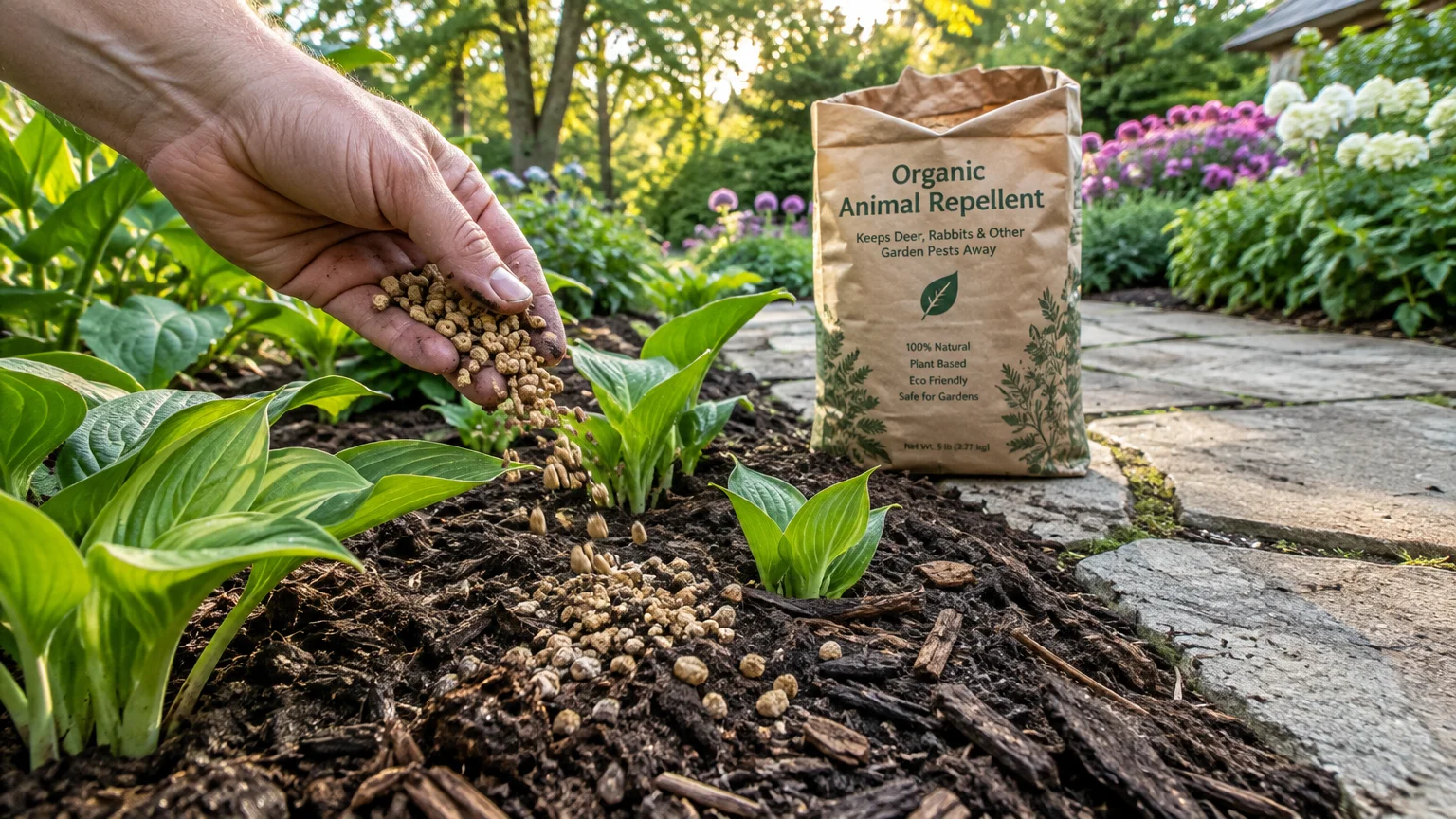
Commercial organic scent granules offer a fast, reliable method to keep cats out of garden plots. These specialized formulas blend natural ingredients like dried blood meal, castor oil, and predator urine scents.
The resulting olfactory cues mimic the active presence of larger predators like coyotes and foxes. This biological warning signals immediate danger, convincing wandering cats to seek safer territory elsewhere.
Application Rates and Methods
Scatter the granules evenly around the perimeter of your garden beds to form a continuous defensive band. A three-inch barrier strip along borders creates an unmistakable scent boundary.
Lightly water the soil surface after broadcasting granules to activate the scent compounds. Avoid creating clumps by using a handheld broadcast spreader for large expanses of mulch.
Soil Health Benefits
Granular formulas made with blood meal deliver a secondary advantage by providing organic nitrogen to hungry garden plants. Your leafy greens and blooming perennials receive steady nutrition as the granules slowly break down.
Plan to reapply organic granular products every two to three weeks during active growing seasons. Replenish the perimeter immediately following prolonged downpours to maintain an uninterrupted defensive barrier.
Tip #7: Secure Garden Beds with Physical Row Covers
Complete Exclusion for Sensitive Crops
Physical barriers remain the single most reliable strategy for protecting emerging seedlings from disturbance. When cats discover freshly turned compost, exclusion netting stops them before they can dig.
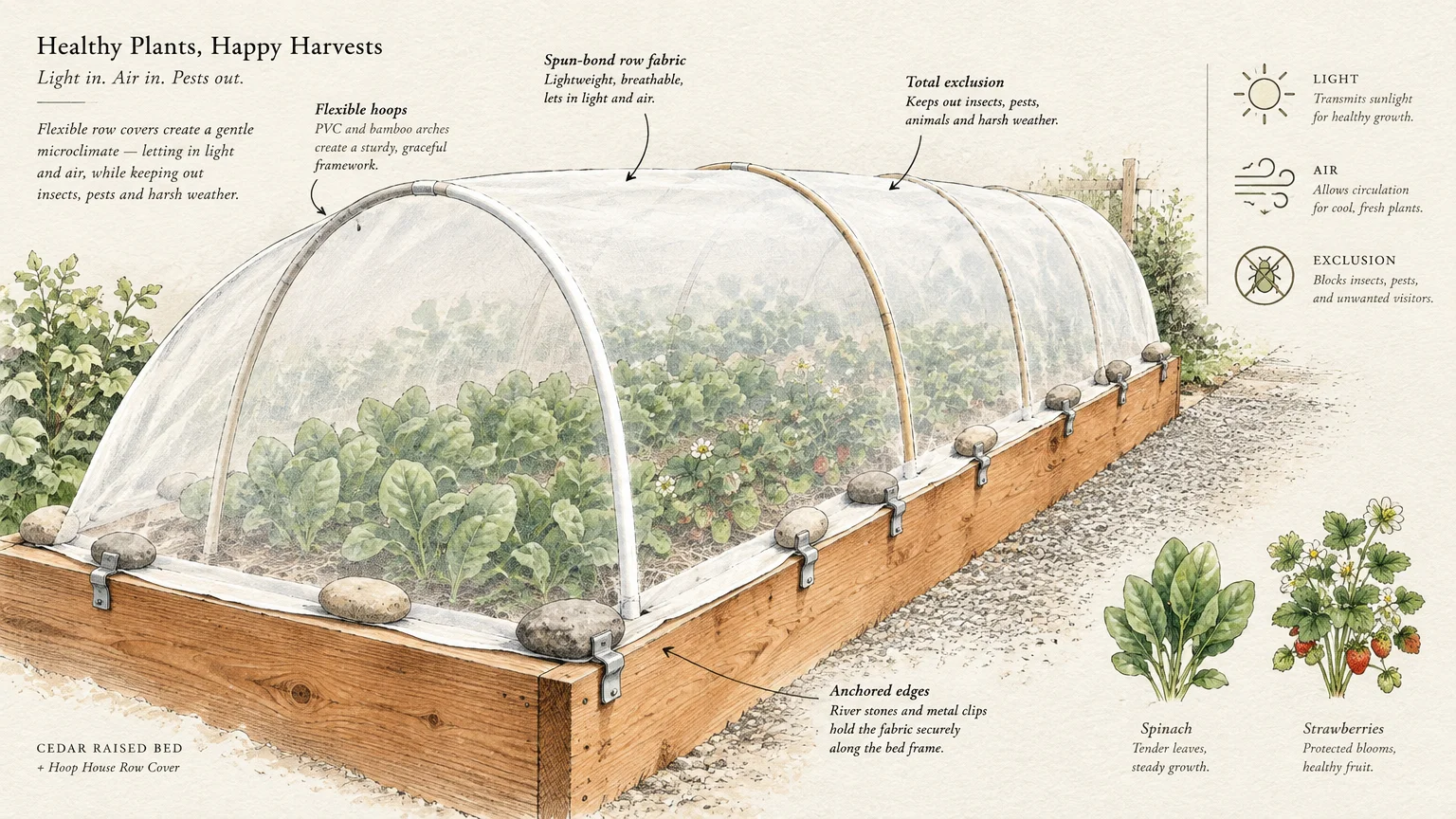
Floating row covers made of spun-bond polypropylene shield delicate garden beds from paws and claws alike. They create an impenetrable physical boundary while still admitting sunlight and natural rainfall.
Building Low-Profile Hoop Tunnels
Construct lightweight support frames using flexible PVC conduit or curved galvanized wire hoops pushed into the soil. Drape lightweight bird netting or micro-mesh insect screening tautly over the hoops.
Anchor the cloth edges firmly to the timber frame using wooden battens or metal garden staples. If cats jump atop the netting, the tension prevents them from reaching the precious soil below.
Long-Term Growing Protection
Row covers also protect vulnerable brassicas and leafy greens from destructive insect pests like cabbage moths. You gain dual protection against both four-legged intruders and airborne garden pests.
Lift the netting covers during morning hours when fruiting vegetables like squash require insect pollination. Secure the barriers back in place each evening before nocturnal prowlers begin their patrols.
Tip #8: Design a Dedicated Cat-Friendly Diversion Area
The Strategy of Redirection
Sometimes the easiest way to solve feline trespass is offering a dedicated space of their own. Redirection harnesses feline psychology, providing an irresistible alternative far away from your delicate garden beds.
By establishing an appealing cat oasis, you draw animals away from prized vegetables naturally. Cats gravitate toward designated zones that cater specifically to their instinctive digging and rolling habits.
Constructing an Attractive Sandbox
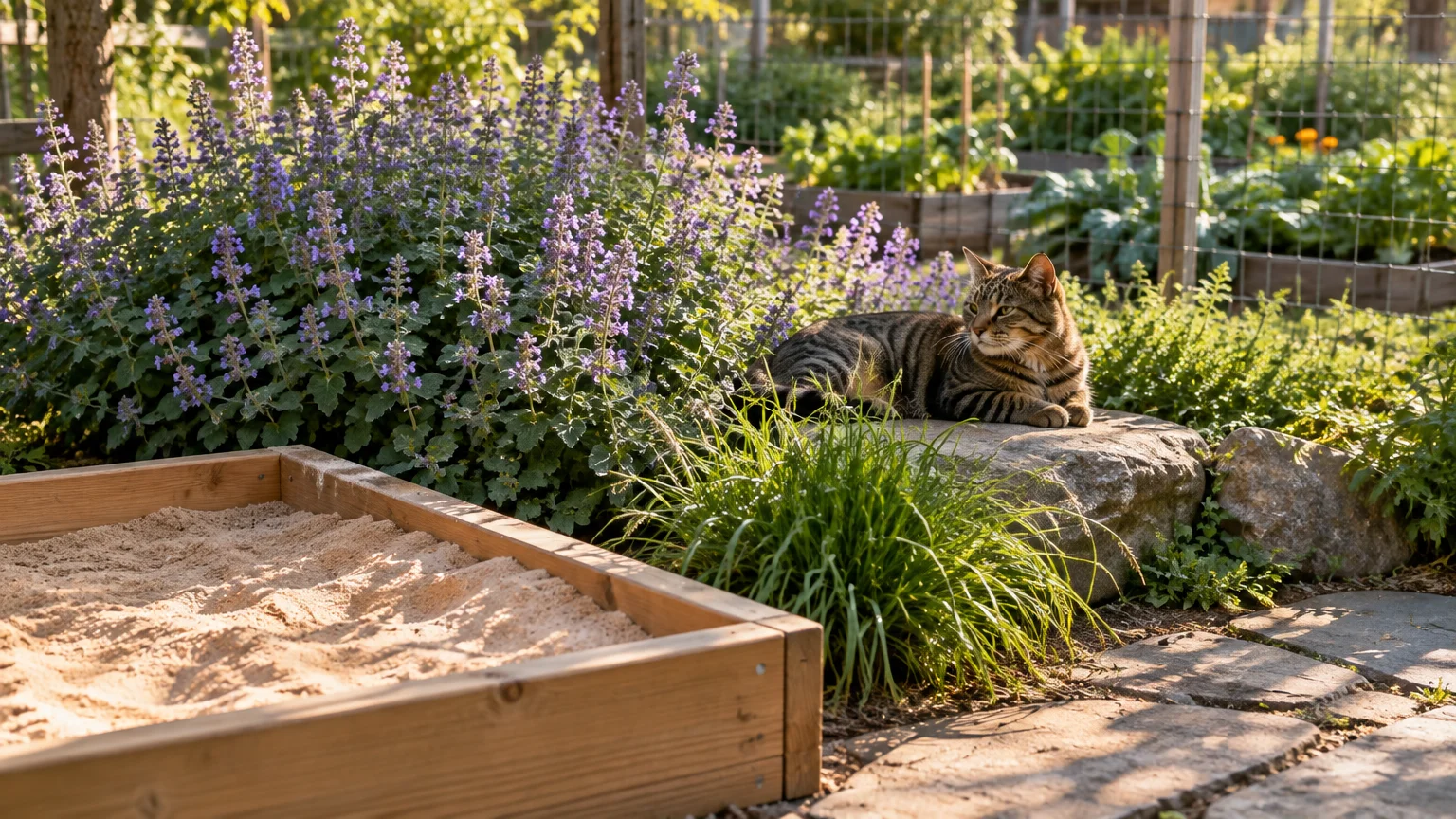
Build a small wooden sandbox measuring roughly three feet by four feet in an out-of-the-way corner. Fill the enclosure with soft, clean play sand mixed with dry, loose soil.
Cats naturally prefer dry sand over damp, mulched planting beds for their daily digging rituals. Keep the sandbox clean by scooping it regularly, just as you would maintain an indoor litter box.
Planting Cat-Attracting Flora
Surround the designated diversion box with beloved feline plants like catnip (Nepeta cataria) and catmint (Nepeta mussinii). Add a small pot of tender cat grass (Dactylis glomerata) for them to nibble.
Place this sanctuary in a warm, sheltered spot that receives plenty of morning sunshine. Neighborhood cats will gladly congregate in their private haven, leaving your prized flowers and produce completely untouched.
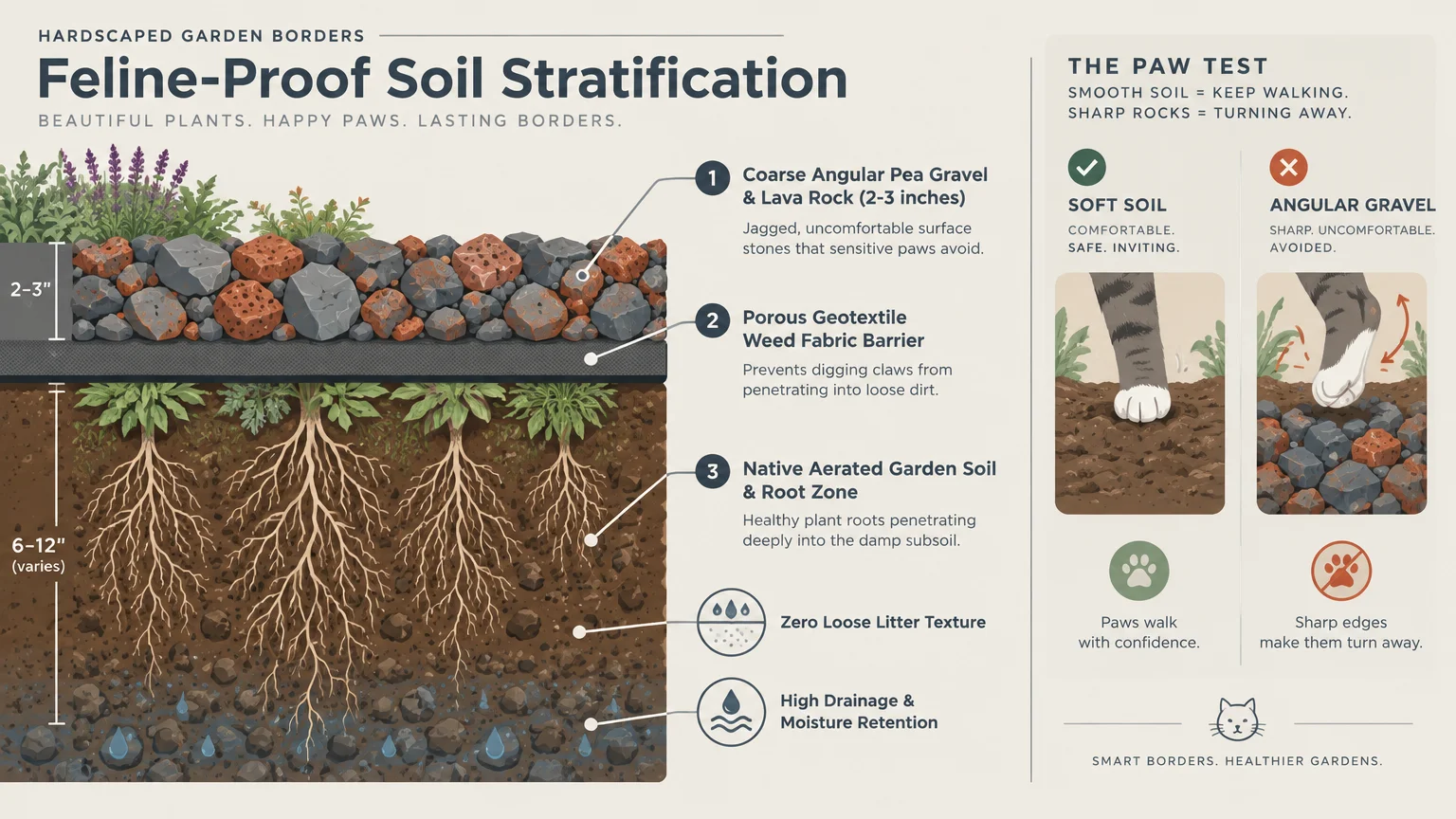
Tip #9: Apply Coarse Gravel and Hardscaping Mulches
Altering Substrate Density
Cats rely on loose, workable soil that shifts easily beneath their paws when covering their scent. Dense, heavy substrates like coarse pea gravel eliminate this scratching satisfaction entirely.
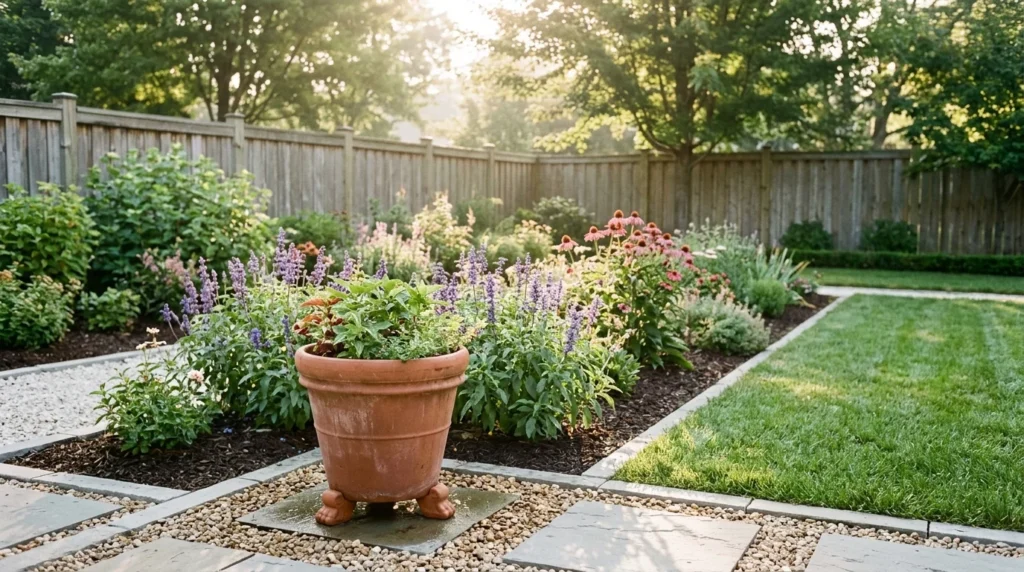
Replacing exposed topsoil with decorative crushed rock creates a stylish, drought-tolerant aesthetic. It also transforms your flower borders into an unappealing landing pad for wandering neighborhood pets.
Choosing the Right Rock Mulch
Select angular river stone, crushed granite, or coarse lava rock measuring one-half to one inch across. Avoid smooth, tiny beach sand, which behaves too much like indoor commercial litter.
Spread the mineral mulch at least two inches thick across open ground around perennial crowns. The sharp, shifting gravel discourages digging behavior while suppressing weed seed germination effectively.
Moisture and Temperature Benefits
Gravel mulches excel at moderating soil temperatures and preventing excessive moisture evaporation during summer heatwaves. They also prevent soil erosion caused by heavy downpours and garden irrigation.
Pairing rock mulches with drought-hardy succulents and ornamental grasses produces a striking, low-maintenance garden design. Best of all, visiting felines will quickly bypass these stony beds in search of softer ground.

Putting It All Together: Enjoy Your Beautiful Garden
Protecting your outdoor sanctuary does not require harsh chemicals or ongoing frustration with neighborhood animals. Combining multiple humane tactics creates an effective, multi-layered defensive strategy that keeps cats out of garden beds.
Start by identifying the primary entry points and vulnerable soil zones across your property. Layer physical deterrents like scat mats or gravel with sensory repellents such as aromatic herbs and citrus sprays.
Consistency remains the true secret to long-term gardening success. When cats encounter consistent resistance from motion sprinklers, rough textures, and pungent scents, they promptly adjust their roaming habits.
Take pride in cultivating vibrant flower borders and delicious homegrown produce that flourish undisturbed. With these practical solutions in place, you can finally relax and enjoy your thriving, beautiful landscape.
For region-specific advice, consult your local University Extension program (find yours via the USDA directory). For plant databases and inspiration, visit the Missouri Botanical Garden or the Royal Horticultural Society.
Disclaimer: This article provides general gardening advice. Always consider your specific climate, soil conditions, and local pests while following standard safety guidelines for all gardening tools.
Frequently Asked Questions
Are coffee grounds effective for repelling neighborhood cats?
Used coffee grounds can deter some cats due to their strong scent and coarse, gritty texture. However, heavy rains quickly wash the scent away, requiring frequent reapplication around your plants.
Always use spent coffee grounds sparingly to avoid altering your soil acidity or adding excess nitrogen. Spread them thinly across the topsoil rather than leaving thick piles that can mold.
Will commercial ultrasonic cat deterrents harm domestic dogs or birds?
Ultrasonic repellers do not cause physical injury to domestic pets or wild garden birds. Birds cannot hear ultrasonic frequencies, so they remain unaffected while feeding or nesting nearby.
However, family dogs can hear high-frequency waves and may feel annoyed if placed in their exercise run. Position the sensors facing outward along garden perimeters to prevent bothering your own pets.
What is the fastest way to stop cats from using garden beds as a litter box?
Installing a motion-activated water sprinkler delivers the fastest, most decisive deterrent available. The sudden spray startles felines instantly, interrupting digging routines from the very first day.
Pair the sprinkler with plastic scat mats over freshly cultivated soil for immediate physical protection. This one-two punch stops digging habits before new seedlings suffer root damage.
Are mothballs safe to use as cat deterrents in vegetable gardens?
Never use mothballs in outdoor garden spaces or near edible crops. Mothballs contain concentrated toxic pesticides, such as naphthalene or paradichlorobenzene, that contaminate garden soil and groundwater.
These toxic chemical vapors pose severe health hazards to children, pets, and beneficial garden soil microbes. Stick to humane botanical repellents, water deterrents, and physical barriers instead.