South-facing windows deliver the golden jackpot of indoor gardening: intense, unyielding direct sunlight. You can transform these radiant sills into lush botanical sanctuaries by choosing species that naturally crave unfiltered rays.
Many popular houseplants scorch under harsh illumination, but desert natives and tropical showstoppers truly thrive there. Selecting these sun-loving houseplants ensures vigorous growth, vibrant blossoms, and robust foliage year-round.
This guide highlights the best plants for bright light so you can cultivate thriving greenery in your sunniest rooms. Explore our top recommendations and actionable indoor plant care tips to master high-light gardening.
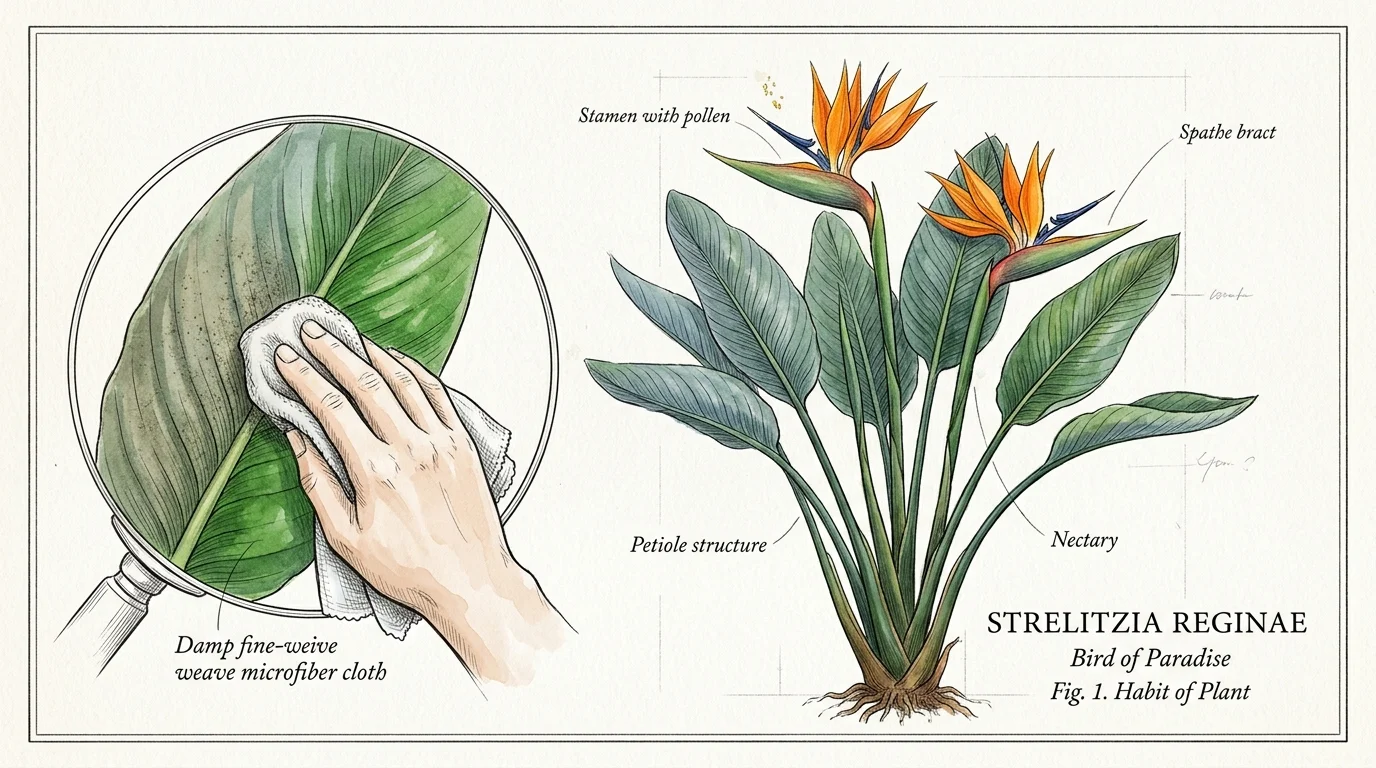
Tip #1: Bird of Paradise (Strelitzia reginae)
The Bird of Paradise produces magnificent, paddle-shaped leaves that resemble an exotic banana plant. It brings an undeniable architectural presence directly into your sun-drenched living areas.
Unlike delicate shade foliage, this robust tropical specimen demands at least four to six hours of direct sunlight each day. Strong solar radiation fuels active photosynthesis and keeps the massive leaf stems standing tall.
Position your container directly beside an unobstructed south-facing window. Water thoroughly when the top two inches of potting mix feel dry, ensuring excess moisture drains freely away.
Wipe the broad leaves down monthly with a damp microfiber cloth. Removing household dust ensures the foliage absorbs maximum solar energy.
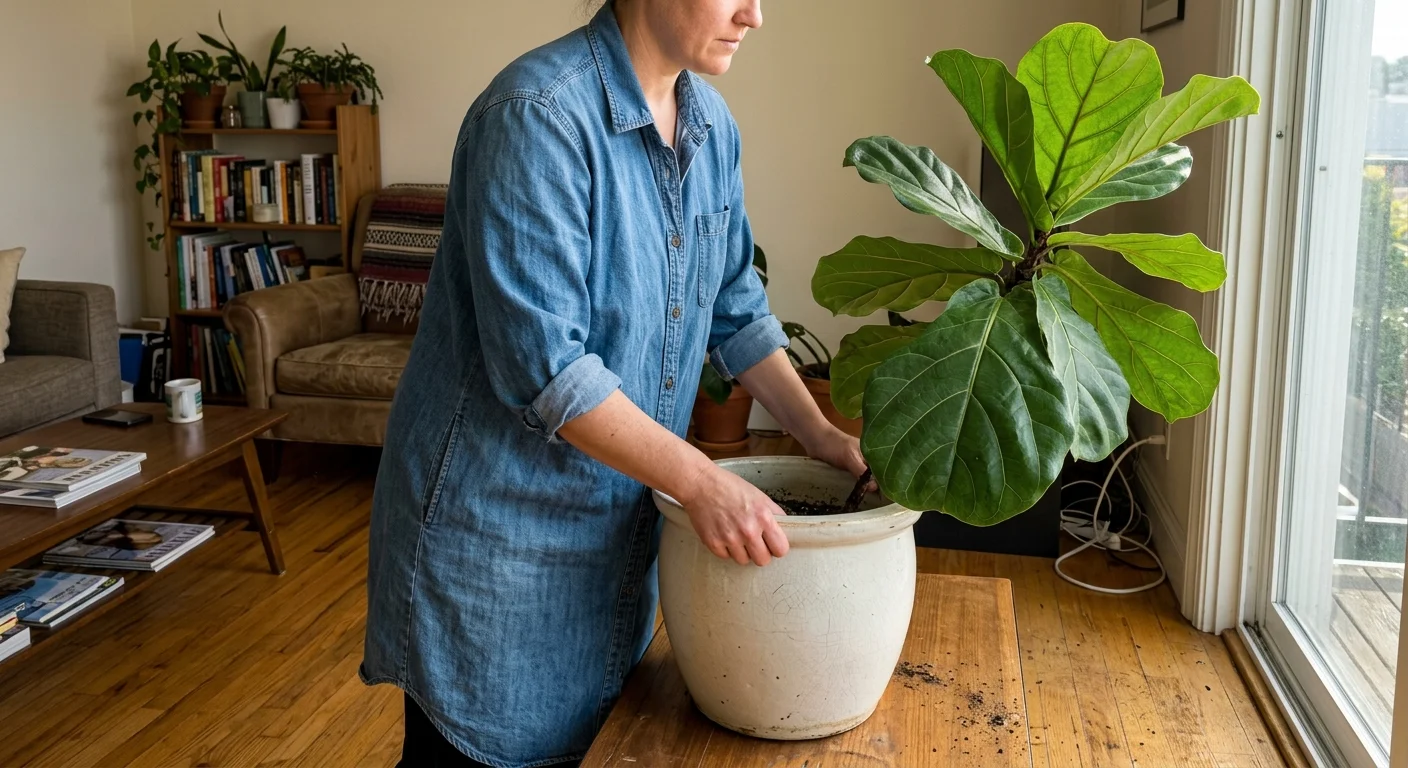
Tip #2: Fiddle-Leaf Fig (Ficus lyrata)
Fiddle-Leaf Figs feature enormous, violin-shaped leaves with prominent sculptural veins. They serve as dramatic focal points in spacious, sun-filled rooms.
While often grown in medium light, these trees grow significantly faster when exposed to direct morning sun. Direct light strengthens cellular structure, tightens internodes, and prevents premature leaf drop.
Acclimate your tree gradually over two weeks to prevent leaf scorch before situating it in a sunny southern alcove. This transition period allows leaf cuticles to thicken against intense solar heat.
Rotate the pot a quarter turn weekly to encourage balanced, upright growth.
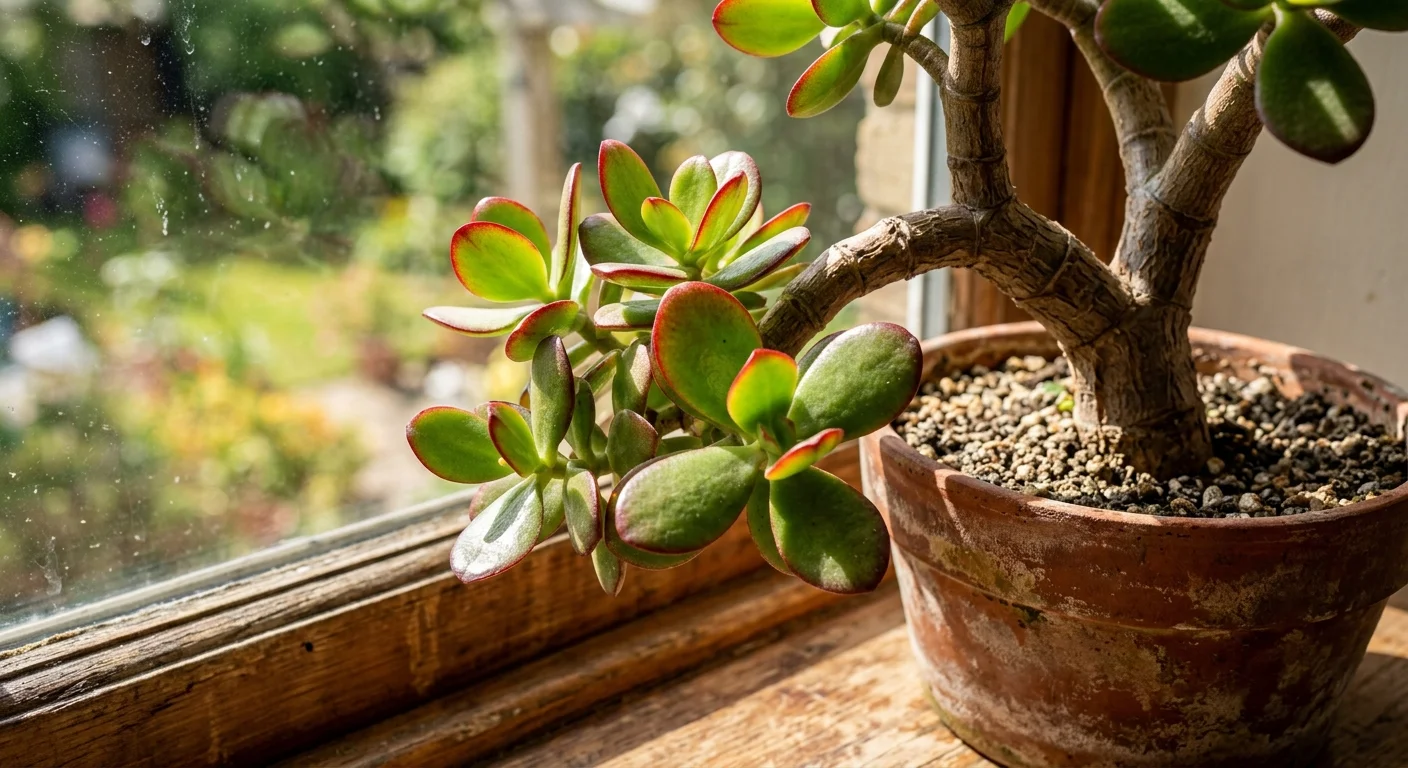
Tip #3: Jade Plant (Crassula ovata)
Jade plants are classic succulent shrubs featuring thick, woody stems and plump, oval leaves. Over time, they develop into miniature indoor trees that can live for decades.
Full sun triggers a protective pigmentation that blushes the leaf margins with vivid crimson edges. Without intense light, the fleshy branches stretch out and become dangerously top-heavy.
Plant your jade in a gritty, fast-draining cactus mix inside a heavy terracotta pot. The porous clay breathes easily, preventing standing water from suffocating delicate root hair systems.
Drench the soil thoroughly, then let the root ball dry out completely before watering again.
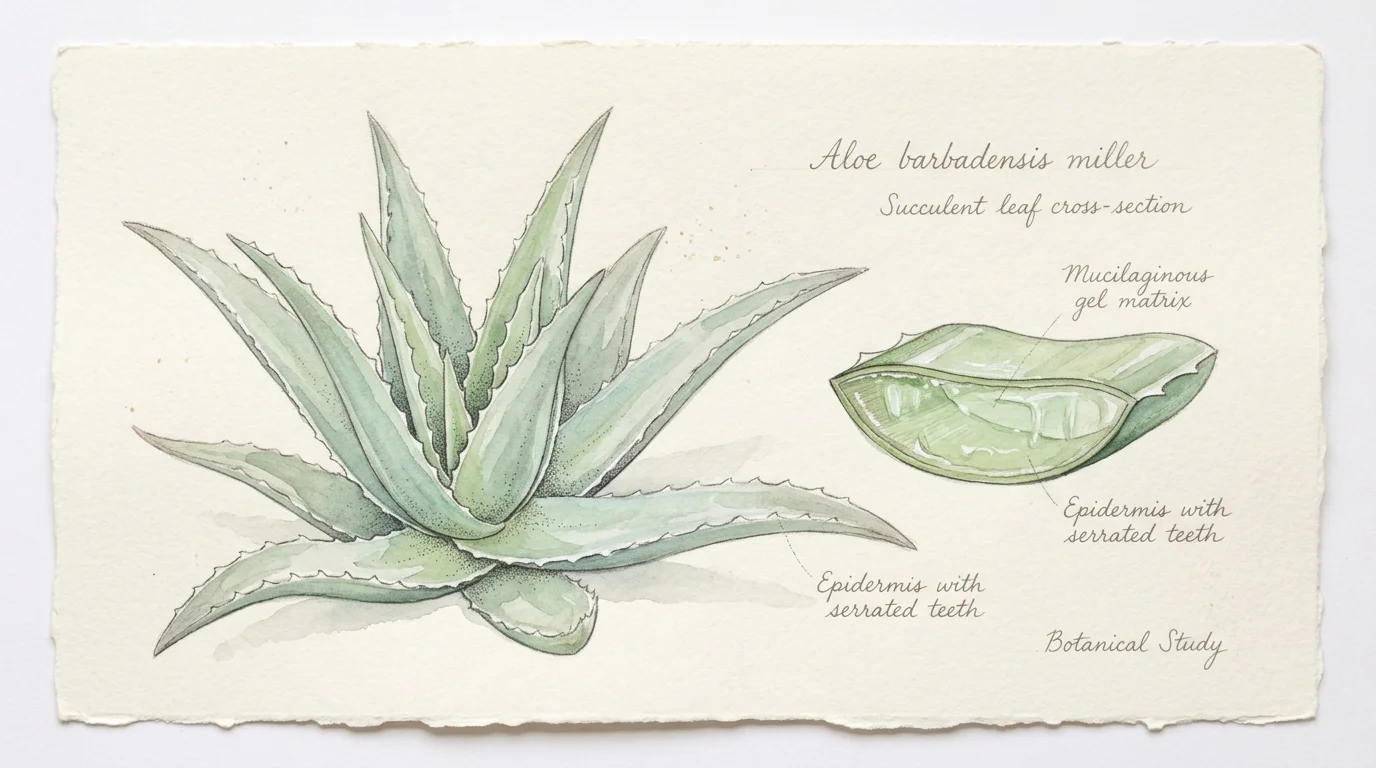
Tip #4: Aloe Vera (Aloe barbadensis miller)
Aloe vera showcases thick, lance-shaped leaves edged with soft, pale teeth. Inside each leaf lies a soothing, nutrient-rich gel renowned for comforting minor kitchen burns.
This desert succulent absorbs bright light effortlessly, utilizing six hours of direct rays to fuel steady growth. Adequate sunshine keeps the heavy leaves rigid, fleshy, and upright.
Place your aloe on a wide, sunlit windowsill where warm air circulates freely. Choose a container with generous drainage holes to avoid standing water around the base.
Drench the root ball deeply once a month, allowing the soil to dry thoroughly between sessions.
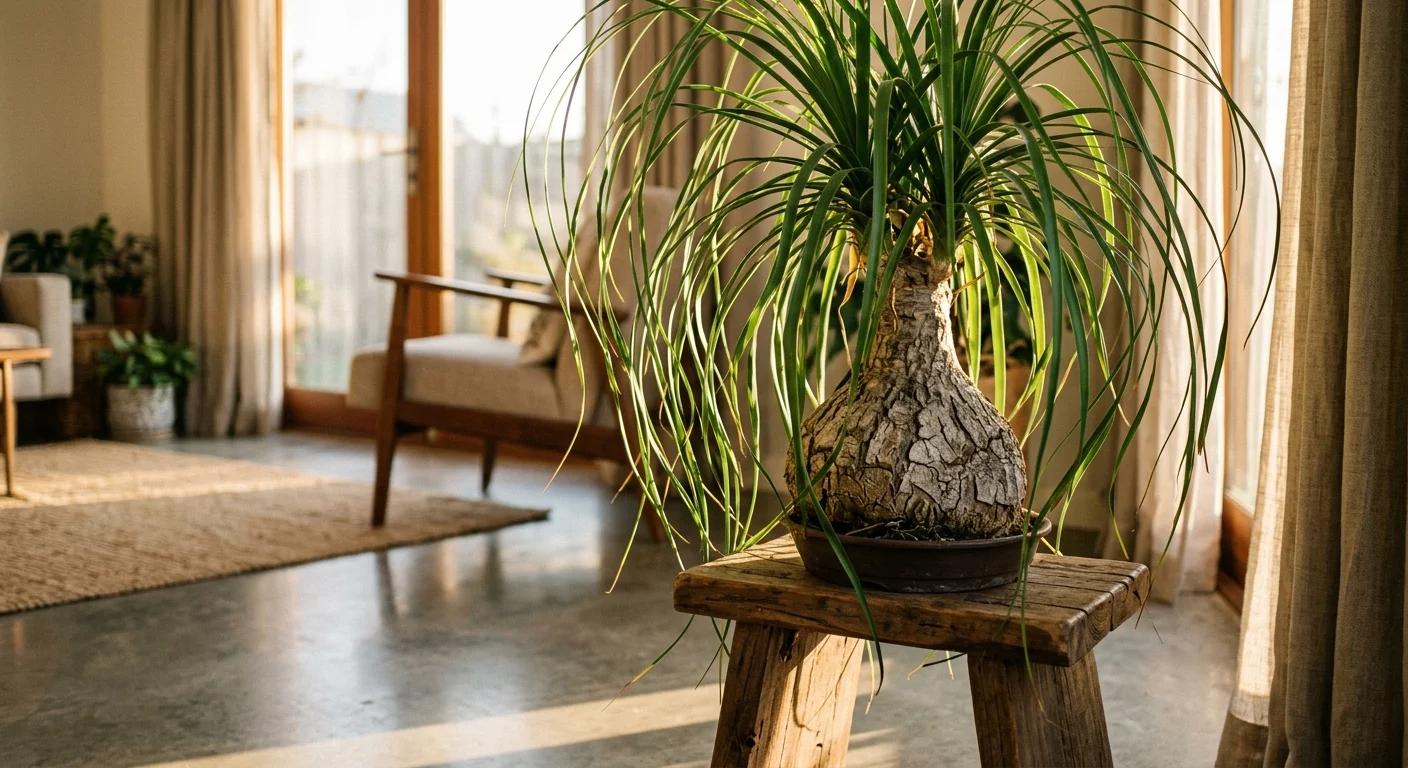
Tip #5: Ponytail Palm (Beaucarnea recurvata)
The ponytail palm is an intriguing succulent relative featuring a swollen, bulbous trunk. A cascading fountain of slender, strap-like leaves bursts playfully from the woody crown.
Its bulbous base, or caudex, naturally stores moisture to survive scorching sun and prolonged drought. Direct sunlight keeps the cascading leaves vibrant and promotes thick trunk growth.
Situate this specimen in your brightest room where it receives strong, unfiltered southern rays. It tolerates dry indoor air exceptionally well during peak summer months.
Water sparingly every two to three weeks, allowing the potting substrate to dry out thoroughly between sessions.
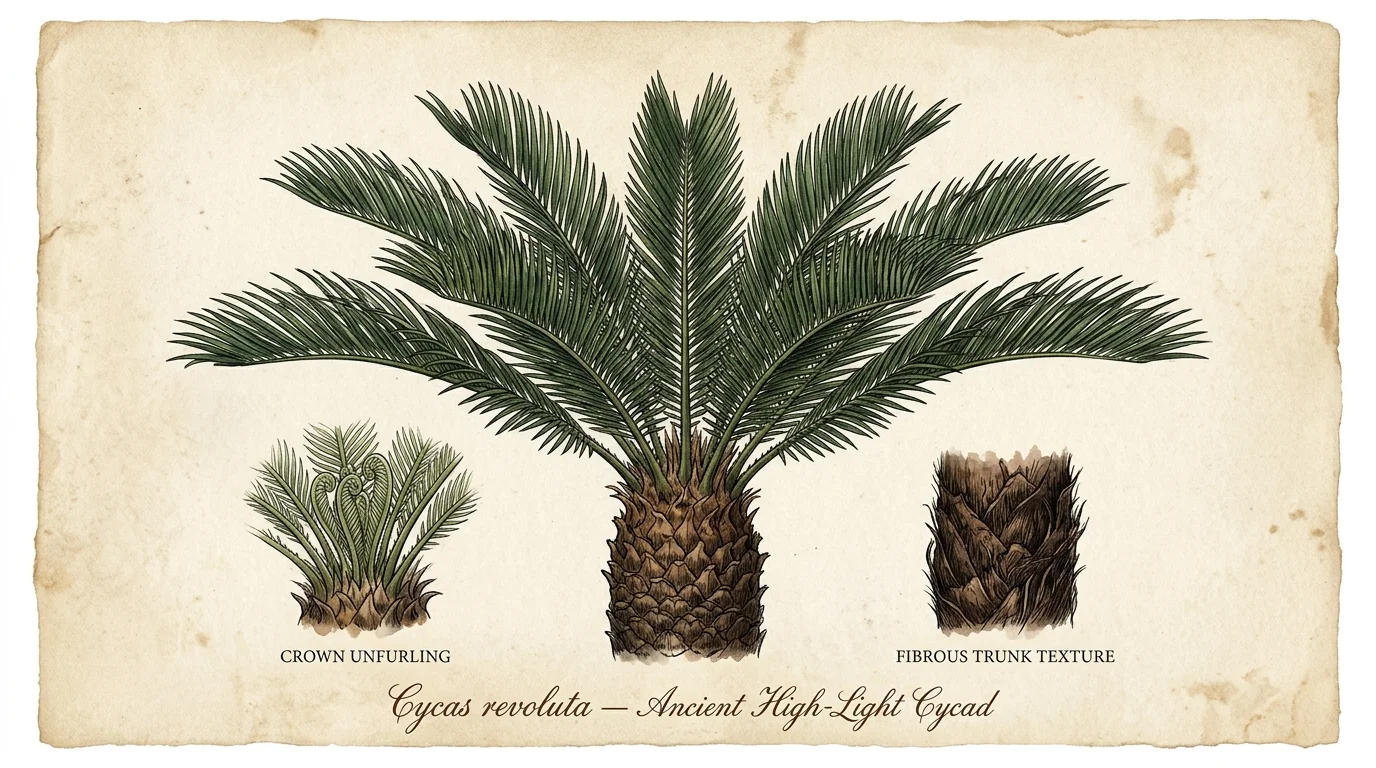
Tip #6: Sago Palm (Cycas revoluta)
Sago palms are ancient cycads that display stiff, feathery fronds radiating from a rugged, textured trunk. They bring a prehistoric, symmetrical aesthetic to bright indoor spaces.
These slow-growing survivors thrive in intense light that mimics their subtropical coastal origins. Full sun stimulates the production of crisp, healthy new leaf crowns.
Give your sago palm several hours of direct sunshine daily beside your sunniest window. Allow the soil surface to dry out between thorough waterings.
Keep children and pets away, as all parts of cycads are toxic if ingested.
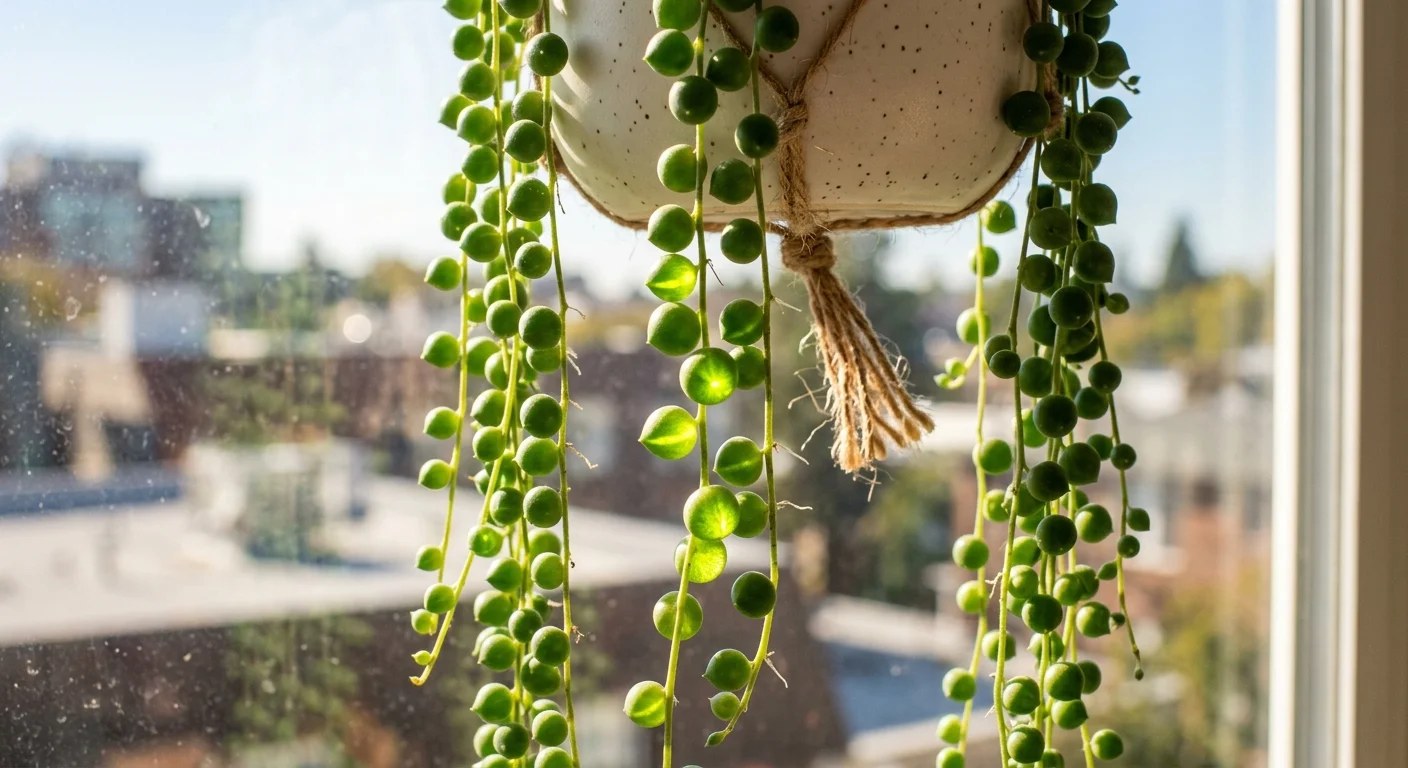
Tip #7: String of Pearls (Senecio rowleyanus)
String of pearls forms cascading green bead-like foliage that spills gracefully over decorative planters. Each spherical pea-shaped leaf stores vital moisture against arid conditions.
The top of the pot requires direct overhead sunlight to keep the trailing crown dense and lush. Without direct sun on the soil surface, the delicate strands rot and thin out.
Hang your basket high in a south-facing window where light hits the crown directly. Provide a coarse, gritty cactus blend that sheds moisture rapidly.
Soak the soil only when the spherical pearls begin to pucker slightly.
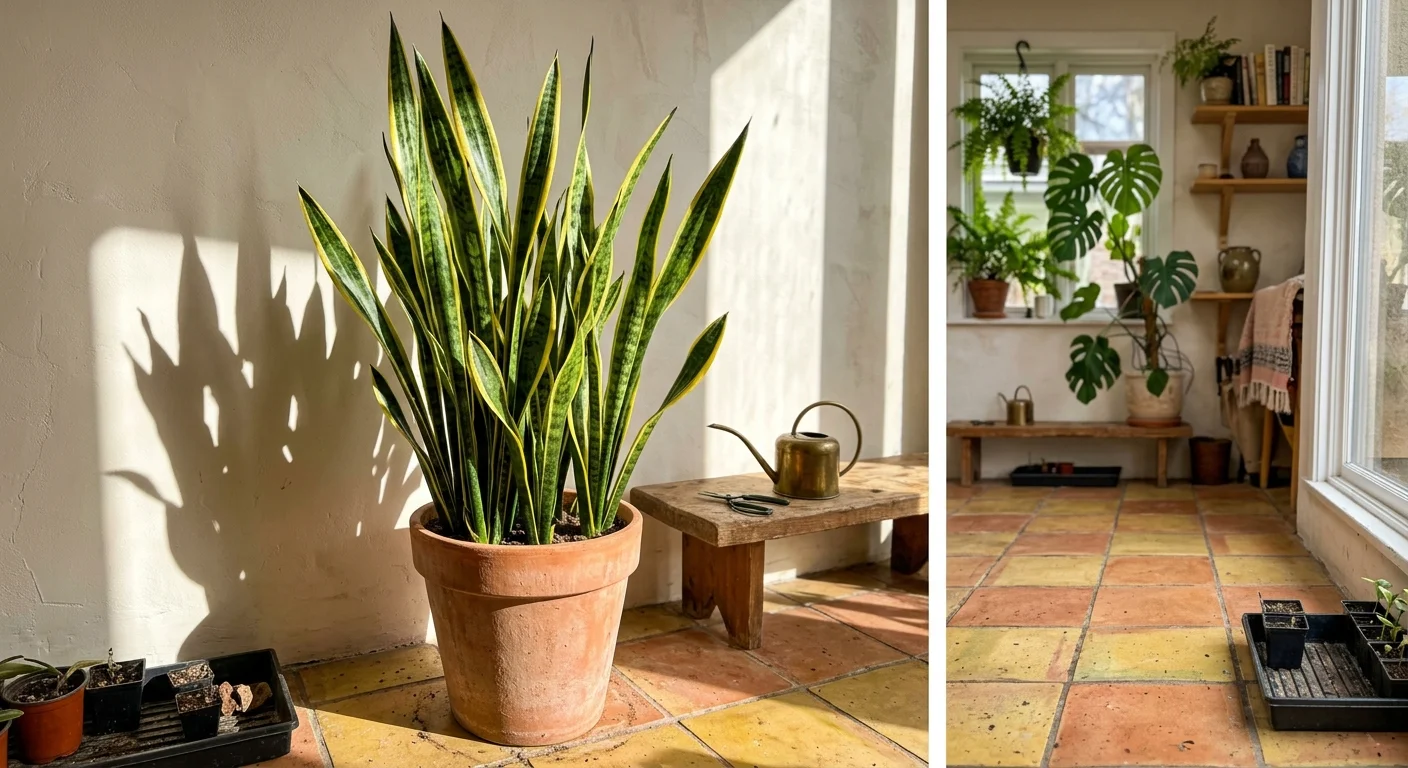
Tip #8: Snake Plant (Dracaena trifasciata)
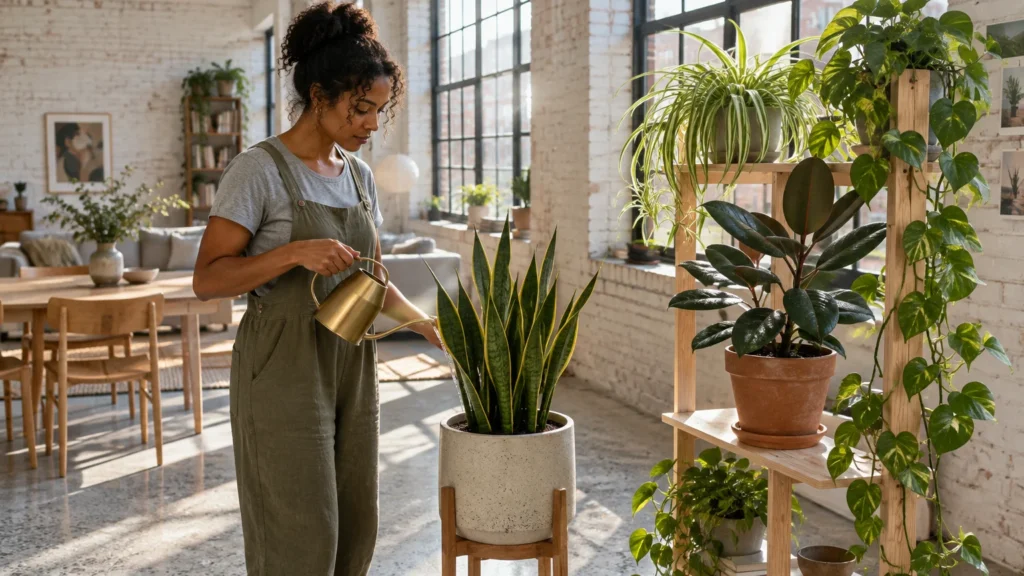
Snake plants display upright, sword-like foliage patterned with handsome green and gold bands. They rank among the most adaptable indoor plants for sunlight available today.
While famously tolerant of dim corners, snake plants actually flourish and grow rapidly when bathed in full sun. Intense light accelerates growth and intensifies leaf variegation.
Place this architectural beauty in direct sunshine right against a south windowpane. Use a porous potting mix combined with perlite or coarse pumice.
Water sparingly every three to four weeks, keeping the central rosette completely dry to prevent crown rot.
Tip #9: Croton (Codiaeum variegatum)
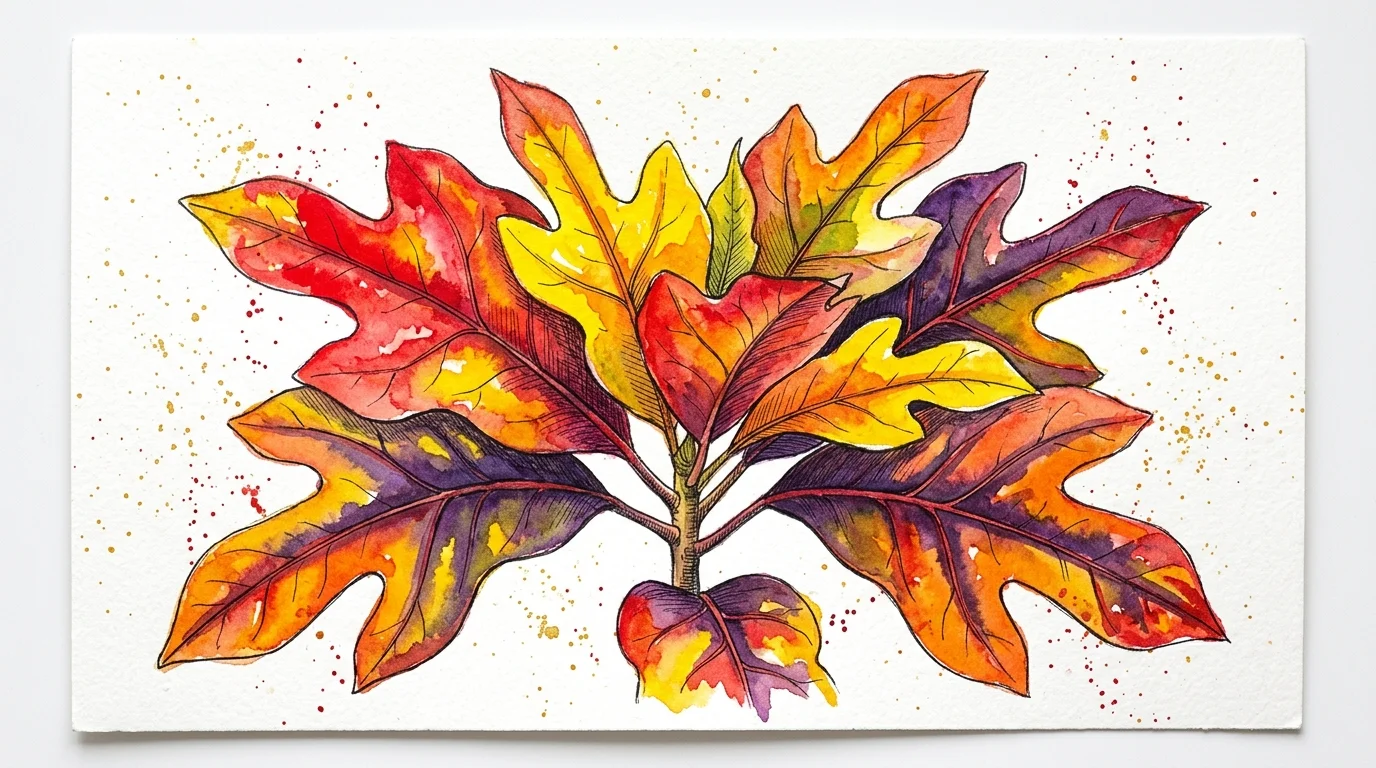
Crotons offer some of the most flamboyant, multicolored foliage in the plant kingdom. Their leathery leaves feature fiery splashes of scarlet, amber, and gold.
Direct sunlight is essential to activate the pigments that produce those dazzling leaf colors. In lower light settings, the foliage reverts to a dull, solid green.
Provide at least six hours of direct sunlight each day to maintain brilliant coloration. Keep ambient temperatures consistently warm and shield the plant from cold drafts.
Keep the soil evenly moist and boost ambient humidity to prevent leaf drop.
Tip #10: Cacti (Cactaceae Family)
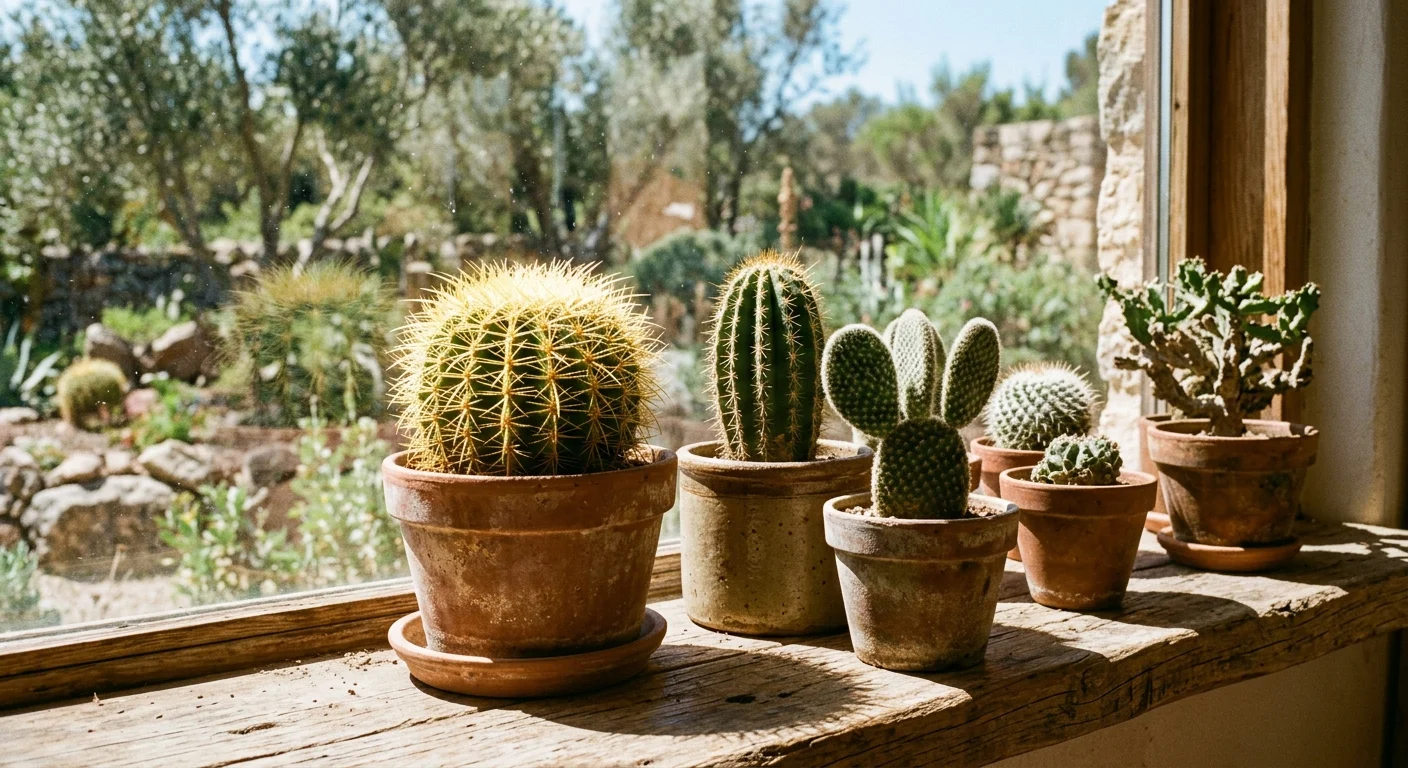
Desert cacti, including barrel and prickly pear varieties, feature sculptural stems adapted to harsh, arid climates. They represent the ultimate low maintenance sunny plants for bright spaces.
Cacti evolved under relentless desert sun and require direct light to perform photosynthesis efficiently. Intense exposure prevents the unsightly stretching known as etiolation.
Position your cactus right against your sunniest glass pane in a coarse, sandy potting mix. Rest the plant in a porous terracotta pot that dries quickly.
Withhold water almost completely during the dark winter months to respect its natural dormancy period.
Tip #11: Citrus Trees (Citrus spp.)
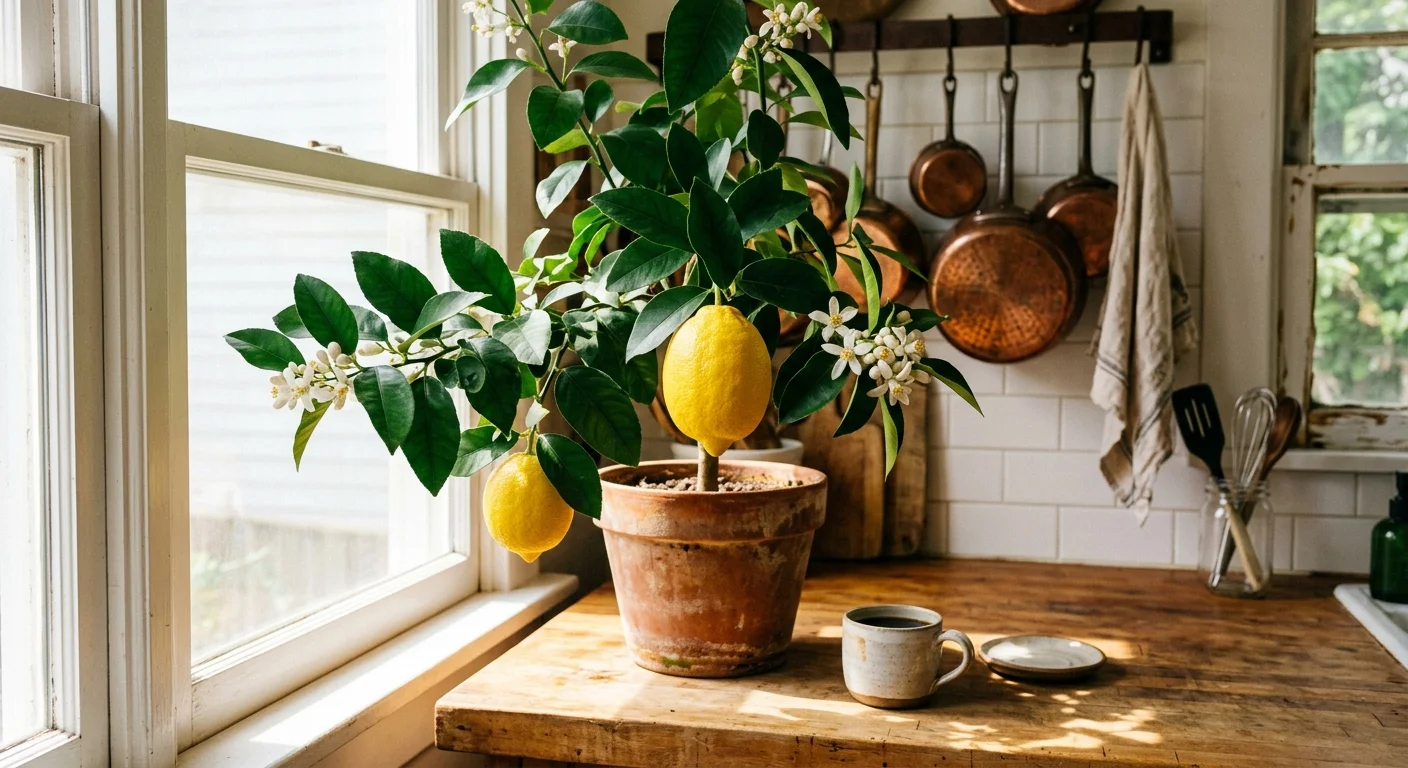
Dwarf citrus trees, such as Meyer lemons and Calamondin oranges, yield glossy leaves and intoxicating white blossoms. They even produce edible fruit in bright indoor environments.
Citrus trees demand intense energy to develop sweet fruits and sustained blooms. They require at least six to eight hours of direct sunlight daily to thrive indoors.
Place your tree directly inside your brightest south-facing exposure. Supplement with a full-spectrum grow light during gloomy winter months to maintain steady leaf vitality.
Feed it monthly with a high-nitrogen citrus fertilizer and water when the surface soil feels dry.
Tip #12: Zebra Haworthia (Haworthiopsis fasciata)
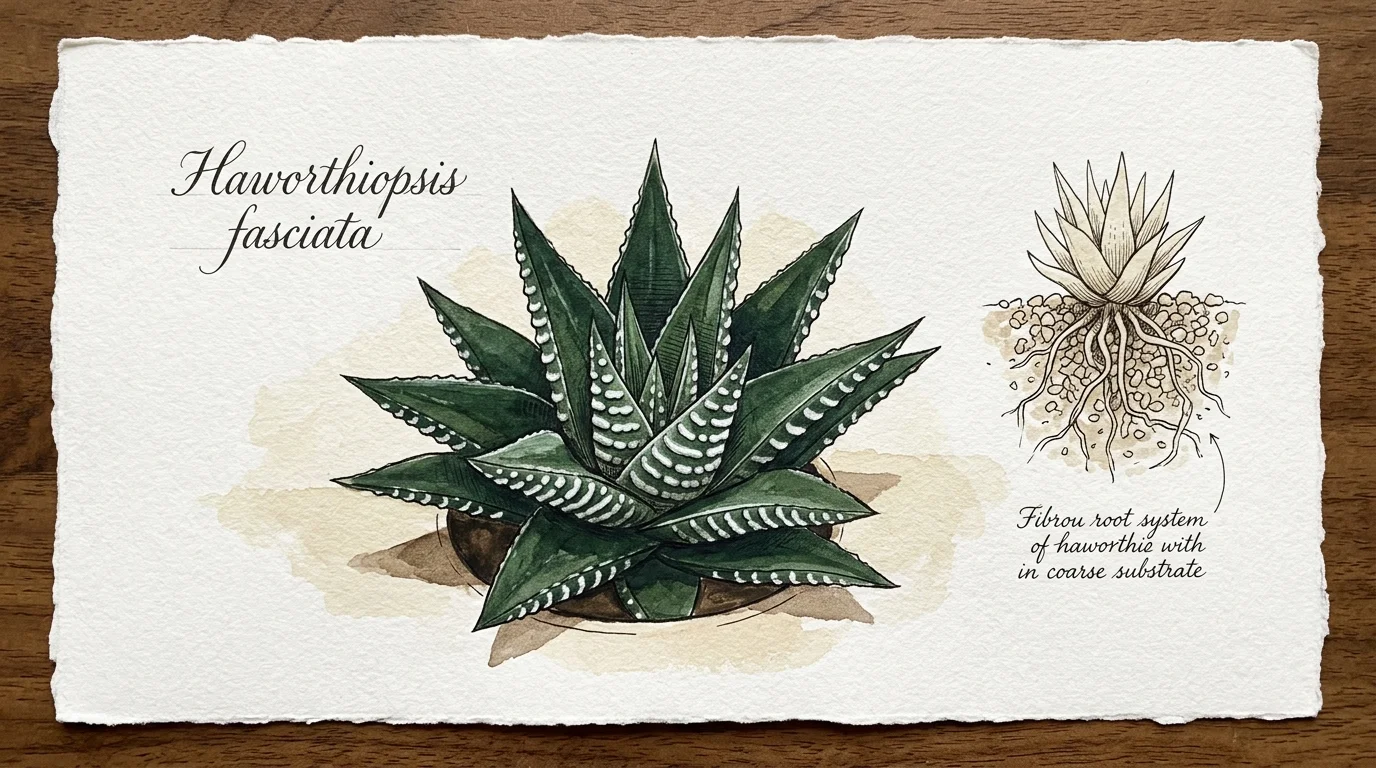
Zebra haworthia is a compact succulent displaying upright, pointed leaves adorned with raised white horizontal stripes. It looks fantastic in small planters or modern tabletop arrangements.
This sturdy succulent handles several hours of direct morning or filtered afternoon sun without stress. Sunlight brings out deep bronze undertones that highlight its white ridges.
Situate your haworthia on an east- or west-facing sill where it receives crisp, direct rays. Plant it in a shallow, quick-draining cactus blend.
Let the soil dry completely before watering, and pour moisture around the base rather than into the crown.
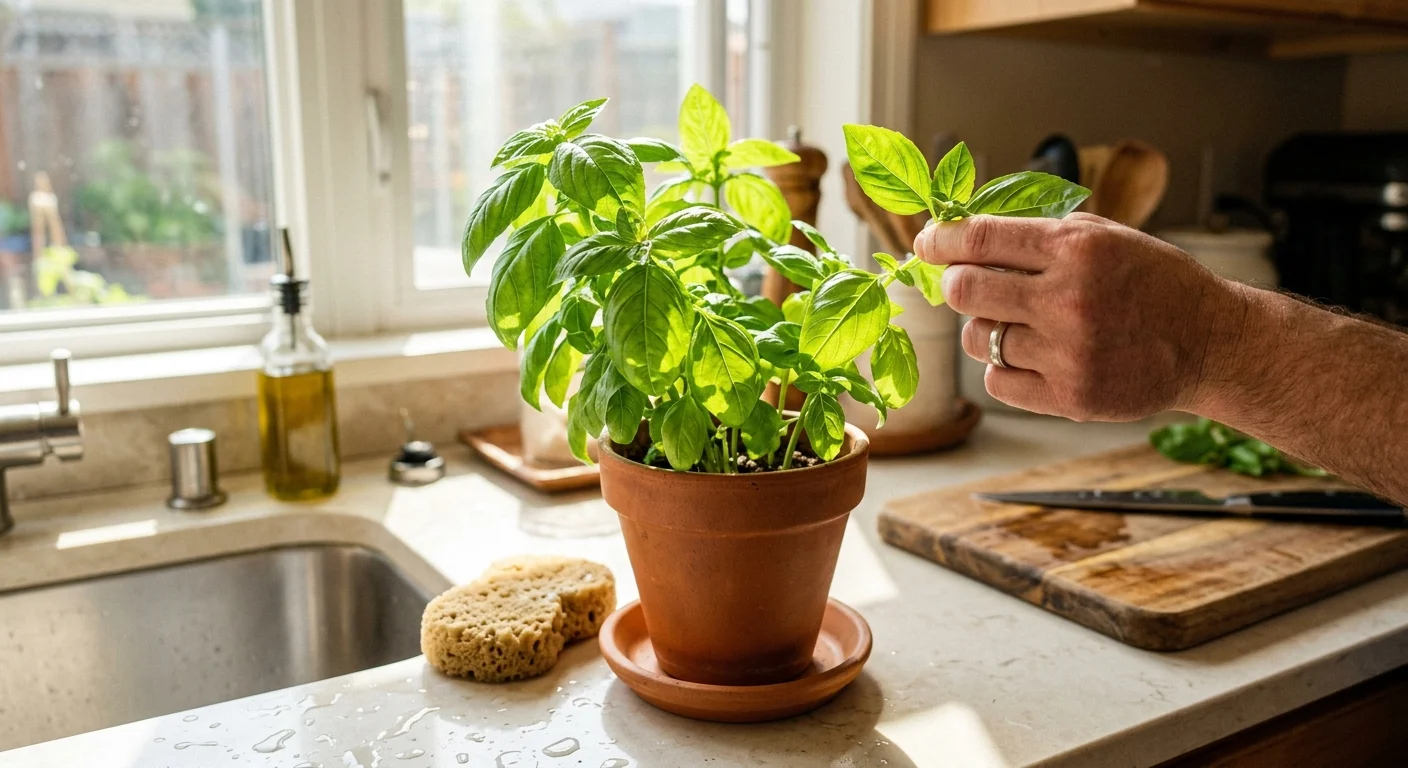
Tip #13: Sweet Basil (Ocimum basilicum)
Sweet basil is a fragrant culinary herb that produces tender, bright green aromatic leaves. It supplies fresh, delicious seasonings right from your sunny kitchen window.
Basil craves heat and intense light to synthesize the essential oils responsible for its robust flavor. Insufficient light produces weak, spindly stems with pale, tasteless foliage.
Give your basil six hours of unfiltered southern light on a warm sill. Keep the soil evenly moist but never soggy to maintain steady root health.
Pinch back the growing tips regularly to encourage dense, bushy branching and prevent premature flowering.
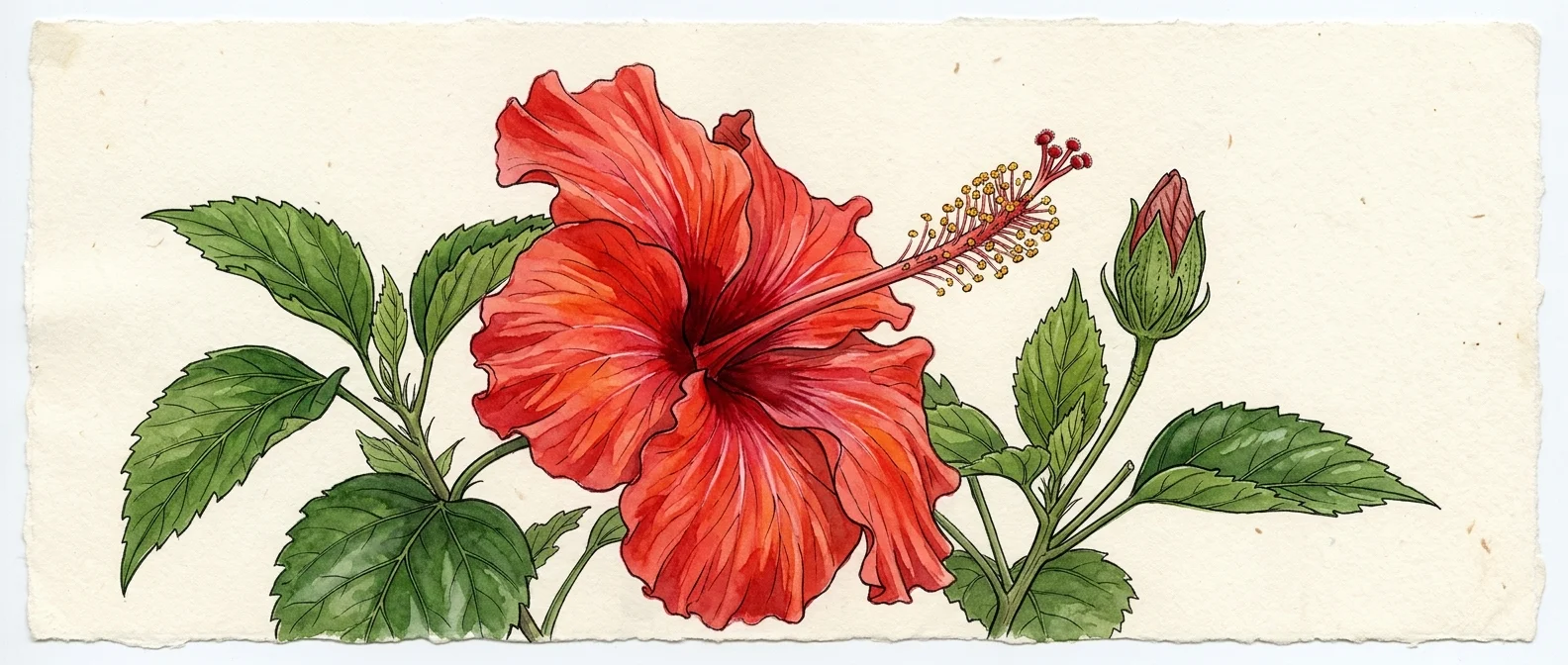
Tip #14: Hibiscus (Hibiscus rosa-sinensis)
Tropical hibiscus produces colossal, paper-thin blossoms in vibrant shades of pink, yellow, and red. Its glossy dark foliage provides a lush backdrop for continuous summer flowers.
Flower bud formation requires immense photosynthetic energy from direct, radiant sunlight. A sunny exposure ensures a steady succession of dramatic daily blooms.
Position your hibiscus in your brightest south-facing exposure and water regularly to keep soil lightly moist. Avoid letting the container dry out entirely during budding.
Feed weekly with a diluted bloom-boosting fertilizer during active growth.
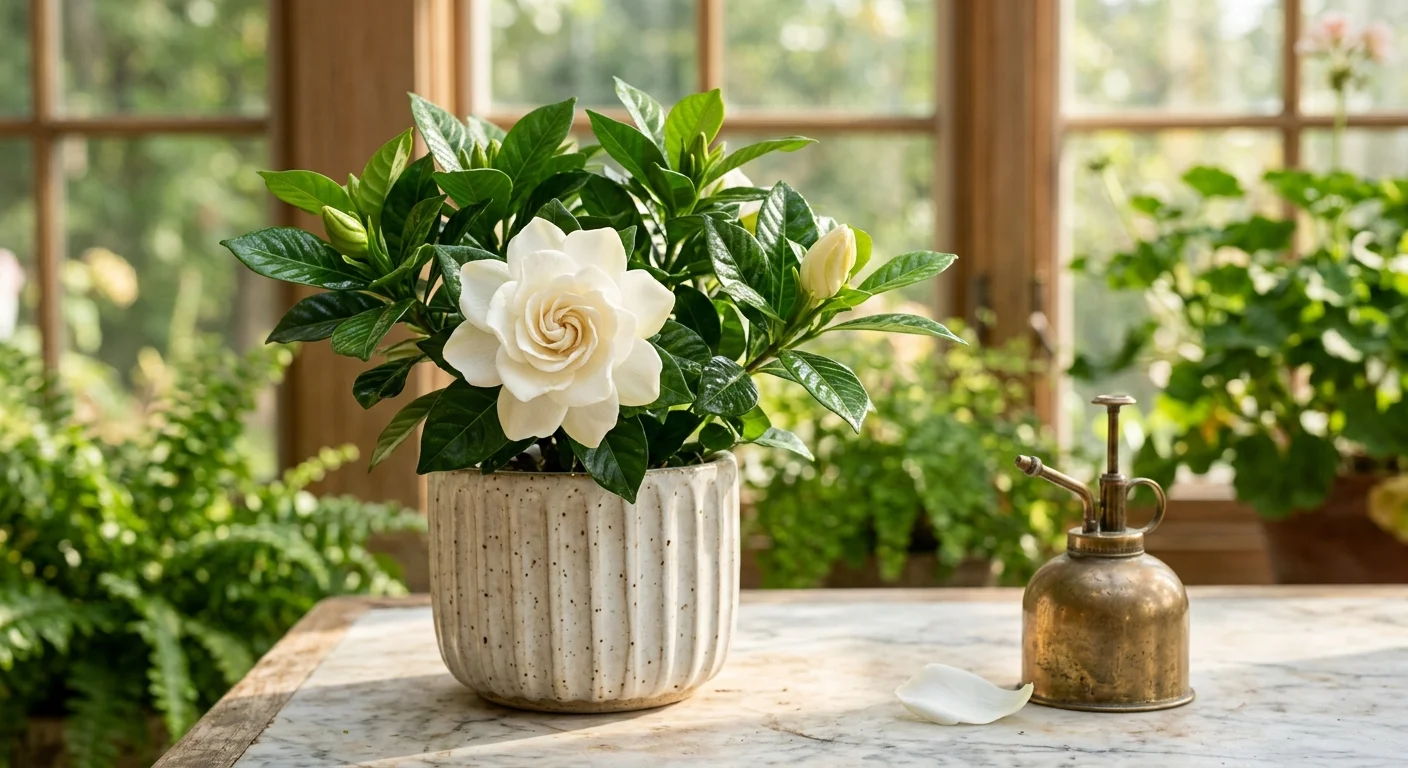
Tip #15: Gardenia (Gardenia jasminoides)
Gardenias boast lustrous, emerald leaves and creamy white blossoms famous for their intoxicating floral fragrance. They elevate sunny indoor rooms with classic Southern romance.
These blooming shrubs demand plenty of direct morning sunlight to set tight flower buds. Ample sunshine prevents bud drop and supports glossy, healthy leaf growth.
Place gardenias where they receive four to five hours of direct morning sun. Shield them from harsh mid-afternoon glass heat to protect tender petals.
Maintain cool nighttime temperatures and provide acidic potting mix with steady moisture.
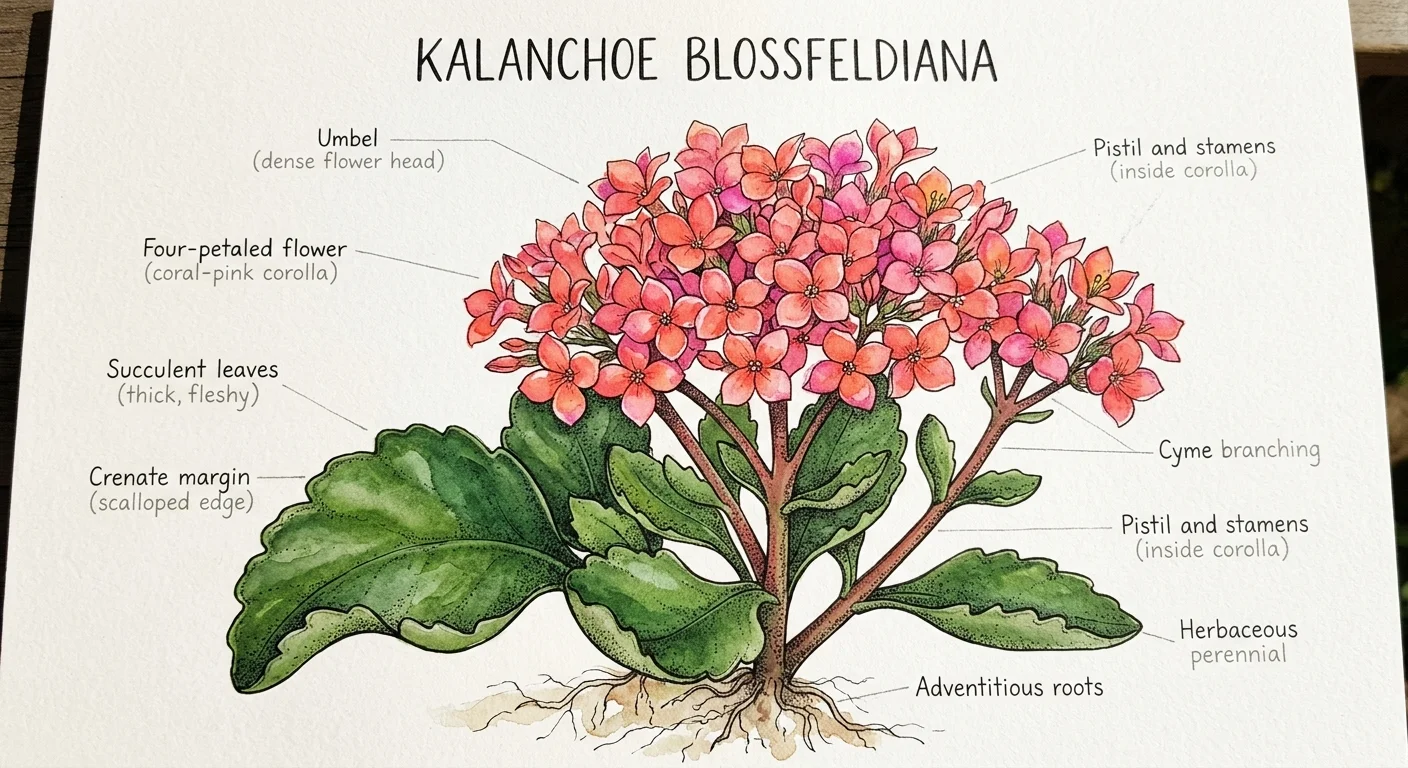
Tip #16: Kalanchoe (Kalanchoe blossfeldiana)
Flaming Katy kalanchoe features scallop-edged succulent leaves and cheerful clusters of long-lasting flowers. Bloom colors range from brilliant orange and magenta to radiant gold.
Strong direct sunlight keeps the plant compact and spurs vibrant bud production. Without adequate sun exposure, the fleshy stems stretch and future blooming stalls.
Keep your kalanchoe on a sunny windowsill where it enjoys direct sunlight most of the day. Use a coarse potting mix that sheds excess moisture rapidly.
Allow the soil mix to dry halfway down before giving it a thorough drink.
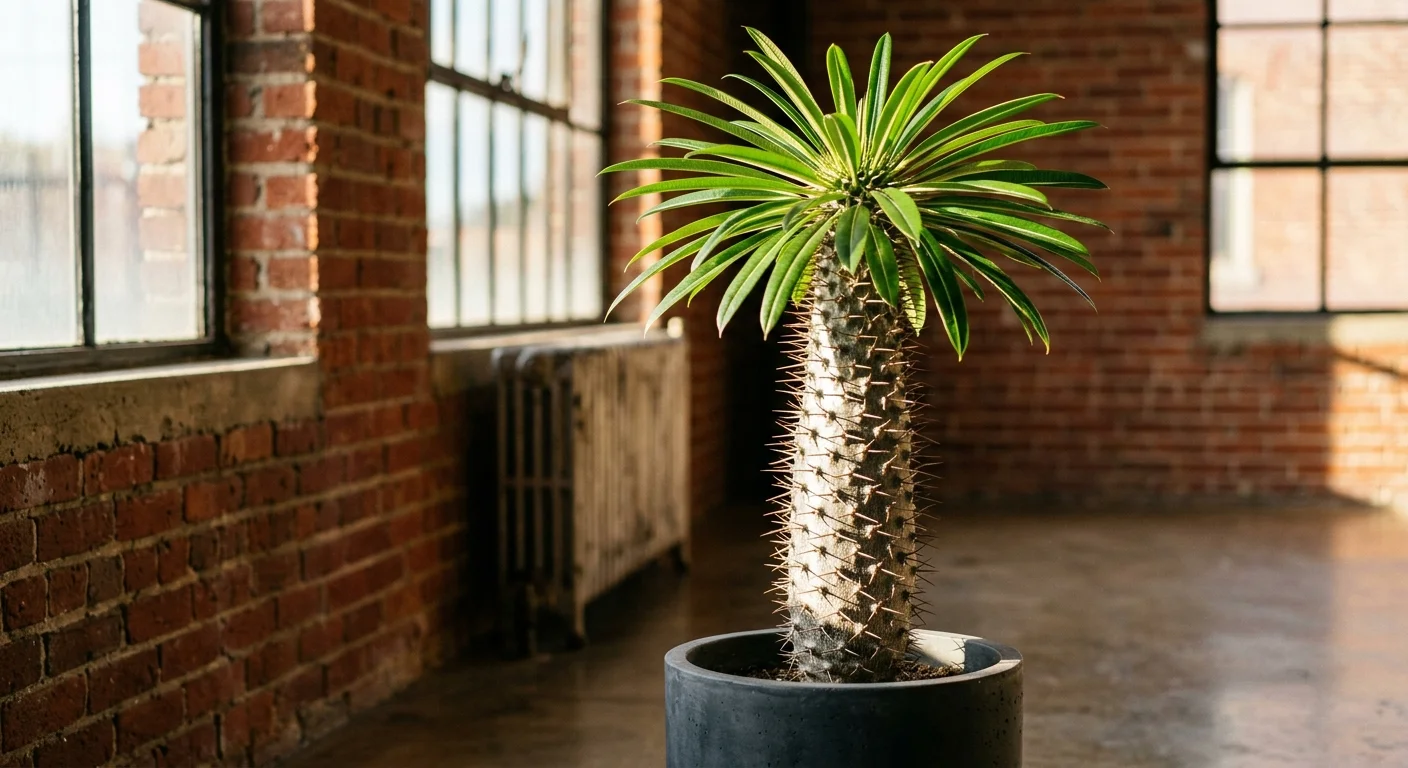
Tip #17: Madagascar Palm (Pachypodium lamerei)
The Madagascar palm is an unusual succulent featuring a spiny, silver trunk topped by a crown of glossy green leaves. Despite its common name, it is not a true palm.
Hailing from arid scrublands, it revels in scorching light and heat that would wither typical houseplants. Direct rays stimulate steady trunk thickening and healthy leaf tufts.
Set your Madagascar palm in the brightest window available and rotate it occasionally for straight growth. Make sure the container offers fast drainage.
Water thoroughly in the summer, but curtail hydration dramatically in late autumn.
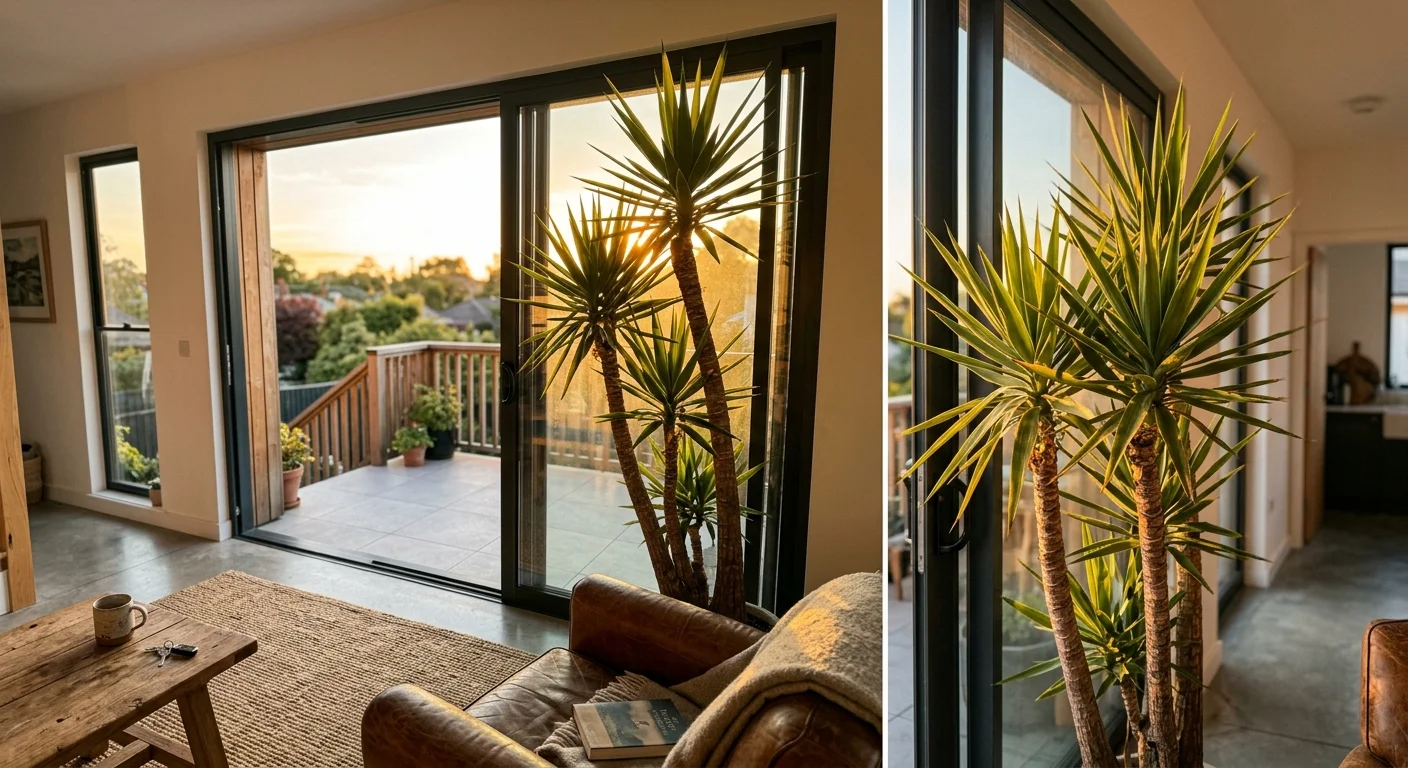
Tip #18: Yucca Cane (Yucca elephantipes)
The spineless yucca features thick woody canes topped with rosettes of stiff, sword-shaped green leaves. It brings bold desert structure and clean lines to contemporary interiors.
Yucca cane demands intense, direct sunlight to maintain rigid foliage and prevent lower leaf yellowing. It stands up to harsh afternoon heat without burning.
Station your yucca directly behind a large south- or west-facing sliding glass door or picture window. Choose a heavy planter that balances the tall canes securely.
Water only when the top 75 percent of the potting soil feels bone dry.
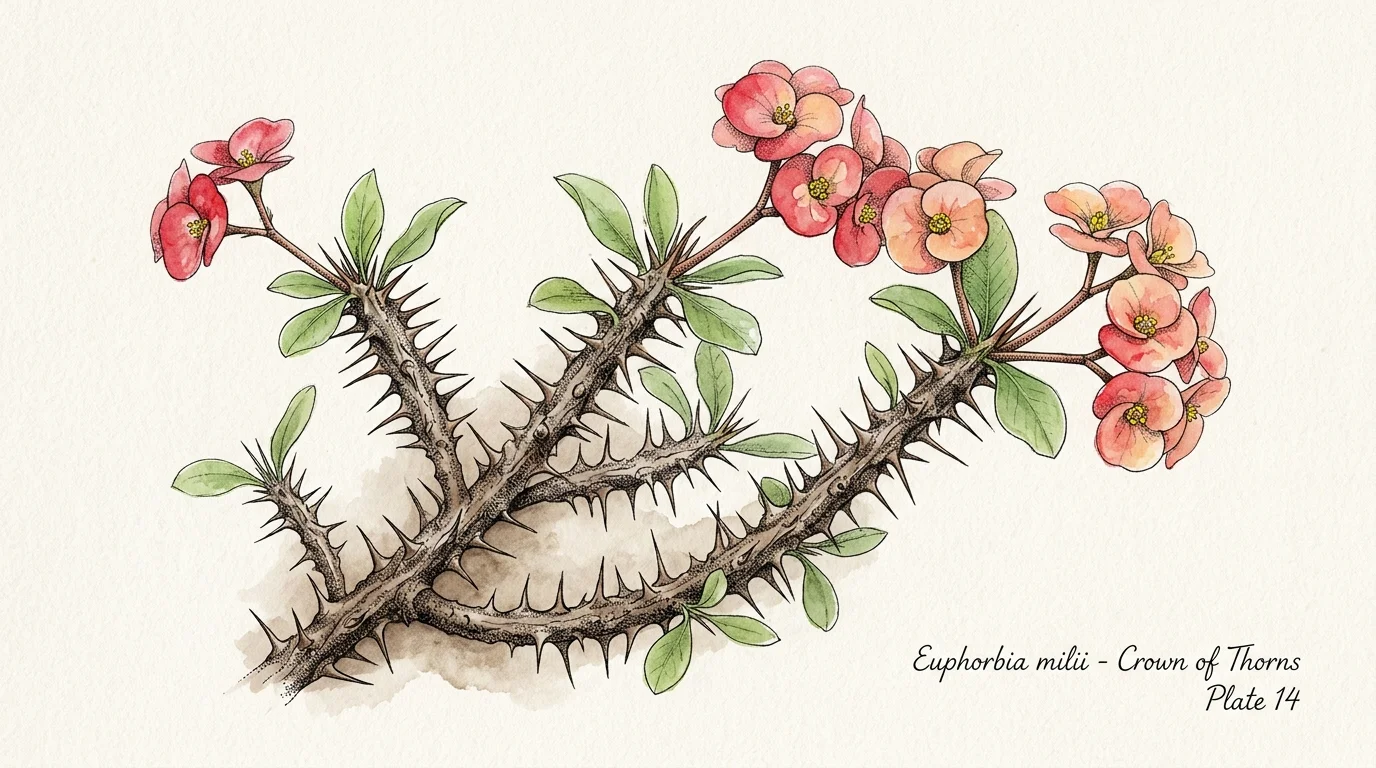
Tip #19: Crown of Thorns (Euphorbia milii)
Crown of thorns is an intriguing succulent shrub sporting armed, spiny stems and colorful petal-like bracts. It blooms almost continuously throughout the year when given proper care.
Direct sunlight is crucial for triggering rich, repeated flowering cycles. High light levels also enhance the vibrant red, pink, or yellow hues of its showy floral bracts.
Grow this plant in your sunniest window, letting it soak up three to four hours of unfiltered rays daily. Plant it in a fast-draining succulent substrate.
Wear gloves when handling it, as its milky sap can irritate sensitive skin.
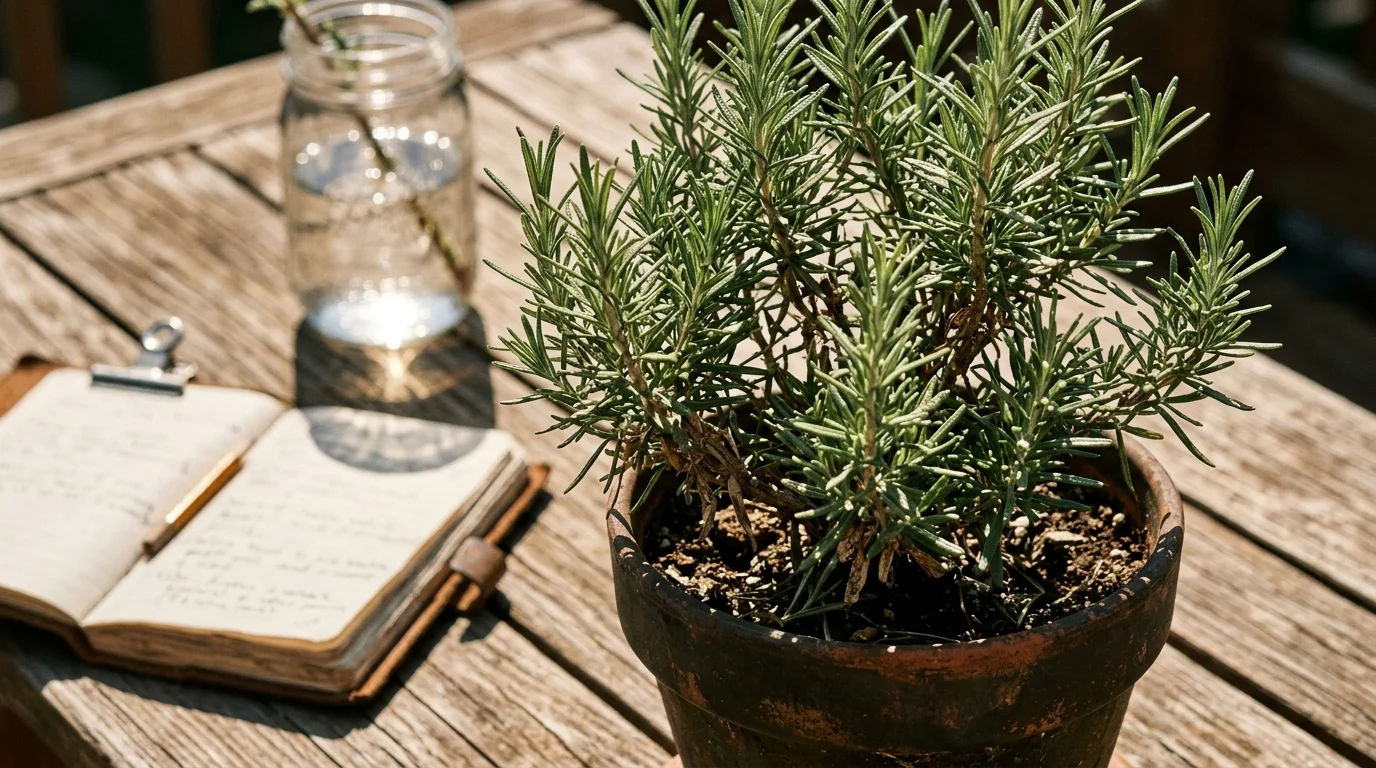
Tip #20: Rosemary (Salvia rosmarinus)
Rosemary is an aromatic evergreen shrub with pine-scented needle foliage and delicate lavender-blue flowers. It performs double duty as a gorgeous decorative plant and a savory culinary staple.
Originating along the sun-baked Mediterranean coast, rosemary requires intense, direct sunlight to remain vigorous indoors. Darker locations lead quickly to powdery mildew and weak, sprawling growth.
Place your rosemary pot on your hottest, sunniest south-facing windowsill where it receives six or more hours of light. Gritty soil prevents moisture from suffocating the roots.
Ensure excellent ambient air circulation around the foliage to protect needle vitality.
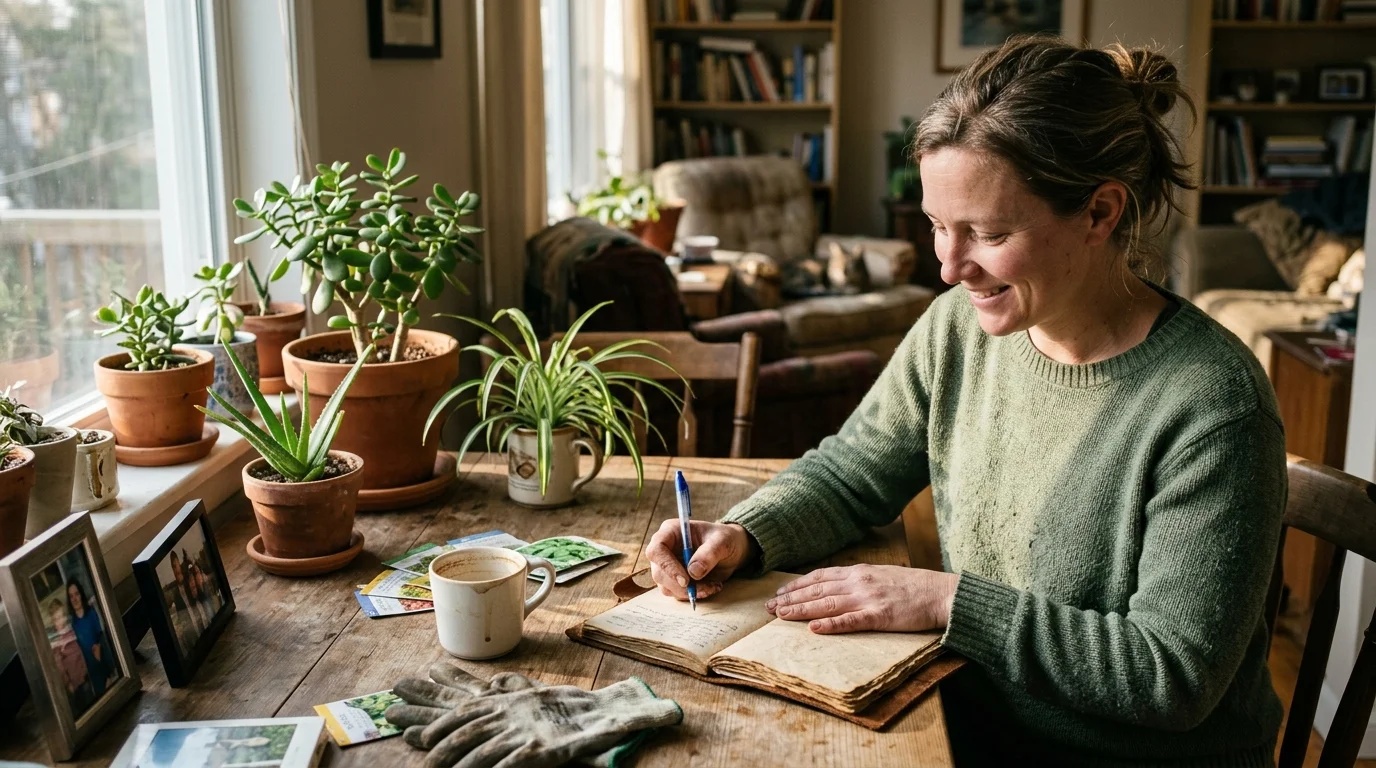
Putting It All Together: Enjoy Your Beautiful Garden
Transforming sun-drenched windows into thriving botanical displays is both rewarding and simple when you choose the right companions. The best plants for bright light turn intense solar energy into vigorous leaves and vibrant blooms.
When introducing sun-loving houseplants to direct rays, acclimate them gradually over seven to ten days. Move them closer to the windowpane step by step to build light tolerance safely.
Keep in mind that direct sunlight accelerates evaporation and soil drying rates significantly. Check your pots frequently, adjusting your hydration schedules to match the increased heat and light.
Clean the glass panes regularly to ensure maximum photon transmission into your indoor garden. Clear window glass allows up to ten percent more usable light to reach your plants.
With these essential indoor plant care tips in hand, you can build a resilient, sun-soaked paradise that flourishes through every season.
For region-specific advice, consult your local University Extension program (find yours via the USDA directory). For plant databases and inspiration, visit the Missouri Botanical Garden or the Royal Horticultural Society.
Disclaimer: This article provides general gardening advice. Always consider your specific climate, soil conditions, and local pests. Follow safety guidelines when using gardening tools and products.
Frequently Asked Questions
Can direct sunlight burn indoor houseplants?
Yes, unacclimated plants can suffer scorched foliage if moved abruptly into intense, unfiltered sunlight. Introduce your greenery to south-facing windows gradually over two weeks to allow protective leaf pigments to develop.
If you observe bleached or crispy brown patches on upper leaves, move the container back slightly or filter the strongest midday rays with a sheer curtain.
How often should you water plants in direct sunlight?
Plants positioned in full sunlight consume water much faster than those in low or indirect light. High solar radiation and elevated temperatures drive rapid transpiration through the leaves.
Test the potting substrate with your finger or a moisture meter every few days instead of relying on a rigid calendar schedule. Water thoroughly whenever the soil reaches the plant’s preferred dryness level.
Which window exposure provides the best direct sunlight?
South-facing windows deliver the strongest, longest-lasting direct sunlight throughout the entire day in the Northern Hemisphere. They supply the high light intensity that desert succulents and tropical bloomers require.
West-facing windows provide intense, warm afternoon light that suits sun-loving houseplants, while east-facing windows offer gentle, cool morning rays ideal for tender flowering varieties.
Do indoor plants need direct sunlight during the winter?
Yes, direct winter sunlight is vital because days are shorter and the sun sits much lower on the horizon. The intensity of winter rays is significantly weaker than harsh summer light.
Move your plants closer to south-facing panes during winter to capture every available hour of natural brightness. Wipe dust off the leaves frequently to maximize light absorption.