June delivers the perfect window to supercharge your indoor jungle by relocating select houseplants to your patio or balcony. Moving specific heat-loving tropicals outdoors exposes them to the rich humidity, natural air circulation, and dappled sunlight they crave, leading to explosive summer growth. However, exposing sensitive indoor varieties to the erratic forces of wind, intense sun, and sudden temperature fluctuations quickly results in scorched leaves or devastating pest infestations. You need a clear strategy to maximize the benefits of summer weather while protecting your delicate botanical investments. Here is exactly which plants will thrive on your deck this season and which ones require the stable comfort of your living room.
Tip #1: Move Ficus Trees Outdoors for Explosive Canopy Growth
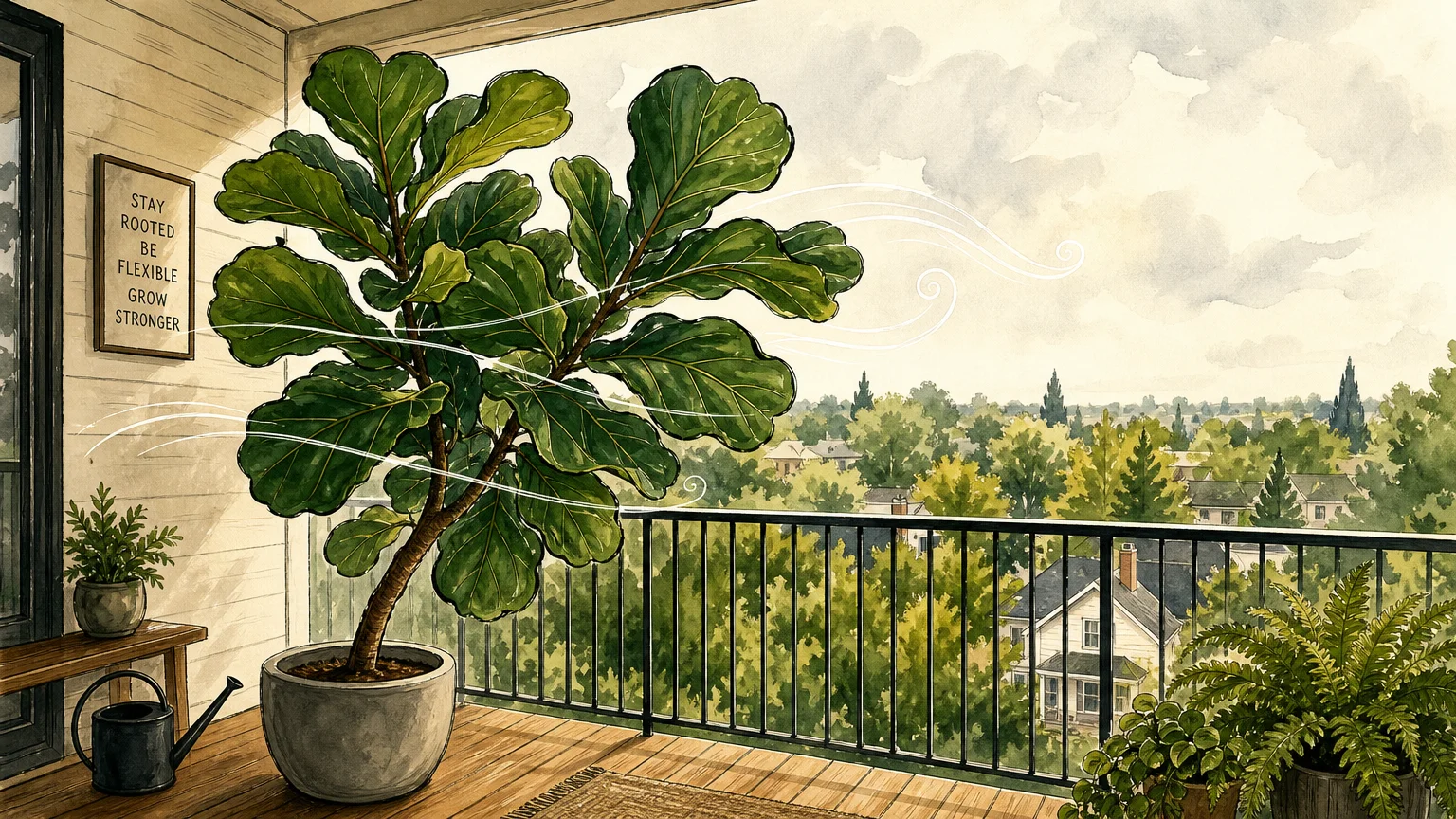
Ficus species, including the incredibly popular Fiddle Leaf Fig (Ficus lyrata) and the classic Weeping Fig (Ficus benjamina), originate from warm, humid environments where they stretch toward the upper rainforest canopy. Your living room simply cannot replicate the intense ambient light and deep humidity these towering plants experience in their native habitats. Moving them onto a covered patio or bright balcony in June mimics their natural environment; this sudden change prompts an immediate burst of new leaf production. You will notice the new leaves emerging outside are often significantly larger and more deeply green than those grown indoors over the winter.
Furthermore, outdoor air circulation physically strengthens their woody trunks and branches. Indoors, stagnant air leaves these trees weak and prone to dropping leaves at the slightest disruption. Exposing your Ficus to gentle outdoor breezes forces the plant to develop a more robust structural foundation to support its heavy canopy. Start by placing your tree in complete shade outdoors for at least five days before gradually introducing it to gentle morning sunlight, and remember to water the pot more frequently to combat rapid summer evaporation.
Tip #2: Let Jade Plants Soak Up the Summer Sun
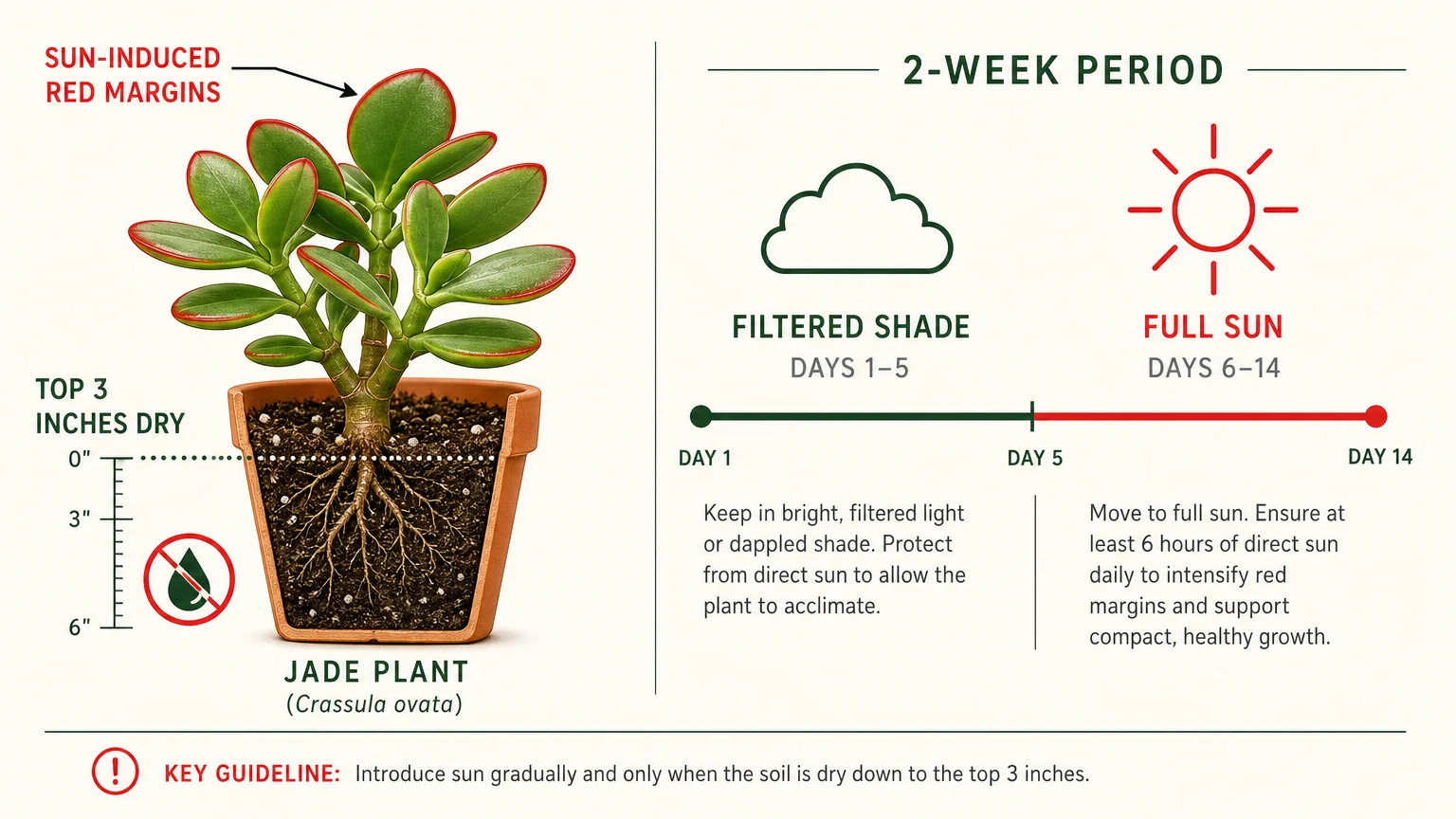
Jade plants (Crassula ovata) thrive on brilliant sunlight and heat, making them ideal candidates for your outdoor garden space this June. Native to the rocky, arid hillsides of South Africa, these resilient succulents actively demand high light levels to maintain their compact, bush-like shape. When you keep a Jade plant indoors year-round, it frequently becomes leggy and stretched as it reaches desperately toward the nearest window. Moving your Jade outside triggers a beautiful physical transformation. When exposed to direct sunshine, the thick, fleshy green leaves develop striking red margins—a natural protective response to the sun that dramatically enhances the plant’s visual appeal.
Place your Jade plant in a spot that receives bright, filtered light before moving it into full afternoon sun over a two-week period. Because outdoor evaporation rates are high, check the soil twice a week; you should water the plant thoroughly once the top three inches of soil feel completely dry. Keep the pot elevated to ensure rapid drainage during unexpected summer downpours, as standing water causes fatal root rot almost immediately.
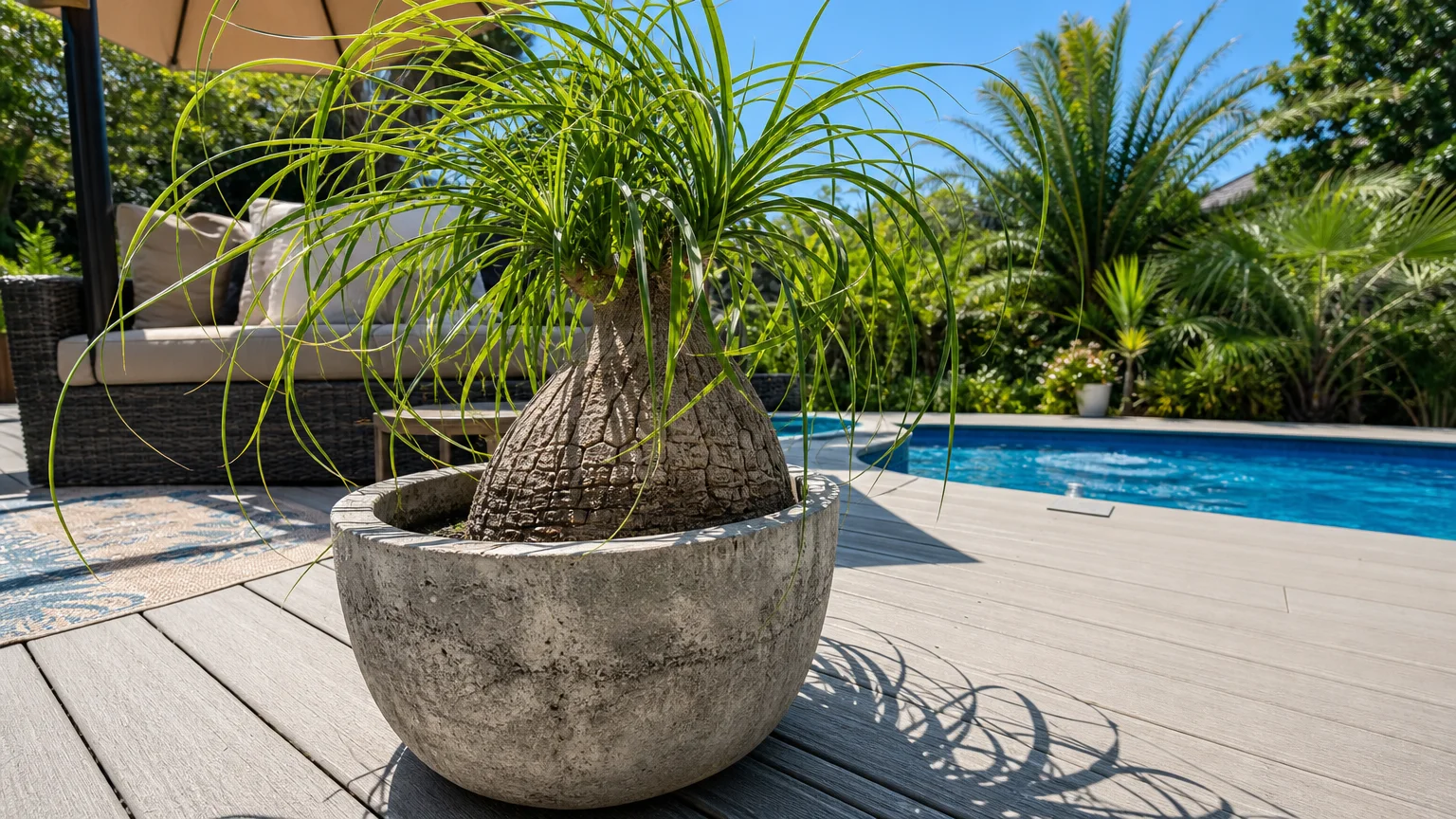
Tip #3: Give Ponytail Palms a Tropical Vacation
Despite the common name, the Ponytail Palm (Beaucarnea recurvata) is actually a tough succulent closely related to agaves, and it absolutely revels in sweltering June weather. Featuring a bulbous, water-storing base and cascading ribbons of foliage, this architectural marvel thrives in the harsh, dry environments of eastern Mexico. Indoor environments rarely provide the intensity of light required to fuel significant growth, often leaving the plant stagnant for months at a time. Relocating your Ponytail Palm outside provides the massive energy boost it needs to push out dense new crowns of leaves.
The outdoor heat accelerates the plant’s metabolism, allowing the thick trunk—called a caudex—to expand and store substantial water reserves. This vigorous summer growth period fortifies the plant, making it much more resilient when you eventually bring it back indoors for the darker winter months. Transition the plant to a fully exposed patio space, as it can handle direct, blazing afternoon sun once acclimated. You rarely need to worry about watering this drought-tolerant warrior unless your area experiences a prolonged heatwave with zero rainfall.
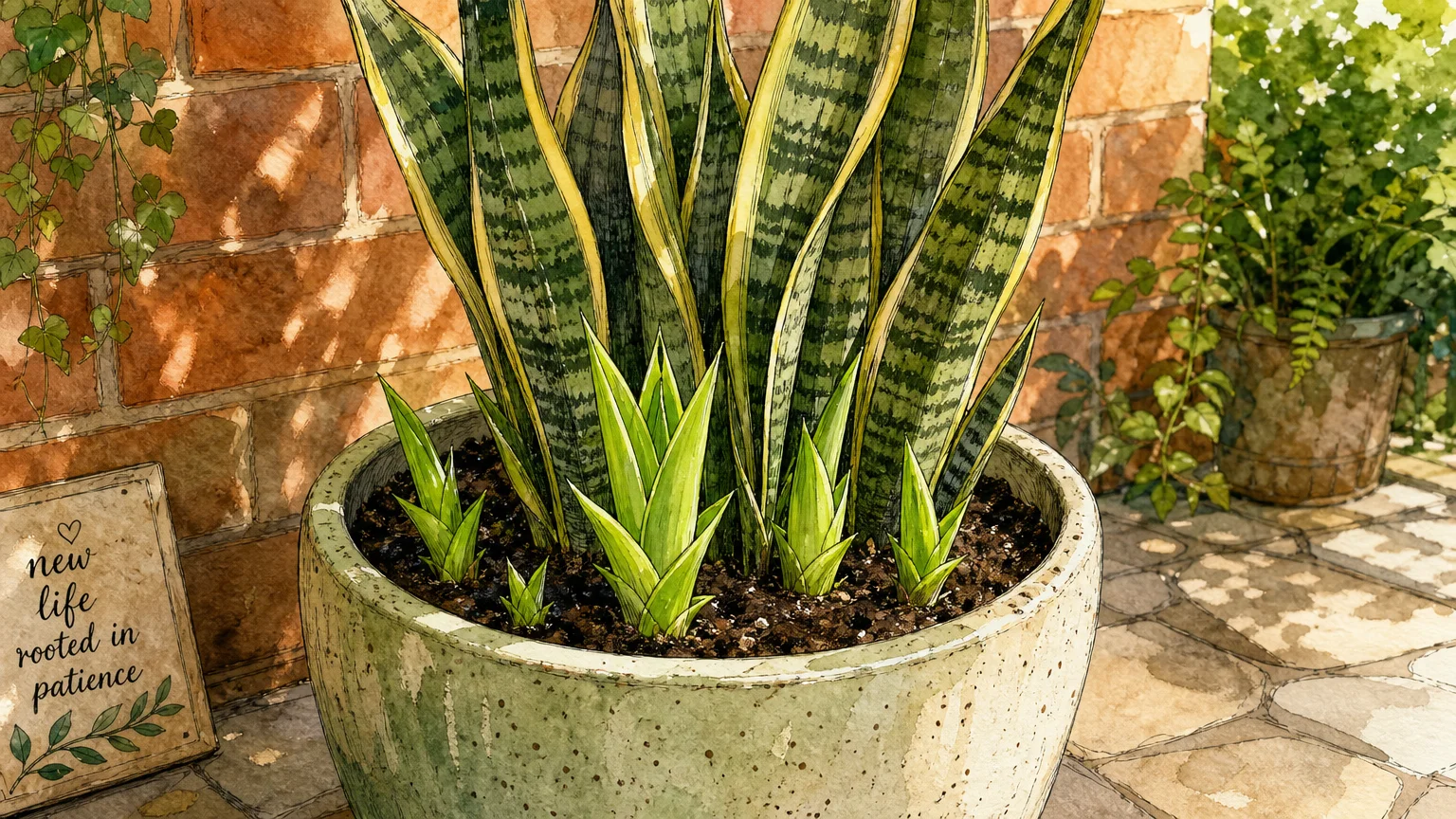
Tip #4: Relocate Snake Plants for Rapid Offshoot Production
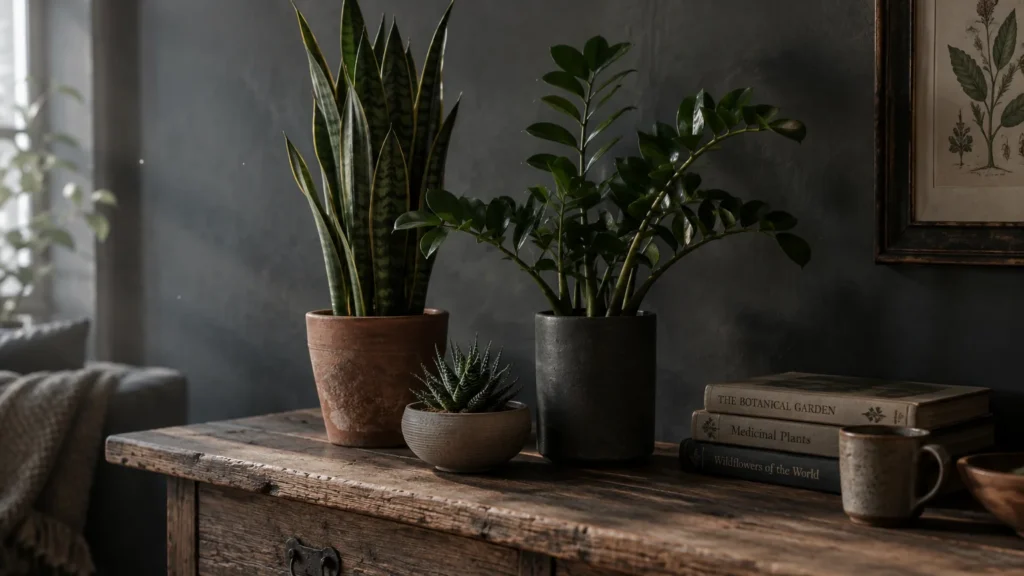
Snake plants (Sansevieria) hold a reputation as indestructible indoor plants that tolerate dark corners and neglect. While they certainly survive in low-light conditions, they do not truly thrive there. These tough, architectural plants originate from tropical West Africa, where they grow vigorously in bright light and high heat. Moving them outside in June unlocks their full growth potential. When you place a Snake plant in a warm, brightly lit outdoor location, you trigger a massive acceleration in root and rhizome development. Within a few weeks, you will likely spot sharp, spear-like offshoots erupting from the soil around the base of the mother plant.
Since Snake plants store substantial water in their rigid leaves, you must protect them from continuous heavy rain. Position your pot under an awning or a deep roof overhang where you can control the moisture levels. Use a highly porous, gritty potting mix to guarantee rapid drainage when you do apply water. Acclimate them slowly to avoid scorching their beautiful, variegated leaves in the harsh afternoon sun.
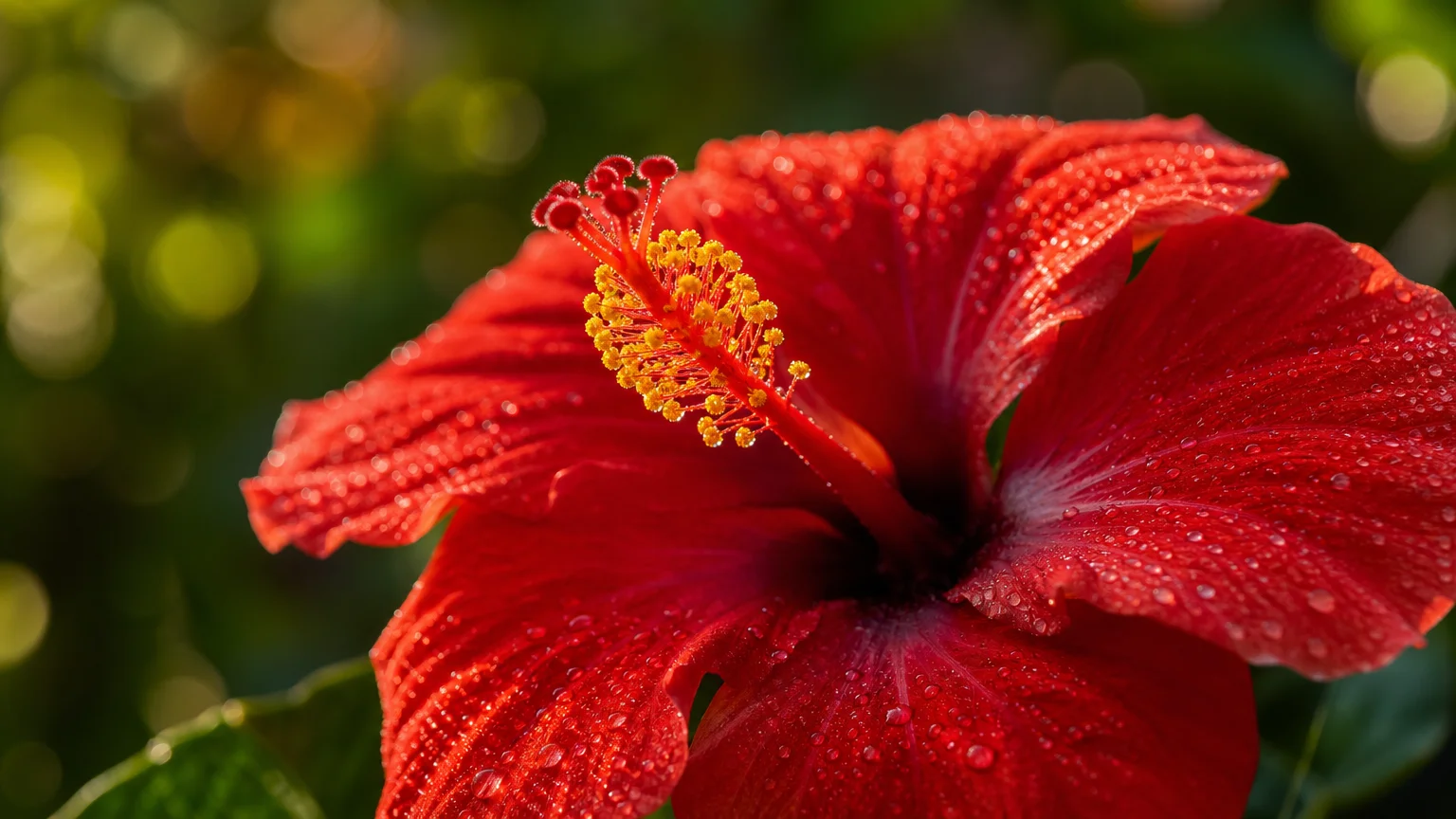
Tip #5: Allow Tropical Hibiscus to Bloom Brilliantly
Tropical Hibiscus (Hibiscus rosa-sinensis) are the quintessential summer patio plants; keeping them confined indoors during June deprives them of the specific conditions they need to produce their legendary dinner-plate-sized blooms. While they make acceptable houseplants during the winter, indoor light levels are simply too weak to sustain continuous flower production. Bringing your Hibiscus outside encourages a dense, bushy growth habit and triggers prolific budding. You will notice that outdoor blooming cycles are vastly superior; the flowers emerge larger, feature deeply saturated colors, and appear in far greater numbers than they ever could behind a glass window.
Hibiscus plants are incredibly thirsty and hungry during their active outdoor growth phase. You will likely need to water your plant daily during hot spells, ensuring the soil remains consistently moist but never waterlogged. Apply a high-potassium liquid fertilizer every two weeks to support the continuous production of massive blossoms. Check the undersides of the leaves weekly, as aphids are particularly drawn to the fresh, tender growth of a thriving outdoor Hibiscus.
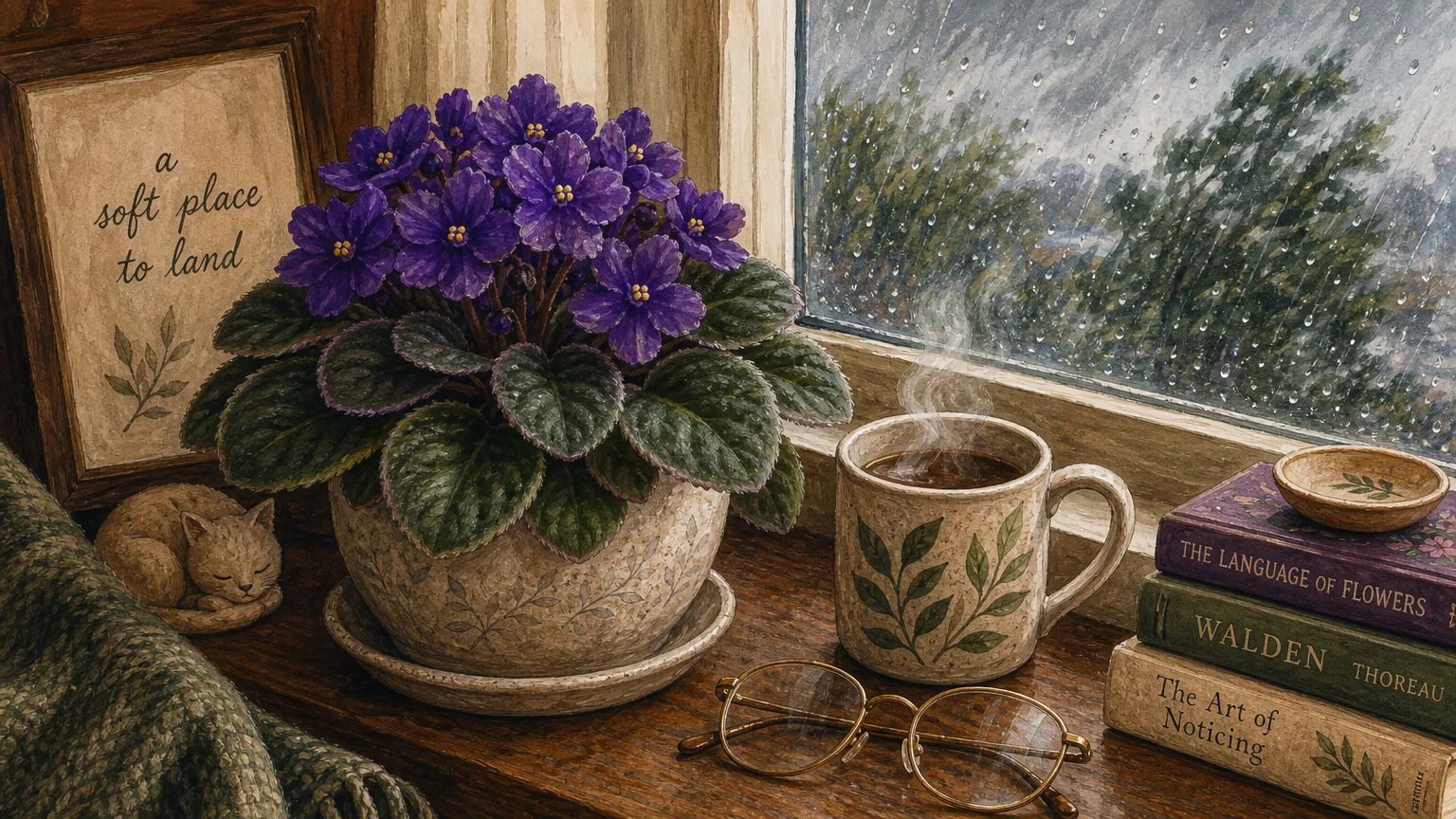
Tip #6: Keep African Violets Safely Away From the Elements
African Violets (Saintpaulia) rank among the most beloved blooming houseplants, but they are highly specialized plants that demand strict environmental stability. Native to the cloud forests of Tanzania and Kenya, they grow in highly sheltered crevices protected from direct sun and heavy rain. Moving these delicate beauties outdoors in June exposes them to a harsh reality they are completely unequipped to handle. The tiny hairs on an African Violet leaf trap water easily; if a summer rainstorm hits the plant, or if morning dew settles on the foliage, the trapped moisture quickly breeds deadly fungal infections and crown rot.
Furthermore, even brief exposure to direct summer sunlight will scorch the leaves permanently, leaving ugly brown patches that destroy the plant’s aesthetic appeal. Keep your African Violets safely indoors on a bright, east-facing windowsill where temperatures remain a comfortable, consistent 65 to 75 degrees Fahrenheit. By keeping them inside, you shield them from erratic winds that snap their brittle stems, ensuring they continue to produce their charming purple blossoms all summer long.
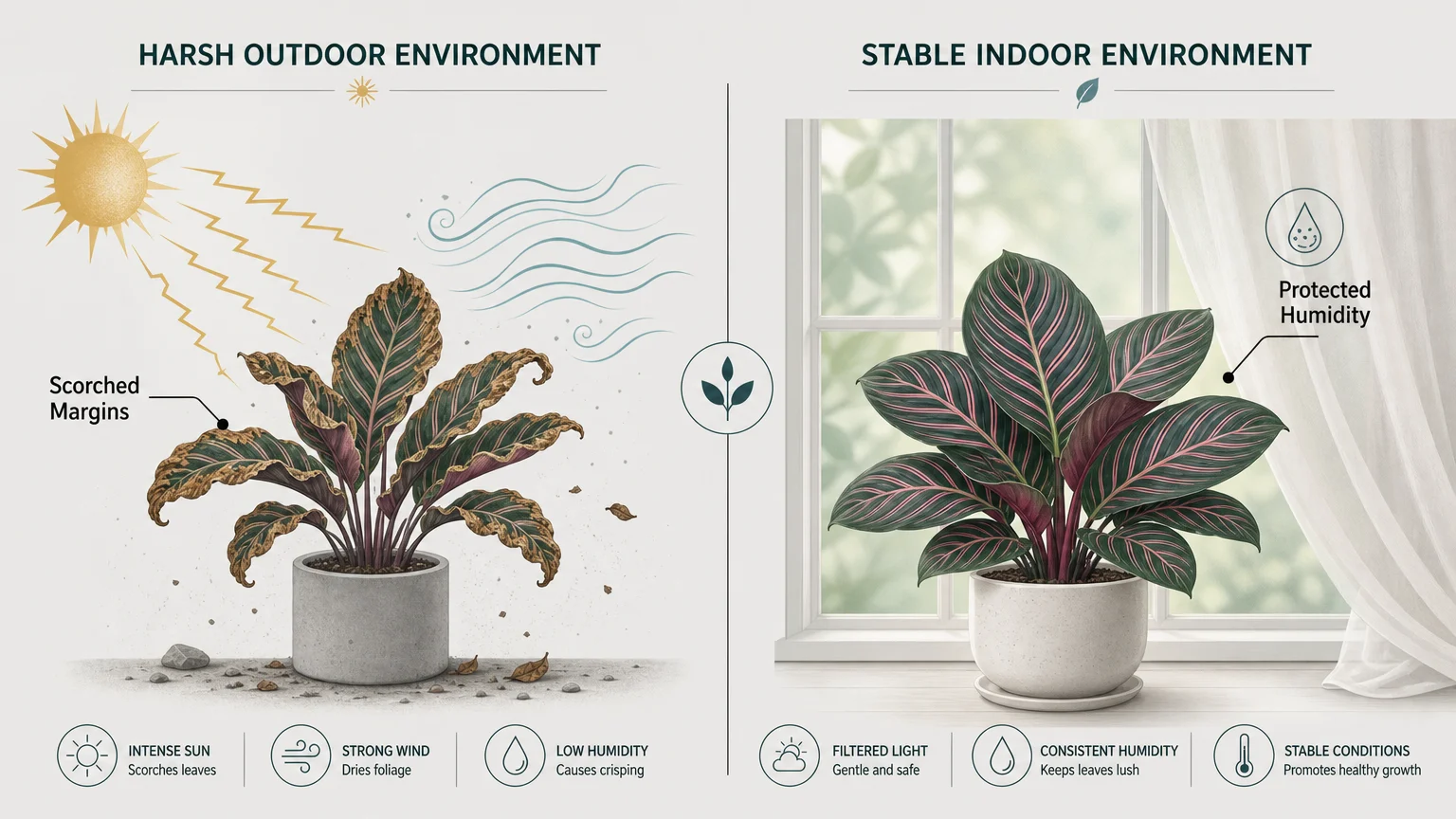
Tip #7: Shelter Calatheas from Wind and Harsh Light
Calatheas (Goeppertia) are famous for their stunning, intricately patterned foliage, but they are equally notorious for their dramatic, demanding care requirements. These understory plants hail from the dense, humid jungles of South America, where they live in a highly protected microclimate on the forest floor. Taking them outside during the summer almost guarantees severe foliage damage. Wind is the greatest enemy of the Calathea when moved outdoors; their large, paper-thin leaves catch every breeze, causing the foliage to tear, bruise, and develop widespread crispy, brown edges.
Additionally, the shifting angle of the sun outdoors frequently exposes these shade-loving plants to harsh light rays that instantly bleach their vibrant, painted patterns. Your indoor environment provides the static conditions these fussy plants demand. Keep them inside away from drafts, air conditioning vents, and direct sunlight. To mimic the jungle floor, group your Calatheas together and run a small humidifier nearby to keep the ambient moisture levels comfortably high without the risk of wind damage.
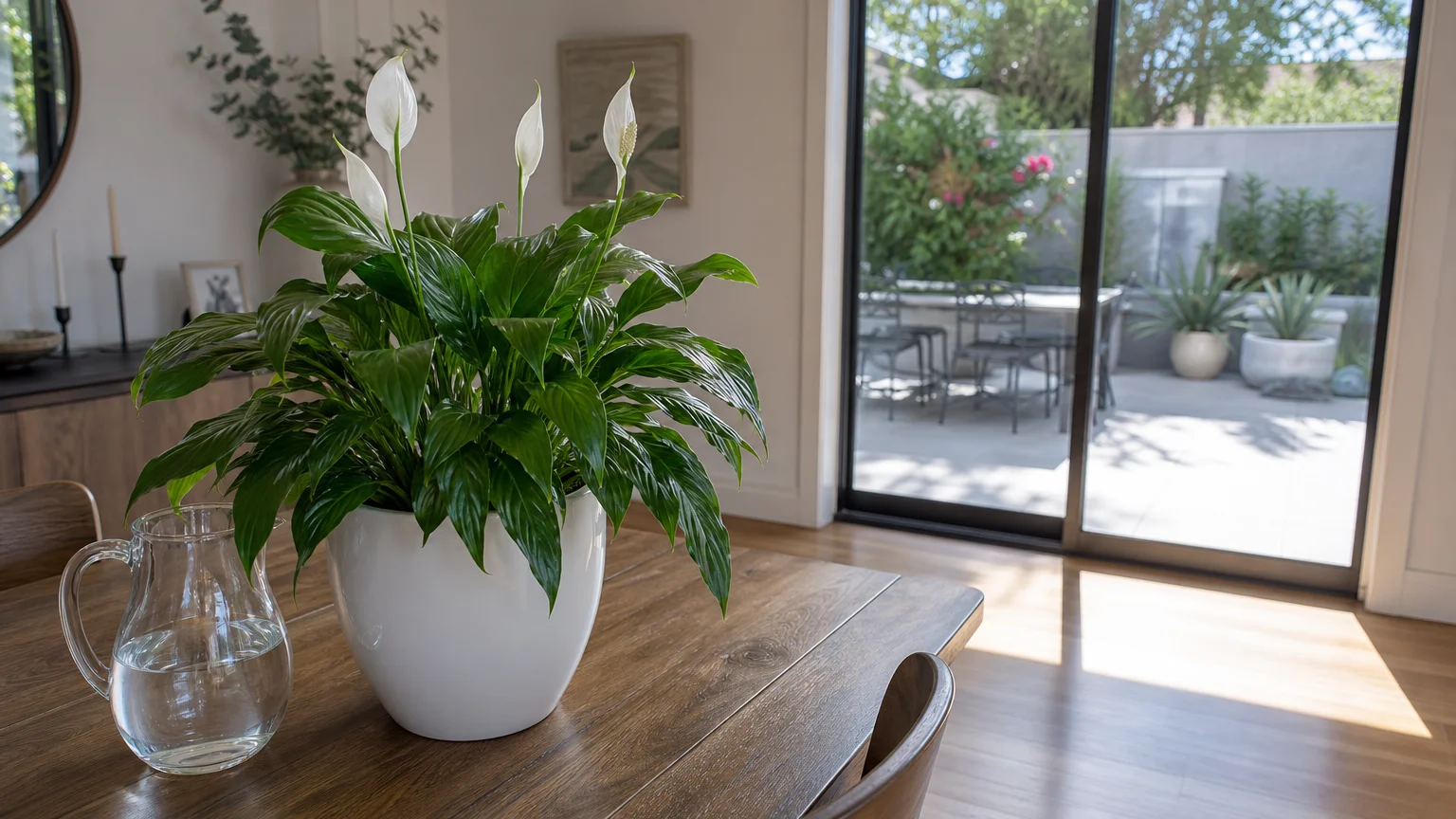
Tip #8: Protect Peace Lilies from Sunburn and Heat Stress
The Peace Lily (Spathiphyllum) serves as a classic staple in interior design due to its lush green canopy and striking white spathes, but it possesses absolutely zero tolerance for the intensity of a typical summer outdoors. While they are tropical plants, their natural habitat is deep within the heavily shaded underbrush of rainforests, shielded completely from direct sun and high temperatures. Placing a Peace Lily outside in June is a recipe for severe heat stress. When struck by the intense UV rays of the summer sun, the dark green foliage burns rapidly, turning pale, yellow, and eventually crisp and black.
Even if placed in deep outdoor shade, the high summer temperatures can cause the plant to wilt dramatically on a daily basis. This constant wilting and recovering exhausts the plant’s energy reserves and halts all new growth. Keep your Peace Lily indoors where you can easily moderate the temperature and light. Leaving them in the calm sanctuary of your home ensures their foliage remains perfectly pristine.
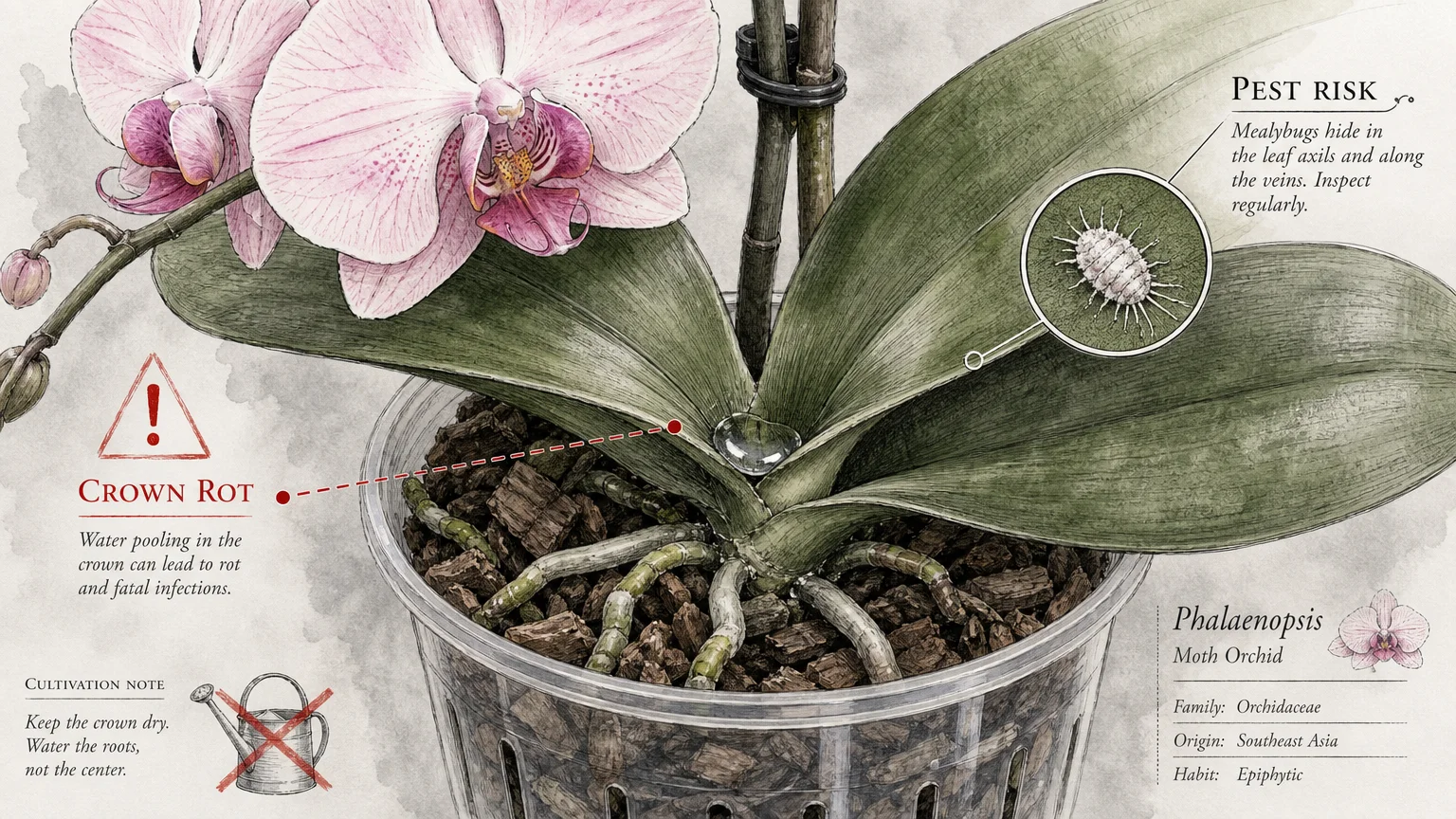
Tip #9: Guard Moth Orchids Against Crown Rot and Pests
Moth Orchids (Phalaenopsis) bring unparalleled elegance to a room with their long-lasting, arching floral sprays. As epiphytes that grow clinging to tree bark in the tropics, they have highly specific root systems and growth habits. While they love humidity, placing them in an outdoor garden setting introduces a host of deadly variables that can destroy years of careful cultivation. The architecture of a Moth Orchid features wide leaves that funnel downward into a central crown. Outdoors, rainfall or overhead sprinkler water inevitably pools in this crown.
Because outdoor nighttime temperatures can dip, this standing water fails to evaporate quickly, leading directly to a fatal condition known as crown rot. Furthermore, the fleshy leaves and roots are prime targets for slugs, snails, and squirrels, which can devour an entire orchid overnight. Secure your orchids on an indoor table or shelf that receives gentle morning light. By keeping your orchids inside, you maintain total control over their moisture levels and keep them completely safe from hungry garden predators.
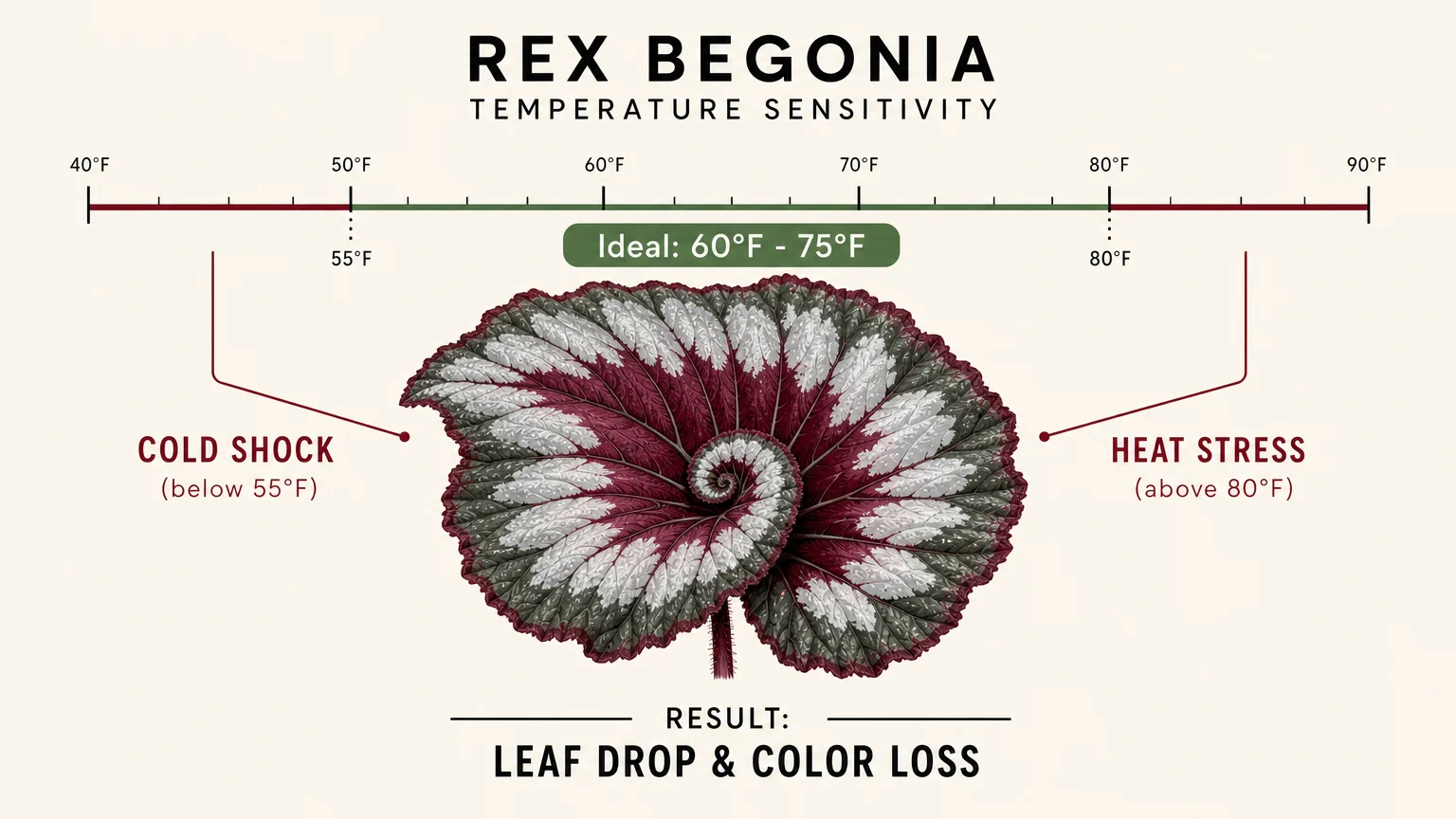
Tip #10: Shield Rex Begonias from Erratic Weather Shifts
Rex Begonias are cultivated exclusively for their mesmerizing, swirling leaf patterns and brilliant metallic colors. Unlike their tough, wax-leafed cousins commonly planted in outdoor summer flower beds, Rex Begonias are tender, finicky houseplants that require a highly controlled environment. Exposing them to the unpredictable nature of an outdoor summer invites disaster. The leaves of a Rex Begonia are highly textured and incredibly brittle; a heavy summer rainstorm can physically punch holes through the delicate foliage, instantly ruining the plant’s appearance.
Moreover, they are highly susceptible to powdery mildew and botrytis blight. The fluctuating humidity levels and damp outdoor nights create the perfect breeding ground for these rapid-spreading fungal diseases, which cover the beautiful leaves in a suffocating white powder or slimy gray mold. Retain the stunning beauty of your Rex Begonia by keeping it inside your home. Situate the plant in a bright room where it receives ample indirect light, which is crucial for maintaining the deep purples, silvers, and reds in the leaves.
For region-specific advice, consult your local University Extension program (find yours via the USDA directory). For plant databases and inspiration, visit the Missouri Botanical Garden or the Royal Horticultural Society.
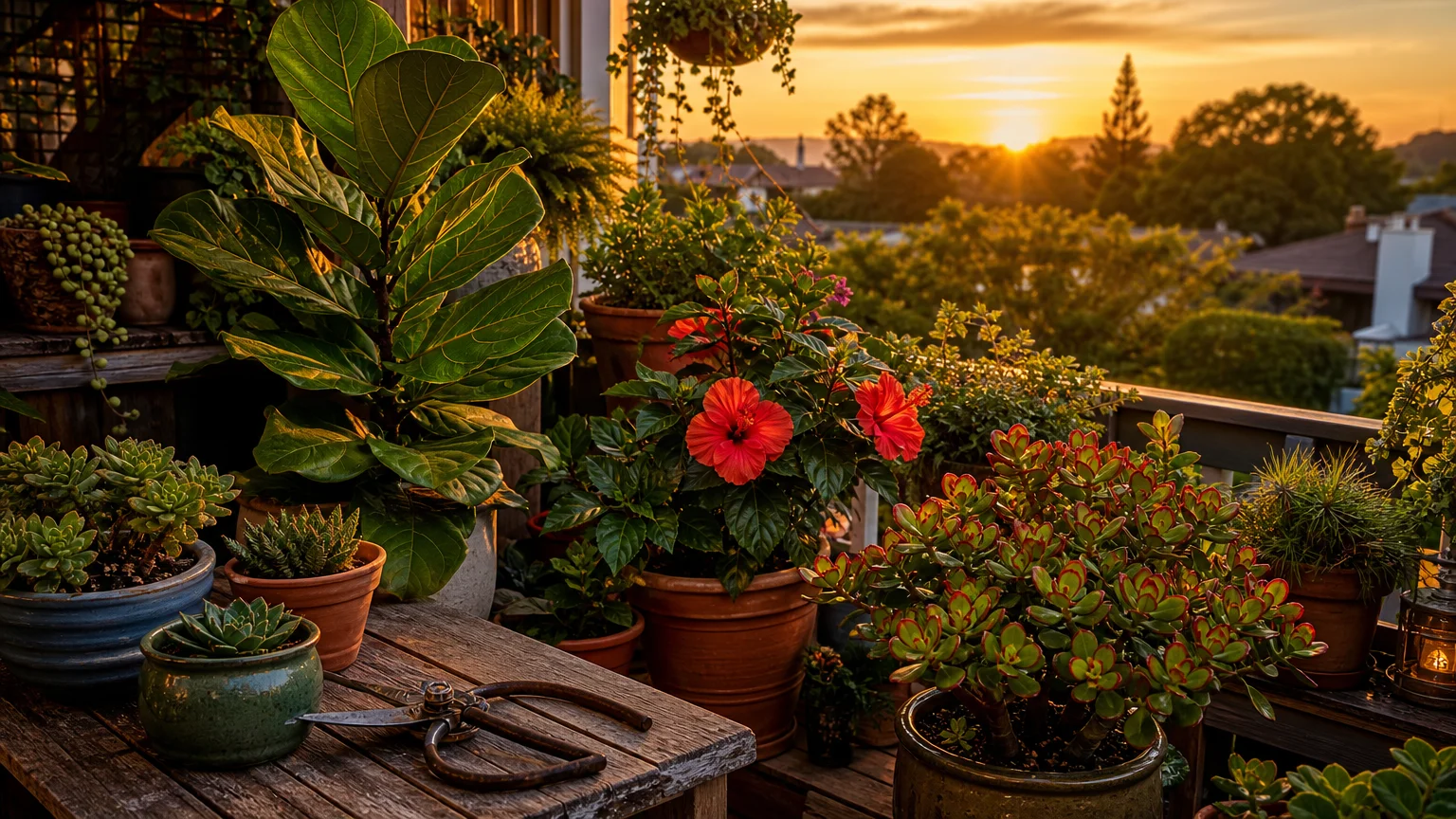
Putting It All Together: Enjoy Your Beautiful Garden
Transitioning a portion of your indoor jungle to the great outdoors yields spectacular results, provided you select the right candidates and manage their transition carefully. Moving robust species like Ficus trees, Snake plants, and Jade plants out into the June heat rewards you with vibrant, explosive growth that simply cannot be replicated behind glass. By embracing the summer elements, you allow these tropical and desert natives to stretch their roots and fortify their structures.
Equally important is knowing which delicate treasures to protect. Leaving your sensitive Calatheas, orchids, and African Violets in the controlled comfort of your home preserves their pristine foliage and shields them from heavy rain, harsh wind, and hungry garden pests. Take time this weekend to evaluate your collection, sort your plants into outdoor adventurers and indoor homebodies, and set each plant up for its most successful summer season yet.
Frequently Asked Questions
How do I safely acclimate my houseplants to the outdoors?
You must introduce your indoor plants to the outdoors gradually through a process called hardening off. Start by placing the plants in complete, deep shade for four to five days. Gradually move them into an area that receives about an hour of gentle morning sunlight, increasing their sun exposure by an hour every few days. This slow transition prevents the foliage from suffering severe sunburn and gives the root system time to adjust to higher temperatures and increased wind.
Will I need to water my plants more frequently once they move outside?
Yes, your outdoor plants will require significantly more water than they did indoors. The combination of intense heat, direct sunlight, and constant wind drastically increases the rate of evaporation from the soil. Additionally, plants in an active growth phase consume more water. Check your outdoor pots daily during the hottest weeks of summer; terracotta pots, in particular, breathe and dry out rapidly, so you may find yourself watering thirsty plants like Hibiscus every single day.
What should I do to protect my outdoor houseplants during a heavy rainstorm?
While a gentle summer shower provides a wonderful natural cleaning for your plants’ leaves, torrential downpours can wash away topsoil and waterlog the roots. If a severe storm approaches, temporarily move your most vulnerable plants against the house walls or beneath a covered patio. Ensure every single pot has functioning drainage holes, and elevate the pots slightly on bricks or plant stands so the excess water flows freely out the bottom rather than pooling on the ground.
How do I prevent pests from infesting the plants I moved outside?
Outdoor environments are naturally filled with insects. To keep pest populations under control, perform a visual inspection of your outdoor plants every time you water them. Look closely under the leaves and along the stems for aphids, mealybugs, and spider mites. If you spot pests, spray the foliage immediately with a sharp stream of water from the hose to dislodge them, and follow up with an application of insecticidal soap or neem oil in the early evening to protect the leaves.
Disclaimer: This article provides general gardening advice. Always consider your specific climate, soil conditions, and local pests. Follow safety guidelines when using gardening tools and products.