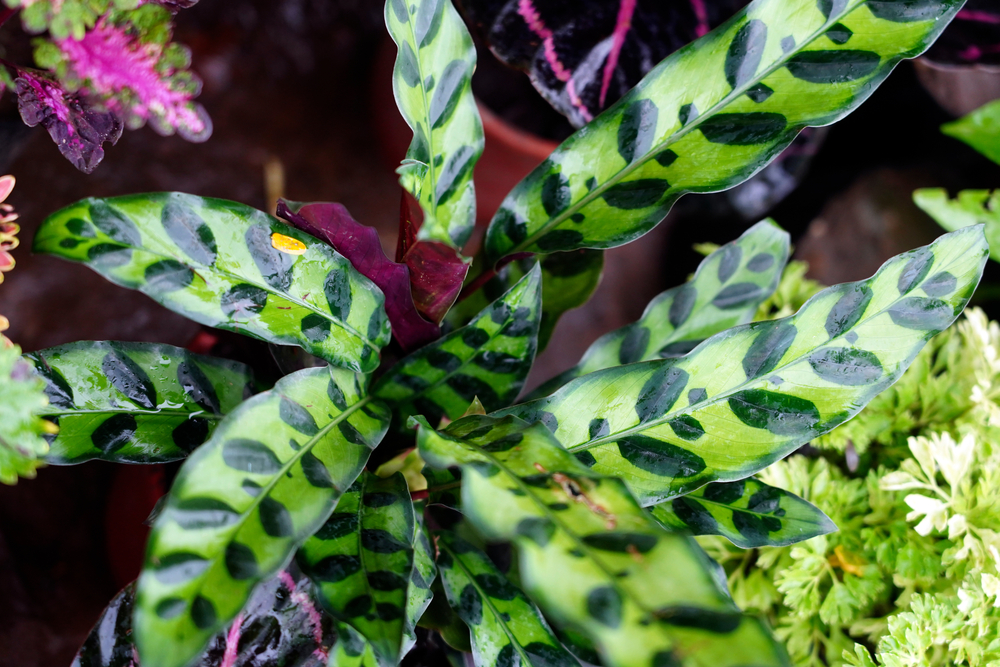
Transform your dimmest rooms into thriving green sanctuaries by selecting resilient species naturally adapted to low-light environments. You do not need massive south-facing windows to cultivate a vibrant indoor jungle; many stunning houseplants originate from the heavily shaded floors of tropical rainforests. By understanding the specific needs of these shade-loving varieties, you can easily grow lush foliage in north-facing bedrooms, shadowy office cubicles, and dimly lit hallways. Success simply comes down to matching the right resilient greenery to your specific environment. Explore these eight remarkable low light plants that require minimal sunshine to survive and actively thrive, allowing you to quickly bring life, color, and natural beauty into the absolute darkest corners of your home.
Tip #1: Snake Plant (Sansevieria trifasciata)
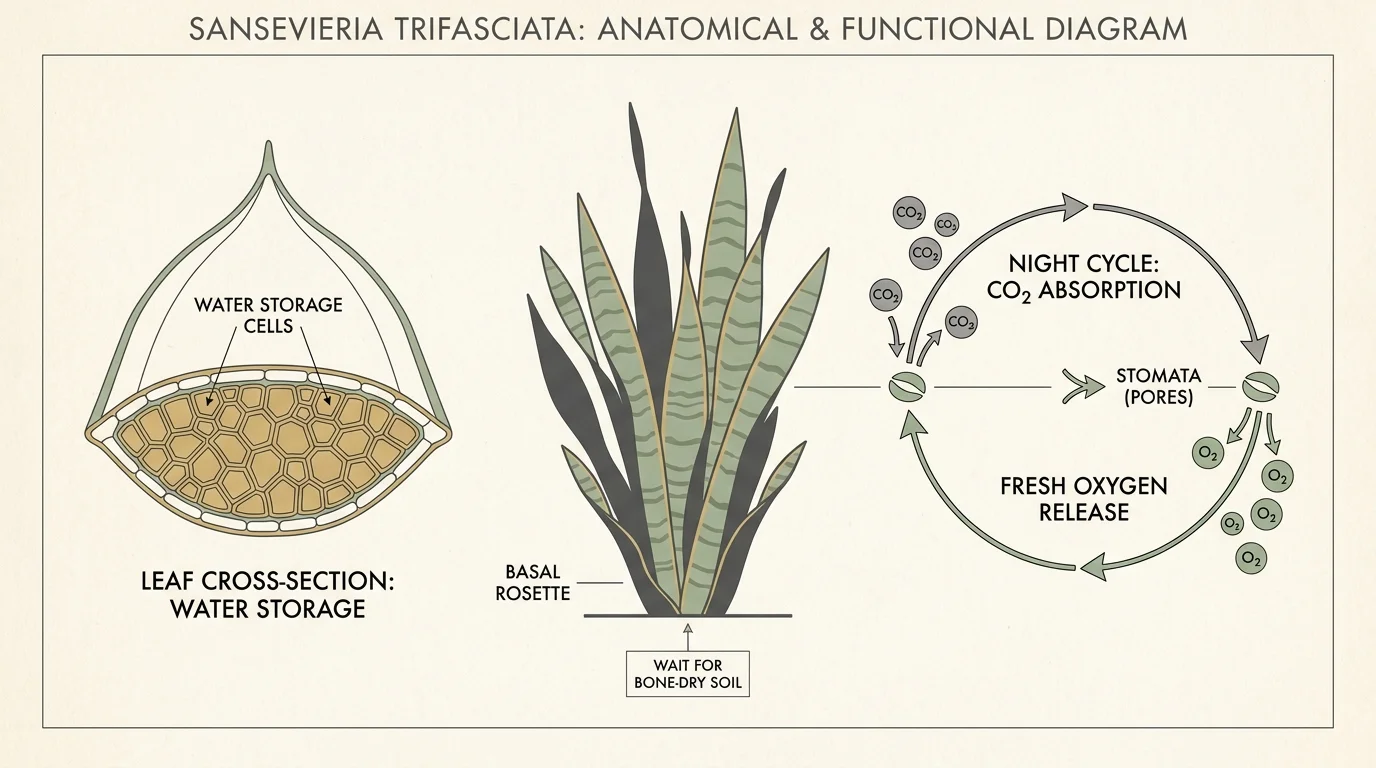
The Snake Plant stands out as one of the most indestructible indoor plants available for your indoor gardening journey. Originating from the harsh, arid regions of West Africa, this architectural beauty naturally evolved to withstand intense heat and prolonged periods of drought. However, its most remarkable trait involves an astonishing ability to adapt to nearly pitch-black conditions. When you place a Snake Plant in a windowless bathroom or a deeply shaded hallway, the plant simply slows its metabolic processes to conserve energy and survive.
You will instantly recognize the Snake Plant by its stiff, sword-like leaves that grow vigorously upward from a basal rosette. These thick, succulent leaves act as highly efficient water reservoirs, allowing the plant to go weeks—and occasionally months—without requiring a single drop of water. Because lower light dictates slower growth and lower energy output, your watering schedule must drastically decrease in darker rooms. You must wait for the potting soil to completely dry out from top to bottom before offering another drink; soggy soil rapidly leads to fatal root rot.
Beyond its exceptional hardiness, this species provides measurable benefits for your indoor air quality. Research proves the Snake Plant actively removes harmful airborne toxins like formaldehyde from enclosed spaces. Furthermore, it continuously converts carbon dioxide into fresh oxygen throughout the night, making it the perfect biological companion for your bedroom. By potting your specimen in a well-draining cactus mix, you create the ideal foundation for decades of lush growth with practically zero direct sunshine.
Tip #2: ZZ Plant (Zamioculcas zamiifolia)
If you actively seek a houseplant that thrives on sheer neglect, the ZZ Plant will quickly become your favorite piece of indoor greenery. Native to the drought-prone regions of Eastern Africa, this stunning specimen features thick, upright stems adorned with symmetrical rows of glossy, dark green leaves. The naturally waxy cuticle covering each leaf elegantly reflects whatever ambient light exists in the room, instantly brightening up your shadowy office cubicles or north-facing bedrooms.
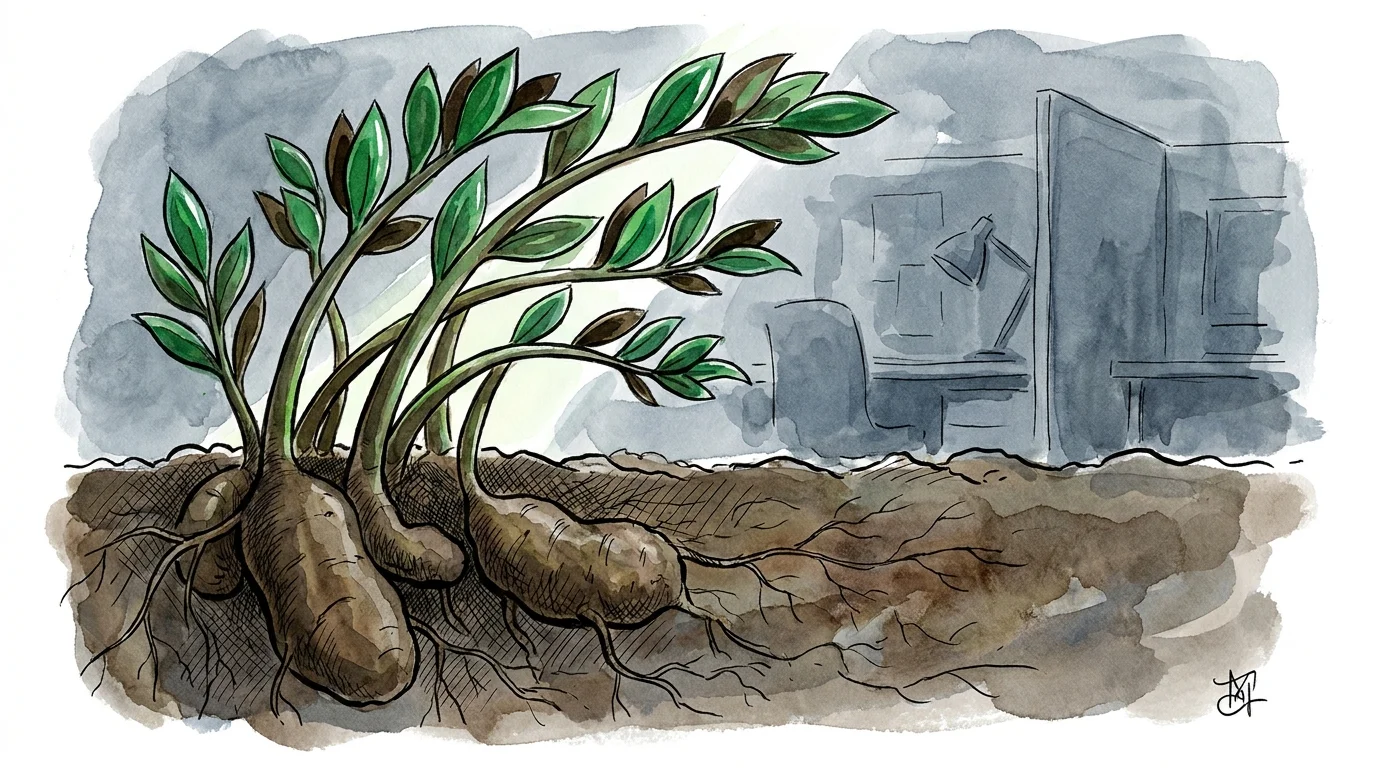
The secret to the ZZ Plant’s legendary low-light survival lies hidden beneath the surface of the soil. The plant grows from stout, potato-like rhizomes that masterfully store vast amounts of water and essential nutrients. When deprived of bright sunshine, the plant relies on these hidden reserves, practically halting its growth rate. You can easily leave for a three-week vacation and return to find your plant looking absolutely flawless.
To successfully cultivate a ZZ Plant in the darkest corners of your home, you must practice extreme restraint with your watering can. In low-light environments, the plant uses moisture incredibly slowly. You should deeply water the soil only when it becomes entirely bone-dry, pouring out any excess water that collects in the saucer below. Occasionally wiping the glossy leaves with a damp cloth provides a practical benefit—removing dust helps the plant maximize its limited photosynthesis capabilities, keeping it strong, healthy, and resilient in deeply shaded spaces.
Tip #3: Cast Iron Plant (Aspidistra elatior)
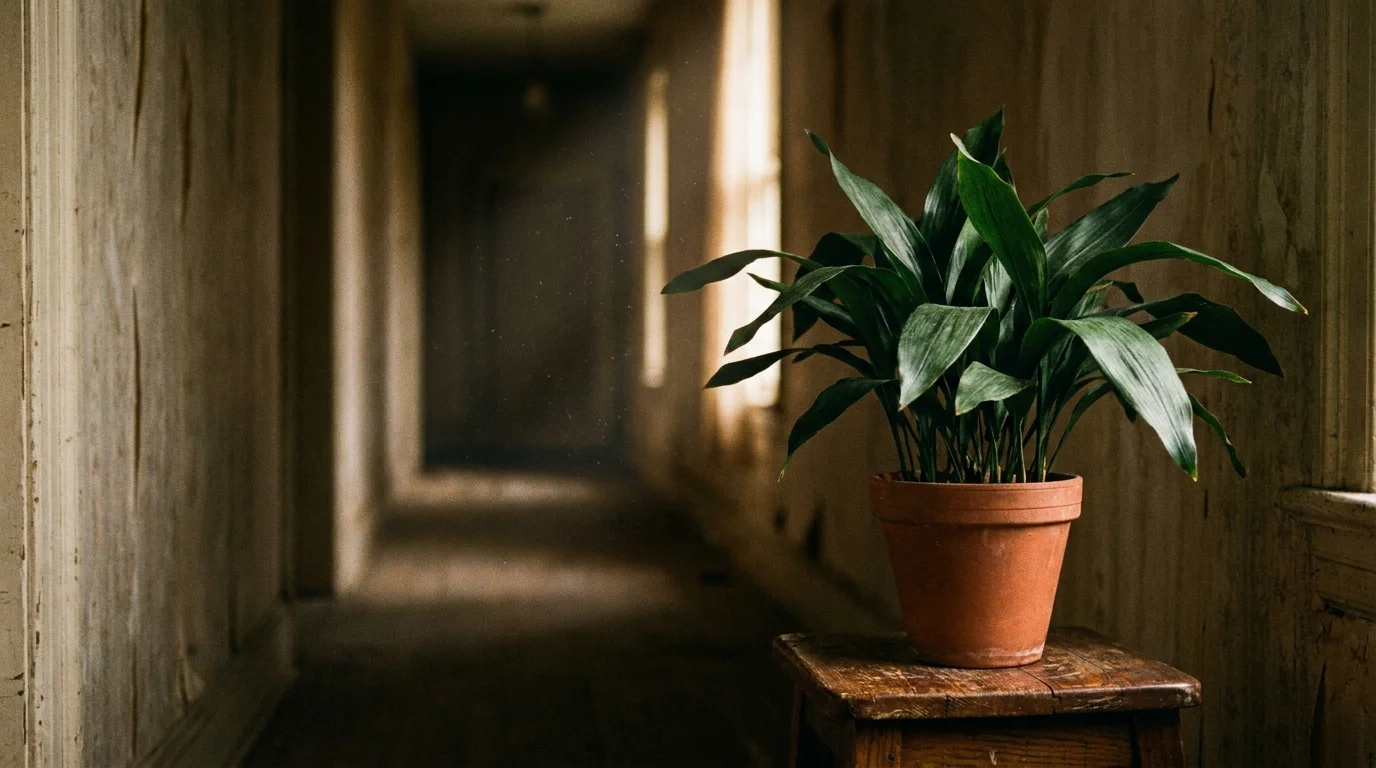
The Cast Iron Plant completely earns its heavy-duty name by surviving conditions that would quickly destroy almost any other piece of indoor foliage. During the Victorian era, this exceptionally tough species gained massive popularity because it easily withstood the harsh conditions and deep shadows of dimly lit homes. Native to the forest floors of Japan and Taiwan, this plant naturally thrives under dense canopies where direct sunlight simply never penetrates.
You will appreciate the elegant simplicity of its dark green, leathery, lance-shaped leaves that grow directly from underground rhizomes. Because it grows at a notoriously slow pace, the Cast Iron Plant requires very little maintenance, practically zero pruning, and infrequent repotting. In fact, placing this species in direct sunlight will aggressively burn its foliage; it vastly prefers the cool, quiet shadows of a heavily shaded living room or a windowless foyer.
When caring for your Cast Iron Plant in low light, consistent but moderate watering yields the best results. You should wait until the top half of the soil feels completely dry to the touch before providing a thorough soaking. Although it tolerates significant neglect and wide temperature swings, it absolutely despises sitting in stagnant water. By planting it in a standard, well-draining indoor potting mix and wiping its broad leaves down to remove airborne dust, you will enjoy a majestic, indestructible companion that brings a classic touch of greenery to your most challenging indoor environments.
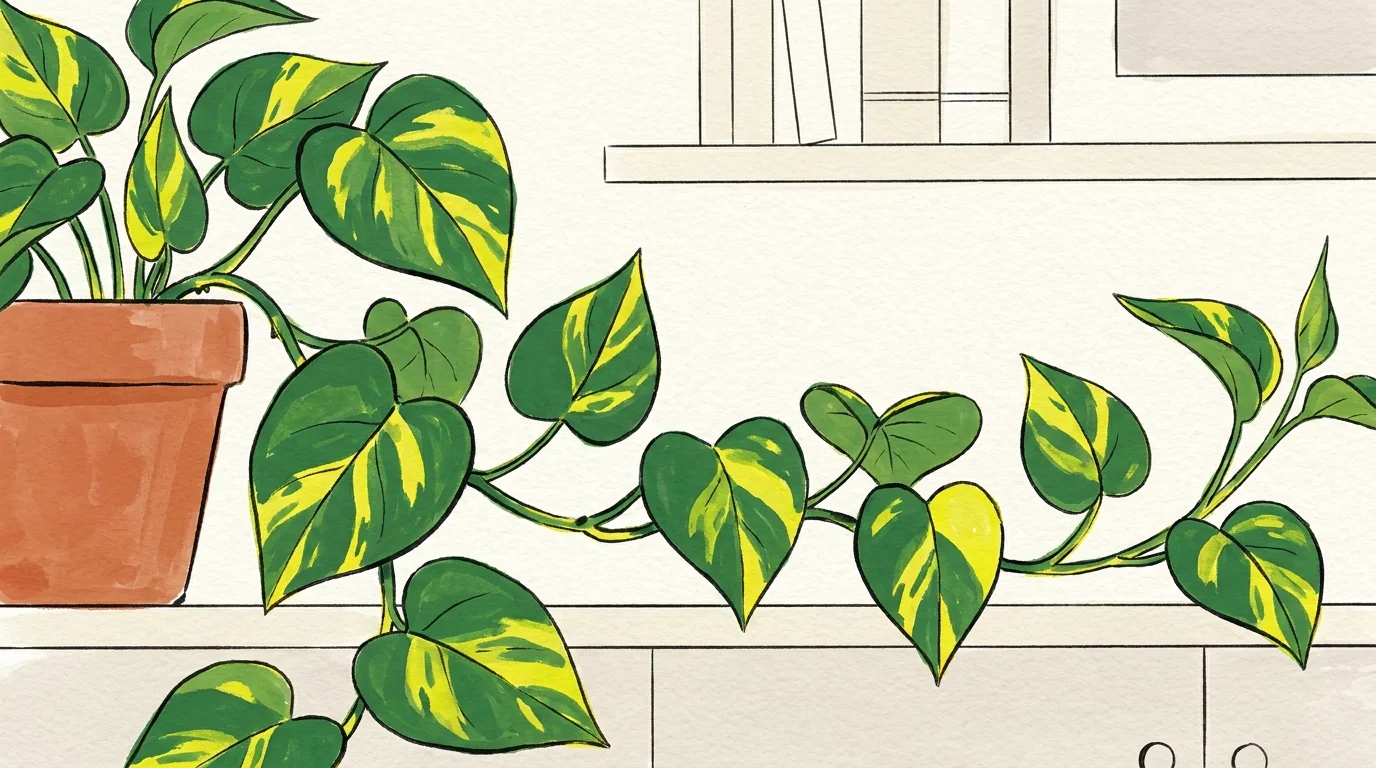
Tip #4: Pothos (Epipremnum aureum)
Pothos routinely ranks as the ultimate beginner-friendly houseplant due to its rapid growth, forgiving nature, and incredible adaptability to varying light conditions. Originating from the warm, humid environments of the South Pacific, this vigorous trailing vine features striking, heart-shaped leaves that beautifully cascade over the edges of hanging baskets and high bookshelves. While it actively prefers bright, indirect sunshine, Pothos demonstrates a remarkable physiological ability to tolerate incredibly dim environments without skipping a beat.
When you place a variegated variety into a deeply shaded corner, you will quickly witness a fascinating survival mechanism. The plant deliberately stops producing its bright variegation, shifting its new leaves to a solid, deep green hue. This natural adaptation allows the foliage to produce higher amounts of chlorophyll, maximizing the plant’s ability to capture and process whatever minimal light remains available in the room.
Maintaining a lush Pothos in a dark room requires a very straightforward, hands-off approach to watering. You must allow the top two to three inches of the potting mix to dry out entirely before offering a drink. Fortunately, the Pothos communicates its thirst clearly; the normally crisp leaves will noticeably soften and droop when the plant requires moisture, quickly springing back to life mere hours after you water it. If the vines eventually become too long or spindly in the low light, simply snip the ends off with sterile scissors to encourage a thicker, bushier growth pattern near the soil line.
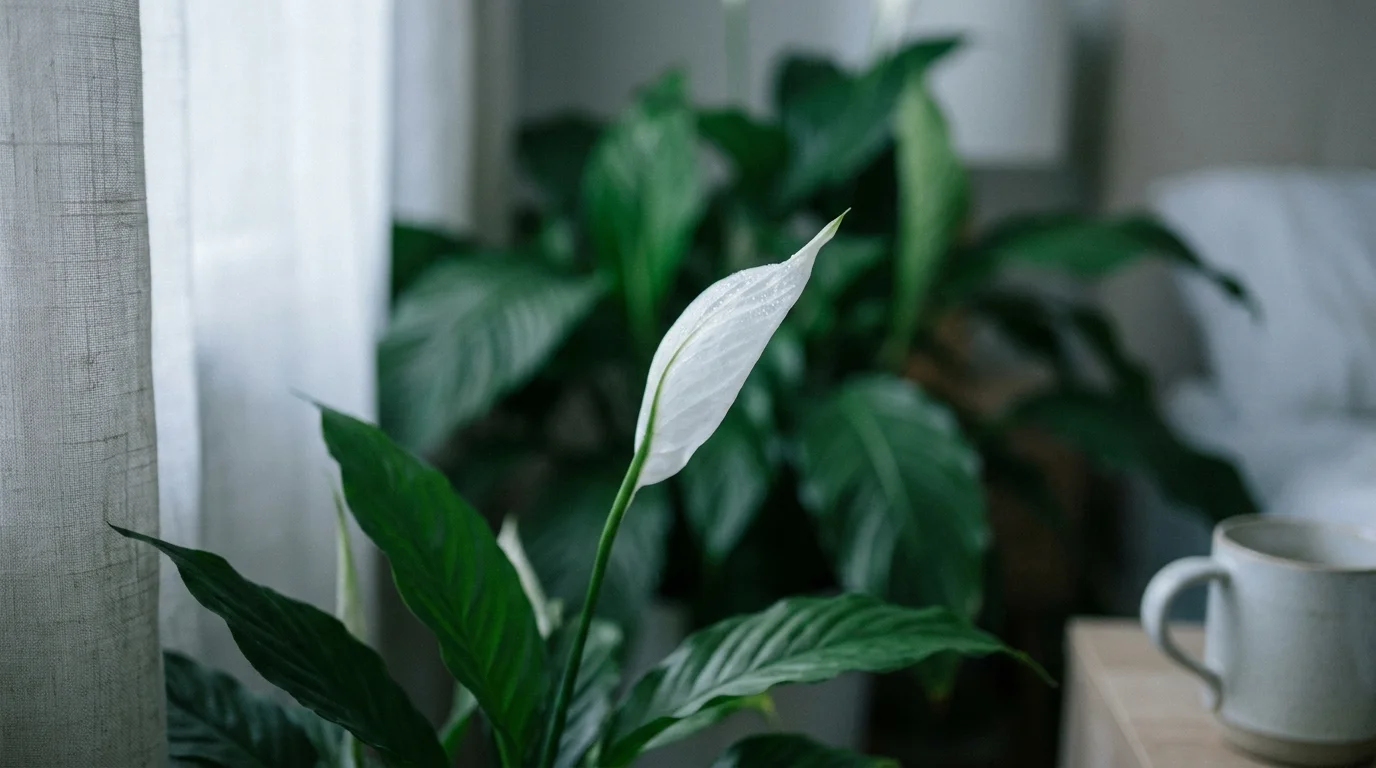
Tip #5: Peace Lily (Spathiphyllum)
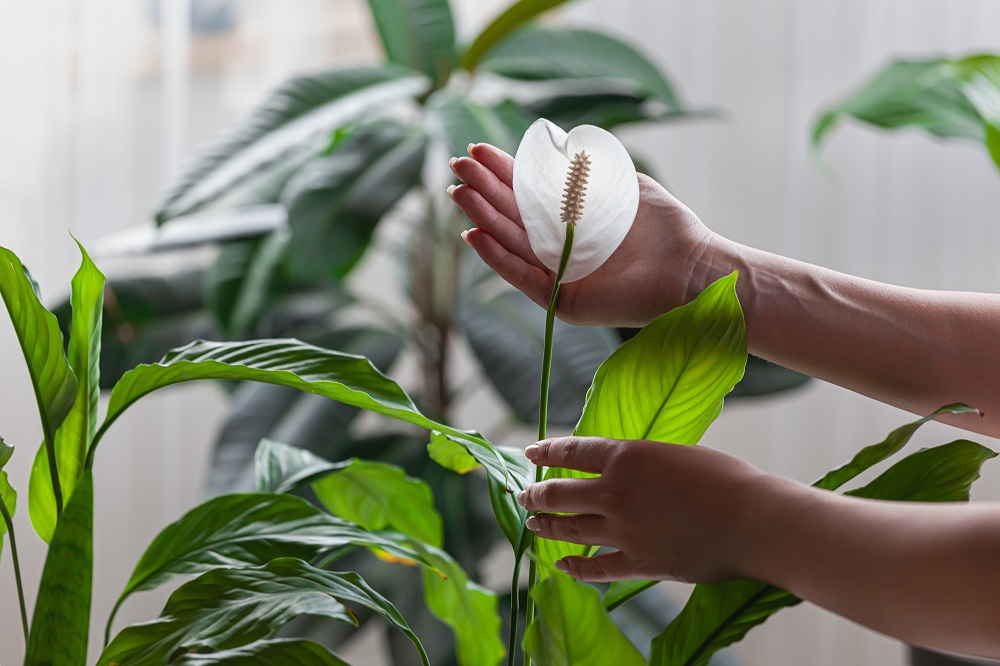
The Peace Lily offers a rare combination of elegant tropical beauty and outstanding tolerance for heavy shade. Native to the dense, humid understories of Central and South American rainforests, this classic houseplant naturally spends its entire life shielded from direct solar rays. You can instantly identify the Peace Lily by its lush, deeply ribbed emerald leaves and its striking white spathes, which elegantly unfurl to resemble delicate flags of surrender.
While most flowering plants strictly demand intense sunshine to produce blooms, the Peace Lily will generously display its iconic white spathes even in moderately low light. However, if you place it in the absolute darkest corner of your basement, it may conserve its energy by stopping its flower production entirely. Even without its signature blooms, the dense, arching foliage provides a dramatic, visually striking addition to your indoor garden. The rich green leaves actively filter indoor air, creating a healthier, more vibrant living space.
You will never have to guess when your Peace Lily needs a drink. This expressive plant communicates its hydration needs by dramatically sagging its entire canopy when the soil dries out. As soon as you saturate the pot, the stems miraculously perk upright within a few hours. Because this species loves high humidity, it serves as the perfect botanical companion for your dimly lit bathroom. Keep the soil lightly moist—but never completely waterlogged—and your Peace Lily will reliably purify your air and beautify your home for years to come.
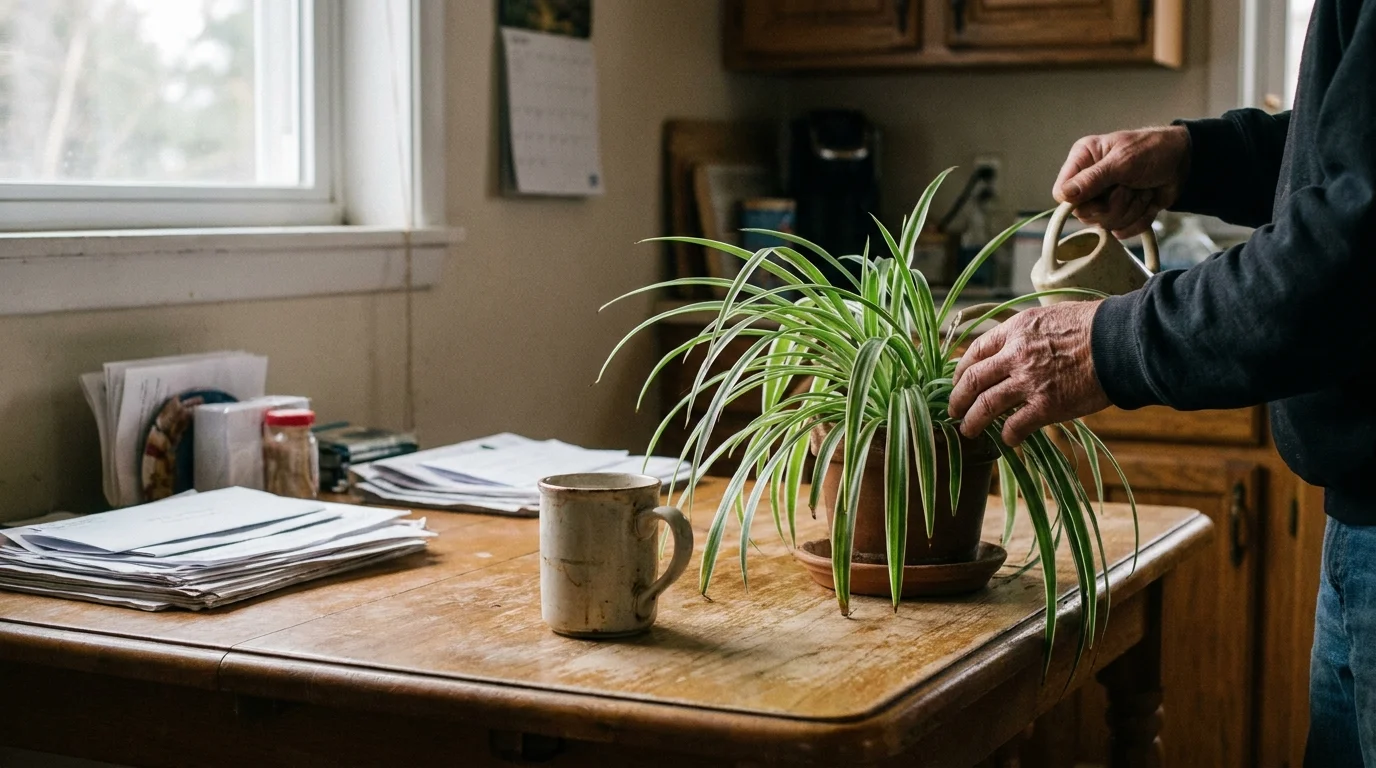
Tip #6: Spider Plant (Chlorophytum comosum)
The Spider Plant brings a burst of kinetic energy and playful texture to any dim room, making it a beloved staple in homes and offices worldwide. Originally hailing from the coastal regions of southern Africa, this incredibly adaptable species features long, ribbon-like leaves that elegantly arch outward from a central crown. As the plant matures, it famously sends out cascading runners that develop tiny, star-shaped flowers and miniature baby plants—affectionately known as spiderettes or pups.
While the Spider Plant grows fastest in brightly lit windows, it readily accepts the challenge of deeply shaded environments. Its secret weapon lies hidden beneath the dirt; the plant develops thick, fleshy, tuberous root systems designed to gorge on water and securely store it for extended dry spells. In a low-light indoor setting, this built-in reservoir means your Spider Plant can comfortably endure forgotten watering schedules and general benign neglect without suffering permanent damage.
To keep your Spider Plant thriving in the shadows, let the top half of the soil completely dry out before you thoroughly water it. You should note that these plants remain particularly sensitive to the fluoride and chlorine frequently found in municipal tap water, which often causes their delicate leaf tips to turn crispy and brown. By watering your heavily shaded Spider Plant with collected rainwater or standard distilled water, you will keep the cascading foliage looking pristine, vibrant, and incredibly lush.
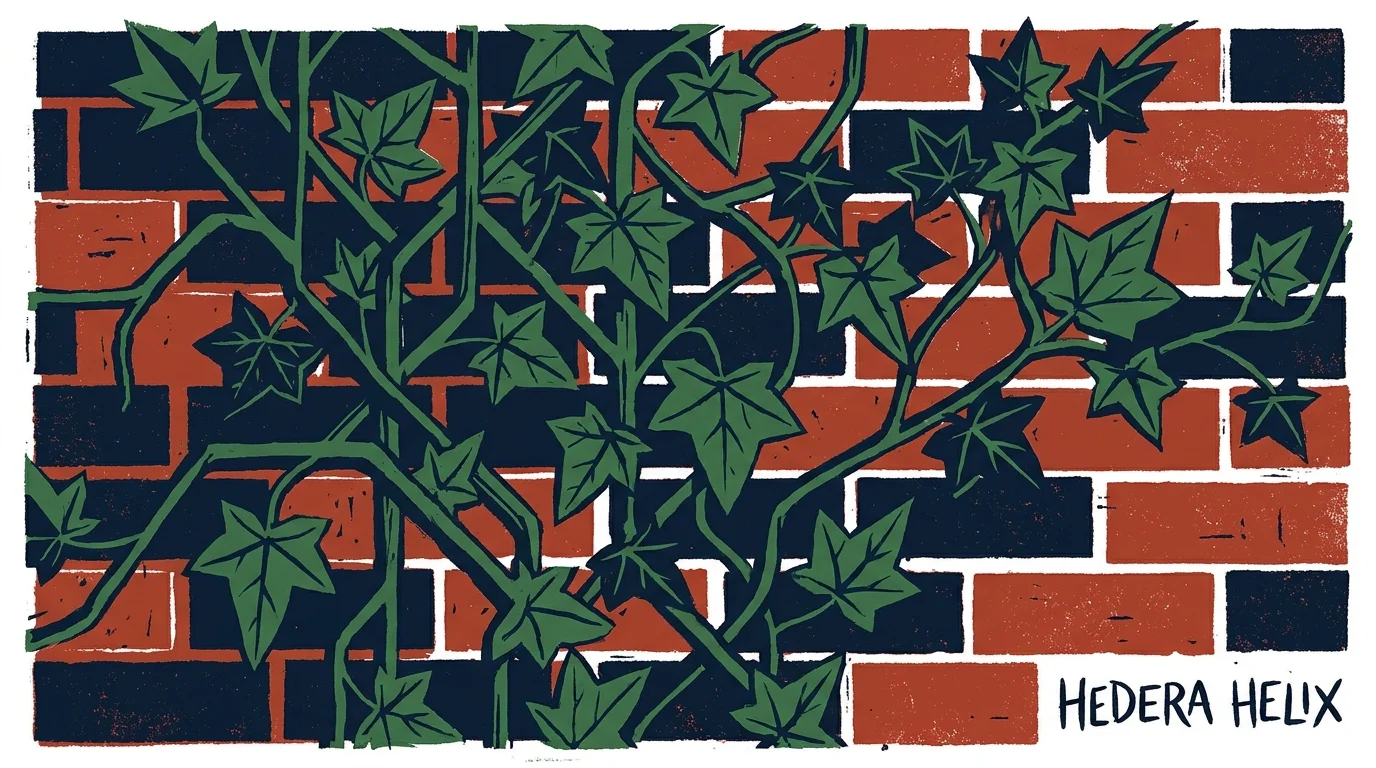
Tip #7: English Ivy (Hedera helix)
If you want to bring the romantic, sweeping aesthetic of a traditional European garden indoors, English Ivy serves as an exceptional choice for your low-light spaces. Unlike tropical houseplants that demand high heat and constant humidity, this vigorous evergreen climber actively prefers the cool, crisp temperatures often found in drafty hallways, enclosed porches, and north-facing bedrooms. In its natural outdoor habitat, English Ivy happily creeps along heavily shaded forest floors and boldly scales the trunks of massive trees completely hidden from the sun.
When grown as a houseplant, English Ivy creates a stunning visual display when allowed to trail gracefully from an elevated shelf or carefully trained to climb upward along a wire topiary frame. The deeply lobed, leathery leaves come in an array of captivating solid greens and creamy variegations. In darker rooms, the solid green varieties consistently outperform their variegated counterparts, as they possess higher concentrations of chlorophyll needed to process minimal ambient light.
Watering English Ivy requires a delicate balance; you must keep the potting mix consistently and evenly moist, but strictly avoid creating a soggy, mud-like environment. Check the container frequently and apply water just as the top inch of soil begins to feel dry to the touch. Because indoor heating systems drastically reduce air moisture, heavily shaded ivy plants sometimes attract pesky spider mites. You can easily prevent these microscopic pests by routinely misting the elegant vines or placing the pot near a small, continuously running humidifier.
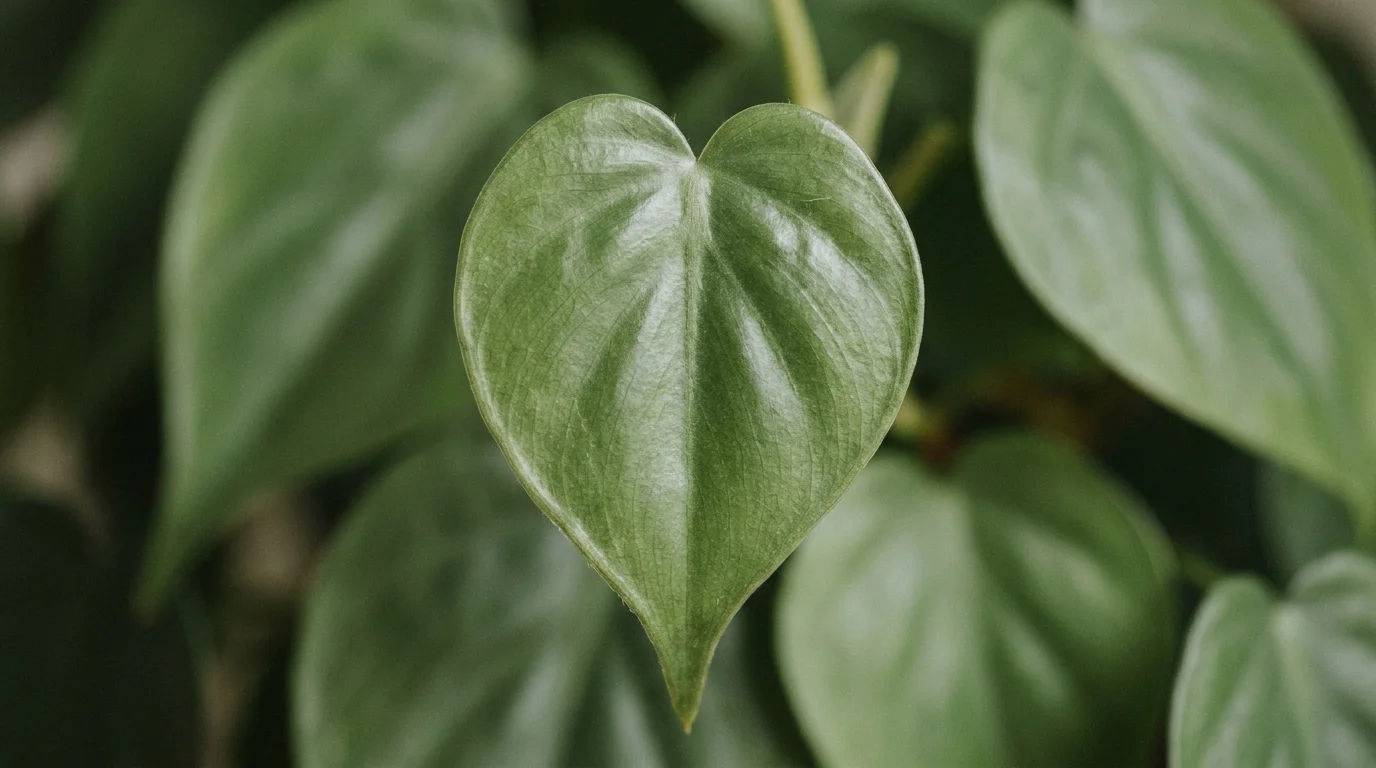
Tip #8: Heartleaf Philodendron (Philodendron hederaceum)
The Heartleaf Philodendron combines a deeply romantic aesthetic with a rugged, forgiving nature, securing its place as an undisputed champion of the dim indoor garden. Native to the lush, heavily shaded jungles of Central America and the Caribbean, this spectacular trailing plant perfectly mimics the classic Pothos but features notably softer, matte-finished leaves that emerge with a stunning bronze tint before maturing into a deep, forest green.
This phenomenal vining species embraces low-light environments with astonishing vigor. While other plants slowly languish in the dark, the Heartleaf Philodendron continues pushing out long, elegant vines that eagerly cascade down bookcases or boldly creep across your fireplace mantles. Because it operates on a lower metabolic rate in shaded spaces, you must significantly scale back your watering routine. Wait patiently until the top three inches of soil feel entirely dry before soaking the roots; this completely eliminates the risk of deadly root rot.
If you notice your Philodendron growing too long and visually sparse in its shadowy corner, you can quickly remedy the situation with a pair of sharp pruning shears. Simply pinch or cut the trailing vines back to your desired length just below a leaf node. This quick, actionable pruning technique strongly encourages the plant to branch out directly from the top of the soil, ensuring your Heartleaf Philodendron maintains a thick, bushy, and incredibly lush appearance regardless of how little sunlight it receives.
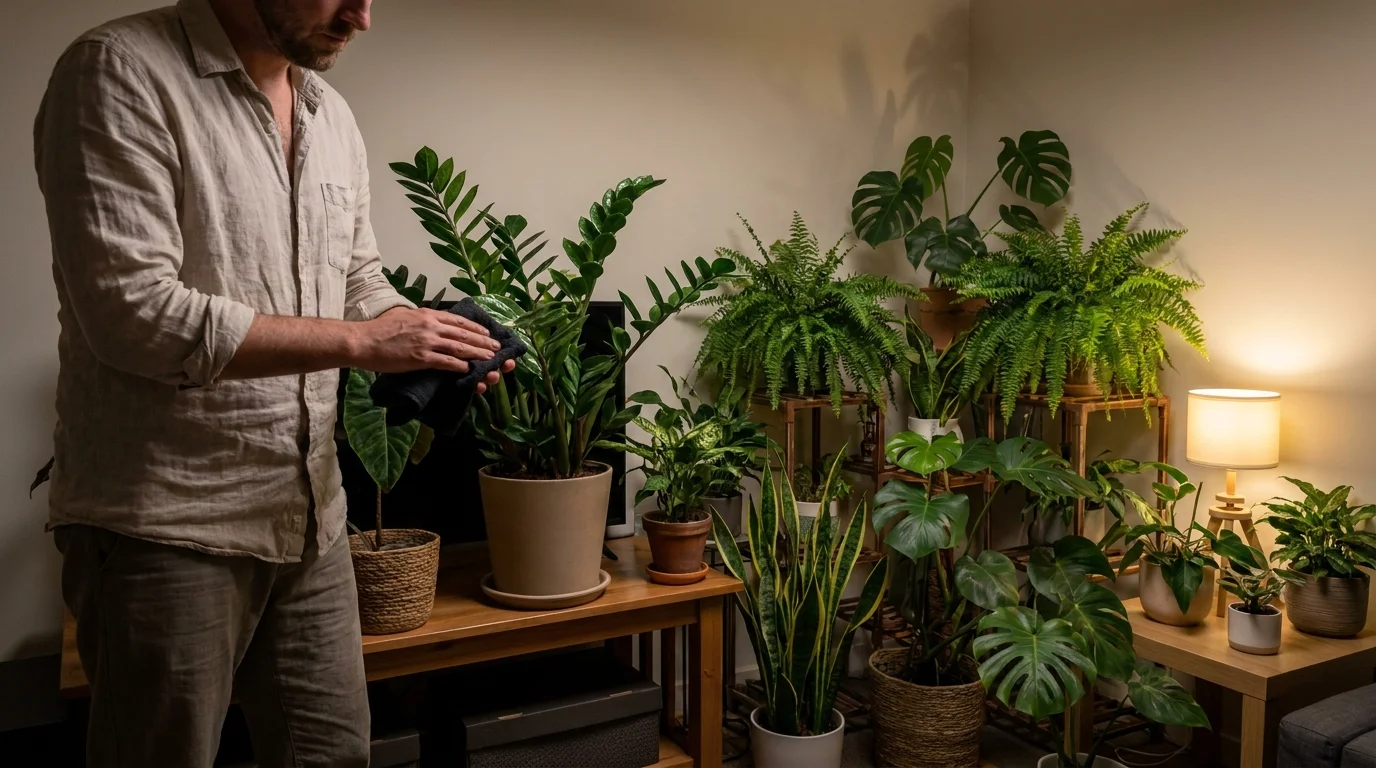
Putting It All Together: Enjoy Your Beautiful Garden
Cultivating a thriving, lush indoor garden does not require a home entirely wrapped in floor-to-ceiling glass. As you have discovered, incredibly resilient plants naturally exist that actively embrace the dark, quiet corners of your living spaces. The secret to successfully growing these robust species revolves around properly adjusting your care routine. Because shaded plants process less light, they consume significantly less energy and water. By deliberately dialing back your watering schedule and choosing well-draining soil, you empower these botanical wonders to flourish.
Take a confident look around your home and identify those empty, shadowy corners that desperately need a touch of natural vitality. Whether you choose the architectural brilliance of a Snake Plant, the forgiving trailing vines of a Heartleaf Philodendron, or the dramatic, leafy presence of a Peace Lily, you possess the exact knowledge needed to succeed. Embrace the rewarding journey of indoor gardening, trust in the deep resilience of these shade-loving plants, and transform your darkest rooms into vibrant, oxygen-rich sanctuaries.
Frequently Asked Questions
How do I know if my low-light plant needs more sunlight?
Even the most shade-tolerant plants occasionally struggle if placed in absolute, pitch-black darkness. If your plant begins producing incredibly small leaves, completely stops growing for several months during the spring and summer, or aggressively stretches its stems in one specific direction, it desperately needs more light. You can easily fix this spindly growth by moving the container just a few feet closer to a window or temporarily providing a low-wattage LED grow light.
Should I regularly fertilize my plants in dark rooms?
You should fertilize your low-light houseplants very sparingly. Because a lack of direct sunlight naturally slows down a plant’s metabolic rate and overall growth, it requires drastically fewer nutrients than a plant sitting in a sunny windowsill. Apply a balanced, water-soluble liquid fertilizer diluted to half-strength just once in the early spring and perhaps once in the mid-summer. Over-fertilizing a shaded plant quickly burns its delicate root system.
How often should I water my indoor plants in low light?
You must completely abandon strict, weekly watering schedules because shaded plants consume moisture incredibly slowly. Always let the soil dictate your watering frequency by physically testing it with your fingers. For deeply shaded, drought-tolerant species like the ZZ Plant or the Snake Plant, wait until the entire pot dries out completely. For tropical understory plants like the Peace Lily or English Ivy, simply wait until the top few inches of the soil feel dry before providing a thorough, deep soaking.
For region-specific advice, consult your local University Extension program (find yours via the USDA directory). For plant databases and inspiration, visit the Missouri Botanical Garden or the Royal Horticultural Society.
Disclaimer: This article provides general gardening advice. Always consider your specific climate, soil conditions, and local pests. Follow safety guidelines when using gardening tools and products.