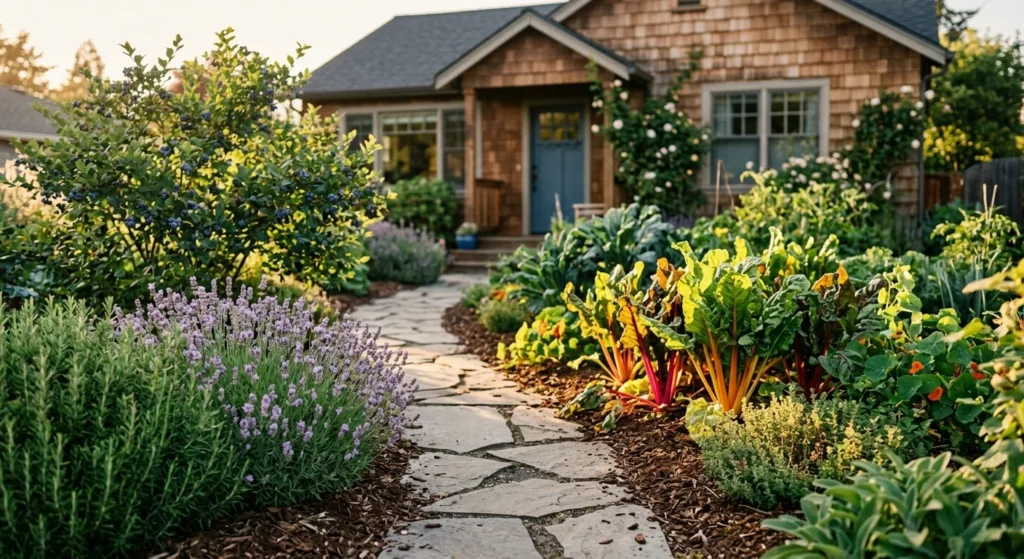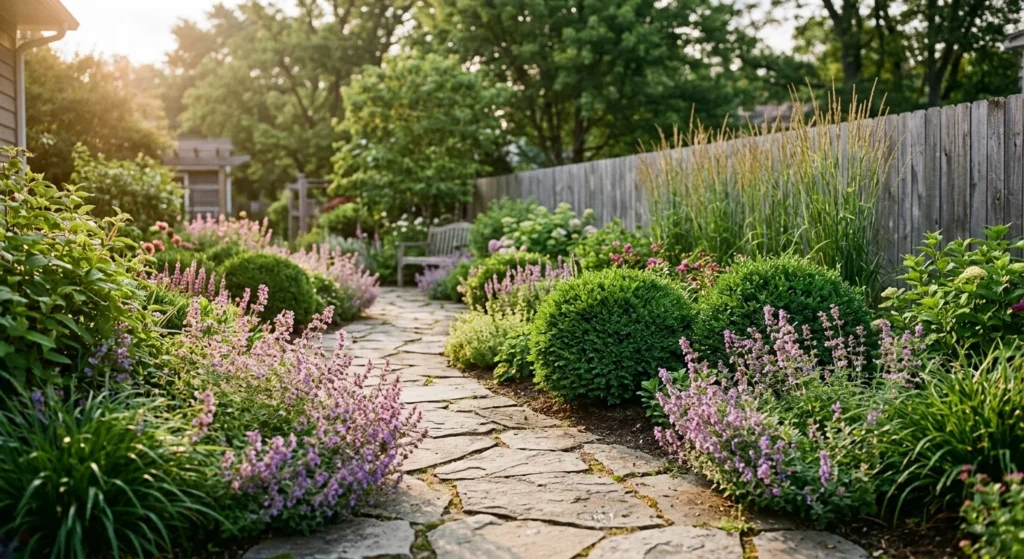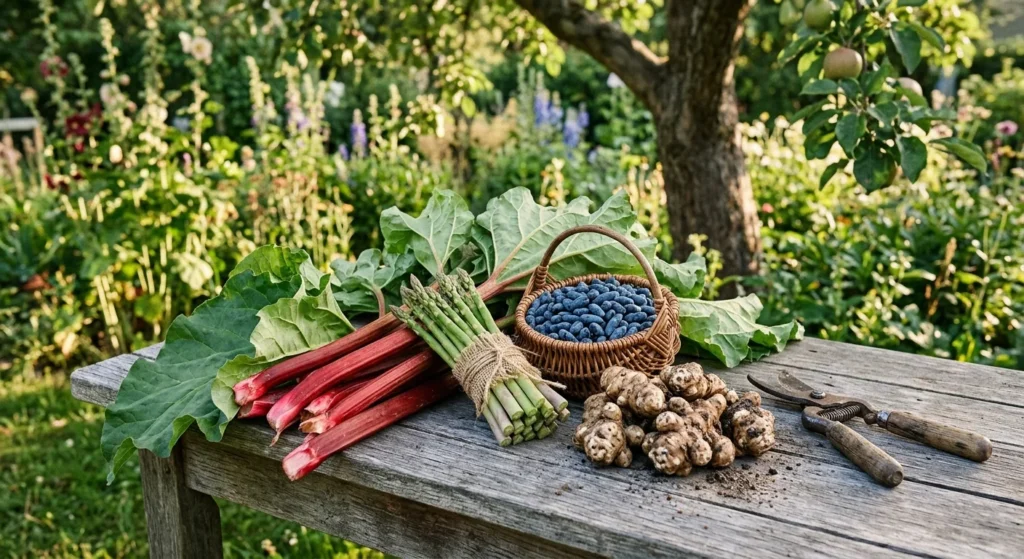
Knowing the top gardening trends 2027 helps you cultivate an outdoor space that is resilient and breathtaking. You can stay ahead of the curve by planting varieties adapted for climate durability, low maintenance, and stunning visual impact. Gardeners everywhere are shifting toward native species, drought-tolerant perennials, and compact edibles that maximize small urban yards. By incorporating the popular plants 2027 early, you ensure your beds and borders thrive effortlessly as environmental conditions evolve. Whether you want to attract pollinators or reduce your weekend watering chores, these eight trailblazing garden plants offer the perfect blend of beauty and ecological function. We will explore the exact flora dominating tomorrow’s landscapes so you can start planning your ultimate botanical sanctuary today.
Tip #1: Agastache (Hummingbird Mint)
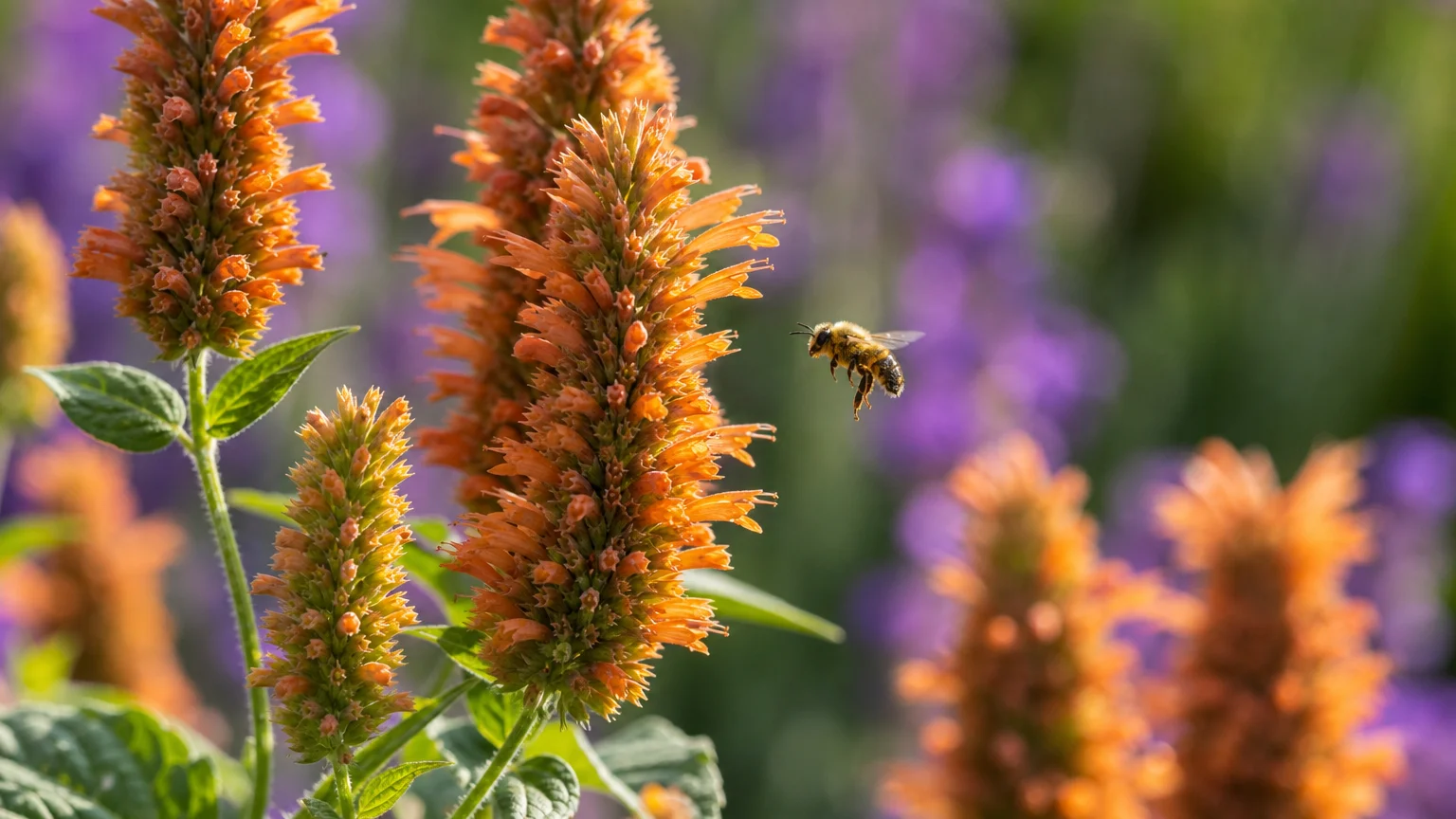
As summer temperatures continue to climb across many regions, water-wise gardening has evolved from a niche concept into an absolute necessity. Agastache, commonly known as Hummingbird Mint, stands at the forefront of this shift. This rugged, sun-loving perennial boasts tall, striking spikes of tubular flowers that bloom relentlessly from mid-summer straight through the first autumn frost. You will find it in vibrant shades of apricot, violet, rose, and fiery orange—colors specifically designed by nature to draw hummingbirds, butterflies, and native bees to your yard.
The true magic of Agastache lies in its supreme drought tolerance and highly aromatic foliage. When you brush against the leaves, they release a strong, black licorice or minty scent. This fragrance delights the human senses but acts as a powerful natural deterrent for deer and rabbits. Because pest resistance and water conservation are top priorities for the future of landscaping, Agastache effortlessly meets the demands of modern gardeners who want high-impact color without the constant upkeep.
To successfully grow Hummingbird Mint, you must prioritize excellent soil drainage. These plants despise “wet feet” during the winter months; planting them in heavy, waterlogged clay guarantees root rot. If your yard suffers from dense soil, you should dig in plenty of coarse sand or expanded shale to improve aeration. Plant them in full sun, water deeply but infrequently during their first year to establish their root systems, and then step back. Once established, they require minimal supplemental watering and no heavy fertilizers, proving that the most spectacular displays often require the least amount of intervention.
Tip #2: Compact Berry Bushes
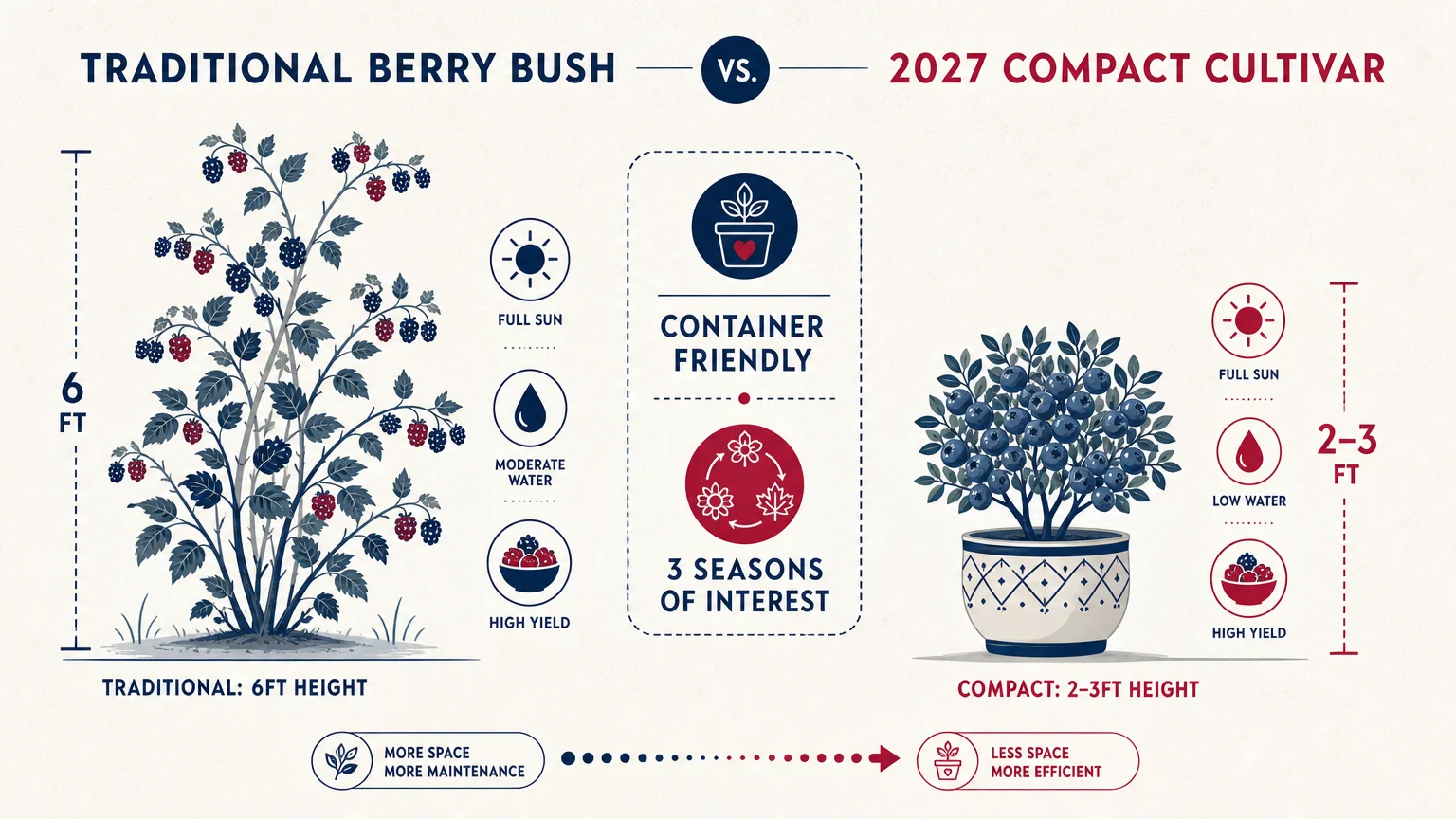
Edible landscaping continues to blur the lines between the vegetable patch and the ornamental flower bed. In 2027, large, unruly fruit brambles are taking a back seat to ultra-compact, aesthetically pleasing berry bushes. Urban homeowners and balcony gardeners are demanding plants that produce delicious yields while maintaining a tidy, shrub-like appearance. Cultivars specifically bred for container growing—such as dwarf blueberries and thornless compact blackberries—are revolutionizing how we approach home fruit production.
Consider the modern dwarf blueberry bush. Unlike traditional varieties that grow into massive, sprawling six-foot hedges, these new compact introductions top out at just two or three feet. During the spring, they flush with delicate, bell-shaped white and pink blossoms. By mid-summer, the bushes hang heavy with sweet, antioxidant-rich fruit. As autumn approaches, their foliage transforms into brilliant shades of crimson and plum. You receive three distinct seasons of visual interest alongside a bountiful harvest, making them an incredibly efficient use of your available garden real estate.
Growing these compact berries in containers actually simplifies the cultivation process, particularly when it comes to managing soil chemistry. Blueberries strictly require acidic soil with a pH level resting between 4.5 and 5.5. Modifying native garden soil to reach this acidity level often turns into a frustrating, years-long battle. By planting them in large patio pots filled with an acidic potting mix—typically blending peat moss or coco coir with elemental sulfur—you control the exact growing environment. Place your potted berries in a location receiving at least six hours of direct sunlight, keep the soil consistently moist, and protect the developing fruit from hungry neighborhood birds with a lightweight net.
Tip #3: Baptisia (False Indigo)
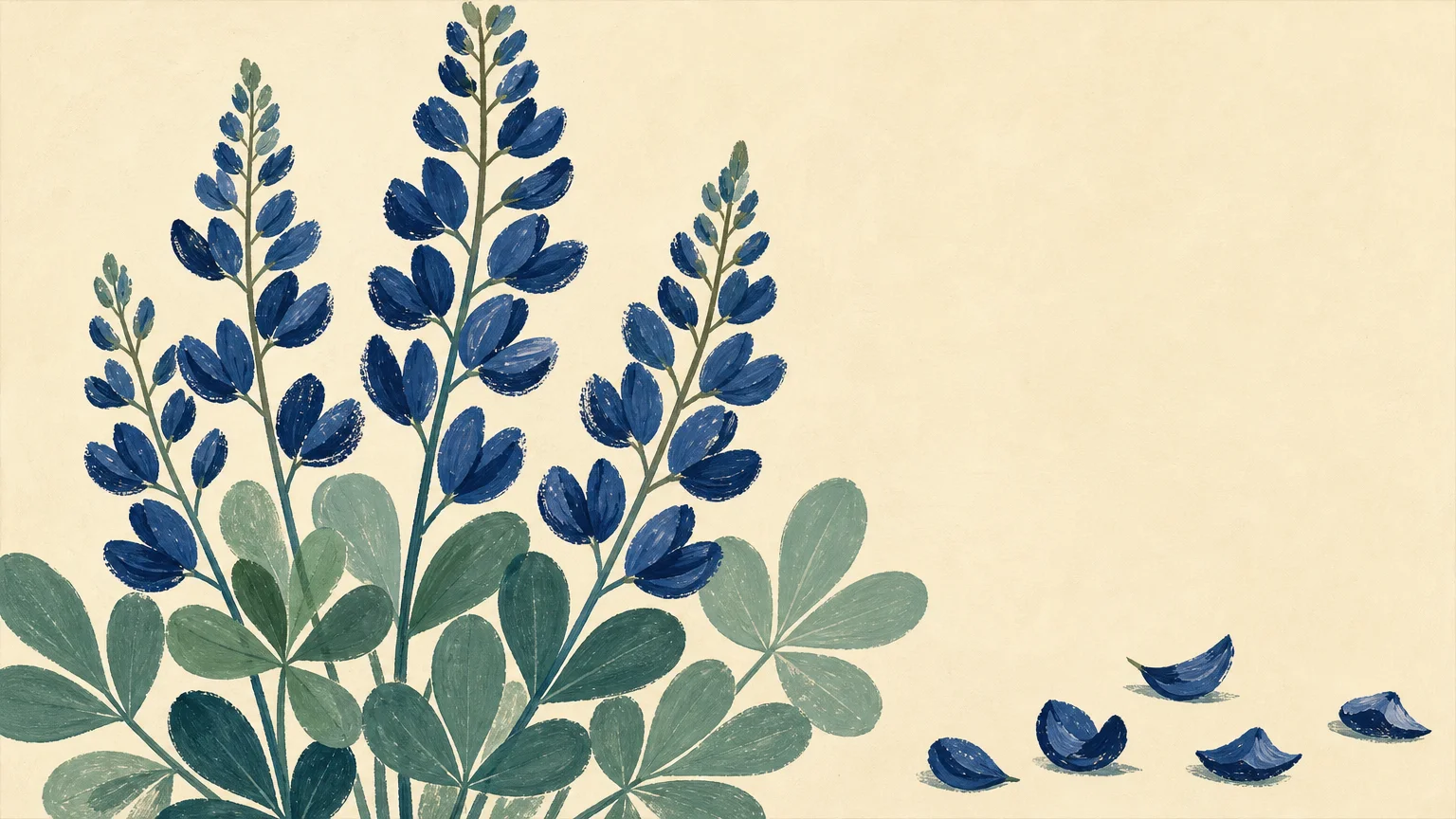
Native prairie plants are experiencing a massive renaissance as gardeners recognize their unbeatable durability and ecological value. Baptisia, known as False Indigo, is a robust, shrub-like perennial that delivers a breathtaking architectural presence. In late spring, this plant sends up towering spikes of pea-like blossoms in shades of indigo blue, soft yellow, or charcoal-purple. When the flowers fade, they leave behind fascinating, charcoal-colored seed pods that rattle gently in the autumn wind, providing exceptional late-season texture.
What makes Baptisia a foundational plant for future gardens is its phenomenal root system. As the plant matures, it develops a deep, thick taproot that can reach several feet into the earth. This extensive root network allows False Indigo to pull moisture from deep underground, making it virtually immune to prolonged dry spells once established. Furthermore, Baptisia belongs to the legume family. It actually fixes atmospheric nitrogen into the soil, acting as a natural fertilizer that improves the health of the surrounding earth and benefits neighboring plants.
When incorporating Baptisia into your landscape, you must carefully select its permanent home from day one. Because of that massive taproot, attempting to dig up and transplant a mature False Indigo usually ends in failure. Allocate plenty of space for this perennial to spread; a single mature plant can easily span four feet in width and height, effectively serving the visual role of a deciduous shrub. Give it full sun to prevent the stems from flopping over, and avoid rich, heavily fertilized soils. The plant thrives in average to poor soil, asking almost nothing of you while delivering decades of dependable beauty.
Tip #4: Mangave
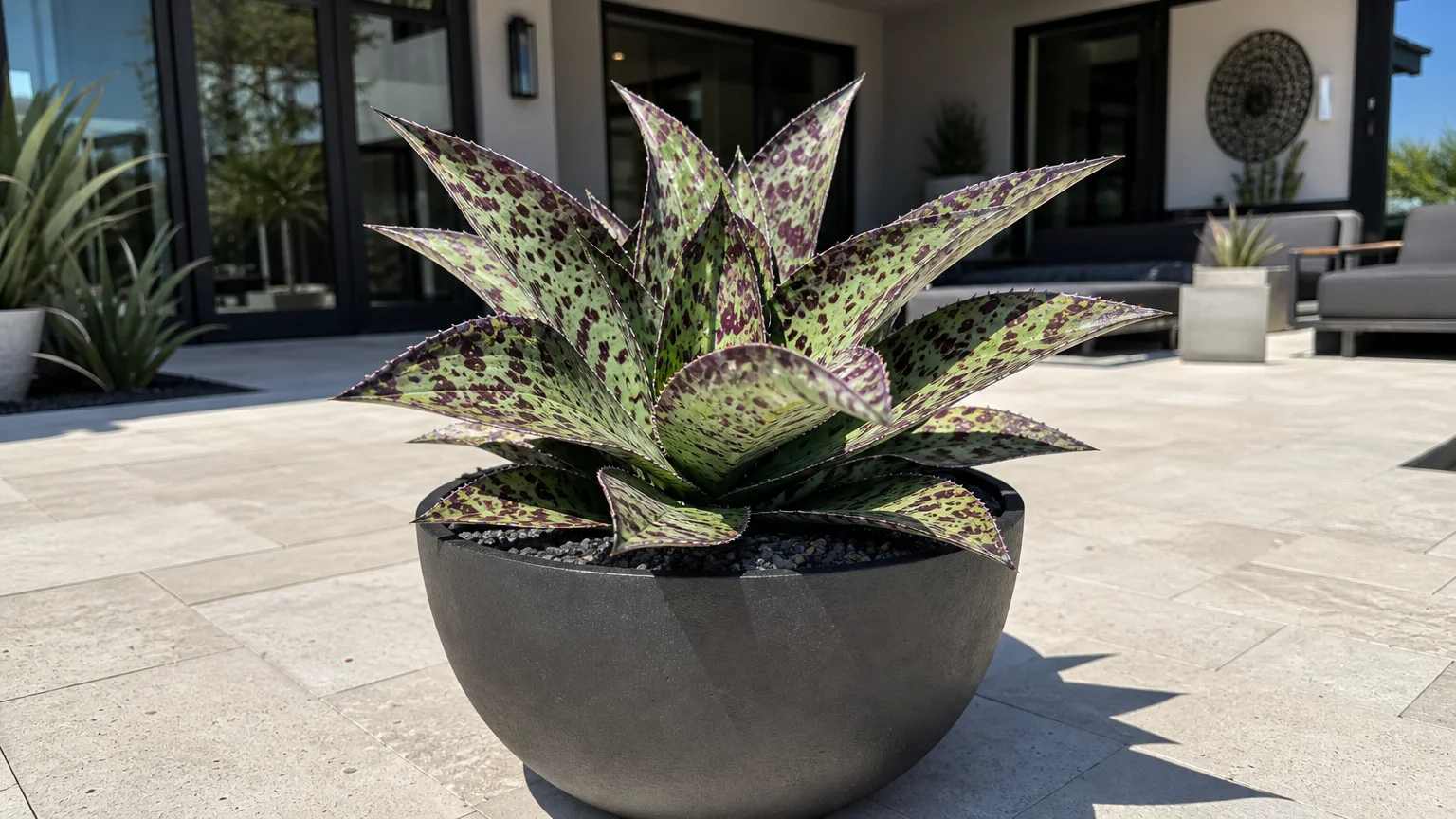
As gardeners seek out striking, low-maintenance structural focal points for their patios and xeriscapes, the Mangave has emerged as an absolute superstar. A relatively recent horticultural innovation, this plant is an intergeneric hybrid created by crossing the rugged Agave with the softer, faster-growing Manfreda. The result is a spectacular, fleshy succulent that grows significantly faster than a traditional Agave, while entirely lacking the dangerous, razor-sharp terminal spines that make traditional desert plants hazardous around pets and children.
Mangaves are prized for their spectacular foliage patterns. Depending on the cultivar, you will see rosettes of silvery-blue, lime green, or deep burgundy leaves, often heavily heavily freckled with contrasting spots. Interestingly, these plants are highly responsive to ultraviolet light. The more direct sunlight you provide, the more intense and dramatic their spotting and coloration becomes. Their architectural symmetry makes them perfect centerpiece plants in modern, minimalist garden designs or standalone statement containers flanking a front doorway.
Cultivating a pristine Mangave is remarkably straightforward, provided you understand their basic environmental needs. They require a gritty, fast-draining soil mix; standard potting soil holds far too much moisture and will cause the fleshy crown to rot. Allow the soil to dry out almost completely between watering sessions. While they are highly resilient to heat and drought, they are not frost-hardy in colder zones. If you live north of USDA Zone 8, you must grow your Mangave in a container and bring it indoors before the first hard freeze, treating it as a stunning houseplant until the danger of spring frost passes.
Tip #5: Oakleaf Hydrangea (Hydrangea quercifolia)
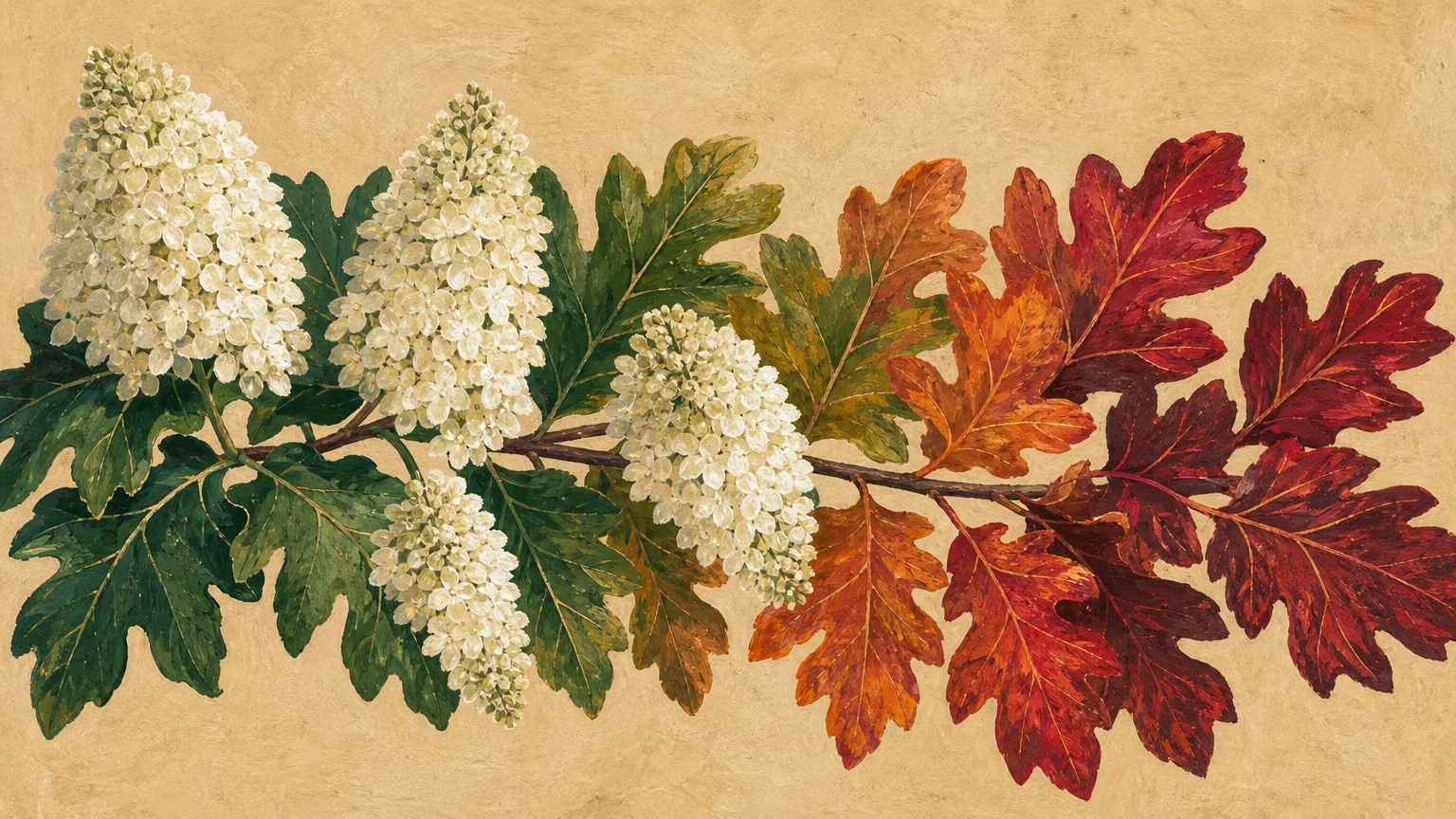
While massive, brightly colored bigleaf hydrangeas have dominated gardens for decades, changing climate patterns and water restrictions are shifting the spotlight to a much tougher native alternative. The Oakleaf Hydrangea is a spectacular deciduous shrub that offers genuine four-season interest while requiring significantly less water than its thirsty cousins. Named for its deeply lobed, textural foliage that closely resembles the leaves of an oak tree, this plant brings a rugged, woodland elegance to shaded and partially shaded borders.
The visual display of the Oakleaf Hydrangea begins in early summer when it pushes out massive, cone-shaped panicles of creamy white blossoms. As the flowers age through late summer, they gracefully transition into muted shades of dusty pink and eventually deep rose. When autumn arrives, the foliage steals the show, igniting into brilliant shades of wine-red, purple, and bronze. Even in the dead of winter, after the leaves have fallen, the shrub reveals gorgeous, cinnamon-colored exfoliating bark that catches the low winter sunlight beautifully.
You will find that managing an Oakleaf Hydrangea is incredibly rewarding due to its undemanding nature. It prefers well-drained, slightly acidic soil enriched with organic compost, and it thrives in the dappled sunlight found under large shade trees. If you need to shape the plant or reduce its size, you must reach for your pruning shears immediately after the summer blooms fade. Because this species forms its flower buds on “old wood”—the growth generated during the previous summer—pruning it in late fall or early spring will completely eliminate the upcoming season’s floral display.
Tip #6: Yarrow (Achillea millefolium)
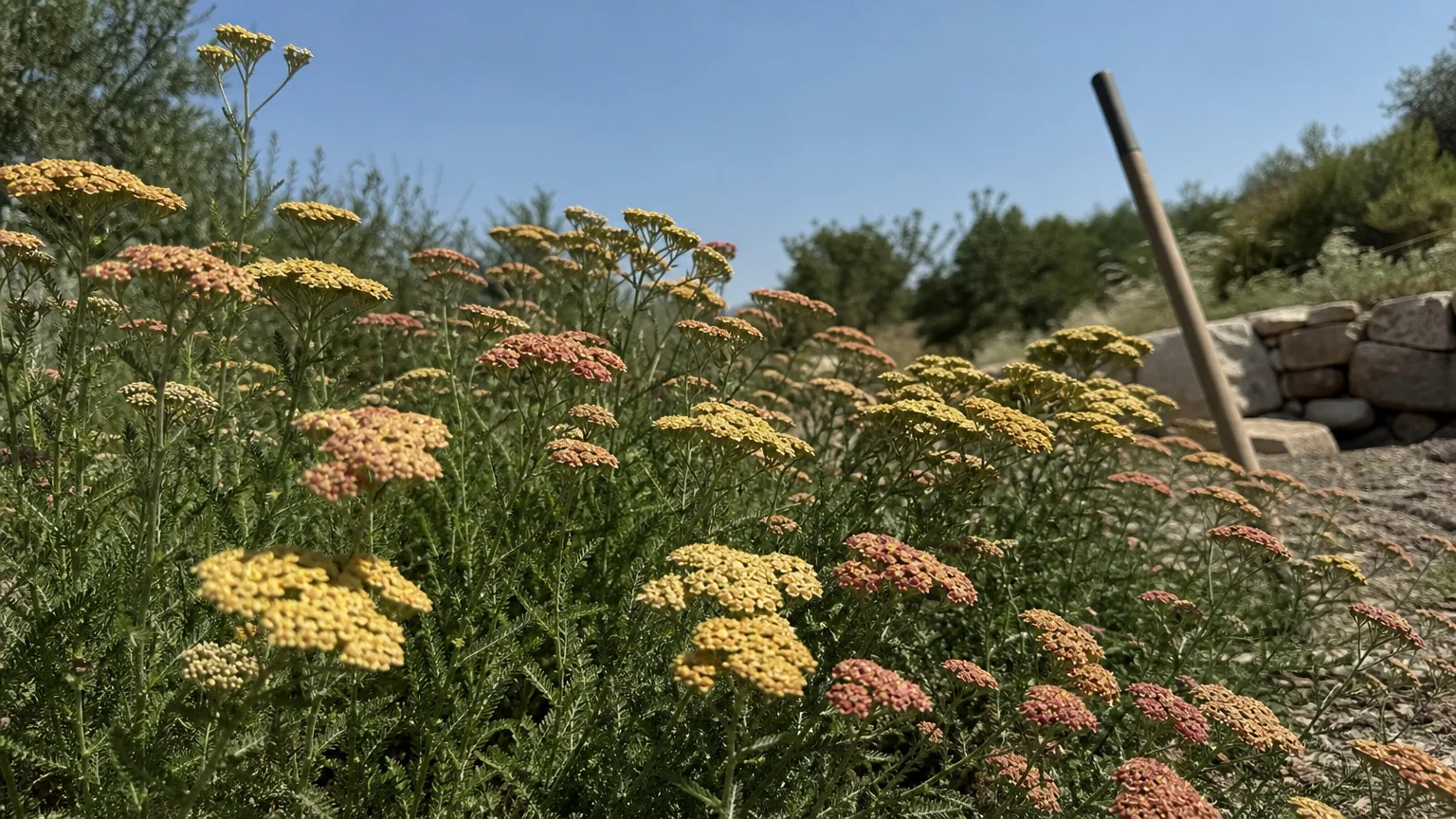
When facing intense summer heat waves and baking sun, few perennials perform as flawlessly as Yarrow. This resilient, herbaceous plant features finely cut, fern-like foliage topped with wide, flat flower clusters. These horizontal blooms serve a vital ecological purpose; they act as perfect, stable landing pads for heavy pollinators like swallowtail butterflies and vital beneficial insects like ladybugs and hoverflies. In 2027, incorporating plants that actively support local ecosystems is a primary goal for home gardeners.
Modern breeding has transformed Yarrow from a simple wildflower into a sophisticated landscape staple. You are no longer limited to basic white or yellow. Today’s cultivars explode in vivid shades of paprika red, terracotta orange, and magenta. As the flowers mature, their colors gently fade, creating a beautiful, multi-toned tapestry effect across a single plant. They spread politely via underground rhizomes, quickly forming an excellent, weed-suppressing ground cover in hot, dry areas where more delicate flowers wither and die.
For optimal performance, you must exercise restraint when caring for Yarrow. This is a plant that actively resents being pampered. If you plant Yarrow in overly rich, heavily composted soil or apply chemical fertilizers, the stems will grow weak and flop over dramatically. Give them the poorest, leanest soil in your yard, blast them with uninterrupted sunlight, and water only during extreme, prolonged droughts. To keep the plant looking tidy and to encourage a second flush of blooms, simply snip off the dead flower heads as they turn brown in late summer.
Tip #7: Dwarf Fig Trees (Ficus carica)
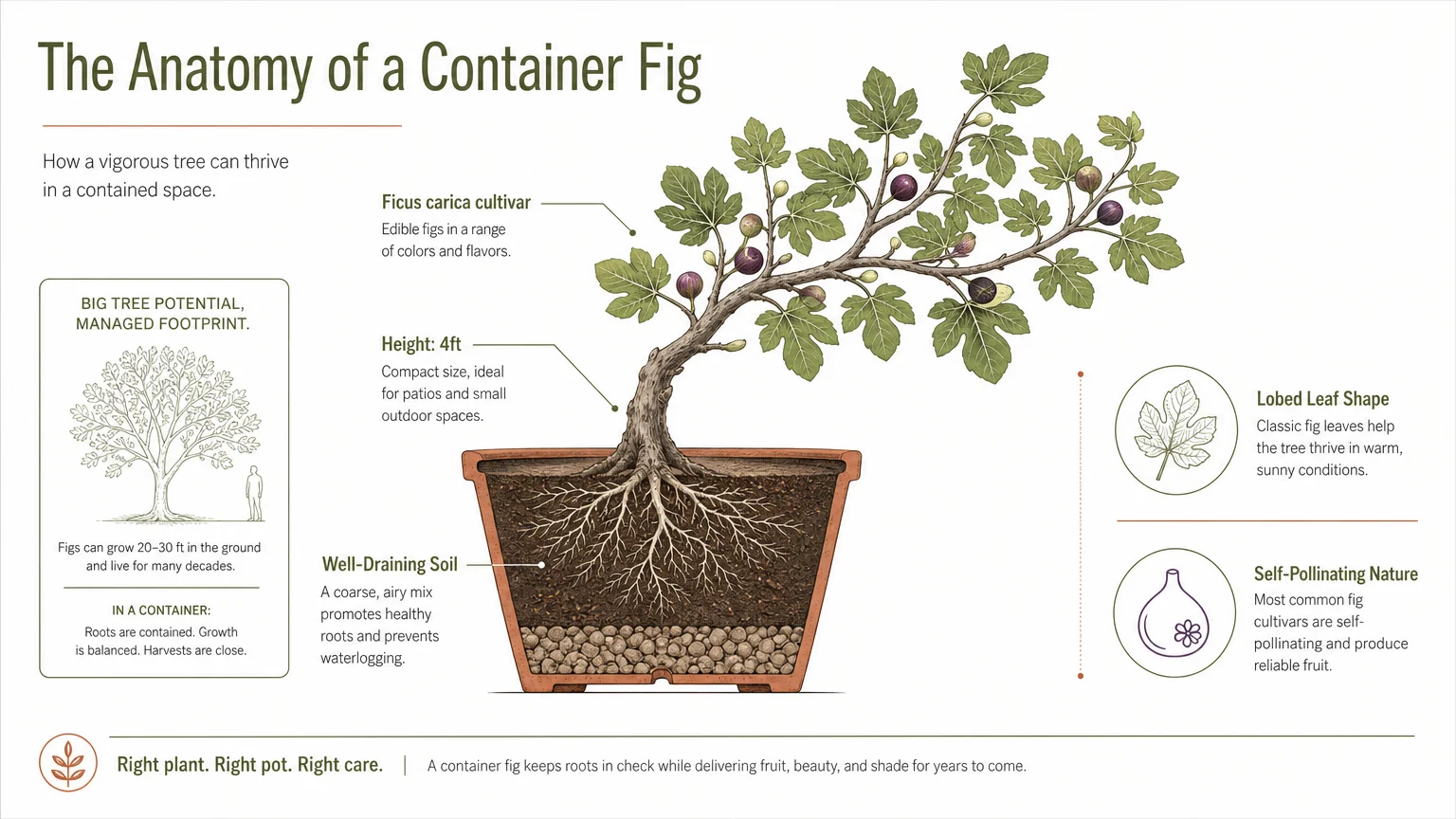
The allure of cultivating Mediterranean plants continues to capture the imagination of gardeners outside traditional warm climates. The dwarf fig tree is a prime example of this trend, offering lush, tropical aesthetics and delectable homegrown fruit in a surprisingly resilient package. Varieties bred specifically for smaller spaces and cooler climates are allowing everyday gardeners to harvest fresh, jam-like figs right from their patios, eliminating the need for a sprawling orchard.
A dwarf fig tree provides immense ornamental value. Its massive, deeply lobed leaves instantly impart a lush, architectural feel to any outdoor space. Unlike apples or cherries, most common fig varieties are entirely self-fruitful; you only need to plant a single tree to guarantee a bountiful harvest. The fruit develops beautifully on new growth, swelling into plump, purple or green teardrops filled with honey-sweet flesh. Biting into a sun-warmed fig plucked fresh from your own patio is a profound gardening joy.
Growing figs in containers is highly advantageous because restricting the root system actually stresses the plant just enough to encourage heavier fruiting. Plant your dwarf fig in a large, heavy pot with excellent drainage. They are voracious feeders during their active growing season, so you should apply a balanced organic fertilizer monthly from spring through mid-summer. If you live in a region that experiences harsh, freezing winters, you must protect your potted fig. Once the tree drops its leaves and goes dormant in late autumn, wheel the container into an unheated garage or basement until the danger of hard frost passes in the spring.
Tip #8: Echinacea (Coneflower) in Novel Hues
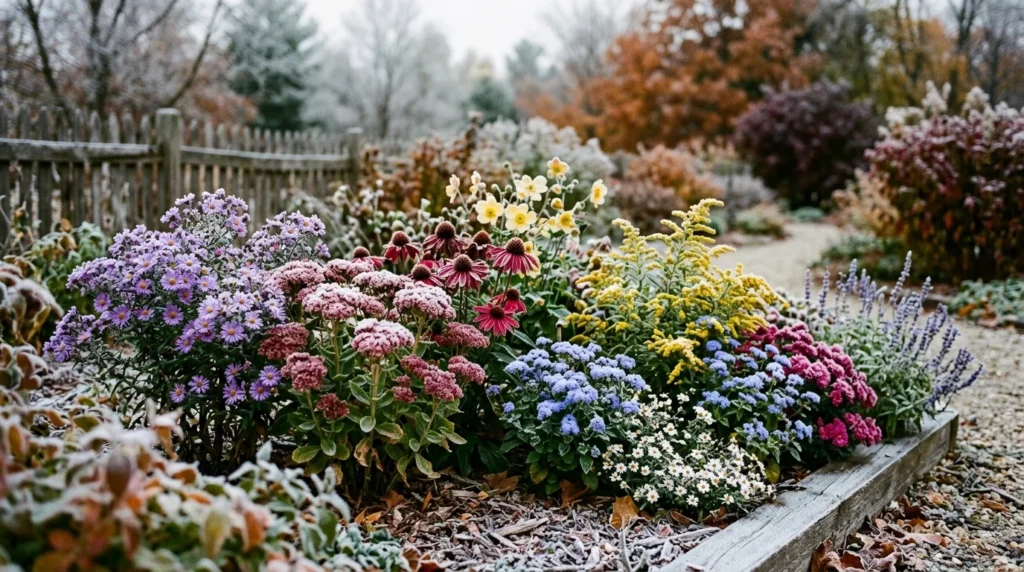
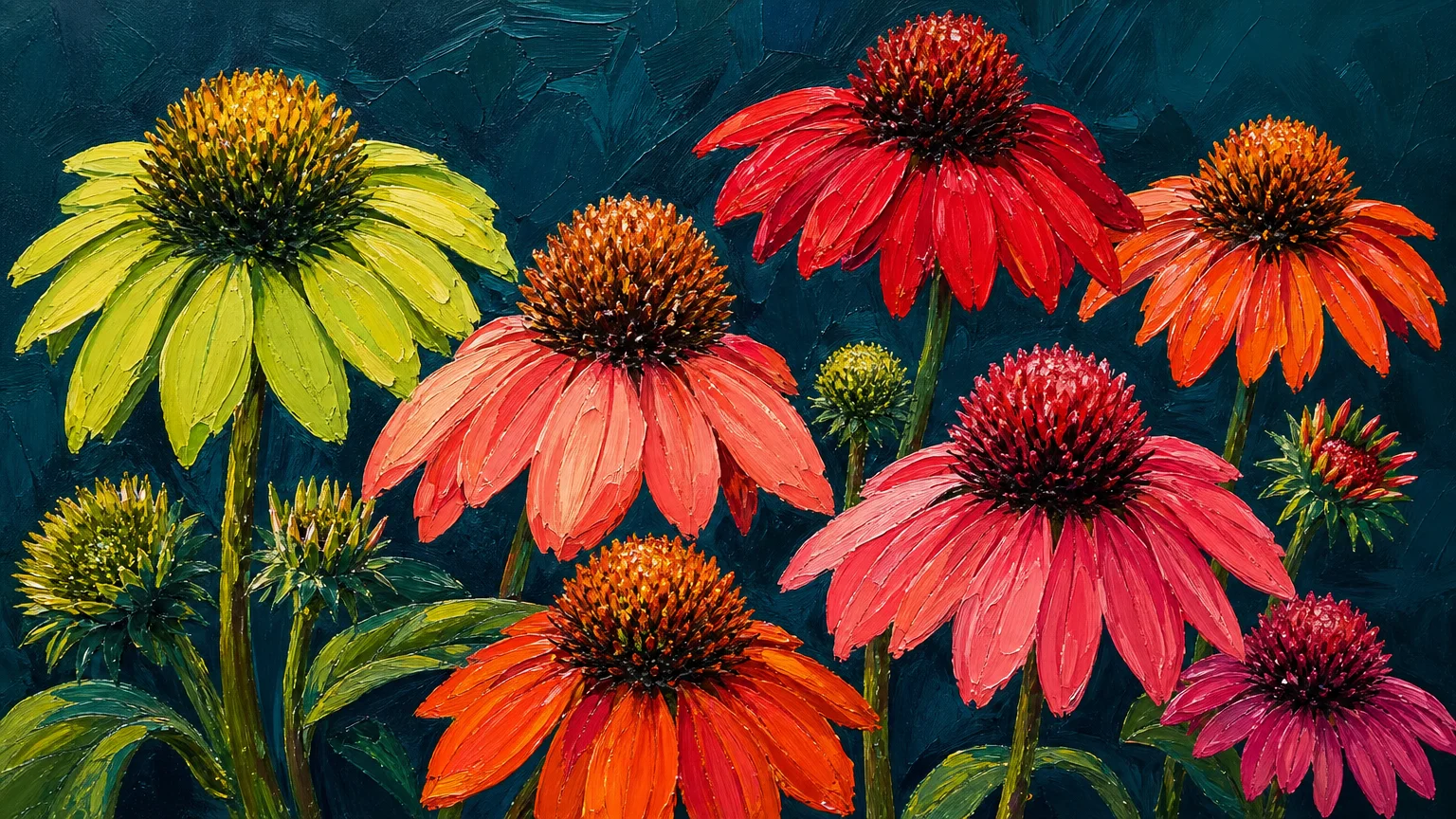
Echinacea has long been celebrated as the undisputed champion of the late-summer garden, but the plants dominating the scene in 2027 are a far cry from the standard pale purple coneflowers of the past. Horticulturists have successfully introduced a breathtaking spectrum of novel hues while maintaining the rugged resilience and pollinator-friendly nature of the native species. These new garden plants produce vibrant, daisy-like blossoms in saturated shades of glowing tangerine, brilliant gold, and deep tomato red.
The coneflower remains incredibly popular because it effortlessly bridges the gap between high-impact aesthetic design and vital wildlife support. The prominent, spiky central cones are absolutely packed with nectar, drawing in a constant parade of butterflies and bees. When autumn arrives and the colorful petals drop away, the sturdy cones remain standing. You should resist the urge to cut these stems down during your fall garden cleanup. Those spiky cones are densely packed with nutritious seeds that provide crucial winter forage for goldfinches and other songbirds when snow covers the ground.
Establishing a thriving patch of these modern coneflowers is wonderfully simple. They demand a location that receives full sun and soil that drains rapidly. Like many prairie natives, they establish a deep taproot that helps them shrug off intense heat and dry spells. When planting them, consider arranging your coneflowers in sweeping drifts of odd numbers—groups of three, five, or seven. This planting strategy mimics how they naturally grow in the wild, creating a massive, cohesive block of color that offers a much stronger visual impact than spacing single plants far apart.
Putting It All Together: Enjoy Your Beautiful Garden
Transforming your landscape into a resilient, forward-thinking sanctuary does not require you to sacrifice beauty for practicality. By embracing these eight standout plants, you actively future-proof your outdoor spaces against shifting weather patterns and rising water costs. The movement toward native cultivars, drought-proof perennials, and compact edibles represents a profound shift in how we interact with our environment. We are no longer trying to force delicate plants to survive in hostile conditions; instead, we are selecting tough, vibrant species that genuinely want to thrive where they are planted.
As you begin plotting out your spring beds and container arrangements, take time to evaluate your soil quality, sun exposure, and daily maintenance bandwidth. Introduce a few water-wise Agastache or Yarrow into your sunniest borders, or swap out a struggling ornamental shrub for an Oakleaf Hydrangea. Every resilient plant you add moves you one step closer to an effortless, thriving landscape. Ultimately, your garden should serve as a source of deep joy and relaxation, not a never-ending list of weekend chores. Plant wisely today, and watch your landscape flourish beautifully into the future.
Frequently Asked Questions
How do I transition my current garden to feature these trending garden ideas?
You do not need to tear up your entire yard to embrace new trends. The best approach is gradual replacement. As older, water-demanding plants naturally die off or underperform, replace them with resilient options like Baptisia or modern Echinacea. You can also slowly expand your existing garden beds into your lawn space, filling the new areas with drought-tolerant perennials to instantly update your landscape while reducing the amount of grass you need to mow.
Are these popular plants 2027 suitable for container gardening?
Absolutely. Several of these plants excel in pots, particularly if you have limited space or challenging soil. The dwarf fig trees, compact berry bushes, and Mangave are practically designed for patio life. When growing in containers, remember that the soil will dry out faster than it does in the ground; you must monitor moisture levels closely during peak summer heat and always ensure your pots have large drainage holes.
What is the most important factor when choosing the best plants to grow?
The secret to effortless gardening is matching the specific plant to your exact environmental conditions. Do not fight your soil or your sun exposure. If your yard bakes in direct sunlight and has sandy soil, drought-tolerant Yarrow will thrive beautifully. If you have a shady, damp corner, an Oakleaf Hydrangea is the perfect fit. Always prioritize a plant’s sunlight and soil requirements over its visual appeal; a healthy plant in the right location will always look far superior to a struggling plant in the wrong one.
For region-specific advice, consult your local University Extension program (find yours via the USDA directory). For plant databases and inspiration, visit the Missouri Botanical Garden or the Royal Horticultural Society.
Disclaimer: This article provides general gardening advice. Always consider your specific climate, soil conditions, and local pests. Follow safety guidelines when using gardening tools and products.