Putting It All Together: Enjoy Your Beautiful Garden
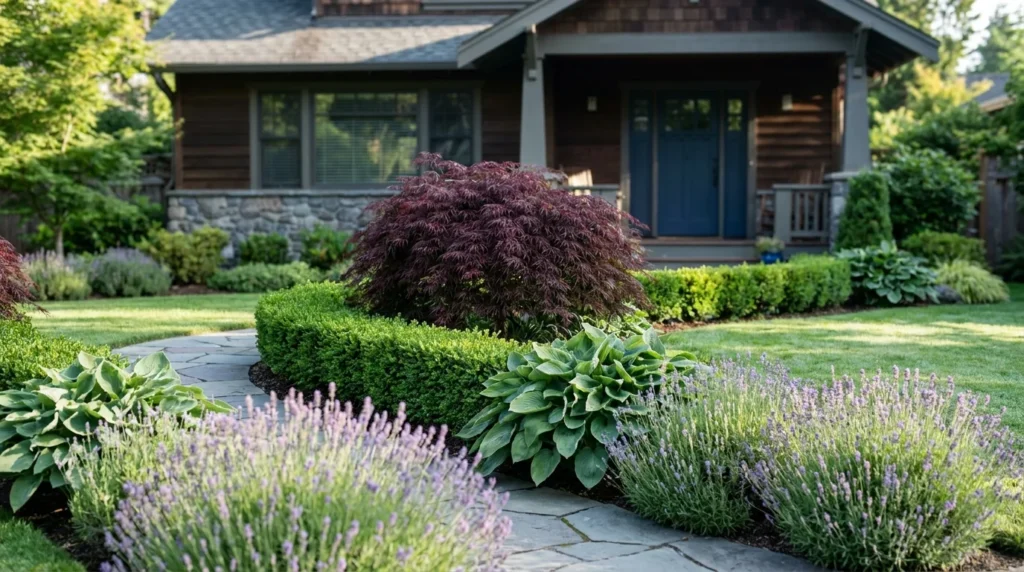
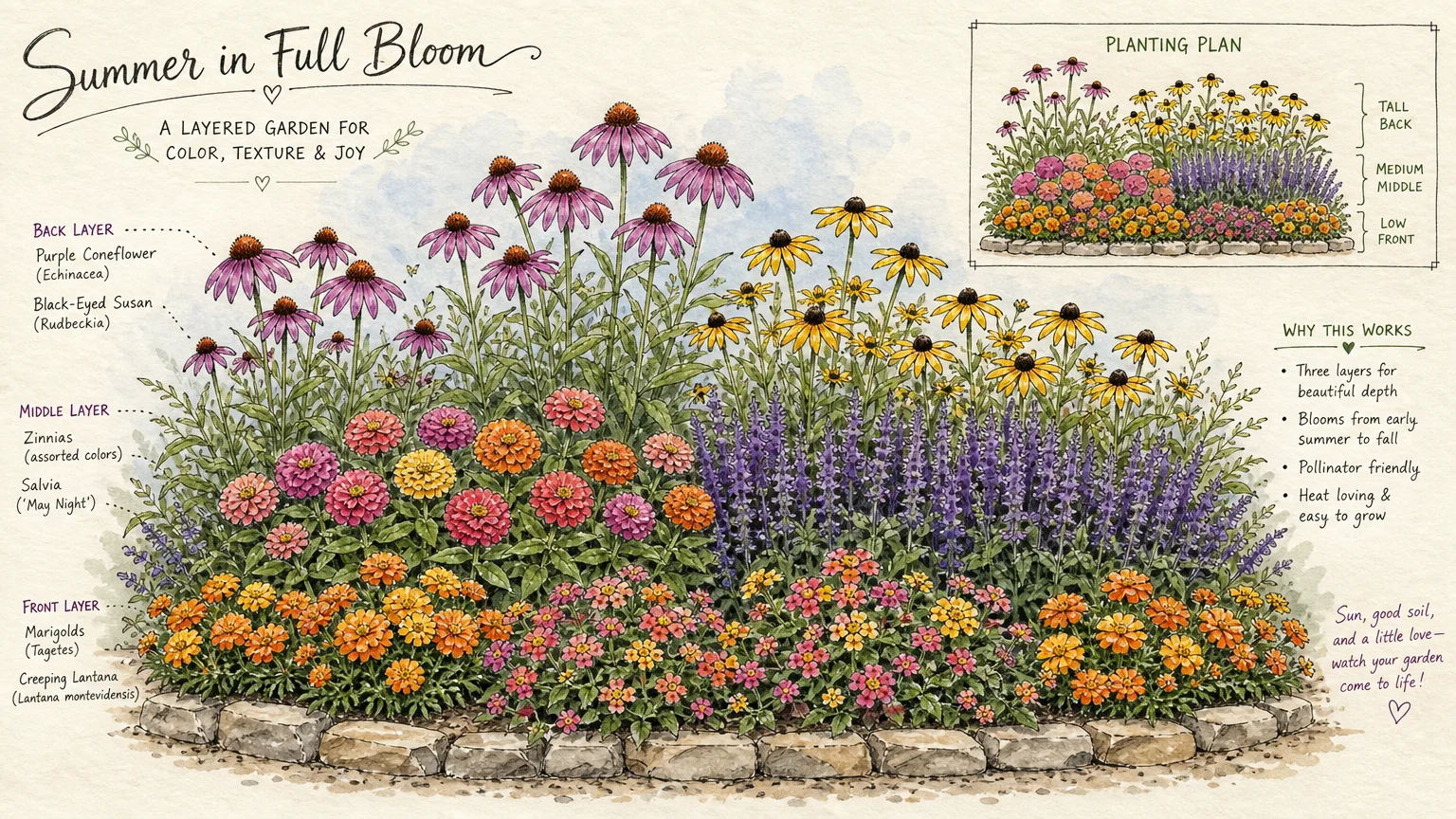
Cultivating a garden filled with flowers that bloom all summer does not require a degree in horticulture—it simply requires selecting the right plants for the right places. By mixing tough perennial flowers like coneflowers and black-eyed Susans with vigorous, non-stop annuals like petunias and zinnias, you establish a resilient and dynamic landscape.
Remember that your summer garden is a living ecosystem. While these eleven plants are celebrated for their endurance and heat tolerance, they still rely on your partnership. Pay attention to their basic needs: provide deep, infrequent watering to encourage strong root systems, apply mulch to regulate soil temperatures, and keep your pruning shears handy for regular deadheading.
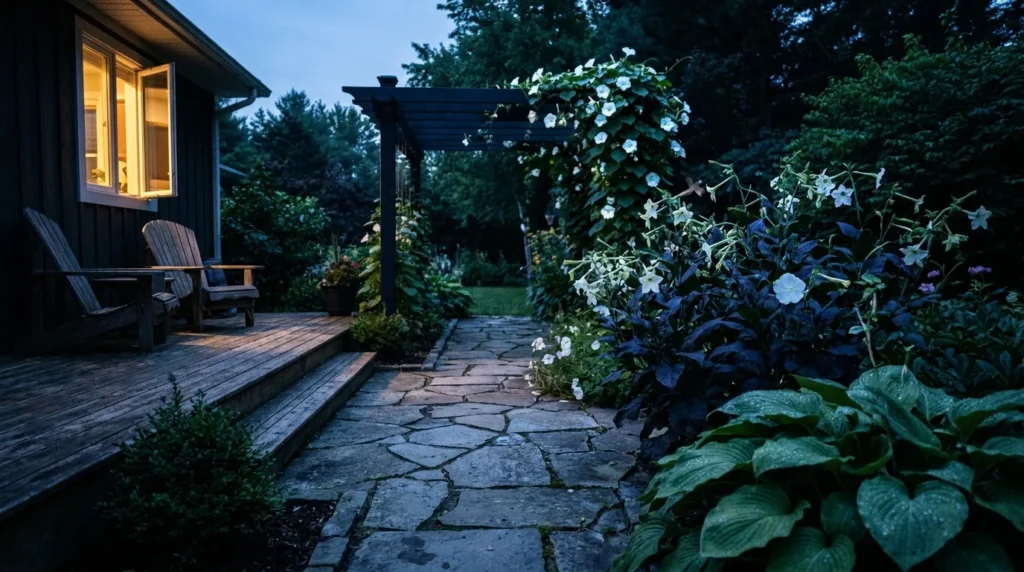
As you watch hummingbirds dart between your salvias and butterflies rest on your lantana, you will realize that the effort of planting and tending your yard pays off immensely. Step outside, enjoy the vibrant colors, and take pride in the beautiful, enduring summer retreat you have created right outside your door.
Frequently Asked Questions
How do I keep my flowers blooming all summer?
The secret to continuous blooms lies in regular deadheading and consistent nutrition. When you remove faded flowers before they go to seed, you force the plant to create new blossoms. Additionally, applying a balanced, slow-release fertilizer early in the season—and supplementing heavy-feeding annuals with water-soluble food—ensures your plants have the energy required for non-stop blooming.
Do perennial flowers bloom as long as annuals?
Generally, annuals bloom continuously throughout the summer because they only have one season to complete their lifecycle and reproduce. Perennials return year after year, so they typically have a shorter, defined bloom window of three to six weeks. However, the perennials selected in this guide, such as coreopsis and black-eyed Susans, are specifically noted for having exceptionally long bloom times that rival many annuals.
How often should I water my summer garden?
You should water your garden based on soil moisture rather than a strict calendar schedule. It is always better to water deeply and infrequently rather than providing a light sprinkle every day. Deep watering encourages roots to grow further down into the earth, which protects the plants during severe heatwaves. Always check the top two inches of soil; if it feels dry, it is time to water.
Can I plant these summer flowers in containers?
Absolutely! Zinnias, petunias, begonias, geraniums, and lantana are spectacular container plants. Even smaller varieties of perennials like coneflowers and salvia can thrive in large pots. Just ensure your containers have proper drainage holes, use high-quality potting mix rather than dense garden soil, and remember that potted plants dry out much faster than those planted in the ground.
For region-specific advice, consult your local University Extension program (find yours via the USDA directory). For plant databases and inspiration, visit the Missouri Botanical Garden or the Royal Horticultural Society.
Disclaimer: This article provides general gardening advice. Always consider your specific climate, soil conditions, and local pests. Follow safety guidelines when using gardening tools and products.